Grow Cardoon
This week, we will learn to grow cardoon, another unusual garden vegetable that is sort of like an artichoke. Here is the link to buy cardoon seeds from David's Garden Seeds®.
Grow Cardoon - 4/20-4/26/2026
Grow Cardoon - What Is Cardoon?
If you want to try something bold, useful, and a little unusual, you should grow cardoon in the backyard garden. Cardoon is a big, dramatic plant with silver-green leaves and thick stalks you can eat. It looks almost like an artichoke gone wild, and that makes sense because they are close relatives.
You may not see cardoon in most American home gardens, but it deserves more attention. It brings beauty, size, and food value to your yard. If you like growing plants that start conversations, cardoon is a great choice.
So, what is cardoon? Cardoon, also called artichoke thistle, is a large plant grown for its leaf stalks. It belongs to the same plant family as the globe artichoke, but instead of eating the flower bud, you usually eat the blanched stalks and sometimes the roots in some traditions.
The plant has a striking look. It grows tall, often with deeply cut gray-green leaves and spiny edges on some types. In the garden, it can look half vegetable, half ornamental, which is one reason many gardeners fall in love with it.
If you are wondering why you would grow it, the answer is simple. Cardoon gives you food and beauty at the same time. It fills space in a sunny bed, attracts attention, and offers a harvest that feels special because it is not common in supermarkets.
Another good reason to grow cardoon is that it handles heat fairly well once established. In many American gardens, especially where summers are hot and dry, that can be a big plus. Its large leaves also give the garden a bold, Mediterranean look.
I like to think of cardoon as one of those plants that makes you feel like a confident gardener. The first time I saw it, I remember thinking it looked too grand for an ordinary backyard. Then I learned it was edible, and that made it even better.
When you grow cardoon in the backyard garden, you are growing a plant that needs room. Mature plants can get quite large, both tall and wide. That means it works best where it will not crowd smaller vegetables.
In most American gardens, cardoon is grown in full sun. Give it at least six to eight hours of direct light each day. More sun usually means stronger growth and better stems.
Soil matters too. Cardoon grows best in rich, well-drained soil with plenty of organic matter. If your soil is heavy clay or very sandy, improve it with compost before planting.
Good drainage is important because cardoon does not like sitting in soggy ground. Wet roots can lead to poor growth or rot. Raised beds can help if your yard tends to stay wet after rain.
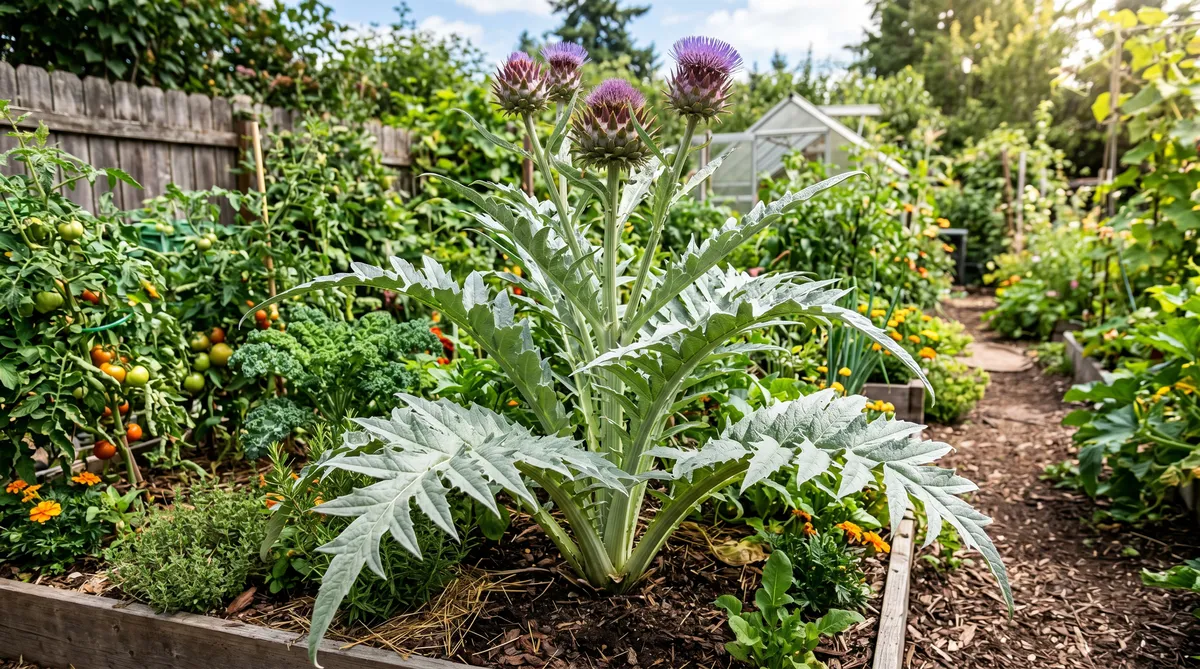 This is a cardoon plant. Grow cardoon so you can experience the flavor.
Grow Cardoon - Planting From Seed
Cardoon is usually grown from seed, though some gardeners may start with nursery plants if they can find them. Seeds are often the easiest way to begin. You can start them indoors or sow them outside in suitable weather.
If you live in a region with a long growing season, direct sowing may work. If your season is shorter, start seeds indoors several weeks before your last spring frost. That gives the plants a head start.
Sow the seeds about half an inch deep in seed-starting mix or prepared garden soil. Keep the soil lightly moist while you wait for germination. Warm conditions usually help seeds sprout more reliably.
Once seedlings are large enough to handle, thin or transplant them so each plant has plenty of space. Crowded cardoon plants struggle. Wide spacing helps air flow, growth, and easier harvesting later on.
A common spacing guide is to place plants several feet apart. That may seem like a lot at first, but cardoon can become huge. Trust the mature size, not the small seedling in front of you.
Before planting outdoors, harden off indoor-grown seedlings. That means you slowly get them used to sun, wind, and cooler nights. Set them outside for longer periods each day over about a week.
Plant cardoon outside after danger of hard frost has passed. Young plants are more tender than established ones. Cold snaps can set them back, so timing matters.
Water new plants regularly while they settle in. After that, keep the soil evenly moist but not waterlogged. Cardoon grows best when it gets steady moisture, especially during hot weather.
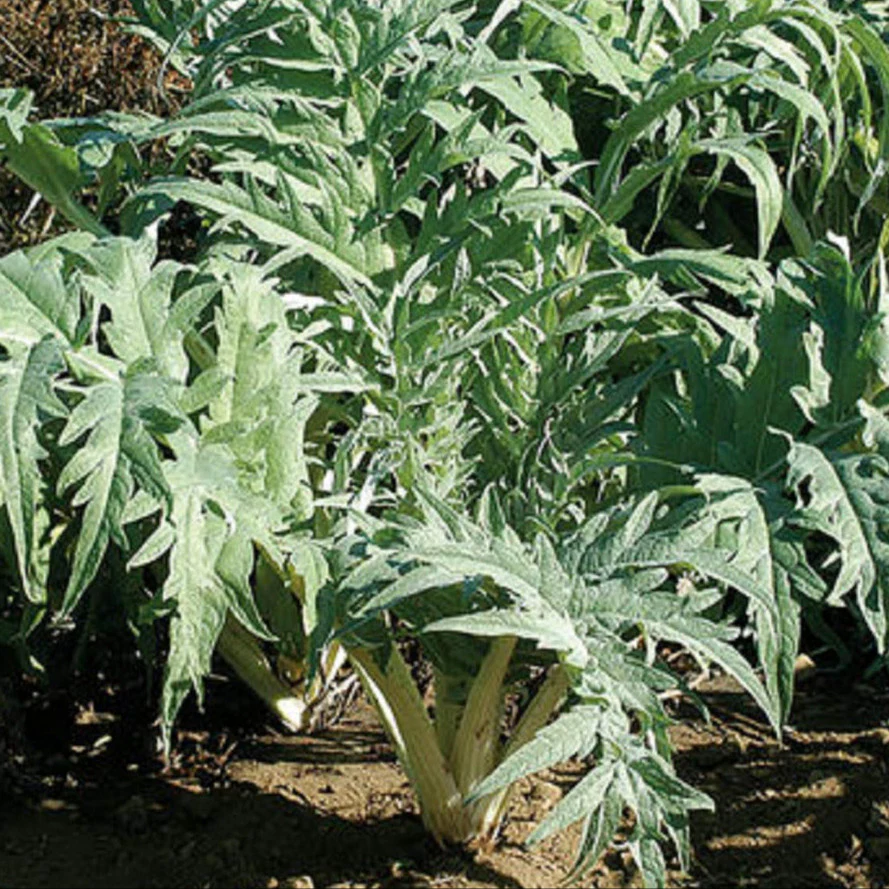 Grow cardoon in your garden but make sure it has lots of space. Do not crowd it.
Grow Cardoon - Taking Care Of Cardoon Plants
Mulch is a smart move around cardoon. A layer of mulch helps the soil hold moisture, keeps weeds down, and can soften swings in soil temperature. Organic mulches like straw or shredded leaves work well.
Because cardoon is a heavy feeder, it benefits from fertile soil. Compost added before planting is helpful, and some gardeners side-dress with more compost during the season. Strong growth depends on steady nutrition.
If your soil is poor, a balanced garden fertilizer may also help. Follow label directions and avoid overdoing it. Too much fertilizer can lead to soft growth that is less sturdy.
Weeding is important early on. Young cardoon plants do not like to compete with weeds for water and nutrients. Once the plants get large, their big leaves will shade some weeds out.
One thing you should know is that some cardoon plants have spines. Those spines can make planting and harvesting a little tricky. Gloves and long sleeves are a good idea if your variety is prickly.
Pests are not always a major problem, but you should still watch your plants. Aphids, slugs, and chewing insects may show up from time to time. A quick look every few days can help you catch issues early.
Diseases are often reduced by good spacing, clean beds, and careful watering. Try to water the soil rather than soaking the leaves if possible. Good air movement helps keep foliage healthier.
In many places, cardoon is grown as an annual, but in mild climates it can act more like a perennial or short-lived perennial. That depends on your winter temperatures. In colder regions, hard freezes can kill it.
If you garden in a warm part of the United States, cardoon may survive winter with protection. A thick mulch over the root area can help. In colder places, many gardeners simply replant each year.
If the plant overwinters, it may send up dramatic flower stalks in its second season. The flowers are often purple and very striking. They also make the plant even more ornamental in the landscape.
However, if your main goal is eating the stalks, flowering can make them tougher. Many gardeners harvest before the plant puts energy into blooming. That way the stalks are more tender.
Grow Cardoon - Blanching While Growing
A classic part of growing cardoon is blanching. Blanching means covering the stalks to keep light away from them for a period before harvest. This can make the stalks paler, less bitter, and more tender.
To blanch cardoon, gather the outer stalks upward and loosely tie them together. Then wrap them with cardboard, paper, burlap, or another material that blocks light while allowing some air flow. Leave the top somewhat open so moisture does not build up too much.
The blanching period is often about a few weeks before harvest. During this time, keep an eye on the plant and make sure the wrap stays in place. Be careful when handling spiny types.
Not every gardener blanches cardoon, but many people prefer the flavor and texture after this step. If you have never grown it before, you might try harvesting some stalks blanched and some unblanched. Then you can see what you like best.
Grow Cardoon - When To Harvest
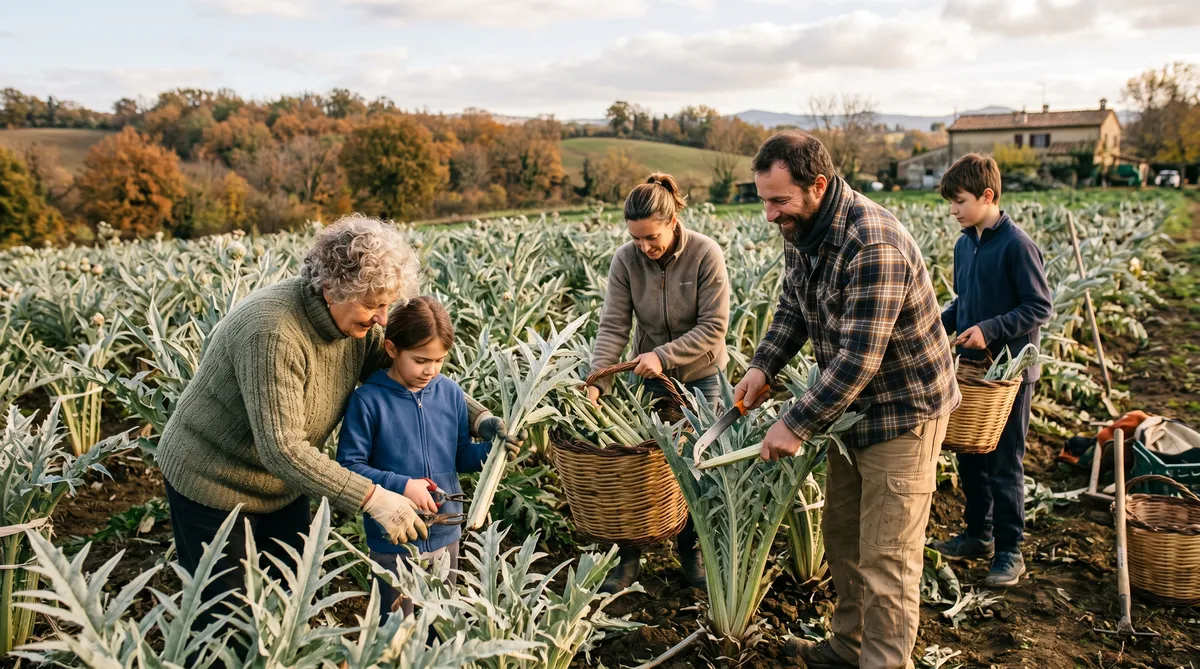 Grow cardoon. You can harvest it in about 100 days.
So, when is cardoon ready to harvest? Usually you harvest when the stalks are thick enough to be worth using and before they become too old and tough. The exact timing depends on climate, growing conditions, and the size of the plant.
To harvest, use a sharp knife or pruners and cut the stalks near the base. Work carefully so you do not damage the rest of the plant if you want continued production. Gloves are useful here too.
After harvest, trim away tough leaves and any especially spiny parts. Most people focus on the fleshy leaf stalks. Depending on the plant and your recipe, you may also need to remove strings from the stalks much like you would with celery.
Grow Cardoon - Using It In The Kitchen
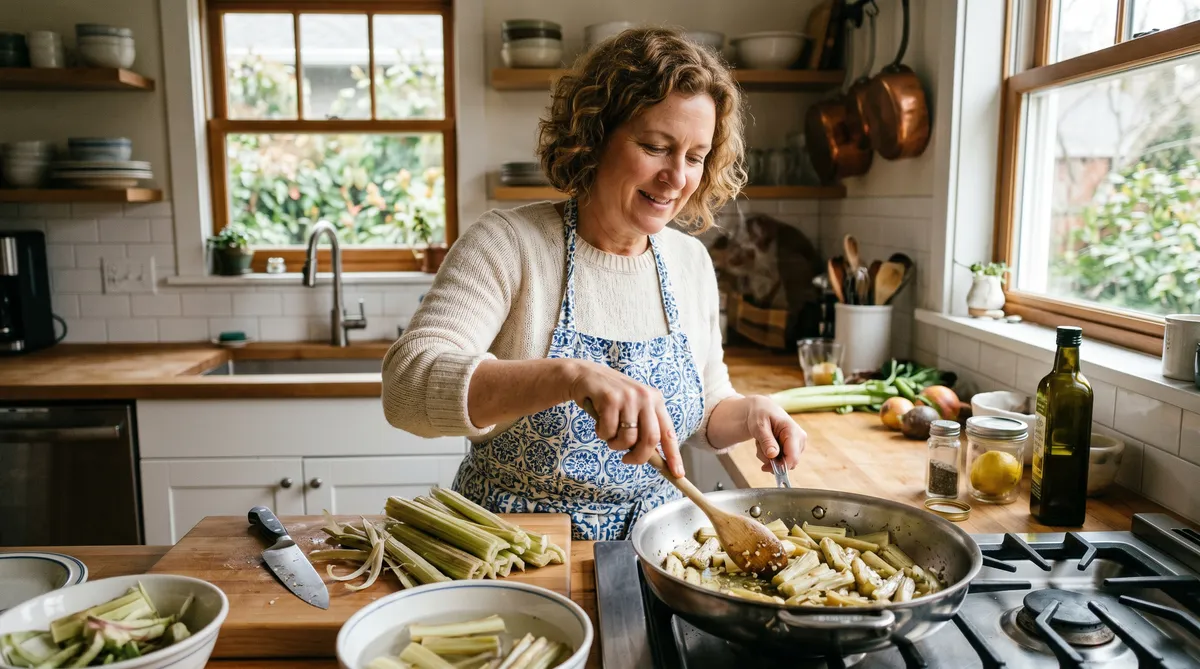
If you are asking, how do I use cardoon in my kitchen, the first thing to know is that it is often prepared as a cooked vegetable. Raw cardoon is usually too bitter and tough for most people. Cooking softens it and improves the flavor.
Before you use cardoon, clean it well and cut it into manageable pieces. Many cooks trim away fibrous strings and put cut pieces into acidulated water, such as water with lemon juice, to help reduce browning. That prep step can make cooking easier.
The most common way to use cardoon is to parboil or simmer it until partly tender, then finish it in another dish. This helps tame bitterness and soften the fibers. From there, you can bake it, fry it, or add it to sauces.
You can cook with cardoon in gratins, soups, stews, and braised dishes. It is popular in some Mediterranean cuisines, where its slightly artichoke-like flavor is appreciated. If you enjoy artichokes, celery, or bitter greens, cardoon may be worth a try.
One simple way to use cardoon is to boil the trimmed stalks until tender and then dress them with olive oil, lemon, salt, and cheese. Another option is to bake them in a creamy sauce. The plant has a rich, old-world feel on the table.
Some people like to bread and fry cooked pieces of cardoon. Others fold it into casseroles or serve it with white sauce. Once you learn to use cardoon, it becomes one of those vegetables that feels surprisingly versatile.
If you want to preserve your harvest, short-term refrigeration is usually the easiest method. Use the stalks while they are fresh for the best texture. Like many garden vegetables, cardoon is usually best not long after picking.
Grow Cardoon - More On Cardoon
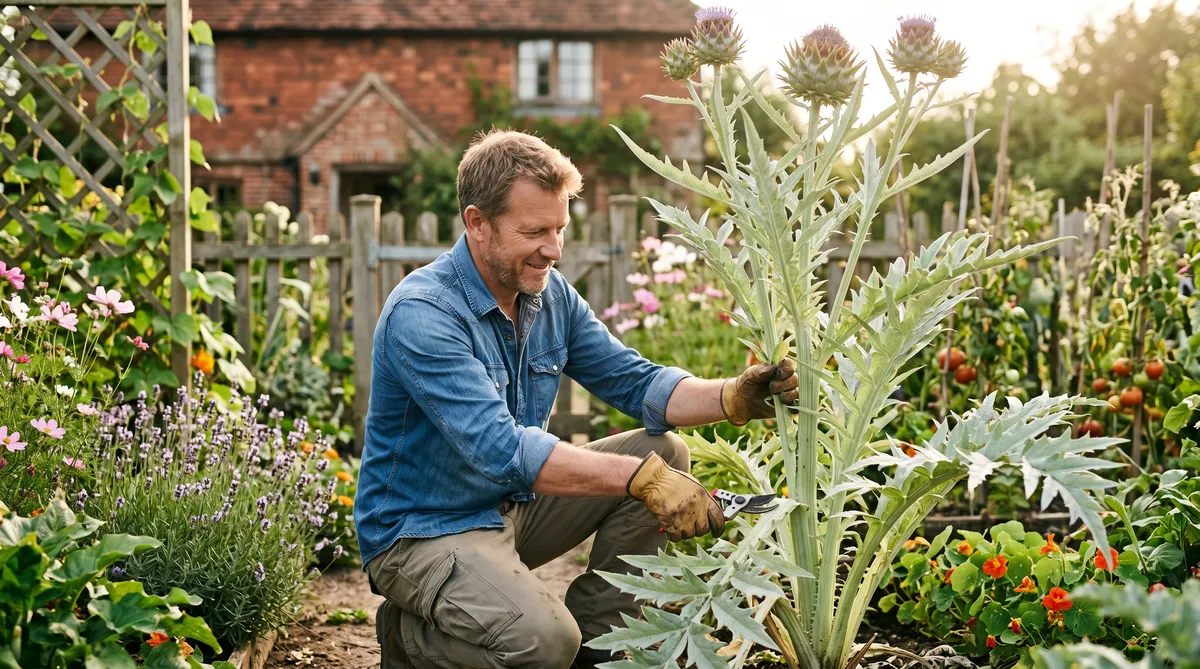 When you grow cardoon, taking care of the plant is important.
One reason more gardeners should grow cardoon in the backyard garden is that it gives you a story along with a harvest.
Friends may ask what it is. You get to share that it is related to the artichoke and grown for its edible stalks.
Cardoon also works well in edible landscaping. You can place it in a mixed border, a Mediterranean-style bed, or a vegetable patch where you want height and structure. It does not need to hide in the back of the garden.
Because the plant gets big, think ahead before planting. Keep it away from narrow paths and spots where children or pets brush by often, especially if the variety is spiny. Give it room where it can shine without causing trouble.
If you save seed or let a plant flower in a mild climate, be aware that large thistle relatives can spread in some places. Check local guidance if you are concerned.
In many home gardens, simple deadheading prevents unwanted seeding.
For beginners, the key steps are pretty straightforward:
- Choose a sunny spot.
- Improve the soil with compost.
- Give each plant lots of space.
- Water steadily.
- Blanch before harvest if you want milder stalks.
- Start from seed.
- Transplant after frost danger passes.
- Mulch and feed the plants.
- Watch for weeds and pests.
- Harvest stalks when they are thick and usable.
Here is the kitchen process in simple form:
- Harvest stalks when they are thick and usable.
- Cut and trim the stalks.
- Remove strings if needed.
- Keep pieces in lemon water to reduce browning.
- Boil or simmer until partly tender.
- Finish in your favorite recipe.
Grow Cardoon - We Think You'll Like It
If you have never tasted it, cardoon may seem like a gamble. I understand that feeling. But some of the most satisfying plants to grow are the ones that teach you something new and push your cooking in a fresh direction.
The best part is that cardoon is not just a novelty. It can truly earn its space in your yard if you enjoy large, useful plants and like trying old-fashioned vegetables. It has presence in the garden and character in the kitchen.
When you grow cardoon in the backyard garden, you bring in a plant with history, beauty, and flavor. You also get the fun of harvesting something most people have never grown themselves. That alone can make the season feel memorable.
So if you have asked what cardoon is, why it is good to grow, and what you will do with it once you grow it, now you have the basics. You grow it for its edible stalks, dramatic appearance, and unique place in the kitchen. Then you harvest, trim, cook, and enjoy.
In the end, cardoon is a backyard plant for gardeners who want more than the usual tomato and pepper routine. Give it sun, rich soil, water, and space, and it can reward you with a harvest that feels special. If you want a bold new project, this may be the year to grow cardoon in the backyard garden.
Monday, April 20, 2026
Good morning. It rained in the night. Our internet was down this morning when we awoke but it came back after about 10 minutes.
We now have one and one quarter inches in the rain gauge so we got 1/4 of an inch overnight. We are supposed to get more rain today.
It rained slowly all day long. This evening, around 7pm, as I was walking home, the rain started coming down harder with lots of thunder and lightning. Before dark, we had close to one and a half inches in the rain gauge.
Tuesday, April 21, 2026
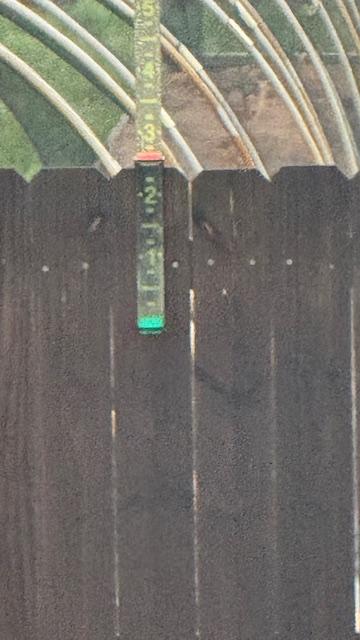 This morning, the rain gauge shows that we got more than 2 and a half inches! That is amazing!
Good morning! I have exciting news. The rain gauge is now above two and 1/2 inches! Yay. This is the most rain we have had in many months. It is also supposed to rain some more today.
It rained slowly all day long again. We had a few customers come out and brave the wetness and we have mud in the store.
I started having a pretty good morning and then I got a text giving us some not so good family news. We tried but there is nothing we can do at this point. It is up to God to handle things according to His will. What a mess. We would appreciate your prayers but I won't say anything more right now.
Wednesday, April 22, 2026
Good morning. We are at 2 and 3/4 inches of rain in the gauge. I heard we could get some more today. We need some sun because our solar powered gate will not close. It is out of power. That is crazy but we have not had sun since last Friday.
It is not raining right now but it is overcast and we are supposed to have dense fog this morning. It is already 8:10am but no fog at all...
Well, we did not get any additional rain. The sun finally came out around 3pm but our gate still would not close until sometime after 6pm.
Matt had to go into San Antonio this afternoon so he brought us Taco Cabana for dinner. David has been having a lot of pain in his foot so he stayed home this evening.
We ate Taco Cabana and watched MasterChef. A guy was on there who cooked Kangaroo but he overcooked it so he did not get an apron. I didn't know you could eat kangaroo.
Thursday, April 23, 2026
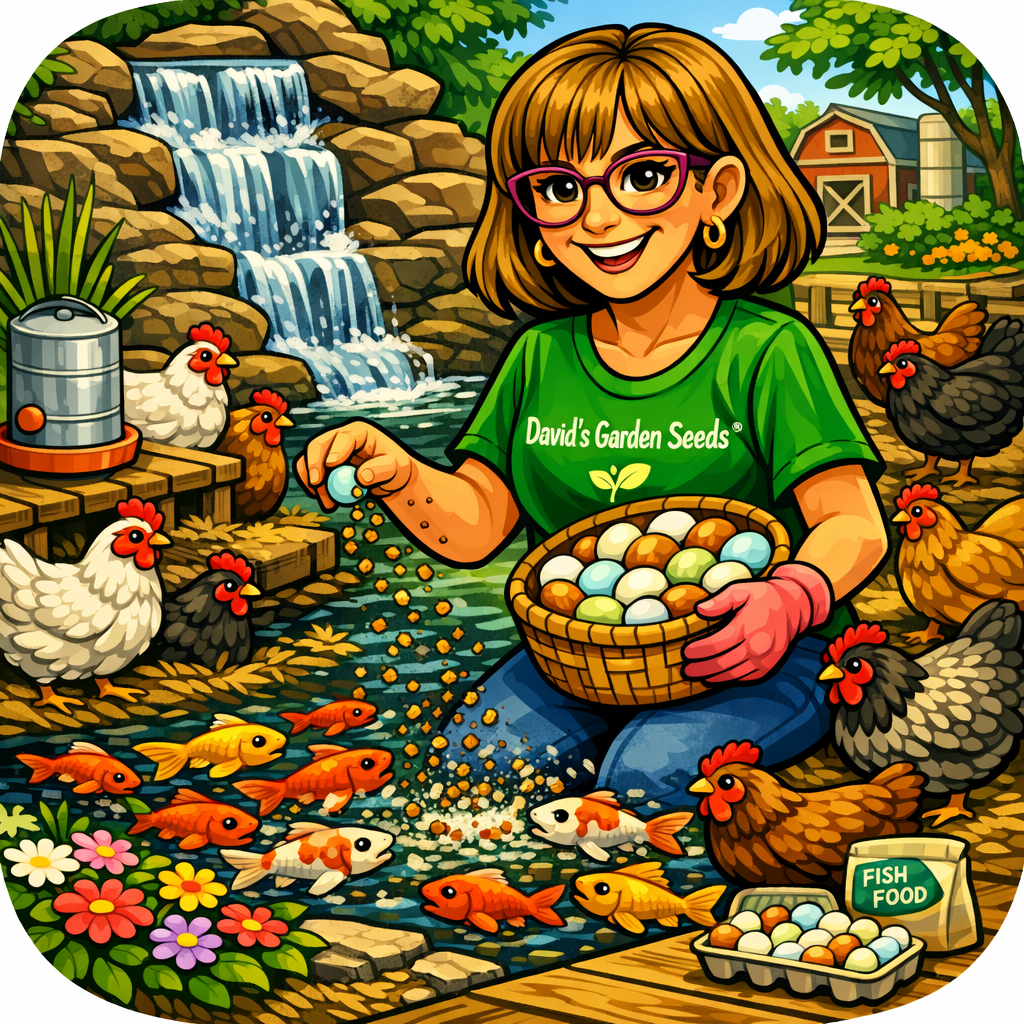 AI goes a bit crazy combining the pond with the chickens in this picture. The chickens are really out back and the pond is next to our Farm Store in the front of the property.
Good morning. We have to go into San Antonio this morning for David's post operative visit to the surgeon's office.
We got a good report from the cardiologist. But David has been in a lot of pain with his ankle, hobbling to the office with a cane. It used to be his big toe, now it is his ankle and it is swollen.
David had a man here to weed. When he was here before, he weeded two beds that are 100 feet long each and David paid him a lot of money for it. Today, he weeded two beds that were 16 feet long each and he demanded the same amount of money as last time. David told him that was not right but that is what he is demanding so we will never use him again. Everyone looks at us and sees money. They don't want to help us in any way but we get constant requests for help. So many requests every day. Give me a job. Give me free seeds. Give me money.
Tonight, David spent five hours in the emergency room, hoping for some pain relief. They did not run tests or take x-rays. The doctor gave him a shot and it took the pain away. He didn't get home until around 11pm. I was exhausted but stayed up. I could not go because the grocery order we had coming at 5pm did not arrive until almost 8pm. Matt took him instead.
Friday, April 24, 2026
David woke up this morning in pain all over again. He ordered a walker. The doctor gave him a pill prescription which was filled also. Those pills do not do much for the pain and they kept him awake.
At 8am, our helper was at the gate but it would not open. I went out and could do nothing. Matt was not supposed to come in until 9am because of the late night but he had to come in and take the gate apart so he could open it. What a pain. Solar gates are not what they are cracked up to be. It hasn't been sunny all week so it won't open and close right.
I had a busy day trying to fill orders and pack seeds. Our help went home at noon.
The batteries in our gate are dead after about five years. David has ordered some new ones so we have to manually open the gate now. I don't know how to do it yet.
Saturday, April 25, 2026
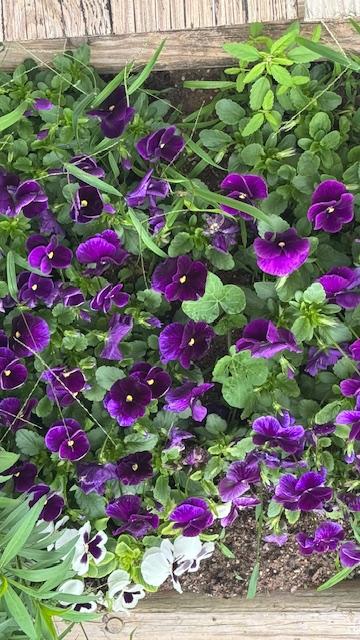 A lot of our flowers are fading away as the heat comes on. It got up to 91° today.
Good morning. Life has gotten very busy lately so I will have to play catch up as I can. There has not been enough sun for the gate to open so we have to take it apart and force it open and closed. It is overcast again today.
Apparently, David has gout with a swollen, painful ankle. The pills he is on now kept him up all night so he was reading about it and now that he thinks about it, the last time he saw a podiatrist, he told him it was gout and he gave him steroid pills which he has not taken...
Markie has an infected butt and it is getting better.
I finally had time to sit down and balance the checkbook this morning and pay monthly bills. Now I have to go to work. Matt is out dealing with chickens and goats. Thank God for him. I have been waiting on David all morning and it is only 9am. I finally was able to get a load of laundry going. I am way behind.
We had just one customer all day at the store. I got out a lot of orders and had to do some counting as well. Matt had the day off.
David is still in a lot of pain with his ankle. I did a bit of housecleaning after work. Then I baked a brand new yeast bread. It is delicious, soft, and simple. I will make it again.
We watched Octopus II this evening. It was crazy.
Sunday, April 26, 2026
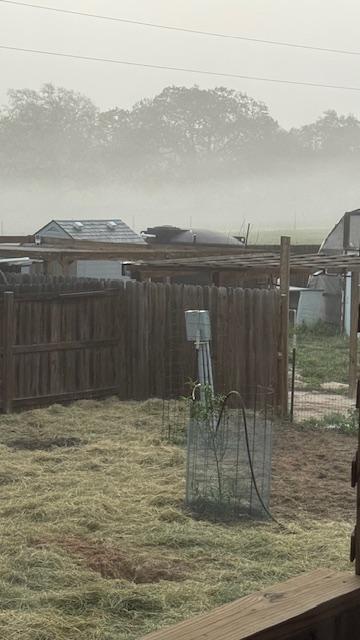 The fog is pretty thick this morning.
Good morning. It is very foggy out. Yesterday was so humid and ugly and I guess today will be, too. I have to go out and take care of the animals.
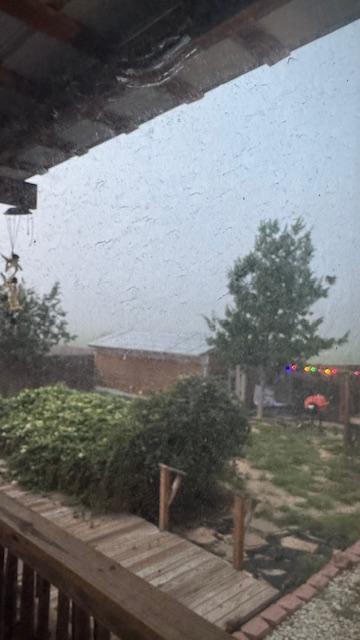 You can't see anything beyond the fence. You can't see anything beyond the fence. |
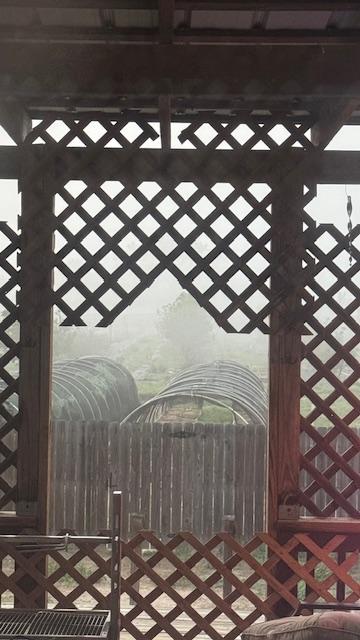 The orchard is very foggy. The orchard is very foggy. |
I am not sure if we will be going to church since David is in so much pain. The medication is not helping. We will have to drive to Universal City on Tuesday for him to see the podiatrist. Normally, he sees him in the next town but they cannot fit him in there for another two weeks. That is ridiculous.
Return from Grow Cardoon to Year 7 Of Farm Life
Anything To Share On This Topic?
Would you like to share additional information about this topic with all of us?
Since 2009, over 2,000,000 home gardeners, all across the USA, have relied on David's Garden Seeds® to grow beautiful, productive gardens. Trust is at the heart of it. Our customers know David's Garden Seeds® stocks only the highest quality seeds available. Our mission is to become your lifetime supplier of quality seeds. It isn't just to serve you once; we want to earn your trust as the primary supplier of all of your garden seeds.
Watch Our 2022 TV Commercial!
Sing Along To Our Jingle
♪♫♪♪ ♫ ♪ ♫♪♫♫
♪♫♪♪♫♫
Peppers and peas
And lots of yummy greens
You can't go wrong
With Squash This Long
At David's Garden Seeds
♪ ♫ ♪ ♫
Our New 2024 TV Ad
Please like and subscribe on YouTube and come visit us at our Farm Store! The music on our TV ad was written, played, and sung by our son, Matthew Schulze. You can meet him when you come to the farm. He just might give you a tour. Ask him to grab a guitar and sing our jingle that he wrote.
Our 2022 TV Ad

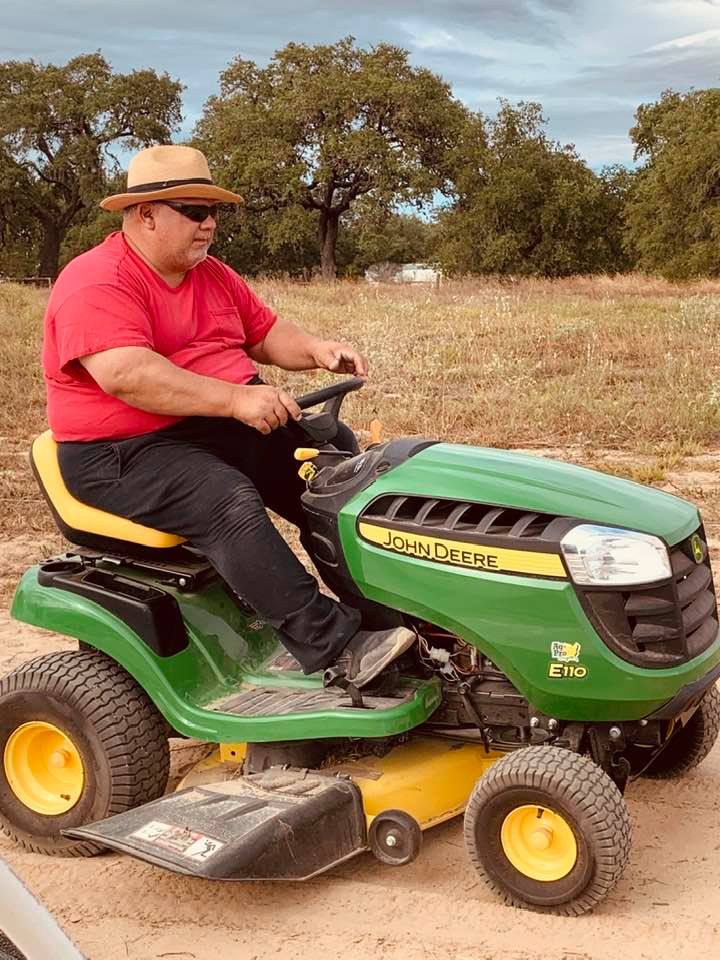 David of David's Garden Seeds® zipping along on his little tractor across the farm. He is having a blast!
We are David's Garden Seeds®. If you need great seeds, we've got over 1,400 varieties to choose from.
Subscribe To Mrs. David's Garden Seeds® Newsletter For FREE!
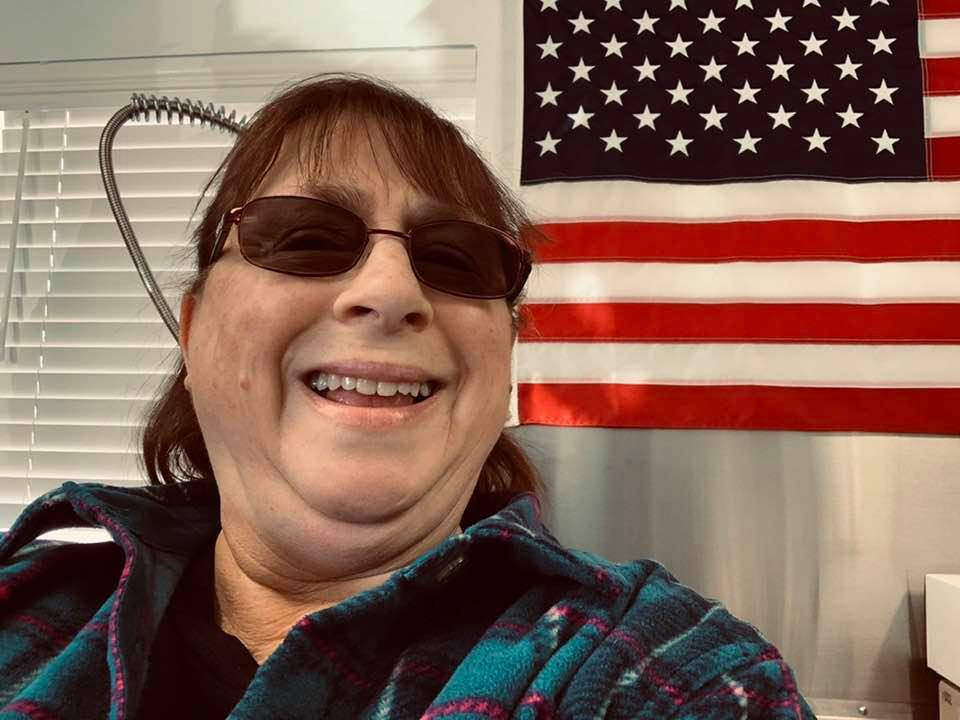
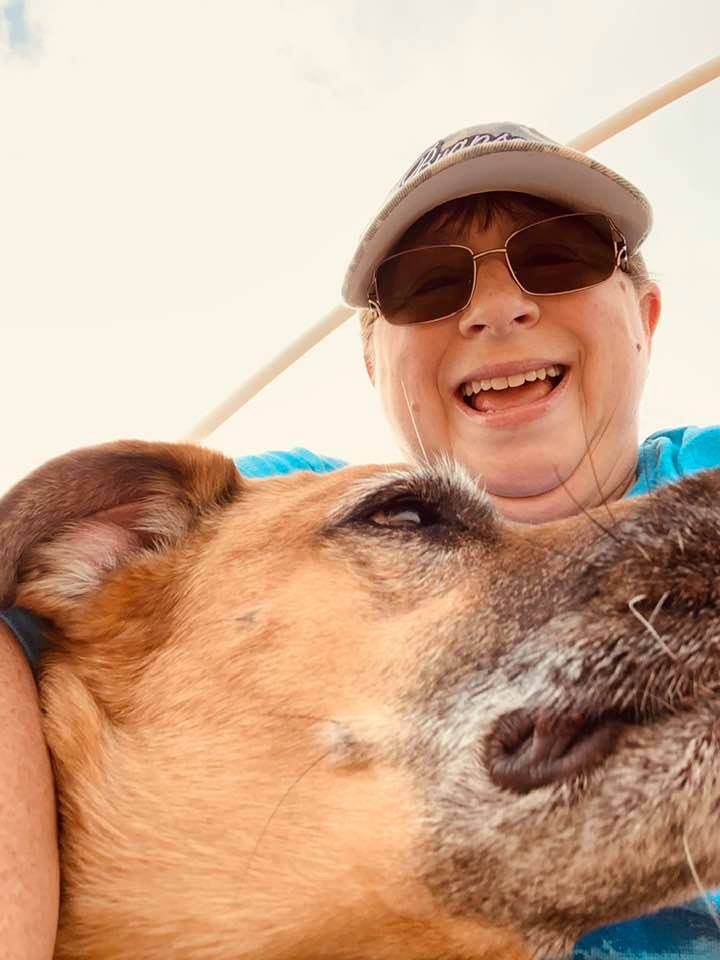
Find out what is going on down on the farm by reading our blog and by subscribing to our free newsletter for all of the information going down at David's Garden Seeds® and on the farm. I love to share helpful information with you. Please let your friends know and y'all come on down for a visit when you get the chance. We would love to meet you!
New Store Hours!
 Farm Store Hours: Th-Fri 10am-5pm, Sat 10am-2pm. Closed Sun-Wed.
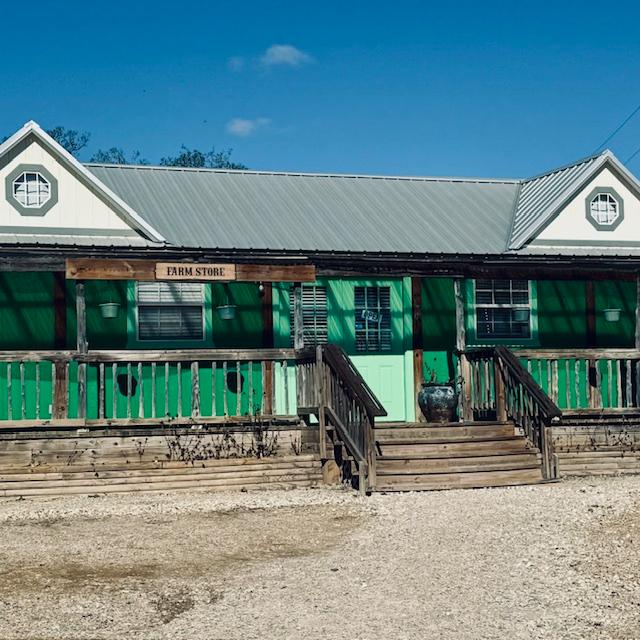 Our Farm Store
Shop for:
- Seeds
- Farm Fresh Eggs
Our Farm is located at 5029 FM 2504 in Poteet, TX.
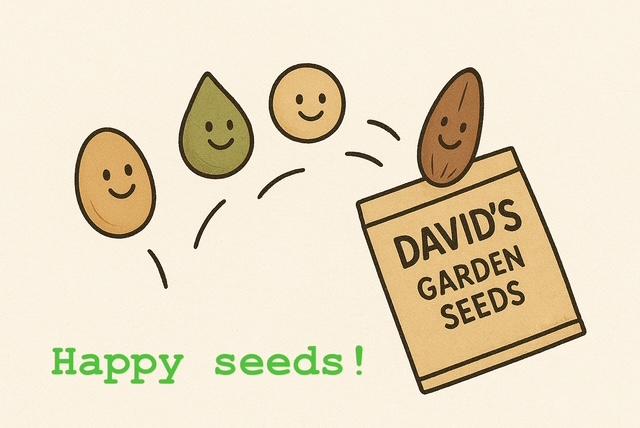 Only happy seeds make the cut to go into our seed packs!
David's Garden Seeds® has
seeds for the backyard gardener and farm fresh chicken eggs.
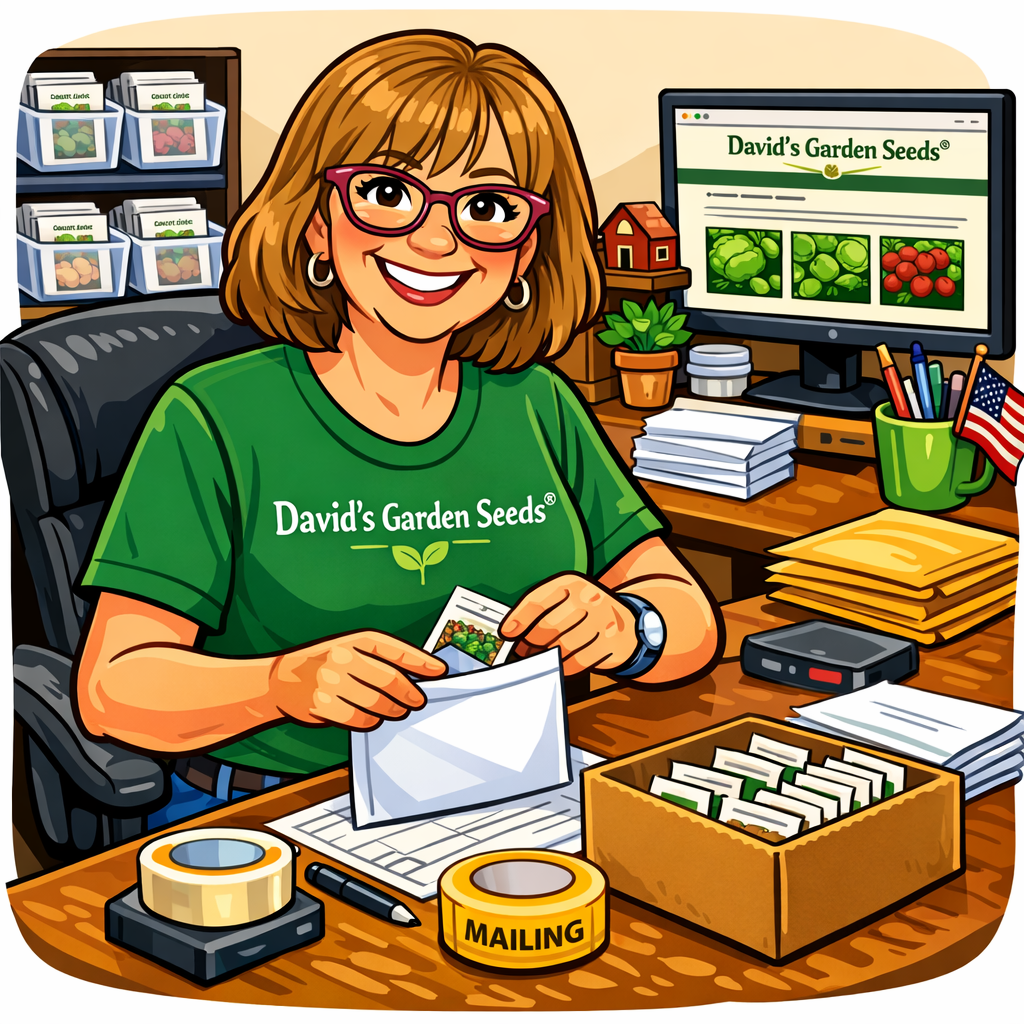
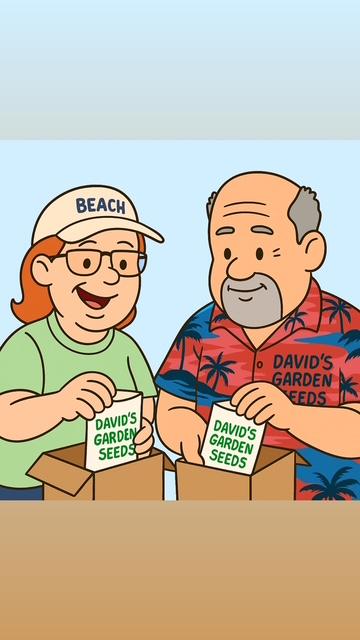 David & Juanita work hard to pack your garden seed orders.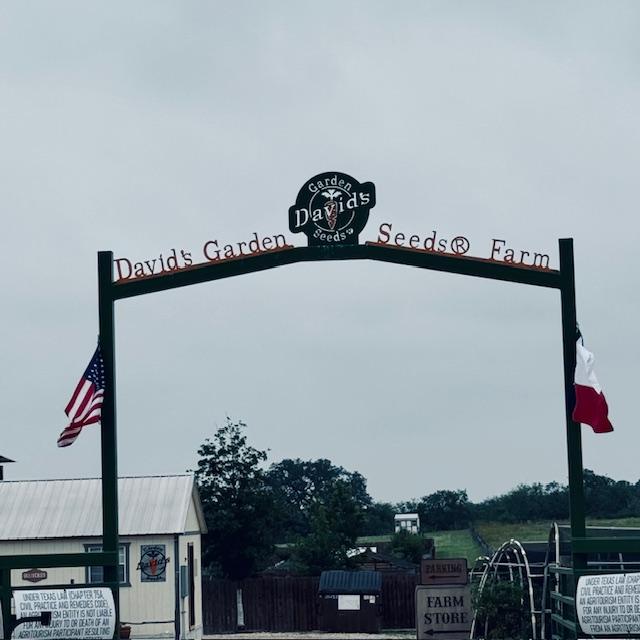


Sign Up For Our Newsletter Here!
   DGS YouTube Mrs
|
   |
Garden Ebooks
by Mrs. David's Garden Seeds
 I've been busy creating eBooks to help you with your garden...
IMPORTANT NOTE: THE EBOOKS ARE DIGITAL DOWNLOADS (EBOOKS), NOT PHYSICAL BOOKS.
WE DO NOT REFUND OUR DIGITAL DOWNLOADS FOR OBVIOUS REASONS.
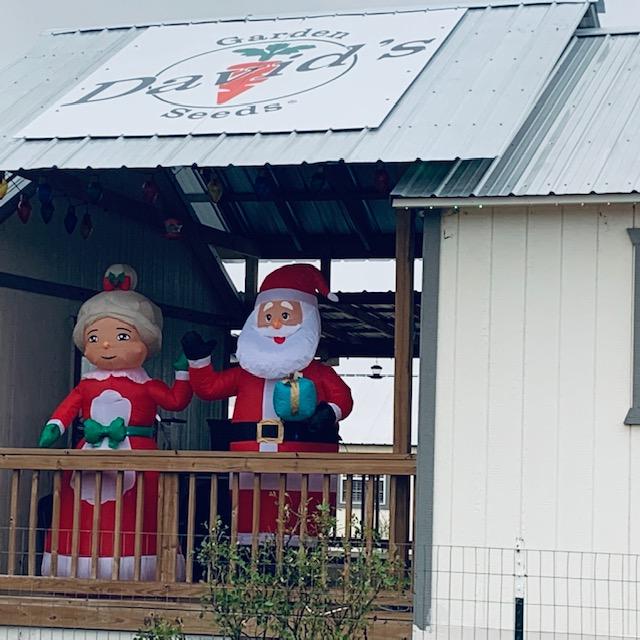
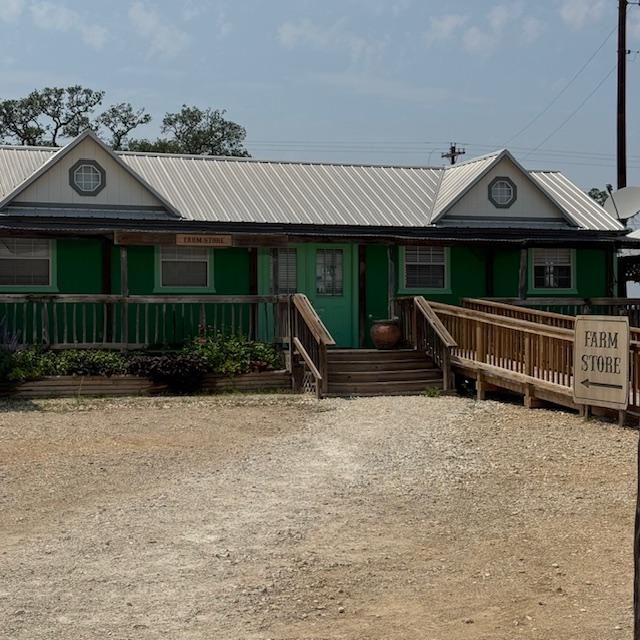 Our Farm Store is the green building
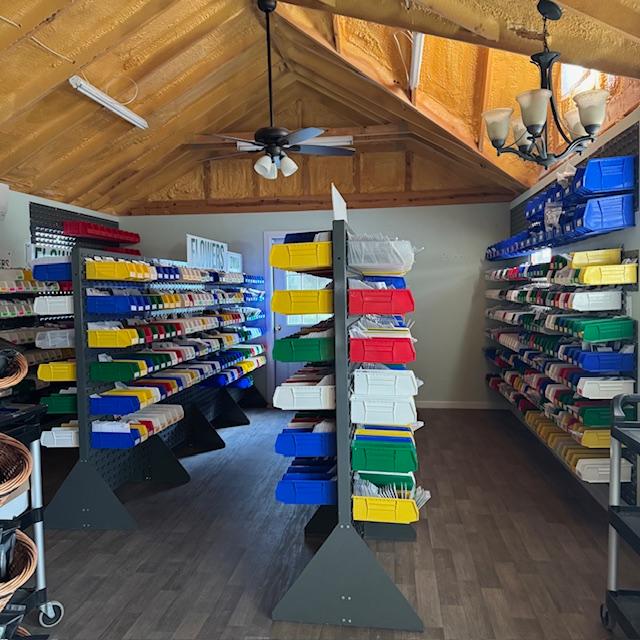 Inside our Farm Store...1400 varieties of seeds await you!
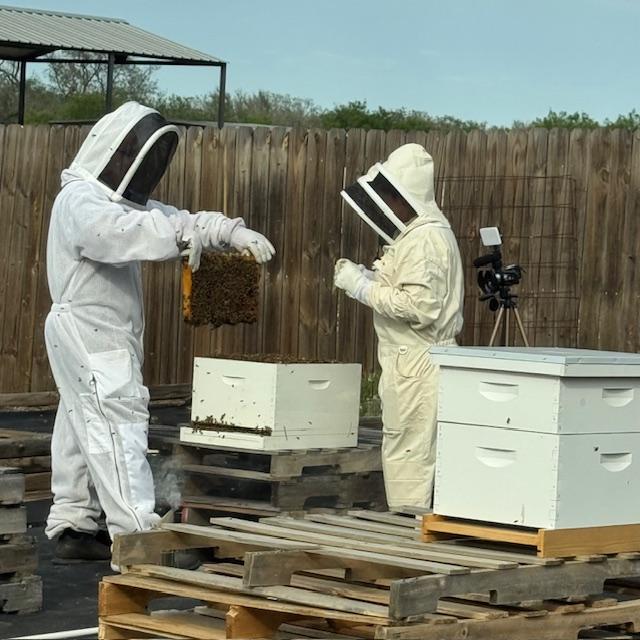 Our bee hives
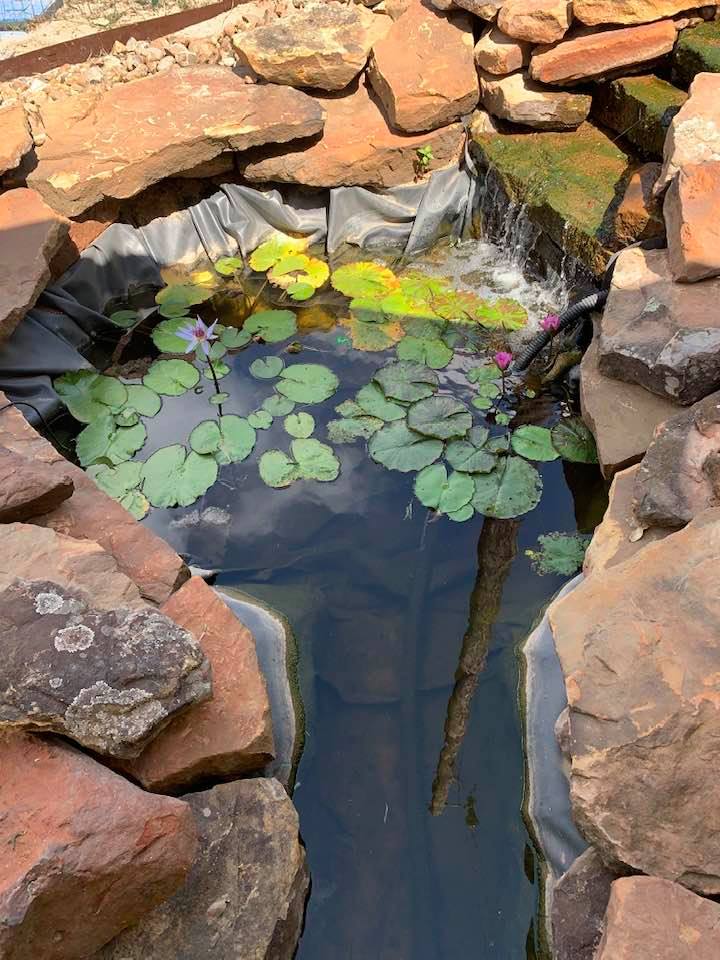
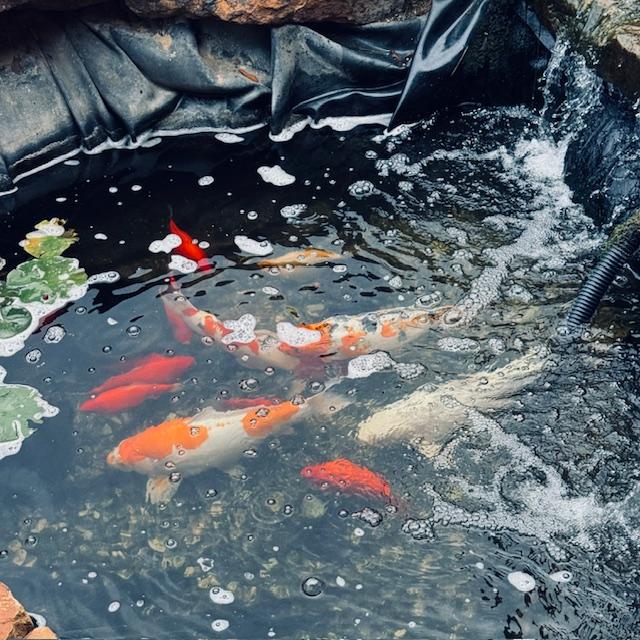 Our fish pond
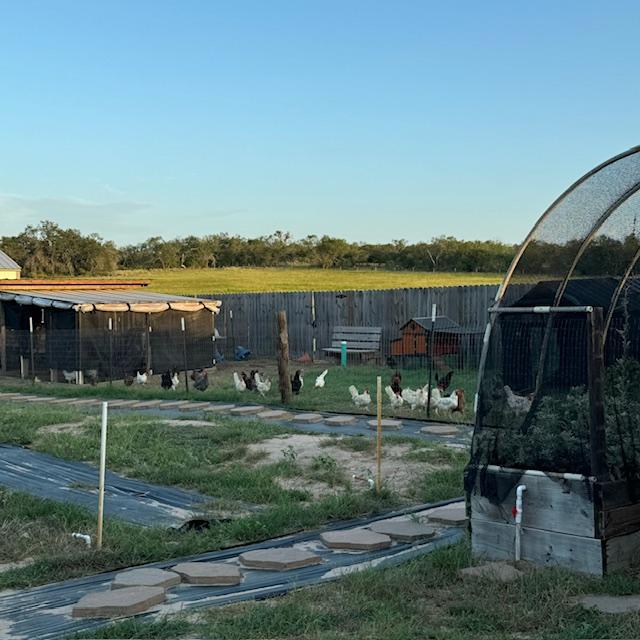 Our chickens
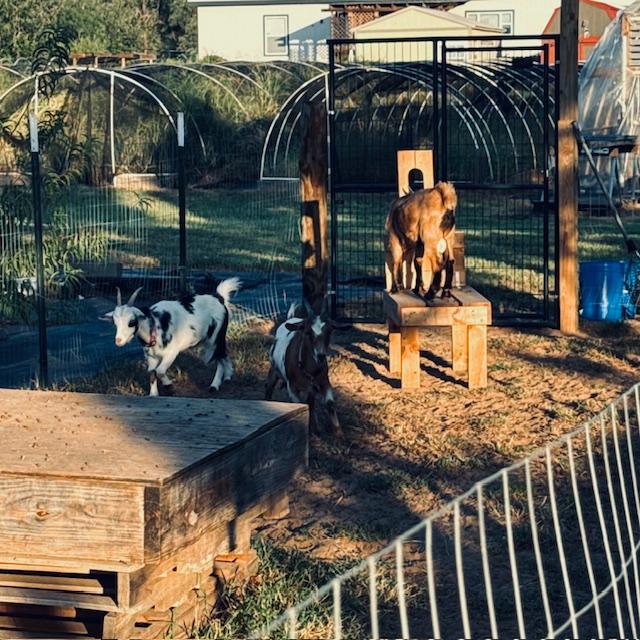 Our Nigerian Dwarf goats
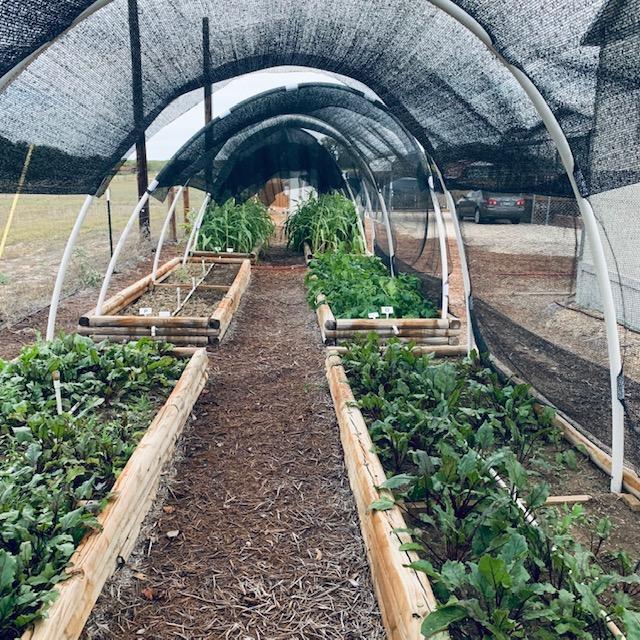
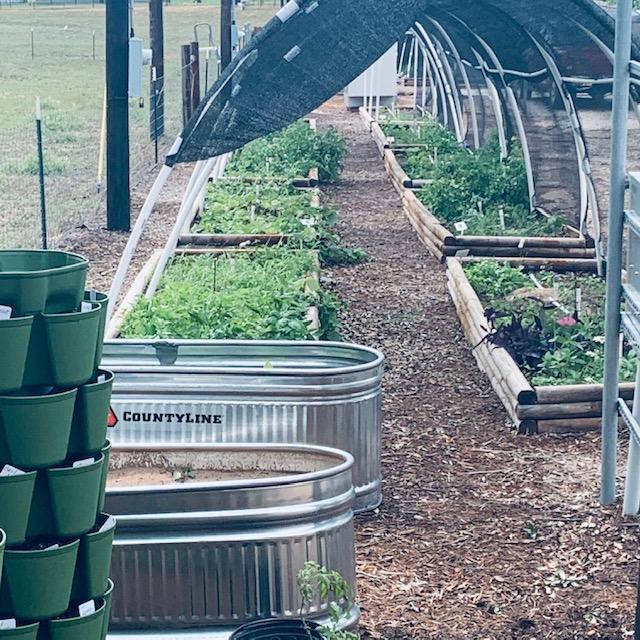 A few of our raised garden beds
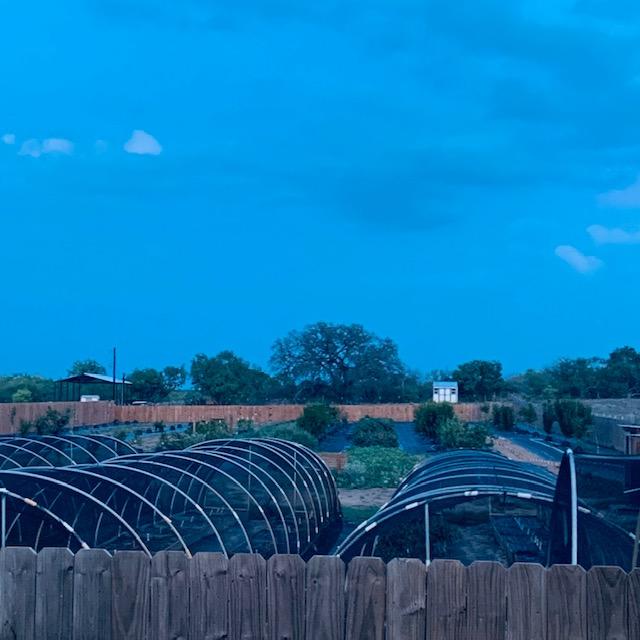 Our orchard and hoop houses
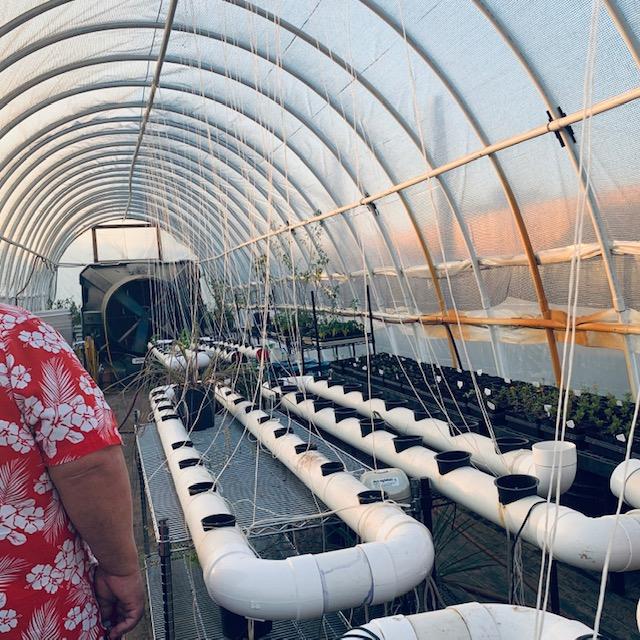 Inside our high tunnel
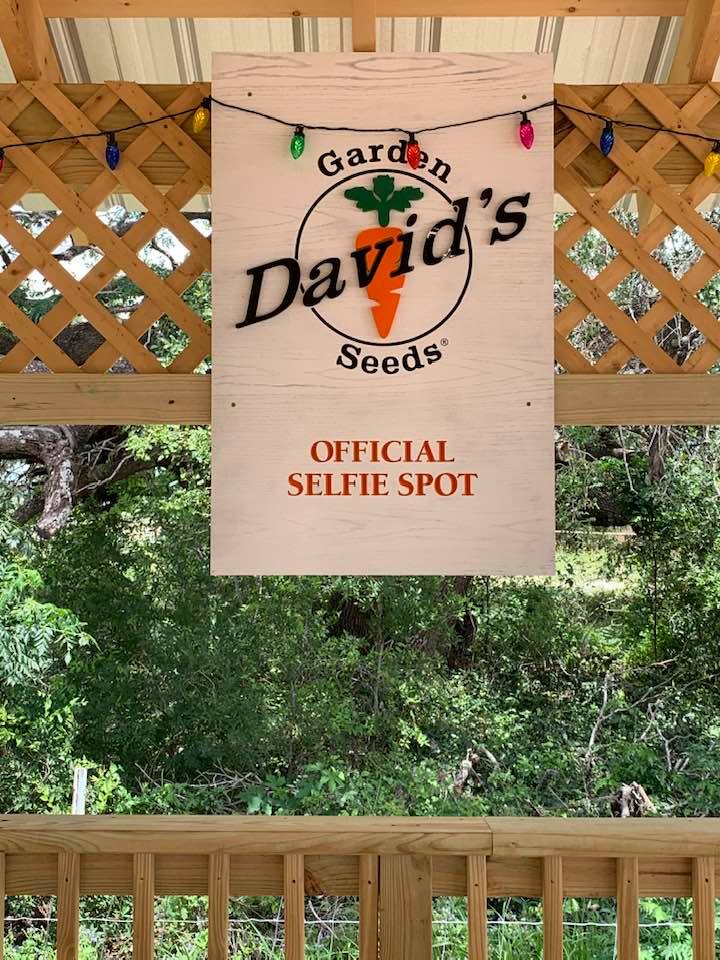 Take a selfie at our official selfie spot!
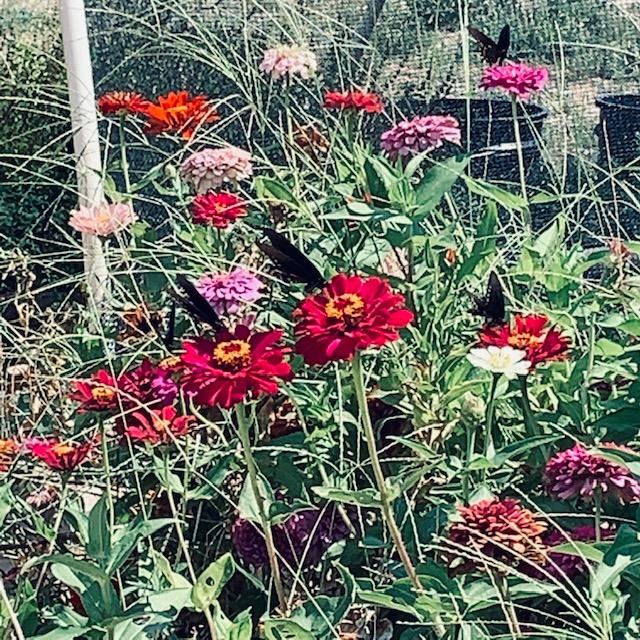 Flowers, bees, and butterflies are everywhere!
Watch Our TV Ads!
David's Garden Seeds® has the best Non-GMO seeds in the state of Texas!

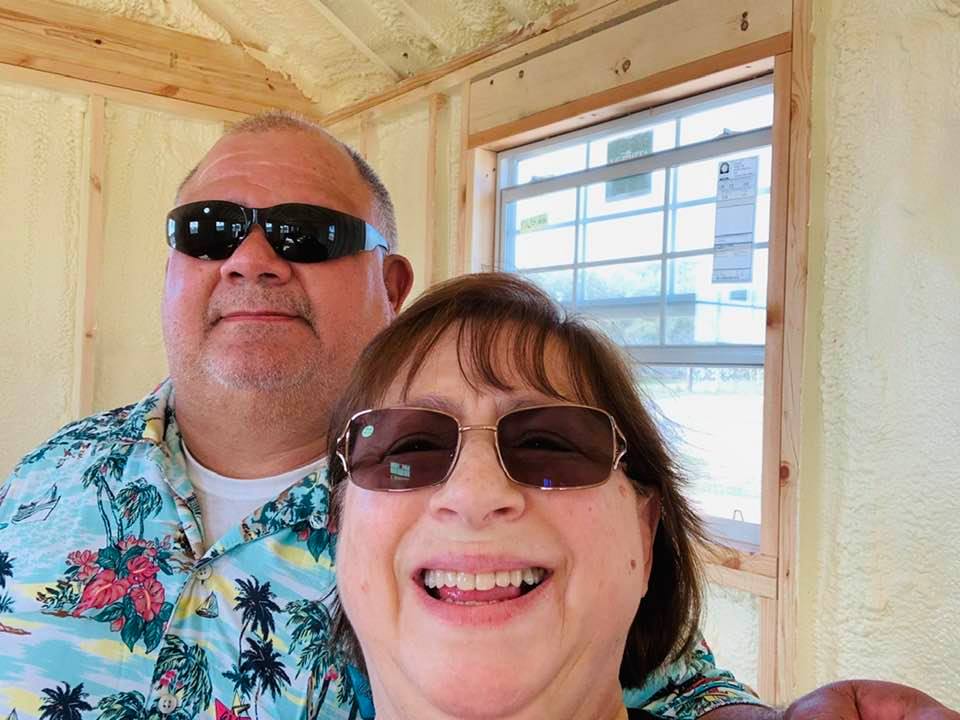
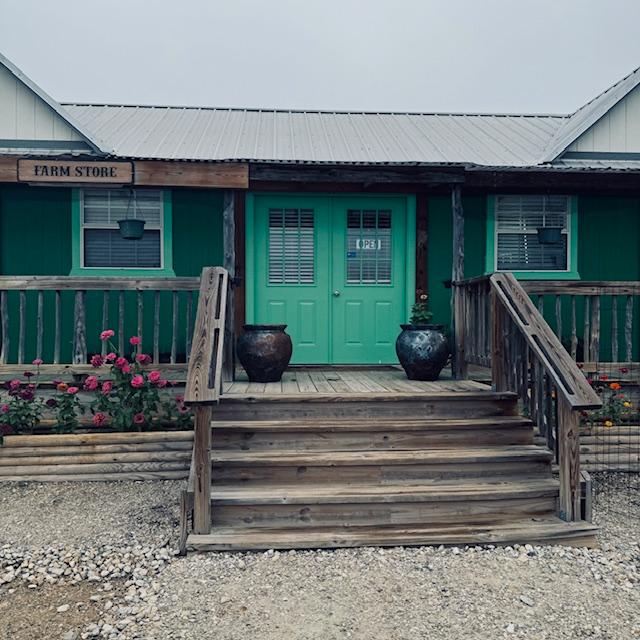 This is our beautiful Farm Store. Come in and shop for seeds. We have over 1600 Non-GMO heirloom varieties to choose from but we are in the process of bringing that number down to half.
Our Story
Hi Everyone! Thank you for visiting my website! I am Mrs Davids
Garden Seeds® aka Mrs. David's Garden Seeds and I think you should know that there is a wonderful seed
company in the great state of Texas called David's Garden Seeds®. We grow some of our seed, we count, hand pack, print our own envelopes, and ship seeds out to you right here from our farm. This used to be an old peanut farm. When the owner died about 15 years ago, his sons split the farm up and sold it in pieces. In 2024, we bought another adjoining four acres.
Our business started in our home in San Antonio in September of 2009. David decided to sell some seeds he had left over from his garden on Amazon. I told David, "Don't bother, it won't work!". I am so glad that David did not listen to me because it did work! By 2015, we had 8 employees working in my home every day and David found a storefront in San Antonio and moved the business there. In 2016, I quit my day job and went on the payroll. The company grew some more and David moved to a bigger storefront in 2017. In 2019, we found a beautiful piece of land over in Atascosa County and turned it into a farm out near Poteet. David and I moved out here to live in August of 2019.
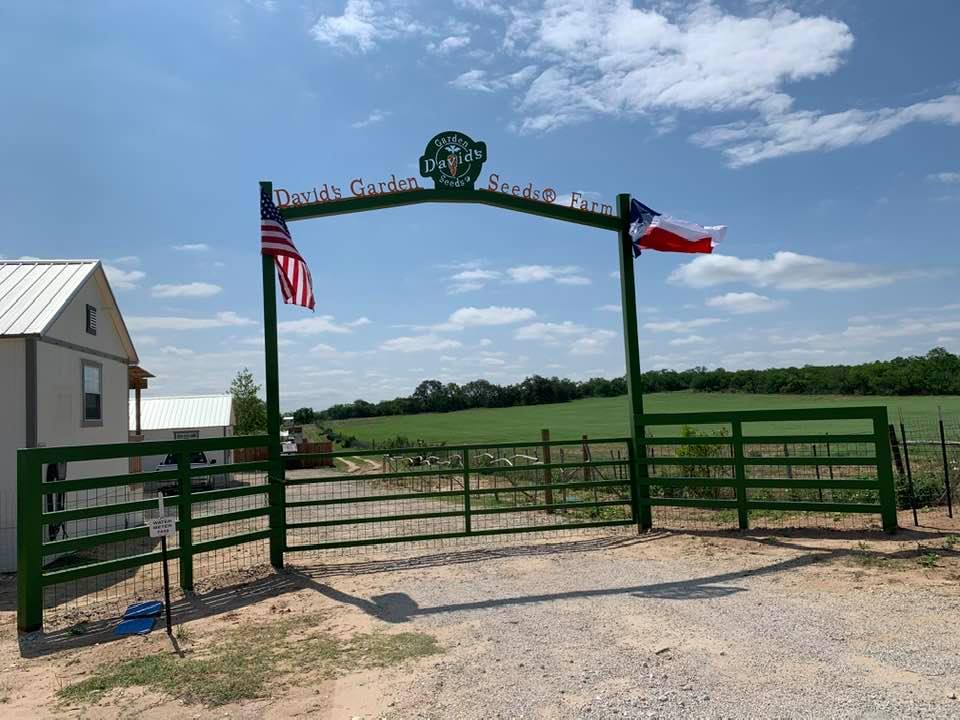
In 2020, we moved our company out to the farm. We have a beautiful Farm Store filled with seeds, a gazebo with a pond full of koi and gold fish for you to visit. Come by and visit us at 5029 FM 2504 in Rossville, just outside of Poteet, Texas, Monday through Friday from 9am to 5pm and Saturday from 10am to 2pm. Or you can order seeds online from our user-friendly website, www.davidsgardenseeds.com.


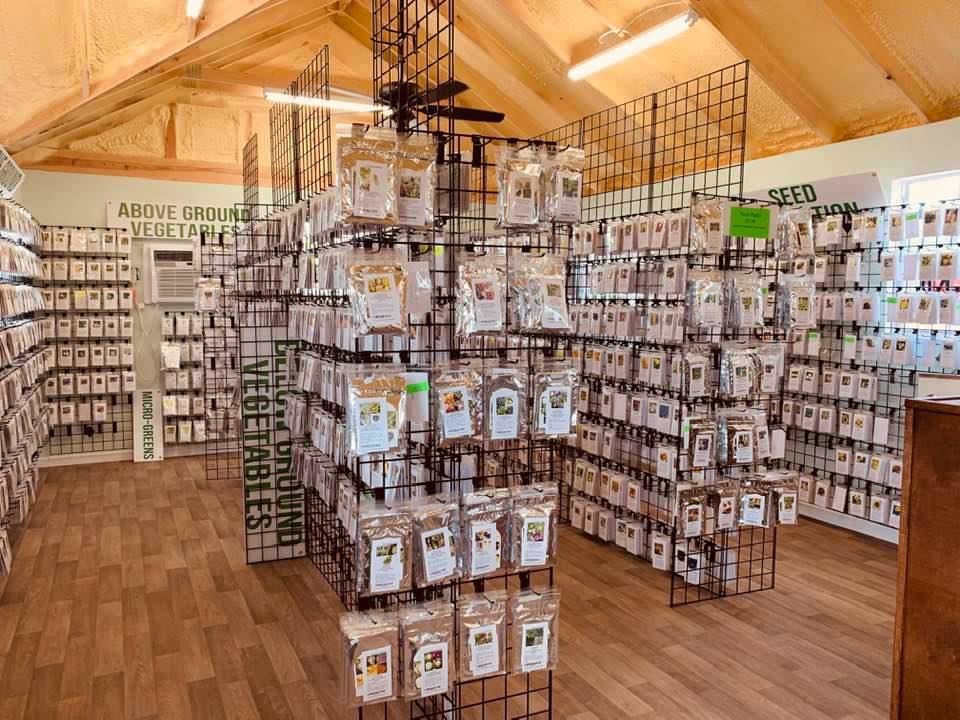 Our beautiful new farm store has almost 2,000 varieties of seeds and more. Mrs Davids Garden Seeds® looks forward to meeting you when you visit.
Mrs. David's Garden Seeds® Copyright by Juanita Lynn Schulze of David's Garden Seeds® 2019-2026
David's Garden Seeds® is Registered in the United States Patent and Trademark Office.