Make Your Own Compost
Did you know that you can make your own compost in your backyard? All it takes is a compost bin or trash can, some loose dirt, and kitchen scraps along with yard clippings.
Make Your Own Compost - 12/1-12/7/2025
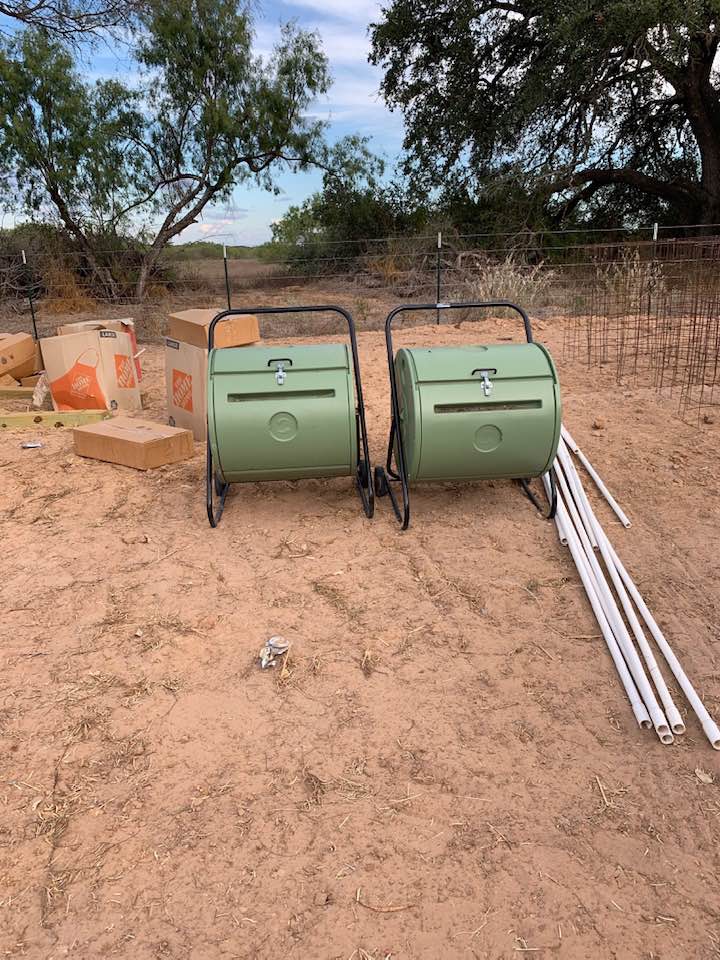 These are the compost bins we used in our yard in San Antonio. They turn easily. They are shown at the back of the farm. Now we just have a huge compost pile
Hey there, gardener friend! Ready to turn everyday stuff into plant power? Let’s talk about how you can make your own compost right in your backyard, easy and low-cost.
Compost is the simplest way to add nutrients to your soil and grow stronger, happier plants. When you make your own compost, you cut waste, save money, and boost your garden at the same time.
When I was a child, my father did a small amount of gardening organically. He taught me how to make compost. In fact, taking kitchen scraps outside to the compost bin and adding in a small amount of dirt each time was one of my chores. He had a large metal barrel painted sky blue out in the yard next to the long driveway, in a row of evergreen trees.
Each evening, I had to take all of the scraps out, dump them in the barrel, shovel it around in there to stir it all and add a bit of dirt. He would add this to our garden whenever it broke down. He grew tomatoes, peppers, and cucumbers way up on the top hill of our property.
Compost is just broken-down plant materials. Think leaves, grass, veggie peels, coffee grounds with the filter, and paper. Microbes and worms do the work. You give them air, water, and a mix of materials. They turn trash into black gold.
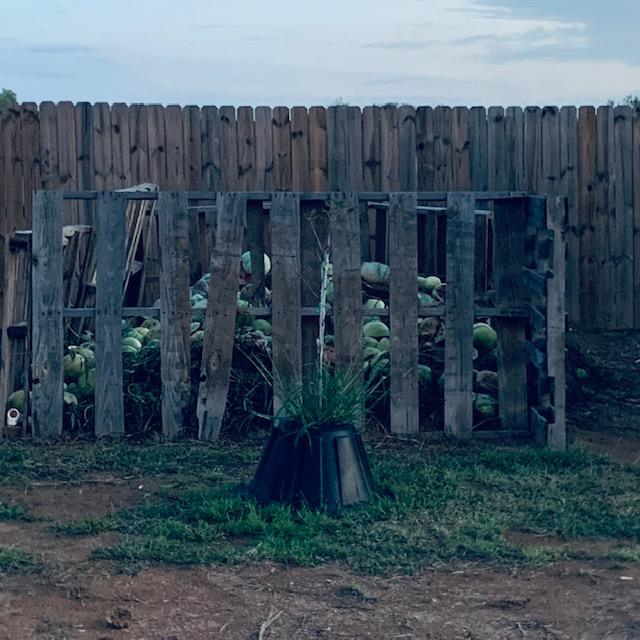 This is the compost bin on our farm near the chicken coop. It has never been easier to make your own compost.
Here’s the mindset: don’t throw away your kitchen scraps. Use everyday waste items like vegetable peels, eggshells, used coffee grinds, paper, and yard clippings to add richness to your garden. Make your plants happy.
In this article, you’ll learn every backyard method to make your own compost—from a simple pile to hot composting, trench composting, and worm bins. You’ll be set for any space or season.
Worried about smell or pests? Don’t be. With a few smart steps—balance, cover, and air—your pile stays neat and garden-friendly.
Quick safety note: skip meat, dairy, oily foods, and pet waste. These can cause odors and invite critters. Stick with plant-based scraps and clean paper or cardboard.
Choose your spot and setup. First, pick a place you’ll actually use. Easy access means you’ll keep at it.
Choose a spot with good drainage and some airflow. Sun speeds things up, shade slows it down, but both work fine.
You have choices: open pile, bin, tumbler, or a simple wire cage. All can make great compost if you feed and tend them.
Aim for size: about 3 feet wide by 3 feet deep by 3 feet tall. That size heats well but is still easy to turn.
Tumblers are tidy and fast to turn. Downsides: smaller volume and they can dry out. Keep an eye on moisture.
If critters are a worry, use a lidded bin and line the bottom with hardware cloth. Also, always cover fresh scraps with browns.
Simple tools help: a garden fork, a hose, a bucket for kitchen scraps, and a tarp or lid to keep rain out when needed.
Make Your Own Compost - What Should You Compost?
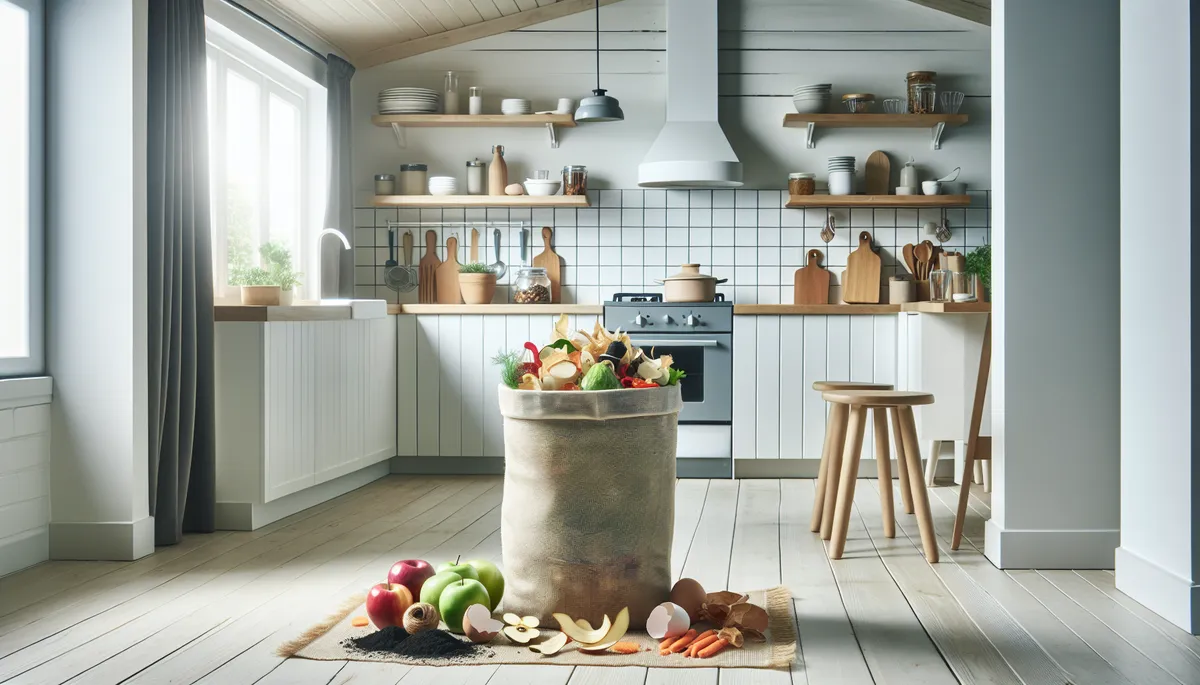 When you make your own compost, do not put a bin in the middle of the kitchen floor unless you plant on tripping...Countertop containers or a bowl will do.
So what to compost? Think two types of materials—“greens” for nitrogen and “browns” for carbon.
Greens (wet, soft, quick to rot) should include fruit and veggie scraps, fresh grass, coffee grounds, tea leaves, green plant trimmings.
Browns (dry, fibrous, slower to rot) should include dry leaves, straw, shredded cardboard, paper, small sticks, sawdust from untreated wood.
Yes, kitchen scraps make compost. Save peels, cores, coffee grounds, tea bags, and crushed eggshells. Use everyday waste items like vegetable peels, eggshells, used coffee grinds including the paper filter, and paper to feed your pile.
Avoid: meat, fish, bones, dairy, greasy foods, glossy or heavy-ink paper, diseased plants, and pet waste. These cause odor or health issues.
Smaller pieces rot faster. Chop or tear big items. Break down boxes. Snip long stems. It’s like pre-chewing for your microbes.
Keep the mix simple: about 2 parts browns to 1 part greens by volume. If it smells or looks slimy, add browns. If it’s not breaking down, add greens.
Set up a small scrap system: a countertop pail with a lid and a bigger outdoor bucket. Remember, don’t throw away your kitchen scraps—turn them into garden goodness.
Make Your Own Compost - Your First Outdoor Compost Pile
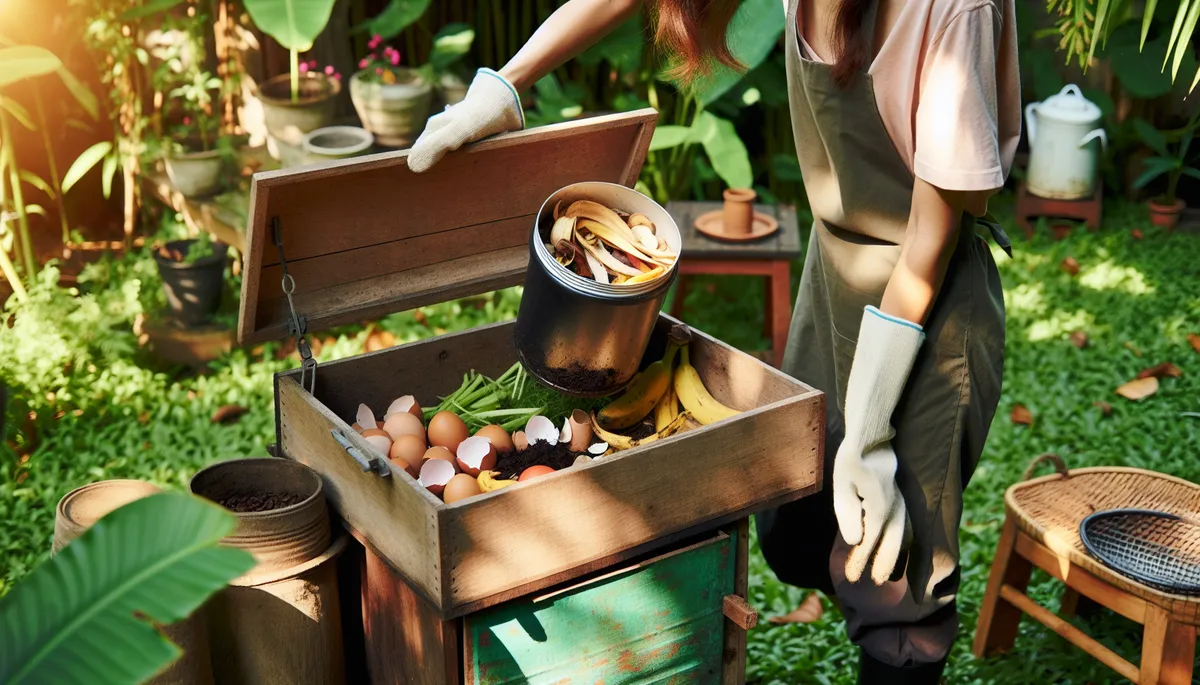 When you make your own compost, you should use a bigger container than what this woman is using.
Build your first pile. When you make your own compost, start with a brown base to let air flow—sticks, corn stalks, or straw.
Then layer like a lasagna: browns, greens, browns. Keep layers a few inches thick. Finish each feeding with a brown “blanket.”
Water as you build. Aim for “wrung-out sponge” moisture—damp, not dripping. If you squeeze a handful and get a drop or two, you’re close.
Optional but helpful: sprinkle a shovel of finished compost or garden soil between layers. It adds helpful microbes to jump-start the process.
Quick starter recipe: 2 buckets browns + 1 bucket greens + a splash of water + a handful of soil. Repeat until your bin is full.
Always cap fresh food scraps with dry leaves or shredded paper. This controls smells and keeps flies away.
Label your pile with a start date. Warm weather and good mix: done in 6–12 weeks. Cooler weather or low greens: a few months.
The first time my pile heated up, I saw steam on a cool morning. I grinned like a kid. That’s your tiny garden engine running.
Make Your Own Compost - Maintenance
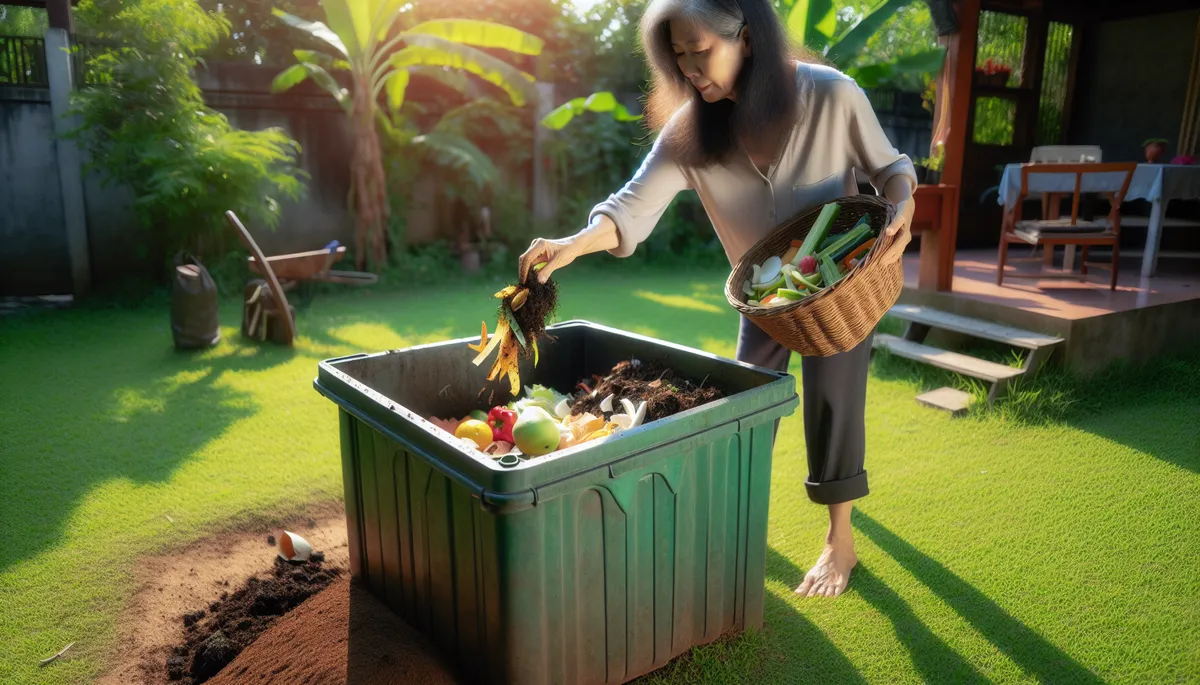 This person is emptying kitchen scraps into a large compost bin outdoors. Make your own compost because it is not hard to do.
Keep it cooking. Turn the pile every 1–2 weeks for quicker results. Use a fork to mix outer parts into the center.
Check moisture weekly. Too dry? Add water or more greens. Too wet? Add dry browns and turn to bring in air.
Heat check: warm is good, hot is fast. If it cools early, add a layer of greens, some browns, water, and turn well.
Smell test: ammonia or rotten smells mean too many greens or too much water. Fix it with extra browns and more air.
Keep pests away: bury kitchen scraps under 4–6 inches of browns, use a lid, and line the base with wire if needed.
Seasonal tips: in summer, shade the bin and keep it moist; in winter, stockpile leaves, insulate with straw, and keep feeding small amounts.
Quick fixes: slow pile—add more greens; slimy—mix in browns; dry and dusty—add water; lots of fruit flies—cover with browns.
Be patient. Even a “lazy” pile turns into compost given time. Nature is on your side, and steady beats perfect.
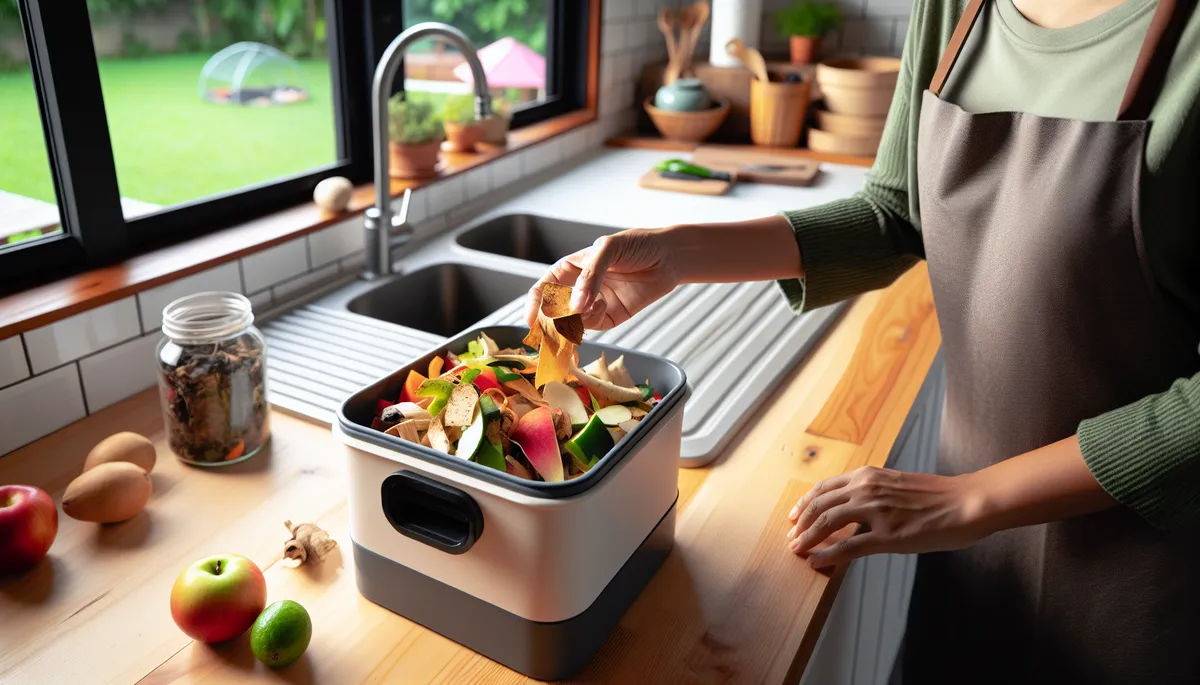 As you chop food, add the scraps to a bin and before you know it, you will make your own compost!
Speed methods. Hot composting is for fast results. Build a big batch, mix well, keep it moist, and turn every 2–3 days. Done in weeks.
Trench composting is super simple. Dig a trench 8–12 inches deep, add kitchen scraps, cover with soil, and plant nearby later. No pile to manage.
Leaf mold is slow but gold. Pile leaves, keep them
damp, and let them sit 6–12 months. The result is a fluffy,
water-holding mulch.
Grass clippings break down fast. Mix thin
layers with dry leaves or paper.
Tip: never add thick mats of wet grass
or they’ll get smelly.
Small-space hack: a lidded tote with holes can be a mini bin. Keep it on a balcony or patio. Turn by shaking or stirring.
Worm composting (vermicomposting) is great indoors. Give worms a bin with bedding (shredded paper), feed small amounts, and harvest rich castings.
Coffee and eggshell tips: use coffee grounds in moderation for greens; rinse, dry, and crush eggshells for calcium. Sprinkle both into the pile.
Need more browns? Ask neighbors for bagged leaves, save cardboard, and stash dry twigs. A “brown bank” keeps your pile balanced year-round.
Know when it’s ready. Finished compost is dark, crumbly, and smells like clean earth. You shouldn’t recognize the original scraps.
Use it three ways: mix into beds before planting, top-dress around plants, or blend into potting mixes (start with 1 part compost to 3 parts soil).
Every use will add nutrients to your soil, improve structure, and help hold water. Your plants will thank you with strong roots and steady growth.
For mulch, spread 1–2 inches around plants, but keep it an inch away from stems. This feeds slowly and helps keep weeds down.
Want a simple compost water extract? Soak a small bag of finished compost in a bucket of water for a day, then water soil at the base of plants. This is called compost tea. Avoid spraying edible leaves.
Store extra compost in a covered bin to keep it moist but not soggy. Sift some through a screen for seed starting and houseplants.
Big picture: when you make your own compost, you cut trash, build healthy soil, and grow better food and flowers. It’s the best garden habit I know.
Kitchen scraps make compost, so keep a pail on the counter and feed your pile a little at a time. I empty mine outside every day. If you don't, those little gnats will appear in your kitchen. Start to make your own compost today, and watch your plants get happy and thrive.
Monday, December 1, 2025
It is December already! I woke up an hour ago and it was 43°. It is now 46° and I am having my mushroom coffee. It is so cold in this house but the heater is on. I have a ton of orders to fill from the Black Friday sale which, by the way, is still going on until midnight tonight CST. Take advantage now and save 25% on all regularly priced and regularly sized seed packs.
Around 10:30am, three workers showed up and started doing things to the buildings. Then at 11:10am, a large truck and a small machine showed up but it is not the people who originally installed these buildings like we were told. I am surprised that anyone showed up. The truck is parked in the entryway so no customers will be coming in, that's for sure.
It still has not rained. The mailman just showed up a little after 3pm and so did a customer.
Amazingly, they got out the first smaller building after about 75 minutes. They were gone for close to 90 minutes and just got back to tackle the next building. It is 3:20pm now.
Shopify has been down for over four hours today. I am finally able to close orders and get them out but I did not get to completely fill the first bag as the mailman showed up. Because of the sale, I have many more to close.
At 4pm, they got the second small building out. At 5pm, the gates closed without a word from them. They left their John Deere tractor here in the driveway and did not say a word. It got dark. Still nothing.
I went in at 6pm and made dinner. We never heard from them. We were told that they would move all three buildings today.
Tuesday, December 2, 2025
Good morning. I woke up late thinking that David was in his office. He wasn't. He was at the store. He told me the crew is here before 8am to move the large building that used to be known as Production.
I need to eat breakfast and get ready as we leave at 9am for doctor visits.
Matt is here and said the animals are all fine. It is 36° this morning. Insane!
A crew from Austin showed up at 7:15am and wanted to come in the gates to start moving Production. David went out to greet them. We had no idea.
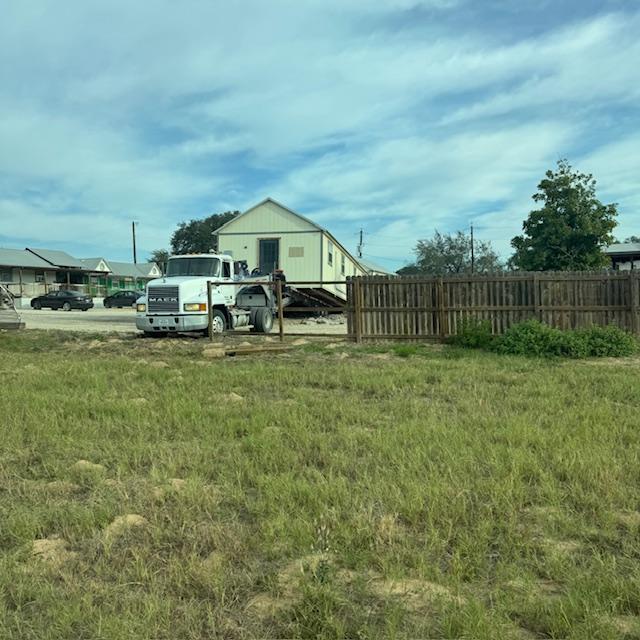 I took this shot as we drove through the field to get to the road for our doctor appointments. They had completely blocked our driveway. I took this shot as we drove through the field to get to the road for our doctor appointments. They had completely blocked our driveway. |
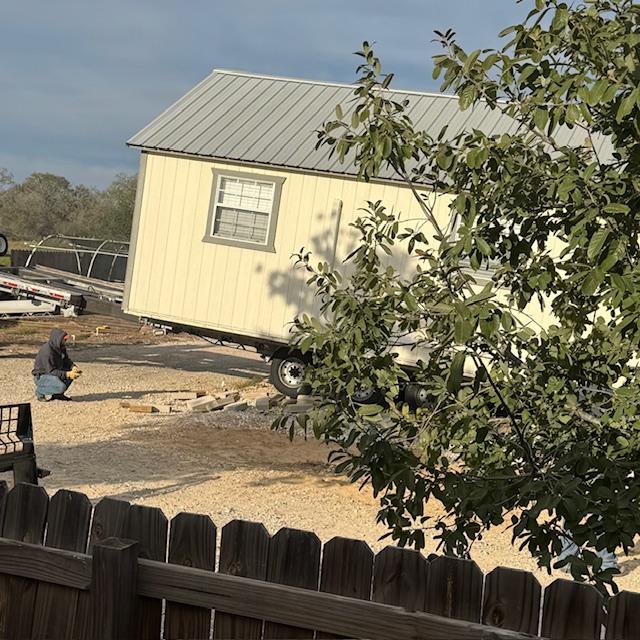
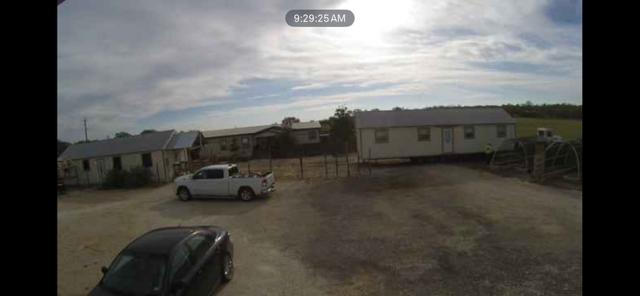 This shot is off the security camera after we had gone. Bye bye, Production! This shot is off the security camera after we had gone. Bye bye, Production! |
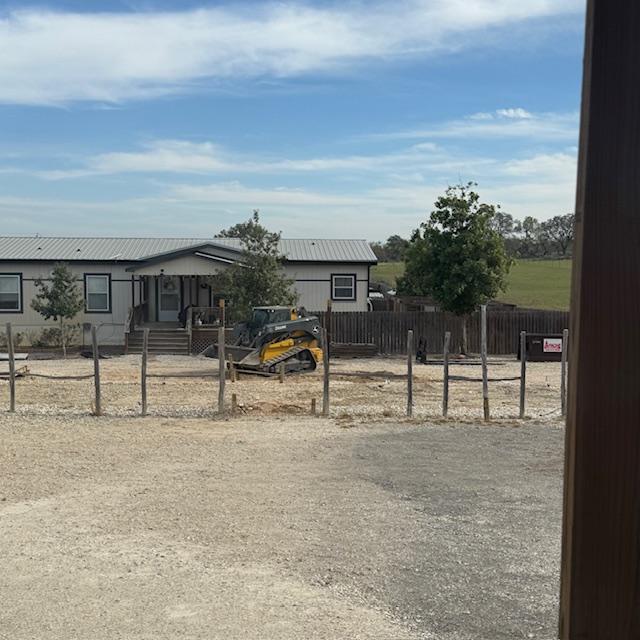 Production is gone but the John Deere is in its place... Production is gone but the John Deere is in its place... |
We left at 9am to go to doctor appointments and the building had been moved and was being raised up on wheels. By the time we got back, the building was gone but the John Deere tractor from yesterday was still here. People came to get it at 1pm.
David left the farm around 10:30am to go get more onion starts. This time, he got five varieties.
After he got back, we had one in person customer. In fact, I was at my desk mailing out orders when the door to the building opened and someone came in and then left. I went to the door and asked if I could help her. She was looking for the store...Yeah, it's the one that says "Farm Store" on it and next to it. The door that was opened said "Employees Only". People don't read signs.
Now I am making dinner. It was a very busy day. We really need to find a good employee who can help us because it is way too much for three people to do everything. We are working 10-12 hour days and it is just too much.
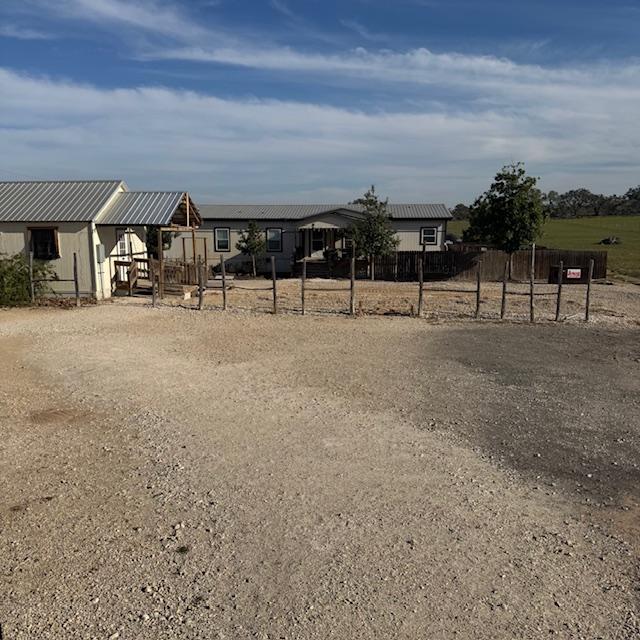 From the kitchen building porch, it looks weird to see the house. Now, what will we do with this space?
It looks super weird without those three buildings outside. Now we can see the road from our front porch and we can see the house from the store.
I caught Sammy checking out the hoop houses by the driveway this afternoon.
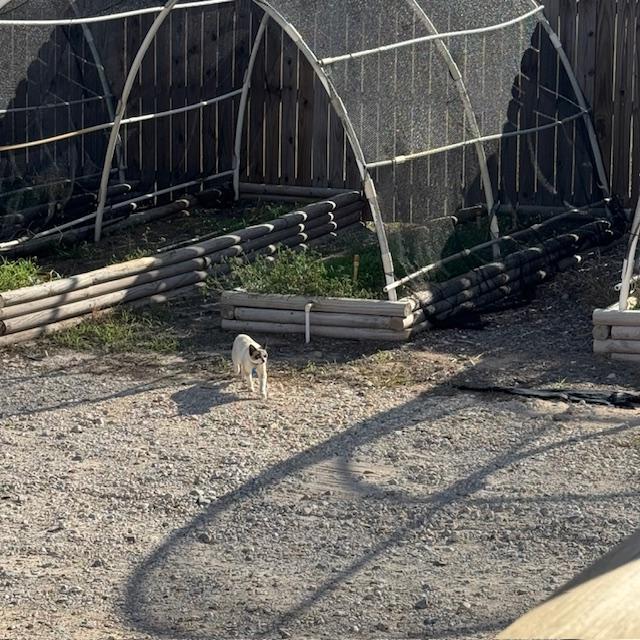 I found Sammy inside the hoop house. By the time I got the camera, she was making a beeline for me. She jumped right up on the porch to get me.
Wednesday, December 3, 2025
Good morning. Well, this past night makes four nights in a row to be awakened just after midnight with neuropathy in my feet. What on earth is going on? Super fun times!
Around 4am, it was 37° but now it is 40° at 6am.
I put some bacon, eggs, and tomato slices topped with cheese into the oven for breakfast. It all came out delicious.
This afternoon, we are supposed to get our new male goat. I have the three young females separated for him. It is actually past time for them to mate and produce some goats. Meanwhile, the two moms to be should be delivering on or near the 7th. They certainly look a bit bigger than usual, but not as big as when they each had twins this past spring.
I need to go out and hang up an extra food dish and add some hay in the back to welcome our newest family member. I sure hope he is friendly and not a jerk like our Norton was. I read online that most male Nigerian Dwarf goats are very sweet and friendly. Norton was always trying to hurt me when he got full sized.
I prepared for the new goat and then I got to work closing a ton of orders. I am about halfway caught up from our Black Friday sale. We had one customer today. At 2:45pm, we left to go to Helotes, about an hour away to get our new goat.
The traffic was super heavy on 1604 all the way over. We finally got there and met Markie, an eight month old Nigerian Dwarf goat with no horns. He has nubs and they said he is naturally polled (no horns). They said he could possibly father children without horns even if the mother has them. That would be fun. All of ours have horns.
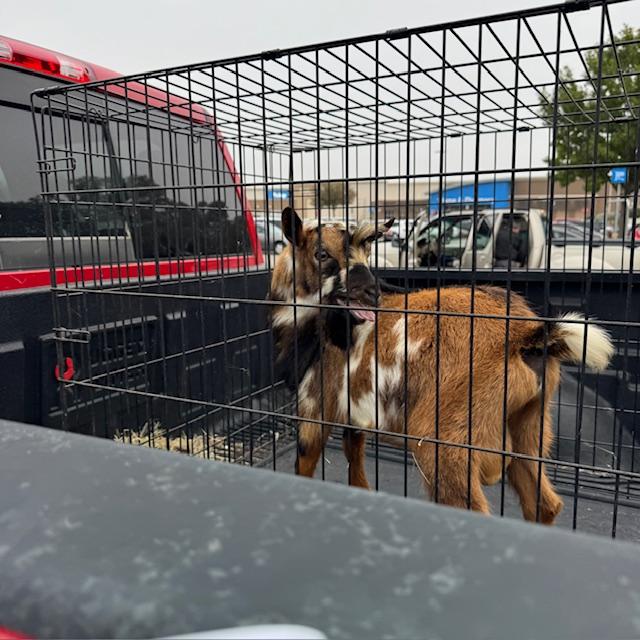 We met in the Helotes Walmart parking lot to get Markie.
It got misty on the drive home so poor Markie got a bit wet. We finally made it home. Matt was there to help me get Markie settled. He opened the kennel that Markie rode home in and picked him up. Markie let out a loud yell. He was a bit scared, cold, and probably wanted his mama...
We got him back with the girls, Gracie, Lucy, and Ethel. They sort of chased him around and then got up on their platform as a team.
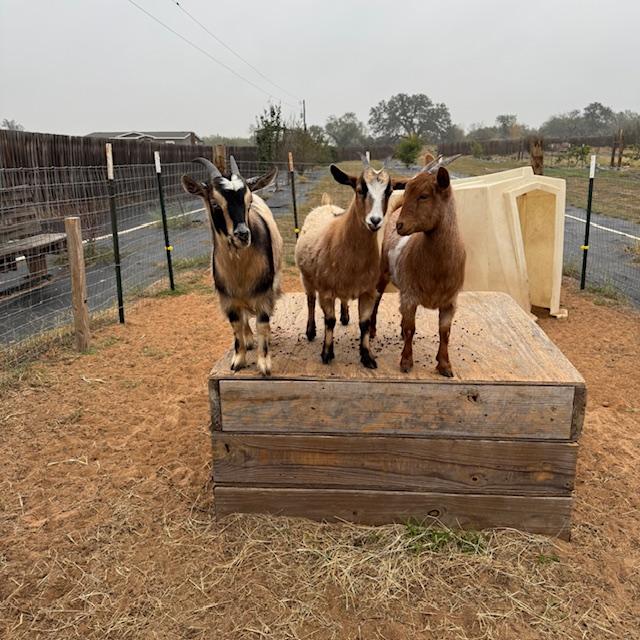 Gracie, Ethel, and Lucy up on the platform. Gracie, Ethel, and Lucy up on the platform. |
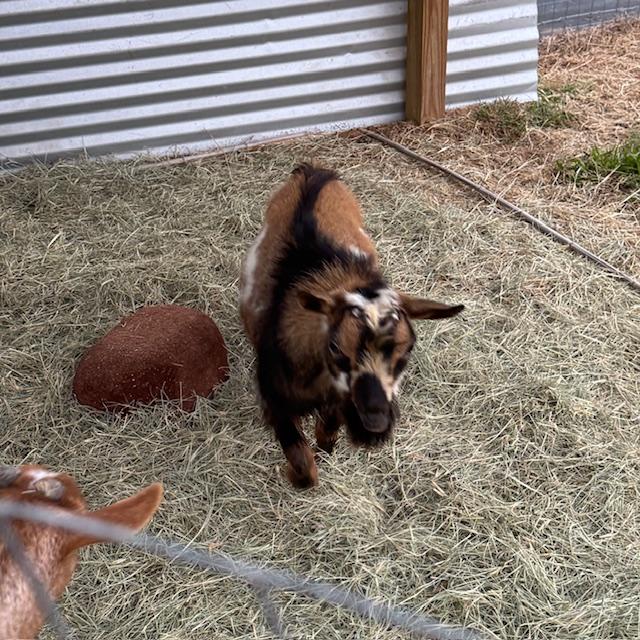 Markie in his new home with a bit of Lucy in the foreground. Markie in his new home with a bit of Lucy in the foreground. |
After a few minutes, Markie ate some goat chow and then walked around. He went back to the food and ate some more. A few minutes later, he started sniffing everyone to make friends.
While I was out there, I noticed oranges on our only orange tree out in the orchard. All of the citrus trees we planted back in the fall of 2019 died that first winter except for one and it has never produced oranges until now. There were two.
Hopefully, he will get along with everyone out there and have a fun time with his new friends.
No, I did not name him Markie. I asked the ladies who previously owned him what they called him. His full name is Maker's Mark but they said they call him Markie. Since he is already eight months old, he knows his name so we will not change it.
Thursday, December 4, 2025
Good morning. It is still dark but everything is wet as I noticed when I put the side porch light on to let the dogs out at 6:15am.
I hope little Markie is okay out there.
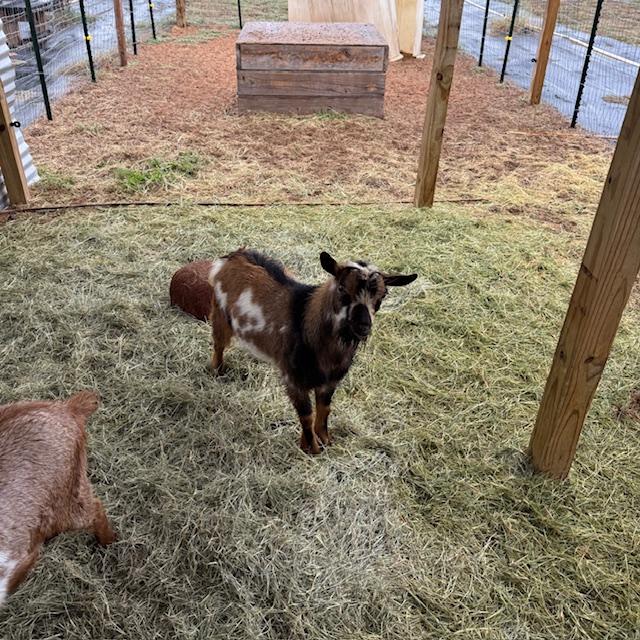 Markie came when I called him. Lucy is in the foreground.
It is sprinkling so everything is wet. I got my rain jacket and boots on and went out back. Markie is just fine. He looks smaller than the girls his age. I hope they make friends soon. He really is a cutie.
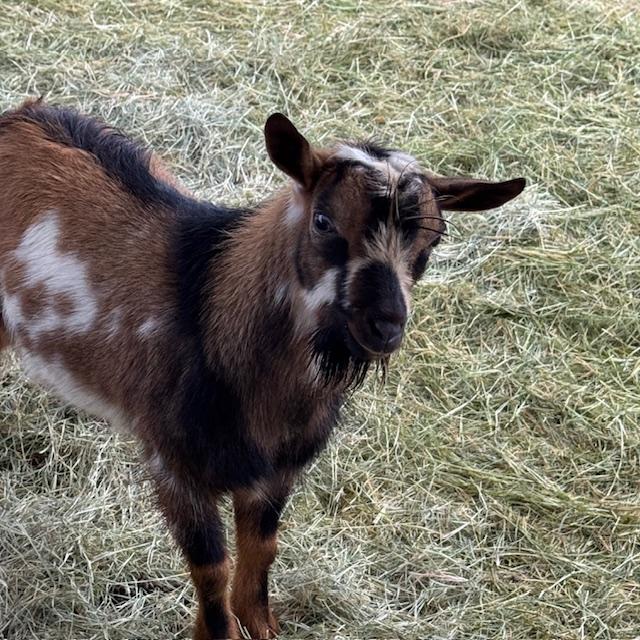 A closeup of Markie this morning. He is so cute.
Onion Starts
We ship them out on Mondays so get your order in now before they are gone. Each bunch contains about 48 starts ready to go in the ground.
It stayed overcast with sprinkling all day long and it seemed to get cooler as the day went on. At 6pm, it is 53°.
When I was in the house getting David's lunch around noon, some friends came by to see the place for the first time. I went out and we had a good, short visit.
Markie is doing well and fitting in nicely.
Walmart delivered some groceries this afternoon.
I've got some cornish game hens along with vegetables roasting nicely. I added some baked potatoes in the oven and I will be slicing a tomato and roasting the slices with cheese. I made that the other night and it was really good.
Tonight, there will be two hours of Gordon. That is exciting!
Friday, December 5, 2025
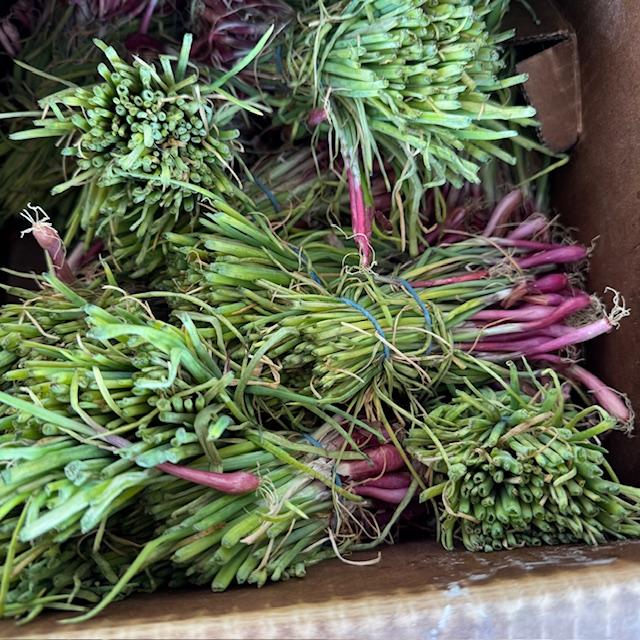 Some of our red onion starts. I am most excited about planting some of these.
Good morning. It is cold again at 46°. David is adding pelleted seeds back to the David's Garden Seeds online store.
I put up an article yesterday afternoon on the benefits of pelleted seeds. You can read it here to learn why you might want to try planting some pelleted seeds.
It is now 10:30am and the temperature is only 49°.
David had to fast all day until 1:40pm for a blood draw. His cardiologist, whom he sees next week, decided he needed fasting blood work done and that was the earliest appointment I could get with such short notice. There is nothing for Saturday left at all.
David did fine waiting to eat. I'd have passed out hours ago. I kept closing orders and counting seeds. It stayed cold all day long. Matt left early to get some work done on his brand new car.
Saturday, December 6, 2025
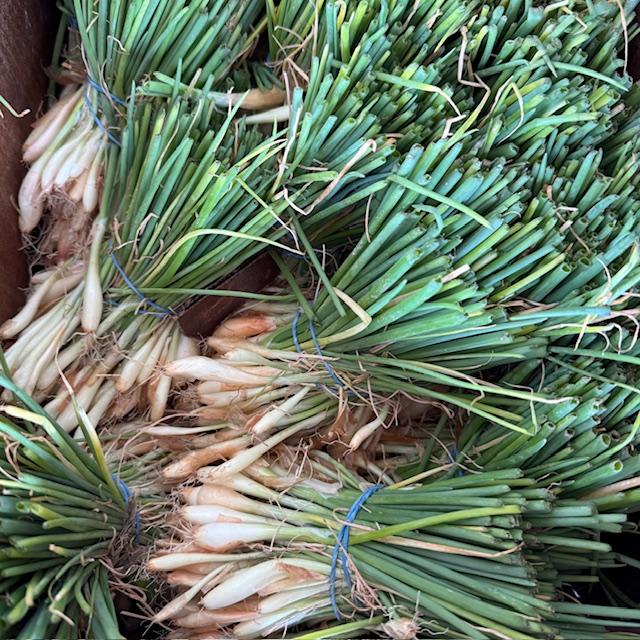 These are some of our beautiful yellow onion starts. Come by and pick yours up today!
Good morning. It is 49° but the high should be 71° today. The sun has come out this morning. We haven't seen it all week so that is good.
David says we will be working in the greenhouse today. We have lots to plant so that we have nice looking plants next spring for our customers to purchase.
Before I get my day started, thank you to everyone who reads my blog. An additional thank you goes to all of you who jump over to our company website, David's Garden Seeds, and order our products. We couldn't do it without you and we are now in our 17th year of business.
If you are new here, David started our seed company in the living room of our home in San Antonio back in September of 2009. In 2019, we moved to a farm in the country where we garden, have an orchard, chickens, Nigerian Dwarf goats, fish in a pond by our store, a kitty named Sam, and three crazy dogs who think we keep the house just for them. We provide the finest heirloom seeds for our customers year round and in the spring, we sell beautiful garden plants that we grow during the winter. We are licensed by the state of Texas as a nursery.
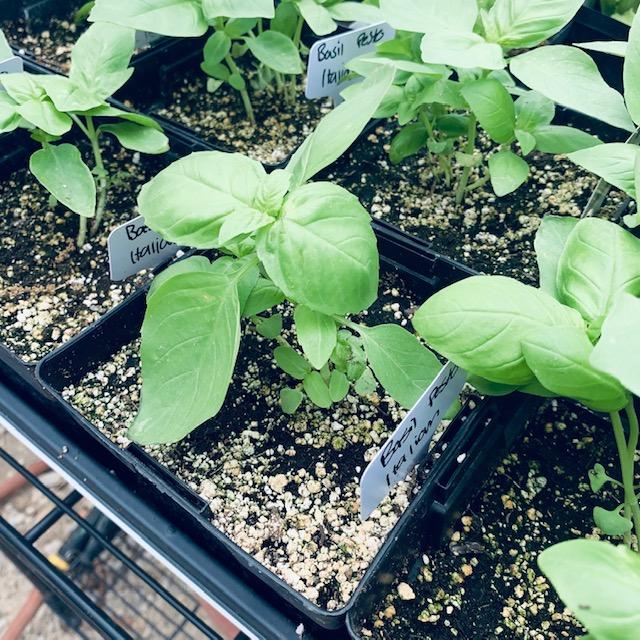
Time to get ready for the day. Our store will be open from 10am until 2pm today.
It is now noon. No customers have shown up yet and it is actually a beautiful, sunny day. It is currently 64°. The air feels great and you don't need a jacket now.
We have a $246 order for pickup that is ready. The customer said she would be picking it up today but so far, she hasn't made it. Matt and David are out back working in the greenhouse and I am stuck up front in case someone comes. It really isn't fair because I have lots to do out there but someone has to be here for the many customers who are not gracing our farm today...
Customers did show up for the large order. I was grateful to hand it off before seeds start disappearing out of the bag. It is now 1:10pm.
David and Matt grilled thick pork chops tonight. They were delicious! We watched a Reba McEntyre movie that was good. Then we started a new show, Tracker. We are still trying to finish Ironside, Landman, Thriller, and Tulsa King. They are all good.
Sunday, December 7, 2025
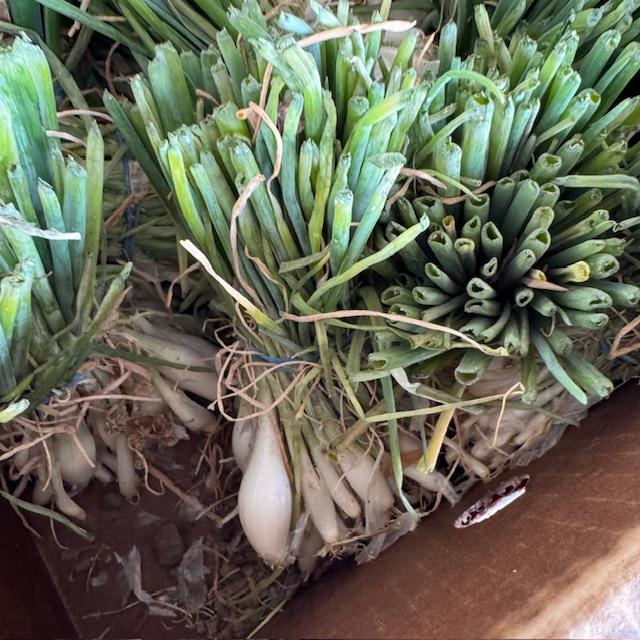 Some of our white onion starts. Come get them for your garden next week or drop your order in today!
It was sort of chilly this morning. It is Pearl Harbor Day, the day that our baby goats are due but nothing so far. I have read there is a five day leeway before or after the due date. Trixie and Alice have bulges but they are nowhere near as big as when they were each carrying twins. I read recently that the typical Nigerian Dwarf Goat birth is three babies. So far, we have had one baby and two sets of twins. Who knows?
We went to church and picked up fast food on the way home. Now the day is beautiful, sunny, and warm but not humid.
David says there are green beans to pick in the garden bed.
The wind started and it is getting chilly out there now. I went out at 3pm to see if there were any new additions to the family. None...
Two hours later, I went out to collect eggs and put everyone away for the night. It is supposed to get down to 40° tonight. Still no new babies.
I did not get anything done that I had planned on doing today. Now it is almost 6pm and time to get dinner. Maybe tomorrow. This will be another busy week. David has a doctor appointment tomorrow and another on Tuesday. Fun times.
Return from Make Your Own Compost to Year 7 Of Farm Life
Anything To Share On This Topic?
Would you like to share additional information about this topic with all of us?
Since 2009, over 2,000,000 home gardeners, all across the USA, have relied on David's Garden Seeds® to grow beautiful, productive gardens. Trust is at the heart of it. Our customers know David's Garden Seeds® stocks only the highest quality seeds available. Our mission is to become your lifetime supplier of quality seeds. It isn't just to serve you once; we want to earn your trust as the primary supplier of all of your garden seeds.
Watch Our 2022 TV Commercial!
Sing Along To Our Jingle
♪♫♪♪ ♫ ♪ ♫♪♫♫
♪♫♪♪♫♫
Peppers and peas
And lots of yummy greens
You can't go wrong
With Squash This Long
At David's Garden Seeds
♪ ♫ ♪ ♫
Our New 2024 TV Ad
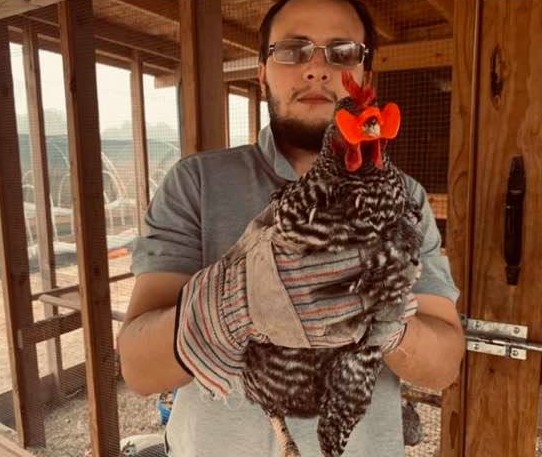
Please like and subscribe on YouTube and come visit us at our Farm Store! The music on our TV ad was written, played, and sung by our son, Matthew Schulze. You can meet him when you come to the farm. He just might give you a tour. Ask him to grab a guitar and sing our jingle that he wrote.
Our 2022 TV Ad

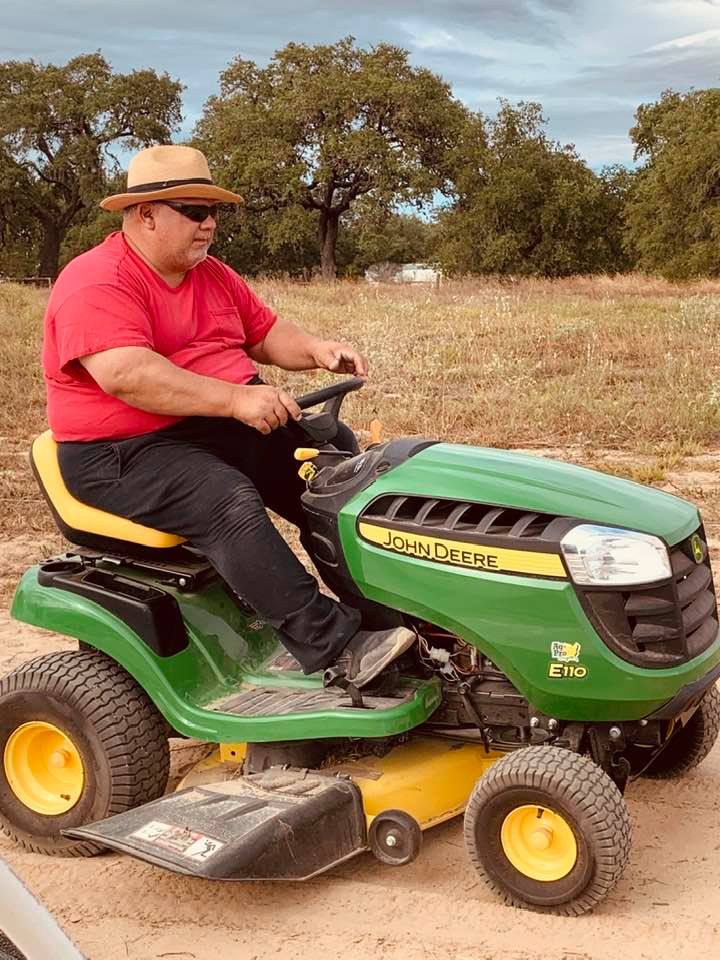 David of David's Garden Seeds® zipping along on his little tractor across the farm. He is having a blast!
We are David's Garden Seeds®. If you need great seeds, we've got over 800 varieties to choose from.
Subscribe To Mrs. David's Garden Seeds® Newsletter For FREE!


Find out what is going on down on the farm by reading our blog and by subscribing to our free newsletter for all of the information going down at David's Garden Seeds® and on the farm. I love to share helpful information with you. Please let your friends know and y'all come on down for a visit when you get the chance. We would love to meet you!
New Store Hours!
 Farm Store Hours: Th-Fri 10am-5pm, Sat 10am-2pm. Closed Sun-Wed.
Being out here in the country, we had awful internet & we could not stream TV. We got Starlink in April of 2025 & we love it! Now we can stream and work, even when it is raining!
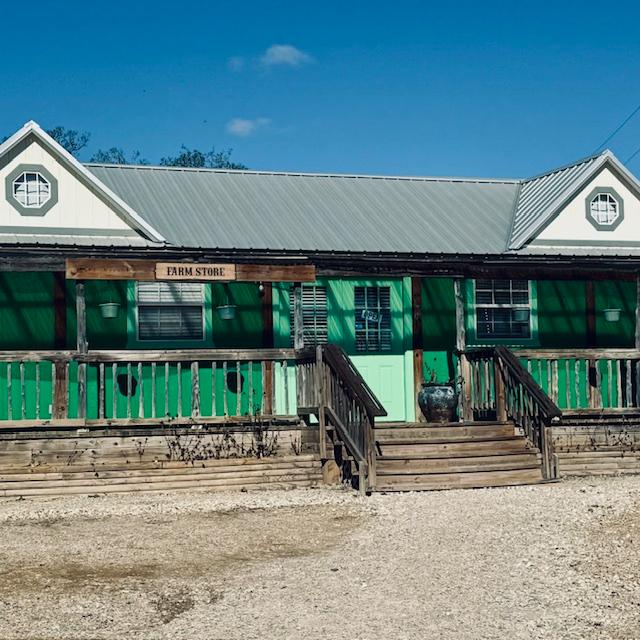 Our Farm Store
Shop for:
- Seeds
- Farm Fresh Eggs
Our Farm is located at 5029 FM 2504 in Poteet, TX.
 Only happy seeds make the cut to go into our seed packs!
David's Garden Seeds® has
seeds for the backyard gardener and farm fresh chicken eggs.
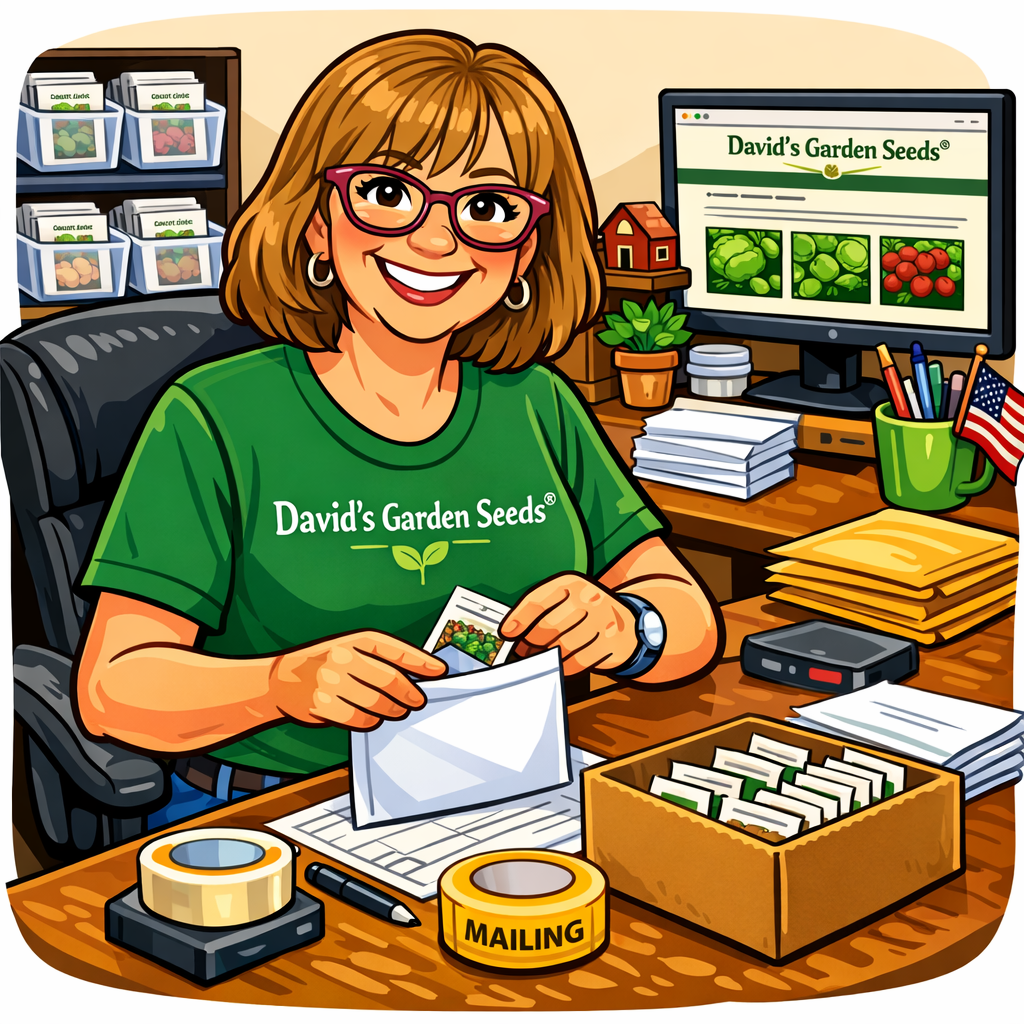
 David & Juanita work hard to pack your garden seed orders.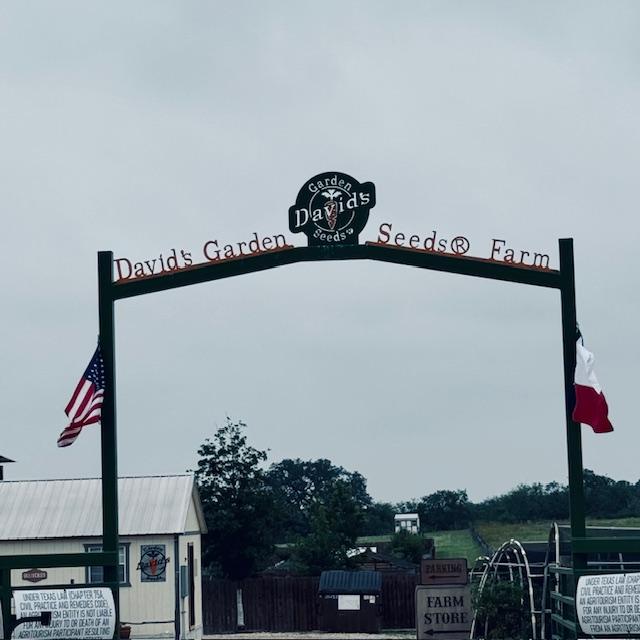



Sign Up For Our Newsletter Here!
   DGS YouTube Mrs
|
   |
Garden Ebooks
by Mrs. David's Garden Seeds
 I've been busy creating eBooks to help you with your garden...
IMPORTANT NOTE: THE EBOOKS ARE DIGITAL DOWNLOADS (EBOOKS), NOT PHYSICAL BOOKS.
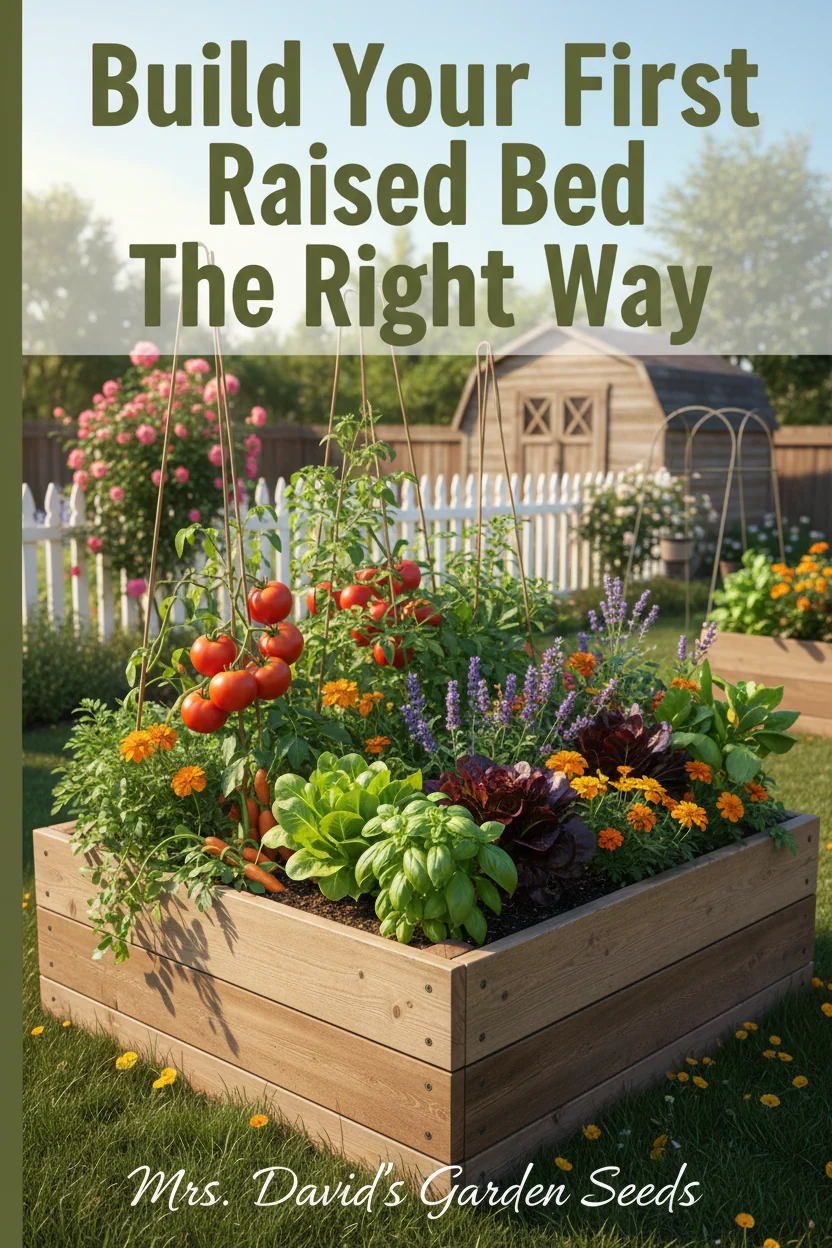
WE DO NOT REFUND OUR DIGITAL DOWNLOADS FOR OBVIOUS REASONS.
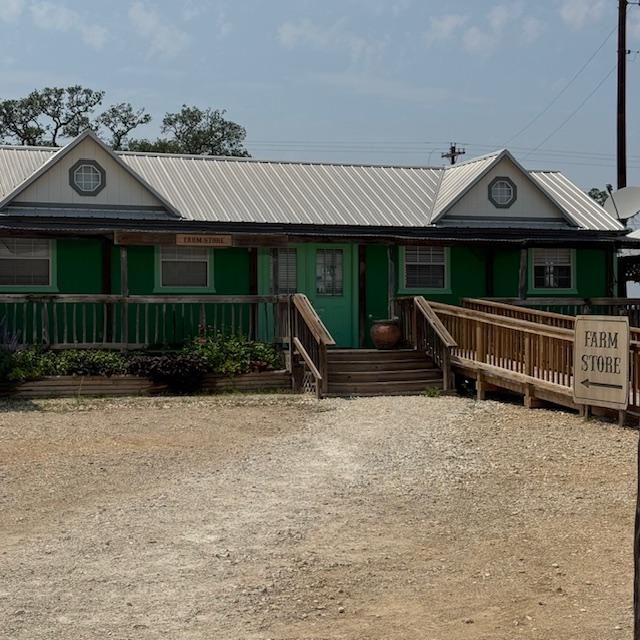 Our Farm Store is the green building
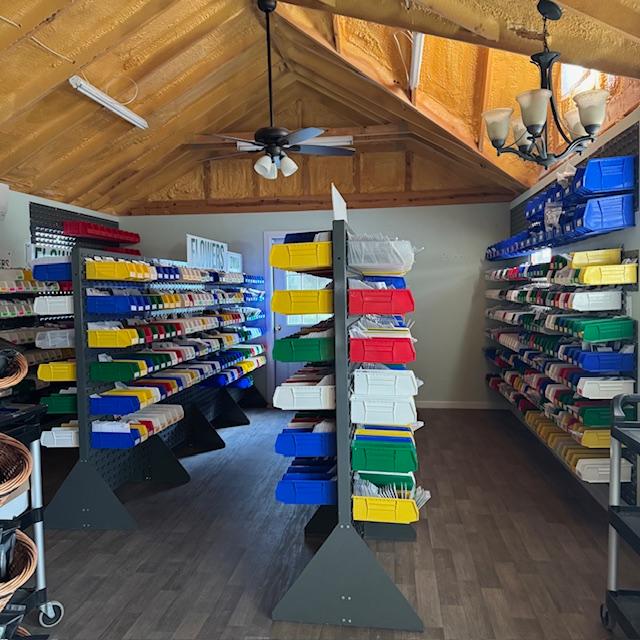 Inside our Farm Store...1400 varieties of seeds await you!
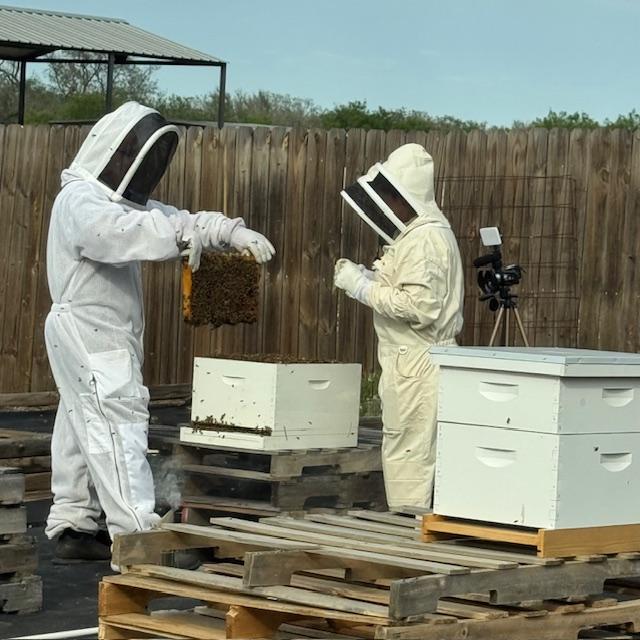 Our bee hives
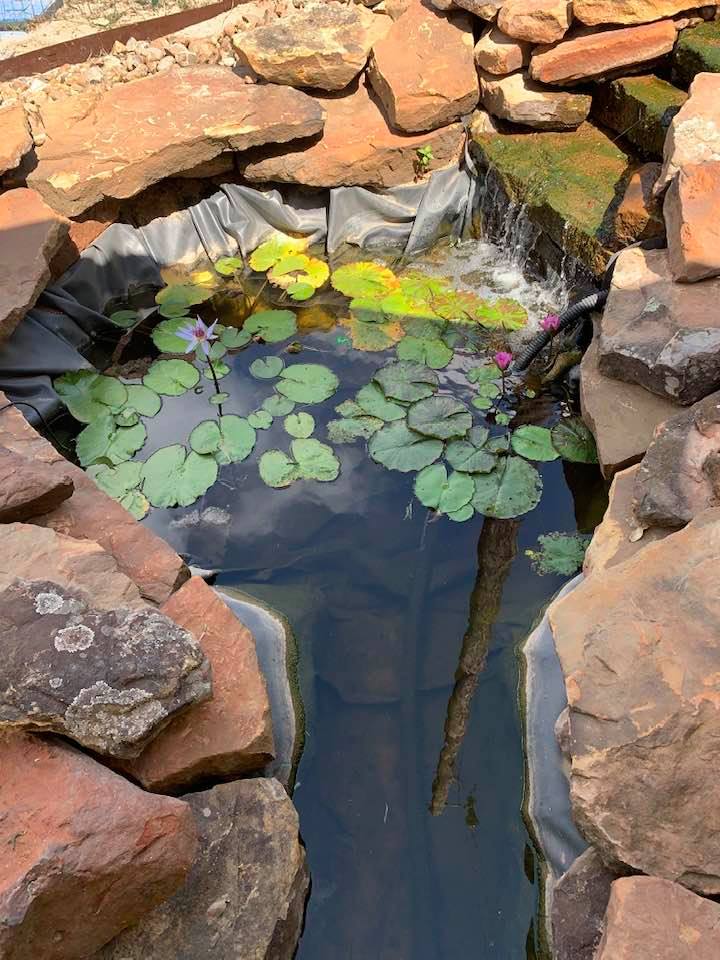
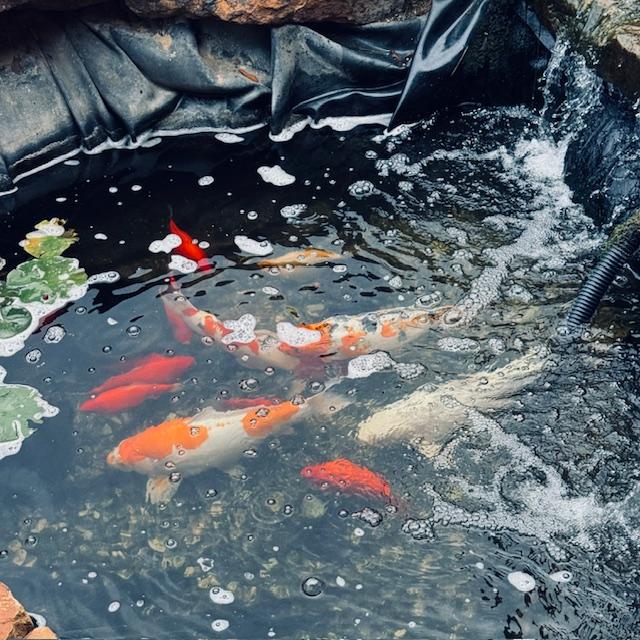 Our fish pond
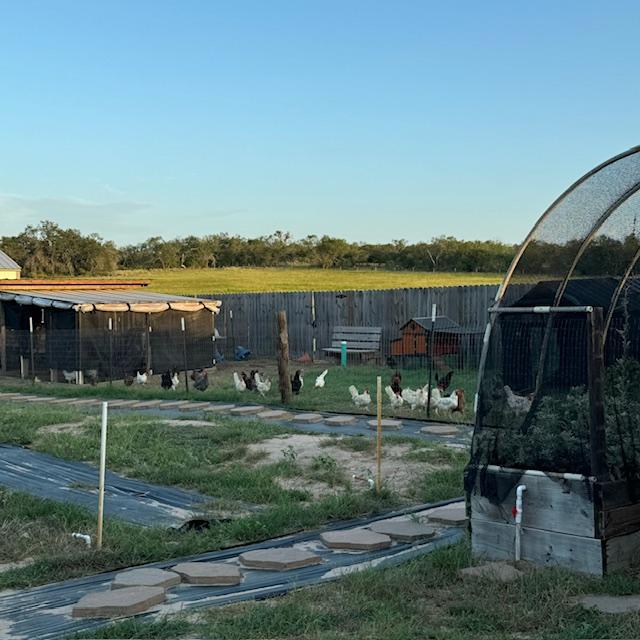 Our chickens
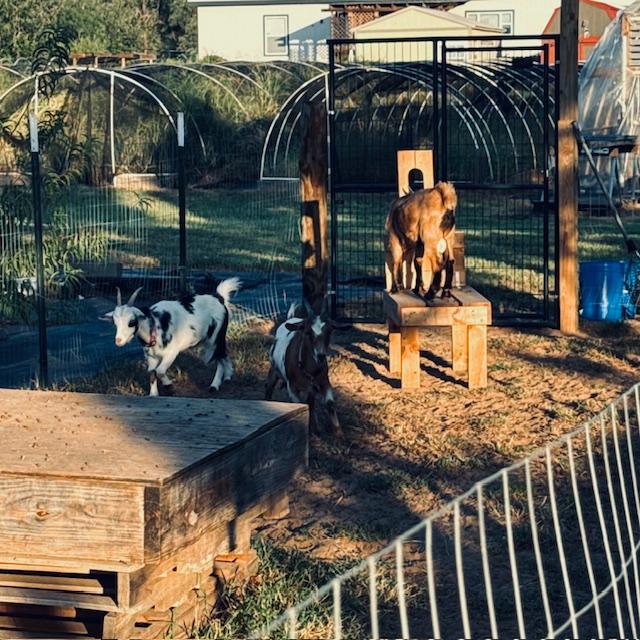 Our Nigerian Dwarf goats
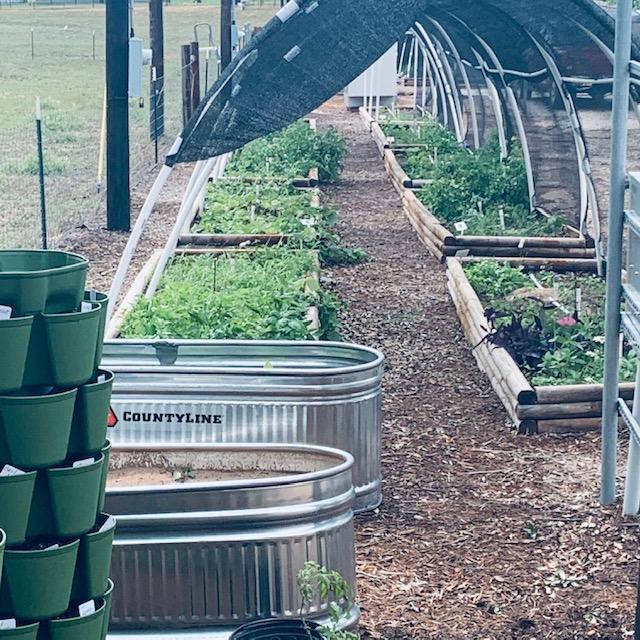 A few of our raised garden beds
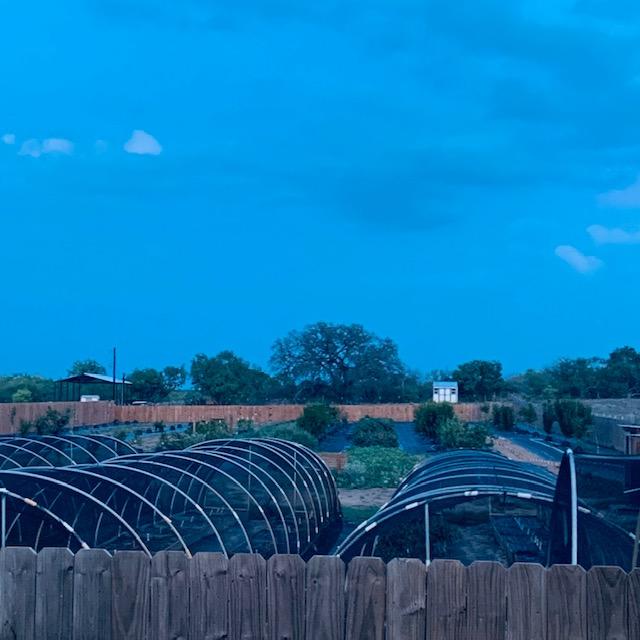 Our orchard and hoop houses
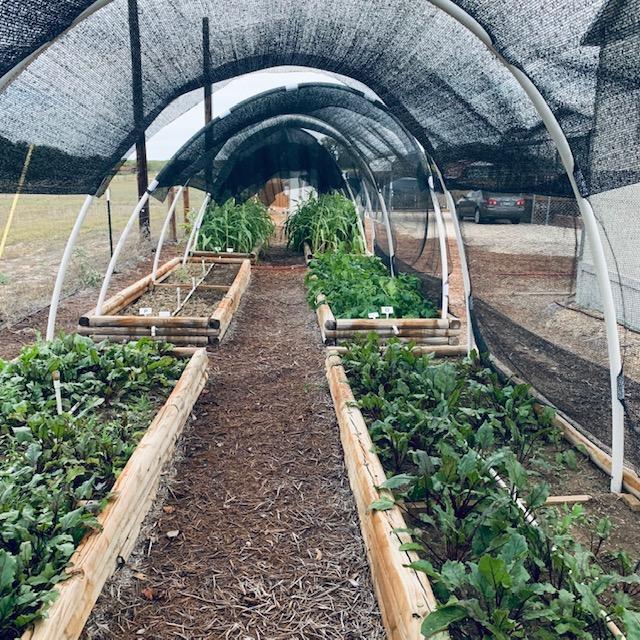
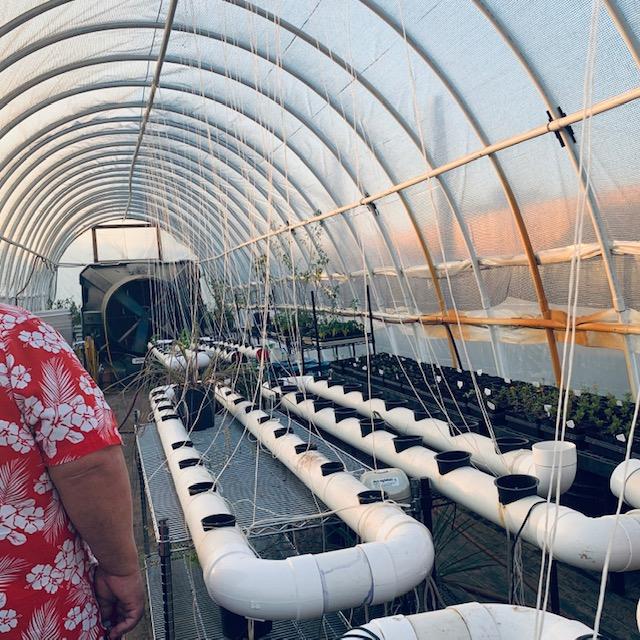 Inside our high tunnel
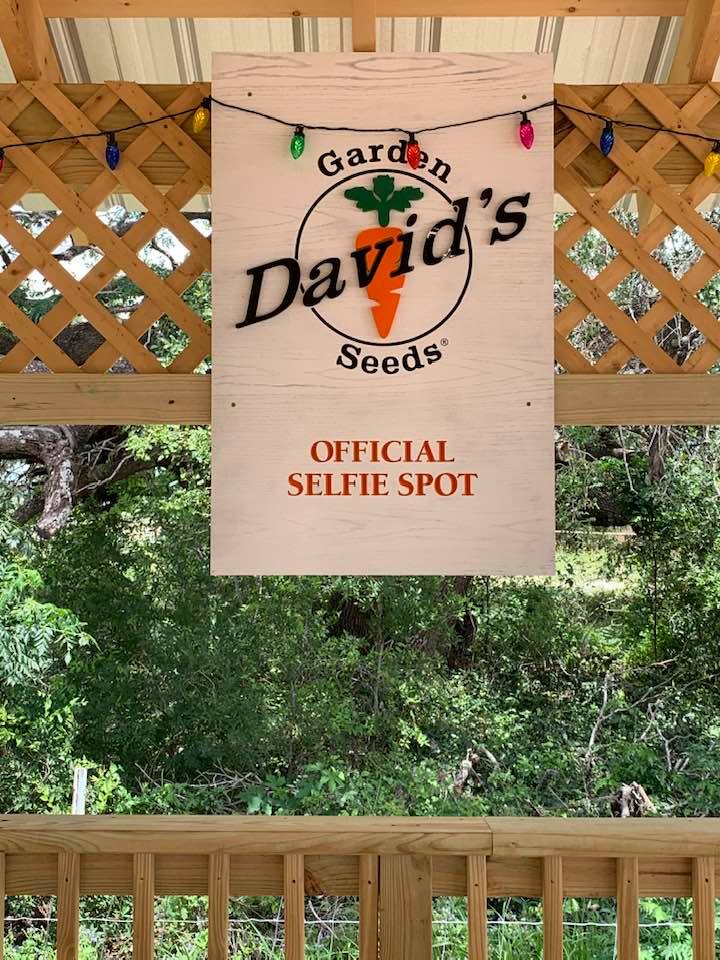 Take a selfie at our official selfie spot!
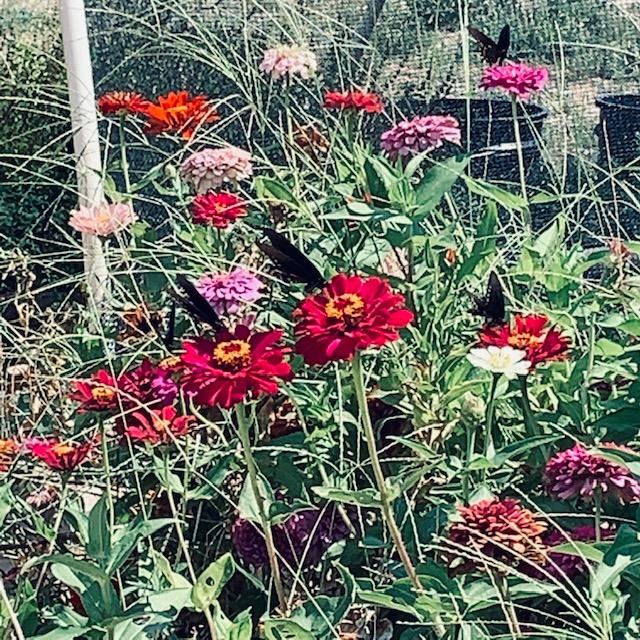 Flowers, bees, and butterflies are everywhere!
Watch Our TV Ads!
David's Garden Seeds® has the best Non-GMO seeds in the state of Texas!


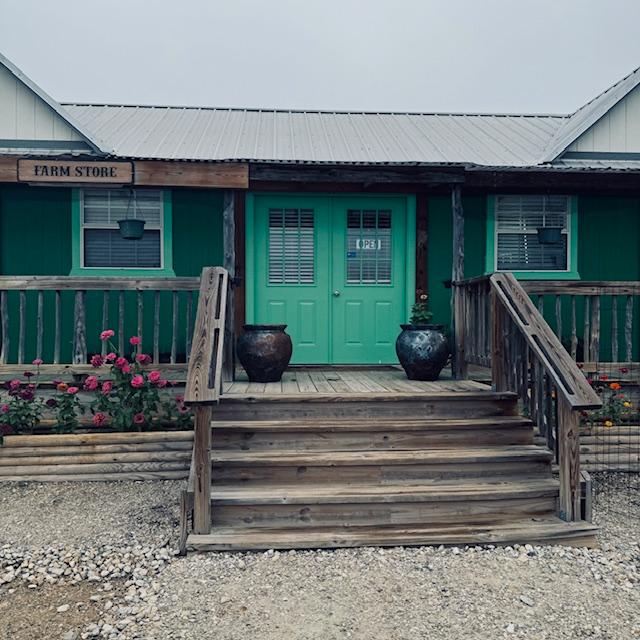 This is our beautiful Farm Store. Come in and shop for seeds. We have over 1600 Non-GMO heirloom varieties to choose from but we are in the process of bringing that number down to half.
Our Story
Hi Everyone! Thank you for visiting my website! I am Mrs Davids
Garden Seeds® aka Mrs. David's Garden Seeds and I think you should know that there is a wonderful seed
company in the great state of Texas called David's Garden Seeds®. We grow some of our seed, we count, hand pack, print our own envelopes, and ship seeds out to you right here from our farm. This used to be an old peanut farm. When the owner died about 15 years ago, his sons split the farm up and sold it in pieces. In 2024, we bought another adjoining four acres.
Our business started in our home in San Antonio in September of 2009. David decided to sell some seeds he had left over from his garden on Amazon. I told David, "Don't bother, it won't work!". I am so glad that David did not listen to me because it did work! By 2015, we had 8 employees working in my home every day and David found a storefront in San Antonio and moved the business there. In 2016, I quit my day job and went on the payroll. The company grew some more and David moved to a bigger storefront in 2017. In 2019, we found a beautiful piece of land over in Atascosa County and turned it into a farm out near Poteet. David and I moved out here to live in August of 2019.
In 2020, we moved our company out to the farm. We have a beautiful Farm Store filled with seeds, a gazebo with a pond full of koi and gold fish for you to visit. Come by and visit us at 5029 FM 2504 in Rossville, just outside of Poteet, Texas, Monday through Friday from 9am to 5pm and Saturday from 10am to 2pm. Or you can order seeds online from our user-friendly website, www.davidsgardenseeds.com.


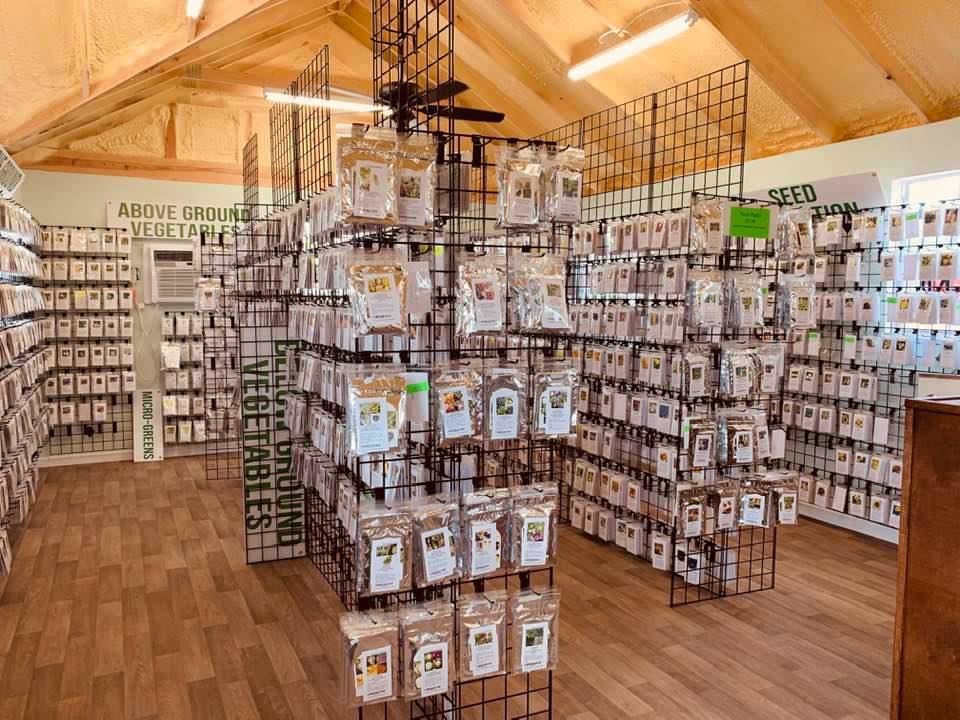 Our beautiful new farm store has almost 2,000 varieties of seeds and more. Mrs Davids Garden Seeds® looks forward to meeting you when you visit.
Mrs. David's Garden Seeds® Copyright by Juanita Lynn Schulze of David's Garden Seeds® 2019-2026
David's Garden Seeds® is Registered in the United States Patent and Trademark Office.