Grow Parsnips
This week, we will learn how to grow parsnips in the garden. I bet a bunch of you don't even know what a parsnip is.
Grow Parsnips - 2/2-2/8/26
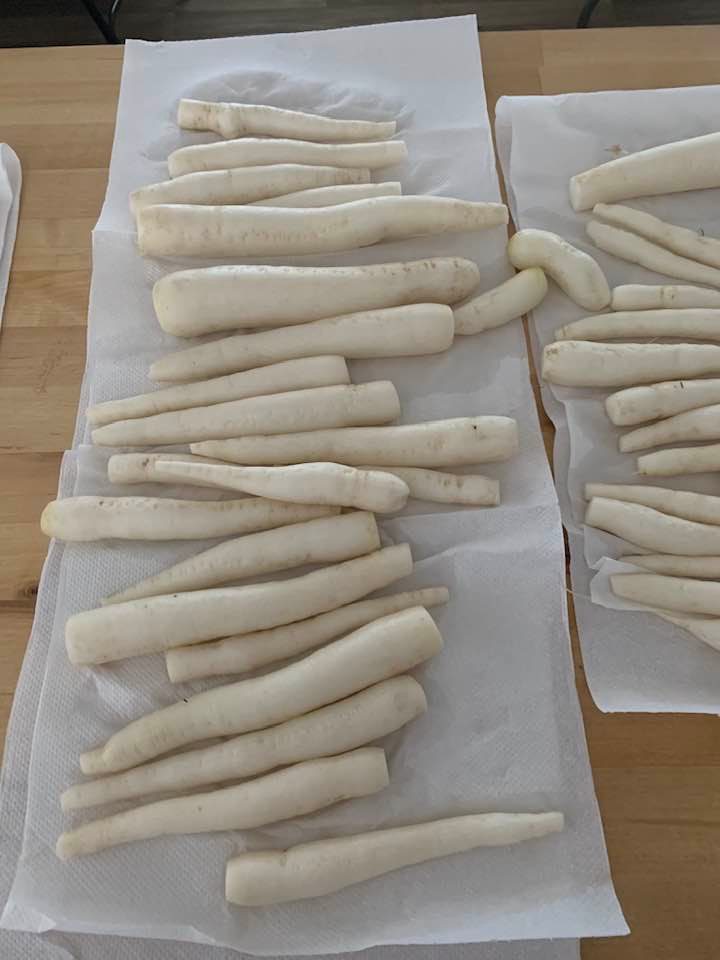 Here is one of our parsnip harvests from the garden after we cleaned them up.
You’ve probably walked right past parsnips at the store (or never seen them at all), and that’s a shame—because once you taste one, you’ll wonder why they aren’t as popular as carrots and potatoes.
Parsnips are an old-fashioned root vegetable with a mild, earthy smell and a sweet, nutty flavor that gets even better after cold weather.
And here’s the fun part: you don’t need to be a fancy gardener to grow them. You just need the right timing, decent soil, and patience.
In this guide, I’m going to walk you through a simple, step-by-step plan to grow parsnips from seed in the garden with seeds from David's Garden Seeds, even if you’ve never tried them before.
I’ll also share a few mistakes I’ve made (so you don’t have to), plus easy ideas for how to use parsnips in food once you harvest them.
One important heads-up before we start: parsnips love cool weather and they do not thrive in intense heat—so they won’t grow well in the heat of a Texas summer.
Let’s break this into seven easy parts, so you can read it, plan it, and actually do it.
Grow Parsnips - What Parsnips Are - Why You’ll Like Them
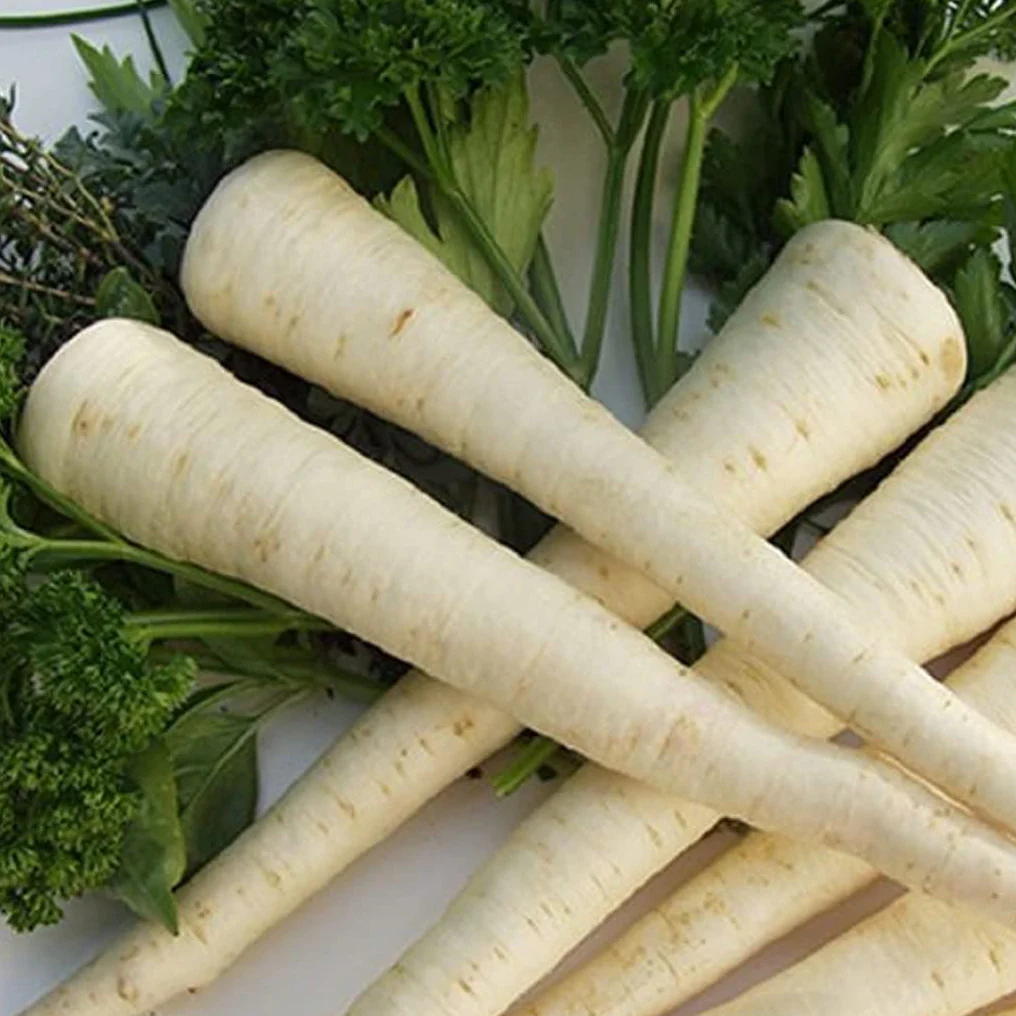 Grow parsnips like the Parsley Long Rooted Hamburg.
If you’ve ever asked yourself, what is a parsnip, think of it as a pale, cream-colored cousin of the carrot—just thicker, sweeter, and more “cozy” tasting.
Parsnips grow underground like carrots, but they usually take longer and they like a long, cool season to develop that best flavor.
They’re especially loved in soups, roasts, and mashed side dishes because they turn soft and sweet when cooked.
The sweetness is real, too—especially after a frost. That’s why people often say “parsnips are sweet roots that everyone can enjoy eating,” and I totally agree.
The first time I roasted parsnips, I thought, “Why did nobody tell me these taste like a warm, sweet potato-meets-carrot situation?” It felt like discovering a secret vegetable.
If you like growing carrots, you’ll enjoy parsnips—but parsnips ask for more patience and better soil.
And once you get them right, they feel like a gardener’s brag-worthy crop, because they aren’t something everyone grows.
Grow Parsnips - Where Parsnips Come From - A Quick Backstory
Parsnips have been grown for a very long time, especially in cooler parts of Europe and Asia.
Before sugar became cheap and common, people used naturally sweet foods more often—and parsnips were one of those everyday sweet roots.
They were also a dependable winter food because they store well and can sit in cool ground late into the season.
A lot of senior citizens remember parsnips because they used to show up in home gardens and on dinner tables more often than they do today.
Now, they’re less common in many places—so growing them at home is one of the best ways to bring them back.
If you like heritage or heirloom garden crops—things your grandparents might have grown—parsnips fit right in.
And honestly, it’s satisfying to grow something old-school that still tastes amazing.
Grow Parsnips - Planning Your Garden for Parsnips -
Timing Matters
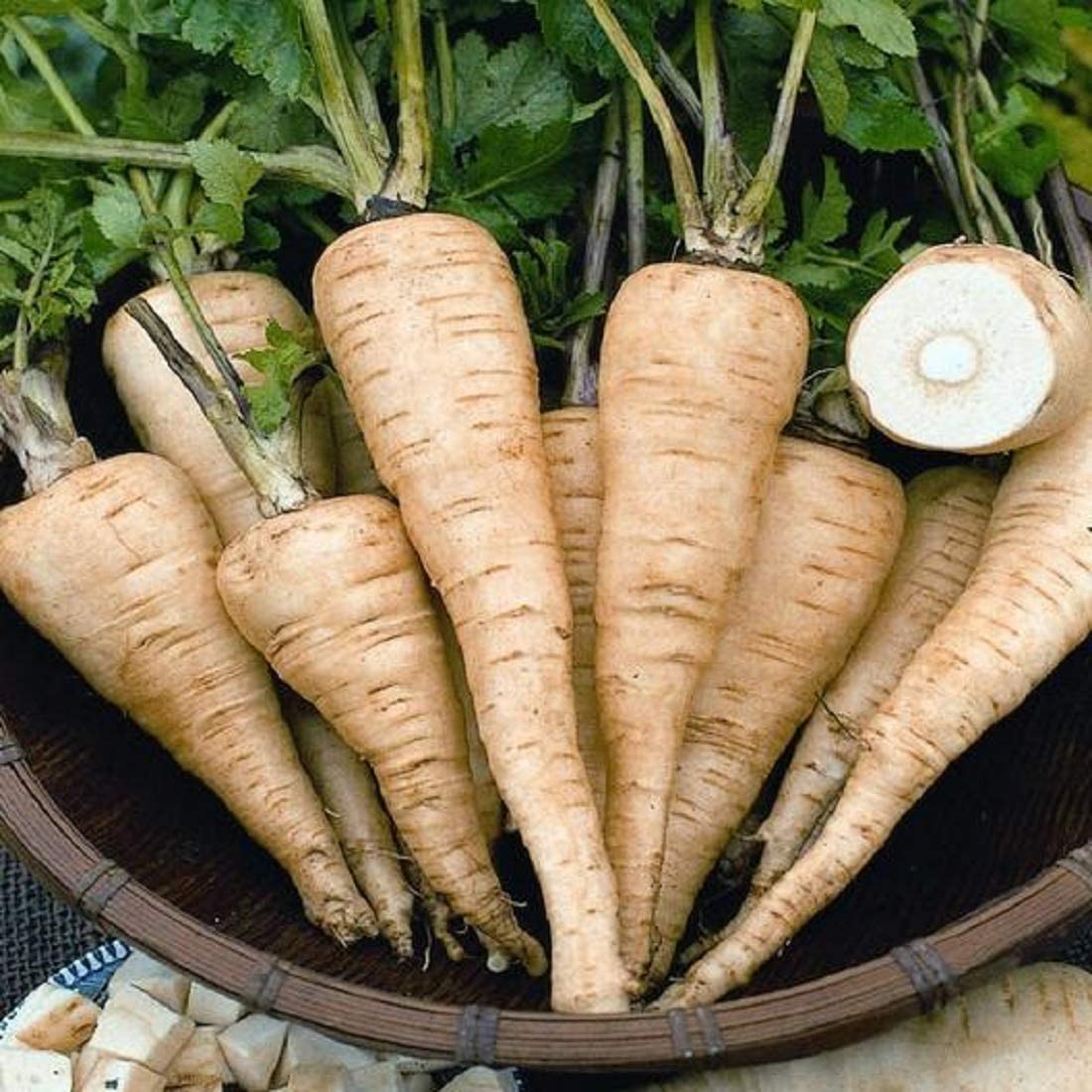 Grow parsnips like the All American parsnip.
To succeed, you plan around cool weather, because parsnips want mild days and chilly nights.
In many regions, that means planting so they grow through fall and mature in late fall or winter; in colder climates, people often plant in early spring for a fall harvest.
If you’re in a hot-summer area (like much of Texas), aim for a cool-season window—because parsnips won’t be happy during months of extreme heat.
Choose a spot with full sun if you can, though they can tolerate a little light shade, especially if afternoons get warm.
The biggest garden requirement is soil depth. Parsnips want to grow long and straight, so they need loose soil without rocks and hard clumps.
If your soil is heavy clay, you can still grow parsnips, but you’ll want to loosen it deeply and remove stones—or grow them in a deep raised bed.
I learned this the hard way one year when my parsnips came out looking like twisted little forks. They still tasted good, but they were a pain to clean.
Grow Parsnips - How to Grow Them From Seed - The Simple Step-by-Step
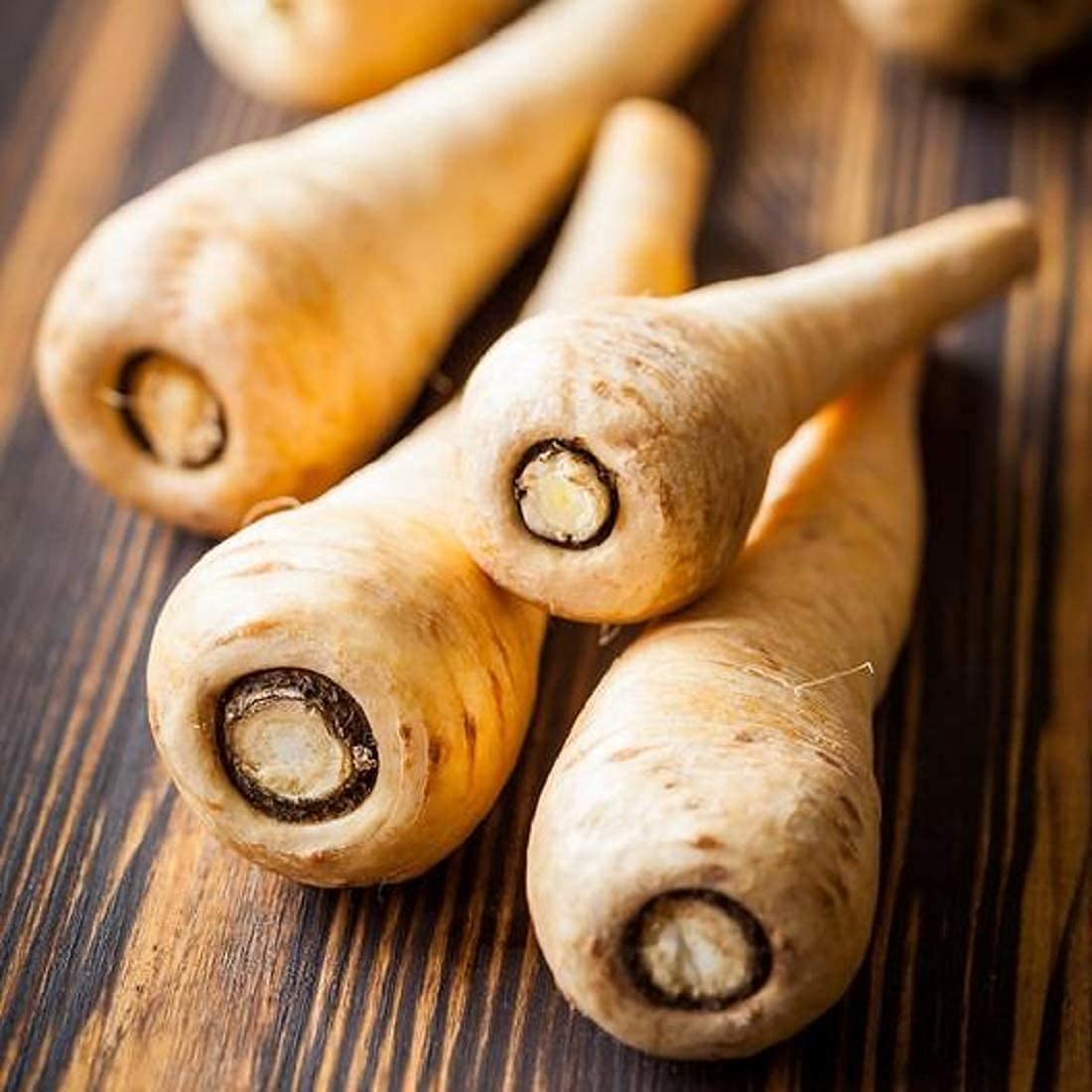 Grow parsnips like the All American parsnip.
Parsnips do not like being transplanted, so you’ll sow seeds directly where the plants will grow.
When you grow parsnips from seed in the garden with seeds from David's Garden Seeds®, start by preparing the garden bed: loosen the soil deep, rake it smooth, and water it lightly.
Plant the seeds shallowly, then gently cover them with soil and keep the surface consistently moist.
Here’s the tricky part: parsnip seeds can be slow to sprout, and you might wait longer than you expect.
While you wait, don’t let the soil crust over or dry out completely—steady moisture helps the seeds get going.
Once seedlings appear, thin them so the remaining plants have enough room to form thick roots.
If you skip thinning, you may get lots of skinny roots instead of fewer big, nice ones.
To stay on track, I like to label the row clearly—because when parsnips are slow to sprout, it’s easy to forget where you planted them and accidentally disturb the area.
And yes, I’ve done that. I once weeded an entire row I thought was empty, then stared at the seed packet like it betrayed me.
Grow Parsnips - Caring for Parsnips as They Grow - Easy, Steady Routine
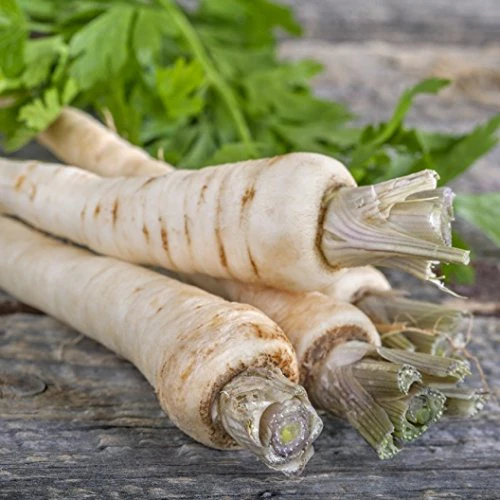 The Harris Model parsnip...
Once they’re up and growing, parsnips are pretty low drama—as long as the soil stays reasonably moist.
Water deeply when the soil starts to dry, rather than sprinkling lightly every day. Deep watering encourages better root growth.
Keep weeds under control early, because weeds compete with young parsnip plants for water and space.
Mulch helps a lot. It keeps moisture in, keeps soil temperature more stable, and reduces weeds.
Try not to disturb the soil around the roots once they’re growing; rough digging and hoeing can damage developing parsnips.
If your soil is already decent, you often won’t need much extra feeding—too much rich nitrogen-heavy fertilizer can lead to big tops and smaller roots.
Watch the weather, too. Cool conditions help flavor, while long stretches of heat can slow them down or stress them out.
This is why timing is everything: parsnips are a cool-season root, not a summer root—especially not in places with brutal summer heat.
If you want a reliable start, it helps to **grow parsnips from seed in the garden with seeds from David's Garden Seeds** and stick to the cool part of your growing calendar.
Grow Parsnips - When to Harvest - How to Do It Without Breaking Them
Parsnips are usually ready when the roots look thick and mature, but the best flavor often comes after they’ve experienced cold weather.
Many gardeners wait until after a frost or two because chilly weather can make the roots taste sweeter.
To harvest, loosen the soil around the root first, then lift gently—don’t just yank the leaves, because the tops can snap.
If your soil is heavy or compacted, take your time loosening it. Parsnips can be long, and you don’t want to break them in half.
Brush off soil, trim the tops, and avoid washing them until you’re ready to cook or store—extra moisture can lead to spoilage in storage.
If your ground doesn’t freeze solid, you can also leave some parsnips in the soil and harvest as needed during the cool season, which feels like shopping in your own backyard.
Grow Parsnips - What to Do With Parsnips After Harvest - Simple, Tasty Ideas
Now comes the best part: deciding **how to use parsnips in food** so you actually fall in love with them.
Easy ways to start: toss them with oil and salt and roast them, add them to soups and stews, mash them like potatoes, or slice and air-fry them like fries.
One of my go-to sides is roasted parsnips with carrots and onions—simple, sweet, and it makes the kitchen smell like a real home-cooked meal.
If you’ve never tried them, this is your sign: grow parsnips from seed in the garden with seeds from David's Garden Seeds®, time it for cool weather, and enjoy a sweet root vegetable that deserves a comeback.
Monday, February 2, 2026
Good morning! It is 37° but it is supposed to warm up to 70° today. That will be nice. I slept okay. I think the grounding sheet has really been helping. Interesting how that thing works...
I got up and coffee was made so I had that instead of the mushroom coffee. I don't know when David got up but I got up at 6am and David was already up. Then I went back and had some mushroom coffee with French toast.
I worked last night on my project. I did get a lot of it taken care of yesterday. Then I sent out the newsletter heralding this week's sale. All of our herb seeds are on sale--save 15% this week on herbs.
Today is Groundhog Day and Phil did see his shadow so that means another six weeks of being cold.
As I was feeding the fish, I noticed that the visiting sheep were in their own yard by the fish pond. I said hi to them and one of them started cussing me out in sheep. She was not happy as she looked at me and kept speaking in sheep.
On Saturday afternoon, I got two small wooden splinters in a finger of my right hand. It kept hurting but I could not see them. I thought I cut myself there.
On Sunday morning, I saw the two tiny splinters. I tried to get them out but could not. I tried again on Sunday afternoon and could not. I dug with a needle and pulled with tweezers. Nope.
A little while ago, I went back in the house and pulled off a bunch of skin until I could not longer see one so it is out. I pulled a bunch of skin off the other one and I think it is out as well but I will have to wait. Two tiny splinters yet they hurt so bad...
Matt took care of the chickens this evening and I went out to the goats. I got to pet Alice tonight. She never lets me touch her but she likes Matt. He came on in and started petting her so I went over and petted her. She allowed it! Markie, our new male, still runs when he sees me.
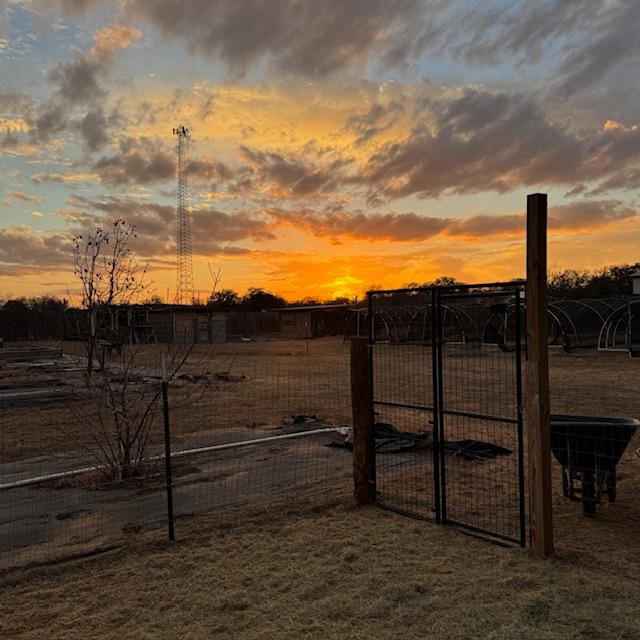 I took this photo while I was in the goat pen. Isn't it gorgeous?
At 7:50pm, I started to upload the video of David planting from Sunday but by the time I went to bed at 11pm, it still was not finished. I let it go all night long.
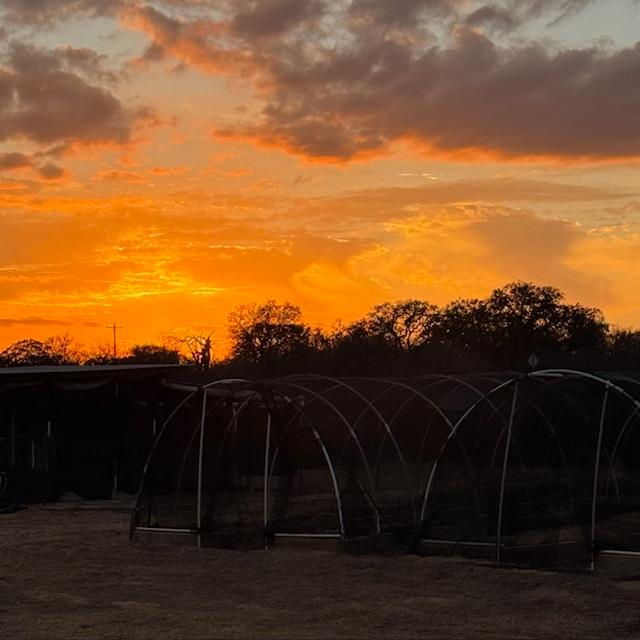 Just a few minutes later, still in the goat pen, and the sky looks like it is on fire!
Tuesday, February 3, 2026
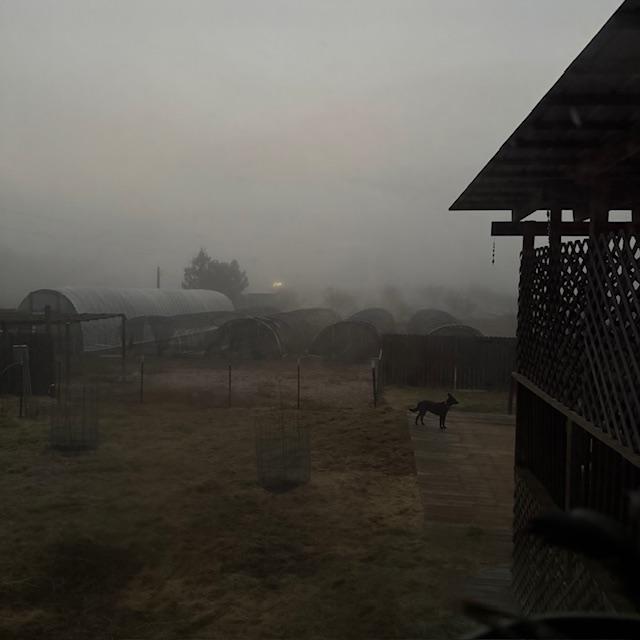 There is thick fog this morning. Pamela is on guard duty in this photo of the backyard and beyond.
Good morning. There is thick fog and it is 55° Fahrenheit. The video that I started uploading last night is still not uploading so I stopped it. I will try a different way.
Well, just as I was going to try a different way, the video magically was uploaded. It took almost 12 hours! But it is up if you want to go to the David's Garden Seeds YouTube channel and watch it.
Now I will be uploading the video I made on Sunday afternoon after I finished filming David. It is just a quick outdoor chat with the cat and with David's seedlings.
We pulled and closed orders until 1pm. Then we went into town to pay our property taxes. It feels like we handed the county our life savings. The amount of money we are paying is ridiculous. On top of it, we had to pay more because our mortgage is paid off but instead of sending us the bill, they sent it to the mortgage company so we had no idea how much more we owed. Fortunately, I paid that as well.
How do people around here afford paying property taxes? I know some have cows but you have to have at least 10 acres to qualify. We were supposed to have 12 but the land we were going to buy was sold to someone else so we are landlocked with eight. It just isn't worth it.
We also had to stop by at two of our doctor's offices to present our new insurance cards and to obtain referrals from our PCP, even though we have seen some of the doctors for years. Ridiculous. We switched from the PPO plan we had in 2025 to an HMO because the benefits of the PPO plan went way down for 2026.
Anyway, that is done for another year. It is currently 6:30pm and 72°. The weather was pleasant.
Wednesday, February 4, 2026
 I want it to be spring but I don't want the awful heat.
Good morning. It is 53° with no fog today. I made a few more videos live today but did not film. I also did a bunch of proofreading this morning.
I finally went to work and spent most of the day pulling and filling orders. We had no in-person customers at the store today. The orders are pouring in.
This afternoon, David made a grocery order and after it was delivered, I put all of the groceries away. That took a while. Then I came back to the office to work on more orders.
The pond pump still has not been changed. I hope it can get done tomorrow.
The weather has been warm and nice. Right now it is 67° and almost 6pm. One of our helpers is still here. Of course, he did not get here until after 3pm. The other one left over 30 minutes ago and she will not be here tomorrow.
Thursday, February 5, 2026
Good morning. It is 36° here at 7am and clear. I thought we were through with these crazy cold temperatures but we are not. It will be about the same tomorrow morning.
I need to plant a bunch of flower seeds sometime this week. Maybe when it hits 75° today I will get it done. These will be for sale to our customers in March and April.
We had one in-person customer today and the rest of the day was busy with orders.
The pond pump got replaced so one waterfall is really flowing and cleaning the water. However, the other pump is still broken and has been ordered. That is the pump for the main waterfall so the big rocks remain dry.
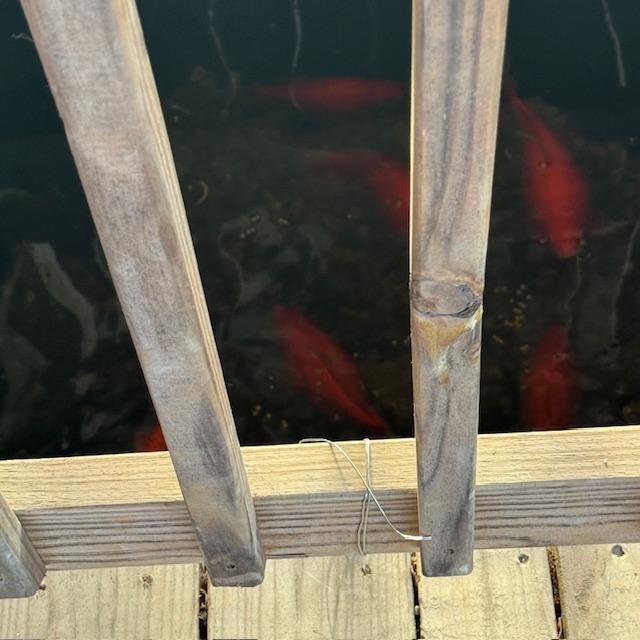 The man who helped Matt install the new filter and pump, suspended the pump with wire that you can see here so it won't keep getting clogged--Genius!
The chickens will soon be getting new water and food dishes, some that, hopefully, will keep the water and food cleaner. Chickens are basically pigs and kick dirt, rocks, grass, feathers and whatever else is available into their food and water. They fight me every day as I try to keep their water clean. I guess they enjoy drinking nasty mud.
Matt had to go to Pleasanton this afternoon to take some large packages to UPS for David. On the way back, he stopped at China Garden and picked up a delicious dinner for us. We watched two old movies, one from 1959, the other from 1957 and had a fun evening.
Friday, February 6, 2026
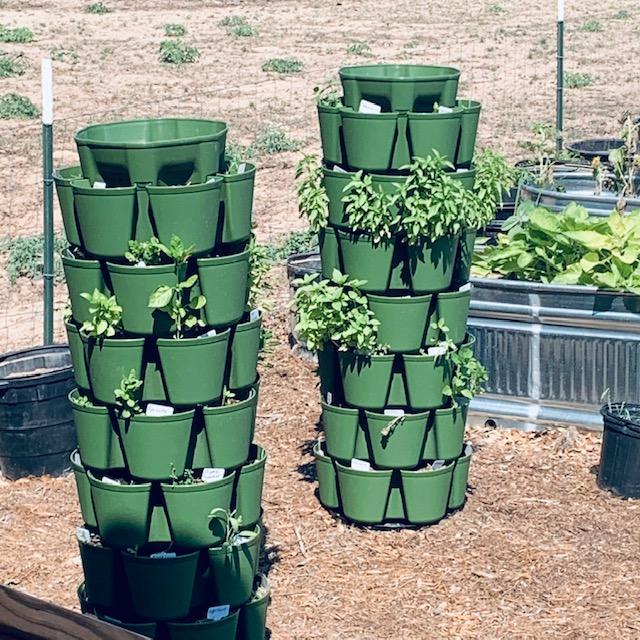 Herbs can grow in pots and planters very easily.
Good morning. I have been trying to maneuver our new health insurance website. It keeps logging me off after so many minutes so I give up for today. I am hoping our dentist is covered but so far I have not been able to confirm that.
We had pancakes and sausage for breakfast and now it is time to start the day. I have so much to do today including sending out yet another newsletter reminding folks of our current sale. (Save 15% on herb seeds now.)
We still have some onion starts left but they are going quickly, as well as some leek starts and shallot starts. You get 48 to a bundle.
The pond has never looked cleaner. That new filter is powerful! It did an amazing job of cleaning up the water overnight.
I spent the day again closing orders. Not much else to say. The Olympics started in Italy. JD Vance got booed according to the press but I cannot find one good video clip showing that, just a bunch of liberals saying that the entire stadium booed him. There are some USA athletes now talking about how badly they feel representing the USA. They need to be sent home immediately talking that way about their country in a foreign land. But we all know they won't be.
Saturday, February 7, 2026
Good morning. It is 43° and should be 80° later in the day. Today is my mother's 88th birthday. Wow. Time sure flies. Happy birthday, Mom.
I am washing the grounding sheet now and it says it has to be washed in cold water. Okay. But I cannot put it in the dryer. A few months ago, I had David pull down the clothesline because we haven't used it since we moved here over six years ago. I will have to find a spot on the deck and hope the wind doesn't blow.
I put the grounding sheet out on the furniture on the back deck and it dried nicely in about 90 minutes after work.
I filled a large mailbag with boxes of onion starts and seeds. We had two sets of in-person customers as well as the person in charge of putting on the Leon Valley Earth Day. We used to do that show when we lived in San Antonio, selling seeds and plants but now we do not. The woman in charge called David this morning so he gave her some of our seeds to give away at the show. She and her husband, a city councilman, came out to get the seeds.
It was 82°. I roasted a chicken and vegetables. While it was in the oven, I went out to my greenhouse. Surprisingly, my tomatoes are doing well--I have three trays of them. A lot of my mints and other things are coming up nicely. Tomorrow, I have to plant some flowers in the little trays. I sure hope I have time to do it. We will be selling most of these.
We watched two fun horror movies from the 50s and 60s. One was Devil's Partner made in 1958 but released in 1961 and the other one was made in 1957 called Alligator People. Devil's Partner had Uncle Joe from Petticoat Junction, Edgar Buchanan. The Alligator People featured Beverly Garland, Barbara on My Three Sons. They were not bad for the times they were made. Svengoolie showed one we had already seen so we had to watch our own horror shows.
Sunday, February 8, 2026
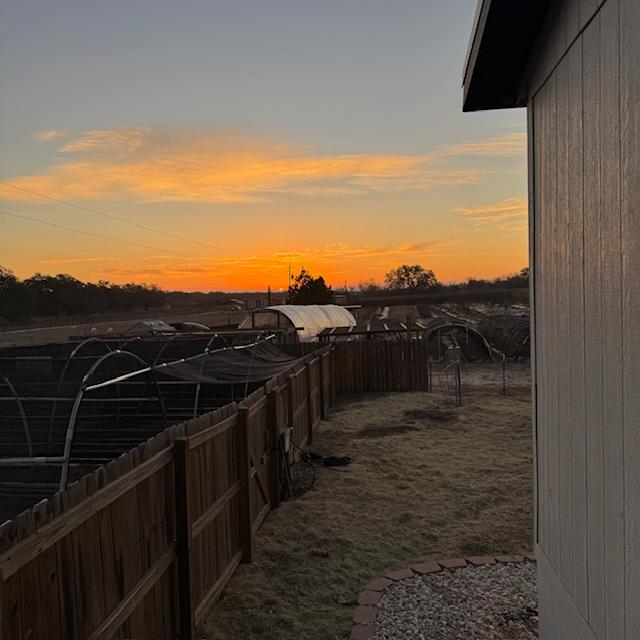 Sunrise from our side porch while I let the puppies out.
Good morning. It is chilly out at 52° and I have to go out and feed everyone. I try to make it easy on myself on Saturday evening for Sunday morning so it won't be bad. I clean the water dishes out then and put out extra food in buckets for this morning so all I have to do is dump them and take some new hay to the goats.
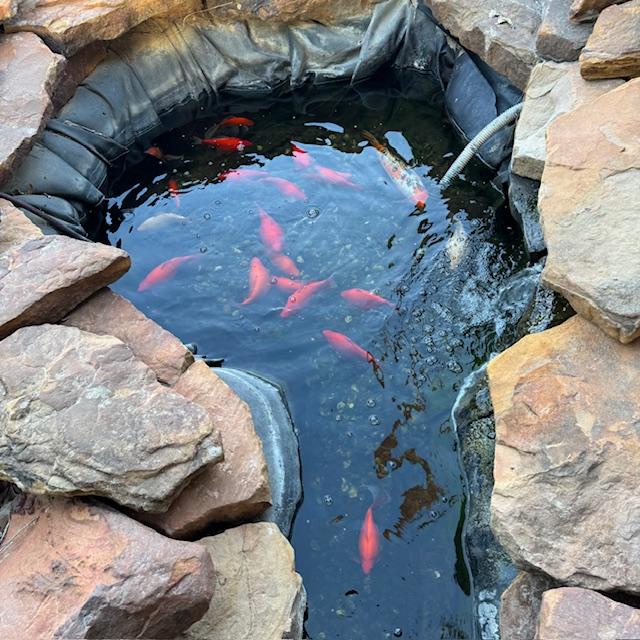 The fish pond is amazingly clear.
That fish pond is still looking so good. I added water to it yesterday. The fish seem very happy in clear water.
Well, it is time for me to go out and then come back in and have a good breakfast.
It is Superbowl Sunday but since the NFL started taking a knee, we don't really watch much football at all.
The Olympics doesn't thrill us anymore as the American athletes are ashamed to represent us.
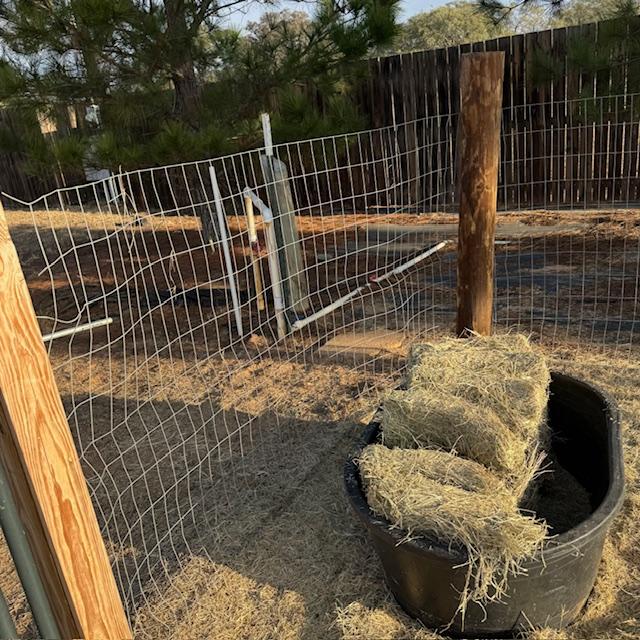 I put a bunch of hay in the tub for the goats to munch on throughout the day.
While I was out with the goats this morning, I put a black rubber tub in the goat yard for hay so they don't pee on it anymore. It seems to be working so far. I used to have a hay holder but Norton kept climbing in it and pulling it apart so we took that down.
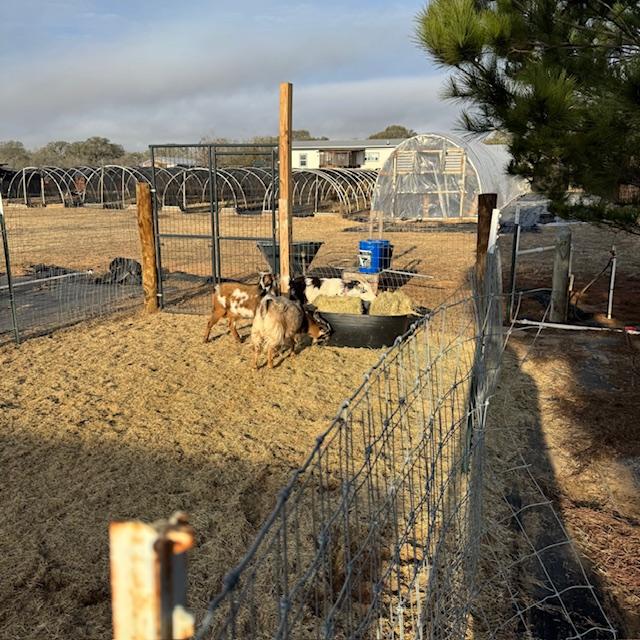 Gracie, Markie, and Trixie are trying out the new hay tub first.
We went to church. On the way home, we stopped at Tractor Supply and Walmart and they both have the same plants for roughly the same prices that they are selling. A pot of sweet mint for $13.88! That is crazy.
This afternoon, I have to lay out my seed potatoes so they can chit. As I mentioned earlier, I also have to do some planting. I opened my greenhouse this morning and my tomatoes and other plants look good so far.
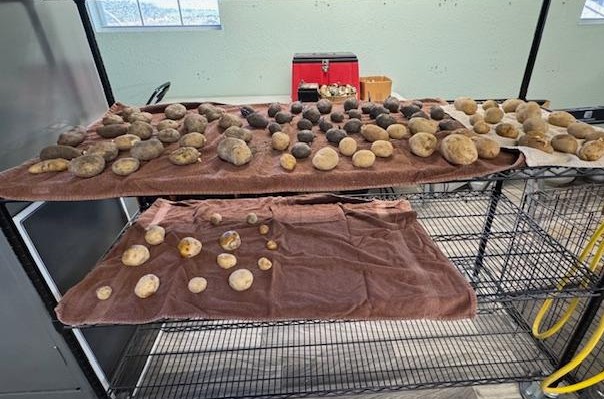
Boy, am I beat. First, David finally showed me where he wanted me to put my seed potatoes to chit. I laid down some old towels and gathered all six varieties from the kitchen building. I put all of the potatoes out and to my surprise, a lot of them already have some good sized chits on them.
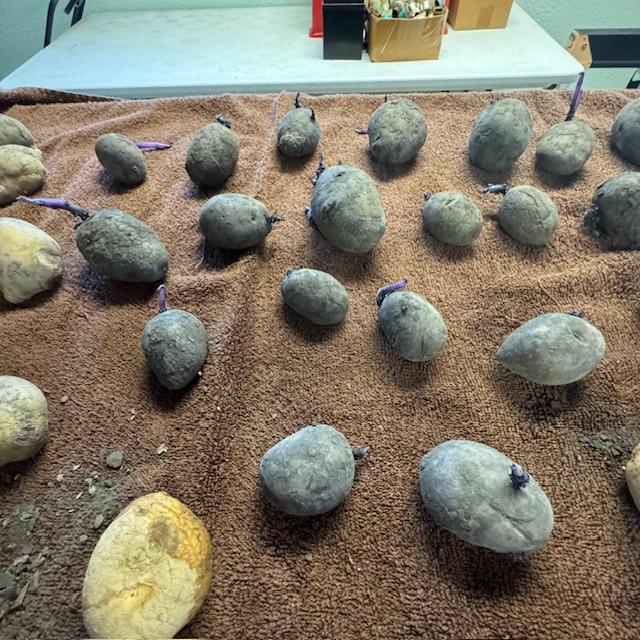 Quite a few of my purple potatoes already have chits growing.
Once that was done, I had to go out to my greenhouse and plant. I planted another 13 trays with flowers and non-edible plants in the heat of the greenhouse. By the time I was finished watering them all, my back was killing me.
Then I went out and collected the eggs and gave some yummy worms to the chickens as a treat. They love them!
After that, I got the treat cup out for the goats. All of them except for Markie enjoyed licorice flavored goat treats. Markie won't even taste them. He just runs. Then I put the goats all away for the night. I had to chase two of them around their yard before they would go in for the night.
I closed up my greenhouse, washed the eggs, then made dinner. I was starved at that point and did not think the rice would ever finish cooking. Happily, it finally did and we got to eat.
I also had to put together tomorrow's website page about growing pole beans this afternoon.
It was super hot today. It is 8:50pm right now and 68°. It got up to 81° but the low tonight will be 53°.
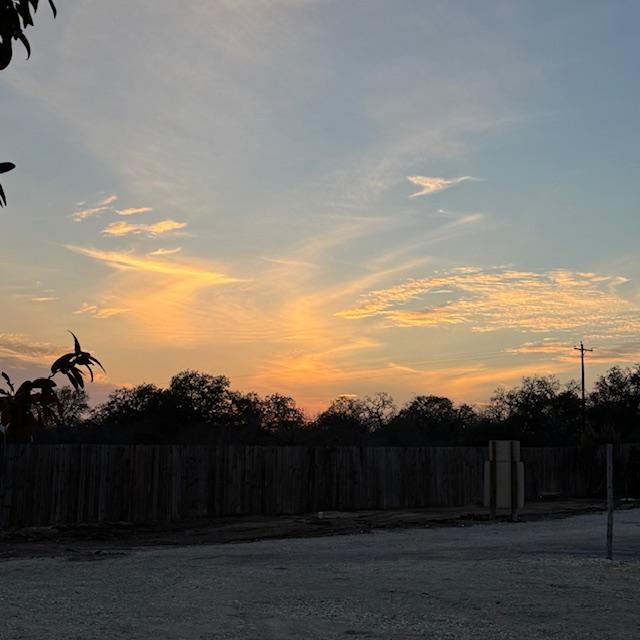 The sun was going down as David & I went out to the small greenhouse in front. I needed some new trays & he was closing it up for the night.
Return from Grow Parsnips to Year 7 Of Farm Life
Anything To Share On This Topic?
Would you like to share additional information about this topic with all of us?
Since 2009, over 2,000,000 home gardeners, all across the USA, have relied on David's Garden Seeds® to grow beautiful, productive gardens. Trust is at the heart of it. Our customers know David's Garden Seeds® stocks only the highest quality seeds available. Our mission is to become your lifetime supplier of quality seeds. It isn't just to serve you once; we want to earn your trust as the primary supplier of all of your garden seeds.
Watch Our 2022 TV Commercial!
Sing Along To Our Jingle
♪♫♪♪ ♫ ♪ ♫♪♫♫
♪♫♪♪♫♫
Peppers and peas
And lots of yummy greens
You can't go wrong
With Squash This Long
At David's Garden Seeds
♪ ♫ ♪ ♫
Our New 2024 TV Ad
Please like and subscribe on YouTube and come visit us at our Farm Store! The music on our TV ad was written, played, and sung by our son, Matthew Schulze. You can meet him when you come to the farm. He just might give you a tour. Ask him to grab a guitar and sing our jingle that he wrote.
Our 2022 TV Ad

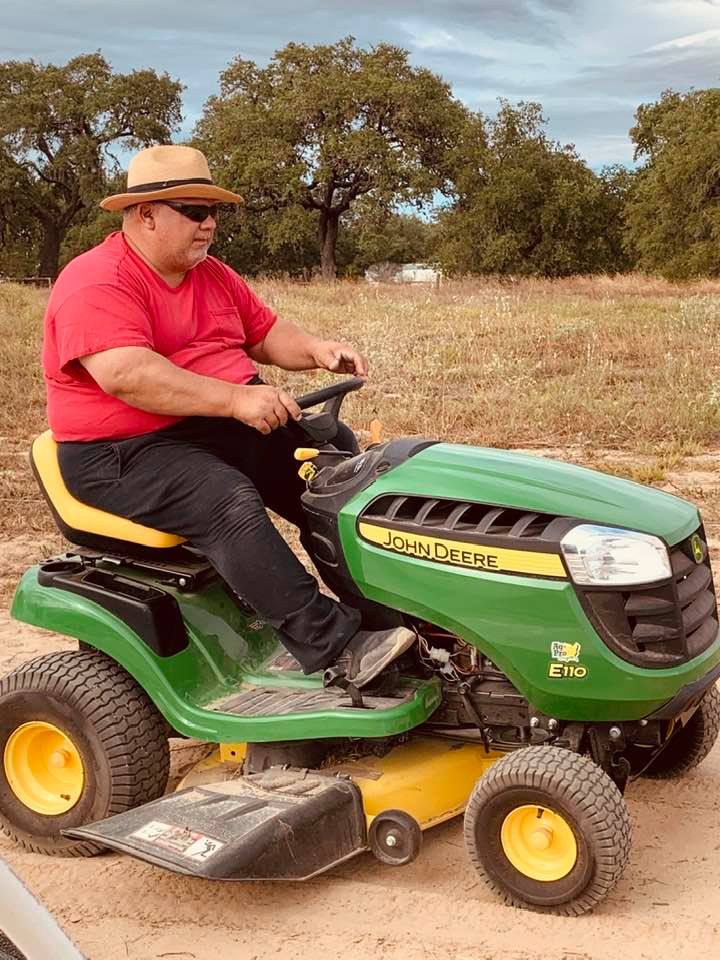 David of David's Garden Seeds® zipping along on his little tractor across the farm. He is having a blast!
We are David's Garden Seeds®. If you need great seeds, we've got over 1,400 varieties to choose from.
Subscribe To Mrs. David's Garden Seeds® Newsletter For FREE!
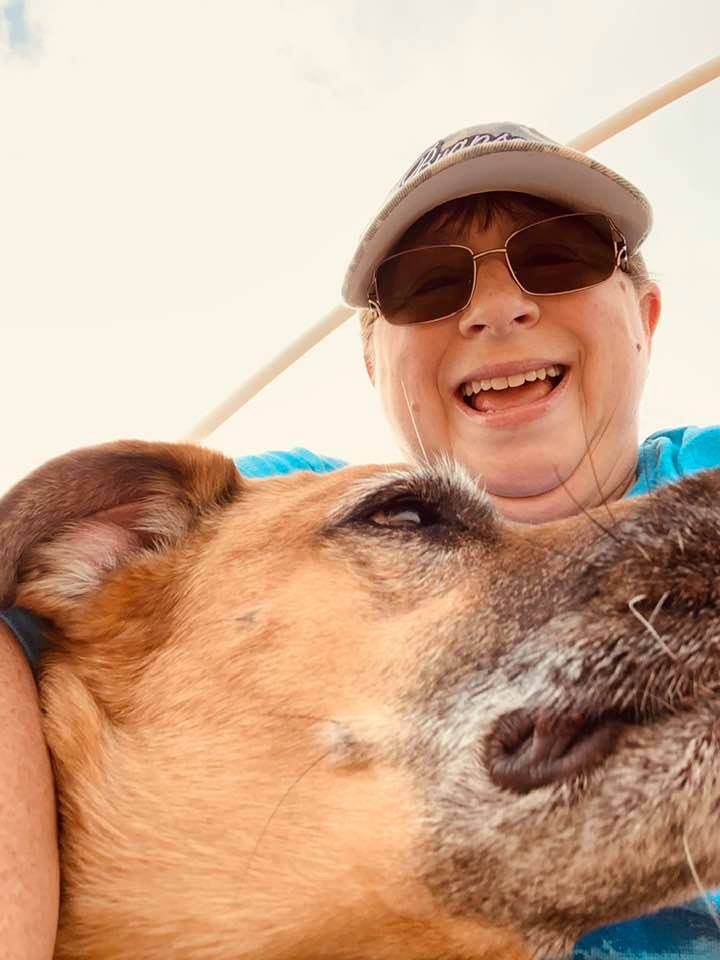
Find out what is going on down on the farm by reading our blog and by subscribing to our free newsletter for all of the information going down at David's Garden Seeds® and on the farm. I love to share helpful information with you. Please let your friends know and y'all come on down for a visit when you get the chance. We would love to meet you!
New Store Hours!
 Farm Store Hours: Th-Fri 10am-5pm, Sat 10am-2pm. Closed Sun-Wed.
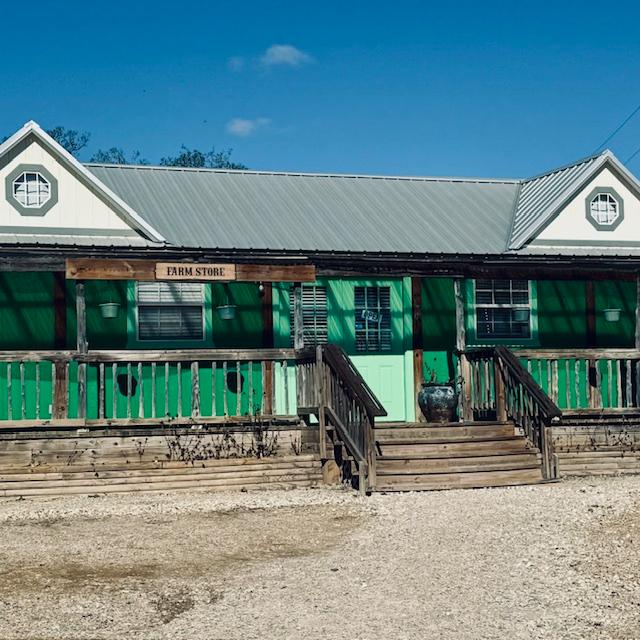 Our Farm Store
Shop for:
- Seeds
- Farm Fresh Eggs
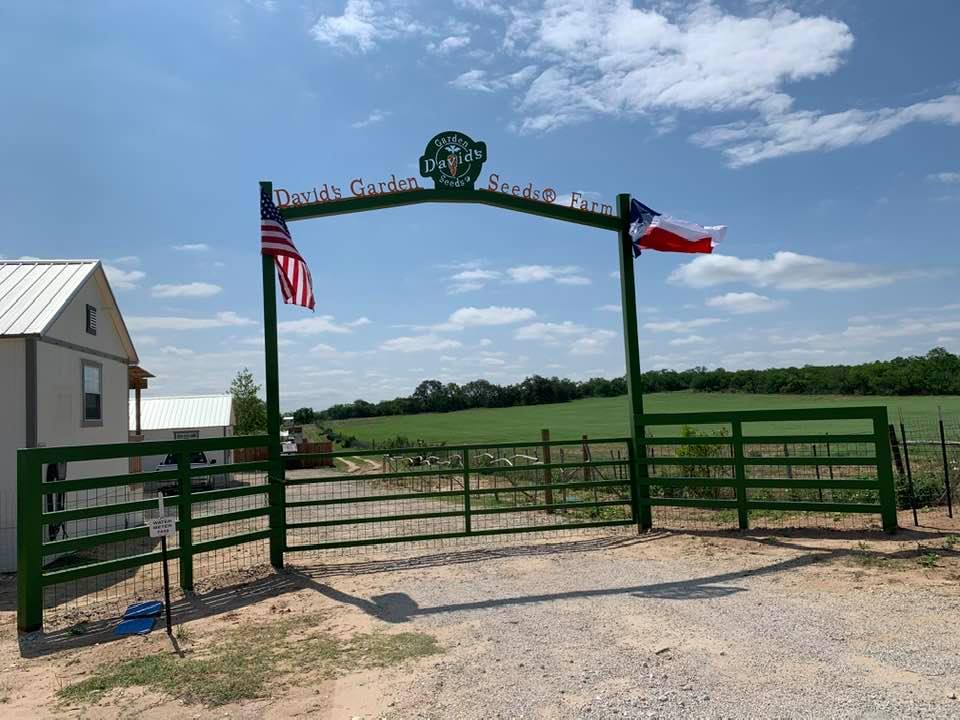
Our Farm is located at 5029 FM 2504 in Poteet, TX.
 Only happy seeds make the cut to go into our seed packs!
David's Garden Seeds® has
seeds for the backyard gardener and farm fresh chicken eggs.
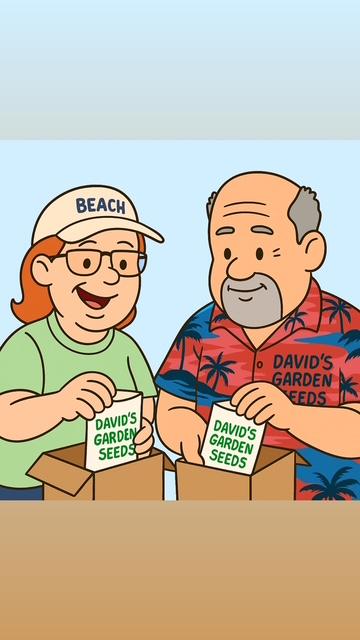 David & Juanita work hard to pack your garden seed orders.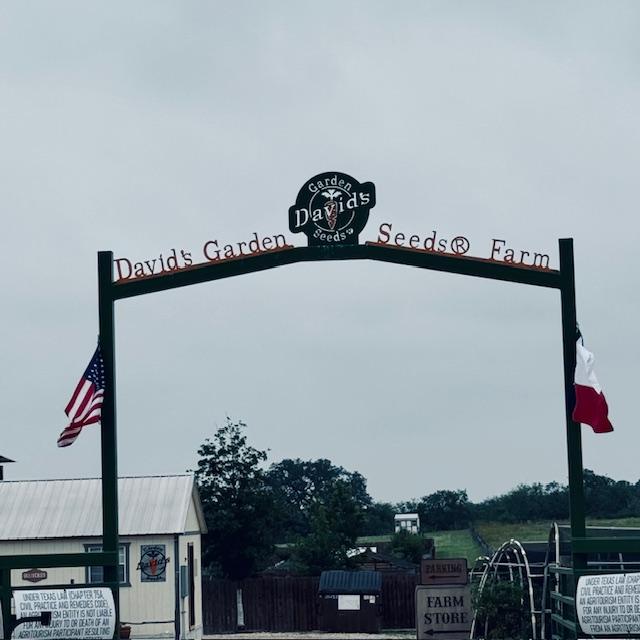



Sign Up For Our Newsletter Here!
   DGS YouTube Mrs
|
   |
Garden Ebooks
by Mrs. David's Garden Seeds
 I've been busy creating eBooks to help you with your garden...
IMPORTANT NOTE: THE EBOOKS ARE DIGITAL DOWNLOADS (EBOOKS), NOT PHYSICAL BOOKS.
WE DO NOT REFUND OUR DIGITAL DOWNLOADS FOR OBVIOUS REASONS.
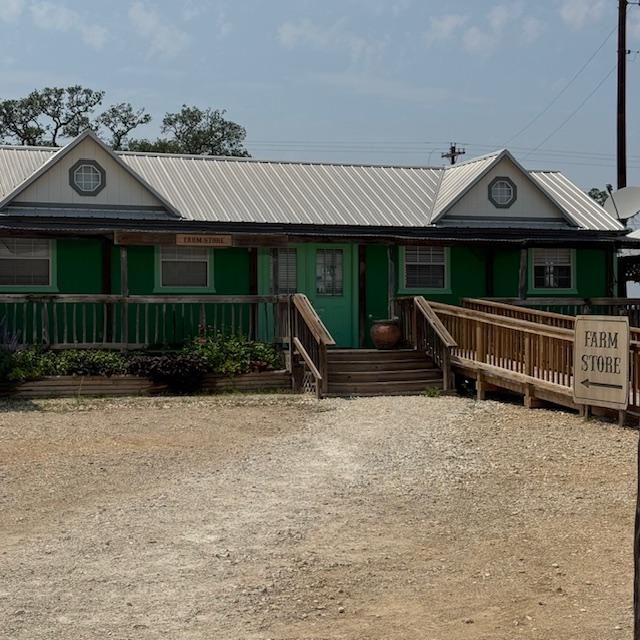 Our Farm Store is the green building
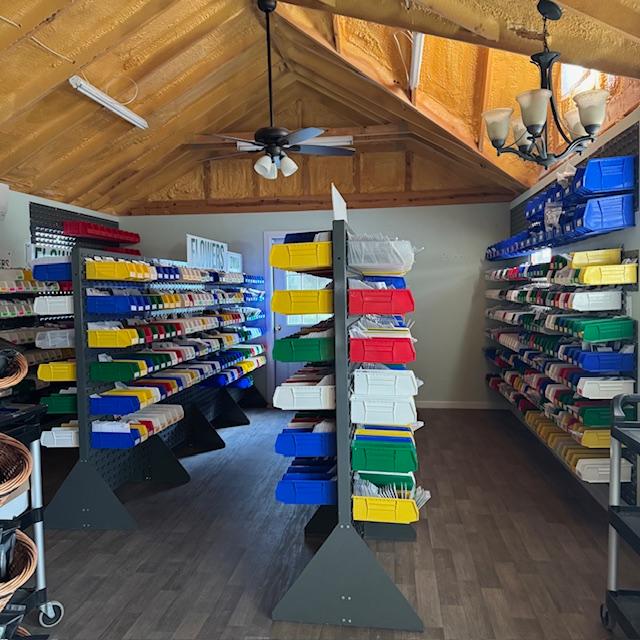 Inside our Farm Store...1400 varieties of seeds await you!
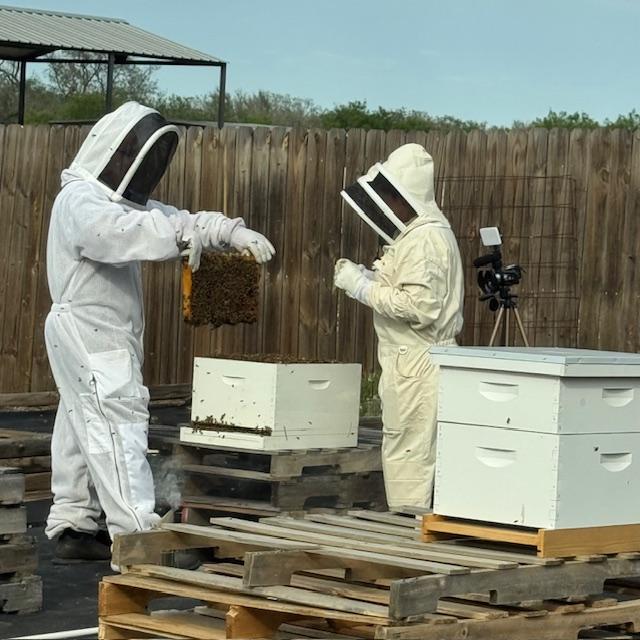 Our bee hives
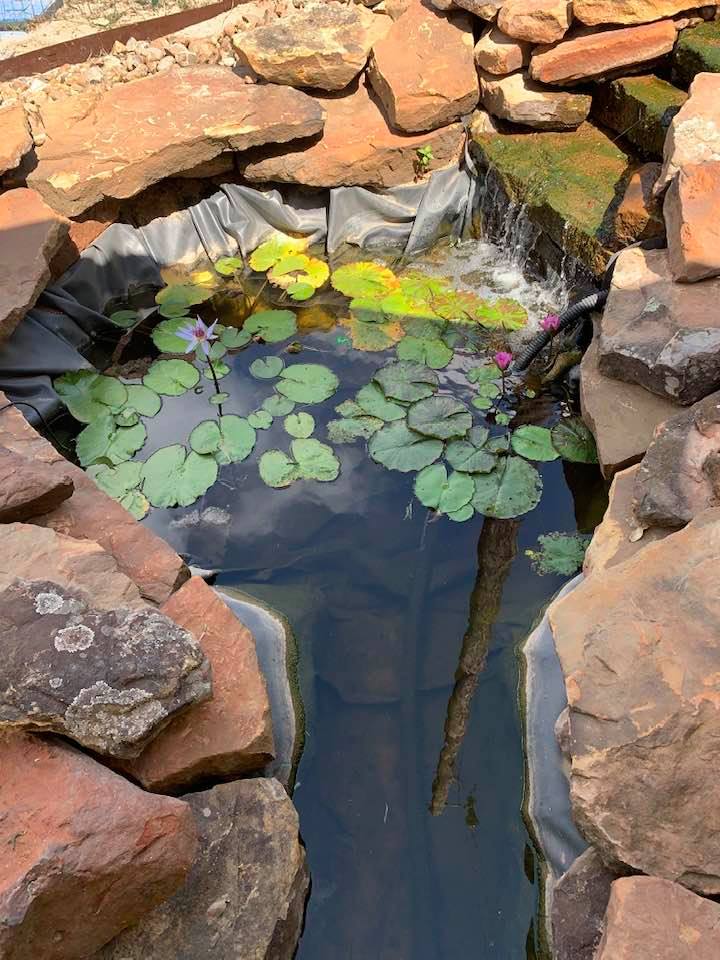
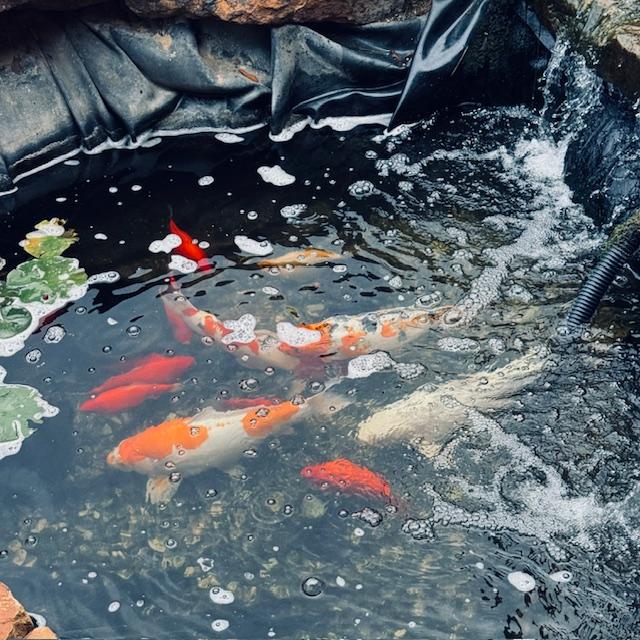 Our fish pond
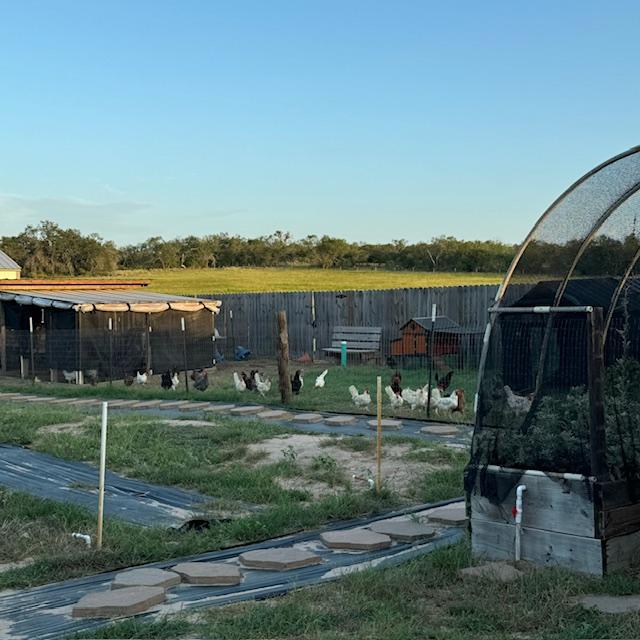 Our chickens
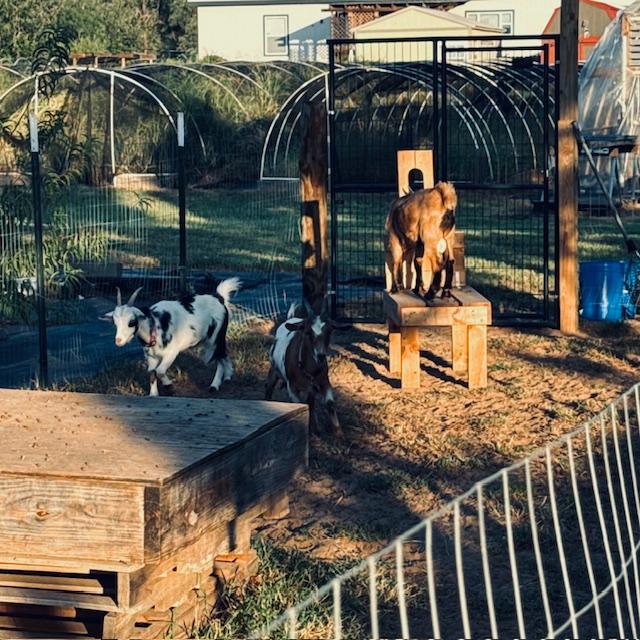 Our Nigerian Dwarf goats
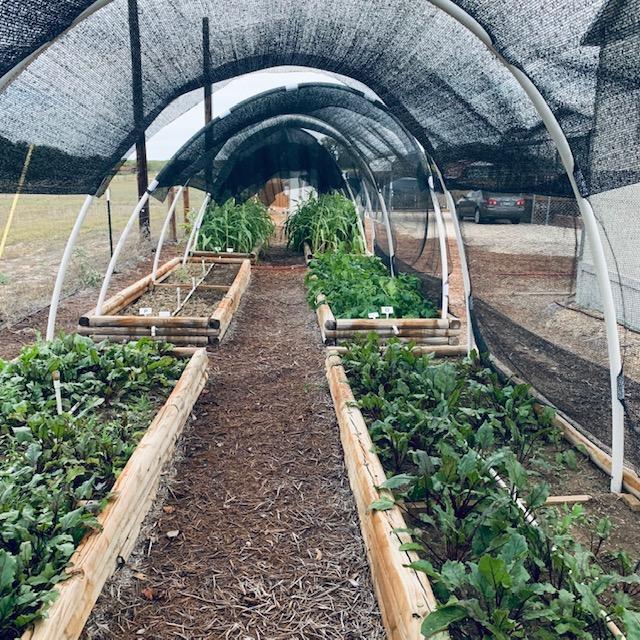
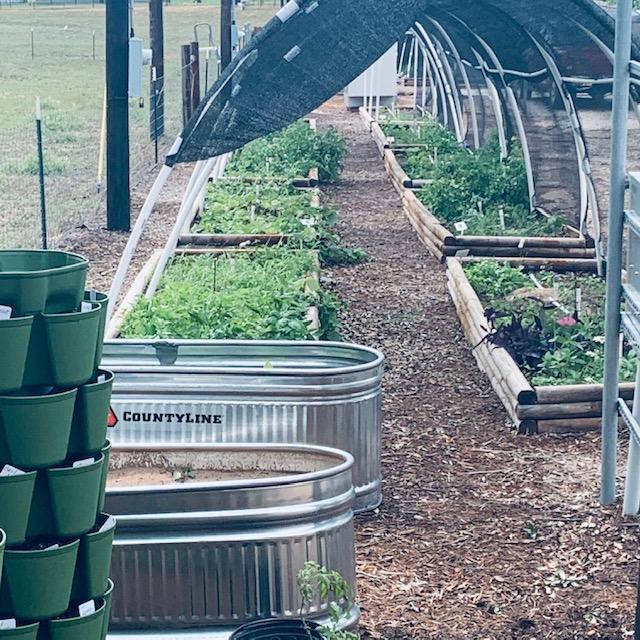 A few of our raised garden beds
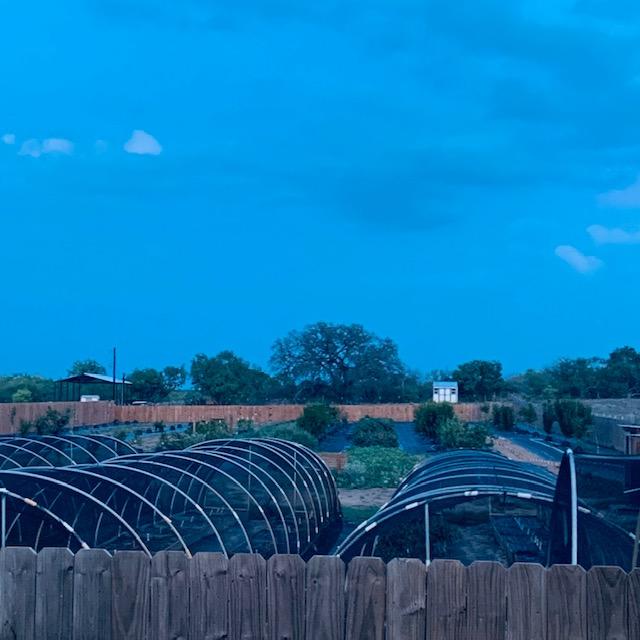 Our orchard and hoop houses
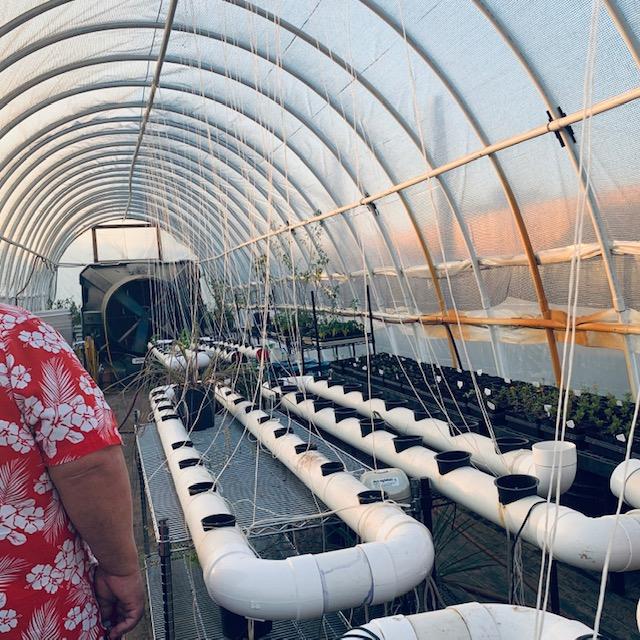 Inside our high tunnel
 Take a selfie at our official selfie spot!
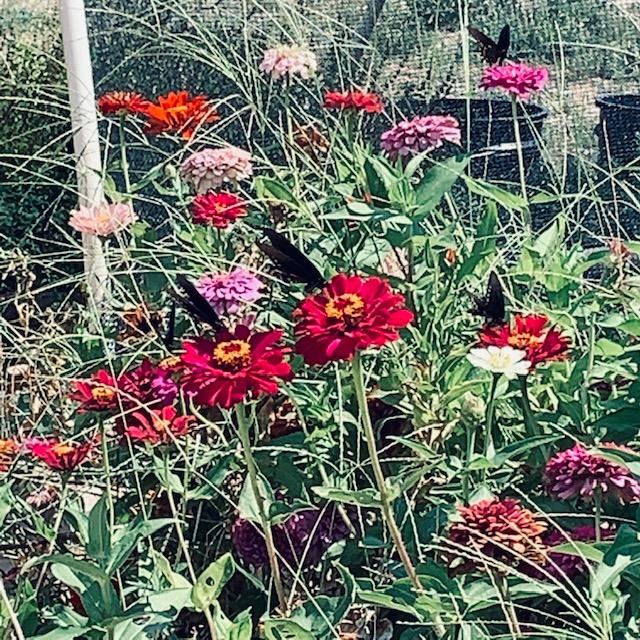 Flowers, bees, and butterflies are everywhere!
Watch Our TV Ads!
David's Garden Seeds® has the best Non-GMO seeds in the state of Texas!

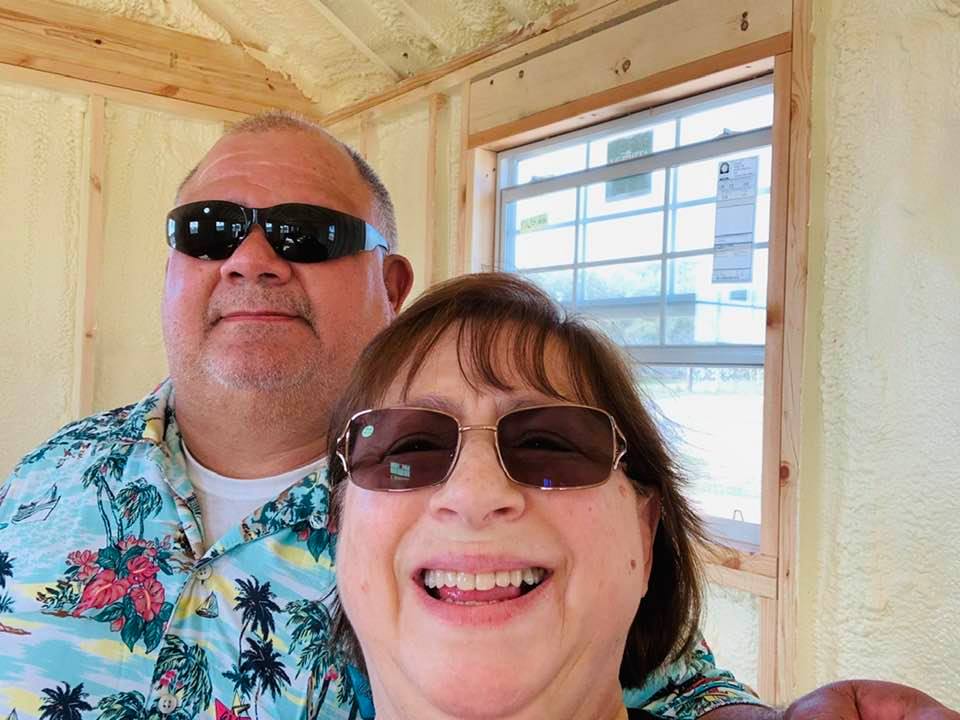
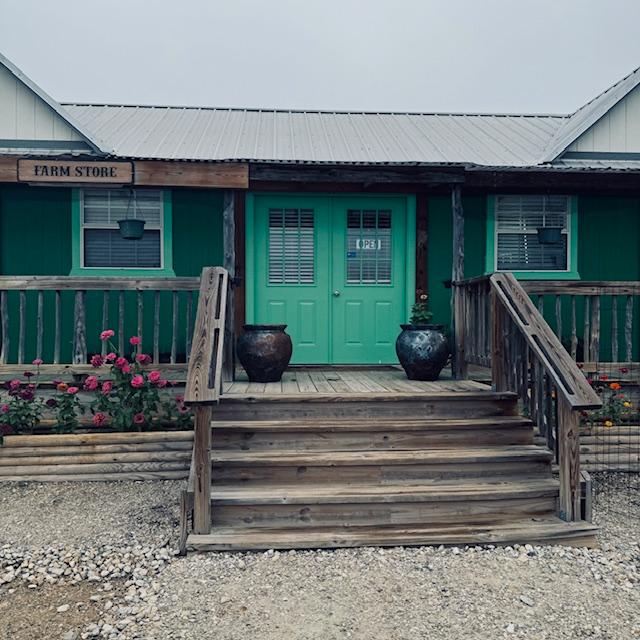 This is our beautiful Farm Store. Come in and shop for seeds. We have over 1600 Non-GMO heirloom varieties to choose from but we are in the process of bringing that number down to half.
Our Story
Hi Everyone! Thank you for visiting my website! I am Mrs Davids
Garden Seeds® aka Mrs. David's Garden Seeds and I think you should know that there is a wonderful seed
company in the great state of Texas called David's Garden Seeds®. We grow some of our seed, we count, hand pack, print our own envelopes, and ship seeds out to you right here from our farm. This used to be an old peanut farm. When the owner died about 15 years ago, his sons split the farm up and sold it in pieces. In 2024, we bought another adjoining four acres.
Our business started in our home in San Antonio in September of 2009. David decided to sell some seeds he had left over from his garden on Amazon. I told David, "Don't bother, it won't work!". I am so glad that David did not listen to me because it did work! By 2015, we had 8 employees working in my home every day and David found a storefront in San Antonio and moved the business there. In 2016, I quit my day job and went on the payroll. The company grew some more and David moved to a bigger storefront in 2017. In 2019, we found a beautiful piece of land over in Atascosa County and turned it into a farm out near Poteet. David and I moved out here to live in August of 2019.
In 2020, we moved our company out to the farm. We have a beautiful Farm Store filled with seeds, a gazebo with a pond full of koi and gold fish for you to visit. Come by and visit us at 5029 FM 2504 in Rossville, just outside of Poteet, Texas, Monday through Friday from 9am to 5pm and Saturday from 10am to 2pm. Or you can order seeds online from our user-friendly website, www.davidsgardenseeds.com.


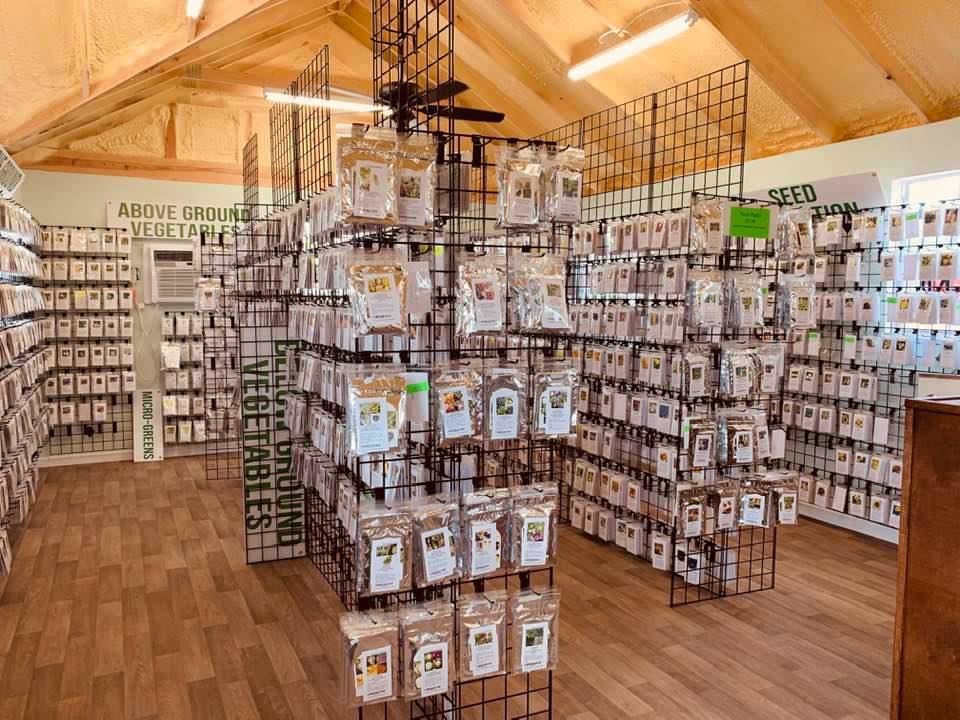 Our beautiful new farm store has almost 2,000 varieties of seeds and more. Mrs Davids Garden Seeds® looks forward to meeting you when you visit.
Mrs. David's Garden Seeds® Copyright by Juanita Lynn Schulze of David's Garden Seeds® 2019-2026
David's Garden Seeds® is Registered in the United States Patent and Trademark Office.