Grow Brussels Sprouts
You should learn how to grow Brussels sprouts in your backyard garden. Brussels enjoy cooler weather so fall and very early spring are the best times to plant.
So many people love the little cabbages that grow on a stalk in cooler weather. Served with garlic butter and salt and pepper, you just can't go wrong.
Think of this as a friendly walk‑through. We’ll talk about when to plant in spring and fall, how to start from seed (like the ones you get from David’s Garden Seeds®), how to water and feed your plants, and how to harvest those tight little sprouts. I’ll also tell you how long it really takes from planting to harvest so you can plan ahead.
Grow Brussels Sprouts - 12/15-12/21/2025
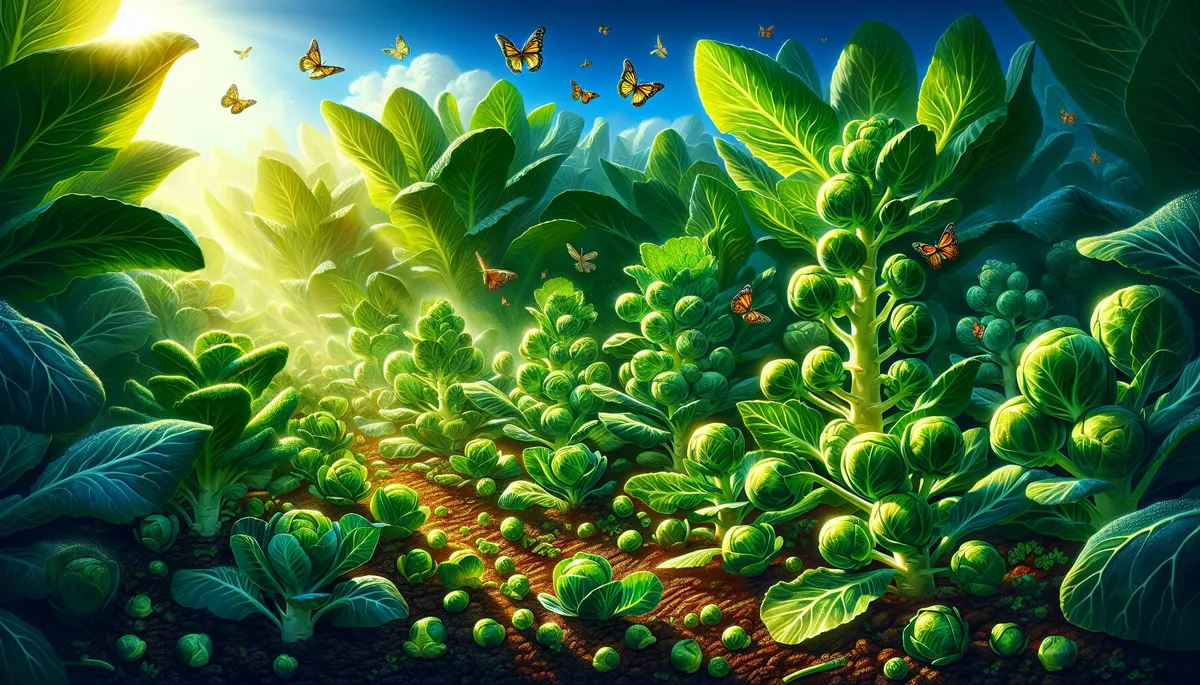 Grow Brussels sprouts in the garden when it is cool.
You can grow Brussels sprouts in your backyard garden, even if you’re a brand‑new gardener. They do look a little tricky, and yes, they hate hot weather. But once you understand their cool‑weather needs and follow some simple steps, you’ll be able to pick your own fresh sprouts right off the stalk.
Before we jump into dates and details, there’s one big idea you need to remember: Brussels sprouts are a cool‑season crop. They like long, mild weather, not blazing heat. If you try to grow them in hot summer temperatures, they will get stressed, stop growing, and the sprouts will be loose and bitter.
So your main job is to time your planting so the plants are big and happy during cool weather. That usually means:
- Planting in early spring so they grow into late spring and early summer in cooler areas.
- Planting in late summer or early fall so they mature in late fall and early winter in warmer areas.
Grow Brussels Sprouts In Cool Weather
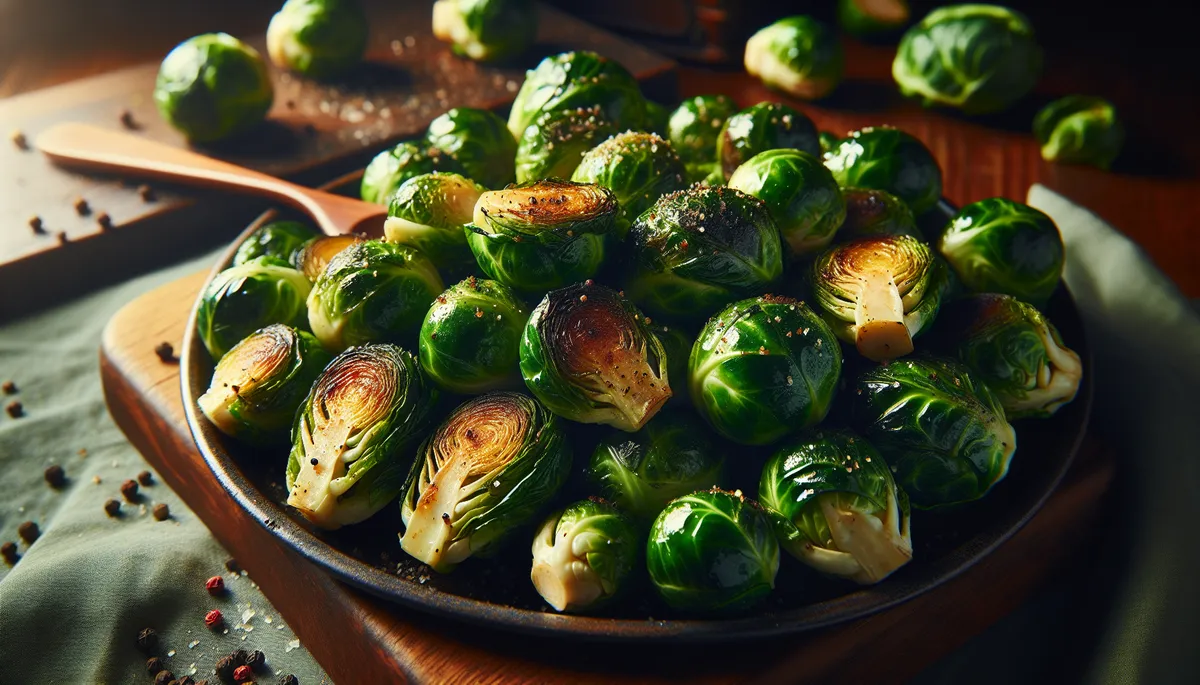 Grow Brussels sprouts in your garden and then roast them.
To grow Brussels sprouts in your backyard garden, it really helps to know your frost dates. Your last spring frost date is when the chance of a hard frost usually ends. Your first fall frost date is when cold weather starts again. You can find these dates online by searching for your ZIP code and “frost dates.”
In general, Brussels sprouts take a long time to grow. From the day you plant Brussels sprouts seeds until you harvest, it can be 90 to 120 days, sometimes even a bit longer. That’s about 3 to 4 months. This slow pace is why planning your planting time matters so much.
Now let’s talk about seeds. David’s Garden Seeds® has the freshest heirloom seeds including several varieties of Brussels Sprouts. When you start with good seed, you give yourself a better chance at a strong harvest. Heirloom varieties also tend to have rich flavor and do well in backyard gardens.
When you open a packet and look at those tiny seeds, it might feel a little scary, especially if this is your first time trying to grow a garden. Don’t worry. You don’t need special skills. You just need a simple step‑by‑step plan and a little patience.
First, decide whether you want a spring planting, a fall planting, or both. If you live in a cooler climate with mild summers, you can often do spring plantings. If your summers are hot, you’ll usually have better luck with a fall crop.
Here’s a quick rule of thumb:
- Cool or northern climates: Plant in early spring for a summer harvest, or midsummer for a fall harvest.
- Warm or southern climates: Focus on late summer or early fall planting for a winter harvest; skip trying to grow them in peak summer heat.
Let’s walk through planting for early spring first. The goal is to have strong young plants ready to go into the garden just a little before or right around your last frost date, as long as the soil isn’t frozen solid.
For early spring planting, start seeds indoors about 6–8 weeks before your last frost date. This gives your plants time to grow into sturdy transplants. For example, if your last frost is around April 15, start your seeds in late February or early March.
To plant Brussels sprouts seeds indoors, you’ll need:
- Seed trays or small pots with drainage holes
- Seed starting mix (light and fluffy, not garden soil)
- A spray bottle or gentle watering can
- A warm spot with bright light or grow lights
Fill your trays with damp seed starting mix. Then make a small hole, about ¼ inch deep, in each cell or pot. Drop one or two seeds in each hole, cover lightly with mix, and gently water. You don’t want the seeds floating around, just settled in.
Keep the soil moist but not soggy. A spray bottle works well for this. The seeds usually sprout in about 5–10 days, depending on the temperature. They like it around room temperature while germinating.
Once the seedlings pop up, they need plenty of light. Place them in a sunny window or under grow lights for about 12–14 hours a day. If they don’t get enough light, they will grow tall and weak, which makes them harder to transplant later.
When your seedlings have 2–3 true leaves (not counting the first tiny seed leaves) and are a few inches tall, you can thin them to one strong plant per cell or pot. Just snip the weaker one at the soil line instead of pulling it, so you don’t disturb the roots.
When the weather outside starts to warm up and the ground can be worked, it’s almost time to move your plants outdoors. But don’t rush. You need to “harden off” your seedlings first, so they can adjust to sun and wind.
Hardening off means you set the seedlings outside for a few hours a day, in a sheltered spot, and bring them back indoors at night. Do this for about 7–10 days, adding more time and more sun each day. This step helps prevent shock when you finally plant them into the garden.
After the hardening off period, and when the soil is no longer frozen and daytime temperatures are mostly above freezing, you can transplant your seedlings into your backyard garden. Brussels sprouts can handle light frosts, so a little chill is okay.
For fall planting, the timing works backward from when you want to harvest. Remember: plants need about 90–120 days from planting to harvest. Plus, they grow best in cool weather, especially in the final weeks.
As a rough guide, find your first fall frost date and count back about 14–16 weeks. That’s when you want to plant Brussels sprouts seeds outdoors, or about 16–18 weeks before if you plan to start them indoors and transplant later.
For example, if your first fall frost is around November 1:
- Start seeds indoors around early to mid‑July
- Transplant outside in early to mid‑August
- Harvest from late October into December, depending on your climate.
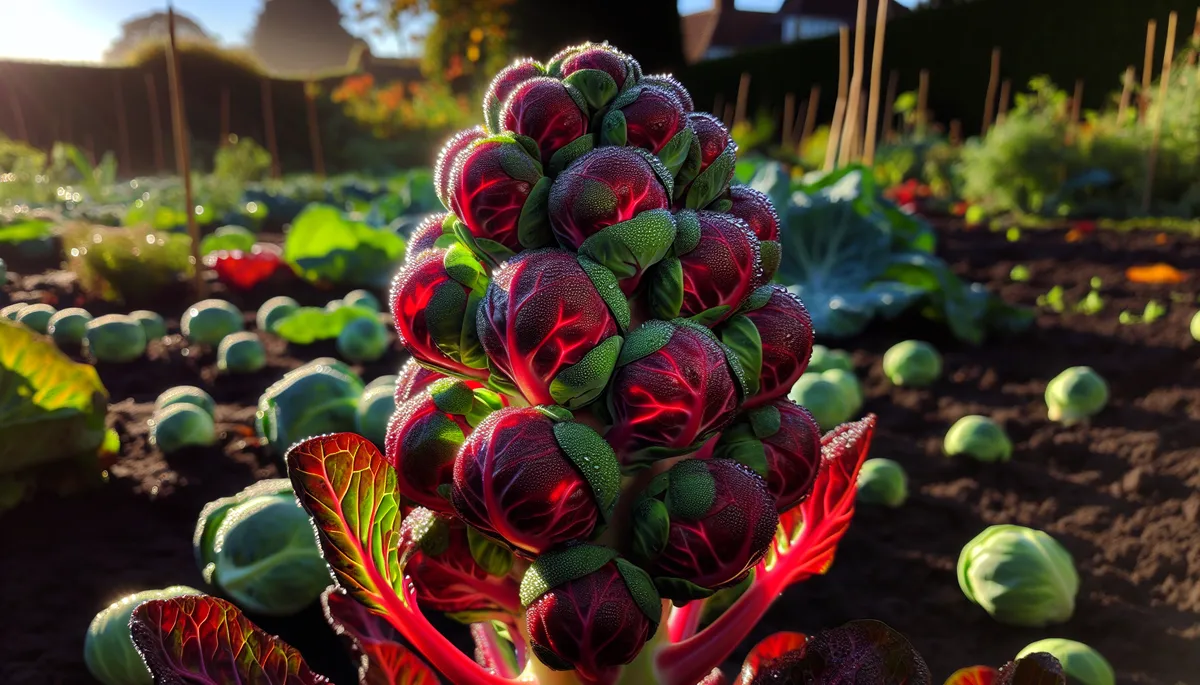 Grow Brussels sprouts in green or in red. Either way, they are good for you.
In hot areas, fall planting is usually the most successful. The young plants may go through some heat, but the sprouts themselves will form when the weather cools down. Cool nights give brussels sprouts their sweetest flavor.
Now let’s talk about your garden bed. Brussels sprouts like:
- Full sun (at least 6 hours of direct light a day)
- Rich, well‑drained soil
- Soil that is slightly on the neutral to slightly acidic side (most average garden soil is fine)
Before planting, mix in some compost or well‑rotted manure into the top 6–8 inches of soil. This gives your plants a slow, steady food source. It also improves drainage and soil texture, which helps the long growing season these plants need.
Grow Brussels Sprouts - Transplanting
When you’re ready to transplant, space your Brussels sprout plants about 18–24 inches apart in rows that are 2–3 feet apart. They grow tall, sometimes up to 2–3 feet or more, so give them room to spread and let air move between them.
Dig a hole big enough for the root ball of each plant. Set the plant in at the same depth it was in the pot, or just a tiny bit deeper if the stem is long and you want extra support. Firm the soil gently around the roots to get rid of air pockets.
Grow Brussels Sprouts - Watering
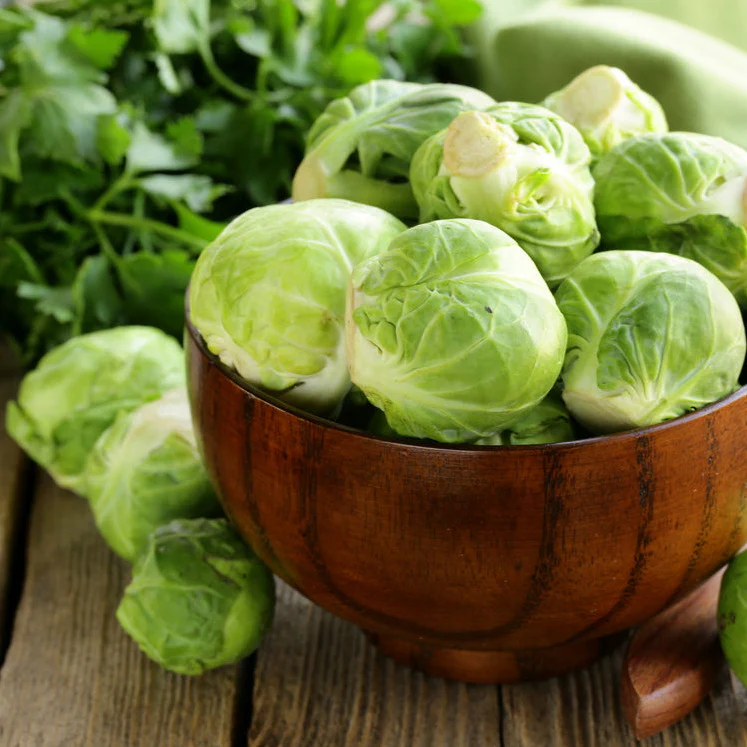 Grow Brussels sprouts like Long Island Brussels sprouts. We carry the seeds.
After planting, water each plant well to help settle the soil. This welcome drink helps the roots make good contact with the soil and reduces transplant shock. If the sun is strong, you can give them a little shade for the first day or two.
You can also direct‑seed Brussels sprouts outdoors in some climates, especially for fall crops. In that case, plant Brussels sprouts seeds about ½ inch deep and 2–3 inches apart in the row. Once they sprout and grow a few inches, thin them so the final spacing is 18–24 inches between plants.
Watering is one of the most important jobs once your plants are in the ground. Brussels sprouts like even moisture. They do not like to dry out for long periods, and they don’t like to sit in soggy soil either.
Aim to give your plants about 1–1½ inches of water per week, including rain. In hot or windy weather, they may need a bit more. It’s better to water deeply once or twice a week than a tiny bit every day. Deep watering encourages roots to grow down, making stronger plants.
Try to water at the base of the plant, not on the leaves, to help prevent disease. A soaker hose or drip irrigation works very well. If you only have a hose, water gently and in the morning so the leaves dry during the day.
Adding mulch around your plants (like straw, shredded leaves, or grass clippings without weed seeds) helps keep moisture in the soil and reduces weeds. Mulch also keeps the soil cooler, which Brussels sprouts appreciate in warmer weather.
Grow Brussels Sprouts - Fertilizing
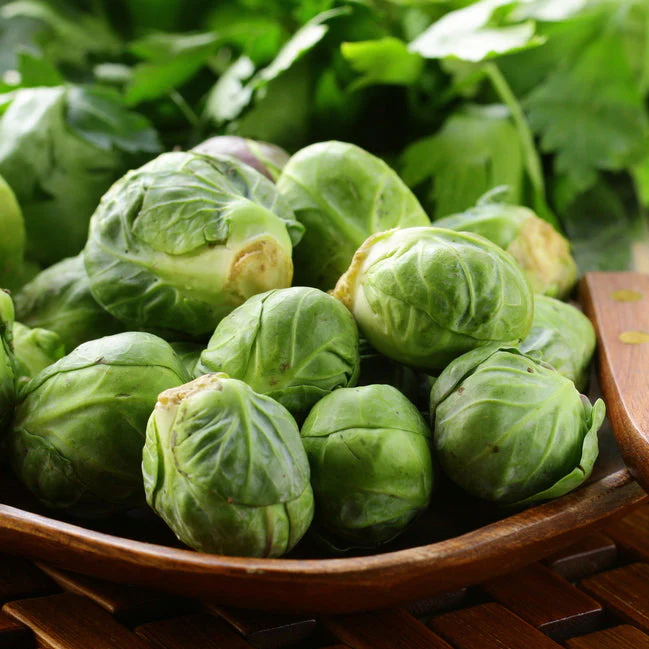 Grow Brussels sprouts like Catskill. We have the seeds.
Feeding your plants is also key. Brussels sprouts are heavy feeders, which means they need a good amount of nutrients over their long growing season. If you started with compost in the soil, you are off to a good start.
You can also use a balanced organic fertilizer. Follow the instructions on the package, but a common plan is:
- Mix some fertilizer into the soil at planting time.
- Give a light feeding again about 4–6 weeks after transplanting.
- Feed one more time as the sprouts start to form, if your soil is poor.
Too much quick‑release nitrogen can make lots of leaves but fewer sprouts, so don’t overdo it. Slow and steady feeding is best. Compost and slow‑release organic fertilizers are your friends here.
As your plants grow taller, you might notice the thick main stem getting heavy. In windy areas, it helps to stake your plants. Just push a sturdy stake into the ground next to the plant and loosely tie the stem to it with soft ties or strips of cloth.
Keep an eye out for weeds too. They compete with your plants for water and nutrients. Pull weeds regularly, especially when your plants are young. Mulch will cut down on how many weeds you have to deal with.
Grow Brussels Sprouts - Garden Pests
Pests can show up, but if you catch them early, they’re usually manageable. The most common visitors are cabbage worms, cabbage loopers, and aphids. These pests like all members of the cabbage family, including brussels sprouts.
Check the leaves often. If you see small green worms or holes in the leaves, pick off the worms and drop them into a cup of soapy water. For aphids, a strong spray of water from the hose can knock many of them off. You can also use floating row covers early in the season to keep moths from laying eggs on your plants.
Grow Brussels Sprouts - The Sprouts Are Forming!
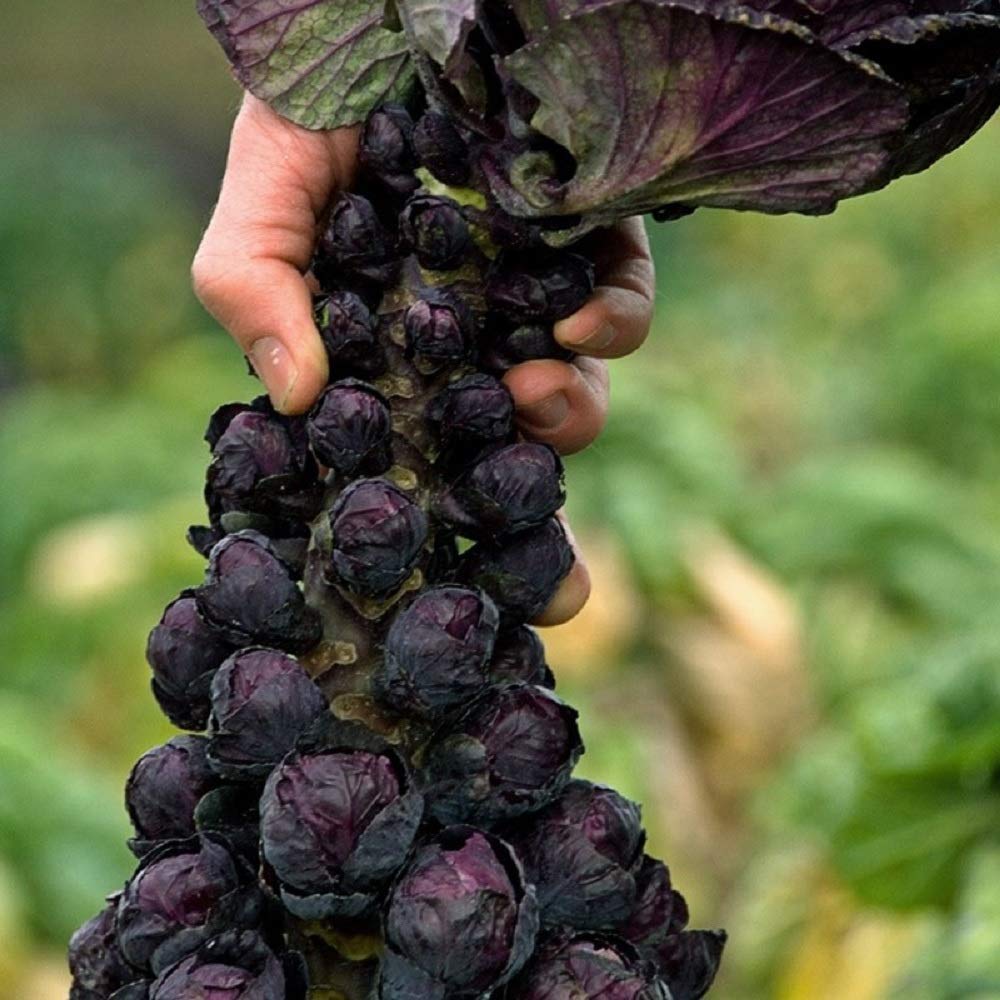 Grow Brussels sprouts in red. This is Red Bull and we carry the seeds.
As your plants grow, you’ll see leaves all along the main stem, and little buds will start to form in the leaf joints. These buds are the brussels sprouts. At first they’re tiny, but over time they swell and become the firm little cabbages you’ll harvest.
Sprouts usually start forming on the lower part of the stem first and then move upward. The ones further down will be ready before the ones at the top. This means you’ll usually harvest from the bottom up over several weeks, not all at once.
Many gardeners top their plants late in the season. This means they cut off the growing tip at the very top of the plant, leaving the rest of the stalk and sprouts. Topping tells the plant to put more energy into sizing up the existing sprouts instead of making new leaves.
You can top the plants when the lower sprouts are about the size of large marbles and you want them to fill out. Just cut off the top 3–4 inches of the plant. This step is optional but can help give you a more even harvest.
Grow Brussels Sprouts - Harvesting
Now let’s talk about how long you’ll wait and how to know when to harvest. From the day you plant seeds to picking, plan on 3–4 months, sometimes a bit longer in cool weather. Seed packets from David’s Garden Seeds will list the expected days to maturity for each variety.
Sprouts are ready to harvest when they are:
- Firm and tight
- About 1–1½ inches across (some varieties are a bit smaller or larger)
- A nice healthy green (or the correct color for that variety)
To harvest, start with the lowest sprouts on the stem. You can:
- Snap them off by bending them downward until they pop off, or
- Cut them off with a small knife, slicing close to the stem
As you remove sprouts, also remove the yellowing leaves below them. This keeps the plant neat and healthy and makes it easier to see what you’re doing. The plant will keep making sprouts higher up the stem as long as the weather stays cool.
Some gardeners like to wait for a light frost before doing a big harvest, especially for fall crops. A little frost can make Brussels sprouts sweeter, as the plant changes some of its starches into sugars to protect itself from cold.
You can also cut the whole stalk when most of the sprouts are ready. Just use a sharp knife or garden saw, cut the stem near the ground, and bring the whole stalk inside. Then you can snap off the sprouts in your kitchen as you need them.
Fresh sprouts from your own garden taste very different from the ones in the store. They’re sweeter, more tender, and you know exactly how they were grown. Roasted with a little oil, salt, and pepper, they can turn even sprout haters into fans.
Grow Brussels Sprouts - Give It A Try!
When you grow Brussels sprouts in your backyard garden for the first time, don’t be surprised if you make a few mistakes. Maybe you plant a bit too late one year, or you forget to water enough during a hot spell. That’s normal. Gardening is a skill you build over seasons.
The good news is that once you learn the rhythm—cool weather, early seed starting, steady watering, and patient waiting—Brussels sprouts become one of the most satisfying crops to grow. They stand tall in the garden, and a single plant can give you dozens of sprouts.
So if you’re just starting to grow a garden, and you’ve got a packet of Brussels sprouts seeds from David’s Garden Seeds® in your hand, you’re already halfway there. Follow the simple steps in this guide, watch your weather, and give your plants time.
With each season, you’ll get better at timing and care, and before long, harvesting your own Brussels sprouts will feel easy and natural. Then you can look at that tall, loaded stalk and say, “I grew that myself,” and really mean it.
Monday, December 15, 2025
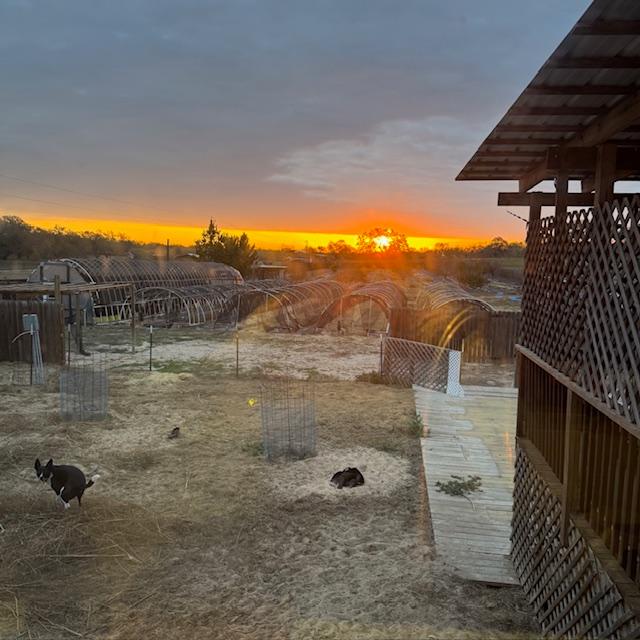 The sun came up this morning, so colorful and pretty.
Good morning. I have been awake since before 5am. It is cold at 40° right now. David has some sort of meeting at the local school. I have no idea what it is about.
No goat babies on Day 161. It stayed cold all day long. I mailed out two large USPS bags of onion starts, each in boxes. I worked on that for most of the day.
We got a bunch of packages delivered here today. A bunch are mine. I did not take the time to open them as my stomach was hurting this evening.
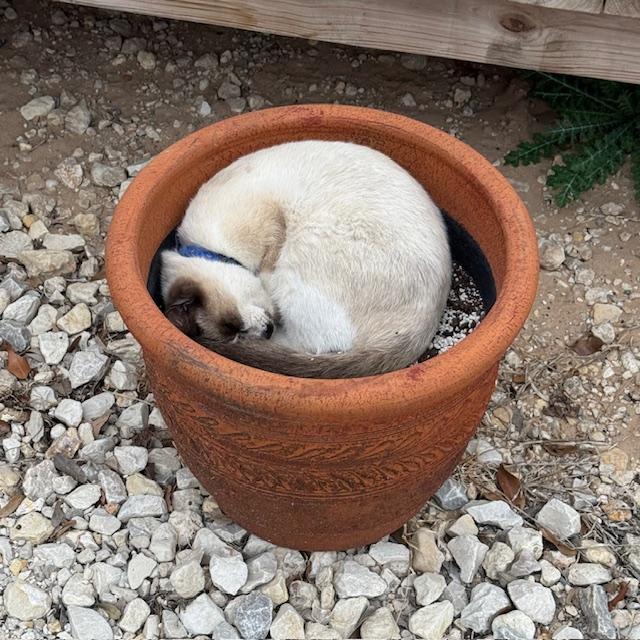 Apparently, this flowerpot is Samantha's new favorite place to nap. Never mind the nice blanket she has to lounge on as well as a two story house/bed that is soft and cozy.
Tuesday, December 16, 2025
Good morning. What an awful night I had...I hope today is better. It is chilly and 42°.
I have been reading about the murders of Rob Reiner (Meathead) and his wife by their younger drug addicted son. An article said he has been battling addiction for 15 years and has been through rehab for 17 years. The public fight they had at Conan O'Brien's "holiday" party was about him getting off of drugs. Apparently, he did not like that so the next day he went into the main house (he lived in the guest house at 32 years of age) and slit his parents' throats. Problem solved...Their daughter found them and immediately told police who she thought did it...
Maybe if Hollywood would teach their children about God instead of being atheists, these crazy things wouldn't happen with so many of their children. So sad...
Nothing happening out in goatland on day 162. It is overcast and chilly. I have chicken and vegetables in the crockpot and I have some bread rising. The house smells amazing. I am back out in the office now trying to send out a newsletter on pelleted seeds, something that we have not had in years. We still have some onion starts left but the Texas 1015Y starts are gone.
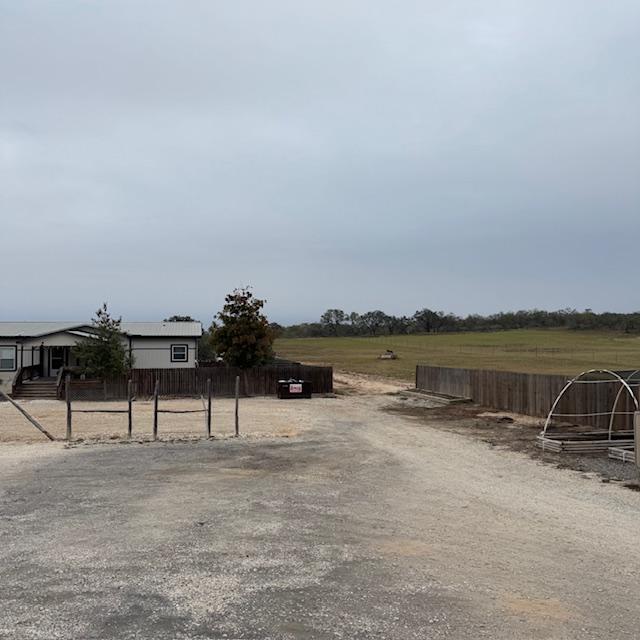 Now that Production and the 2 seed shacks are gone, I hate the way it looks. Now you can see us and we can see you from the house. Our security cameras could always see you.
Wednesday, December 17, 2025
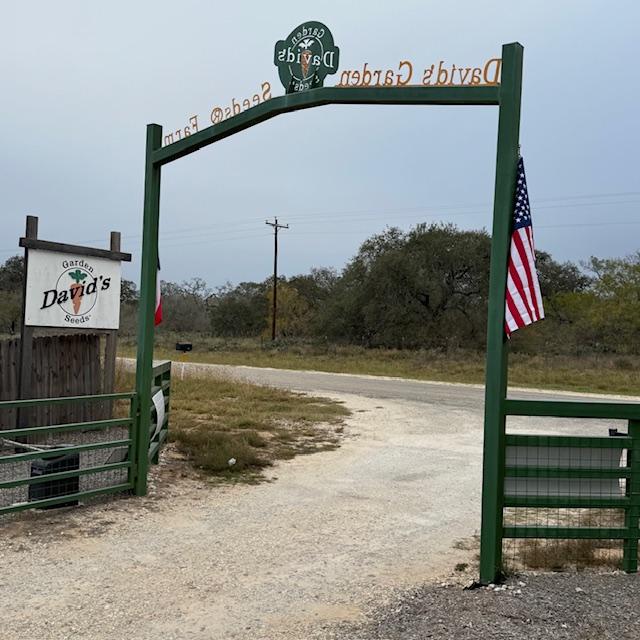 We hung up our brand new flags and they are all wet.
Good morning. It is supposed to warm up to 68° today. I hope so. I am sick of being cold.
It never got warm but it was warmer than it has been. The drizzle hung around all day long.
I filled orders and then counted seeds. No customers in person.
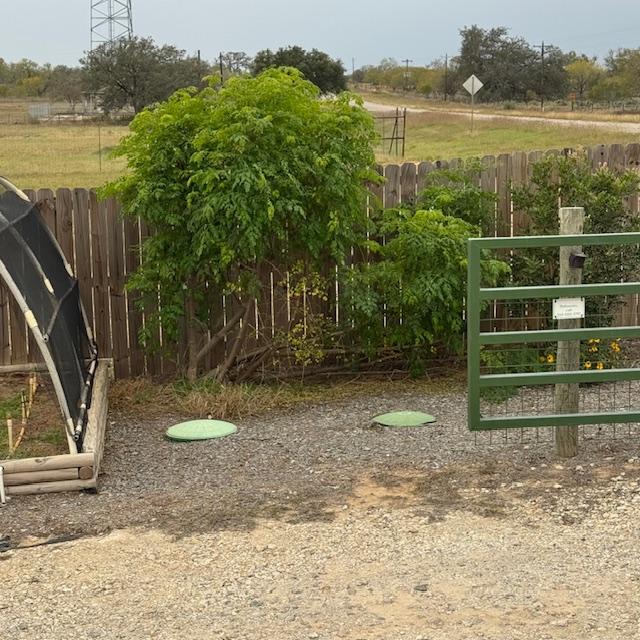 Our Moringa tree grew up and grew several more branches lying on the ground. It is still looking very good for the cold we have had.
We did get some good news. The mailman brought a letter from our new insurance saying that our current PCP will be on the plan after all. They removed him a month ago and he was not happy about it. Now he is back so we don't have to start all over with another doctor. We never did receive new cards with the new PCP on them even though we were told we would. Insurance companies are screwy. I should know. I worked for a bunch of them between 1981 and 2016!
At 10pm tonight, I got a message asking if our kitty is a stray because this person down the road lost their gray part Siamese male cat and thought that our kitty who I had put up in a garden photo was theirs. Our cat has zero gray and she is a girl. This kitty has been with us now for six months. She was dropped off here as a tiny, scrawny kitten at about six weeks old.
Anyway, she sent me photos and it looks nothing like ours. Then she said her kids said that ours was not hers.
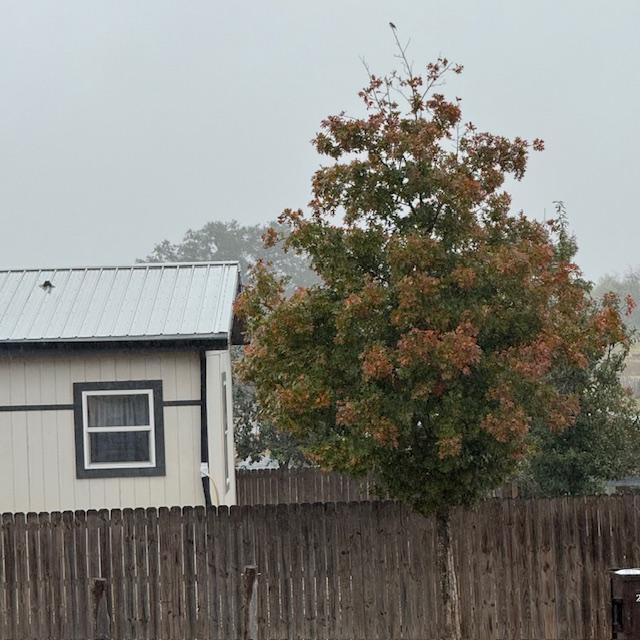 Some of our oak leaves are turning colors, getting ready to fall off. Others are still green.
Thursday, December 18, 2025
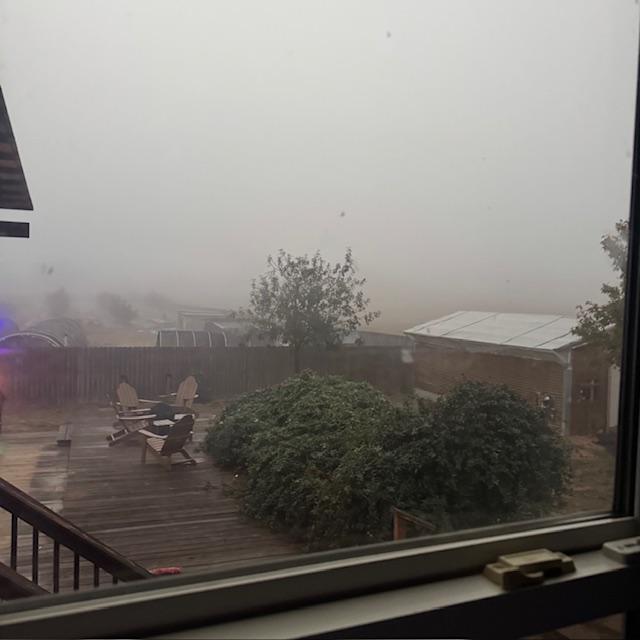 Matt said driving in it was bad with about 100 feet of visibility all the way here from Devine but thank God he made it just fine.
Good morning. It is 60° with very thick fog. I can't see beyond the fenced in backyard. The drizzle has continued. It should get up to 70° today.
I have some packages that I need to open and wrap and put under my tree. They have been sitting here for days...
I just printed out a bunch of new orders. Thank you to everyone for ordering during this cooler time of year.
I've got to go get ready for the day and fill orders.
Around 9:15am, the fog came down super thick. Then it began to clear. Now it is 1:35pm and bright and sunny at 74°. A lady made an order for pick up this morning. We got it ready and let her know. She just came to pick it up. We had such a nice visit with her. I filled orders this morning and now I am counting seeds.
After work, we went out to see the goats. Alice is beginning to show some signs of labor. It will get cold tonight after it was 80° today.
Friday, December 19, 2025
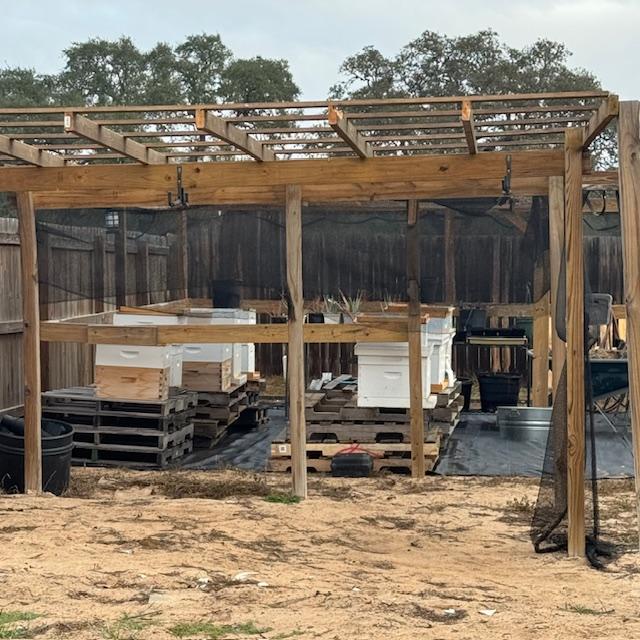 We recently moved our bees closer to our house so we can keep a better eye on them. They are under a shelter with shade cloth so they will be more comfortable next summer.
I woke up to 39°. Still no goat babies but Alice continues some labor signs. The pest control folks came today. They left at 11am and I went back out to the goats. Still nothing.
We had sandwiches that I made for lunch. They were so good. Three customers came to the store today and purchased seeds. Some were Christmas gifts and others were for the buyers.
It is now 5:30pm so I need to go out and have a look again at the goat being that this is day 165.
I went out to the goat pen and nothing is new. Darkness is now falling.
Saturday, December 20, 2025
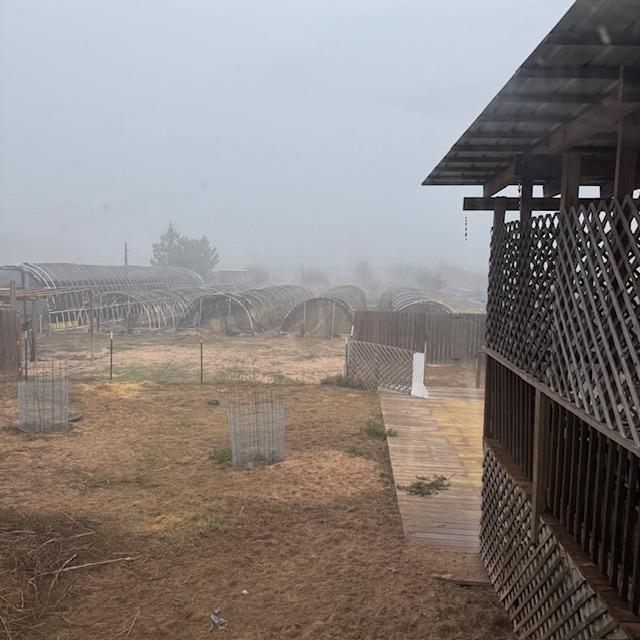
Good morning. I have been up for hours with two bouts of neuropathy. It is now 7am and the fog is thick. Yesterday, there was no fog.
I made breakfast tacos per David's request.
This morning, we are taking all three dogs to be groomed and while we are in town, we will be buying our Christmas meat. David wants prime rib, which is ridiculously expensive. Usually, we buy it before now but David does not want to freeze it.
For those of you expecting packages from us in the next week, remember that President Trump has given all federal workers three days off for Christmas which means there will be no mail or banking for those three days either--no mail for Wednesday, Thursday, or Friday so please don't be mad at us when your package is very late.
Speaking of the post office, we were having problems mailing things out through Shopify yesterday. Shipping prices were doubled so it was costing $8.80 to send a three ounce envelope. David spent several hours with a Shopify customer service rep trying to get it all figured out. Around 4pm, it got fixed and that same package that was $8.80 was $4.56. I also found out that, once again, USPS is raising their rates in January. They just raised them this fall and here we go again.
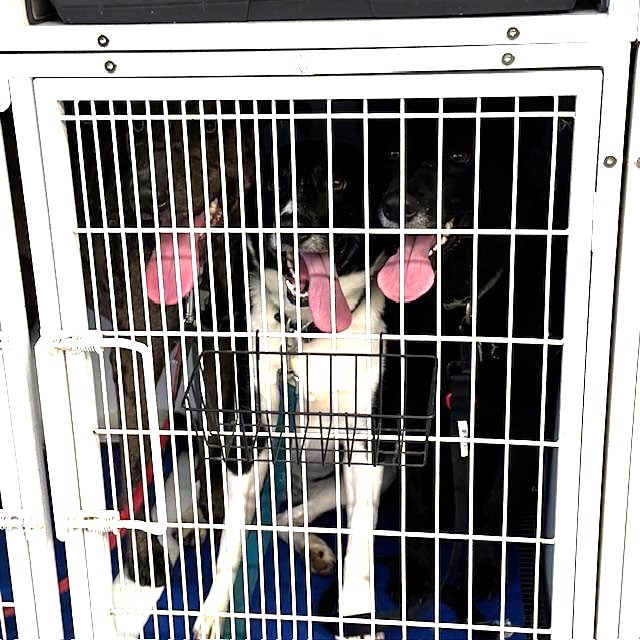 The groomer put Sue Ellen & Pam in 1 cage but Trump would not go in his own. She finally agreed to put Trump in with them & he was fine. L-R, Trump, Sue Ellen, & Pamela.
We took the dogs to be groomed. They all look so cute but Trump was not happy that we left him. Apparently, Sue Ellen's foot was injured while she was at the groomer because she is limping and there is a boo boo on the bottom of her foot that was not there before we took her... They did not even mention it. Poor baby.
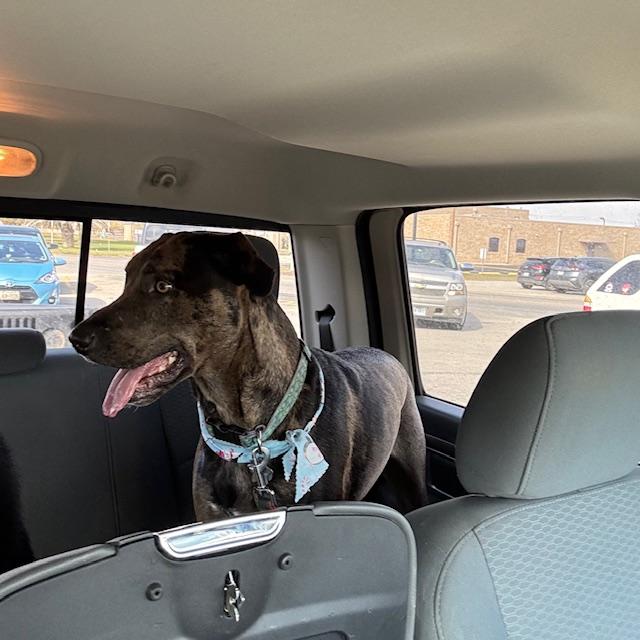 Trump is all clean and smelling good as he jumped in the truck. He is ready to go home.
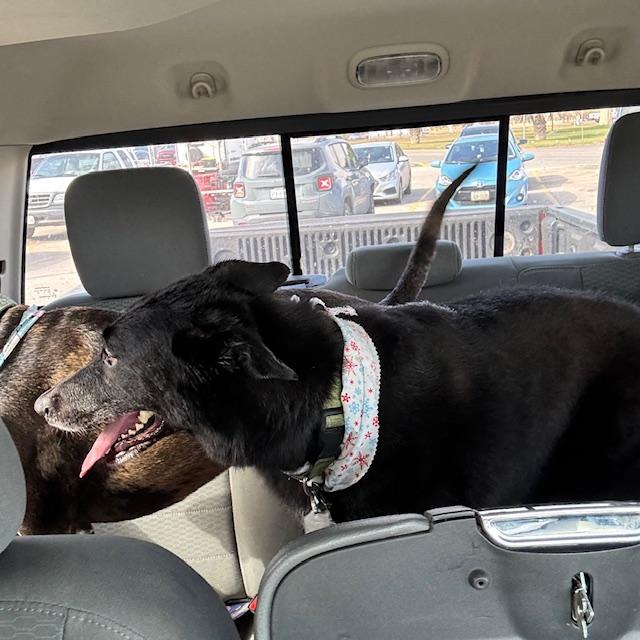 Pamela is all fluffy and pretty.
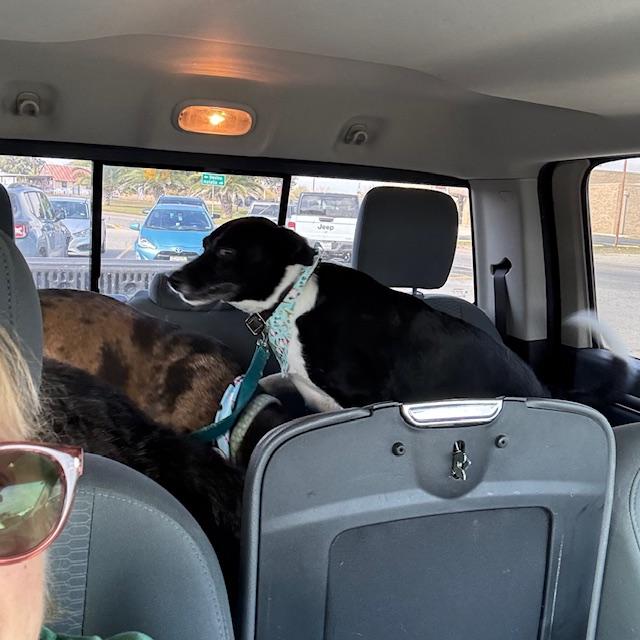 Sue Ellen is now in the truck and we are ready to go home with 3 pretty puppies.
After we dropped them off, we got a few groceries and then we had to go pick them all up again. We had customers while we were gone (it figures). Matthew took care of them. He also planted our onion starts while we were out.
We went out a third time to get a prime rib for Christmas Day. Some stores were out of them but we found one at Granzin's in Jourdanton. They were packed out with customers. We had to park way in the back.
Tonight, we had pizza and Caesar salad for dinner while we watched The Bishop's Wife, the 1947 version. We had never seen it before. It was good because Cary Grant was in it. I am still trying to figure out an overall theme to it. The only thing is that Cary Grant was a dream and all of the women in the movie were mesmerized by him. (Yes, I know he was bisexual but he was so good looking and kind to all of the women.)
It is currently 10pm and 55°. Matt just went home and I realized that even though I wrote this entry, I never built it. I will have to add photos tomorrow.
No goat news.
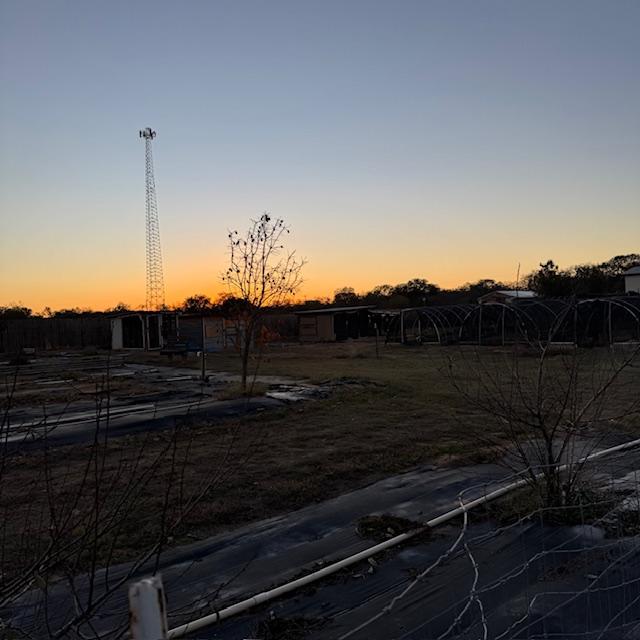 I hope this article has inspired you to try to grow Brussels Sprouts in your garden as the sun sets on another day here on the farm.
Sunday, December 21, 2025
Today was another thick fog morning but it did not last long. It was gone by 8am.We woke up to thick fog again but it was gone by 8am. I went out to take care of all of the animals. They are fine. No babies.
It is 51° with clouds and should get up to 78°, definitely not Christmas weather but here in Texas, it is normal.
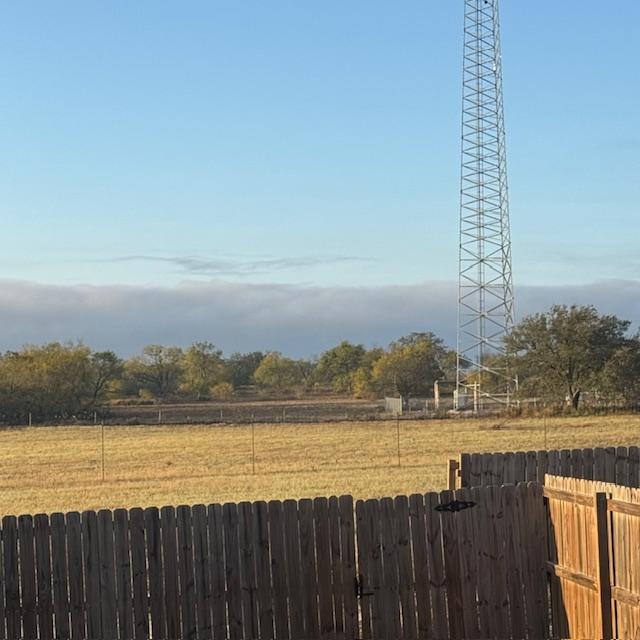 The fog was gone by 8am.
As we get ready to go into Christmas week, don't forget that this year it will be different. Mail will run on Monday, Tuesday, and Saturday only. That means banks will be open on Monday and Tuesday. Some banks are open part of the day on Saturday but not all of them so check with your bank to see if it will have Saturday hours.
This means your packages will be late because of no USPS service on Wednesday, Thursday, and Friday. Please don't flood us with emails wanting us to check on where your package is. You know where it is, somewhere sitting in a post office hub for three days because the mailmen all got to be off. The mail will catch up the week of New Year's Day unless they get more than New Year's Day off, too...
We went to church and then ate lunch at Charlie's Daughter with several from the church. After that, we went to two stores for things David wanted, nothing fun. In other words, I did not get to shop or look at things.
Then home to clean up and take care of the animals. No new goats and this is day 167. I know the numbers are right because after the girls were hit that final time, the male goat was taken off of our farm. The girls get bigger by the day and their bulges keep shifting around. Will they ever decide to come out? Stay tuned for next week's news.
Sue Ellen's foot is much better. She is no longer limping and is jumping the gate from the den to the kitchen like a gazelle. The funny thing is that all three dogs could jump it but Pamela and Trump are afraid to try. Sue Ellen just glides over it but she has not destroyed anything in the rest of the house when we are not around. I know Trump would tear up the entire Christmas tree and packages.
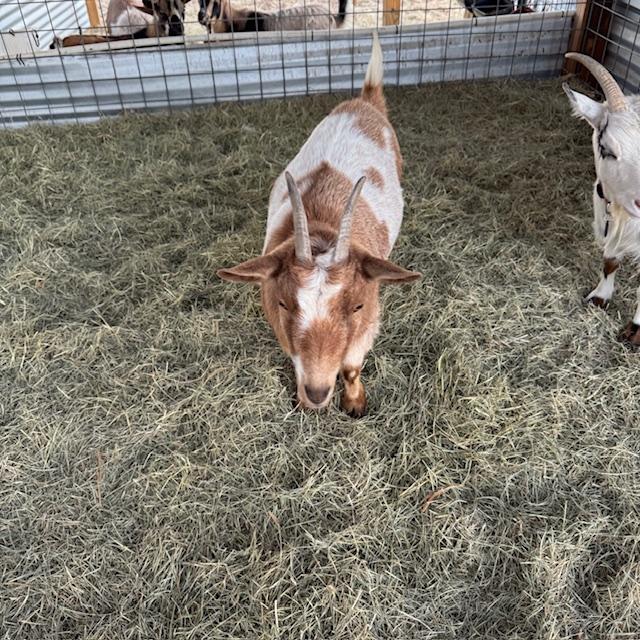 Alice's bulges are getting bigger and moving from side to side. Alice's bulges are getting bigger and moving from side to side. |
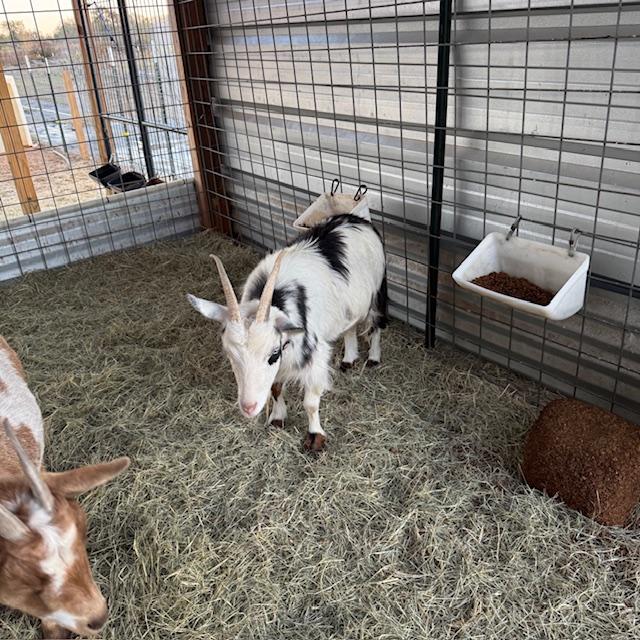 Trixie has long hair so it is more difficult to see her bulges but they are there. Trixie has long hair so it is more difficult to see her bulges but they are there. |
Return from Grow Brussels Sprouts to Year 7 Of Farm Life
Anything To Share On This Topic?
Would you like to share additional information about this topic with all of us?
Since 2009, over 2,000,000 home gardeners, all across the USA, have relied on David's Garden Seeds® to grow beautiful, productive gardens. Trust is at the heart of it. Our customers know David's Garden Seeds® stocks only the highest quality seeds available. Our mission is to become your lifetime supplier of quality seeds. It isn't just to serve you once; we want to earn your trust as the primary supplier of all of your garden seeds.
Watch Our 2022 TV Commercial!
Sing Along To Our Jingle
♪♫♪♪ ♫ ♪ ♫♪♫♫
♪♫♪♪♫♫
Peppers and peas
And lots of yummy greens
You can't go wrong
With Squash This Long
At David's Garden Seeds
♪ ♫ ♪ ♫
Our New 2024 TV Ad
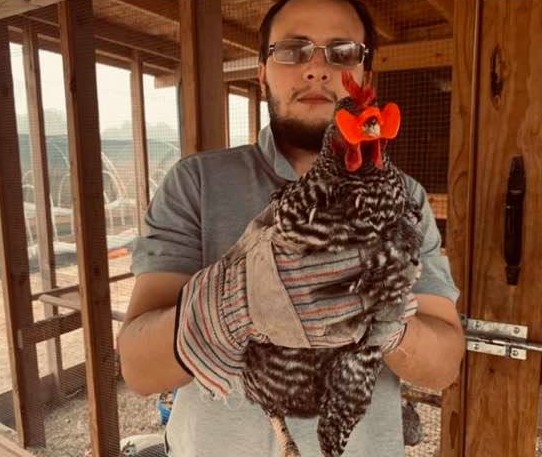
Please like and subscribe on YouTube and come visit us at our Farm Store! The music on our TV ad was written, played, and sung by our son, Matthew Schulze. You can meet him when you come to the farm. He just might give you a tour. Ask him to grab a guitar and sing our jingle that he wrote.
Our 2022 TV Ad

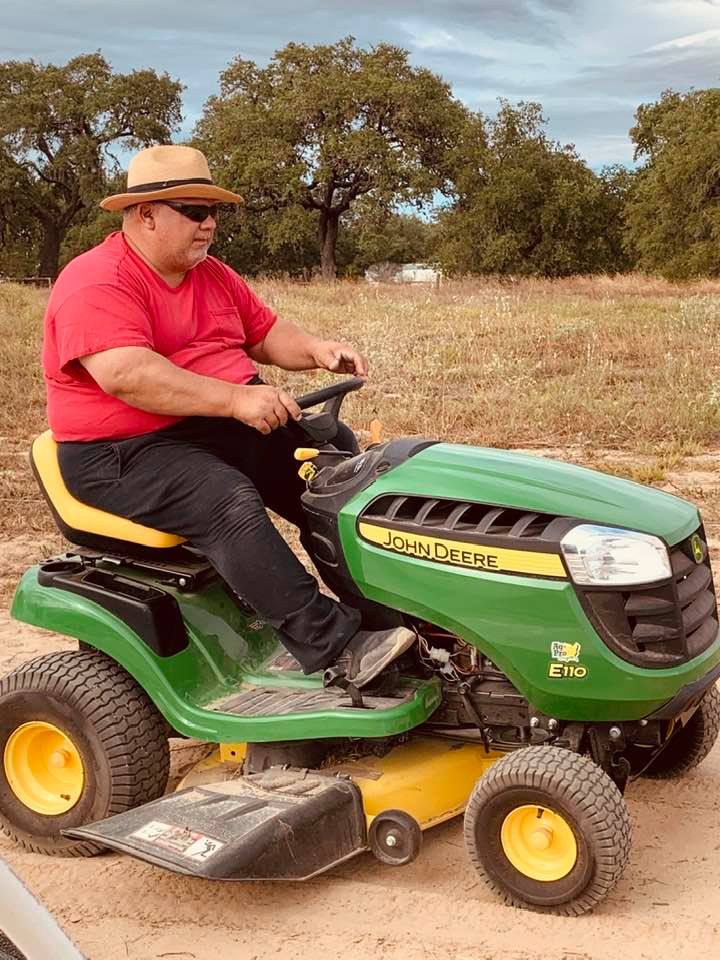 David of David's Garden Seeds® zipping along on his little tractor across the farm. He is having a blast!
We are David's Garden Seeds®. If you need great seeds, we've got over 800 varieties to choose from.
Subscribe To Mrs. David's Garden Seeds® Newsletter For FREE!
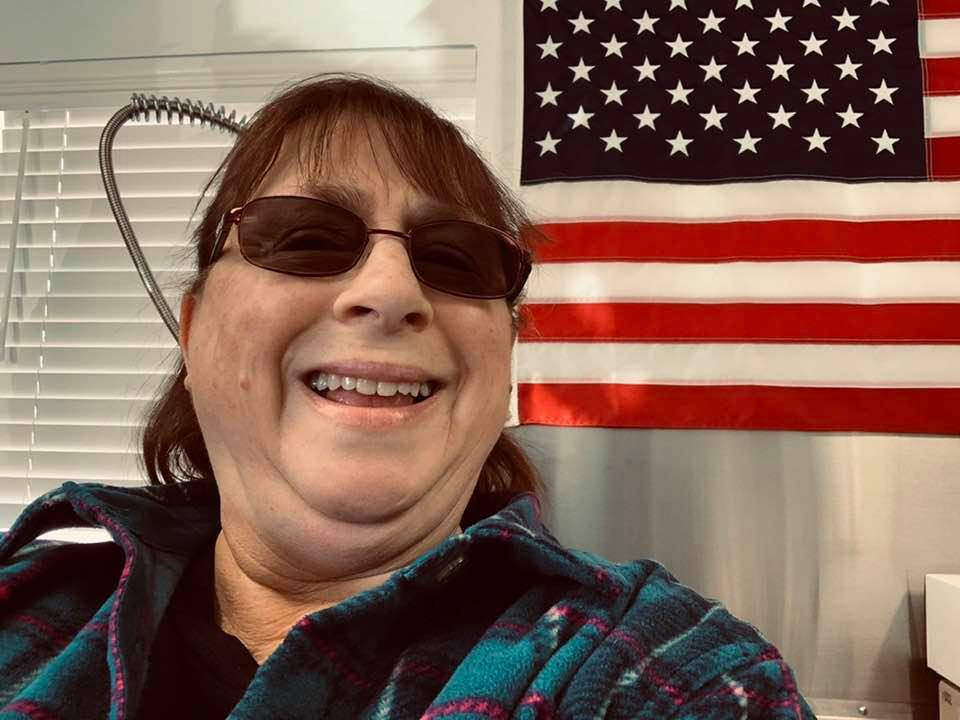
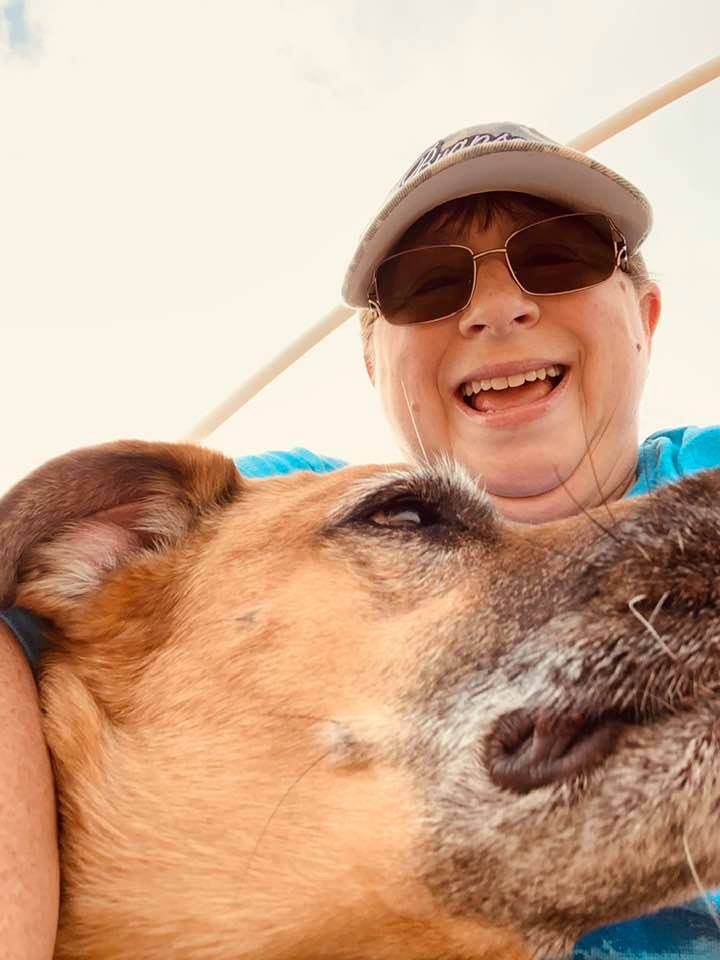
Find out what is going on down on the farm by reading our blog and by subscribing to our free newsletter for all of the information going down at David's Garden Seeds® and on the farm. I love to share helpful information with you. Please let your friends know and y'all come on down for a visit when you get the chance. We would love to meet you!
New Store Hours!
 Farm Store Hours: Th-Fri 10am-5pm, Sat 10am-2pm. Closed Sun-Wed.
Being out here in the country, we had awful internet & we could not stream TV. We got Starlink in April of 2025 & we love it! Now we can stream and work, even when it is raining!
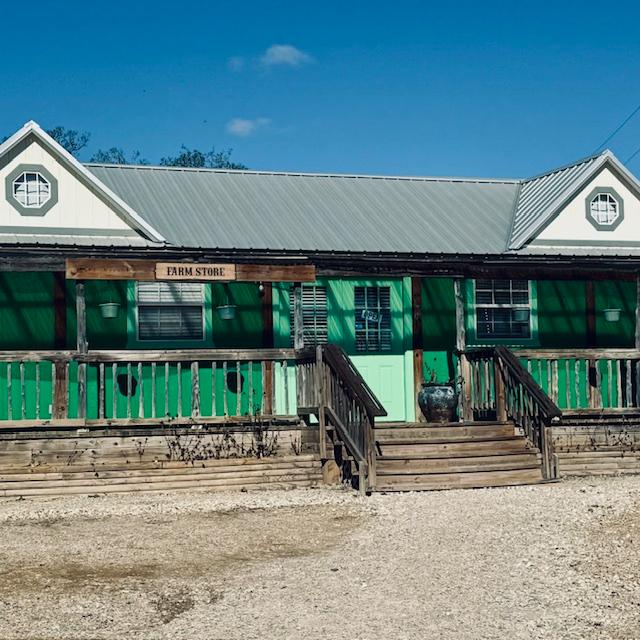 Our Farm Store
Shop for:
- Seeds
- Farm Fresh Eggs
Our Farm is located at 5029 FM 2504 in Poteet, TX.
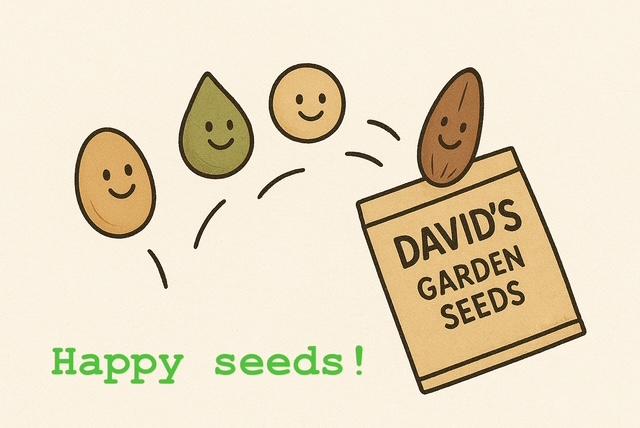 Only happy seeds make the cut to go into our seed packs!
David's Garden Seeds® has
seeds for the backyard gardener and farm fresh chicken eggs.
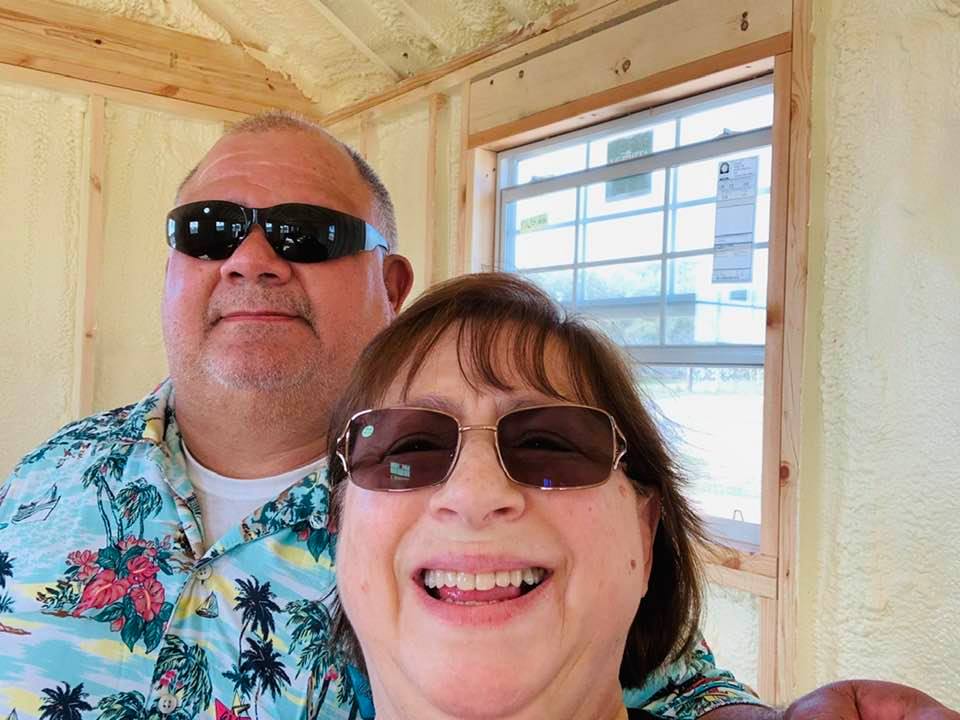
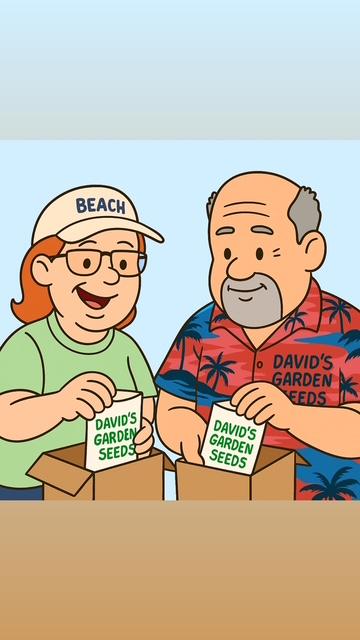 David & Juanita work hard to pack your garden seed orders.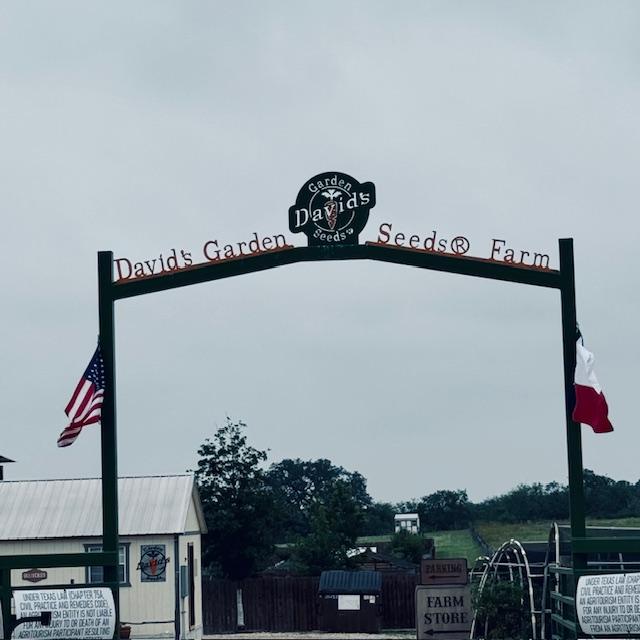


Sign Up For Our Newsletter Here!
   DGS YouTube Mrs
|
   |
Garden Ebooks
by Mrs. David's Garden Seeds
 I've been busy creating eBooks to help you with your garden...
IMPORTANT NOTE: THE EBOOKS ARE DIGITAL DOWNLOADS (EBOOKS), NOT PHYSICAL BOOKS.
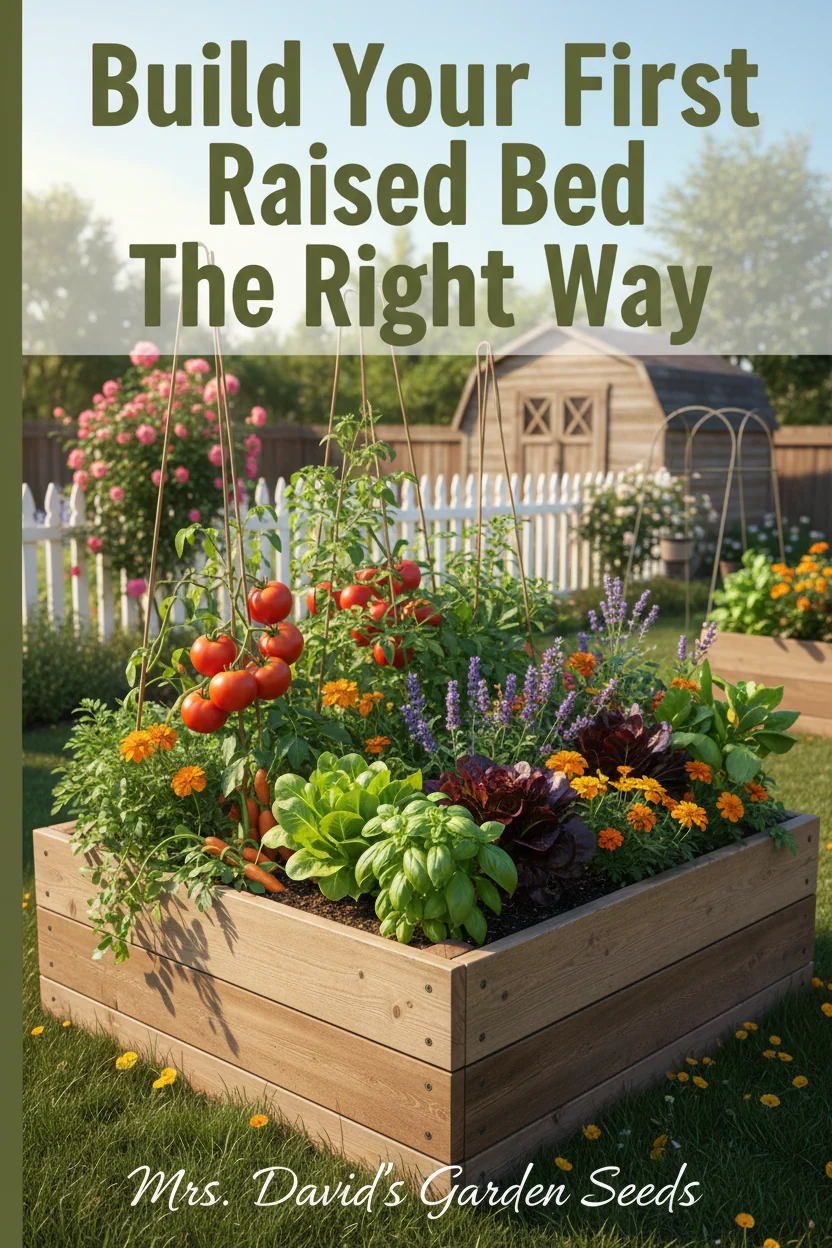
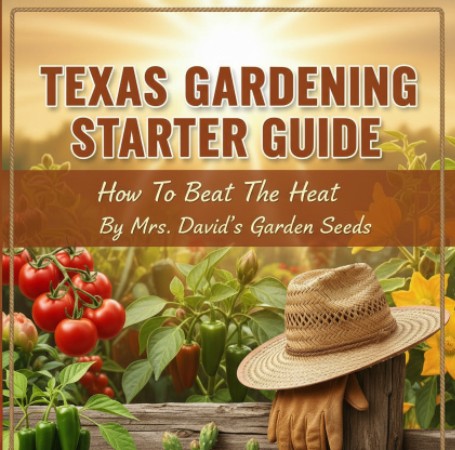
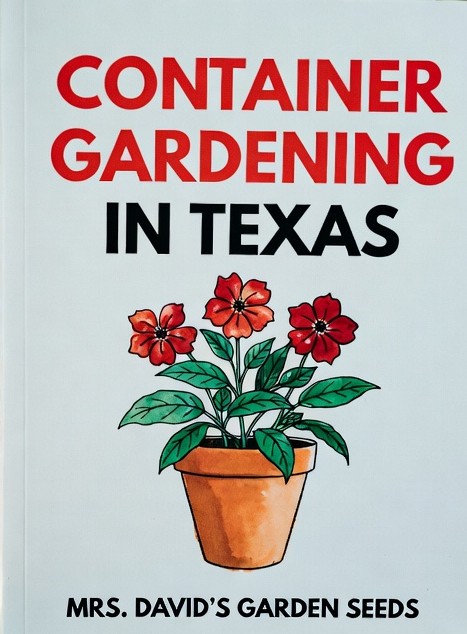
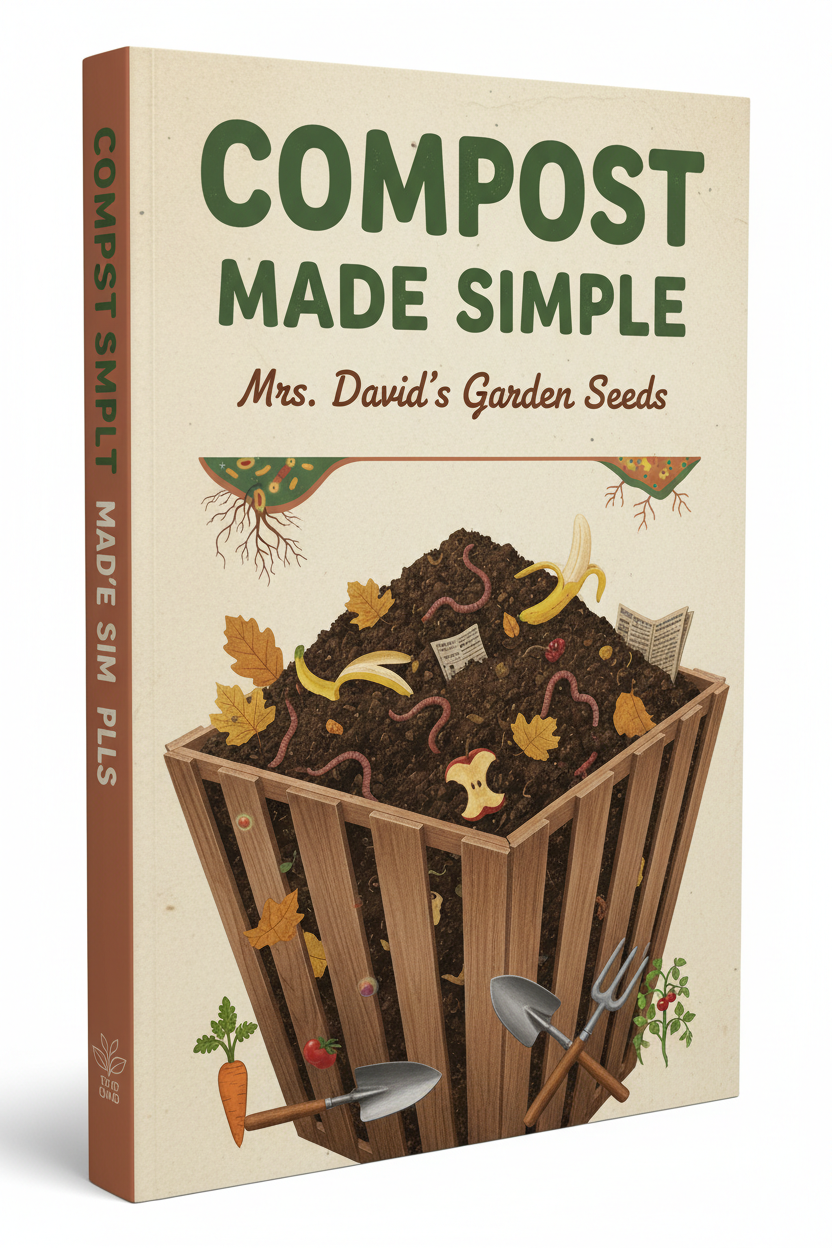
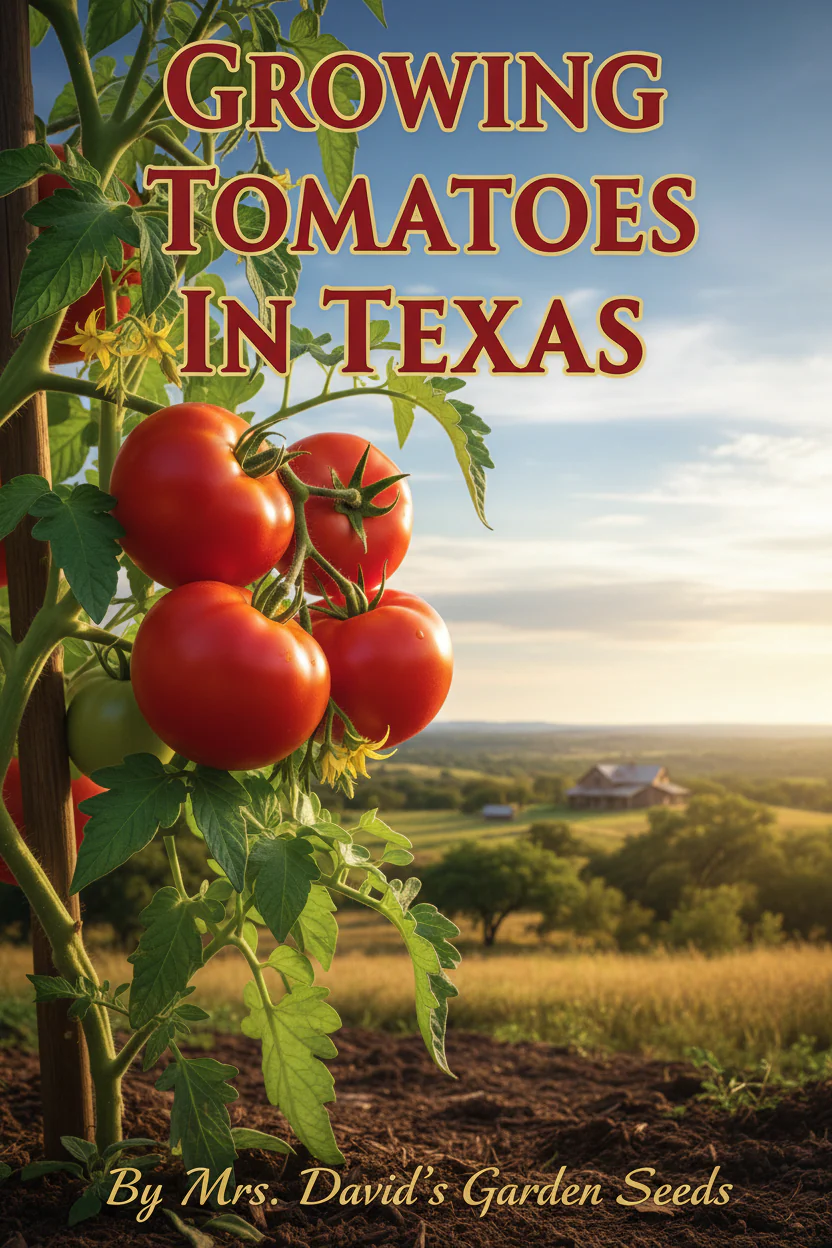
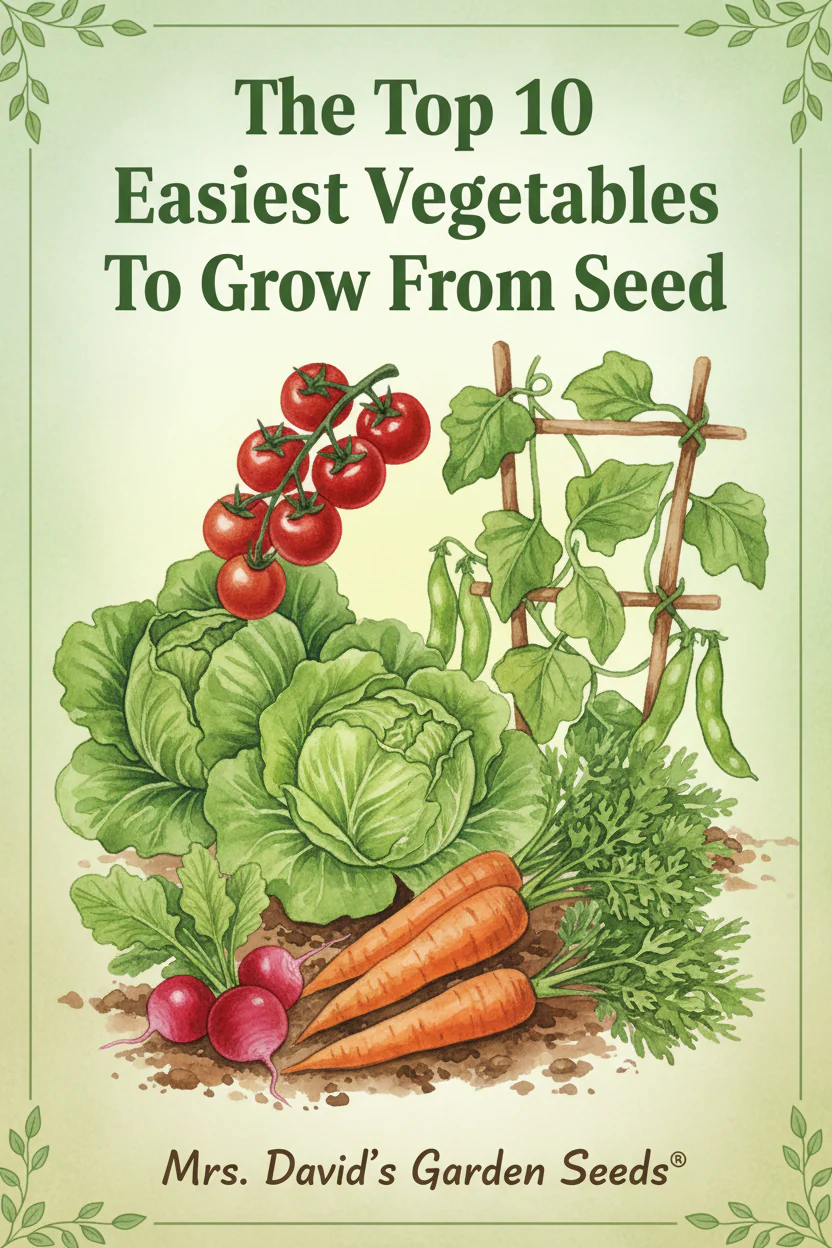
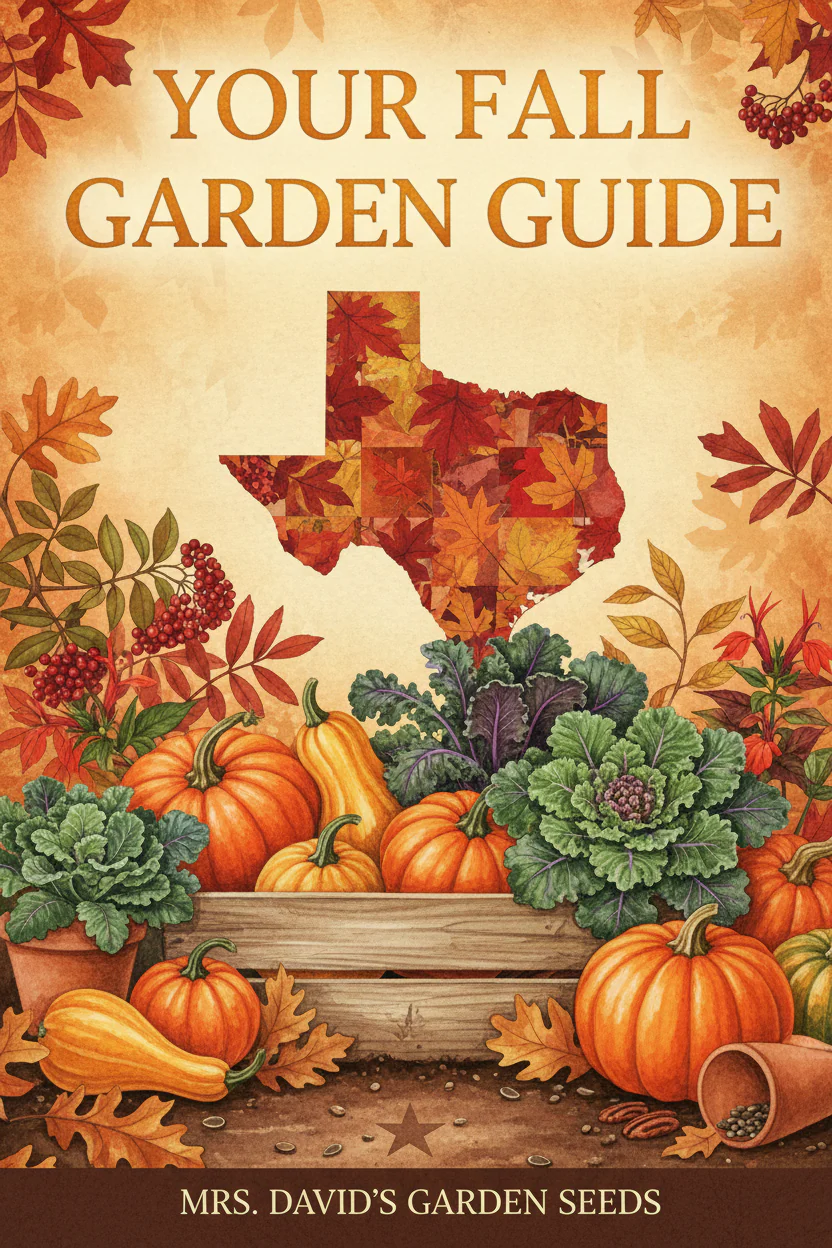
WE DO NOT REFUND OUR DIGITAL DOWNLOADS FOR OBVIOUS REASONS.
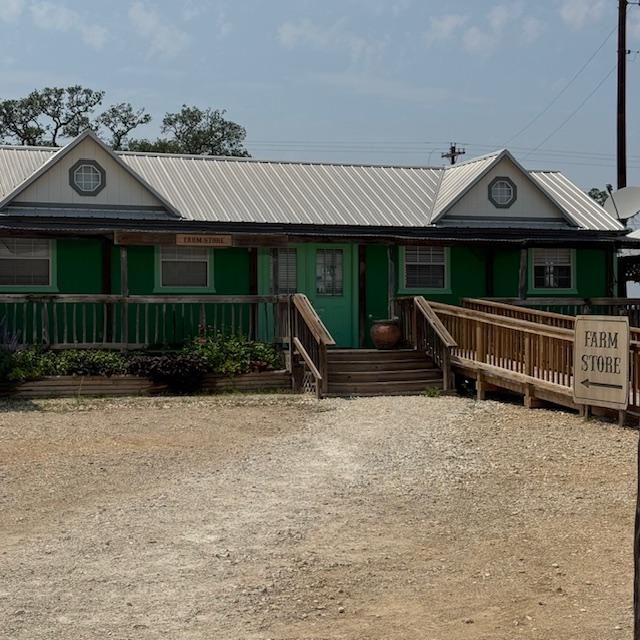 Our Farm Store is the green building
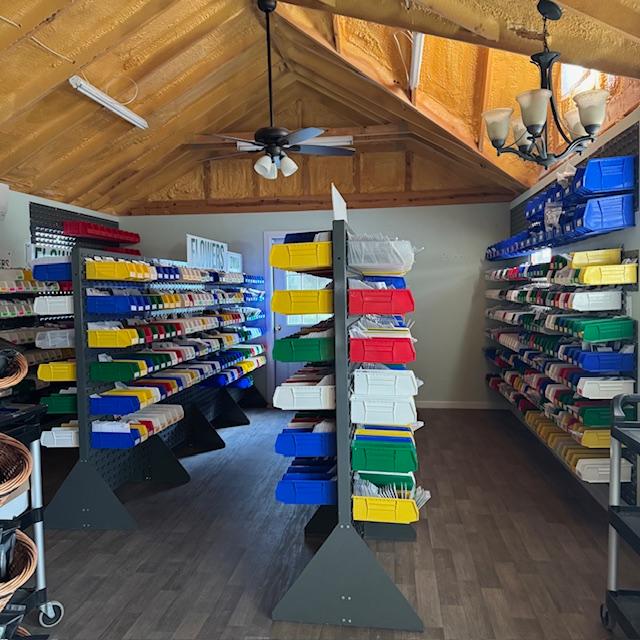 Inside our Farm Store...1400 varieties of seeds await you!
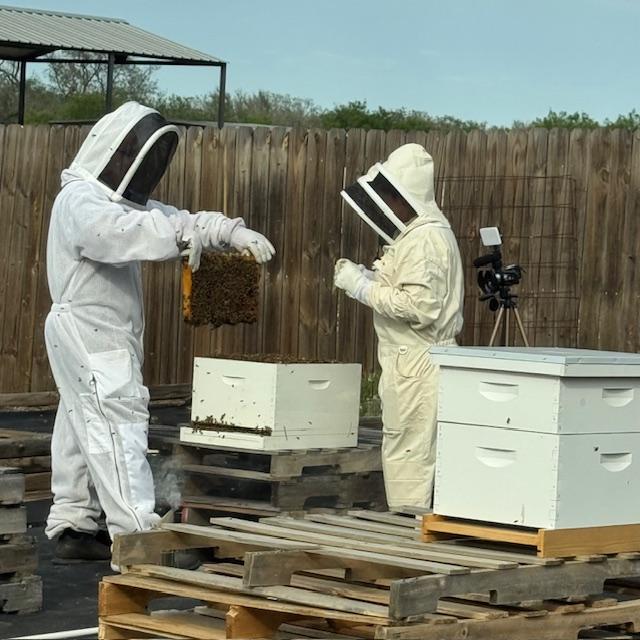 Our bee hives
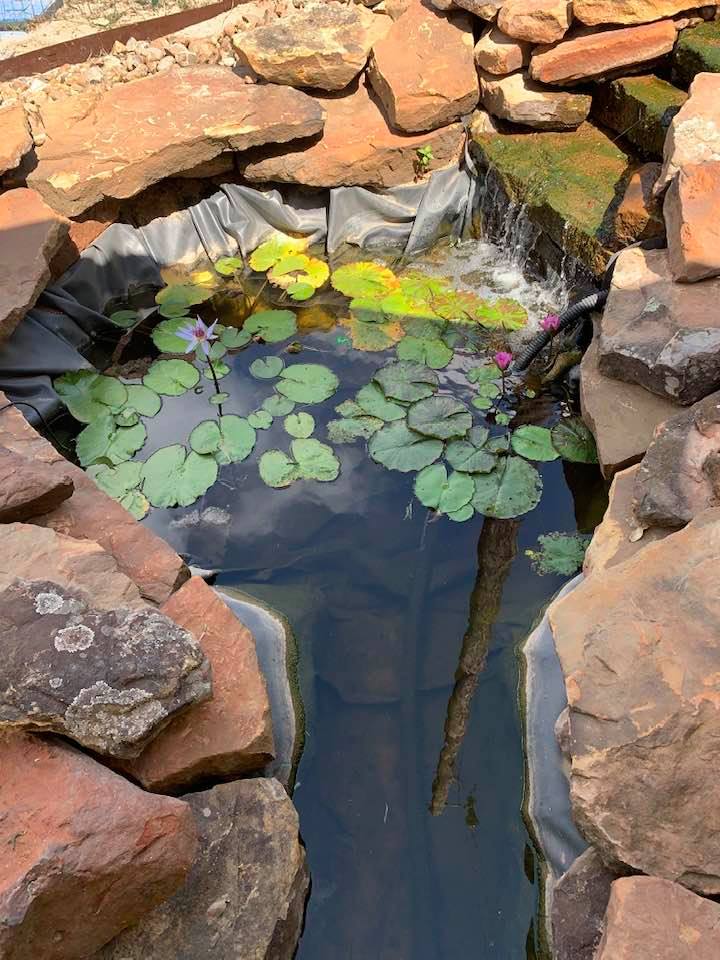
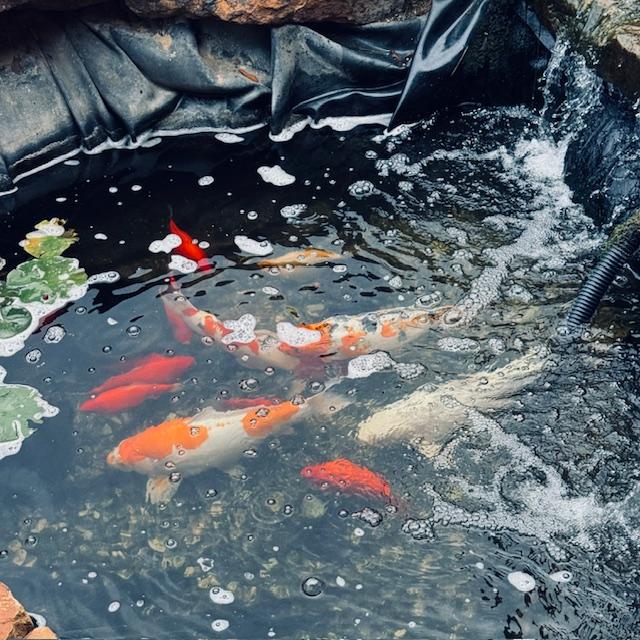 Our fish pond
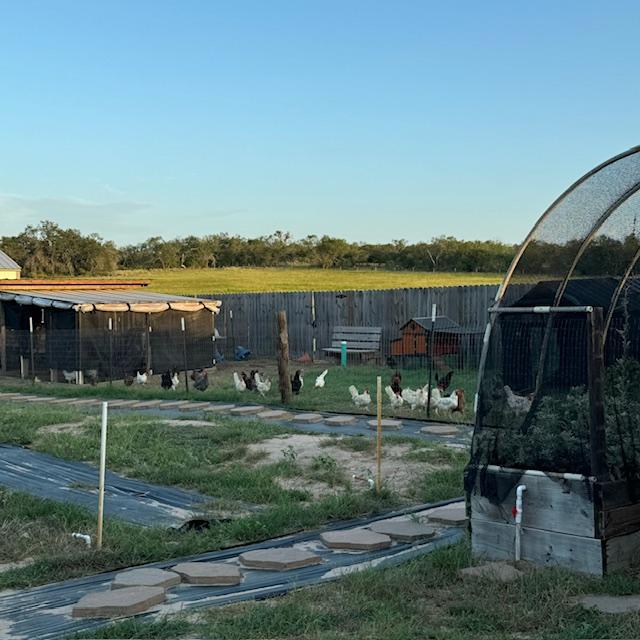 Our chickens
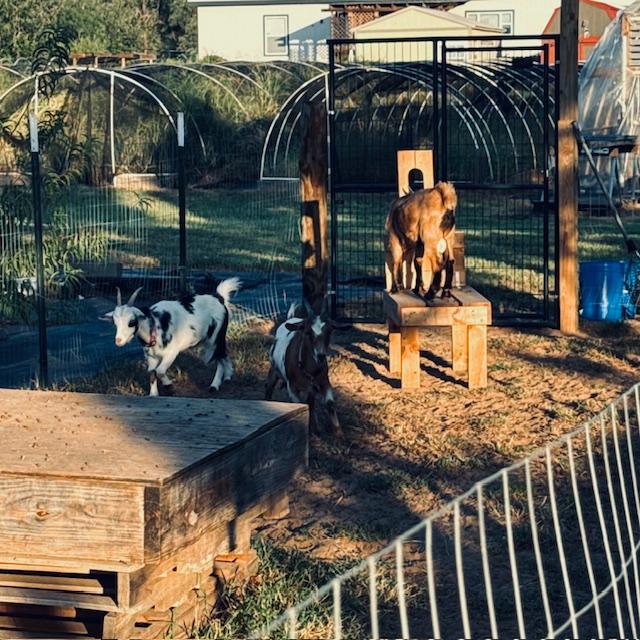 Our Nigerian Dwarf goats
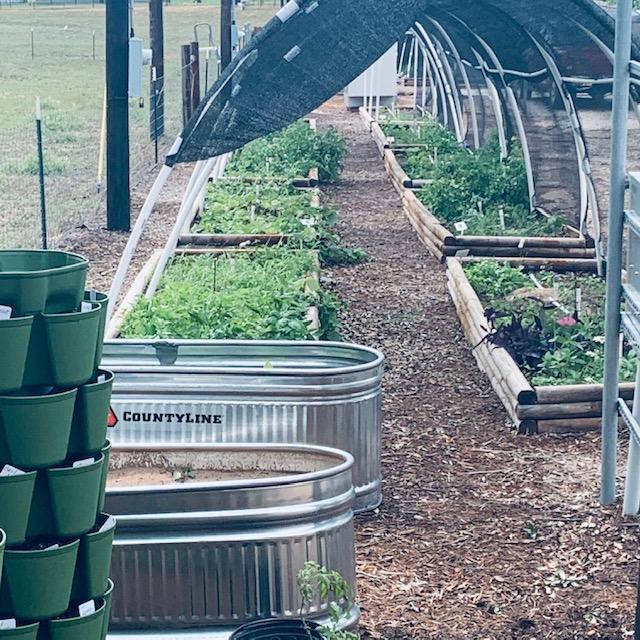 A few of our raised garden beds
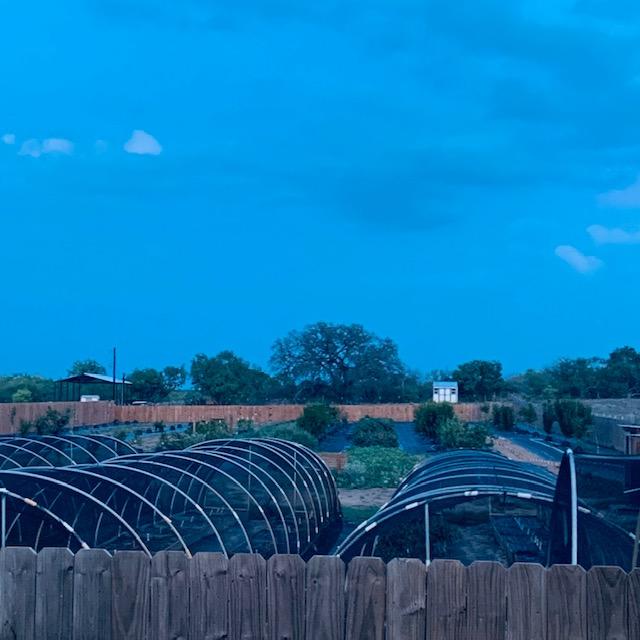 Our orchard and hoop houses
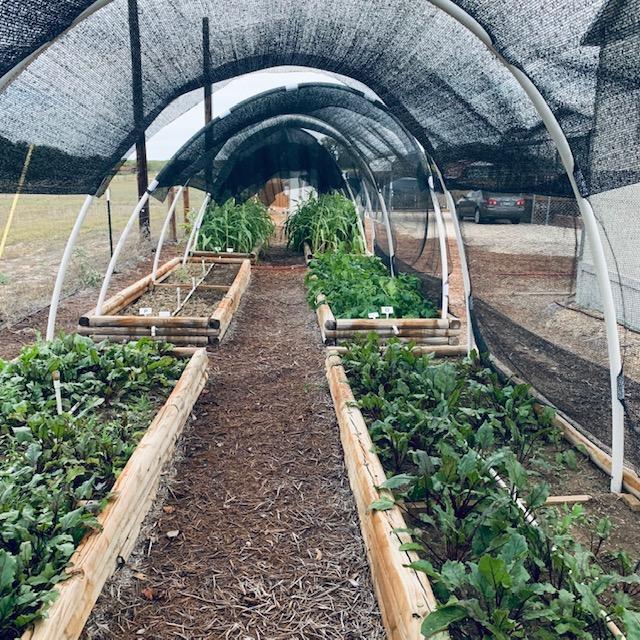
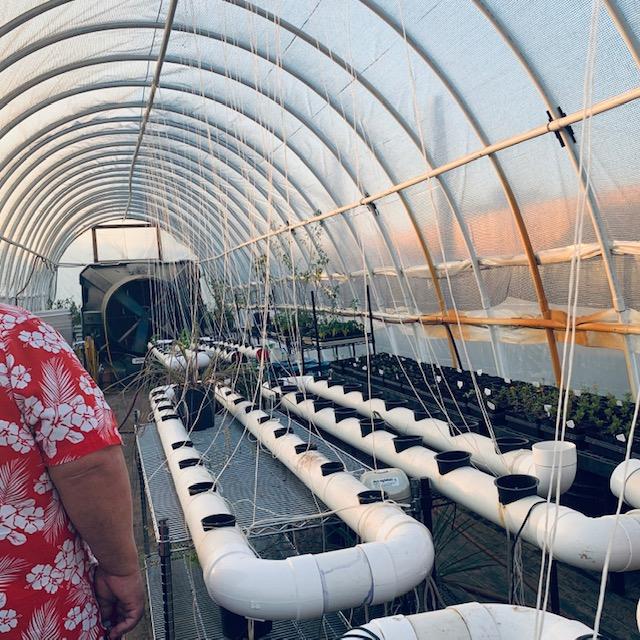 Inside our high tunnel
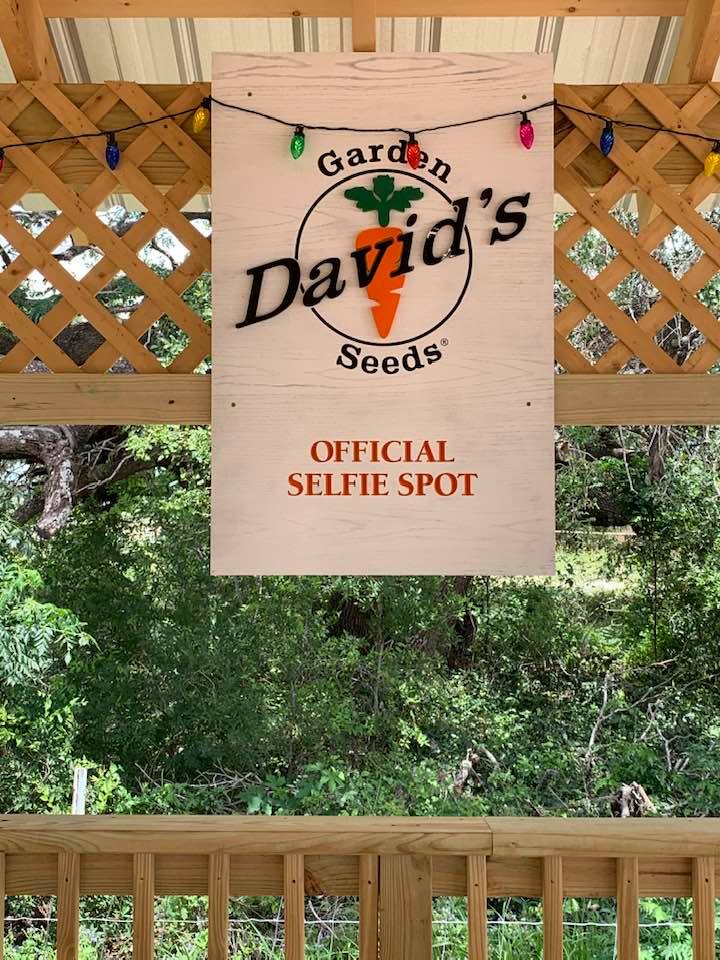 Take a selfie at our official selfie spot!
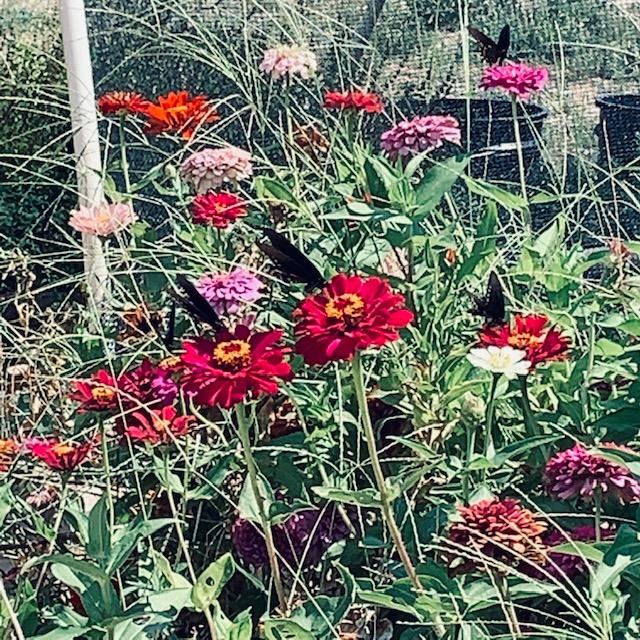 Flowers, bees, and butterflies are everywhere!
Watch Our TV Ads!
David's Garden Seeds® has the best Non-GMO seeds in the state of Texas!
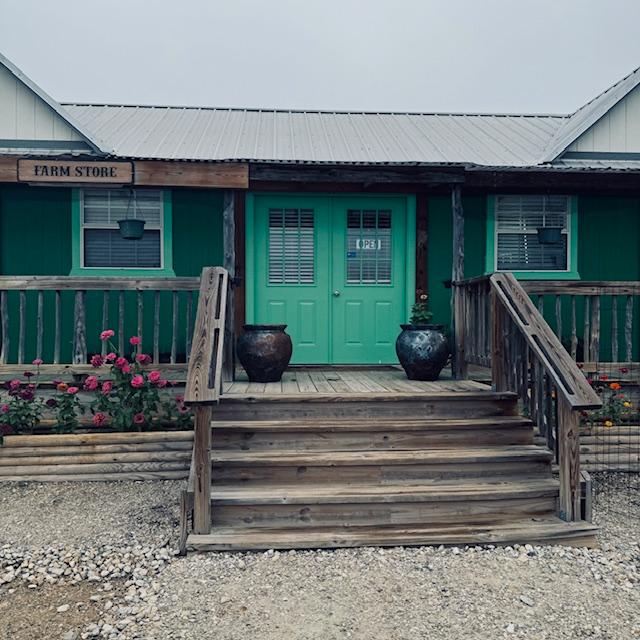 This is our beautiful Farm Store. Come in and shop for seeds. We have over 1600 Non-GMO heirloom varieties to choose from but we are in the process of bringing that number down to half.
Our Story
Hi Everyone! Thank you for visiting my website! I am Mrs Davids
Garden Seeds® aka Mrs. David's Garden Seeds and I think you should know that there is a wonderful seed
company in the great state of Texas called David's Garden Seeds®. We grow some of our seed, we count, hand pack, print our own envelopes, and ship seeds out to you right here from our farm. This used to be an old peanut farm. When the owner died about 15 years ago, his sons split the farm up and sold it in pieces. In 2024, we bought another adjoining four acres.
Our business started in our home in San Antonio in September of 2009. David decided to sell some seeds he had left over from his garden on Amazon. I told David, "Don't bother, it won't work!". I am so glad that David did not listen to me because it did work! By 2015, we had 8 employees working in my home every day and David found a storefront in San Antonio and moved the business there. In 2016, I quit my day job and went on the payroll. The company grew some more and David moved to a bigger storefront in 2017. In 2019, we found a beautiful piece of land over in Atascosa County and turned it into a farm out near Poteet. David and I moved out here to live in August of 2019.
In 2020, we moved our company out to the farm. We have a beautiful Farm Store filled with seeds, a gazebo with a pond full of koi and gold fish for you to visit. Come by and visit us at 5029 FM 2504 in Rossville, just outside of Poteet, Texas, Monday through Friday from 9am to 5pm and Saturday from 10am to 2pm. Or you can order seeds online from our user-friendly website, www.davidsgardenseeds.com.


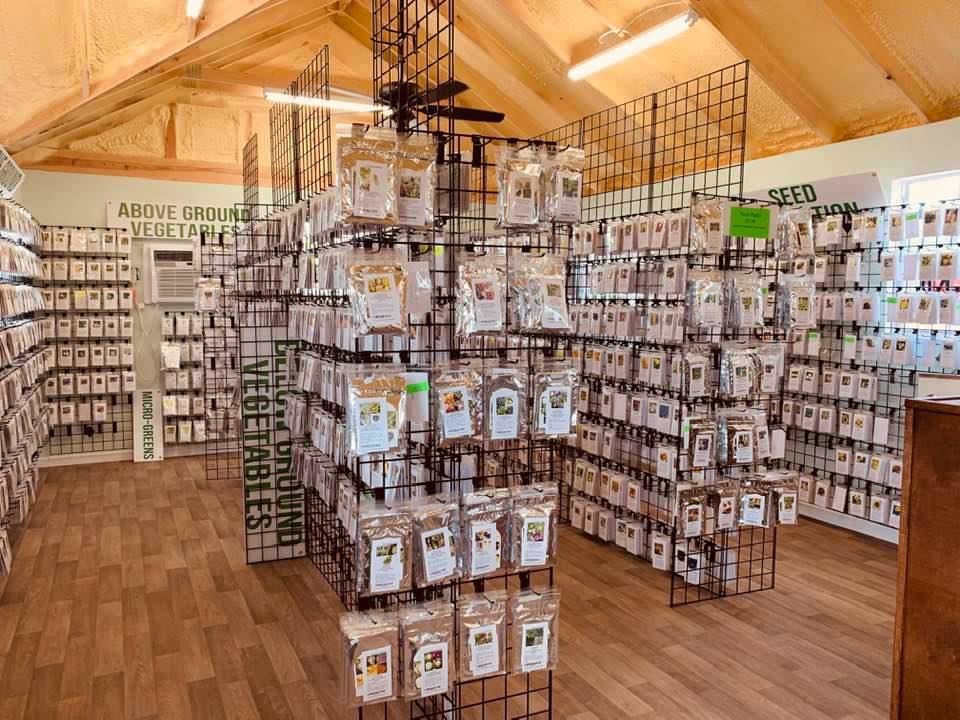 Our beautiful new farm store has almost 2,000 varieties of seeds and more. Mrs Davids Garden Seeds® looks forward to meeting you when you visit.
Mrs. David's Garden Seeds® Copyright by Juanita Lynn Schulze of David's Garden Seeds® 2019-2026
David's Garden Seeds® is Registered in the United States Patent and Trademark Office.