Grow Beets
Every gardener should learn how to grow beets in the backyard garden. Beets can be grown in spring and in fall and provide benefits to your health such as lowering blood pressure and helping with digestion. Let's explore this colorful and sweet vegetable further.
You might not think of beets as the first crop to plant, but once you do attempt to grow them in your backyard garden, you’ll probably wonder why you waited so long. They’re colorful, tasty, hardy, and packed with nutrition. Plus, they’re one of the easiest root vegetables for home gardeners.
In this two‑part guide, we’ll start with how to plant beet seeds and grow strong, beautiful beets in your garden. Then we’ll switch to the health benefits of beets, and why they should be a regular part of your meals. By the end, you’ll know exactly how to get beets from seed to plate.
Grow Beets - 12/22-12/28/2025
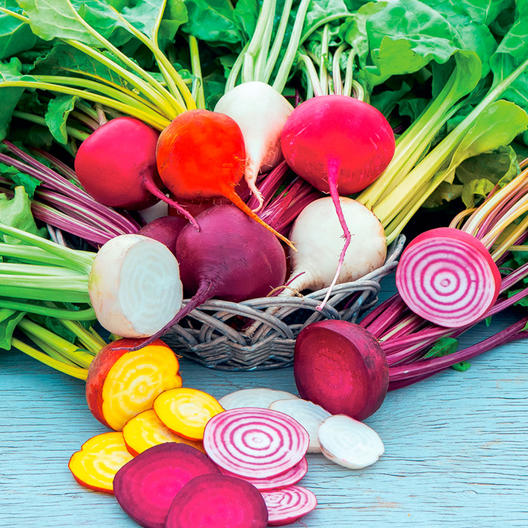
Before we get into the details, let’s clear one thing up: fresh, homegrown beets taste completely different from the canned beets you might remember from childhood. When you grow beets in your backyard garden, they’re sweet, tender, and full of flavor. Even beet haters often change their minds after tasting them straight from the soil.
I still remember the first time I pulled a beet out of my own garden. The top was bright green, the root a deep ruby red. I baked it in the oven with a little olive oil and salt. One bite and I realized I’d been missing out for years. That one beet turned into a yearly habit of growing row after row.
Plant And Grow Beets From Seed In Your Backyard - How?
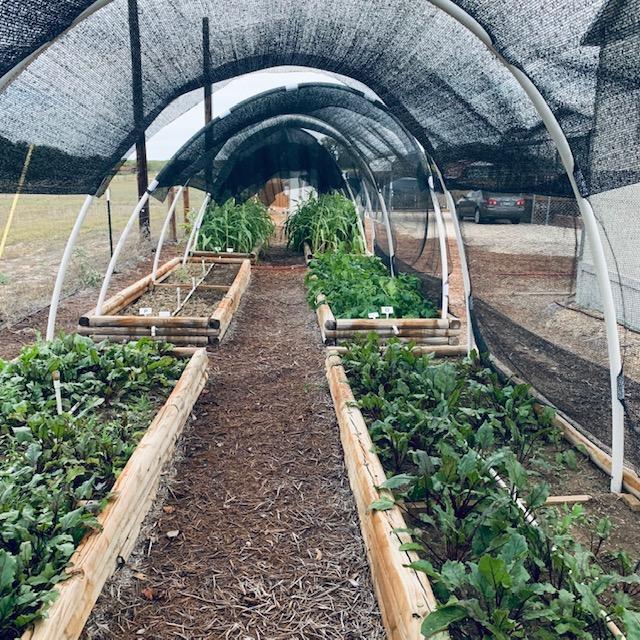
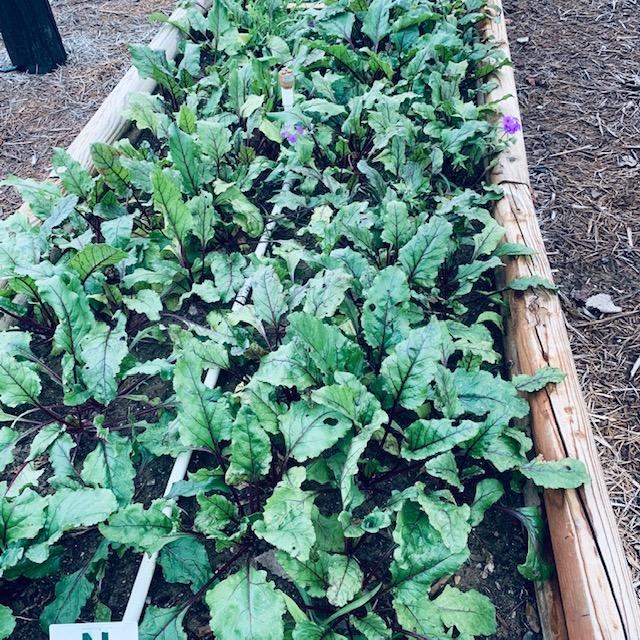 David loves to grow beets. Here is a bed he planted on our farm. He likes to eat them pickled the best.
First, you’ll need good seed. Not all beet seeds are the same. For the best flavor, color, and size, get your heirloom beet seeds from David’s Garden Seeds®. They offer reliable varieties that germinate well and give you consistent roots. Starting with quality seed makes the whole process easier.
Next, think about timing. Beets grow roots in cool weather, so they love spring and fall. In most areas, you can plant beets about 2–4 weeks before your last expected spring frost, and again about 6–8 weeks before your first fall frost. If your summers get very hot, your best crops will be in those cool shoulder seasons.
Check your local frost dates online or from your extension office. Mark two beet planting windows on your calendar: one in early spring, one in late summer. This simple step helps you plan ahead instead of guessing when to sow.
Grow Beets - Sun And Soil
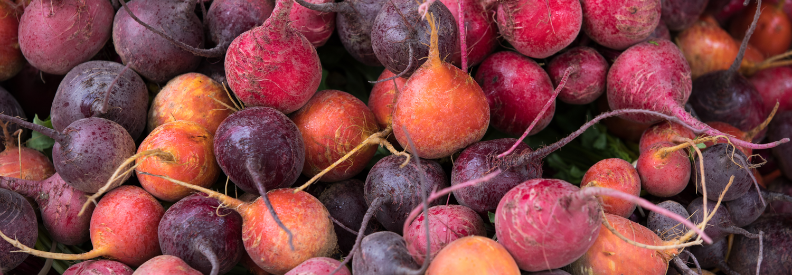 You can grow beets in a variety of colors but the Detroit Dark Red is our number one selling beet seed.
Now let’s talk about the right spot in your yard. Beets need:
- Full sun (at least 6 hours of direct light a day)
- Loose, well‑drained soil
- A place that doesn’t stay soggy after rain
Sun is important because it powers photosynthesis, which feeds both the roots and the greens. If you only have partial shade, beets can still grow, but the roots may be smaller and slower to develop. Aim for the sunniest spot you can give them.
Soil makes a huge difference with root crops. Beets like soil that is:
- Loamy, not heavy clay
- Free of rocks and big clumps
- Slightly acidic to neutral (pH around 6.0–7.5)
If your soil is heavy clay or full of stones, your beets may end up twisted, forked, or stunted. Don’t worry, though—you can fix this. Work plenty of compost into the top 8–12 inches of soil. This loosens it and adds nutrients at the same time.
To prepare the bed:
- Remove weeds, sticks, and rocks.
- Use a garden fork or shovel to loosen the soil deeply.
- Rake the surface smooth so seeds can make good contact.
Grow Beets - Don't Fertilize Before You Plant
Avoid fresh manure right before planting. It can cause beets to fork and can lead to too much leafy growth and small roots. Well‑rotted compost is perfect. If you want to add fertilizer, choose a balanced or slightly lower‑nitrogen blend, such as 5‑10‑10, so the energy goes into the root, not just the tops.
Now it’s time to plant. Beet “seeds” are actually little clusters of seeds called seedballs. That means each “seed” can produce several seedlings. Keep that in mind, because you’ll need to thin them later.
Grow Beets - Sowing The Seed
To sow the seeds:
- Draw shallow furrows about ½ inch deep.
- Space rows 12–18 inches apart for easy weeding and harvesting.
- Drop a seedball every 1–2 inches along the row.
- Cover lightly with soil and gently firm it down.
Water the bed well after planting, using a gentle spray so you don’t wash the seeds away. You want the top inch of soil to stay evenly moist until the seeds sprout. If it dries out, germination will be spotty.
In cool spring soil, beet seeds usually sprout in 7–14 days. In warmer late summer soil, they may come up faster. While you’re waiting, keep watching the moisture. Light daily watering works better than a big soak followed by a dry spell.
When the beet seedlings pop up, you’ll often see little clusters. Remember, that’s normal because each seedball contains more than one seed. At first, just enjoy the tiny green forest. Let them grow until they’re a couple of inches tall.
Grow Beets - Thinning
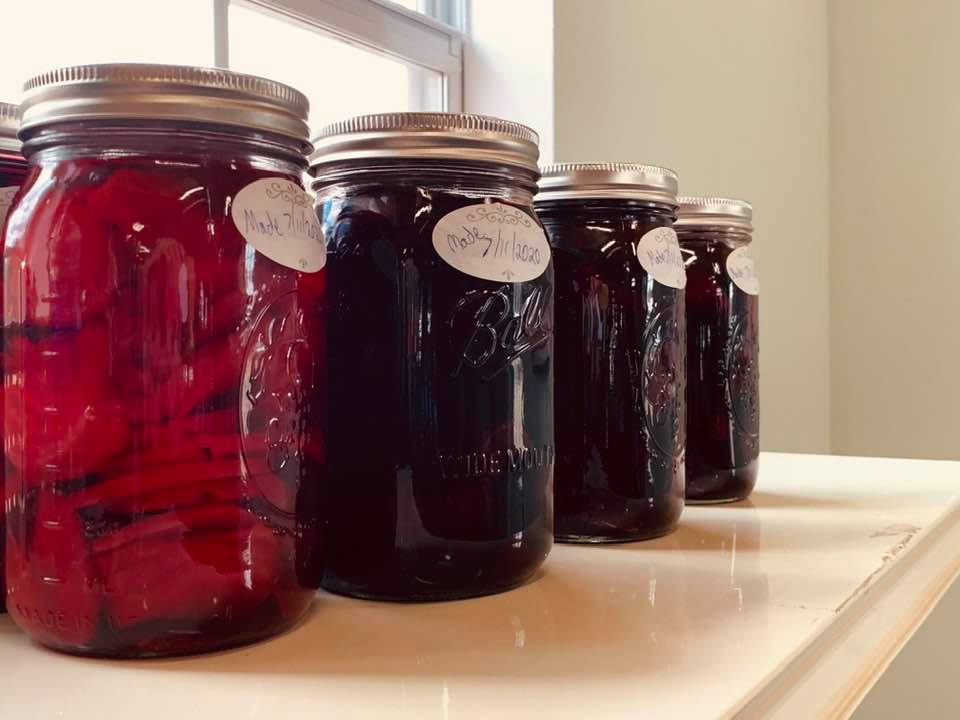 Here are some pickled beets that David made.
Thinning is the step that a lot of gardeners skip, but it’s crucial if you want nice round beets. If the plants are too close together, the roots will crowd each other and stay small. Think of thinning as giving each beet its own room to grow.
When seedlings are 2–3 inches tall, thin them to about 3 inches apart. You can do this by:
- Snipping extra seedlings at the soil line with scissors, or
- Gently pulling out extras, trying not to disturb the ones you’re keeping
Don’t waste the thinnings. Beet greens are completely edible. Rinse them and use them like baby spinach in salads or sauté them with a little garlic and oil. This way, thinning gives you an early harvest while you wait for the roots.
As your beets grow, steady watering is your best friend. Aim for about 1 inch of water per week from rain or irrigation. The soil should be moist but not waterlogged. Uneven watering can lead to cracked or tough roots.
Grow Beets - Mulch, Weeds, Pests
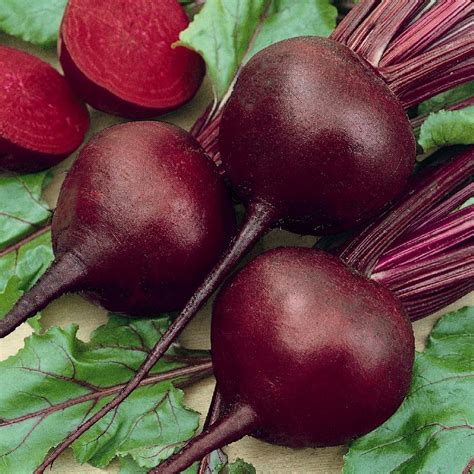 Grow beets like everyone's favorite, the Detroit Dark Red. We also have a Detroit Golden and a Detroit White. Try them all!
Mulch helps a lot. Once your seedlings are 3–4 inches tall, spread a thin layer of mulch—like shredded leaves, grass clippings (not too thick), or straw—around the plants, keeping it a bit away from the stems. This:
- Holds moisture
- Keeps weeds down
- Helps the soil stay cool in warm weather
Speaking of weeds, try not to let them get ahead of you. Young beet roots are shallow, and they don’t like competition. Hand‑weed carefully, or use a small hoe to slice weeds off at the surface. Move slowly so you don’t disturb the beet roots.
Beets don’t usually need a lot of extra fertilizer if you prepared the soil with compost. But if growth seems slow or the leaves are pale, you can side‑dress with compost or a light sprinkle of organic fertilizer along the rows, then water it in.
One thing to watch for is too much nitrogen. This can cause big leafy tops and small roots. If you are also growing heavy feeders like corn or tomatoes, don’t just copy their feeding schedule for beets. Roots like a more balanced, gentle approach.
Pests on beets are usually not too bad, but you might see:
- Leaf miners (white squiggly trails inside the leaves)
- Flea beetles (tiny holes in leaves)
- Slugs (ragged holes and slime trails)
For leaf miners, remove and destroy affected leaves to break their life cycle. For flea beetles, floating row covers over young plants can help. For slugs, hand‑picking, beer traps, or rough mulch like crushed eggshells can reduce damage. Most of the time, healthy beets can handle a little chewing.
Diseases like leaf spot can show up in wet, crowded conditions. To prevent this:
- Space plants properly
- Water at the base of the plant, not over the leaves
- Rotate where you plant beets each year if you can
Grow Beets - Harvesting
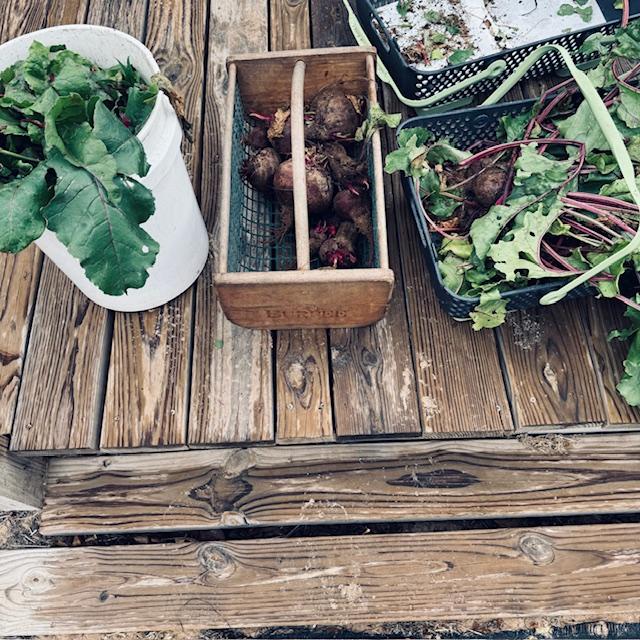 When you grow beets, you get the actual beet as well as the leaves to eat.
Now, when are your beets ready to pull? That depends on the variety and your taste. Most types are ready 50–70 days after planting. You can start checking when the top of the root (the “shoulder”) is about 1–2 inches across.
Smaller beets are usually more tender and sweet. Many gardeners like to harvest them when they’re ping‑pong ball to golf ball size. But you can let some grow larger if you like bigger slices for roasting or grating. It’s your garden, so experiment and see what size you enjoy most.
To harvest, gently loosen the soil beside the beet with your hand or a small fork, then grasp the greens near the base and pull straight up. Shaking off extra soil back into the bed helps keep your garden tidy and your harvest clean.
Don’t toss the tops. Beet greens are just as useful as the roots. Cut the greens off, leaving about 1–2 inches of stem on the root to prevent bleeding, and rinse both greens and roots well.
If you’re not eating your beets right away, store the roots in the fridge in a breathable bag or container. They can keep for several weeks. The greens should be used sooner—within a few days—because they wilt faster.
Grow Beets - Try It Again
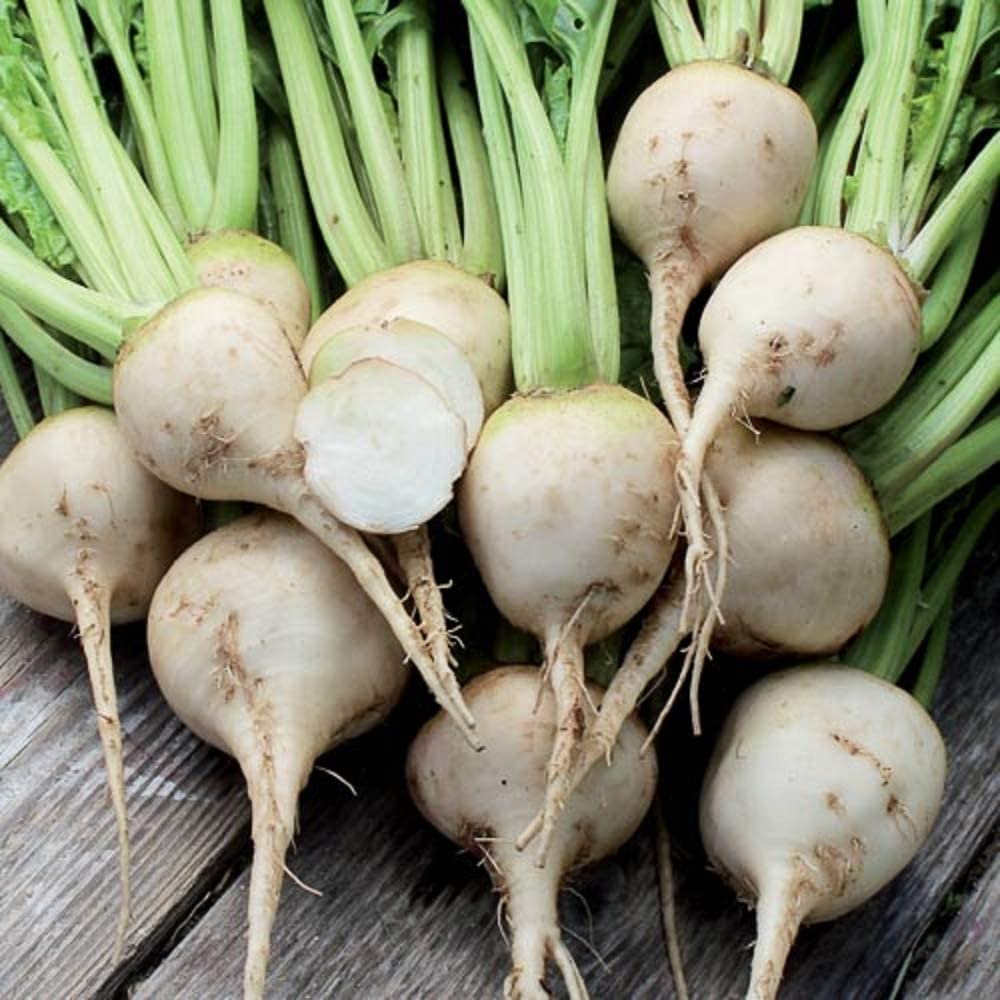 Grow beets that are different like these White Albinos.
Once you’re comfortable with growing one crop of beets, try succession planting. Sow a small row every 2–3 weeks during the cool part of the season. This gives you a steady supply instead of one big harvest all at once.
You can also grow beets in raised beds or large containers if your soil is poor. Just make sure the bed or pot is at least 8–10 inches deep, filled with loose, fertile mix. Container beets often grow quickly because the soil warms up faster in spring.
When you grow beets in your backyard garden year after year, you start to notice little tricks that work best in your space—when the soil is just right to work, how much water your bed needs, which varieties from David’s Garden Seeds you like best. Taking a few notes each season helps you improve over time.
And here’s a bonus tip: beets are great gateway crops for new gardeners. They’re forgiving, don’t take up much space, and reward you with both roots and greens. If you’re teaching a child or a friend how to garden, beets are a fun and colorful choice.
So that covers the basics of planting, growing, and harvesting. Now let’s look at why all this effort is worth it—why beets are such a powerful food for your health.
Grow Beets In Your Backyard Garden - Why?
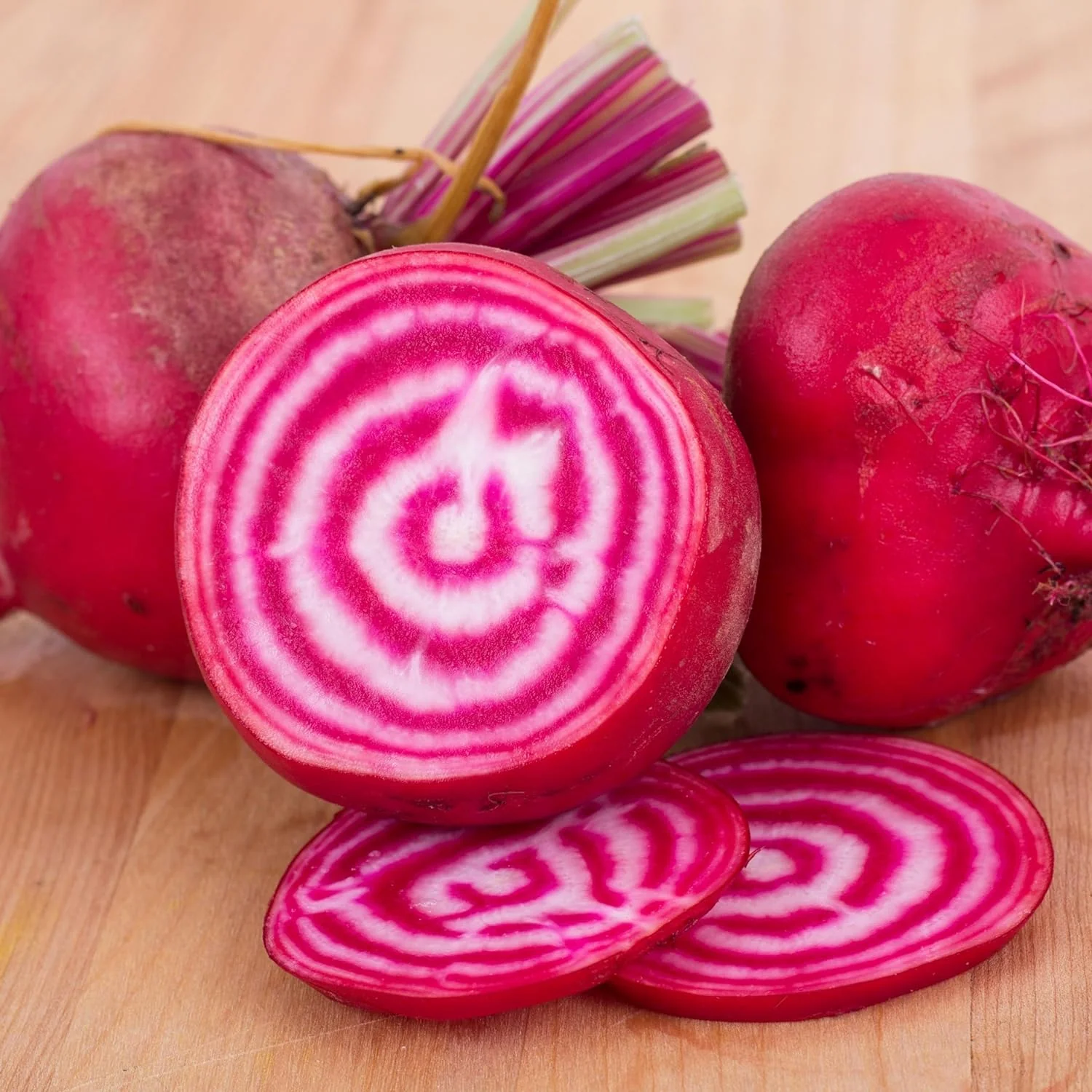 Have fun with it and grow beets that look like peppermints. These are Chioggia Guardsmark beets.
Beets aren’t just pretty and tasty. They’re loaded with nutrients. When you eat beets that you grew yourself, you’re getting maximum freshness and flavor, plus everything your body needs from this root powerhouse. Let’s walk through the major health benefits of beets in simple terms.
First, beets are rich in vitamins and minerals. A typical serving gives you:
- Folate (vitamin B9), important for cell growth and brain function
- Potassium, which helps control blood pressure
- Manganese, which supports bones and metabolism
- Vitamin C (especially in the greens), which helps your immune system
They’re also a great source of fiber. Fiber keeps your digestion moving and helps you feel full longer. When you eat beets regularly, you’re feeding the good bacteria in your gut, which can improve overall digestion and even your mood.
One of the most talked‑about health benefits of beets is their impact on blood pressure. Beets contain natural nitrates that your body turns into nitric oxide. This helps relax and widen blood vessels, which can support healthier blood flow and lower blood pressure in some people.
Because of that same nitric oxide effect, beets can also help with exercise performance. Some athletes drink beet juice before workouts to help them go a little longer with a bit less effort. You don’t have to be a serious athlete to benefit; even a brisk walk or garden work can feel easier when your circulation is strong.
Beets also support your heart in other ways. Their fiber, antioxidants, and plant compounds can help lower “bad” LDL cholesterol and inflammation. Over time, this can lower your risk of heart disease when combined with an overall healthy lifestyle.
Let’s talk about antioxidants. These are compounds that help protect your cells from damage. The deep red color in beets comes from pigments called betalains. These pigments act as powerful antioxidants and may help fight oxidative stress in your body.
Oxidative stress is linked to many chronic problems, from aging skin to more serious issues. By eating colorful foods like beets, you’re basically giving your cells a shield. The richer the color, the more of these helpful pigments you’re getting.
Beets may also support liver health. Your liver is your body’s main filter. Some research suggests that the antioxidants and nutrients in beets help the liver process toxins more efficiently and reduce inflammation there. Think of beets as part of your body’s cleanup crew.
The greens are just as impressive. Beet greens are like leafy multivitamins. They’re high in vitamin K (important for blood clotting and bones), vitamin A, vitamin C, and minerals like iron and calcium. If you throw the tops away, you’re literally tossing valuable nutrition into the compost.
There’s also a brain benefit. Because beets can boost nitric oxide and blood flow, they may help increase circulation to the brain. Better blood flow can support sharper thinking and memory, especially as you get older. Adding beets to your meals is one simple way to care for your brain.
Many people find that beets help keep them “regular” too. The mix of water and fiber in beets and beet greens supports smooth digestion. If you tend to deal with constipation, adding cooked beets and sautéed beet greens to your weekly menu can gently help things along.
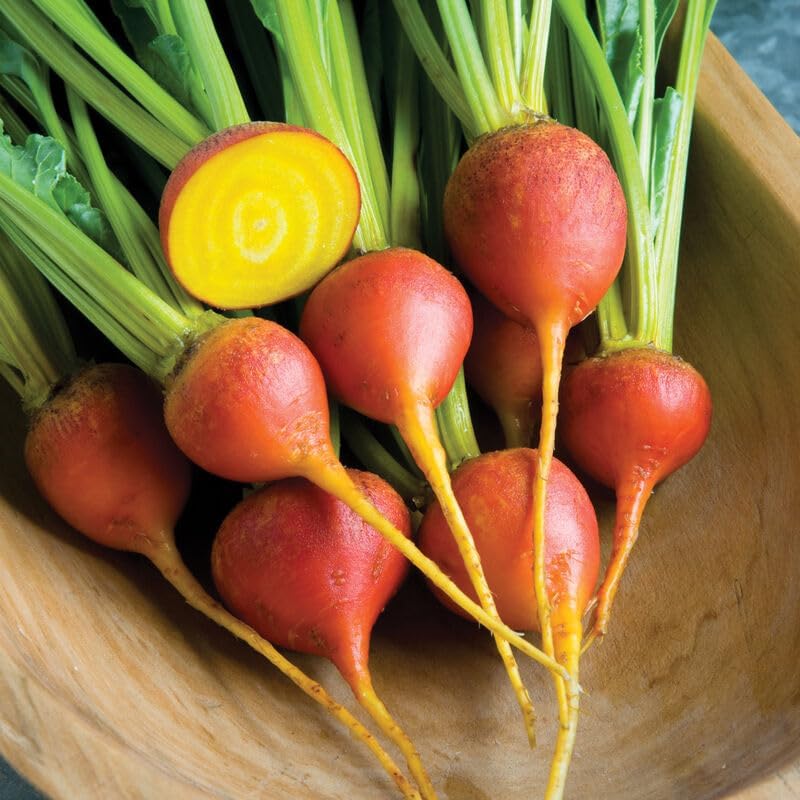 Grow some golden beets like the Touchstone Gold. Aren't they beautiful?
Another plus: beets are naturally sweet but still relatively low in calories. This makes them a smart choice if you’re watching your weight but still want comfort foods. Roasted beets can satisfy a sweet craving in a much healthier way than a processed dessert.
When you grow beets in your backyard garden, you control how they’re grown—no wax, no mystery sprays, no long shipping and storage. You pick them at peak ripeness, when their nutrition and flavor are highest. That makes every health benefit even stronger.
And remember the bigger picture: Beets are healthy and should be a food that you regularly grow in your garden and eat. They’re simple to plant, generous with both roots and greens, and they bring powerful nutrition to your plate. For such a small, humble root, they do a lot for you.
So go ahead—grab some beet seeds from David’s Garden Seeds, pick a sunny spot, and start your first row. Once you pull your own bright beets from the soil, cook them up, and feel how good they are for your body, you’ll understand why every gardener should know how to grow beets in the garden and enjoy them all season long.
Monday, December 22, 2025
Good morning. It is Christmas week! Can you believe it? We got a steady stream of orders all weekend. I just printed them out and I daresay I will be busy trying to get as many as I can out in today's mail as well as tomorrow's mail. That will be it until Saturday as USPS now has three days off for Christmas this year.
It is not foggy this morning and the air is rather warm. It is 63° now at 6:30am and the high should be 81°. If you are from up North, it definitely does not feel like Christmas!
We are starting a sale on all of our beans today--enjoy 15% off as you get ready for spring planting! I will be setting up the sale this morning and I'll be sending out a newsletter so if you are not signed up yet, go over to David's Garden Seeds® and sign up to be included in all of our newsletters right now!
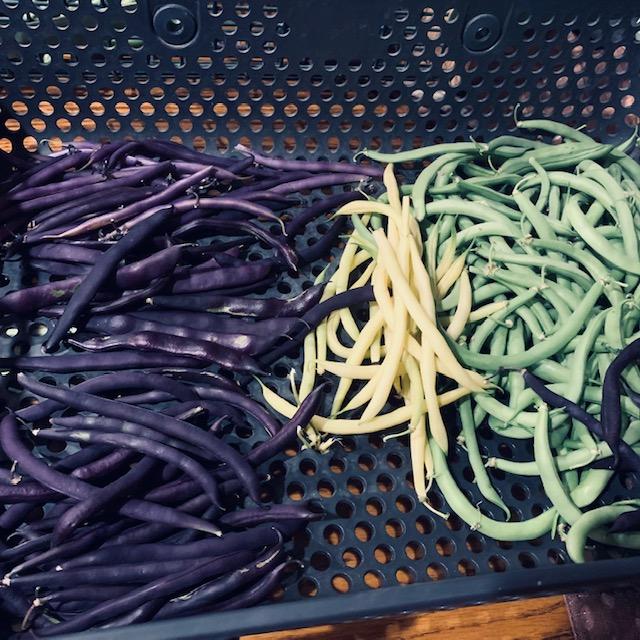 Order some bean seeds now while they are on sale and save 15%!
Okay...I just set up the bean sale, sent out a David's Garden Seeds newsletter and then I sent out a newsletter from this website, something I have not done in a long time! I made bacon and breakfast tacos, too. I am feeling productive. Time to get in gear and get ready for the day.
If you would like to come by the Farm Store this week for some last minute Christmas gifts, seeds and onion starts make wonderful gifts. We will be open today and tomorrow from 9am to 5pm and on Wednesday, Christmas Eve, we will be open from 9am until noon. We will be closed the rest of the week and will open again on Monday, December 29 at 9am.
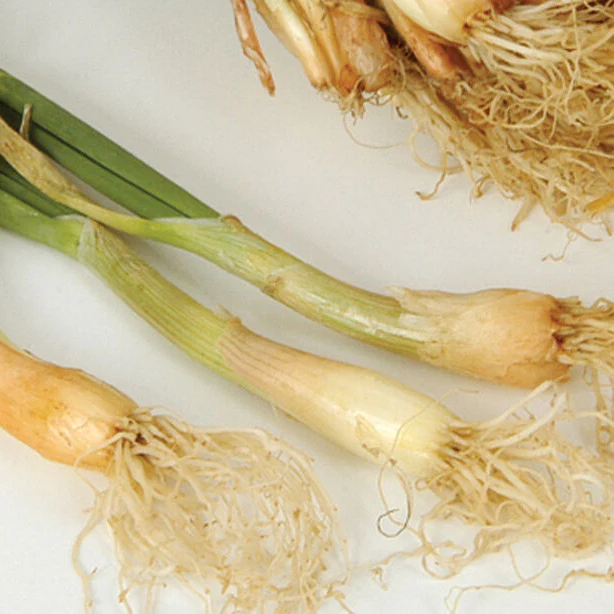 Our onion starts are on sale now for $11.96 for a bunch of 48 in 4 varieties--Red Creole, Yellow Granex, Texas Early White, & Candy.
I was busy the entire day with orders and counting seeds. I put out two newsletters. We had no in-person customers and no visitors. It got quite warm, 81° and I really felt the heat and wore shorts.
The mailman did not even show up until close to 5pm. Our gate closes at 5pm so it is concerning. Right now, at the busiest time of year, he has no helper with him. Anyway, the good thing is that he did make it and picked up all of your orders.
Still nothing on the goat front.
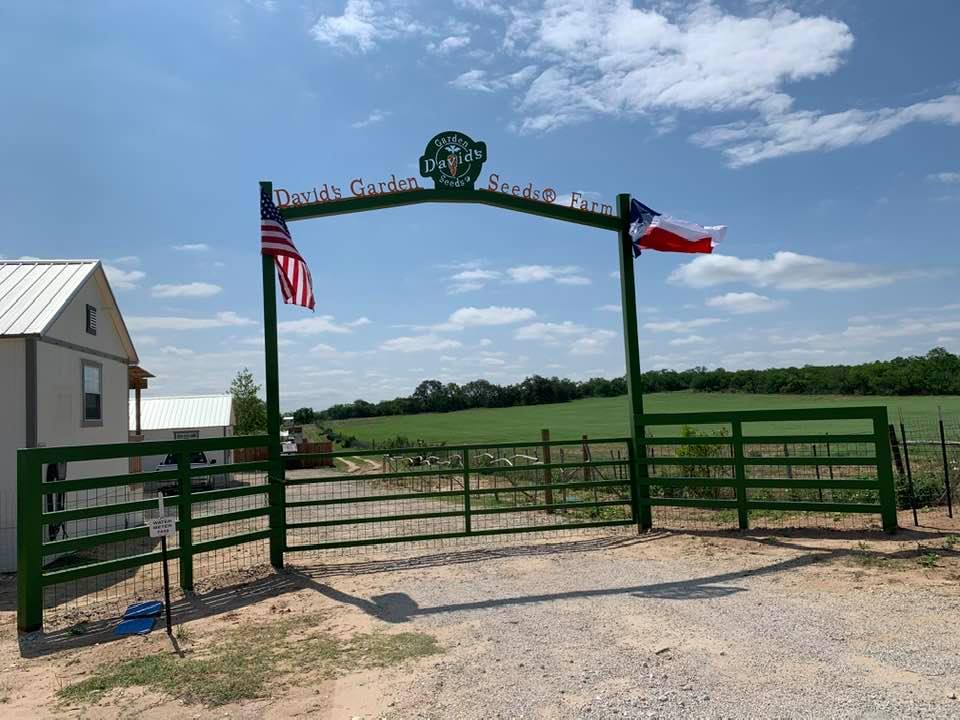
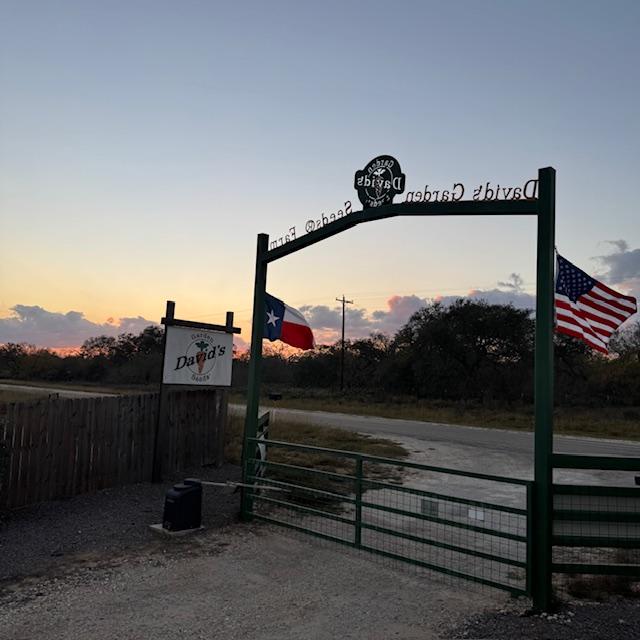 The sun is setting over our gate with our brand new flags. Flags don't last long in all of the wind we have here.
Just before I went to bed, I saw on social media that one of my favorite vloggers was found dead in his bed at home in Celebration, Florida today, Adam The Woo. I have been watching him for almost ten years and I was in total shock. Adam did lots of travels, living in a van and later in a trailer as he went all over the USA for the first five years.
I am so sad. Adam just got back from a wonderful European trip where he visited four countries. There will be no more adventures. The vlog is over.
 Adam The Woo was one of a kind. I got this photo from Facebook. His specialty was making you feel like you were on the adventure with him, learning about places you didn't know existed.
Tuesday, December 23, 2025
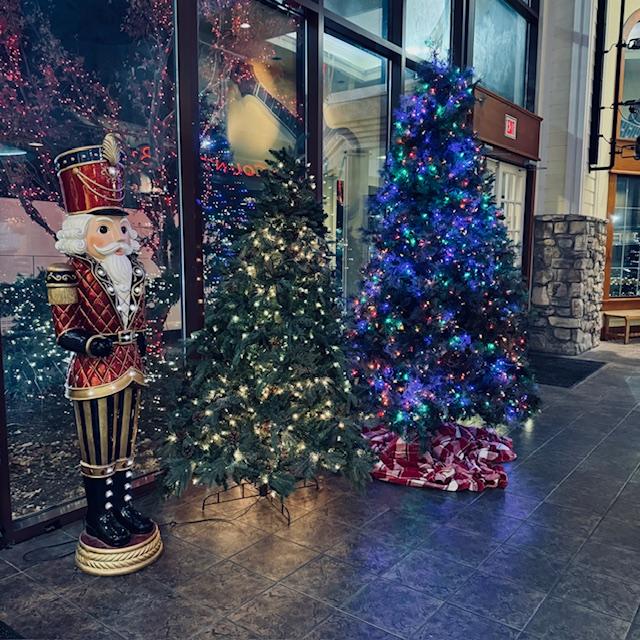 Two days until Christmas!
Good morning. It is slightly foggy again this morning. After hearing about Adam The Woo last night, I had a hard time falling asleep. I woke up five times in the night and, of course, my thoughts went to him and his poor parents. I loved seeing them on his vlogs. But now, the vlog is over for good.
I will try to get out as many orders as I can. The mail is slower than molasses now as it is. They just raised the rates this past fall and they are raising them again in January. I am genuinely disgusted with the post office.
David told me our mailman said he will be delivering mail on Christmas Eve and on the day after Christmas so I don't get it. I looked it up last week after Trump signed the executive order and mail and banks said they would close. Now they will be open? I guess we will wait and see. If the president gave me two days off, I would be at home.
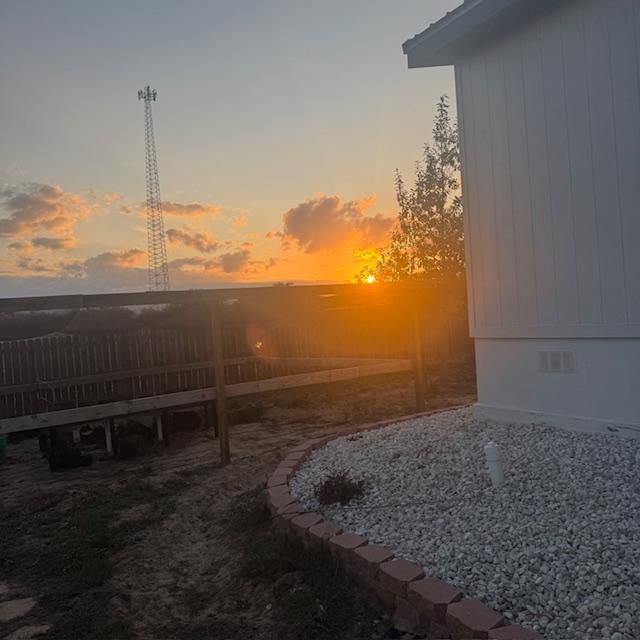 The sun is about to set from the backyard as I go out to see the goats.
I got a lot of orders out and at 5:15pm, I went out to see the animals. I took lots of hay to the goats, gave them some sweet feed, and got them fresh water.
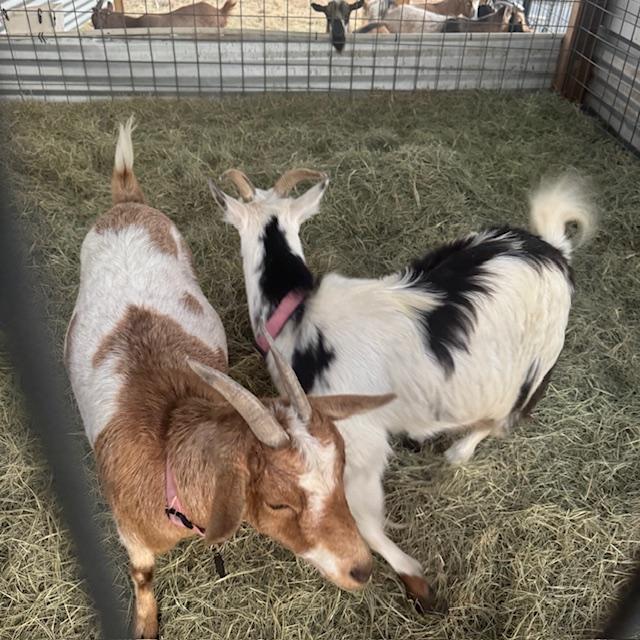 Alice and Trixie still waiting around... Alice and Trixie still waiting around... |
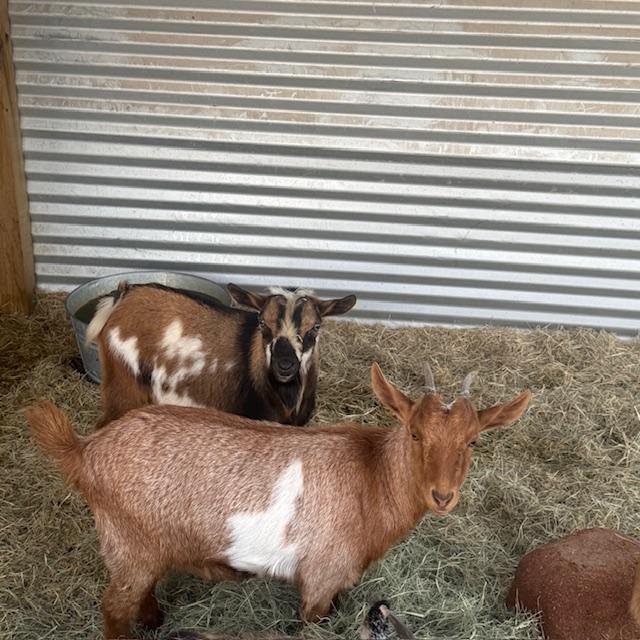 Markie with Lucy. In this photo, Markie is behind Lucy. Markie with Lucy. In this photo, Markie is behind Lucy. |
Wednesday, December 24, 2025

Good morning. Can you believe it is already Christmas Eve? I have to vacuum and dust or Santa won't stop by. I also need to make dessert and prep for cooking the big meal tomorrow. David is giving me the day off so I can clean...Generous, huh?
Last night for dinner, David made an interesting breakfast casserole. We ate it and there is plenty left over so we ate it again this morning. It was pretty good. I should have taken a photo before we cut into it. I am not sure where he got the recipe. It has biscuits in it, along with eggs, sausage, cheese, potatoes, salsa, and poblano peppers in it.
For the first time in about a week, I did not have any neuropathy wake me up in the night. That was a nice surprise.
I cleaned for most of the morning and then David said I needed to get a certain order out immediately. I went over and got six orders out. None of the rest were ready to roll. Matt and David left at noon to get father/son makeovers. Our helper left about 15 minutes later.
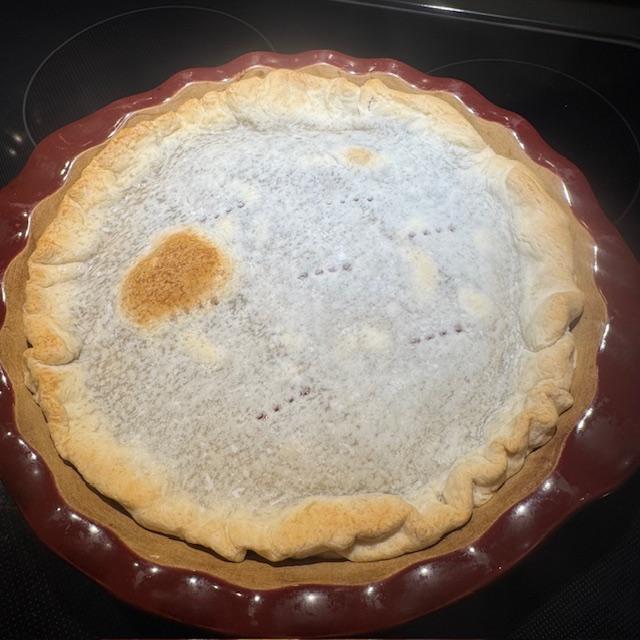 Here is the pie I baked this afternoon.
I continued to vacuum and dust the house. Then I made a blueberry pie for Christmas dessert. I was hoping to get more done but all of a sudden it was time to put the animals away early.
We left the farm at 4:15pm to attend Christmas Eve service. The place was pretty much packed and a lot of regulars were missing. There were quite a few visitors. We got there early and then another family decided they had to sit in our pew and they took up too much room. There were three empty pews up front but they stayed firm. The three of us were squished. We should have gotten up and moved. It was hard to enjoy the service when we were uncomfortable.
Speaking of which, it sure was hot today, 82°. Now it is pleasant at 71° and it is 9:25pm.
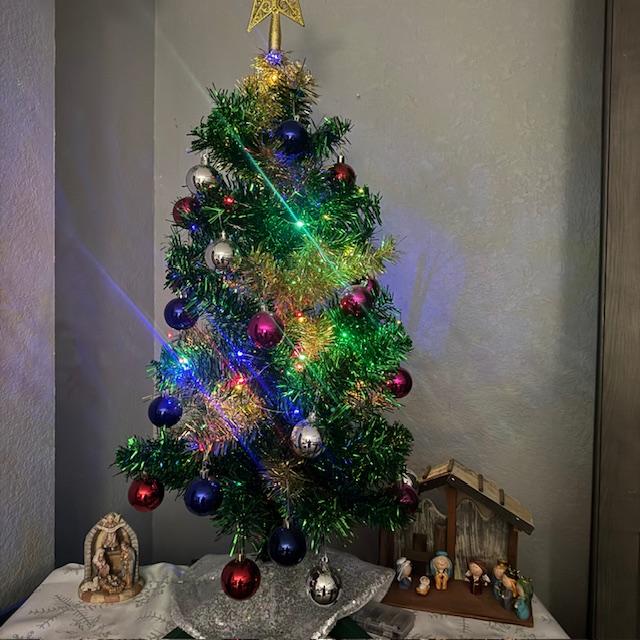 This is our little tree in the den.
We came home and the fuse had blown on the front porch which means not only were our colored lights out, but the Traeger would not work and David is planning on smoking the prime rib in the morning. We both got down on the ground to try to push the button to reset the fuse but it would not work.
The silly plug is so low that David got down on his belly and saw another button. He finally reset it.
We got in the kitchen and steamed tamales for dinner. They were very good. The jalapeno poppers that David wanted were way too hot. My mouth was on fire after just one bite.

Thursday, December 25, 2025

Merry Christmas! It is already 6:20pm as I type. It has been a very busy day. We just finished opening gifts and cleaning up. It was fun. Me? I like to open them at 6am but I am married to someone who just sort of forgets about the tree.
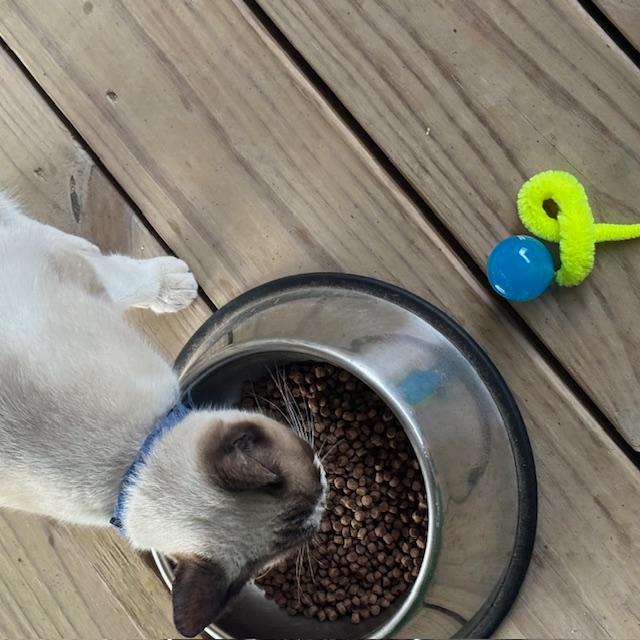 Kitty enjoyed her new treats and her new toy.
I got up and went out to feed all of the animals. Then I began cooking. David had the prime rib on the smoker. I made sweet potato pie for David, a pumpkin dump cake, homemade scalloped potatoes, vegetables, and Miss Kay's biscuits (from Duck Dynasty) for the first time. They were tasty.
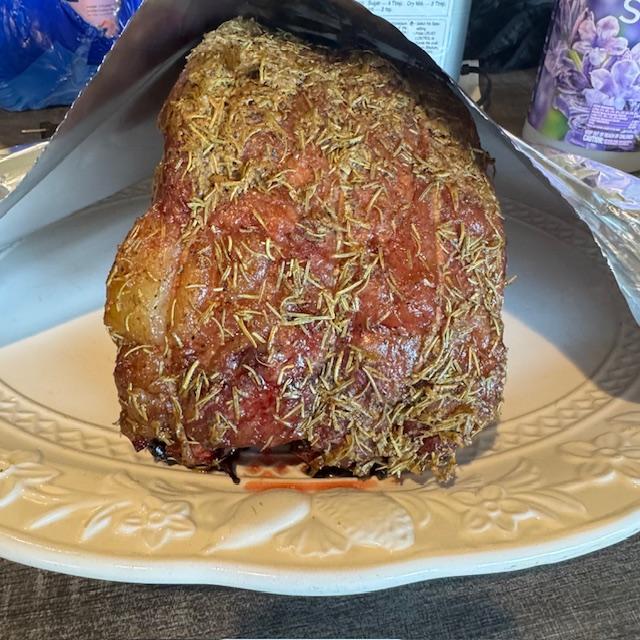 The prime rib was coated in butter, rosemary, and other herbs and put on the Traeger to smoke. It was delicious. The prime rib was coated in butter, rosemary, and other herbs and put on the Traeger to smoke. It was delicious. |
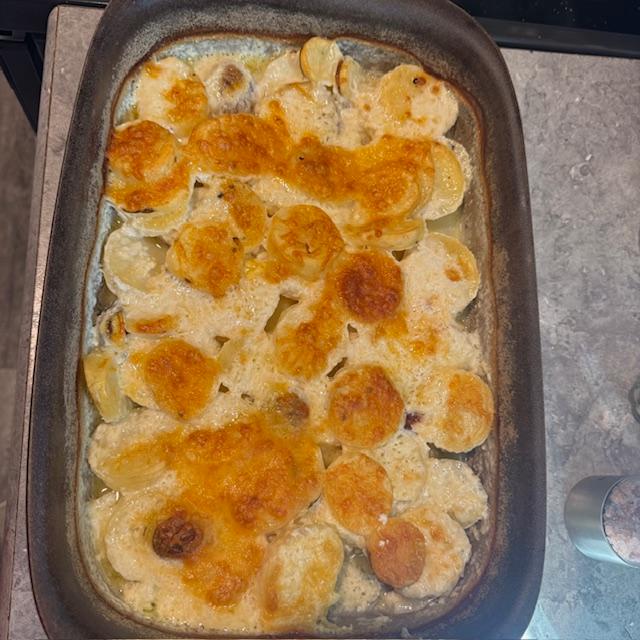 I made scalloped potatoes and they were so delicious. I made scalloped potatoes and they were so delicious. |
We ate lunch around 12:30pm. The smoked prime rib was delicious. It is the first time that David has smoked it. Everything was very good including the blueberry pie I made last night. We were in the den for most of the afternoon watching Christmas movies. Then our neighbor brought his sheep over here to eat down some of our grass. We have never had sheep but David asked if they could come here.
At 4:30pm, Matt and I went out to feed the animals. No Christmas baby goats...
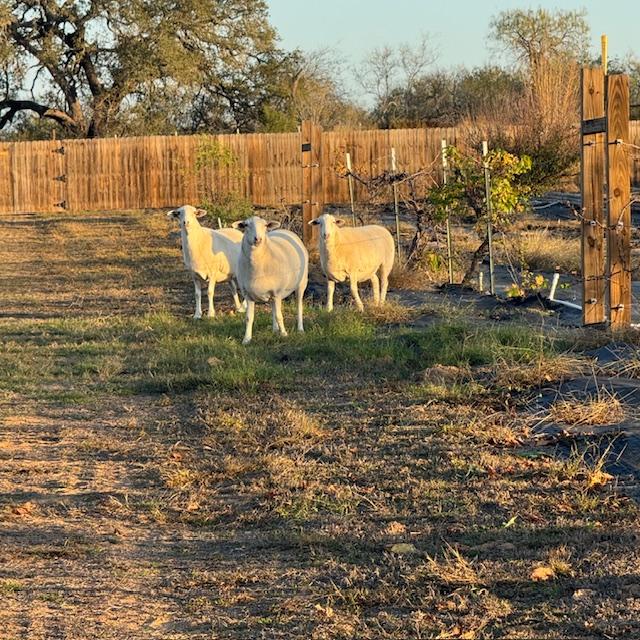 Sheep in my orchard by the grape vines.
The sheep were out there so I casually went over to them. They were unimpressed. Matt came up behind me and the sheep came over thinking he had a treat. Then we left and they followed. I was a bit nervous but I guess they are nice.
Then we came in and David had moved to the living room. The dogs joined us and got rawhide candy canes and new toy squeaky worms.
We opened our presents and had fun. I got Sammy the cat a new toy ball with a worm and some catnip treats which she loves.
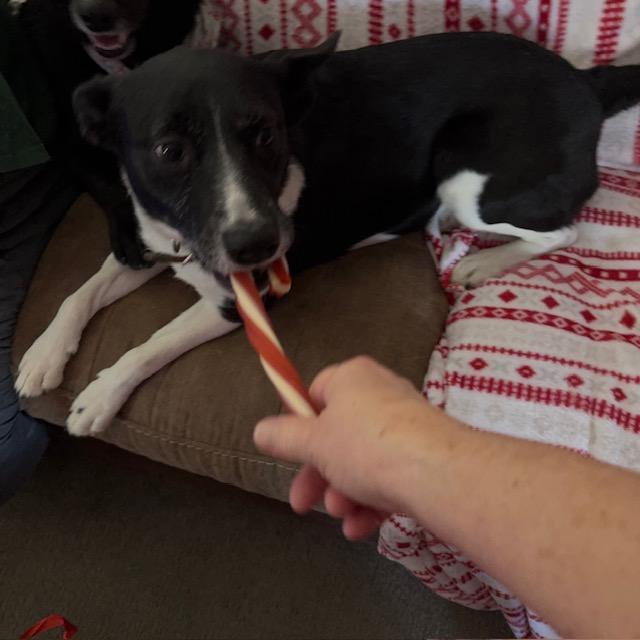 Sue Ellen is enjoying her rawhide candy cane. Sue Ellen is enjoying her rawhide candy cane. |
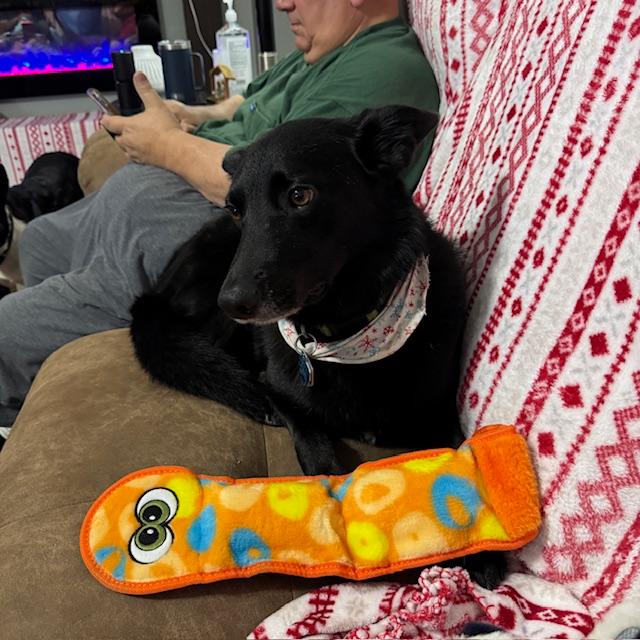 Pamela with her new squeaky worm with David behind her. We got all 3 dogs the same toys and treats so there are new dramatic fights. Pamela with her new squeaky worm with David behind her. We got all 3 dogs the same toys and treats so there are new dramatic fights. |
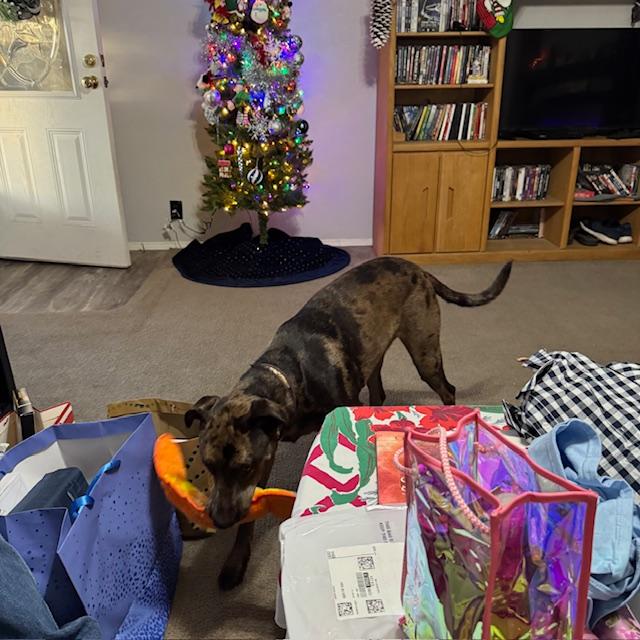 Trump is carrying his new squeaky worm, walking through empty gift bags & Amazon bags.
It was a good day but I sure wish we could have had our whole family together like we used to. How I miss those days. I loved being a mom and I would give almost anything to go back to when my children were young and loved me.
Well, I hope that all of you had a wonderful Christmas.
Interestingly, our phones have been dinging all day long with seed sales. We expected sales to be very low since it is a holiday. I think this has been the biggest Christmas Day sale-wise since we started the business! Thank you to everyone!
Friday, December 26, 2025
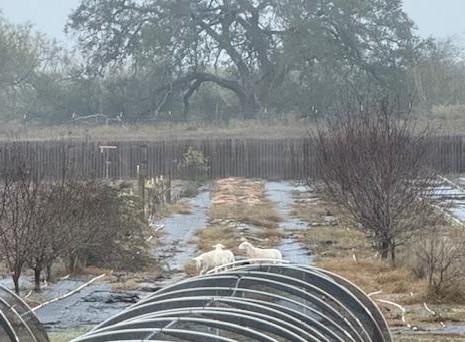 The 3 sheep are having a good time running from tree to tree, eating grass, and exploring our orchard.
Good morning. I woke up early feeling like my head would explode because my nose was so clogged. I looked out the kitchen window and the sheep are running around the orchard, plucking leaves off of trees. We might as well get our own sheep.
It is slightly foggy out and 68°, very warm for the end of December.
I went out and took care of everyone, including filling the trough for the sheep full of water. It is misting outside because of the fog. We are going to open the store just in case someone comes by but officially we are closed.
David made bacon and I made some delicious eggs with scalloped potatoes, mushrooms, and salsa in them--such a delicious breakfast sort of late in the day. It is now 10:02am.
I worked counting seeds that I need for orders for three hours and then I went back to the house and tackled four loads of laundry. Hours later, they are all put away. David worked over in the store most of the day. We had zero customers as I figured we would but I know from previous holiday experience that if I did not have everything set up just in case, customers would come and they get upset coming all the way out here to find out we are closed. You just never know...
I went out to put the animals away before the sun went down. I took the bucket of sweet feed inside and was in the back with the young goats. The three sheep found me on the other side of the fence and proceeded to follow me carrying the bucket back out to the gate. I went out and they tried poking their heads into the bucket to eat. I threw a handful of feed thinking they would go eat it. Ha!
I got the lid on quick and took it back to the feed shed. Then they went to the feed on the ground. Those are big sheep and I felt a bit intimidated, believe me!
We had Christmas leftovers--prime rib and scalloped potatoes along with fresh broccoli.
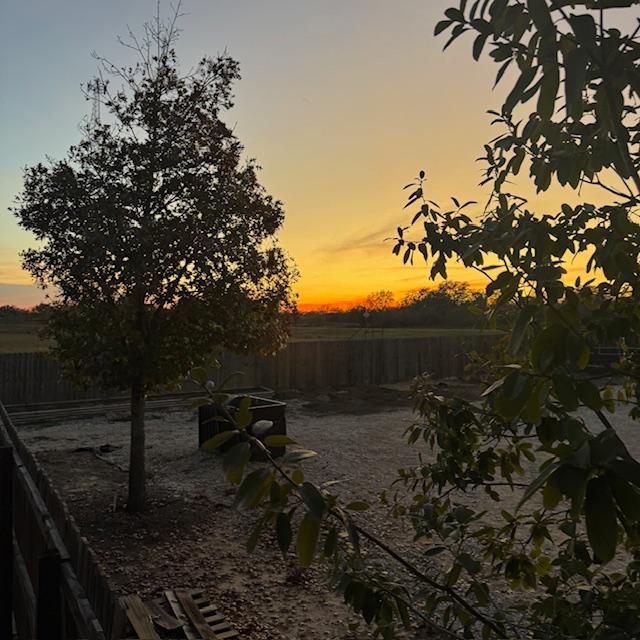 Another pretty sunset...
Saturday, December 27, 2025
Good morning. As soon as the light hit, I looked out and those sheep were moving around in the orchard, going from tree to tree, eating leaves. I will have to go out there soon.
I was reading an article about the trend Six Seven that all of the young kids are into these days. Some of the family channels I watch always show the families laughing and saying Six Seven. One even had Christmas wrapping paper with 6 and 7 on it under the tree. Some adults are saying it too.
They get it from some song that has adult themes as well as seemingly innocent childish things in it like Baby Shark to attract children. The article published by The Blaze claims it is demonic and pagan. They also say it may be referring to a street in Philadelphia. I just think it is so stupid when all of these adults and teens say it instead of speaking normal words but I guess every generation has stupid talk that churches and adults say is bad.
Well, it is time for me to go outside and feed everyone since Matt is not coming in to work today. He deserves some time off. He works hard for us and puts in long hours.
I noticed that we have had low water pressure since this morning. There was barely a trickle. No one is in the water company office and the emergency on duty people are not answering. I went online and saw that this was a planned thing for them to turn the water pressure way down. What on earth? People are home on the weekend more than during the week. What a great plan for a Saturday! We have more problems with them than anywhere else we have lived all over the USA.
It is now 3:30pm and the water pressure has picked up some. Glad I did laundry yesterday. I do not understand.
I worked until a bit after 3pm counting seeds. We had one customer at lunchtime. I had just made us grilled turkey and cheese sandwiches with chips and grapes, took David his, and then settled down in my office to eat my lunch at 12:45pm. A car pulled up. I figured it was the mailman but it was not.
It was actually a friend of ours in the area so she did a lot of seed finding. Then she left and I got to eat.
It is sunny and warm outside now. I am back at the house and I noticed the three sheep are lying down way out back. I hope they are okay. Is it normal for sheep to lie down in the middle of the afternoon? I have no idea. It is a bit concerning.
It has been a painful and tough week with death and lots of raw emotion online as well as from me with Christmas, memories, and those family members and friends who no longer have contact with us. I am going to try and push all of that aside and be grateful for who and what I have left and move forward. Life is too short to worry about why people no longer want to be friends, family, etc.
The weatherman said we would get rain at 10am. We didn't. He says the next chance will be Sunday night at 11pm.
We will be having a Mexican night this evening with tamales, chips and queso, corn, and jalapeno poppers. Then maybe tomorrow I will start taking Christmas down because I know once Monday comes, I won't have any free time at all!
Sunday, December 28, 2025
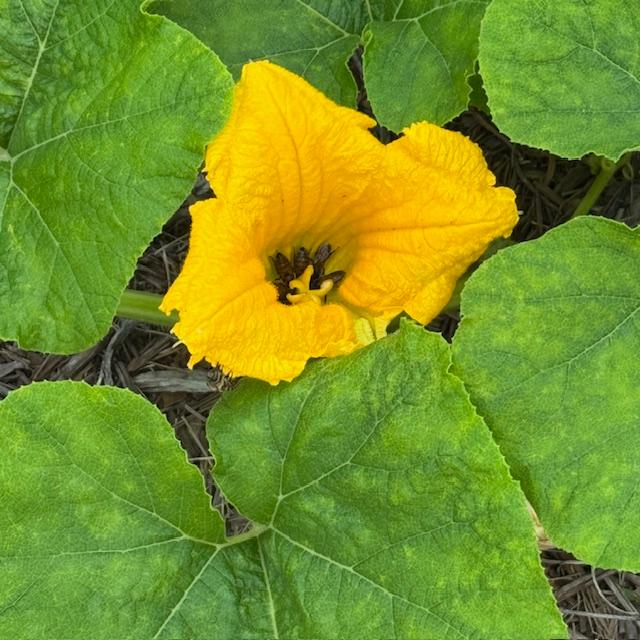 This squash bloom has 5 bees in it at once. I am sure it will die this coming week with colder temps but I thought it was cool that so many bees were in 1 flower.
This morning it was slightly foggy and warm. I went into the feed shed and the sheep showed up and followed me in. I screamed and they ran off...freaked me out!
I decided that Alice and Trixie must just be fat because they would be horribly sick if they were 30 days overdue. I have been doing research and some websites show gigantic looking Nigerians who are now just fat, not pregnant.
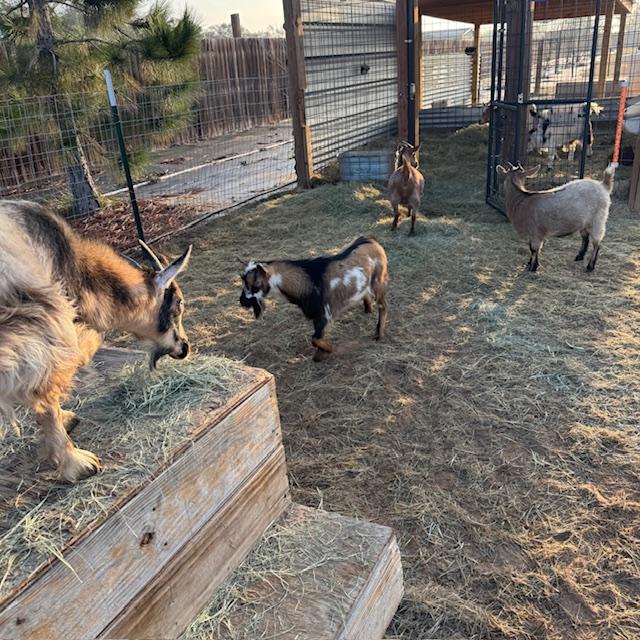 Markie has never gotten to play in this part of the yard before.
Anyway, this morning, I opened the gate and let the young goats and Mr. Markie out so they are all together now. Alice is beside herself as she does not want Markie there. Markie kept going on top of the front platform and Alice kept jumping up, trying to knock him off. This should be interesting.
The sheep tried to get me again while I was in the goat pen. They waited for me to come out.
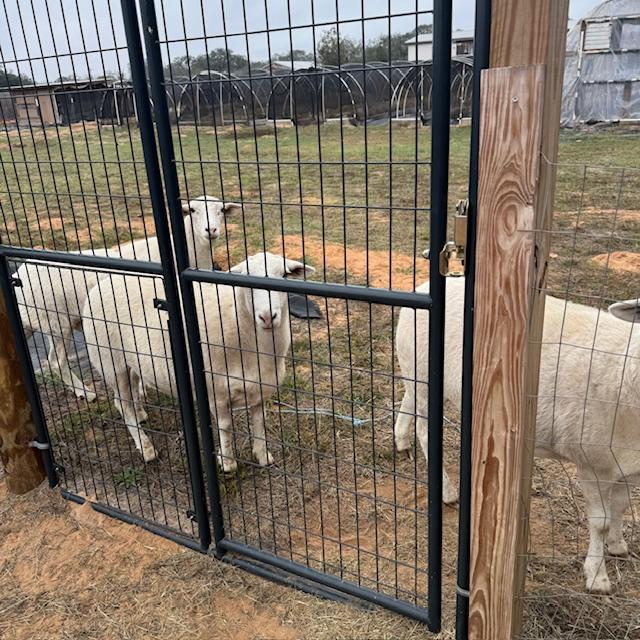 They waited for me to come out of the goat pen. Then they followed me over to the feed shed and started coming on in...Scary! They waited for me to come out of the goat pen. Then they followed me over to the feed shed and started coming on in...Scary! |
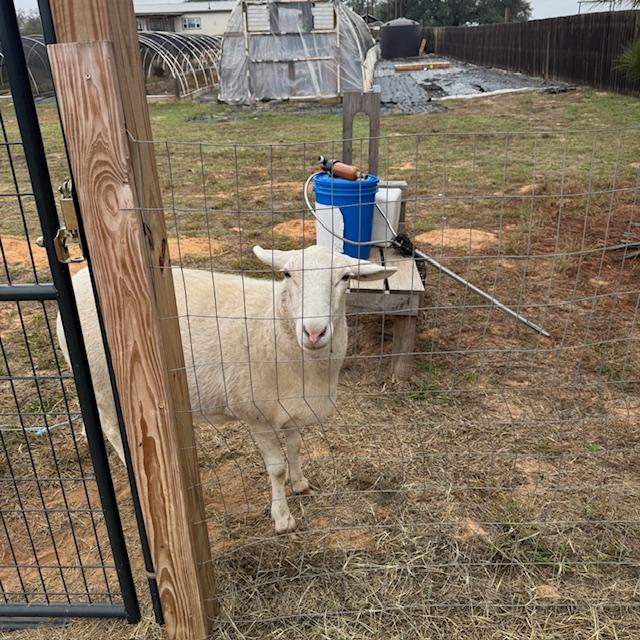 This one was demanding that I come out and bring her a treat. This one was demanding that I come out and bring her a treat. |
Hundreds of posts, photos, and videos about Adam The Woo continue to be put up across social media. His front yard is now a shrine filled with cups of piping hot caffeinated beverages, balloons, flowers, magnets, and other things. At any given time, people are showing up, paying tribute, making videos, taking photos, and just sharing their stories. I know this because people keep putting up new videos of their yards. It is just so hard to believe that we won't go on any new adventures.
Adam's dad says he is planning a celebration of life that will take place in St. Cloud, Florida, where his parents live. He wants it to be broadcast live so everyone can attend.
We went to church and stopped off at Church's to pick up some chicken for lunch. I wanted to go shopping but someone else did not. afternoon, I moved Gracie and Markie together to the back. Not sure if they became friends.
At 5pm, I went out to batten down the hatches because strong winds are supposed to start at 6pm. I put away all of the potted flowers that David has not yet planted and closed all of the greenhouse doors. Keep in mind that it was 82° today which is ridiculous.
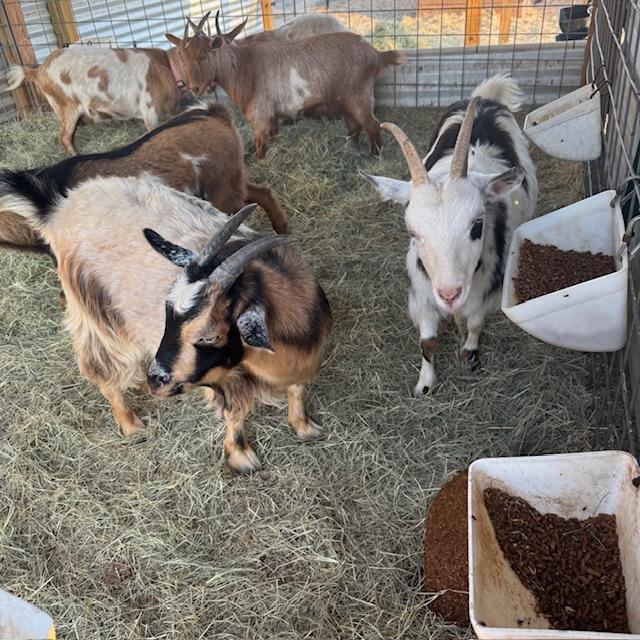 I put all 6 goats away together so they don't get blown away by 45 mile an hour winds that will last until the middle of the night.
I put all of the goats in the enclosed shelter because the North side of that one is completely enclosed and usually wind comes from the North here. They seem to be getting along better than earlier today. Once the wind hits, they will be much more secure in there.
I got all of the chickens put away and I got five eggs from them today so the number is starting to go up.
Return from Grow Beets to Year 7 Of Farm Life
Anything To Share On This Topic?
Would you like to share additional information about this topic with all of us?
Since 2009, over 2,000,000 home gardeners, all across the USA, have relied on David's Garden Seeds® to grow beautiful, productive gardens. Trust is at the heart of it. Our customers know David's Garden Seeds® stocks only the highest quality seeds available. Our mission is to become your lifetime supplier of quality seeds. It isn't just to serve you once; we want to earn your trust as the primary supplier of all of your garden seeds.
Watch Our 2022 TV Commercial!
Sing Along To Our Jingle
♪♫♪♪ ♫ ♪ ♫♪♫♫
♪♫♪♪♫♫
Peppers and peas
And lots of yummy greens
You can't go wrong
With Squash This Long
At David's Garden Seeds
♪ ♫ ♪ ♫
Our New 2024 TV Ad
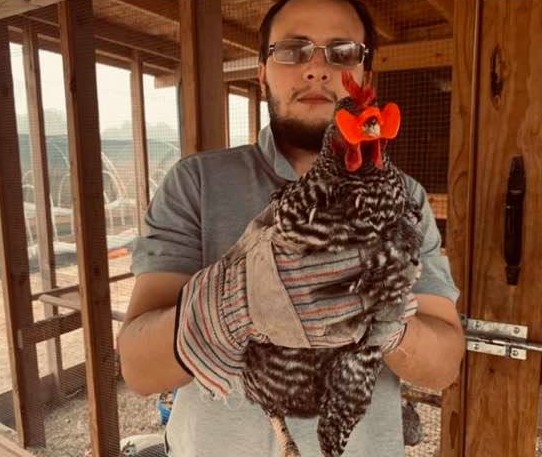
Please like and subscribe on YouTube and come visit us at our Farm Store! The music on our TV ad was written, played, and sung by our son, Matthew Schulze. You can meet him when you come to the farm. He just might give you a tour. Ask him to grab a guitar and sing our jingle that he wrote.
Our 2022 TV Ad

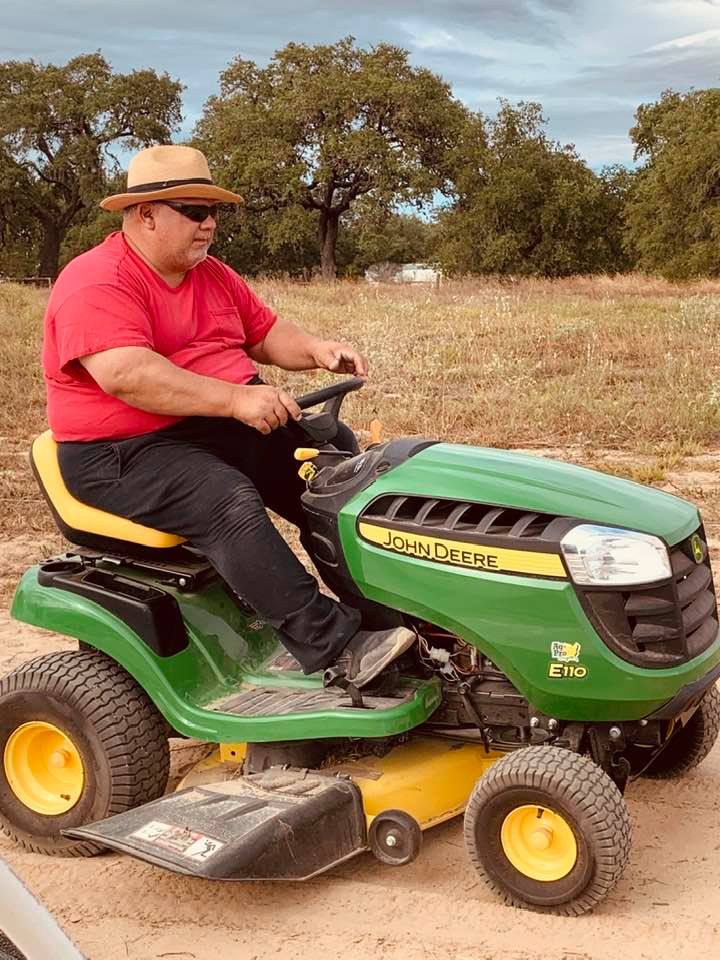 David of David's Garden Seeds® zipping along on his little tractor across the farm. He is having a blast!
We are David's Garden Seeds®. If you need great seeds, we've got over 1,400 varieties to choose from.
Subscribe To Mrs. David's Garden Seeds® Newsletter For FREE!

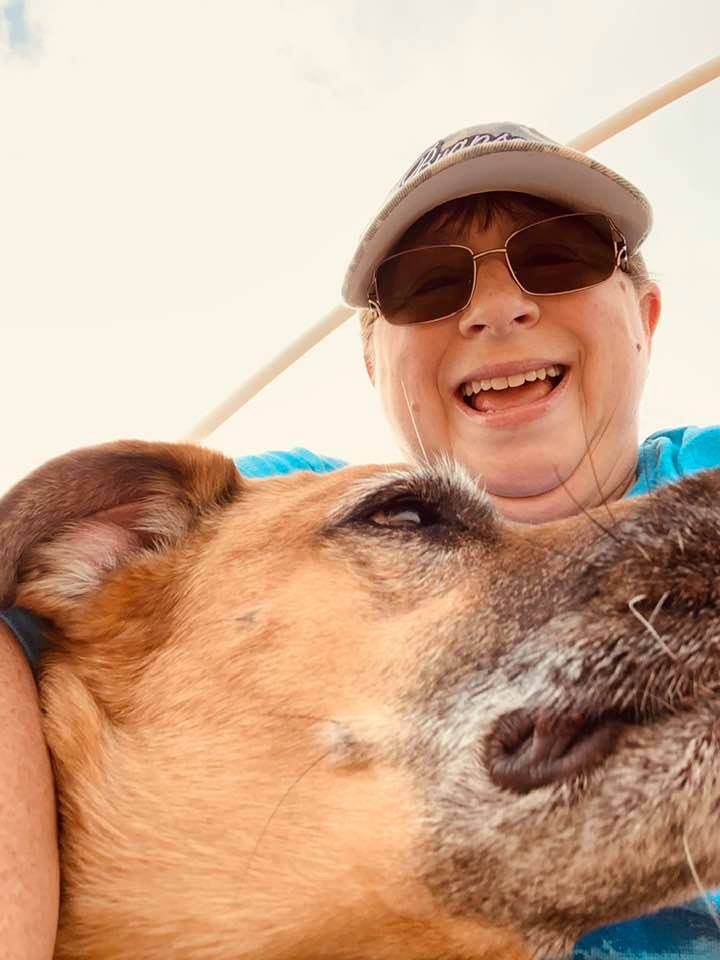
Find out what is going on down on the farm by reading our blog and by subscribing to our free newsletter for all of the information going down at David's Garden Seeds® and on the farm. I love to share helpful information with you. Please let your friends know and y'all come on down for a visit when you get the chance. We would love to meet you!
New Store Hours!
 Farm Store Hours: Th-Fri 10am-5pm, Sat 10am-2pm. Closed Sun-Wed.
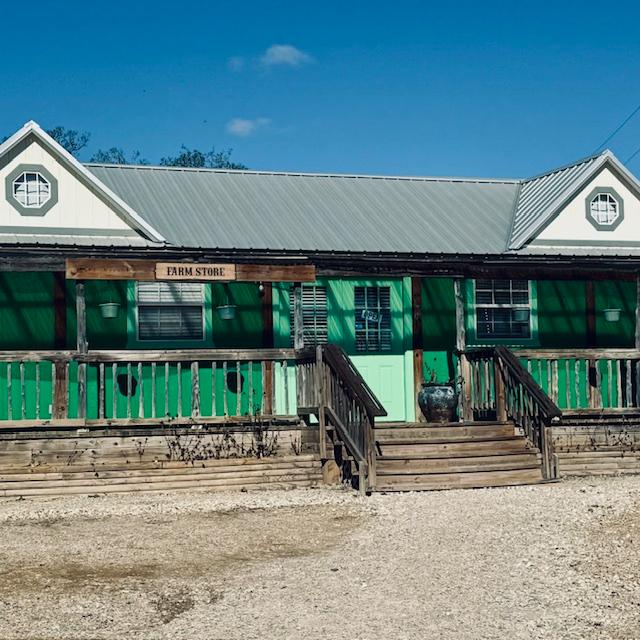 Our Farm Store
Shop for:
- Seeds
- Farm Fresh Eggs
Our Farm is located at 5029 FM 2504 in Poteet, TX.
 Only happy seeds make the cut to go into our seed packs!
David's Garden Seeds® has
seeds for the backyard gardener and farm fresh chicken eggs.
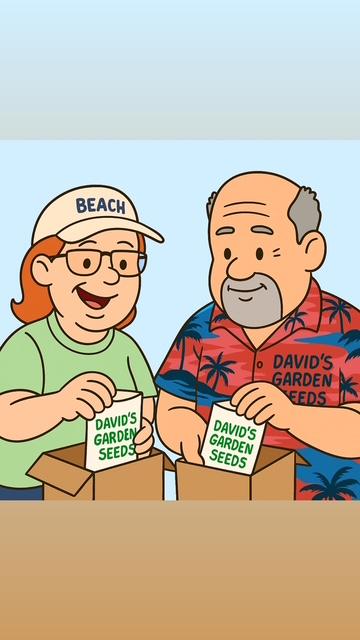 David & Juanita work hard to pack your garden seed orders.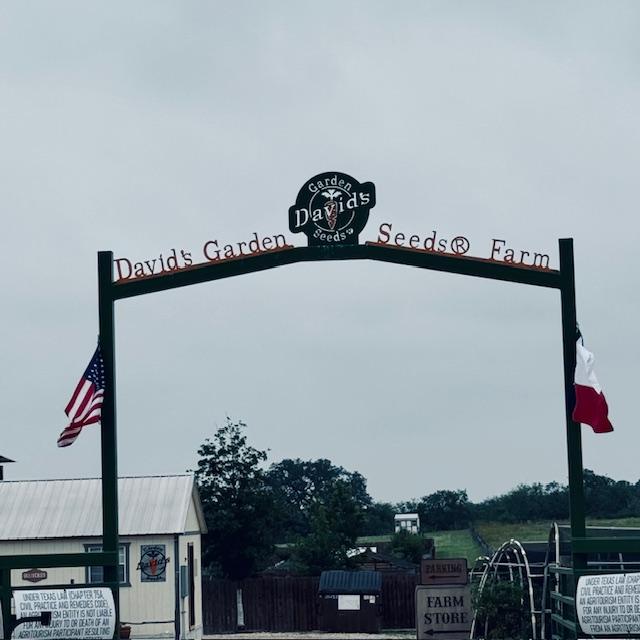


Sign Up For Our Newsletter Here!
   DGS YouTube Mrs
|
   |
Garden Ebooks
by Mrs. David's Garden Seeds
 I've been busy creating eBooks to help you with your garden...
IMPORTANT NOTE: THE EBOOKS ARE DIGITAL DOWNLOADS (EBOOKS), NOT PHYSICAL BOOKS.
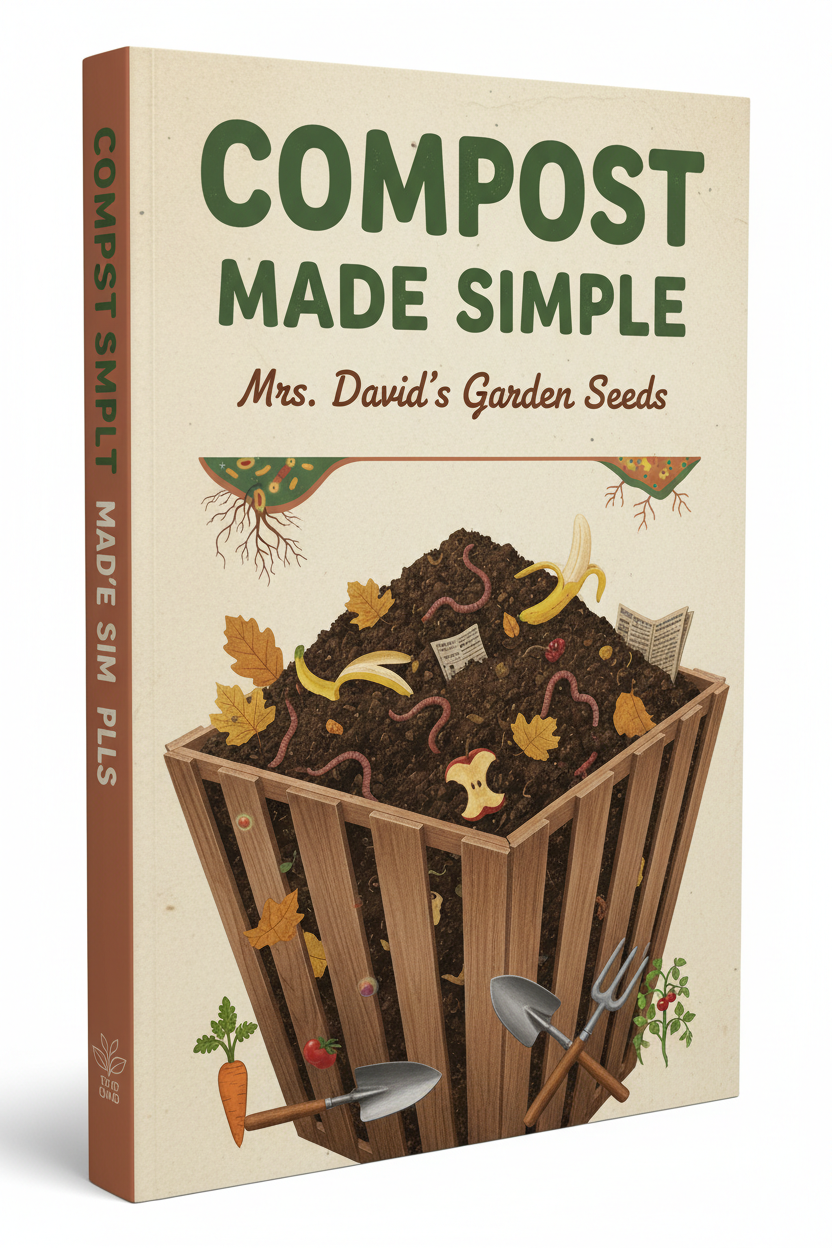
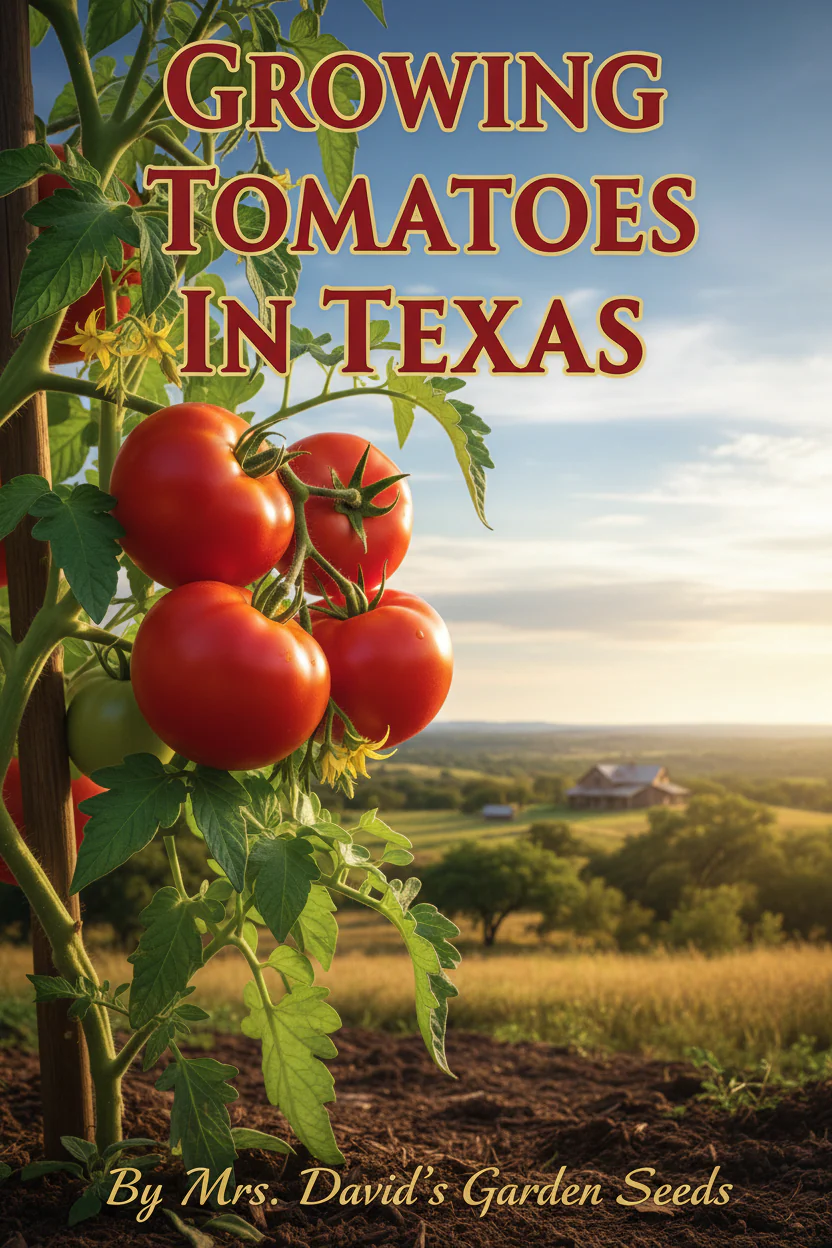
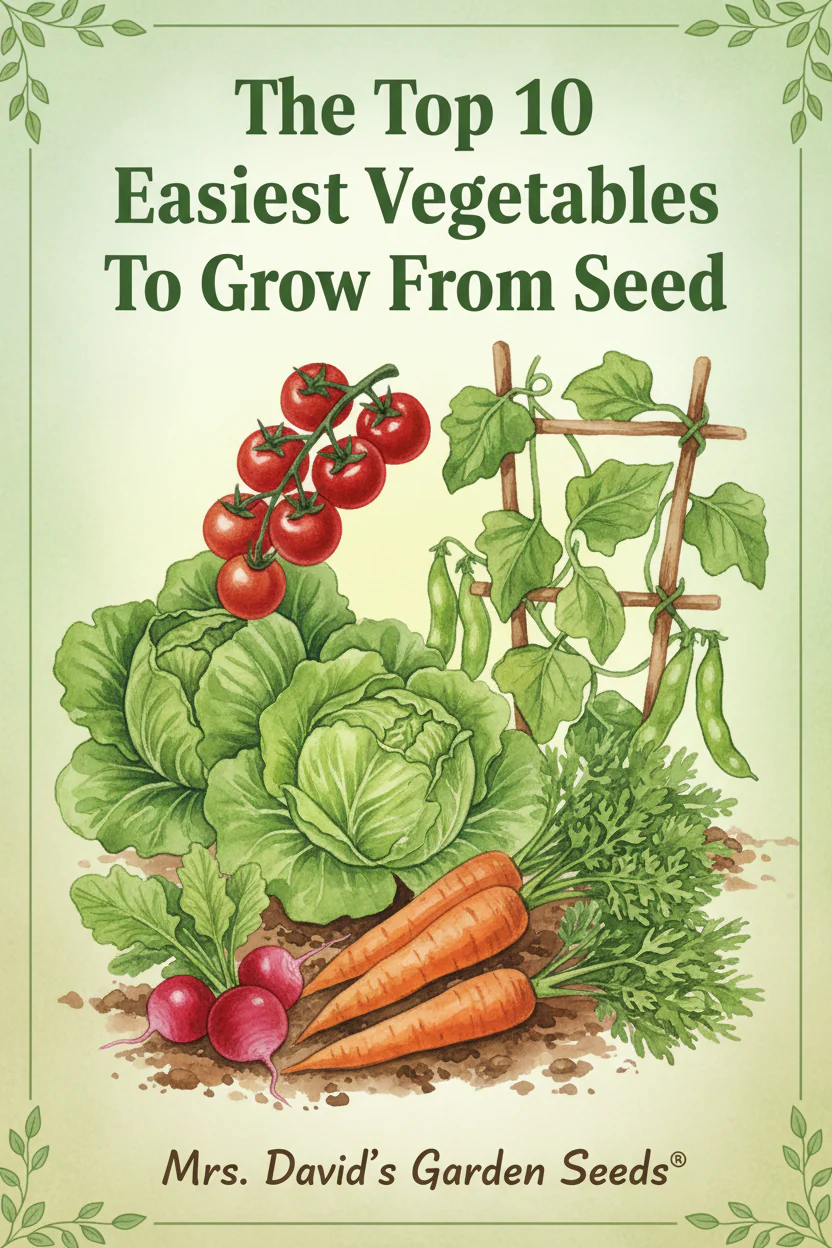
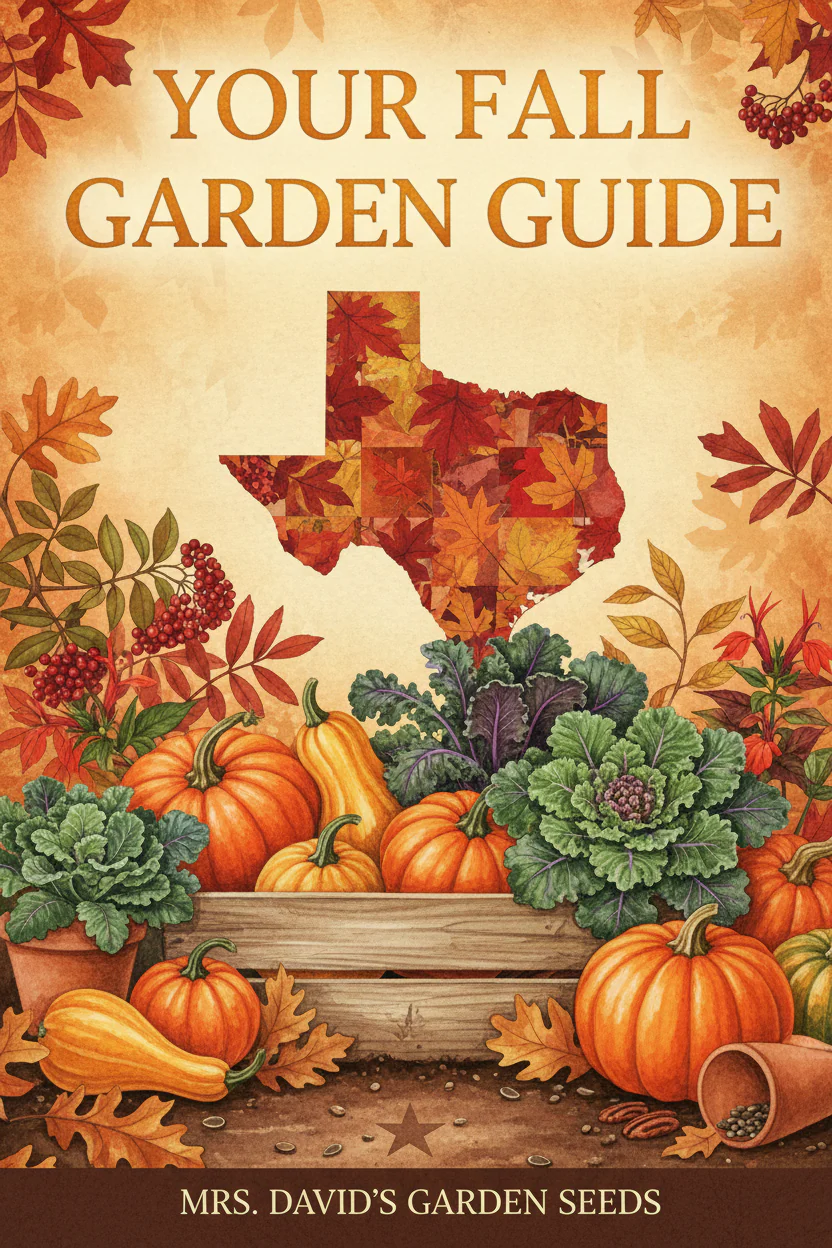
WE DO NOT REFUND OUR DIGITAL DOWNLOADS FOR OBVIOUS REASONS.
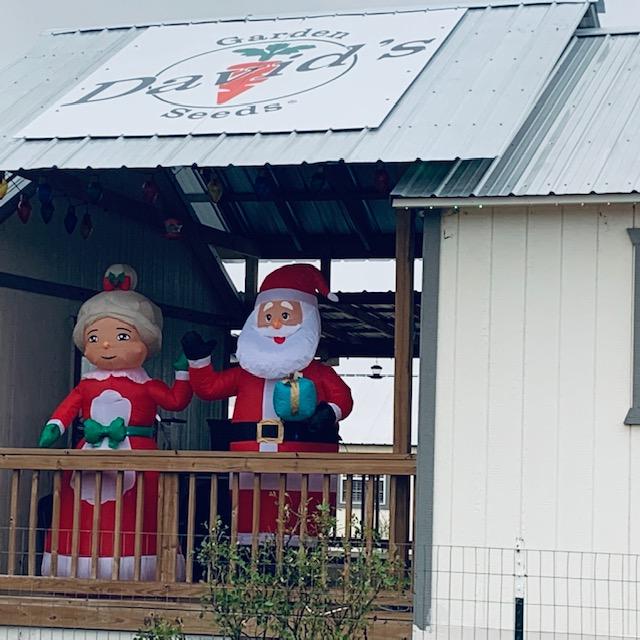
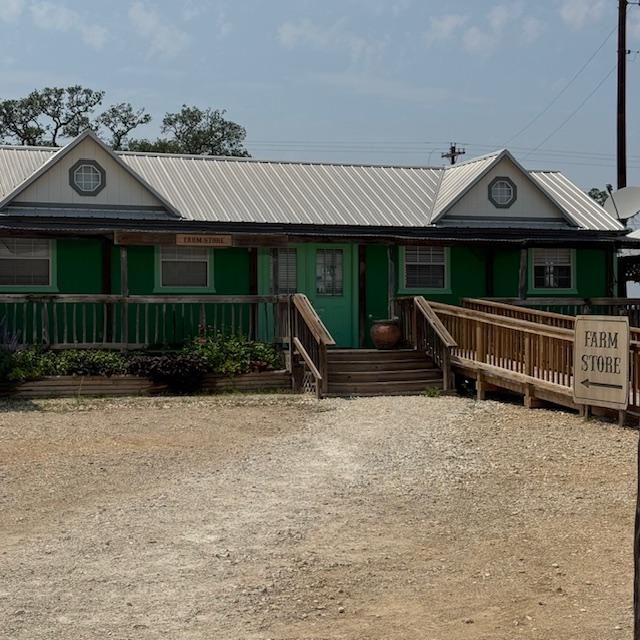 Our Farm Store is the green building
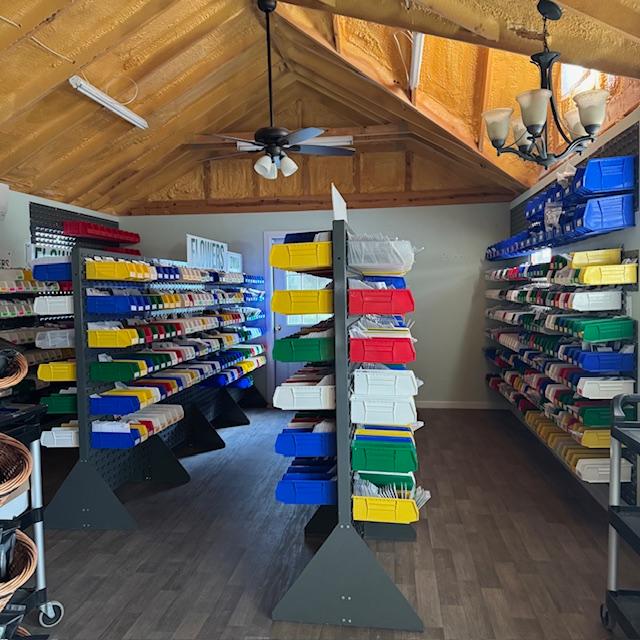 Inside our Farm Store...1400 varieties of seeds await you!
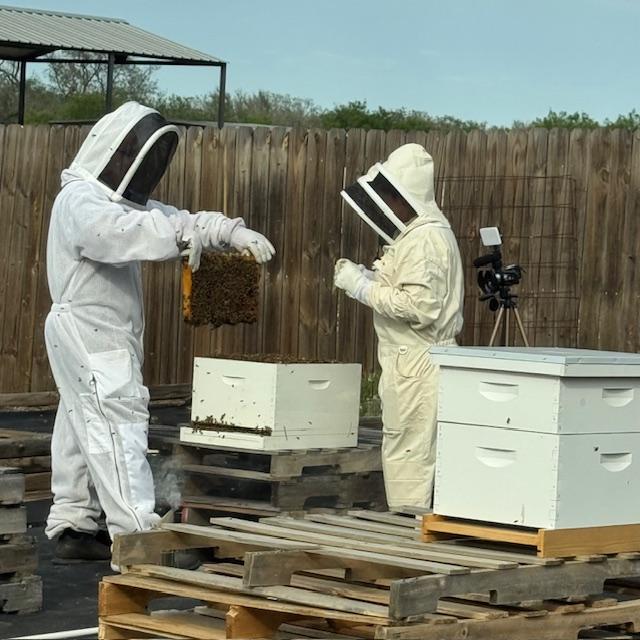 Our bee hives
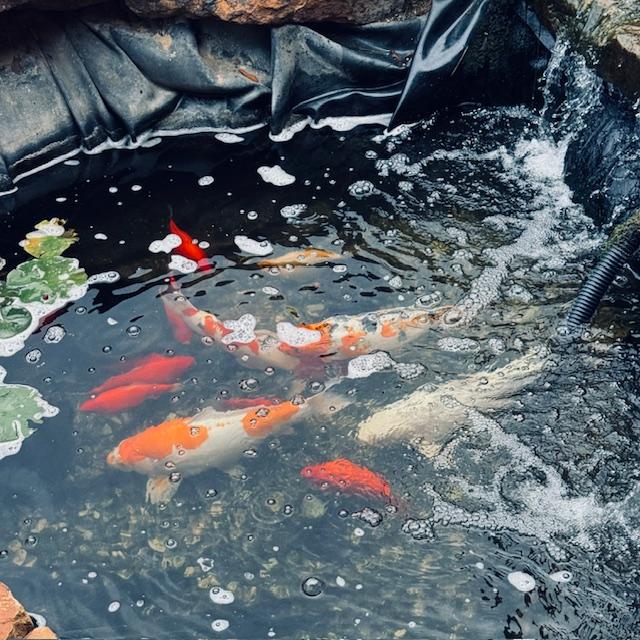 Our fish pond
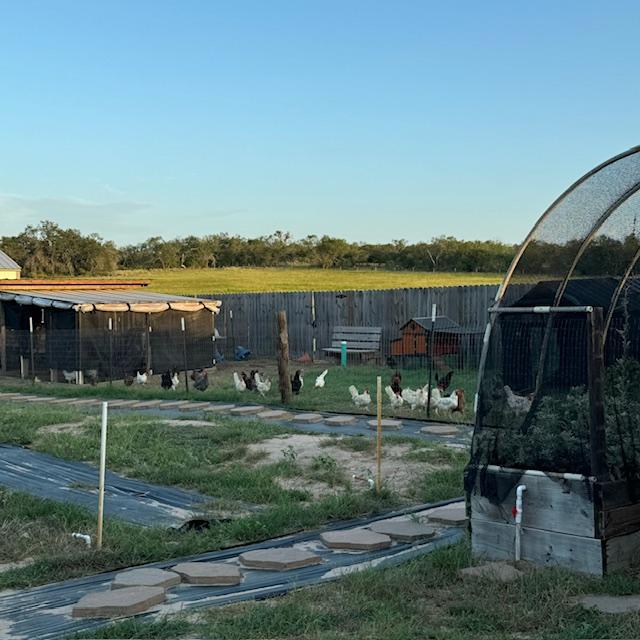 Our chickens
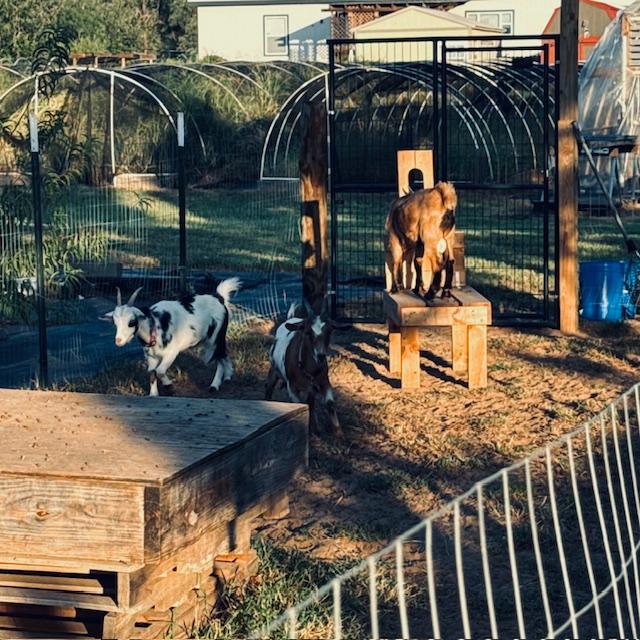 Our Nigerian Dwarf goats
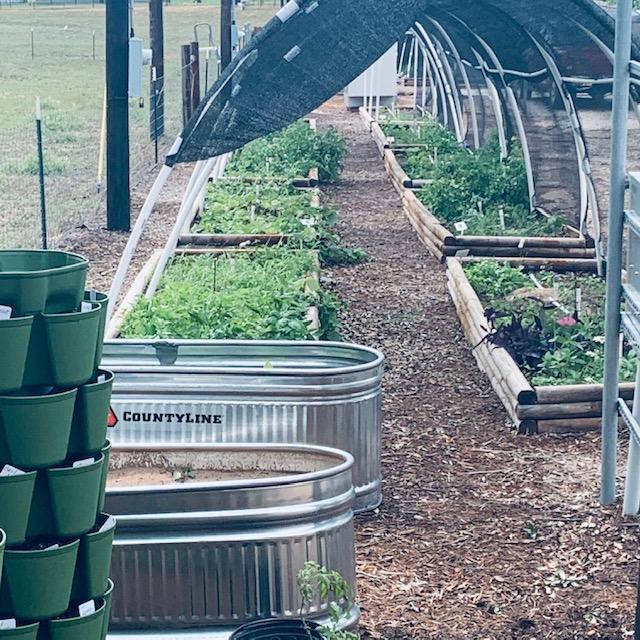 A few of our raised garden beds
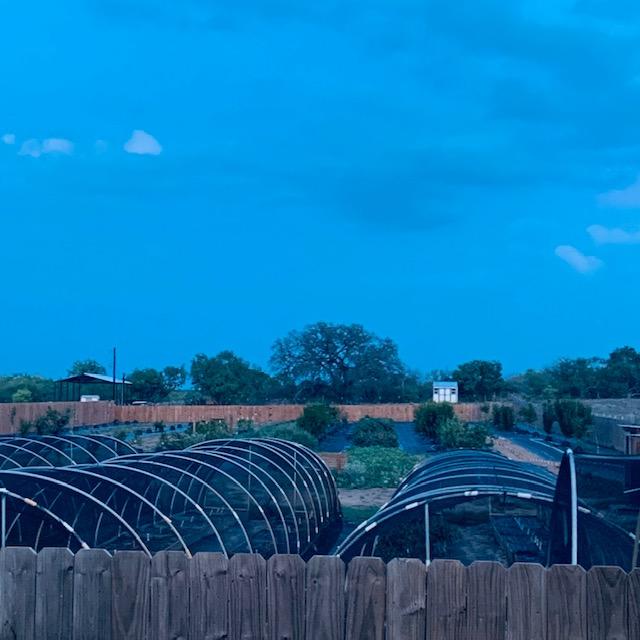 Our orchard and hoop houses
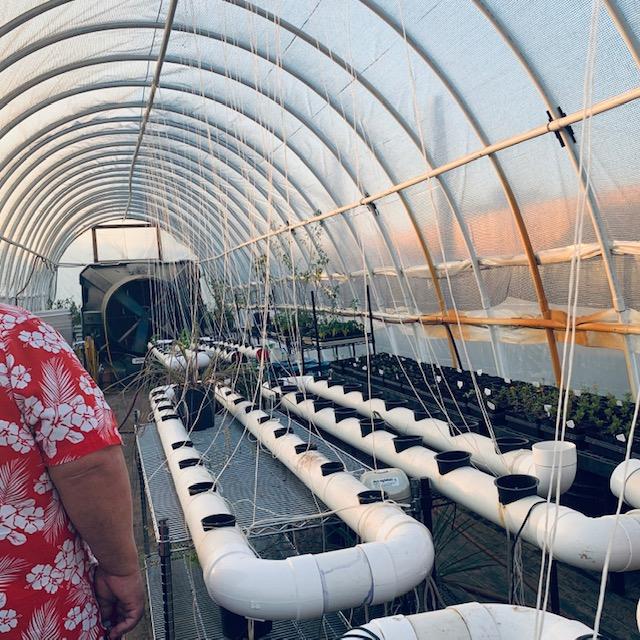 Inside our high tunnel
 Take a selfie at our official selfie spot!
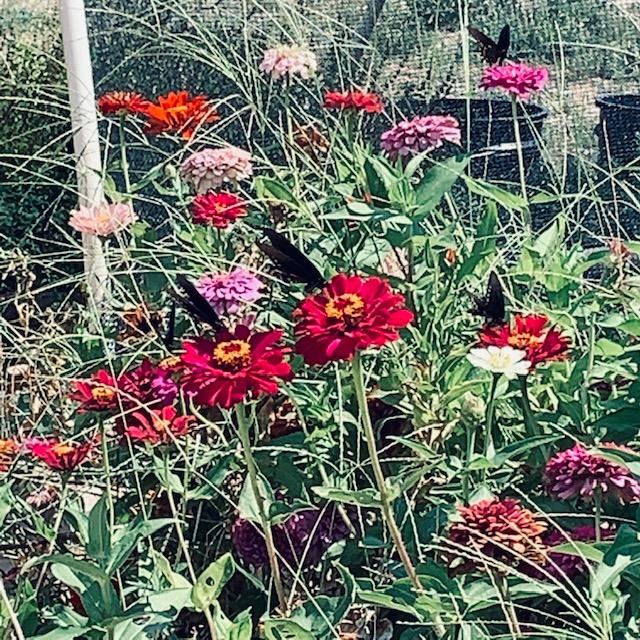 Flowers, bees, and butterflies are everywhere!
Watch Our TV Ads!
David's Garden Seeds® has the best Non-GMO seeds in the state of Texas!


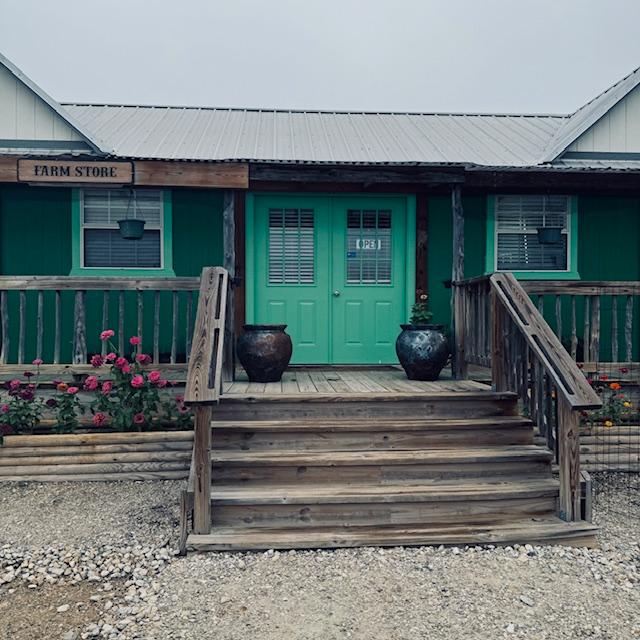 This is our beautiful Farm Store. Come in and shop for seeds. We have over 1600 Non-GMO heirloom varieties to choose from but we are in the process of bringing that number down to half.
Our Story
Hi Everyone! Thank you for visiting my website! I am Mrs Davids
Garden Seeds® aka Mrs. David's Garden Seeds and I think you should know that there is a wonderful seed
company in the great state of Texas called David's Garden Seeds®. We grow some of our seed, we count, hand pack, print our own envelopes, and ship seeds out to you right here from our farm. This used to be an old peanut farm. When the owner died about 15 years ago, his sons split the farm up and sold it in pieces. In 2024, we bought another adjoining four acres.
Our business started in our home in San Antonio in September of 2009. David decided to sell some seeds he had left over from his garden on Amazon. I told David, "Don't bother, it won't work!". I am so glad that David did not listen to me because it did work! By 2015, we had 8 employees working in my home every day and David found a storefront in San Antonio and moved the business there. In 2016, I quit my day job and went on the payroll. The company grew some more and David moved to a bigger storefront in 2017. In 2019, we found a beautiful piece of land over in Atascosa County and turned it into a farm out near Poteet. David and I moved out here to live in August of 2019.
In 2020, we moved our company out to the farm. We have a beautiful Farm Store filled with seeds, a gazebo with a pond full of koi and gold fish for you to visit. Come by and visit us at 5029 FM 2504 in Rossville, just outside of Poteet, Texas, Monday through Friday from 9am to 5pm and Saturday from 10am to 2pm. Or you can order seeds online from our user-friendly website, www.davidsgardenseeds.com.



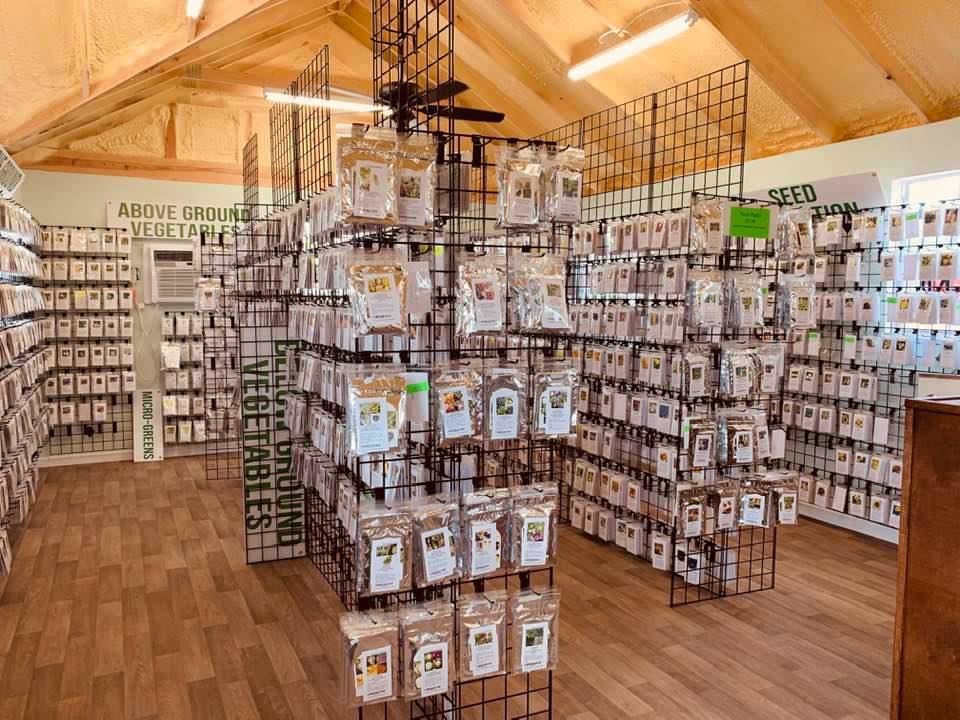 Our beautiful new farm store has almost 2,000 varieties of seeds and more. Mrs Davids Garden Seeds® looks forward to meeting you when you visit.
Mrs. David's Garden Seeds® Copyright by Juanita Lynn Schulze of David's Garden Seeds® 2019-2026
David's Garden Seeds® is Registered in the United States Patent and Trademark Office.