Grow Radishes From Seed
Grow radishes from seed in your backyard year round for a bit of spice. Eat raw, in salads, or pickle radishes. Some are mild. Others are hotter than hot peppers!
You’re about to find out just how easy (and fun) it is to grow radishes in your backyard garden. If you’ve ever wanted a fast, crunchy crop that almost never fails, radishes are it. You can go from seed to harvest in about a month, sometimes even less.
Before we get into the step-by-step part, there’s one simple precondition that sets you up for success: start with great seed. When you buy heirloom seeds from David's Garden Seeds, you get radish varieties that are known for flavor, reliability, and strong germination. Good seed really does make a difference.
In this guide, you’ll walk through everything you need to know: how to plant radishes from seed, how to care for them, when to harvest, and even how to use radishes in your food after you pick them. By the end, you’ll see why every gardener should grow radishes in your backyard garden at least once a season.
Let me share a quick personal note. The very first thing I ever grew was a radish. I was shocked when I saw green leaves popping up less than a week after planting. That little row of radishes gave me so much confidence in gardening. I’ve seen the same thing happen for a lot of new gardeners.
Radishes are great because:
- They sprout fast.
- They don’t need much space.
- They’re ready to eat quickly.
- They’re tough and forgiving.
And the best part? Radishes add spice to your meals. They give salads crunch, sandwiches a little kick, and they roast up sweet and tender. Once you grow them, you’ll start looking for new ways to use them.
Grow Radishes - 12/29/25-1/4/2026
Grow Radishes- Choose The Right Seeds
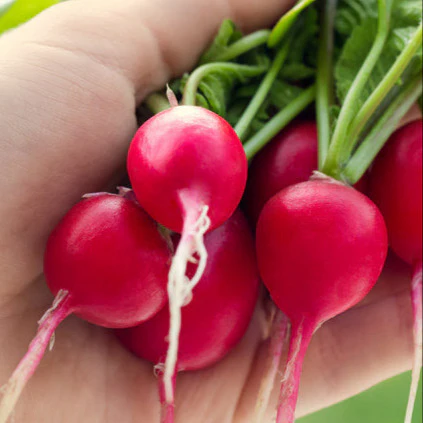 Cherry Belle radishes are my favorites--mild and small.
The first step in learning how to grow radishes from seed is picking the type you want. At David’s Garden Seeds, you’ll find a wide range of heirloom radishes: round, long, mild, spicy, and even colorful ones like purple and watermelon radishes.
When you shop, look for:
- Spring radishes (small, fast, like Cherry Belle) – good for cool spring and fall.
- Winter or storage radishes (bigger, like Daikon or watermelon) – grow in cooler seasons and take longer.
If you’re just starting, choose a classic red spring radish from David’s Garden Seeds. They’re easy, fast, and have that crisp bite you probably picture when you think of radishes.
Heirloom seeds have another bonus: they’re often bred for flavor, not just for shipping or shelf life. That means better-tasting roots in your kitchen. If you want the best flavor and best quality radishes, start here.
Grow Radishes - Choose The Right Spot
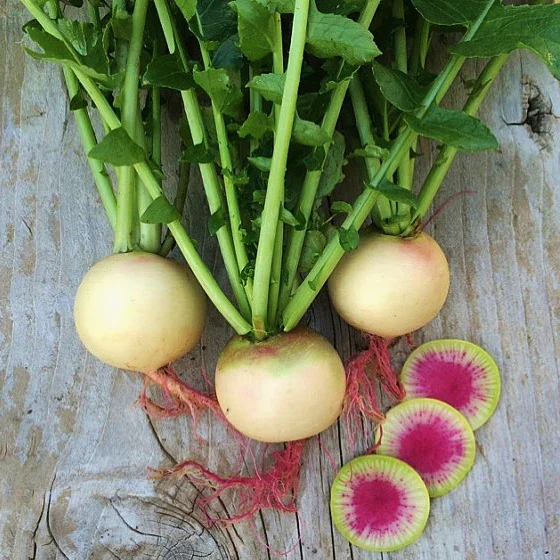 This beautiful radish is the Red Meat Watermelon radish, a customer favorite.
To grow radishes in your backyard garden successfully, you need the right location. Radishes love:
- Full sun (at least 6 hours of direct light).
- Well-drained soil (no standing water).
- Loose soil so roots can grow easily.
If you only have partial sun, you can still grow radishes, but they might grow a bit slower. Avoid shady spots under big trees. Radishes will get leafy and not form good roots if they don’t get enough light.
Raised beds, big containers, or a small plot in your backyard all work. I’ve seen people grow great radishes in simple wooden boxes on a patio. As long as the soil is at least 4–6 inches deep, you’re good.
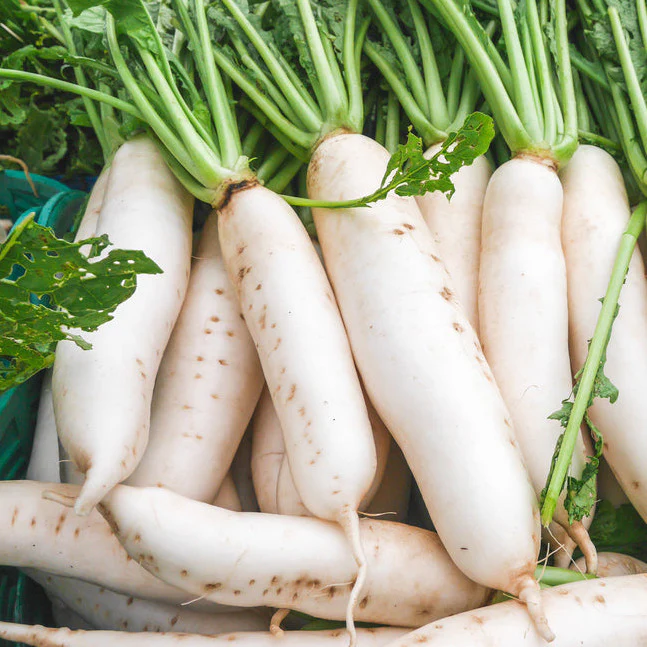 The White Icicle radish is so incredibly hot. I know from personal experience after we grew some a few years ago!
Grow Radishes - Seasons Of Growing
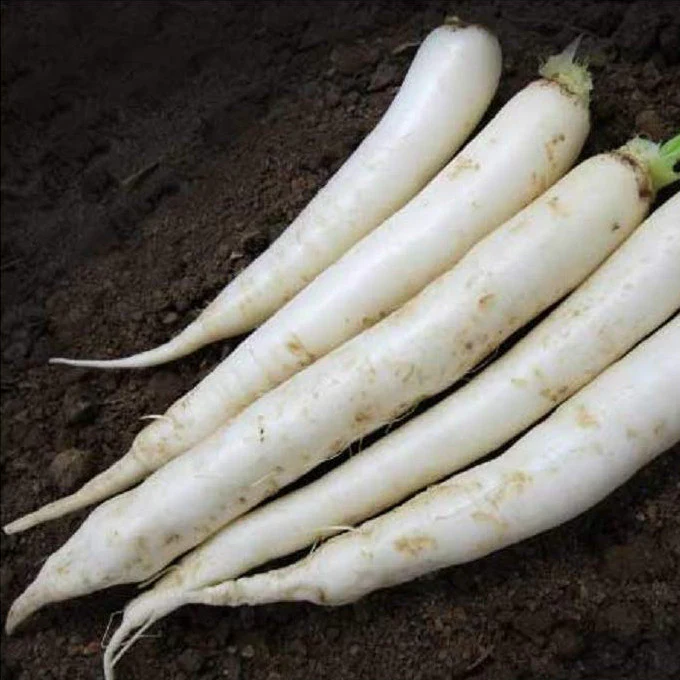 These Daikon Japanese radishes are very popular.
Radishes are a cool-weather crop. That means they like it on the cooler side, not in the blazing heat of summer. If it’s too hot, they tend to bolt (send up a flower stalk) and get spicy or woody.
Here’s a simple guide:
- **Spring planting:** Sow seeds 2–4 weeks before your last expected frost.
- **Fall planting:** Sow seeds 4–6 weeks before your first expected fall frost.
In very hot summer weather, it’s usually better to skip radishes or give them some shade. You’ll get the best results by timing your planting for early spring and again for fall.
Grow Radishes - Prepare The Soil
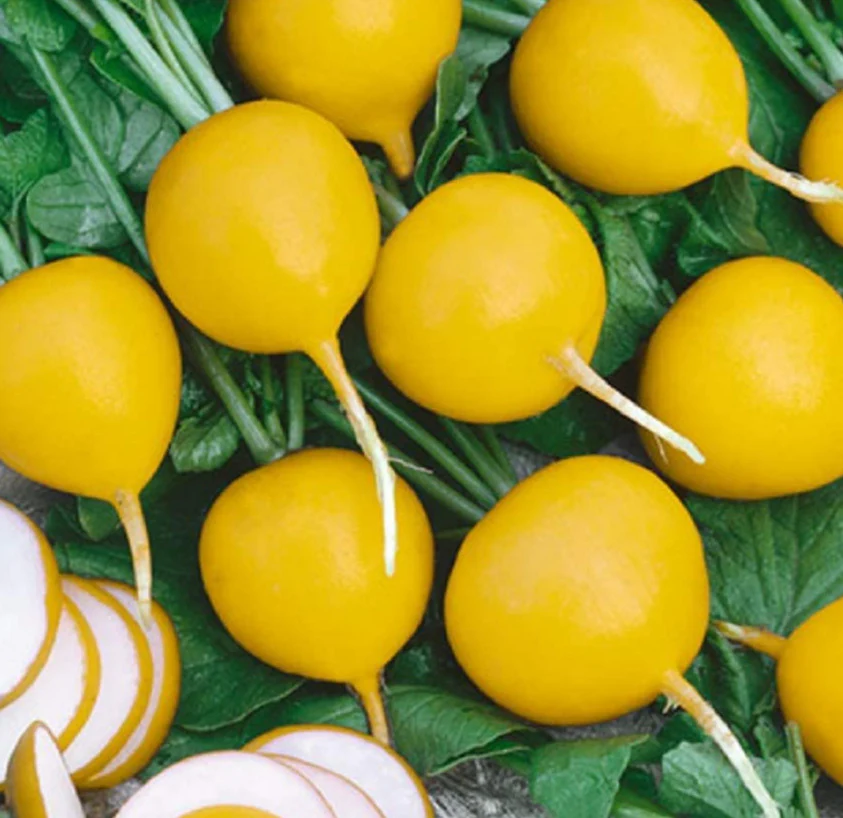 Grow radishes for a pop of color in salads. This is the Golden Helios.
Good soil is the secret to nice, round, tender radishes. Don’t worry, you don’t need fancy tools. Just focus on making the soil loose and crumbly.
Do this:
- Remove rocks, sticks, and big clumps.
- Break up the soil at least 6 inches deep with a trowel or garden fork.
- Mix in some compost if you have it to add nutrients and improve texture.
Avoid heavy, hard-packed soil. If your soil is very clay-heavy, consider using a raised bed or wide container filled with a good potting mix and compost. Tight soil makes radishes twist and fork instead of growing straight and smooth.
One more tip: don’t add too much high-nitrogen fertilizer. Too much nitrogen makes lots of leafy tops but small roots. Compost usually gives enough gentle nutrition.
Grow Radishes - Mark Your Rows Or Pots
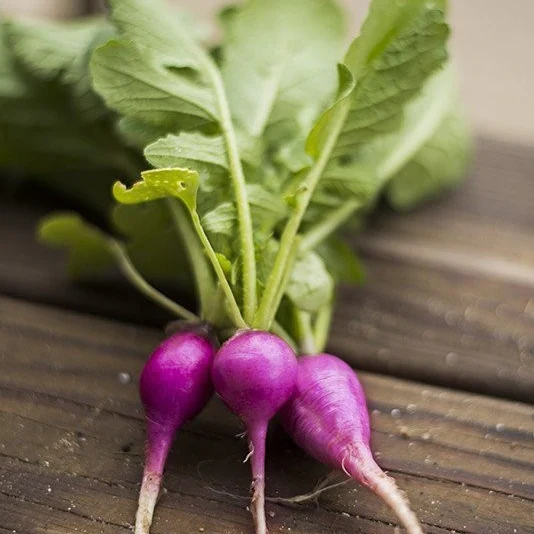 Grow radishes like the Purple Plum.
Before you plant radishes, it helps to plan where everything goes. You can:
- Draw shallow rows in the soil about 6–8 inches apart, or
- Make small grid sections in a raised bed or planter.
Keep the rows straight if you can. It’s not required, but straight rows make it easier to weed, thin, and harvest. I like to stretch a string between two stakes and use that as a guide.
Grow Radishes - Planting
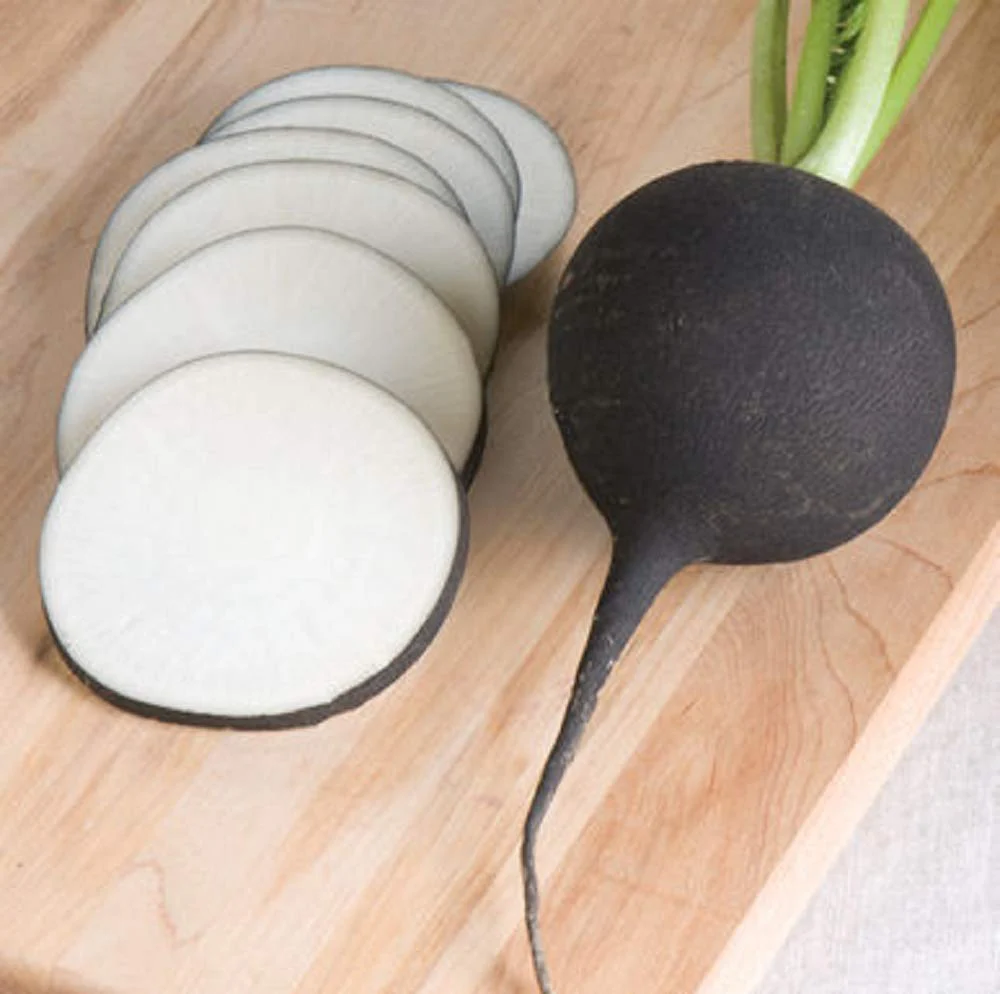 This is the Nero Tondo radish.
Now for the fun part: planting. Radish seeds are small but not tiny, so they’re easy to handle. Here’s how to plant radishes step by step:
- Make a shallow furrow (groove) in the soil about 1/4 inch deep.
- Drop seeds in the furrow, spacing them about 1 inch apart.
- Gently cover the seeds with soil and pat lightly so they make good contact.
- Water the row gently so you don’t wash the seeds away.
Don’t bury seeds too deep. About ½ inch is more than enough. We recommend 1/4 of an inch. If you plant them too deep, they may struggle to reach the surface or take longer to sprout.
If you’re putting them in containers, follow the same steps. You can plant them in short rows or a simple grid pattern, still giving about 1 inch between seeds.
Grow Radishes - Germination
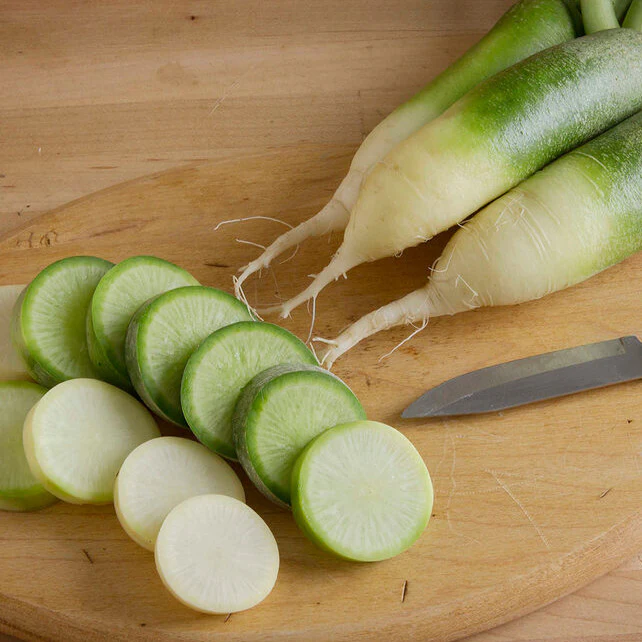 Green Luobo radishes are long and green in color.
After planting, keep the soil evenly moist until the seeds sprout. This is very important. Dry soil during germination can give you patchy rows.
Aim for:
- Light watering once or twice a day if it’s warm and dry.
- Enough water to keep the top half-inch of soil damp, not soggy.
The seeds should sprout in 3–7 days. That quick response is one reason radishes are so fun, especially for kids. You see results fast.
Grow Radishes - Thinning
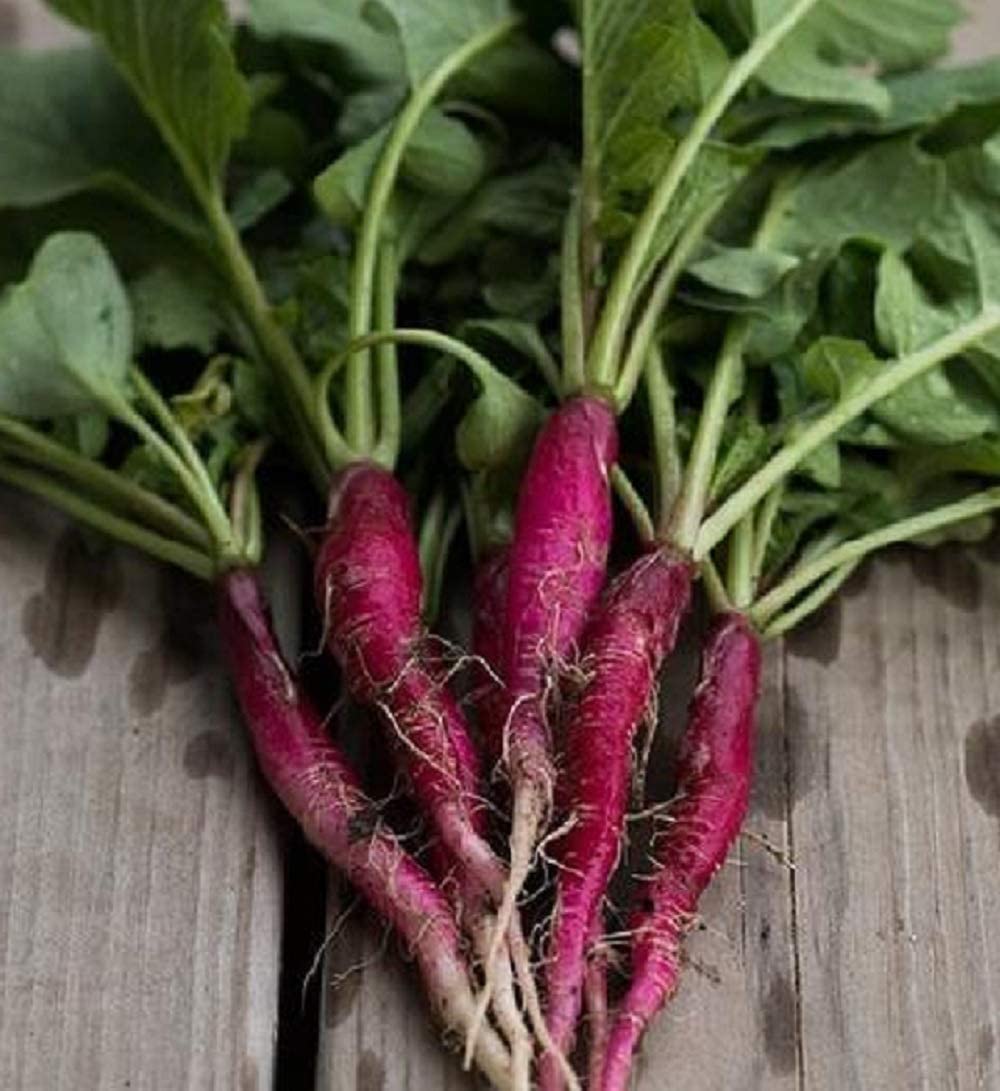 These radishes are called Long Scarlet Cincinnati. What a striking magenta color!
Once the seedlings are about 1–2 inches tall, you’ll probably notice they’re too close together. Don’t skip this step. Thinning is key to getting good-sized roots.
To thin:
- Gently pull out or snip off extra plants so the remaining ones are about 2 inches apart.
- Try not to disturb the roots of the plants you’re keeping.
It can feel wrong to pull out healthy seedlings, but trust the process. Crowded radishes stay small and skinny. Giving them space lets each one form a nice, round root.
Grow Radishes - Watering And Care
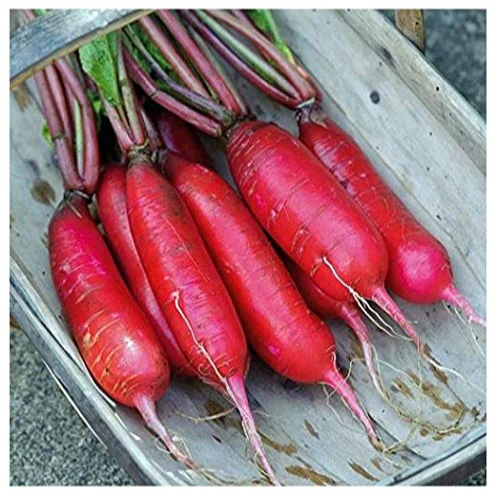 This long, red radish is called the China Rose.
After thinning, your main job is to keep the plants growing steadily. That means consistent water and a mostly weed-free bed.
Watering tips:
- Keep soil evenly moist but not waterlogged.
- Aim for about 1 inch of water per week from rain or a hose.
- If it’s hot or windy, you may need to water more often.
If radishes get very dry and then very wet, they can split or get pithy inside. Try to avoid big swings by checking the soil with your finger. If the top inch is dry, it’s time to water.
Grow Radishes - Weeding And Mulching
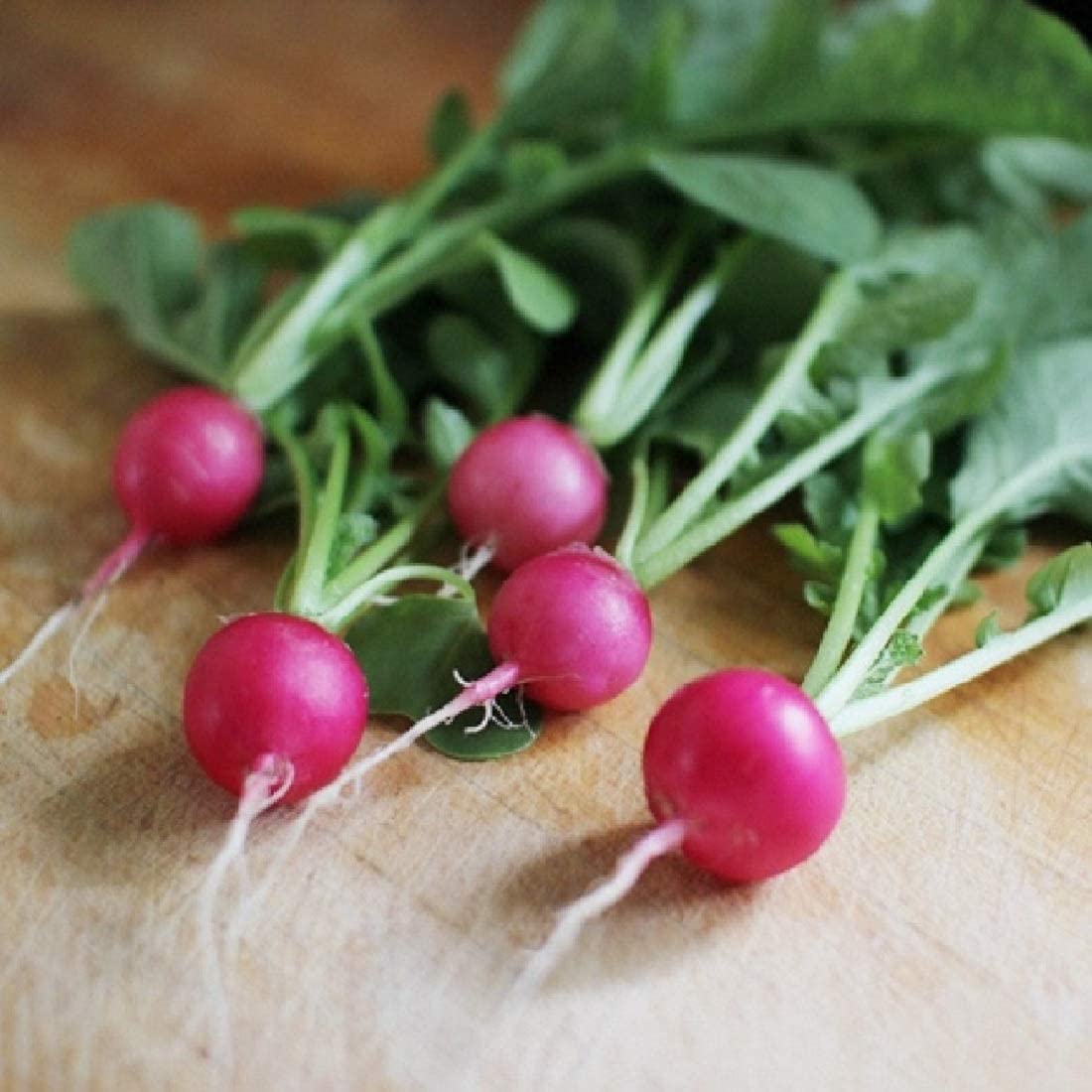 Grow small, sweet radishes like the Pink Beauty for salads and snacking.
Weeds are small, but they compete with radishes for water and nutrients. Pull weeds while they’re still tiny, especially in the first couple of weeks.
You can also add a thin layer of mulch (like straw, dried grass clippings, or shredded leaves) around your plants to:
- Keep moisture in.
- Slow down weeds.
- Keep soil temperature more even.
Don’t pile mulch right on the stems. Leave a little space around each plant. Mulch should be light and fluffy for radishes.
Grow Radishes - Watch For Problems
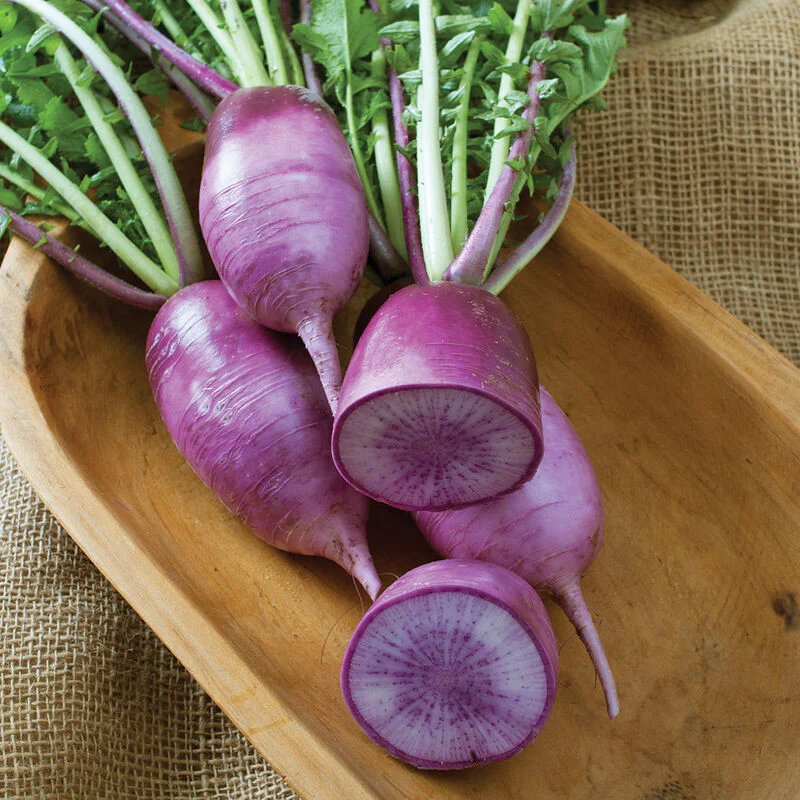 Isn't this radish so pretty? It is the KN Bravo.
Radishes are usually low-maintenance, but here are a few common issues to look for:
- Flea beetles: tiny holes in leaves. Floating row covers can help keep them off.
- Root maggots: small tunnels in roots. Good crop rotation and clean beds help.
- Bolting: tall flower stalks instead of nice roots, usually from heat or stress.
Most backyard gardeners won’t have major problems, especially if they plant in cool weather and keep the soil moist. If a few radishes fail, that’s normal. You’ll still get plenty.
Grow Radishes - Know When They Are Ready
 This is the Black Spanish Round radish.
The best radishes are picked young and tender. Don’t wait too long. Most spring radishes from David’s Garden Seeds are ready in about 25–35 days after planting.
To check:
- Look at the base of the leaves. You should see the top of the radish root poking slightly out of the soil.
- Gently brush soil away and feel the size with your fingers.
Good harvesting size for small radishes is about the size of a large marble to a ping-pong ball. If you let them get much bigger, they often turn woody or hollow.
Grow Radishes - Harvesting
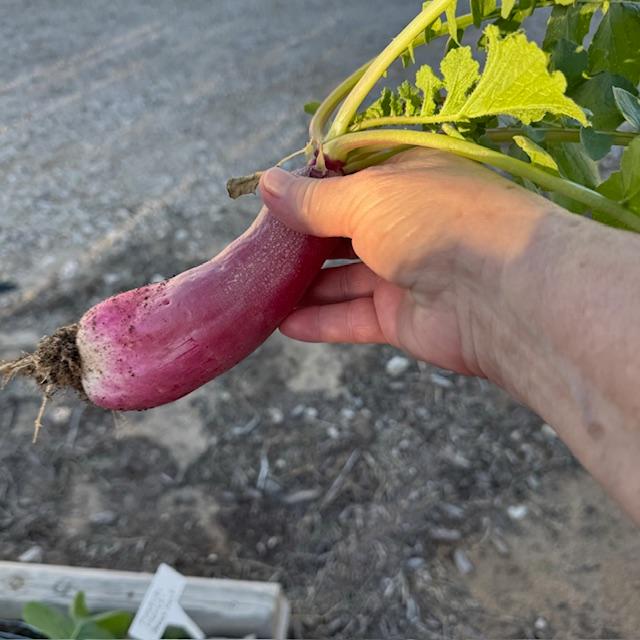 This is a French Breakfast radish that we grew. Yes, that is my hand holding it. A lot of people love this radish. It is spicy!
Harvesting is easy:
- Grasp the greens firmly at the base of the plant.
- Pull straight up with a steady motion.
- Shake or brush off extra soil.
If the soil is hard or dry, water lightly the day before to soften it. That makes pulling easier and reduces the chance of breaking the tops off.
After you pull them, cut the leafy tops off about ½ inch above the root. If you leave the tops on, they’ll pull moisture out of the radish root and make it soft faster.
Grow Radishes - How To Store And Use
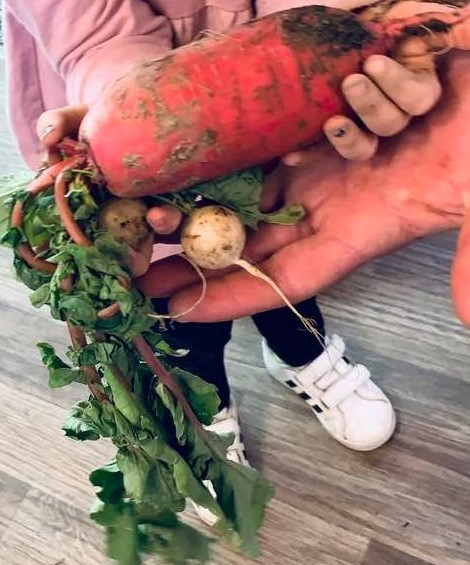 This is a King radish that we grew by our store in San Antonio. Two of our employees are holding the harvest. The giant red radish was really something!
To store:
- Rinse off soil.
- Cut off greens.
- Dry them gently with a towel.
- Put the radishes in a plastic bag or container in the fridge.
Freshly picked radishes from your backyard garden can last 1–2 weeks in the fridge, sometimes longer for thicker types. The greens are edible too if they’re young and tender—use them like mild mustard greens.
Now, how to use radishes in your food:
- Slice them raw into salads for crunch and spice.
- Add thin slices to tacos and sandwiches.
- Roast them with olive oil and salt until they’re soft and sweet.
- Pickle them quickly in vinegar, sugar, and salt for bright, tangy snacks.
Grow Radishes - Successive Planting
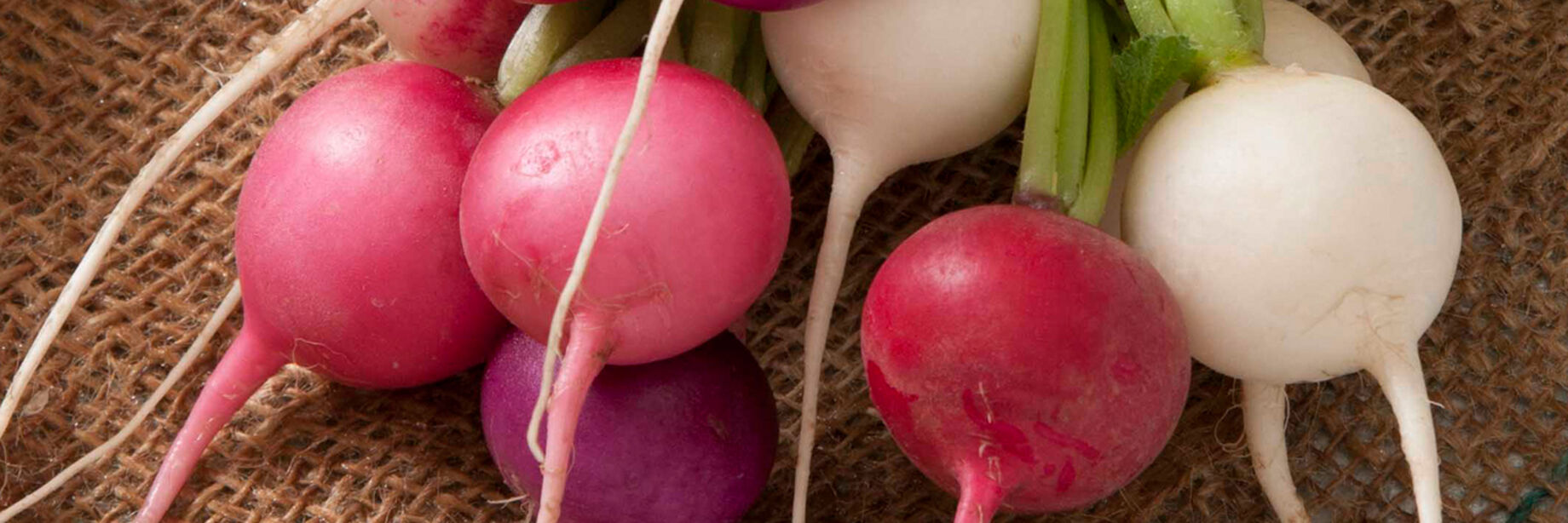 Grow radishes in a variety of colors. This is our Easter Egg Radish Mix.
One of the best tricks when you grow radishes in your backyard garden is to plant in waves. Instead of sowing all your seeds at once, plant a small row every week or two.
This succession planting gives you:
- A constant supply of radishes.
- Less risk of a big batch getting woody all at once.
- More chances to adjust your timing based on the weather.
Just repeat the same simple steps: prepare a small row, plant seeds, water, thin, and harvest. Radishes fit easily between slower crops like tomatoes, peppers, or cabbages, so you can use your garden space more efficiently.
Grow Radishes With Seeds From David's Garden Seeds®
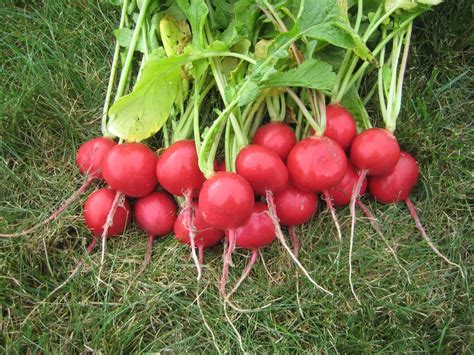 Grow radishes like Champion. Aren't they beautiful?
When you buy heirloom seeds from David’s Garden Seeds, you’re choosing varieties that have been loved and saved for a reason: flavor, texture, and reliability. That means your very first radish harvest can taste better than anything you’ve bought at the store.
And once you see how simple it is to plant radishes, you’ll start viewing any little empty patch of soil as a chance for a fast crop. Seriously, a strip along a fence, the corner of a raised bed, even a big pot on the porch—radishes are not picky.
So here’s your simple action plan:
- Get a packet of heirloom radish seeds from David’s Garden Seeds®.
- Pick a sunny spot and loosen the soil.
- Plant the seeds ½ inch deep, 1 inch apart.- Keep the soil moist, thin to 2 inches apart.
- Harvest in about a month, and enjoy that crisp, spicy crunch.
Once you grow radishes in your backyard garden and taste them fresh, you’ll understand why so many gardeners never skip them. They’re fast, fun, and tasty—and they might just become your favorite beginner crop that you grow over and over again.
Monday, December 29, 2025
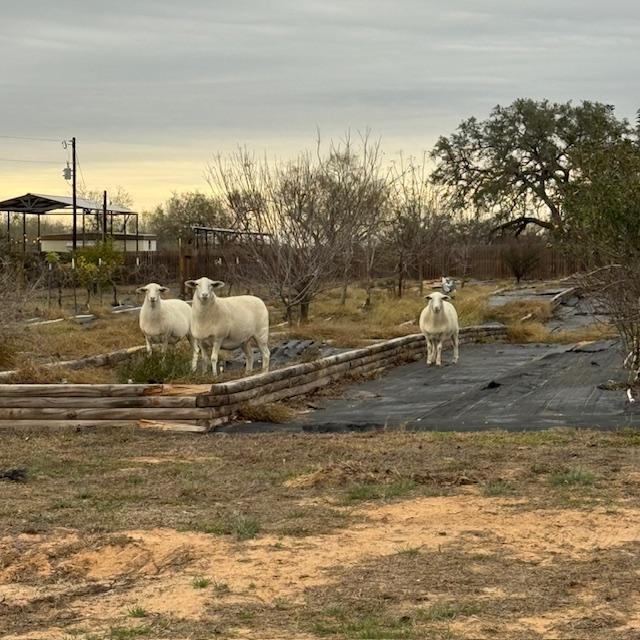 The sheep were wandering around when I went out early this morning.
Good morning. It is 52° and windy, I mean super windy with 20 to 30 mile an hour winds with gusts over 40. David has cancelled all of our temporary help that he had scheduled for today. Matt will be coming in late per David and I should be over in the office right now because I have well over 100 orders that I need to fill. I just made some coffee so it will be a while.
Pamela was terrified all night long and constantly moved. Poor baby. The other two were just outside romping around in the cold wind.
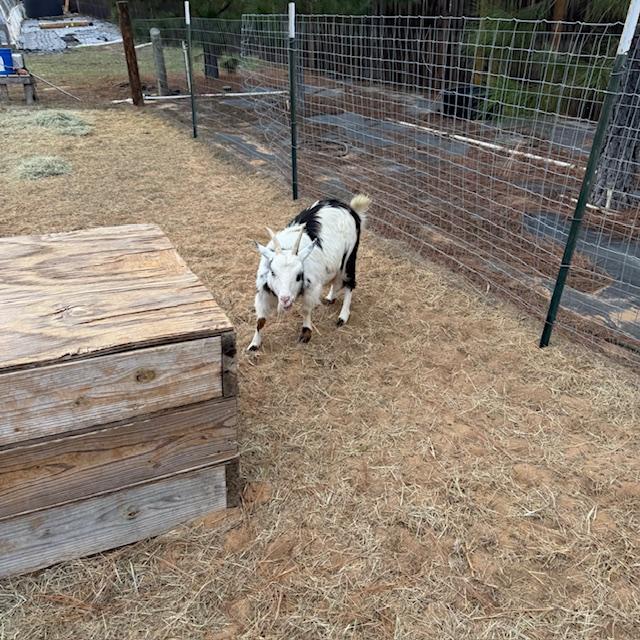 Trixie is enjoying finding pine needles to eat. Trixie is enjoying finding pine needles to eat. |
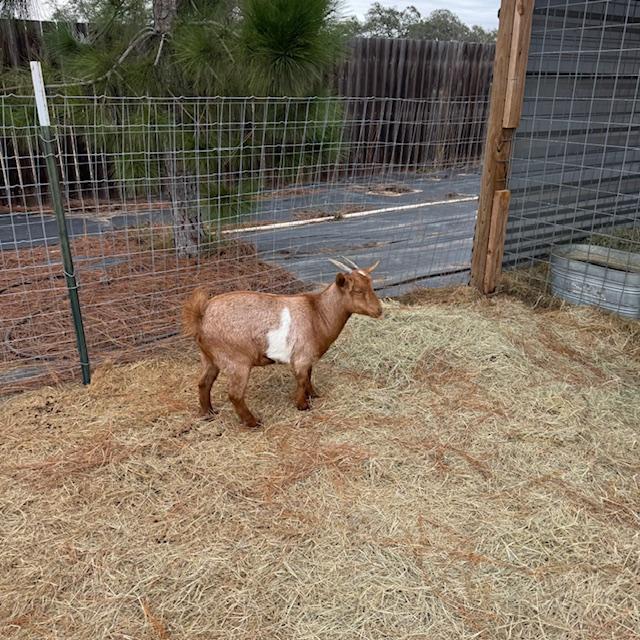 See all of the brown pine needles on the ground? Nigerian Dwarf goats love to eat them. This is Lucy having fun. See all of the brown pine needles on the ground? Nigerian Dwarf goats love to eat them. This is Lucy having fun. |
I went to take care of the animals. It was so cold but they were all fine. The goats were excited when I let them out because there were fresh pine needles all over their yard from the hard winds. They began eating them while I filled their food dishes.
I pulled orders and closed them all day long but they just kept coming in so it looks like I have done nothing all day long!
We had one couple come to pick up an order today and that was it. The cold wind stayed all day long. It is now almost 6pm and the temperature is 47°. We were supposed to have rain, but you know the drill. Ha ha ha!
It is time to go in and figure something out for dinner, then do seed paperwork...fun times!
Tuesday, December 30, 2025
Good morning. I woke up rather late for me. People are here working and I have not been out yet. I just made breakfast and I have to get ready and tackle many orders.
It is cold out at 43° and I really don't want to go out of the house.
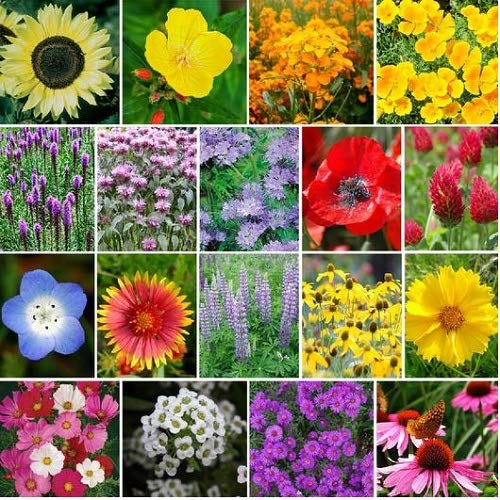 It is time to plant any wildflower seeds you may have now so they can get super cold in order to bloom in early spring.
It is now 3pm and all of the temporary help is gone. Why would that be when we are completely swamped? Because they kept playing on their phones instead of working. Just scroll, scroll, scroll. We are paying them to scroll. So David sent them home early. They won't be coming back.
Are there no adults nearby who would like to work? I know there are plenty who need work because they are always on Facebook asking for free things--clothes, food, washing machines, dryers, stoves, furniture, etc. I see these posts every day on there. When I need those things, I go to Walmart or an appropriate store and buy them with my money. If I don't have enough money, I work and save until I can buy the item needed.
It warmed up to 60° but now they are calling for a freeze warning so we are having to make sure all plants are safe and covered. Last I heard this morning, the low was going to be 39°.
I have been pulling orders and closing them all day long.
Wednesday, December 31, 2025
Good morning. It is the last day of the year and 30° so our first freeze of the 2025-2026 winter is early this year. Last winter, our first freeze was on March 7, 2025.
Today we will be closing at noon and we will be closed tomorrow. Happy New Year! We will reopen on Friday, January 2 for business. We still have onion starts for sale. Right now, all of our tomato seeds are on sale for 15% off.
We had a lot of orders today. No in person customers, though. David and I left at 2pm to go get some groceries. It was so nice to get out and go to the store. I haven't been in weeks.
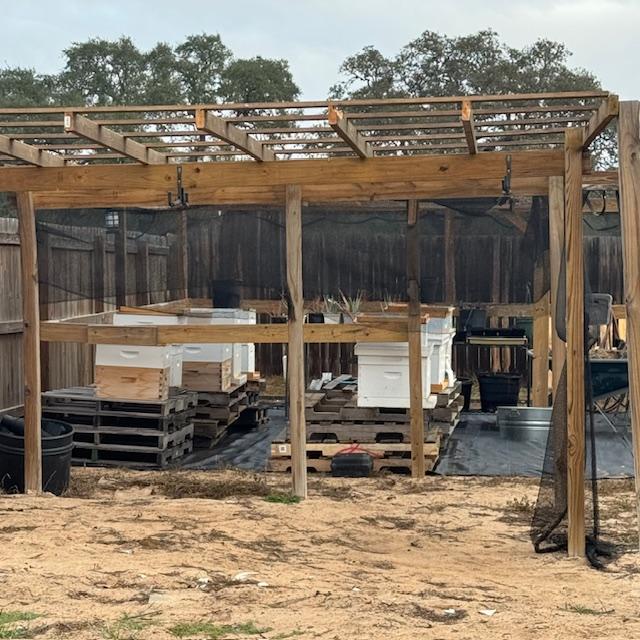
I had to make more sugar water for the bees this morning. Matt fed them late this afternoon.
The sheep are getting quite friendly with Matt, coming up to him, expecting food, and allowing him to pet them.
The goats are still all together because it is going to be cold again tonight.
It is now 7:30pm and I just sat down to put my aching feet up for a few minutes. David got a text asking if we will be open tomorrow. We've been open all week long with no customers and now that we are going to close for one day, people want us open. No. We are not going to be open. We have plans. Come see us on Friday or Saturday. Happy New Year!
I was going to start taking the tree and trimmings down last night but that never happened. Then I thought I would tonight. I almost always have everything down before the new year. Not this year...

David and I are at home this evening, watching TV and working on social media. I already fell asleep twice on the couch. Last night, I did not get to sleep until after midnight and I woke up five times, finally getting up at 6:20am. It figures I had a hard time falling asleep last night but not tonight!
David cut off the TV in the den at 10pm. Boo! I took a shower and fell asleep just after 11pm.
Thursday, January 1, 2026

Happy New Year, readers! I woke up at 12:02am and neighbors were popping off firecrackers, tons of them. I finally fell back to sleep. At 2:20am, I woke up again with an upset stomach and barfed. Fun times and what a great way to start off the new year. The firecrackers were still popping off.
I woke up at 5am and I felt fine. The firecrackers were finally over. I fell back to sleep and woke up at 7:20am and got up. It is 39° and I have to go out and take care of everyone. Of course, I do not want to do this. I made coffee and fed the dogs.
How did you start your new year? I saw a video this morning. President Trump had a big party at Mar-a-Lago last night. He auctioned off a beautiful painting of Jesus for $2.75 million. Half of the proceeds went to St. Jude's Children's Hospital and the other half went to the local sheriff's department. The audience got to watch the artist paint the picture right there in ten minutes--a giant face of Jesus. Artist Vanessa Horabuena is a speed painter.
David is still sleeping so I have not cooked breakfast yet.
I went out and took care of all of the animals. I opened the greenhouses because it is supposed to be 70° today.
Matt came over and the three of us headed to Bulverde for a delicious lunch. Shortly after we left, a customer called to find out where we were. He said he was in our parking lot, trying to get in the store. Then another lady called and one texted, all wanting to shop in our store. No one came all week long but the one day we leave the farm, the whole world wants to come shop in our store. We will be open tomorrow and Saturday. Please come then.
Anyway, back to my lunch story. Some friends of ours just moved into a new home so they invited us for lunch. We had a good visit. The food was good. The new home was spectacular! The view of hills in the distance was just incredible. I did not want to leave but David got in the truck and started going without me. I finally caught up with him and we came home. The traffic was great because it is a holiday. It was so nice to get out.
Gordon Ramsay's Hell's Kitchen is all new tonight. Matt is grilling steaks now.
This morning, I uploaded my first YouTube video in a year. It is a quick video showing the inside of our retail store now that it has changed. My intent is to start up my channel and keep it going this time.
Friday, January 2, 2026
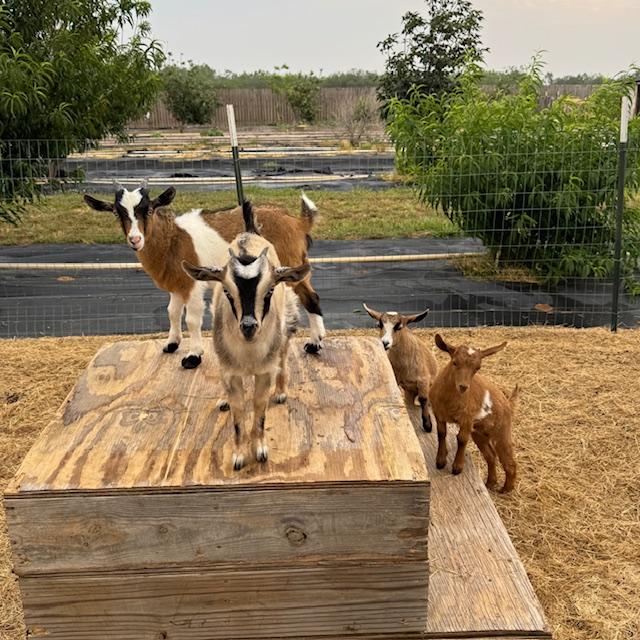 Our 2 sets of twin goats back in the spring of 2025.
Good morning. It is 46° and the high today is supposed to be 85°! That is crazy. I am currently uploading a very short video of our Nigerian Dwarf goats right now, as well as of our visiting sheep. I have not yet decided what I will shoot today but I need to get busy. Ever since before we moved to the farm, I have been meaning to start up my YouTube channel.
There are a lot of new seed orders from yesterday. I have printed them all out and now I need to make breakfast and get ready for the day so I can start filling all of this week's orders.
David bought a grounding sheet and it finally got delivered this week. Grounding sheets are supposed to help with sleeping and some say can take away pain and anxiety. I finally changed the sheets this morning and put the grounding sheet on. It will be interesting to see if it works...
We had one family come in to buy seeds today. I pulled and filled multiple orders and never even got to today's orders. I counted seeds for several hours. Our packer came in today for bonus hours so that helped. She worked the whole day for the first time. Usually she works four hours a day on three days a week.
I washed my Christmas tablecloth and blankets today and packed them away. I took down all of the Christmas wall art, the tree skirt, and stockings and put them away as well. Maybe tomorrow I will take the tree down and the remaining decorations. Usually all of that is done before New Year's Eve but the orders have been pouring in early and we are grateful.
Our store will be open today from 10am until 2pm and then, hopefully, I will be doing some cleaning as the house really needs it.
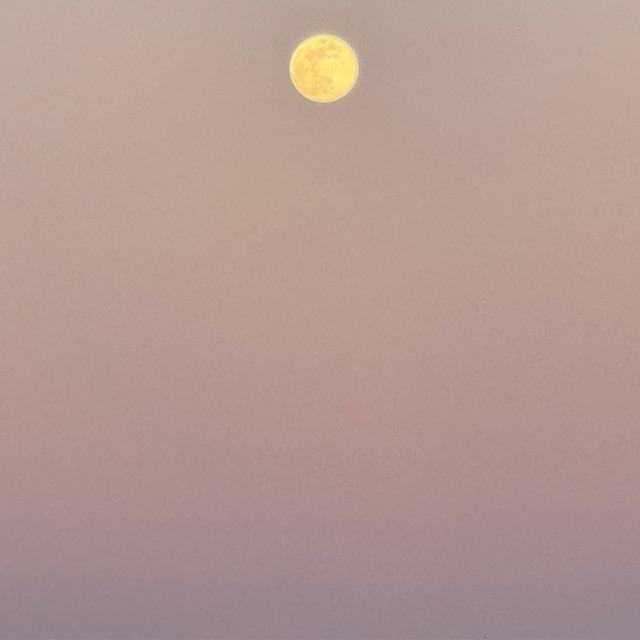 A super moon came up early, around 5:30pm when I was walking back to the house.
Saturday, January 3, 2026
Good morning. I woke up early. I did not have any trouble getting to sleep last night. I did feel a bit tingly when I got in bed. Now I am not sure if it was my imagination or if it was the grounding sheet because I read that I could feel tingly...Lol. I guess I will see if I feel that way again tonight.
It is currently 60° this morning. My stomach hurts a little but I have to get orders out.
By 2pm, I was in a significant amount of pain and went to the house. As the afternoon wore on, the pain got worse. Matt got here after dark but he took care of the animals.
He made burgers while I slept. I woke up and my stomach was feeling a bit better around 7pm. I went to the den with David and Matt for the movie but I did not eat. By 9pm, the pain was finally gone. I had a bit of chicken noodle soup and electrolytes. My nose completely clogged during the movie. I took some nose spray and decongestant.
I slept fairly well, waking up four times but I did not have anymore pain.
Sunday, January 4, 2026
It is now 6:30pm. I would like to start out by saying I feel much better but I am still pretty tired. I napped on and off throughout the day.
This morning, I felt a bit lightheaded but I forced myself to go out and take care of all of the animals. I asked David to do it. He said to call Matt but I was not going to call him to drive all the way over here when we could do it.
I stepped outside and went slowly. The air felt cool and so lovely. If it were like this all year long, I would like it here.
Those sheep followed me into the feed shed again. It was scary. I got everyone fed and taken care of.
Then I made my way in the house. David put a roast with vegetables on for dinner and then he left for church. I sat on the couch and watched videos while I counted seeds that I need for orders. I brought them in to count on Thursday night. That night, I counted three but never got to the others.
I took down a bit more of Christmas. Now just the decorated trees remain. I was going to get everything done today but I was just too tired.
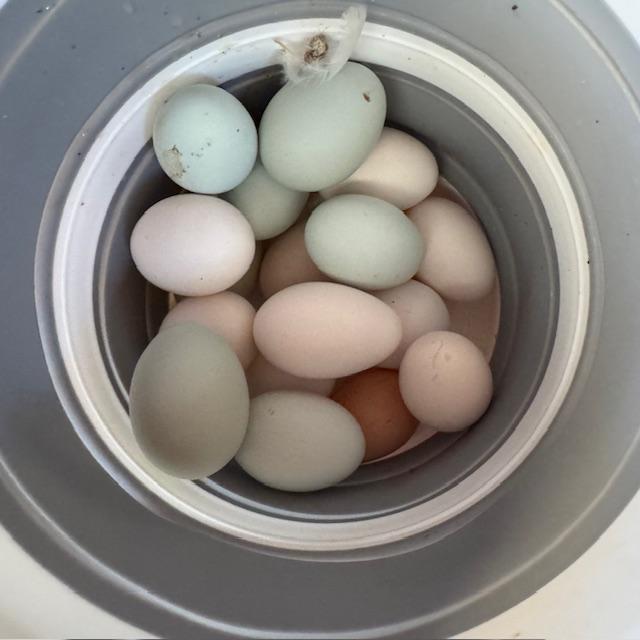 17 eggs, even a brown one!
I went out at 4pm to take care of the animals. I got 17 eggs including one brown one. I have been getting one to five each day and have not seen a brown one in months!
I came back in and took a shower. I ate some roast, just a small amount and fell asleep on the couch again. At least I can breathe tonight.
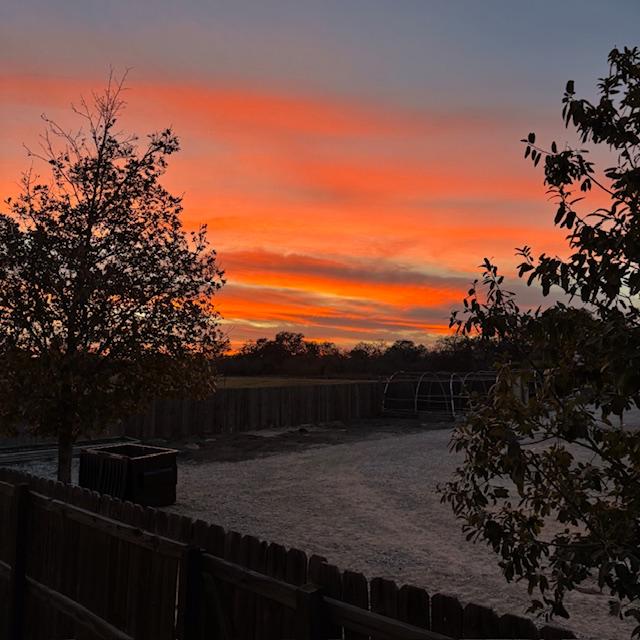
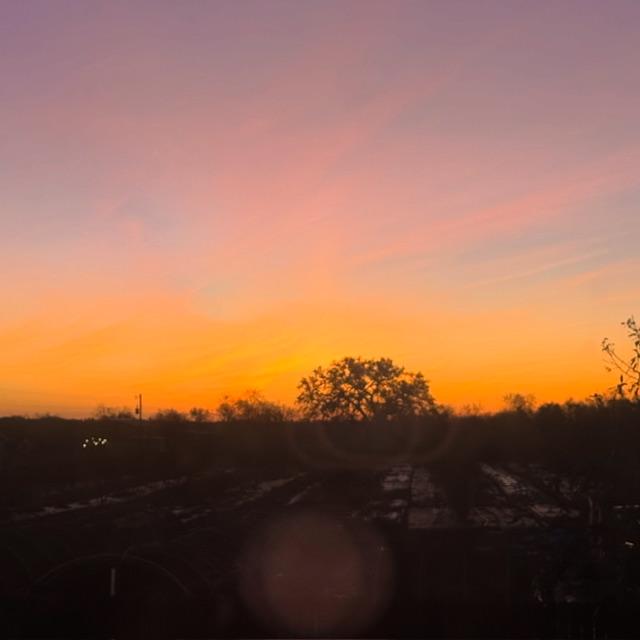
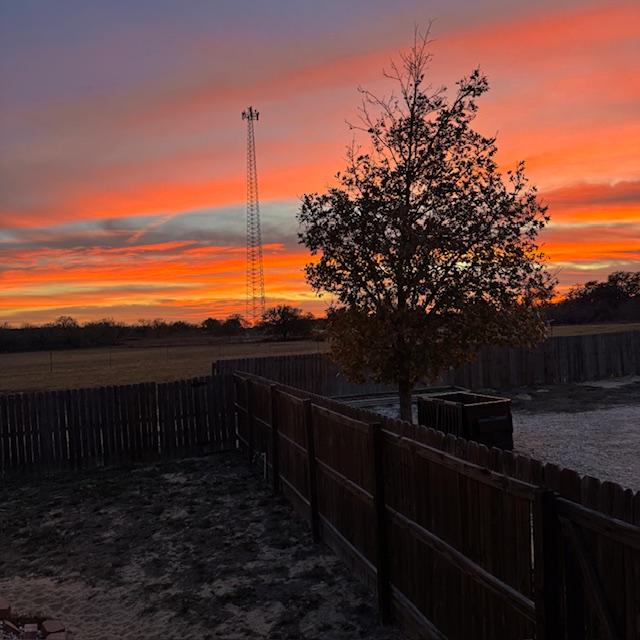
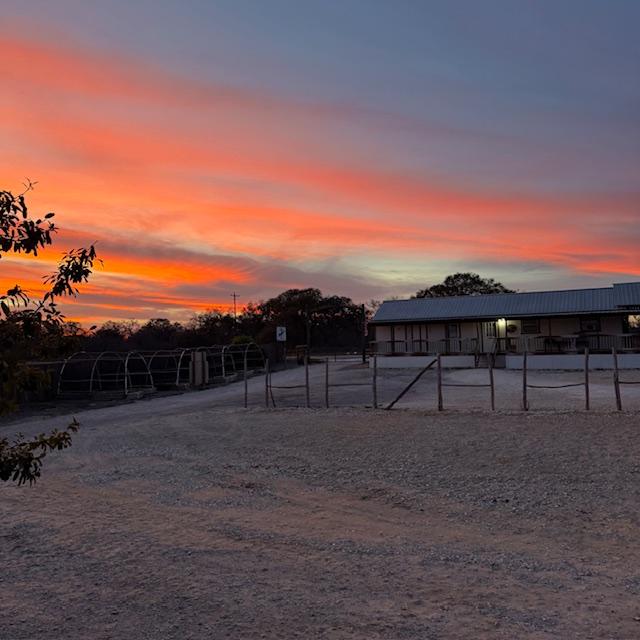
We had a beautiful sunset!
 |
 |
Return from Grow Radishes to Year 7 Of Farm Life
Anything To Share On This Topic?
Would you like to share additional information about this topic with all of us?
Since 2009, over 2,000,000 home gardeners, all across the USA, have relied on David's Garden Seeds® to grow beautiful, productive gardens. Trust is at the heart of it. Our customers know David's Garden Seeds® stocks only the highest quality seeds available. Our mission is to become your lifetime supplier of quality seeds. It isn't just to serve you once; we want to earn your trust as the primary supplier of all of your garden seeds.
Watch Our 2022 TV Commercial!
Sing Along To Our Jingle
♪♫♪♪ ♫ ♪ ♫♪♫♫
♪♫♪♪♫♫
Peppers and peas
And lots of yummy greens
You can't go wrong
With Squash This Long
At David's Garden Seeds
♪ ♫ ♪ ♫
Our New 2024 TV Ad
Please like and subscribe on YouTube and come visit us at our Farm Store! The music on our TV ad was written, played, and sung by our son, Matthew Schulze. You can meet him when you come to the farm. He just might give you a tour. Ask him to grab a guitar and sing our jingle that he wrote.
Our 2022 TV Ad

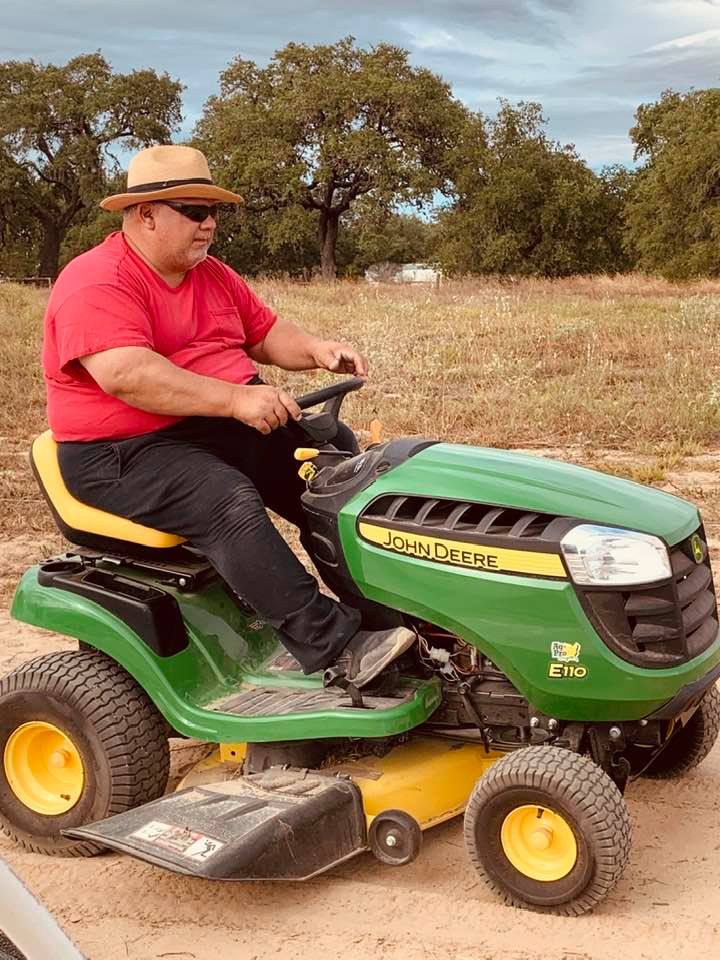 David of David's Garden Seeds® zipping along on his little tractor across the farm. He is having a blast!
We are David's Garden Seeds®. If you need great seeds, we've got over 800 varieties to choose from.
Subscribe To Mrs. David's Garden Seeds® Newsletter For FREE!

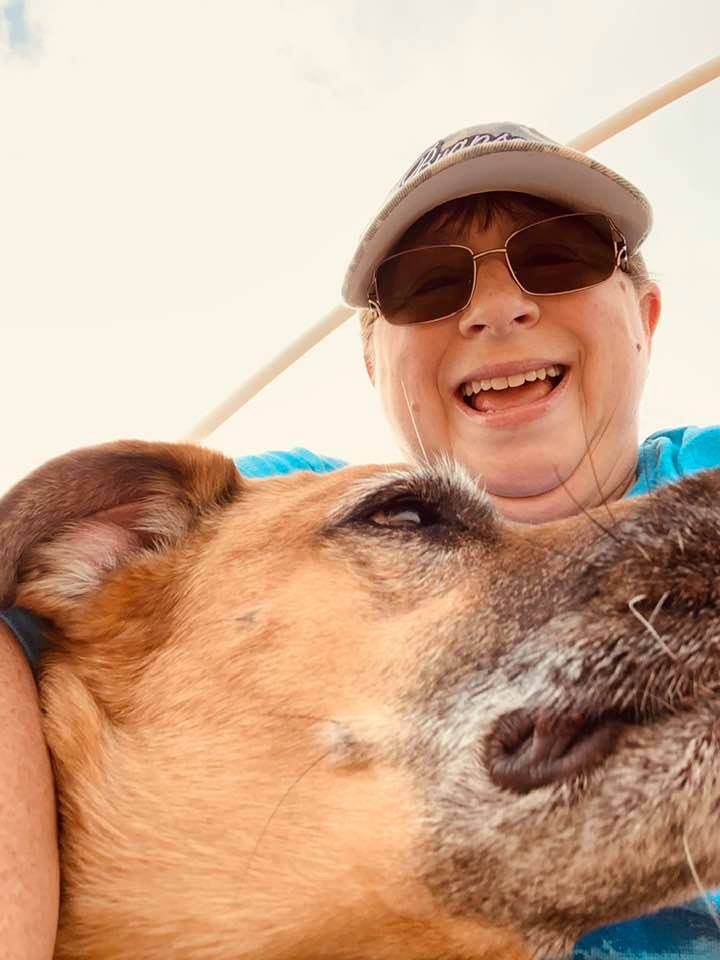
Find out what is going on down on the farm by reading our blog and by subscribing to our free newsletter for all of the information going down at David's Garden Seeds® and on the farm. I love to share helpful information with you. Please let your friends know and y'all come on down for a visit when you get the chance. We would love to meet you!
New Store Hours!
 Farm Store Hours: Th-Fri 10am-5pm, Sat 10am-2pm. Closed Sun-Wed.
Being out here in the country, we had awful internet & we could not stream TV. We got Starlink in April of 2025 & we love it! Now we can stream and work, even when it is raining!
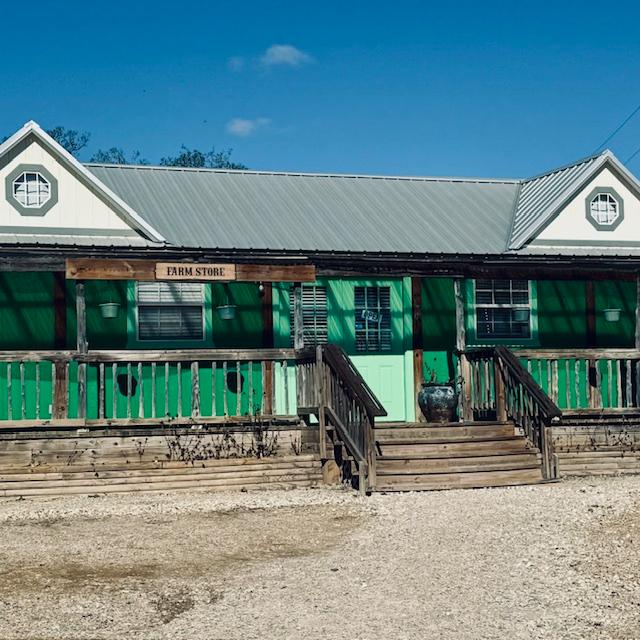 Our Farm Store
Shop for:
- Seeds
- Farm Fresh Eggs
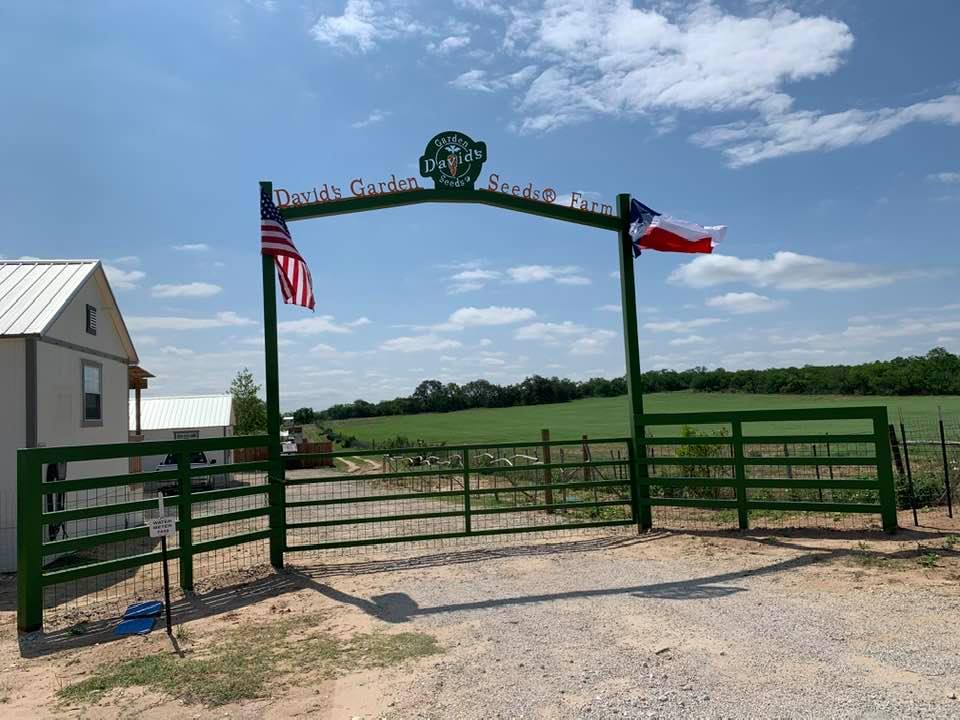
Our Farm is located at 5029 FM 2504 in Poteet, TX.
 Only happy seeds make the cut to go into our seed packs!
David's Garden Seeds® has
seeds for the backyard gardener and farm fresh chicken eggs.
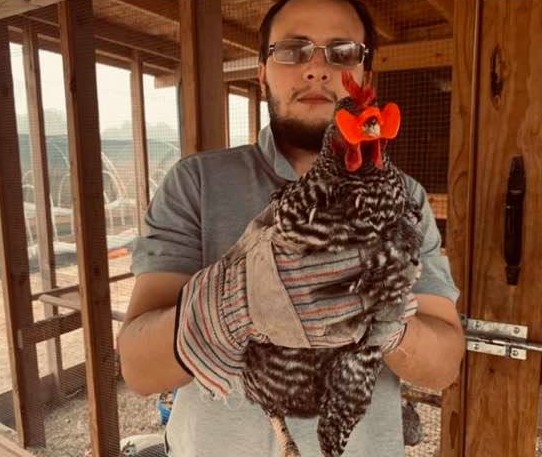
 David & Juanita work hard to pack your garden seed orders.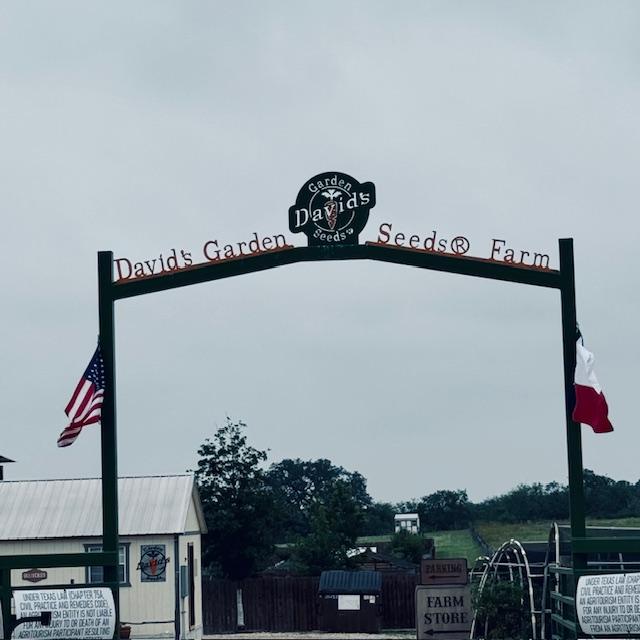



Sign Up For Our Newsletter Here!
   DGS YouTube Mrs
|
   |
Garden Ebooks
by Mrs. David's Garden Seeds
 I've been busy creating eBooks to help you with your garden...
IMPORTANT NOTE: THE EBOOKS ARE DIGITAL DOWNLOADS (EBOOKS), NOT PHYSICAL BOOKS.
WE DO NOT REFUND OUR DIGITAL DOWNLOADS FOR OBVIOUS REASONS.
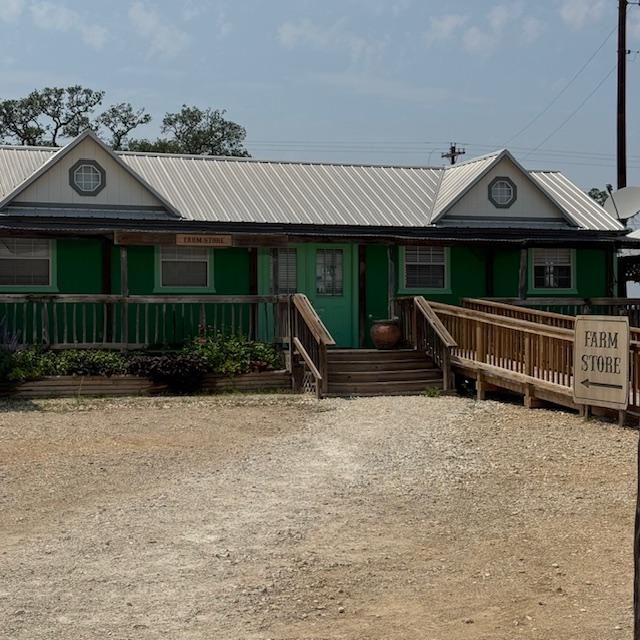 Our Farm Store is the green building
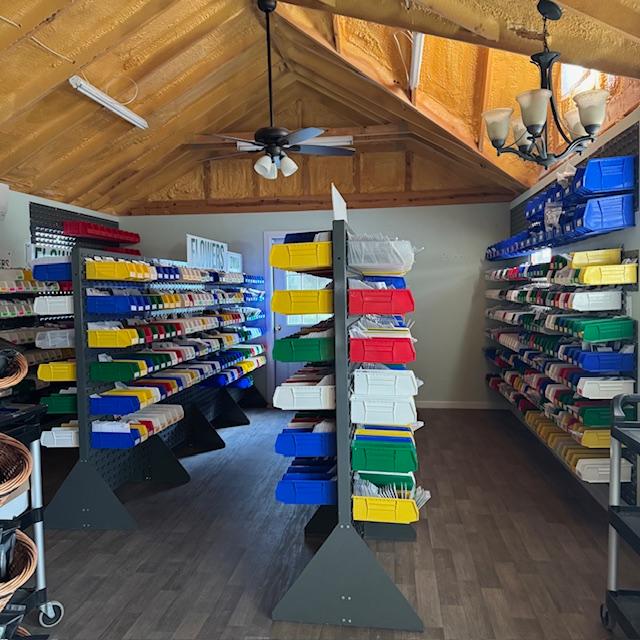 Inside our Farm Store...1400 varieties of seeds await you!
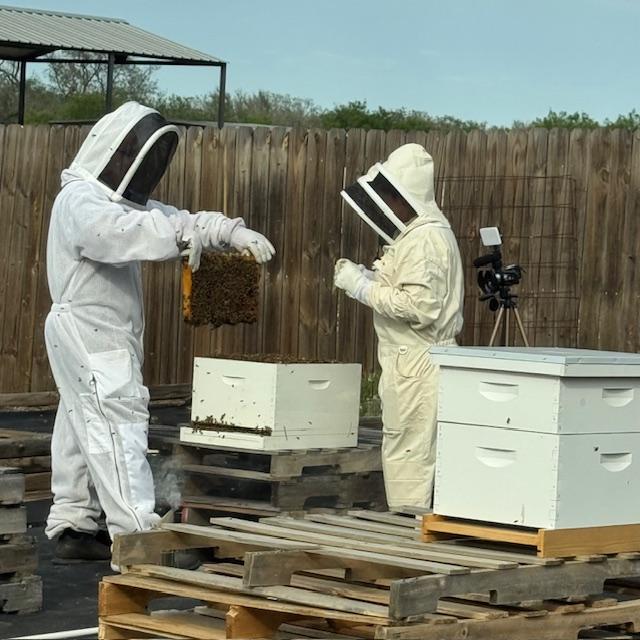 Our bee hives
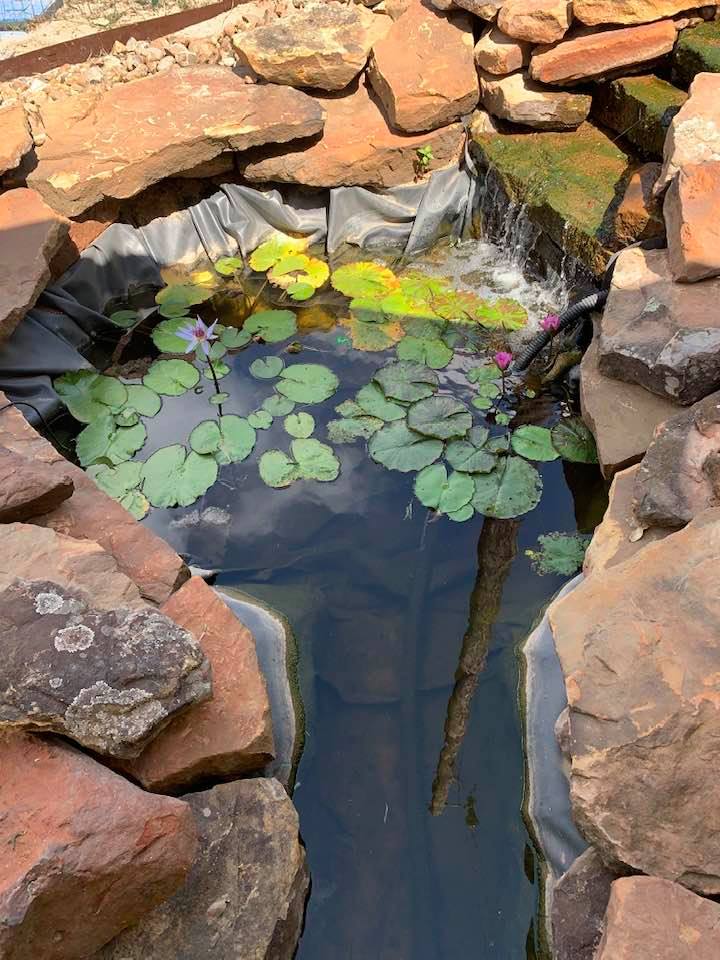
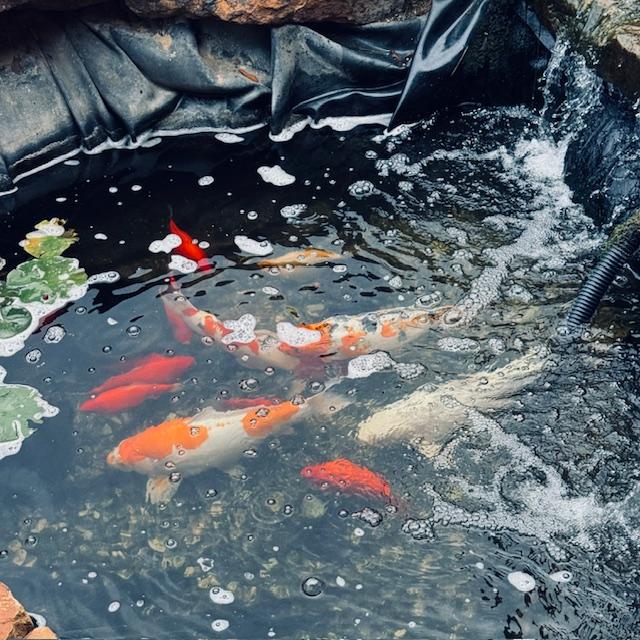 Our fish pond
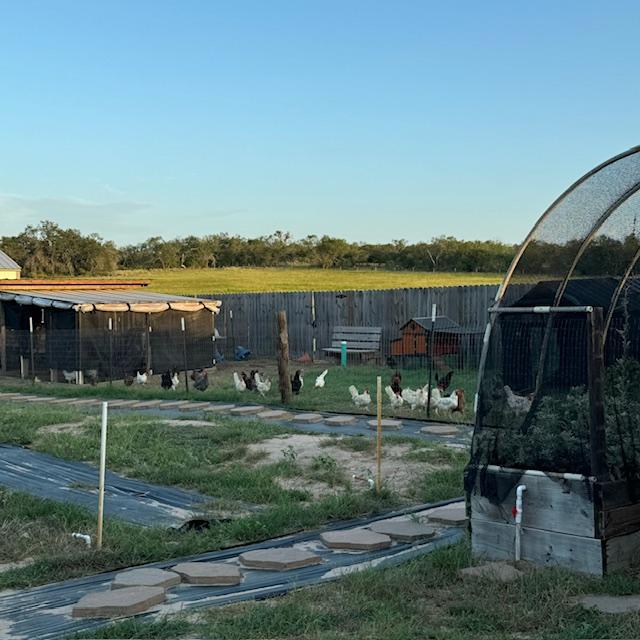 Our chickens
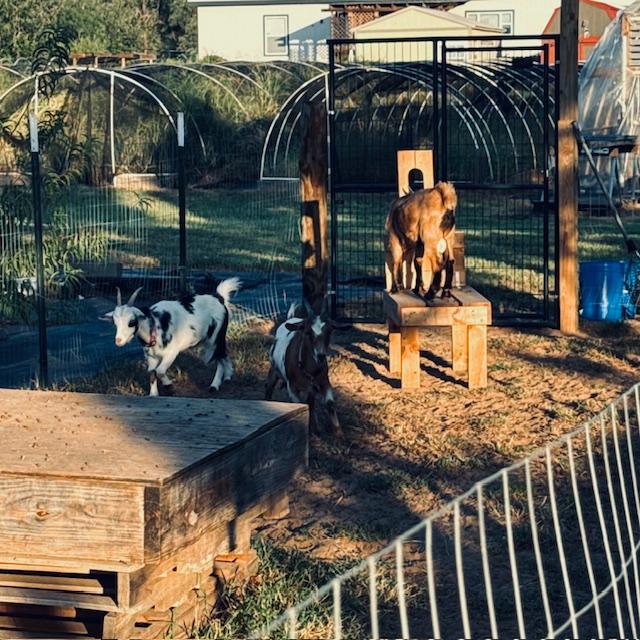 Our Nigerian Dwarf goats
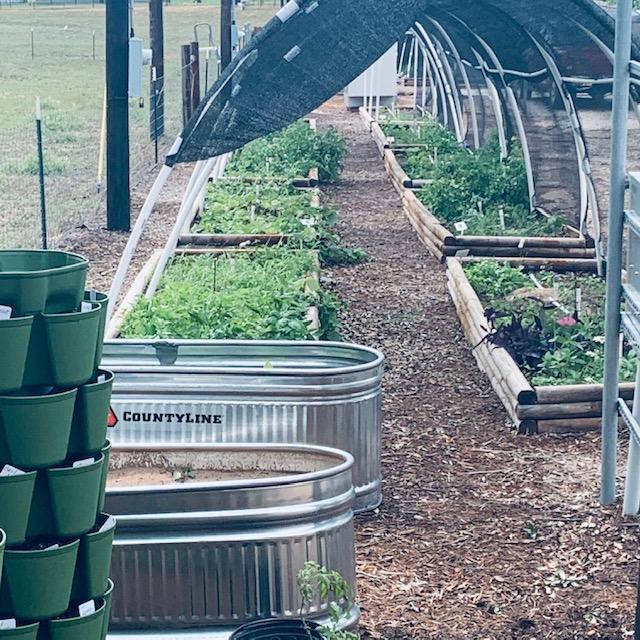 A few of our raised garden beds
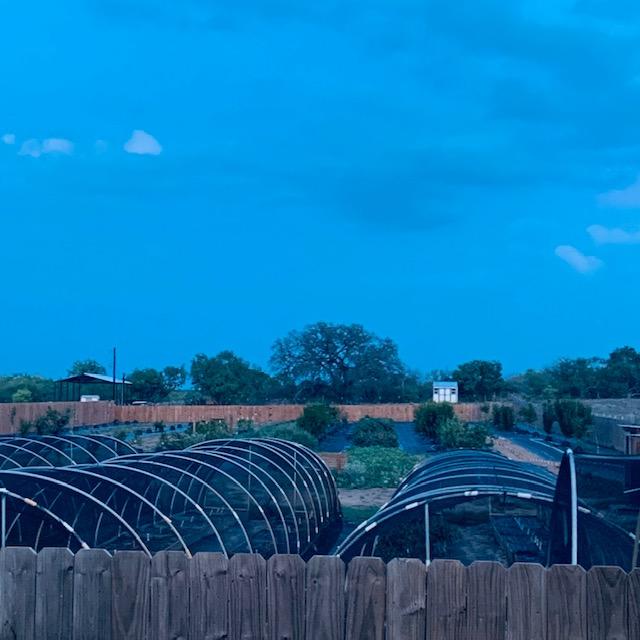 Our orchard and hoop houses
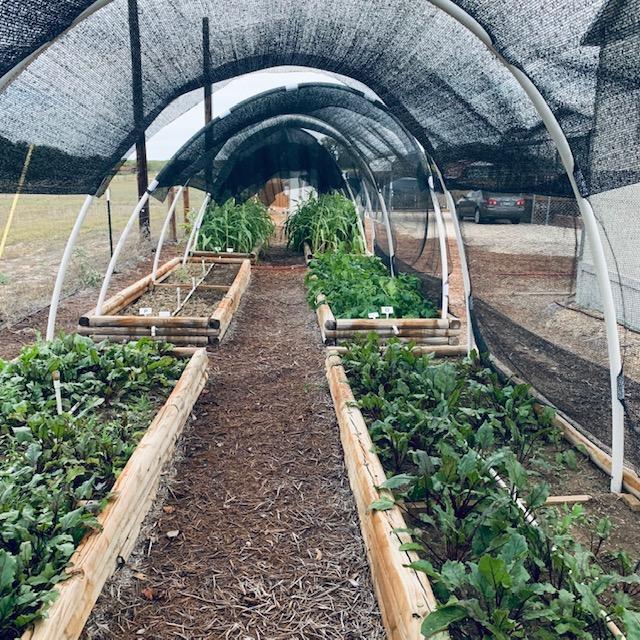
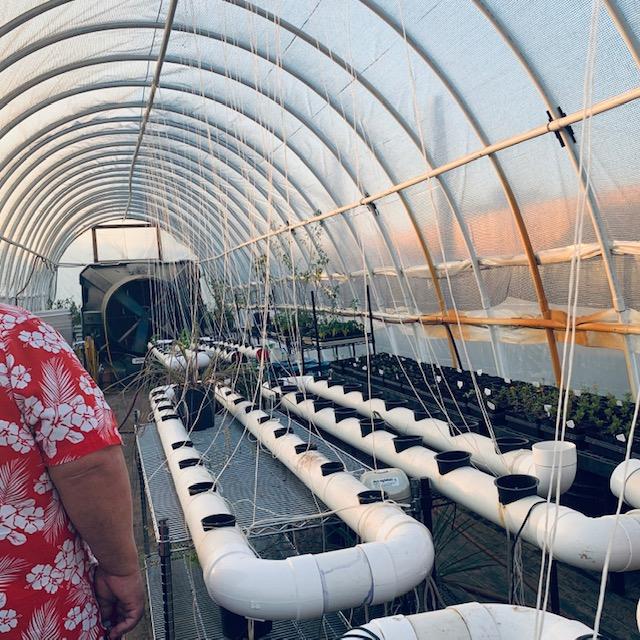 Inside our high tunnel
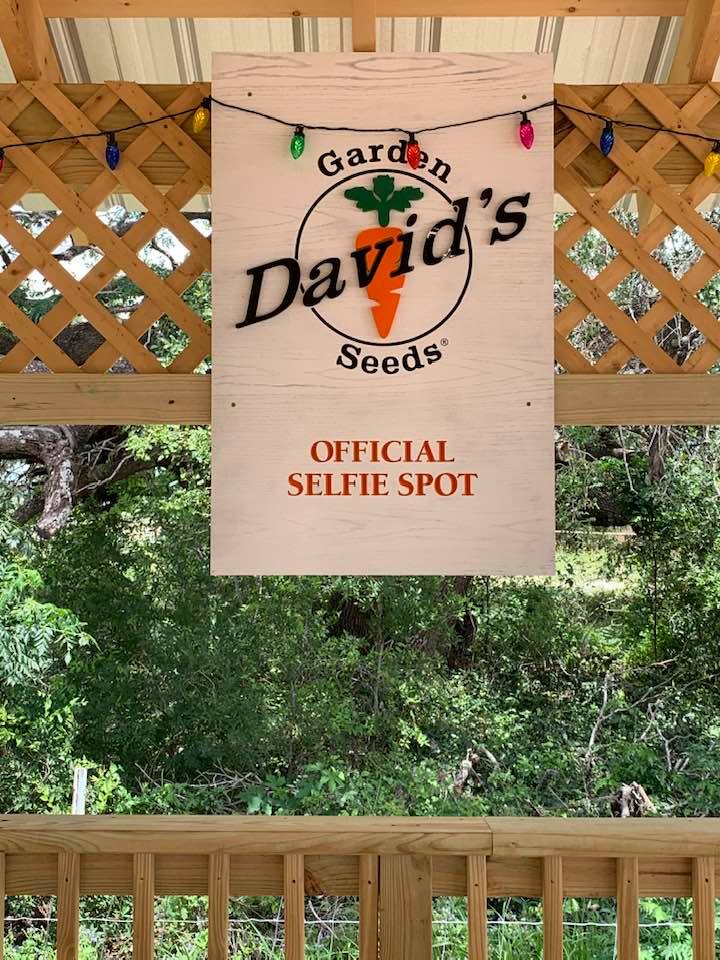 Take a selfie at our official selfie spot!
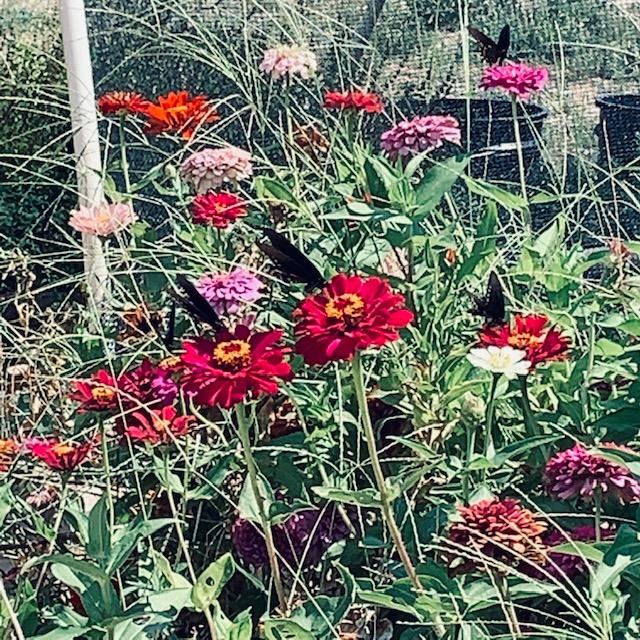 Flowers, bees, and butterflies are everywhere!
Watch Our TV Ads!
David's Garden Seeds® has the best Non-GMO seeds in the state of Texas!


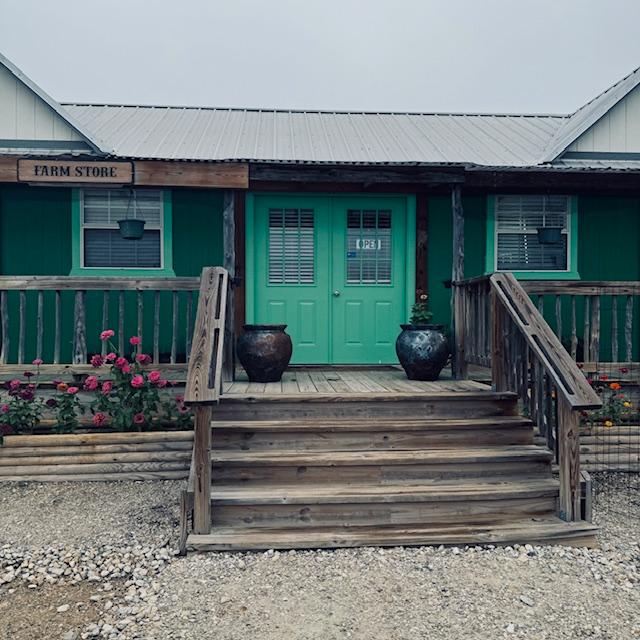 This is our beautiful Farm Store. Come in and shop for seeds. We have over 1600 Non-GMO heirloom varieties to choose from but we are in the process of bringing that number down to half.
Our Story
Hi Everyone! Thank you for visiting my website! I am Mrs Davids
Garden Seeds® aka Mrs. David's Garden Seeds and I think you should know that there is a wonderful seed
company in the great state of Texas called David's Garden Seeds®. We grow some of our seed, we count, hand pack, print our own envelopes, and ship seeds out to you right here from our farm. This used to be an old peanut farm. When the owner died about 15 years ago, his sons split the farm up and sold it in pieces. In 2024, we bought another adjoining four acres.
Our business started in our home in San Antonio in September of 2009. David decided to sell some seeds he had left over from his garden on Amazon. I told David, "Don't bother, it won't work!". I am so glad that David did not listen to me because it did work! By 2015, we had 8 employees working in my home every day and David found a storefront in San Antonio and moved the business there. In 2016, I quit my day job and went on the payroll. The company grew some more and David moved to a bigger storefront in 2017. In 2019, we found a beautiful piece of land over in Atascosa County and turned it into a farm out near Poteet. David and I moved out here to live in August of 2019.
In 2020, we moved our company out to the farm. We have a beautiful Farm Store filled with seeds, a gazebo with a pond full of koi and gold fish for you to visit. Come by and visit us at 5029 FM 2504 in Rossville, just outside of Poteet, Texas, Monday through Friday from 9am to 5pm and Saturday from 10am to 2pm. Or you can order seeds online from our user-friendly website, www.davidsgardenseeds.com.


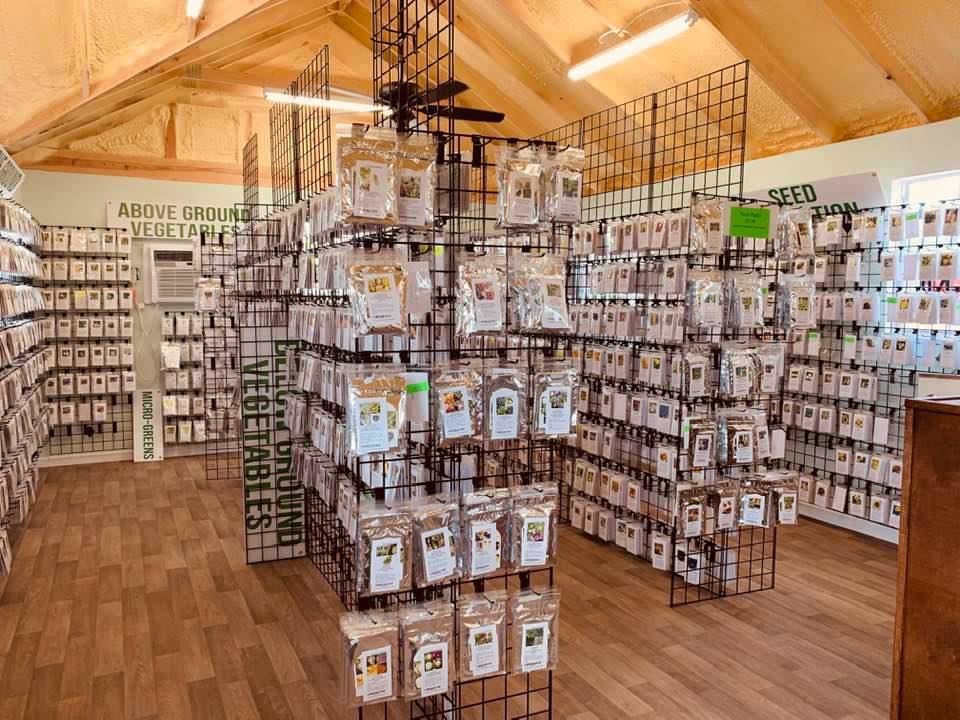 Our beautiful new farm store has almost 2,000 varieties of seeds and more. Mrs Davids Garden Seeds® looks forward to meeting you when you visit.
Mrs. David's Garden Seeds® Copyright by Juanita Lynn Schulze of David's Garden Seeds® 2019-2026
David's Garden Seeds® is Registered in the United States Patent and Trademark Office.