Grow Winter Squash
You should grow winter squash as well as summer squash in the garden. Winter squash should be grown in the spring and summer, not in the fall or winter. Winter squash has a thicker rind so it will store during the winter in a cool, dry place.
You can find the seeds for our winter squash from David's Garden Seeds here.
Grow Winter Squash 1/12-1/18/2026
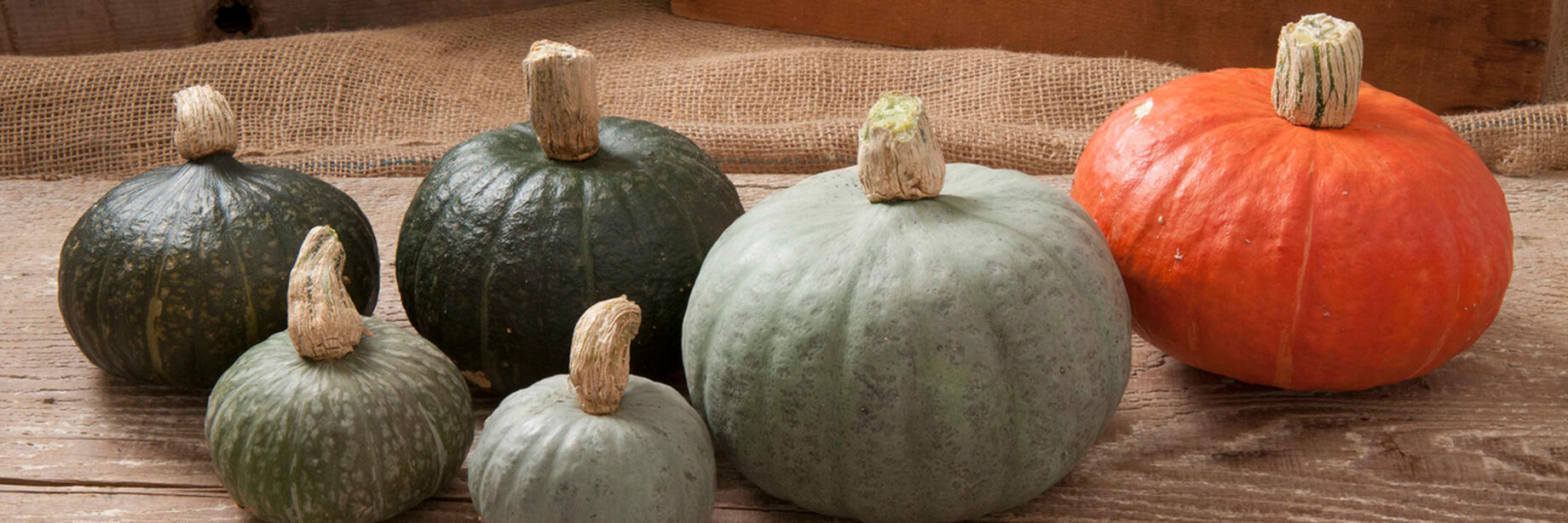 Grow winter squash in a variety of colors and shapes.
If you’ve ever heard “winter squash” and pictured snowflakes and frosty vines, you’re not alone. As I said above, you actually grow winter squash in the warm season, just like summer veggies. The “winter” part is about how it stores and how you eat it later, when the garden is done.
In this guide, I’m going to walk you through how to grow winter squash in your backyard garden during summer—step by step, from seed to storage. I’ll also point out the common problems, because yes, squash can be dramatic.
First, let’s clear up the name. Winter squash is called “winter” squash because it has a hard skin and dense flesh that stores well for months. You harvest it in late summer or fall, then you keep it and eat it in winter.
So, what is winter squash exactly? It’s a group of squash that mature fully on the vine, develop a tough rind, and cure into long-keeping food. Think butternut, acorn, spaghetti squash, kabocha—and yes, pumpkins are winter squash.
Winter squash is not like zucchini. Zucchini is picked young and tender and doesn’t store long. Winter squash takes a long time, often around 120 days, and you wait for it to fully mature before harvest.
Grow Winter Squash - How Much Space?
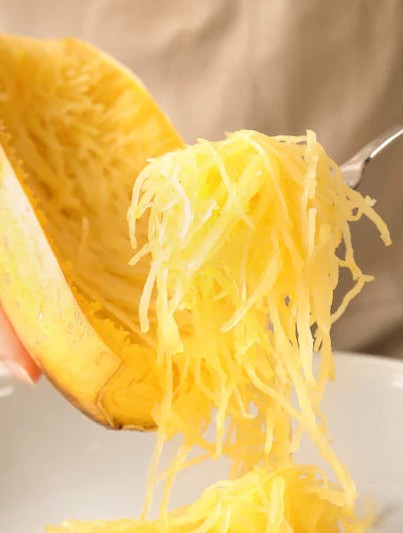 This is spaghetti squash. Yes, there are strands of the vegetable inside. You can cook it & add sauce with cheese for an amazing, healthy version of spaghetti.
Here’s the big precondition: you need space. Winter squash vines can run far, sprawl wide, and swallow a garden bed if you let them. The first time I grew it, I thought, “How big can one plant get?” Then it tried to take over my walkway.
The second precondition is temperature. Winter squash hates the cold. It will not grow well in cool or cold weather, and frost can end the season fast.
That means your timing matters more than you think. You want warm soil, warm days, and a long enough season for those fruits to fully ripen.
When you’re choosing varieties, look at “days to maturity” on the seed packet. If you see something like 95 days, that’s faster. If you see 110–120+ days, you’ll need a long summer or an early start.
Pick your squash based on how you want to use it. Butternut is great for soups and roasting, acorn is easy to bake in halves, spaghetti squash is fun as “noodles,” and pumpkins are perfect if you want carving plus pies.
Grow Winter Squash - Where?
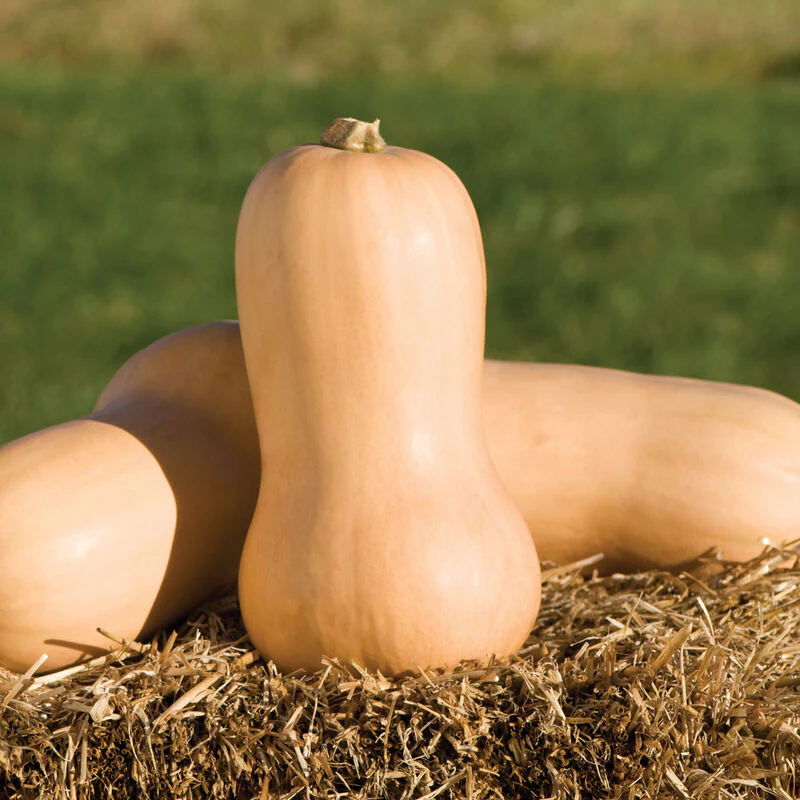 This is Waltham Butternut winter squash. It is very popular among our customers. I pull a lot of this seed pack.
Now let’s talk location. Winter squash wants full sun—more sun means stronger plants and better ripening. Aim for the sunniest part of your yard.
Grow Winter Squash - Soil
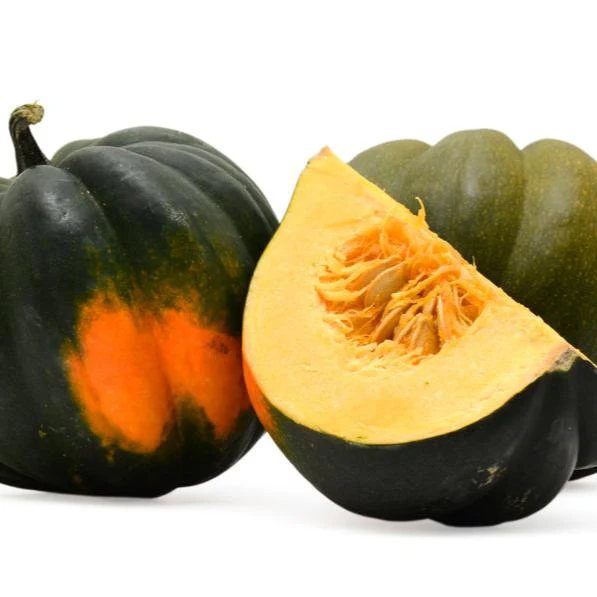 Grow winter squash like Acorn Table Queen squash.
Next is soil. You don’t need fancy soil, but you do need soil that drains well and has plenty of organic matter. Squash likes rich ground because it’s building big leaves, long vines, and heavy fruit.
If your soil is hard or clay-heavy, loosen it and mix in compost. If you garden like I do—always trying to improve “next year’s bed”—winter squash is a great reason to finally add that extra compost.
A classic way to plant winter squash is in mounds or hills. The mound warms up faster, drains better, and gives the plant a strong start.
Plan for spacing up front. Read the seed packet, but as a general rule, give each plant a lot of room. Crowding leads to tangled vines, poor airflow, and more pest and disease stress.
If you’re short on space, you can train some types on a sturdy trellis, but it takes commitment. The fruits can get heavy, and you may need slings to support them.
Grow Winter Squash - Starting Indoors
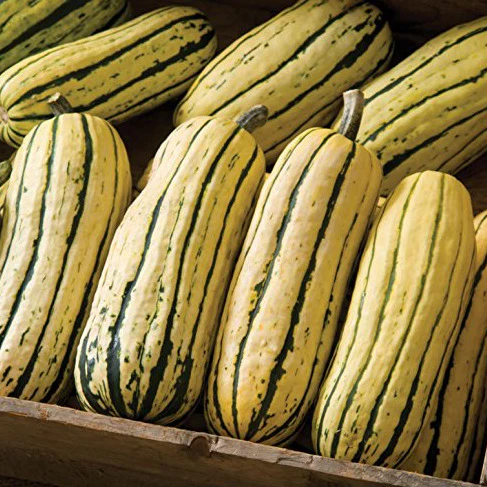 Grow winter squash like Delicata.
Most gardeners start winter squash from seed because it grows quickly once it’s warm. You can direct sow (plant seeds right in the garden) after the danger of frost is past and soil has warmed.
If your summer is short, you can start seeds indoors to gain time. Just don’t start too early, because squash seedlings don’t love being stuck in small pots for long.
When you start indoors, use individual pots so you don’t have to separate roots. Squash roots don’t like being disturbed.
Plant seeds about 1 inch deep. Keep them warm and evenly moist. Once they sprout, give them bright light so they don’t stretch and flop over.
Grow Winter Squash - Hardening Off
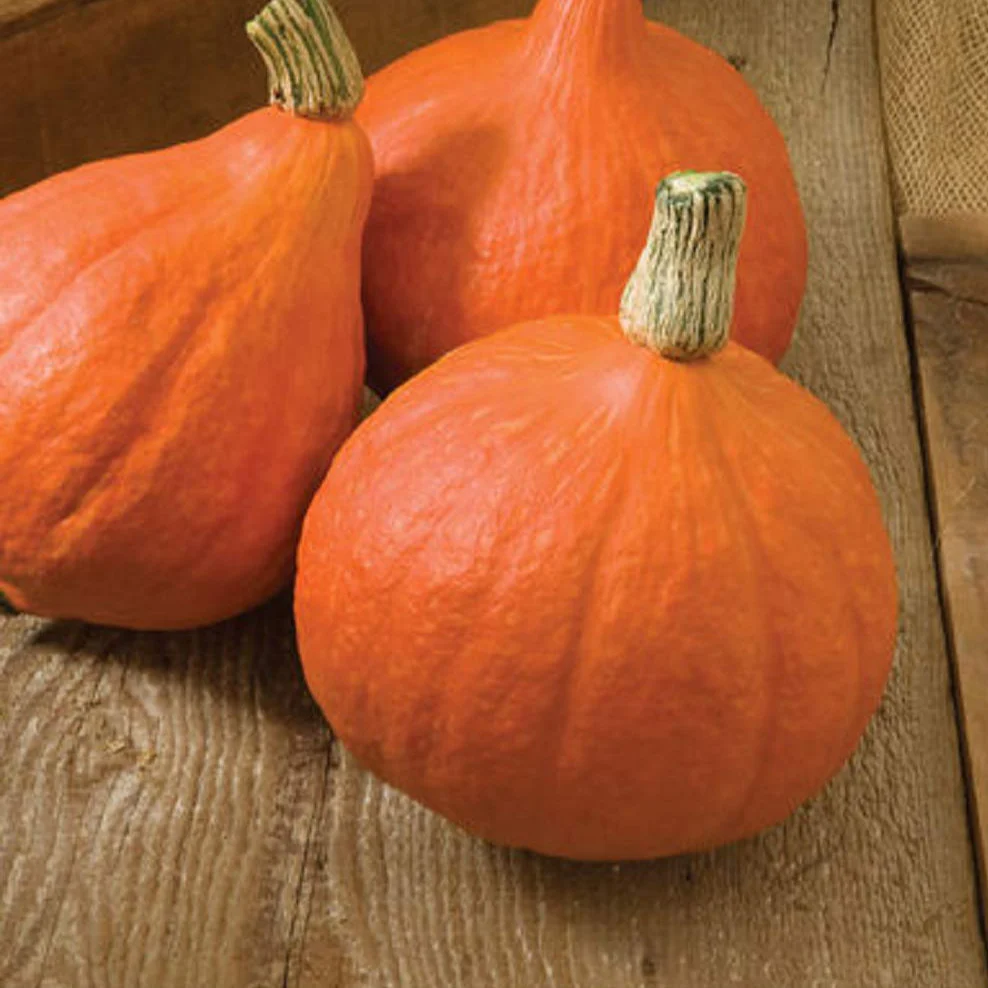 This is Red Kuri Hubbard winter squash.
Before planting outside, harden them off. That means you slowly introduce them to outdoor sun and wind over about a week so they don’t get shocked.
Grow Winter Squash - How To Direct Sow
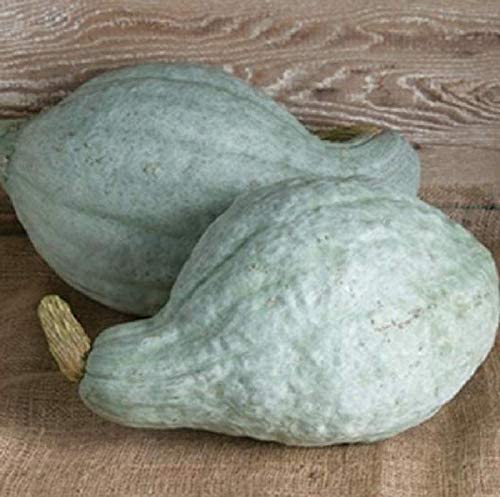 Grow winter squash like Blue Hubbard squash.
For direct sowing outdoors, plant a few seeds per spot and thin to the strongest plant. It feels a little ruthless, but it gives you the best chance for a healthy vine.
Don’t rush planting. Cold soil can stall seeds and stress young plants. If nights are still chilly, wait—winter squash wants steady warmth.
Right after planting, water gently but thoroughly. The goal is moist soil, not soggy soil. Soggy soil can rot seeds before they even sprout.
As vines grow, you’ll notice they take off fast. One week you’ll see a few leaves, and the next week you’ll be stepping over vines like they’re garden ropes.
Grow Winter Squash - Water, Fertilizer, & Mulch
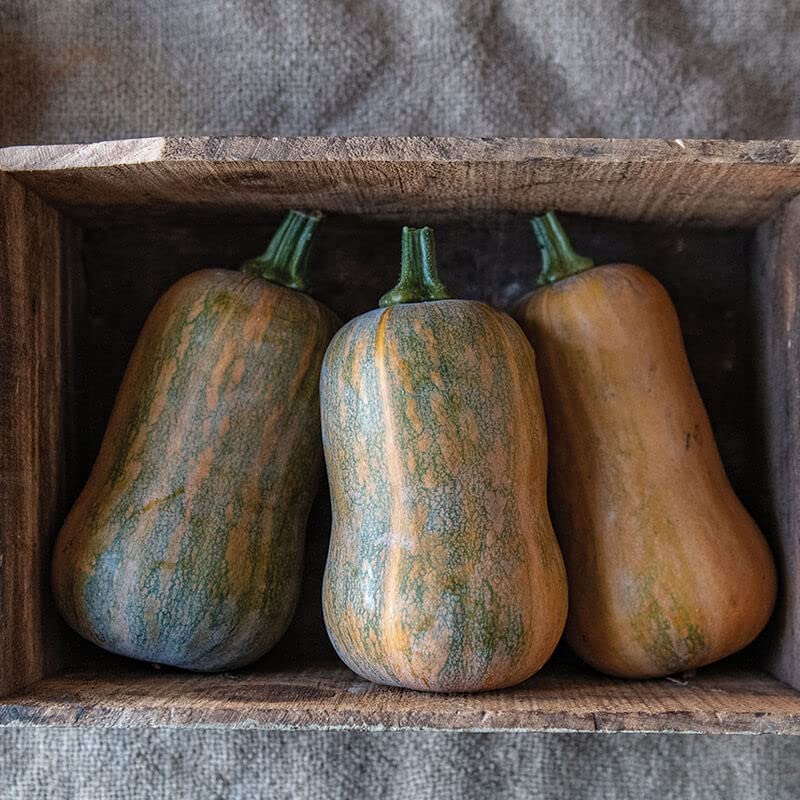 Grow winter squash like Butternut Honeynut.
Water is one of the biggest success factors. As a simple target, many gardeners aim for about 1 inch of water per week, counting rain, and a bit more during hot, dry spells.
Water deeply rather than sprinkling a little every day. Deep watering encourages deeper roots, and it helps the plant handle heat better.
Try to keep water off the leaves when you can, especially later in the season. Wet leaves can invite disease, and squash leaves are basically umbrellas that stay damp longer than you’d think.
Mulch helps a lot. Straw, shredded leaves, or compost can hold moisture in the soil, reduce weeds, and keep the fruit cleaner as it rests on the ground.
Feeding matters, but you don’t need to overdo it. Compost at planting time goes a long way. Too much high-nitrogen fertilizer can make the plant go wild with leaves and vines but set fewer fruits.
Grow Winter Squash - Pollination
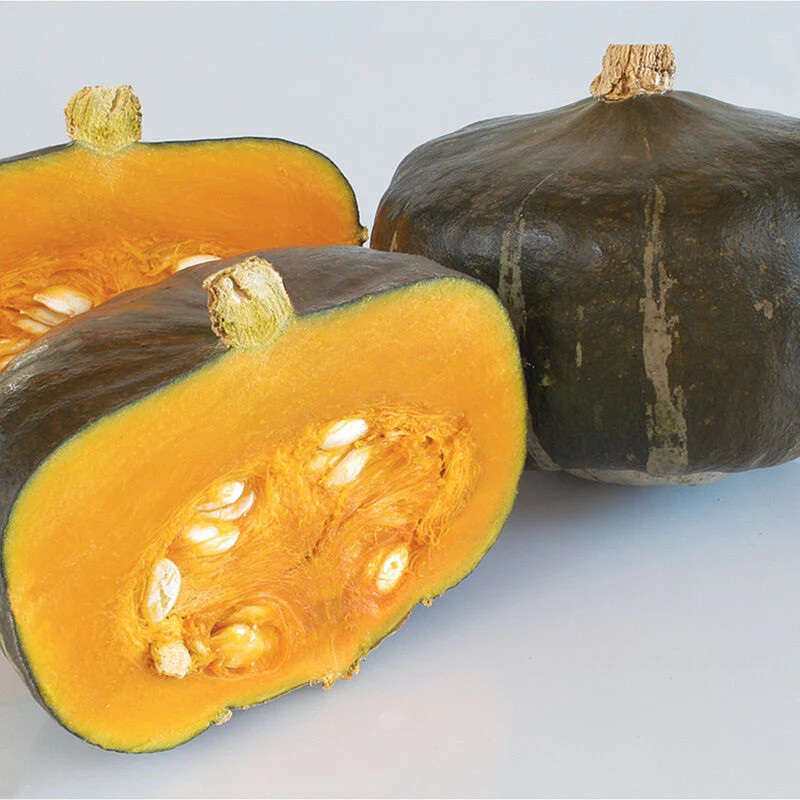 Grow winter squash like Buttercup squash.
As the season moves on, you’ll see big yellow-orange flowers. Squash plants make both male and female flowers, and the female flowers have a tiny baby fruit behind them.
Pollination is a make-or-break moment. Bees usually handle it, but if you see flowers dropping without fruit growing, poor pollination could be the reason.
You can hand-pollinate if needed. I’ve done this on calm mornings when bee activity was low. You move pollen from a male flower to a female flower, and it can save your harvest.
Grow Winter Squash - Problems
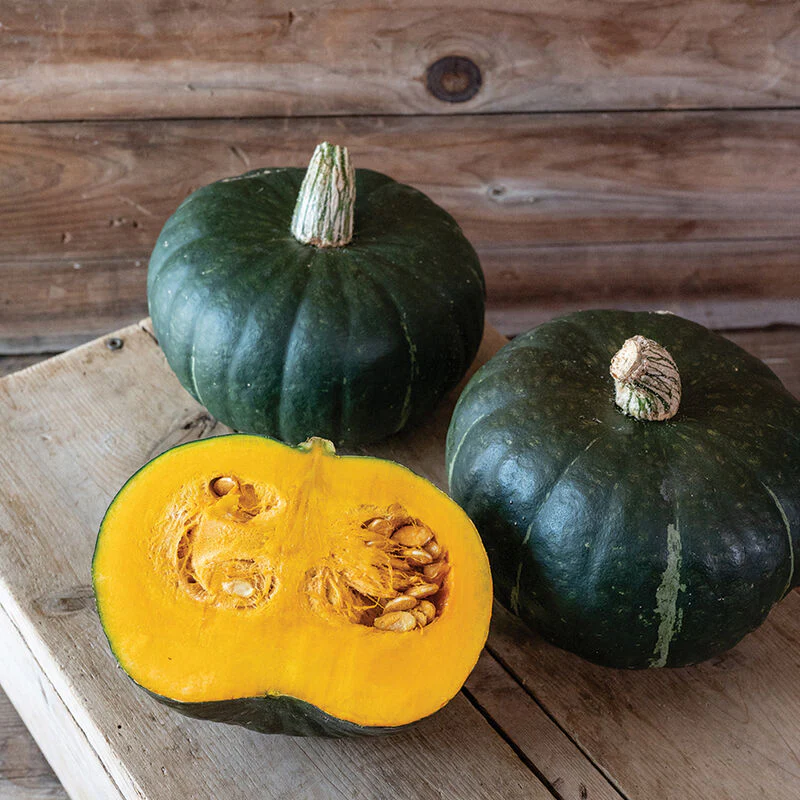 This is the Kabocha Mambo winter squash.
Now, let’s talk about the real-life problems people run into growing winter squash. The big ones are pests, diseases, and space management.
Squash vine borers are one of the worst pests in many areas. You might see a plant suddenly wilt even though it was fine yesterday. That fast collapse is a classic warning sign.
Squash bugs are another common problem. They can cluster under leaves and weaken plants over time. Check under leaves and deal with them early, because they don’t politely go away.
Cucumber beetles can also show up and chew leaves and flowers. Row covers early in the season can help, but you must remove covers once flowering starts so pollinators can reach the blooms.
Powdery mildew is a common disease later in summer. It looks like white dust on the leaves. It often shows up when nights get cooler and airflow is poor.
You can reduce disease by giving plants space, avoiding overhead watering, and removing badly infected leaves. Also, don’t plant squash in the same spot every year if you can rotate beds.
Another issue is fruit rot where the squash touches wet soil. That’s one reason mulch is helpful. Some gardeners even slip a small board or piece of cardboard under each fruit.
Grow Winter Squash - General Care
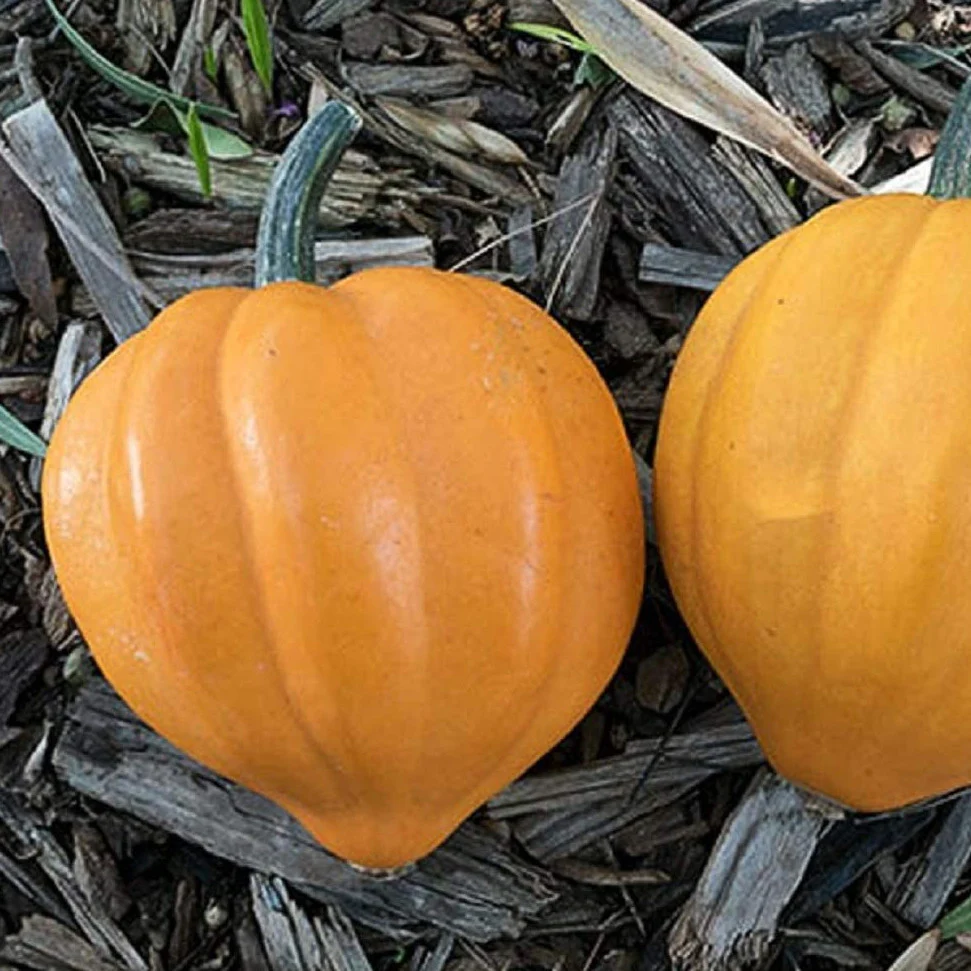 Grow winter squash like Acorn Table Gold squash. Isn't it pretty?
While the vines are growing, guide them where you want them. You can gently redirect a vine so it doesn’t run into your beans or block your path.
You’ll also want to weed early. Once the vines fill in, they shade the ground and weeds slow down, but early weed pressure can set plants back.
As fruits form, it’s normal for the plant to drop some. But if you’re losing lots of baby squash, look at water swings, heat stress, or pollination issues.
Grow Winter Squash - Harvesting
 Grow winter squash like Bonbon.
You’ll know winter squash is getting close when the fruit colors up and the rind starts to harden. Unlike summer squash, you are not aiming for “small and tender.”
Harvest timing is huge for storage. You want mature squash with a hard rind. If you harvest too early, it won’t store well and the flavor can be bland.
A simple test is to press a fingernail into the rind. If it punctures easily, it’s not fully mature. If the rind resists, you’re getting close.
Harvest before a hard frost. Light frost can sometimes be survived, but cold damage can ruin storage quality. Remember: winter squash does not grow in cold weather, and it also doesn’t like cold at the finish line.
When you harvest, use pruners or a knife and leave a few inches of stem attached. Don’t carry squash by the stem like a handle—stems can snap and create a rot entry point.
Handle fruits gently. Bruises and nicks can turn into soft spots later in storage. I like to set them down like I’m placing eggs, not tossing basketballs.
Grow Winter Squash - Curing
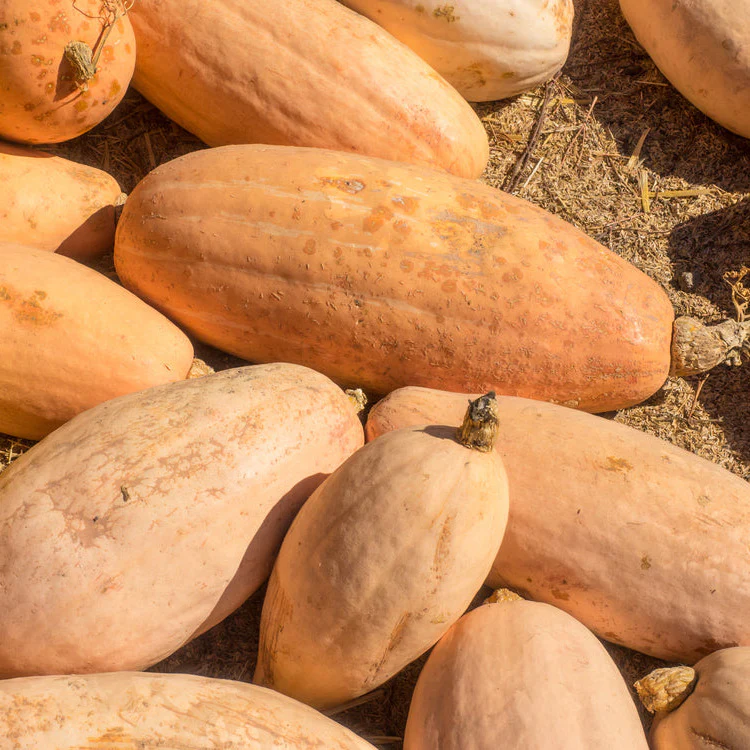 Grow winter squash like this Pink Banana Jumbo-it is huge and it tastes good! I have grown it.
After harvest comes curing, which is a fancy word for “let the skin toughen and small wounds heal.” Curing improves storage life for many winter squash types.
Cure in a warm, dry, well-ventilated place out of direct rain. Once cured, move squash to a cool, dry storage area.
Grow Winter Squash - How To Store It & Cook It
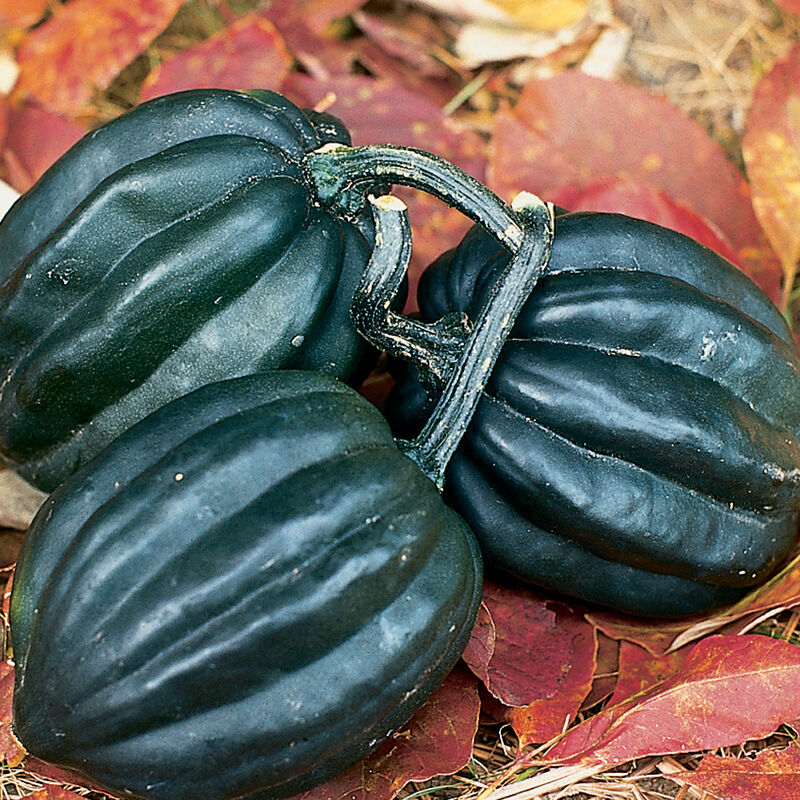 This is Tuffy Acorn winter squash.
This is the part people love: it stores well, so you don’t have to refrigerate it or use it right away. Many winter squash keep for weeks to months in a cool storage space, as long as they’re dry and unbruised.
During storage, check them now and then. If one starts to soften or show a bad spot, use that one first so it doesn’t spoil the rest.
Now let’s get to the fun part: cooking winter squash. The easiest method is roasting—cut it (carefully), scoop seeds, oil it lightly, and roast until tender. You can slice it thin and air fry it, too!
You can also cook it by steaming, baking whole (with a few vent holes), or turning it into soup. Cooked squash freezes well too, so if you get a mountain of it, you’ve got options.
Once you’ve done it once, you’ll see why gardeners keep coming back to it: you plant in summer, you harvest in fall, and you eat cozy meals deep into winter. That’s the real secret behind how to grow winter squash—give it warmth, time (often close to 120 days), room to sprawl, and steady care, and it will pay you back for months.
Monday, January 12, 2026
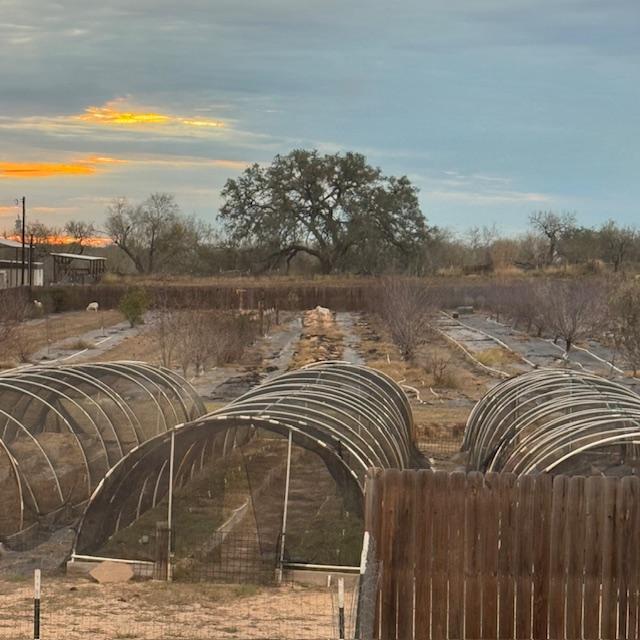 Sunrise this morning. You can see some of the visiting sheep in the corner.
Good morning. It is 47° this morning as I put this week's page up. The sun is just now cracking through the clouds as it makes its daily appearance.
Today promises to be a busy day. It stayed quite chilly all day long. I had the heaters on in my building but I about froze and kept a jacket on all day.
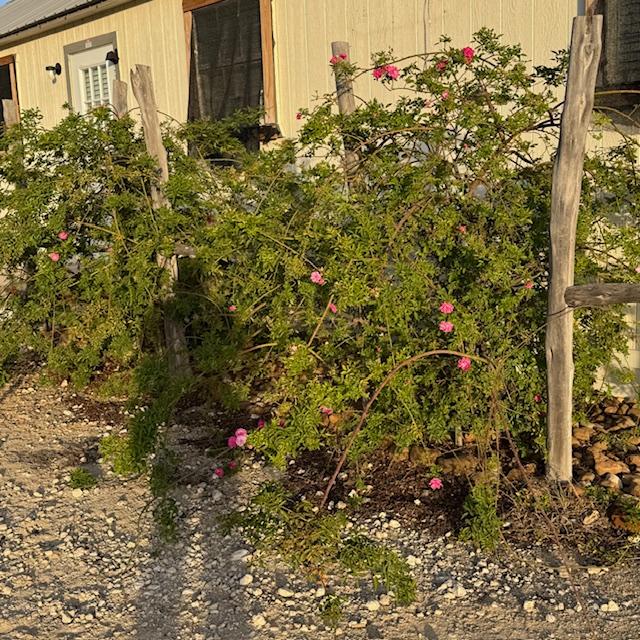 Our thornless roses have bloomed in January. They are so pretty!
I packed and shipped orders until about 4pm. I packed up a lot of onion starts and got them sent off. We had two helpers today. One packed seeds while the other one counted them. Matt was busy making envelopes, hundreds and hundreds of them. One customer came to shop. At 4pm, I pulled more orders. I stopped working at 5:30pm because David wanted me to make enchiladas.
I put some pretty good beef and mushroom enchiladas together and served them with rice and sliced avocados.
I've been watching the Adam The Woo tribute videos and posts pour in from fans as well as his close friends. Today, I watched his best friend, Justin Scarred's newest video. The guy is still completely broken after three weeks. Loss is hard. Pain is hard. Then I watched several other friends who are also still crying. Adam had a lot of friends because he was a good friend. That came across in so many of his videos.
Of course, that got me thinking, going back years up to the present. I guess some people are cut out to be good friends that people want while others just don't carry the magic.
I have tried to be a good friend to many people through the years but it never seems to be reciprocated or appreciated. I wonder what it is that I am not doing right...
I hope Adam knew how loved he was by his family and friends, not to mention his fans.
Tuesday, January 13, 2026
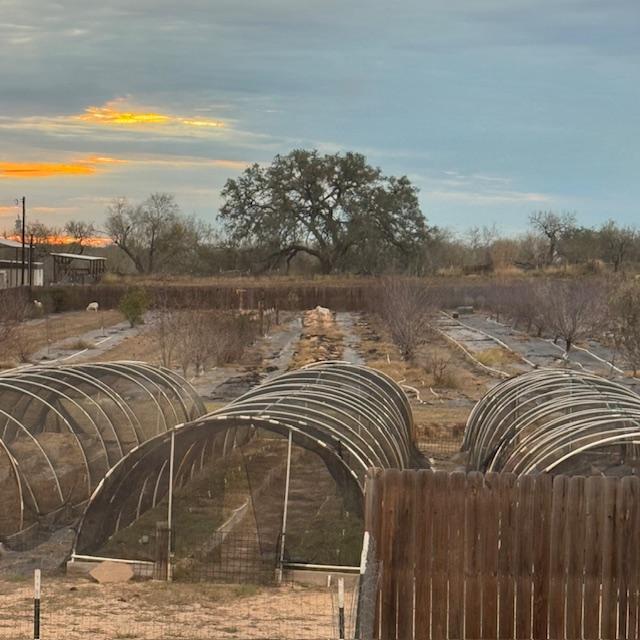 The sun is coming up. It even rained for a bit in the night because everything is wet this morning.
Good morning. I woke up late this morning which is very unusual. Maybe because at 3am, I had a bout of neuropathy pain that kept me awake for a while.
It is so cold in the house and 45° outside. We jacked the heater up. The visiting sheep are wandering around out back having fun in the cold air.
I am watching a video of JWW On The Move (Adam The Woo's dad) with Justin Scarred together. They are going over Adam's latest camera. I had no idea. It is a pocket camera for vlogging, exactly what I need.
It is finally time for me to make breakfast. I had to take my thyroid pill and wait 30 minutes as I did not wake up early to take it as I normally do.
The orders just keep pouring in for spring so it will be another very busy day.
Well, it was, indeed, a busy day. Many more orders came through including another $400 plus order this afternoon. We had one in-person customer today.
Pamela and Sue Ellen went to the vet for their yearly shots and exam today and that cost me a small fortune. David took them. Trump threw a fit so I had to go to the house and sit with him for a while. He wants to be wherever the girls are. I gave him some treats and pampered him.
Later, after the girls came home, I let them all out to do their business in the backyard. When I let them back in, Trump was limping, holding up a front paw. He had a sticker in between the pads on the bottom of his foot. I couldn't get it out. I had to get tweezers and after a few tries, I finally got it out. Trump is feeling much better now...poor baby.
After work, I checked on my seeds and watered them. No sprouts. The heater comes on each night so I am hoping something grows.
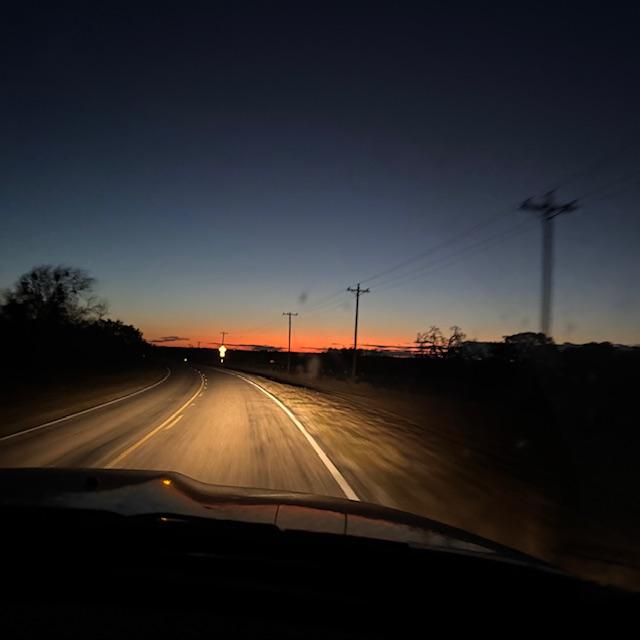 We left the farm as the sun was going down for a meeting in another town.
I finally get it. I am done. It's currently 49° at 10:15pm and I am headed to bed. Good night.
Wednesday, January 14, 2026
Good morning. It is 40° and cold again. We had another decent day of orders yesterday. Thank you to all of our loyal customers as well as our brand new ones.
Onion, Leek, & Shallot Starts
We have a lot of onion, shallot, and leek starts to sell. So I will show them to you on here. They start at $11.96 a bunch and go up to $15.96 per bunch. Each bunch is approximately 48 bulbs that are ready to plant. Here is the link to check them out on the David's Garden Seeds® website.
Red Creole Onion Starts
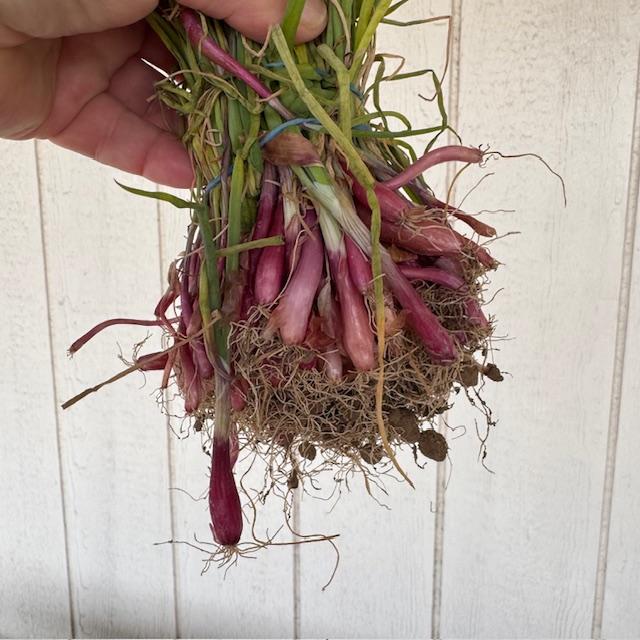 This is the Red Creole Onion starter bunch.
Red Creole onion plants are the best short day storage onions! This onion has a spicy, Cajun type flavor and can be added to any dish for a bolder experience. Red Creole onions are small to medium in size with pungent red-purple flesh and tolerant to disease with very little bolt resistance, so planting these onions plants a bit later will decrease the number of bulbs that bolt.. Well adapted to all short day growing areas. At maturity, you will find yourself with a dark-red, globe-shaped, pungent onion about 3 to 4 inches in diameter. Once planted by transplant, they take about 110 days until harvest and then can be stored for approximately 6 to 7 months.
Texas 1015Y Onion Starts
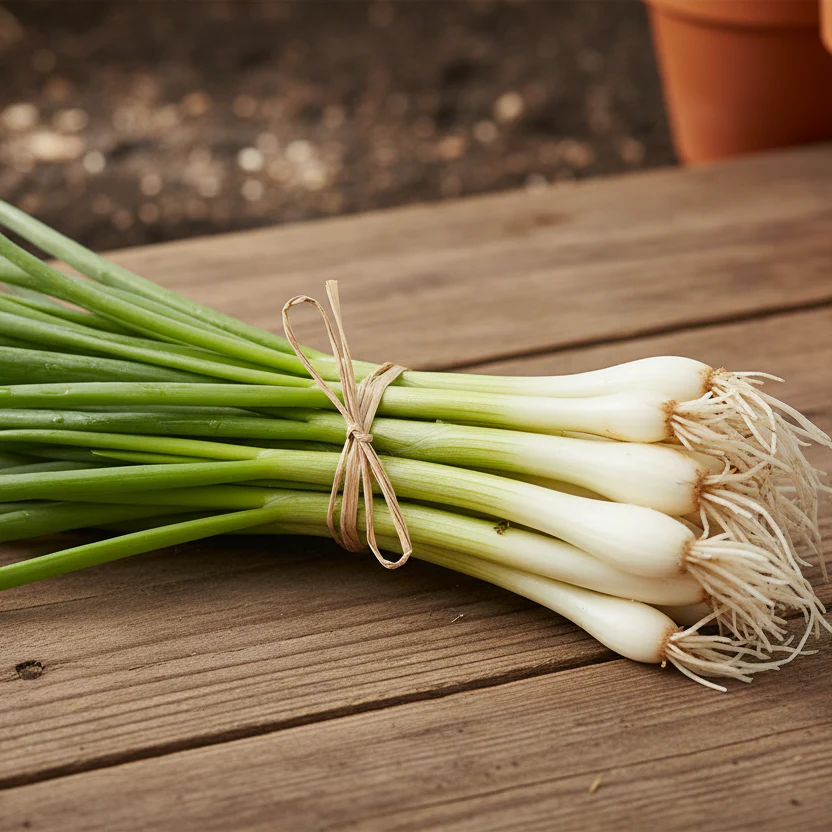 This is the Texas 1015Y onion starter bundle.
1015Y Texas Super Sweet Onions are Texas’s most famous onions and are also some of the sweetest! It’s called the 1015Y in honor of the ideal date to plant the seed (Oct 15th), and Y stands for yellow. Whether you are a novice or beginner, the Texas Super Sweet Onions are the perfect onion to add to your garden. They have an off-white flesh and are very sweet and flavorful, excellent for salads, slices, grilling, and cooking. 1015Y Texas Super Sweet Onions are known for their great flavor and large size, disease resistance, and very little pyruvate (which is that substance in onions that makes you cry like a baby when you are cutting them up). Under the correct growing conditions you should produce good yields of 6 inch, sweet, yellow onions. Some gardeners, in the south, have been able to get 16 ounces bulbs.
Texas Early White Onion Starts
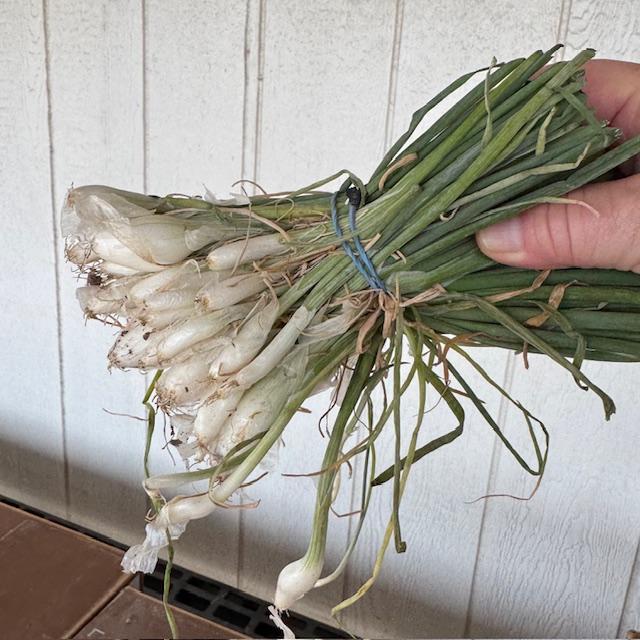 Texas Early White onion starts
If you want a white onion that has a great reputation for ease of growing, flavor, and disease resistance, you should check out the Texas Early White onion plants. These sweet, globe shaped, open-pollinated Texas Early White onions are resistant to greening, bolting, and single centers. It also has a great pink-root tolerance. With correct growing conditions, you should find yourself with a good yield of 5 to 6 inch bulbs at maturity. Harvest n about 105 days from transplants, Texas Early White onion plants can be grown in intermediate day areas for an early white since it is a “late” short day onion.
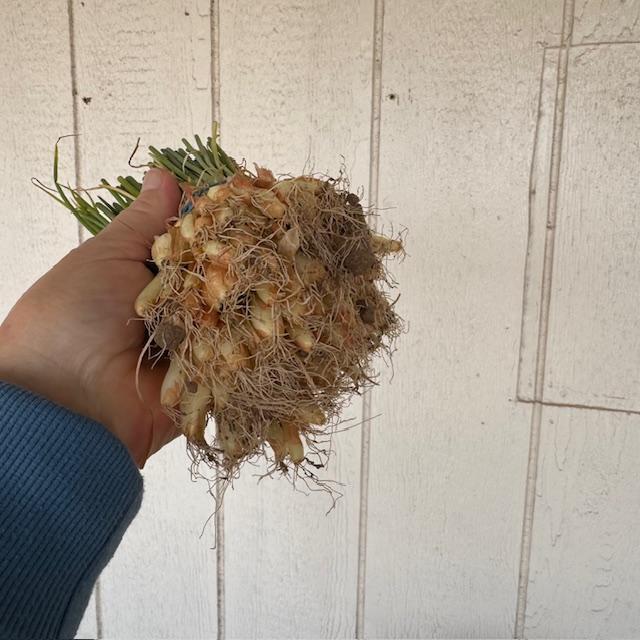 Yellow Granex onion starts
The Yellow Granex variety was developed in South Texas, by basically crossing the 1015Y and the Bermuda to make a deep, flat onion. You may not grow them as sweet as the famous Vidalia, Georgia onions, but they will be the sweetest variety in your garden! This 5 inch onion variety was approved through vigorous testing to be allowed to be called a Vidalia onion. Each variety has to be submitted every two years and approved by their committee. Only approved Yellow Granex strains are permitted in the 17 county region in Georgia. This is also the variety grown in Maui, Hawaii and around Tyler, Texas, where it is called the “Noonday Onion.” It stores fairly well for this type of onion at approximately 1 to 2 months. Goes great in salads or salad dressings.
Candy Onion Starts
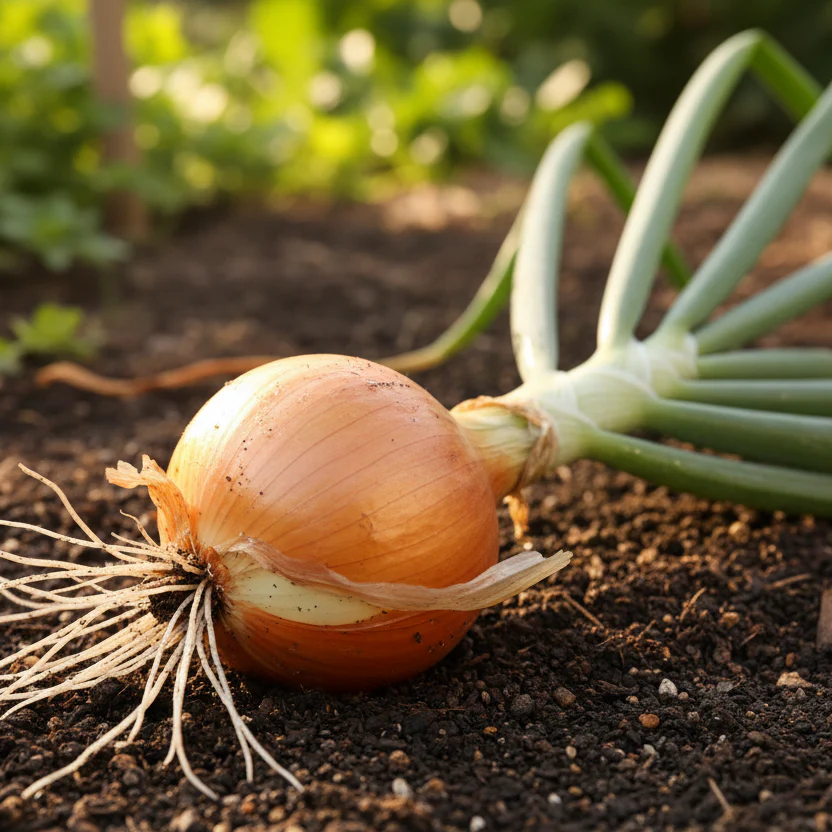 Candy onion starts grow sweet, large, yellow onions.
This onion is great for anyone that has never had much success growing onions. Candy onion plants are so easy to grow due to their strong root system and disease resistance. Unless you live in the southern most portions of the short day area or the northern most portions of the long day area, Candy will produce beyond your expectations. Long day areas should plant Candy onion plants as early as possible so it can reach full size potential. Authorized to be used in the Pennsylvania Sweet program.
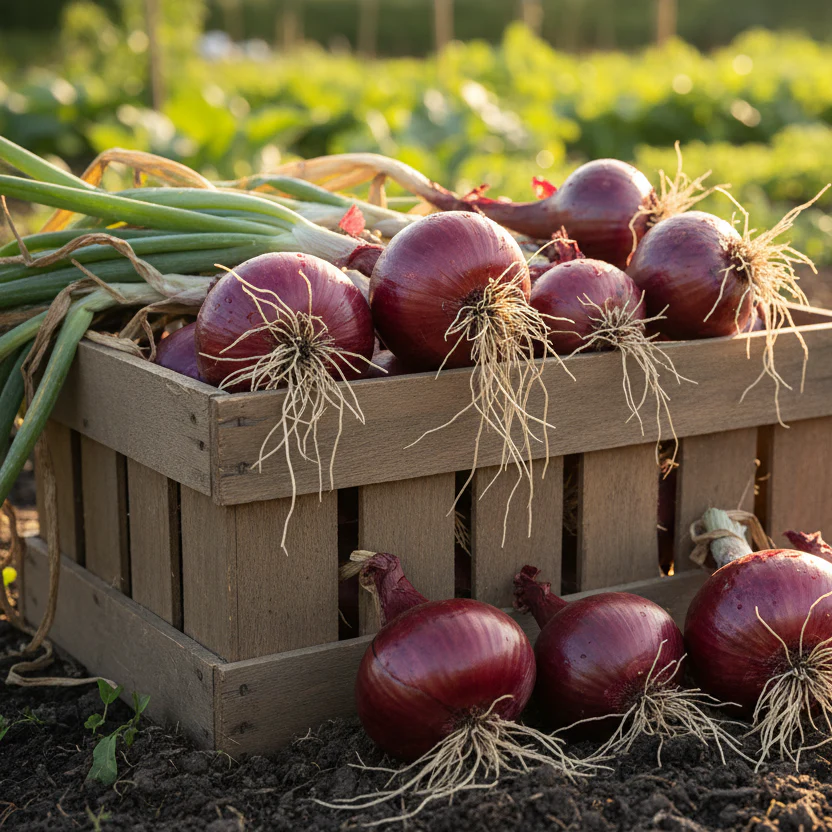 The Candy Apple Red onion is a new one for us. We do not sell the seeds for this onion.
Red Candy Apple has proved to be a reliable red intermediate day onion year after year. Although slightly smaller in size, Red Candy onions can be pushed to grow larger in long days areas with additional nitrogen. Allow to grow to full maturity as Red Candy Apple finishes strong. When planted in short and intermediate day areas, it produces larger bulbs. Makes a great red bulb to be sold early at the farmers’ market in all areas. What it lacks in size, it will make up in appearance and flavor. Contains a higher concentration of quecetins, an antioxidant compound that helps delay or slow damage to the cells and tissue of the body.
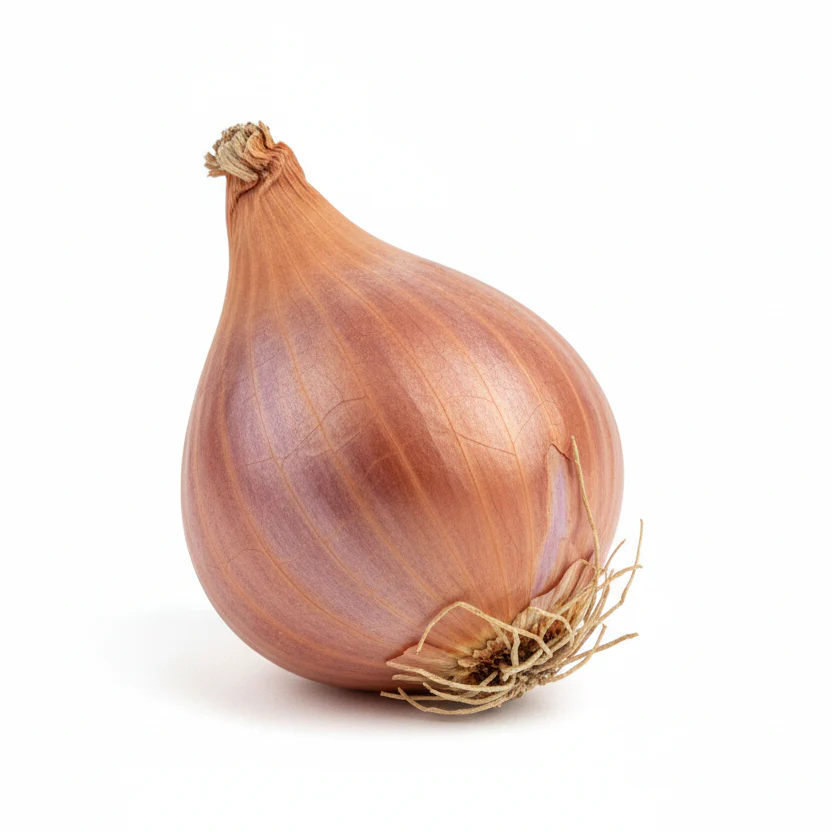 A bunch of rust colored shallot starts will look like this when they are grown.
Shallots have great storage potential! A traditional shaped shallot with slightly higher shoulders like French Shallots. Red rust colored skin and light pink flesh with bulbs measuring up to 3″. Add shallots to any dish for great flavor! Each bunch of shallots contains a minimum of four dozen plants. Traditional shallot plants are a true long day variety and can be planted in intermediate day areas if planted early; we just caution that they may not reach full size potential outside of long day areas. Plant 1 to 2 inches deep. Fertilize with Medina Agriculture Organic Fertilizer.
Lancelot Leek Starts
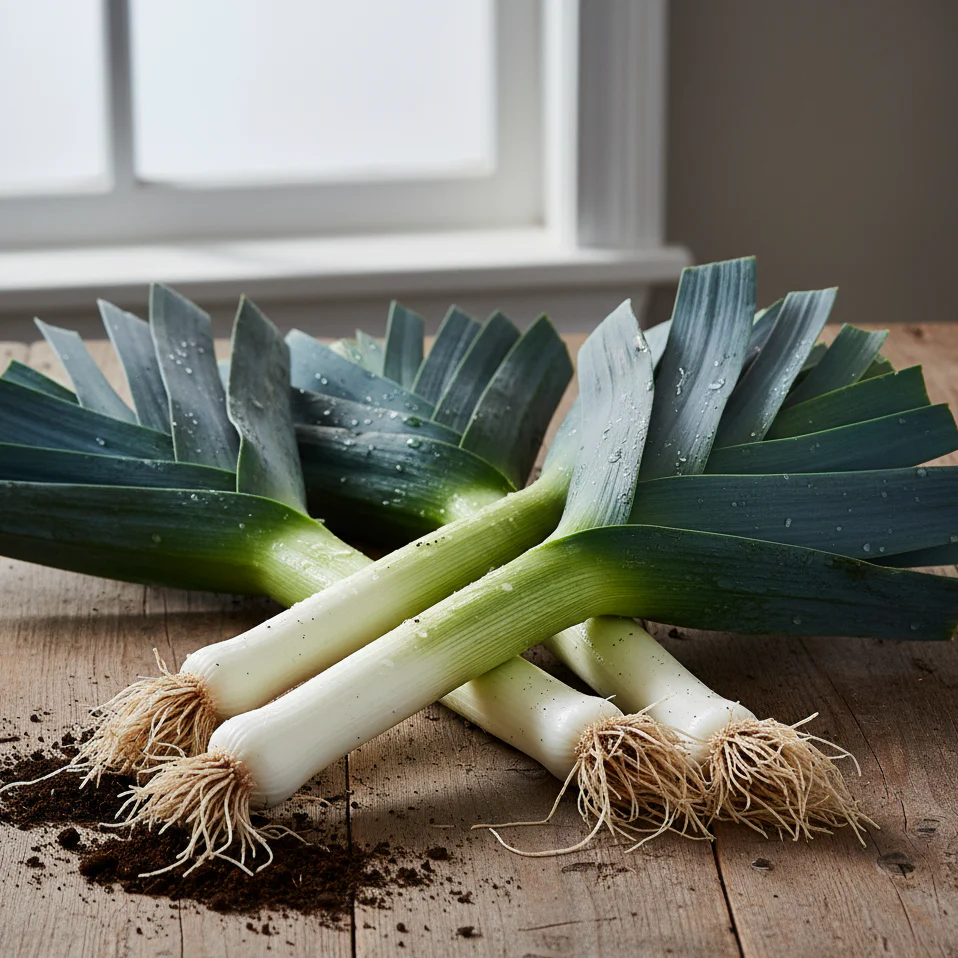 Here is what the Lancelot Leek will look like fully grown.
Lancelot Leeks are great for soups, salads, and roasting. Each full bunch of leek plants contains a minimum of four dozen plants. Leeks are not day length sensitive. As long as you keep blanching them (throwing dirt up on the shaft), they will continue to grow. These long 12-14inch shafts are ideal for appearance and flavor. Plant 4-5 inches deep. Fertilize with Medina Agriculture Organic Fertilizer.
If you are anywhere near San Antonio, you can come by our physical store and pick up your spring seeds as well as onion starts.
Well, one couple did just that today. They came by and got two Texas 1015Y onion starts.
Today, we ran out of the Texas Early White and the Red Creole today. We have just a couple of the Yellow Granex left. We still have plenty of the Candy and Candy Apple Red starts as well as the Texas 1015Y, the leek starts, and the shallot starts.
I packed three mailbags full of onion starts and seed orders. We had two helpers today. Matt had to leave at 2pm for an appointment and did not get back until about 6:15pm. He did not stay for long after he got back. He was nice enough to pick up dinner for us in San Antonio plus he took care of the animals this evening before he left.
Tomorrow both helpers are off which stinks but they have things to do...Must be nice. I have things to do, too. Tough! Anyway, I worked until just after 6pm and then came in the house to feed the dogs.
I made a silly video of me opening the store this morning but I needed to do a bit of editing and did not know how. It took a few hours just to upload the video to YouTube. Tonight, I finally figured out how to edit some of it by fighting with it. What a job.
Hopefully, I will figure out enough to get good so that I can supplement the income with some YouTube money. Also, I think that really makes the business grow. We have been in business for a long time but have not done much with YouTube at all so we don't have that many followers. I will see what I can do to fix that. It has been another exhausting day so I will sign off for now.
Thursday, January 15, 2026
January thornless roses by our parking lot. That is my shadow-lol!Good morning. Hard to believe it is already Thursday. The days just fly by. I just printed out the new orders but I am still working on the older orders.
It is cold out at 40° Fahrenheit. About 30 minutes after I typed the last line, it dropped to 37°. I made scrambled eggs for breakfast and got ready for the day. I have been pulling orders.
I have been doing a lot of thinking about life lately. It is way too short for me to worry about who does or does not want to be friends with me. From now on, if you want to be friends, cool. If you don't, whatever.
The worst part about moving is that you have to try to make new friends. I will say that I have tried for more than six years to make some out here in the country. It hasn't worked out the way I had hoped.
In the city, there is always someone to be friends with whether it is people at work, at church, or in your neighborhood. Out here, and maybe because now we are older, everyone already has friends and they don't seem to want to be bothered with making new ones. That is okay. From now on, I will just go about my business and see the old friends in the city from time to time.
Enough pondering. It is time to getting back to filling your orders. Good talk!
My stomach has been hurting for most of the day. I got a lot of orders filled despite the pain.
Now I am making dinner. David bought some sort of meat and vegetable pinwheels from the meat market and I really don't know how to cook them but I am trying. I am also air frying carrots and mushrooms. He texted me wanting some nasty boxed scalloped potatoes so I had to put those in the oven. Thing is, I know how to make real scalloped potatoes and they come out really tasty but for some reason, he likes the fake ones better. Yuck.
Friday, January 16, 2026
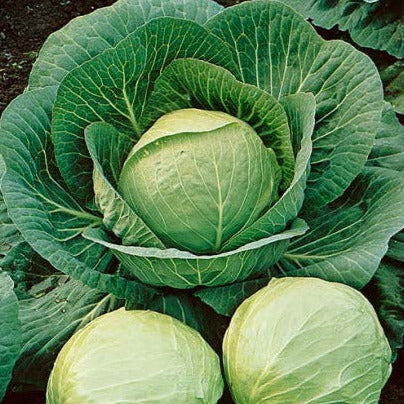 I will never eat cabbage again.
On Wednesday evening, Matt brought home some chicken fingers with cole slaw. I ate the cole slaw and my stomach hurt. It hurt all day yesterday and it still hurts this morning. The time before this, I ate cabbage, got very ill, throwing up and other things including my stomach hurting for days. It never used to bother me but I am fairly convinced it is the cabbage causing my pain.
I had ginger tea and saltines for breakfast today. I feel okay enough that I am at my desk because I have to be but definitely not 100%. I want to curl up on the couch and sleep right now. I will never eat cabbage again. I googled it and lots of people have cabbage problems.
Here is what AI tells me when I googled it:
Cabbage can make your stomach hurt due to its high content of fiber, raffinose (a complex sugar), and sulfur which are difficult to digest and ferment in the gut, leading to gas, bloating, cramping, and discomfort, especially for those with sensitive stomachs or conditions like IBS, though cooking it can help.
Again, the second to last time I ate cabbage, it was cooked by me and I was in pain for three days.
I made ramen noodles for myself for lunch because I have no chicken noodle soup left in the pantry. Last time we were at Walmart, I told David we needed some. He said no, that there was plenty in the pantry. I was right. I got to feeling a lot better and then I didn't. I fell asleep on the couch. A couple came in to the store. David called me so I had to go wait on them. They wouldn't let me help them so it took forever.
Despite feeling sort of bad, I did get a lot of orders closed. At 5pm, I went to the store and started pulling orders for tomorrow. Monday is a holiday so I need to get out as much as possible tomorrow. I am so tired but I need to get back to pulling orders.
I hear Sunday morning that it will be in the 20s. I am not happy about that, especially as it is me that will get to go out early and feed the animals. Back to the orders...
Saturday, January 17, 2026
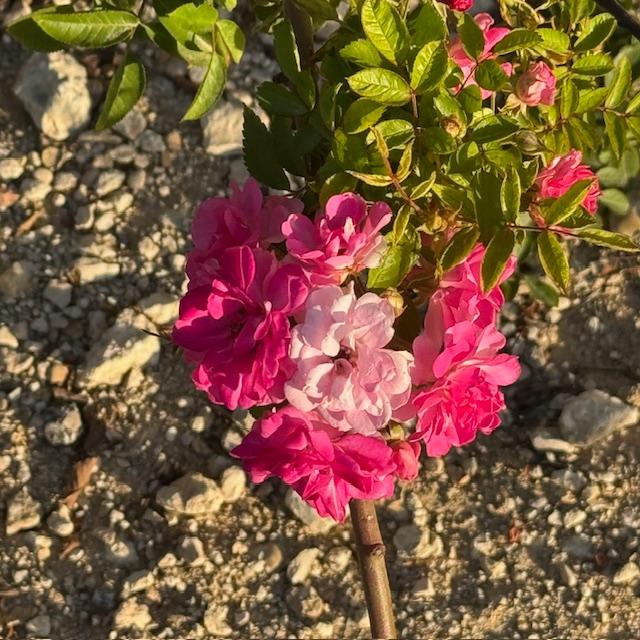 Look at this thornless rose cluster. I imagine by tomorrow morning, it will be dead, along with all of the peach tree blooms in my orchard because of the 80 degree weather we were having.
Good morning. It is currently 44° at 7am and a freeze warning for tomorrow morning has just been issued. The low is supposed to be 27° tomorrow morning at 6am.
My stomach is still bothering me some which I just cannot believe. I pulled a lot of orders last night before I came in so I need to get as many of them mailed out this morning as possible since there will be no mail for the next two days. Hopefully, the mailman will get here before 2pm to pick it all up. Some Saturdays he makes it and others he does not. By the time the gate closes at 2pm, it is too late to take the mail to the post office because it closes at 10am on Saturdays. Go figure.
It was windy and cold all day long so there were no customers, just a Walmart delivery man who delivered one long thin envelope and the mailman at 1:50pm.
I worked until 2:30pm packing orders and then I went to the house for some dusting, vacuuming, and laundry. Fun, huh? Oh yeah!
The mailman made it in to pick up two sacks of mail with ten minutes to spare. I was able to fit almost all of the starts we have left in the refrigerator with the exception of a few leek bundles. It will be way below freezing tonight so they needed to come in from outside.
At 4:10pm, I went out to get eggs, and put chickens and goats away. The sheep bothered me and went into the feed shed, demanding food. I wish they would just go home. Someone in the goat pen has been fighting. Two dishes were stood in and the plastic holes were broken through so I had to put up new food dishes. Then Markie decided to make a run for it while I was taking care of their water. I was in the doorway and had just dumped their water when he leaped over the water trough only to hit the front wall of the shelter, thinking it was the doorway. Poor little guy.
Matt had a bad headache from working outside this morning so he did not come back for dinner and a movie tonight. Svengoolie's team showed the dumbest movie that we did not like at all- Flight 7500 where they are all dead but we don't know until the end. It was ridiculous and it was made in Japan in 2014 but used Americans. It was so bad that Sven was not even there.
Sunday, January 18, 2026
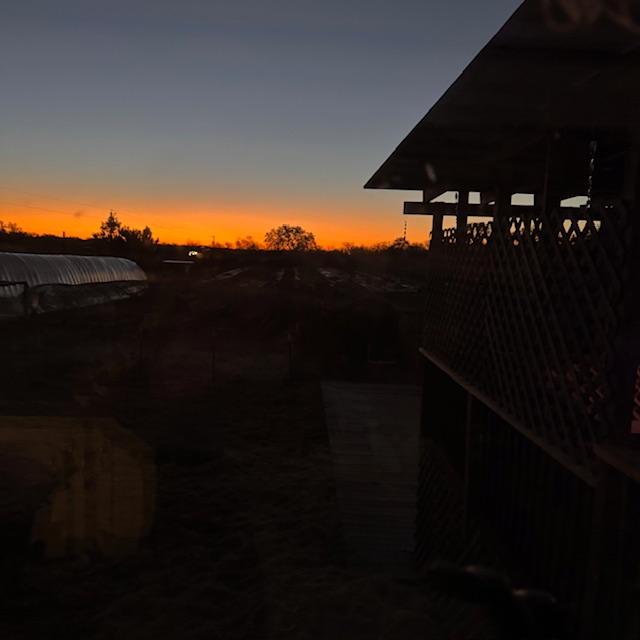 The sun rises over a frozen sandy tundra.
According to Alexa, it is 20° here. That is insane. I have no idea when it will become a decent temperature so I can go out and quickly feed the animals.
I went out when it was 22° and took care of everybody. Then I came in and got ready for church. After church, we took a family out to eat and visit. It warmed up to 53° and now it is getting cold again and will get down to at least 31° by morning.
Return from Grow Summer Squash to Year 7 Of Farm Life
Anything To Share On This Topic?
Would you like to share additional information about this topic with all of us?
Since 2009, over 2,000,000 home gardeners, all across the USA, have relied on David's Garden Seeds® to grow beautiful, productive gardens. Trust is at the heart of it. Our customers know David's Garden Seeds® stocks only the highest quality seeds available. Our mission is to become your lifetime supplier of quality seeds. It isn't just to serve you once; we want to earn your trust as the primary supplier of all of your garden seeds.
Watch Our 2022 TV Commercial!
Sing Along To Our Jingle
♪♫♪♪ ♫ ♪ ♫♪♫♫
♪♫♪♪♫♫
Peppers and peas
And lots of yummy greens
You can't go wrong
With Squash This Long
At David's Garden Seeds
♪ ♫ ♪ ♫
Our New 2024 TV Ad
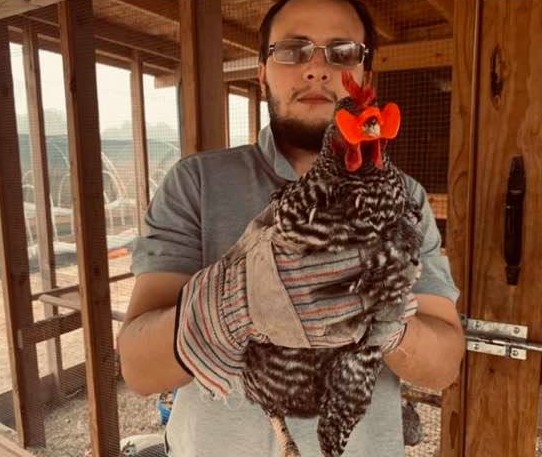
Please like and subscribe on YouTube and come visit us at our Farm Store! The music on our TV ad was written, played, and sung by our son, Matthew Schulze. You can meet him when you come to the farm. He just might give you a tour. Ask him to grab a guitar and sing our jingle that he wrote.
Our 2022 TV Ad

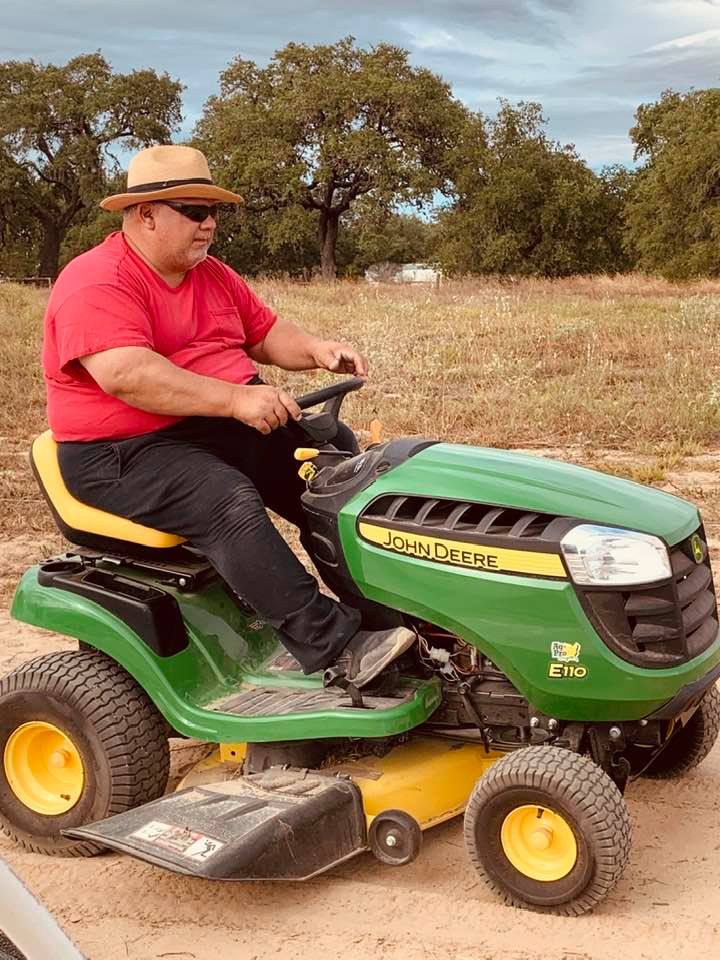 David of David's Garden Seeds® zipping along on his little tractor across the farm. He is having a blast!
We are David's Garden Seeds®. If you need great seeds, we've got over 1,400 varieties to choose from.
Subscribe To Mrs. David's Garden Seeds® Newsletter For FREE!


Find out what is going on down on the farm by reading our blog and by subscribing to our free newsletter for all of the information going down at David's Garden Seeds® and on the farm. I love to share helpful information with you. Please let your friends know and y'all come on down for a visit when you get the chance. We would love to meet you!
New Store Hours!
 Farm Store Hours: Th-Fri 10am-5pm, Sat 10am-2pm. Closed Sun-Wed.
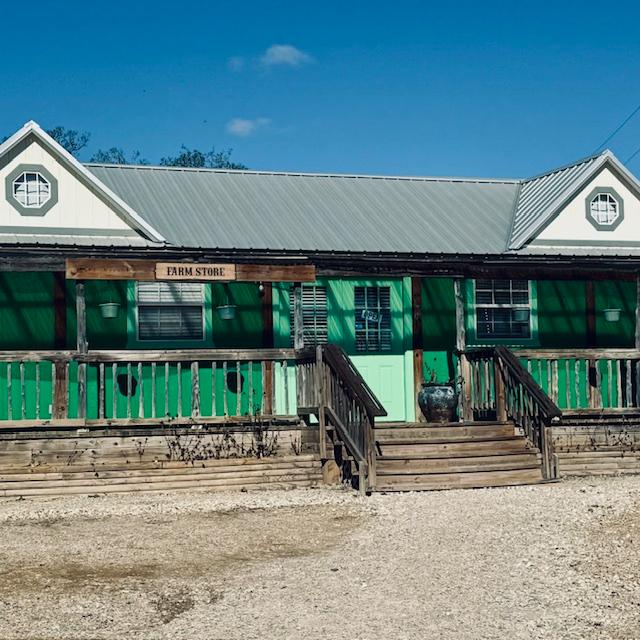 Our Farm Store
Shop for:
- Seeds
- Farm Fresh Eggs
Our Farm is located at 5029 FM 2504 in Poteet, TX.
 Only happy seeds make the cut to go into our seed packs!
David's Garden Seeds® has
seeds for the backyard gardener and farm fresh chicken eggs.
 David & Juanita work hard to pack your garden seed orders.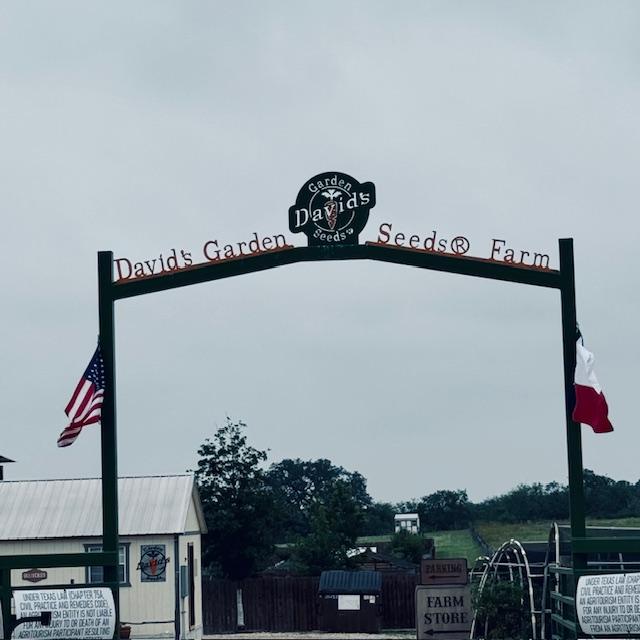



Sign Up For Our Newsletter Here!
   DGS YouTube Mrs
|
   |
Garden Ebooks
by Mrs. David's Garden Seeds
 I've been busy creating eBooks to help you with your garden...
IMPORTANT NOTE: THE EBOOKS ARE DIGITAL DOWNLOADS (EBOOKS), NOT PHYSICAL BOOKS.


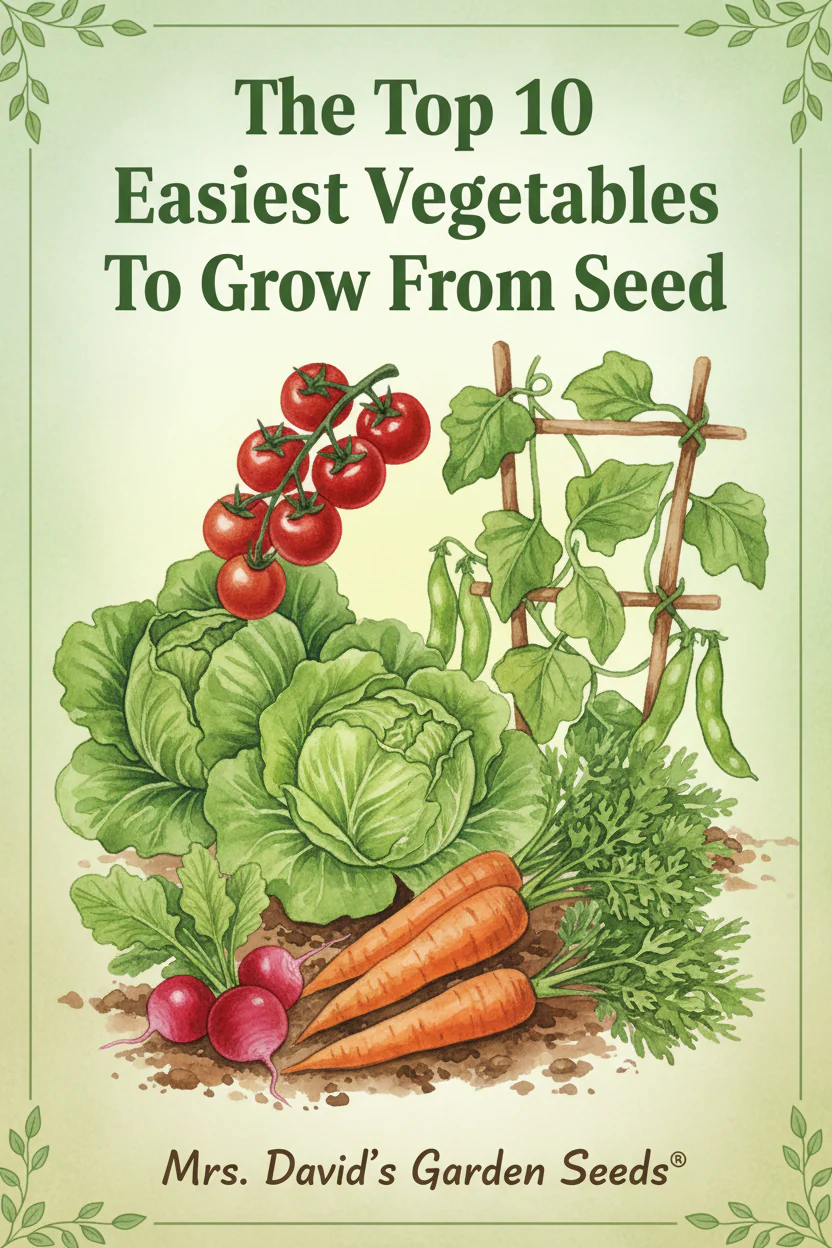
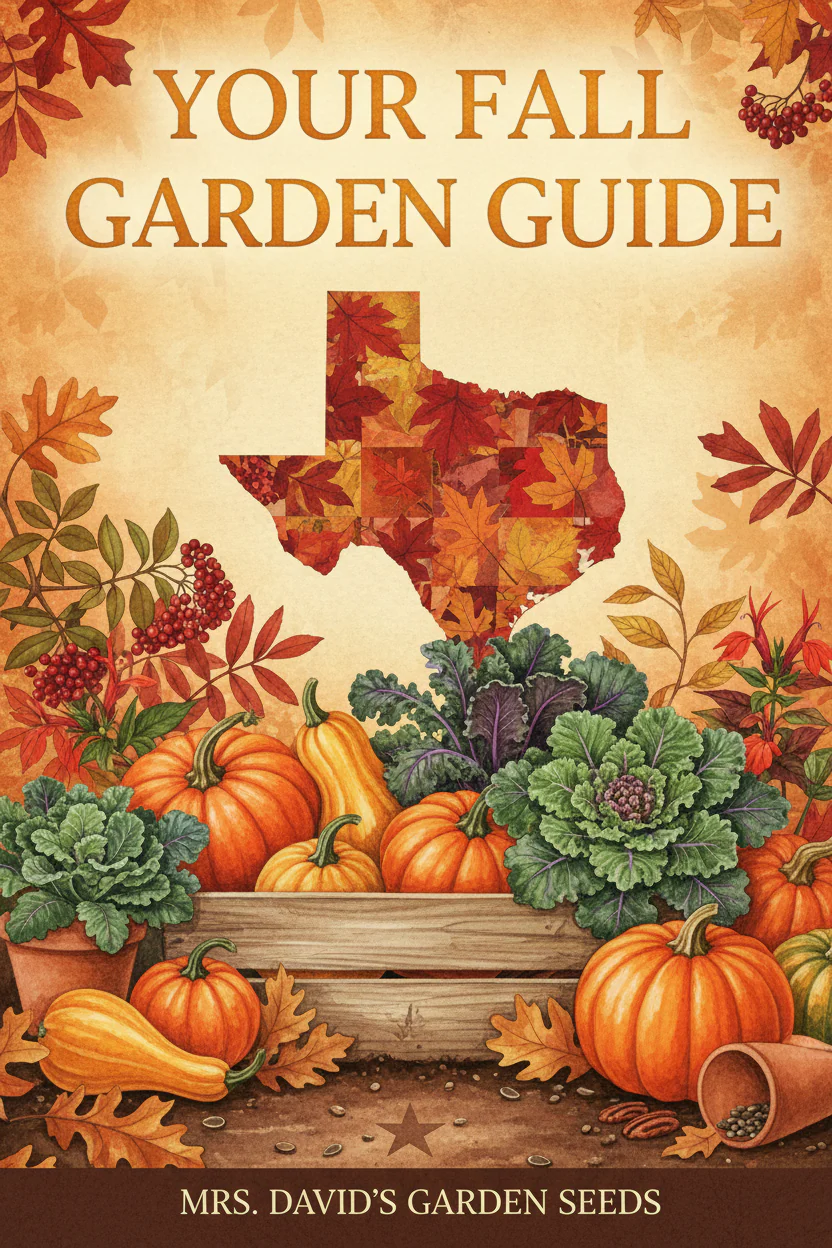
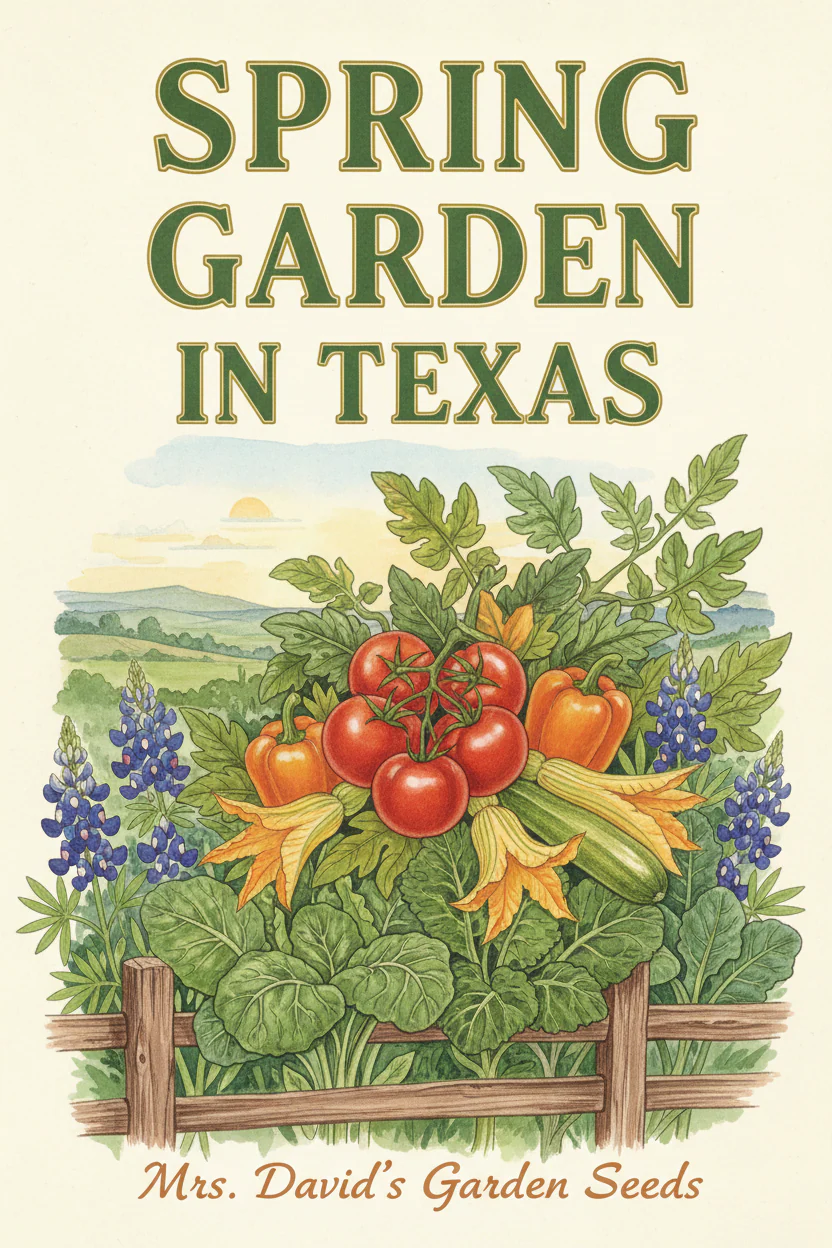
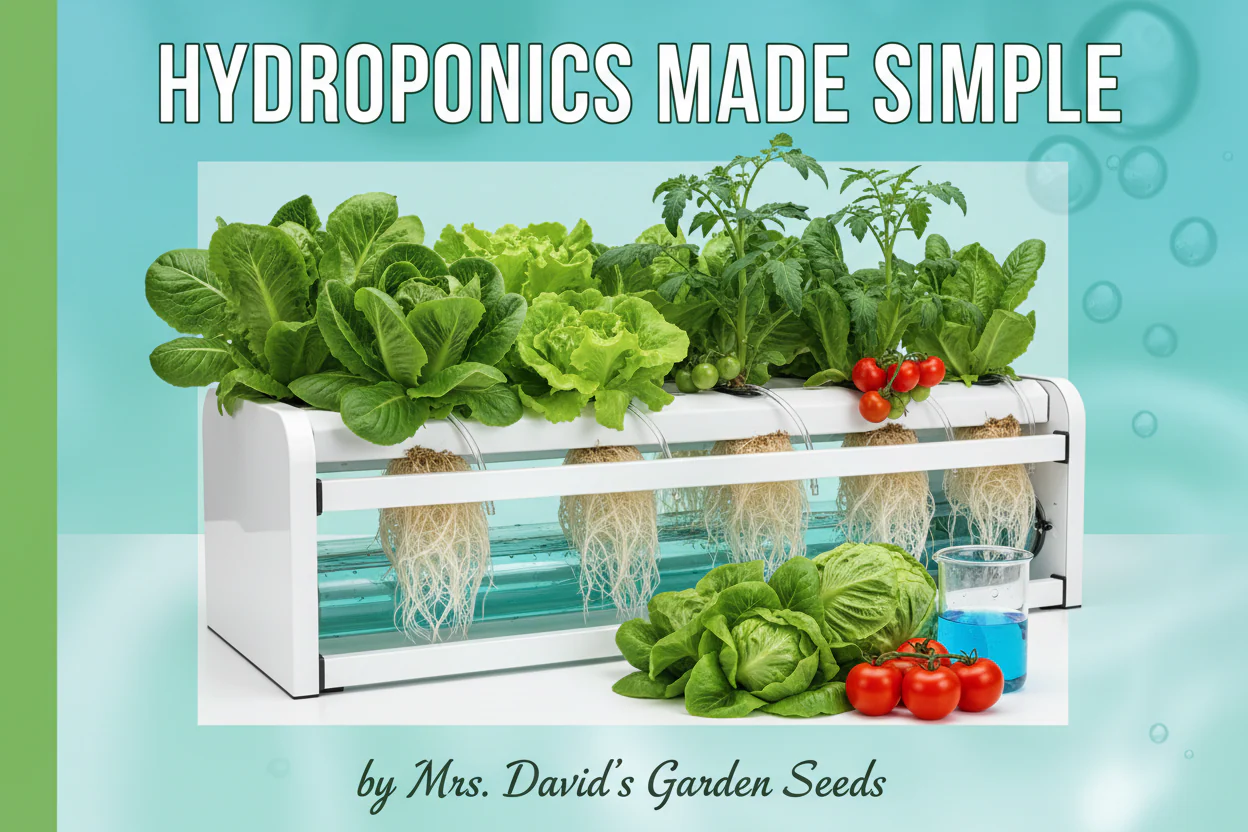
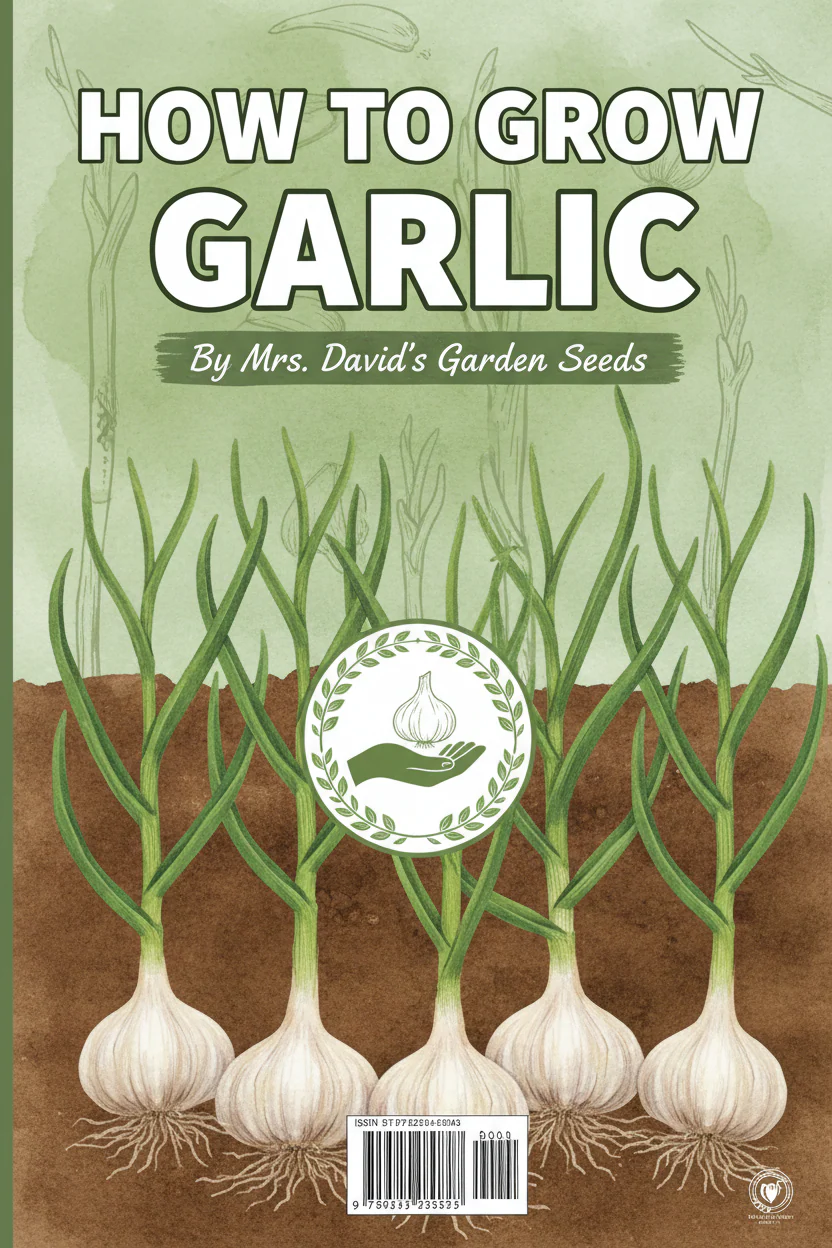
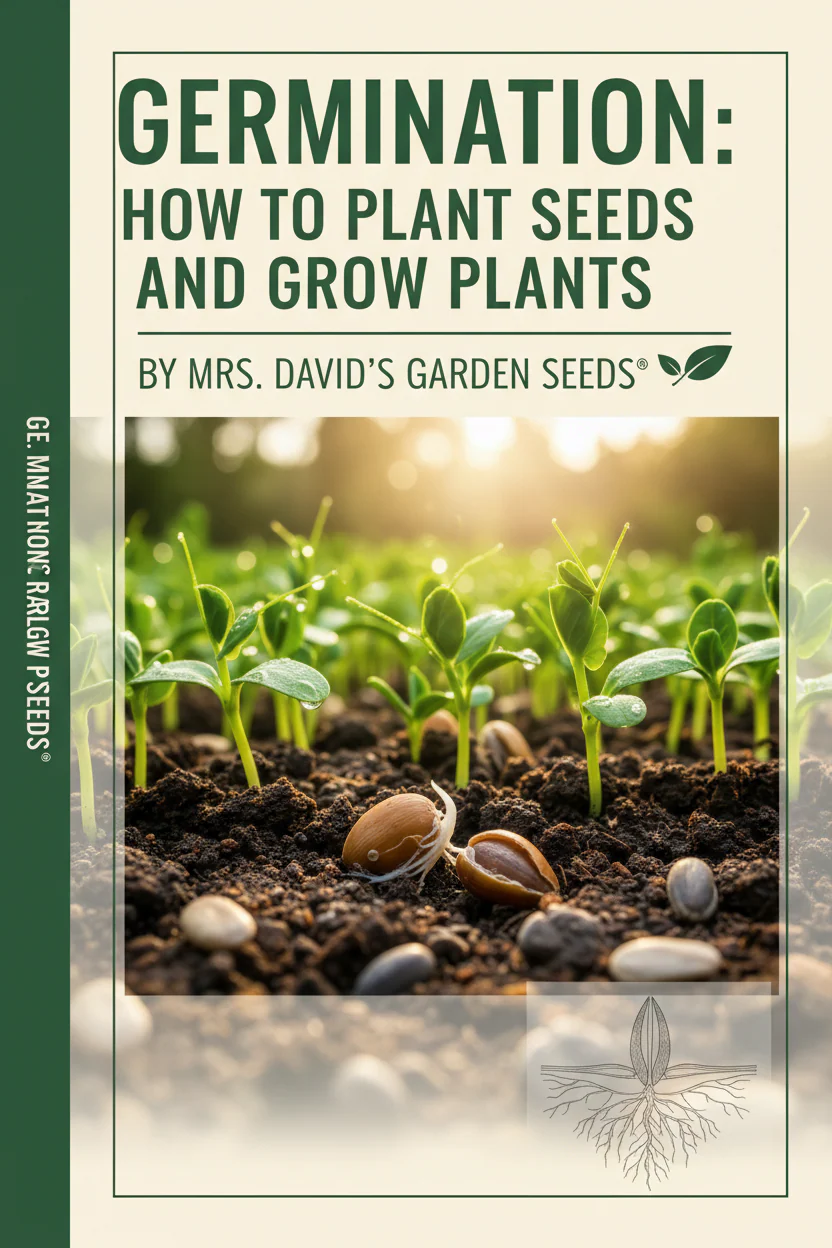
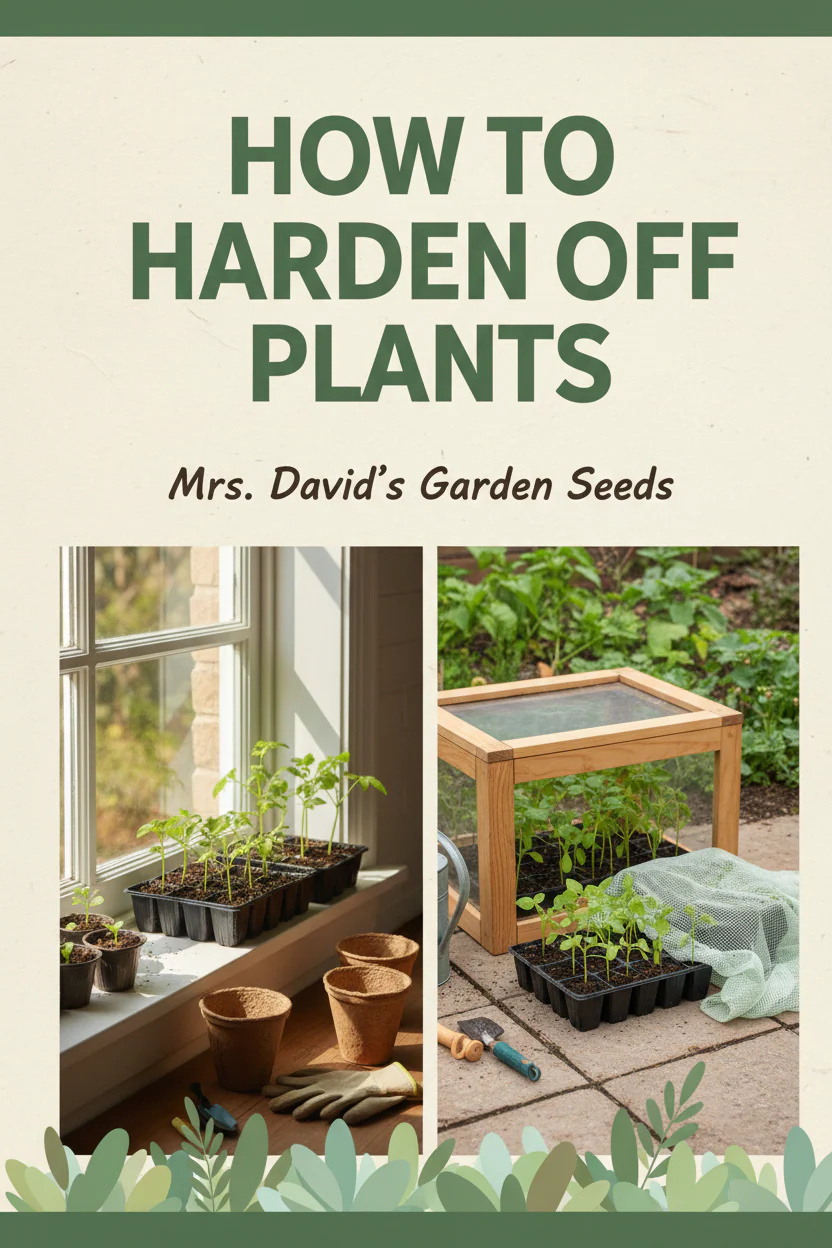
WE DO NOT REFUND OUR DIGITAL DOWNLOADS FOR OBVIOUS REASONS.
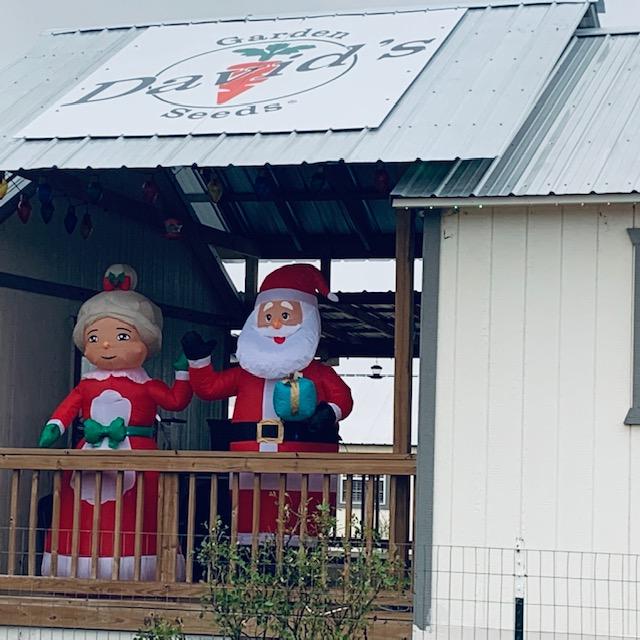
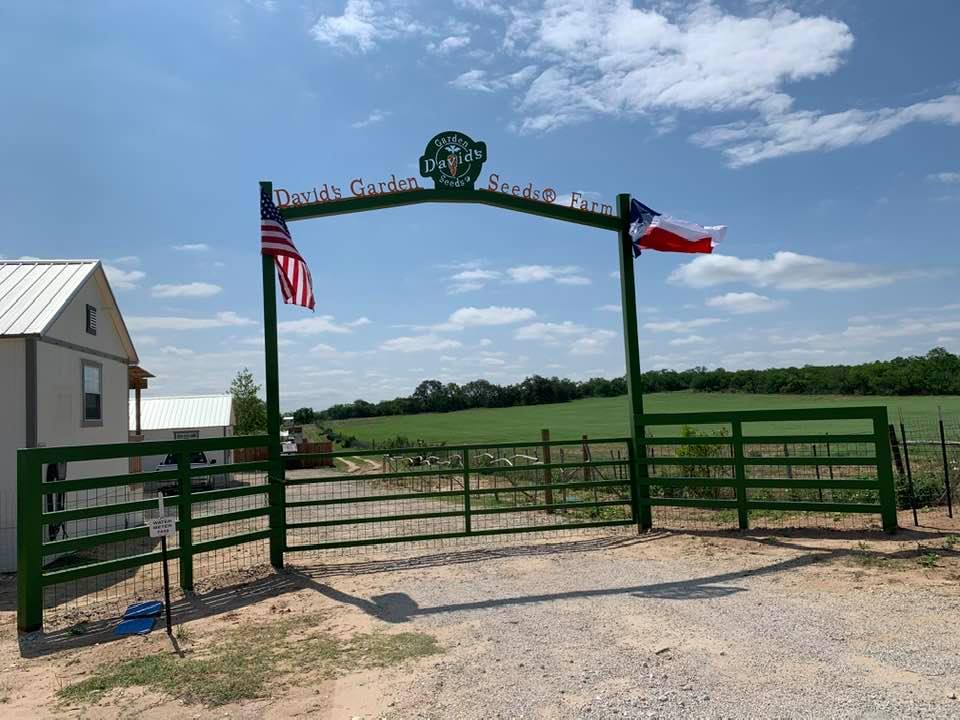
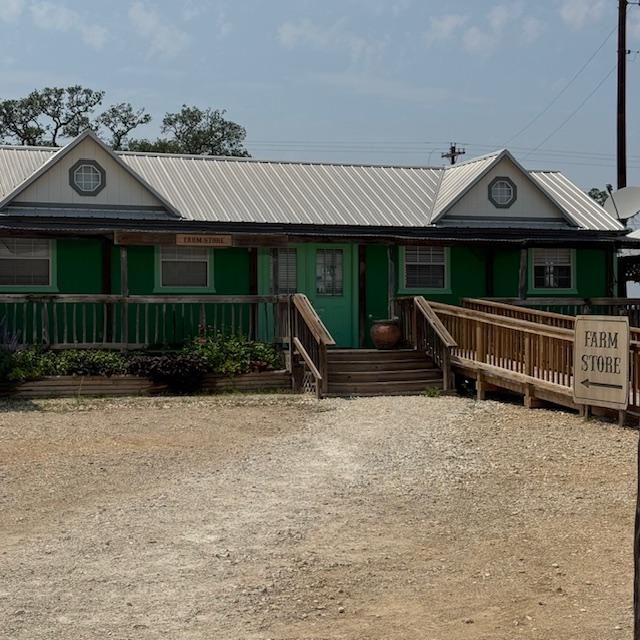 Our Farm Store is the green building
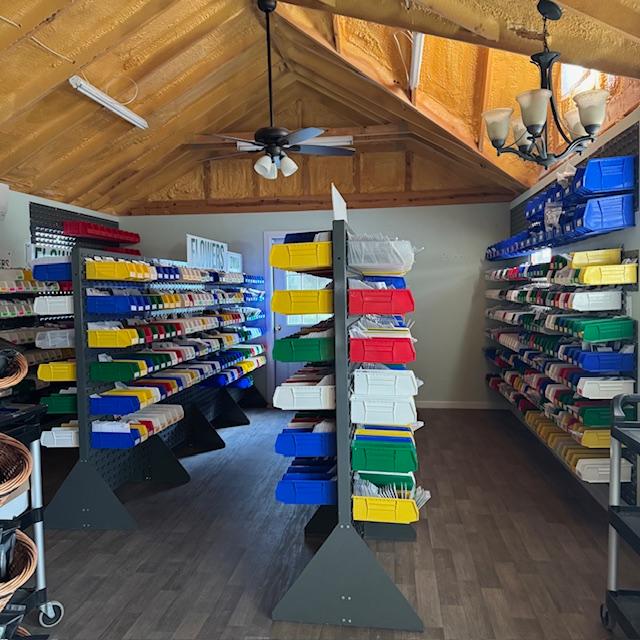 Inside our Farm Store...1400 varieties of seeds await you!
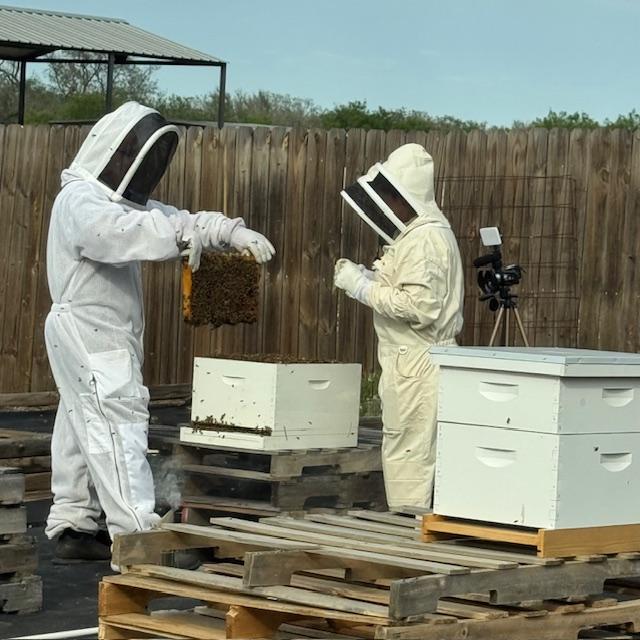 Our bee hives
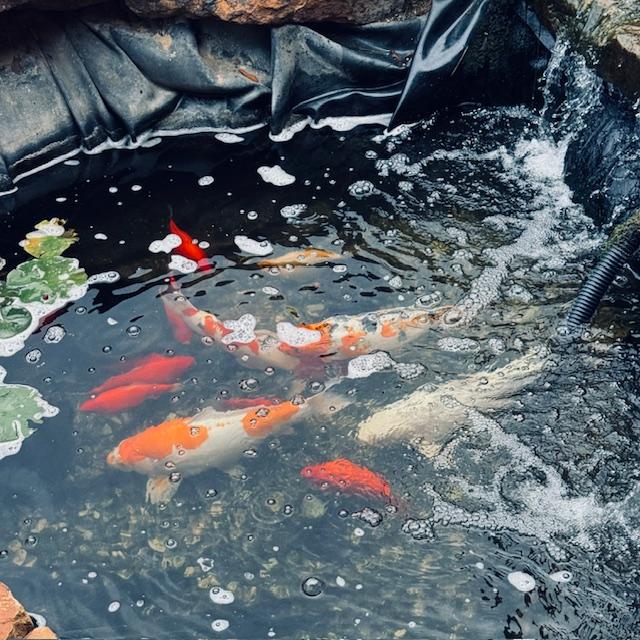 Our fish pond
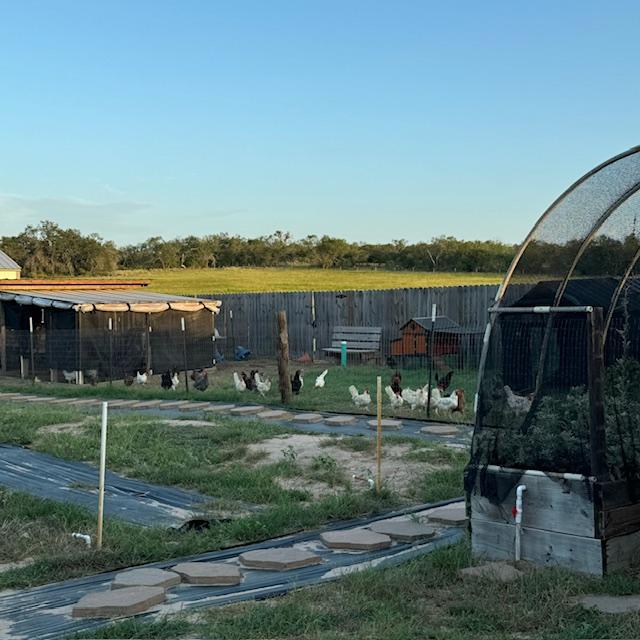 Our chickens
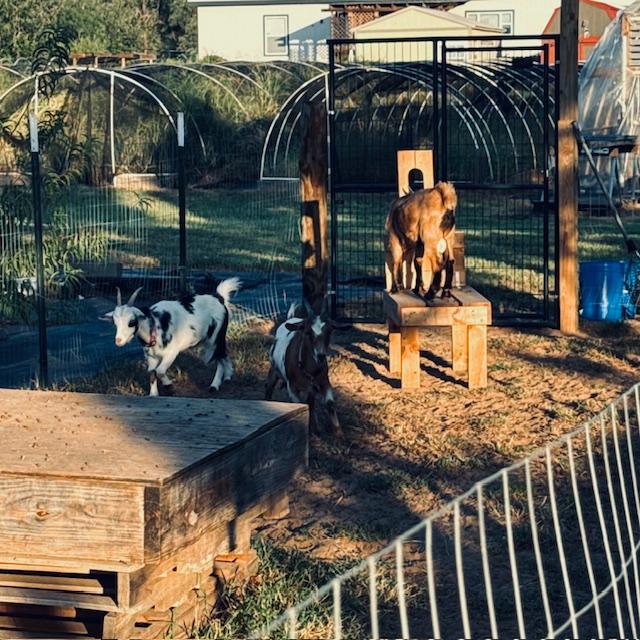 Our Nigerian Dwarf goats
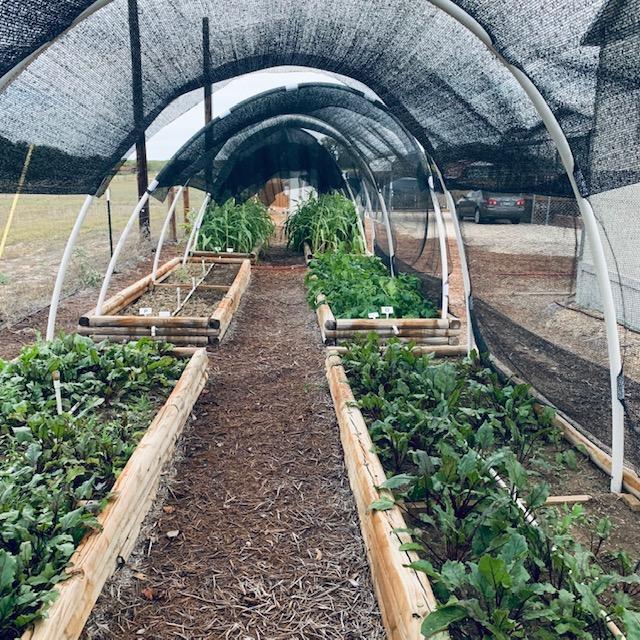
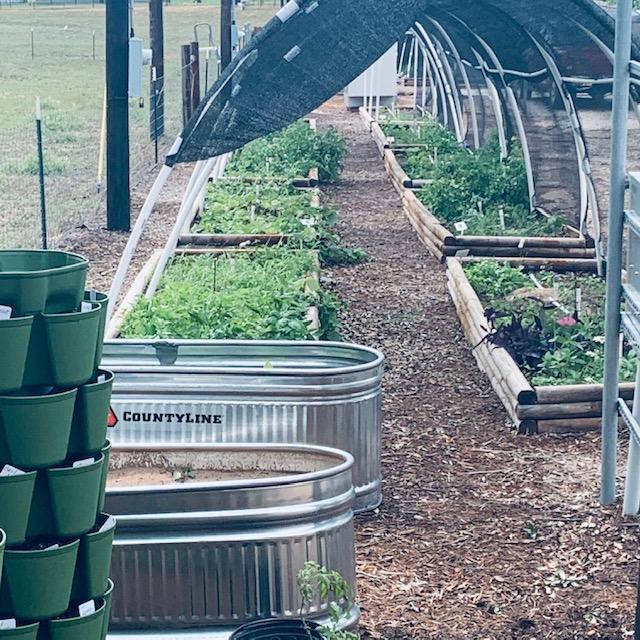 A few of our raised garden beds
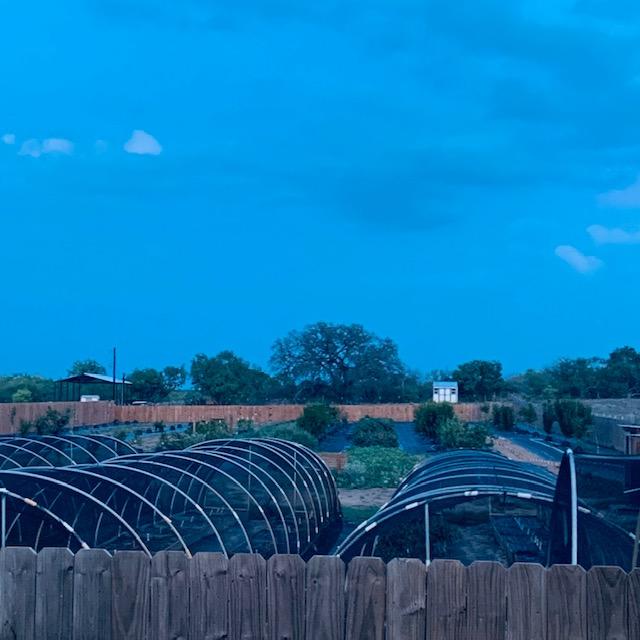 Our orchard and hoop houses
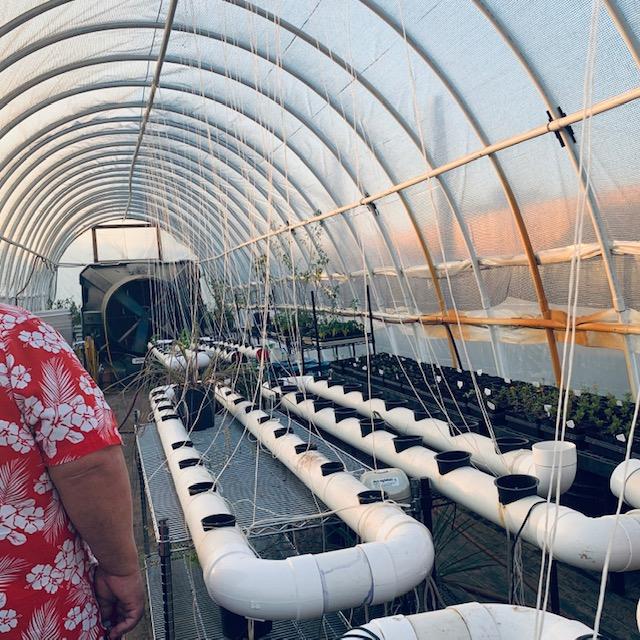 Inside our high tunnel
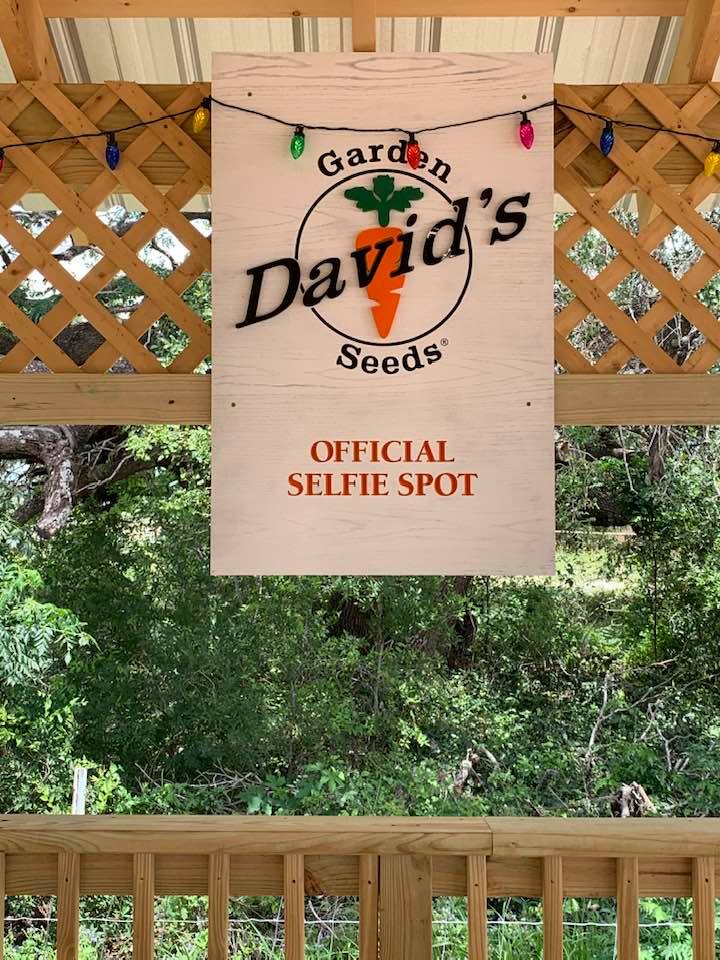 Take a selfie at our official selfie spot!
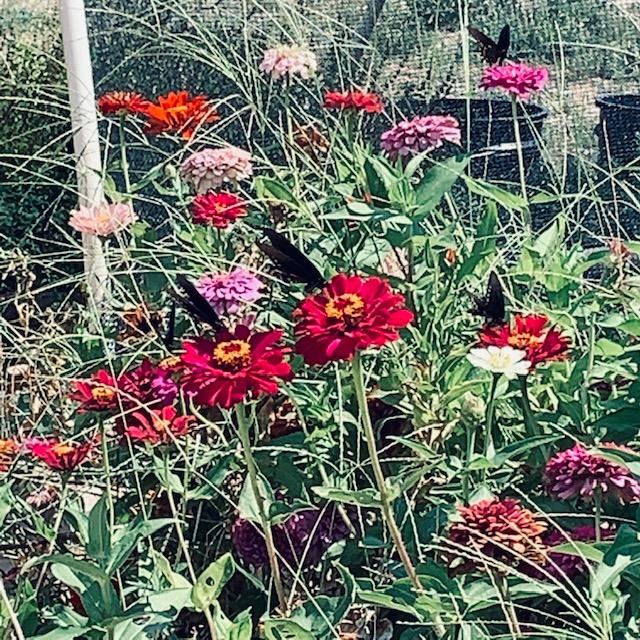 Flowers, bees, and butterflies are everywhere!
Watch Our TV Ads!
David's Garden Seeds® has the best Non-GMO seeds in the state of Texas!


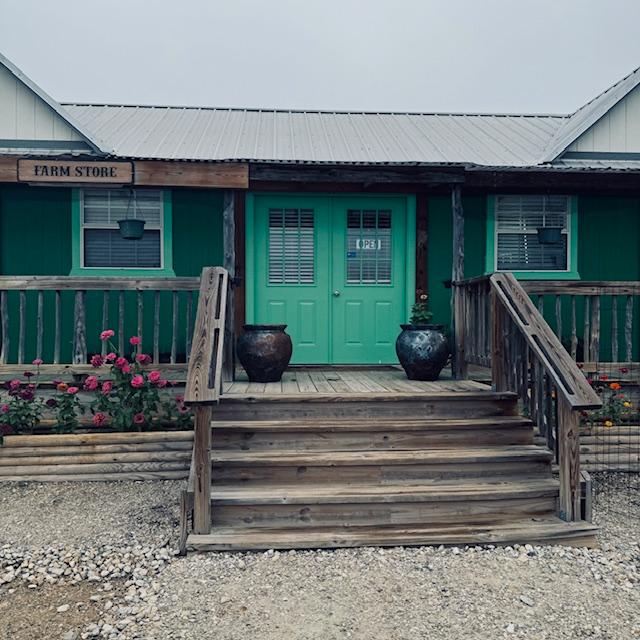 This is our beautiful Farm Store. Come in and shop for seeds. We have over 1600 Non-GMO heirloom varieties to choose from but we are in the process of bringing that number down to half.
Our Story
Hi Everyone! Thank you for visiting my website! I am Mrs Davids
Garden Seeds® aka Mrs. David's Garden Seeds and I think you should know that there is a wonderful seed
company in the great state of Texas called David's Garden Seeds®. We grow some of our seed, we count, hand pack, print our own envelopes, and ship seeds out to you right here from our farm. This used to be an old peanut farm. When the owner died about 15 years ago, his sons split the farm up and sold it in pieces. In 2024, we bought another adjoining four acres.
Our business started in our home in San Antonio in September of 2009. David decided to sell some seeds he had left over from his garden on Amazon. I told David, "Don't bother, it won't work!". I am so glad that David did not listen to me because it did work! By 2015, we had 8 employees working in my home every day and David found a storefront in San Antonio and moved the business there. In 2016, I quit my day job and went on the payroll. The company grew some more and David moved to a bigger storefront in 2017. In 2019, we found a beautiful piece of land over in Atascosa County and turned it into a farm out near Poteet. David and I moved out here to live in August of 2019.
In 2020, we moved our company out to the farm. We have a beautiful Farm Store filled with seeds, a gazebo with a pond full of koi and gold fish for you to visit. Come by and visit us at 5029 FM 2504 in Rossville, just outside of Poteet, Texas, Monday through Friday from 9am to 5pm and Saturday from 10am to 2pm. Or you can order seeds online from our user-friendly website, www.davidsgardenseeds.com.



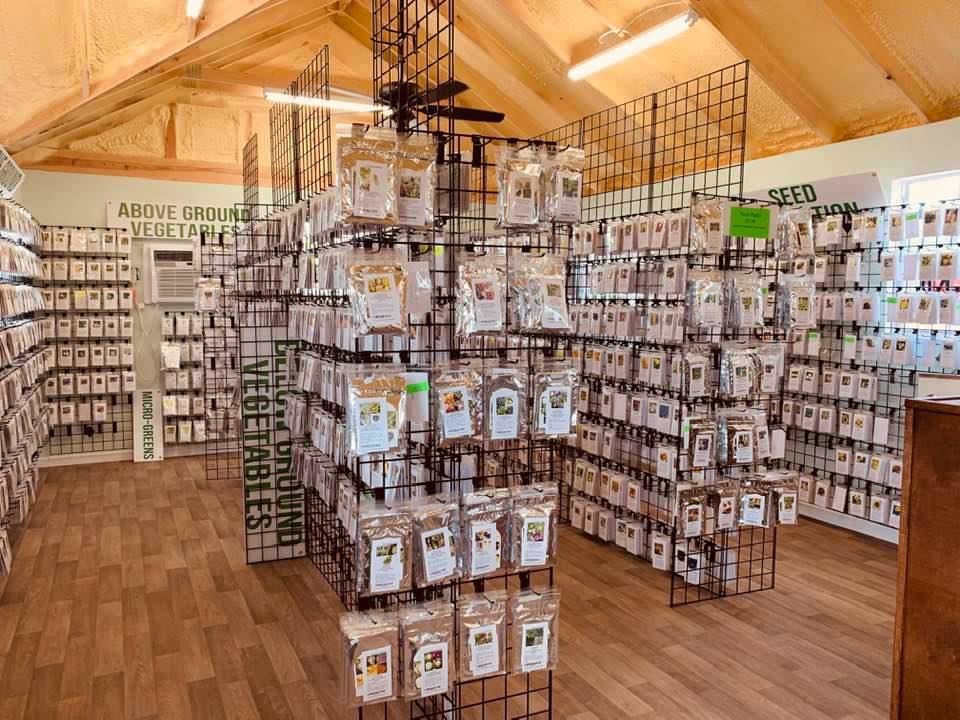 Our beautiful new farm store has almost 2,000 varieties of seeds and more. Mrs Davids Garden Seeds® looks forward to meeting you when you visit.
Mrs. David's Garden Seeds® Copyright by Juanita Lynn Schulze of David's Garden Seeds® 2019-2026
David's Garden Seeds® is Registered in the United States Patent and Trademark Office.