Grow Dry Beans
Learn how to grow dry beans with me this week from planting the seeds to harvesting them for later eating.
Grow Dry Beans - 2/16-2/22/2026
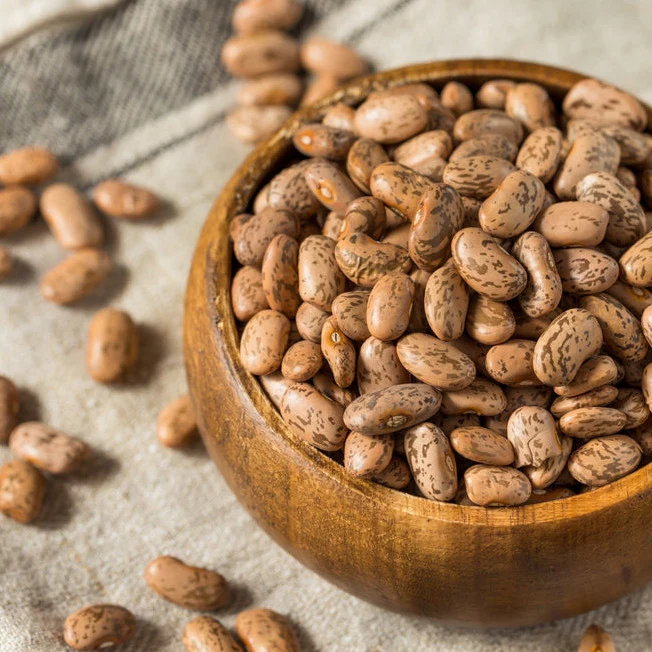 Around Texas, many gardeners grow dry beans in the form of pintos because they are a part of many Texas dishes.
You don’t need a big farm to grow your own protein. You can grow dry beans right in your backyard garden, and you’ll be surprised how much food a small patch can produce.
I’m talking about the kind of beans you let dry down on the plant—pinto, black, navy, kidney, cannellini, cranberry, and more. These are the beans you cook from dry in soups, chili, burritos, and rice bowls.
And yes—beans really can replace meat in a meal when meat prices get too high. They’re filling, budget-friendly, and they bring a lot of protein and fiber to the table.
In this guide, I’ll show you **How to grow dry beans in the backyard garden** in a simple, step-by-step way. We’ll cover where to plant, when to plant, how to plant for spring and fall, and how to harvest and store your crop.
I’ll keep it practical, because that’s how I learned. The first time I grew dry beans, I planted them like green beans and picked them too early—tasty, but not what I meant to do. Once I learned to wait for the pods to dry, it clicked.
Here’s how this article is laid out: it’s a **7-part guide** you can follow from planning to storage. If you’re new to beans, you’ll feel confident by the end.
Grow Dry Beans - Why?
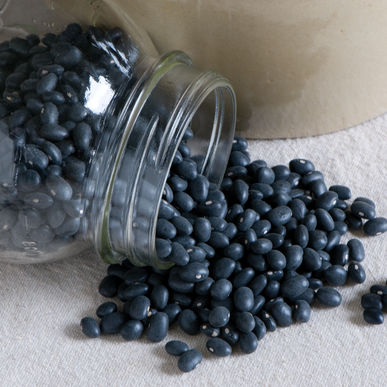 Midnight Turtle Dry Beans are so pretty, right?
Dry beans are a healthy protein substitute for meals, and they also work great alongside meat—like in chili, taco meat blends, or hearty soups.
They also store well. A jar of homegrown beans on the shelf feels like a little bit of food security you made yourself.
Dry beans are also “garden friendly.” They don’t need fancy soil amendments, and because they’re legumes, they help support healthy soil over time.
To me, the biggest win is flexibility. If you grow a few types, you can cook different meals all winter without getting bored.
Grow Dry Beans - Pole Or Bean?
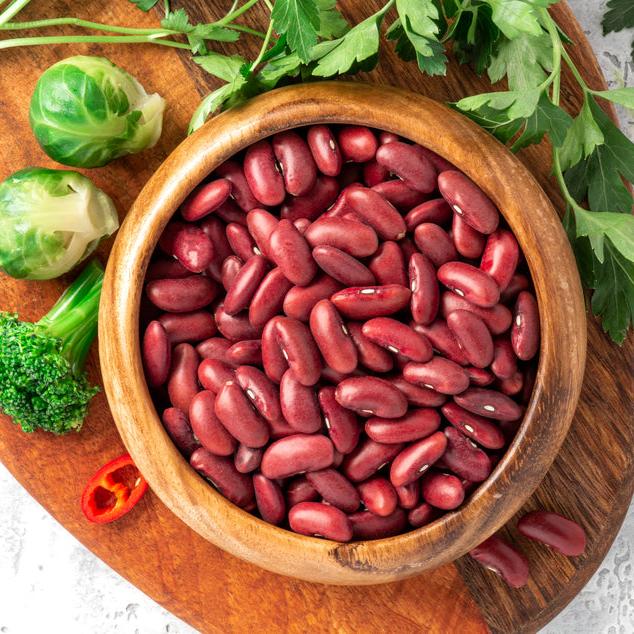 Grow dry beans like the Kidney bean which is a bush bean.
Dry beans come in two main growth styles: bush beans and pole beans.
Bush beans stay compact, usually 1–2 feet tall. They’re easier in small gardens, and they tend to ripen around the same time, which makes harvest simple.
Pole beans climb and need a trellis or fence. They can yield a lot in a small footprint, but they usually mature over a longer period.
If you want “plant once, harvest mostly at once,” pick bush types. If you like harvesting over time and don’t mind building support, go with pole types.
Also check the “days to maturity” on the seed packet. For dry beans, you’re usually looking at something like 85–110 days, depending on the variety and your weather.
A quick tip from my own garden: bush beans are easier when you’re learning, because you can watch the whole patch dry down together and harvest in one big batch.
Grow Dry Beans - Where Should You Plant?
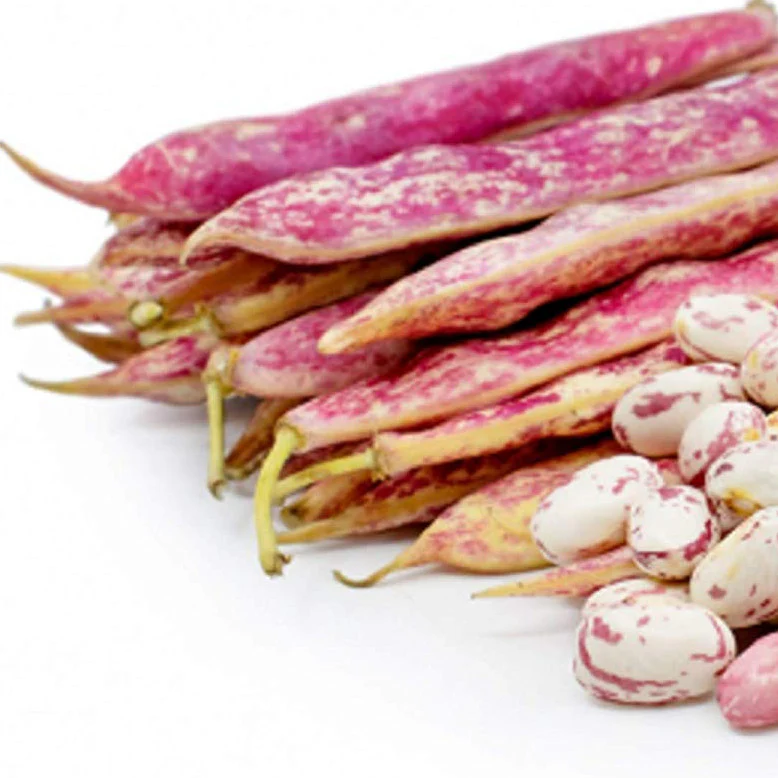 This is the Dwarf Taylor Horticultural Dry Bean.
Pick a spot with full sun—at least 6 hours a day, and 8 is even better.
Beans like soil that drains well. If your soil stays soggy, seeds can rot, and plants can struggle.
You don’t need super rich soil. In fact, too much nitrogen can make plants grow lots of leaves but fewer pods.
If you want to prep the bed, keep it simple:
- Loosen the top 6–8 inches
- Remove rocks and weeds
- Add a light layer of compost if your soil is very poor
Try to avoid windy corners if you’re growing pole beans on a trellis. I learned this the hard way after a summer storm leaned my whole bean teepee sideways.
If you rotate crops, don’t plant beans in the same spot every year. Rotating helps reduce disease and pest buildup.
Grow Dry Beans - How To Plant Dry Beans
 This is the Tongue of Fire dry bean.
Planting dry beans is easy once the soil is warm and you’re past frost risk.
Here’s the basic planting plan most backyard gardeners use:
- Plant seeds about 1 inch deep
- Space bush beans about 3–6 inches apart
- Space pole beans about 4–6 inches apart along a trellis
- Leave 18–24 inches between rows (or more if you like room to walk)
Water after planting, then keep the soil lightly moist until seedlings come up. After that, water deeply when the soil starts to dry out.
If you’re using supports for pole beans, set them up before or right after planting. It’s much harder once the beans are already growing.
Mulch can help hold moisture and block weeds, but wait until the soil has warmed up. Cold, wet mulch too early can slow germination.
One more tip I wish someone told me earlier: don’t soak bean seeds overnight like some other seeds. In many gardens it’s fine, but it can also increase cracking or rotting in cool soils. Warm soil and steady moisture work better.
Grow Dry Beans - Spring Planting
Spring is the easiest season for dry beans in most places, as long as you wait for warmth.
Beans hate cold. Plant them after your last frost date, when the soil feels warm to your hand and nights aren’t chilly.
A practical backyard timing rule: if you’re planting tomatoes, your garden is usually warm enough for beans soon after (or around the same time), depending on your area.
For spring planting, you can do one main sowing, or you can plant in two rounds about 2 weeks apart. That spreads out harvest risk in case weather turns weird.
Once the plants start flowering, water becomes more important. Dry stress during flowering can reduce pod set.
But don’t overdo it. Wet leaves plus warm weather can invite disease. Water the soil, not the leaves, when you can.
As pods form, resist the urge to pick them. For dry beans, your goal is to let pods mature fully and dry down.
Grow Dry Beans - Fall Planting
If your summers are very hot, or if you want a second round, you can plant dry beans for fall—if your frost timing allows it.
The key is counting backwards. Take the days to maturity on the packet and add a couple weeks for slower fall growth, then make sure you still finish before your average first frost.
In many areas, fall beans do best when planted in mid-to-late summer, after the worst heat has passed but with enough time left to mature.
Fall planting can actually be easier in one way: fewer spring weeds. But you still need to keep the bed weeded while plants are small.
Hot soil can dry fast in late summer, so water consistently during germination. Once seedlings are established, you can back off to deeper watering.
If early frost threatens and pods aren’t fully dry, you can pull the whole plant and hang it somewhere dry and airy, like a garage or shed, to finish drying.
Fall humidity can be tricky. Good airflow matters, especially as pods dry. Space plants well and don’t let them turn into a tangled jungle.
Grow Dry Beans - Care
Dry beans are low-maintenance, but a little attention goes a long way.
Weeding early is the big job. After plants fill in, they shade the soil and compete better on their own.
Watch for common problems like chewed leaves when plants are tiny, or flowers dropping during extreme heat. Most of the time, beans bounce back once conditions improve.
Grow Dry Beans - Harvesting
Harvest time is when pods look dry and papery, and the seeds inside feel hard. Many pods will rattle when you shake them.
If rain is coming and your pods are mostly dry, you can harvest plants early to protect the crop. Pull the whole plant and let it finish drying under cover.
To shell beans, you can do it by hand into a bucket, or you can put dry pods in a clean pillowcase and gently stomp them to break pods open. Then winnow by pouring beans between containers in a light breeze.
Grow Dry Beans - Storage
Before you store dry beans, make sure they are fully dry. If they’re even a little soft, they can mold in storage.
A simple home test: bite a bean. It should be very hard and not dent easily. Another test is hitting a bean with a hammer—fully dry beans tend to shatter instead of squish.
For storage, use jars with tight lids, food-grade buckets, or sturdy containers that keep out moisture and bugs. Label the variety and the year.
Keep your beans in a cool, dry, dark spot. Heat and light can reduce quality over time.
Grow Dry Beans - Save Bean Seeds
Now for one of the most satisfying parts: you can save bean seeds easily. Choose the healthiest plants, let the pods dry fully, and store those seeds separately in a labeled container.
Just remember: if you grew more than one bean variety close together, some types may cross (it’s not common in many garden situations, but it can happen). If you want true-to-type seed, growing one variety or separating them helps.
When you cook your homegrown beans, you’ll notice the payoff: strong flavor, creamy texture, and that deep comfort-food feeling—especially in chili, soups, and rice dishes where beans can replace some or all of the meat.
If you want a simple win this year, plant a short row and see what happens. Once you learn how to grow dry beans in the backyard garden, you’ll always have an affordable, healthy protein option waiting on your shelf.
Monday, February 16, 2026
Good morning. It is 44° out this morning. I did not expect it to go that cold again but here we are. I have about 300 orders to get filled. Thank you all so much!
Happy President's Day! Of course, there is no mail today which will make your seeds arrive one day later than usual.
I have been pulling seeds. Matt has been making envelopes and David has been doing the special counts. All of us are working to get your orders out in a timely fashion.
We had zero customers again today and it was a very nice day, not to mention a holiday. That surprised me.
David had an appointment with the podiatrist this afternoon. He got a foot injection and new shoes and says he feels much better. The shoes look nice and cost way more than I have ever come close to paying for a pair of shoes! My feet are never comfortable. Maybe I should get some from the podiatrist.
It is 4:50pm and 78° with sunny blue skies. One helper left an hour ago and another showed up.
Per David, we are going to start being open just on Thursdays through Saturdays in a few weeks. That will allow us to work on seeds and orders instead of having to stop pulling orders because customers are in the store. There just isn't that much room in the store. Not that many folks come in but last Wednesday it sure was busy with customer after customer and visitor after visitor with many here at the same time.
A lot of other businesses in the area do that. I think it is smart and I have been asking for this for a lot of years now.
 Left to right, Gracie, Ethel, Alice
Matt took care of the chickens this evening and I did the goats. Markie still won't come anywhere near either of us.
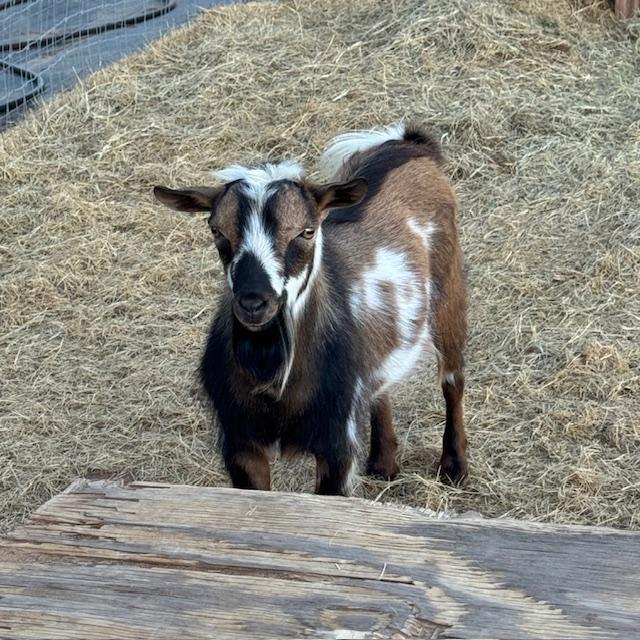 Markie is such a handsome looking dude, isn't he?
Alice let me pet her today and scratch her behind her ears. She lets Matt do that but never me...
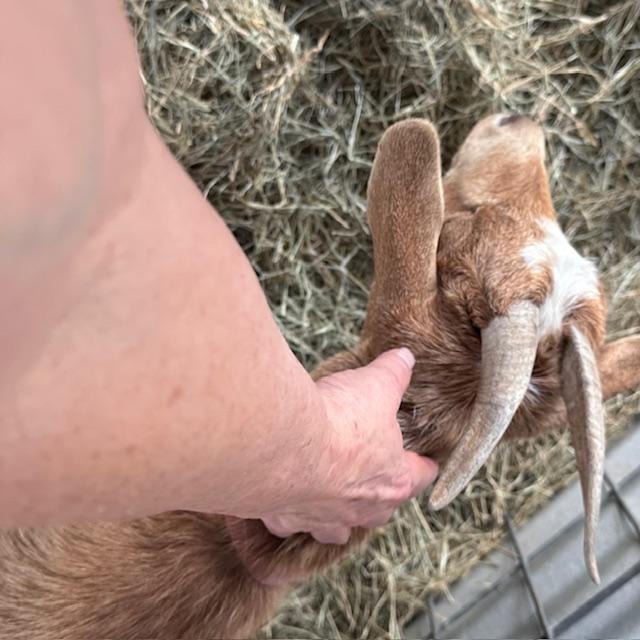 I caught Alice letting me scratch her with my phone camera!
I came in from doing the animals and David had prepared dinner. Nice but that means the kitchen sink is piled high...
It took me a while to clean it all up. I am exhausted from not enough sleep over the weekend and the big day of orders today. I'm ready to fall asleep right now. It's only 7:30pm.
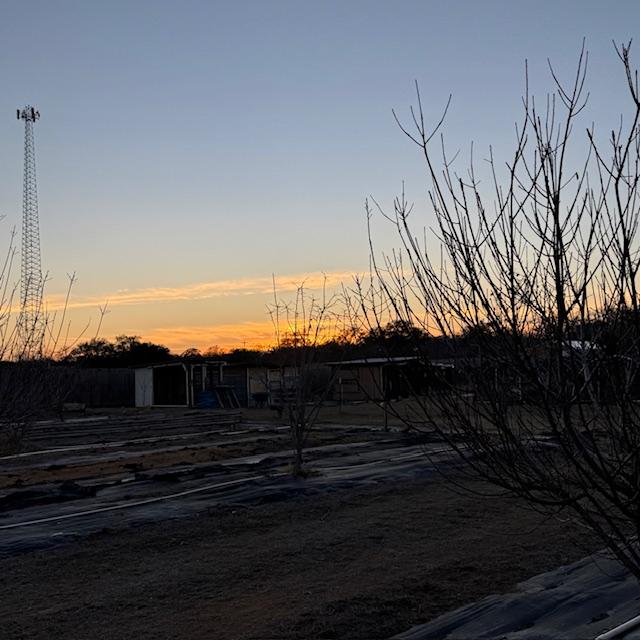 I took this while in the goat pen again. Almost missed it completely...
Tuesday, February 17, 2026
Hello. It is now 1:45pm. I have been busy all day long and forgot to post on here. It was 64° when I got up at 6am. Now it is 81° with a strong breeze that has been here since about 9am. I am filling orders and hoping the mailman shows up because I have a lot of orders.
 |
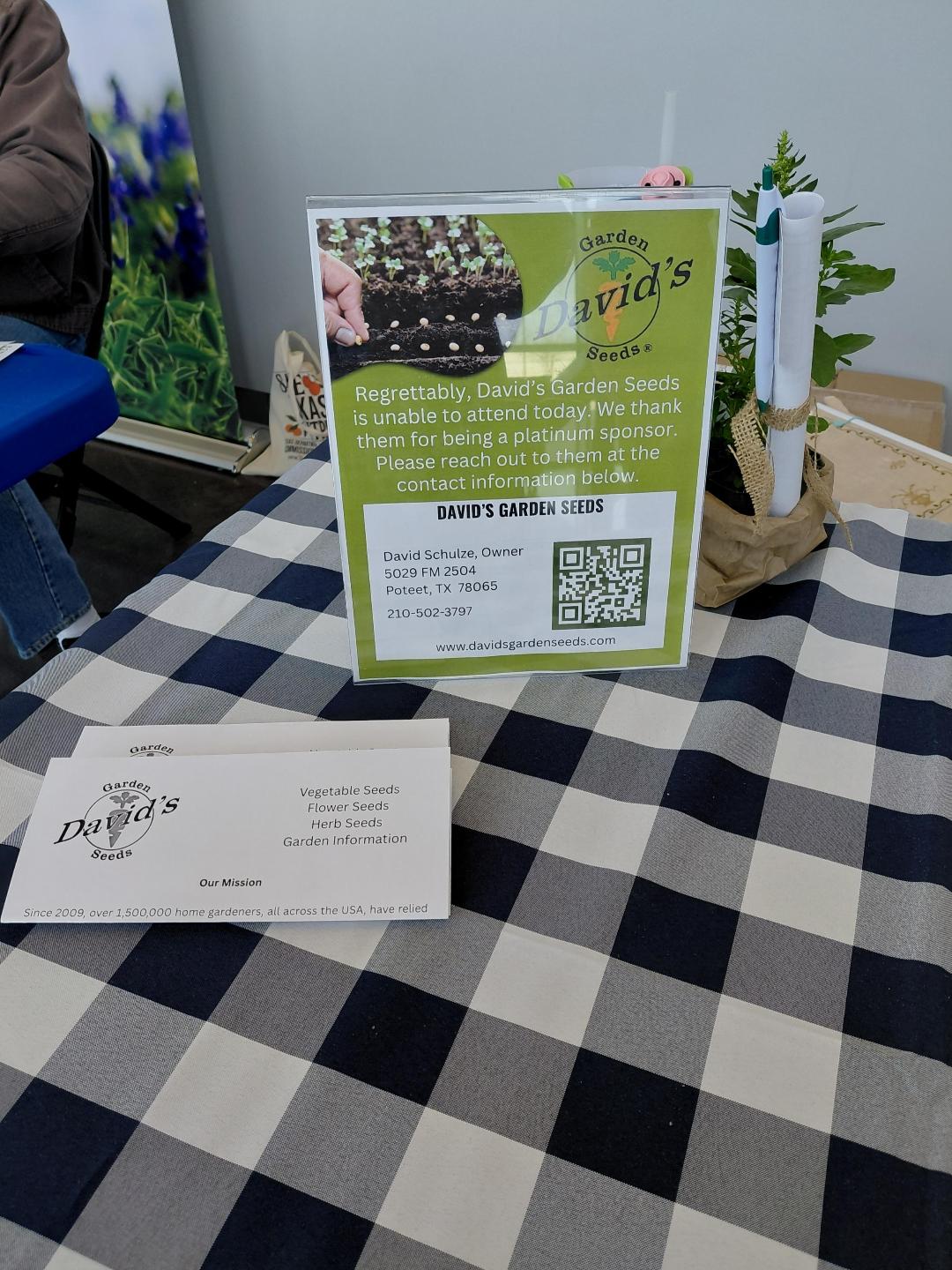 |

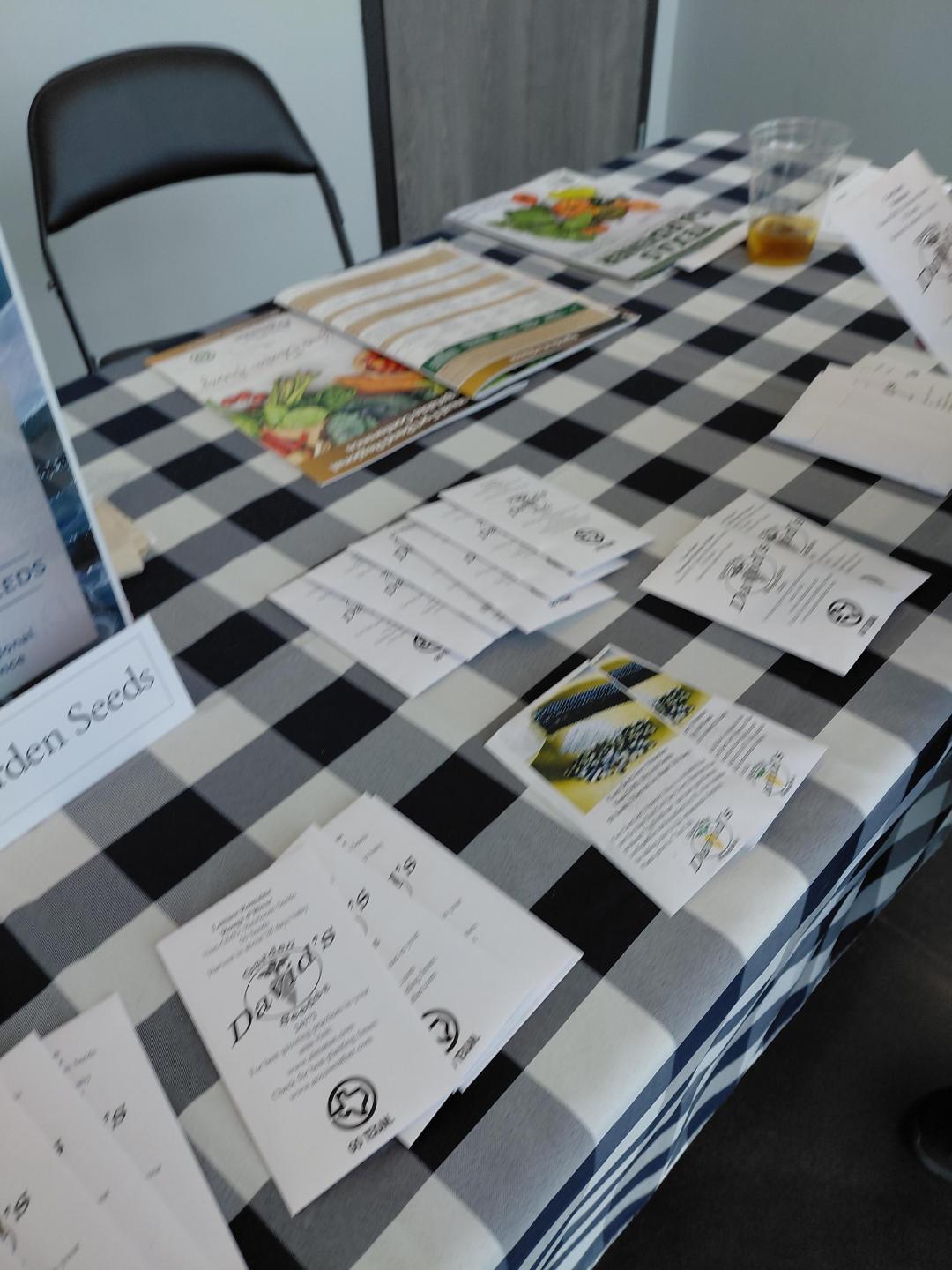
Today was the Fort Bend Texas Vegetable Conference in Rosenberg, Texas. We were supposed to be there but we did not go. David's Garden Seeds is a platinum sponsor and we had a table there. Someone was there putting our seeds out. We shipped those up two weeks ago--2 large boxes of free seeds from our business for attendees to take.
The lady in charge told David at the end of the day that the only seeds left were corn seeds. All of a sudden, no one wants to grow corn. Our corn seeds are Non-GMO but there are a lot of people out there saying almost all corn is GMO in the United States. We do not have a license to sell GMO corn or anything else, for that matter.
Anyway, she said a woman took all of the leftover corn seeds for some free program she is doing.
Our Post Office closes at 4pm. The mailman normally comes between 2pm and 3pm. I had two large mailbags filled with orders and the mailman still had not arrived at 3:30pm so we had to take the mail to the post office ourselves.
The mailman finally showed up around 4:30pm and he brought us some seeds we have been waiting for to fill about 30 old orders. Good King Henry leafy greens are new to us and we went through the first round in January in just a few weeks. We ordered more because the demand was so high but it took a good three weeks for them to get here.
We stayed late and got all of the old orders out that were waiting for Good King Henry. I am not sure if we have anymore left. I wonder why it is so popular.
I worked until 6:21pm and came home and made dinner--chicken with noodles Alfredo along with fresh squash that I cooked with some olive oil--delicious.
I was so tired that I fell asleep on the couch while watching the new Matlock with Kathy Bates. Have you seen that show? It is excellent. We are still on the first season. It is so well done.
Wednesday, February 18, 2026
Good morning. A big Happy Birthday to my sister, Norma!
It is almost 7am. I got up an hour ago and have barely done anything. Where does the time go? It is 65° Fahrenheit and promises to be in the 80s again today. It is just way too early for hot weather.
New Farm Store Hours
Starting next week, we will have new Farm Store hours. We will be open Thursdays and Fridays from 9am to 6pm and on Saturdays, the hours will be 10am to 4pm. We will be closed Sundays through Wednesdays. This will give us time to fill orders during the hectic spring season without having to stop pulling while customers are in the store.
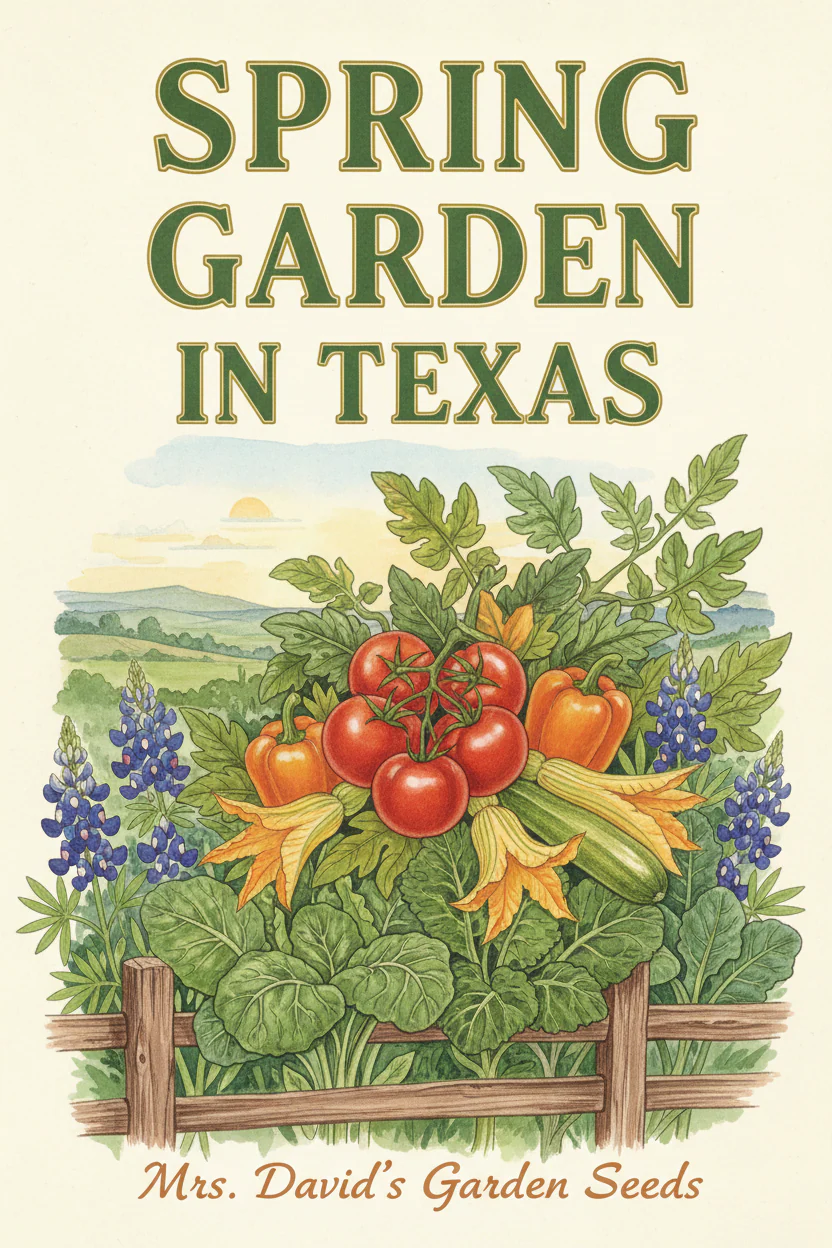
I have been working on two ebooks, one about making your own compost and the other about how to garden in Texas. They are finally finished and I will be listing them for sale on my websites as soon as I have the time. Orders come first and right now at 7am, there are 269 orders that need my attention. It will be another very busy day.
David and I left at 9:30am to go do some errands and get animal feed and hay. We got back around 11am and I fixed a salad and went over to work. There was a customer in the store. I sent Matt to unload all of the feed and hay and I took care of the customer. After a while, he completed his purchase.
Before I could take a bite of my salad, a couple came to shop. They were here last spring. I helped them. As I was checking them out, the mailman showed up three hours early. I had Matt run next door and grab the mailbag. At 12:30pm, I finally got to eat my salad.
Then I went to the house and grabbed some actual lunch. No customers came this afternoon and I filled a ton of orders.
It is currently 5:30pm and 78°.
Matt and I went out to put the animals away. I got the treat cup for the goats and went in. The girls all gathered round. On Monday evening I did the same but once they were all put away, I threw a few on the ground of their nighttime shelter. I saw Markie eat some for the first time.
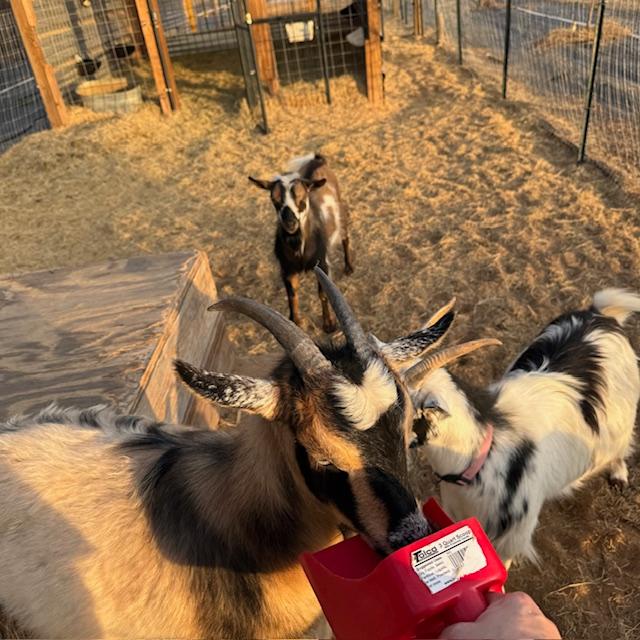 Gracie and Trixie are getting treats while Markie watches.
Now back to today. Markie came forward while the girls were eating the treats and finally got his mouth in the treat cup and ate some! First time and he has been here for two and a half months. It is a start but he still pretty much kept to himself.
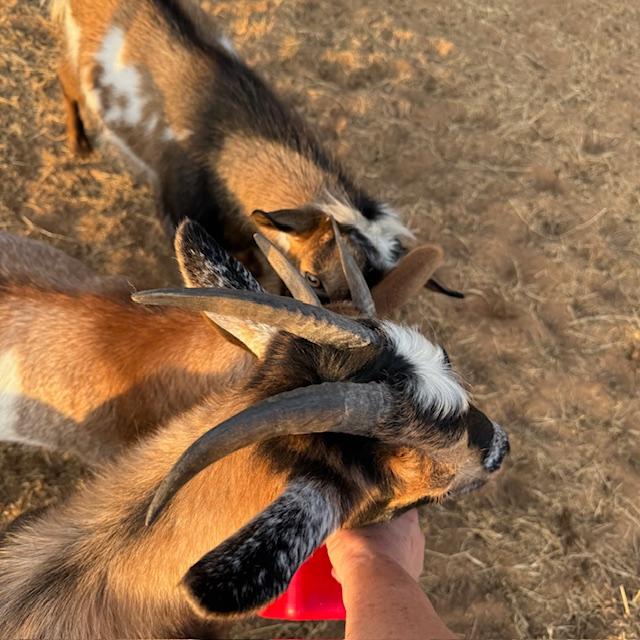 Gracie is next to my hand, then Lucy, then Markie joined in. He would not take the cup by himself for fear I would touch him. Lol!
Thursday, February 19, 2026
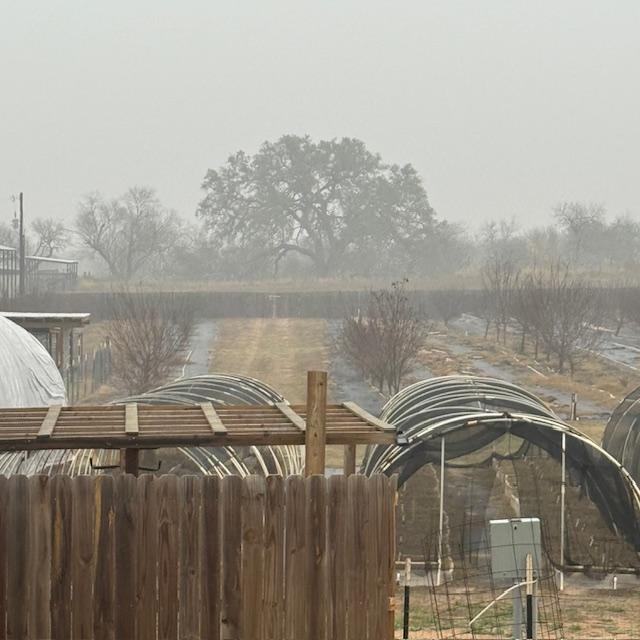 It's foggy today.
Good morning. It is slightly foggy and 67° this morning. Our front gate never closed all night long. Matt had made some adjustments to it for the new hours and something went wrong. Matt is here and will get that fixed this morning.
 The front gate would not close all night long. Matt is out there fixing it now.
David and I met a new accountant today at the office in Devine. We decided she would do a good job so we went home and got all of our papers for last year and David dropped them off while I filled orders. We had a few customers today. None of our helpers showed up for work.
The goat pen is being strengthened so the little goats don't break the fence again.
Whatever is in the air today has caused me a headache. I went out at 5:15pm and took the treat cup for the goats again. This time, Markie came right on over and took some treats, much to my surprise. I actually petted him while he was snacking. Then he ran but while I was petting him, he just kept on eating. The girls kept pushing him out of the way. He is not as soft as he looks.
It is Gordon Ramsay night so we are making food. The gate closed correctly after Matt fixed it. Yay!
Friday, February 20, 2026
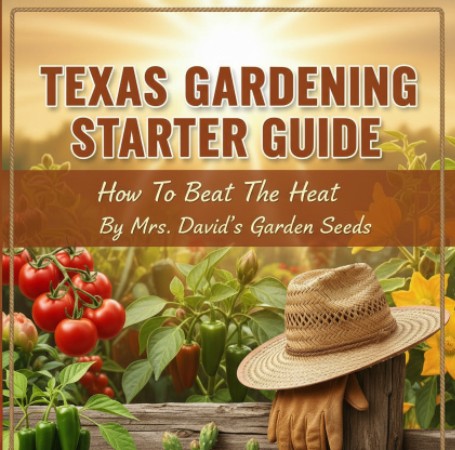
Good morning! I am happy to say that my first ebook is live for purchase on David's Garden Seeds®. I spent close to an hour figuring out how to do it. If you want to learn how to grow in Texas and actually get vegetables, here is the link to it. It is called
TEXAS GARDENING STARTER GUIDE
How To Beat The Heat And Actually Get A Harvest
By Mrs. David's Garden Seeds
I have wanted to do this for a long time. I also have a book ready about making your own compost but I ran out of time this morning. I need to make some sugar water for the bees and then get on those seed orders.
I worked on orders until 1pm and then David and I took some friends to lunch at Hermann Sons in Hondo for his birthday. We had a really good time. I needed the break, believe me. We came back somewhere around 4pm and I went back to the orders. By then, our second helper had arrived.
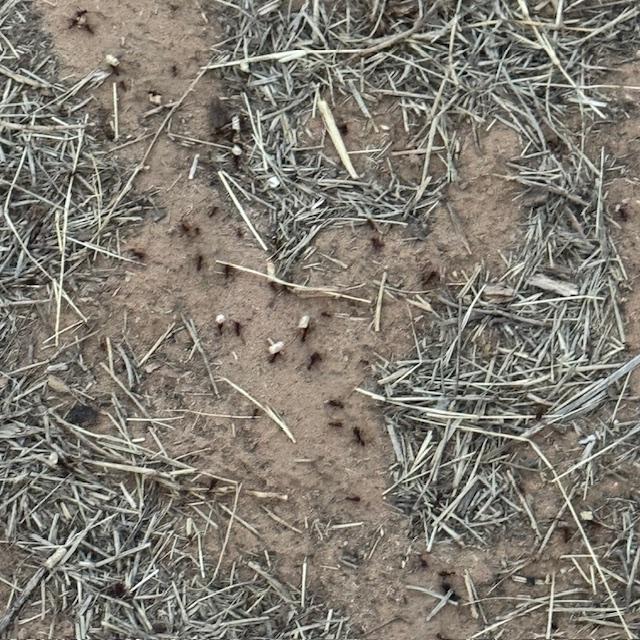 Nasty ants carrying pieces of feed.
At 6pm, we went out to feed and put away the animals. I opened the feed shed and there were hundreds (it seemed like millions of cutter type ants in there getting spilled food. I grabbed a broom and started sweeping them out. I texted Matt to grab some ant poison.
After what seemed like an eternity, he arrived with a spray can and some powder. I took the spray can and began sending these horrible creatures to their just reward. Matt took the powder and followed the very long line of ants out into the orchard. He finally found the nest and they all should be where they belong by morning. Good night!
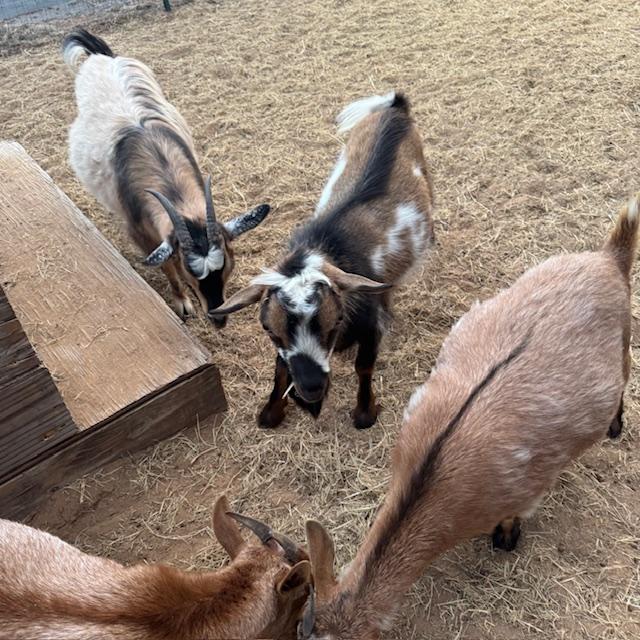 Left to right back: Gracie and Markie.
Front row left to right: Lucy and Ethel, the twins. Isn't Markie so cute?
Left to right back: Gracie and Markie.
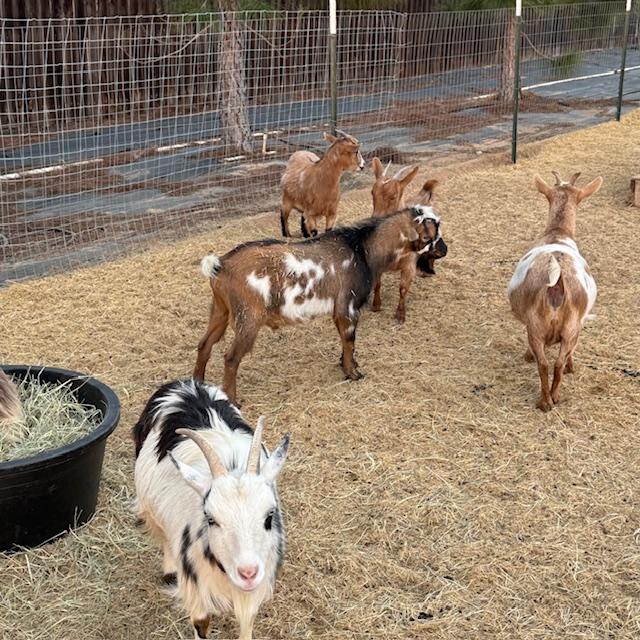
Front row left to right: Lucy and Ethel, the twins. Isn't Markie so cute?I finally got over to my goats. Their yard got a bit of a makeover with new posts so they can't break through the fence. The fence actually got fixed up as well. It looks good. I had about half of a treat cup full of licorice treats and Markie just stepped right up like a man and claimed some. I was so proud of him. Of course, the girls kept cutting in front of him, trying to get them all.
I need to pick more of them up. I normally give them the treats once or twice a week but I was just so excited that Markie was finally coming to the cup instead of running away!
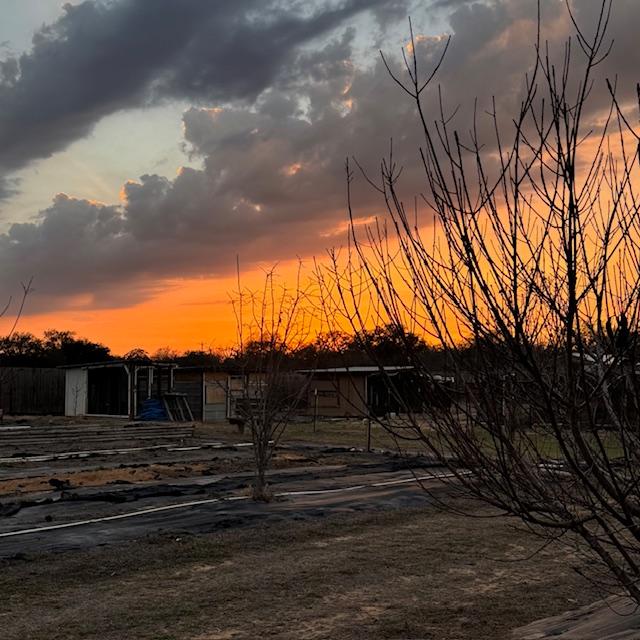
 The sunset made the sky look pinkish-peachy. It was very pretty but the camera never quite does God's handiwork justice.
Saturday, February 21, 2026
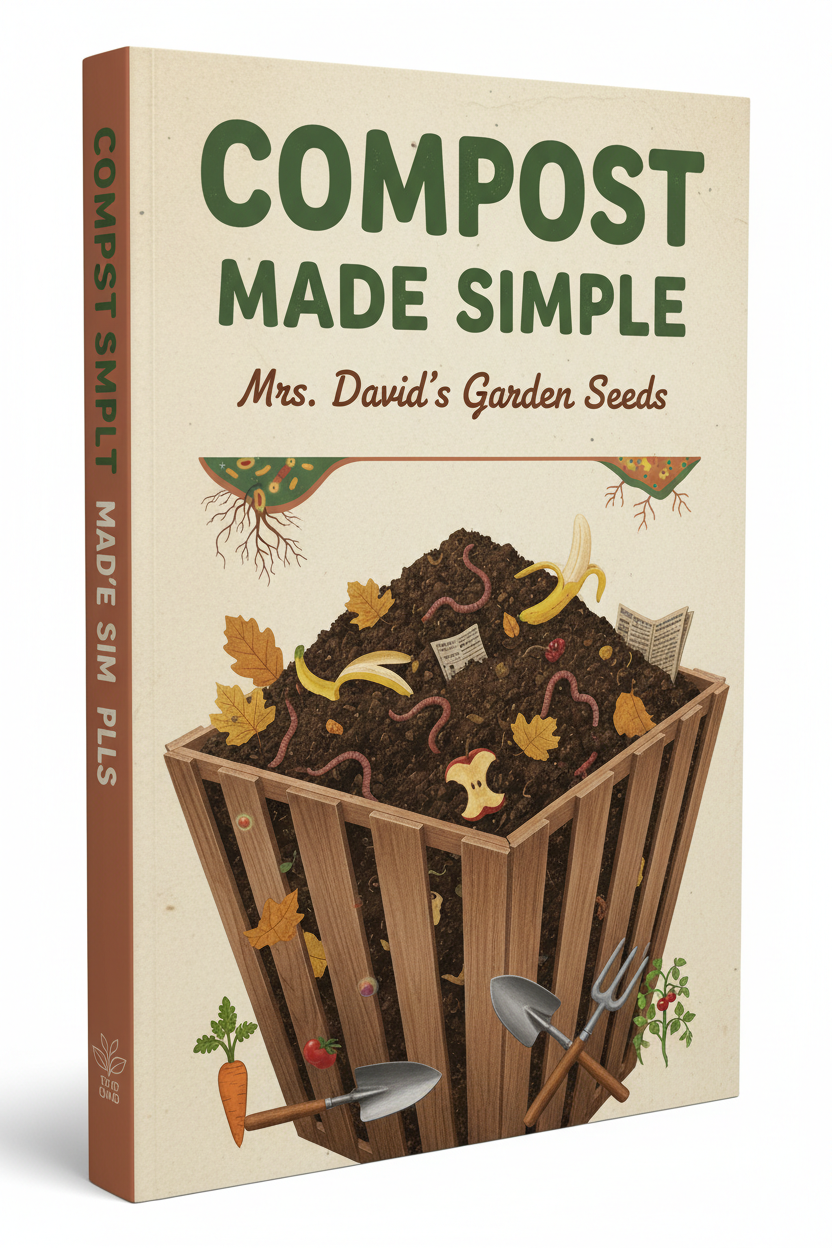 My second ebook is now up on the website about making compost, entitled Compost Made Simple.
Good morning! Guess what? I sold a copy of my first ebook! I am so excited!
Last night, I finally got my second ebook up on the website about making compost, entitled Compost Made Simple. Here is the link if you are interested.
I actually had one of the worst nights ever, tossing and turning until sometime after 3am. I just couldn't get to sleep. Now I need to wake up and get busy on orders this morning.
We got a call before lunch saying that our seed counting helper will not be coming back to work for us. He did such a good job when he was here. Most of the time, that was about three hours a day, several days a week. It is so hard to get any decent help out here.
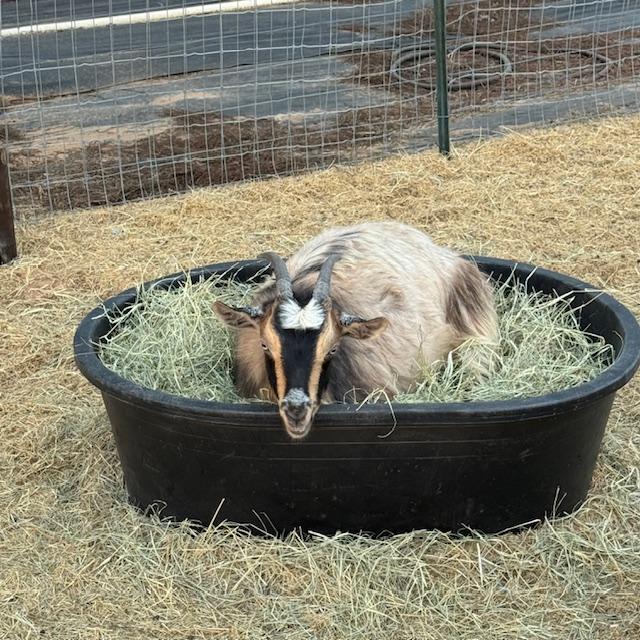 Gracie was taking a hay bath when I went out to put them away for the night. I haven't seen any of them do this before.
We had a couple of customers, one after 2pm. David had us stay open until 4pm today. I was exhausted by the time we closed. I went home and vacuumed. Then I put the animals away around 6pm.
David smoked the most delicious pork roast and we watched a couple of 1950s horror flicks. I am happy to report that I fell asleep on the couch.
Sunday, February 22, 2026
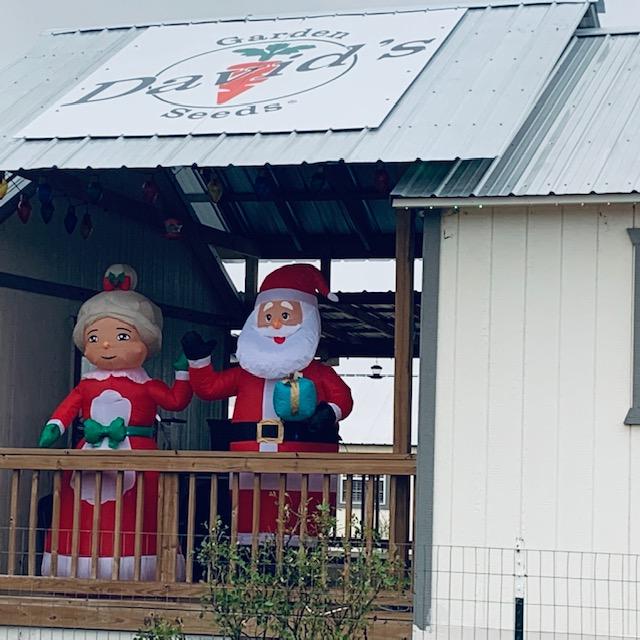
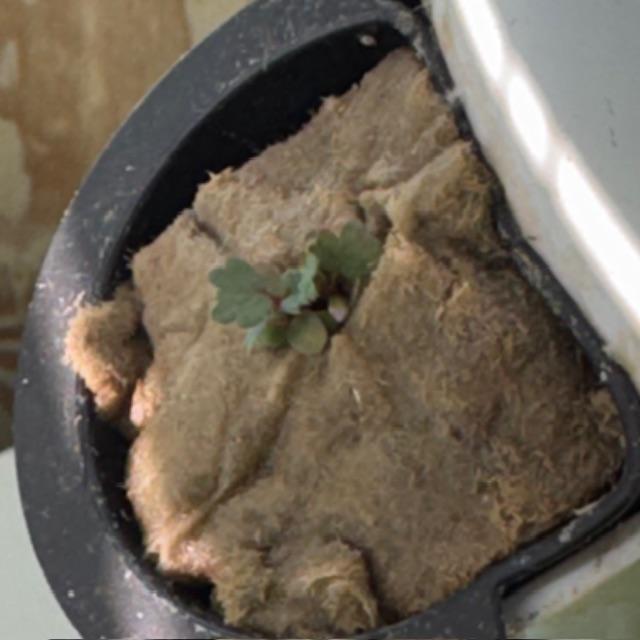 David put strawberry plants in the grow tower in the farm store.
Good morning. It is 35° out. That is ridiculous. The weatherman said the low would be 42°. I have to go freeze and feed everyone.
I went out and fed everyone and survived. It didn't feel as cold as they said it was.
I just checked and I sold another Texas Gardening ebook as well as my first Compost book! I am so excited!
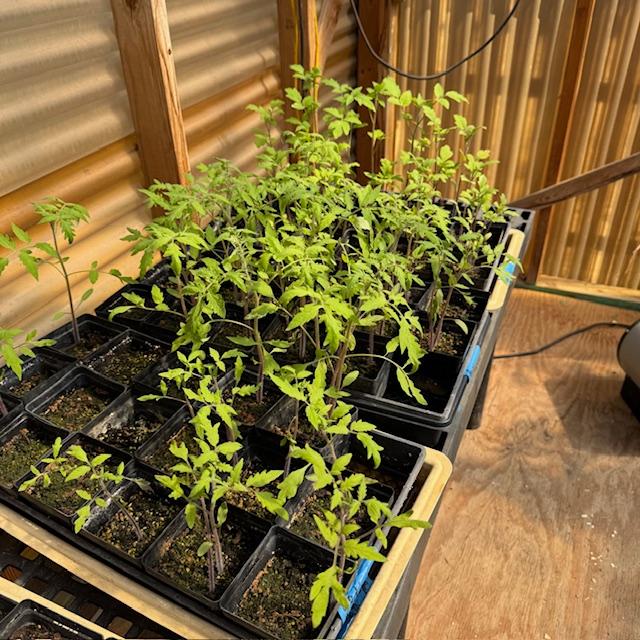 My cherry tomato plants-2 varieties-are doing so well! I can't wait to plant a few and sell the rest-Brad's Atomic Grape and Black Cherry. Yum!
We got back from church so I opened both of our greenhouses. The plants are coming up and the ones already up are looking great! My tomato plants look fantastic. My mint, herbs, and flowers are looking good.
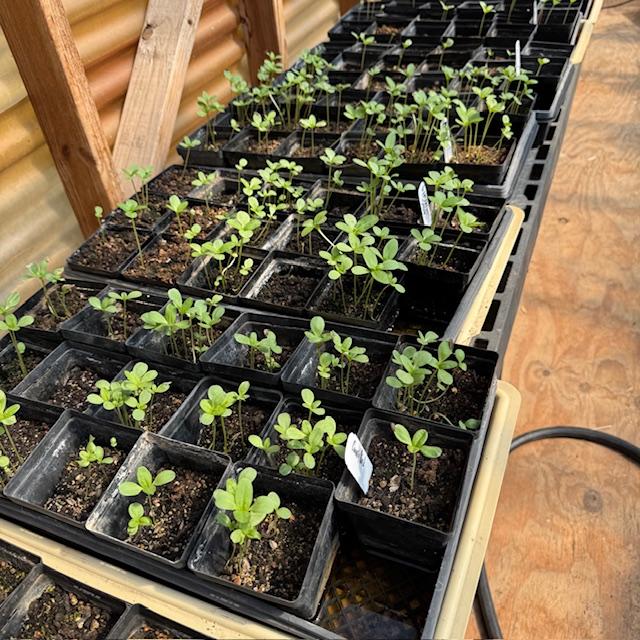 These are some of the zinnias I will be selling. Snapdragons are coming up also but they are very tiny now.
Return from Grow Dry Beans to Year 7 Of Farm Life
Anything To Share On This Topic?
Would you like to share additional information about this topic with all of us?
Since 2009, over 2,000,000 home gardeners, all across the USA, have relied on David's Garden Seeds® to grow beautiful, productive gardens. Trust is at the heart of it. Our customers know David's Garden Seeds® stocks only the highest quality seeds available. Our mission is to become your lifetime supplier of quality seeds. It isn't just to serve you once; we want to earn your trust as the primary supplier of all of your garden seeds.
Watch Our 2022 TV Commercial!
Sing Along To Our Jingle
♪♫♪♪ ♫ ♪ ♫♪♫♫
♪♫♪♪♫♫
Peppers and peas
And lots of yummy greens
You can't go wrong
With Squash This Long
At David's Garden Seeds
♪ ♫ ♪ ♫
Our New 2024 TV Ad
Please like and subscribe on YouTube and come visit us at our Farm Store! The music on our TV ad was written, played, and sung by our son, Matthew Schulze. You can meet him when you come to the farm. He just might give you a tour. Ask him to grab a guitar and sing our jingle that he wrote.
Our 2022 TV Ad

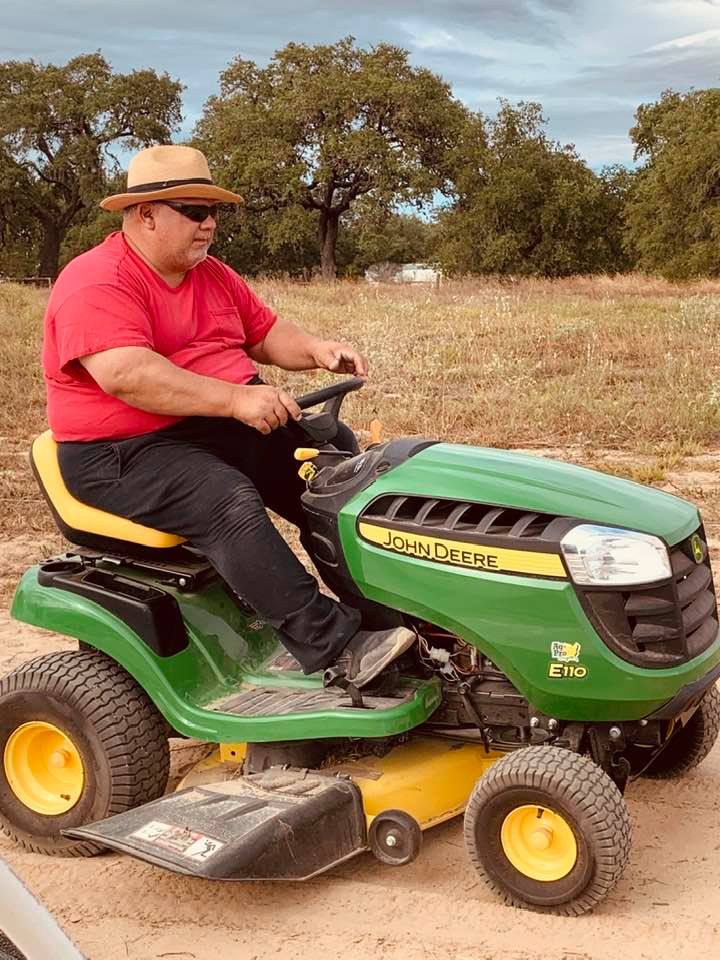 David of David's Garden Seeds® zipping along on his little tractor across the farm. He is having a blast!
We are David's Garden Seeds®. If you need great seeds, we've got over 1,400 varieties to choose from.
Subscribe To Mrs. David's Garden Seeds® Newsletter For FREE!
Find out what is going on down on the farm by reading our blog and by subscribing to our free newsletter for all of the information going down at David's Garden Seeds® and on the farm. I love to share helpful information with you. Please let your friends know and y'all come on down for a visit when you get the chance. We would love to meet you!
New Store Hours!
 Farm Store Hours: Th-Fri 10am-5pm, Sat 10am-2pm. Closed Sun-Wed.
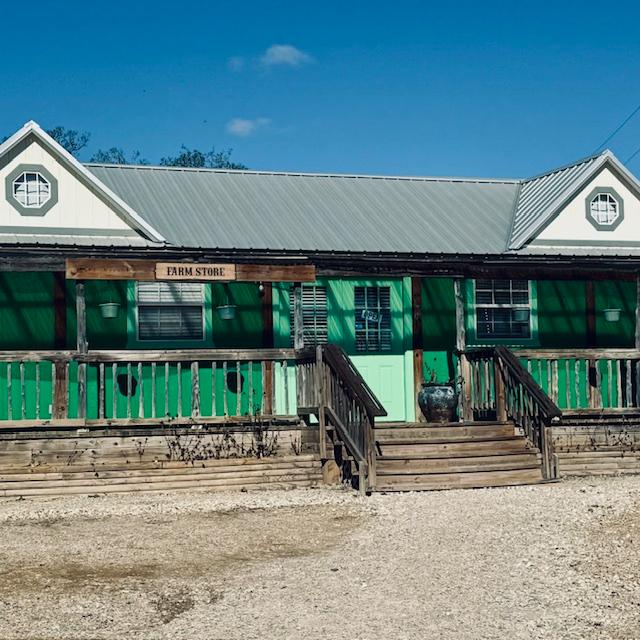 Our Farm Store
Shop for:
- Seeds
- Farm Fresh Eggs
Our Farm is located at 5029 FM 2504 in Poteet, TX.
 Only happy seeds make the cut to go into our seed packs!
David's Garden Seeds® has
seeds for the backyard gardener and farm fresh chicken eggs.
 David & Juanita work hard to pack your garden seed orders.


Sign Up For Our Newsletter Here!
   DGS YouTube Mrs
|
   |
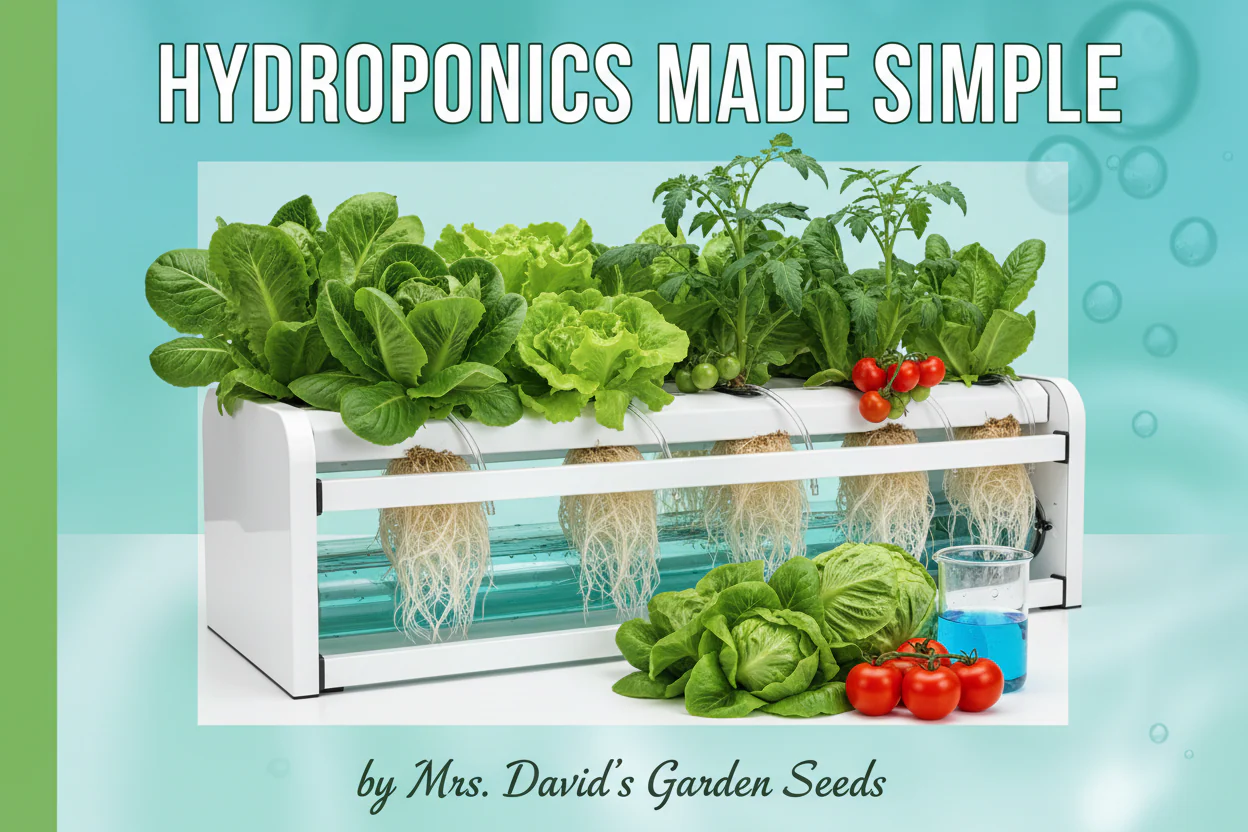
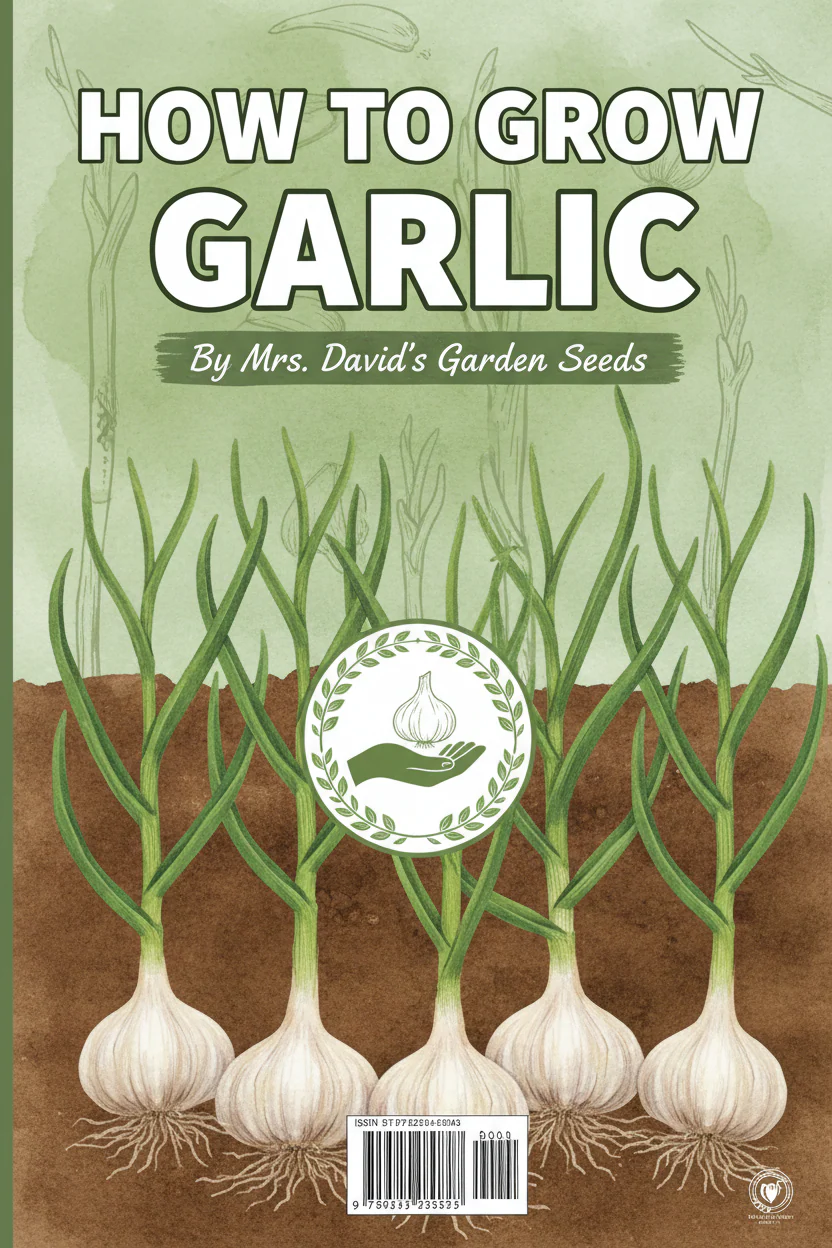
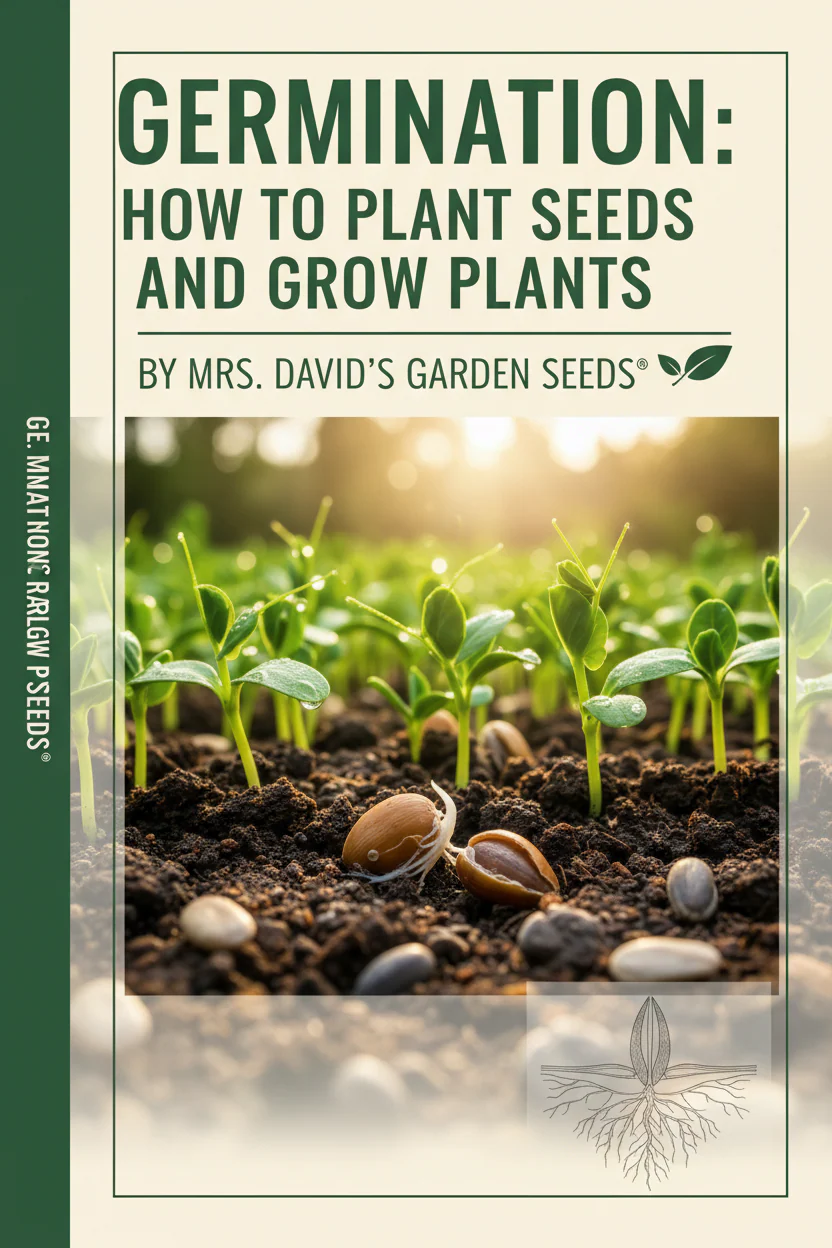
Garden Ebooks
by Mrs. David's Garden Seeds
 I've been busy creating eBooks to help you with your garden...
IMPORTANT NOTE: THE EBOOKS ARE DIGITAL DOWNLOADS (EBOOKS), NOT PHYSICAL BOOKS.

WE DO NOT REFUND OUR DIGITAL DOWNLOADS FOR OBVIOUS REASONS.
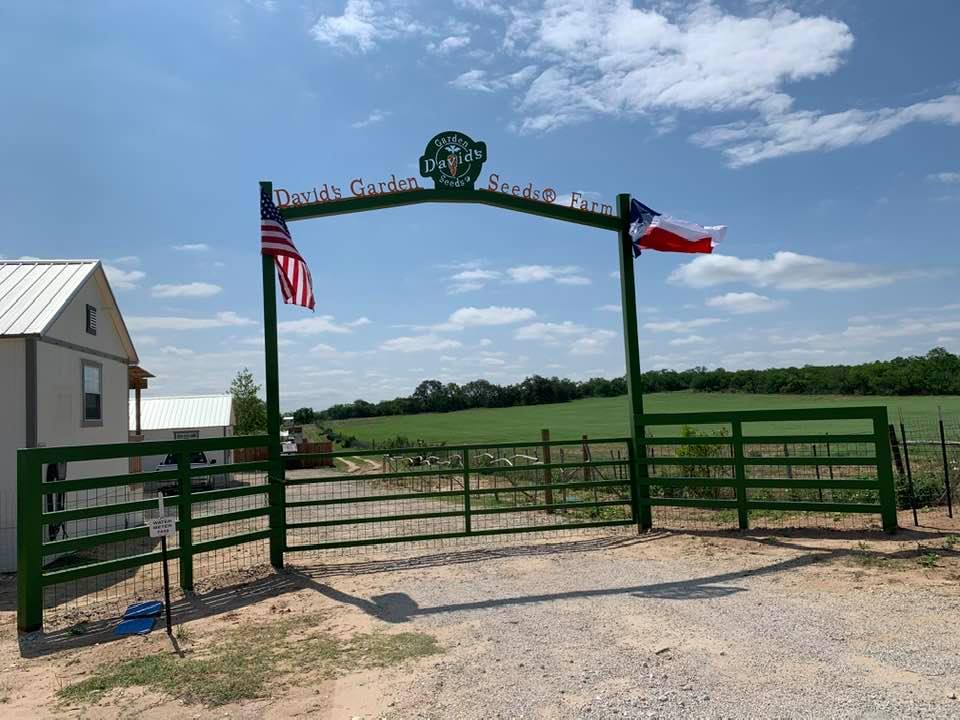
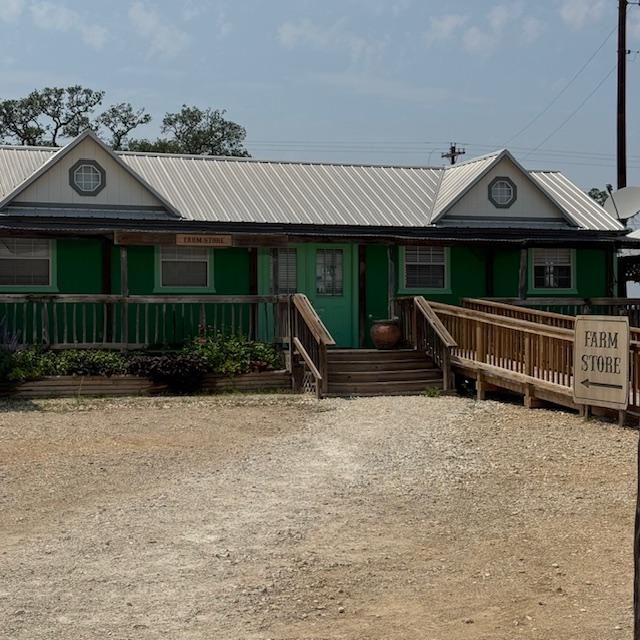 Our Farm Store is the green building
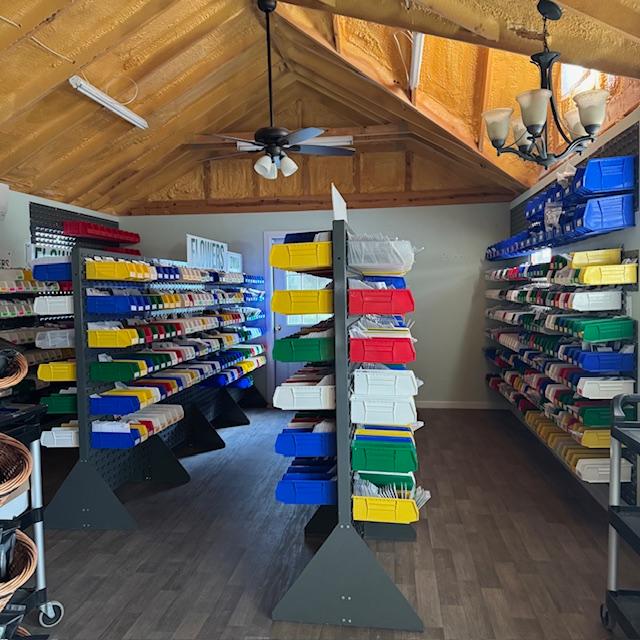 Inside our Farm Store...1400 varieties of seeds await you!
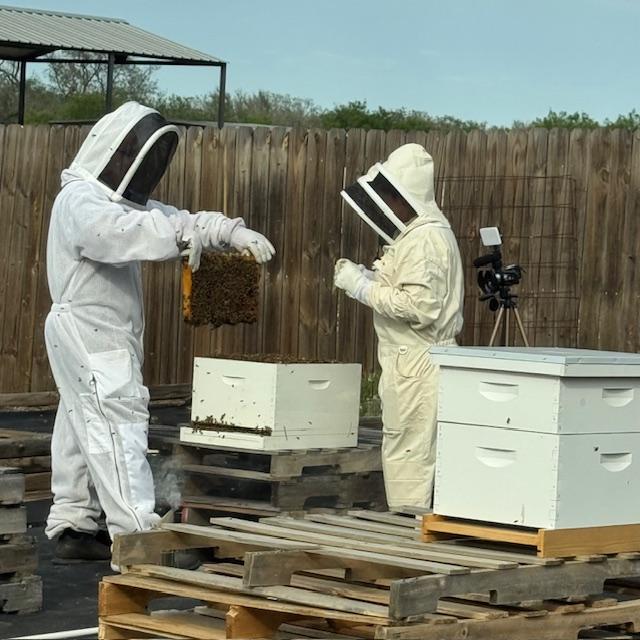 Our bee hives
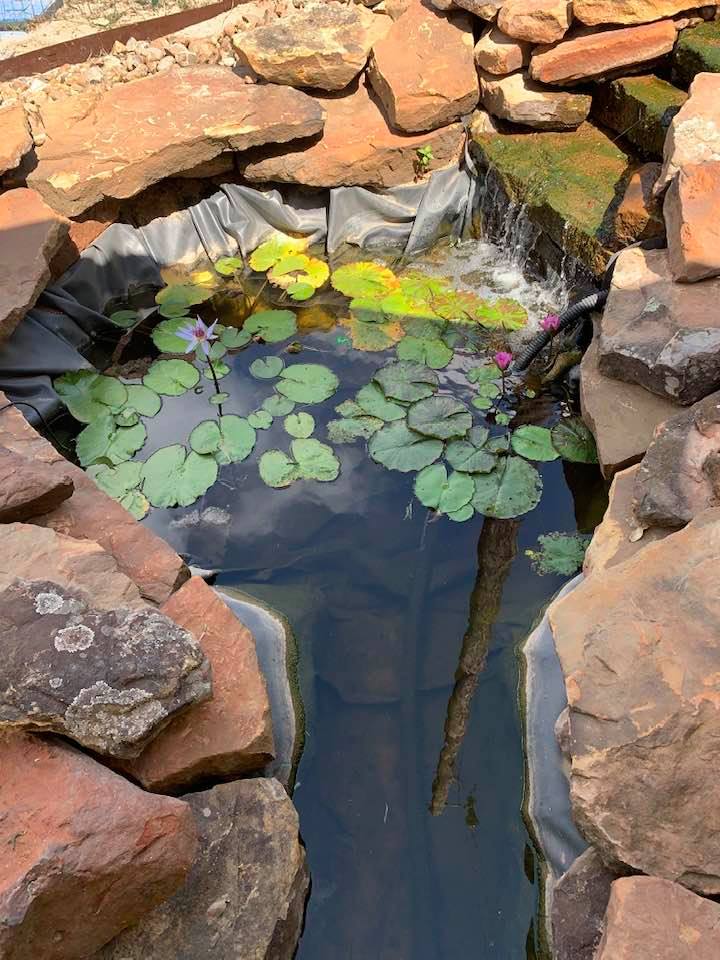
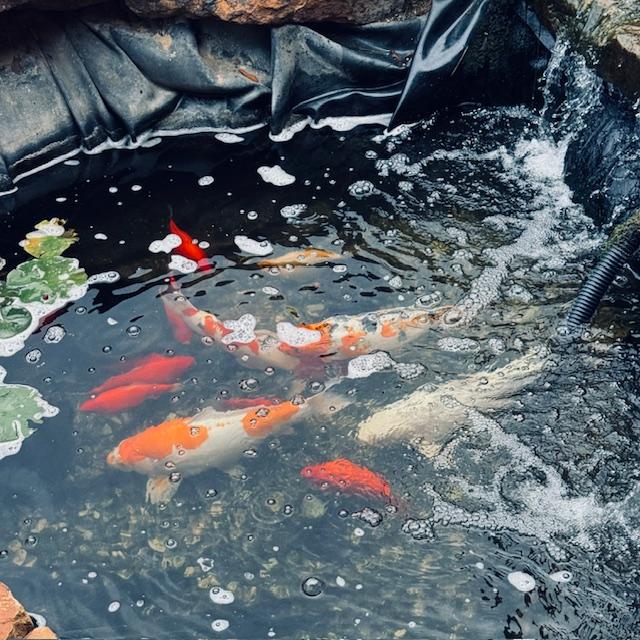 Our fish pond
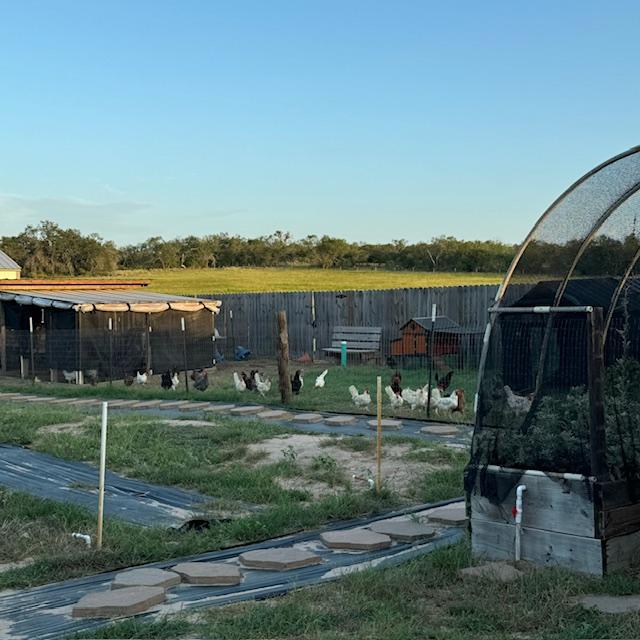 Our chickens
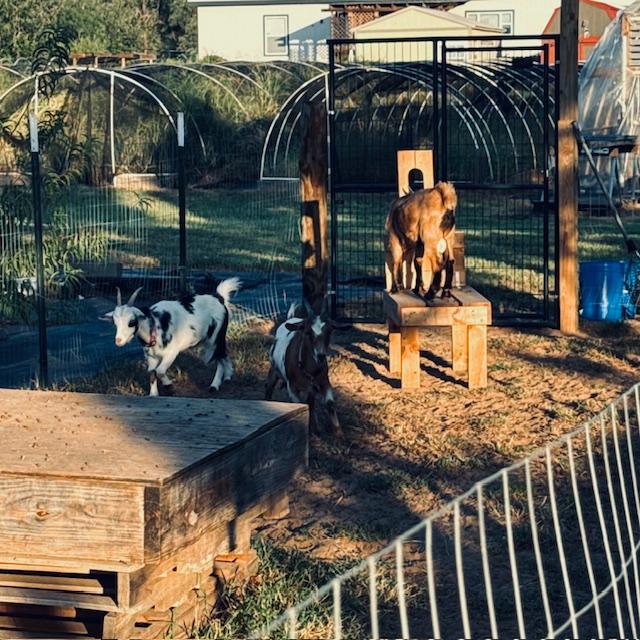 Our Nigerian Dwarf goats
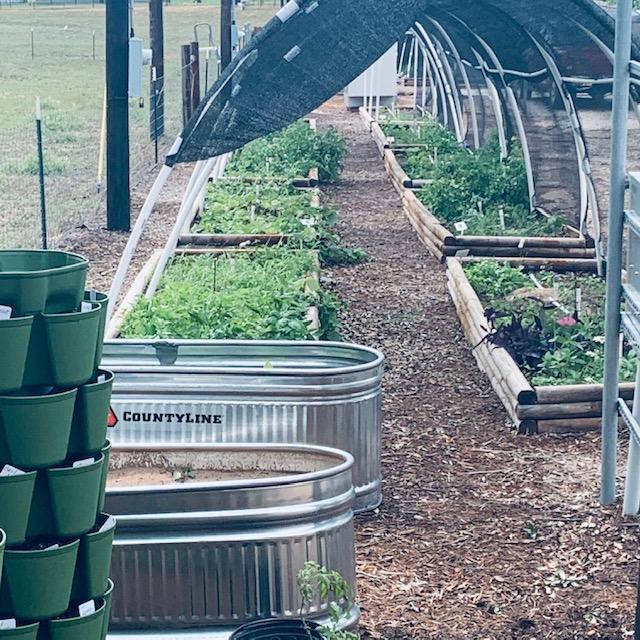 A few of our raised garden beds
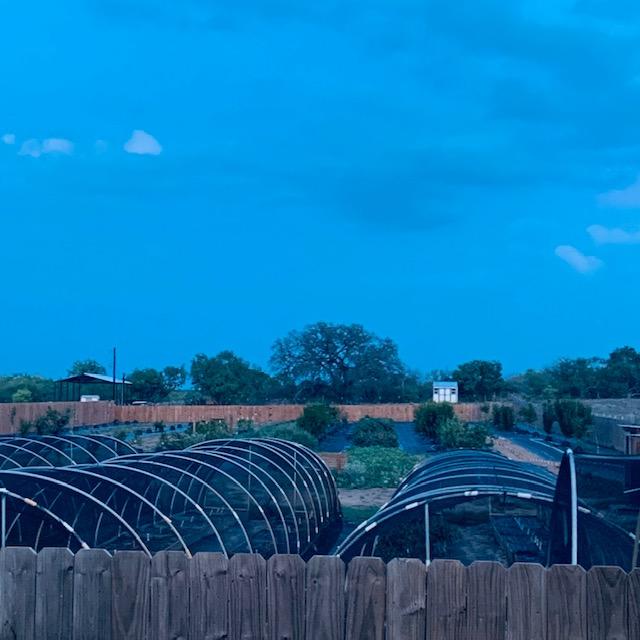 Our orchard and hoop houses
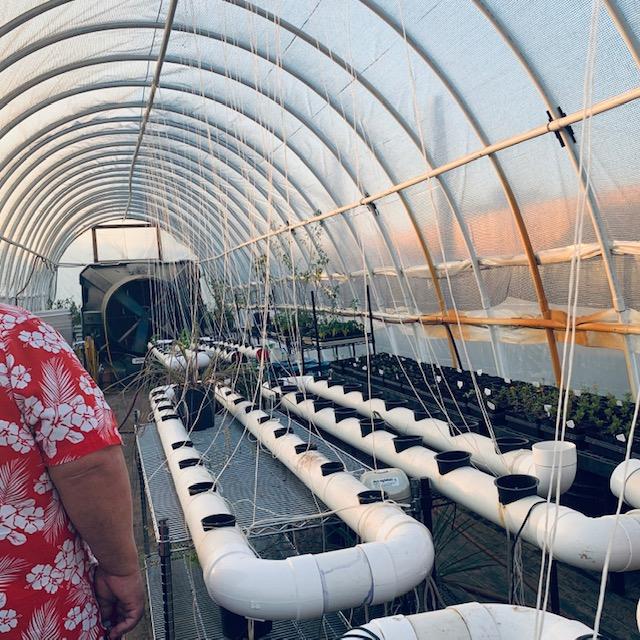 Inside our high tunnel
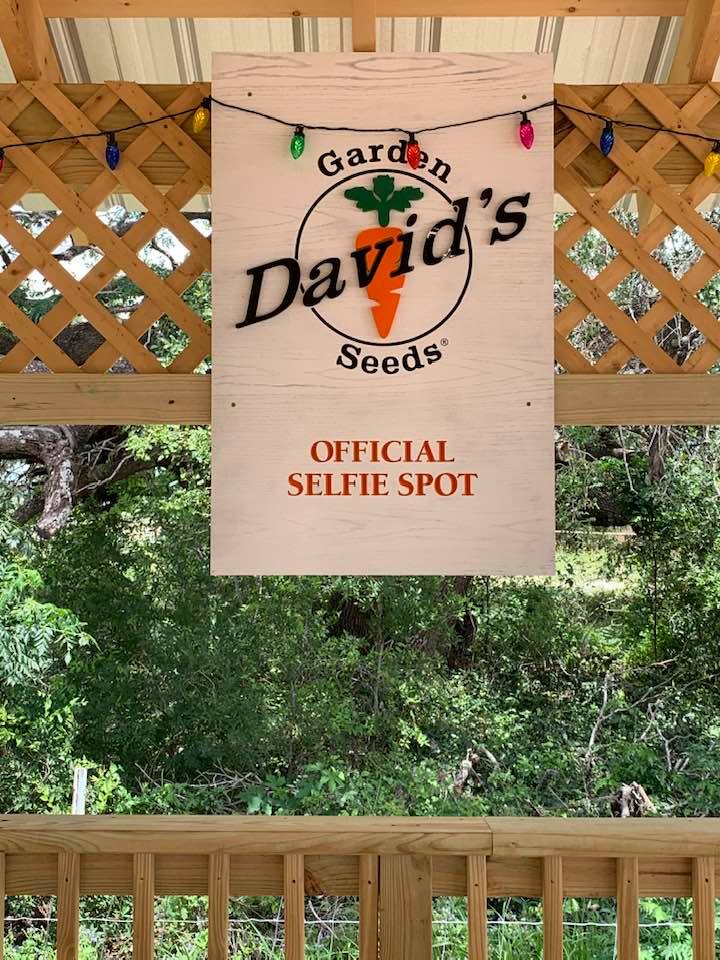 Take a selfie at our official selfie spot!
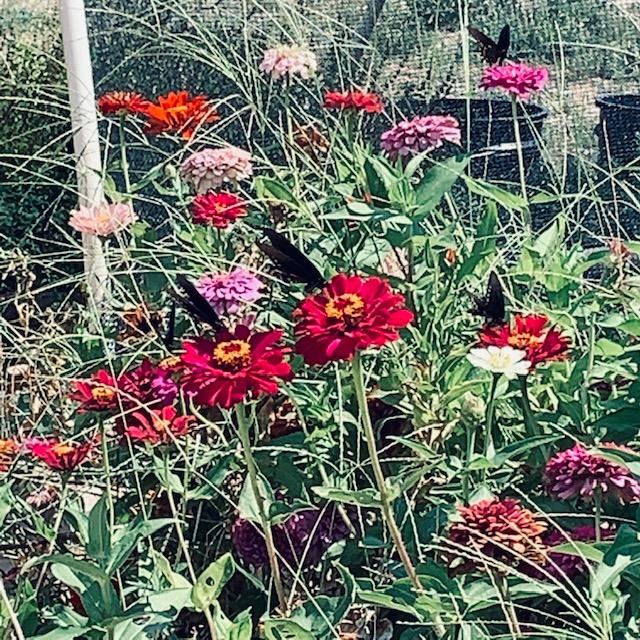 Flowers, bees, and butterflies are everywhere!
Watch Our TV Ads!
David's Garden Seeds® has the best Non-GMO seeds in the state of Texas!

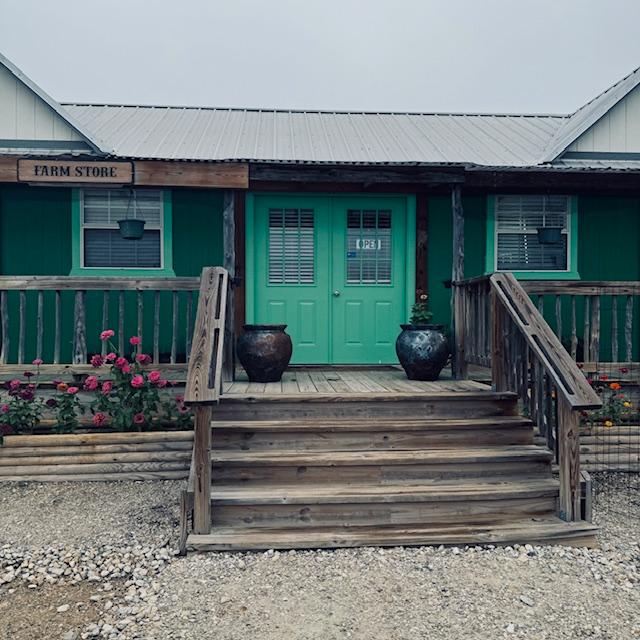 This is our beautiful Farm Store. Come in and shop for seeds. We have over 1600 Non-GMO heirloom varieties to choose from but we are in the process of bringing that number down to half.
Our Story
Hi Everyone! Thank you for visiting my website! I am Mrs Davids
Garden Seeds® aka Mrs. David's Garden Seeds and I think you should know that there is a wonderful seed
company in the great state of Texas called David's Garden Seeds®. We grow some of our seed, we count, hand pack, print our own envelopes, and ship seeds out to you right here from our farm. This used to be an old peanut farm. When the owner died about 15 years ago, his sons split the farm up and sold it in pieces. In 2024, we bought another adjoining four acres.
Our business started in our home in San Antonio in September of 2009. David decided to sell some seeds he had left over from his garden on Amazon. I told David, "Don't bother, it won't work!". I am so glad that David did not listen to me because it did work! By 2015, we had 8 employees working in my home every day and David found a storefront in San Antonio and moved the business there. In 2016, I quit my day job and went on the payroll. The company grew some more and David moved to a bigger storefront in 2017. In 2019, we found a beautiful piece of land over in Atascosa County and turned it into a farm out near Poteet. David and I moved out here to live in August of 2019.
In 2020, we moved our company out to the farm. We have a beautiful Farm Store filled with seeds, a gazebo with a pond full of koi and gold fish for you to visit. Come by and visit us at 5029 FM 2504 in Rossville, just outside of Poteet, Texas, Monday through Friday from 9am to 5pm and Saturday from 10am to 2pm. Or you can order seeds online from our user-friendly website, www.davidsgardenseeds.com.


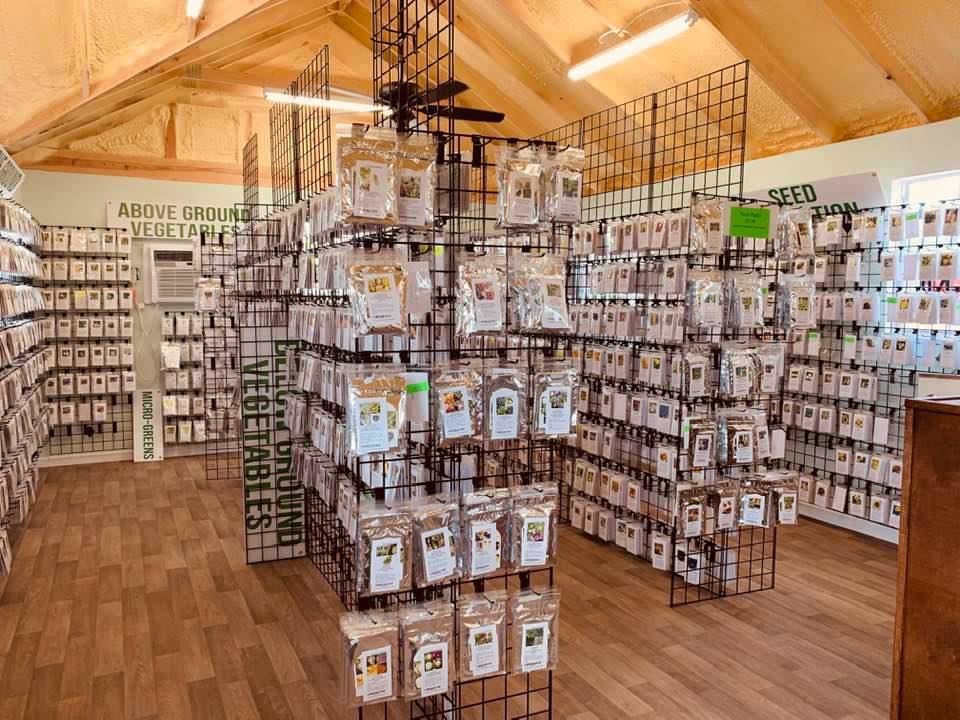 Our beautiful new farm store has almost 2,000 varieties of seeds and more. Mrs Davids Garden Seeds® looks forward to meeting you when you visit.
Mrs. David's Garden Seeds® Copyright by Juanita Lynn Schulze of David's Garden Seeds® 2019-2026
David's Garden Seeds® is Registered in the United States Patent and Trademark Office.