Grow Summer Squash
Most of our customers love to grow summer squash here in Texas in the spring and again in early fall. What is your favorite variety to grow? My favorite is the scalloped squash. They are so cute and I love the texture. My favorite way is to cut them into quarters with a small amount of olive oil and salt and pepper. Then I roast or air fry them. Delicious!
Grow Summer Squash - 1/5-1/11/2025
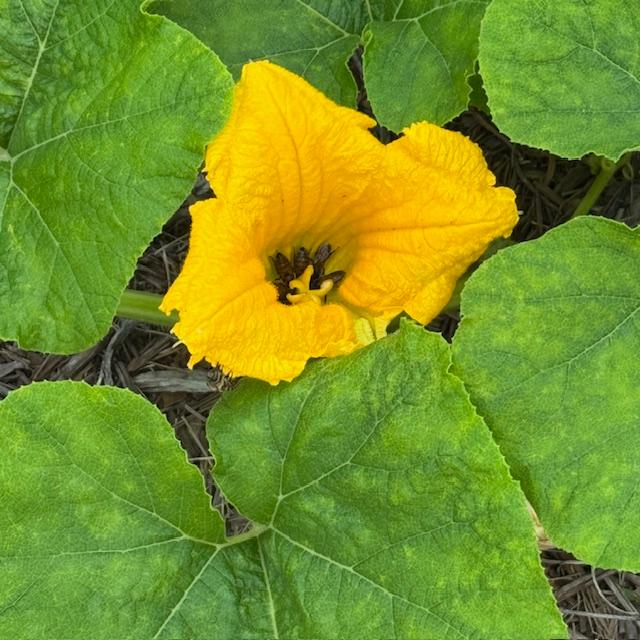 Grow summer squash. Here is a squash bloom with 5 bees inside doing their job.
If you love squash, you’re in the right place—because once you learn how to grow it, you’ll wonder why you ever paid store prices for something that’s so easy to produce at home. I’m going to talk to you like I would a neighbor leaning on the fence: simple steps, no fluff, and lots of practical tips you can use right away to grow summer squash in your garden.
Summer squash is one of those plants that makes you feel like a gardening genius. You plant a seed, you blink, and suddenly you’re carrying armloads of squash into the kitchen. The trick is knowing the timing, the types, and how to keep the plants healthy so the harvest keeps rolling.
First, let’s clear up the big confusion: summer squash and winter squash are not the same thing. They’re both “squash,” but they behave differently in your garden and in your kitchen.
Summer squash is picked young while the skin is tender and you can usually eat it without peeling. It grows fast, produces early, and keeps producing as long as you keep harvesting. Think: zucchini, yellow squash, pattypan, and other soft-skinned squash.
Winter squash is grown to full maturity and stored for months. It forms a hard rind, takes longer to mature, and you usually harvest it once per plant area near the end of the season. Think: butternut, acorn, spaghetti squash, and pumpkins.
Here’s the easiest way to remember it: summer squash is for quick eating, winter squash is for long keeping. Summer squash is tender and fast, winter squash is tough and slow.
Now let’s talk about “types of squash,” because this is where gardeners get to have fun. Within summer squash, you’ll find different shapes, colors, and growth habits—and each one can fit a different kind of backyard garden.
The most famous summer squash is zucchini. It’s usually dark green, long, and straight, and it’s the one that seems to multiply overnight if you miss a harvest.
Yellow summer squash (often called straightneck or crookneck) is another classic. It’s bright, buttery-looking, and tends to be a little sweeter and softer when cooked.
Pattypan squash aka scalloped squash looks like a flying saucer—flat with scalloped edges. It’s cute, it’s tasty, and it’s perfect for slicing into rounds or stuffing when it’s a bit larger.
Cousa squash (sometimes called Lebanese squash) is lighter green and slightly shorter and thicker than zucchini. In my experience, it stays tender and mild even when it gets a little bigger than you meant it to.
Round zucchini is exactly what it sounds like: zucchini that grows like a ball. It’s great if you like stuffing squash with meat, rice, or cheesy fillings.
Tromboncino is a fun one that blurs the line between summer and winter use. You can eat it young like summer squash, and it often grows as a long, curved, pale green fruit. It can also be trained up a trellis, which is a lifesaver if your garden space is tight.
Some people also grow specialty summer squash in striped, pale yellow, or even light green shades. The growing method is basically the same, so you can pick what looks good and tastes good to you.
One more important “type” difference is how the plant grows: bush vs vining. Most common summer squash is bush type, which spreads out but stays in one general area, while some varieties vine and can be trained or allowed to roam.
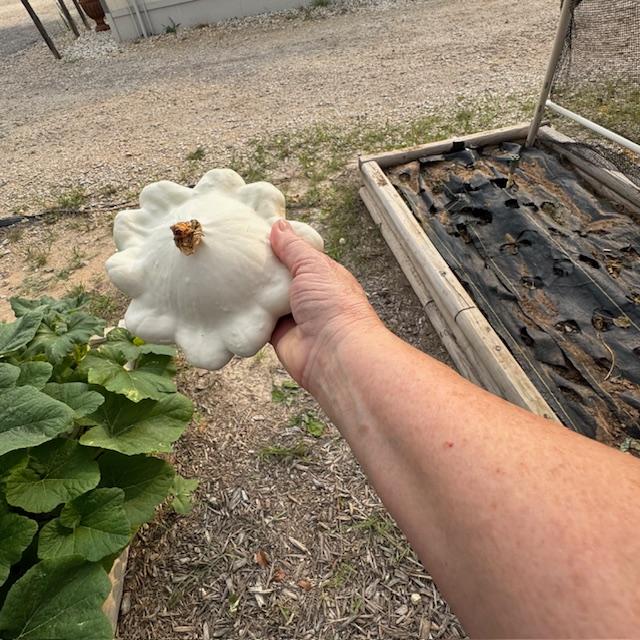 I just picked a Patty Pan (scalloped) squash. They come in a variety of colors.
Grow Summer Squash - Important Tips
 We picked a nice variety of squash on this day. Grow summer squash in different varieties and see which ones you like best.
Now let’s get into the real goal: how to grow summer squash in a way that’s easy, productive, and fits a normal backyard garden. If you give this plant sun, warmth, water, and decent soil, it will do the rest.
Start with the #1 rule: summer squash hates cold soil. Don’t rush it. If you plant too early, seeds can rot or seedlings can stall and stay weak.
For early spring planting, wait until after your last frost date and until the soil feels warm—not chilly. A good target is when nights are mostly above about 50°F (10°C), because squash grows best when it’s consistently warm.
If you want a jump start in early spring, you can warm the soil first. I’ve done this by covering the bed with black plastic or landscape fabric for a week or two before planting, and it really helps in cooler springs.
You have two ways to plant: direct sow seeds into the garden, or start seeds indoors and transplant. Direct sowing is easiest, but indoor starting can give you earlier harvests if your spring stays cold for a long time.
If you start seeds indoors, do it about 2–3 weeks before planting outside. Don’t start them too early—squash seedlings don’t love being stuck in a pot for long.
Grow Summer Squash - How To Plant
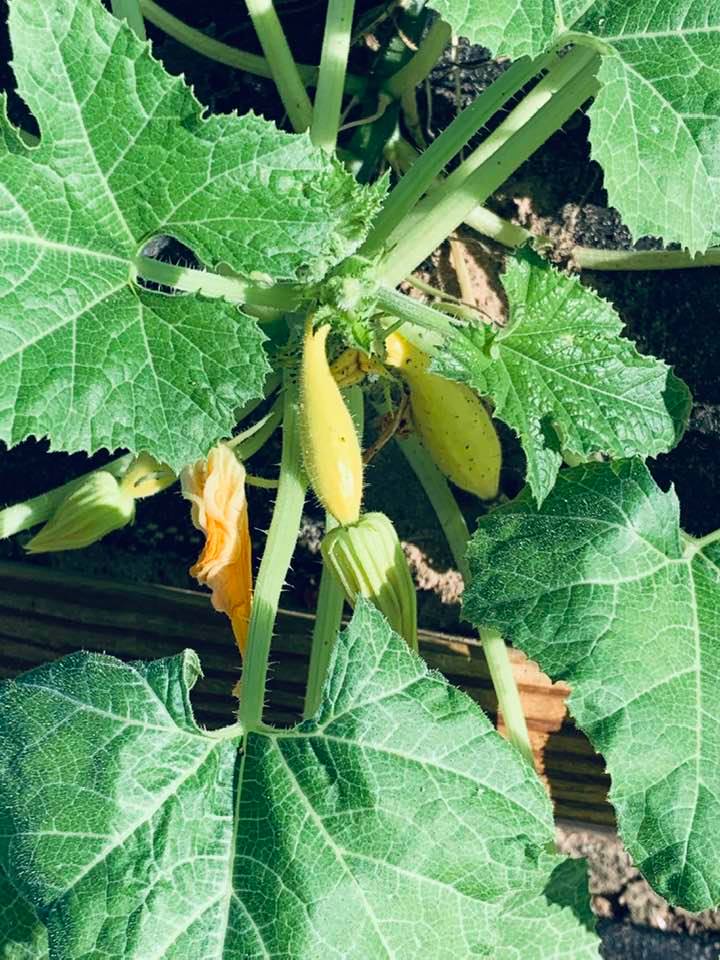 Here are some crookneck squash babies on the vine.
Plant seeds about 1 inch deep in small pots, keep them warm and bright, and water when the soil surface starts to dry. When they have a couple true leaves and outdoor temps are steady, transplant them gently without disturbing the roots too much.
For direct sowing, plant seeds 1 inch deep in the garden. I usually drop 2–3 seeds in a spot and thin to the strongest plant after they sprout.
Spacing matters more than people think, because crowded squash gets more disease and fewer fruits. For bush types, aim for roughly 2–3 feet between plants. For vining types, give more space or plan on a trellis.
Summer squash needs full sun. If you can give it 8 hours of sun, it will thank you with a bigger harvest, but 6 hours can still work if that’s what your yard offers.
Soil should drain well and have lots of organic matter. Before planting, mix in compost if you have it. I’ve gardened in both rich soil and poor soil, and compost is the difference between “meh” squash and “keep giving it away” squash.
Many gardeners plant squash in small mounds or raised rows. This helps drainage and warms the soil faster in spring, which is a big deal for early planting.
Grow Summer Squash - General Care
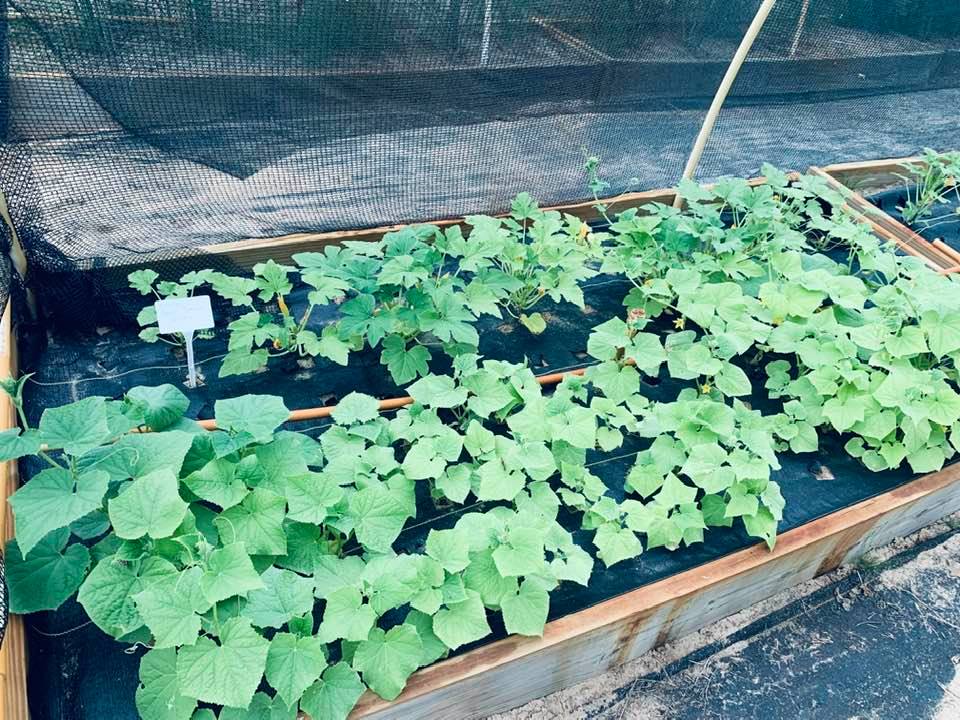 Some of our squash plants just starting out before the blooms...
Once the seedlings come up, keep the area weeded, especially for the first month. Weeds steal water and nutrients, and squash is at its best when it can grow fast without competition.
Watering is where a lot of people get frustrated, so let’s make it simple. Water deeply, and water the soil—not the leaves—so you reduce disease.
A good general target is about 1–1.5 inches of water per week, including rain. In hot weather or sandy soil, you may need more, and you’ll notice the leaves droop when they’re thirsty.
Here’s my personal rule from years of growing zucchini: if the plant looks perky in the morning but droops hard by midday and stays droopy into the evening, it’s time to water. If it droops midday but bounces back later, it’s often just heat stress and not a real water emergency.
Mulch is your best friend for steady moisture. Put straw, shredded leaves, or untreated grass clippings around the plants once the soil is warm, and you’ll water less and fight fewer weeds.
Now fertilizing—this is important, but you don’t need to overthink it. Summer squash grows fast and produces a lot, so it needs steady nutrition, especially once it starts flowering.
At planting time, compost in the hole or bed often covers the basics. If your soil is poor, you can also mix in a balanced garden fertilizer according to the label directions.
Once the plant starts blooming, you can side-dress with compost or use a gentle fertilizer every few weeks. Don’t go crazy with high-nitrogen fertilizer, though, because it can make huge leafy plants with fewer squash.
Grow Summer Squash - Problems
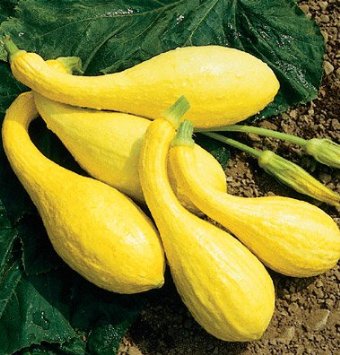 Grow summer squash like the Yellow Crookneck.
If you’ve ever had lots of flowers but not many fruits, pollination might be the issue. Summer squash plants make separate male and female flowers, and bees (or you) move pollen between them.
Male flowers usually appear first and sit on thin stems. Female flowers have a tiny baby squash behind the flower. Once you spot that little swelling, you’ll start noticing the difference right away.
If pollinators are scarce, you can hand-pollinate in the morning. I’ve done this with a small paintbrush or by gently touching a male flower to a female flower—simple, quick, and it works.
Another common issue is powdery mildew, a white dusty coating on leaves that often shows up later in the season. Good spacing, watering at the soil line, and airflow help a lot.
Also watch for squash vine borers and squash bugs in some regions. The best defense is daily checking, early detection, and keeping plants vigorous. Row covers early in the season can help, but you must remove them once flowers appear so pollination can happen.
Grow Summer Squash - Limited Space
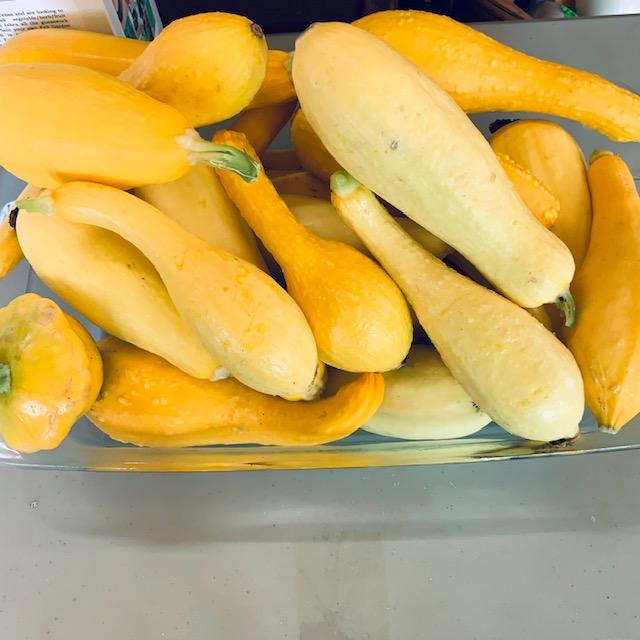 This harvest has straightneck, crookneck, and patty pan squash.
If you’re short on space, you can still grow summer squash in your garden by choosing compact bush varieties or training a vining type up a sturdy trellis. Trellising keeps fruit cleaner and makes harvest easier.
Containers can work too, as long as the pot is large enough and you water more often. A big container (think roughly 10–15 gallons or more) with rich potting mix can grow one plant successfully.
Grow Summer Squash - Fall Planting
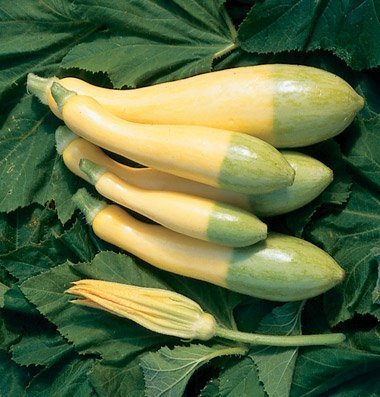 Zephyr squash grows with the tip green and the rest yellow. Isn't it pretty?
Let’s talk timing beyond early spring, because yes—you can also plant summer squash in early fall in many areas. This is great if your spring planting gets wiped out by pests or disease.
For an early fall crop, plant seeds about 8–10 weeks before your first expected frost (adjust based on the variety’s “days to harvest” on the seed packet). The goal is to get strong plants producing while days are still warm.
In late summer and early fall, keep an extra eye on watering because soil can dry fast. Warm days plus big squash leaves equals a thirsty plant.
Grow Summer Squash - When To Harvest
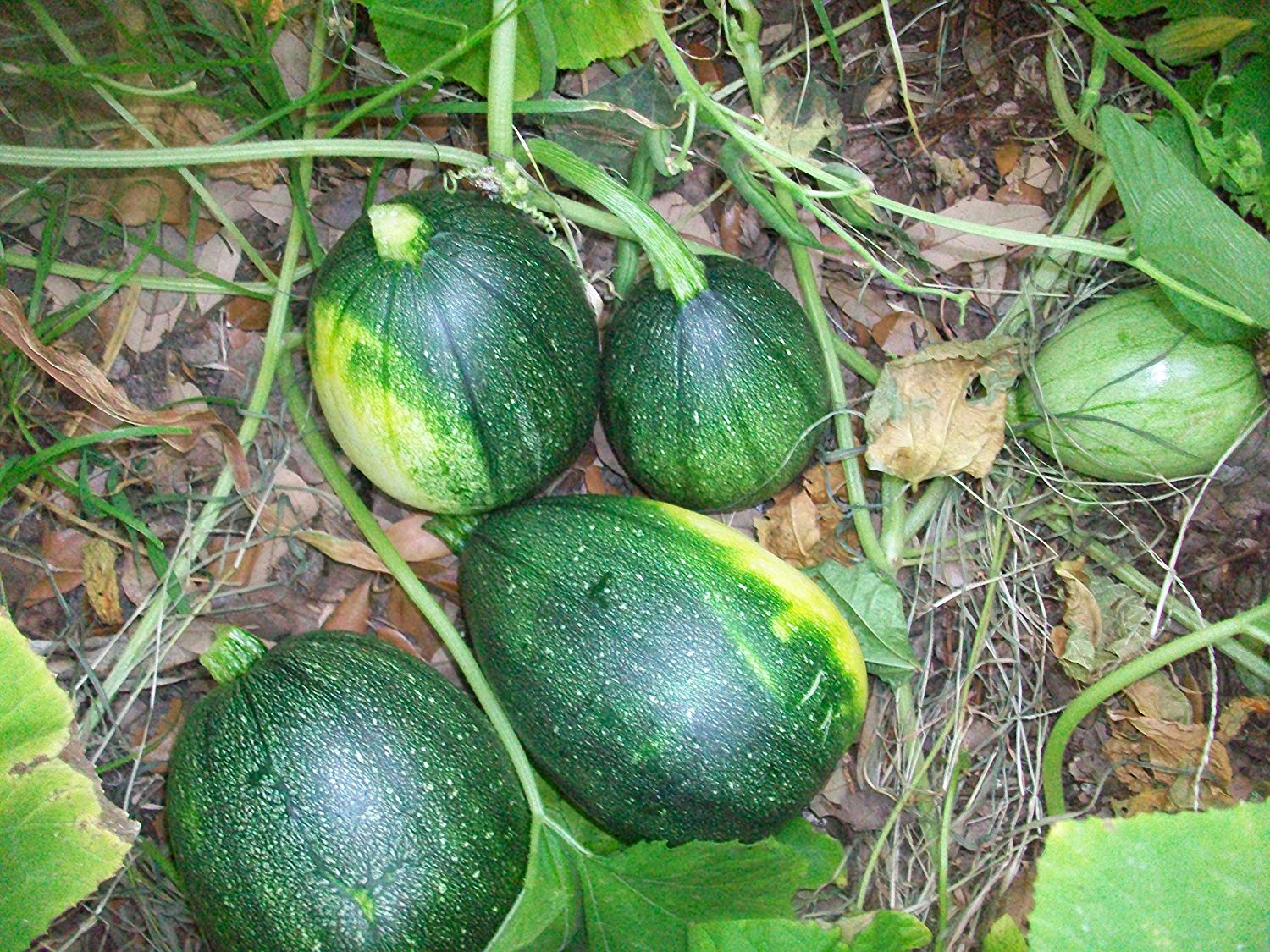 This is the famous Tatume squash. It is disease and heat resistant. Everybody wants this squash.
The real secret to nonstop harvest is picking often. Summer squash is like a factory—harvesting tells the plant to make more.
So when should you harvest? Pick zucchini and similar types when they’re young and tender—often around 6–8 inches long for standard zucchini, and smaller for the best texture. Yellow squash is also best when it’s small to medium and glossy.
Pattypan is best when it’s small too, often around 2–4 inches wide, depending on what you like. Bigger pattypans can still taste fine, but the skin gets tougher and the seeds get more noticeable.
Harvest in the morning if you can, when the plants are crisp and hydrated. Use a knife or pruners and cut the stem cleanly instead of twisting too hard, because rough harvesting can damage the plant.
Check plants every day or two during peak season. I’ve gone out for a “quick look” and come back with three zucchini the size of baseball bats because I skipped two days—so yes, they really grow that fast.
After harvest, handle squash gently to avoid bruises. Fresh summer squash keeps best in the fridge, loosely bagged, and used within about a week for top flavor and texture.
Grow Summer Squash - How To Prepare It
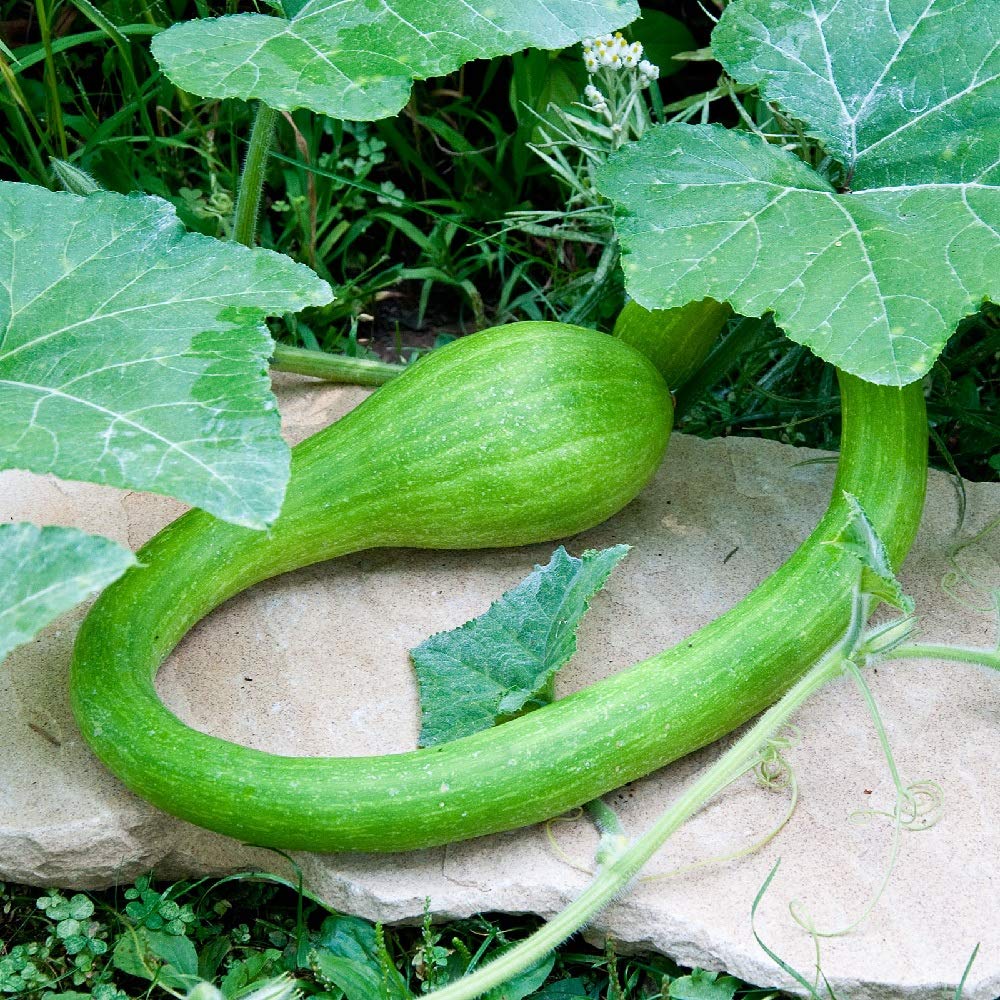 This is Tromboncino, an Italian summer squash. We normally run out of these seeds before summer gets here.
Now let’s move to the kitchen, because “how should I prepare it?” is half the fun. Summer squash is mild, so it plays well with bold flavors like garlic, lemon, tomatoes, pepper, basil, and salty cheese.
Here are easy, go-to ways to use it fast (and avoid the “help, I have too much zucchini or summer squash” problem):
- Slice and sauté with olive oil + garlic
- Grill spears or rounds and sprinkle with salt
- Shred into muffins, quick bread, or pancakes
- Roast chunks with onions and herbs
- Stuff round zucchini and bake
- Cut into slices or cubes and air fry with olive oil, salt & pepper
If you get overwhelmed, you can prep it for later. Shred zucchini and freeze it in measured bags for baking, or slice and blanch briefly before freezing for cooking later (expect it to be softer after freezing—great for soups and casseroles).
Grow Summer Squash - Conclusion
As you get better at this, you’ll start to feel that confident gardener rhythm: plant after the soil warms, water steadily, feed lightly, harvest often. That’s the heart of how to grow summer squash successfully, whether you’re doing a small backyard plot or a few containers on a sunny patio.
And yes—everyone should know how to grow squash, how to raise it, how to harvest it, and how to prepare it, because it’s one of the most rewarding crops you can grow. Keep this simple plan, try a couple varieties you’re excited about, and you’ll be able to grow summer squash in your garden season after season.
Monday, January 5. 2025
Good morning. I am feeling so much better than I was over the weekend. We are completely swamped with orders which is a good problem to have. I just printed out an additional 80 orders on top of those I printed out on Saturday morning. A big thank you to all of you who have placed orders!
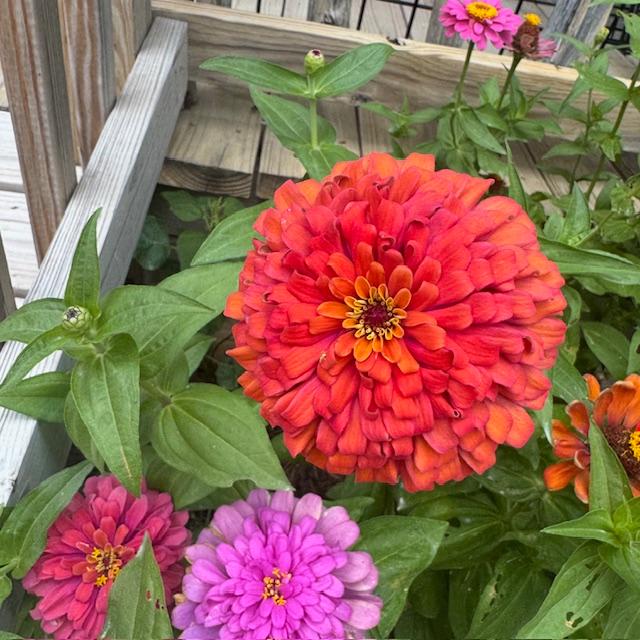
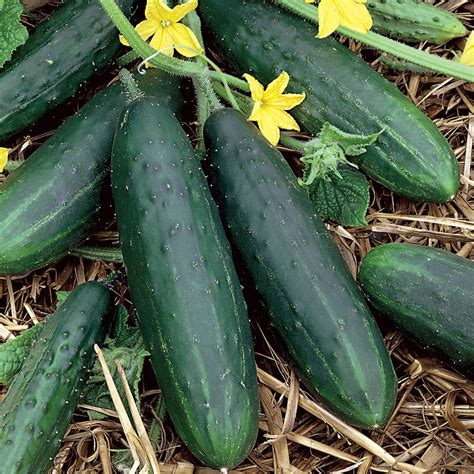
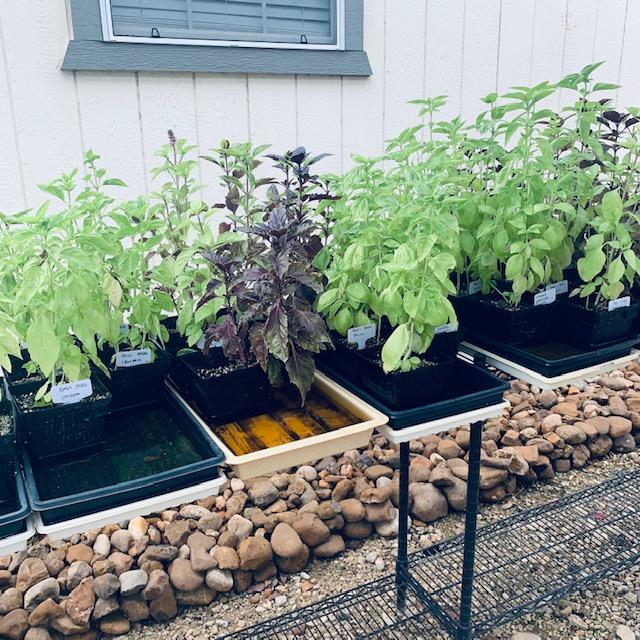
Last night at midnight, our new sale went into effect--save 15% on all cucumber seeds, basil seeds, and zinnia seeds for spring. Get the seeds now for spring planting so you get what you want, not what is leftover! This sale will go on all week through Sunday night at midnight, CST.
It was a very busy day. I had to count a bunch more seeds so I got a late start on the orders. It took me until 5:35pm to mail out all of the older orders that needed seeds with special counts.
Tonight I will be counting a back ordered seed that came in today. I have a lot of orders waiting for it. They should all go out tomorrow.
Some men came over to work on the high tunnel greenhouse for David today. We spoke with someone about helping to count seeds but found out they were not interested in the job. We are batting 1000, aren't we? Ha ha ha!
We got seven eggs from the chickens this afternoon. The weather was cool and nice all day long. I have had a headache for most of it. It's been a long day.
I am so late this year but Christmas is finally down. I just finished packing up the ornaments and the trees. My back is killing me, but it is done with no help from anyone...Maybe tomorrow, I will put wall hangings and mantel decorations back up but for now, at least it is done. This may be the latest that Christmas has been up.
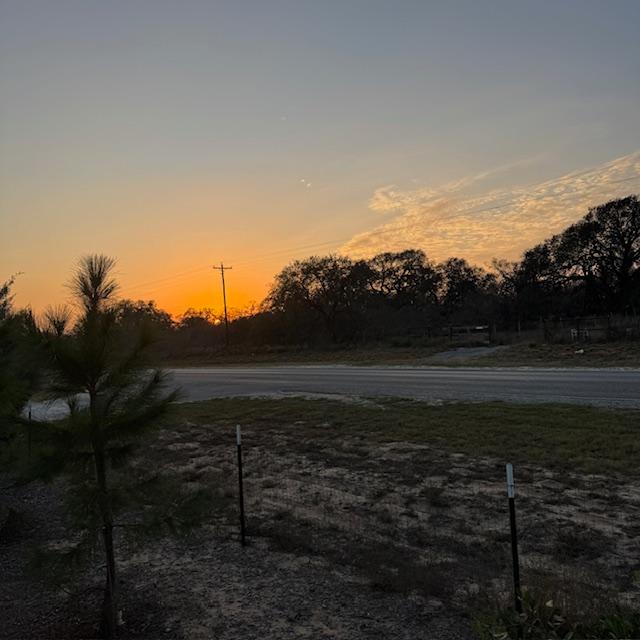 I caught the sun setting as I left my work building. Nothing like last night at all. Last night, the sky was gorgeous.
Tuesday, January 6, 2025
Good morning. It is supposed to be foggy and hot today. It is 62° right now and it should get up to 83°. However, there is no fog yet from what I can tell at 6:30am.
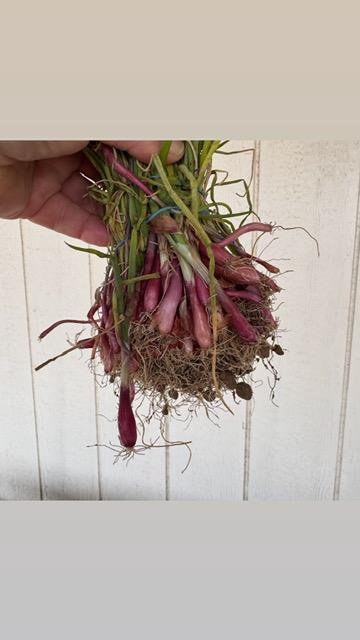 There is still time to plant onion starts and we have them right now. Come by or place your order today.
We still have onion starts in bundles of 48 on sale--Candy, Yellow Granex, Texas Early White & Red Creole- Get yours here! We are out of the Texas 1015Y but it is still active as David intends to drive down to get more. He needs to because we have a bunch of back orders for it. All of the others, I still have a few more on hand to mail out immediately.
Looking at our website right now, we only have nine varieties of summer squash. Next week, we will talk about winter squash. We have 15 varieties of winter squash, not including pumpkins. If you are ordering seeds for spring, pick out your winter squash and pumpkin seeds now because you grow them in summer, not fall or winter. Winter squash takes about 120 days to grow. It is the same for pumpkins. There are a few varieties ready in 90 days.
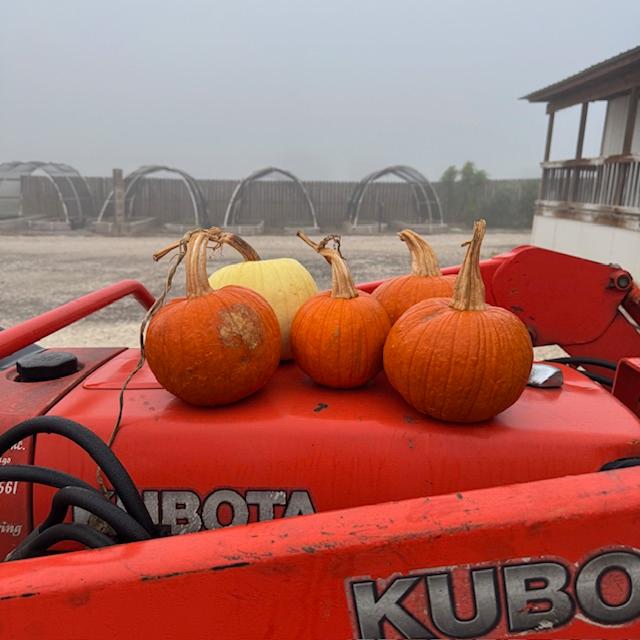 Pumpkins are part of the winter squash family and take about 4 months to grow so you need to start them in June, not September.
Most people wait until September to order pumpkin seeds and they expect them to be ready by October. No, that is not how it works. If you want pumpkins by October, plant them in June or you will be disappointed. Every fall, we have a huge increase in pumpkin orders. Don't be one of those gardeners. Order early, get the varieties you want, and plant them on time.
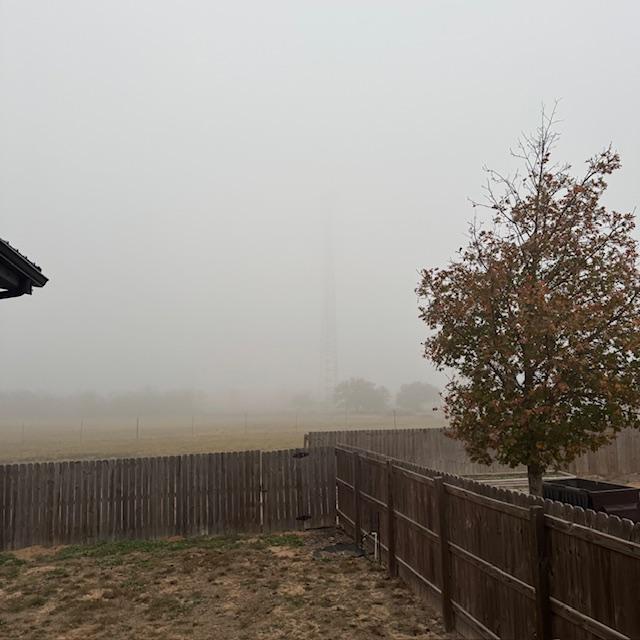 From my front porch looking toward the cell tower. The fog rolled in and seems to be getting thicker now.
Now at 7:30am, the fog is thick and getting thicker.
Matt just arrived safely but without goat feed and hay. He took our truck last night for that purpose. The place we get it from was opening at 7am. Now they don't open until 8am. We will have to go get it later. Boo!
I made egg tacos for breakfast with mushrooms, salsa, and cheese. Pretty tasty. I need to get ready to go out and face a ton of orders. Both yesterday and Sunday were big days for us, the biggest we have had since last spring. Our customers are giving us job security! Thank you.
I need to put away my Christmas tree and decorations. At least they are packed up and ready to carry into storage. During Christmas 2024, I bought a new Christmas tree bag and a new ornament box but I could not locate them so they did not get used when I put Christmas away in 2024. Just yesterday, I found them and put them together.
We had one customer visit the store today. He got some seeds and some onion starts.
I sent two big mailbags with the mailman this afternoon.
After lunch today, we finally got all of the Christmas boxes into storage. I had to repack some Christmas things in storage. Then I went back to work.
The men who worked on the high tunnel greenhouse yesterday finished covering it with new thick plastic today. David was very pleased with the outcome.
I worked until after 6pm, closing orders and then pulling a bunch more until my feet were killing me. I came in and heated up the roast and vegetables from Sunday night. David finally came in at 7pm and we ate. Matt took some fresh eggs and went home. Today, we only got four eggs. It was a warm day, but not hot. I thought we would have more eggs.
Wednesday, January 7, 2025
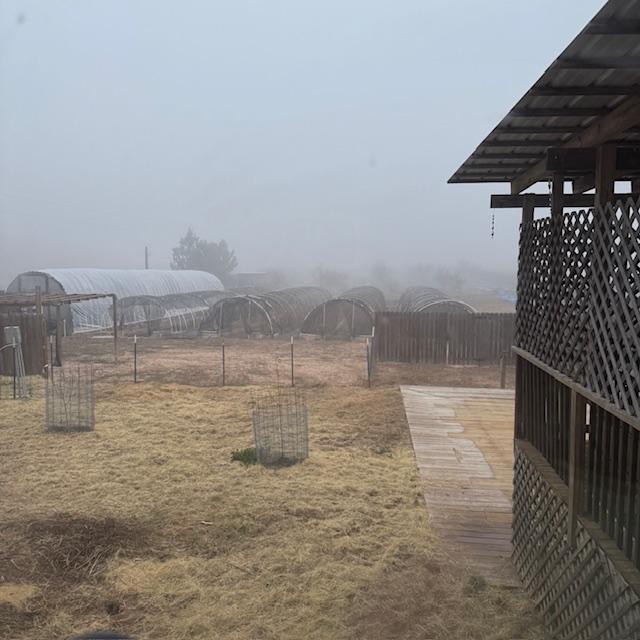 The fog is getting thicker this morning.
Good morning. The fog is thick as peanut butter to quote Yukon Cornelius from Rudolph The Red Nosed Reindeer. I made barbacoa egg tacos with onions, peppers, and mushrooms for breakfast. They were so good.
Well, it was a pretty day. The fog finally lifted after 10am. The temperature got up to 84° but every time I stepped outside, it felt cool and lovely. It is currently 5:30pm and 79°.
We had a few customers and visitors. We did two job interviews today. David scheduled one interview days ago. The guy came in today and was hired. Unfortunately, no one wants to work 40 hours so he will be in a few days a week provided it does not interfere with his other job. He stayed here most of the day working and left right after 5pm. Also on his days off, if the other job calls him and he is scheduled here, he will be working for them, not us. He made that clear. So really, it will be very little help in the long run.
Another lady walked in the store today and asked to work here. We had never met her and knew absolutely nothing about her. We talked to her. David interviewed her and showed her all around the farm and even offered her a job. She said she would go home and think about it.
A few hours later, she emailed requesting more money than what David had offered. Not in the budget. I don't even get paid that much.
Thursday, January 8, 2025
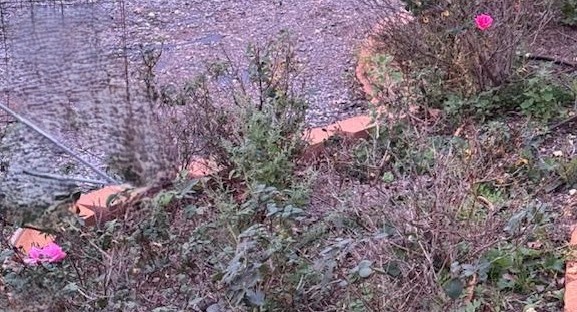
I spent the entire day filling orders. Halfway through, we got a delivery of fresh 1015Y onion starts, Candy Red Apple onion starts, leek starts, and shallot starts. Here is the link if you would like to see them.
No customers. No helpers. Just filled mailbags with onion starts. So many in fact that after the mailman came, Matt had to take a very full bag of boxes of onion starts down to the post office right before it closed.
The air was pleasant all day and cool.
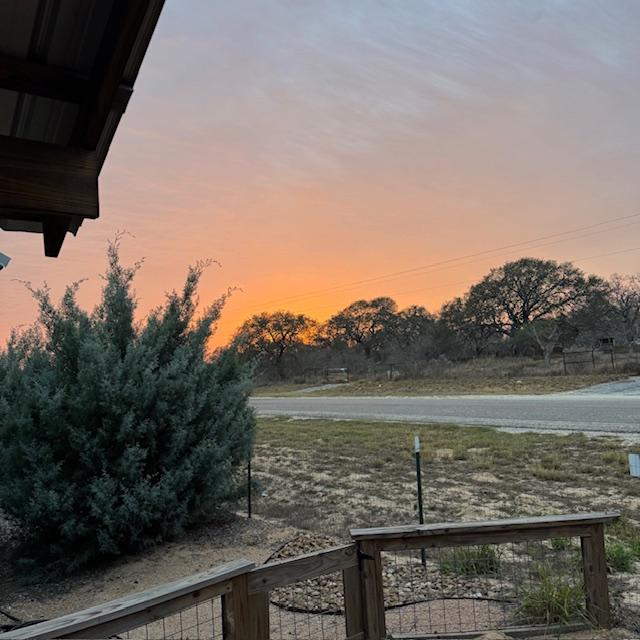 It is interesting how night after night the sunsets look a bit different.
Friday, January 9, 2025
I got up, made some cheesy rolls and scrambled eggs and now I have to go out and plant mint seeds that, hopefully, will grow into mint plants to sell this spring. I have been meaning to do that all week long but there is never time with the orders piling up. However, if I don't do it, we won't have any mint plants to sell in March and April.
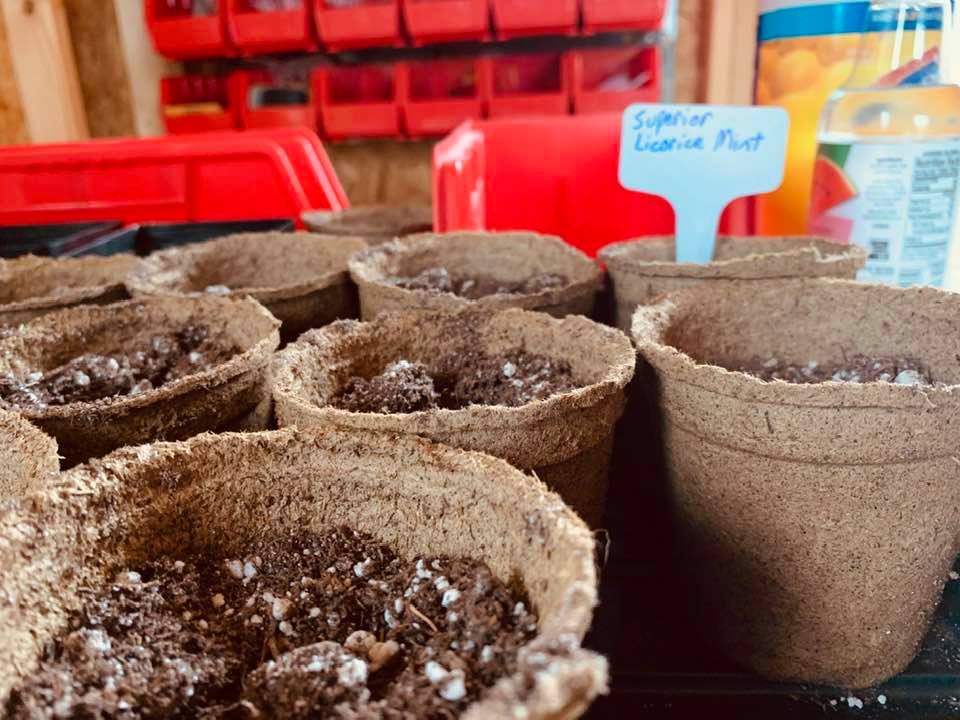 Germination Cowpots from when I planted in them a few years ago.
After I got dressed, I planted a bunch of mint seeds and a few other varieties in my greenhouse. I still have more to plant but I planted ten trays this morning.
Then I went to work. Our helper came in today and stayed for the whole day.
I worked on orders all day long. David finally started closing orders as well so we got the count way down.
We closed up our greenhouses nice and tight this evening because it is supposed to get cooler starting tonight.
It is time for me to get some dinner, just leftovers.
 This evening's sunset is pink.
Saturday, January 10, 2025
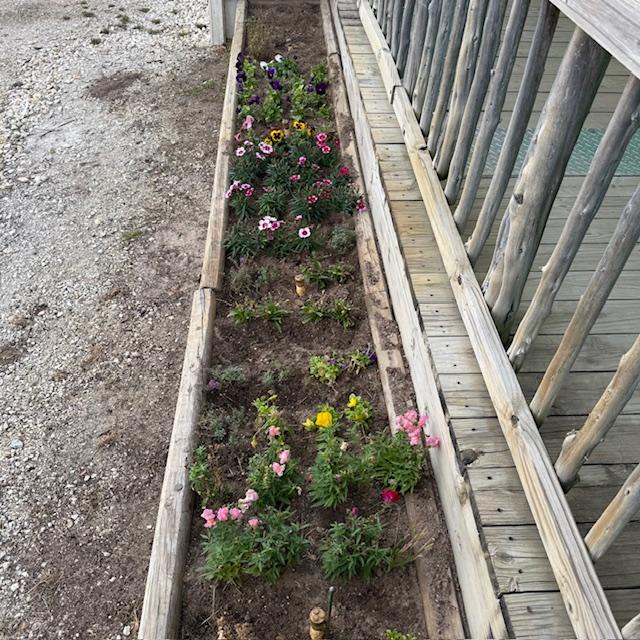 The flowers in the store flower garden still look great.
Good morning. It is 42° and quite windy. David made us a nice breakfast while I printed orders.
Today is my father's birthday. If he were still alive, he would turn 95 today, but he passed away more than 34 years ago. It is hard to believe it has been that long.
I spent most of the day dusting and vacuuming the house. I am not finished but I have done all I can do for today. I just made pizza dough for tonight. We are eating a delicious homemade pizza with our movie.
I went out at 5pm to take care of the animals. The visiting sheep chased me across the orchard to get some goat feed. I tossed handfuls at them but one kept on running with me all the way. It was a bit intimidating. Then, I had to go back to the feed shed for hay because the goats were out. They chased me back.
I finally made it safely back to the yard where I watered my pots that I planted and made sure they were secure for the cold to come tonight.
 My pizza before baking. Cheese in the crust folded over, added sauce, first layer of cheese, onion, pepper, mushroom, beef, Candadian bacon, jalapeno, & 5 blend cheese on top.
The pizza came out wonderfully! The yeast dough that I made was stretchy & held its shape as I patted it out on the pan. I put mozzarella all around the outside of the crust and then folded it over. I stretched out the dough a little more and then piled on ingredients. Twenty minutes later, voila!
 There was one slice of jalapeno on each slice of pizza. It was so tasty!
Sunday, January 11, 2025
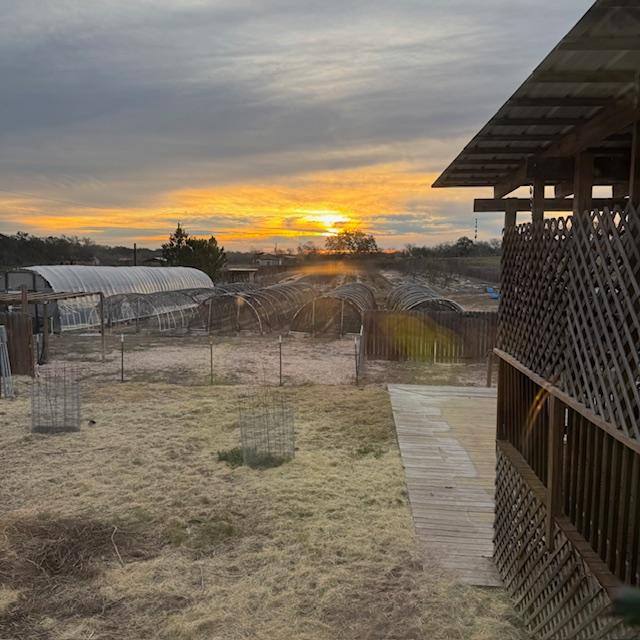 Here comes the sun. You can see the newly redone high tunnel all ready to be used. Support beams for the roof were added along with thick plastic covering.
Good morning. It is 35° this morning and I have to go out and feed the animals. I don't want to. But I have to so it doesn't matter.
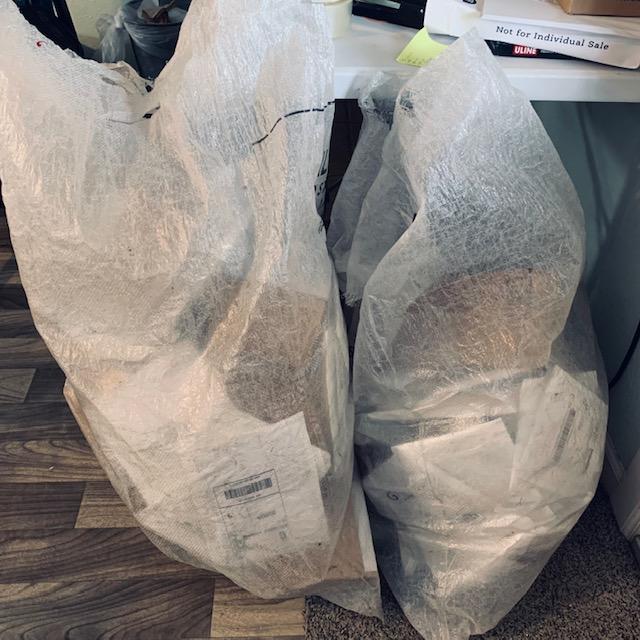 Outgoing mail with tracking used to cost about $3.50 a piece. It is now $5 a piece yet people still want free shipping. That is a lot for us to pay so we don't offer free shipping.
We get emails almost every day saying that customers recently placed an order but forgot something so they want to add it in. We can't add something in because we won't get paid for it. So the customer has to place another order. Then we have to hunt for the older order and place the two together and refund shipping on one. We do this all the time if we haven't already shipped the first order. Honestly, it is a big waste of time and sometimes we don't catch it. Usually, David makes me pay for shipping in those cases which takes away from our profit.
We are a small seed company. We do not have the volume of orders that large seed companies have. The large seed companies that offer free shipping have millions of orders per year and they get a discount from USPS. Also, they do not send their orders with tracking to save money.
Our orders go with tracking to cover us. Lots of folks say they did not get their order but USPS shows that they did. Shipping a three or four ounce of order costs us around $5 now in postage along with the cost of our paper, ink, and envelopes. That is because USPS keeps raising their rates, twice a year at least.
So this morning, we got an email from a customer who placed an order on January 5. Yesterday afternoon, she placed a second order--that is on January 10 at 4:15pm.
She wants us to combine it with the order from January 5. The order from January 5 was mailed on January 8 and was delivered yesterday, January 10 before she placed the second order. She wants free shipping. I told her we couldn't do that because she already received her first order. It is not our fault that she decided five days later that she wanted additional seeds. But this happens all of the time.
This is just one of the problems that we face every day as small business owners.
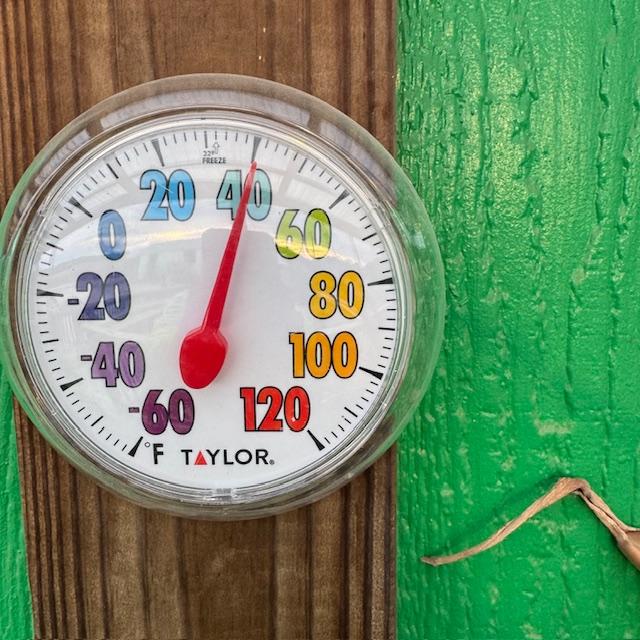 The thermometer on our store reads 40° but Alexa said 31° as I went in to feed the fish this morning. It sure felt like 31°!
The visiting sheep chased me again as I threw out handfuls of sweet goat feed at them. They stayed on my tail all the way into the goat pen. Fun times. It was so cold, too. My fingers were almost frozen by the time I got back inside. I made breakfast tacos again. They are so good.
We went to church. I got several things accomplished this afternoon. The sheep chased me again this evening. Scary times. Watching Landman now.
Return from Grow Summer Squash to Year 7 Of Farm Life
Anything To Share On This Topic?
Would you like to share additional information about this topic with all of us?
Since 2009, over 2,000,000 home gardeners, all across the USA, have relied on David's Garden Seeds® to grow beautiful, productive gardens. Trust is at the heart of it. Our customers know David's Garden Seeds® stocks only the highest quality seeds available. Our mission is to become your lifetime supplier of quality seeds. It isn't just to serve you once; we want to earn your trust as the primary supplier of all of your garden seeds.
Watch Our 2022 TV Commercial!
Sing Along To Our Jingle
♪♫♪♪ ♫ ♪ ♫♪♫♫
♪♫♪♪♫♫
Peppers and peas
And lots of yummy greens
You can't go wrong
With Squash This Long
At David's Garden Seeds
♪ ♫ ♪ ♫
Our New 2024 TV Ad
Please like and subscribe on YouTube and come visit us at our Farm Store! The music on our TV ad was written, played, and sung by our son, Matthew Schulze. You can meet him when you come to the farm. He just might give you a tour. Ask him to grab a guitar and sing our jingle that he wrote.
Our 2022 TV Ad

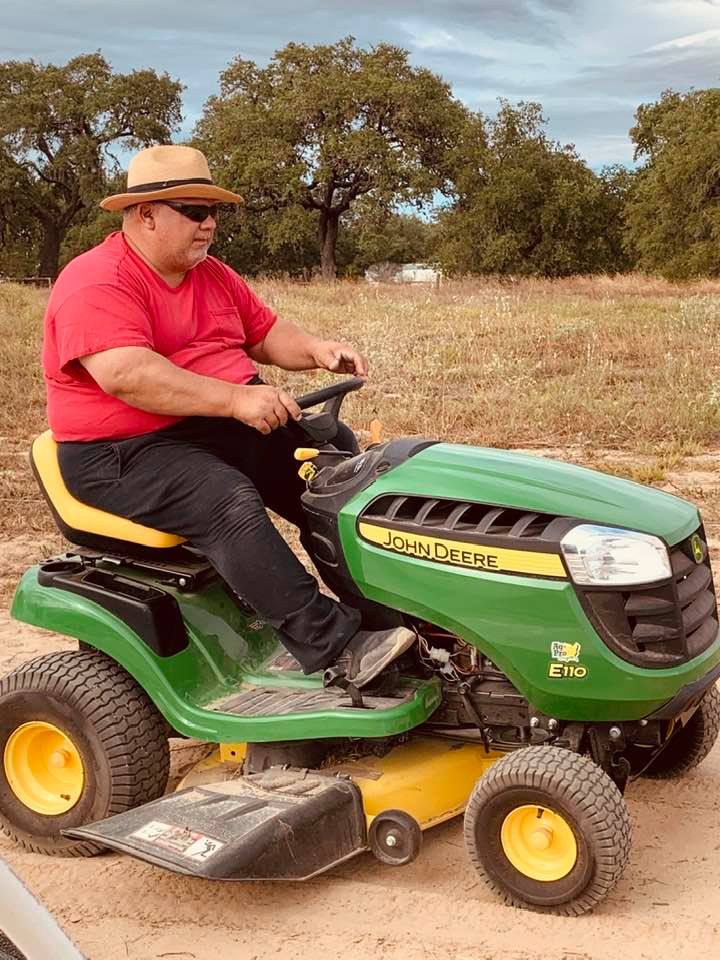 David of David's Garden Seeds® zipping along on his little tractor across the farm. He is having a blast!
We are David's Garden Seeds®. If you need great seeds, we've got over 1,400 varieties to choose from.
Subscribe To Mrs. David's Garden Seeds® Newsletter For FREE!


Find out what is going on down on the farm by reading our blog and by subscribing to our free newsletter for all of the information going down at David's Garden Seeds® and on the farm. I love to share helpful information with you. Please let your friends know and y'all come on down for a visit when you get the chance. We would love to meet you!
New Store Hours!
 Farm Store Hours: Th-Fri 10am-5pm, Sat 10am-2pm. Closed Sun-Wed.
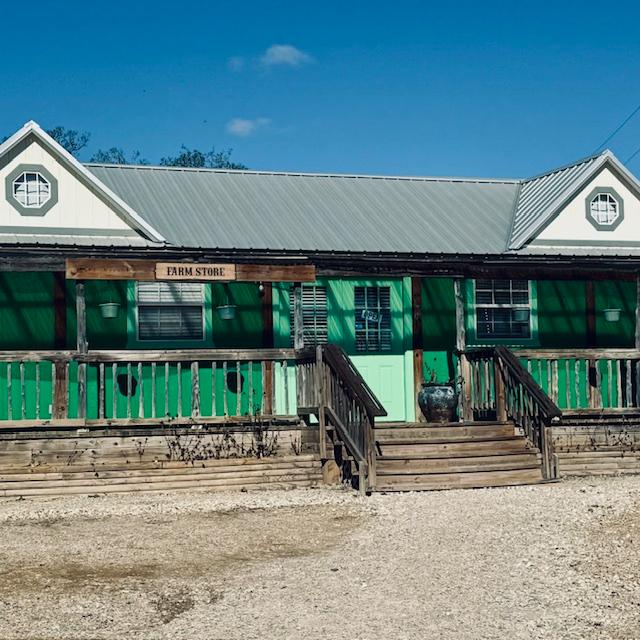 Our Farm Store
Shop for:
- Seeds
- Farm Fresh Eggs
Our Farm is located at 5029 FM 2504 in Poteet, TX.
 Only happy seeds make the cut to go into our seed packs!
David's Garden Seeds® has
seeds for the backyard gardener and farm fresh chicken eggs.
 David & Juanita work hard to pack your garden seed orders.




Sign Up For Our Newsletter Here!
   DGS YouTube Mrs
|
   |
Garden Ebooks
by Mrs. David's Garden Seeds
 I've been busy creating eBooks to help you with your garden...
IMPORTANT NOTE: THE EBOOKS ARE DIGITAL DOWNLOADS (EBOOKS), NOT PHYSICAL BOOKS.


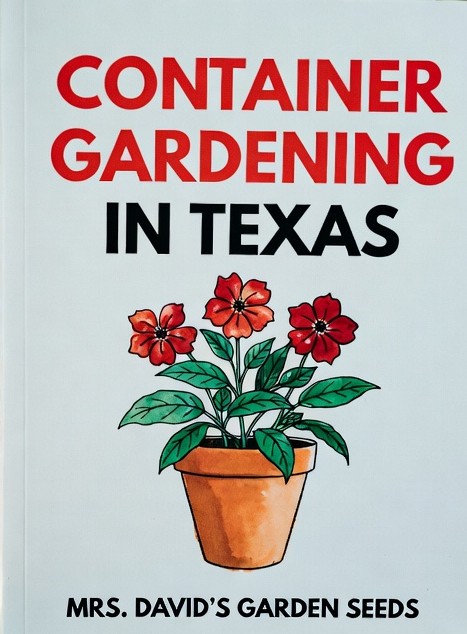
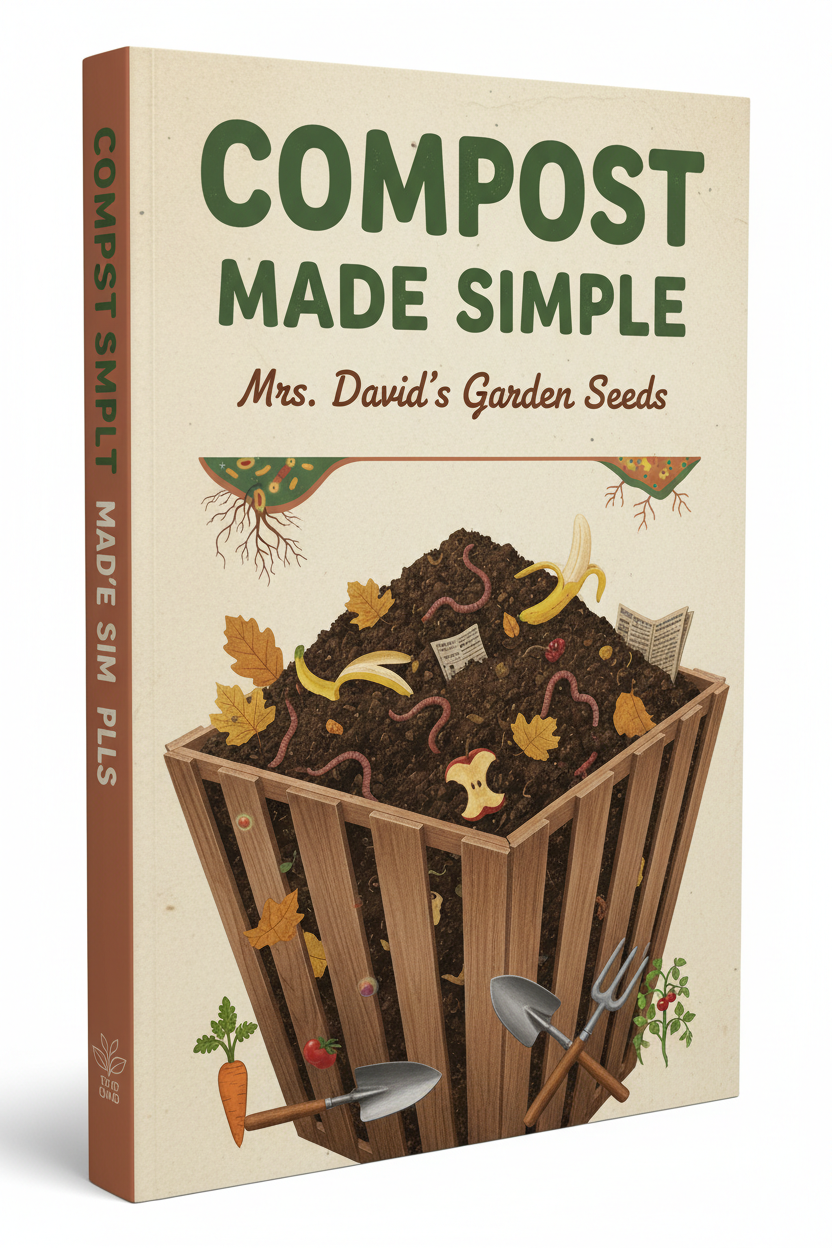
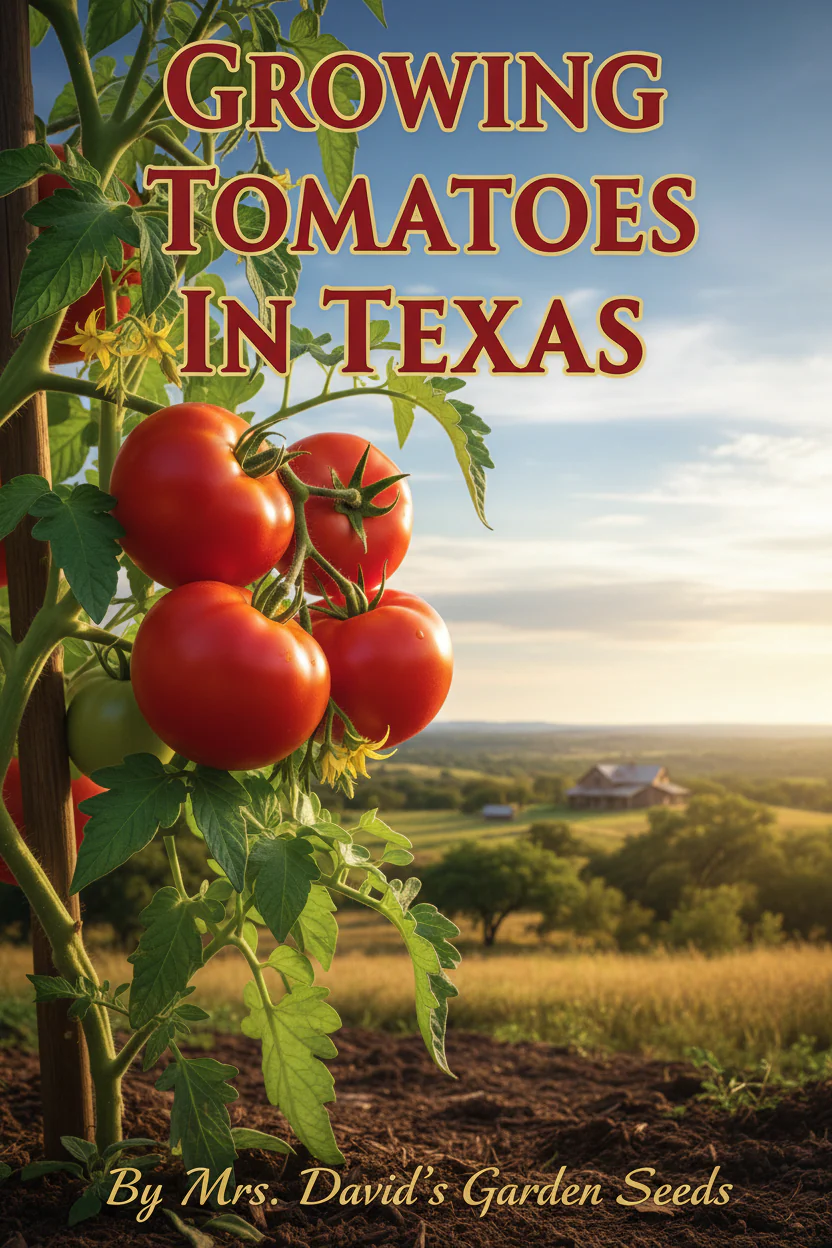
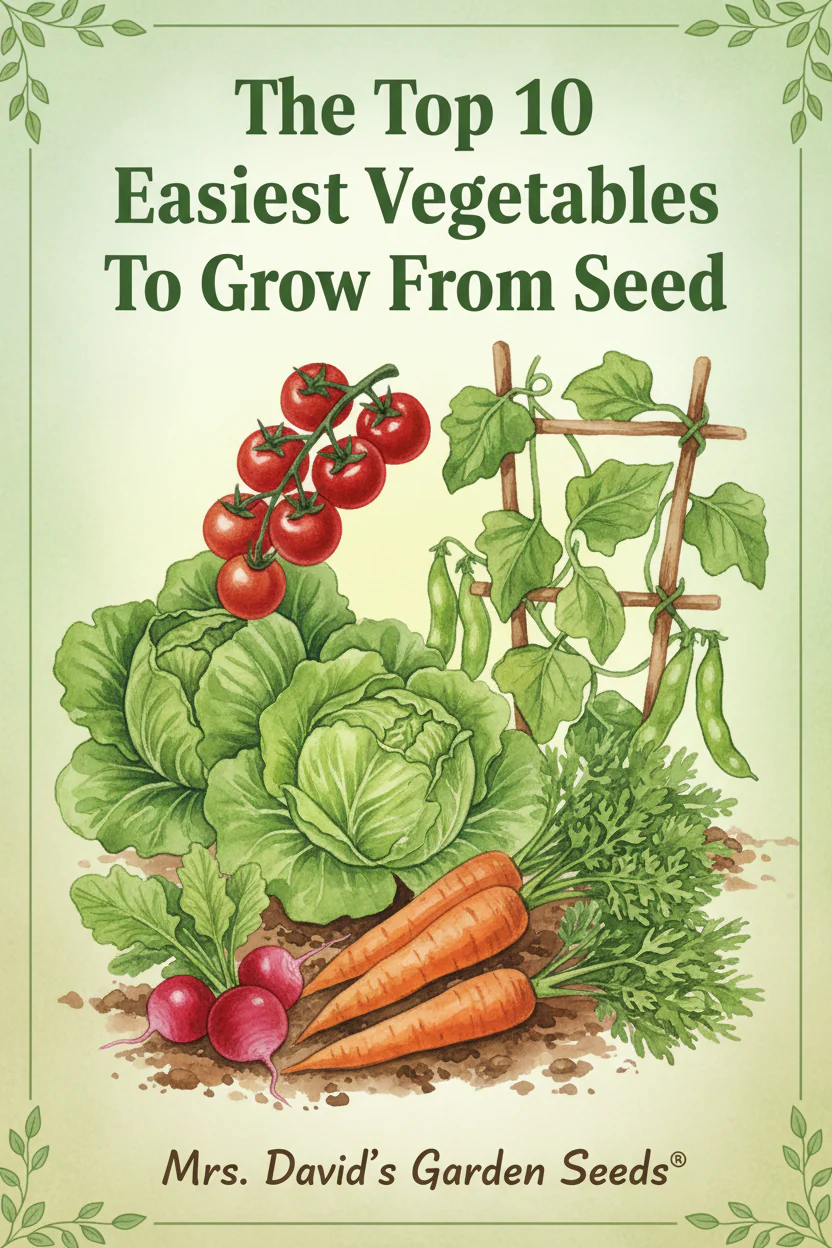
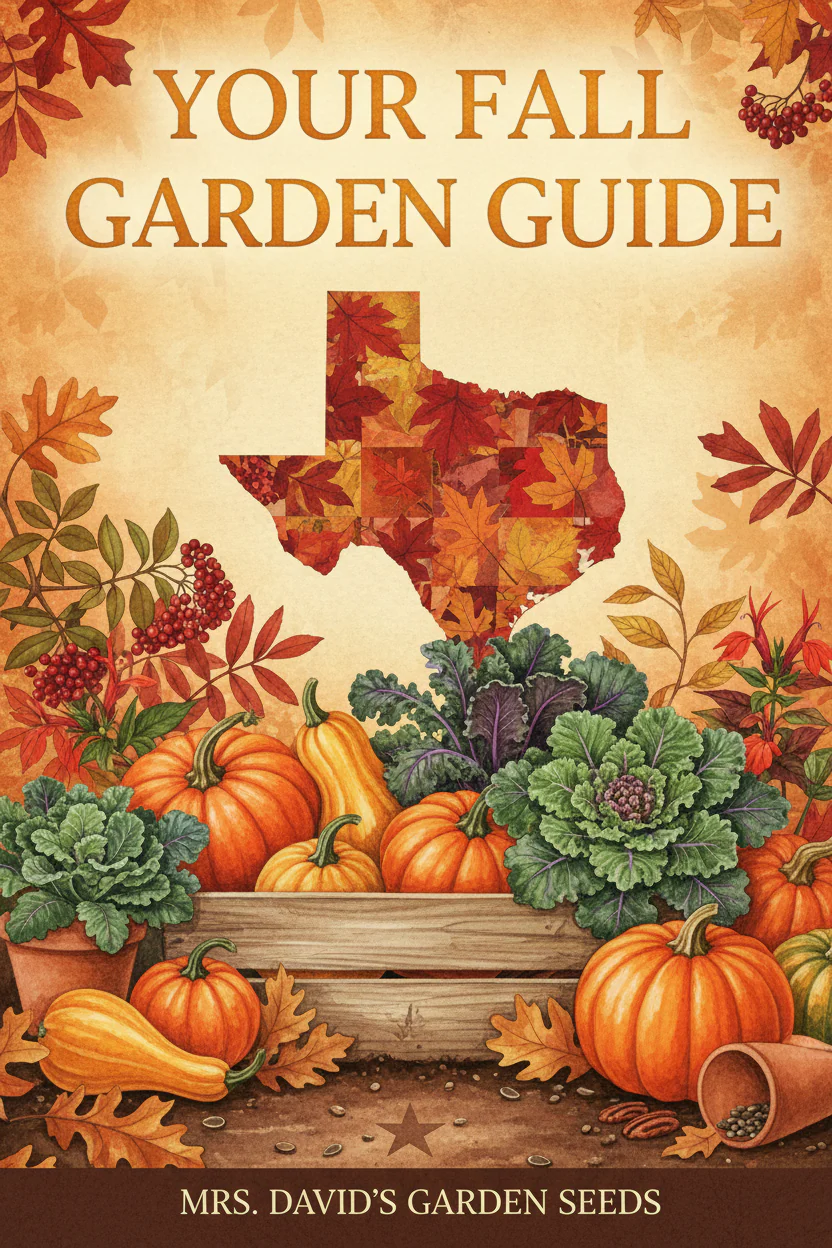
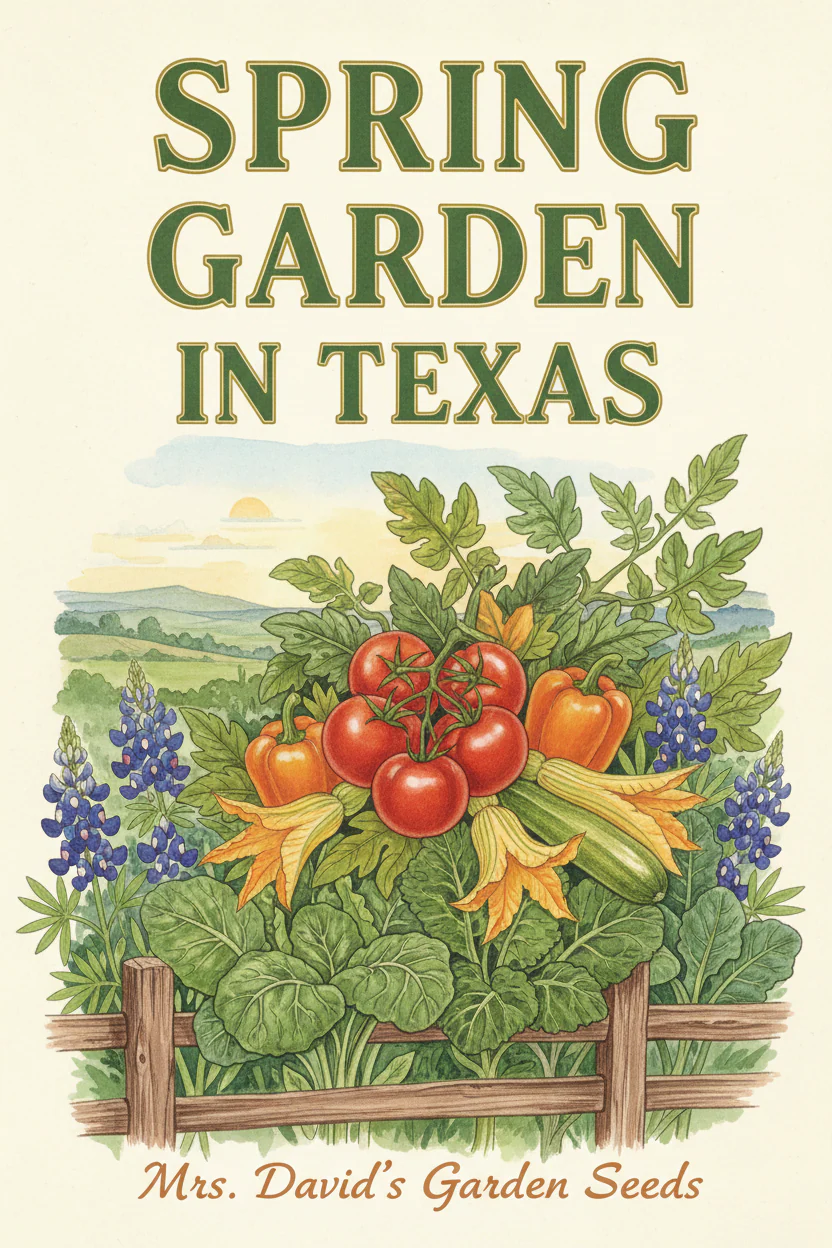
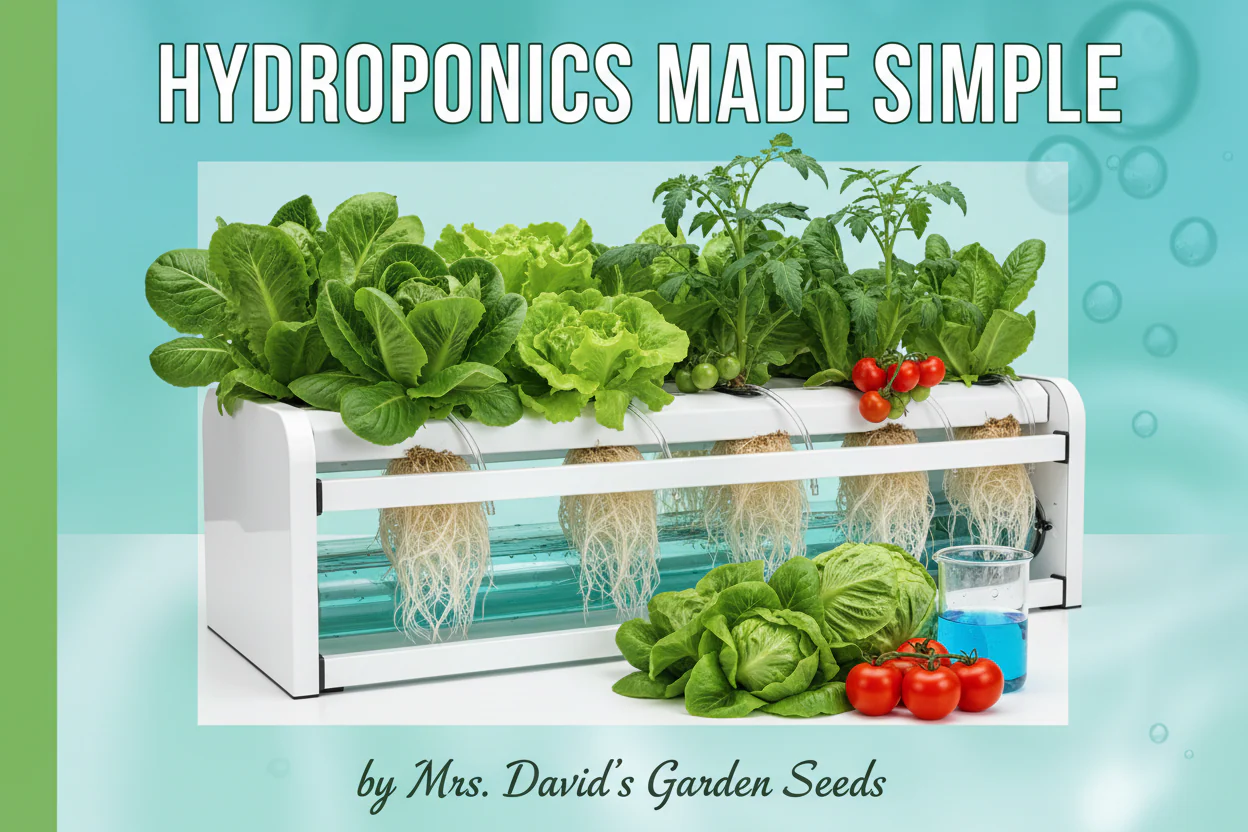
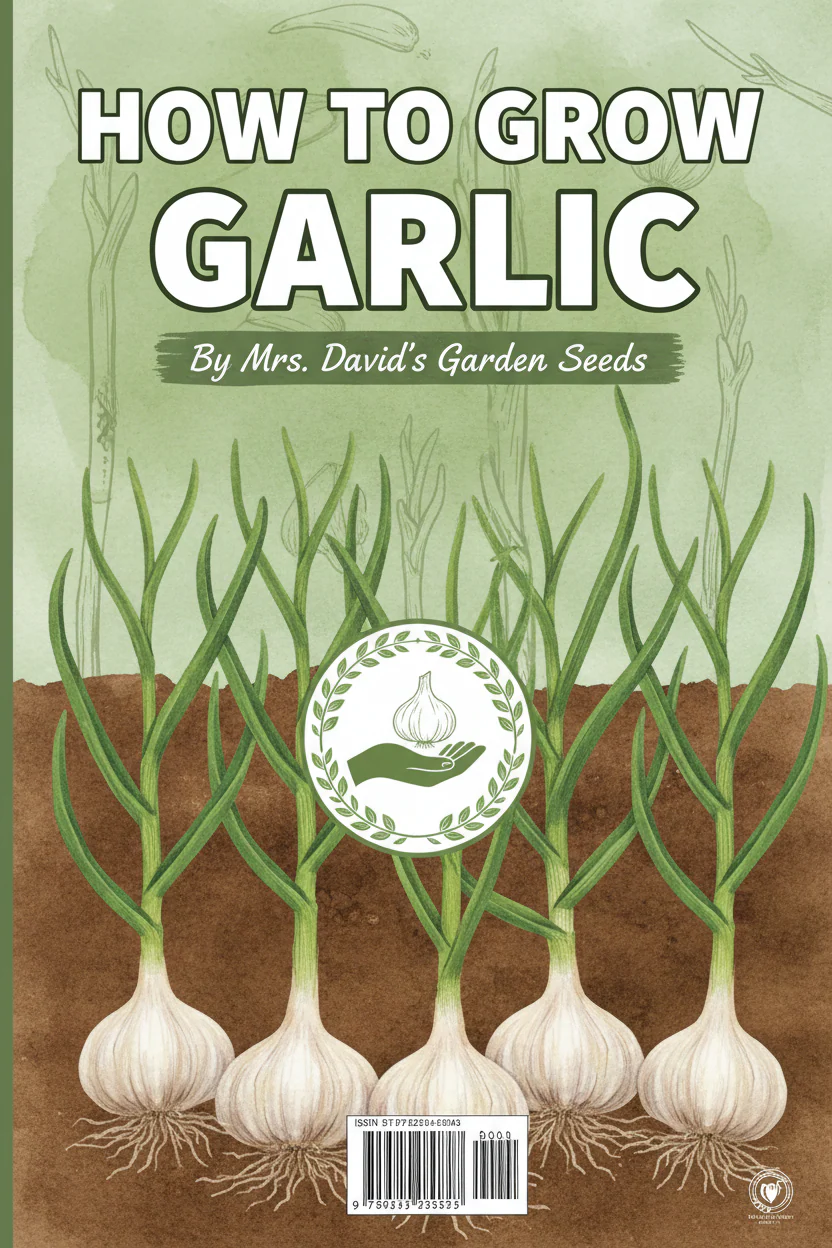
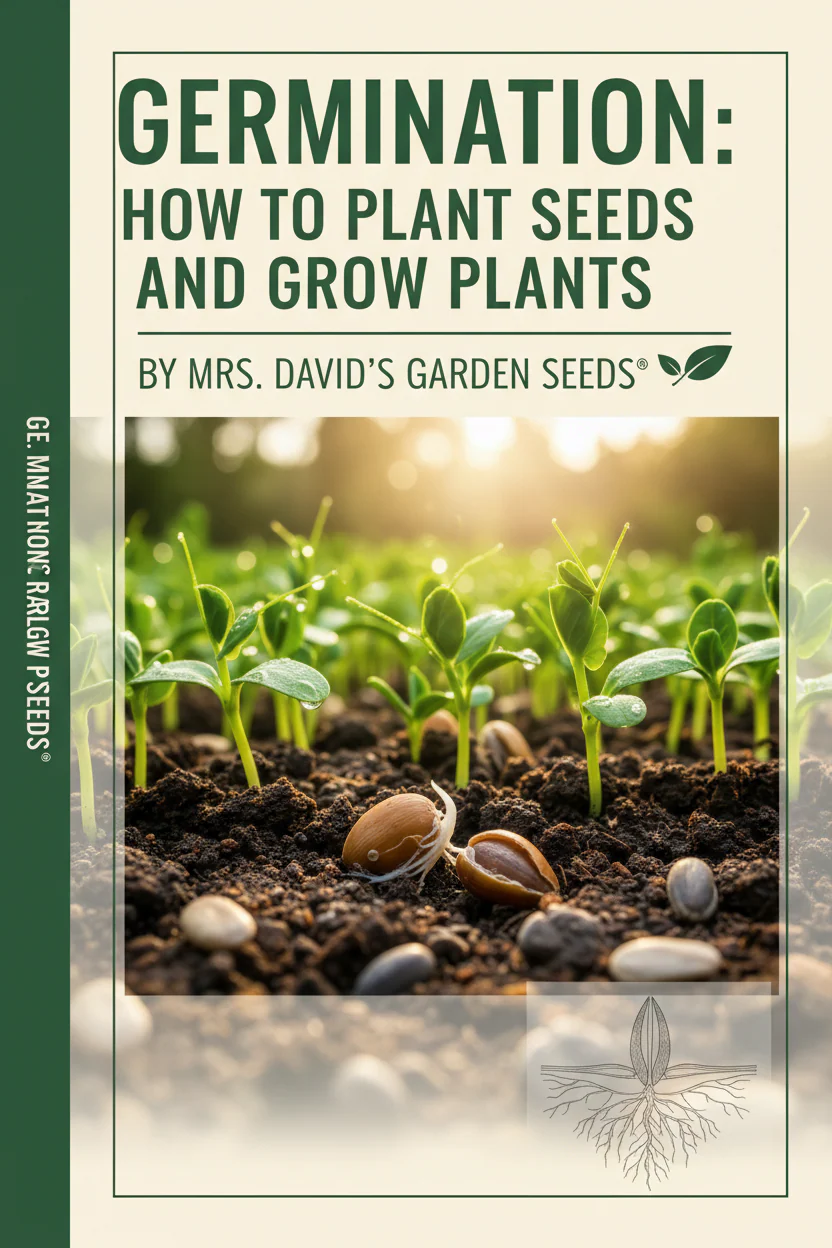
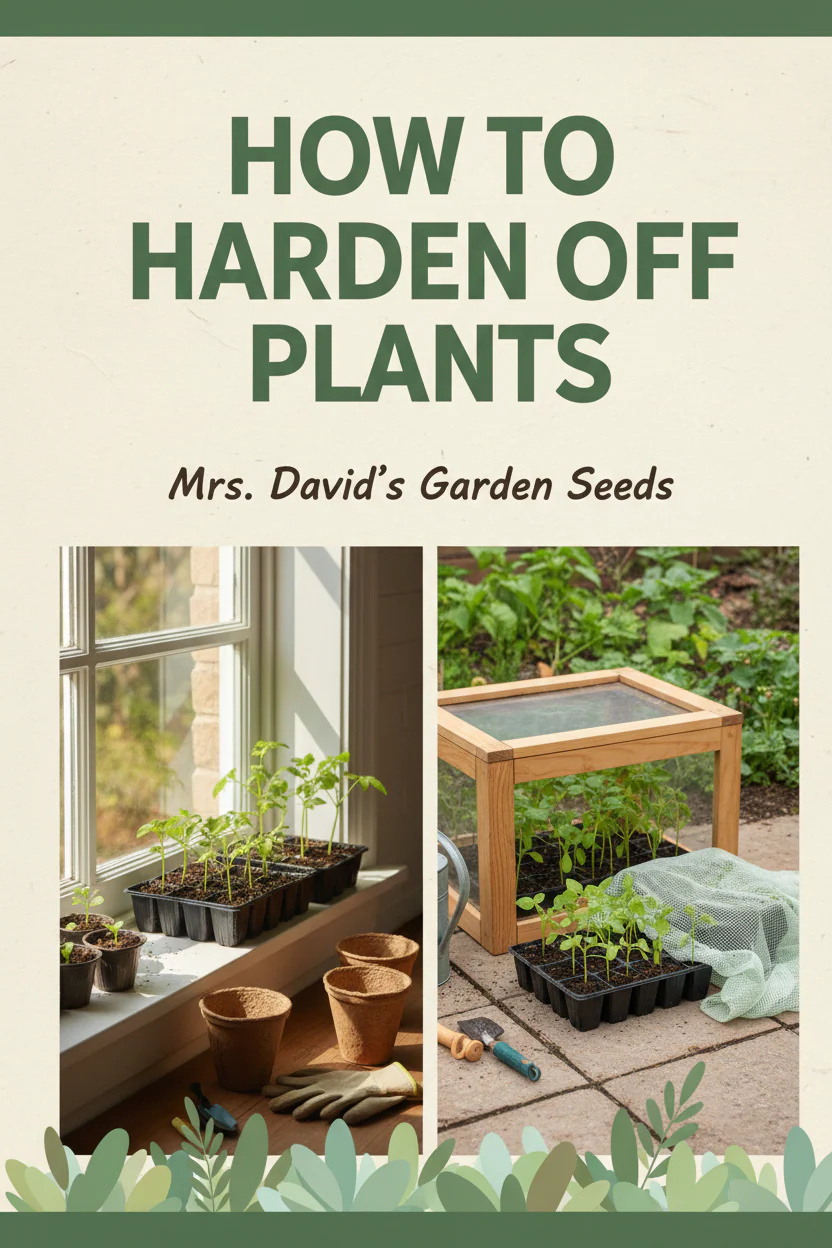
WE DO NOT REFUND OUR DIGITAL DOWNLOADS FOR OBVIOUS REASONS.
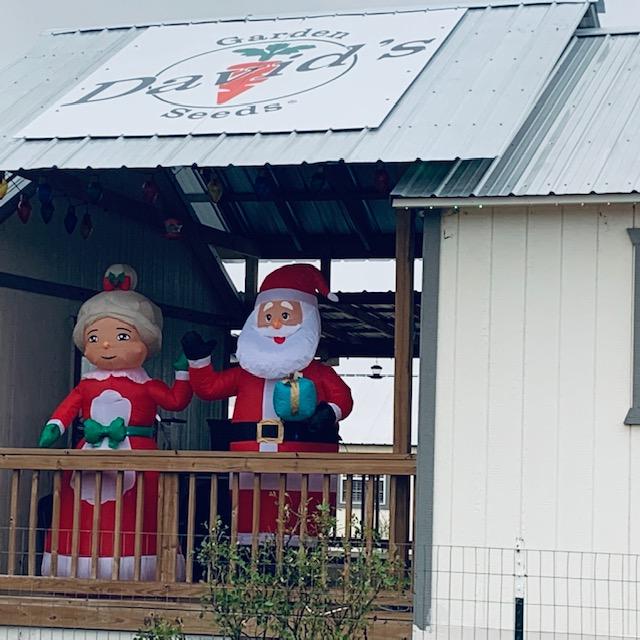
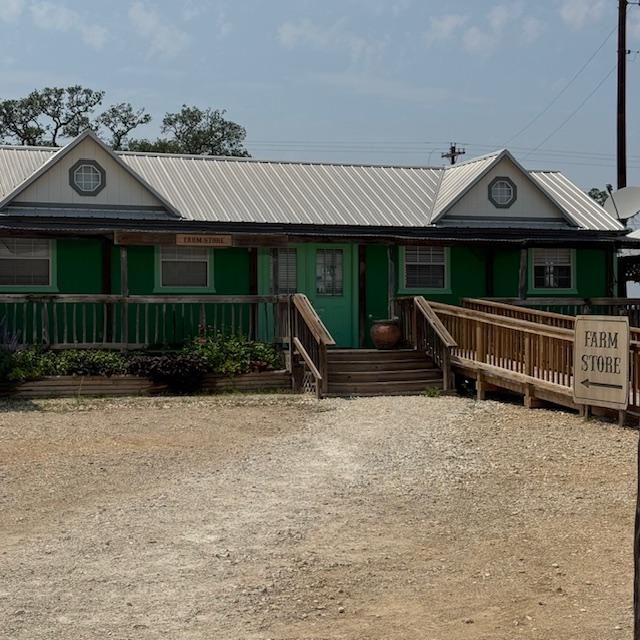 Our Farm Store is the green building
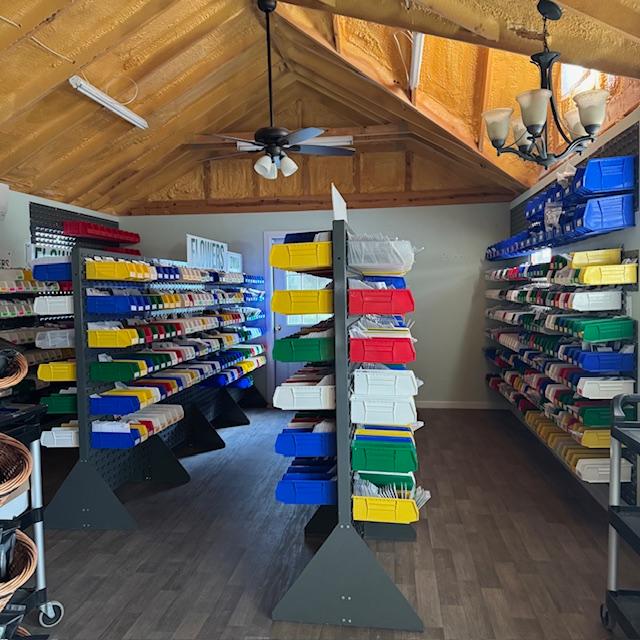 Inside our Farm Store...1400 varieties of seeds await you!
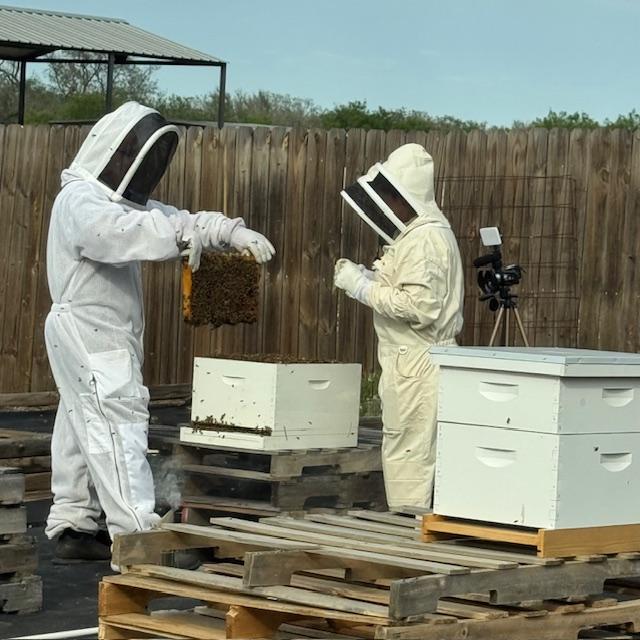 Our bee hives
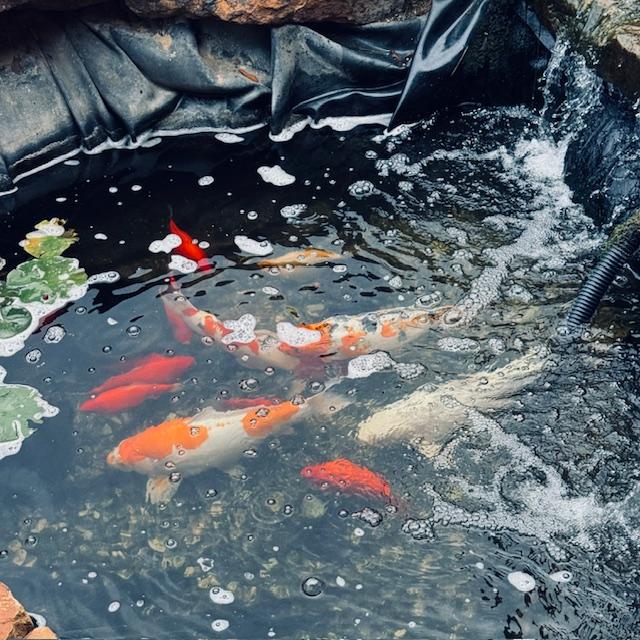 Our fish pond
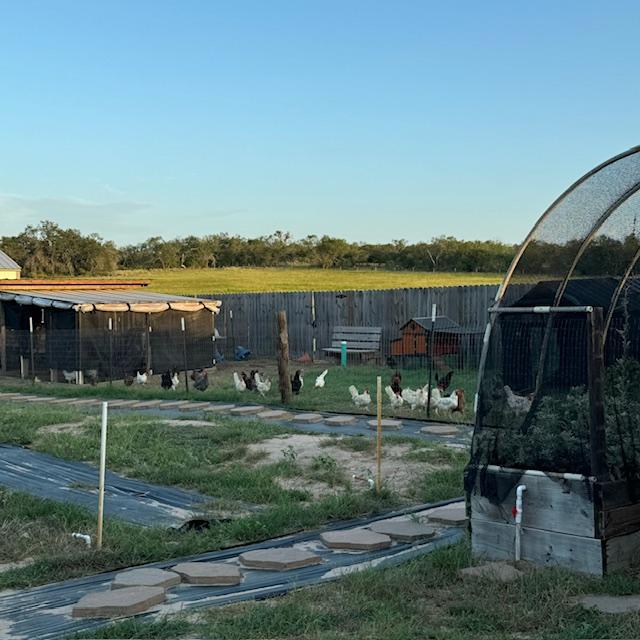 Our chickens
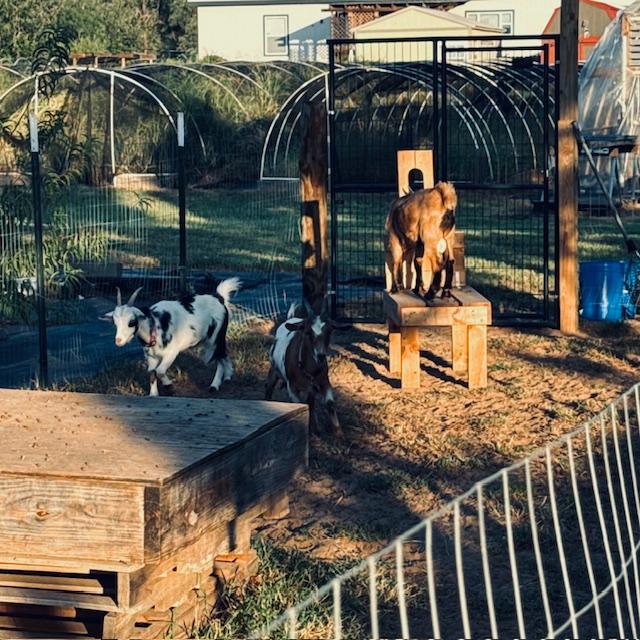 Our Nigerian Dwarf goats
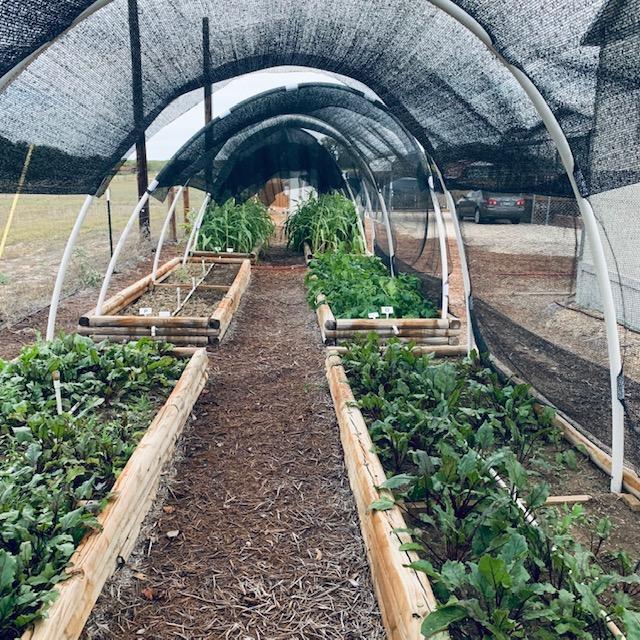
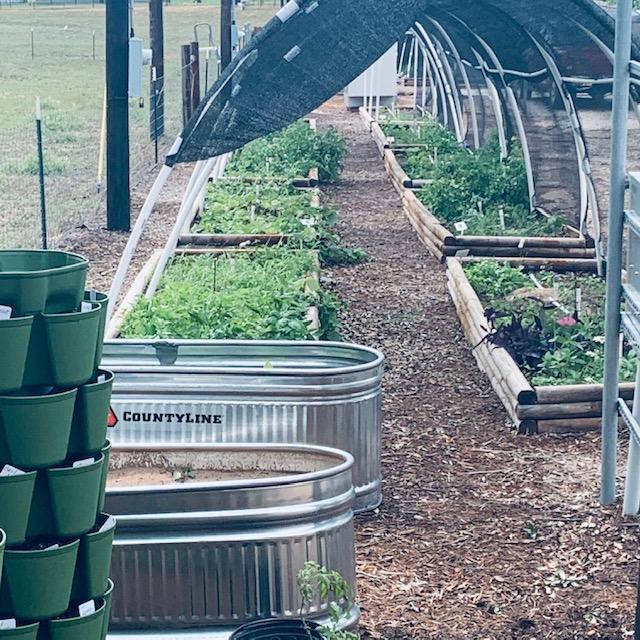 A few of our raised garden beds
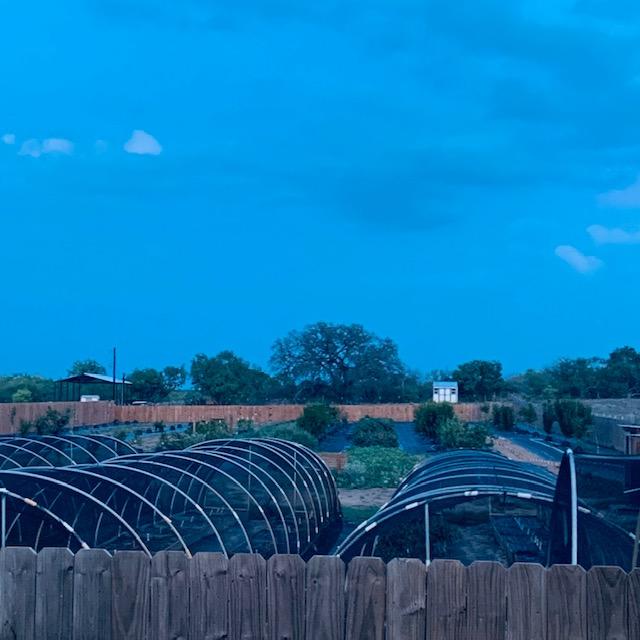 Our orchard and hoop houses
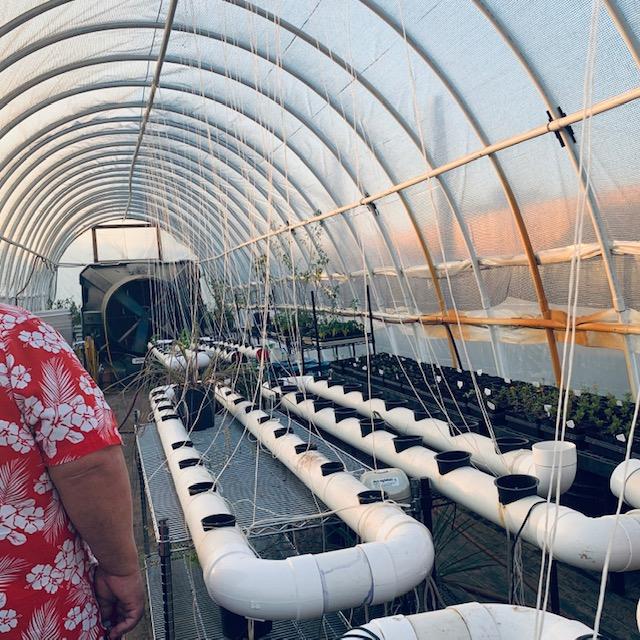 Inside our high tunnel
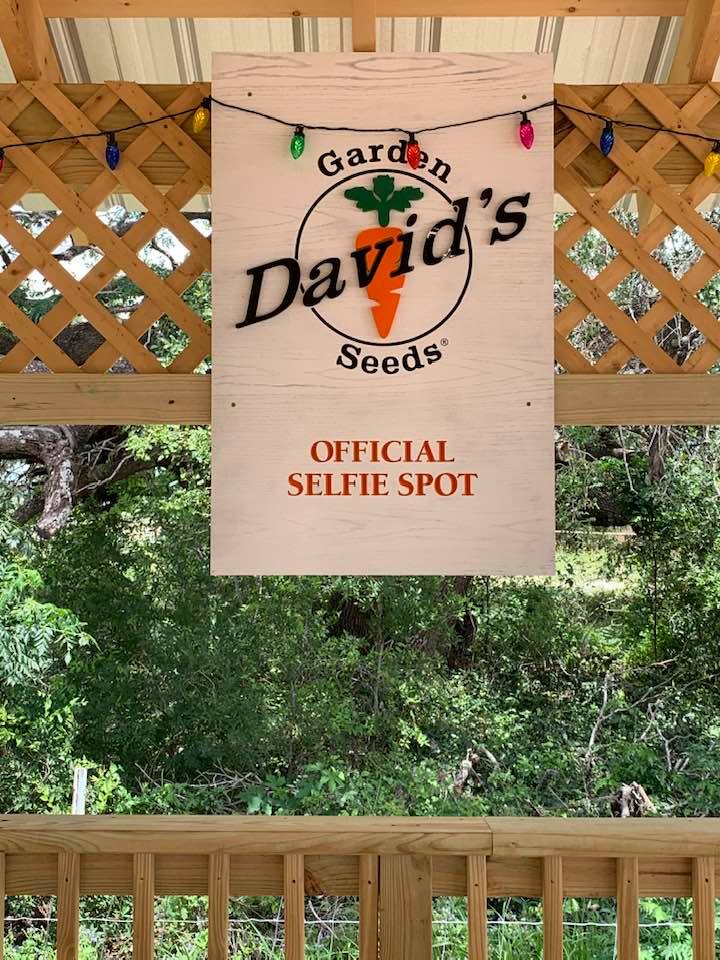 Take a selfie at our official selfie spot!
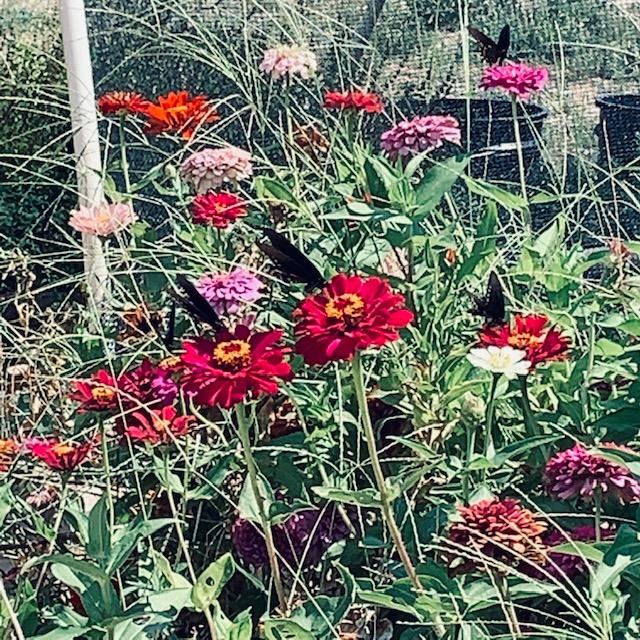 Flowers, bees, and butterflies are everywhere!
Watch Our TV Ads!
David's Garden Seeds® has the best Non-GMO seeds in the state of Texas!


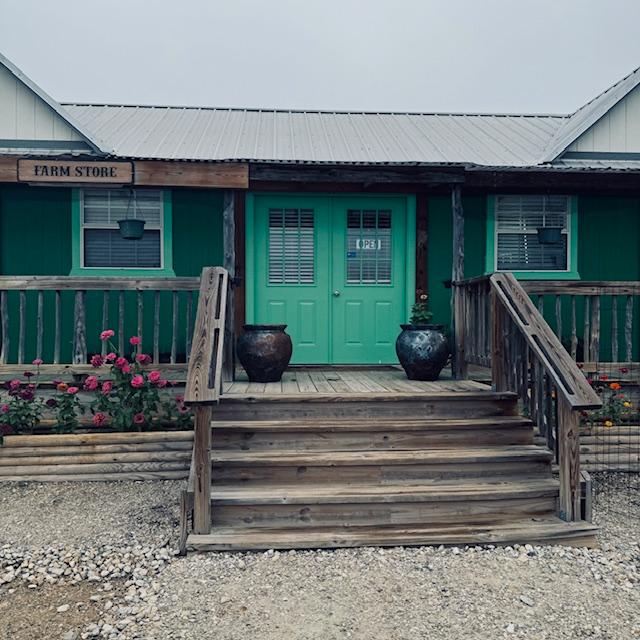 This is our beautiful Farm Store. Come in and shop for seeds. We have over 1600 Non-GMO heirloom varieties to choose from but we are in the process of bringing that number down to half.
Our Story
Hi Everyone! Thank you for visiting my website! I am Mrs Davids
Garden Seeds® aka Mrs. David's Garden Seeds and I think you should know that there is a wonderful seed
company in the great state of Texas called David's Garden Seeds®. We grow some of our seed, we count, hand pack, print our own envelopes, and ship seeds out to you right here from our farm. This used to be an old peanut farm. When the owner died about 15 years ago, his sons split the farm up and sold it in pieces. In 2024, we bought another adjoining four acres.
Our business started in our home in San Antonio in September of 2009. David decided to sell some seeds he had left over from his garden on Amazon. I told David, "Don't bother, it won't work!". I am so glad that David did not listen to me because it did work! By 2015, we had 8 employees working in my home every day and David found a storefront in San Antonio and moved the business there. In 2016, I quit my day job and went on the payroll. The company grew some more and David moved to a bigger storefront in 2017. In 2019, we found a beautiful piece of land over in Atascosa County and turned it into a farm out near Poteet. David and I moved out here to live in August of 2019.
In 2020, we moved our company out to the farm. We have a beautiful Farm Store filled with seeds, a gazebo with a pond full of koi and gold fish for you to visit. Come by and visit us at 5029 FM 2504 in Rossville, just outside of Poteet, Texas, Monday through Friday from 9am to 5pm and Saturday from 10am to 2pm. Or you can order seeds online from our user-friendly website, www.davidsgardenseeds.com.



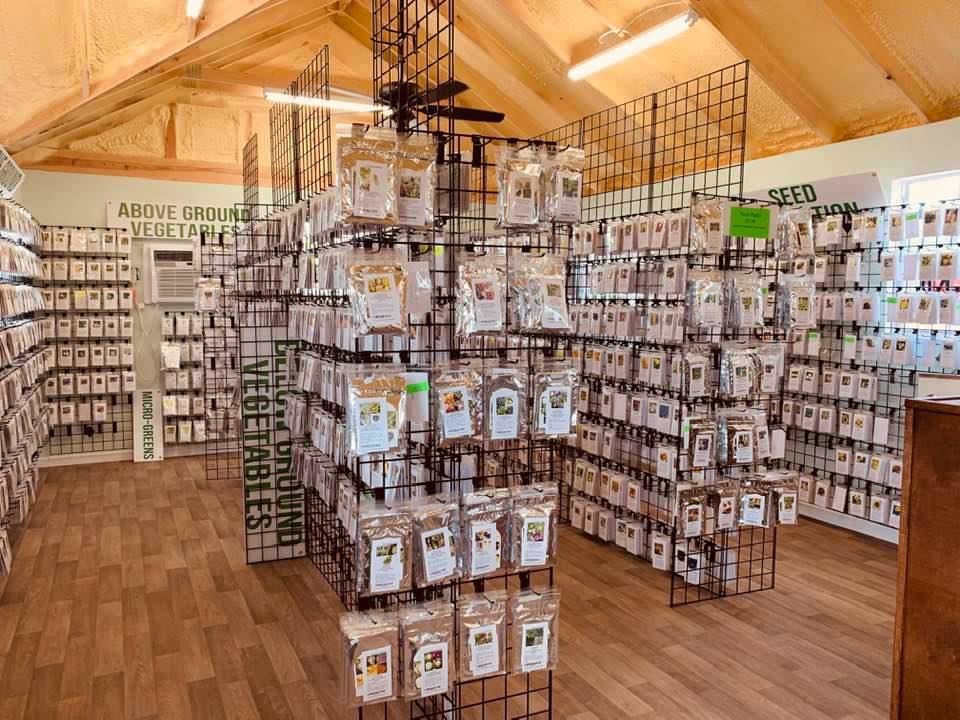 Our beautiful new farm store has almost 2,000 varieties of seeds and more. Mrs Davids Garden Seeds® looks forward to meeting you when you visit.
Mrs. David's Garden Seeds® Copyright by Juanita Lynn Schulze of David's Garden Seeds® 2019-2026
David's Garden Seeds® is Registered in the United States Patent and Trademark Office.