How To Grow Turnips
This week, let's learn how to grow turnips. Turnips are a root vegetable so they are fairly easy to grow as long as you don't plant them too deep.
How To Grow Turnips - 1/26-2/1/2026
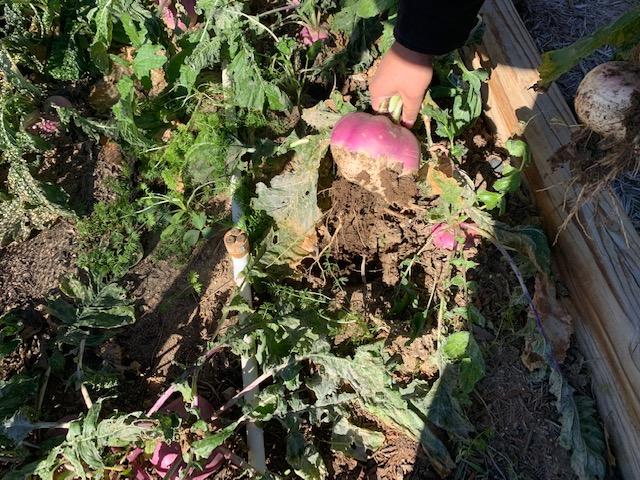 Learn how to grow turnips like the Purple Top White Globe.
If you’ve ever walked past turnips at the store and thought, “Meh,” I get it. I used to think turnips were just a boring, old-fashioned root. Then I grew them in my own garden, cooked the roots, sautéed the greens, and realized turnips are a two-for-one crop that can feed you well.
This guide is here to help you feel confident from seed to supper. You’re going to learn how to grow turnips in the garden for sweet, tender roots and for a big bunch of healthy greens.
Even better, turnips are fast. You can plant them and harvest in weeks, not months, which makes them perfect if you want quick wins in the garden.
I’m going to walk you through this in 7 clear parts. You’ll learn when to plant, how to plant, how to care for them, how to handle pests, and how to harvest and cook both the roots and the leaves.
Quick heads-up: many gardeners don’t realize the leaves are not only edible, but delicious. If you’ve been tossing them, you’ve been throwing away half your harvest.
I’ll also share a few simple ways to cook turnips and cook turnip greens, because the question “what are good ways to cook turnips so they taste good?” comes up all the time—and there are some easy answers.
How To Grow Turnips - What Are They?
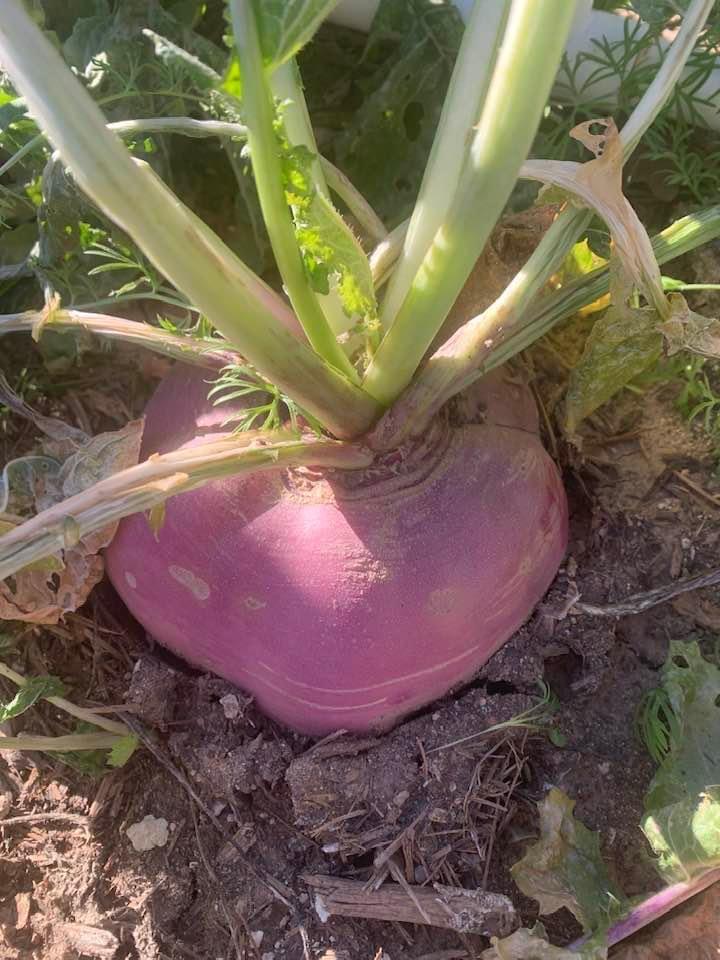 Learn how to grow turnips and they will tell you when they are ready by popping up out of the ground a bit.
Turnips are cool-season vegetables. That means they like mild weather, and they can struggle when it’s hot.
You grow turnips for two main reasons: the root (the round “turnip” you picture) and the greens (the leafy tops). Some varieties are better for roots, some are better for greens, and many do both well.
Here’s why turnips deserve a spot in your garden: they grow fast, they don’t need a lot of space, and they give you two harvests from one planting.
In my own garden, turnips are one of those “gap fillers.” If a bed opens up, I sow turnip seeds and get food before I even miss the empty space.
Turnip roots can be mild and slightly sweet when harvested young. If you wait too long, they can get bigger and stronger in flavor, and sometimes a bit tougher.
Turnip greens are sturdy leaves you can sauté, simmer, or toss into soups. Think of them like a cousin of collards or mustard greens, but often a little milder.
How To Grow Turnips - When And Where To Plant
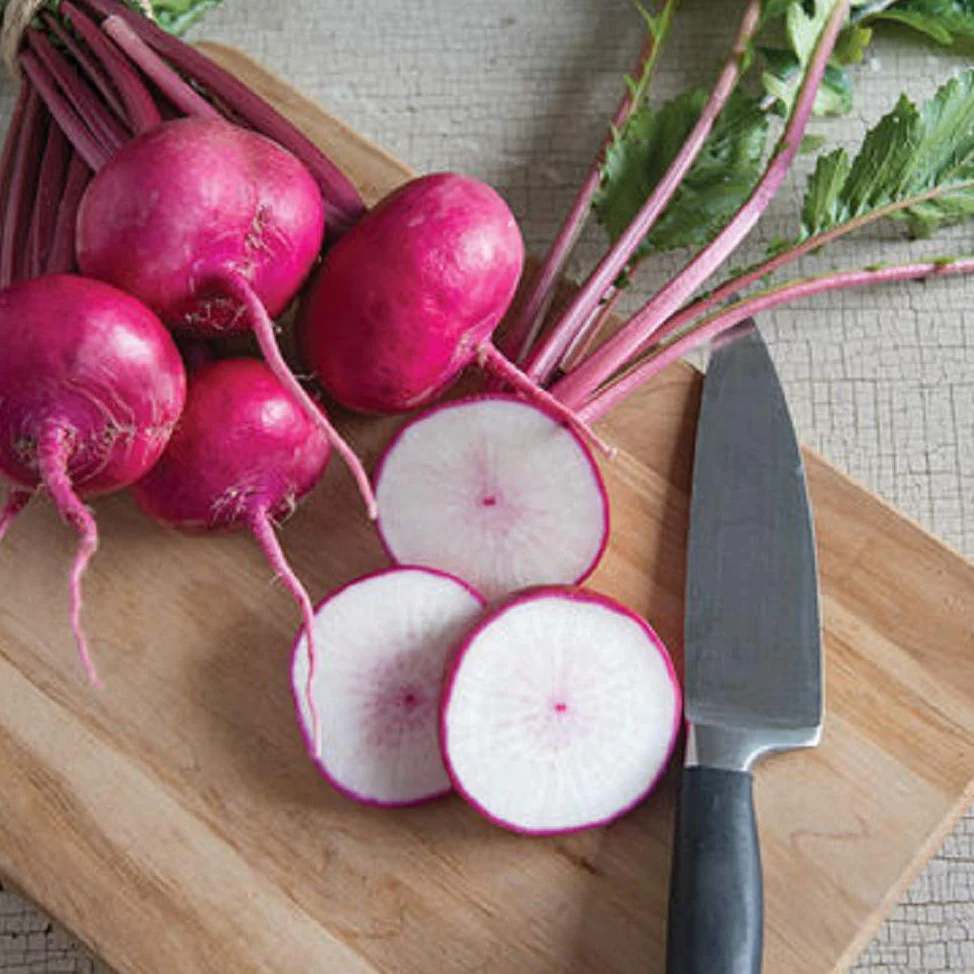 Learn how to grow turnips like the Scarlet Queen Red Stem.
Turnips grow best when days are cool. Aim for early spring or late summer into fall, depending on your climate.
If you plant in hot weather, the plant may focus on survival instead of making a nice root. Heat can also make the flavor sharper.
Choose a sunny spot if you can. Turnips will tolerate some light shade, but you’ll get better growth and fuller roots with more sun.
The soil matters more than many people think. Turnips make their root underground, so you want soil that is loose and not packed down.
If your soil is heavy clay, don’t give up. You can still grow turnips in the garden by loosening the bed well and mixing in compost to improve texture.
Also, try not to plant turnips where you recently grew close relatives like cabbage, broccoli, or radishes. Rotating crop families helps reduce pest and disease problems.
How To Grow Turnips - Prep The Soil
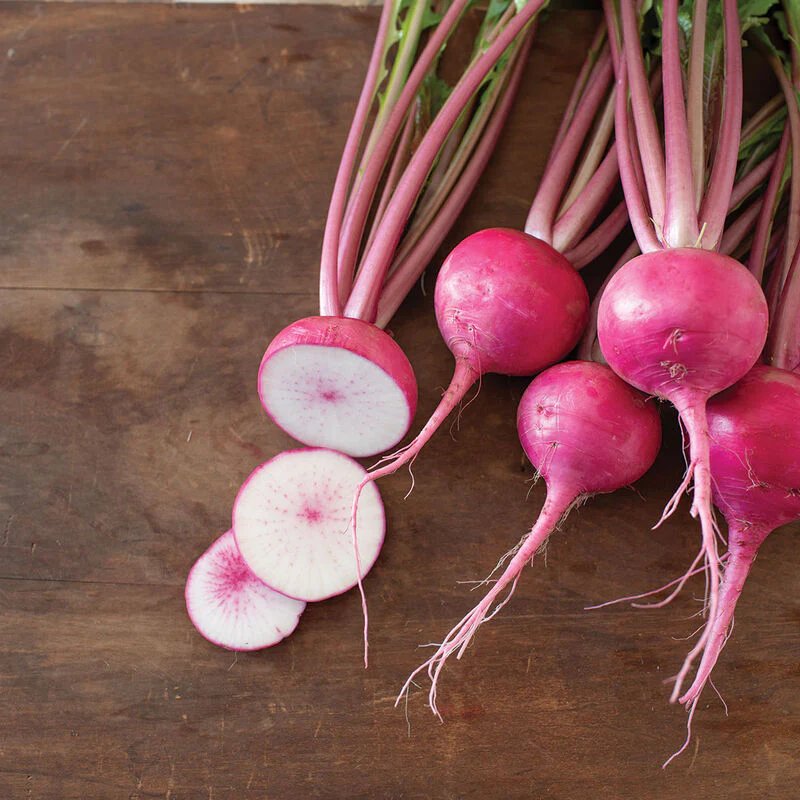 Grow turnips like the Japanese Hirosaki Red.
Start by clearing weeds. Turnips don’t love competition, especially while they’re tiny seedlings.
Next, loosen the soil several inches deep. You don’t need to dig to the center of the earth—just break it up so roots can expand without hitting hard clumps.
Mix in compost if you have it. Compost helps soil hold moisture while still draining well, and it supports steady growth.
Try to avoid going heavy on fresh, high-nitrogen fertilizer. Too much nitrogen can push a lot of leaves but can leave you with smaller roots.
If your soil is rocky, pick out the bigger stones. This is one of those small chores that pays off with smoother, nicer-looking turnips.
Finally, rake the bed level. A smooth seedbed makes it easier to plant at an even depth and helps seedlings pop up more evenly.
How To Grow Turnips - Let's Plant The Seeds
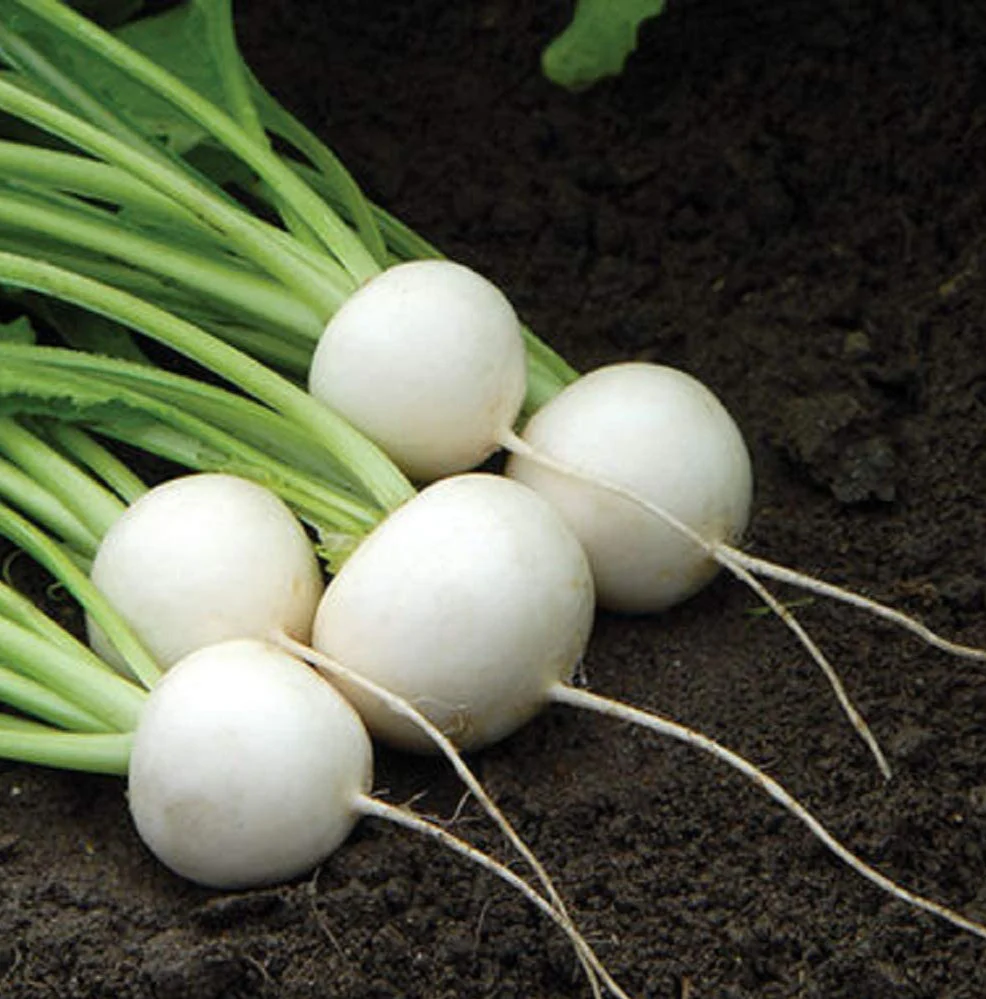 Hakurei turnip is another Japanese turnip to grow.
Turnips are usually direct-sown, which means you plant the seeds right in the garden instead of starting them indoors.
Make shallow rows with your finger or a stick. Turnip seeds are small, so you don’t want to bury them too deep.
Sprinkle seeds along the row, then cover them lightly with soil. Press gently to make good contact between seed and soil.
Water with a soft spray so you don’t wash the seeds away. Keep the top layer of soil lightly moist while you wait for sprouts.
Label your row if you’re like me and you plant three things in one afternoon and then forget what’s where. A simple tag saves a lot of guessing later.
Seedlings usually show up pretty quickly when conditions are right. Once you see those first little leaves, you’re officially on your way.
How To Grow Turnips - Plant Care
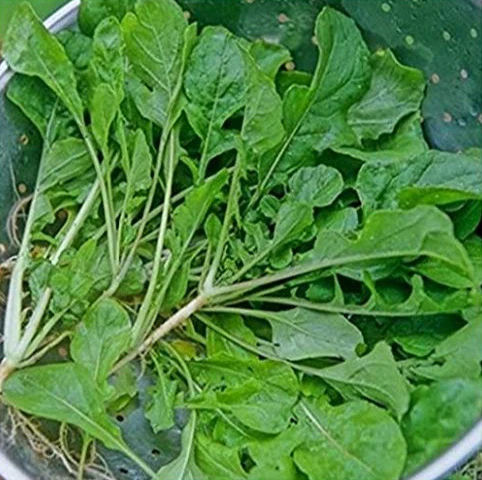 The Seven Top turnip is just to grow the greens with no edible root.
The biggest secret to nice turnip roots is steady growth. That usually means consistent moisture.
Water when the soil starts to dry out near the surface. You’re not trying to flood the bed—just keep it from swinging between bone-dry and soaking wet.
Thin your seedlings. This step feels harsh, but it’s key. If turnips are too crowded, you’ll get lots of leaves and tiny roots.
Here’s a simple way to thin: when seedlings are a few inches tall, snip the extras with scissors so the remaining plants have room. Snipping avoids disturbing the roots of the plants you keep.
Weed regularly, especially early on. Small turnip plants can get overwhelmed, and weeding is easier when weeds are tiny.
If you want, add a light mulch after seedlings are established. Mulch helps hold moisture and reduces weed pressure, which makes your care routine much easier.
How To Grow Turnips - Common Problems
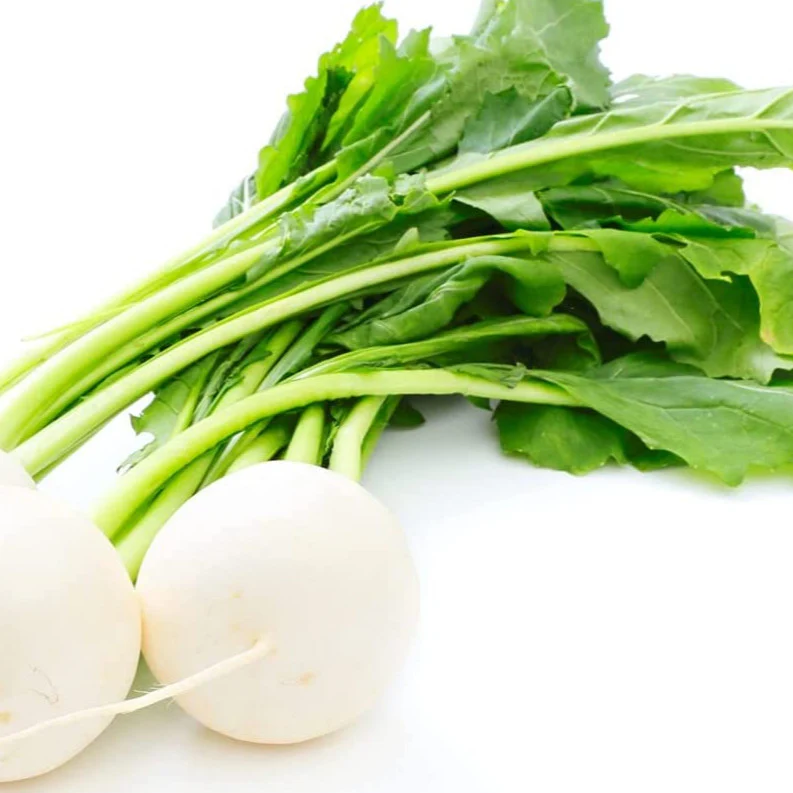 The White Egg turnip has a mild flavor.
Flea beetles can pepper leaves with tiny holes. Young plants are the most vulnerable, so keep an eye out early.
If you see damage building fast, you can protect plants with a lightweight row cover. It’s basically a breathable fabric barrier that keeps insects off.
Aphids sometimes gather on tender growth. Often, a strong spray of water knocks them off, and beneficial insects can take care of the rest.
Slugs and snails may chew leaves, especially in damp gardens. Hand-picking at dusk and keeping the area free of hiding spots can help a lot.
If your turnips look great on top but don’t form roots, the cause is often crowding, heat, or soil that’s too compact. Go back to thinning, timing, and soil loosening.
If roots taste too strong or bitter, harvest them younger next time and keep watering steady. Stress can make flavors harsher.
If roots crack, they may have gone through uneven watering—dry for a while, then suddenly a lot of water. Aim for a more even moisture pattern.
How To Grow Turnips - Harvesting
 Grow turnips in a variety of colors like these folks have done.
You can harvest turnip greens while the root is still growing, but don’t take all the leaves from one plant.
A simple rule: pick a few outer leaves from each plant and leave the center growing. That way you get greens now and roots later.
For roots, harvest when they look the size you want. Smaller turnips are usually more tender and mild, and they cook faster, too.
To harvest, grip the greens near the base and pull gently. If the soil is dry or compact, loosen around the root first so you don’t snap it off.
Once harvested, cut greens from the root if you’re storing them. Leaving greens attached can pull moisture from the root and make it go soft faster.
Wash roots well, especially around the top where soil can cling. For greens, swish them in a bowl of water and lift them out so grit stays at the bottom.
How To Grow Turnips - How To Cook
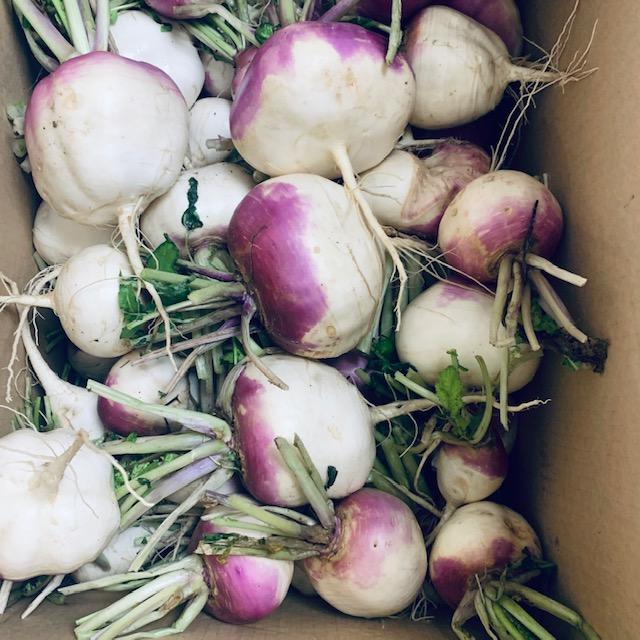 Grow turnips and get a bunch. Now what do you do with them?
Now let’s talk cooking, because growing food is only half the win. If you’ve ever wondered how to cook turnips so they taste good, the trick is to cook them like you would other comfort-food vegetables.
Easy ways to cook turnips (roots):
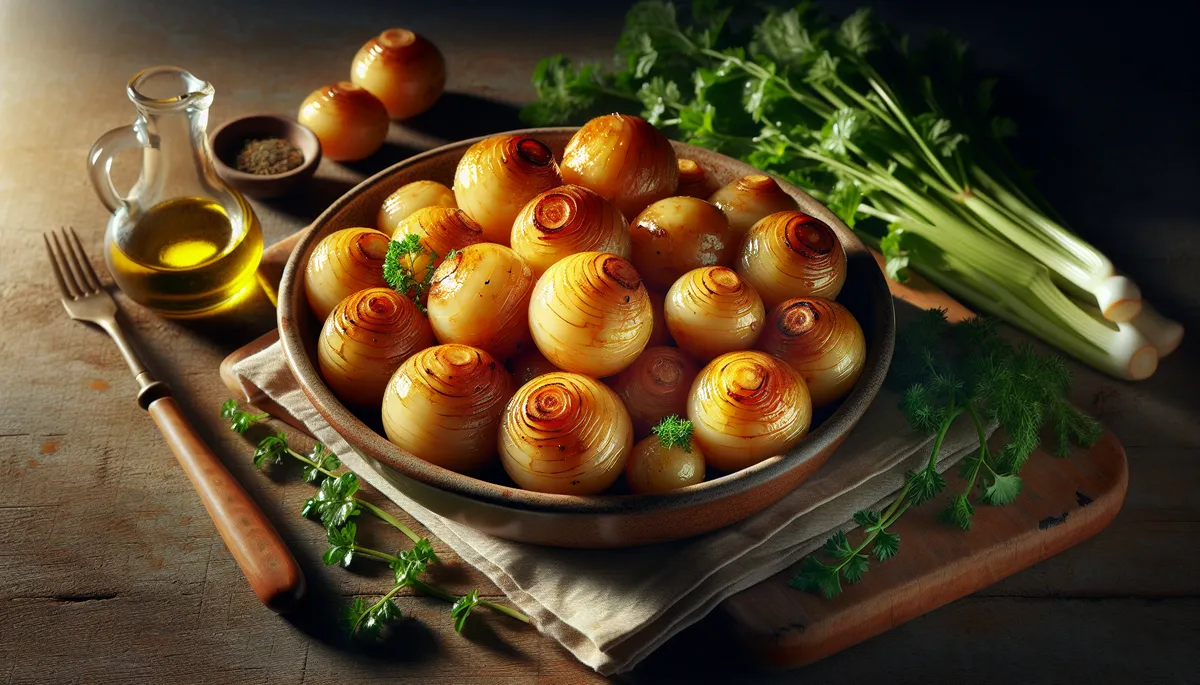 Grow turnips and cook em up. Here are some roasted turnips but definitely don't eat that many in one sitting!
- Roast chunks with oil, salt, and pepper until browned
- Mash with butter (mix with potatoes if you want it extra mild)
- Add to soups and stews like you would potatoes or carrots
- Slice a turnip into French fries, add some olive oil & salt & pepper and air fry them
If you want a sweeter taste, harvest smaller roots and roast them until the edges caramelize. In my kitchen, roasting is the method that converts “turnip skeptics” the fastest.
You can also sauté thin slices quickly for a lighter side dish. Keep the heat medium, stir often, and stop while they’re still a bit firm so they don’t turn mushy.
How to cook turnip greens:
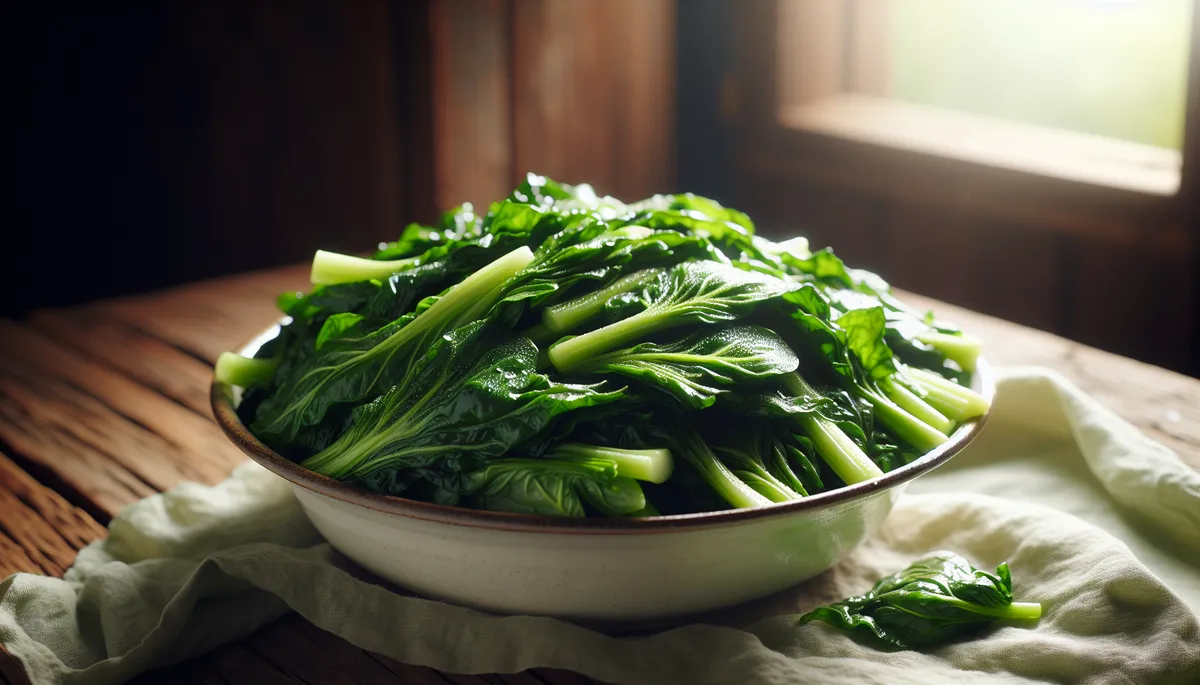 Grow turnips and you will have enough greens for the whole family to enjoy.
- Sauté with garlic and a splash of broth or water
- Simmer low and slow with onion until tender
- Chop and add to beans, soups, or scrambled eggs
If the greens taste a little sharp, don’t panic. A pinch of salt, a little fat (like olive oil), and a small splash of vinegar or lemon at the end can make the flavor smoother and brighter.
When you learn how to grow turnips in the garden, you’re not just growing a root—you’re growing a whole meal. Plant a short row, harvest greens as you go, pull the roots when they’re tender, and you’ll have fresh food that feels like it came from a smarter, simpler way of living.
Monday, January 26, 2026
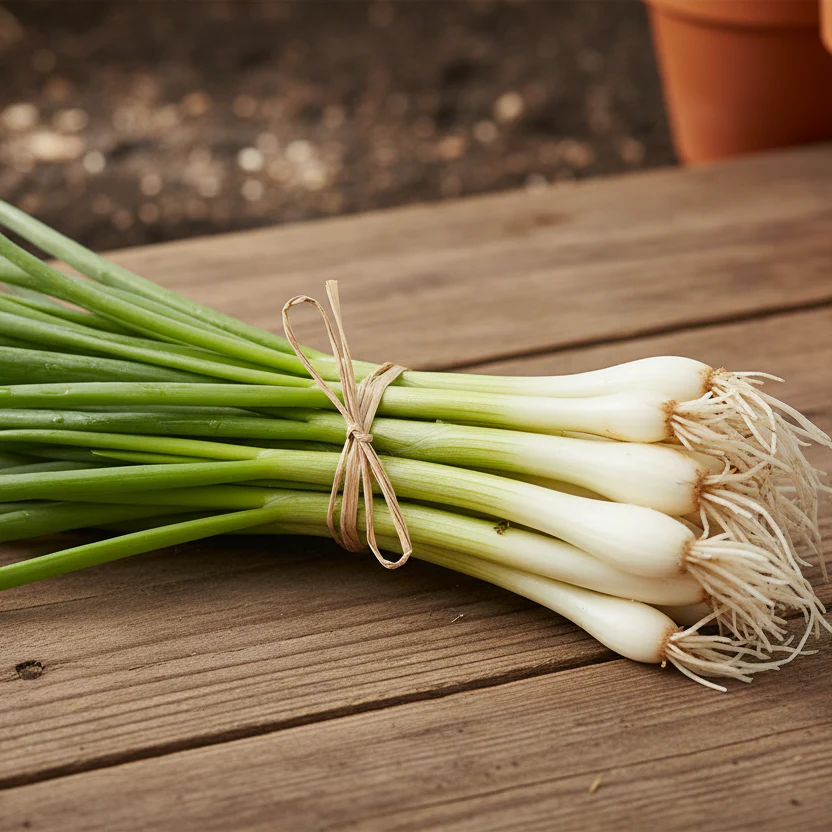 We still have plenty of onion, leek, and shallot starts. Come by tomorrow and get some to plant as soon as this cold snap is over.
Good morning. As you can see above, this week we are talking about how to grow turnips.
It is so very cold. It was 16° when I woke up at 3:15am. It is still 16° at 6:30am. Our store is closed today because of the cold along with ice that may still be out there.
It's now 8:30am and it is 18°. I am so cold in this house and my back is hurting. I have no idea why so it should be a really fun day.
Matt came over around 10:30am. I spent some time on the couch and finally went to work around noon. It was still in the 20s. They say it got up to 42° but I never felt that. It is currently 8pm and 36°. It will get down in the 20s again tonight. When will it end? This coming weekend it will be freezing and below again. Somebody is trying to kill all of the Texans!
I got some orders pulled and closed but my back kept getting me. It was a very painful day. I came home just after 5pm.
I have been doing research on videos that I can make and I will start making a plan this evening if my back will cooperate and if I can stay awake.
Tuesday, January 27, 2026
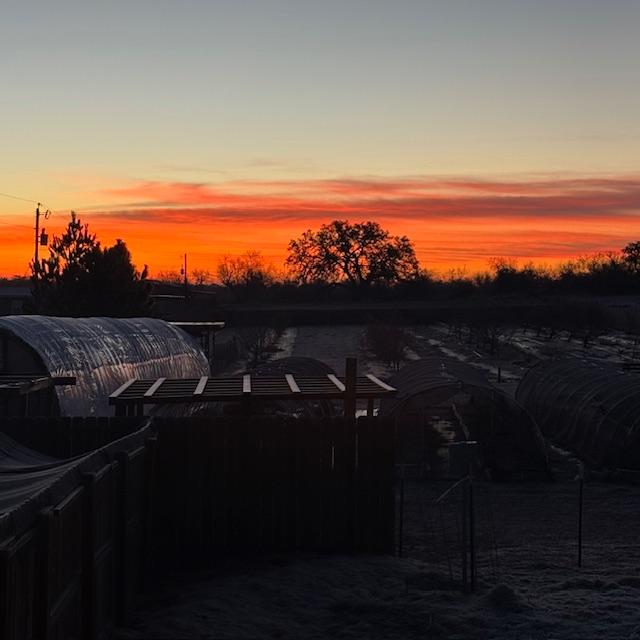 The sun just came up and it is 18°. What on earth is this world coming to?
Good morning. Another morning of cold! I can't believe I grew up in this weather.
I just watched a video on how and why Walmart is closing so many stores in California. Many other retailers are following them and mom and pop businesses have already folded there because of their ridiculous new laws. Their minimum wage is now $22 and there are some new proposals to make it go to $25 an hour. There are all sorts of fines for errors as well. As an employer, you cannot make a profit in a state that punishes you. No wonder so many are leaving the state.
 It costs a lot to keep seedlings alive and growing in the greenhouse during winter. Heaters are expensive.
Surprisingly, our greenhouse heaters have been keeping up with the cold. Our heating bill will be ridiculous but I believe our plants are saved and should be ready for purchase by March. Speaking of plants, we were in Walmart the other day and they want $10 a plant for spring starters this year. That is insane.
Two years ago, we had trouble selling our plants at $4 a piece. Most shoppers wanted them for $2. It costs a lot to grow your own plants plus you get the pot, soil, and then add in all of the watering and heating costs of the past three months. You cannot make a living selling plants at $2 a piece and cover your costs. That is why we did not do plants last year. We decided to try again this year so we will see.
Early this morning, I did a lot more research about a possible ebook and will continue working on that.
The high today was 50° but even at 50, it is so cold out. It will back in the 20s overnight. We had two helpers today and zero in-person customers. I spent the day pulling orders and closing them. Everyone else was counting and packing seeds all day.
The cold took out the pond pump. It was filled with ice. Once it warmed up a bit, Matt finally got it to run again.
I will be making spaghetti and meatballs for dinner right now as it is after 5pm. Have a lovely night.
Wednesday, January 28, 2026
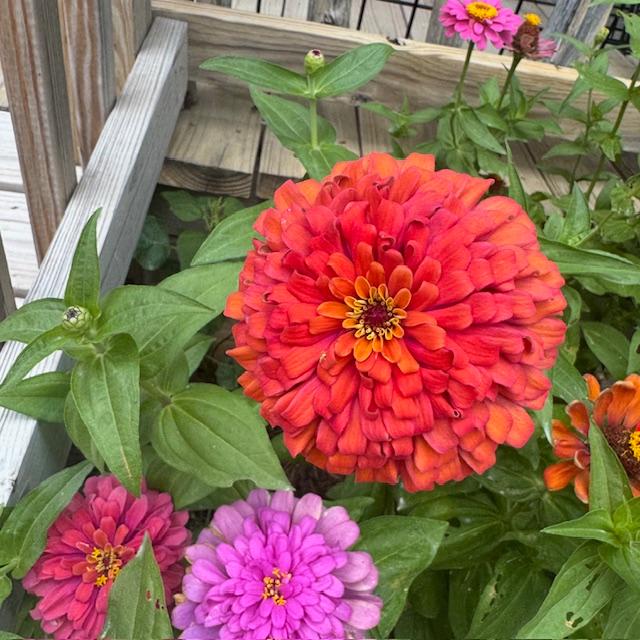 Zinnias are sturdy and stand up to the Texas heat. You can save 15% this week only on all of our flower seeds!
Good morning. It is 26°. I woke up every hour last night. What fun. I have been doing a lot of research on ways I can boost this website as well as our company website, David's Garden Seeds®.
Please share with your gardening friends and if you garden, please take a look at our company website. This week, all of our flower seeds are on sale plus all of our onion starts, leek starts, and shallot starts are on sale as well.
The air warmed up to 70° so it was nice to go outside after lunch. I spent the entire day filling orders and then counting special order seeds.
We had one helper all day and another for a few hours late in the day.
Thursday, January 29, 2026
Hello. I have been working on another project for a few hours this morning so I forgot to put anything on today's page. I wish I had more time to spend on it so I can get it done quickly. I try to work on it at night but I fall asleep because each day is long and tiring.
It is now 2:30pm and 69° but when I got up this morning, it was 29°. I just went out to my greenhouse to check on things. They are doing well, some better than I expected. Some of the seeds are just now germinating even though I planted three weeks or so ago. I checked on the plants David has started and they are doing well.
I have spent several hours filling orders. Then another business owner came over for a visit and we had a nice time sharing all the things going on. The mailman came and took a large mailbag. I am now working on filling another one.
Today, we have no helpers although one said he might come late in the afternoon again.
A helper showed up at 3:15pm and worked until 5pm when we left the farm to take Matt out to Yummy Buffet, an Asian restaurant in Pleasanton for his birthday. If you know Matt, you know he loves Asian food and has since he was a little boy. We had a good time and some friends joined us. The only problem is that it was freezing in there.
Friday, January 30, 2026
 Yours truly...
Good morning. It is 49° and overcast but Alexa says no rain for today. So what is new? I have been so busy with my current new project that I completely forgot to update this page yesterday until the afternoon.
Encino Pest Control came today for their monthly pest control visit.
It stayed cold and overcast all day long. It is now 5:25pm and 57°. We had a very busy day today with pulling and filling orders. We also had in-person customers including five sales and an additional couple who stopped by to meet us and tell us that they are new strawberry growers in the area.
Matt fed the bees some more sugar water this afternoon. We had one helper all day long. The other decided not to come in this afternoon.
Saturday, January 31, 2026
Good morning. It is cold at 35°. David told me that the guy who bought the hoop houses out front will be by this morning to collect the soil he left behind when he dug up the wooden raised garden beds. I did not know the dirt was included...
Hard to believe the entire first month of January is gone already
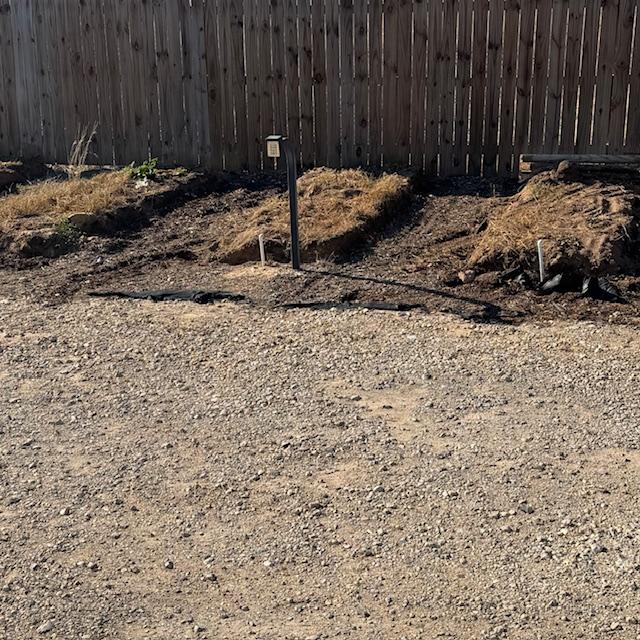 The man dug up five mounds of dirt to go with the raised garden bed hoop houses he bought from us. The man dug up five mounds of dirt to go with the raised garden bed hoop houses he bought from us. |
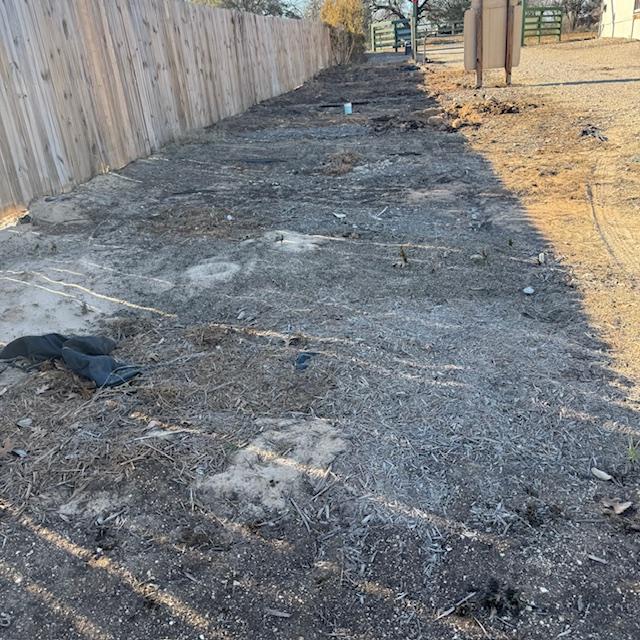 He shoveled up all of the dirt quickly. He shoveled up all of the dirt quickly. |
The guy came for the garden dirt and loaded it up quickly. David gave him some other supplies. David had a visitor this morning and I had one in-person customer. It was so cold and did not feel like spring at all.
David planted a bunch of seeds to grow to sell to our customers today.
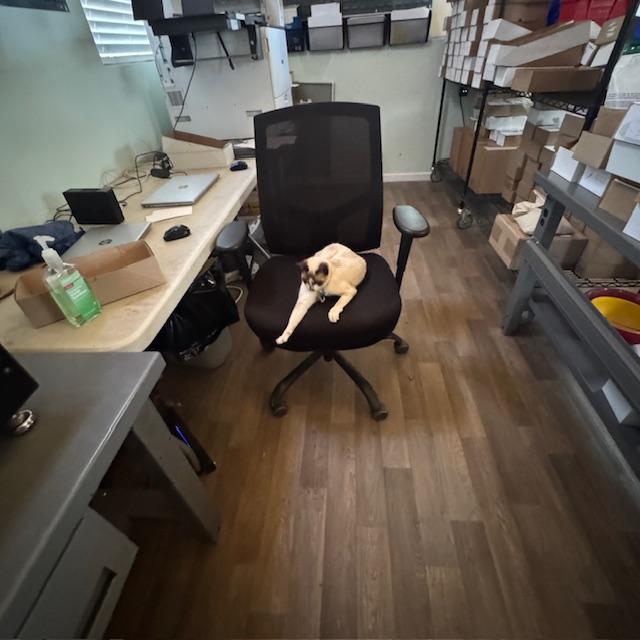 Sammy Kitty worked hard in the Farm Store today, helping Matt and David print envelopes and count seeds. Two hours after they left, she was still working hard as you can see.
The cat enjoyed working in the Farm Store today.
The pond pump died. The new one is here but it has been too cold. David said that will be a priority next week. I sure hope so.
I attempted to steam clean my new oven as it has a built in steam cleaner. I cleaned each oven (it has two) twice but not much gunk wiped away. I think I will have to actually use oven cleaner. I have never done that before. I always had a self cleaning oven until now...
Sunday, February 1, 2026
 I bundled up in my camo jacket and hat to take care of the animals. Alexa said it felt like 20. I was taking no chances.
Good morning. Happy February! It is 27° but it is supposed to feel like 20° right now. I definitely don't want to walk outside to take care of the animals! It is windy but sunny. I am enjoying some coffee and a roll from Church's Chicken leftover from last night.
I went out at 8am to feed the animals. Because I prepped yesterday afternoon, it was pretty quick. Yesterday, I filled all of the water containers. Then I filled buckets with chicken and goat food so it would be ready to just grab and dump in the freezing cold. It worked out well. I rushed inside after letting everyone out and feeding them. I showered and then made eggs for breakfast.
We got ready for church and went. It was a fairly full house today. We just ate leftovers. This afternoon, David will continue planting tomato seeds that will be for sale in early spring.
I plan to continue working on my latest money making venture. Hopefully, I will have the house to myself for a bit so I can think in peace and do things right.
I hope this page has inspired you to learn how to grow turnips and give it a try.
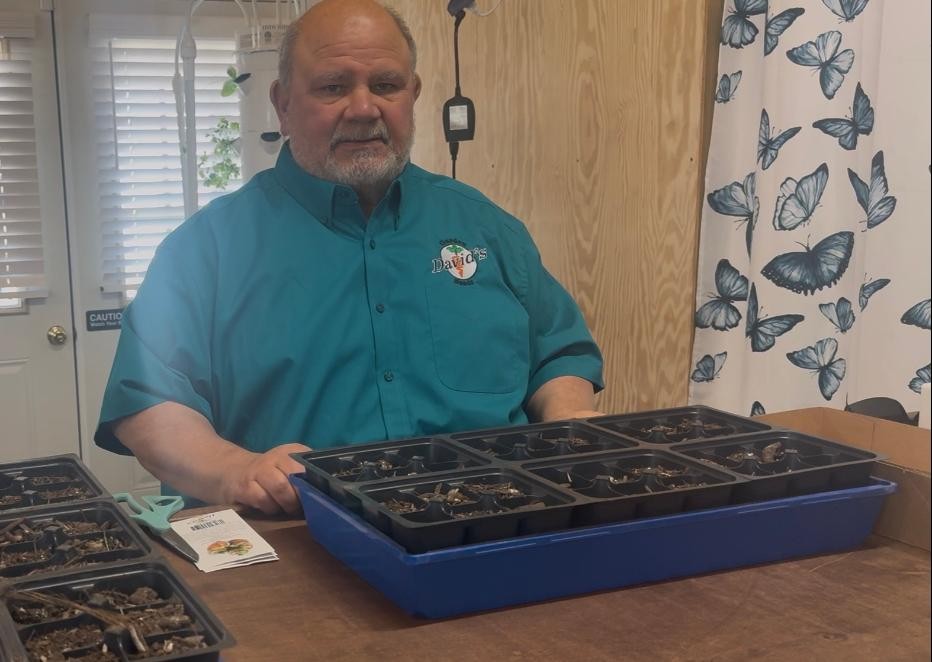 David was planting tomato seeds in his best David's Garden Seeds® shirt.
David went to the Farm Store today to plant tomato seeds. He had me come over and make a video.
 Look at this silly kitty. She was chasing me around this afternoon. Her blue eyes are striking, n'est ce pas?
Did you see the full moon come up this evening? I barely caught it when I happened to glance out of my kitchen window while making a noodle Alfredo casserole. It was quite delicious, by the way. Even David said so and it takes a lot for him to admit that anything I cook is good. Ha!
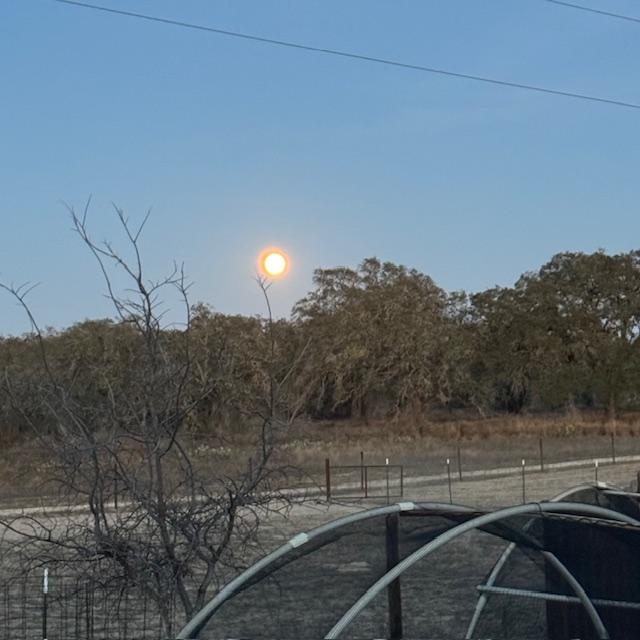 As I was making dinner, the full moon rose and it looked so bright and orange. The camera did not do it justice by any means. As I was making dinner, the full moon rose and it looked so bright and orange. The camera did not do it justice by any means. |
 I had to step out on my side porch to get this shot. The Full Snow Moon was worth it! I had to step out on my side porch to get this shot. The Full Snow Moon was worth it! |
Return from How To Grow Turnips to Year 7 Of Farm Life
Anything To Share On This Topic?
Would you like to share additional information about this topic with all of us?
Since 2009, over 2,000,000 home gardeners, all across the USA, have relied on David's Garden Seeds® to grow beautiful, productive gardens. Trust is at the heart of it. Our customers know David's Garden Seeds® stocks only the highest quality seeds available. Our mission is to become your lifetime supplier of quality seeds. It isn't just to serve you once; we want to earn your trust as the primary supplier of all of your garden seeds.
Watch Our 2022 TV Commercial!
Sing Along To Our Jingle
♪♫♪♪ ♫ ♪ ♫♪♫♫
♪♫♪♪♫♫
Peppers and peas
And lots of yummy greens
You can't go wrong
With Squash This Long
At David's Garden Seeds
♪ ♫ ♪ ♫
Our New 2024 TV Ad
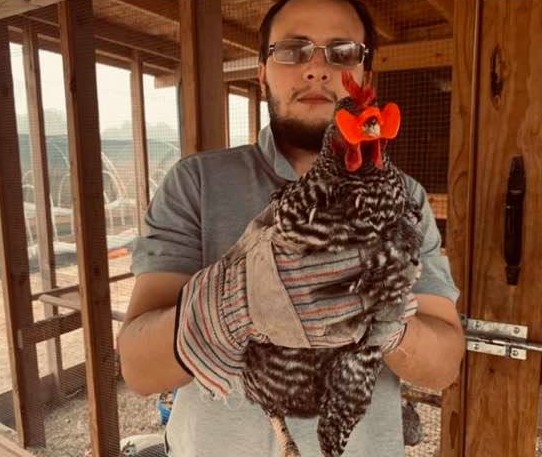
Please like and subscribe on YouTube and come visit us at our Farm Store! The music on our TV ad was written, played, and sung by our son, Matthew Schulze. You can meet him when you come to the farm. He just might give you a tour. Ask him to grab a guitar and sing our jingle that he wrote.
Our 2022 TV Ad

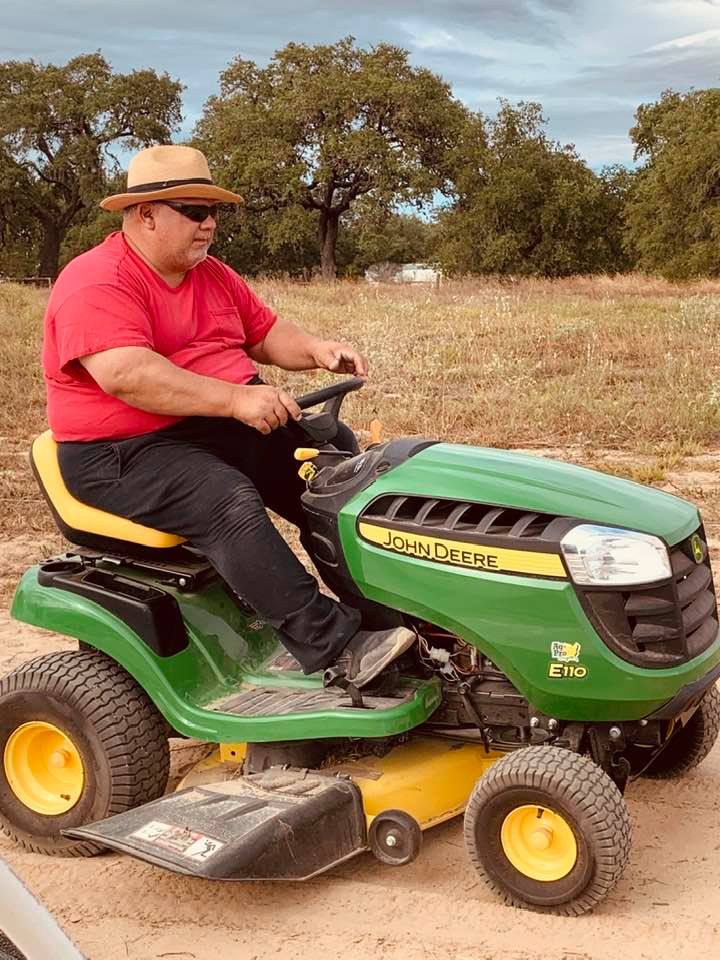 David of David's Garden Seeds® zipping along on his little tractor across the farm. He is having a blast!
We are David's Garden Seeds®. If you need great seeds, we've got over 1,400 varieties to choose from.
Subscribe To Mrs. David's Garden Seeds® Newsletter For FREE!


Find out what is going on down on the farm by reading our blog and by subscribing to our free newsletter for all of the information going down at David's Garden Seeds® and on the farm. I love to share helpful information with you. Please let your friends know and y'all come on down for a visit when you get the chance. We would love to meet you!
New Store Hours!
 Farm Store Hours: Th-Fri 10am-5pm, Sat 10am-2pm. Closed Sun-Wed.
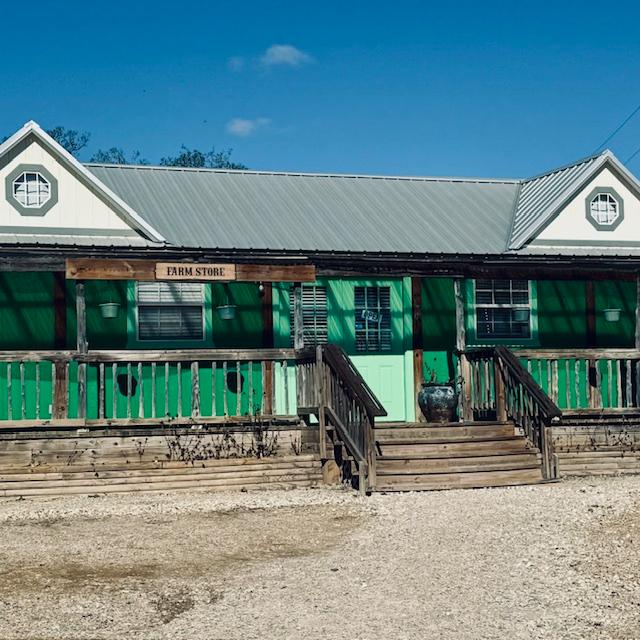 Our Farm Store
Shop for:
- Seeds
- Farm Fresh Eggs
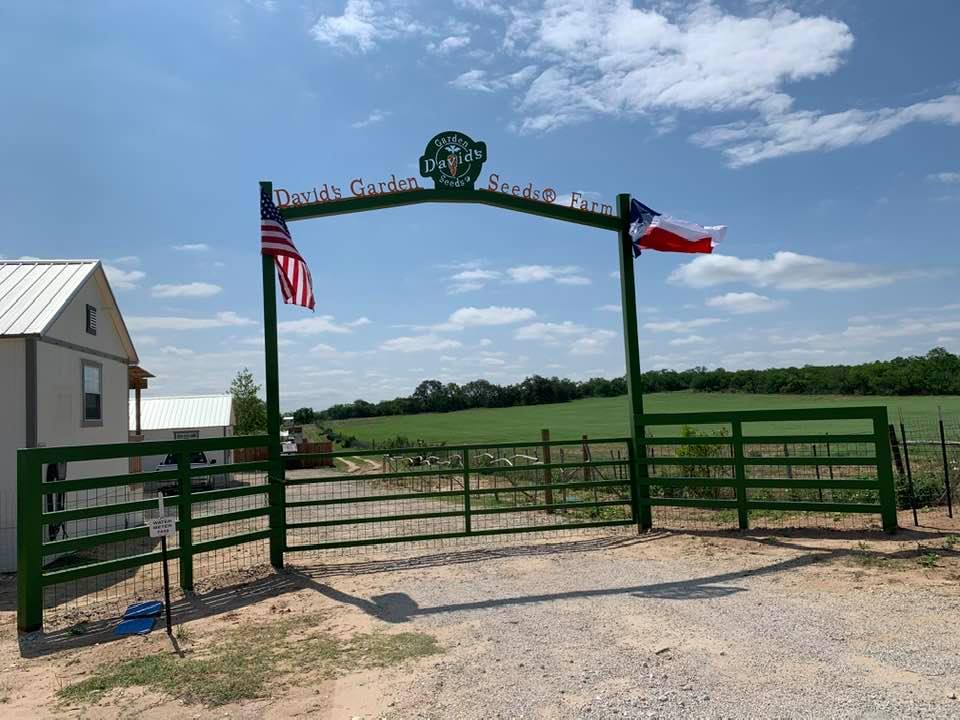
Our Farm is located at 5029 FM 2504 in Poteet, TX.
 Only happy seeds make the cut to go into our seed packs!
David's Garden Seeds® has
seeds for the backyard gardener and farm fresh chicken eggs.
 David & Juanita work hard to pack your garden seed orders.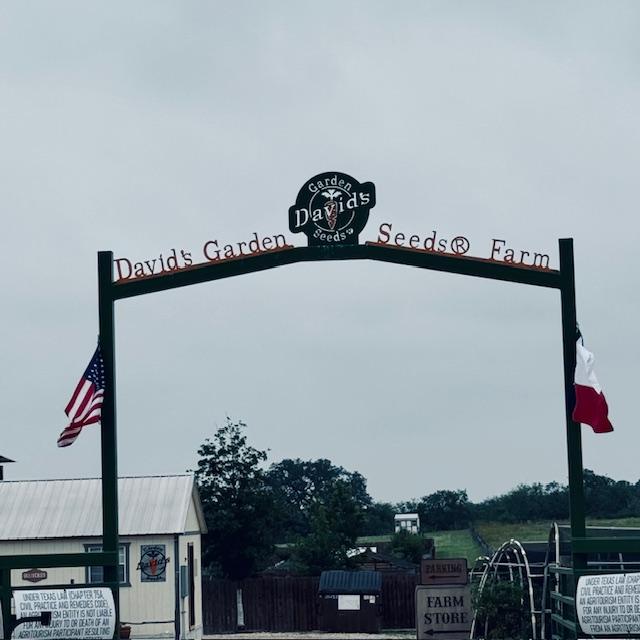



Sign Up For Our Newsletter Here!
   DGS YouTube Mrs
|
   |
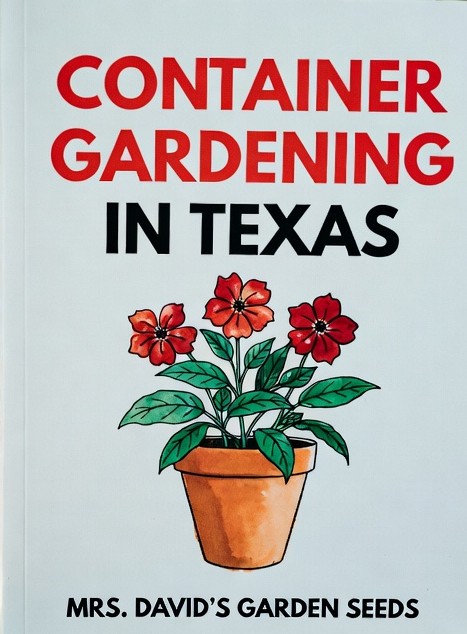
Garden Ebooks
by Mrs. David's Garden Seeds
 I've been busy creating eBooks to help you with your garden...
IMPORTANT NOTE: THE EBOOKS ARE DIGITAL DOWNLOADS (EBOOKS), NOT PHYSICAL BOOKS.


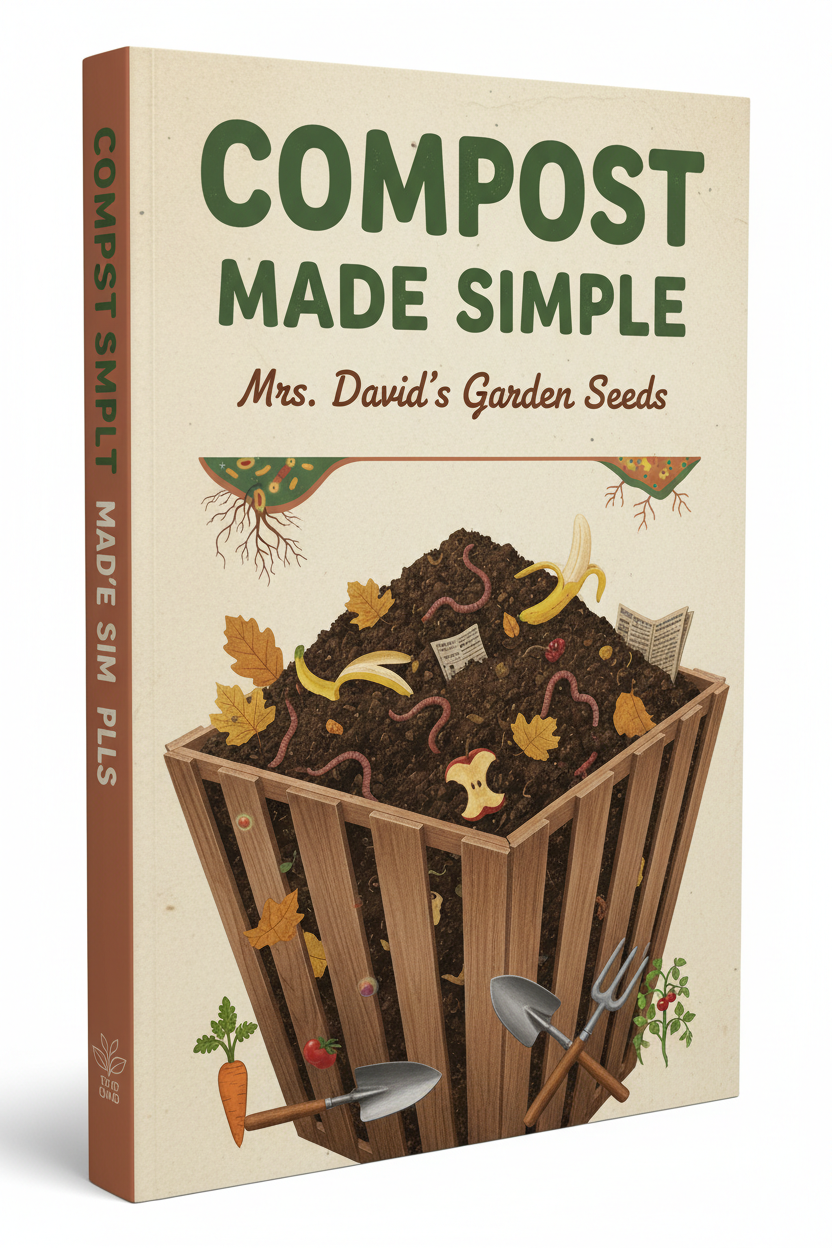

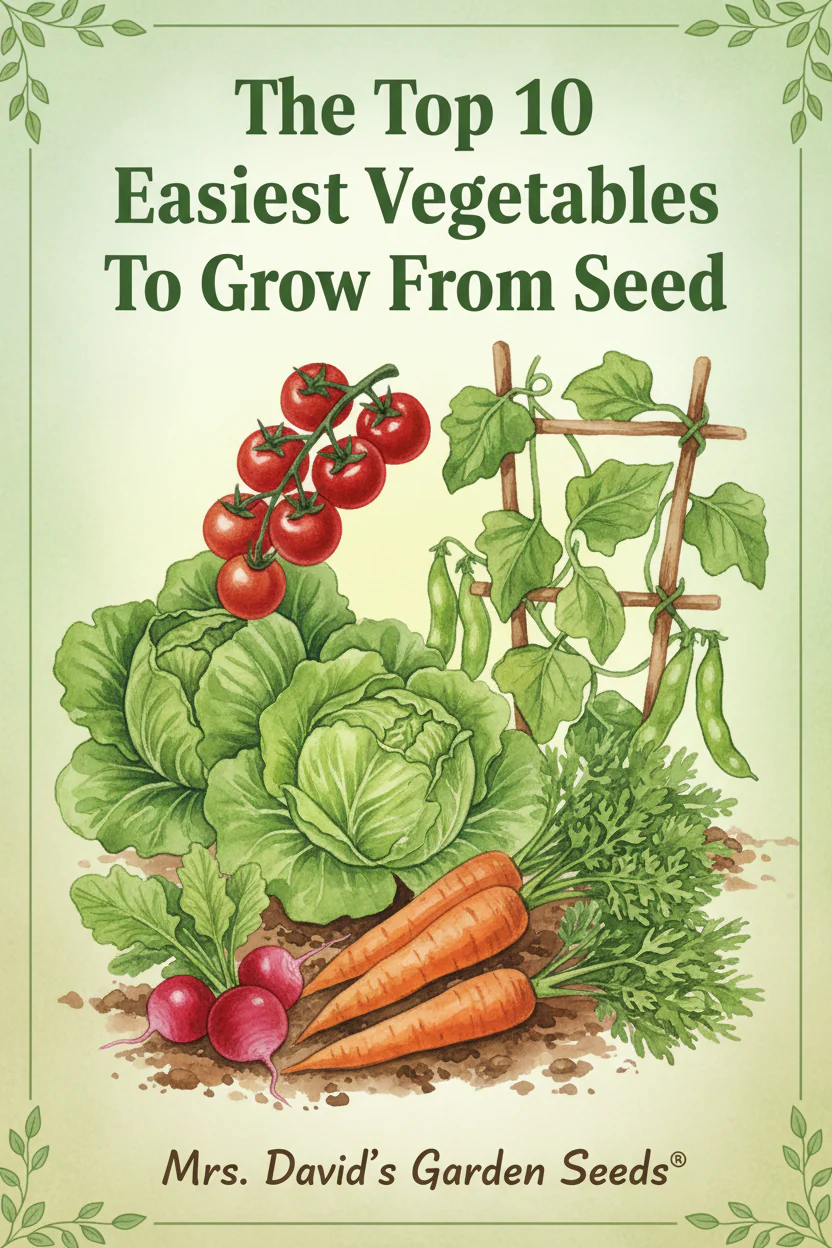

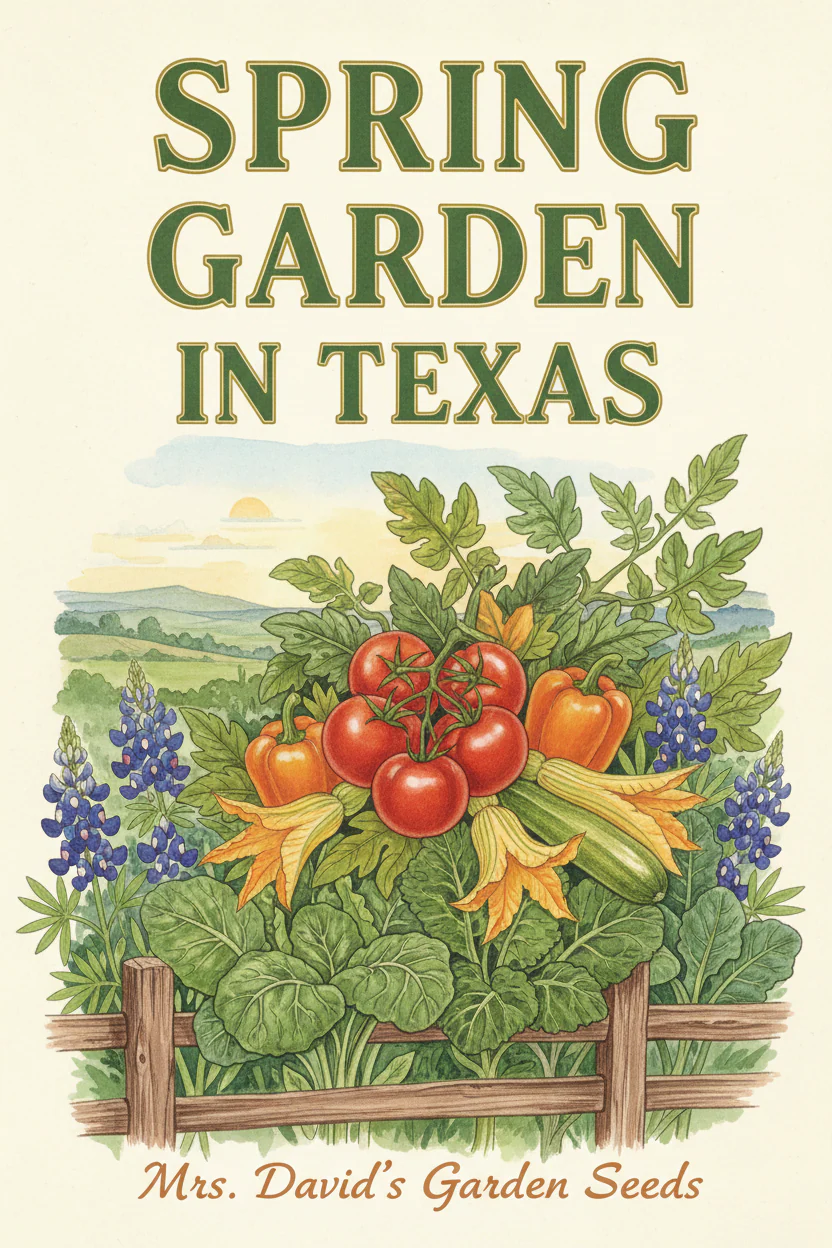
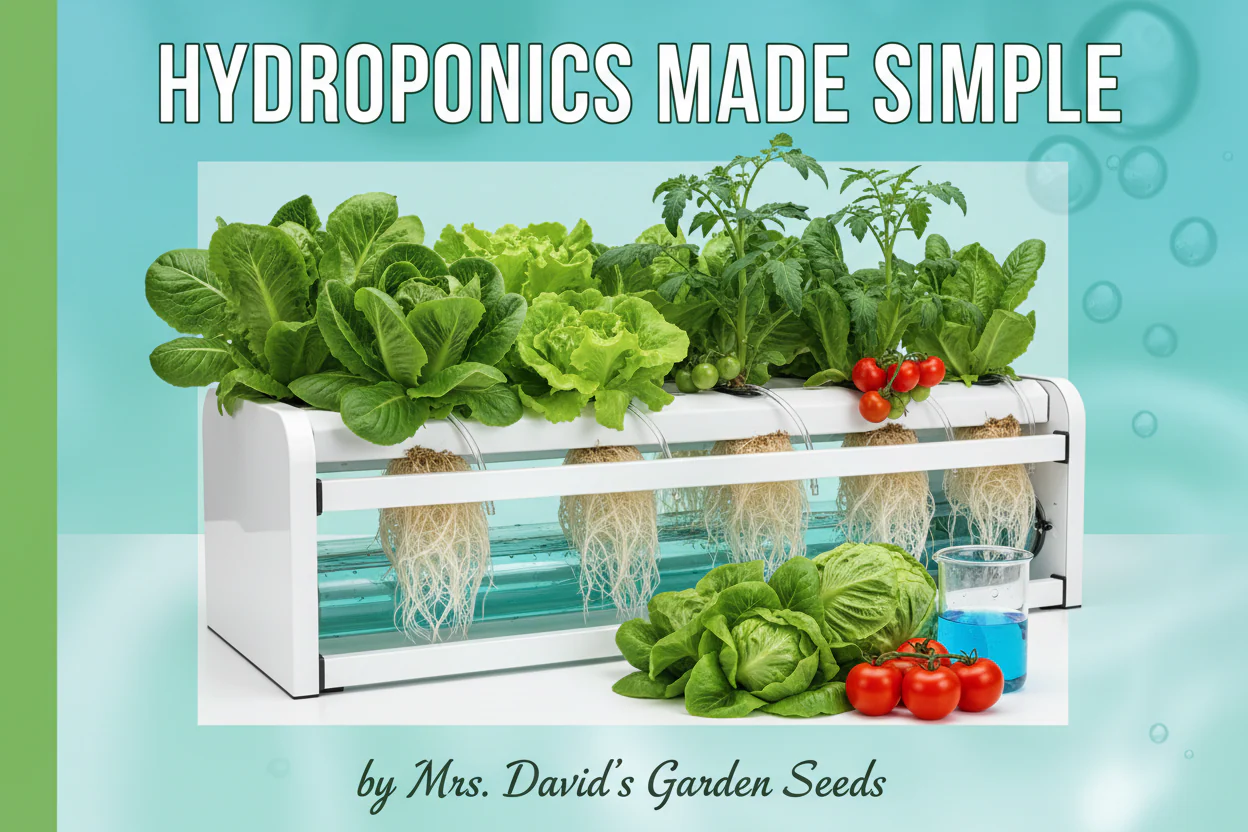
WE DO NOT REFUND OUR DIGITAL DOWNLOADS FOR OBVIOUS REASONS.
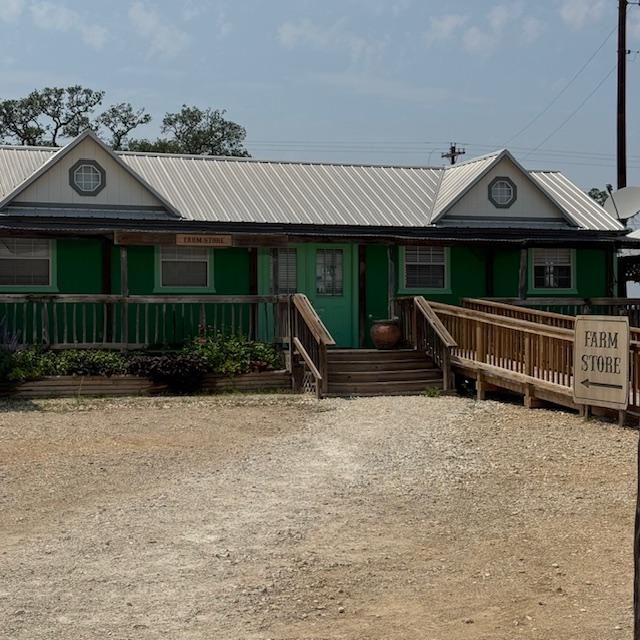 Our Farm Store is the green building
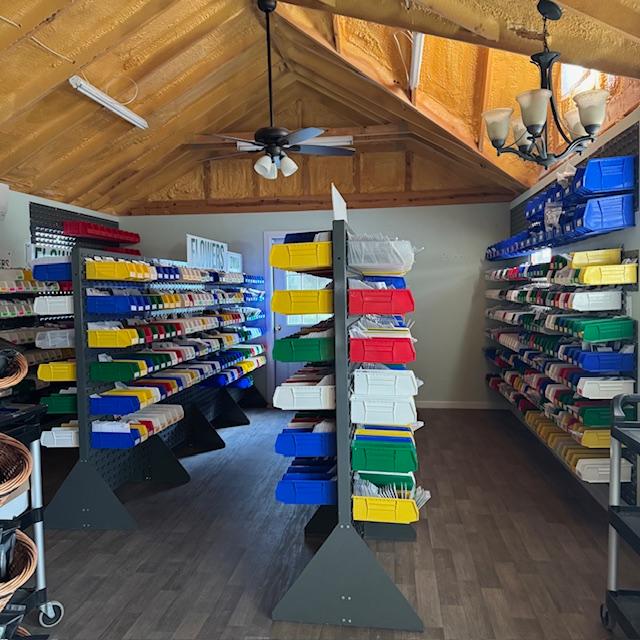 Inside our Farm Store...1400 varieties of seeds await you!
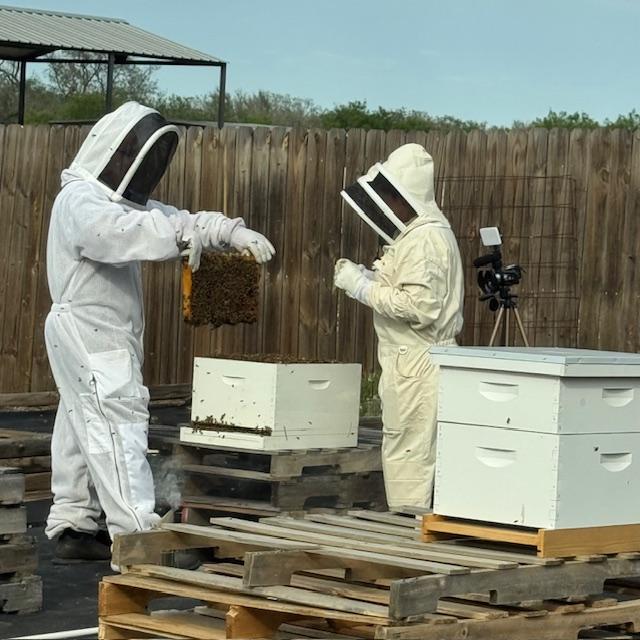 Our bee hives
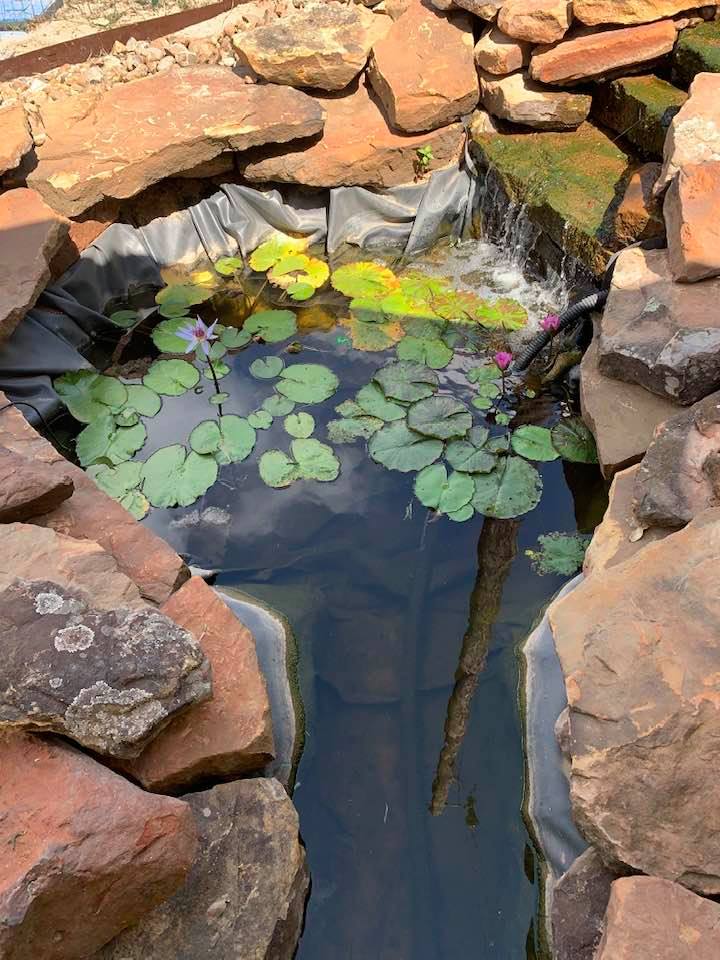
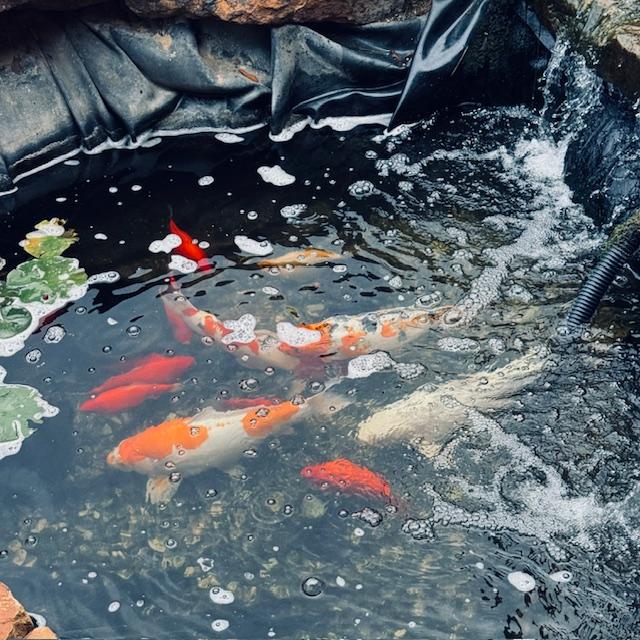 Our fish pond
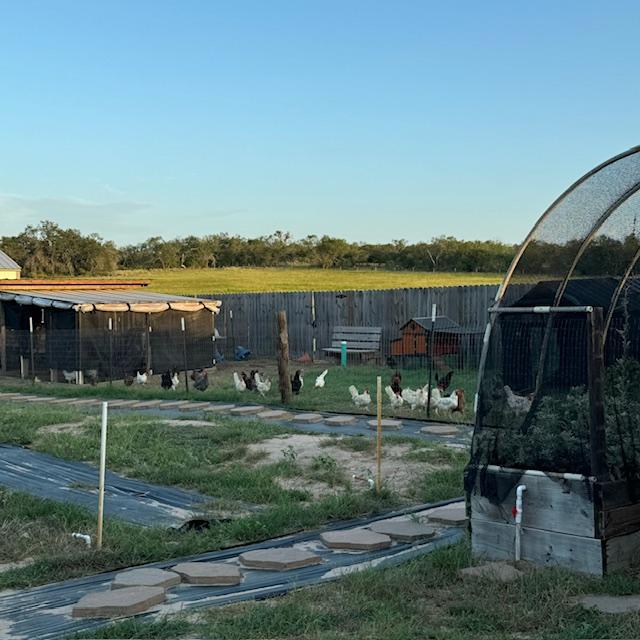 Our chickens
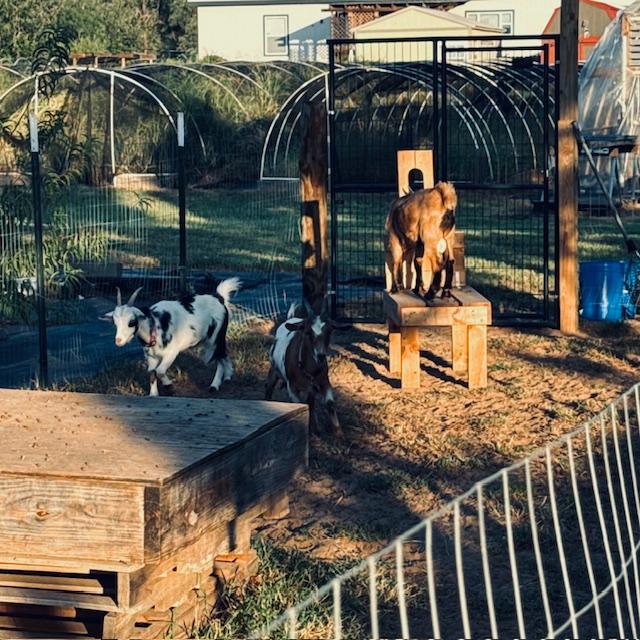 Our Nigerian Dwarf goats
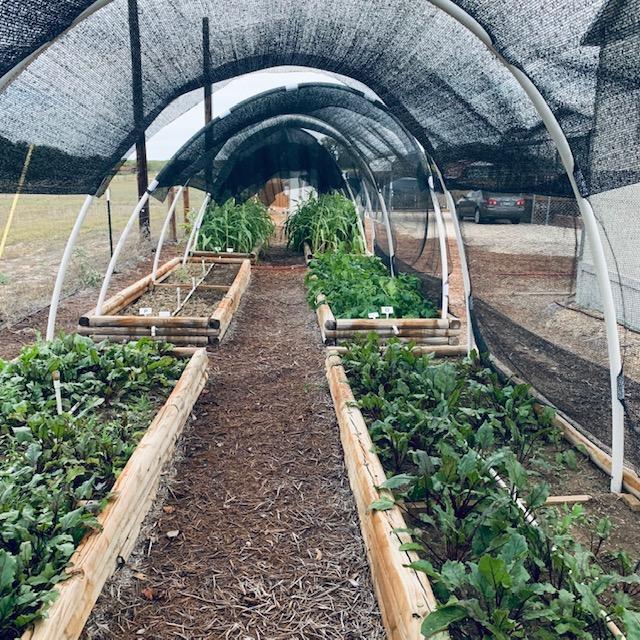
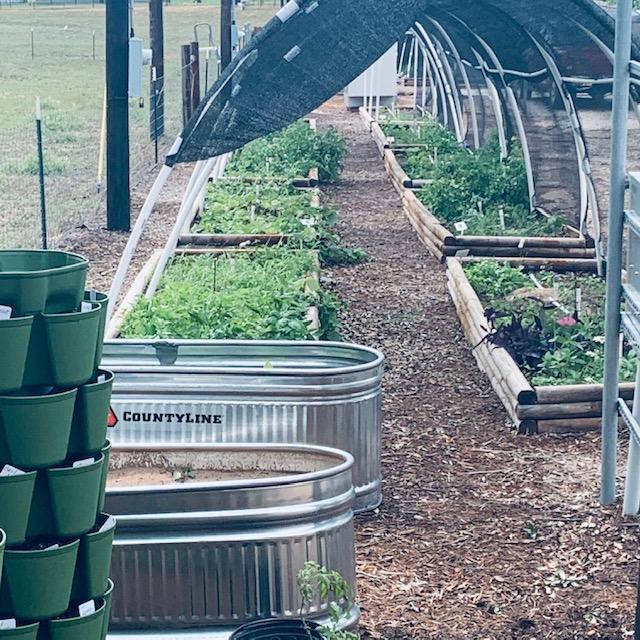 A few of our raised garden beds
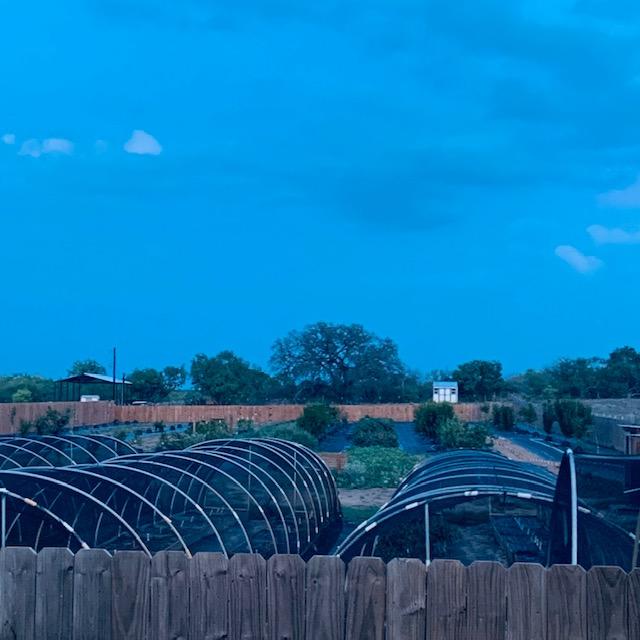 Our orchard and hoop houses
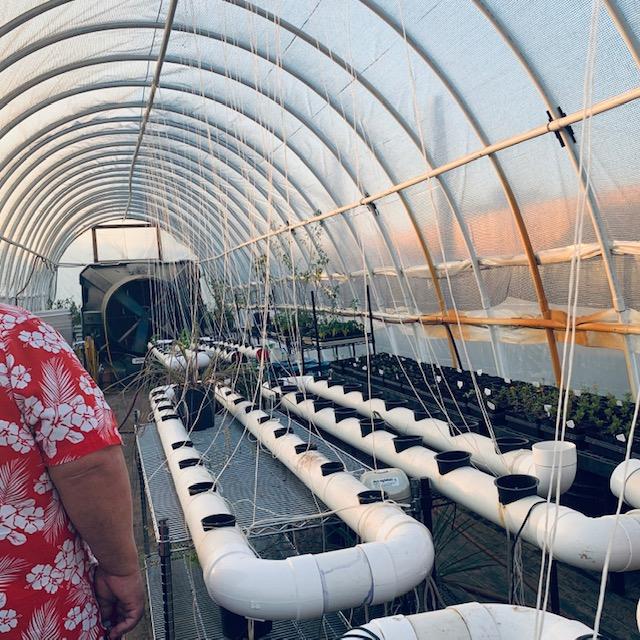 Inside our high tunnel
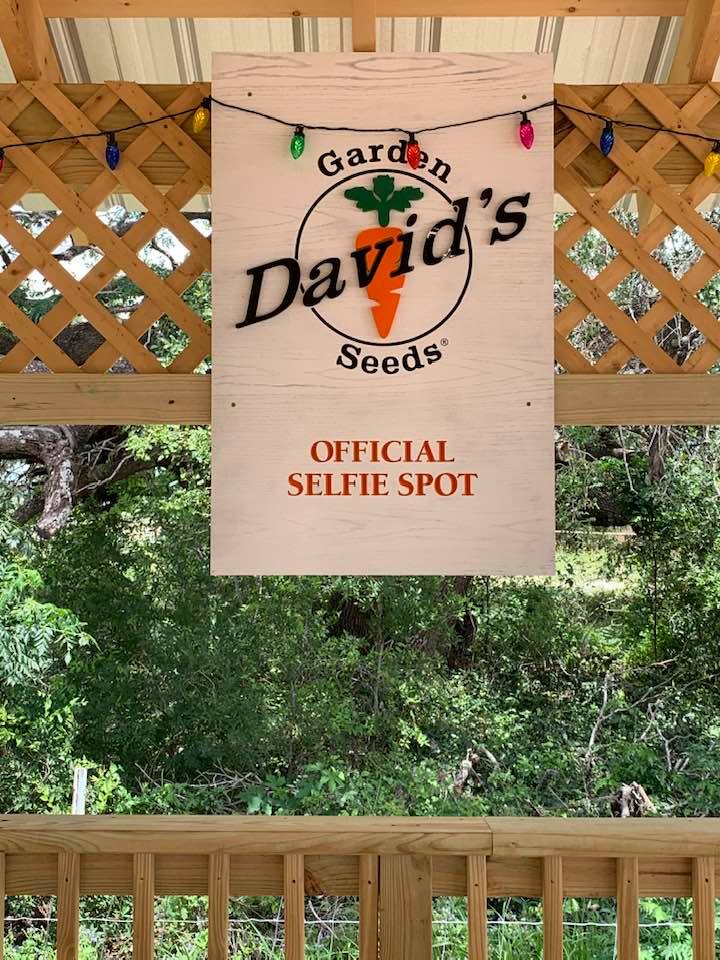 Take a selfie at our official selfie spot!
 Flowers, bees, and butterflies are everywhere!
Watch Our TV Ads!
David's Garden Seeds® has the best Non-GMO seeds in the state of Texas!


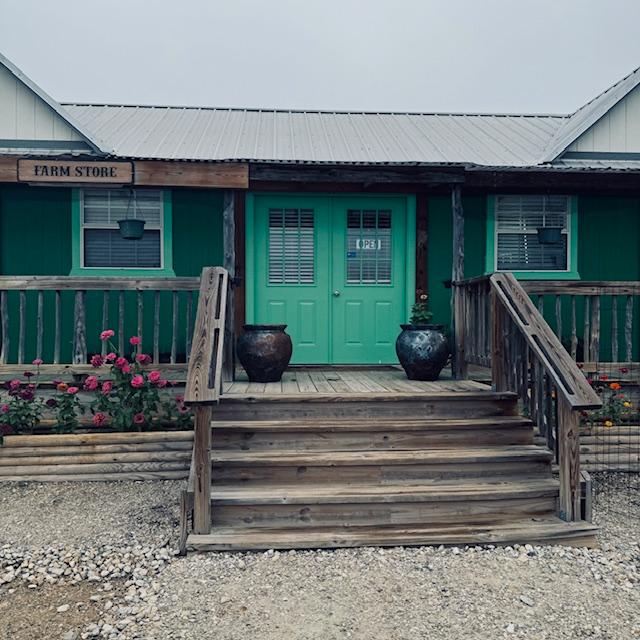 This is our beautiful Farm Store. Come in and shop for seeds. We have over 1600 Non-GMO heirloom varieties to choose from but we are in the process of bringing that number down to half.
Our Story
Hi Everyone! Thank you for visiting my website! I am Mrs Davids
Garden Seeds® aka Mrs. David's Garden Seeds and I think you should know that there is a wonderful seed
company in the great state of Texas called David's Garden Seeds®. We grow some of our seed, we count, hand pack, print our own envelopes, and ship seeds out to you right here from our farm. This used to be an old peanut farm. When the owner died about 15 years ago, his sons split the farm up and sold it in pieces. In 2024, we bought another adjoining four acres.
Our business started in our home in San Antonio in September of 2009. David decided to sell some seeds he had left over from his garden on Amazon. I told David, "Don't bother, it won't work!". I am so glad that David did not listen to me because it did work! By 2015, we had 8 employees working in my home every day and David found a storefront in San Antonio and moved the business there. In 2016, I quit my day job and went on the payroll. The company grew some more and David moved to a bigger storefront in 2017. In 2019, we found a beautiful piece of land over in Atascosa County and turned it into a farm out near Poteet. David and I moved out here to live in August of 2019.
In 2020, we moved our company out to the farm. We have a beautiful Farm Store filled with seeds, a gazebo with a pond full of koi and gold fish for you to visit. Come by and visit us at 5029 FM 2504 in Rossville, just outside of Poteet, Texas, Monday through Friday from 9am to 5pm and Saturday from 10am to 2pm. Or you can order seeds online from our user-friendly website, www.davidsgardenseeds.com.


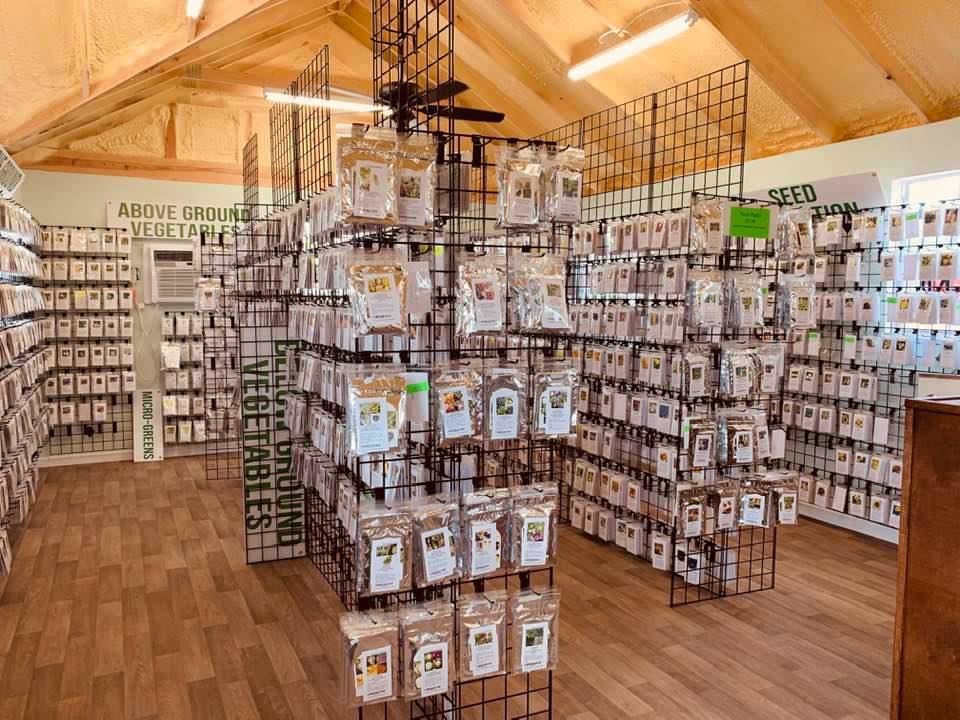 Our beautiful new farm store has almost 2,000 varieties of seeds and more. Mrs Davids Garden Seeds® looks forward to meeting you when you visit.
Mrs. David's Garden Seeds® Copyright by Juanita Lynn Schulze of David's Garden Seeds® 2019-2026
David's Garden Seeds® is Registered in the United States Patent and Trademark Office.