Grow Fava Beans
This week, let's learn how to grow fava beans. Have you even heard of them? They are the biggest bean seed we have and the actual seeds are quite pretty to look at with blended beige tones. They are smooth to the touch. You can find fava bean seeds on David's Garden Seeds®.
Grow Fava Beans - 3/9-3/15/2026
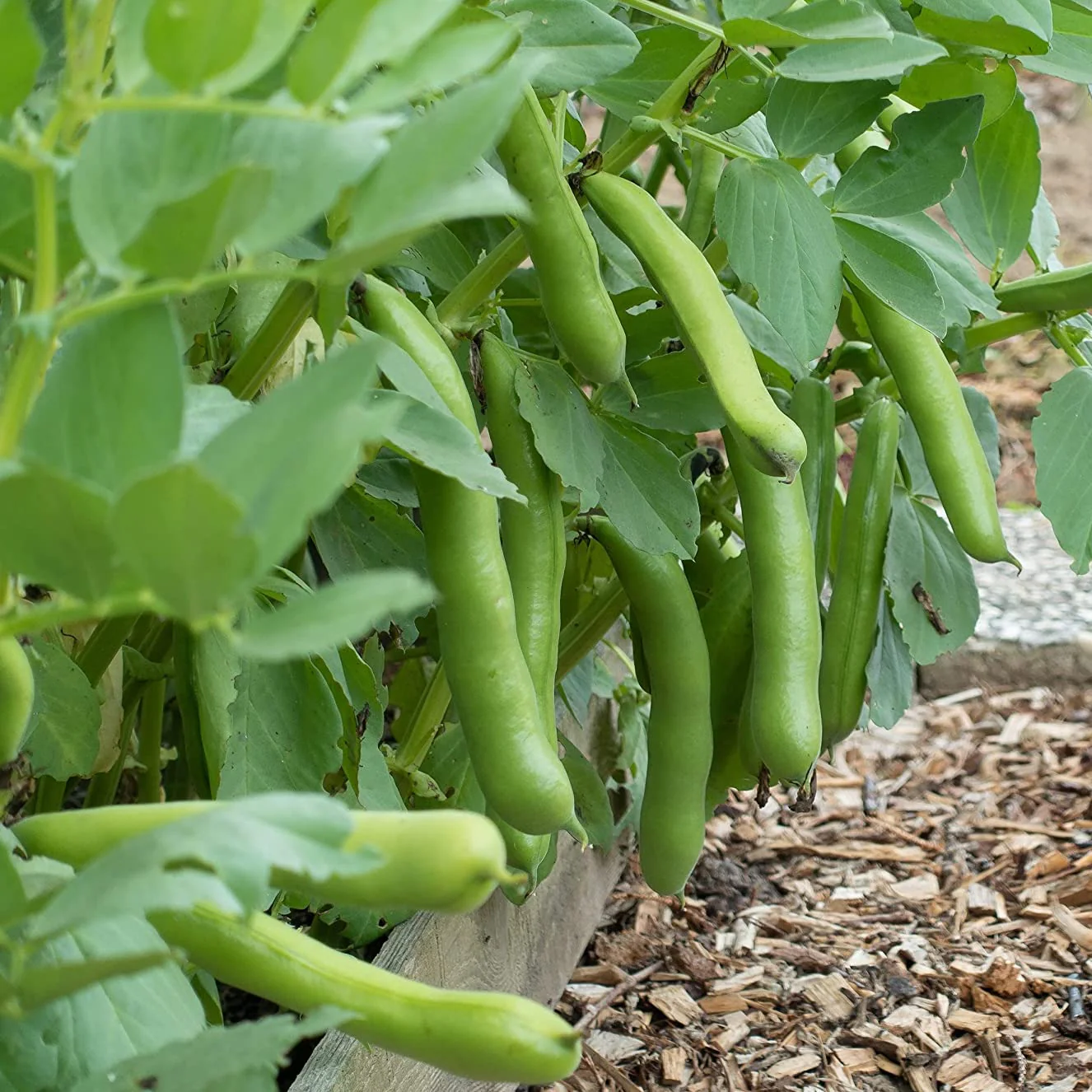 Fava beans growing in the garden.
If you’ve got a small garden, a tiny patio, or even just a few raised
beds, you can still grow food that feels like a big win. That’s exactly
why you should grow fava beans in your garden.
Fava beans are one
of those crops that make you feel like you’re getting away with
something. The plants stay fairly compact, they’re very productive, and
they give you real, satisfying meals from a small footprint.
And
let’s talk about flavor. If you’ve never tried them, you might be
surprised by how rich they are. You really can enjoy the buttery taste
of an unknown bean, the fava, and wonder why you didn’t plant them
sooner.
I still remember the first time I grew them. I had a
cramped bed that didn’t feel “worth it” for anything big. I planted
favas anyway, and later I stood there popping open pods like treasure
chests.
This article is split into 7 parts so you can follow along
step-by-step: what fava beans are, how they grow, how to plant, how to
care for them, how to harvest, how to store, and how to cook them.
By the end, you’ll know exactly how to fit favas into a small-space garden and get a strong harvest with simple, everyday care.
Grow Fava Beans - What Are Fava Beans?
Fava beans (also called broad beans) are cool-season legumes that grow
in pods, kind of like chunky pea pods but with bigger, flatter beans
inside.
They’re a classic staple in many cuisines, and once you
taste them, you’ll understand why. They’re earthy, rich, and can turn
creamy when cooked.
They’re also a smart crop if you care about
nutrition. Fava beans are known as a good source of protein, which is
one reason people love the idea to grow protein in your garden.
Another
bonus is their growth habit. If you want to grow compact bean plants,
favas are a great pick because they can produce a lot without sprawling
across your whole space.
In the garden, you’ll notice they look
sturdy and upright compared to many other beans. They don’t need to run
long distances like pole beans.
If you’re working with limited space, favas can feel like a “high return” crop: a modest amount of room, but a generous amount of food.
Grow Fava Beans - How They Grow
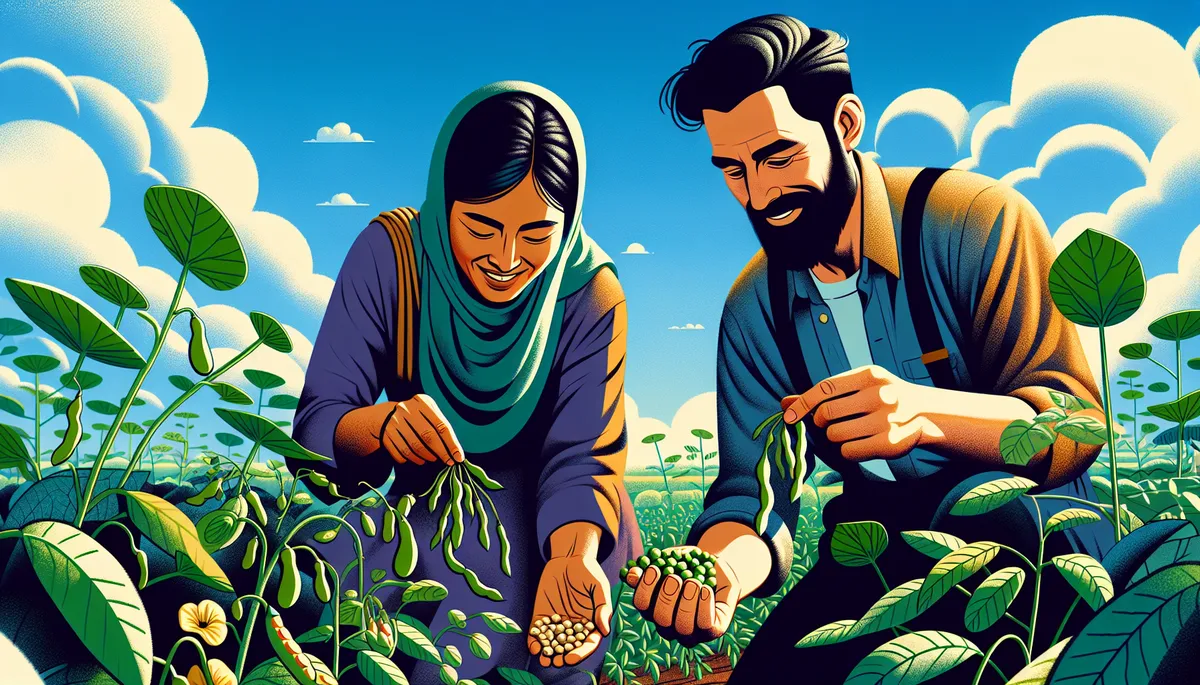 Picking fava beans. In Texas, it will be hot so we probably won't be smiling when we pick our fava beans.
Favas like cool weather, and they grow best when days are mild rather than hot.
Think
of them as a crop that enjoys the beginning or the tail end of the
growing season. In many places, that means planting when it’s still cool
outside.
The plant grows a thick main stem, then branches a bit
and sets clusters of flowers. Those flowers turn into the pods you’ll
harvest later.
You’ll usually see pods forming along the stem,
often in little groups. When a plant is happy, it can set a surprising
number of pods.
Pollinators can help, but favas can still set
pods without a huge pollinator show. Still, it’s nice to see bees
working the blooms.
One thing to know: heat can slow them down. If your weather turns hot fast, you’ll want to time planting so the plant does most of its growing before that happens.
Grow Fava Beans - Planting
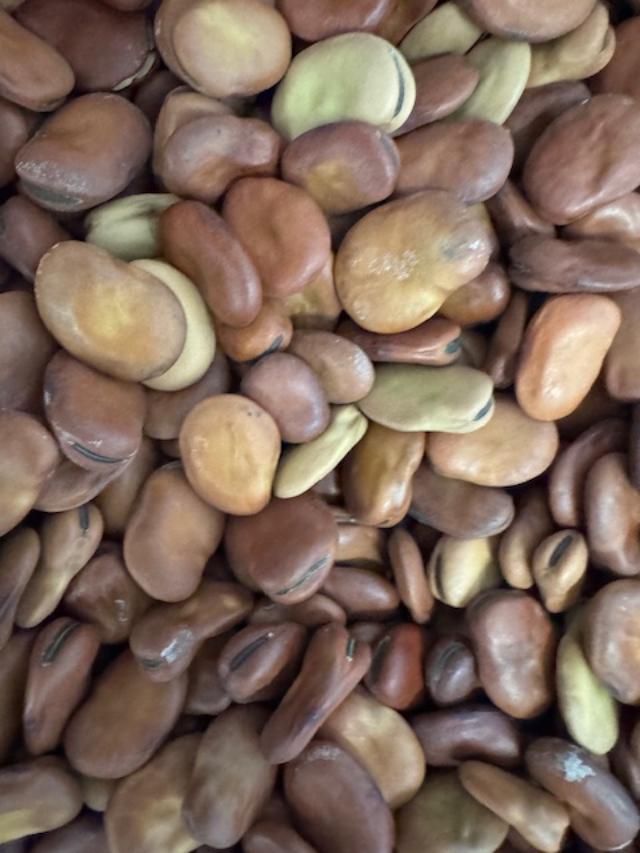 These are fava bean seeds, the largest seeds we sell. They are smooth and vary in shades of color.
Start with a sunny spot if you can. If your garden gets partial sun, you
can still try, but more sun usually means better growth and better
pods.
Pick soil that drains well. If water sits and the ground stays soggy, seeds can struggle.
In
a small bed, I like to loosen the soil and mix in compost. You don’t
need fancy steps—just aim for soil that’s crumbly, not hard like brick.
Plant
your seeds directly in the garden. Fava beans are usually easy to
direct sow, which means you skip the whole transplanting fuss.
Push
each seed into the soil about 1–2 inches deep, then cover and water.
Planting depth matters because it keeps the seed evenly moist as it
sprouts.
Space your seeds so each plant has room to breathe. In
tight spaces, it’s tempting to cram, but crowding can reduce airflow and
make plants weaker.
If you want a tidy small-space layout, plant
in a simple grid. It keeps the bed neat, and it makes watering and
weeding much easier.
After planting, keep the soil lightly moist until sprouts appear. Once
they’re up and growing, you can water less often but more deeply.
Grow Fava Beans - Care And Watering
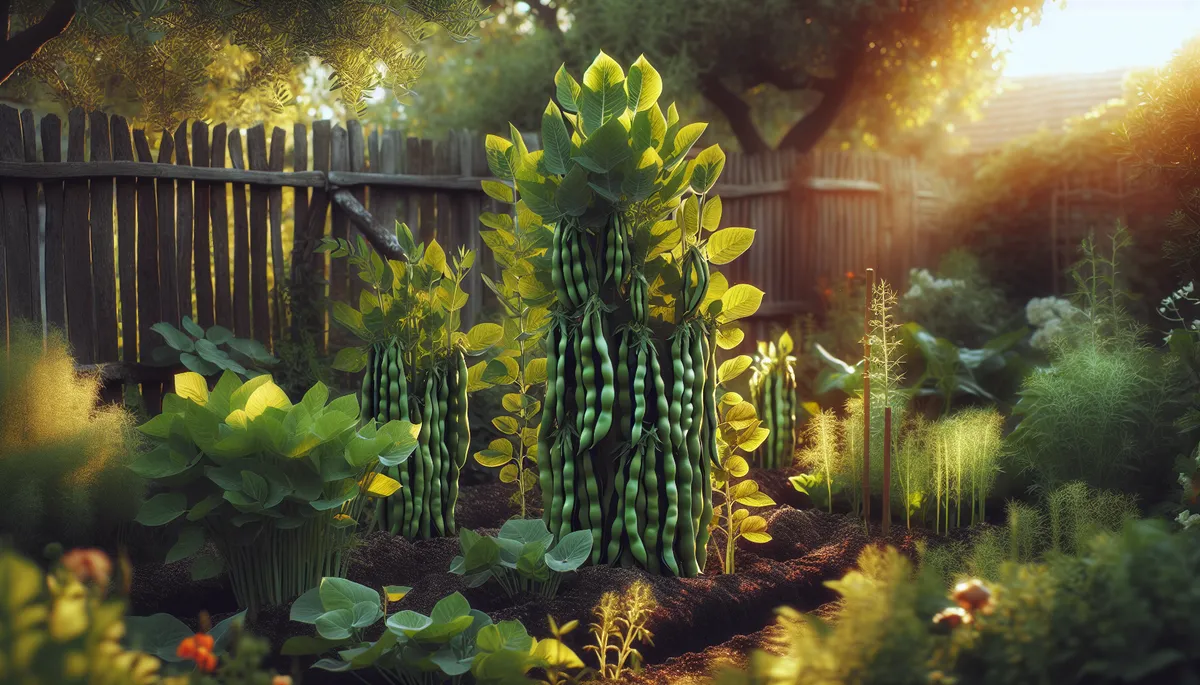 AI photo of fava beans growing. They really don't grow quite this thick but some AI photos aren't that good...Grow fava beans and see how they do for you.
Once seedlings are a few inches tall, your job gets simple: water, keep
weeds down, and give support if the plants start leaning.
Water when the top layer of soil feels dry. Consistent moisture helps pod formation, but you don’t want to keep the soil soaked.
Mulch
can be a big help, especially in small gardens where every watering
counts. A light layer can slow down evaporation and reduce weeds.
If
your plants get tall or heavy with pods, they might flop. A short stake
or a simple string line can keep them upright without taking up much
room.
You don’t usually need to overfeed favas. Too much rich fertilizer can push leafy growth instead of pods, so go easy.
Keep an eye out for pests by checking leaves often. In my experience,
it’s easier to handle problems early than to fix a big mess later.
If you see damaged leaves, inspect the undersides too. A quick daily glance while you water can save you headaches.
Also,
don’t forget airflow. If plants are packed too tightly, thin them a
bit. It feels painful, but you’ll often get a better harvest in the end.
If
you’re gardening in a container, favas can still work if the pot is big
enough and drains well. Just keep a closer eye on watering because pots
dry out faster.
And here’s the small-space mindset I’ve learned:
grow what behaves well. Favas behave well. They stand up, stay fairly
compact, and don’t bully their neighbors.
Grow Fava Beans - Harvesting
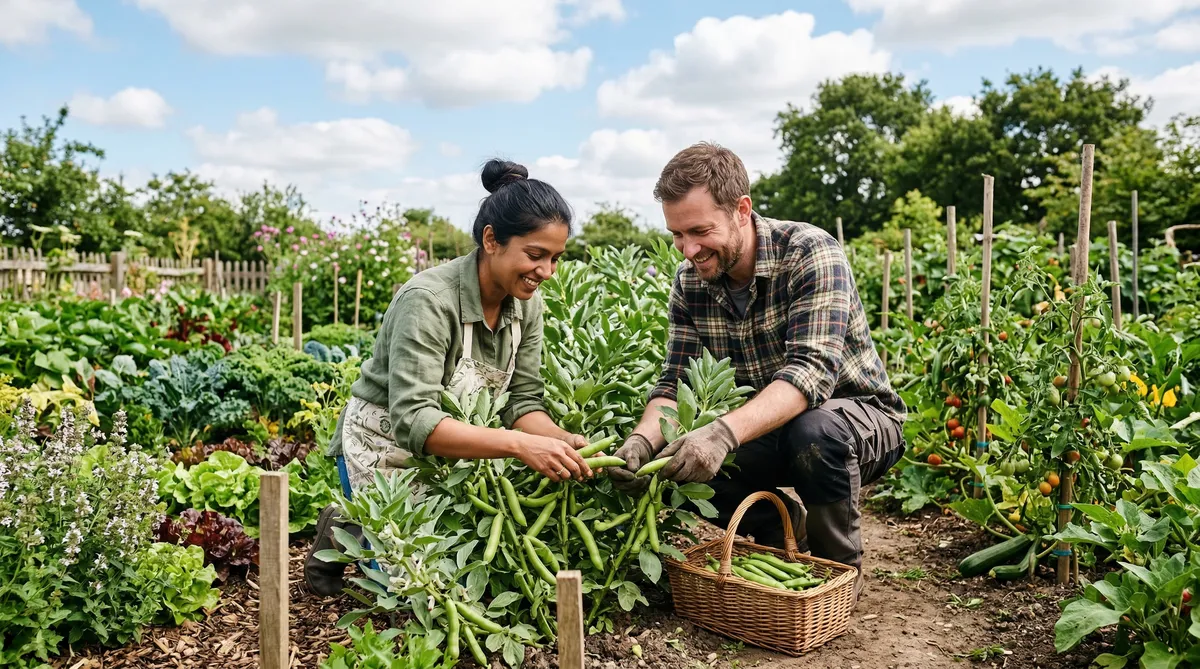 Actual people who grow fava beans in the garden.
You can harvest favas at different stages, depending on how you want to eat them.
For fresh, tender eating, pick pods when they look filled out but still green. The beans inside should be plump, not tiny.
Open a pod and check. If the beans are bright green and taste sweet and mild, you’ve hit that fresh stage.
If you leave pods longer, the beans get bigger and starchier. They’re still useful, just more hearty and less delicate.
Use two hands when harvesting. Hold the plant with one hand and pull the pod with the other so you don’t snap stems.
Keep picking regularly. Harvesting often encourages the plant to keep producing instead of shutting down early.
If
you want dried beans, you’ll let pods mature longer. They’ll toughen up
and move toward a dry stage, which is great for storage.
Grow Fava Beans - Storing Them
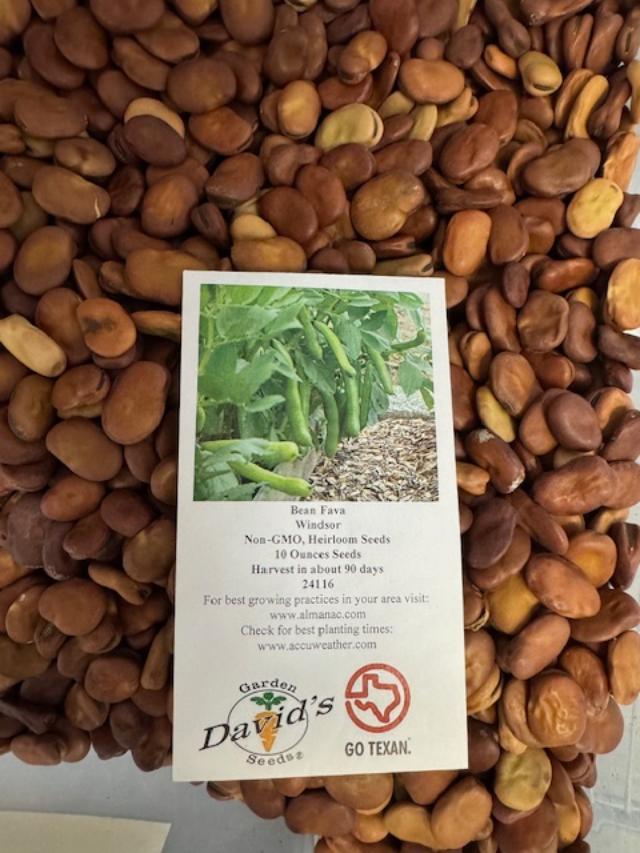 Currently, we sell just one variety of fava bean-the Windsor. We used to sell the Vroma as well but they were dropped a few years ago.
Fresh pods can go into the fridge for a short time, but they’re best used soon for the sweetest flavor.
If
you shell the beans, store them cold and use them quickly. Like many
garden crops, freshness is where the flavor really shines.
For
longer storage, freezing is a popular option. Many gardeners quickly
cook the beans first, cool them, then freeze in small portions for easy
meals.
Dried fava beans store the longest. Let them fully dry, then keep them in a sealed container in a cool, dry place.
Label
your containers with the date. It sounds boring, but it saves you from
playing the “how old are these?” guessing game later.
Grow Fava Beans - Cooking Them
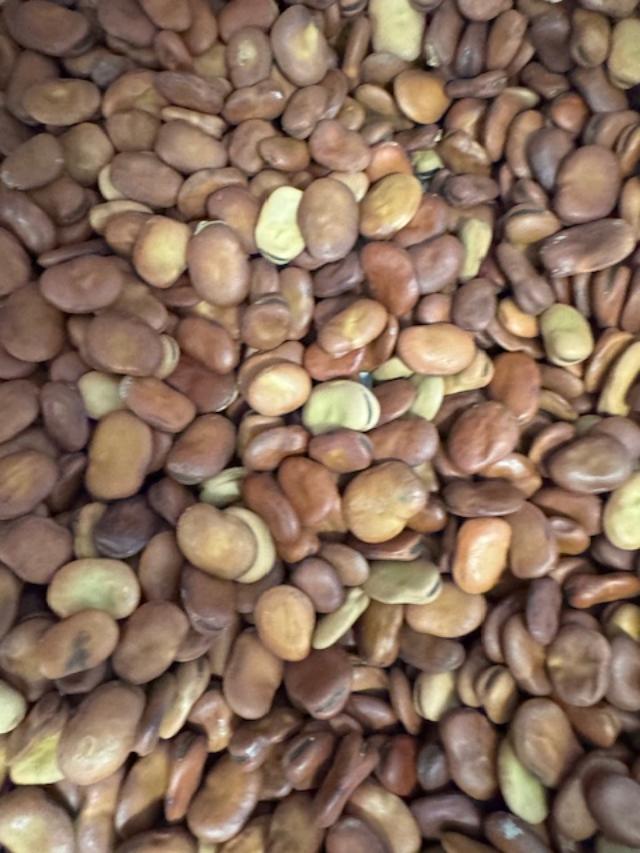 Will you dry all of your fava beans or will you cook some right away while they are green?
My favorite way to start is simple: cook them until tender, then add salt, olive oil, and a squeeze of lemon.
If
you picked them young, you’ll notice that creamy, buttery texture right
away. This is the kind of ingredient that makes a small harvest feel
fancy.
You can toss cooked favas into salads for a protein boost,
or mash them into a spread. They pair well with garlic, herbs, and
bright flavors.
They also shine in warm dishes like soups and
grain bowls. Add them near the end if they’re already cooked, so they
don’t turn mushy.
If you’re cooking bigger, more mature beans,
plan for a longer cook time. They’re more filling and hearty, and they
work well in stews.
When I’m trying to stretch a small garden harvest into several meals, I cook a batch and use them three ways: a quick snack, a salad topping, and a warm dinner bowl.
Grow Fava Beans - Takeaway
Here’s the big takeaway: if you want a small-space crop that tastes amazing, feels substantial, and keeps giving, you really should grow fava beans in your garden.
Start simple, plant at the right time for cool weather, and keep the care steady. Before long, you’ll be harvesting pods in a small space and feeling like your garden just got a lot bigger.
Monday, March 9, 2026
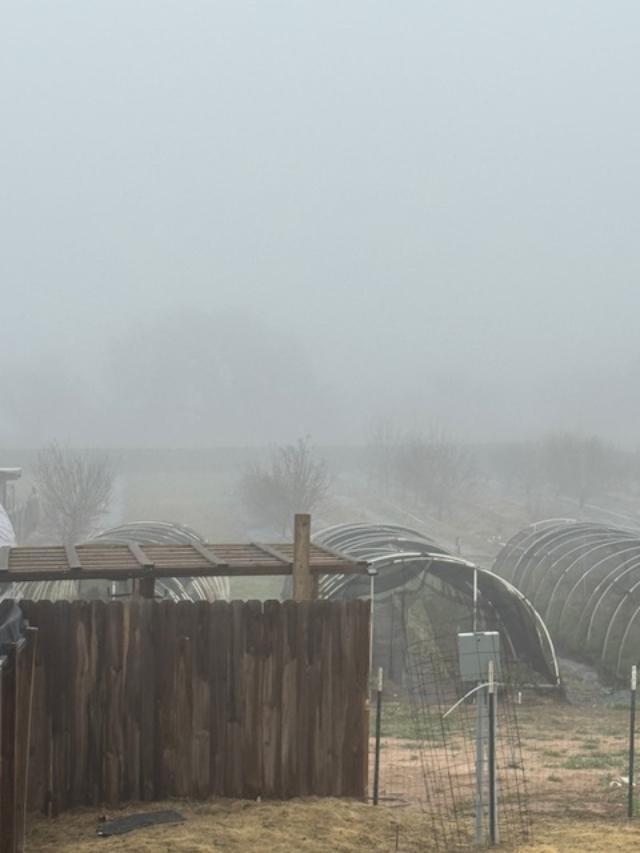 Looking from the side porch back to the tree that can barely be seen in the fog this morning.
It was very foggy this morning when we woke up. Most of the fog burned off by noon. We got a very quick rain shower but it wasn't much.
David had a doctor's appointment. I stayed here to work.
It was a tough day of orders. I did some laundry and cleaning in between. One set of customers stopped by to pick up an order for pickup.
The order for pickup we got on February 7 is still sitting in our store waiting for its owner. I have sent three emails now reminding the person to come and pick it up. The person is in San Antonio and has not responded at all.
Only one other time did we have two orders about a week apart that were never picked up. That was over two years ago. Eventually, the seeds were put back on the shelf after many emails to the two owners. We never heard a word from them.
I made spaghetti for dinner and we watched the first episode of Marshals, a spin off of Yellowstone.
Tuesday, March 10, 2026
Good morning. It is actually raining again! We see our PCP this morning.
I am rather proud of myself because I finally figured out how to put the book cover onto my eBooks and got them all taken care of. This is a big learning curve. It should pay off in the long run because I never have to do anything to the books again. They can earn money 24 hours a day, once people realize they are there and that they can help solve garden problems.
We saw our PCP and now have to get labs done. Normally, we get labs done first, but his office would not give us lab orders until after we saw him this time--kind of backward, right? So we got home and I went on Quest to schedule an early morning appointment for two. The first one I could get is two weeks out from tomorrow. I am not waiting to eat until 2pm to make him happy.
The doctor actually asked us at noon today if we had already eaten anything. Duh. I wake up starving. Why on earth would I wait until noon to eat. He wanted us to go fasting immediately over to Quest at noon. Hahaha. I told him I would be on the floor dying if I had not eaten.
We had somewhere to go after work and got home last night in the dark somewhere around 9pm. Fortunately, we had the porch light on. There was a two foot snake by the door, stretched out. I did not see it at first. David was about to unlock the door but stopped short of getting to it and then I saw the thing slithering off the deck. Terror! David says it was a grass snake. Now I am so freaked out.
Wednesday, March 11, 2026
Good morning. I have been trying to figure things out at my desk. I have a lot going on and am trying to make sense of it. Maybe later. I need coffee and food.
It is still dark out. There are so many orders...It will be another long day.
David informed me last night that the new Farm Store hours are out and we are going back to the regular hours. We will be open Monday through Friday from 9am to 5pm and on Saturday from 10am to 2pm again. Now to get the gate reset. After a time change, it takes about four times to get it right.
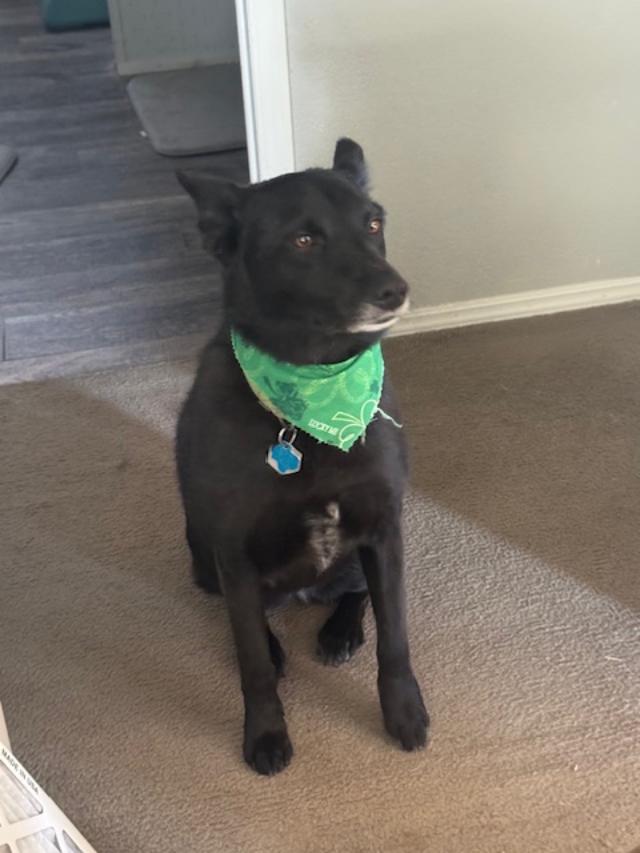 Pamela is all ready for St. Patrick's Day. Isn't she beautiful?
Pamela got groomed today and came home with a green kerchief. She looks adorable.
David and I got to go to the dentist at 12:40pm. Why? So we got there and they did not call us back. I was starving but did not have time to stop working and eat with so many orders. I was told the hygienists were eating. Brother, if you scheduled us during lunch, you better be ready to get this done.
Matt set the gate to open correctly after the time change. At least, we think it is good.
They came out a short time later and got things moving. We got back to the farm and I worked until 7:30pm filling orders.
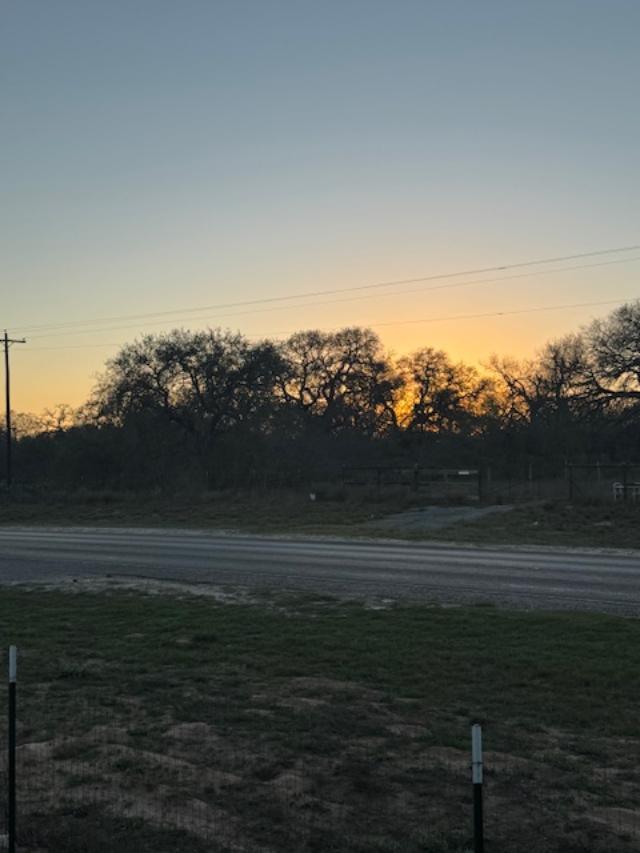 Another day of orders is over. Time for dinner.
Thursday, March 12, 2026
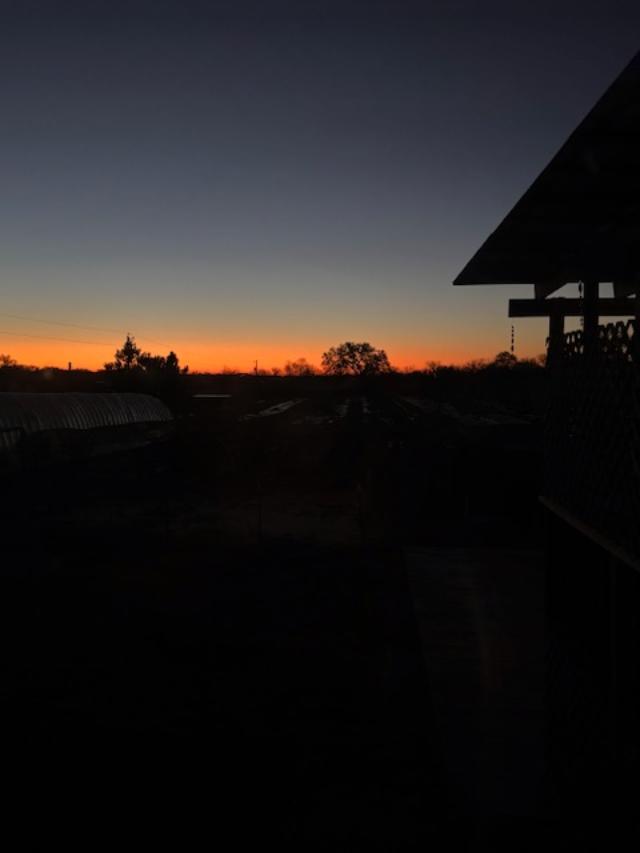 A colorful start to sunrise on the farm this morning...
Good afternoon. It is already 1:30pm. We have had three sets of customers, two while I was making lunch. I just finished eating. The first set of customers was from Canada but French is their native language. It was a fun visit.
I am filling orders. We have no helpers at all today. It was cold this morning, at 48° and now it is only 64°. What happened to our summer? The sun is out so no chance of rain.
This evening, we watched some shows. After Matt left, around 10pm, David got up and started hobbling around with his cane. His foot has been hurting so he has been using a cane. The doctor says it is arthritis and last week, she gave him a steroid shot. I asked David why he was hobbling around. He said his whole leg went numb.
Friday, March 13, 2026
Well, what a day we had. David's leg stayed numb all night long. Somewhere around 5:40am, David decided he was going to the ER. When I sleep, I turn my phone off. If I don't, my phone goes off all night long. I woke up at 6am, turned my phone on, and got up. I saw a text message from David before 6am that he was going to the ER. I rushed out and he was still in the den waiting for Matt to come and take him to the ER. I got to stay here and take care of the animals and run the business.
So they left. When it got light, I went out to feed all of the animals. It was 41° and cold. I got the buildings unlocked just as our helper drove up to the gate.
At the hospital, they did bloodwork, x-rays, and a CT scan. They could not do an MRI because at that hospital, no one is there to run an MRI on Friday through Sunday. They were going to admit him but he would have zero treatment until Monday so it did not make sense. They found nothing wrong with him as far as all of the tests go. They gave him an IV. His leg was still numb.
He sent Matt back here to work. Trump had a beauty appointment so Matt took him before noon and then went to the hospital to bring David home. Meanwhile, I had four customers, one after another. While the fourth one was here, David came home. Once the customer left, I went to the house and made David a nice lunch. He got in his recliner and watched zombie movies and slept all afternoon. I went back to work.
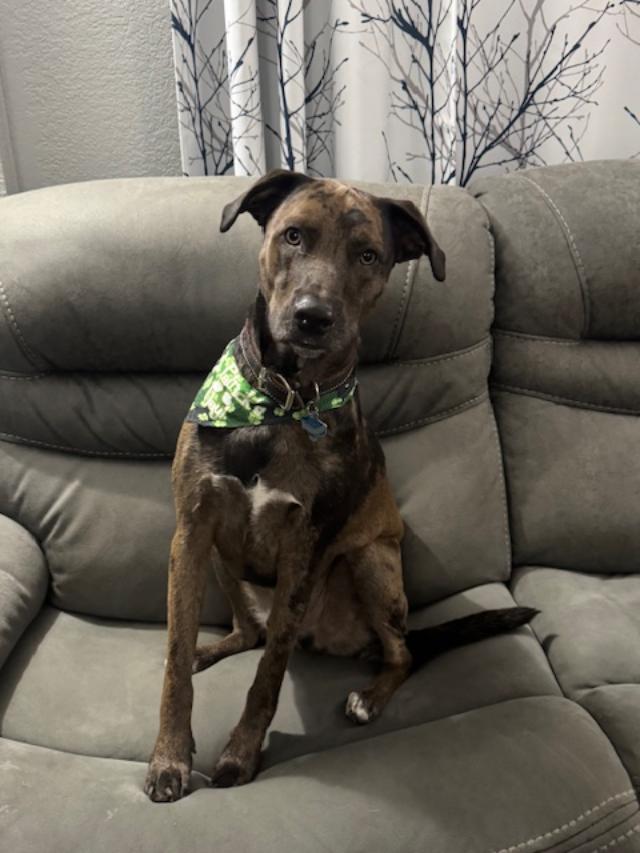 Here is my Trump, all set for St. Patrick's Day. He is so cute!
Saturday, March 14, 2026
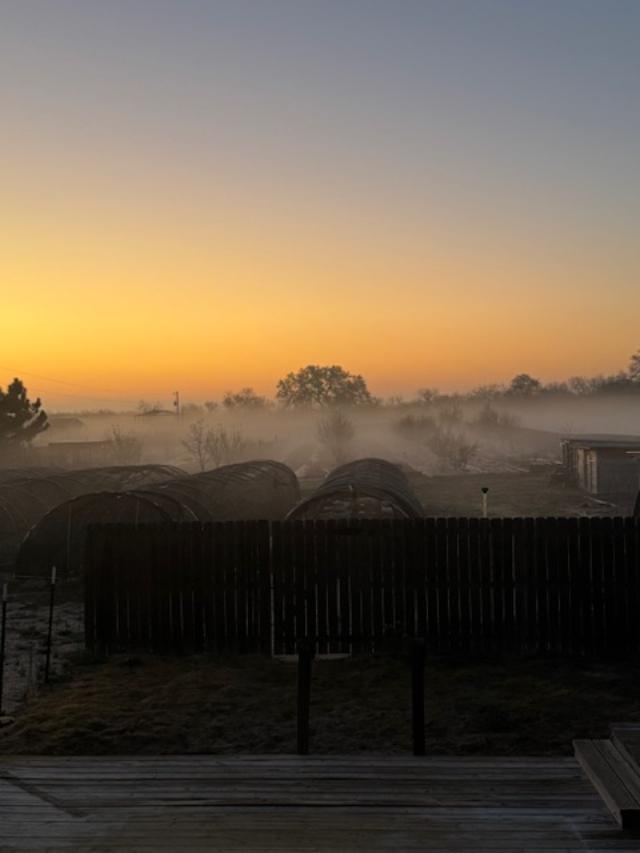 Look at the fog! Isn't it so cool?
Good morning. I have been thinking about an egg casserole since 4:50am. I finally got up and made one. It is baking now. I am starving. I realized I never put that recipe up on this website so I will try to do that today. It is versatile. I make it a bit different almost every time I put it together.
It is foggy out in sections and makes the orchard look so cool.
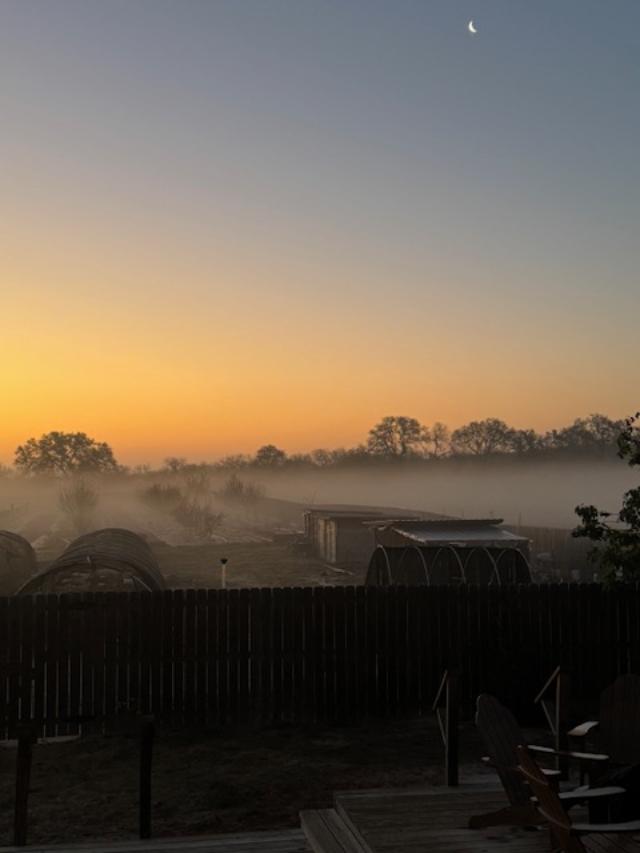 Fog in the orchard with the crescent moon... Fog in the orchard with the crescent moon... |
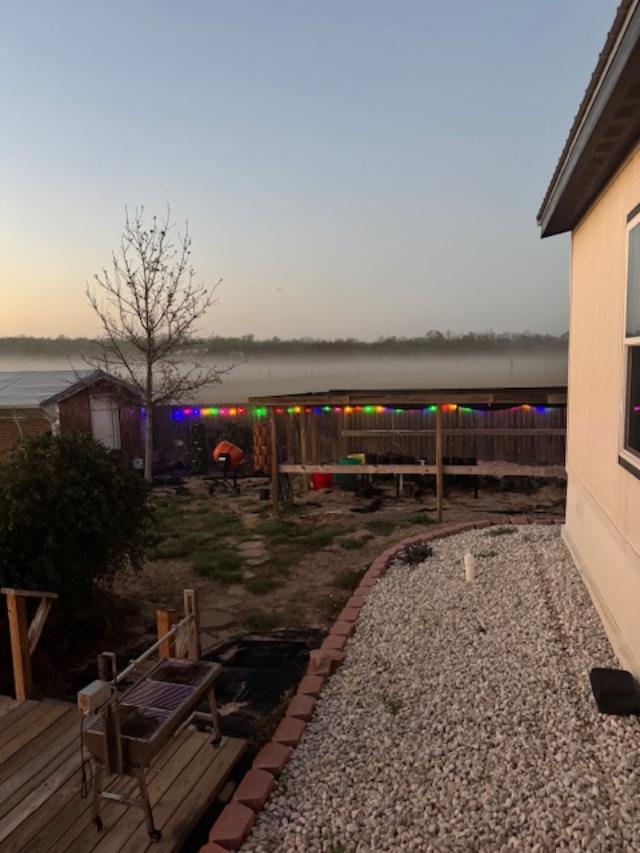 Fog in our field... Fog in our field... |
As I was in the kitchen making the egg casserole, David realized that the leg that went numb is the left and it is probably because of the steroid injection he received in his left foot one and a half weeks ago. It is still numb. If that is all it is, that is such a relief.
It is 54°, a bit warmer than yesterday. Sunday night into Monday morning, it will be in the 30s. How is that possible since we will have 95° weather on Sunday afternoon and it will be in the 80s today?
We had just one family come into the store today for seeds. The kids were a bit rambunctious, pulling bins and seed packets. Three adults and two little boys and they would not behave. Anyway, once that was over and we closed, we took Sue Ellen for her beauty appointment. Now all three dogs are ready for St Patrick's Day.
While we were out, we got a few groceries and gas for the truck. We got home and before I carried all of the groceries in, they texted that Sue Ellen was ready. Back to Devine to get her. She was so happy to get out of there.
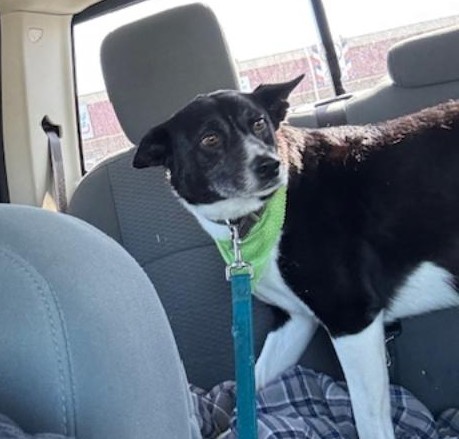 Sue Ellen is back in the truck after getting groomed. Isn't she pretty? She was so happy to get out of the cage the groomers had her in.
Tonight was dinner and a movie. After Matt left, David took a shower. I did the dishes and cleaned up the kitchen and then went back in the den. I casually looked at Facebook and guess what I found out? David thanked his Facebook community for praying and said that feeling had returned in his leg. Now, keep in mind that I am right here in the same room with him but I found out he was better by looking at Facebook. I have no words...
Sunday, March 15, 2026
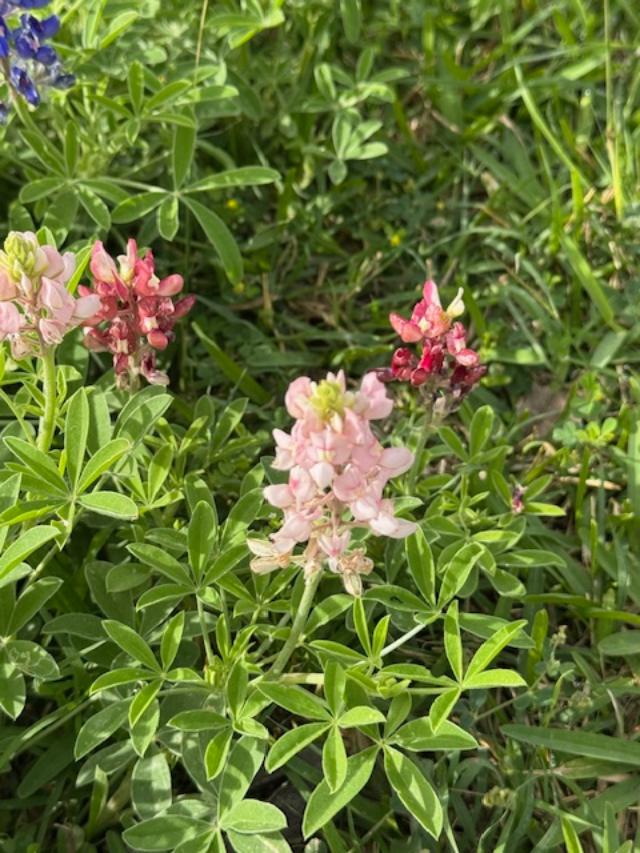
Good morning. It is currently 68° and it is supposed to hit 99° here this afternoon and then overnight go down into the 40s and tomorrow night go into the 30s. Also, at noon, the wind is supposed to be bad through Monday evening at 8pm. They are calling it a fire weather warning. I hate the heat and the strong wind.
It will soon be daylight so I will have to run out and take care of all of the animals.
I just let the dogs out and David says his leg is fine so that is great.
We went to Walmart on the way to church this morning because I forgot to pick up potatoes yesterday. Then we went to church. At 3pm, we went to our new accountant's office because our business taxes have to be filed by tomorrow. Yes, March 15 but since it is on a Sunday, we have until tomorrow. She had our taxes all ready so we filed the business as well as our personal taxes. Glad that is over with for the year.
The wind is just now starting so it is late...It is 5:30pm and we just got home a few minutes ago. It is time to go feed and put away the animals and close the greenhouses because it will get windy and cold tonight. It got up to 97° this afternoon and it will get down to 44° by Monday morning now. It changes by the hour. Then tomorrow night into Tuesday, it will get down to 38°. According to Alexa, we are still under a fire weather watch until 8pm tomorrow. The wind will be kicking up soon. My head is already killing me.
Return from Grow Fava Beans to Year 7 Of Farm Life
Anything To Share On This Topic?
Would you like to share additional information about this topic with all of us?
Since 2009, over 2,000,000 home gardeners, all across the USA, have relied on David's Garden Seeds® to grow beautiful, productive gardens. Trust is at the heart of it. Our customers know David's Garden Seeds® stocks only the highest quality seeds available. Our mission is to become your lifetime supplier of quality seeds. It isn't just to serve you once; we want to earn your trust as the primary supplier of all of your garden seeds.
Watch Our 2022 TV Commercial!
Sing Along To Our Jingle
♪♫♪♪ ♫ ♪ ♫♪♫♫
♪♫♪♪♫♫
Peppers and peas
And lots of yummy greens
You can't go wrong
With Squash This Long
At David's Garden Seeds
♪ ♫ ♪ ♫
Our New 2024 TV Ad
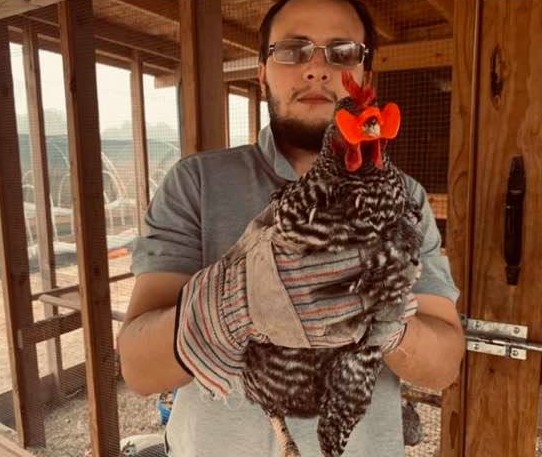
Please like and subscribe on YouTube and come visit us at our Farm Store! The music on our TV ad was written, played, and sung by our son, Matthew Schulze. You can meet him when you come to the farm. He just might give you a tour. Ask him to grab a guitar and sing our jingle that he wrote.
Our 2022 TV Ad

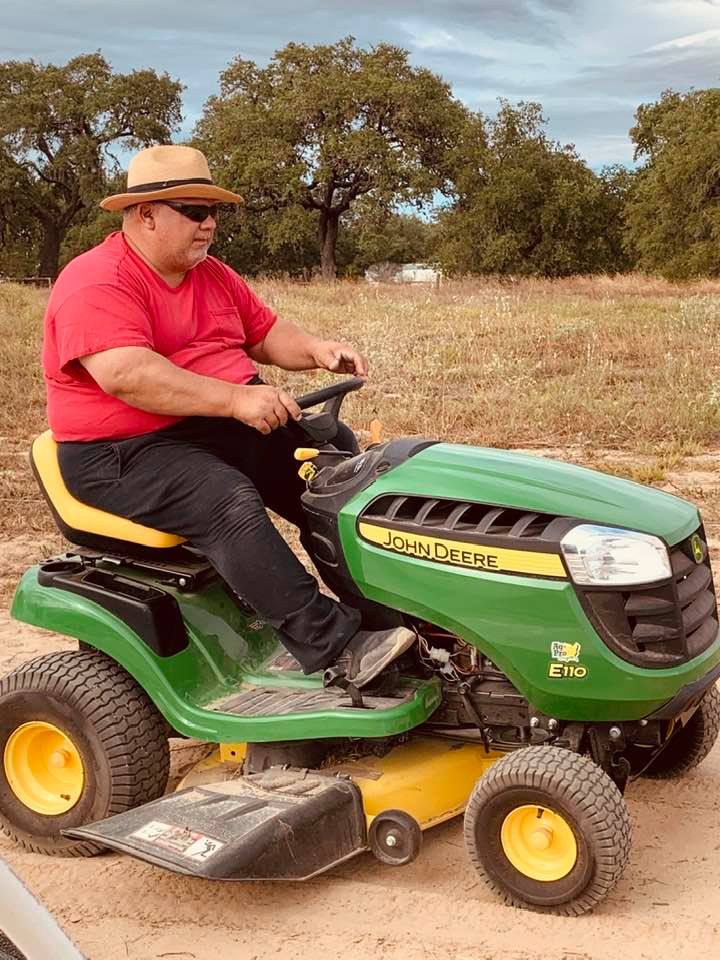 David of David's Garden Seeds® zipping along on his little tractor across the farm. He is having a blast!
We are David's Garden Seeds®. If you need great seeds, we've got over 800 varieties to choose from.
Subscribe To Mrs. David's Garden Seeds® Newsletter For FREE!
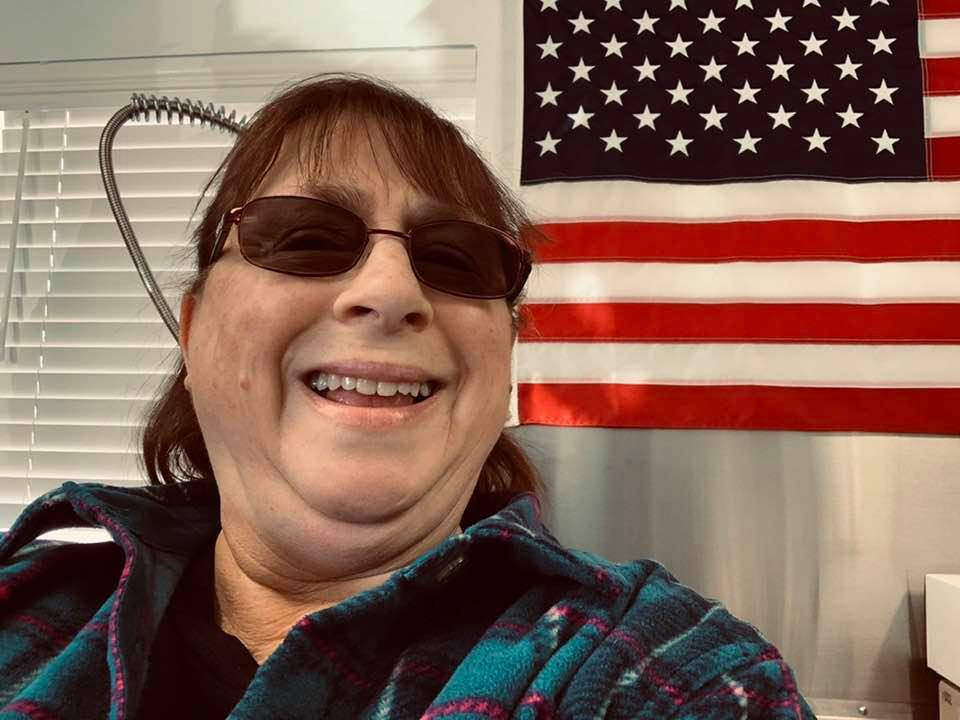
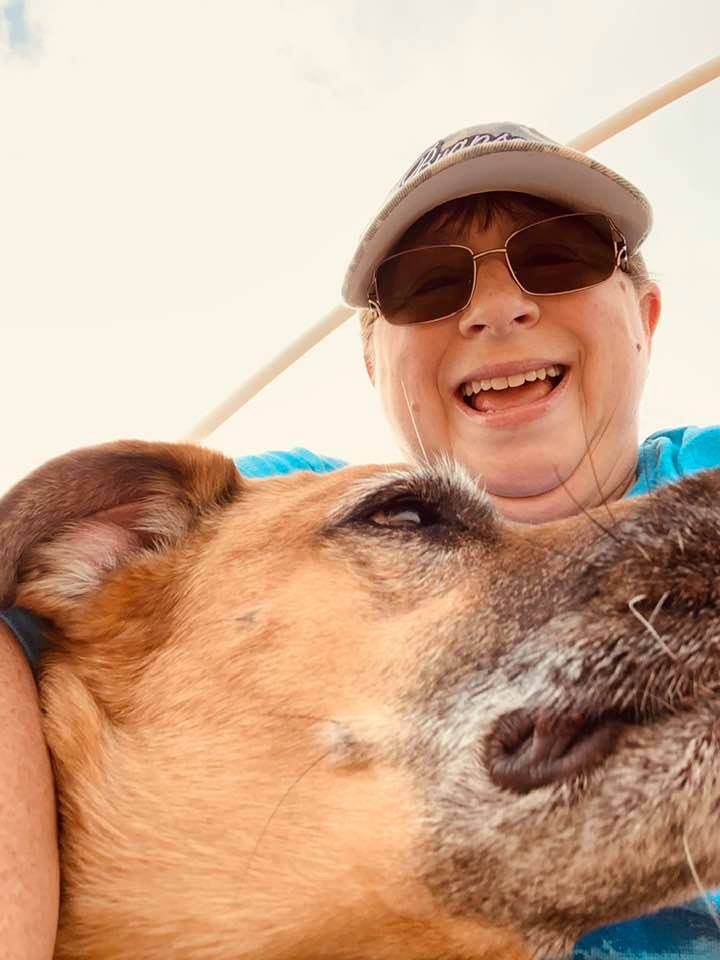
Find out what is going on down on the farm by reading our blog and by subscribing to our free newsletter for all of the information going down at David's Garden Seeds® and on the farm. I love to share helpful information with you. Please let your friends know and y'all come on down for a visit when you get the chance. We would love to meet you!
New Store Hours!
 Farm Store Hours: Th-Fri 10am-5pm, Sat 10am-2pm. Closed Sun-Wed.
Being out here in the country, we had awful internet & we could not stream TV. We got Starlink in April of 2025 & we love it! Now we can stream and work, even when it is raining!
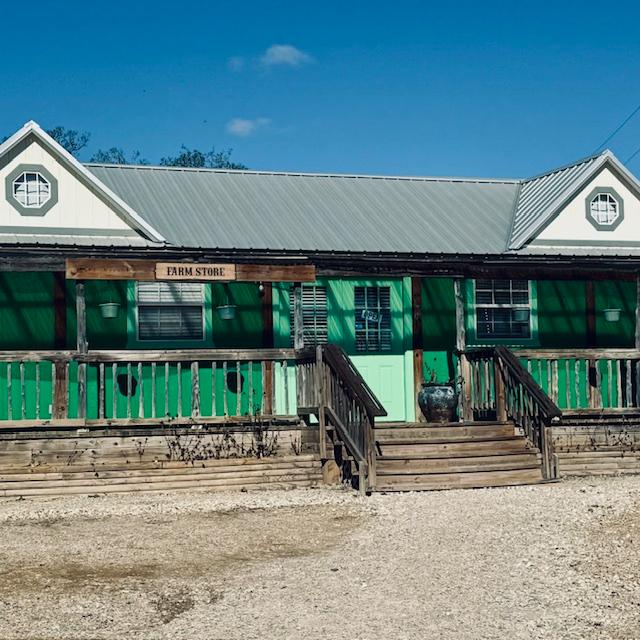 Our Farm Store
Shop for:
- Seeds
- Farm Fresh Eggs
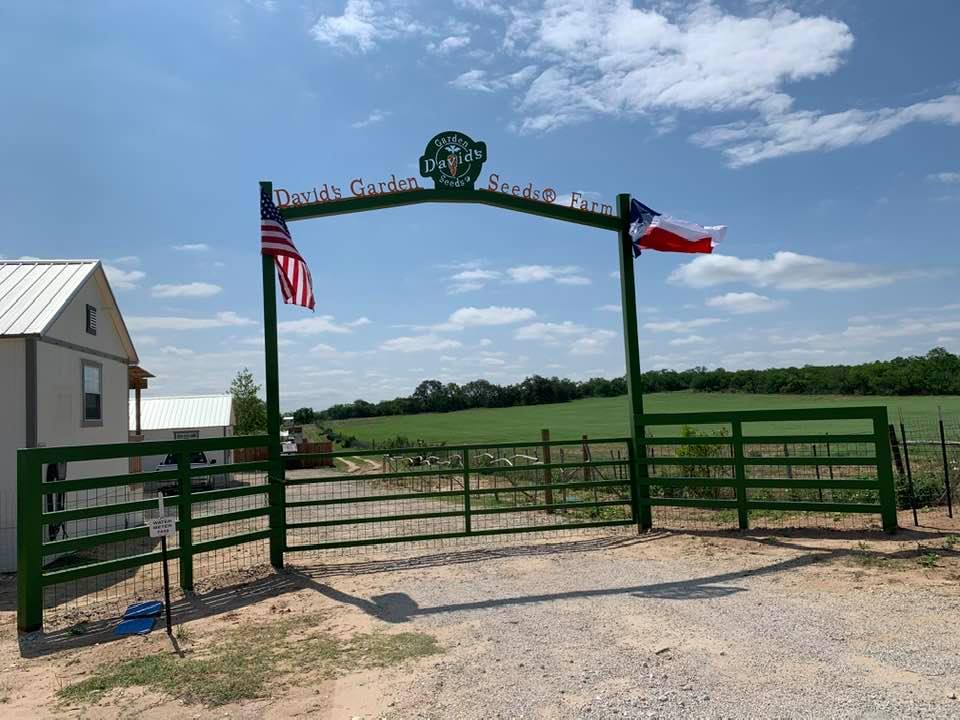
Our Farm is located at 5029 FM 2504 in Poteet, TX.
 Only happy seeds make the cut to go into our seed packs!
David's Garden Seeds® has
seeds for the backyard gardener and farm fresh chicken eggs.
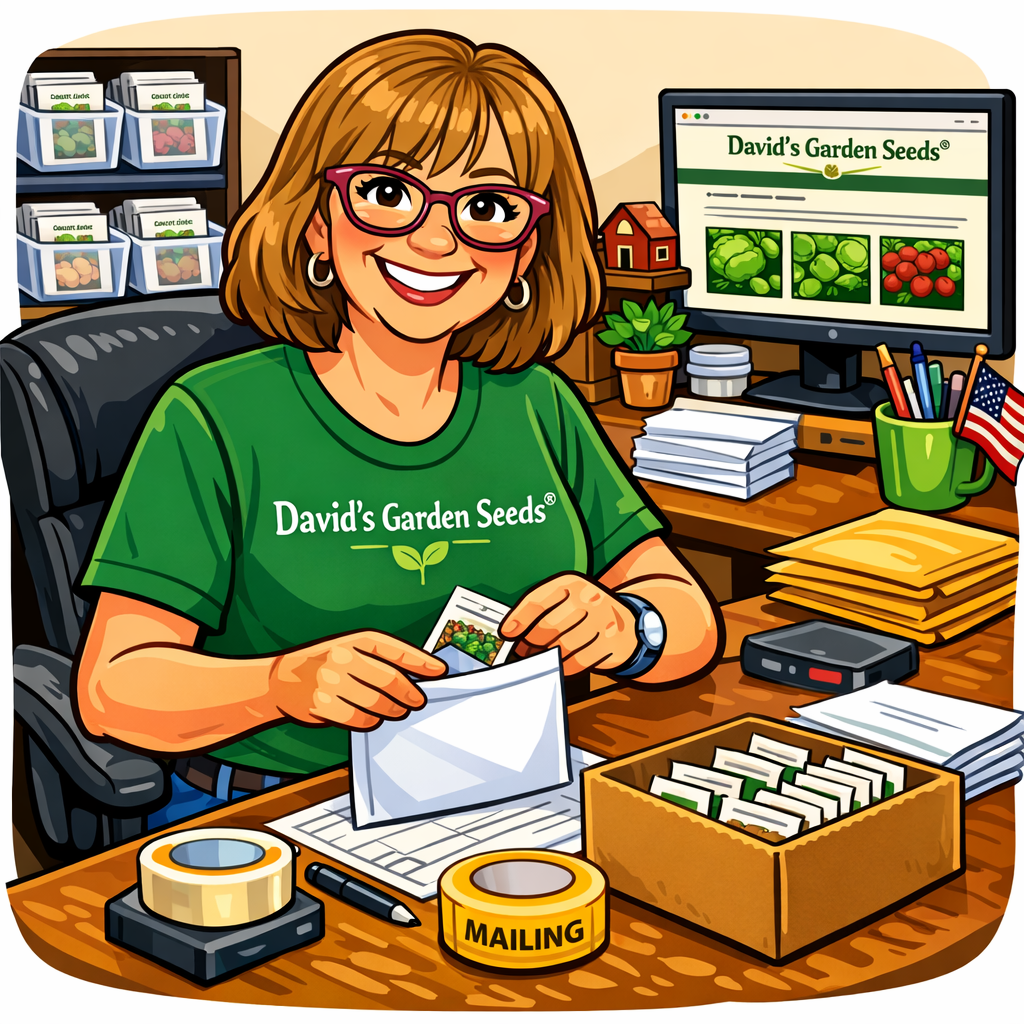
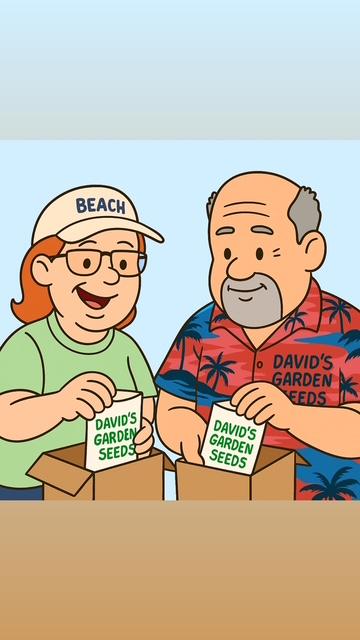 David & Juanita work hard to pack your garden seed orders.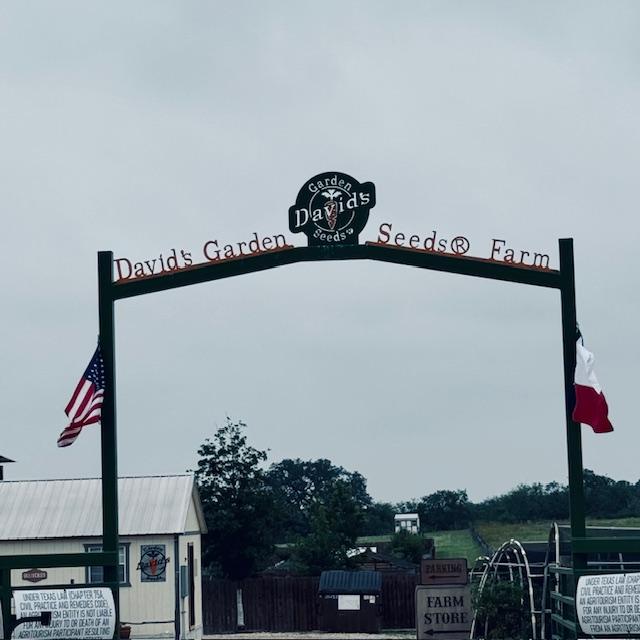


Sign Up For Our Newsletter Here!
   DGS YouTube Mrs
|
   |
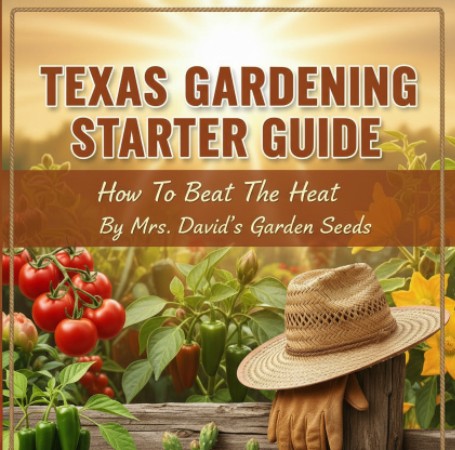
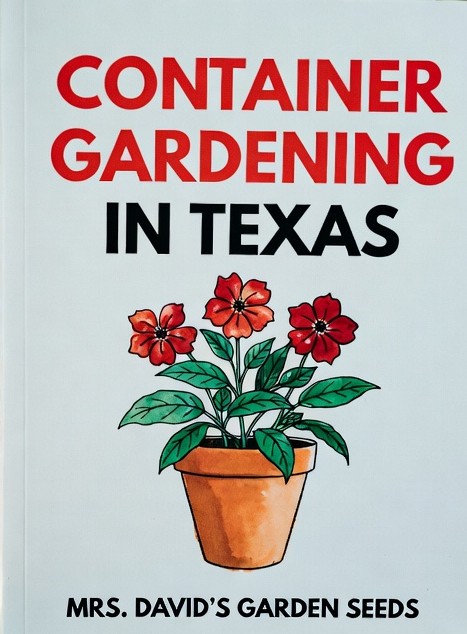
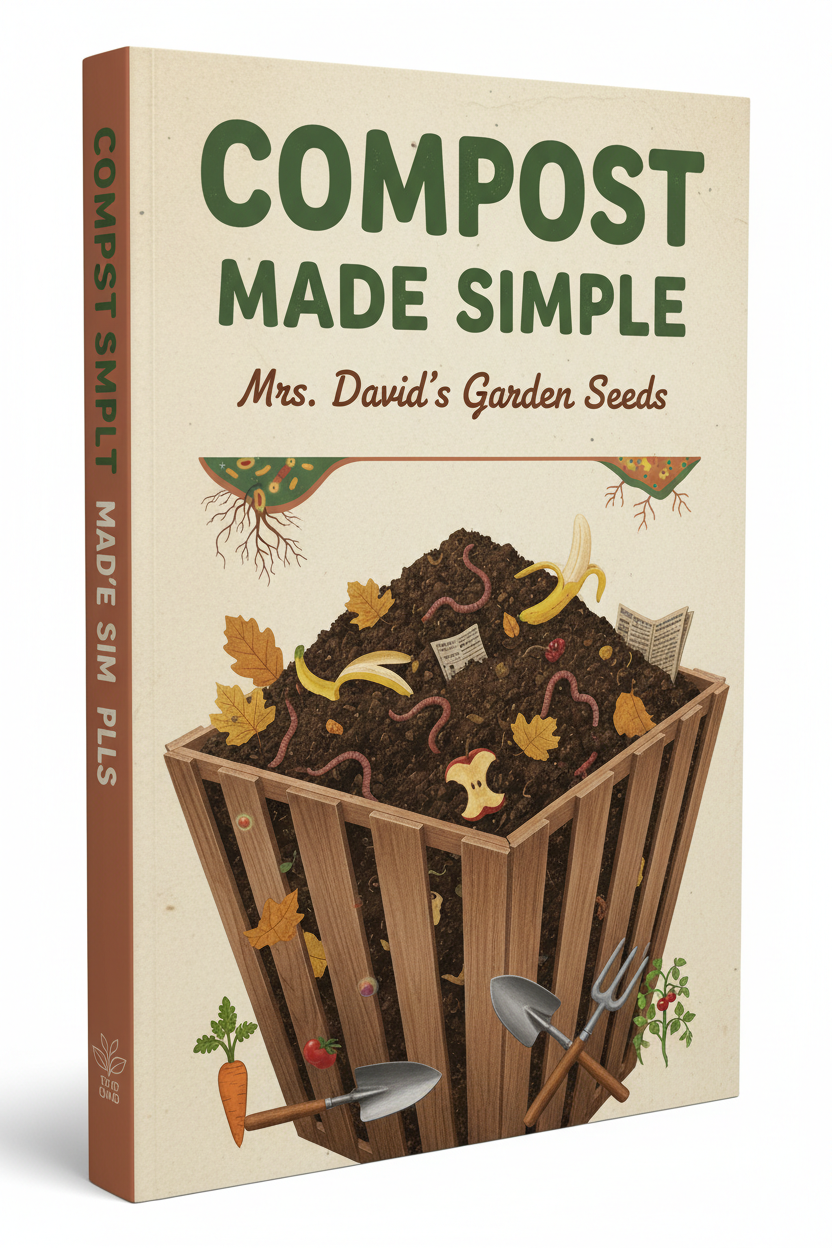
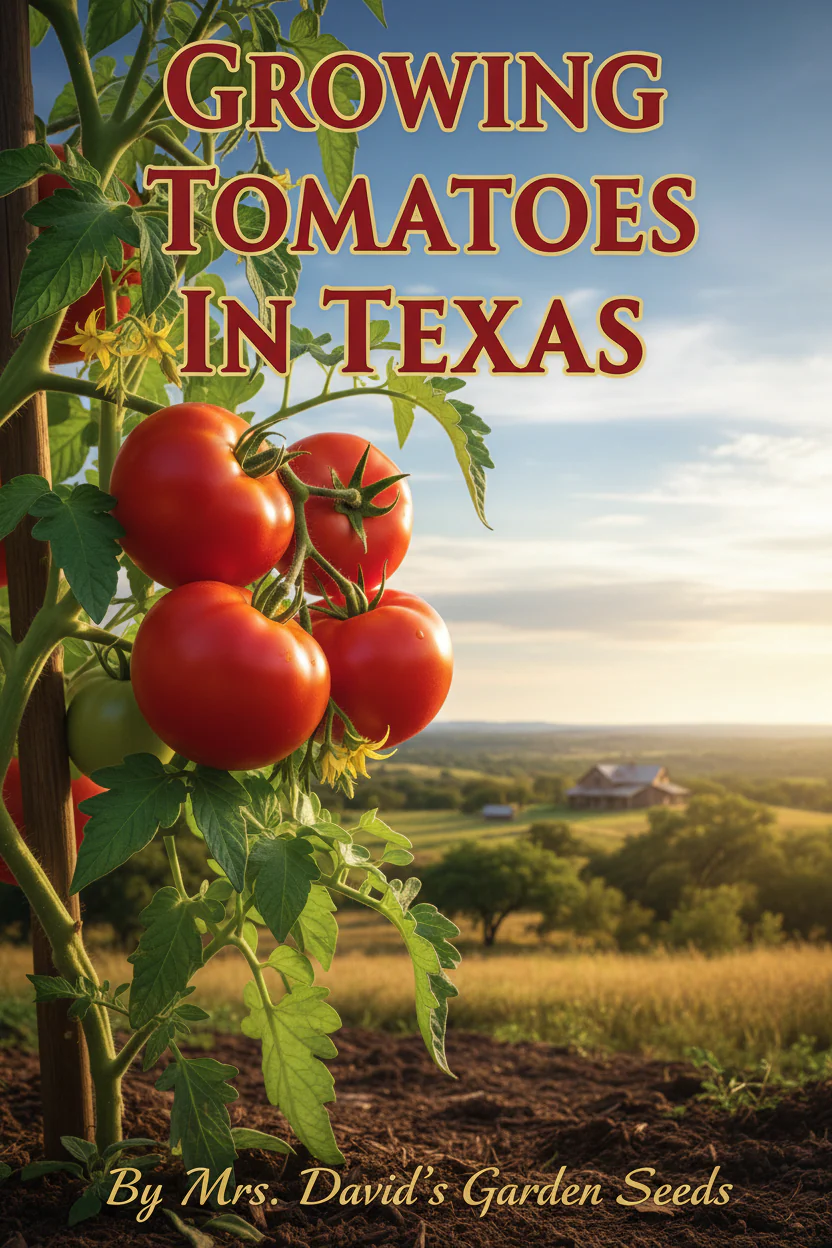
Garden Ebooks
by Mrs. David's Garden Seeds
 I've been busy creating eBooks to help you with your garden...
IMPORTANT NOTE: THE EBOOKS ARE DIGITAL DOWNLOADS (EBOOKS), NOT PHYSICAL BOOKS.
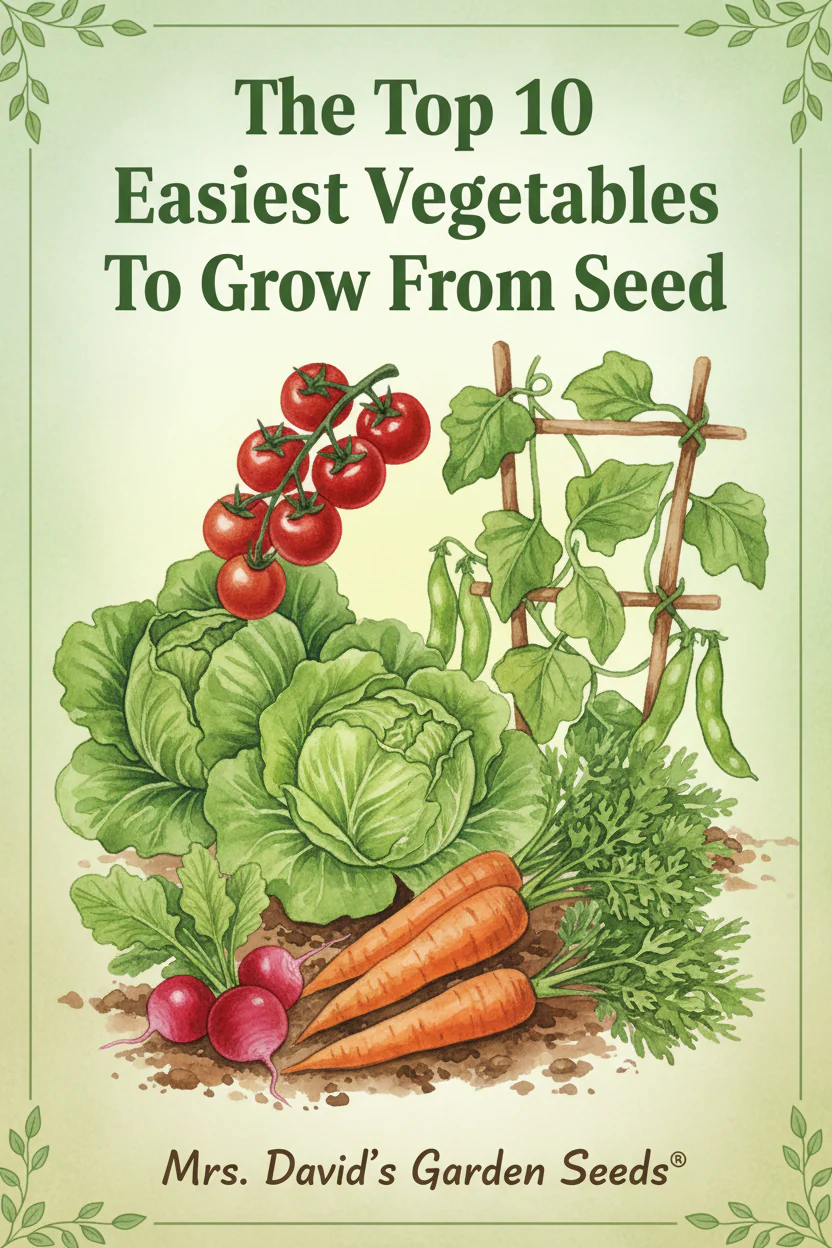
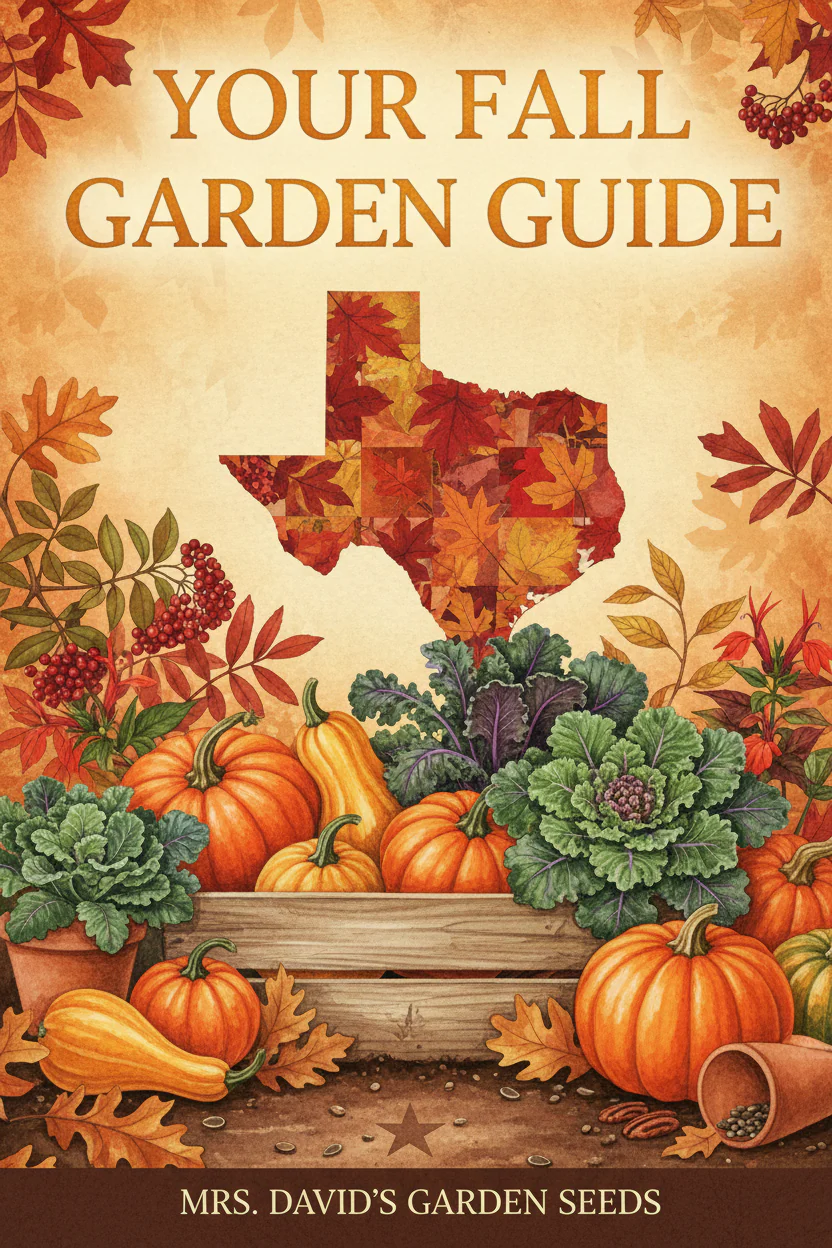
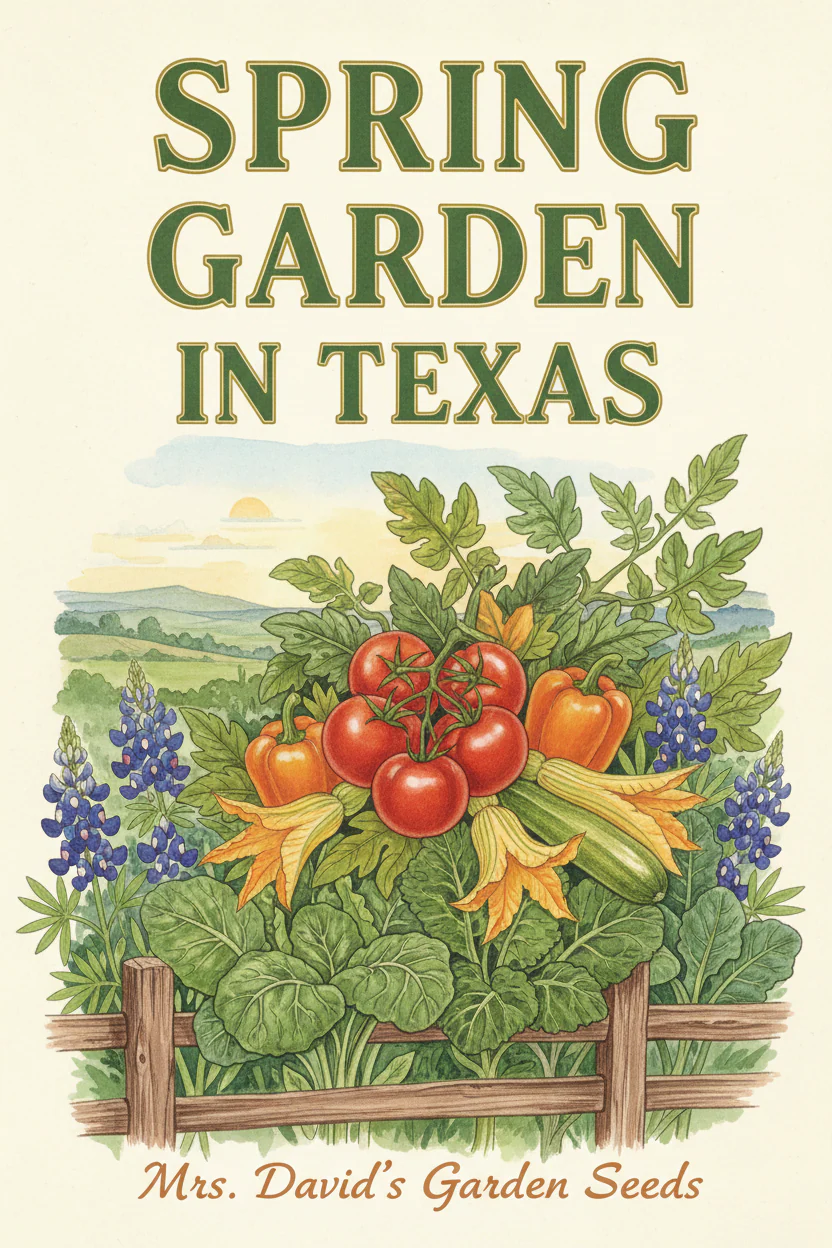
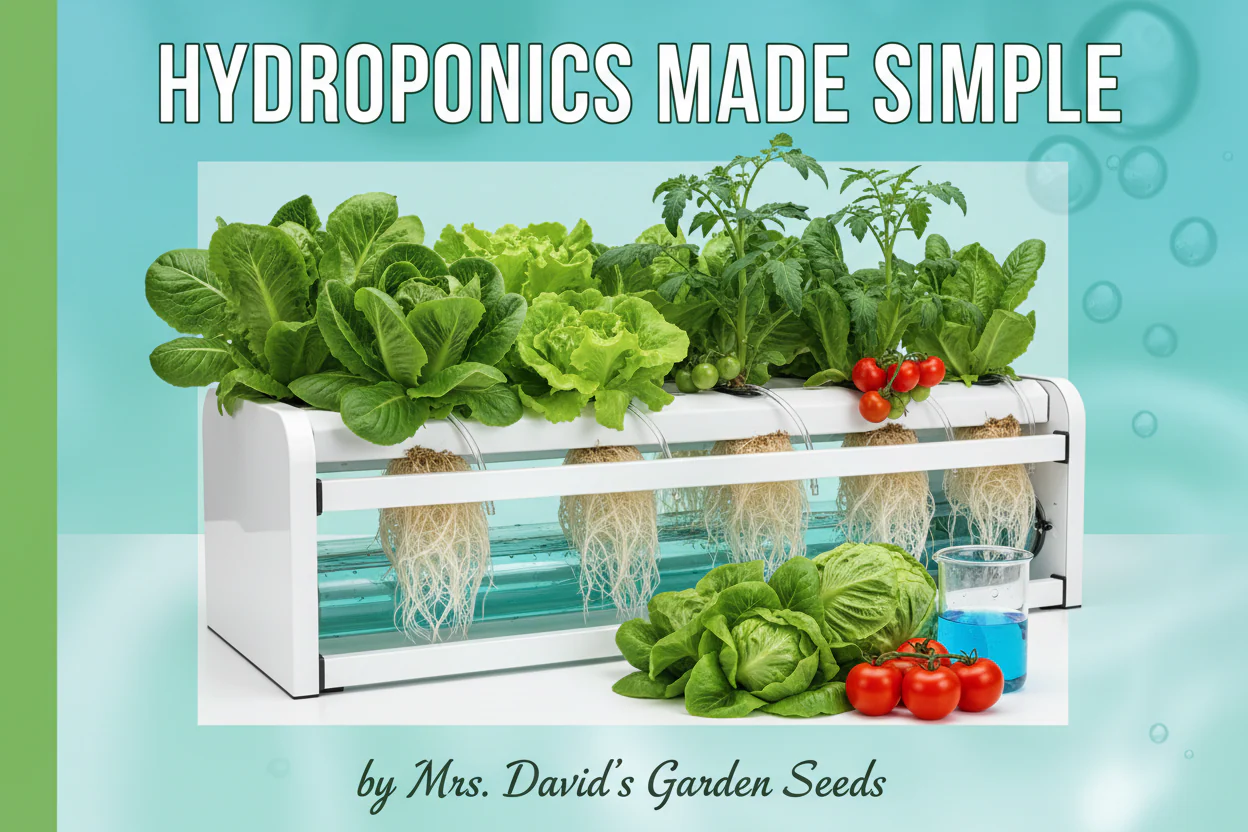
WE DO NOT REFUND OUR DIGITAL DOWNLOADS FOR OBVIOUS REASONS.
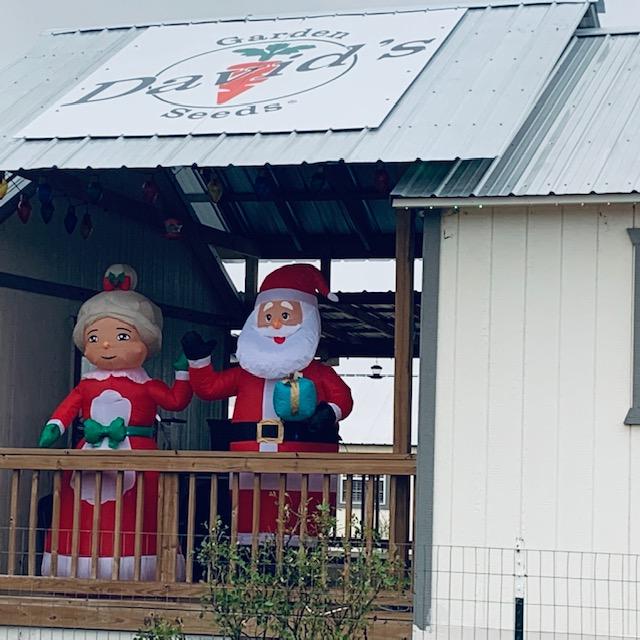
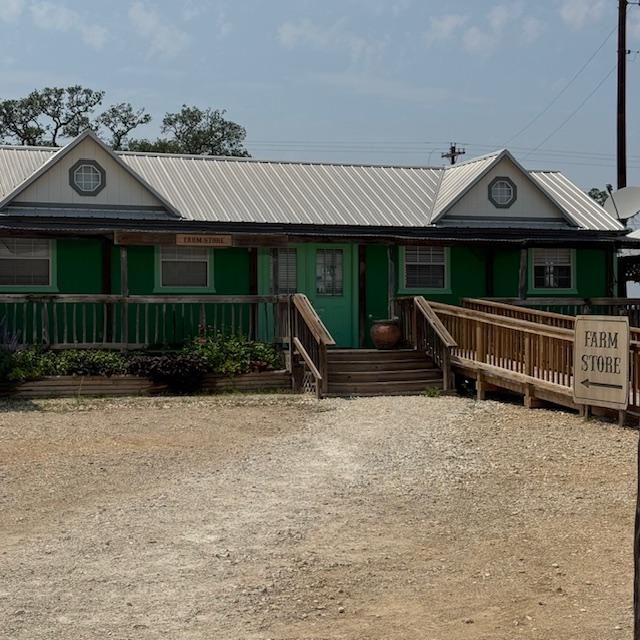 Our Farm Store is the green building
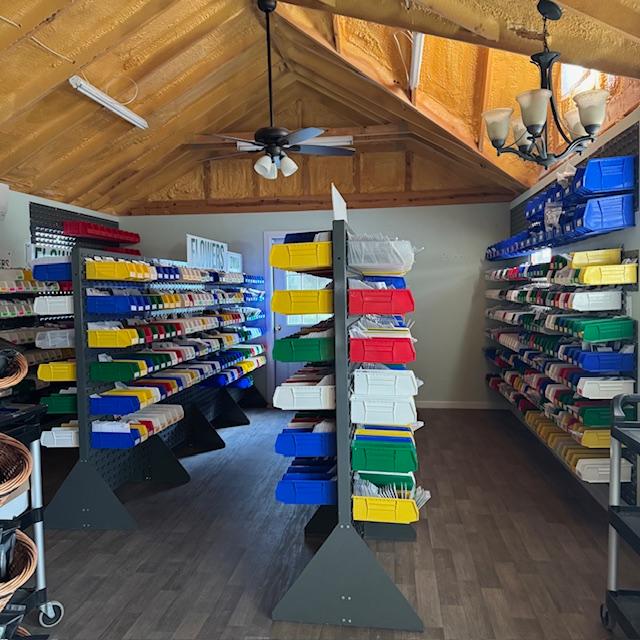 Inside our Farm Store...1400 varieties of seeds await you!
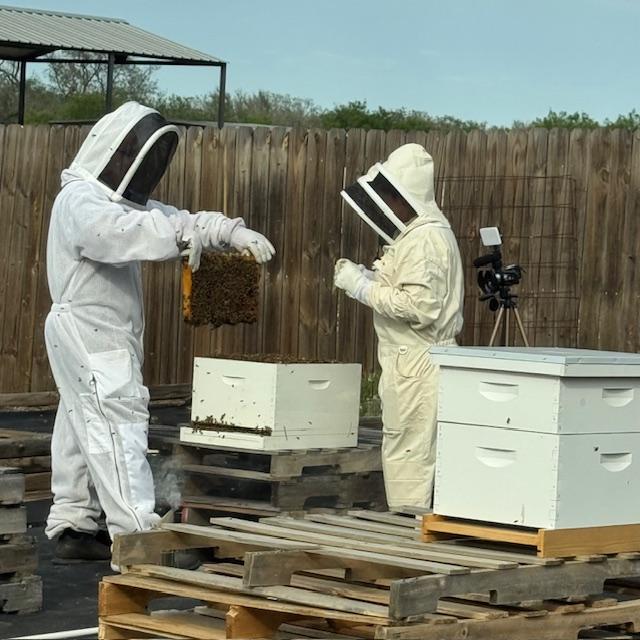 Our bee hives
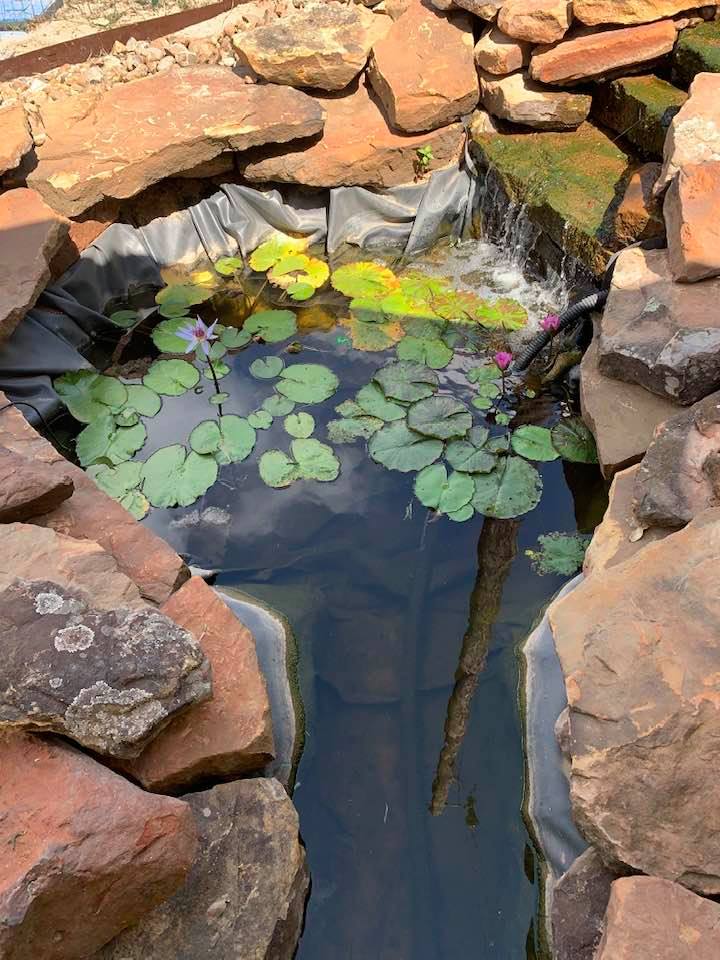
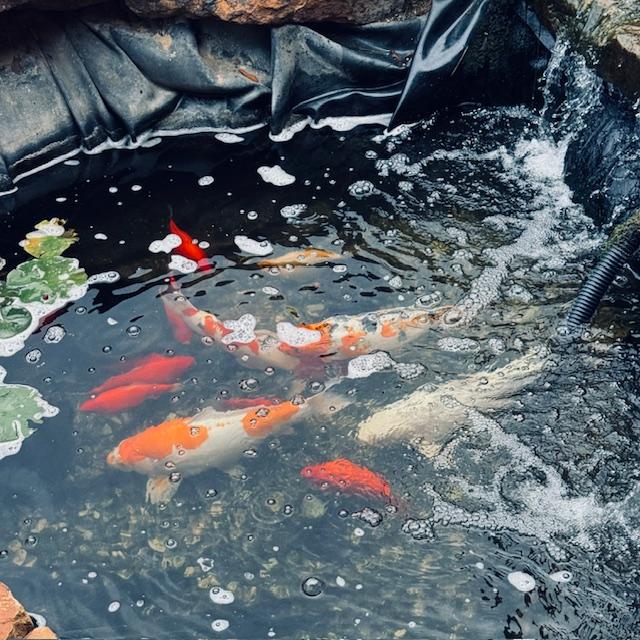 Our fish pond
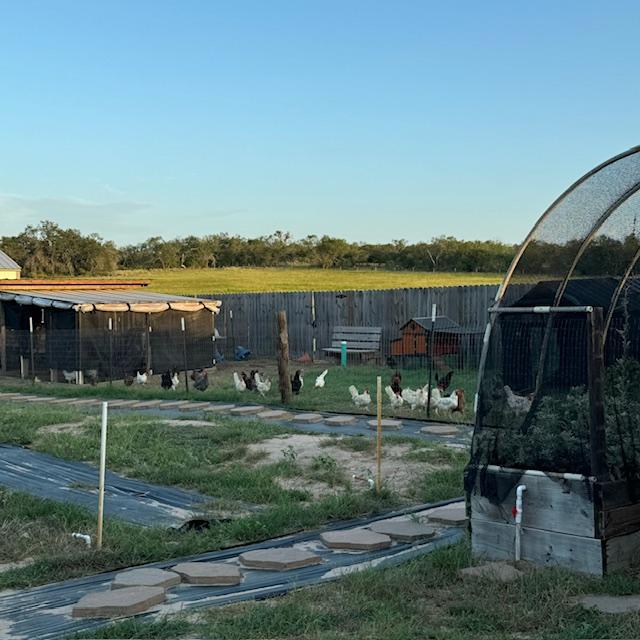 Our chickens
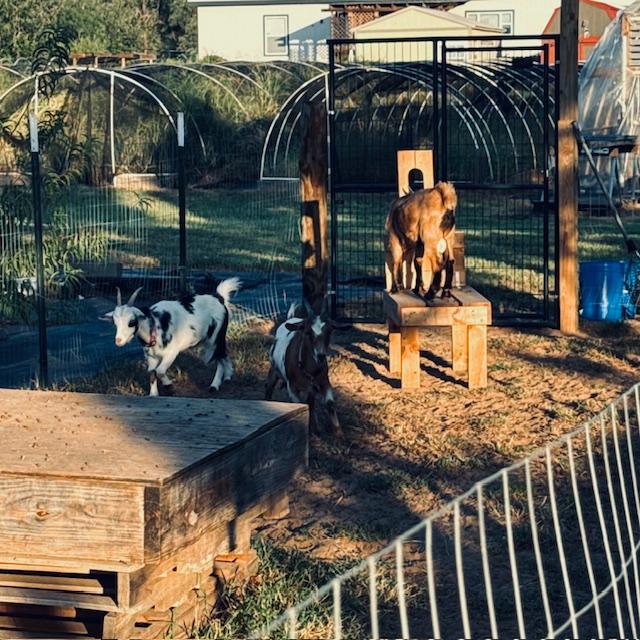 Our Nigerian Dwarf goats
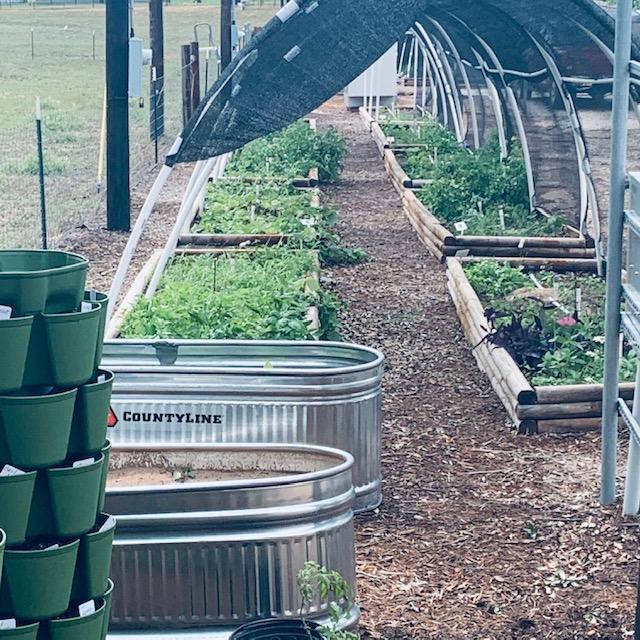 A few of our raised garden beds
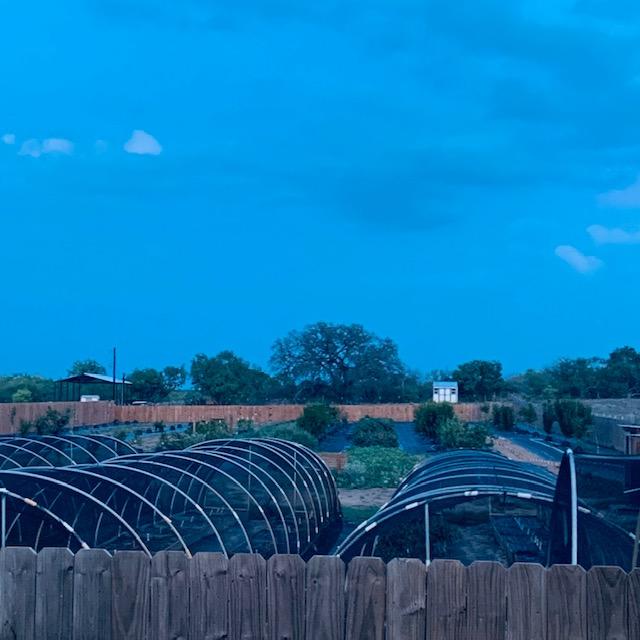 Our orchard and hoop houses
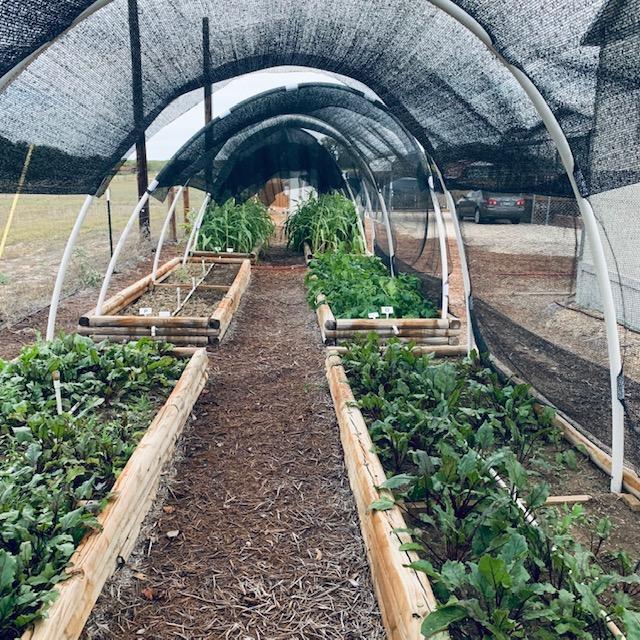
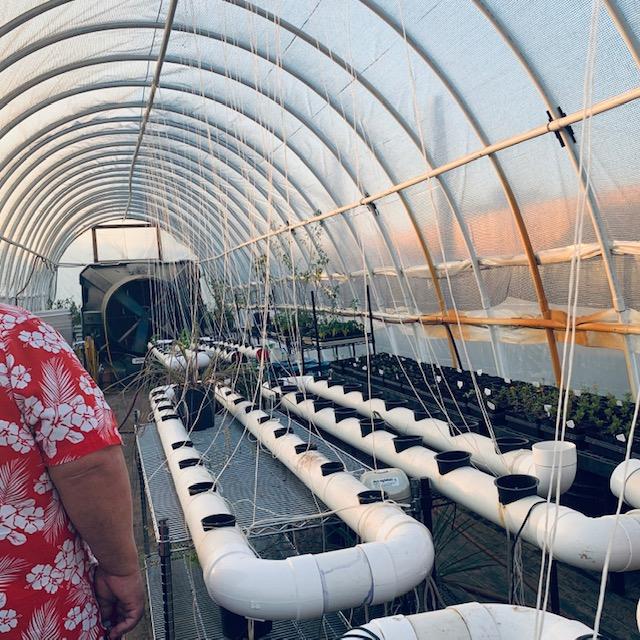 Inside our high tunnel
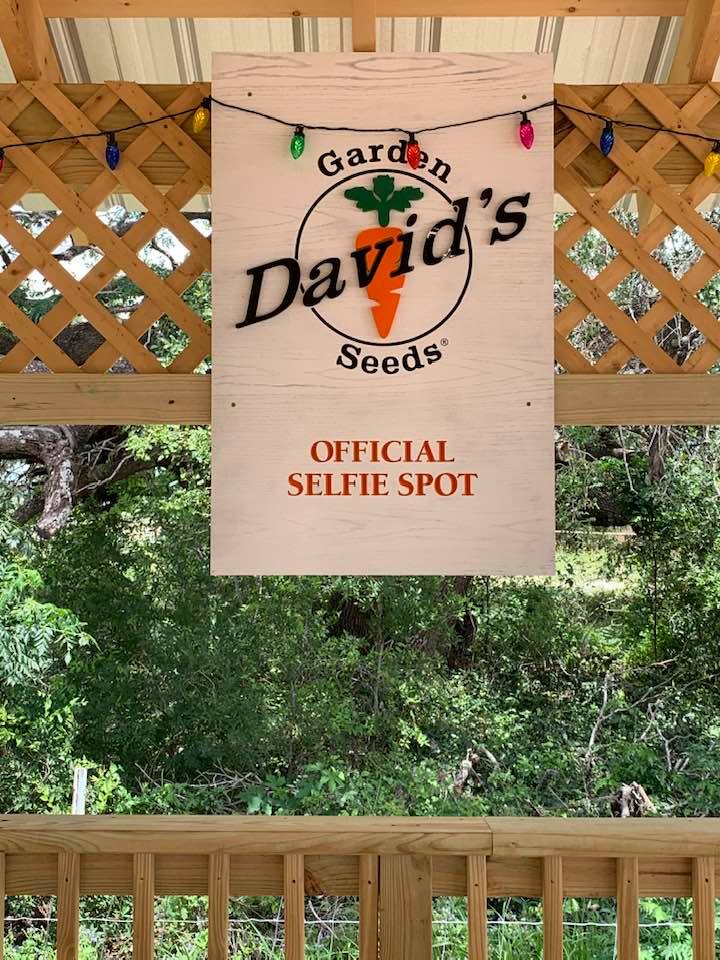 Take a selfie at our official selfie spot!
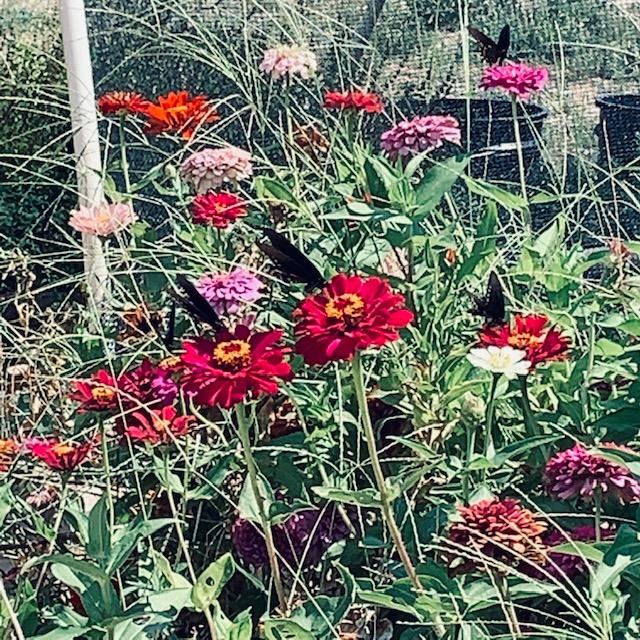 Flowers, bees, and butterflies are everywhere!
Watch Our TV Ads!
David's Garden Seeds® has the best Non-GMO seeds in the state of Texas!
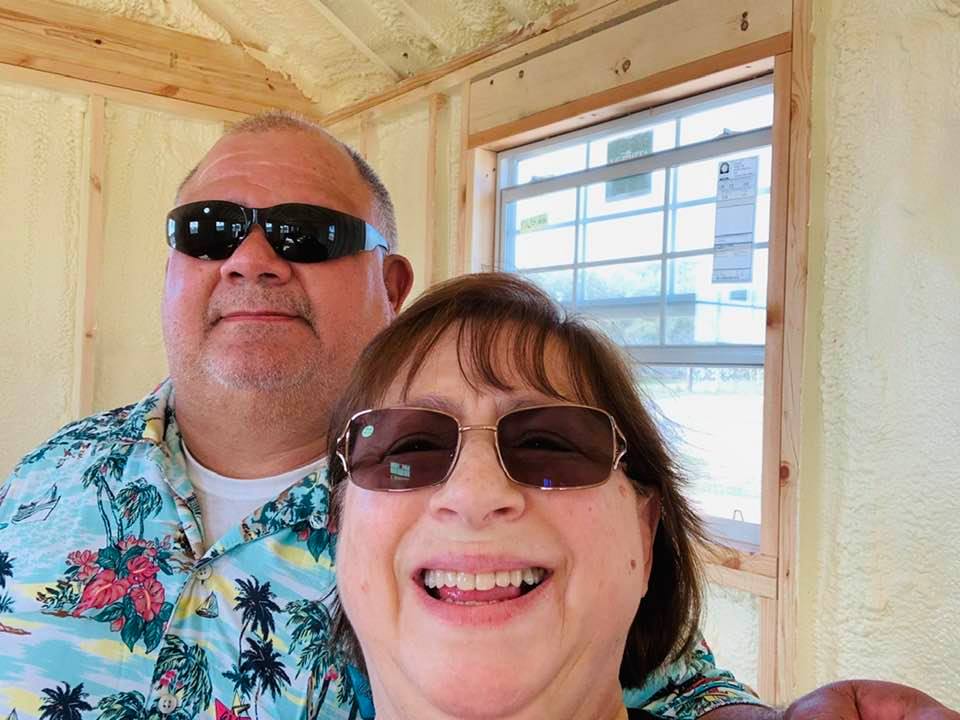
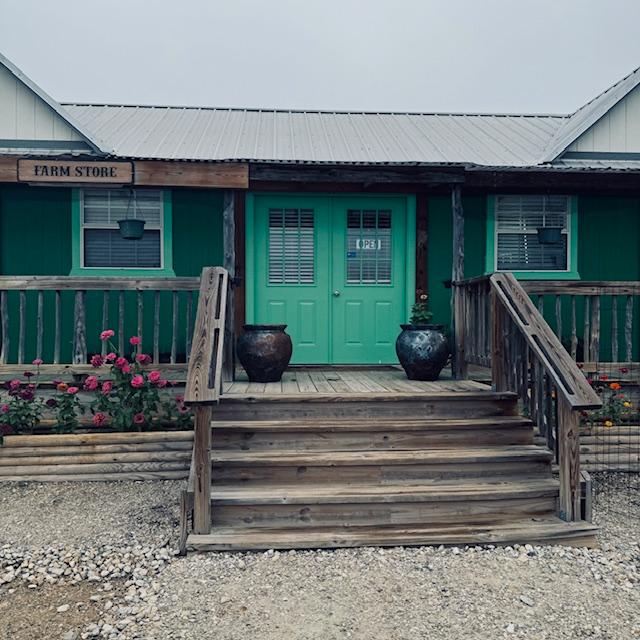 This is our beautiful Farm Store. Come in and shop for seeds. We have over 1600 Non-GMO heirloom varieties to choose from but we are in the process of bringing that number down to half.
Our Story
Hi Everyone! Thank you for visiting my website! I am Mrs Davids
Garden Seeds® aka Mrs. David's Garden Seeds and I think you should know that there is a wonderful seed
company in the great state of Texas called David's Garden Seeds®. We grow some of our seed, we count, hand pack, print our own envelopes, and ship seeds out to you right here from our farm. This used to be an old peanut farm. When the owner died about 15 years ago, his sons split the farm up and sold it in pieces. In 2024, we bought another adjoining four acres.
Our business started in our home in San Antonio in September of 2009. David decided to sell some seeds he had left over from his garden on Amazon. I told David, "Don't bother, it won't work!". I am so glad that David did not listen to me because it did work! By 2015, we had 8 employees working in my home every day and David found a storefront in San Antonio and moved the business there. In 2016, I quit my day job and went on the payroll. The company grew some more and David moved to a bigger storefront in 2017. In 2019, we found a beautiful piece of land over in Atascosa County and turned it into a farm out near Poteet. David and I moved out here to live in August of 2019.
In 2020, we moved our company out to the farm. We have a beautiful Farm Store filled with seeds, a gazebo with a pond full of koi and gold fish for you to visit. Come by and visit us at 5029 FM 2504 in Rossville, just outside of Poteet, Texas, Monday through Friday from 9am to 5pm and Saturday from 10am to 2pm. Or you can order seeds online from our user-friendly website, www.davidsgardenseeds.com.


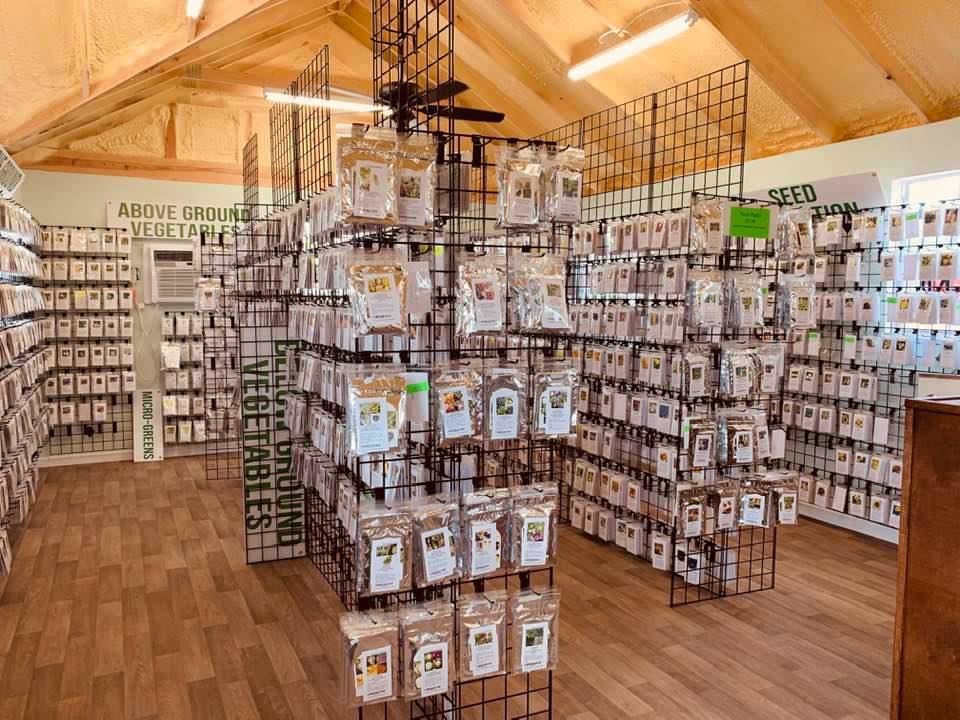 Our beautiful new farm store has almost 2,000 varieties of seeds and more. Mrs Davids Garden Seeds® looks forward to meeting you when you visit.
Mrs. David's Garden Seeds® Copyright by Juanita Lynn Schulze of David's Garden Seeds® 2019-2026
David's Garden Seeds® is Registered in the United States Patent and Trademark Office.