Grow Pole Beans
If you have a trellis or a fence, you can grow pole beans in your backyard. Pole beans are delicious and so good for you. Let's learn how to grow them!
Grow Pole Beans - 2/9-2/15/2026
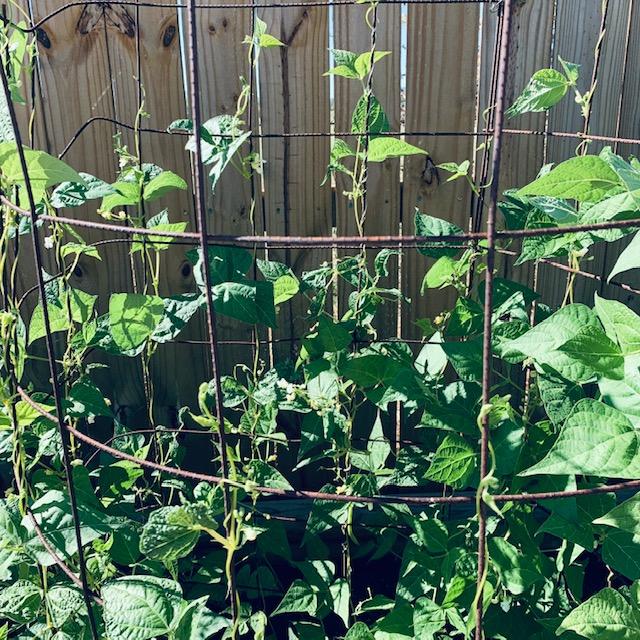 Here, our pole beans are growing up a tomato cage.
If you’ve ever wanted a vegetable that feels like it’s cheering you on, pole beans are it. You plant a few seeds, give them something to climb, and suddenly you’re picking dinner every few days.
I’m going to talk to you like we’re standing in the yard together, because pole beans are not fussy. Once you learn how to grow pole beans in your garden, you’ll wonder why you didn’t do it sooner.
And here’s the fun math that makes pole beans feel like a “smart garden” crop: from each pole bean seed, you can get about 40 pole beans, or around 3 cups of beans. That means one 50-seed pack from David’s Garden Seeds® can produce about 2,000 beans under good conditions.
Pole beans are also one of the tastiest vegetables you can grow in Texas in both spring and fall. In fact, you’ll always get your best bean harvest in the fall in Texas, when the heat backs off and the plants can breathe again.
This guide is set up like a 7-part article so you can follow it step by step, especially if you want to grow pole beans in Texas. I’ll walk you through timing, trellises, care, harvest, storage, and how to cook pole beans.
Quick note before we start: pole beans are different from bush beans. Bush beans stay compact, but pole beans climb and keep producing for a long time when you keep picking.
Grow Pole Beans - What Varieties Should You Plant?
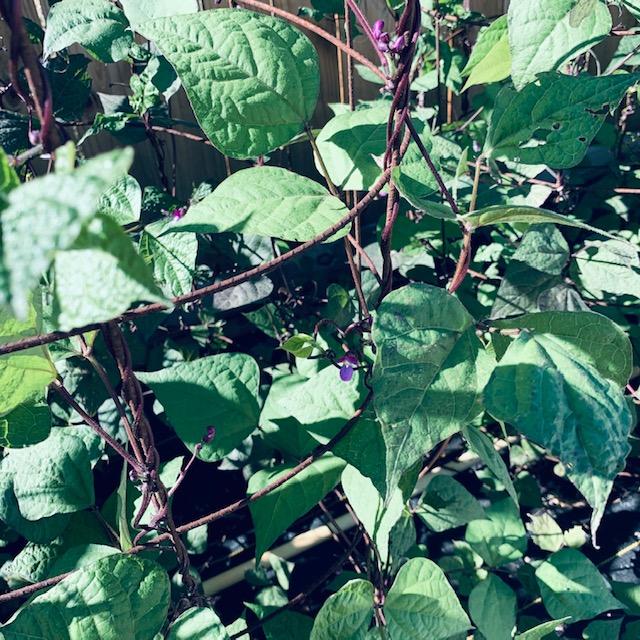 You can see purple flowers on this pole bean plant. They will soon turn into beans.
Start by choosing varieties that match what you like to eat—tender green beans, long “yardlong” types, or colorful heirlooms for fun. Our favorites are the Long Red Noodle which is a yardlong, the Kentucky Wonder, and the Purple Podded French Fillet.
David’s Garden Seeds offers pole bean seeds that are fresh, heirloom, and Non-GMO, which is exactly what most backyard gardeners want. Good seed quality matters because it helps you get strong, even sprouts.
When I first grew pole beans, I picked a mix—one classic green type, one yellow, and one purple type. The purple ones turned green when cooked, and that little “kitchen magic” made my family actually excited about vegetables. We sell this mix of pole bean seeds under the name Rainbow Pole Bean Seeds.
Grow Pole Beans - When To Plant
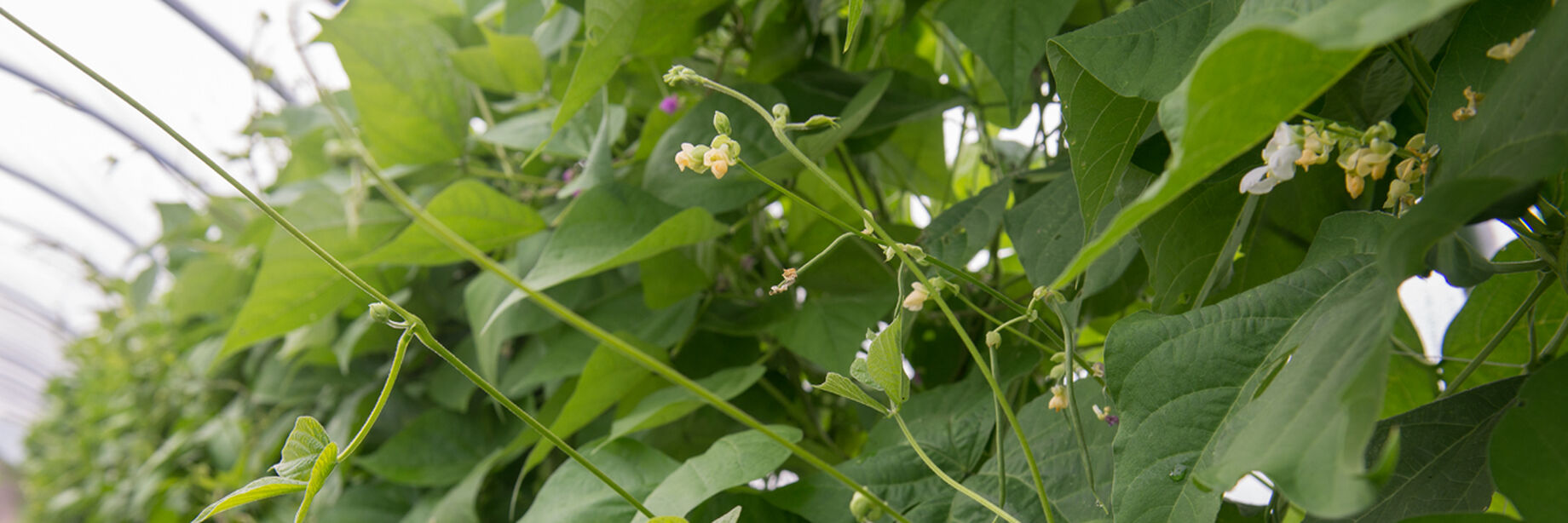 Grow pole beans in a variety of colors. These bean plants are producing white flowers.
Pole beans like warm soil, so don’t rush them into the cold ground in early spring.
For spring planting in Texas, you generally wait until the danger of frost has passed and the soil has warmed. If you plant too early, seeds can rot instead of sprout.
For fall planting in Texas, you plant so the vines can grow and set pods while days are still warm, but so heavy pod production lands in cooler weather. That cooler stretch is why fall often gives you the best harvest.
A simple way to think about timing: pole beans want warmth to start, but they don’t love extreme heat while they’re flowering. If flowers drop in the hottest part of summer, you’ll see fewer pods.
I learned this the hard way one year when my spring beans looked gorgeous, but the blooms fell off during a brutal heat spell. The fall planting that year? Total redemption—pods everywhere.
Another thing that can happen in spring is that the beans grow beautifully and you pick them but the texture is woody and inedible. Why? Because it got too hot and the heat made your bean texture bad. That is why you will always get your best beans in the fall.
Grow Pole Beans - Where To Plant & Prepping The Soil
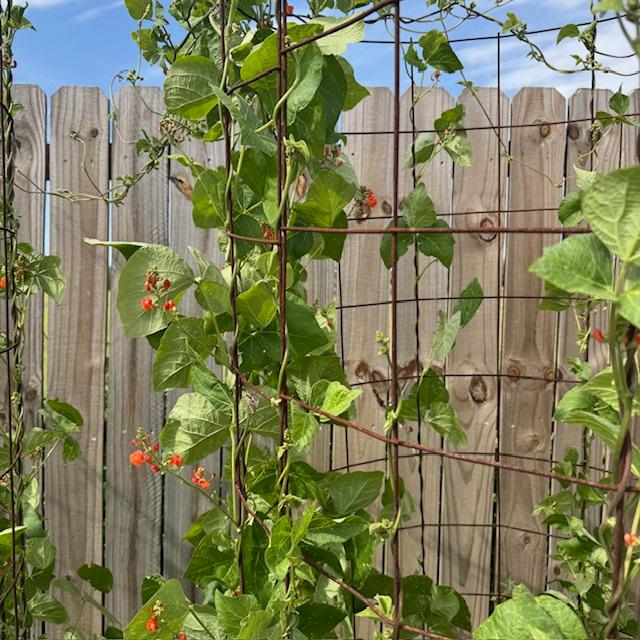 Scarlet Runner Beans make red flowers.
Choose a spot with plenty of sun, because more sun usually means more beans.
Pole beans do best in soil that drains well and isn’t constantly soggy. If your yard holds water, a raised row or raised bed helps a lot.
Before you plant, loosen the soil and mix in compost if you have it. Compost makes the soil easier for roots to move through and helps hold steady moisture.
Keep nitrogen fertilizer light. Beans can make some of their own nitrogen, and if you overdo nitrogen, you can get a jungle of leaves with fewer pods. Don't fertilize until the plant has been growing at least three to four weeks and is starting to climb up the trellis. Then you can fertilize every three to four weeks.
Grow Green Beans - Trellises
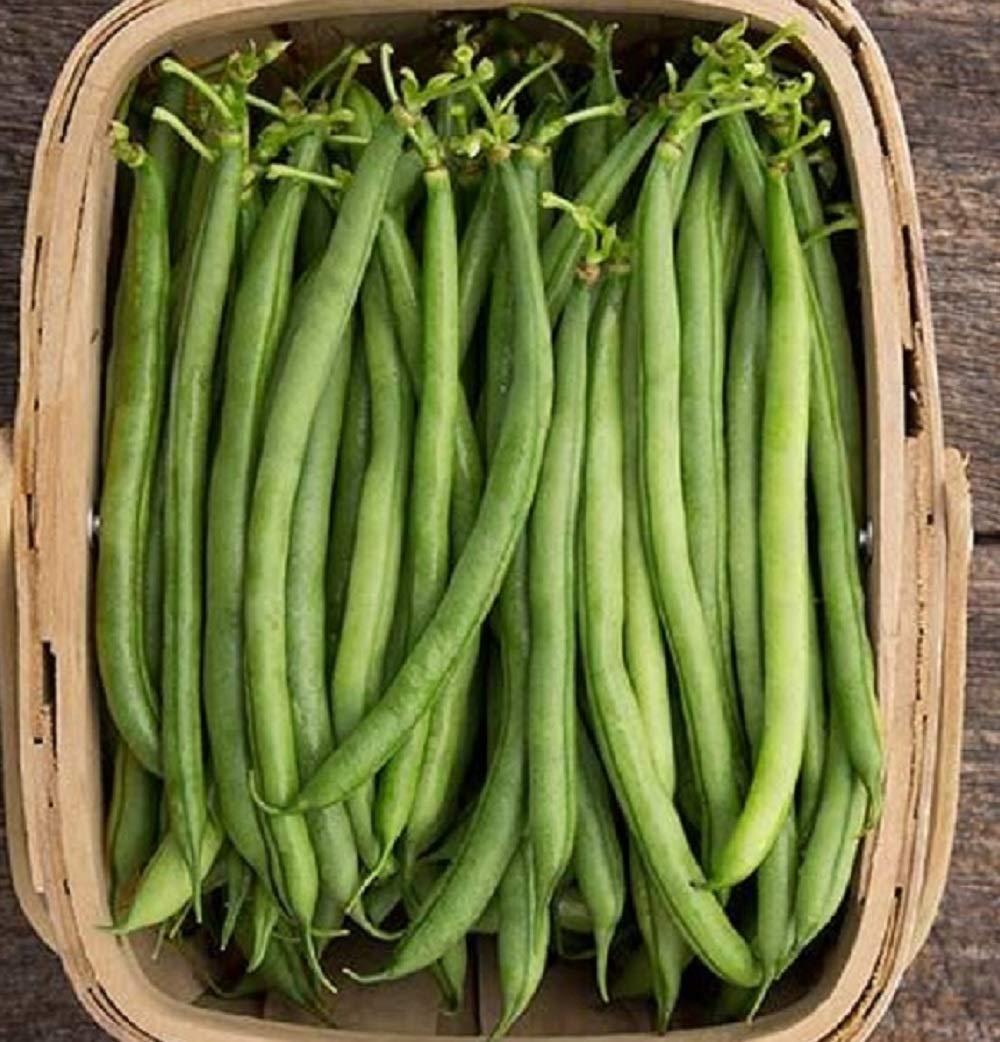 Grow pole beans like the Seychelle pole bean.
Since pole beans are vines, you’ll get the best results when you give them something sturdy to climb right from the start.
Here are trellis options that work great in a backyard garden:
- Cattle panel arch (strong, long-lasting)
- A-frame trellis made from wood or metal
- Teepee trellis with 8–10 foot poles tied at the top
- Fence trellis (if you already have a sunny fence line)
- String trellis (twine from a top bar down to stakes)
- A piece of lattice from a DIY store
- Tomato cages
My personal favorite is the cattle panel arch because it feels like a “bean tunnel.” You can stand under it and pick hanging pods from both sides, which is honestly a joy.
Whatever trellis you pick, make it solid before the vines get big. A loaded pole bean vine gets heavy fast, especially after rain.
Grow Pole Beans - How To Plant The Seeds
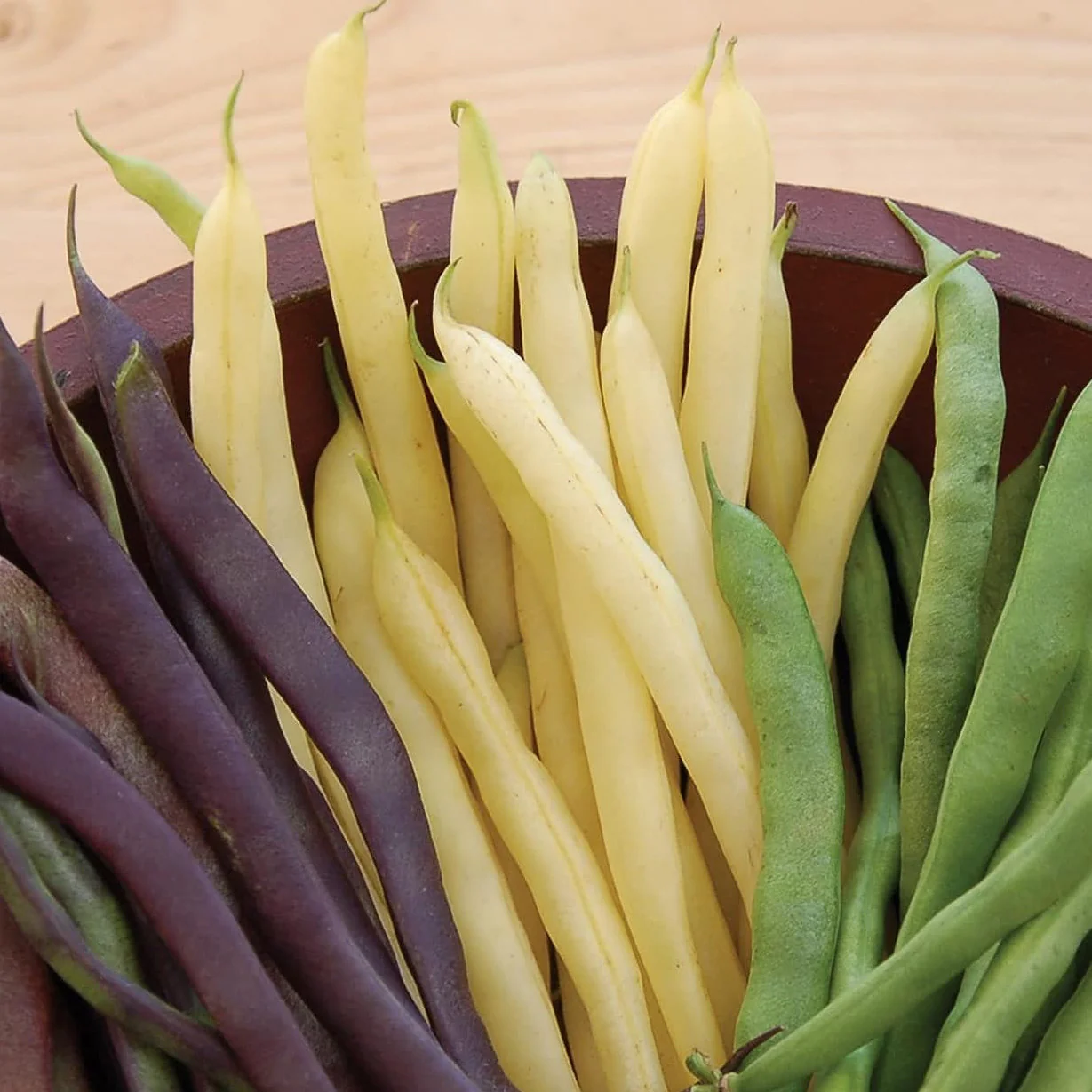 The Rainbow Pole Bean seed pack includes seeds that produce yellow, green, and purple pole beans.
Plant bean seeds directly in the garden because beans don’t love having their roots disturbed. Do not plant them in small pots to transplant. Beans hate to be transplanted and most will die if you attempt this.
You can plant seeds along a trellis line or around a teepee. Either way, give each seed enough space so the vines get airflow and you can reach in to harvest.
After planting, water gently but thoroughly. You want the soil evenly damp—not muddy—until seedlings pop up.
If birds or squirrels dig in your garden, you can lay a light cover over the row until sprouts appear. I’ve used a piece of old window screen before, and it worked perfectly.
Grow Pole Beans - Caring For The Plants
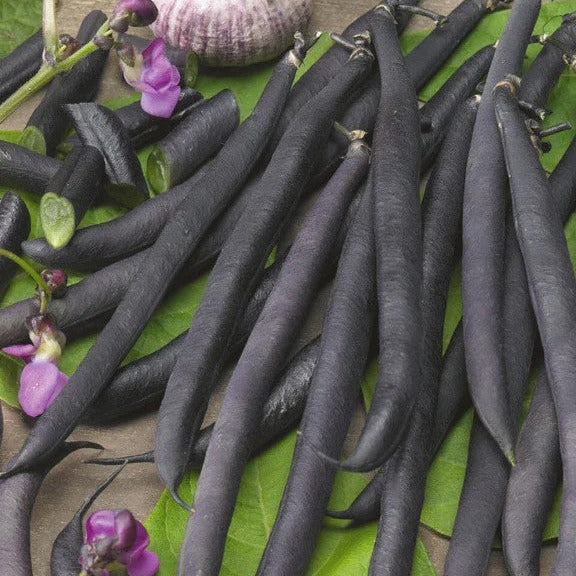 This is the Purple Podded Fillet Pole Bean.
Once seedlings are a few inches tall, guide them toward the trellis.
Pole beans naturally twine and climb, so you don’t have to tie them much. You mostly just “introduce” the vine to the support, and it takes over from there.
Water deeply when the top inch or two of soil feels dry. Consistent water helps pods form without turning tough or stringy.
Mulch helps a lot, especially in Texas. A layer of straw, shredded leaves, or untreated grass clippings keeps the soil cooler and slows down moisture loss.
Keep an eye out for common issues like chewed leaves, slow growth, or flowers dropping. Heat stress, inconsistent watering, and pests can all play a role.
For pests, start with simple steps: inspect the undersides of leaves, remove pests by hand when possible, and keep weeds down. A tidy bed makes it harder for problems to explode.
If your vines look pale, a little compost top-dress can help. I like to add a small ring of compost around plants and water it in.
Try not to over-prune. Pole beans make “solar panels” (their leaves) to power pod production, so you want healthy leaf coverage.
One small habit that helped me: I walk the trellis line every couple of days with a cup of coffee. I catch problems early, and I usually notice new pods before they get oversized.
Grow Pole Beans - Harvest And Storage
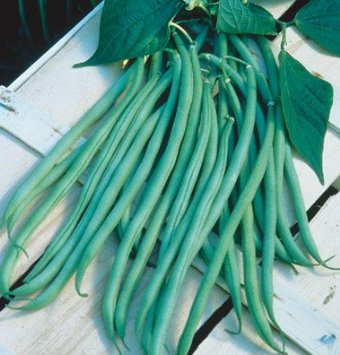 These are Fortex beans, one of our most popular pole bean choices.
The more beans you pick, the more the plant produces.
Harvest when pods look full-sized but still tender. If pods get too big and tough, the plant shifts into “seed mode” and slows down new pod production.
Pick gently to avoid snapping vines. Hold the vine with one hand and pull the pod with the other.
In peak season, you may harvest every 2–3 days. This is how pole beans turn into a truly prolific backyard crop.
If you miss a few pods and they get large, don’t feel bad—just remove them anyway. That cleanup encourages the plant to get back to making fresh pods.
Now let’s talk storage, because harvesting a bowl full of beans feels great, but you also want to keep them fresh. Fresh-picked beans store best when you keep them dry and cool.
For short-term storage, put unwashed beans in a bag or container in the fridge. Wash them right before cooking so they don’t get slimy.
For longer storage, you can blanch and freeze them. Blanching means you boil briefly, cool quickly, drain well, then freeze—so the color, taste, and texture hold up better.
You can also can beans if you follow safe canning practices and proper instructions for vegetables. If you’re new to canning, start by learning from a trusted, up-to-date food preservation source. We use the Ball Blue Book Of Canning, a trusted resource with good recipes and instructions. Get a copy.
Grow Pole Beans - Cooking Pole Beans
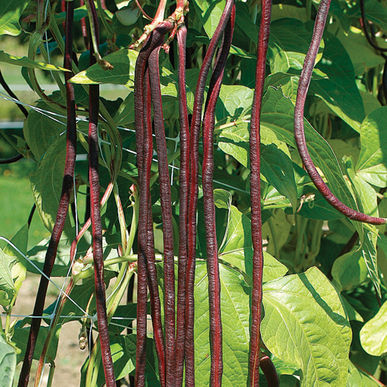 The Long Red Noodle is a yardlong pole bean.
When you cook pole beans, keep it simple at first so you can taste that fresh garden flavor.
Easy cooking ideas you can use all season:
- Quick sauté with olive oil, garlic, and salt
- Steam until crisp-tender, then add butter and pepper
- Roast on a sheet pan for a deeper flavor
- Simmer with onions for a soft, home-style side dish
If you like a little tang, try finishing cooked beans with a squeeze of lemon or a splash of vinegar. That tiny change makes them taste bright and less “heavy.”
And yes—those purple pods I mentioned earlier? They usually turn green when heated. The first time you see that happen, you’ll probably call someone into the kitchen like it’s a magic trick.
Let’s circle back to the big goal: you want to learn how to grow pole beans in your garden in a way that feels easy and repeatable. The real secret is simple—warm soil, steady water, and a strong trellis.
If you want the best results in Texas, consider doing both a spring planting and a fall planting. Spring gets you early beans as long as the awful heat stays away until after harvest, while fall often delivers the heavier harvest.
Also, pole beans reward consistency. If you keep picking, keep them watered, and keep vines climbing neatly, they’ll keep producing like they’re trying to impress you.
Grow Pole Beans - Recap
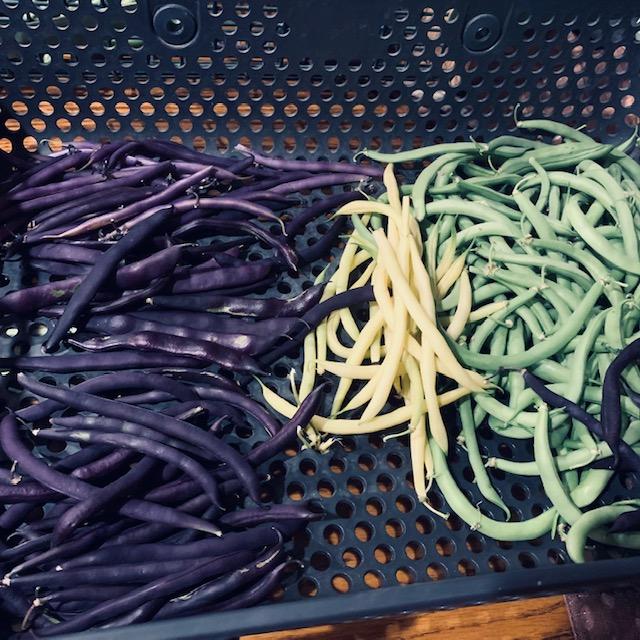 This is one of our many colorful bean harvests.
Here’s a quick recap checklist you can save:
- Plant after frost in warm soil
- Set up a sturdy trellis first
- Water deeply and mulch
- Pick often for more pods
- Store unwashed beans in the fridge
- Blanch and freeze extras
If you’re feeding a family, pole beans are a budget hero. With the estimate of about 40 beans per seed, a 50-seed pack can produce roughly 2,000 beans—an impressive return for a small space.
That’s why so many gardeners love to grow pole beans instead of relying only on store-bought produce. You get freshness, flavor, and the satisfaction of picking your own food.
And if you’re ready to take the next step, choosing quality seed makes the whole season smoother. David’s Garden Seeds carries a large selection of pole bean seeds that are fresh, heirloom, and Non-GMO—perfect for backyard gardeners who want reliable harvests.
Now you’ve got the full plan to learn how to grow pole beans in your garden: pick a variety you’ll enjoy, plant at the right time (especially fall in Texas), build a trellis, care for the vines, harvest often, and enjoy every bowl—because few garden wins feel as generous as a wall of climbing beans.
 Grow pole beans like the Rattlesnake.
Monday, February 9, 2026
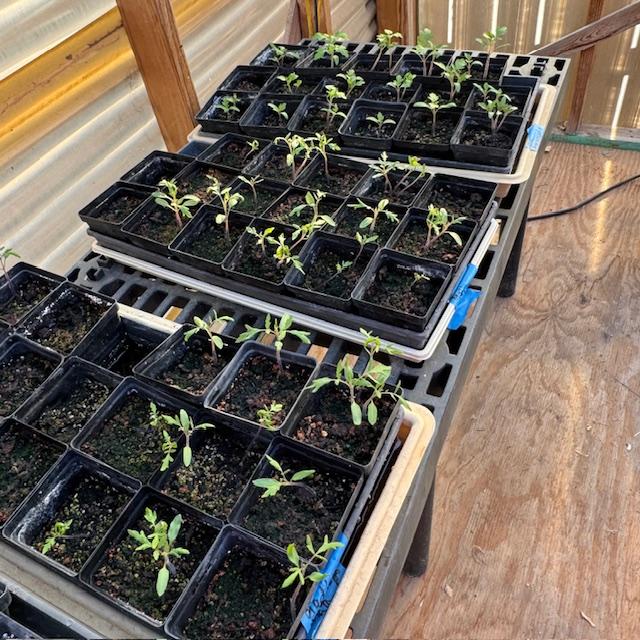 Here are my tomato plants growing in the greenhouse.
Good morning. It is supposed to hit 86° today. That is totally insane. It is currently 48°.
Yesterday, I planted 13 trays of flowers and plants. I have mints growing that I planted several weeks ago as well.
It was a very busy day. David had a doctor appointment. We had a set of customers who were here for quite a while. I sent out a huge bag of mail for the mailman.
At 5pm, I went back to my greenhouse with some new trays that David bought. A bunch of the old ones were cracked and not holding water. I changed them all out and then watered the seeds I planted yesterday. By the time I was finished, my back was killing me again and so were my feet.
It was up in the 80s today and now it is 8pm and 71°.
Tuesday, February 10, 2026
Good morning. It is 6am and 59°. I guess the groundhog was wrong because winter appears to be over here in Texas. It should be around 80° again today.
David and I left the farm at 8:30am to go to town and do several things. David needed to get some parts at the hardware store. One had some and another hardware store had the rest. We stopped to deposit a check at the bank and then we went to Morales to get some goat feed. After that, David had to pick up a prescription and we got some groceries at Walmart.
We got home and I put some of the groceries away and started laundry. I started filling orders. David ordered lunch for all of us who were here from Farm to Familia.
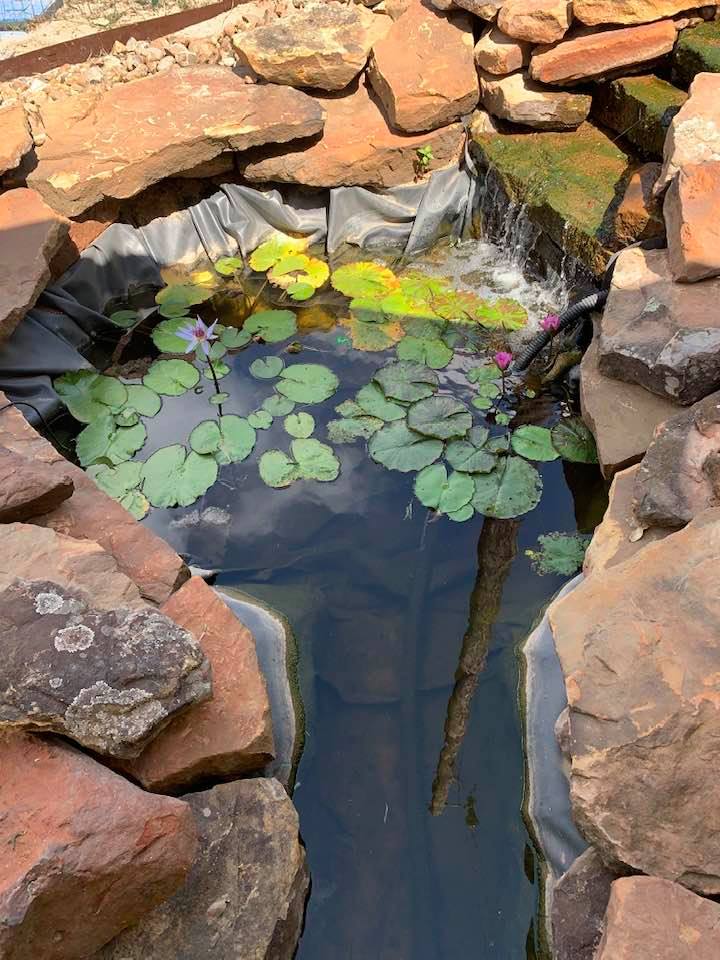
 The waterfall works again and has really stirred the water up!
A friend came and installed the new pump on the pond waterfall. He also built a step to get into Fulfillment by the side door. He put together some new chicken feeders and water buckets.
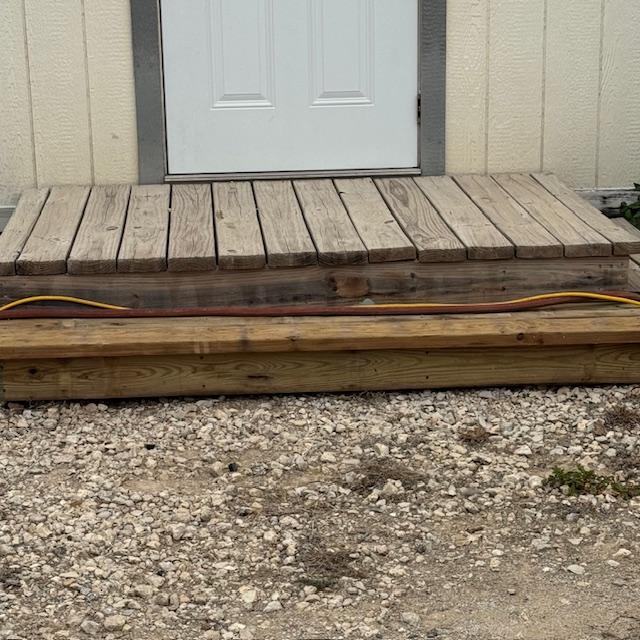 The bottom step was added to the side door of the Fulfillment building. The bottom step was added to the side door of the Fulfillment building. |
 New chicken feeders and water buckets were finally put together. New chicken feeders and water buckets were finally put together. |
Papa Woo put out a new video today. He went by Adam's grave and said that Adam's body is there but Adam is not and shared some of the gospel message. He pastored for many years and is so easy to listen to.
I am still filling orders and I'm about 200 behind!
The air is chilly at 71° with breezes and overcast skies, yet we are not supposed to get rain.
I checked on my seed trays. I noticed three were not marked. I forgot to take the markers off three of the old trays that I replaced. Fortunately, they were stacked up outside the greenhouse. I got the tags and put them on before I forget what I planted where. It was too chilly all day to open the greenhouse.
Around 6pm, we started getting sprinkles. I went in and folded a ton of laundry. At 7pm, David came home and we had delicious leftover spaghetti from last night.
Wednesday, February 11, 2026
 Kitty enjoys napping on top of her house with a blanket. Isn't she so cute?
Good morning. I let the dogs out at 6:30am and it is lightly raining. I am working on a project and watching some how-to videos so I do it correctly as I have never done this before. I hope I can pull it off.
It is now light outside and everything is wet. It is 63°.
 Here is the van they brought the students in.
This morning, a business class from Poteet High School came to the farm for a tour. They also went to a few other local businesses. David gave them a tour around including going into the parking lot greenhouse. A customer who had come just before they got here joined them on the tour.
 |
 |
The tour took about an hour. I was in the store with two sets of customers when the tour finished and they showed up in the store.
The students and customers finally left and more customers showed up. This happened all day long. It was a very busy day. Funny how that works. We go days with no or maybe one or two customers. Then bam! The whole world shows up. Every little while I heard someone drive up and I would have to stop filling orders and go to the store. Some let me help them so we got them out quickly. Others did not.
David went to a Bible study tonight and was gone for three hours. The dogs were not happy that I was the only one home this evening.
Thursday, February 12, 2026
Good morning. David left early this morning to meet Matt at 888 in Devine for father/son makeovers at 7am. I am watching a Papa Woo video and working on the computer. The dogs are agitated that David is not here.
They are all Daddy's dogs. Even Trump likes him better than me. Lol.
I am advancing on my project, watching applicable videos to get it right, and going on new websites to make it happen. The problem I have is time. There just isn't enough time because we are swamped with orders.
 The NISD guys brought a dolly for the very heavy printer. The NISD guys brought a dolly for the very heavy printer. |
 They brought a large NISD truck to get the printer. They brought a large NISD truck to get the printer. |
I was in the Farm Store pulling orders when a truck drove up. It was a Northside Independent School truck with two men. David was not yet in the store but Matt was. I sent Matt out to find out why a truck from the largest school district in San Antonio was here in Rossville at our store.
Turns out, David was trying to give away one of our very expensive printers. It has printed over 2,000,000 seed envelopes for us and now it will just make copies. It cost us $16,000 back in 2017 and served us well. No one around here wanted it so somehow, he got in touch with someone at the NISD who wanted it. They sent the truck. David did not tell me to expect anyone. He came out and talked to them. Matt showed them all of the pieces to take and then it was gone.
It is now 5:30pm and we have not had one in-person customer or visitor other than the NISD guys, the mailman, and the FedEx guy. Yesterday, when we were so busy they kept coming but today, nobody. Crazy, right?
I have been filling orders all day long. It is quite warm at 76°.
 Such a pretty sunset from the goat pen.
Friday, February 13, 2026
Good morning. It is 64°. I am printing orders and having mushroom coffee. I really don't know that the mushroom coffee has made a difference in my gut like it says it will. I certainly have not lost any weight by drinking it. I still have a few bags of it left.
It has been overcast and breezy all day. It is now 5:20pm and 79°, not hot at all. We had no in-person customers the whole day and just one of our helpers showed up, no special visitors. It was a very quiet day. We got a bunch of orders pulled and out. I am still way behind.
 We have 2 pretty kitties living under the DGS deck who eat Sammy's food every day. They run whenever they see us and go up and under the deck. I wish they would let us pet them.
I took a frozen spinach pizza from the freezer and added mushrooms, black olives, extra mozzarella and Canadian bacon. I baked it and that is what we had for dinner. I must say it was pretty good. I was starving and did not have time to make my own pizza crust.
I fell asleep on the couch watching Tracker. I got up and took a shower and it hit me that I was supposed to send out a newsletter that would hit New York at 5am tomorrow morning and I did not do it. :)
I went to my office and got a newsletter out for David's Garden Seeds®. It was midnight when I finally got in bed.
 I just missed sunset when I came out of my office this evening.
Saturday, February 14, 2026
Good morning! Happy Valentine's Day! It rained. I woke up to Alexa telling me there is only a 3% chance of rain today, even though The Weather Channel says 25-55%. I went to the kitchen to make coffee and found the large kitchen window wet. Everything outside is wet but the rain gauge has not moved.
We worked until 2pm but no customers showed up. The mailman took all of the mail away so the orders are on their way to our customers. After work, it started sprinkling and David and I went grocery shopping. We got some nice steaks for tonight and some other yummy things.
It continued to rain on the drive home. It was pouring for just a few minutes and stopped. We got less than 2/16 of an inch here.
I went out and took care of the animals once the rain stopped. There was a beautiful rainbow in the northern sky.
 The rainbow is faint but it was there!
Then I made chocolate covered strawberries to have for dessert. A bit messy looking, but they were incredibly delicious!
 I made chocolate covered strawberries this afternoon. They were sweet and juicy.
Sunday, February 15, 2026
Good evening! I have been busy all day long and I am exhausticated! If you have watched Tigger on Winnie The Pooh, you are familiar with the word that he made up.
I got all of the animals fed this morning and came in to make breakfast tacos.
After that, I got ready for church. We stopped for fast food on the way home and ate it in the car. After that, I tried all afternoon to learn how to use Google Docs. I have to use it for my current projects.
I tried to do things on Google Docs but was not having any luck. I was just about to say forget the whole thing but instead, I got a snack and tried again.
 Another sunset from the goat pen. I was feeding them treats. Markie still won't take them but at least he ate one off the ground today--licorice flavored. Maybe next time.
I finally began understanding how to do some things in it. It is now 9pm and I am proud to say that I can type a document on Google Docs and save it as a PDF. Also, I learned how to make a clickable table of contents in the report. I feel so accomplished and very tired! Yay me! I need to go to bed. Good night.
Return from Grow Pole Beans to Year 7 Of Farm Life
Anything To Share On This Topic?
Would you like to share additional information about this topic with all of us?
Since 2009, over 2,000,000 home gardeners, all across the USA, have relied on David's Garden Seeds® to grow beautiful, productive gardens. Trust is at the heart of it. Our customers know David's Garden Seeds® stocks only the highest quality seeds available. Our mission is to become your lifetime supplier of quality seeds. It isn't just to serve you once; we want to earn your trust as the primary supplier of all of your garden seeds.
Watch Our 2022 TV Commercial!
Sing Along To Our Jingle
♪♫♪♪ ♫ ♪ ♫♪♫♫
♪♫♪♪♫♫
Peppers and peas
And lots of yummy greens
You can't go wrong
With Squash This Long
At David's Garden Seeds
♪ ♫ ♪ ♫
Our New 2024 TV Ad
Please like and subscribe on YouTube and come visit us at our Farm Store! The music on our TV ad was written, played, and sung by our son, Matthew Schulze. You can meet him when you come to the farm. He just might give you a tour. Ask him to grab a guitar and sing our jingle that he wrote.
Our 2022 TV Ad

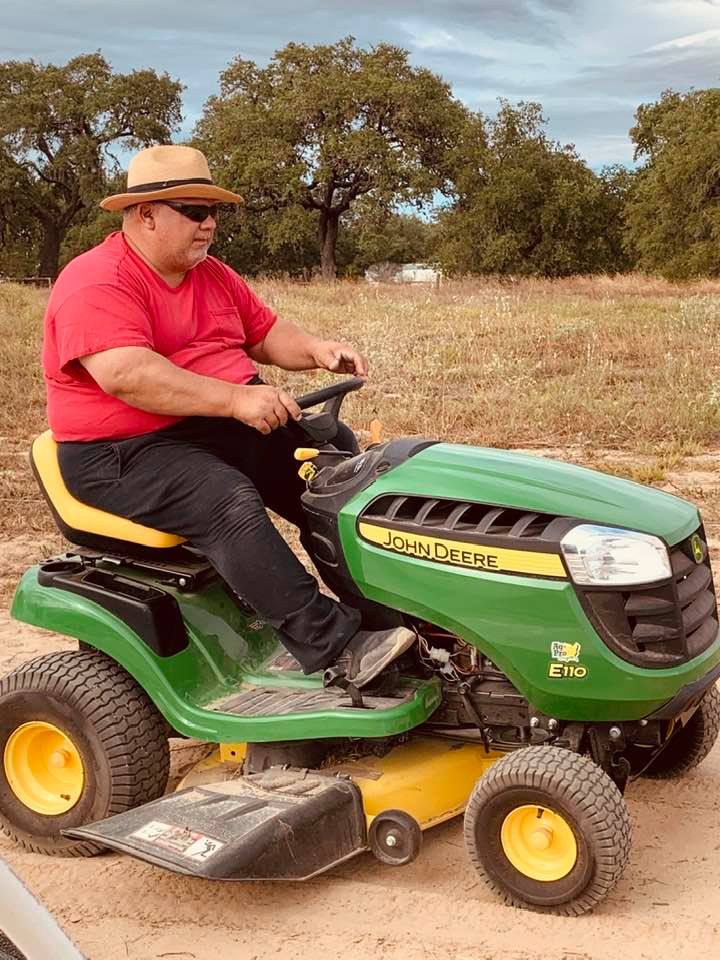 David of David's Garden Seeds® zipping along on his little tractor across the farm. He is having a blast!
We are David's Garden Seeds®. If you need great seeds, we've got over 1,400 varieties to choose from.
Subscribe To Mrs. David's Garden Seeds® Newsletter For FREE!
Find out what is going on down on the farm by reading our blog and by subscribing to our free newsletter for all of the information going down at David's Garden Seeds® and on the farm. I love to share helpful information with you. Please let your friends know and y'all come on down for a visit when you get the chance. We would love to meet you!
New Store Hours!
 Farm Store Hours: Th-Fri 10am-5pm, Sat 10am-2pm. Closed Sun-Wed.
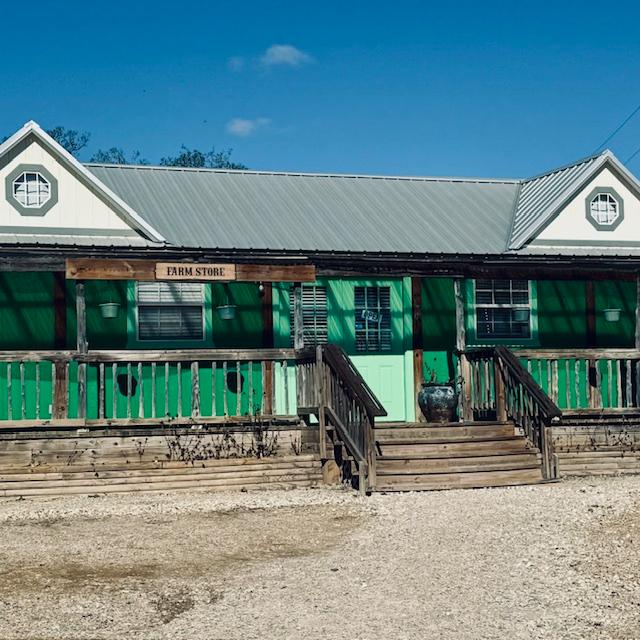 Our Farm Store
Shop for:
- Seeds
- Farm Fresh Eggs
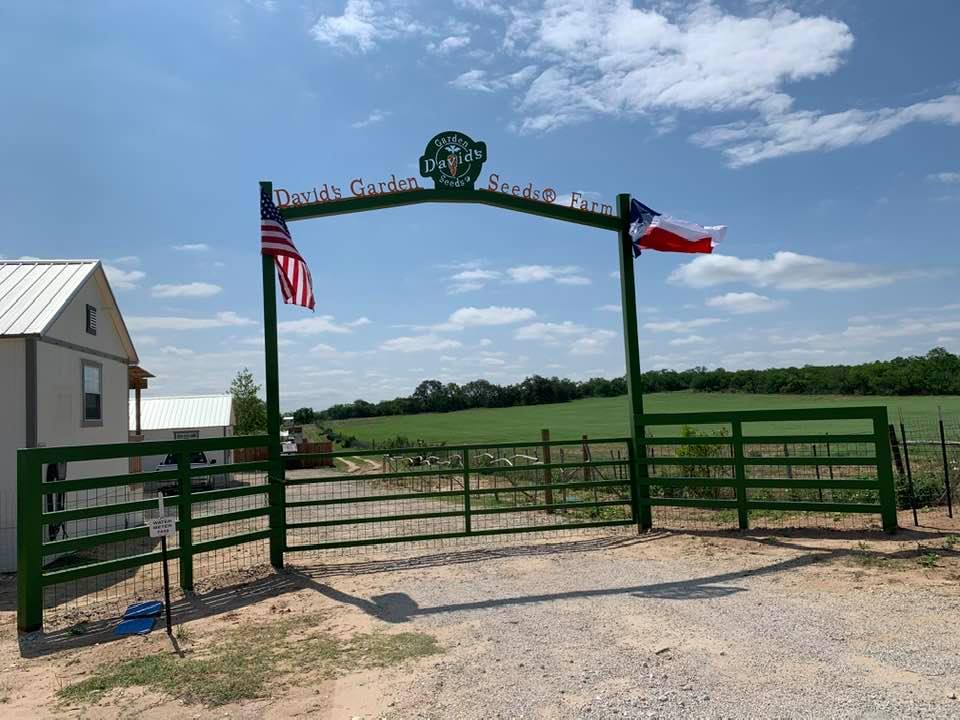
Our Farm is located at 5029 FM 2504 in Poteet, TX.
 Only happy seeds make the cut to go into our seed packs!
David's Garden Seeds® has
seeds for the backyard gardener and farm fresh chicken eggs.
 David & Juanita work hard to pack your garden seed orders.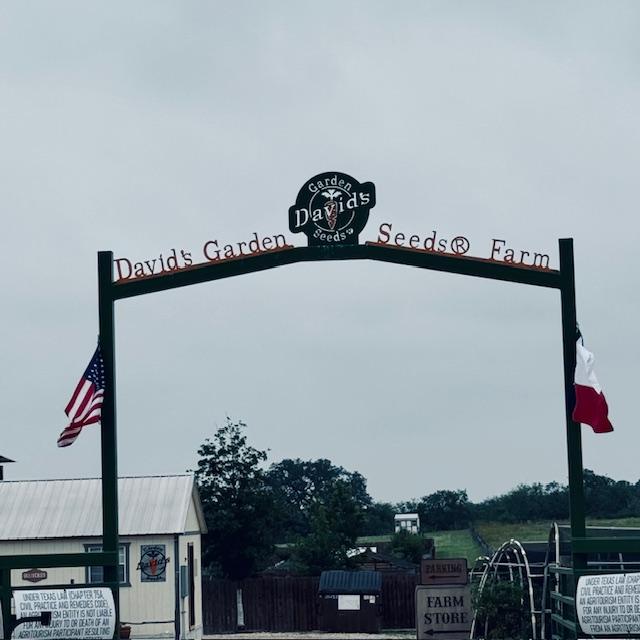



Sign Up For Our Newsletter Here!
   DGS YouTube Mrs
|
   |
Garden Ebooks
by Mrs. David's Garden Seeds
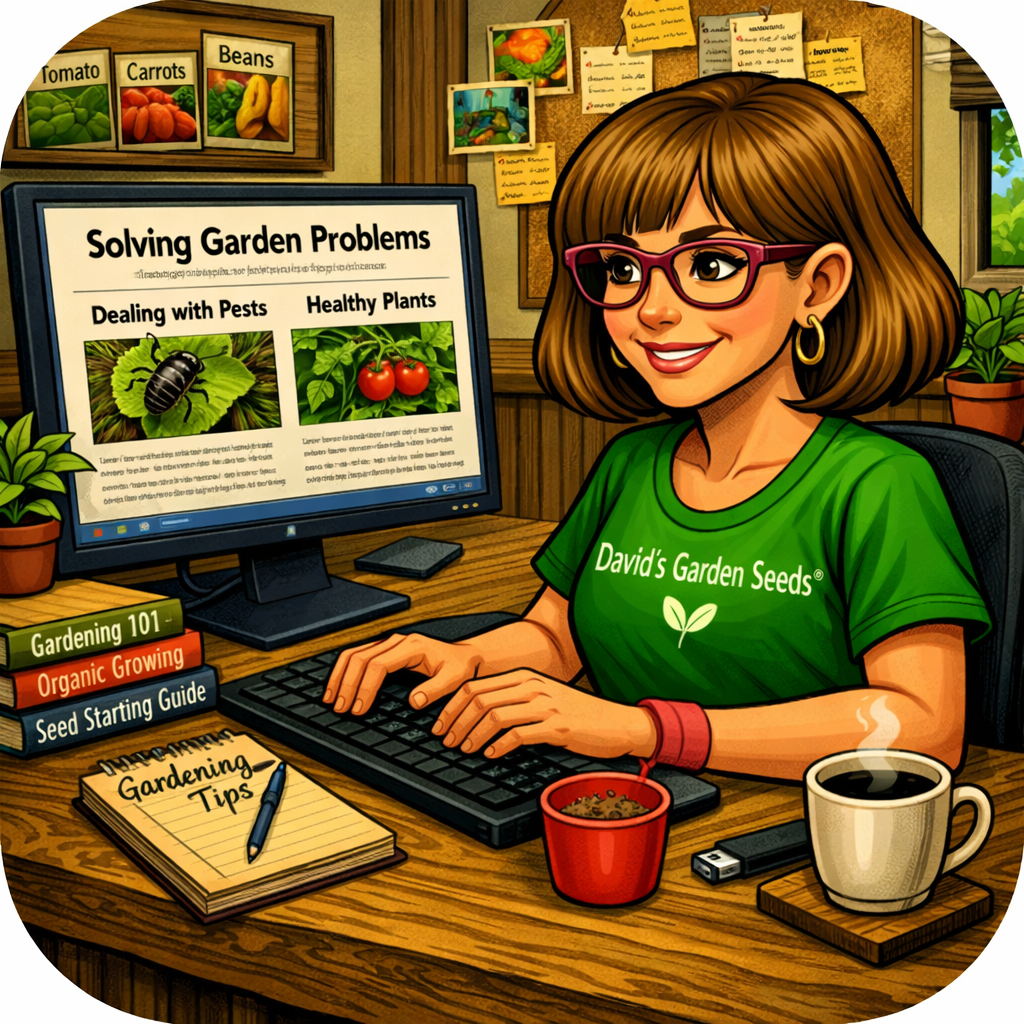 I've been busy creating eBooks to help you with your garden...
IMPORTANT NOTE: THE EBOOKS ARE DIGITAL DOWNLOADS (EBOOKS), NOT PHYSICAL BOOKS.
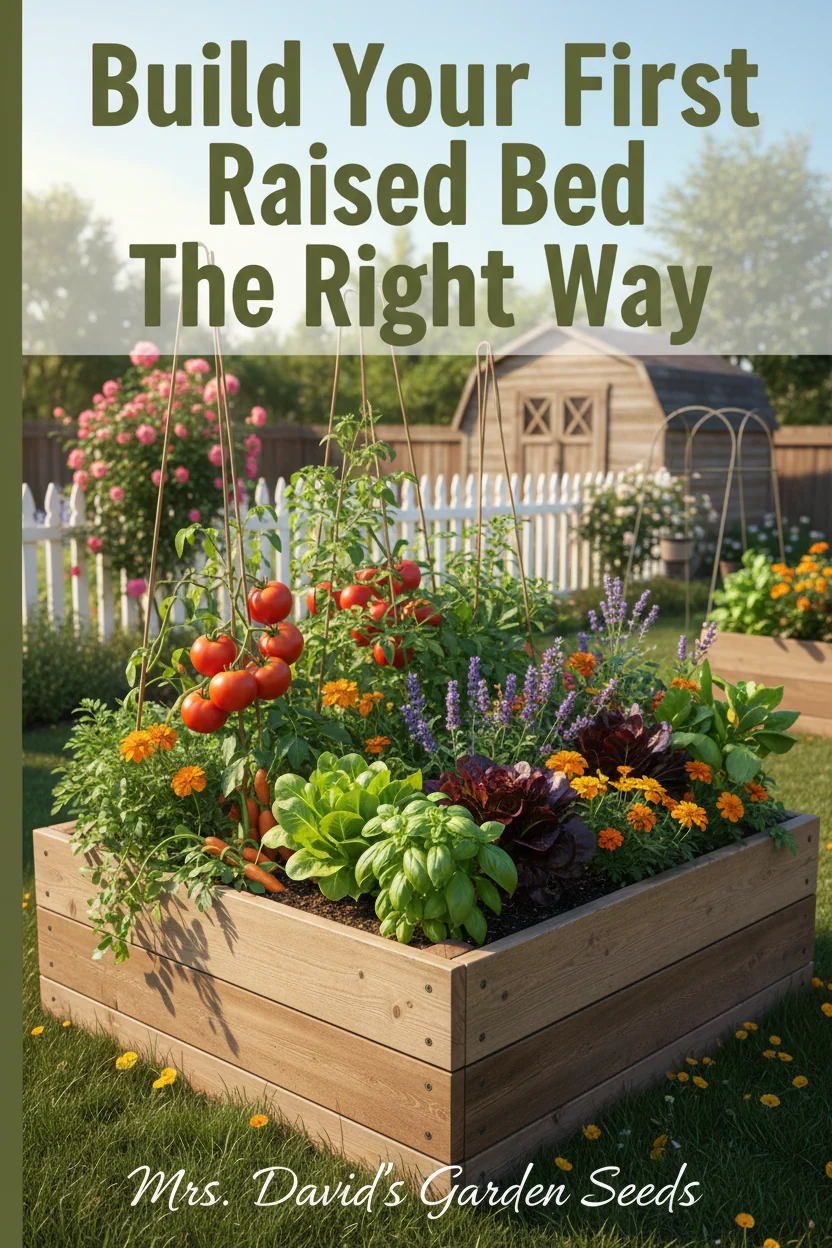
WE DO NOT REFUND OUR DIGITAL DOWNLOADS FOR OBVIOUS REASONS.
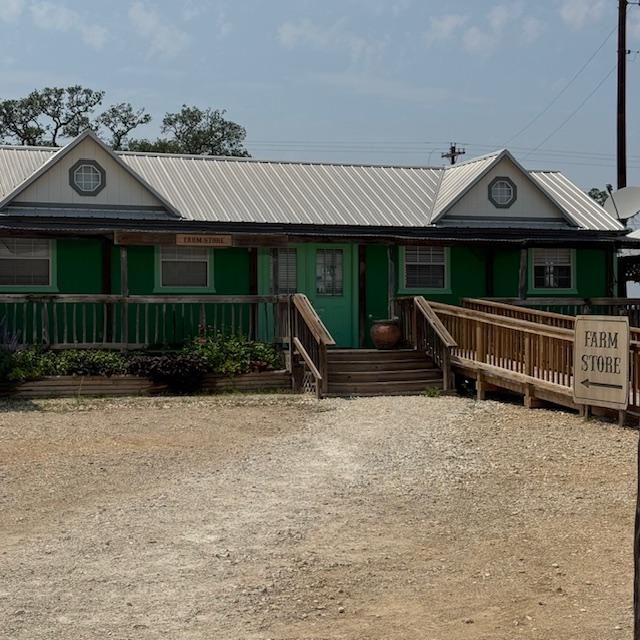 Our Farm Store is the green building
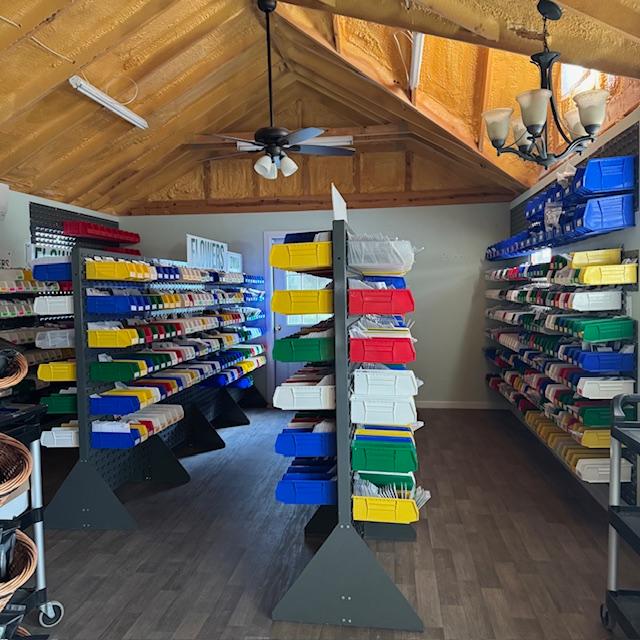 Inside our Farm Store...1400 varieties of seeds await you!
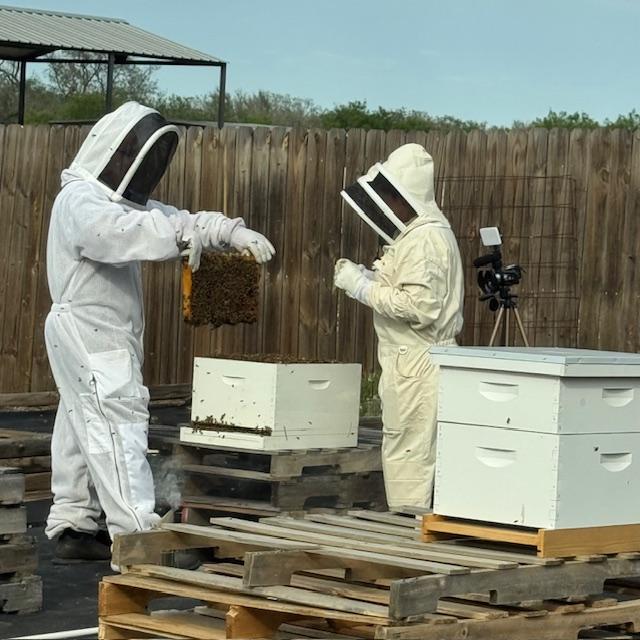 Our bee hives
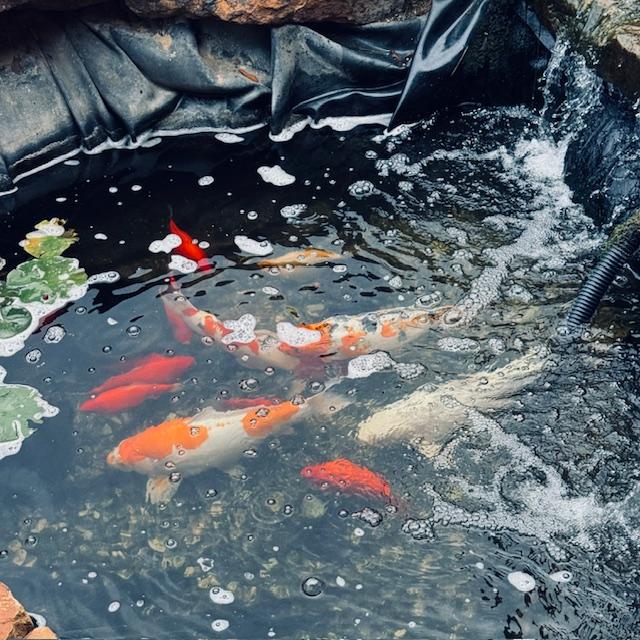 Our fish pond
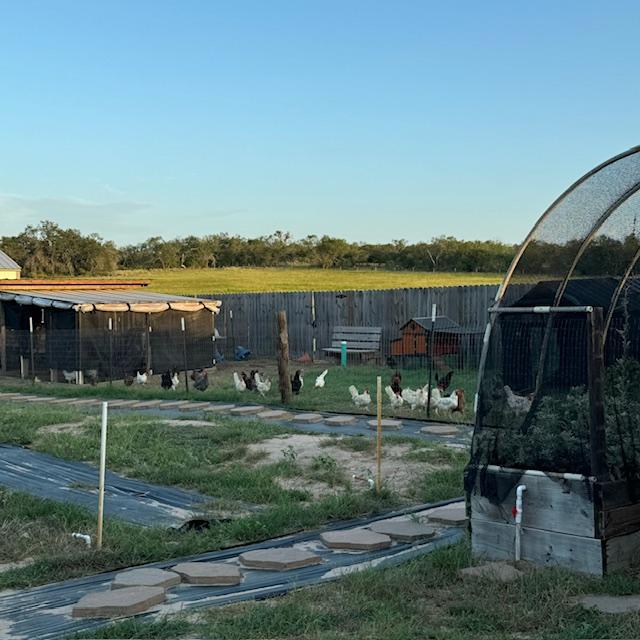 Our chickens
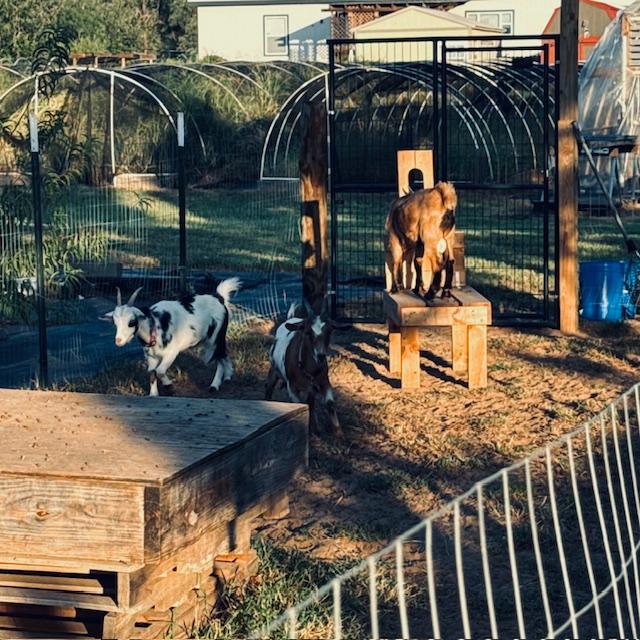 Our Nigerian Dwarf goats
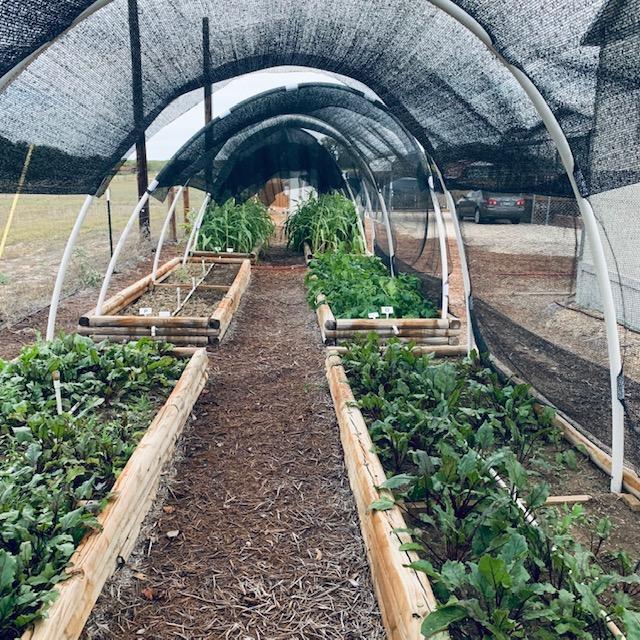
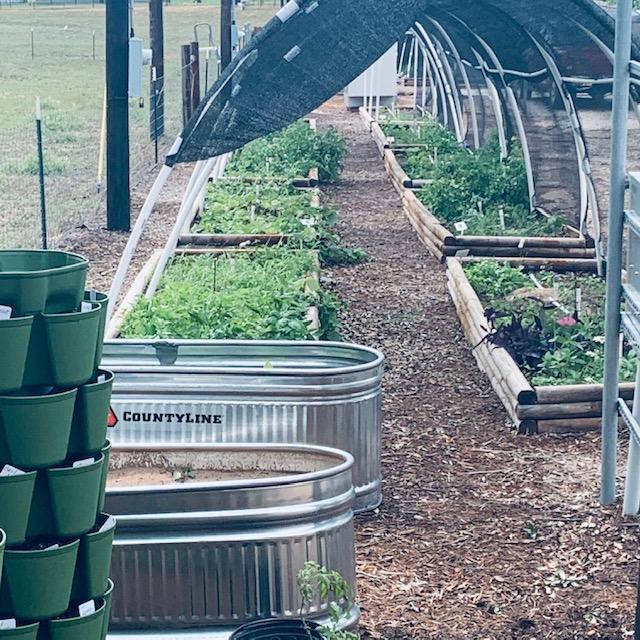 A few of our raised garden beds
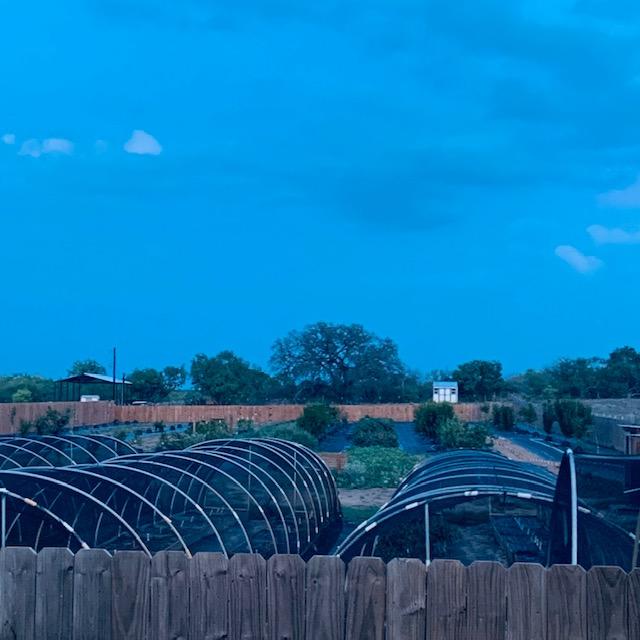 Our orchard and hoop houses
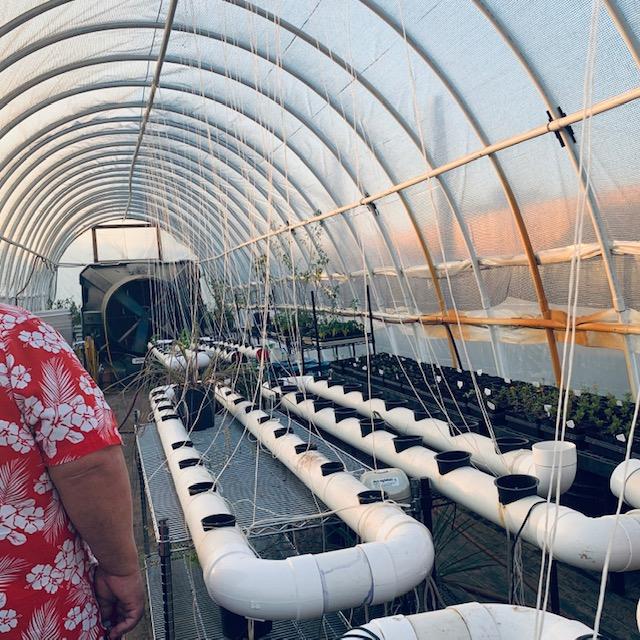 Inside our high tunnel
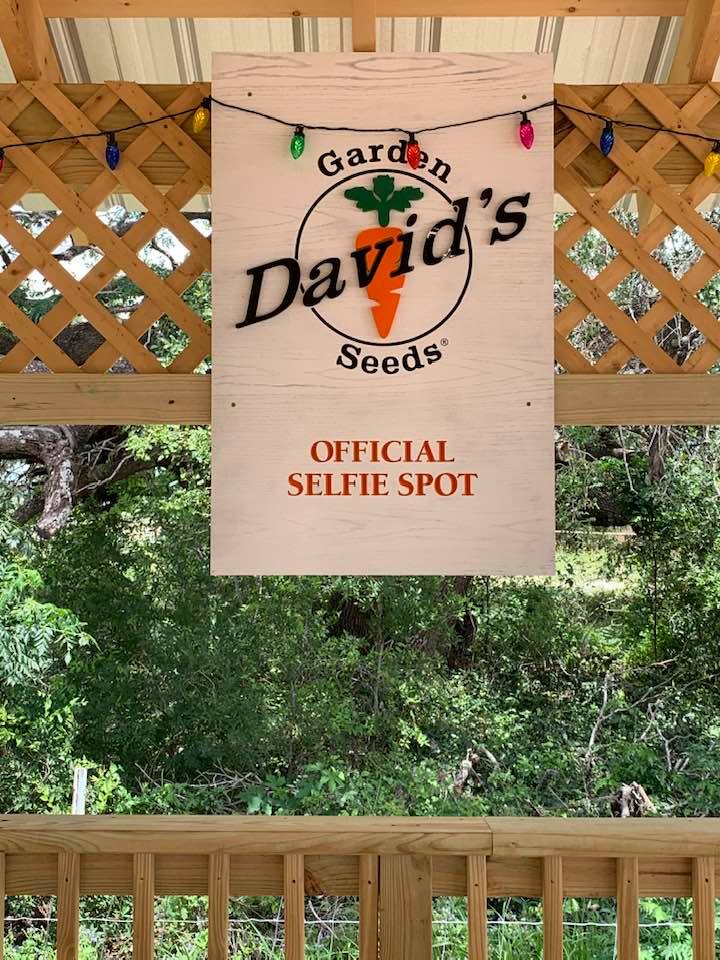 Take a selfie at our official selfie spot!
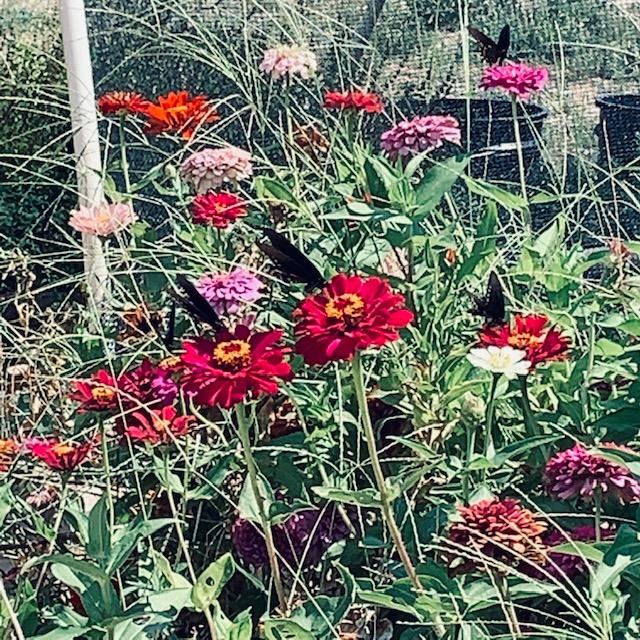 Flowers, bees, and butterflies are everywhere!
Watch Our TV Ads!
David's Garden Seeds® has the best Non-GMO seeds in the state of Texas!

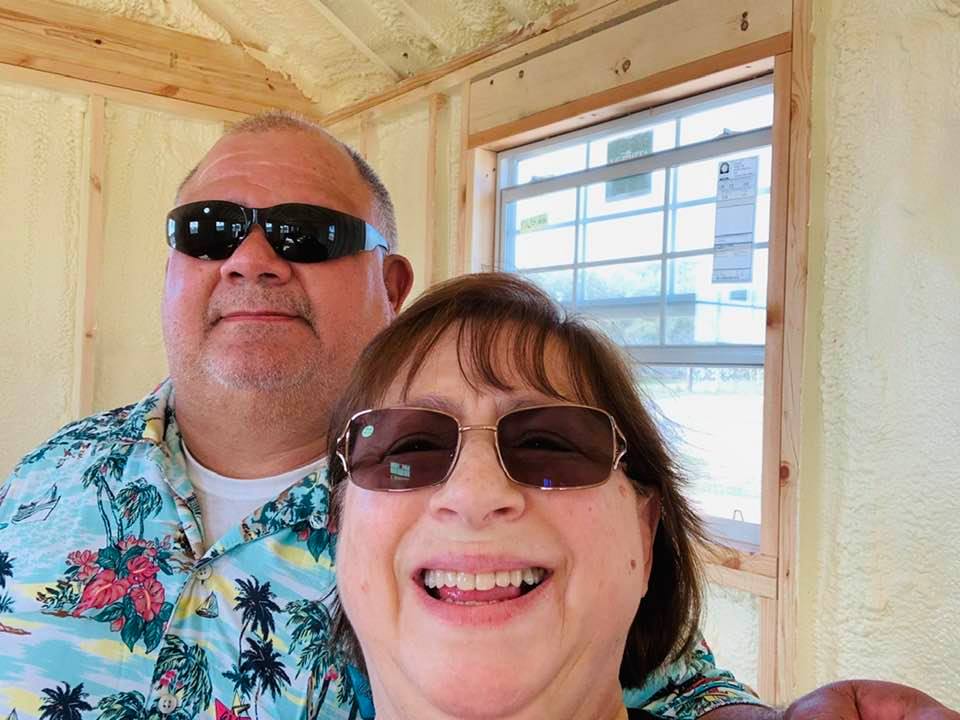
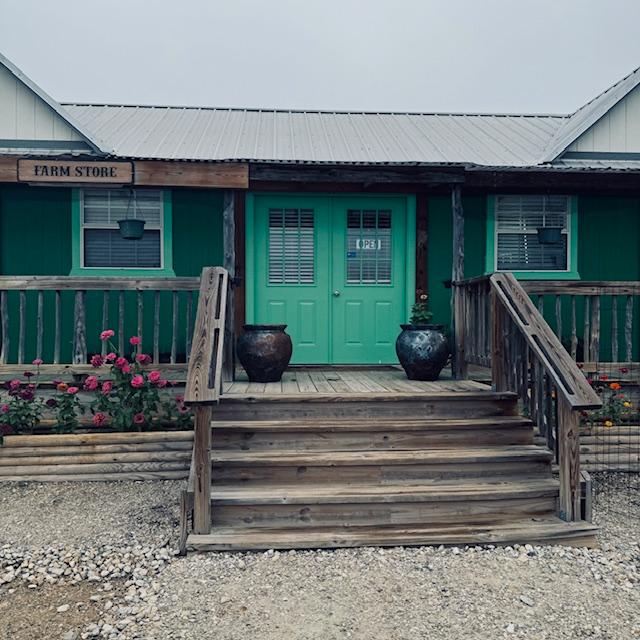 This is our beautiful Farm Store. Come in and shop for seeds. We have over 1600 Non-GMO heirloom varieties to choose from but we are in the process of bringing that number down to half.
Our Story
Hi Everyone! Thank you for visiting my website! I am Mrs Davids
Garden Seeds® aka Mrs. David's Garden Seeds and I think you should know that there is a wonderful seed
company in the great state of Texas called David's Garden Seeds®. We grow some of our seed, we count, hand pack, print our own envelopes, and ship seeds out to you right here from our farm. This used to be an old peanut farm. When the owner died about 15 years ago, his sons split the farm up and sold it in pieces. In 2024, we bought another adjoining four acres.
Our business started in our home in San Antonio in September of 2009. David decided to sell some seeds he had left over from his garden on Amazon. I told David, "Don't bother, it won't work!". I am so glad that David did not listen to me because it did work! By 2015, we had 8 employees working in my home every day and David found a storefront in San Antonio and moved the business there. In 2016, I quit my day job and went on the payroll. The company grew some more and David moved to a bigger storefront in 2017. In 2019, we found a beautiful piece of land over in Atascosa County and turned it into a farm out near Poteet. David and I moved out here to live in August of 2019.
In 2020, we moved our company out to the farm. We have a beautiful Farm Store filled with seeds, a gazebo with a pond full of koi and gold fish for you to visit. Come by and visit us at 5029 FM 2504 in Rossville, just outside of Poteet, Texas, Monday through Friday from 9am to 5pm and Saturday from 10am to 2pm. Or you can order seeds online from our user-friendly website, www.davidsgardenseeds.com.


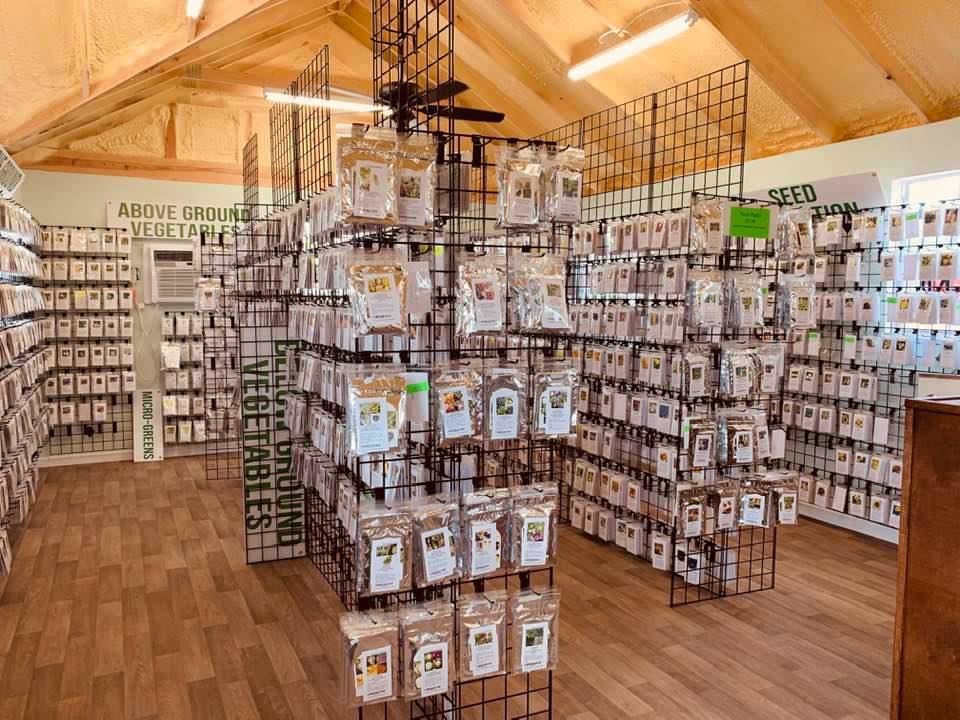 Our beautiful new farm store has almost 2,000 varieties of seeds and more. Mrs Davids Garden Seeds® looks forward to meeting you when you visit.
Mrs. David's Garden Seeds® Copyright by Juanita Lynn Schulze of David's Garden Seeds® 2019-2026
David's Garden Seeds® is Registered in the United States Patent and Trademark Office.