Grow Zucchini
Learn how to grow zucchini in your garden and enjoy this delicious vegetable which is actually a part of the summer squash family.
Grow Zucchini - 1/19-1/25/2026
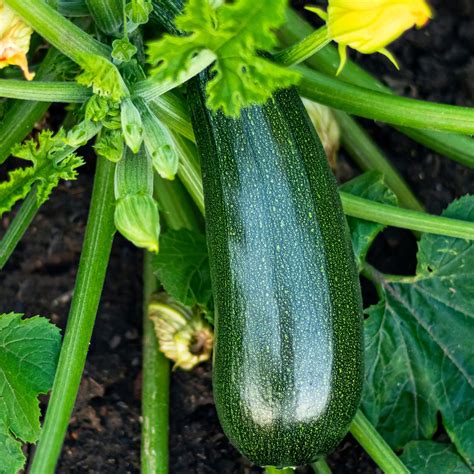 Black Beauty is everyone's favorite zucchini to grow.
If you’ve ever wished you could step outside, pick a fresh veggie, and cook it the same day, zucchini is your new best friend. You don’t need a big farm or fancy tools. You just need a sunny spot, a little planning, and a willingness to check your plants every day or two.
I’m going to walk you through how to grow zucchini in your backyard garden from seed to supper. I’ll keep it simple, practical, and real—because zucchini plants have a lot of personality, and they will surprise you once they get going.
Here’s the big Texas truth upfront: zucchini can grow great in spring and fall in Texas, but it usually struggles in the miserable summer heat. When nights stay hot and the sun feels like a blowtorch, zucchini often slows down, drops flowers, or gets stressed.
So your secret weapon to grow zucchini is timing. In much of Texas, you’ll aim for a spring crop before the worst heat hits, and then a fall crop as the weather cools down again.
When you grow zucchini in your backyard garden, expect fast results. Zucchini seeds sprout quickly, plants grow fast, and you can be harvesting in about 45–60 days depending on the variety and the weather.
Grow Zucchini - What Kind Should I Grow?
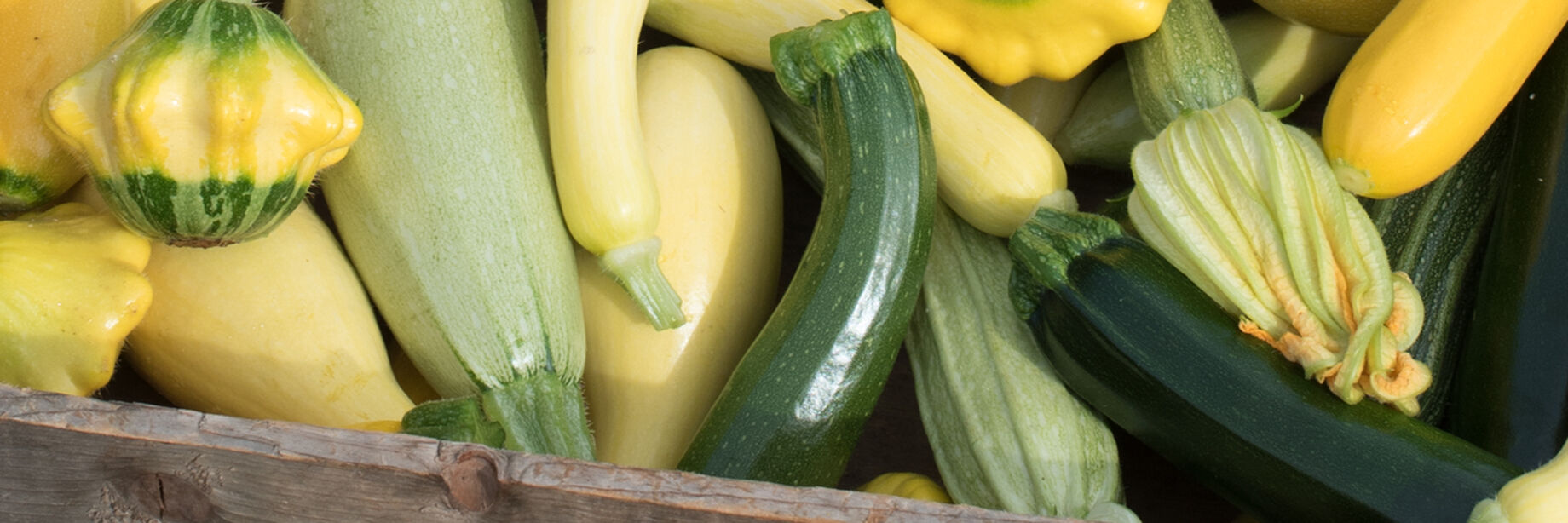 This photo shows varieties of summer squash and zucchini.
You can grow zucchini using seed varieties from David's Garden Seeds, because this is where the fun starts. You can grow classic dark green zucchini, striped types, light green, round “ball” zucchini, and even yellow summer squash (a close cousin that you can grow the same way).
For dependable backyard growers, look for varieties that are known for disease resistance and steady production. If the seed packet mentions resistance to powdery mildew, that’s a big plus—especially in humid or late-season conditions.
If you have limited space, look for “bush” zucchini types. They stay more compact than vining types and are easier to manage in small beds.
If you want something different, try round zucchini (often called “8-ball” style). I love these because you can hollow them out and stuff them like little edible bowls.
Grow Zucchini - Sun And Soil
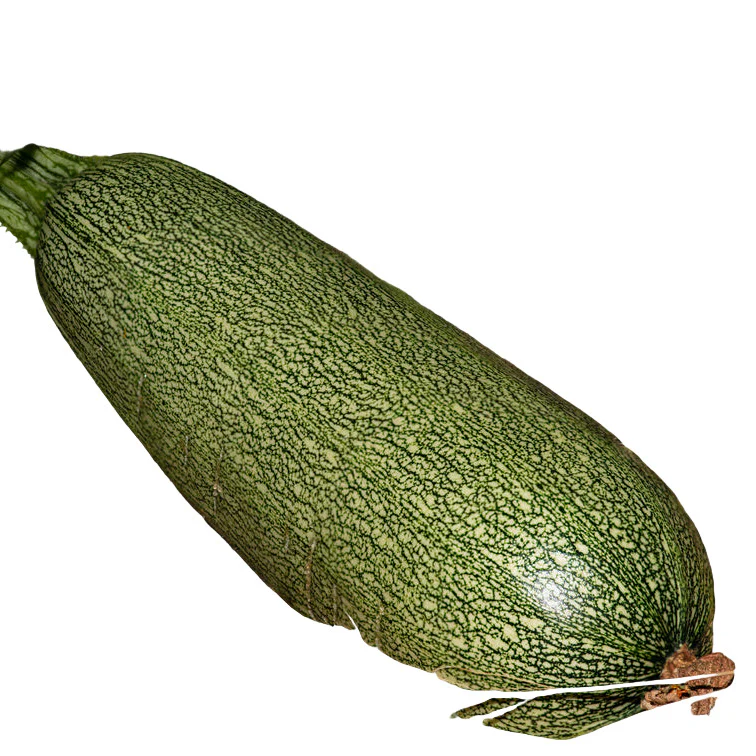 Grow zucchini like the Calabacita Larga zucchini.
Now choose your spot. Zucchini wants full sun, which means at least 6–8 hours of direct sun each day. Morning sun is especially helpful because it dries dew off the leaves and can reduce disease issues.
Good soil matters more than fancy fertilizer. Zucchini likes rich, well-drained soil that holds moisture but doesn’t stay soggy.
Before planting, mix in compost if you can. When I first started, I skipped compost and wondered why my plants looked “fine” but didn’t pump out fruit. Adding compost was the difference between “a few zucchini” and “please take some off my hands.”
If your soil is heavy clay (common in parts of Texas), raised beds help a lot. Even a simple mound or raised row can improve drainage and root growth.
Grow Zucchini - When, Where, And How?
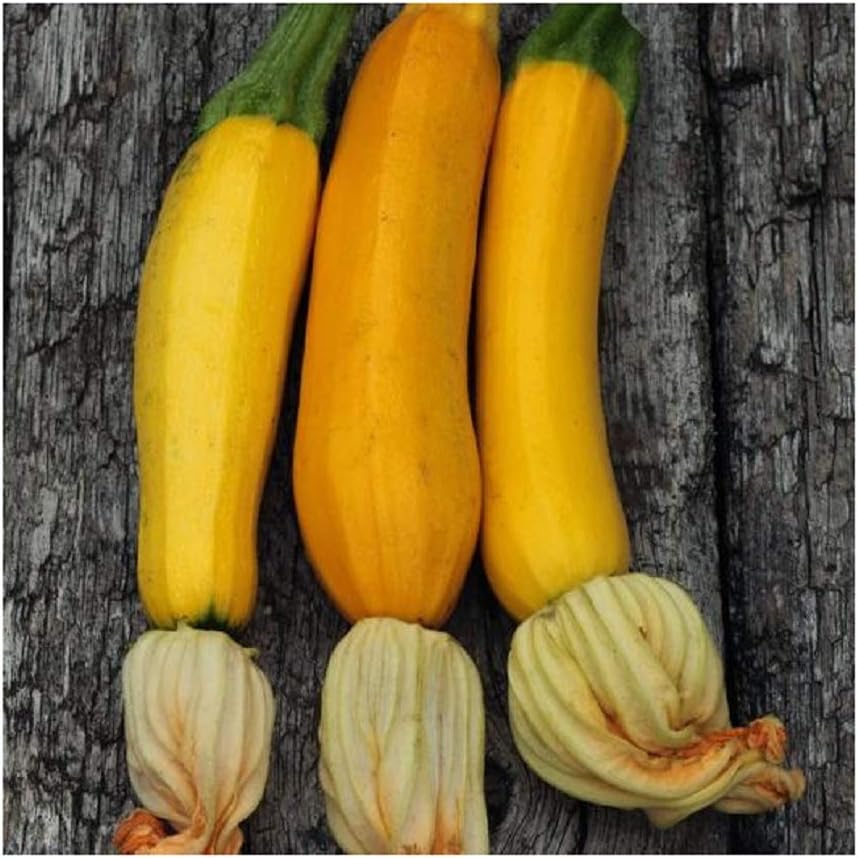 Grow zucchini that is different like the Golden Zucchini.
You can plant zucchini seeds directly in the garden, and that’s usually the easiest. Zucchini doesn’t love having its roots disturbed, so direct sowing often works better than transplanting.
Plant after your frost risk is gone for spring. For fall, plant early enough that the plant can mature before cold weather arrives, but late enough to avoid peak summer heat.
If you’re unsure on dates to grow zucchini, watch the weather pattern. Zucchini grows best when days are warm but not scorching, and nights are comfortable rather than tropical-hot.
To plant seeds, make a small hole about 1 inch deep. Drop in 2–3 seeds per spot, then cover lightly and water gently.
Space matters because zucchini plants get big. A common spacing is about 2–3 feet between plants in rows, with 3–4 feet between rows, or plant in hills (small mounds) spaced a few feet apart.
After your seeds sprout, thin them. That just means you keep the strongest seedling and snip the others at soil level so you don’t disturb the roots of the one you keep.
Grow Zucchini - Watering And Fertilizing
Water is where most people either win or struggle. Zucchini likes steady moisture, especially once it starts flowering and fruiting.
Aim to water deeply rather than lightly sprinkling every day. Deep watering encourages deeper roots, and that helps your plants handle warm spells better.
If you live in a hot climate like Texas when you grow zucchini or anything, you need to water deeply, not just hit the plants for a few minutes.
Try to water at the base of the plant instead of wetting the leaves. Wet leaves plus warm weather can invite fungal problems.
Mulch is your helper here. A layer of straw, shredded leaves, or untreated grass clippings can keep soil moisture steady and reduce weeds.
Feeding zucchini is simple. If your soil has compost, you’re already ahead. You can also use a balanced garden fertilizer, following the label, but don’t overdo it.
Too much nitrogen can make huge leaves with fewer fruits. I’ve made that mistake before—my plants looked like jungle monsters and still didn’t give me the zucchini I wanted.
Grow Zucchini - Pollination
Zucchini plants have male and female flowers. Male flowers appear first and don’t make fruit. Female flowers have a tiny “baby zucchini” behind the flower.
Pollination is what turns that baby zucchini into a full-sized one. Bees usually handle this, but if you aren’t seeing fruit form, you may need to hand-pollinate.
Hand-pollinating is easy. In the morning, pick a male flower, remove its petals, and gently rub the pollen onto the center of a female flower. It feels a little silly the first time, but it works.
In Texas heat, flowers can drop or fail to set fruit. That’s one reason spring and fall are your best seasons—you get better pollination and less plant stress.
Grow Zucchini - Pests And Problems
Let’s keep pests realistic. The big one for zucchini is often squash vine borers in many regions, plus squash bugs and aphids.
Check under leaves every few days. If you see clusters of tiny eggs or groups of insects, remove them early. Catching problems early is way easier than trying to fix an infestation later.
Row cover (a light fabric barrier) can protect young plants from insect damage early on. Just remember to remove it once flowers appear so pollinators can reach the blooms, or hand-pollinate while it’s covered.
Powdery mildew is another common issue, especially later in the season. You’ll notice white, dusty-looking patches on leaves.
Good airflow helps: proper spacing, removing a few older leaves if the plant is extremely crowded, and watering at soil level. Also, don’t panic—many plants still produce with mild mildew.
A simple habit that helps a lot is harvesting often. Frequent picking tells the plant to keep producing, and it keeps fruit from getting huge and seedy.
Grow Zucchini - Harvesting
Now, when should you harvest? Most zucchini tastes best when it’s young and tender—often around 6–8 inches long for typical types, or when round types are about the size of a softball.
If you wait too long, zucchini turns into a “club.” It’s still edible, but the skin gets tougher and the seeds get larger.
Use a knife or pruners to harvest. Don’t twist too hard and risk snapping the stem or damaging the plant.
Here’s a personal tip: check your plants daily once they start producing. I’ve gone from “nothing yet” to “how did this get so big overnight?” more times than I can count.
Handle zucchini gently after harvest. The skin can scratch, and scratches can shorten storage life.
Grow Zucchini - Storage and Uses
For short-term storage, keep unwashed zucchini in the fridge in a breathable bag. If you wash it, dry it well so it doesn’t get slimy.
If you want to eat zucchini right away, keep it simple. Slice it and sauté with a little oil, salt, and garlic, or grill planks until you get nice browning.
Cooking with zucchini is great because it fits into almost anything. You can shred it into pasta sauce, add it to tacos, toss it into stir-fries, or bake it into muffins for a sneaky veggie boost.
Zucchini is also excellent raw. Try it sliced thin in salads, cut into sticks for dipping, or spiralized into “zoodles” if you like that style.
Grow Zucchini - What Do I Do With It?
When you get a big harvest, you’ll want storage options. The most common question is: what are different ways to prepare zucchini, and can you dehydrate or freeze dry it? Yes—you’ve got several solid choices.
Freezing zucchini is one of the easiest methods, but you’ll get better results if you prep it first. Zucchini has a lot of water, so it can turn mushy if you freeze it raw.
To prepare zucchini for the freezer, wash it, trim ends, and cut it how you’ll use it later (slices, chunks, or shredded). Then blanch it briefly in boiling water and cool it fast in ice water.
After blanching, drain well and pat dry. Pack into freezer bags, press out extra air, label with the date, and freeze flat so bags stack neatly.
Shredded zucchini can be frozen too. Squeeze out extra moisture before freezing, and portion it (like 1 or 2 cups per bag) so it’s ready for baking or cooking later.
Dehydrating zucchini works well for chips or soup ingredients. Slice it evenly, lightly salt if you like, and dry it until it’s brittle or leathery depending on your goal.
For soups and casseroles, dehydrated zucchini is handy because it stores small and rehydrates easily. Keep it in an airtight container in a cool, dark place.
Freeze drying zucchini takes it a step further. Freeze-dried zucchini becomes very light and shelf-stable when stored in airtight packaging, and it rehydrates quickly for cooked meals.
Grow Zucchini - Canning
About canning zucchini: this one needs caution. Plain zucchini is low-acid, so it is not safe to water-bath can by itself.
If you’re interested in canning zucchini, use tested, trusted recipes from reliable sources that address safety, like zucchini pickles, relish, or approved mixtures where the acidity is correct. When in doubt, freeze or dehydrate instead.
One more way to use “too much zucchini” is to let a few get large on purpose. Big zucchini is perfect for shredding into breads, fritters, or soups where texture matters less than flavor.
If you remember just a few things, you’ll grow zucchini in your backyard garden with confidence: plant in Texas spring or fall, give it sun and steady water, harvest small and often, and store extras by freezing, dehydrating, or freeze drying. Once you grow zucchini and get your first steady harvest, you’ll start planning the next planting without even thinking about it.
Monday, January 19, 2026
Well, a very cold good morning to you at 24°. How did I ever live this way all winter long growing up?
Happy Martin Luther King Jr. Day. The biggest parade to honor Dr. King in the United States is in San Antonio, Texas and once again, they have very cold weather for it. At least it is not raining this year.
This week, our article is on how to grow zucchini. I hope it helps your gardening efforts.
Seed Sale!
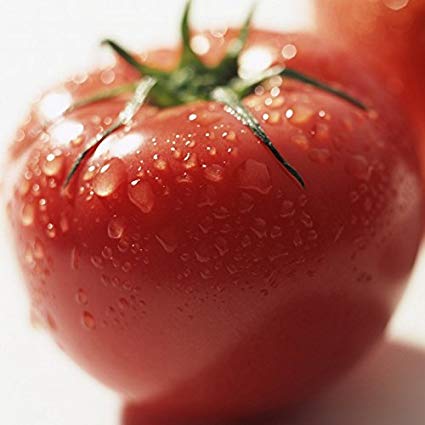 Beefsteak, slicing, cherry, grape, roma, paste--the taste of a garden fresh tomato can change your life!
This week's seed sale starts now and goes through Sunday night, January 25, 2026. Save 15% on all of our tomato, pepper, and bean seeds!
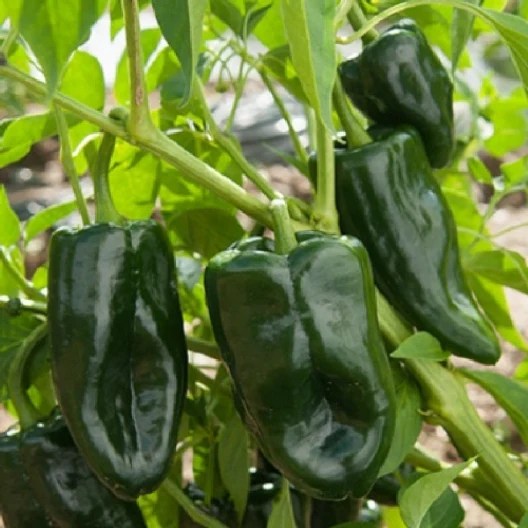 You can do so much with garden fresh peppers in the kitchen! You can do so much with garden fresh peppers in the kitchen! |
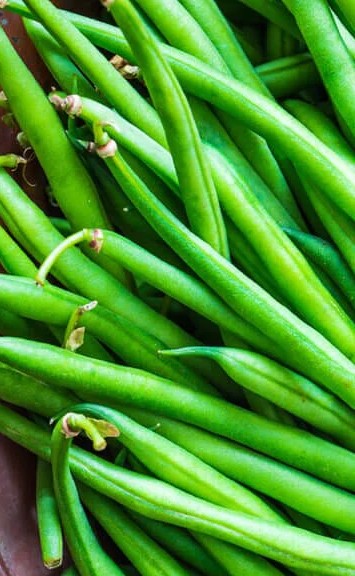 Bush beans, pole beans, dry, soy, fava, yard long & lima--they're all on sale this week! Bush beans, pole beans, dry, soy, fava, yard long & lima--they're all on sale this week! |
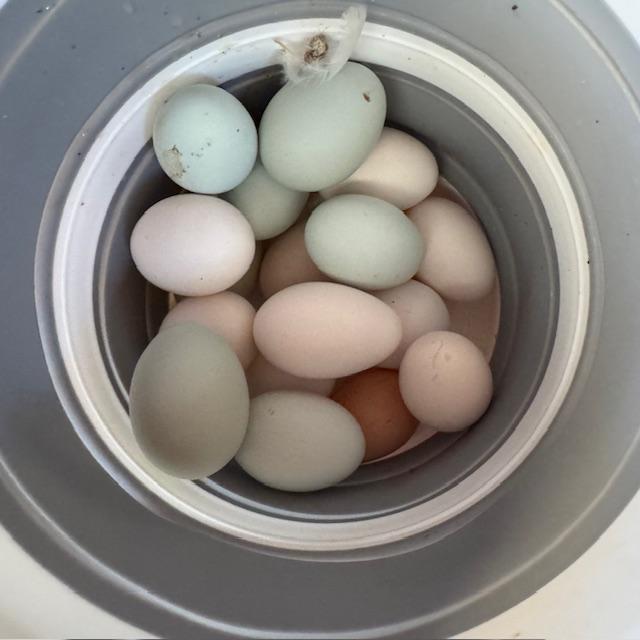 Lots of eggs. Don't worry--I wash them!
The high today is supposed to hit 68° and then we won't see freezing temperatures again until Saturday night when it will be in the 20s again. Who lives like this? It's just not natural!
Well, I need to get it in gear, get some breakfast, and get ready. Today is a holiday, but not for us. Our farm store will be open today from 9am until 5pm with seeds, onion, shallot, and leek starts for you to plant now, and a special surprise!
I will have a few dozen of our chicken eggs. The girls are back to laying again instead of moulting! They are not in full force yet but they are getting there. If you have missed our chicken eggs, come on by. First come, first served! Just $4.25 a dozen for fresh, large eggs.
Matthew informed me this morning that we need more sugar water for the bees so I made some with water and five pounds of sugar. It is now cooling.
In the meantime, I have been closing orders, filling mailbags. There will be no pickup today, but the mailman should be here tomorrow.
We had four in-person customers today and one of them bought the final four hoop houses with raised garden beds close to 5pm. He also bought the large raised bed at the end of the fence. He then began to take them down all by himself. He finally left close to 7pm and he will be back tomorrow.
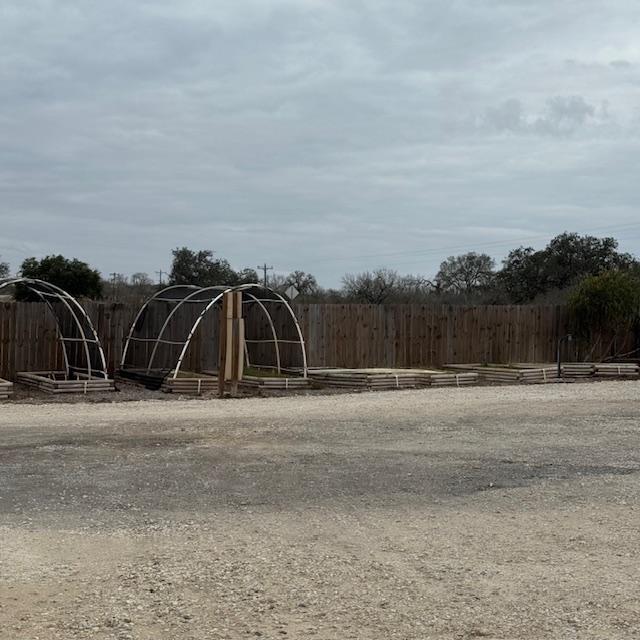 The purchaser did quite a bit of demolishing the first night.
Tuesday, January 20, 2026
Good morning. I am seasoning my tortilla press in the oven. I slept in late by mistake. It is 50° this morning.
It was overcast all day and is supposed to be raining right now at 5pm but it is not. The temperature is 64° and it feels much cooler.
I pulled and closed orders all day long. We had three in-person sets of customers. One couple would not allow me to help them and they had never been here before. They were here almost an hour so I could not pull orders. I tried but they went in two different aisles and took over.
So I went back to my office and waited it out. Lunch came so I went and got lunch for myself and for David. They were still in there. Matt finally checked them out. I went to pull orders and here come two more. At least they allowed me to help them and both were helped and checked out within ten minutes.
We had both helpers here today. Now the guy who bought the hoop houses is here trying to dismantle some more.
I am heading to the house now to make dinner. Matt has gone to put everyone out back away for the night.
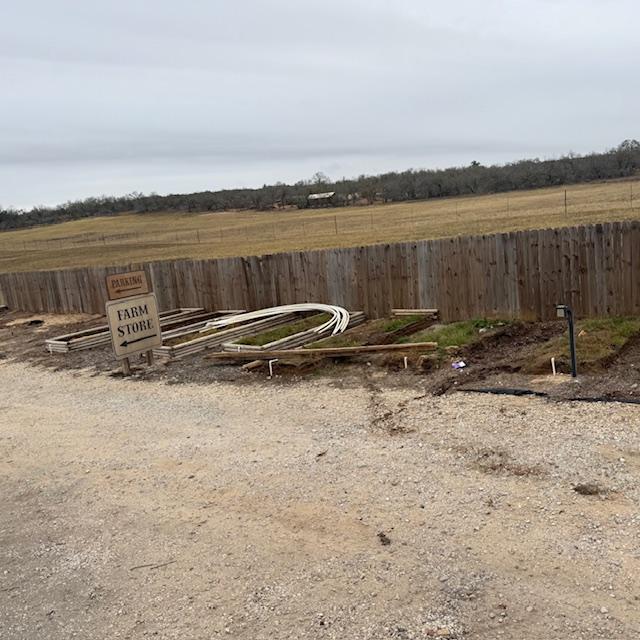 The purchaser took a lot down and loaded his truck but there is much more to get.
Wednesday, January 21, 2026
Good morning. David popped his knee last night. He was in the den right before dinner and he stood up and reached to grab a remote. Somehow, his knee twisted and he was in immense pain. This morning, he is still in pain so he will be staying in the house today. It is not swollen. I guess he messed up some tendons or something.
Matt is coming early to take Pamela for an appointment. It is trying to rain right now.
Okay. Pamela has been dropped off at the groomer's for a shave. For some reason, her hair grows long and thick but her sister, Sue Ellen, never needs to be shaved. Matt will be filling our truck with gas and picking up some groceries for us. I need to be getting to work. I am dressed but I still have to put on some makeup so as not to scare away any customers, helpers, or delivery people.
Did I mention that the weather is going to turn nasty and cold again on Saturday with the possibility of snow and 20°? Do you know we are in Texas and we do not like that? Saturday is also Matt's birthday.
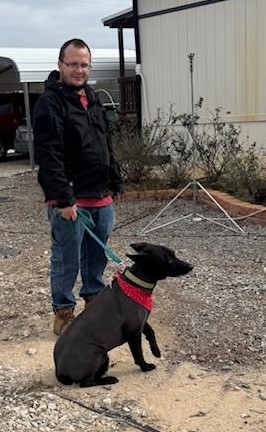 Pamela is all fresh and clean. She looks good in red, doesn't she?
Matt went back and got Pamela from the groomer. She looks so adorable!
I pulled and closed orders all day long and filled two mailbags. Only one helper showed up and worked the whole day. The other is taking the rest of the week off after working Monday and Tuesday.
The guy who bought the hoop houses did not show up today but has gotten a lot dismantled in two evenings.
It is now 5:30pm. The air warmed up a lot and we got no rain except for a few sprinkles early this morning. David's leg is still bothering him but he was able to come out and go to work this afternoon on specialty counts. He had Matt out and about the farm for most of the day preparing for the new freeze we are getting this weekend.
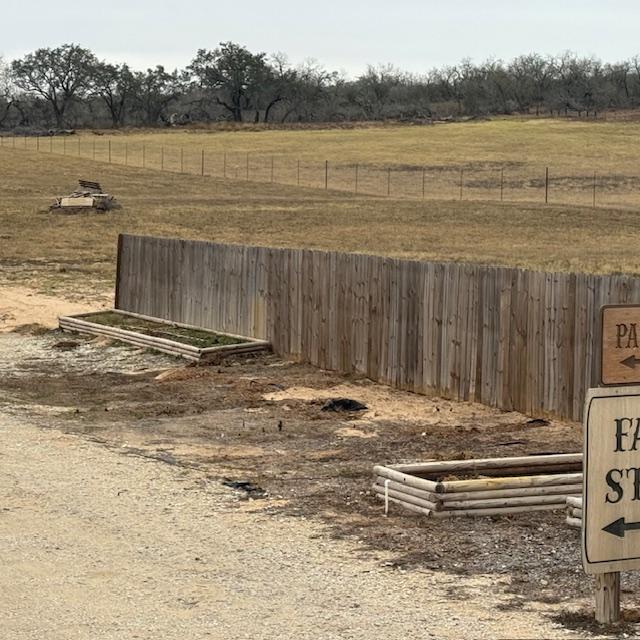 The purchaser of the raised beds still has a lot more to take down but did not show up today.
Time for me to go in and think about dinner... I just want to go to sleep. Those big sand trucks going by sure do make a ton of noise. I cannot even concentrate out here in the work office listening to them. Going in.
Thursday, January 22, 2026
Good morning. It is cold at 53° and foggy out. Today marks one month since Adam The Woo was found deceased in his home in Celebration, Florida. His father made a beautiful post on Facebook this morning. Since then, his father has started posting to his own inactive YouTube channel where he used to bring biblical messages to us while sitting on a park bench. He stopped five years ago. Now he has been inspired to continue posting.
YouTube won't be the same without Adam. He touched millions of lives over somewhere close to 15 years with his daily adventures. Tributes from other YouTubers that he helped are still pouring in.
Closing Notice 1/24-1/26/2026
It is supposed to get icy and cold with some forecasters calling for snow on Saturday. David decided late last night that David's Garden Seeds will not be open for business from Saturday, January 24 through Monday, January 26 so please stay safe and stay home. Get whatever supplies you need today and tomorrow and stay off the roads over the weekend if you live in Texas.
We have no helpers today. The mailman came early at 12:30pm so barely any packages got out. I was counting seeds this morning for special orders.
The air feels lovely and warm at 73° right now at 3pm. I am once again closing orders.
David had groceries delivered this morning in preparation for the ice storm that is supposed to come this weekend.
Two different men came by to do various outdoor jobs today. David called a man we know who helped Matt temporarily fix the pond filter. David ordered a whole new one as this one is worn out. Another man came to fix a dead electrical outlet. I was busy sending out orders and David turned off all of the electricity to the internet. I had no idea and I just thought Shopify went down. The lights stayed on. Turns out, it was temporarily turned off on purpose. The outlet is fixed.
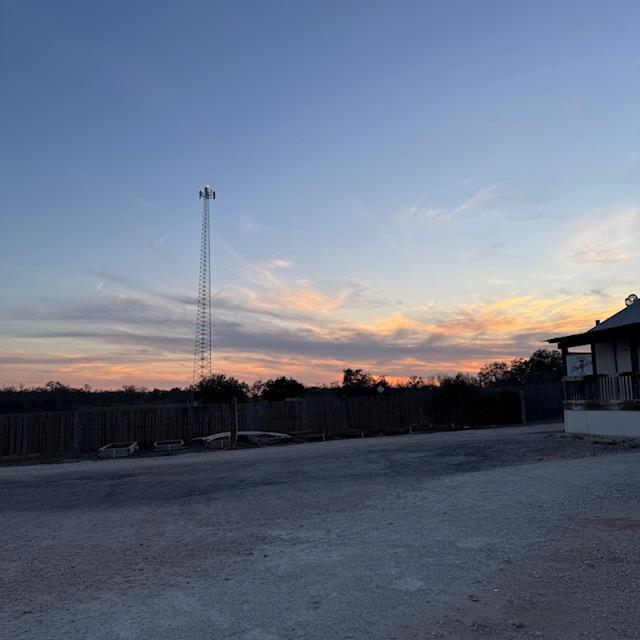 Another beautiful sunset although I captured it a bit late.
Mean Girls
 Did you go to school with mean girls? Rest assured that Mean Girls never change, even when they are senior citizens!
Did you ever see the 2004 movie, Mean Girls? I took my daughter to the theater to see it back when it first came out. It was a fun movie about how mean popular girls in high school could be and how they finally get their comeuppance. It is a nice myth that this only happens in the teen years and that they change into nice girls. Ha ha ha!
***Spoiler Alert***They don't change.
Sad fact. Those same mean girls are real and they grow into mean women. They get their kicks out of making others feel small and inferior, while appearing superior. I have known plenty of them all through my life in college, at work, in churches, etc., throughout the years. I will bet you've known some, too. It is fascinating to watch little old ladies act just like they did in high school when they were number one. Best advice when you come across one--just walk away. You won't change them no matter what you say or do so don't even bother.
We made sandwiches and watched the finale of Hell's Kitchen. Our choice was Jada who looked nice and cooked everything beautifully. The other contestant had red and orange hair out of a box with black roots and too many piercings all over her face. She defied Gordon during the finale when he told her the chicken was overcooked. She sent the chicken out despite Gordon telling her that. She actually won. Unbelievable. Jada was robbed in my humble opinion.
Friday, January 23, 2026
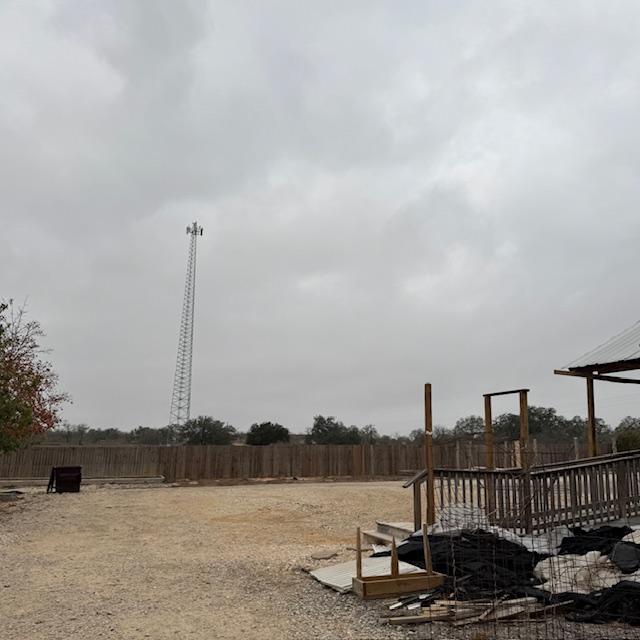 Weed cloth and plastic behind Fulfillment which is now a storage shed. All of our sheds have been sold now and are gone. Look at the overcast sky. No sunrise today.
Good morning. It is warm and humid this morning at 67°. They are calling for fog but so far, there is no fog. It is now not supposed to get cold until tomorrow night at 6pm but who knows.
I woke up to a new video from Papa Woo. He is knocking it out of the park, revitalizing his channel. His voice is smooth and comforting, like Adam's was.
The forecast is still calling for the ice storm tomorrow night. Of course, it will have to rain before we have ice so we will see about that.
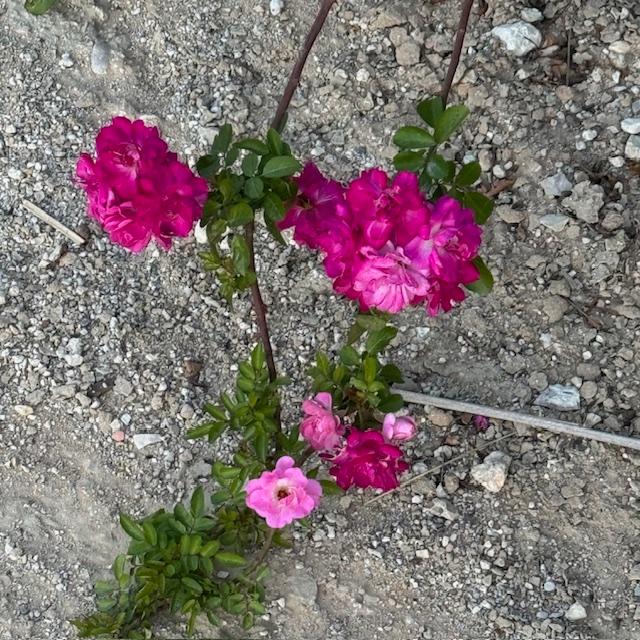 More of our beautiful thornless roses that will be gone by tomorrow night. Aren't they so pretty in various shades of pink on the same bush?
We should have one helper here today. Matt will be leaving early to go to an out of town wedding, the wedding of his best friend.
This morning, he is supposed to be picking up goat feed with our truck so he will be a bit late. It just occurred to me that I need to go unlock the buildings because Matt will be late.
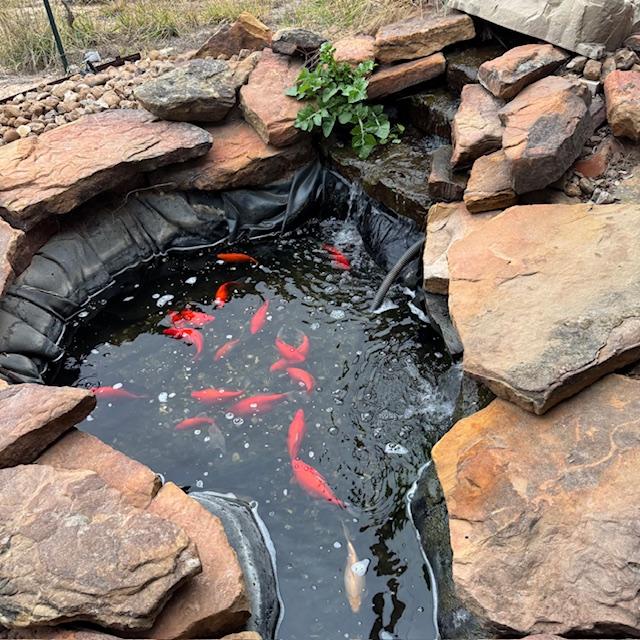 The water is a bit low this morning but what a clean pond now that the filters were cleaned out yesterday!
I just got back from unlocking the front buildings for the helper who should be here by now since it is 8:02am. (I just looked and she is here.) I fed the cat and the fish. Let me tell you this...the pond is clean and beautiful right now after the filters were cleaned so well yesterday. It is amazing!
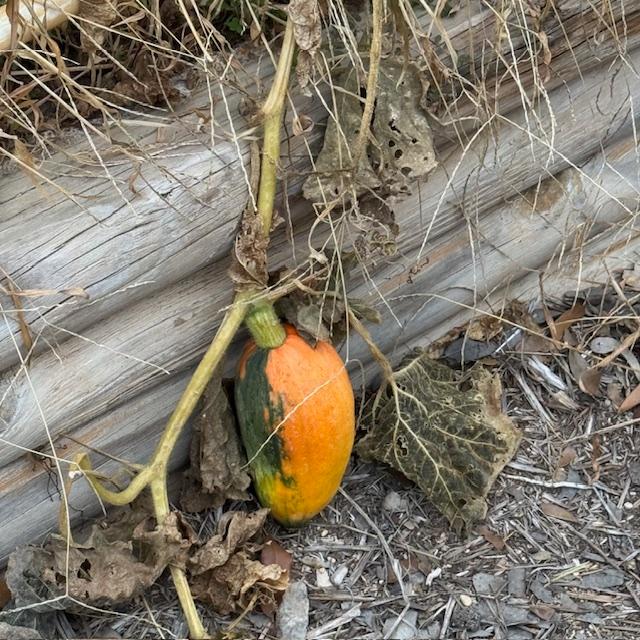 A strange looking squash. The vine is almost dead from last weekend's cold weather.
I checked out the small garden that is growing. Looks like some sort of squash but David says he doesn't know what he planted. Also, I found a beautiful purple cauliflower growing. We will pick it before the cold kills it. The other plants don't have heads but this one is perfectly formed.
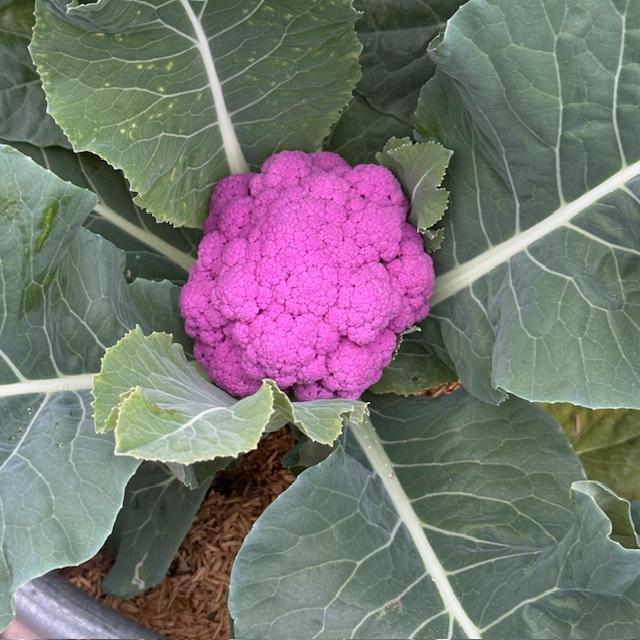 Isn't this purple cauliflower stunning?
I just heard from Matt. He picked up the feed and will be here soon. It is 8:19am. The feed store doesn't open until 8am now.
I need to get breakfast and go to work. The orders slowed way down yesterday as people prepared for the storm. Don't plan on buying any water, milk, bread, or toilet paper in Texas. According to what I read on Facebook, if you didn't get it already, you are out of luck! Hopefully, they restocked overnight and you can get some of what you need. David was smart and ordered groceries yesterday morning around 8am before the rush!
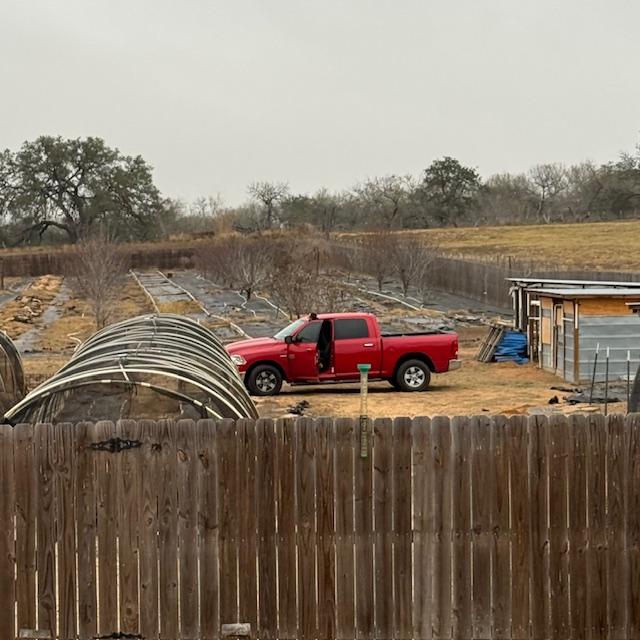 Matt unloaded the truck so the goats can eat. He worked until noon and then went home to get ready for his best friend's wedding.
Matt arrived with goat feed and unloaded it. The visiting sheep are supposed to go home today but as of 7pm, they are still here. I went out at 5:15pm to put the animals away and they harassed me and started eating from the feed sacks in the feed shed. They are just too big for me to handle.
This afternoon, I checked on the seeds I planted in my greenhouse. Some of them have finally come up. We have heaters going but I don't think it has been very warm in there. I watered everything. I hope they can outlive the icy conditions over the weekend.
David said he told the neighbor to take them back today before the big storm. When I go out there in the morning, I certainly hope they are gone. I have a very difficult time getting the feed and hay that I need out of the feed shed because they waltz right in there and I cannot get them out.
Also, I do not have shelter for them from the ice. They are now eating the bark of our fruit trees. I have been telling David this for most of the month they have been here. It is now pitch black so my guess is I will have to fight them off again tomorrow.
Matt drove to Canyon Lake for his best friend's wedding and witnessed him marrying the girl of his dreams this evening. He did get safely back home saying rain was on and off up there.
I put out a newsletter tonight letting our subscribers know that we are closed until Tuesday and advised them to stay home and stay safe.
Saturday, January 24, 2026
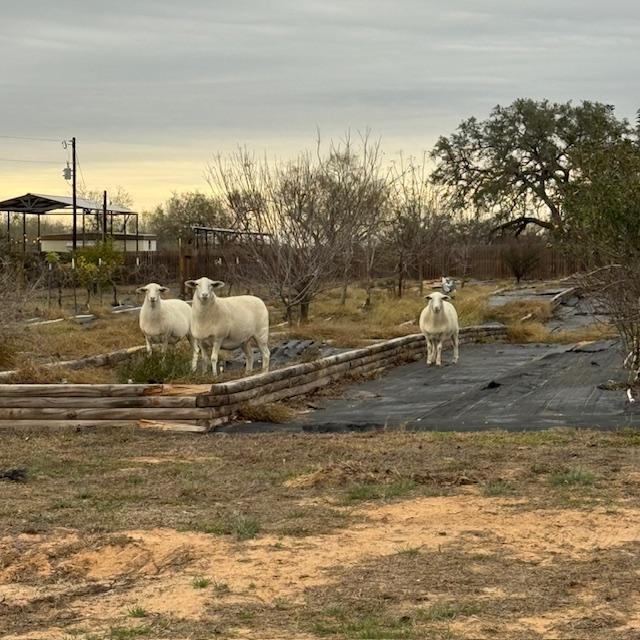 The scary visiting sheep should be at home but I don't know...
Good morning. I woke up at 3:15am and it was pouring. I woke up after 7am and it was already 38° but the rain had stopped. I went out to feed the fish and kitty and it is cold and windy.
I have been looking out back for the visiting sheep. They should have gone home last night but the neighbor did not let us know if he got them or not. They were still there before it got dark. I do not see them but they could be behind so many things out there. I have to go out and feed the chickens and goats. I really hope they are gone so I am not harassed while it is cold and wet.
It is now 8:33am and 37° so it is going down in a hurry. The weatherman said the ice event won't happen until 6pm so I thought it would be a normal day until then. Boy, was I wrong. It is time to bundle up and get ready to carry a bunch of hay over to the goats. I needed to last night but the sheep kept on getting in the feed shed, eating out of the feed bags so I couldn't get in there to get hay.
Good news! The visiting sheep are gone. David came outside with me for the first time ever to feed the chickens and goats and the sheep were not there! Yay! He found the wheelbarrow that I have been asking for but could not find. I let the chickens out into their play area which is enclosed but I did not let them out into the muddy yard to get all wet. They have plenty of room.
I did let the goats out in their front yard but I closed off the backyard so they can stay together and be close to their food and shelter. I put lots of fresh hay in their shelter as well as all new sweet feed.
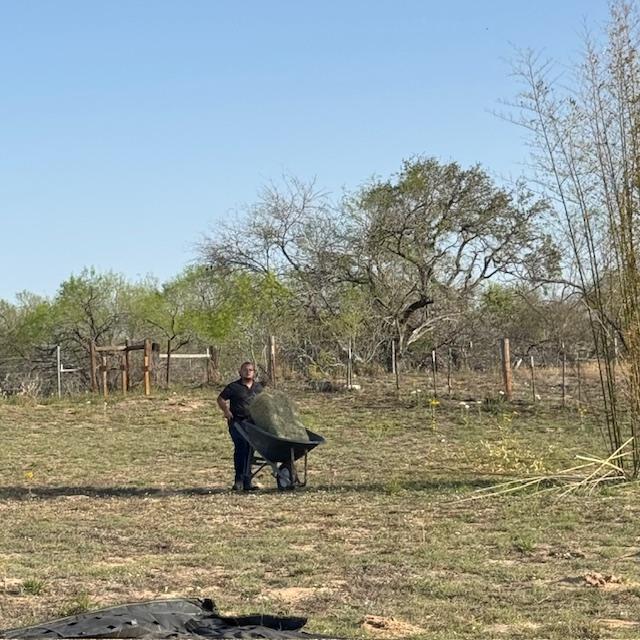 Matt helps us so much on the farm and in the business.
A big Happy Birthday to our son, Matt, today! We love you, Matthew!
So far, we got 1/4 of an inch of rain in the night, the most rain we have had in many months. It is drizzling on and off and is supposed to get really bad so it can freeze by tonight.
Remember that our Farm Store is closed today. Just stay home today, tomorrow, and Monday and stay safe. Nothing good happens when you are out driving in the rain and on ice. I've done it and it is not fun at all.
I can think of several times I thought I had to be out and once, I wrecked our new SUV slipping on black ice on Bandera Road in San Antonio back in 2004 I believe. Another time, it took me an hour and ten minutes to drive to work. The drive normally took 25 minutes. After that, I just called in when weather was icy. My life is worth more than a job. So is yours. Just stay home.
Well, David told me to get the mail ready for the mailman over in the store. I went out for 90 minutes and closed all of the open orders I pulled yesterday. Then I printed out the rest and pulled two of them and closed them because they have onion starts. The rest will wait until Monday or Tuesday. I carried the pretty full mailbag over to the store and turned on the light so the mailman would know to go in and collect the mail if he makes it before 2pm when the gate closes.
It is now 12:30pm and 36°. No sooner did I come into the house than I saw a truck with a trailer backing up into our driveway. Guess who hasn't been here for three days and is suddenly here now for what some are calling the storm of the century? That's right. The man who bought the hoophouses. He is out there in the cold, digging more boards out of the ground. In less than 90 minutes, the gate will close. Will he be trapped? Or will he be gone? Stay tuned.
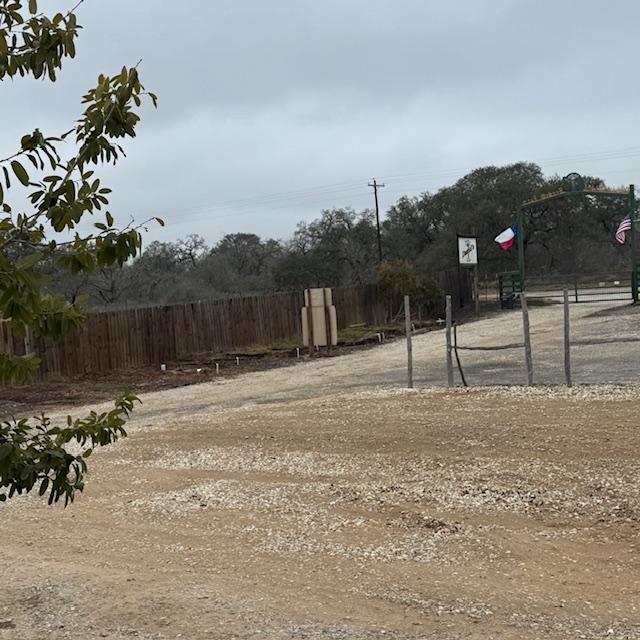 Much to my surprise, he loaded up that trailer very quickly and it looks like he took everything and got out before 2pm. Much to my surprise, he loaded up that trailer very quickly and it looks like he took everything and got out before 2pm. |
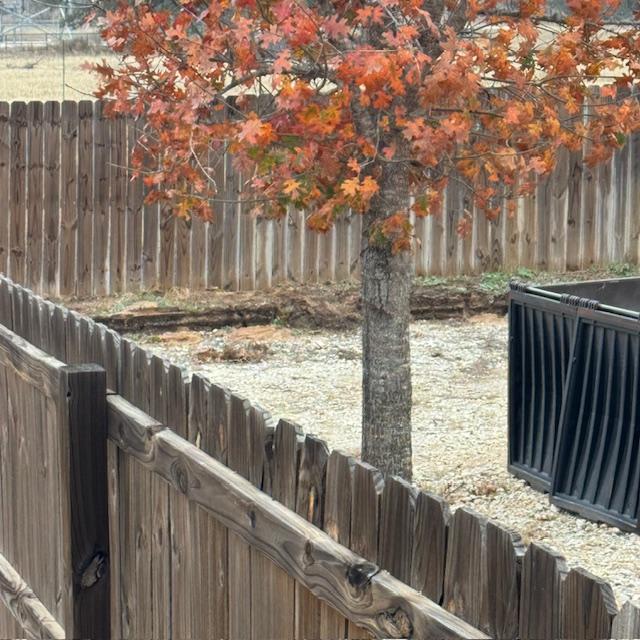 He even loaded up all of the wood that was around this long garden bed. He even loaded up all of the wood that was around this long garden bed. |
I went out at 2pm. The raised garden bed guy was gone and, amazingly, all by himself, he got all the rest of the wood and PVC loaded up before the gate closed, even the garden bed at the end of the fence.
I went to the Farm Store and the mailman did come and pick up the big bag of mail. He left us some packages and envelopes.
It is now 2:30pm and 34°. I am thinking I should go out early and put the chickens and goats away and collect eggs, if any, now because by 4pm, it will be freezing. David and the dogs are napping in the den.
I have gotten a lot done around the house today but I did not get to vacuum.
I went out and took more hay to the goats who were all already in their shelter. They are not stupid. I then closed the door so they can stay fairly warm.
I went across to the chickens, most of whom were out in their covered play yard. I collected four eggs and gave them some of their favorite treats, meal worms. Someone never filled the nesting boxes with clean wood shavings like I have been asking for the past few weeks. I grabbed a new bag of wood shavings and went on in. I filled all 20 of the nesting boxes. Then I tried to get all of the hens to go inside early because I am not going back out there in this cold today.
It took me several minutes of chasing them around but I finally got all of them inside and shut the door. I was a filthy mess by that time. I came inside and changed. Now my plan is to sit inside until I have to go out in the ice tomorrow morning to feed everyone again. That should be a fun time slip sliding all around the farm on the ice in 20° weather!
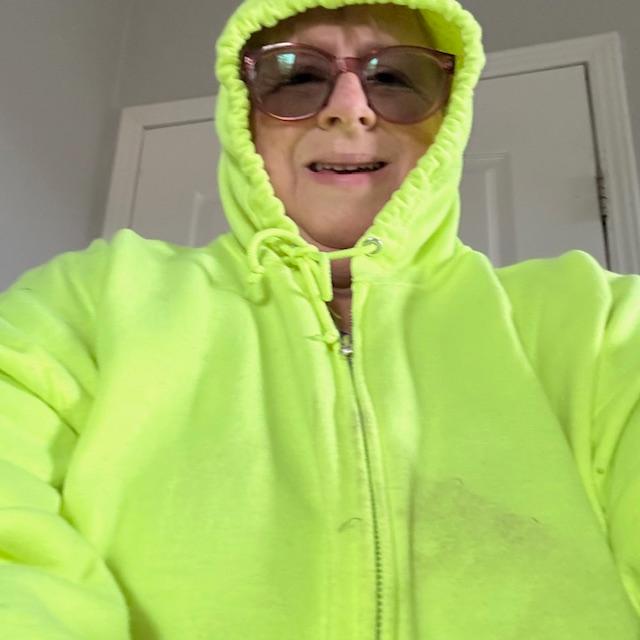 I got very dirty taking care of the coop this afternoon in the cold but the chickens will be warmer now that the clean wood shavings have been put down.
It is now 4:45pm and 32°. I am so glad I did the animals early. I made some guacamole for a snack for David and me that we are eating with chips. Last night around 8pm, my roast chicken with vegetables finally was done. It was good and we are going to finish eating all of that tonight so I don't have to cook. I am thinking about making a pot of beans with salt pork and cornbread for tomorrow. I will doctor it up with some barbecue sauce. That sounds amazing to me right now.
As the evening wore on, more and more in the area folks were posting that they were seeing snow. I saw nothing. It was 29° when I finally went to bed.
Sunday, January 25, 2026
Good icy morning. Somewhere in the night, we lost power because the alarm clock is now blinking. I have no idea how long it was out.
I have the coffee going and I am having a cup of mushroom coffee. It is icy out there. I know because I let the dogs out and the backstairs are covered in ice. It is currently 7am and 26°.
I soaked beans overnight and will get them in the crockpot soon. I dread having to go out and take care of the animals. I will have to salt or sand down the walkways and lots of stairs.
There is no snow here, just a glazing of ice on all of the decks and stairs.
Yesterday's seed sales were pretty good compared to Thursday and Friday when people were busy getting supplies for the storm. I honestly didn't think it would pick back up until today. Thank you to everyone who has been buying seeds from us. We truly appreciate it.
It is now 10am and still only 26° yet there is a lot of ice that is melting and pouring off of the roof. We got no snow, just ice and that ice is on every deck and every set of stairs. I still have not been outside.
I put a pot of beans on with some chicken stock, brown sugar, and tomato and onion.
I just finished eating French toast with sausage that I made. It was quite delicious. I normally don't have time to make really good breakfasts because of work or church. The leaders of the church we attend decided not to cancel church because they thought some would show up anyway. Needless to say, we are staying home because we know that missing church when there has been an ice storm does not mean we will go to hell.
I wonder who will take the blame if one of the church families wreck on the ice because they would not call it off.
I will go out soon to give the animals some food but I just hate to have to go to all of the work of sanding down the walkways so I don't die.
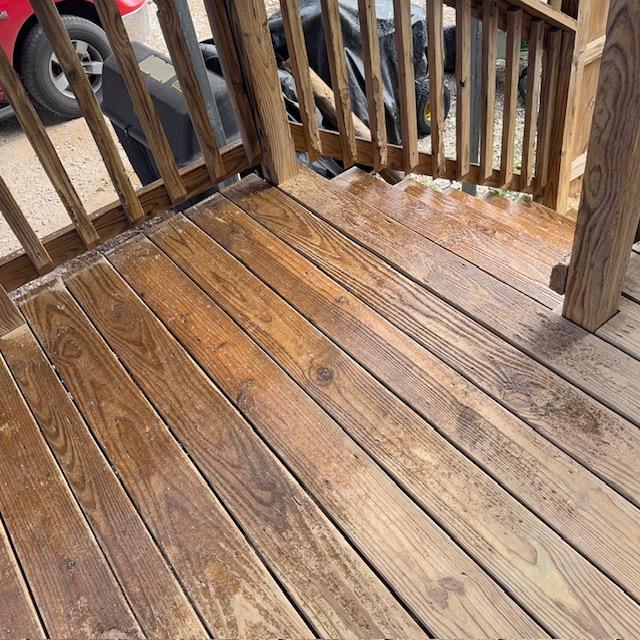 This is ice on the side porch and stairs. The dogs have had no problem going up and down but it is coated with ice. This is ice on the side porch and stairs. The dogs have had no problem going up and down but it is coated with ice. |
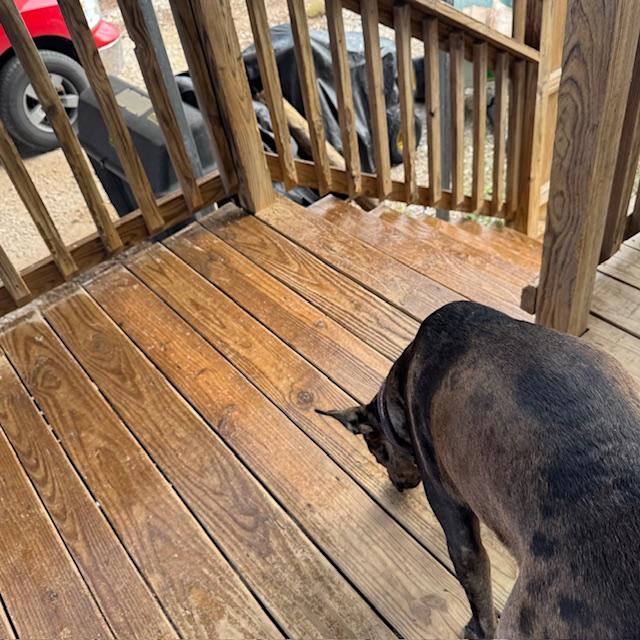 Trump enjoys the cold and ice. Trump enjoys the cold and ice. |
I finally went out to feed everyone at 11am. A lot of the ice had melted by then although I do not know how when it was still 26°. I sanded down the front steps of the house, the steps going up to my work office so I could get to the cat food, and the bridge going out to the fish pond so I could give them food they will eat later when the temp warms up a bit. The high today is supposed to be 39°.
Out back, I did not need to sand anything down. Tiny icicles are still melting off the roof of our home.
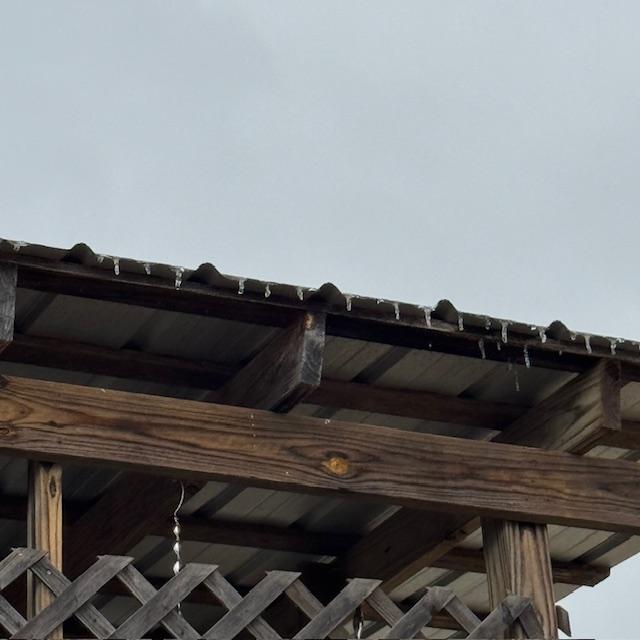 See the tiny icicles coming off of the deck roof? Aren't they cute? Back in NY when I was a kid, we had 18 inch icicles hanging off our house. I would break 'em off and eat 'em!
The chickens were carrying on loudly. I let them out into the yard since the rain and ice are over. They were happy to run out there and eat.
The goats were thrilled as well. They still had some hay left but really wanted some sweet feed. I think running around the yard will warm them all up a bit.
I hope you have enjoyed this week's article on how to grow zucchini. We grow a lot of it around here. Give it a try this spring.
Stay warm and off the roads at least through noon tomorrow if you are anywhere near us. That is when the ice event will be over around here.
I went back out at 3:26pm because it was only 31°. I put all of the animals away. The goats were out and about and had a fit. They ran all over their yard and refused to go into their shelter. After they nearly killed me, they finally gave up and ran inside. My face felt like it was in a freezer and I was so glad to finally get back in the house.
The beans should be done soon. I had better get some cornbread made.
This weather event is not supposed to be over until noon tomorrow because of the ridiculously cold temperatures and ice. The City of Poteet workers have off for tomorrow, yet the Poteet School District is having school at the normal time. What? They are going to run buses filled with children on ice yet their own city workers can't drive down the road to their jobs? Make it make sense!
Return from Grow Zucchini to Year 7 Of Farm Life
Anything To Share On This Topic?
Would you like to share additional information about this topic with all of us?
Since 2009, over 2,000,000 home gardeners, all across the USA, have relied on David's Garden Seeds® to grow beautiful, productive gardens. Trust is at the heart of it. Our customers know David's Garden Seeds® stocks only the highest quality seeds available. Our mission is to become your lifetime supplier of quality seeds. It isn't just to serve you once; we want to earn your trust as the primary supplier of all of your garden seeds.
Watch Our 2022 TV Commercial!
Sing Along To Our Jingle
♪♫♪♪ ♫ ♪ ♫♪♫♫
♪♫♪♪♫♫
Peppers and peas
And lots of yummy greens
You can't go wrong
With Squash This Long
At David's Garden Seeds
♪ ♫ ♪ ♫
Our New 2024 TV Ad
Please like and subscribe on YouTube and come visit us at our Farm Store! The music on our TV ad was written, played, and sung by our son, Matthew Schulze. You can meet him when you come to the farm. He just might give you a tour. Ask him to grab a guitar and sing our jingle that he wrote.
Our 2022 TV Ad

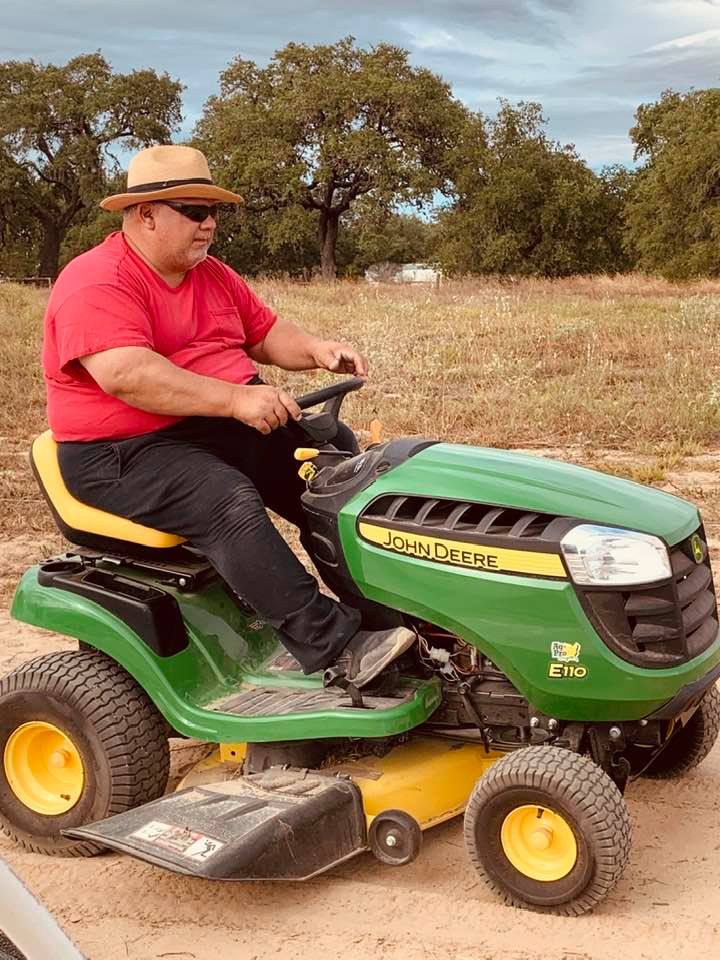 David of David's Garden Seeds® zipping along on his little tractor across the farm. He is having a blast!
We are David's Garden Seeds®. If you need great seeds, we've got over 1,400 varieties to choose from.
Subscribe To Mrs. David's Garden Seeds® Newsletter For FREE!

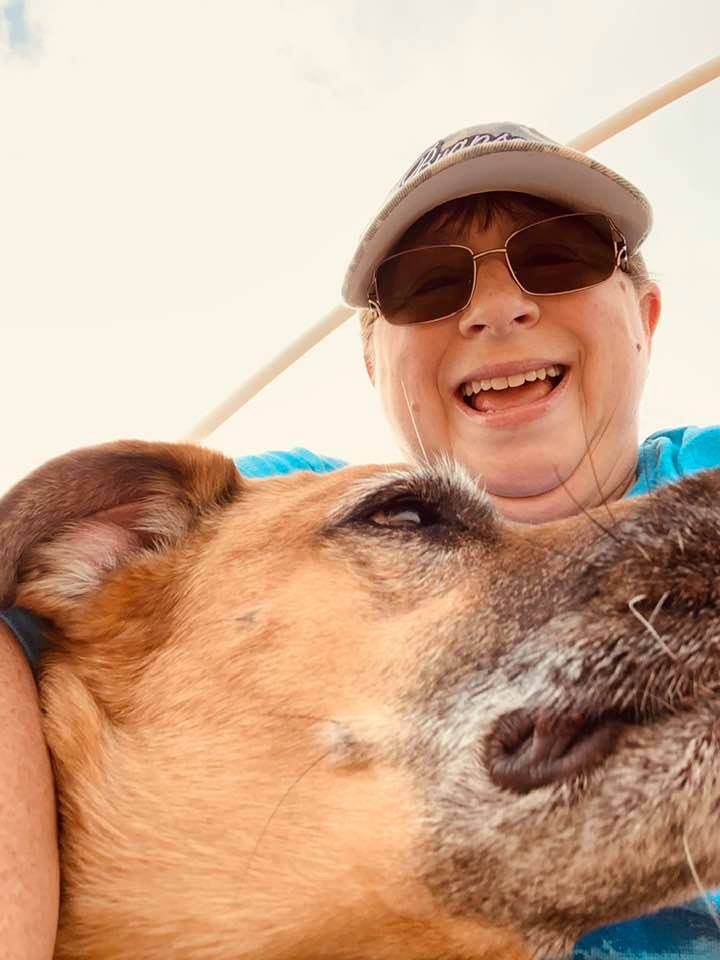
Find out what is going on down on the farm by reading our blog and by subscribing to our free newsletter for all of the information going down at David's Garden Seeds® and on the farm. I love to share helpful information with you. Please let your friends know and y'all come on down for a visit when you get the chance. We would love to meet you!
New Store Hours!
 Farm Store Hours: Th-Fri 10am-5pm, Sat 10am-2pm. Closed Sun-Wed.
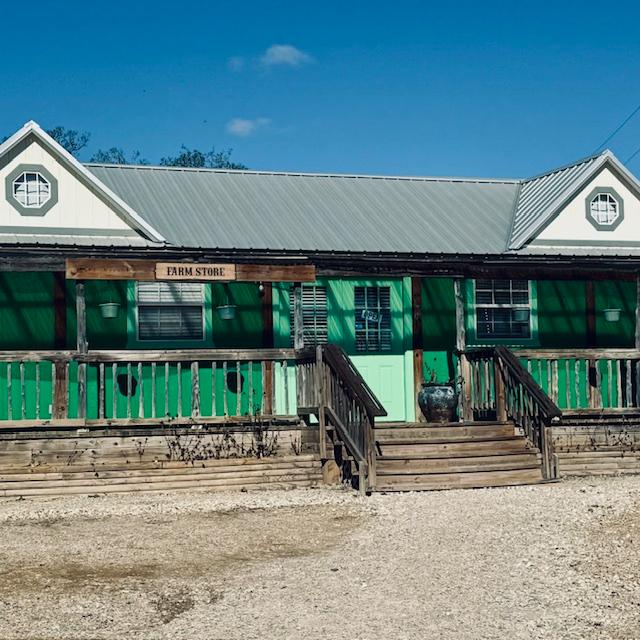 Our Farm Store
Shop for:
- Seeds
- Farm Fresh Eggs
Our Farm is located at 5029 FM 2504 in Poteet, TX.
 Only happy seeds make the cut to go into our seed packs!
David's Garden Seeds® has
seeds for the backyard gardener and farm fresh chicken eggs.
 David & Juanita work hard to pack your garden seed orders.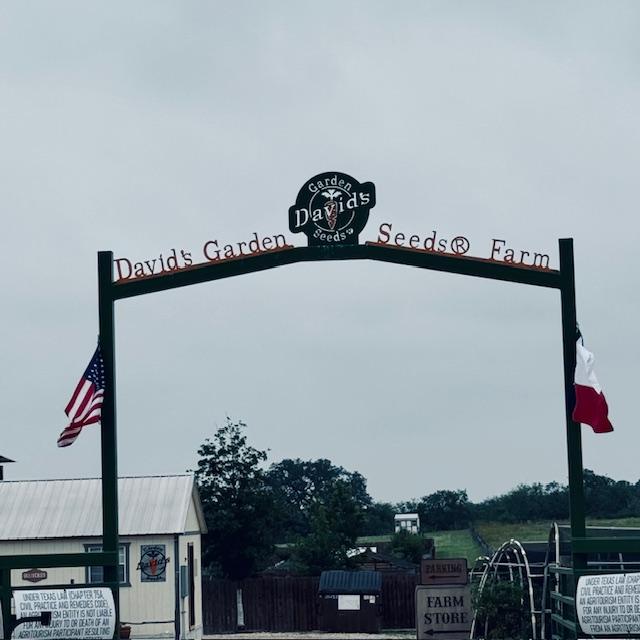



Sign Up For Our Newsletter Here!
   DGS YouTube Mrs
|
   |
Garden Ebooks
by Mrs. David's Garden Seeds
 I've been busy creating eBooks to help you with your garden...
IMPORTANT NOTE: THE EBOOKS ARE DIGITAL DOWNLOADS (EBOOKS), NOT PHYSICAL BOOKS.







WE DO NOT REFUND OUR DIGITAL DOWNLOADS FOR OBVIOUS REASONS.
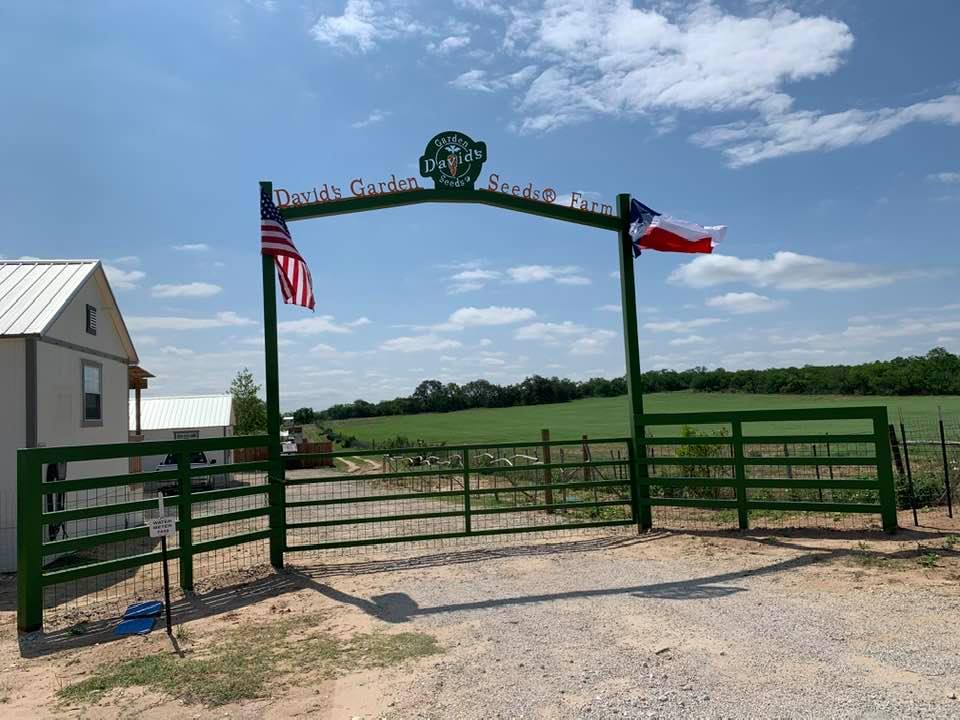
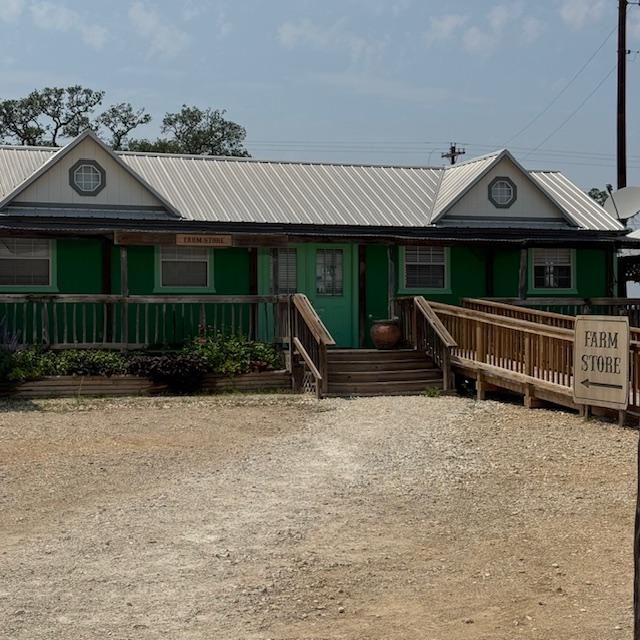 Our Farm Store is the green building
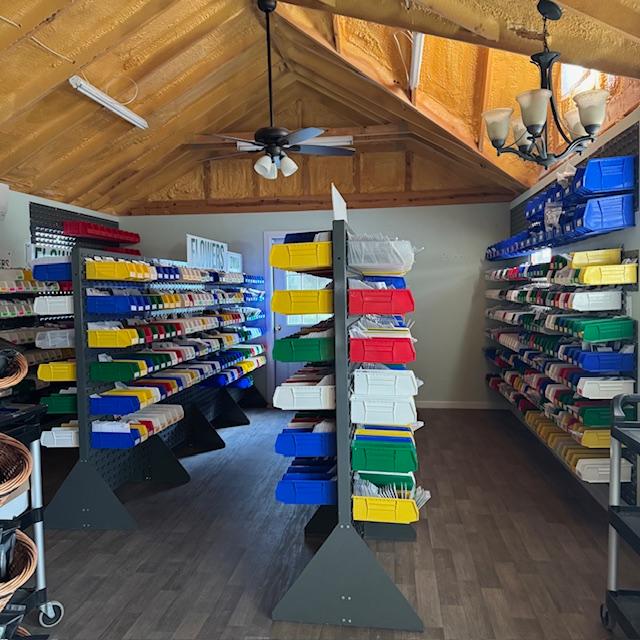 Inside our Farm Store...1400 varieties of seeds await you!
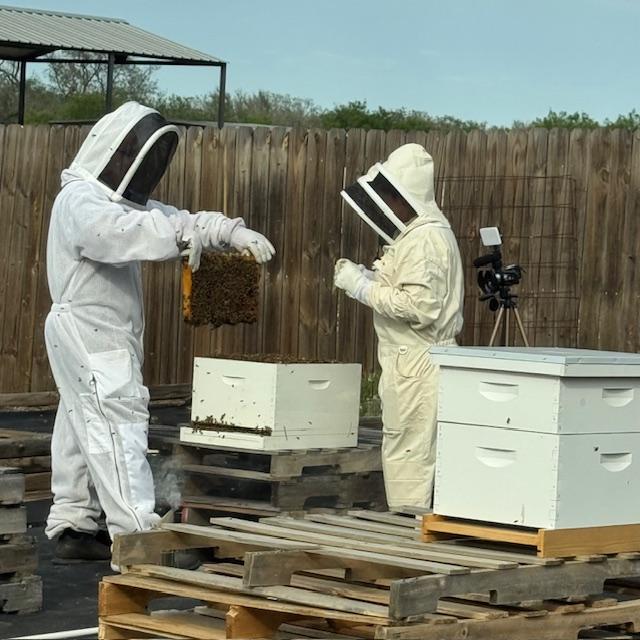 Our bee hives
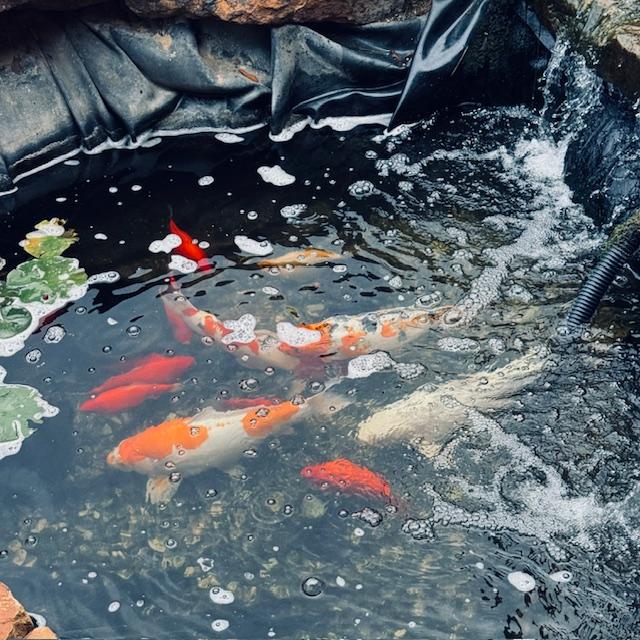 Our fish pond
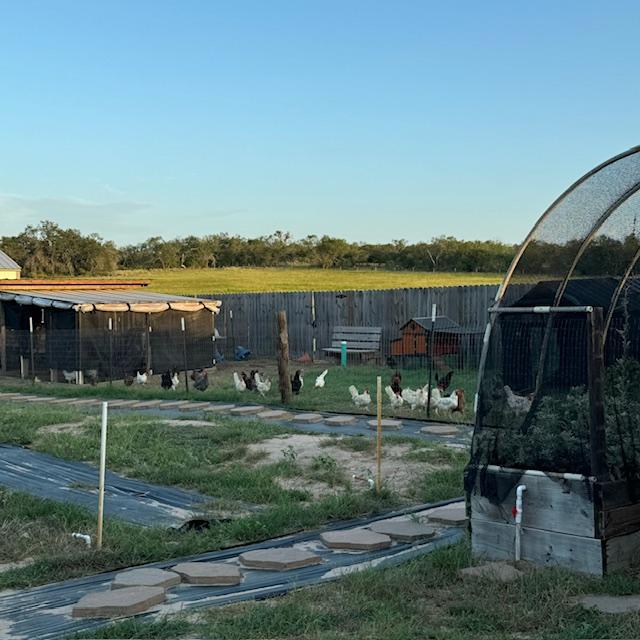 Our chickens
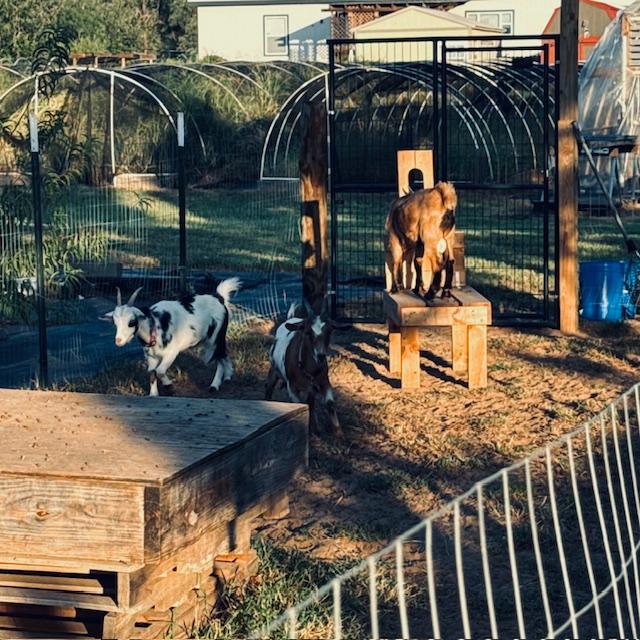 Our Nigerian Dwarf goats
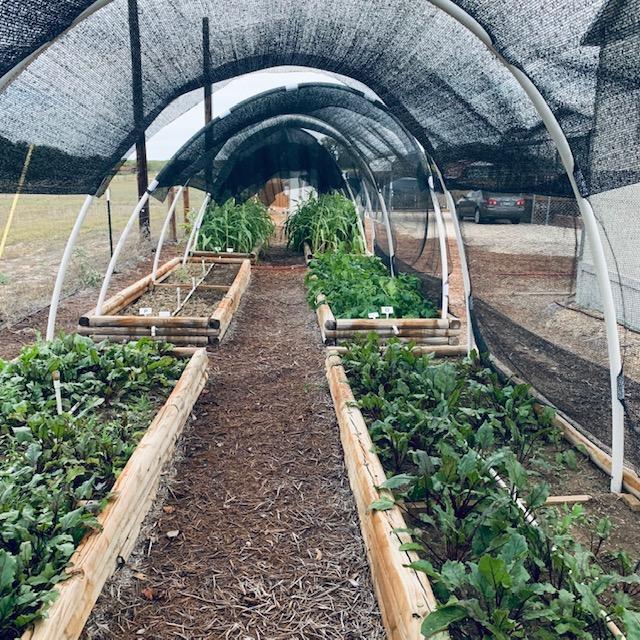
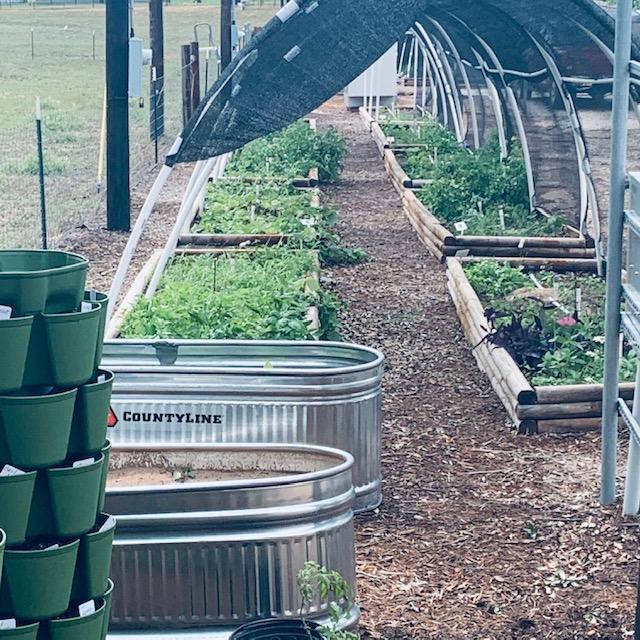 A few of our raised garden beds
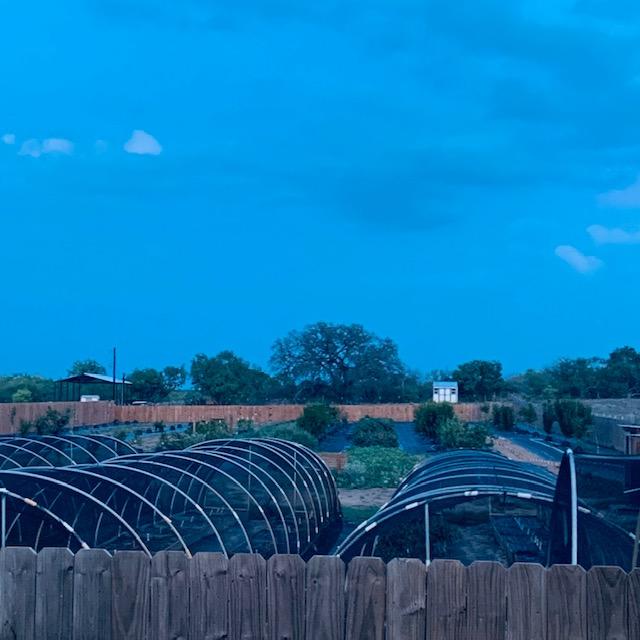 Our orchard and hoop houses
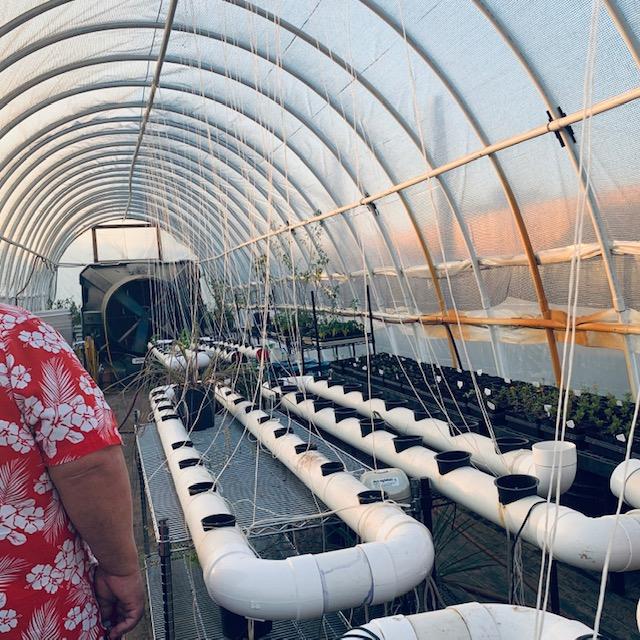 Inside our high tunnel
 Take a selfie at our official selfie spot!
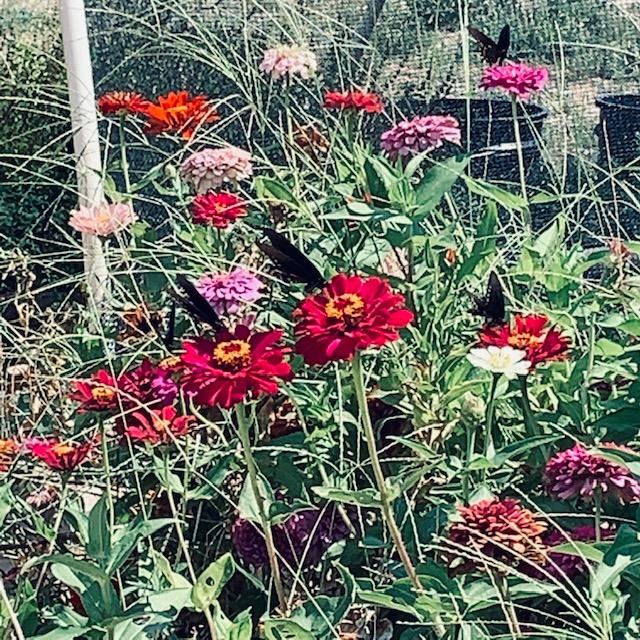 Flowers, bees, and butterflies are everywhere!
Watch Our TV Ads!
David's Garden Seeds® has the best Non-GMO seeds in the state of Texas!


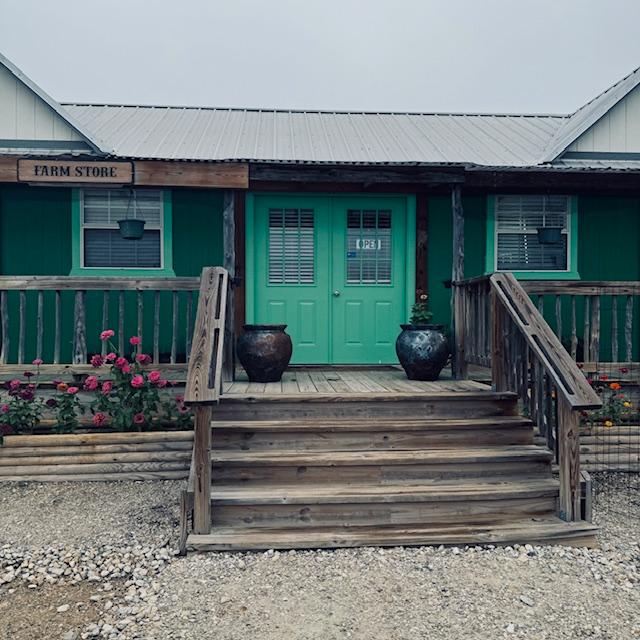 This is our beautiful Farm Store. Come in and shop for seeds. We have over 1600 Non-GMO heirloom varieties to choose from but we are in the process of bringing that number down to half.
Our Story
Hi Everyone! Thank you for visiting my website! I am Mrs Davids
Garden Seeds® aka Mrs. David's Garden Seeds and I think you should know that there is a wonderful seed
company in the great state of Texas called David's Garden Seeds®. We grow some of our seed, we count, hand pack, print our own envelopes, and ship seeds out to you right here from our farm. This used to be an old peanut farm. When the owner died about 15 years ago, his sons split the farm up and sold it in pieces. In 2024, we bought another adjoining four acres.
Our business started in our home in San Antonio in September of 2009. David decided to sell some seeds he had left over from his garden on Amazon. I told David, "Don't bother, it won't work!". I am so glad that David did not listen to me because it did work! By 2015, we had 8 employees working in my home every day and David found a storefront in San Antonio and moved the business there. In 2016, I quit my day job and went on the payroll. The company grew some more and David moved to a bigger storefront in 2017. In 2019, we found a beautiful piece of land over in Atascosa County and turned it into a farm out near Poteet. David and I moved out here to live in August of 2019.
In 2020, we moved our company out to the farm. We have a beautiful Farm Store filled with seeds, a gazebo with a pond full of koi and gold fish for you to visit. Come by and visit us at 5029 FM 2504 in Rossville, just outside of Poteet, Texas, Monday through Friday from 9am to 5pm and Saturday from 10am to 2pm. Or you can order seeds online from our user-friendly website, www.davidsgardenseeds.com.



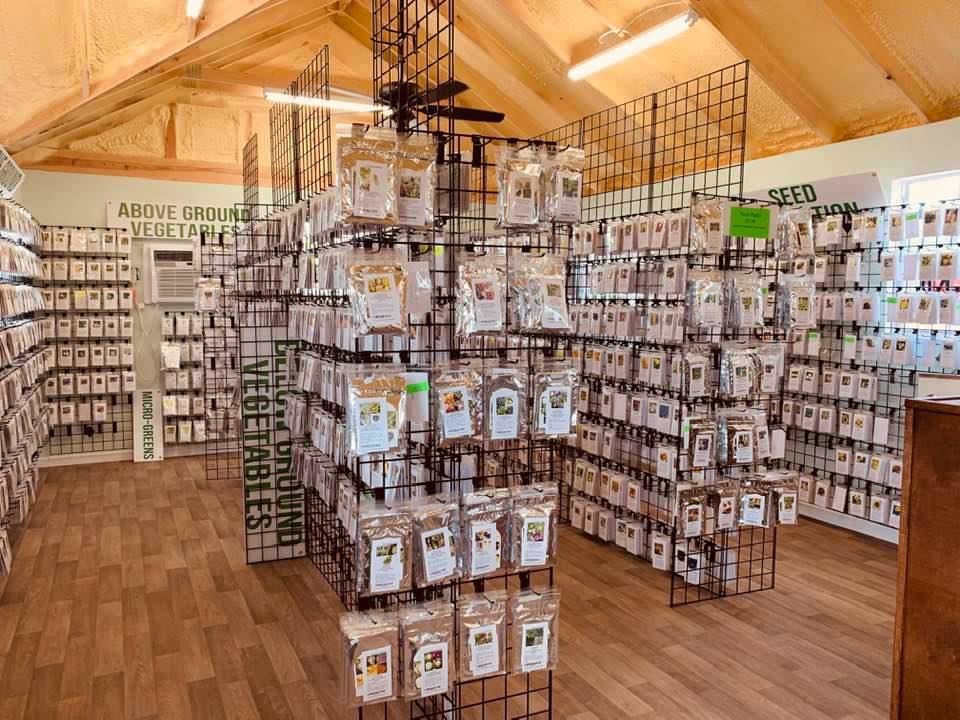 Our beautiful new farm store has almost 2,000 varieties of seeds and more. Mrs Davids Garden Seeds® looks forward to meeting you when you visit.
Mrs. David's Garden Seeds® Copyright by Juanita Lynn Schulze of David's Garden Seeds® 2019-2026
David's Garden Seeds® is Registered in the United States Patent and Trademark Office.