Grow Lima Beans
This week, we will learn how to grow lima beans in our backyard garden with an emphasis on growing in Texas as always.
Grow Lima Beans - 2/23-3/1/2026
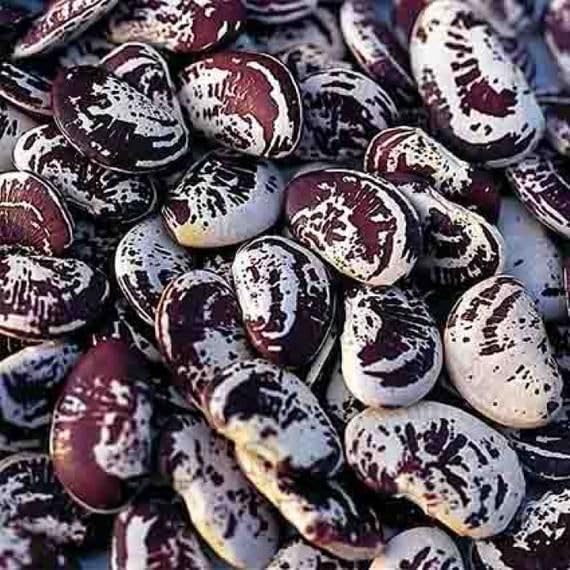 This is the Calico pole lima bean. It is a burgundy speckled bean and is very popular among our customers.
If you’ve only had lima beans from a can or a sad freezer bag, you’re in for a surprise. When you grow them fresh, they can be creamy, sweet, and honestly kind of addictive.
I’m going to walk you through how to grow lima beans in your backyard garden in a way that feels simple and doable. You don’t need fancy tools, and you don’t need to be a master gardener either.
I still remember the first time I picked lima beans from my own plants. I cooked them that night with butter, salt, and a little garlic, and I couldn’t believe they were the same food I used to avoid as a kid.
Think of this article like a friendly plan you can follow from start to finish. You’ll learn when to plant, what to do each week, how to avoid common mistakes, and how to harvest so your beans taste amazing.
This guide is split into 7 parts, so you can jump to what you need.
But if you read it in order, you’ll feel like you’ve got a solid “lima bean game plan.”
One quick heads-up if you live in a hot place: timing matters a lot. Beans grow better in Texas in early spring and in the fall as it begins to cool down, so we’ll lean into that.
Grow Lima Beans - What Variety Is Best For Me?
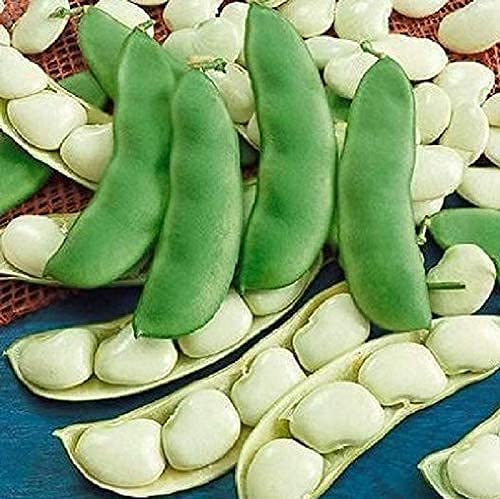 This is the Early Thorogreen Bush Lima bean. It is perfect for early spring planting. How do we know? Early is in the name.
Before you plant anything, you need to choose between bush lima beans and pole lima beans.
Bush limas stay shorter and don’t need a tall support. They’re great if you want an easier setup and faster harvests in a smaller bed.
Pole limas climb and want a trellis or fence. They can produce longer, but they need more time and a sturdy support.
If you’re brand new, start with bush types. If you like building trellises or you already have a fence line to use, pole types can be a fun upgrade.
Here’s a simple way to choose:
- Small space and quick harvest: **bush**
- More space and vertical growing: **pole**
- Windy yard: **bush** is often easier
- Love trellises: **pole** is worth it
I’ve grown both, but bush limas are the ones I recommend when you just want success without fuss. They’re the weeknight dinner version of lima beans. At David's Garden Seeds®, you will find the best seeds for your garden.
Grow Lima Beans - When?
Lima beans love warmth, but they don’t love extreme heat during flowering.
If you want to grow lima beans in Texas, you’ll usually do best with two main windows: early spring and fall. Those seasons avoid the worst summer stress.
In early spring, wait until the soil feels warm and your frost risk is basically done. In fall, plant as the weather starts cooling down, so flowers and pods form in nicer temperatures.
A helpful rule of thumb: if your tomatoes look miserable in the heat, your lima beans might struggle then too. That’s why those Texas shoulder seasons can be gold.
I learned this the hard way one summer when I planted late and the plants looked fine—until they tried to flower. They dropped blooms like they were quitting their job.
So if you’re aiming for a good harvest, plan your planting around comfort. Not your comfort—your plants’ comfort.
Grow Lima Beans - Sun And Soil
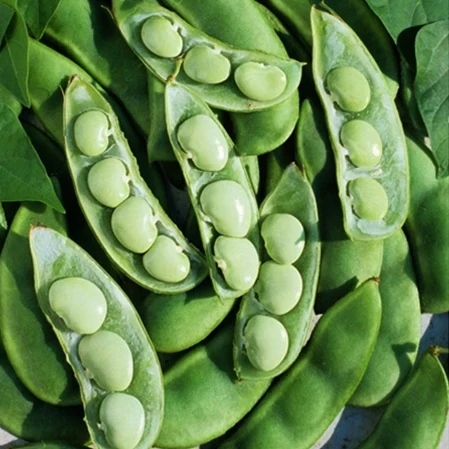
Lima beans want sun and in Texas, they can get plenty. Give them a spot with at least 6–8 hours of direct light.
They also like soil that drains well. If water puddles for hours after a rain, fix that before planting by adding compost and planting in a slightly raised row or bed.
Before you plant, mix in a few inches of compost if you have it. Compost helps the soil hold the right amount of moisture without getting soggy.
Keep fertilizer simple. Beans can make some of their own nitrogen, so too much nitrogen can make huge leafy plants with fewer pods.
If your soil is poor, you can use a balanced garden fertilizer lightly, but don’t go heavy. You want steady growth, not a leaf jungle.
I like to prep the bed, water it once, and then let it sit a day. That way, the soil is evenly damp and ready for seeds.
Grow Lima Beans - Planting
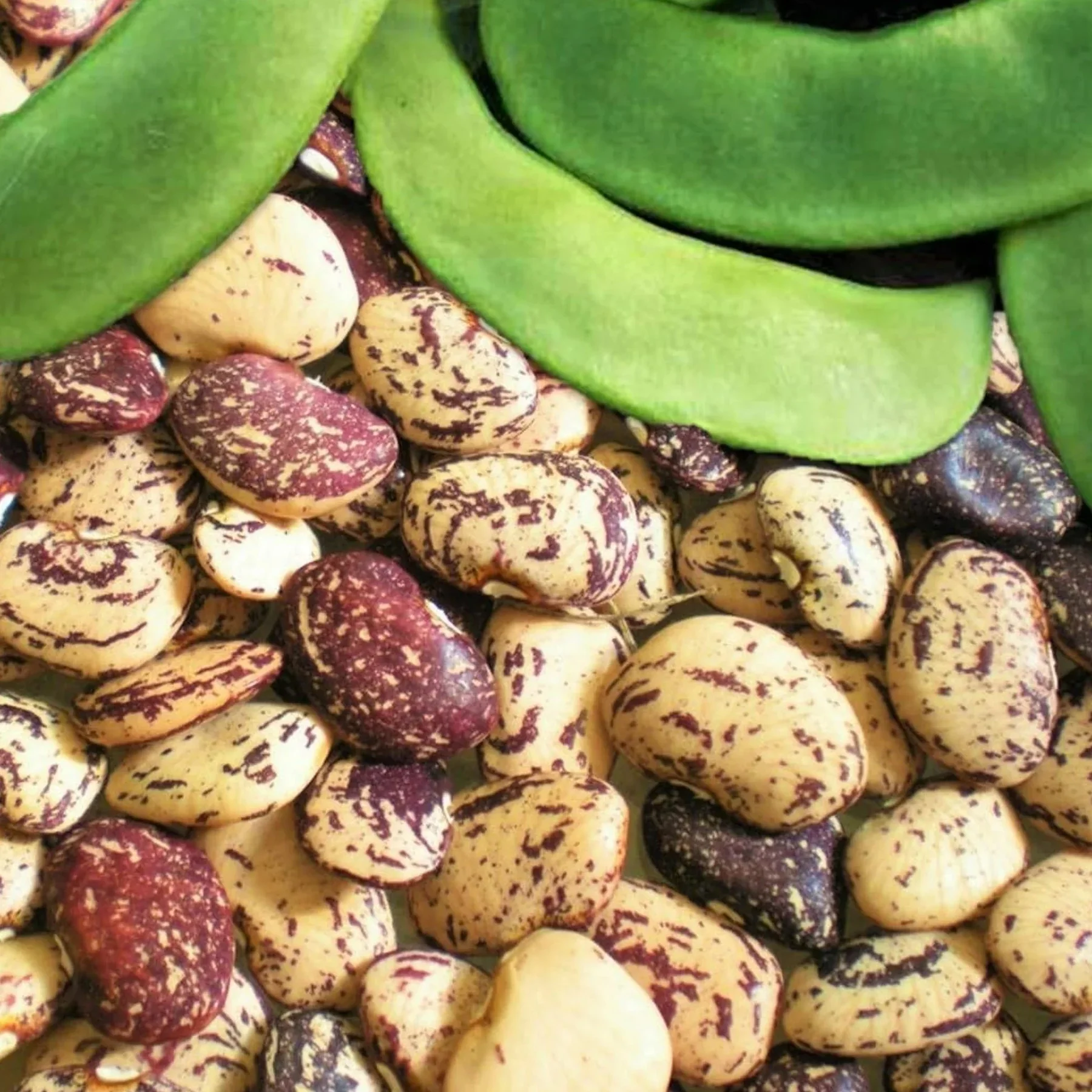
Plant seeds directly in the garden. Lima beans don’t love being transplanted.
Push the seed into the soil about 1/2 to 1 inch deep. Cover it, pat it down gently, and water enough to settle the soil.
Spacing matters more than people think. Crowded plants stay damp, and damp plants invite problems. Give bush types room, and give pole types room to climb without tangling.
A simple spacing guide:
- Bush limas: about 4–6 inches apart in rows
- Pole limas: about 6–8 inches apart along a trellis
- Leave enough row space to reach in and harvest
If you’re planting pole limas, set up your trellis first. Don’t wait until the vines are long and then try to “install” something around them.
One of my favorite cheap trellises is a sturdy cattle panel or garden netting tied tight to T-posts. It’s not fancy, but it works and it lasts.
Grow Lima Beans - Caring For Your Plants
Once your beans sprout, your main job is steady moisture and a clean bed.
Water deeply, then let the top inch of soil dry a bit before watering again. Constant soggy soil can cause rot, but letting them get bone dry can slow growth.
During flowering and pod set, don’t let them dry out for long stretches. That’s when the plant decides how many pods it can support.
Mulch helps a lot. A layer of straw, leaves, or shredded mulch keeps soil moisture steadier and cuts down on weeds.
Weeds matter because they steal water and sun. Early on, weed gently so you don’t disturb shallow roots.
When your pole lima beans start climbing, help them a little by guiding vines toward the trellis. After they grab on, they usually take it from there.
This is where I sneak in a little routine I call walk-by care. Every time you walk past your plants, do a 10-second scan for dry soil, pests, or weeds. It adds up fast.
If you want a simple reminder word for this whole part, it’s this: consistency. Beans don’t need constant attention, but they love consistent care.
Grow Lima Beans - Common Problems
Now, let's talk about some common problems and how to handle them without stress. Most lima bean problems come from three things: too much heat, uneven watering, or bugs.
Heat stress can show up as poor flowering or dropped blossoms. If you’re in a hot region, that’s one more reason to plant early spring or fall when conditions are kinder.
Uneven watering can cause weak plants and fewer pods. Try to avoid the cycle of “bone dry” followed by “flooded.”
Watch for common garden pests like aphids and other sap-suckers that gather on tender growth. A strong spray of water can knock many of them off.
Also keep an eye out for chewing insects that leave ragged holes. Hand-picking is surprisingly effective in a backyard garden if you check often.
If your plants look healthy but don’t produce pods, it’s often timing and temperature. That’s not you failing—that’s just the weather winning that round.
I’ve had seasons where everything looked perfect, and still the harvest was light. Then I shifted my planting window and the next crop went from “meh” to “wow.”
Remember this helpful idea: lima beans can be easy to grow in texas when you work with the seasons instead of fighting them.
Grow Lima Beans - Harvesting For Peak Flavor
When you harvest lima beans, they should be creamy, not nasty. This is the part that changes minds. Fresh harvest timing is what makes lima beans taste so good.
You can harvest limas at different stages, but for that creamy, tender texture, pick when the pods are full and the beans inside look plump.
Don’t wait until everything is dry and tough unless you want dry storage beans. For eating fresh, you’re aiming for mature-but-still-green beans.
Pick regularly. The more you pick, the more the plant keeps producing. Letting pods sit too long can slow the plant down.
After picking, shell them soon. Fresh-shelled limas cook faster and taste sweeter than beans that sit around in pods for days.
My favorite simple cooking method is: simmer gently until tender, then finish with butter, salt, and pepper. If you want extra flavor, add a little garlic or a pinch of smoked paprika.
If you get a big harvest, you can blanch and freeze shelled beans to keep that fresh taste. That way you’re not stuck with “dry and nasty” later.
Grow Lima Beans - Conclusion
If you came here searching for how to grow lima beans in your backyard garden, here’s the honest truth: success is mostly timing, sun, and steady watering.
Keep it simple, stay consistent, and plant in the best windows for your area—especially if you’re trying to grow lima beans in Texas. And if you share your progress online, go ahead and tag it however you like—this is prime grow lima beans territory.
Once you taste a truly fresh lima bean—creamy, rich, and not bitter—you’ll get why growing them is worth a little space in your yard. And you’ll probably never look at store-bought limas the same way again.
Monday, February 23, 2026
Good morning. It is 36° but at least it did not freeze. It is time to go to work for me but I wanted to get out this week's article before I started pulling orders. The high should reach 69°.
New Farm Store Hours
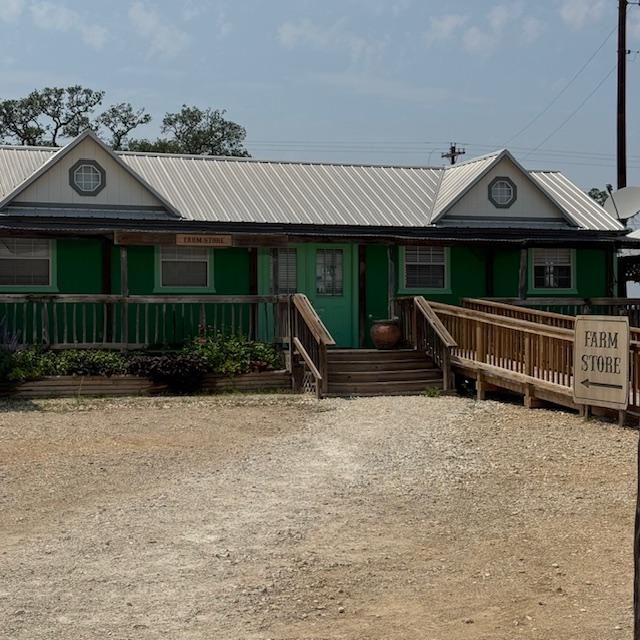 Our Farm Store will be open Thursdays and Fridays from 9am to 6pm and on Saturdays from 10am to 4pm. We are closed the rest of the week working on orders.
Starting today, we have new Farm Store Hours. We are closed Sunday thru Wednesday. Open Thursday and Friday from 9am to 6pm and Saturday from 10am to 4pm.
So, we had no customers today, although one called in the morning and said she was on her way. David informed her of our new hours. We got a lot done but it did not make a dent in the orders because they just kept coming in. We are down to one helper so we are working longer.
We have an interview in the morning. I don't have high hopes. When people are not working, it is usually for a reason and not a good one. We have done this too many times...Lol! We will see.
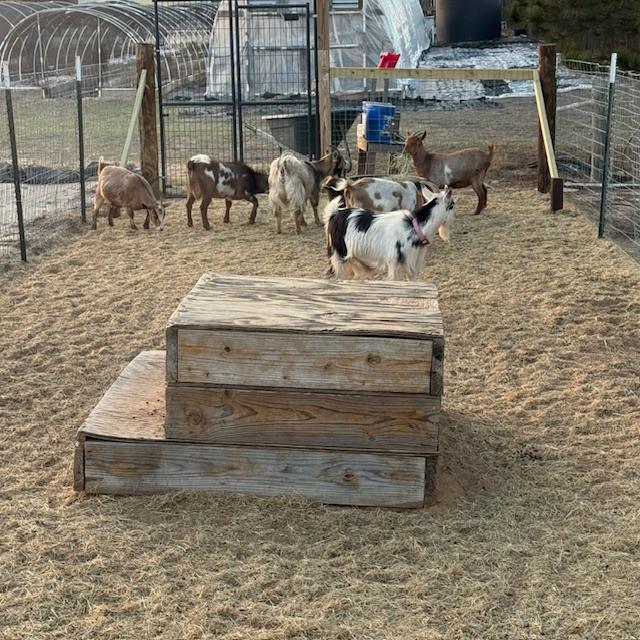 They want more treats but there is hay in their shelter for dinner. I just can't get them to go in even though the sun is dropping...
It stayed chilly all day long. The chickens gave me 13 eggs today, the most I have gotten in quite a while from them. The goats are fine. I got my treat cup out again and even Markie came up to it on his own.

Tuesday, February 24, 2026
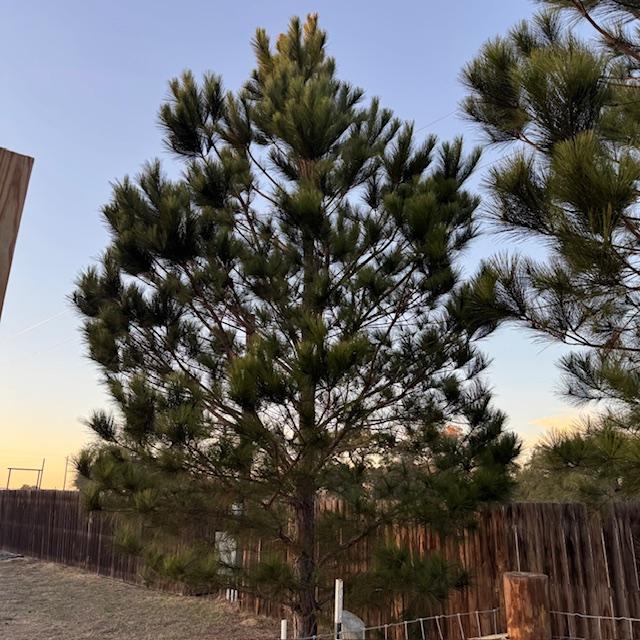 This is one of 4 beautiful pines we planted here back in 2019. We put them right by the goat pen although they were there before the goat pen was even thought of.
At 6am, it is 33° which is lower than predicted. Tonight is the State of the Union speech and I am excited to see it. Since I was a teenager, I have always loved watching them. David, not so much, so I may have to watch in my office or another room. The den has the best couch but he hates watching anything political.
We had two job interviews today. One is supposed to start outdoors tomorrow. The other is supposed to start on Friday but needs two days off next week.
This evening, Matt and I doctored a chicken who has been pecking herself. I hope she leaves herself alone and heals.
Well, will wonders never cease? As I was going to leave the room at 8pm, David turned the State of the Union speech on and he is in here watching it with me. I have loved watching them since I was a little girl when Richard Nixon was in office. But this president is different. I love how he looks at the left and tells them what they did to their faces.
It was a wonderful State of the Union speech. Al Green got tossed out again with a stupid sign and his cane. Ilhan Omar and her buddy Tlaib were in the back shouting constantly and should have been thrown out. They are disgusting. Pelosi was there, bitterly playing with her dentures as usual. Pocahontas led the charge by sitting up front as she normally does.
We were spared seeing about 70 democrats as they were on strike out on the mall. The rest of them were amazingly unpatriotic, mostly just sitting there. The Republicans got their exercise, jumping up and down every few seconds as the president said something great.
We got to see a few heroes honored and that was wonderful.
Wednesday, February 25, 2026
Good morning. I woke up to a new video from Papa Woo. He is out and about after being hospitalized last week after being diagnosed for the third time with End Stage Renal Disease. What a wonderful attitude he has as he starts dialysis again. I still cannot believe Adam The Woo is gone.
It is a busy day again. I cannot believe that I worked so hard on orders and by looking at the numbers, you would never know.
So we have new hours and we were closed today for business. Haha! We had three separate customers!
Two new helpers started today for outdoor work. I only knew about one. One of them took the wheelbarrow and never put it back so I had to hand carry heavy hay to the goats this evening. I was not happy. When I got there, Markie was lying in the hay bin. I wanted to get a photo but he jumped up too quickly before I could put the hay down.
Thursday, February 26, 2026
Good morning. It hit 90° and is supposed to hit 95° today. It is currently 61° at 9am. I have been paying bills so I am a bit late today.
Yesterday evening, I tripped in my office on some boxes and slammed my right thumb into the wall trim. At first, I I broke my thumb but it is not broken, just bruised up. It hurts a lot this morning.
I keep waking up with neuropathy through the night and it turns out, I am taking the wrong kjnd of magnesium. So I have ordered some new magnesium. I learned this from a doctor on YouTube. Why don't our own doctors tell us this? All they want to do is put us on pills instead of trying to heal our bodies. I can't tell you the number of times doctors have told me to take Gabapentin for my neuropathy. That won't fix the problem. Big pharma is not good.
David is out with two temporary outdoor workers. I hope he can make it clear that I don't know anything about what they are supposed to do or if I can make this job permanent on their first day. Good golly. They bothered me all throughout the day yesterday. I have nothing to do with any of that. I do social media and pull and mail orders as well as deal with customers. That is more than enough. I was drained at having to deal with them until about 6:15pm last night. David left here at 5:30pm.
I have to go out as the pest control folks will be here soon.
Well, we opened the store at 9am. Before I even went to my office and sat down, I had three sets of customers in the store plus the pest control folks. We are very grateful but we normally don't get this much traffic at once except on Saturdays. It is now 10:30am and they are finally all gone so maybe I can get some orders out.
One outdoor helper showed up today. The other has not shown up or called in. I'm thinking he doesn't want to work here. How about you?
The lady we interviewed on Tuesday showed up for her first day today. Matt is training her on how to count seeds using the machine.
As I write, it is 2:30pm and 95° in February! At 2:10pm, the missing outdoor guy texted saying his phone was dead and his electricity was off. So?
We had more customers. This has been a crazy day with everything and we still have more than two hours to go.
It feels like June outside.
It is now 4pm and 98°! Why?
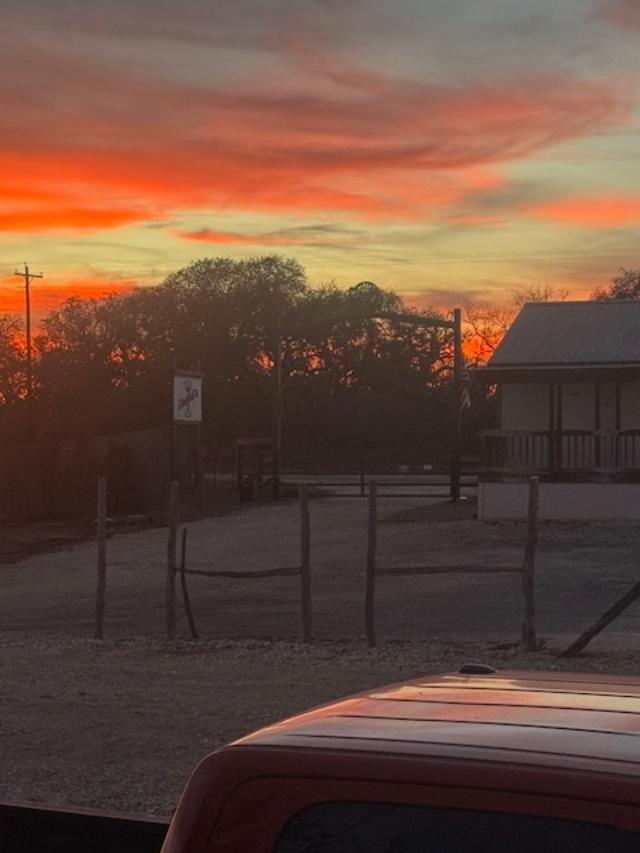 Sunset from my front porch.
Friday, February 27, 2026
Well, it was quite a day. We did not have one customer the entire day until 5:15pm. I pulled and closed orders all day long. My feet are killing me. We ordered dinner from the Filipino food truck at Farm to Familia. It got here about 6:15pm and I was starving. It was so good.
I just put out a newsletter reminding everyone of this week's seed sale.
We are watching season 2 of the new Matlock.
Alice was lying in the hay feeder this afternoon. Isn't she cute?
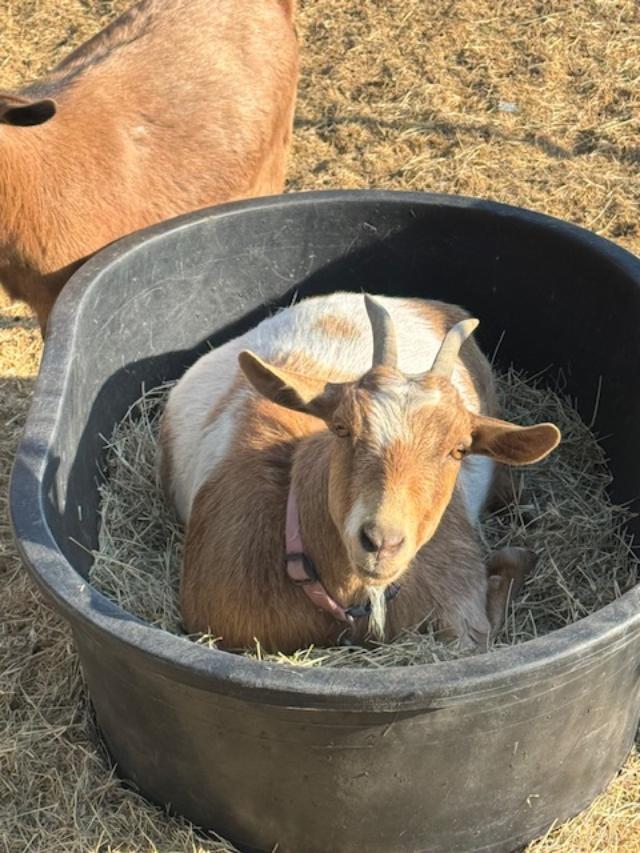
I will be working some more on my next ebook this evening while I have my feet up.
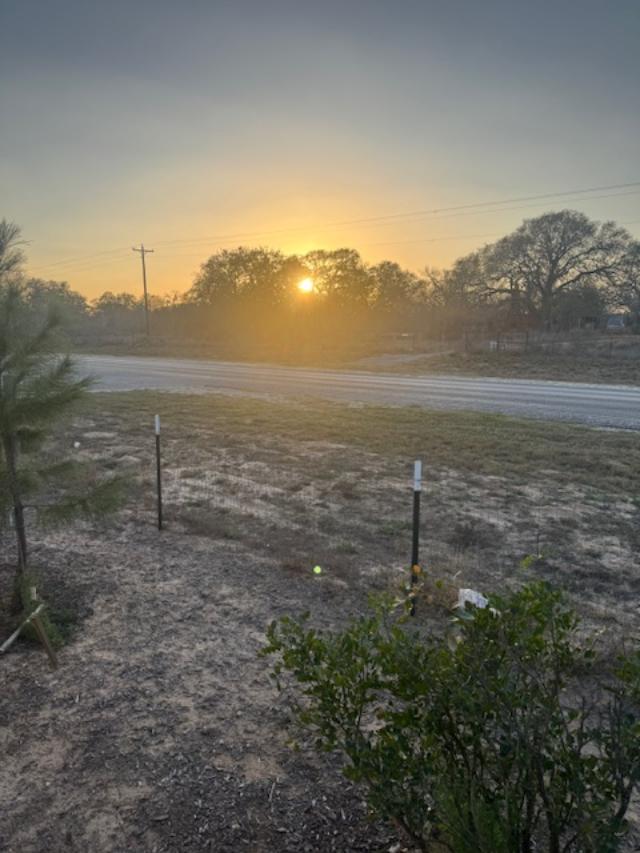 Sunset from the breezeway between the kitchen building and the Farm Store.
Saturday, February 28, 2026
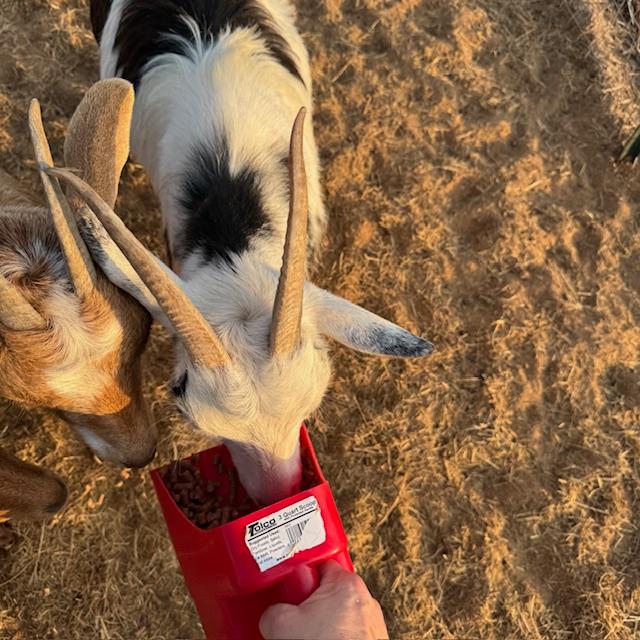
Well, good morning. We are at war with Iran. Wow! Actually, President Trump has liberated the Iranian people who were cheering in the streets after their oppressive leader was killed in the bombings.
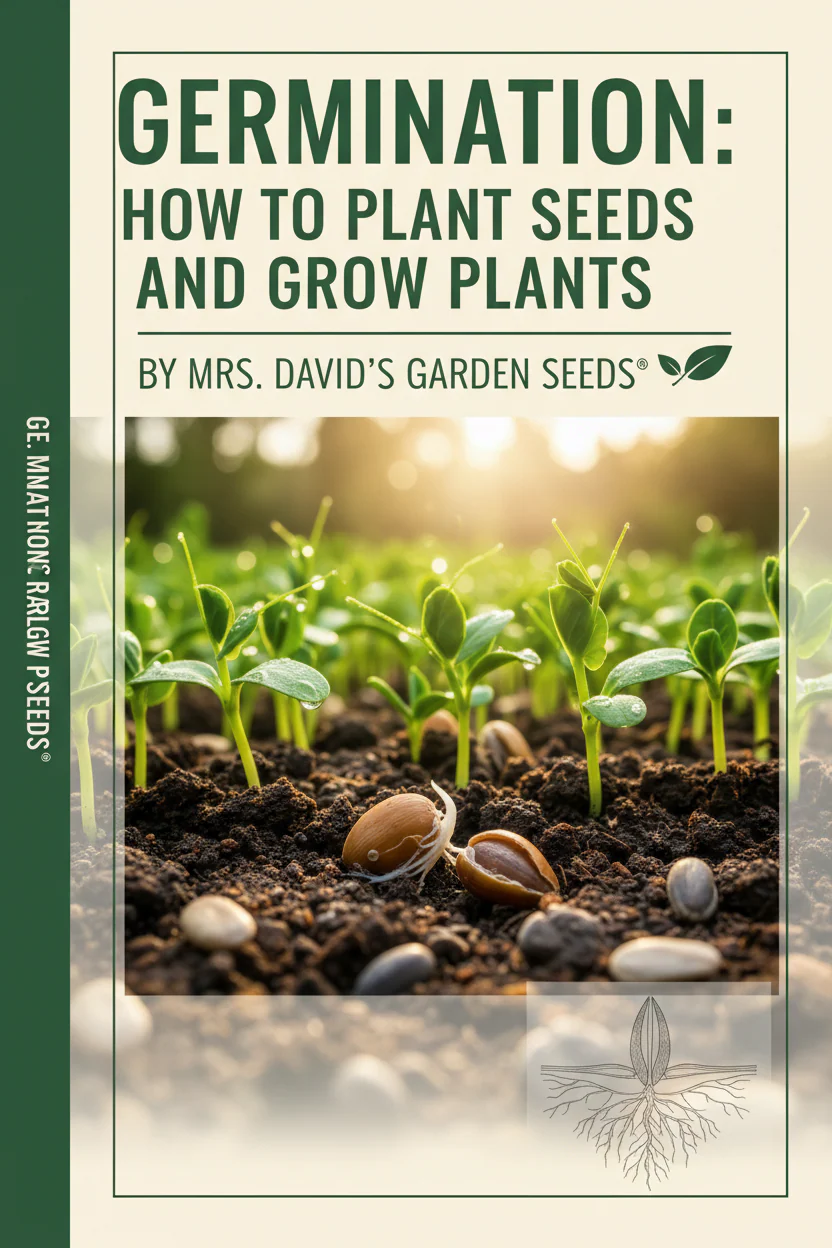
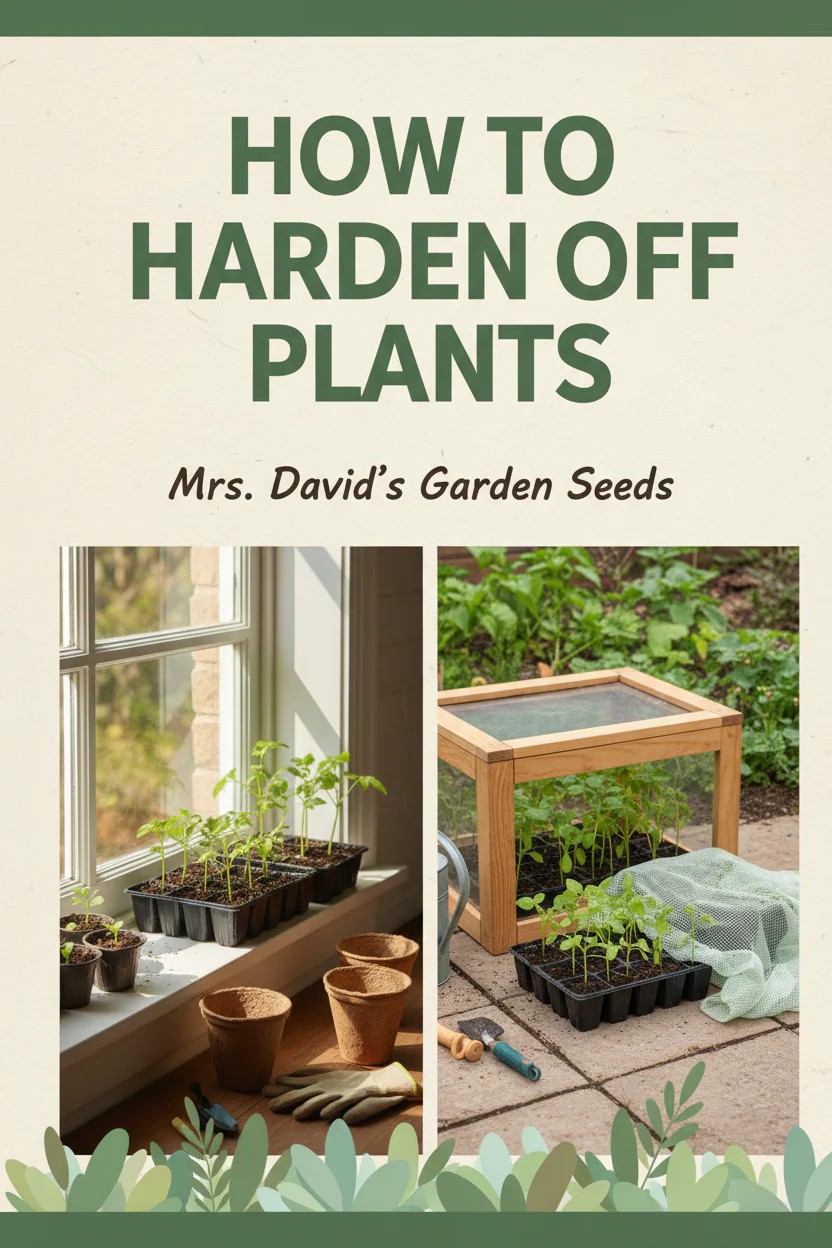
I have put up two very short ebooks this morning for purchase-one on germinating plants, and the other on hardening off plants that you buy or grow indoors. If you are new to gardening, take advantage of these inexpensive resources to have a thriving garden. You can find all of my ebooks here.
On these last two booklets, if you will, I used the material from our websites and put everything you need to know in one document for your gardening convenience.
Also, I am working on a larger container garden ebook that I hope will be ready sometime in March. So many of our customers ask about how to do container gardening right so I know it is a good book topic.
Time to get busy with orders and customers. We are open today from 10am until 4pm and I have 5 dozen eggs for sale. Our plants are not yet ready for sale but they are growing.
Today was our first day to stay open until 4pm but there was no need. We had two customers the entire day, until we closed.
David made a Walmart order. The guy brought the groceries at 4:15pm and told me he wanted to get some seeds. I told him we closed at 4pm and obviously I was at the house, but I allowed him to shop for some squash seeds. He bought six packs so it was worth it. David was still in the store at that point.
We watched the Svengoolie movie tonight, the 1953 War Of The Worlds. It was very well done for back then and we enjoyed it.

I found the first bluebonnet of the season growing in the back 40 this morning. That was exciting!
Sunday, March 1, 2026
 This photo is from a few days ago. I took hay over to the goats while Matt got the eggs. He came over to see if I needed help with the goats here.
Good morning. Wow! It is already March! How is that possible? David has a birthday in three weeks. How are we senior citizens already? We should be retired but here we are, running a small seed company in Texas, providing Texans with the best possible seeds they can have for their gardens. Most of our customers are Texans, but we do ship to every state!
Precisely ten years ago today, (actual date was February 29, 2016) I quit my corporate job paying medical claims and started working at David's Garden Seeds® full time. I like to celebrate the occasion each year. Paying medical claims wasn't bad but the supervisor I had at that time was horrible! I was in medical insurance since 1981 and I was pretty good at it. Sometimes it's not the job, it's the people who make your life miserable. Thank God that He delivered me from that!
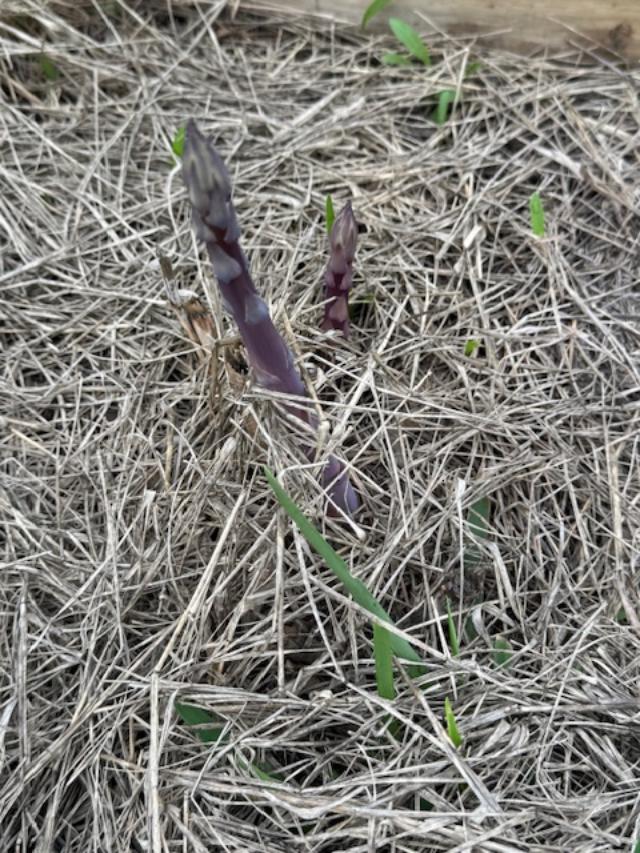
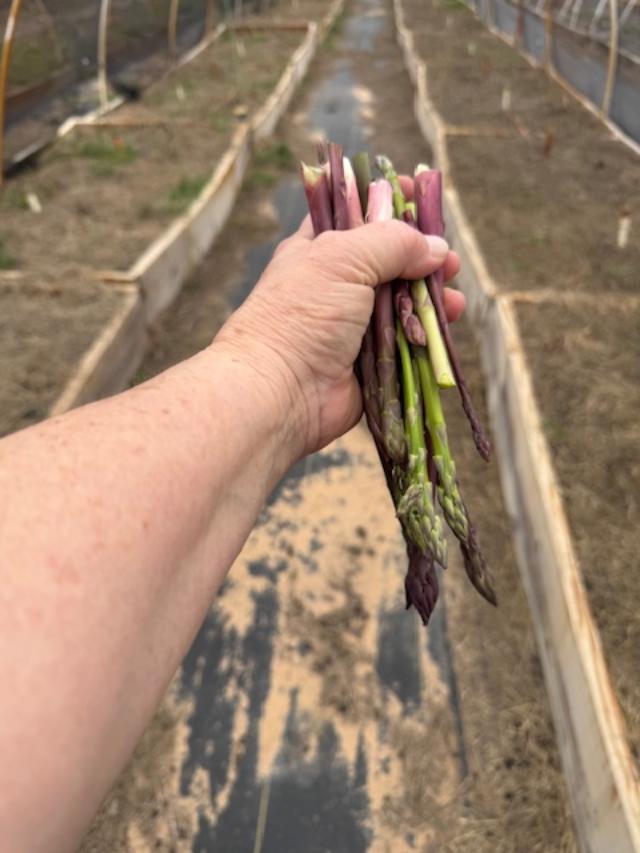
While I was feeding the chickens and goats this morning, I decided to check on the asparagus patches. I found a few stalks ready to pick but there are also a lot of weeds and bluebonnets growing in there. I gathered enough to feed David and me tonight along with some meat.
We went to church and afterward, we stopped by Tractor Supply for goat treats and dog treats. The place was so crowded. While we were there, I noticed some cute spring T shirts for chicken lovers so I casually picked up a few up.
I was glad when we finally got home because I was starving. We ate chicken from last night and it was delicious.
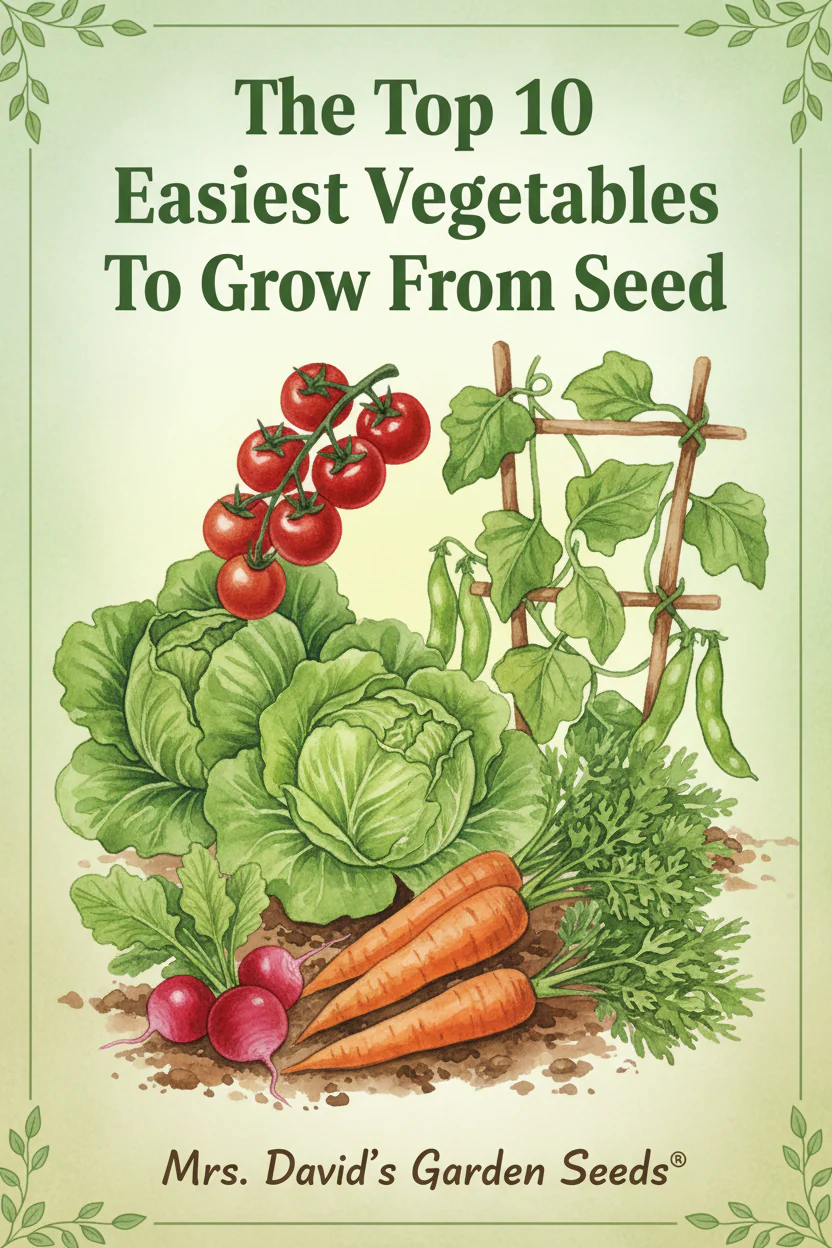
I am happy to say I have another eBook listed on the website entitled The Top 10 Easiest Vegetables To Grow From Seed. This one is just six pages long and goes into detail talking about each of the ten vegetables listed.
Return from Grow Lima Beans to Year 7 Of Farm Life
Anything To Share On This Topic?
Would you like to share additional information about this topic with all of us?
Since 2009, over 2,000,000 home gardeners, all across the USA, have relied on David's Garden Seeds® to grow beautiful, productive gardens. Trust is at the heart of it. Our customers know David's Garden Seeds® stocks only the highest quality seeds available. Our mission is to become your lifetime supplier of quality seeds. It isn't just to serve you once; we want to earn your trust as the primary supplier of all of your garden seeds.
Watch Our 2022 TV Commercial!
Sing Along To Our Jingle
♪♫♪♪ ♫ ♪ ♫♪♫♫
♪♫♪♪♫♫
Peppers and peas
And lots of yummy greens
You can't go wrong
With Squash This Long
At David's Garden Seeds
♪ ♫ ♪ ♫
Our New 2024 TV Ad
Please like and subscribe on YouTube and come visit us at our Farm Store! The music on our TV ad was written, played, and sung by our son, Matthew Schulze. You can meet him when you come to the farm. He just might give you a tour. Ask him to grab a guitar and sing our jingle that he wrote.
Our 2022 TV Ad

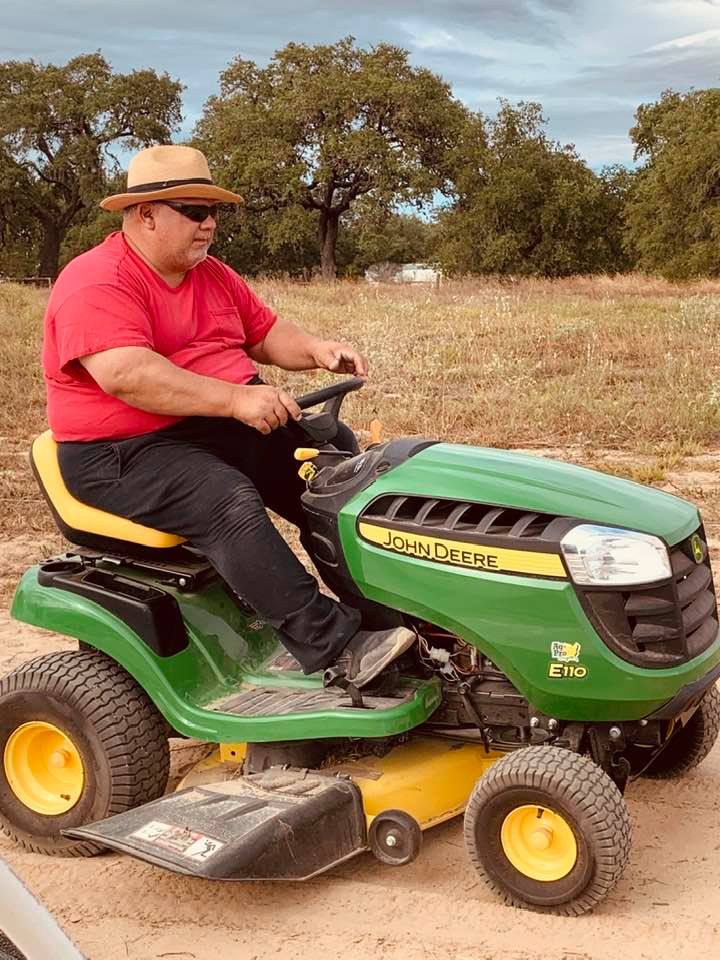 David of David's Garden Seeds® zipping along on his little tractor across the farm. He is having a blast!
We are David's Garden Seeds®. If you need great seeds, we've got over 1,400 varieties to choose from.
Subscribe To Mrs. David's Garden Seeds® Newsletter For FREE!
Find out what is going on down on the farm by reading our blog and by subscribing to our free newsletter for all of the information going down at David's Garden Seeds® and on the farm. I love to share helpful information with you. Please let your friends know and y'all come on down for a visit when you get the chance. We would love to meet you!
New Store Hours!
 Farm Store Hours: Th-Fri 10am-5pm, Sat 10am-2pm. Closed Sun-Wed.
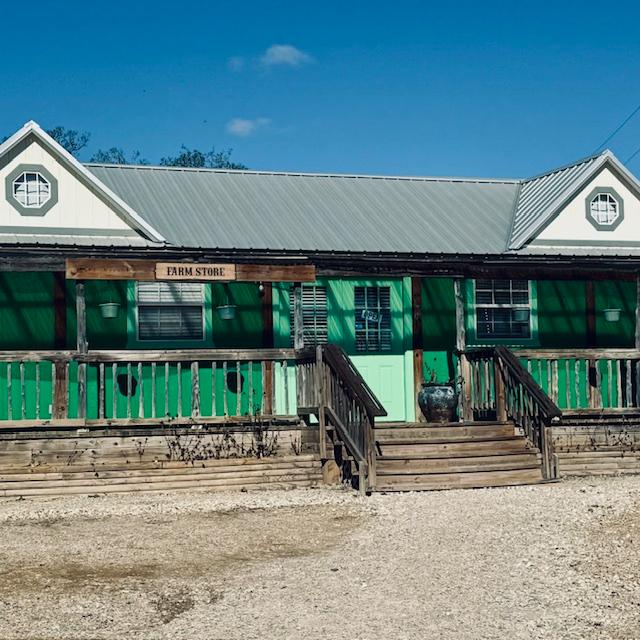 Our Farm Store
Shop for:
- Seeds
- Farm Fresh Eggs
Our Farm is located at 5029 FM 2504 in Poteet, TX.
 Only happy seeds make the cut to go into our seed packs!
David's Garden Seeds® has
seeds for the backyard gardener and farm fresh chicken eggs.
 David & Juanita work hard to pack your garden seed orders.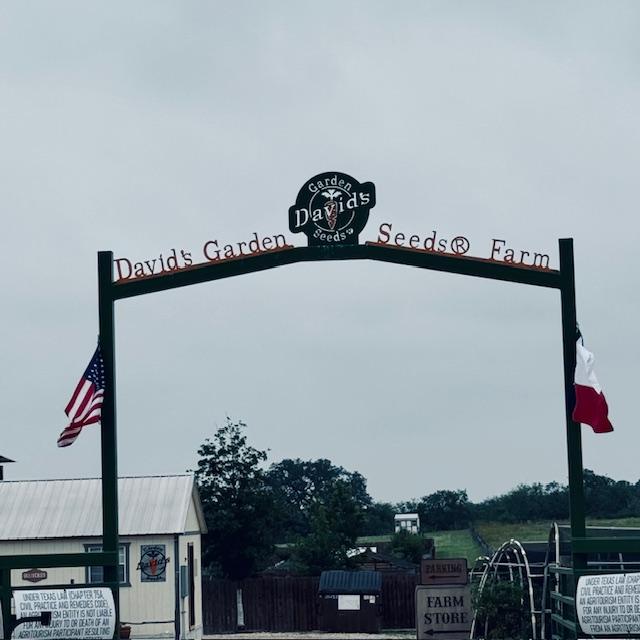



Sign Up For Our Newsletter Here!
   DGS YouTube Mrs
|
   |
Garden Ebooks
by Mrs. David's Garden Seeds
 I've been busy creating eBooks to help you with your garden...
IMPORTANT NOTE: THE EBOOKS ARE DIGITAL DOWNLOADS (EBOOKS), NOT PHYSICAL BOOKS.

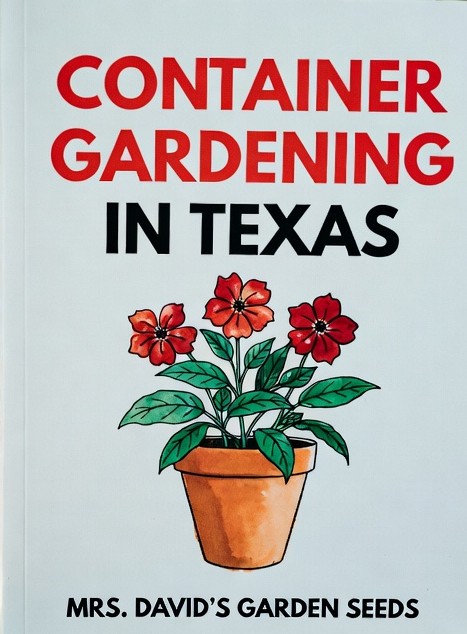
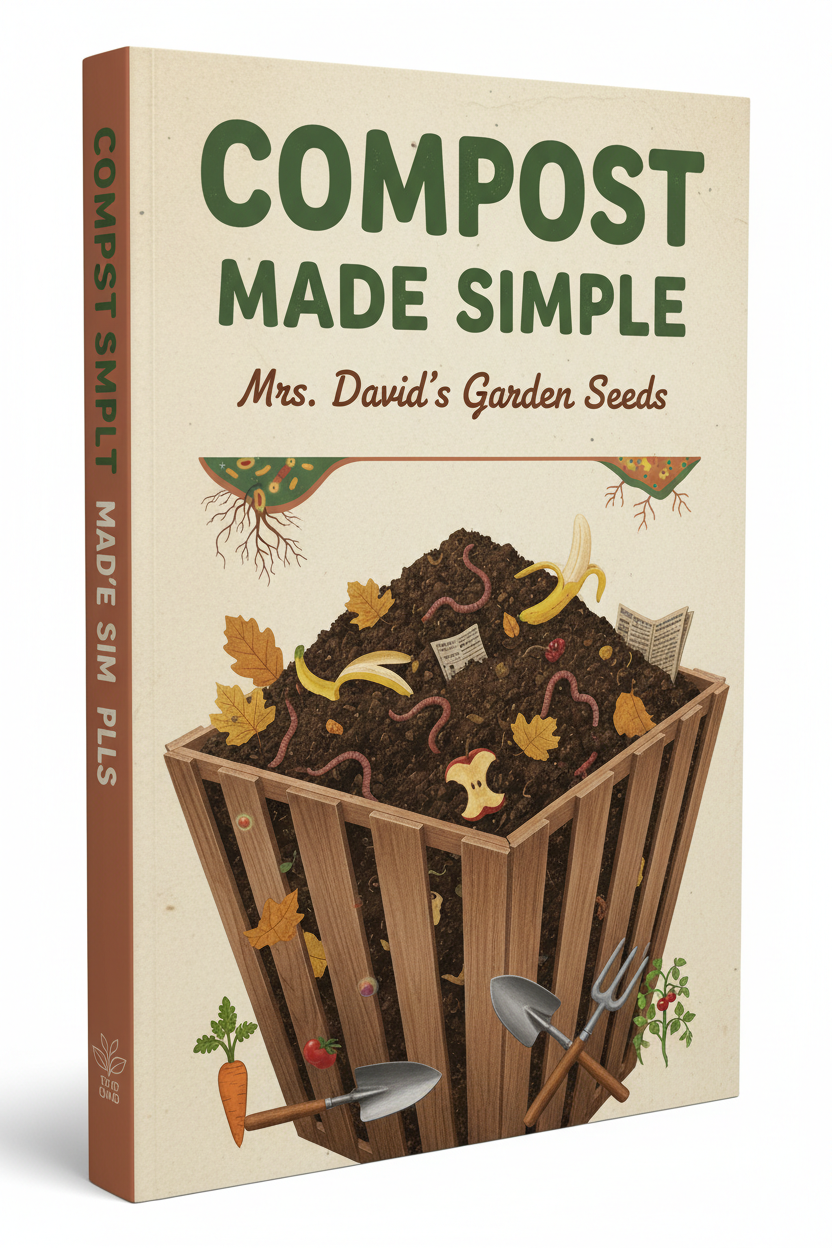
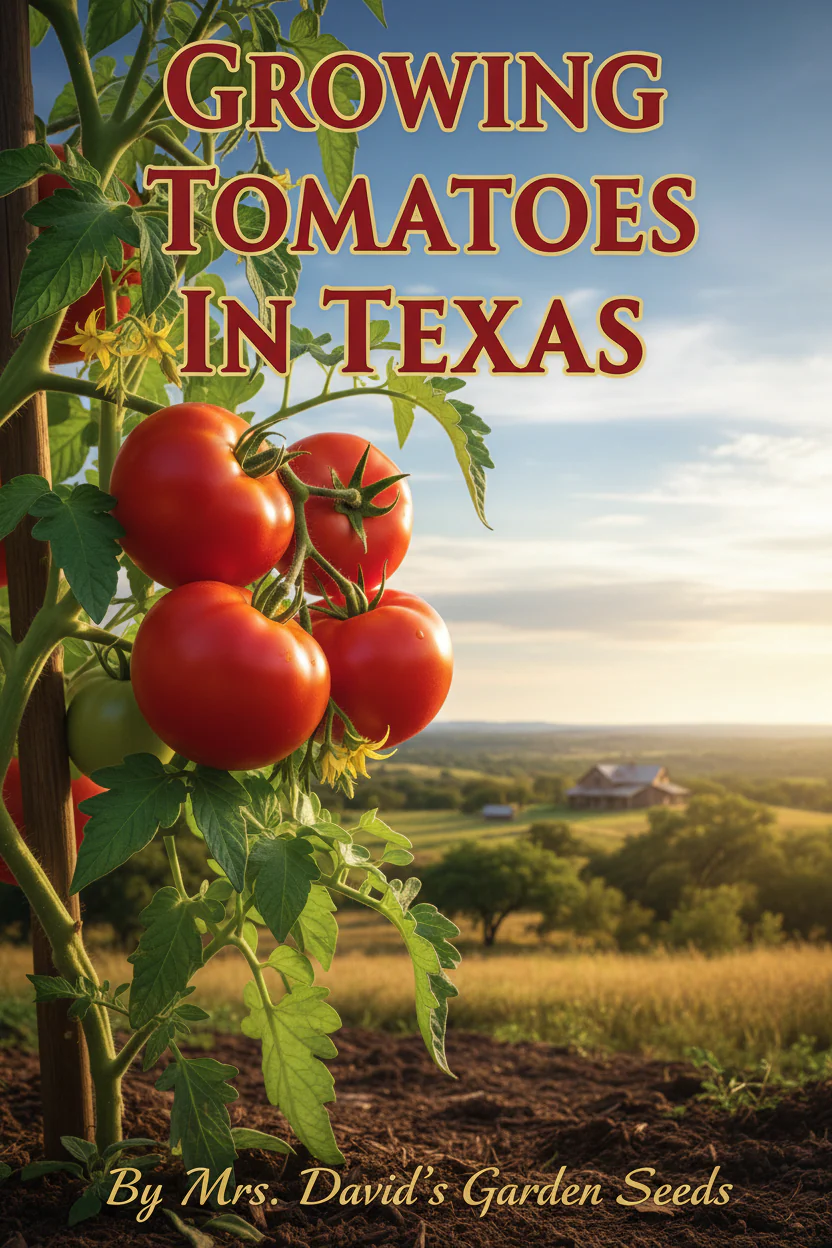
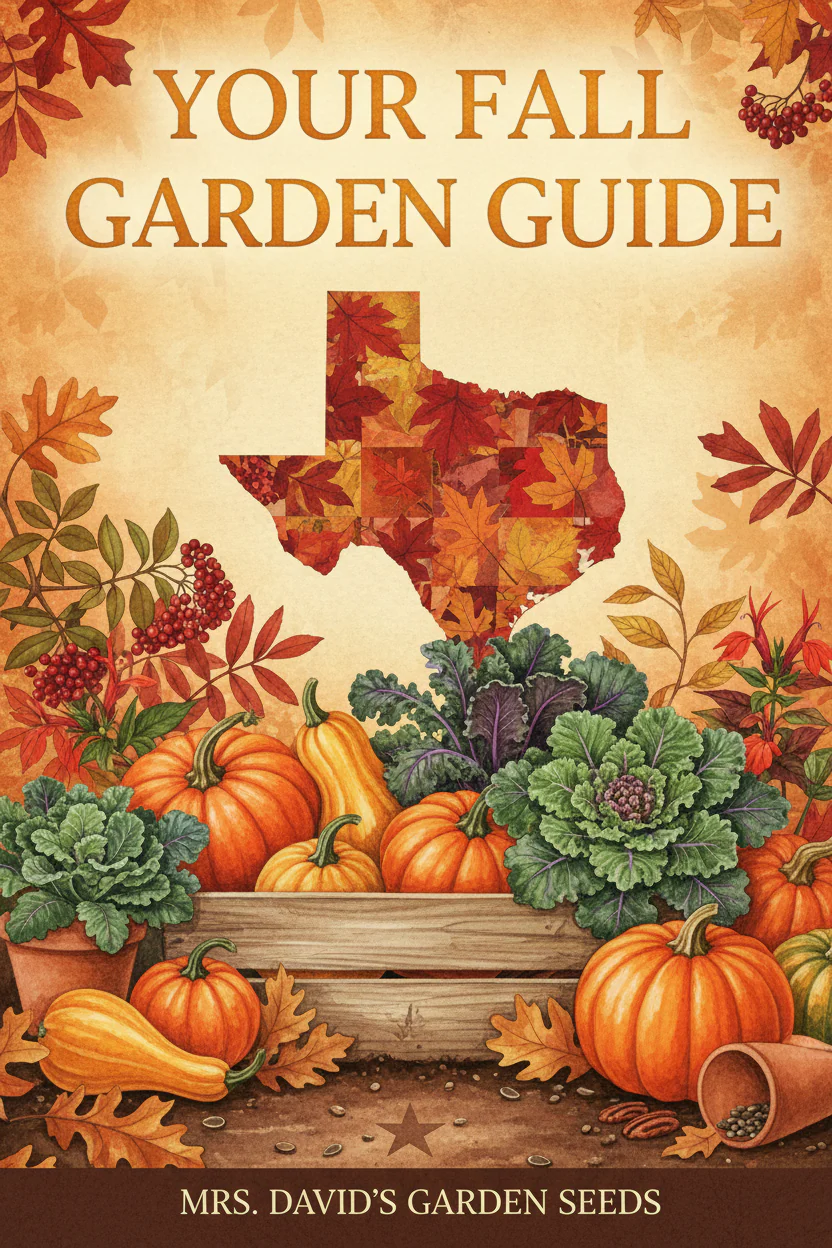
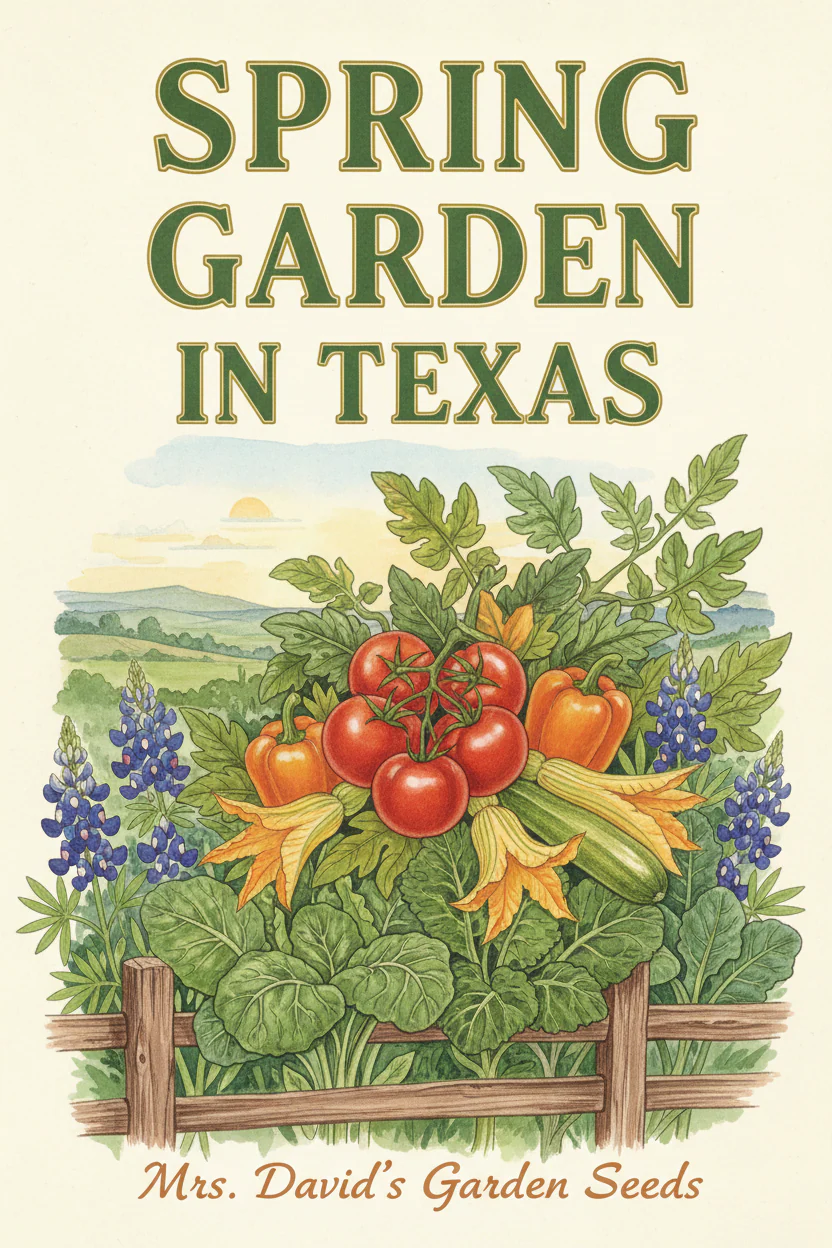
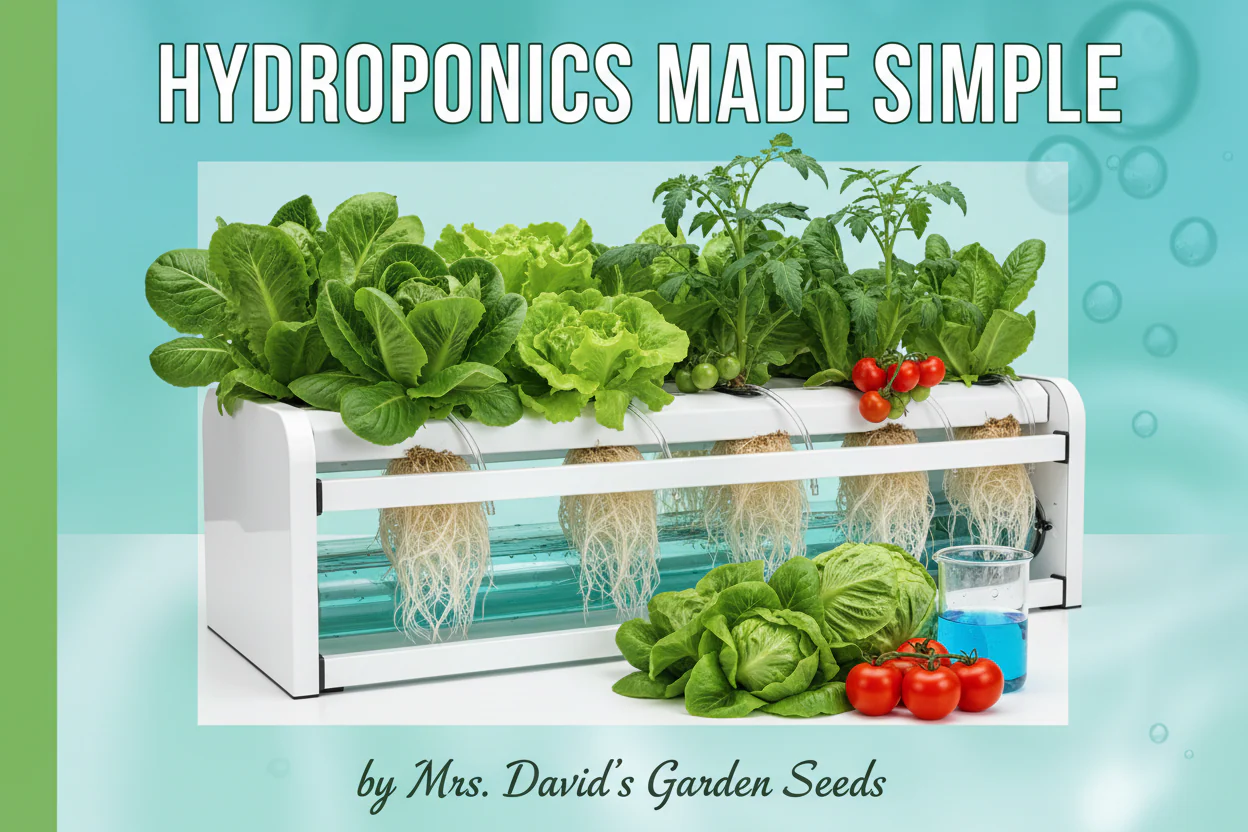
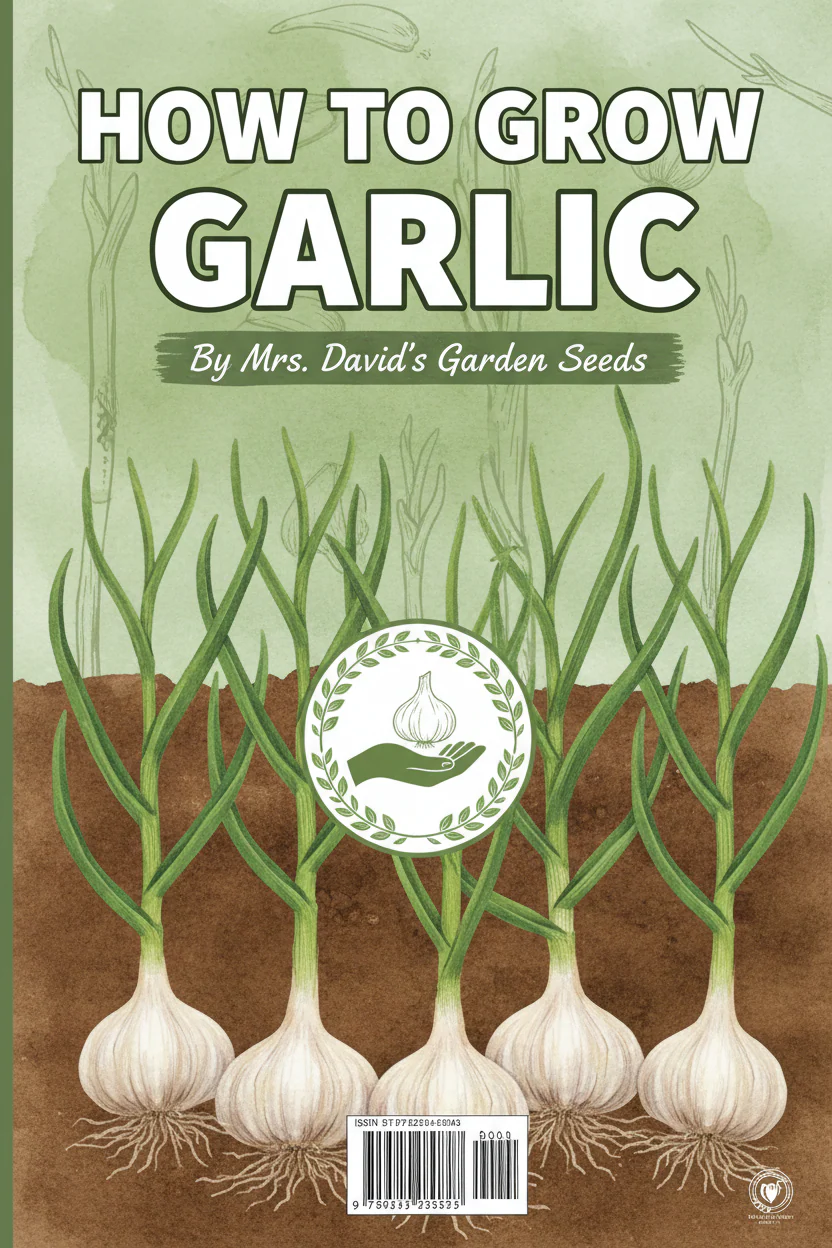
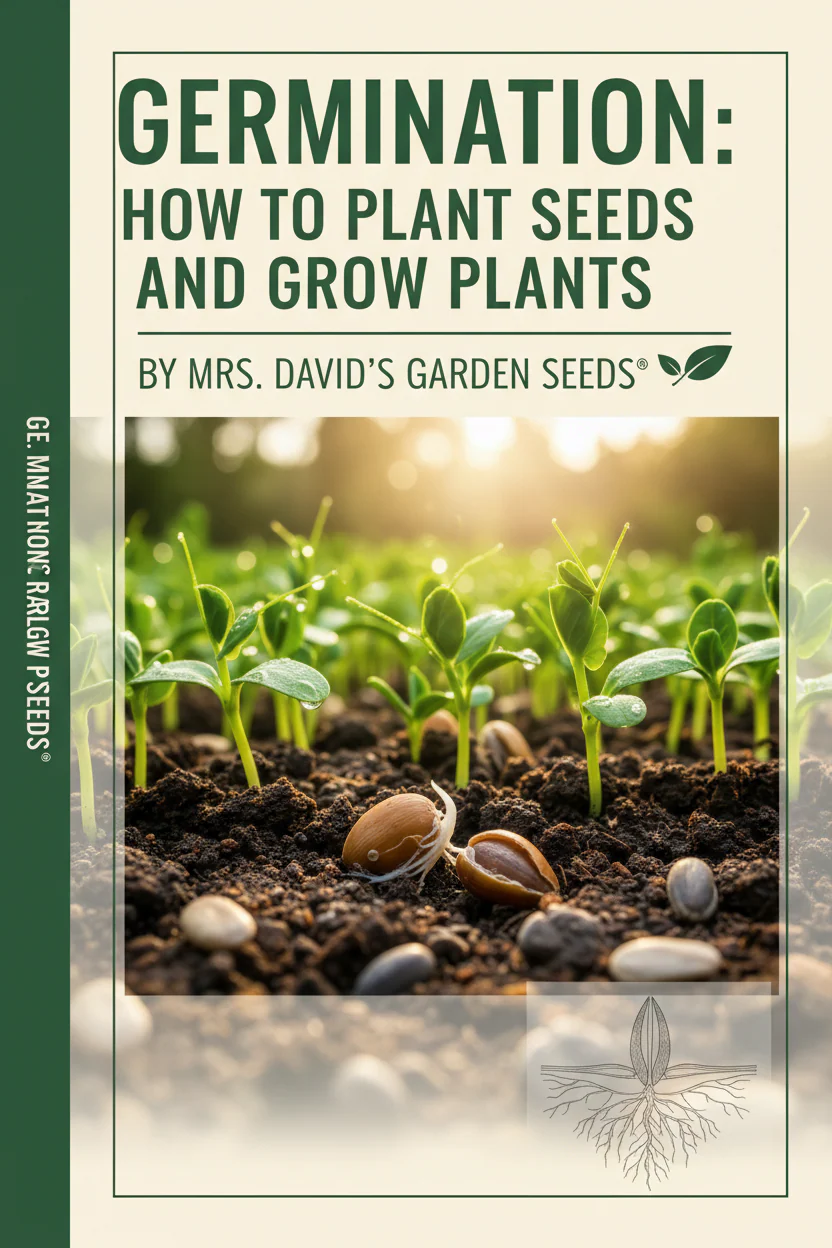
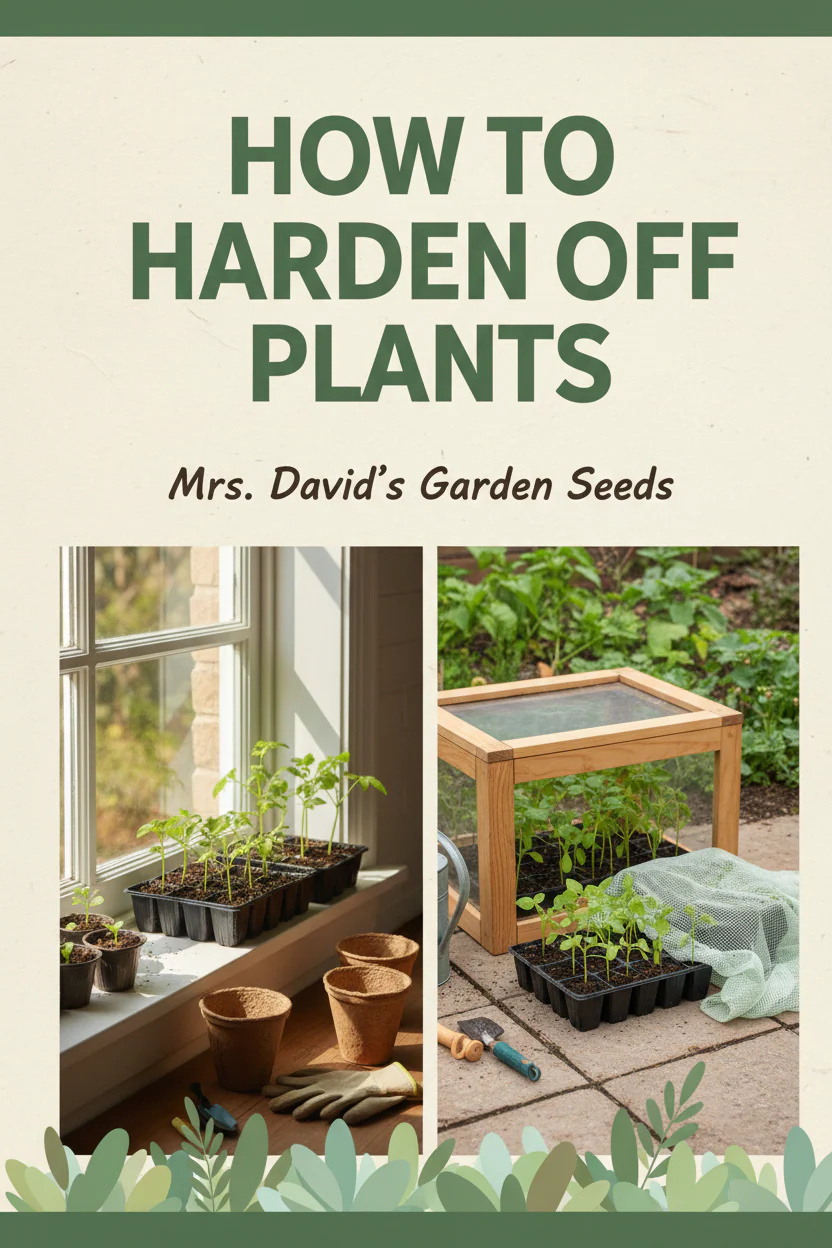
WE DO NOT REFUND OUR DIGITAL DOWNLOADS FOR OBVIOUS REASONS.
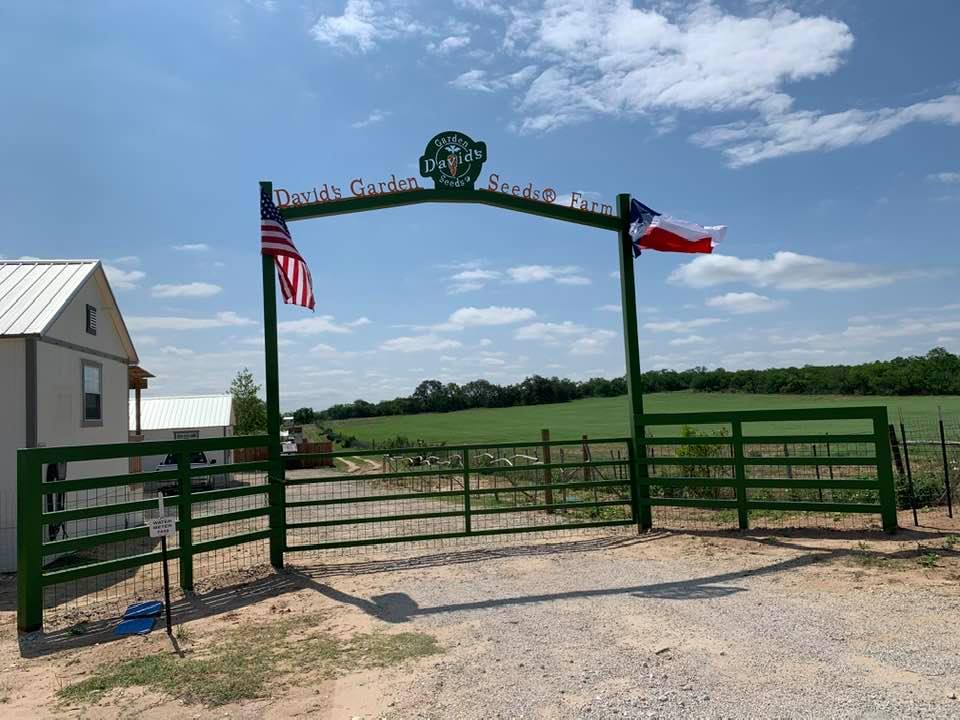
Our Farm Store is the green building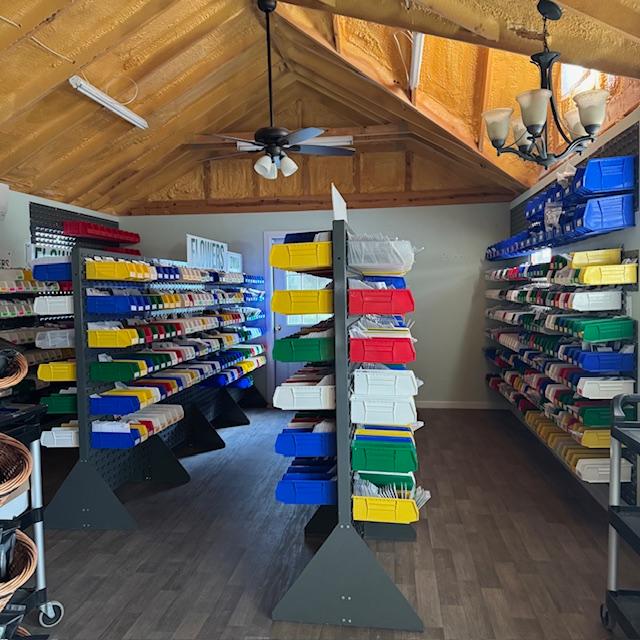 Inside our Farm Store...1400 varieties of seeds await you!
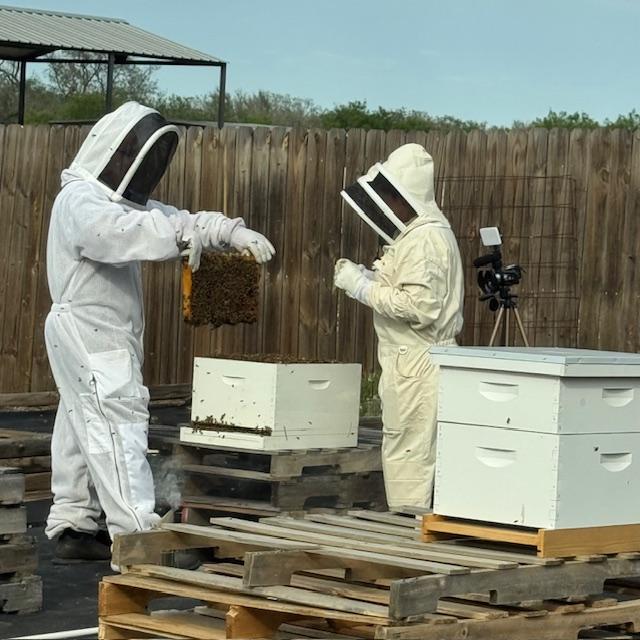 Our bee hives
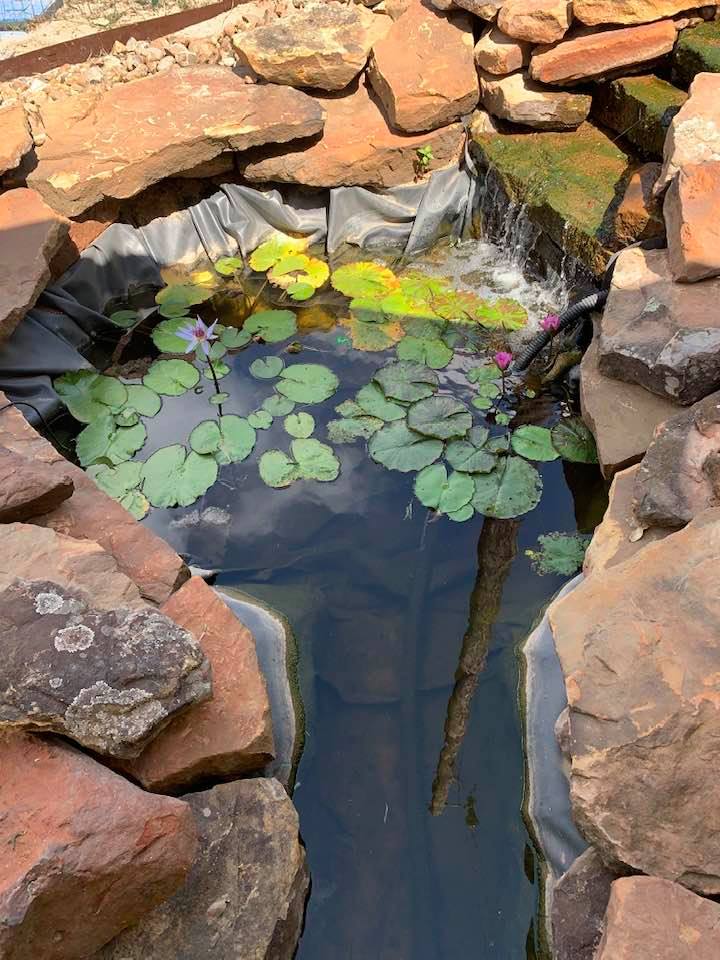
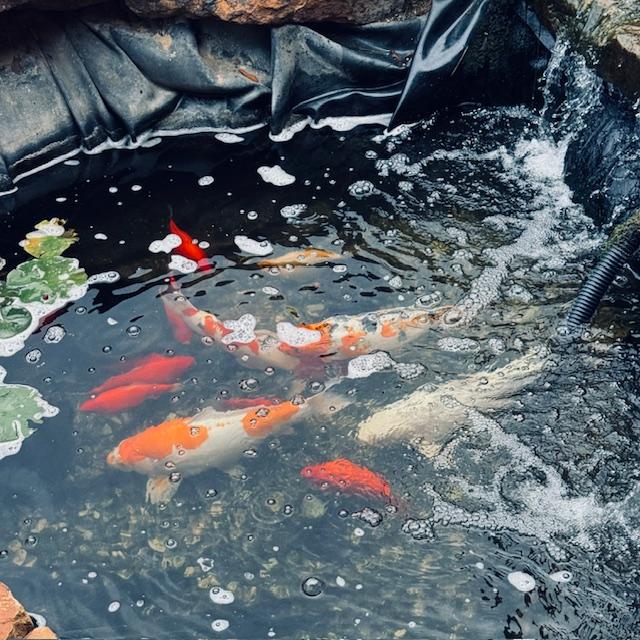 Our fish pond
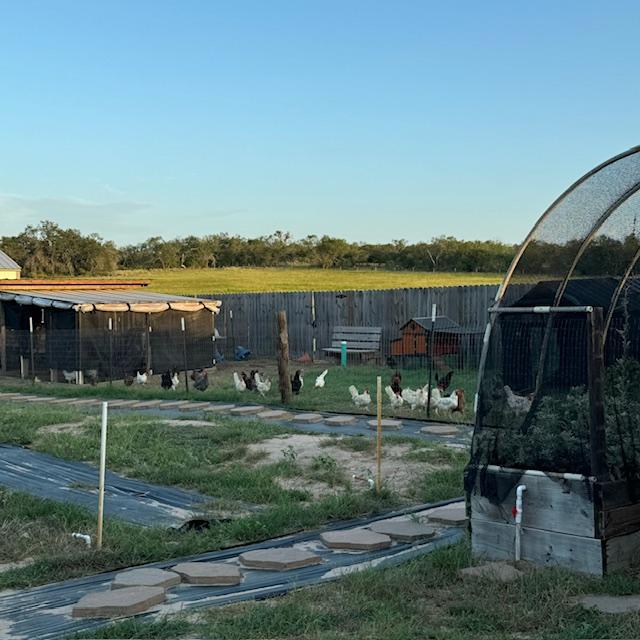 Our chickens
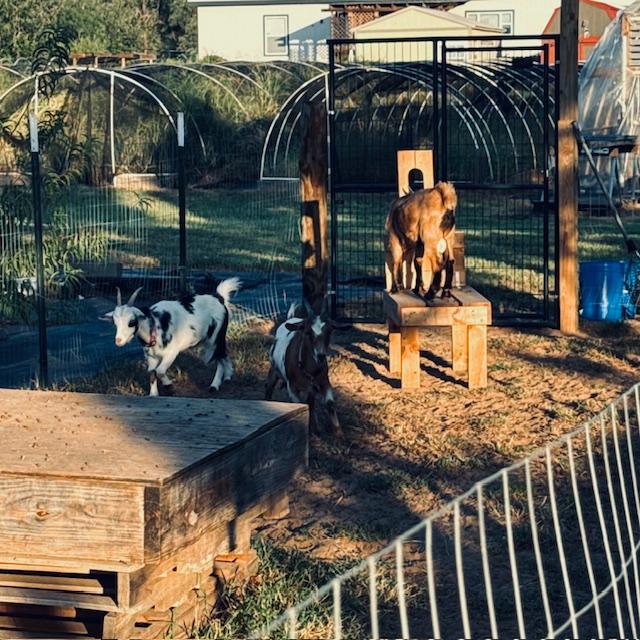 Our Nigerian Dwarf goats
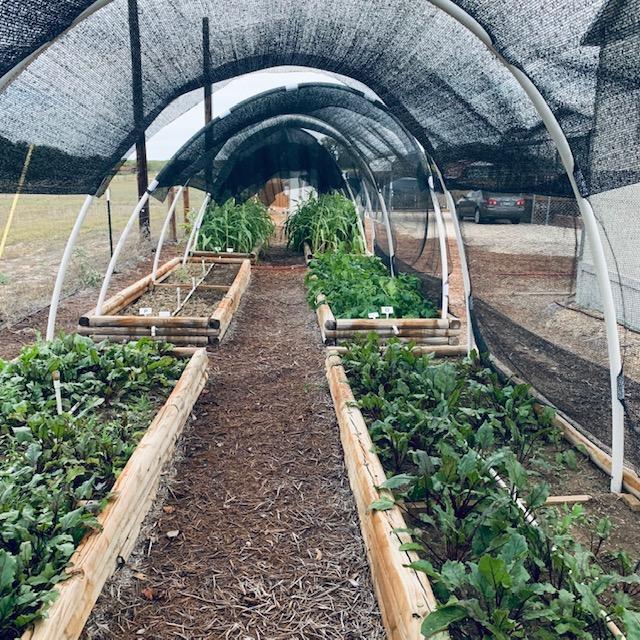
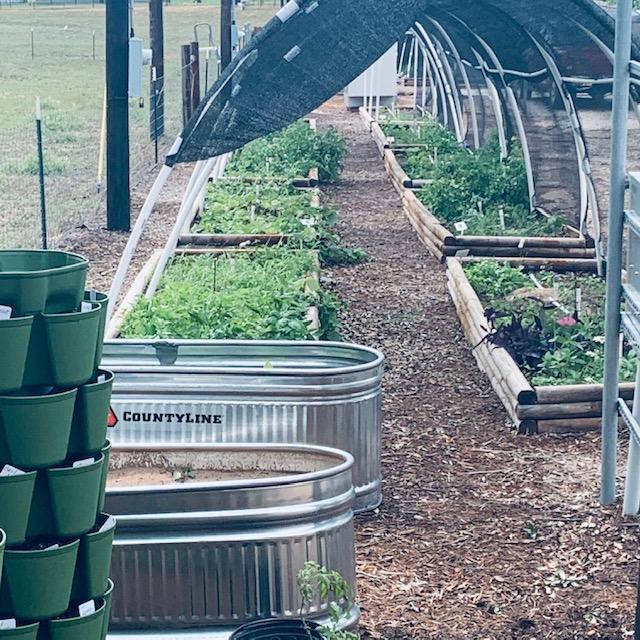 A few of our raised garden beds
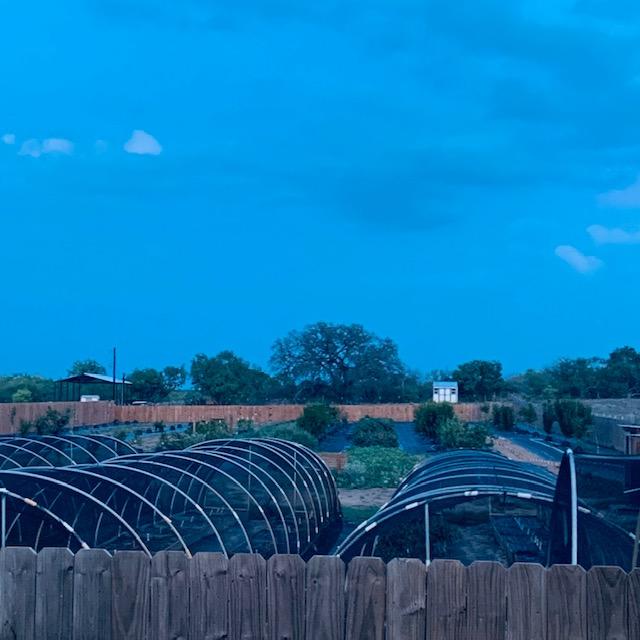 Our orchard and hoop houses
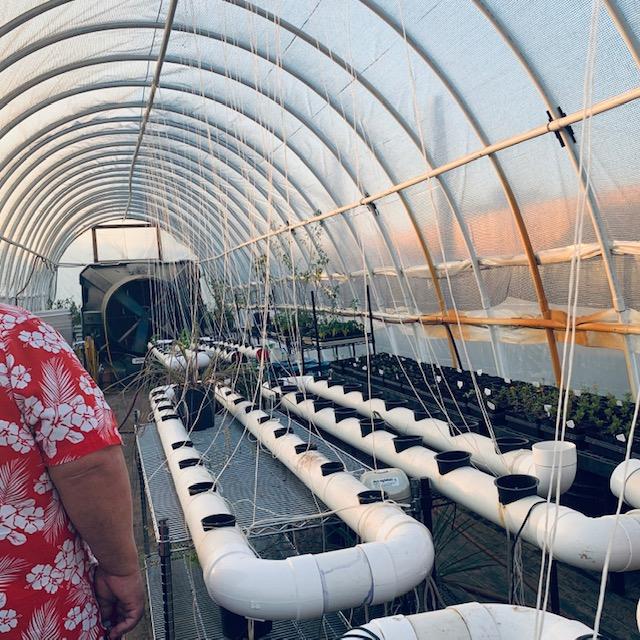 Inside our high tunnel
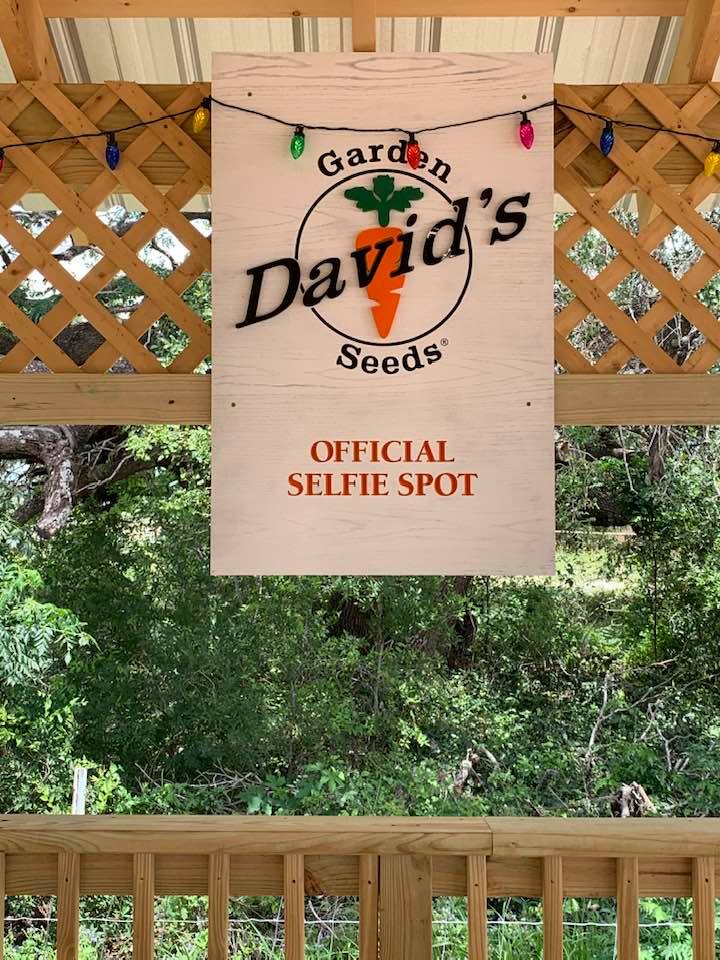 Take a selfie at our official selfie spot!
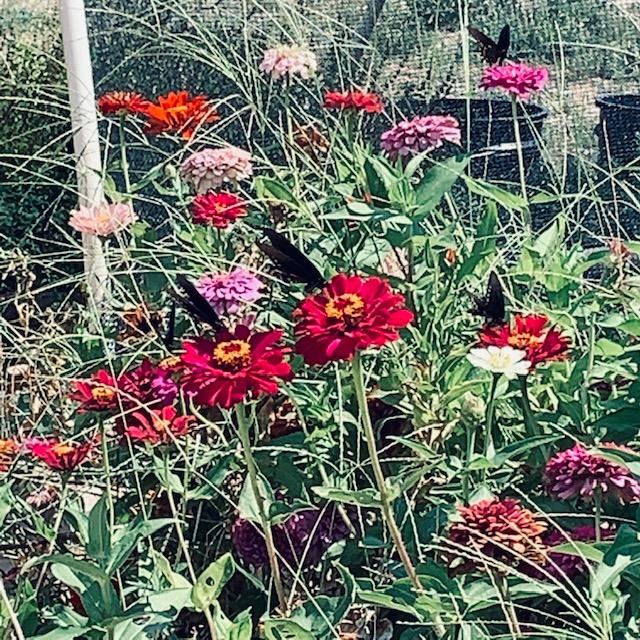 Flowers, bees, and butterflies are everywhere!
Watch Our TV Ads!
David's Garden Seeds® has the best Non-GMO seeds in the state of Texas!

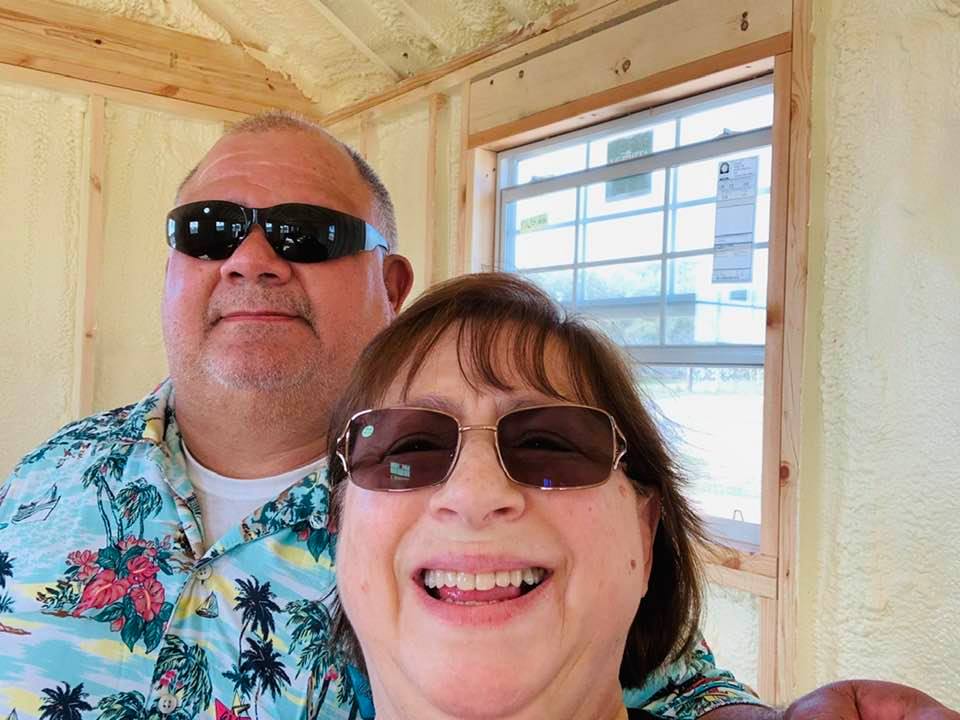
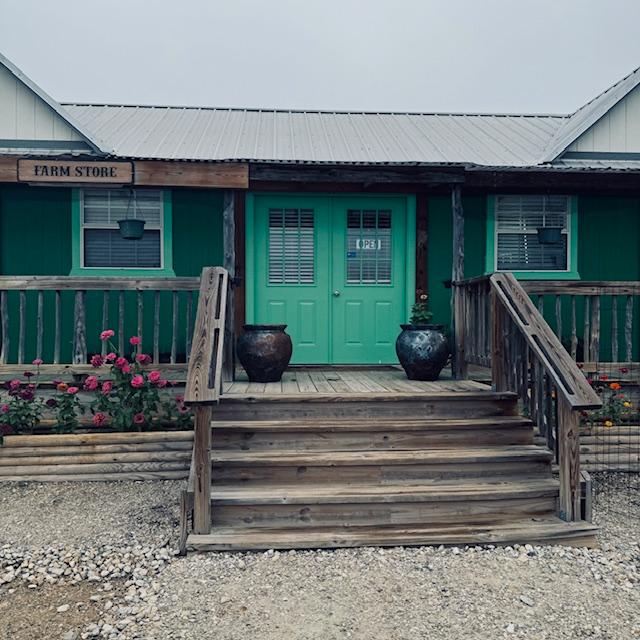 This is our beautiful Farm Store. Come in and shop for seeds. We have over 1600 Non-GMO heirloom varieties to choose from but we are in the process of bringing that number down to half.
Our Story
Hi Everyone! Thank you for visiting my website! I am Mrs Davids
Garden Seeds® aka Mrs. David's Garden Seeds and I think you should know that there is a wonderful seed
company in the great state of Texas called David's Garden Seeds®. We grow some of our seed, we count, hand pack, print our own envelopes, and ship seeds out to you right here from our farm. This used to be an old peanut farm. When the owner died about 15 years ago, his sons split the farm up and sold it in pieces. In 2024, we bought another adjoining four acres.
Our business started in our home in San Antonio in September of 2009. David decided to sell some seeds he had left over from his garden on Amazon. I told David, "Don't bother, it won't work!". I am so glad that David did not listen to me because it did work! By 2015, we had 8 employees working in my home every day and David found a storefront in San Antonio and moved the business there. In 2016, I quit my day job and went on the payroll. The company grew some more and David moved to a bigger storefront in 2017. In 2019, we found a beautiful piece of land over in Atascosa County and turned it into a farm out near Poteet. David and I moved out here to live in August of 2019.
In 2020, we moved our company out to the farm. We have a beautiful Farm Store filled with seeds, a gazebo with a pond full of koi and gold fish for you to visit. Come by and visit us at 5029 FM 2504 in Rossville, just outside of Poteet, Texas, Monday through Friday from 9am to 5pm and Saturday from 10am to 2pm. Or you can order seeds online from our user-friendly website, www.davidsgardenseeds.com.


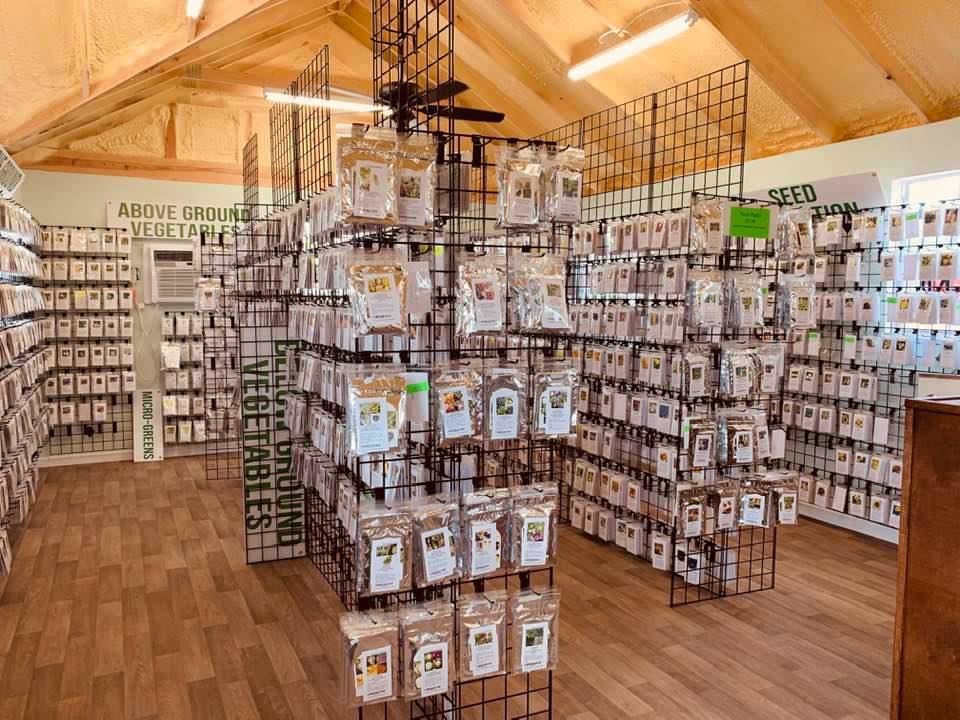 Our beautiful new farm store has almost 2,000 varieties of seeds and more. Mrs Davids Garden Seeds® looks forward to meeting you when you visit.
Mrs. David's Garden Seeds® Copyright by Juanita Lynn Schulze of David's Garden Seeds® 2019-2026
David's Garden Seeds® is Registered in the United States Patent and Trademark Office.