Grow Cauliflower In Your Garden
Let's learn how to grow cauliflower from seed in your garden. Cauliflower likes cool weather so grow it in early spring and late fall.
You might not think of Texas when you think of cauliflower, but you should. If you like tender, mild cauliflower with butter melting over the top, you can grow it yourself, and it will taste better than anything you buy in a store.
In this guide, you’ll learn how to grow this delicious vegetable from seed in your backyard garden in cool weather, early spring and late fall if you live in or near Texas. We’ll walk through every step together, from seed to harvest, in simple, clear language.
Cauliflower is a cool‑weather crop. That means it loves temperatures that feel like late winter or early spring to you. In much of Texas, that cool window is pretty short, but if you plan your timing right, you can squeeze in both a spring and a fall crop.
Before we jump into how to plant cauliflower, let’s talk about why you should. Cauliflower is filled with high fiber and low calories. It helps you feel full, but it does not weigh you down. Cauliflower is healthy so it is something that everyone should eat more of.
Grow Cauliflower - 12/8-12/14/2025
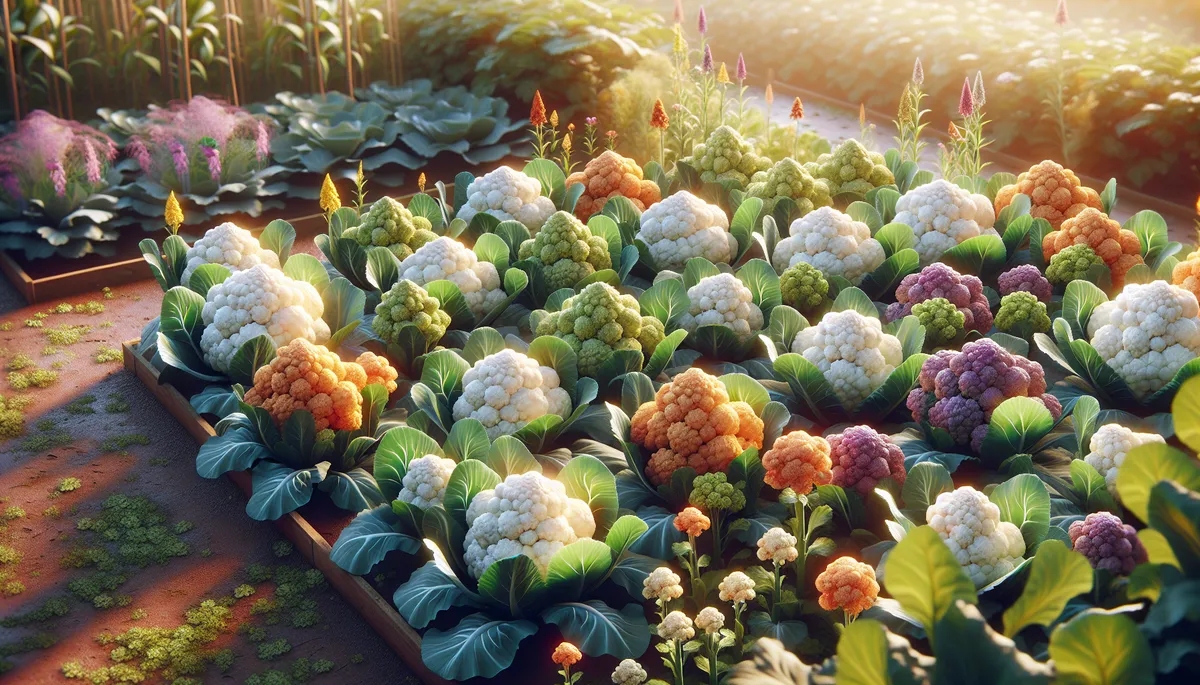 Grow cauliflower in a fun variety of colors.
When you grow it yourself, you control everything: the soil, the water, and the harvest time. That’s why homegrown cauliflower usually tastes sweeter, milder, and more tender than what you buy in the grocery store, fresh or frozen.
I still remember my first homegrown cauliflower in Texas. I cut the head on a cool April morning, steamed it lightly, and covered it with a little butter and salt. I took one bite and thought, “Why have I been eating bagged frozen cauliflower all these years?”
To learn how to grow cauliflower from seed in your backyard garden in cool weather, early spring and late fall if you live in or near Texas, you first need to understand your local climate. Texas is big, and Houston is not the same as Amarillo. El Paso is not the same as San Antonio.
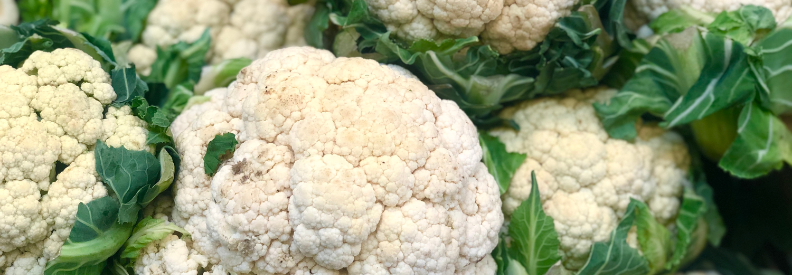 Grow cauliflower one head per plant.
In general, cauliflower grows best when daytime highs stay between about 60°F and 75°F, and nights are cool but not freezing hard. Once your weather gets much hotter than that, cauliflower starts to struggle and can turn bitter or “bolt” (go to flower).
Because Texas warms up fast in spring and stays hot for a long time, you want to grow cauliflower on the edges of the season: late winter into early spring, and late summer into fall and early winter.
Let’s keep it simple and look at three rough Texas zones for timing your spring and fall cauliflower plantings: North Texas, Central Texas, and South Texas / Gulf Coast.
In North Texas (Dallas–Fort Worth, Wichita Falls, etc.), aim to set plants outside around early March for a spring crop. For fall, set plants out in early September. Your exact dates will shift a bit with the weather each year.
In Central Texas (Austin, Waco, Hill Country), plan to set plants outside in late February for spring, and in late September for fall. Your winter is usually milder than North Texas, but the heat comes faster in spring.
In South Texas and the Gulf Coast (Houston, San Antonio, Corpus Christi, Rio Grande Valley), cool weather comes later and stays milder. You may be able to grow cauliflower mostly in fall and winter. Set plants outside around late October to November for your main crop.
Those are transplant dates, not seed dates. Since you’re starting from seed, you’ll begin several weeks earlier indoors or in a protected area. We’ll go over that in detail.
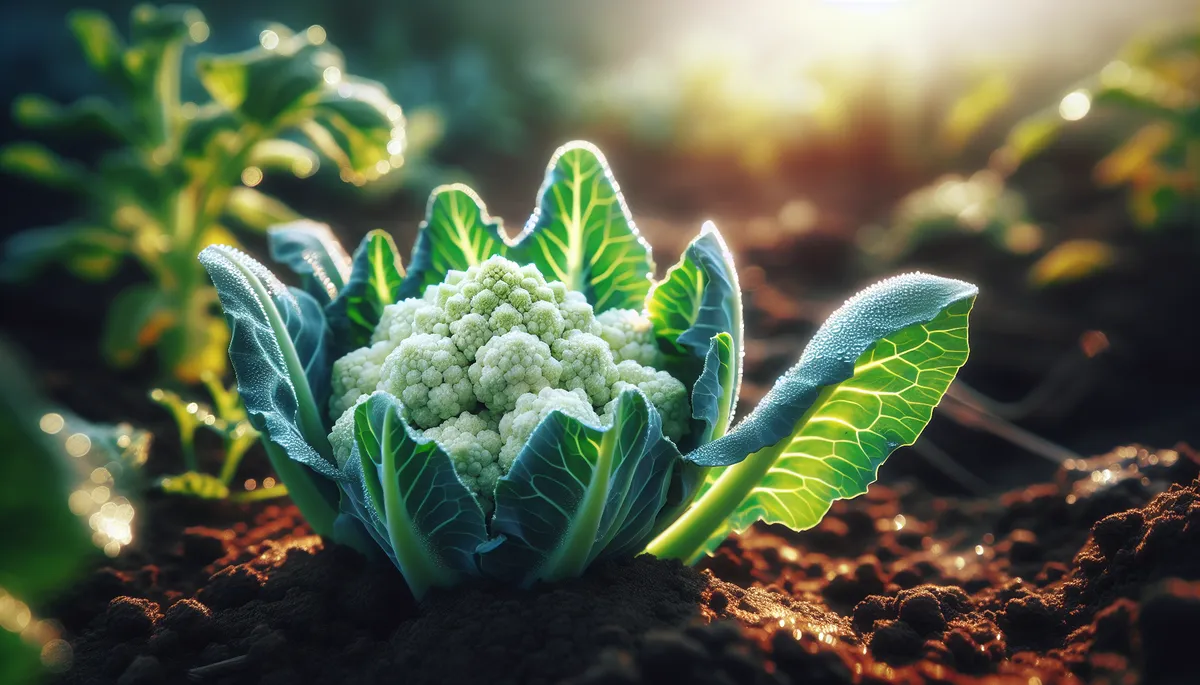 A beautiful head of cauliflower growing in the garden awaits...
To learn how to grow cauliflower from seed in your backyard garden in cool weather, early spring and late fall if you live in or near Texas, you should always count backward from when you want to set your plants outside.
Cauliflower takes about 4–6 weeks to grow from seed to a sturdy transplant. Then it needs another 60–80 days in the garden, depending on the variety and weather, before you can harvest a head.
For a spring crop, count back 4–6 weeks from your target outdoor planting date. That’s when you should start your seeds indoors. For a fall crop, again count back 4–6 weeks from when you want to set them out as the summer heat starts to fade.
Here’s a simple example: if you want to set seedlings out around March 1 in Central Texas, start your seeds indoors around mid‑January to late January. For a fall crop with transplants going out October 1, start seeds around late August.
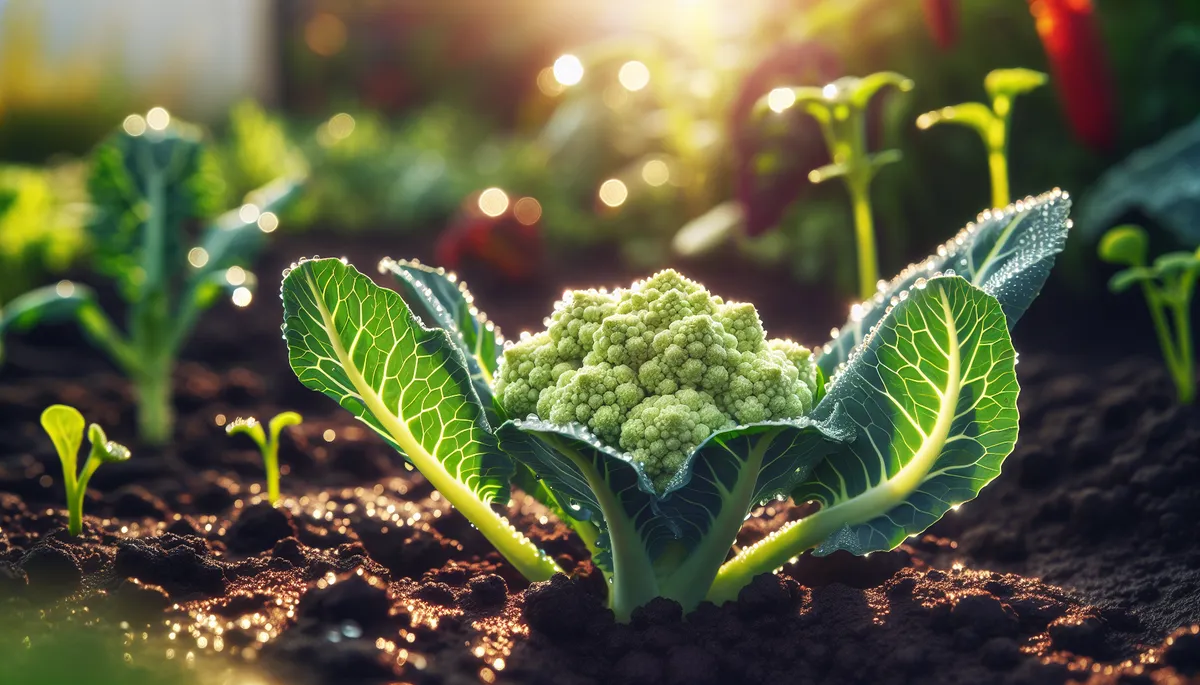 Yes, you can grow cauliflower that is green.
You don’t need fancy equipment to grow cauliflower from seeds. A small grow light can work in your home. Other things you need are a clean container, good seed‑starting mix, and consistent moisture.
Use a seed tray, small pots, or even recycled containers with drainage holes. Fill them with a light, fluffy seed‑starting mix. Avoid heavy garden soil in your seed containers; it holds too much water and can cause the young roots to rot.
Moisten the seed‑starting mix before planting the seeds. It should feel like a wrung‑out sponge. Not soggy, not dusty, just damp. This helps the seeds take in water right away.
Plant the seeds about ¼ inch deep. That’s roughly the length of your fingernail’s white tip. You can drop one or two seeds per small cell or pot. Gently cover with mix and press lightly so the seed touches the soil.
Keep the containers in a warm spot, around 65–75°F if you can. In most Texas homes in late winter, room temperature is fine. Cauliflower seeds usually sprout in 5–10 days.
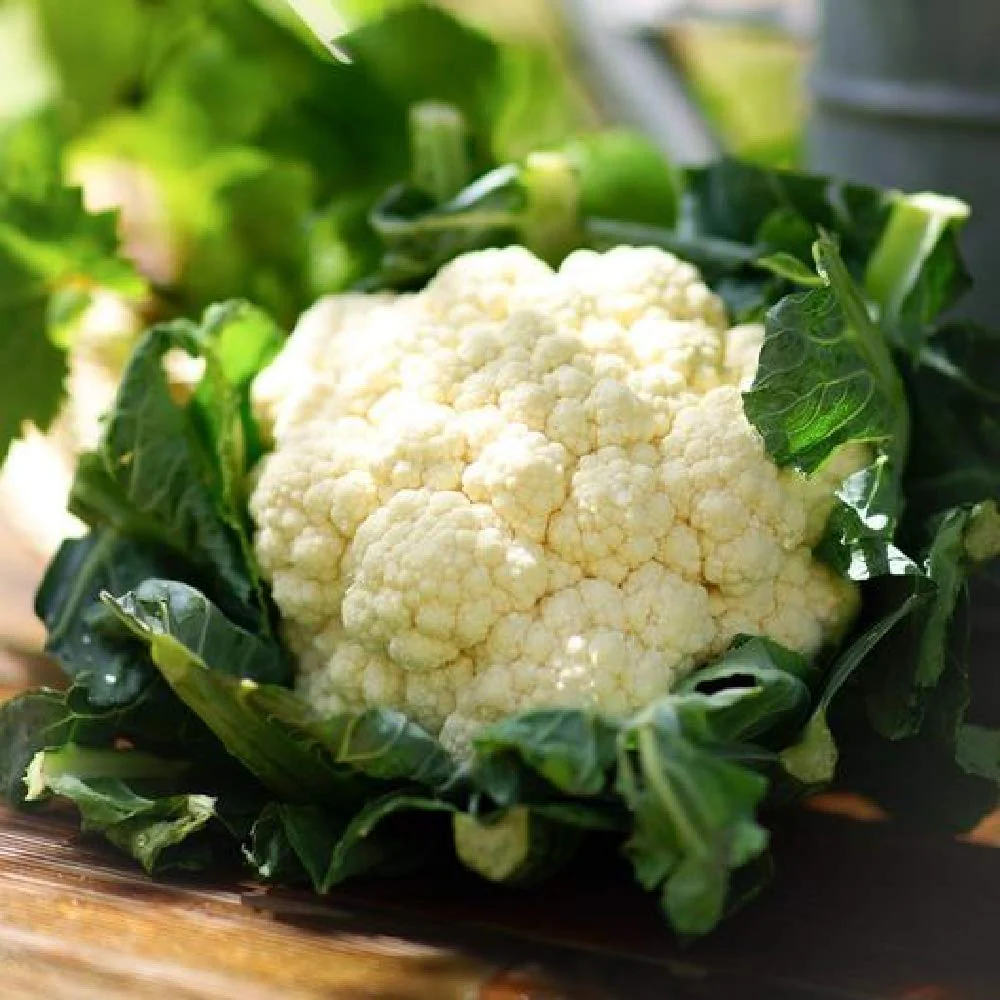 Look at this beautiful head. Grow cauliflower--this is Snowball Y Improved.
While you’re waiting for germination, keep the top of the soil moist but not waterlogged. A spray bottle or gentle drizzle from a small watering can works well. You don’t want to blast the seeds out of the soil.
Once you see green sprouts, give them as much light as possible. A south‑facing window can work, but many windows still don’t give enough light. That’s why a simple grow light or shop light, placed a few inches above the seedlings, makes a big difference.
If seedlings stretch and get tall and weak, they are not getting enough light. Strong seedlings should look short and sturdy, with thick, dark green leaves.
Keep the seedlings slightly cool if you can, around 60–70°F. This helps them grow strong and prepares them for life outdoors. Water when the top of the mix feels dry. Do not let them sit in standing water.
After about two weeks, once they have their first set of “true leaves” (the leaves that come after the tiny seed leaves), you can start feeding them lightly with a gentle, water‑soluble fertilizer at half strength every 1–2 weeks.
Meanwhile, get your garden bed ready to grow cauliflower. Cauliflower likes rich, loose soil with good drainage and lots of organic matter. If your Texas yard is mostly clay or sand (and many are), you’ll want to improve it.
Work in compost, aged manure, or a balanced organic fertilizer. Aim for soil that crumbles in your hand, not a sticky clump and not a pile of dust. Raised beds are great for cauliflower in Texas because they drain well and warm up just enough in cool weather.
Choose a spot that gets at least 6 hours of sun in cool weather. In Texas, morning sun and afternoon shade can help a lot, especially for a spring crop that might run into rising temperatures.
Before you plant cauliflower seedlings outdoors, you need to “harden them off.” This means slowly getting them used to outside conditions: sun, wind, and cooler nights. If you skip this step, the plants can shock and stop growing.
About 7–10 days before planting in the garden, start moving the seedlings outside for a few hours each day. Begin in bright shade, then gradually give them more direct sun and more time outdoors.
Bring them back inside or into a protected area at night at first. By the end of the hardening‑off week, they should be able to stay outside all day and most nights, as long as frost is not severe.
When your soil is workable and daytime temperatures are cool but not freezing all day, it’s time to plant. For early spring in Texas, the soil may still feel cool to your hand, and that’s okay. Cauliflower can handle light frost once it’s established.
Space your plants about 18–24 inches apart in rows that are 24–30 inches apart. Cauliflower plants get big, and they need air flow. Crowded plants are more likely to get diseases and form small heads.
Dig a hole a little deeper than the seedling’s pot. Gently remove the plant from the container, trying not to break the roots. Set it into the hole so that the soil level in the garden matches the level it had in the pot.
Firm the soil gently around the roots and water well. That first watering helps settle the soil around the roots and removes air pockets. You can add a light mulch right away to keep the soil moist.
Mulch is your best friend in Texas gardening when you grow cauliflower or just about anything. A 2–3 inch layer of straw, shredded leaves, or pine needles around each plant helps keep the soil cool, holds moisture, and cuts down on weeds.
Cauliflower needs steady moisture. The soil should stay evenly damp, not bone dry and not soggy. In most Texas gardens, that means watering deeply 1–3 times a week, depending on rainfall, soil type, and wind.
Instead of sprinkling a little water every day, water deeply so moisture reaches the full root zone. Drip irrigation or a soaker hose works well. If you only have a hose, run it slowly at the base of the plants.
Cauliflower also likes regular feeding. Before planting, mix in a balanced fertilizer or compost. Then, about once a month, side‑dress with more compost or use a liquid fertilizer according to the label. Avoid overdoing high‑nitrogen fertilizer or you’ll get big leaves and small heads.
As the plants grow, keep an eye on weeds. Pull small weeds by hand or use a hoe carefully. Try not to disturb the cauliflower roots too much. Mulch helps a lot with weed control, so don’t skip it.
Now let’s talk about the heat problem. In Texas, spring can jump from cool to hot very fast. Cauliflower grown in rising heat can “button,” which means it makes a tiny head, or it can bolt. That’s why timing and variety selection matter so much.
For spring, choose faster‑maturing varieties that can form a head before the real heat of late spring. For fall, you have more time, since temperatures are dropping instead of climbing. Fall crops in Texas often produce better heads.
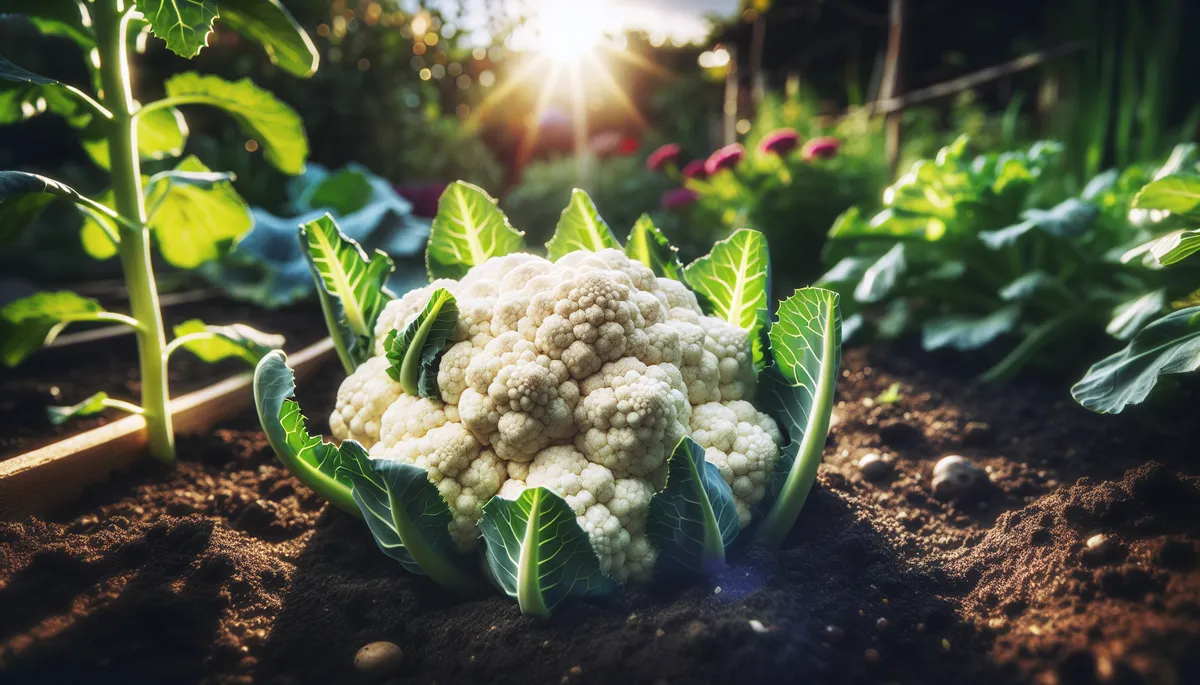 Grow cauliflower in your garden. It doesn't take up much space but remember that you get just one head per plant.
Some cauliflower varieties “self‑blanch,” meaning their own leaves curl up and cover the developing head, keeping it white and tender. With others, you may need to help by tying the outer leaves loosely over the head with a soft string or clip when the curd (head) is about 2–3 inches wide.
Blanching keeps the sun off the head, which can turn it yellowish and strong‑tasting. Check under the leaves every few days to see how the head is growing and to watch for pests.
Pests you might see in Texas include cabbage worms, loopers, and aphids. Look for small holes in leaves or tiny green worms on the underside of the leaves. Hand‑pick worms when you see them, and consider using a safe product like Bt (Bacillus thuringiensis) if damage is heavy.
Aphids cluster on stems and undersides of leaves. A simple blast of water from the hose often knocks them off. Ladybugs and other beneficial insects will also help control them if you avoid strong chemical sprays.
When you grow cauliflower, watch for signs of stress, like leaves turning purple (sometimes from cold or nutrient issues) or plants that stop growing. In my own garden, I once left seedlings in the pots too long. When I finally planted them, they just sat there and never formed heads. Lesson learned: don’t let transplants get root‑bound.
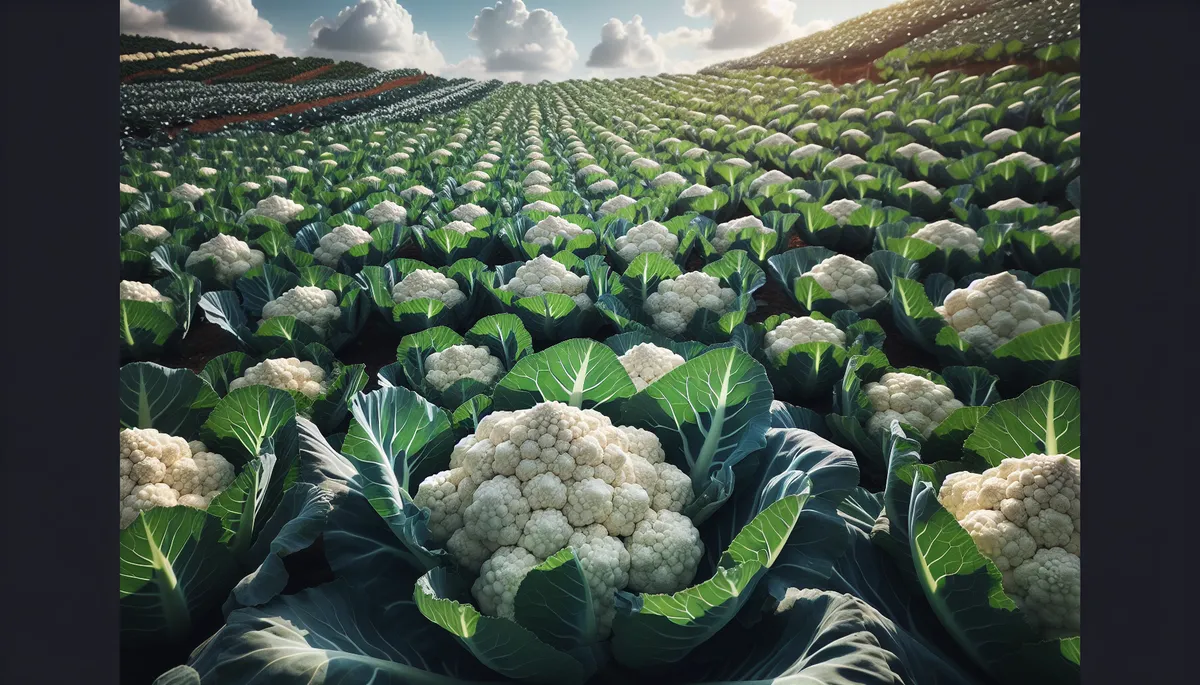 A farmer grows cauliflower in a large field.
You’ll know it’s time to harvest when the head is firm, tight, and about the size of a softball to a small dinner plate, depending on the variety. The curd should look compact, not loose or fuzzy.
If you wait too long, the head will start to separate into little flower stalks and the quality drops fast. In warm Texas weather, this change can happen quickly, so check your plants often once the heads begin to form.
To harvest, take a sharp knife and cut the stem a few inches below the head, leaving some outer leaves around it to protect it. Harvest in the cool of the morning if you can. The flavor will be better, and the heads will stay fresh longer.
After harvest, you can eat cauliflower right away. Steam it, roast it, mash it, toss it with butter and herbs—whatever you like. Because you grew it in cool weather and picked it at the right time, the taste will likely surprise you. It’s mild, sweet, and tender.
When you eat cauliflower that you grew yourself, it feels different and it tastes better. You know it came from your own soil, your own effort, and your own careful timing. You’ll also know, now, that you really can learn how to grow cauliflower from seed in your backyard garden in cool weather, early spring and late fall if you live in or near Texas.
Once you’ve done it once—started the seeds, watched the plants grow, protected them from heat and pests, and finally cut that first white head—you’ll probably want to plant cauliflower every cool season. It’s tasty, it’s good for you, and it proves that even in Texas, cool‑weather crops can thrive in your backyard.
Monday, December 8, 2025 - Grow Cauliflower
 The sun was just beginning to think about rising when I saw this.
Good morning. I have been awake since 4:16am. I finally got up and made a cup of mushroom coffee, picked up a Christmas book from my coffee table, and read old Christmas stories for quite a while in the living room. It was enjoyable.
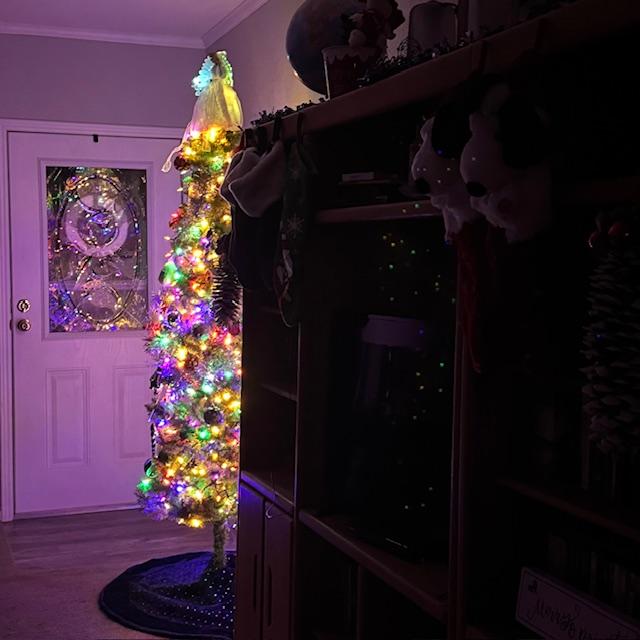 I enjoyed the light of the tree while reading some fun Christmas stories from the early 20th century. That seems so long ago now. I enjoyed the light of the tree while reading some fun Christmas stories from the early 20th century. That seems so long ago now. |
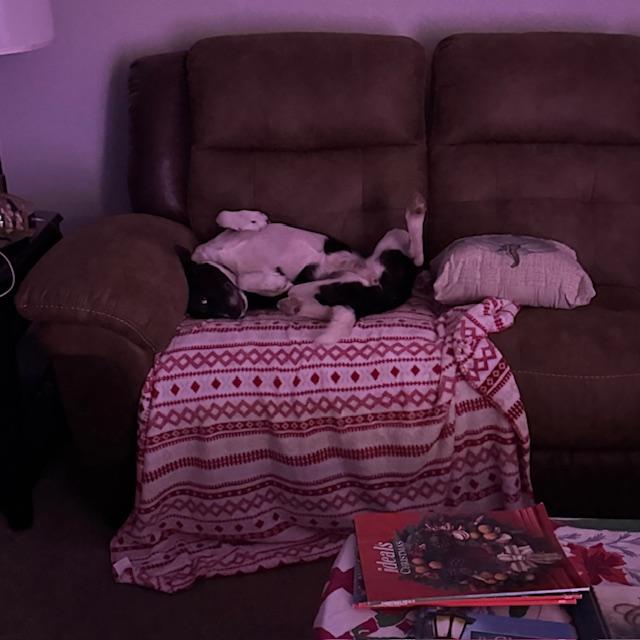 Sue Ellen is no lady, that's for sure. She always wants a belly rub and she doesn't care if it is the middle of the night. Sue Ellen is no lady, that's for sure. She always wants a belly rub and she doesn't care if it is the middle of the night. |
I turned on the Christmas tree lights and saw Sue Ellen on the couch, wanting me to pet her tummy.
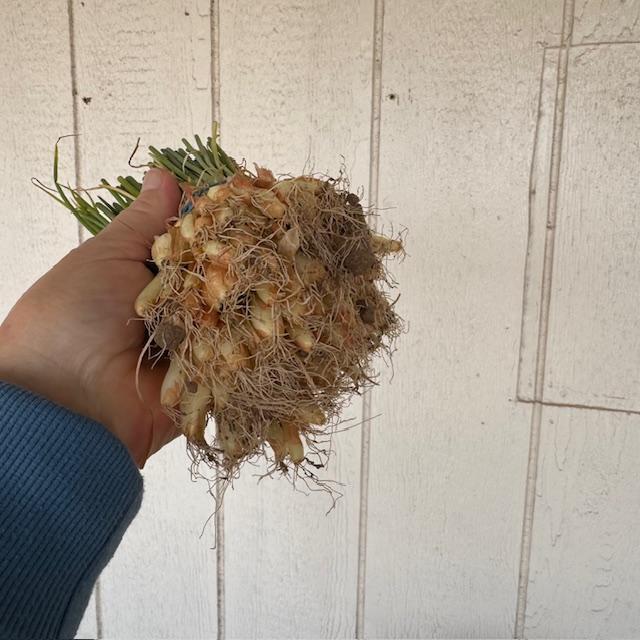 We have 3 yellow onion start varieties--the Yellow Granex, the Texas 1015Y, and the Candy. We have 3 yellow onion start varieties--the Yellow Granex, the Texas 1015Y, and the Candy. |
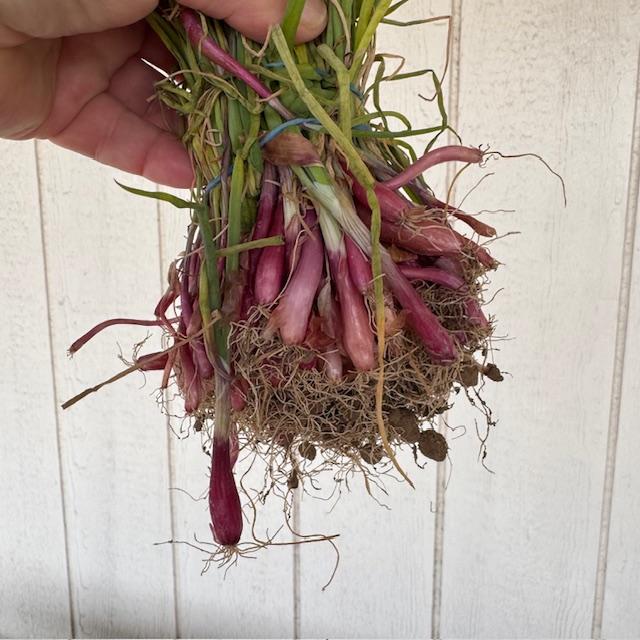 We have one red onion start variety--the Red Creole. We have one red onion start variety--the Red Creole. |
We have five varieties of onion starts that are on sale now. We can ship them or you can come by and pick some out to take home.
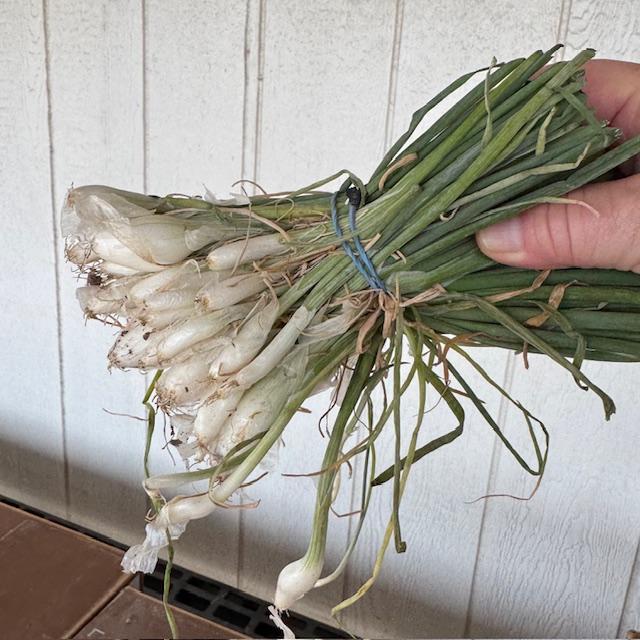 We have 1 white onion start variety-the Texas Early White.
I have the mail preview so I can see the envelopes in the morning by email. Today, we are getting yet another letter addressed to David's Sunflower Seeds. Will it be a complaint, a compliment, or a request for free seeds? Maybe it will be a suggestion--we get all kinds of those.
Good golly, folks! We have nothing to do with David Seeds, the company that makes edible sunflower seeds in various flavors and snack bag sizes. They were bought by food giant ConAgra years ago and are made in California, not Texas.
The mail arrived and the letter is a wedding invitation for December of 2026. Apparently they want David Seeds to send them their favorite flavors of sunflower seeds for the wedding. They even sent snapshots of themselves. How on earth do we keep getting mail and emails for a sunflower seed company called David Seeds? We are David's Garden Seeds.
I spent most of the day shipping out onion starts and then seed orders.
Two local ladies stopped in the store this morning to ask for donations for Christmas toys for the community. We give every year but today we had to say no as business is way down.
Did I mention that on Saturday another local lady stopped in while I was helping a family in the store? She dropped in to tell me that both of the little old ladies who used to live across the street died on Thanksgiving Day and they were being buried that day. In truth, only way passed away last Sunday. I tried my best to get her to leave. My customers don't need to hear gossip going on in the neighborhood. She finally left after asking me if the mail had come yet. Then she told us all that she was going into Poteet. Fun times.
This afternoon, we had an actual customer, one who bought some seeds.
After I mailed out all of the ordered onion starts, I had to label every bundle of onion starts left because only the boxes were labeled. There are well over 100 left so if you are thinking about it, come on by. They are on sale now for $11.95 instead of $16.95.
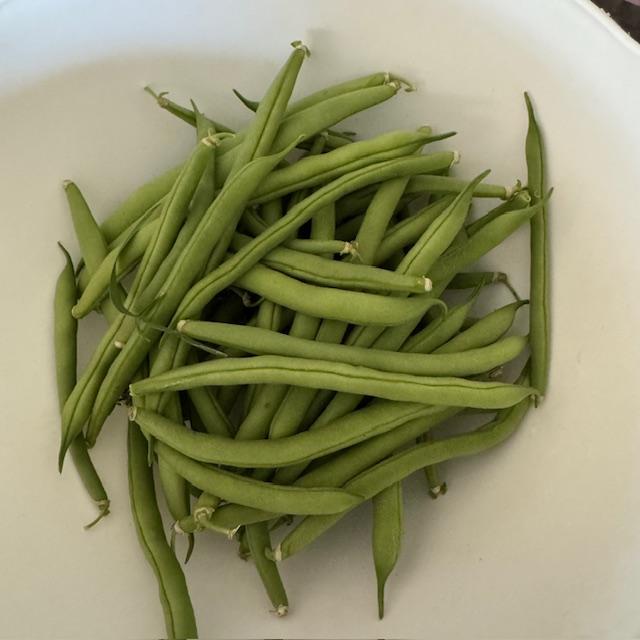 These are bush beans that Matt picked from our garden this afternoon.
Matt picked the green beans. Not a bad haul.
It is going to get down to 35° tonight.
Still no baby goats. I sent Matt out early to take care of the animals this evening. Good thing he went. One of the mamas was in with the younger goats. How? As Matt was standing there pondering, Gracie opened the latch on the gate with her mouth. She must have done that earlier and Trixie went right on in. Matt pulled her out and put her back in her nice apartment for the night. I don't want to take the chance of either mama having their baby and then one of the other goats kills it. I read that you have to separate them when they have new babies.
Tuesday, December 9, 2025 - Grow Cauliflower
Good morning. It is now 32° Fahrenheit, yes, freezing, even though we were told the lowest would be 34°. Ha ha ha. Hopefully, things are okay.
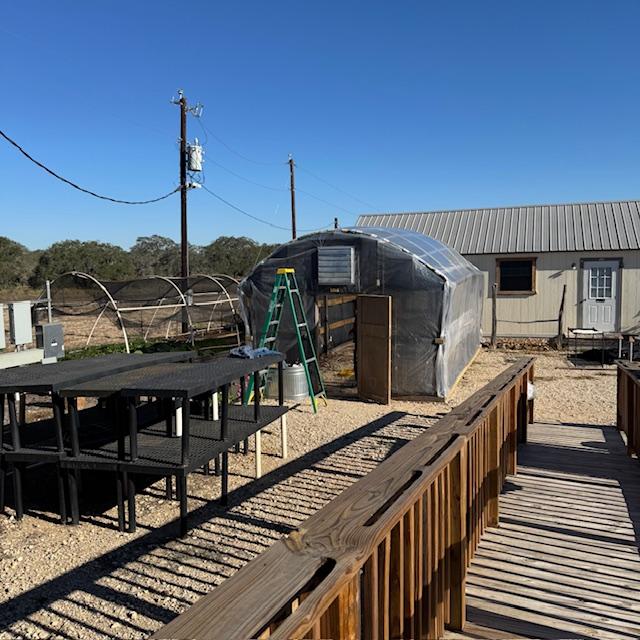 The new greenhouse in the front is coming along.
The greenhouse in the front is almost complete so we can start seeds soon.
We left just after 9am to see David's cardiologist. David got a pretty decent report. We then took a truckload of cardboard to a new recycling place in San Antonio.
After that, we went to McDonald's in Lytle to get a quick lunch. Ha! We used the drive thru and gave our order. Two #6A meals, one with sweet tea and one with unsweetened tea. The 6A meal is the two wraps with fries and a drink.
First she just charged us for one meal. Again, we say two. Okay. Now we pay for two full meals.
We get the first drink and it is the unsweetened tea but they have it marked as sweet and then the sweet tea is marked as unsweet. It turns out that they were opposite but not a big deal. Then they tell us to go park in space 5 and wait. We did for quite a while and I almost died starving during that time. A girl finally brought out a bag with four wraps. That is it, no fries. I gave David the receipt and he took it in with the bag. After a while, he brought out one pack of fries. I sent him back in and finally he came out with the second fry only it was smaller than the first.
We left. Honestly, I guess it was the entire staff's first day of serving a meal there. We have not had problems with them before but today they showed total stupidity over a couple of meals to keep us waiting, to make David go in there twice, and then to give us the wrong size of fries, not to mention mixing up the drinks. Who knows? Maybe the entire staff quit and this is everyone's first day to find out that fries come with the meals. I wanted Taco Bell...
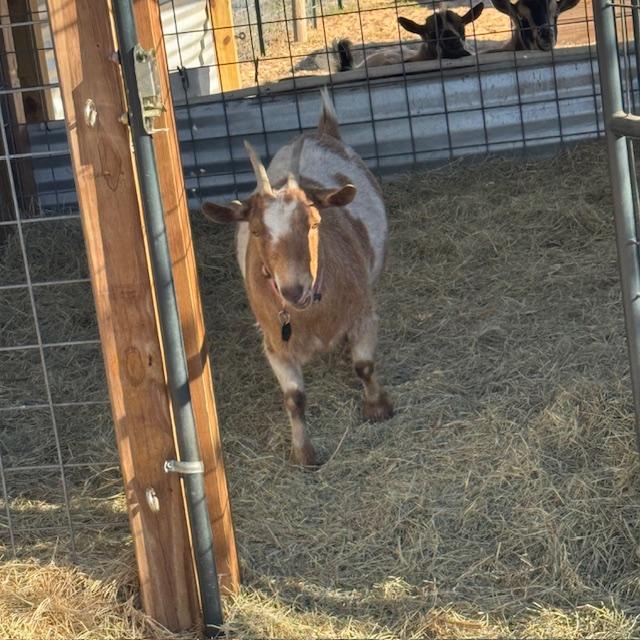 Alice is looking very large this afternoon with her two little ones, Ethel and Lucy looking on.
It is now 3:30pm. I just got back from the goat area. I wanted to check to see if we had babies yet. We do not. However, both mothers to be are now gigantic on both sides. Not sure where these kids have been but they are almost ready to make an appearance.
Today marks 155 days since the goats were last with a boy and it takes between 145 and 155 days for a Nigerian Dwarf baby to show up on earth...It's got to be sometime soon.
Right now it is sunny and 69°. Tonight the low is supposed to be 43°. Tomorrow the high will be 77° and the low will be 42°.
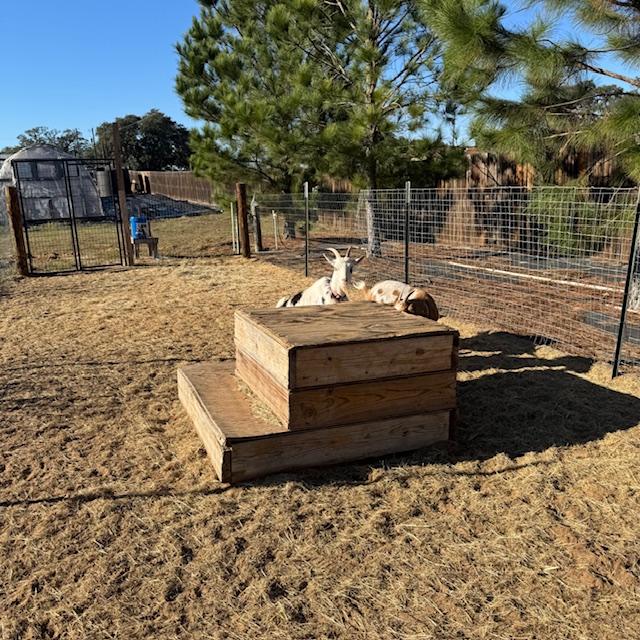 I was giving the moms to be some licorice goat treats but they tried to hide. They did take some before I tried to take a photo.
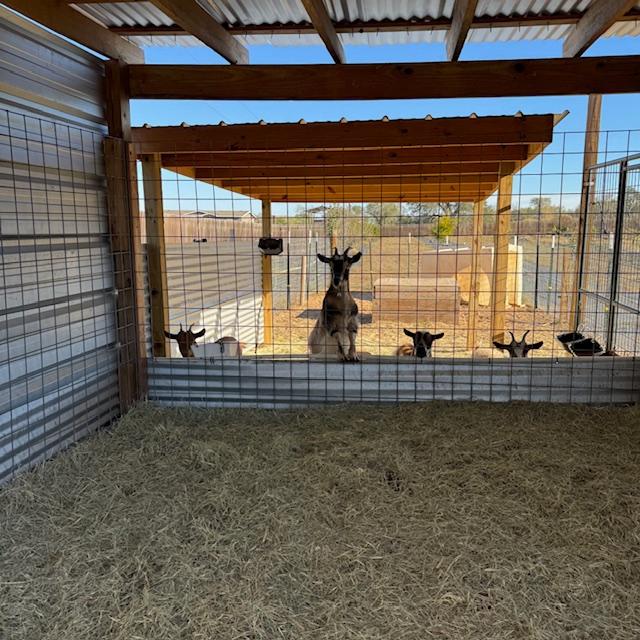 Our 4 young goats in the back watching while I give treats to Alice and Trixie. Yes, I gave treats to the little ones.
Left to right, Lucy, Gracie, Markie, and Ethel.
Our 4 young goats in the back watching while I give treats to Alice and Trixie. Yes, I gave treats to the little ones.
Left to right, Lucy, Gracie, Markie, and Ethel.This morning, before we left the house, I pulled another huge sticker out of Trump's nose. I hope that is the end of it because these facial stickers are freaking me out. Poor little guy.
Wednesday, December 10, 2025
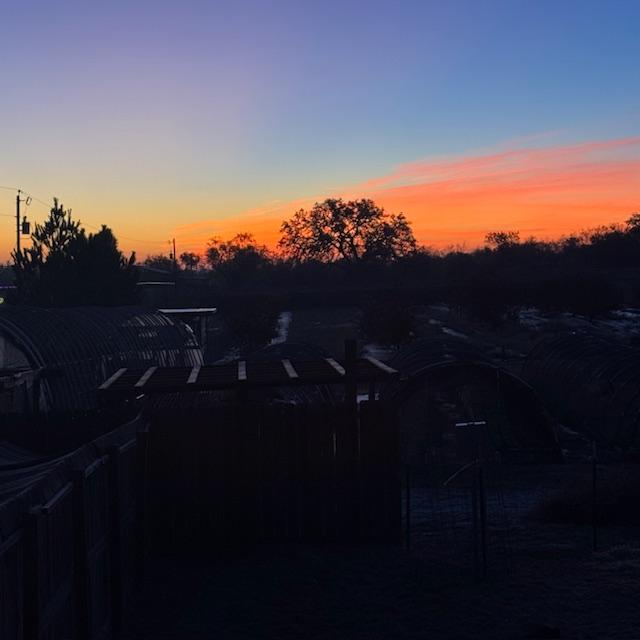
Good morning. It is so cold in here today and 41° outside. I wonder if we have baby goats. The sun is just coming up by the oak tree as I love to see it.
No babies...I guess they don't know that those babies should already have come out...
It is now 12:45pm and it has warmed up to 75°. David will be planting some onion starts this afternoon.
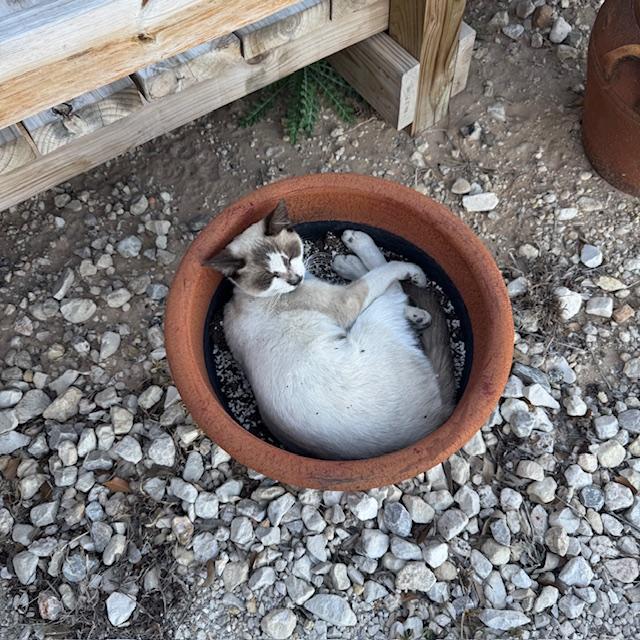 Silly Sammy thinks she is a plant!
The greenhouse is still being worked on and it is almost 5pm. The sun warmed the air very well. It got up to 77° today.
We still don't have any babies out back.
I went out there at 5:15pm and there are no signs of a birth soon except they look like they will explode. Day 156 in the books.
Thursday, December 11, 2025
Good morning. Welcome to day 157 of Baby Goat Watch December 2025 Edition. It is 42° and the high is supposed to be 72°.
I have not been out there this morning, but Matthew says there are no babies yet.
At 9am, we went grocery shopping. It has been many weeks since I have been in any store. I wanted to look at everything, but that did not happen. Anyway, at least we will eat for the next several weeks. Then we went to Morales and stocked up on hay and animal feed.
We got home and as I was putting the groceries away, we had a customer so I had to go wait on her. Then I finished the groceries, loaded the dishwasher, and went out to check on the goats around 12:30pm.
Absolutely no signs of any babies coming anytime soon on either mama except that they are both gigantic now. I collected some fresh pine needles off of branches and gave them to the mamas. Then I got more and gave those to the younger goats.
You know you've always wanted to grow your own flavorful onions but you are afraid to try growing them from seed. Now, your favorite Texas seed company, David's Garden Seeds® has 5 varieties of onion starts. All you have to do is order and plant the bundle of 48 starts that we mail to you now and in about 110 days, voila! You will have beautiful full sized onions to harvest and use in your cooking!
At 5:10pm, we went out again to see the goats and still no signs of any babies. Markie still runs when we go out there. He will not take any treats and he enjoys eating fresh hay. He wouldn't eat any pine needles and the other goats love them.
I made shrimp and grits for dinner and it was so good. We enjoyed watching Gordon Ramsay this evening.
Day 157 in the books.
Friday, December 12, 2025
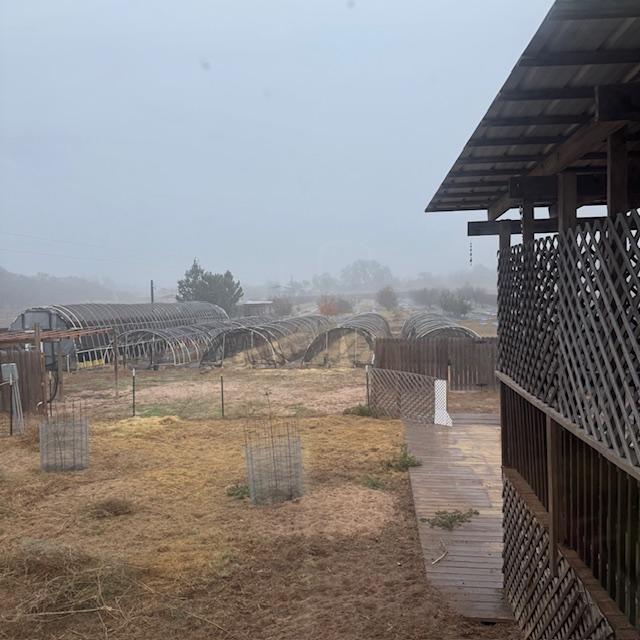
Welcome to Day 158 of Baby Goat Watch. It is still dark and there is dense fog right now. The temperature is 59°.
Still no babies. I am at my desk in the former kitchen building now. David, Matt, and a friend who is helping David are getting the greenhouses ready so we can plant seeds for spring to make plants for our customers. Things are being moved around out there and even a tractor is being used.
Meanwhile, I have pulled and closed orders for today. Keep in mind that if you ordered onion starts, they will go out on Monday. I have a large box of onion start orders that will go out then.
The fog lifted before 9am. It is humid out but in the buildings it is freezing cold. I was hot in the house so I put shorts on and my legs are like blocks of ice here.
Saturday, December 13, 2025
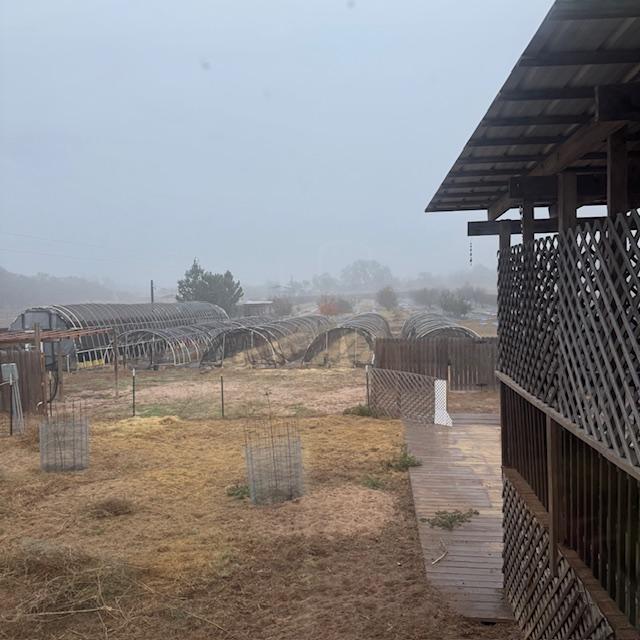 Another foggy morning on the farm...
It is another foggy morning. I have not been out there yet. It is 67° so it is not cold today. Will Day 159 be the day we get some baby goats? I hope so because this is making me nervous.
Outdoor work got done while I handled orders and seed counting. We had no customers or visitors other than the same man who has been helping David with outdoor chores for weeks.
I fed all of the indoor and outdoor animals. Then I pulled all of the seed orders.
I am now vacuuming and dusting the house. David said he will call if a customer comes. Matt is doing outdoor work. I am not sure if David is in the store or if he is outside working. Matt picked a bowl full of green beans so we will eat those fresh tonight. It is misting but the fog has pretty much lifted at this point. It is humid and I hate the humidity.
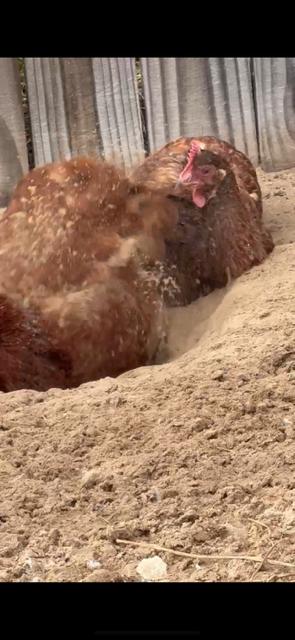 2 hens sandbathing and throwing sand... They do love the sand.
I cleaned and wrapped all of the presents. Then I made Christmas Crack, my first time. It is still setting up.
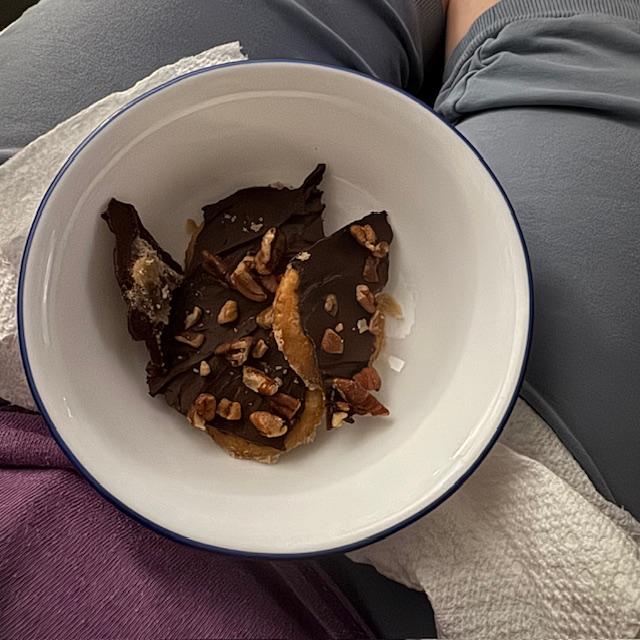 Christmas Crack--pretty addictive
Once I finished wrapping gifts, David told me he just got a delivery and so I went out and got it and the mail. The mailman did not make it before the gates closed today.
I brought the package in and he told me it was my Christmas present and he wasn't wrapping it. Isn't he charming? So I took the entire package, big brown envelope and all and stuffed it into a pretty gift bag with tissue paper and addressed it to myself. At least I didn't have to buy that one...
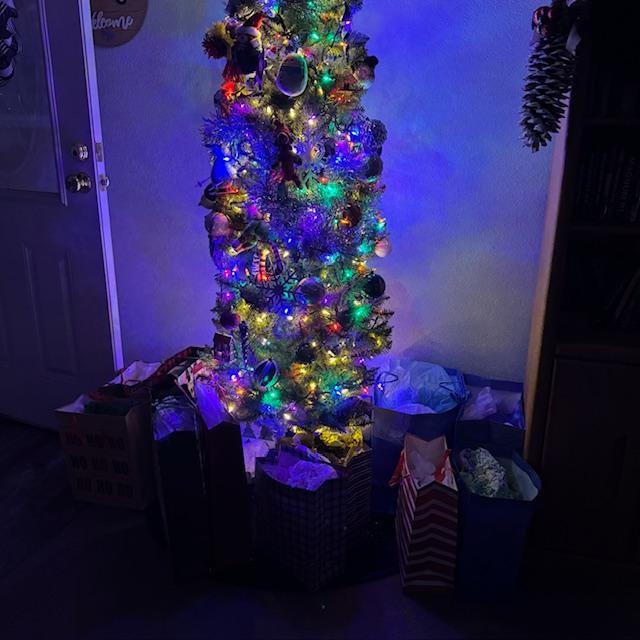
I went out at 5:30pm as I was busy before and no goat babies or any signs. I fed everyone and got one egg from the chickens. I got it inside and saw that they had pecked it so it wasn't even good...
We are having Mexican night with quesadillas, tamales, and a spicy chicken dish with rice and corn. I am excited. Just waiting for Matt to get here. He is grocery shopping so he will be late.
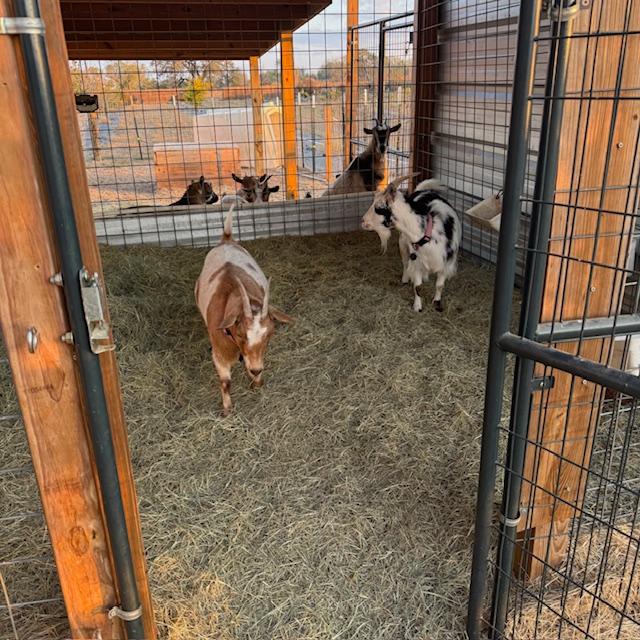 Our 2 mama goats front and center with the younger ones looking on.
Sunday, December 14, 2025
Good morning. Day 160 of baby goat watch...It is cold and windy. I went out and fed all of the animals and there were no babies.
We went to church and it is still chilly and very windy out. I changed and went out to check on Trixie and Alice. No babies. It is still 52° and overnight, it is supposed to get down to 38° and then be 80° on Christmas Day. What? I am seeing all of these beautiful photos of snow in the Hudson Valley and here I am in desert sand with an 80° Christmas coming up...I guess I will never get used to a warm Christmas.
Return from Grow Cauliflower to Year Seven of Farm Life
Anything To Share On This Topic?
Would you like to share additional information about this topic with all of us?
Since 2009, over 2,000,000 home gardeners, all across the USA, have relied on David's Garden Seeds® to grow beautiful, productive gardens. Trust is at the heart of it. Our customers know David's Garden Seeds® stocks only the highest quality seeds available. Our mission is to become your lifetime supplier of quality seeds. It isn't just to serve you once; we want to earn your trust as the primary supplier of all of your garden seeds.
Watch Our 2022 TV Commercial!
Sing Along To Our Jingle
♪♫♪♪ ♫ ♪ ♫♪♫♫
♪♫♪♪♫♫
Peppers and peas
And lots of yummy greens
You can't go wrong
With Squash This Long
At David's Garden Seeds
♪ ♫ ♪ ♫
Our New 2024 TV Ad
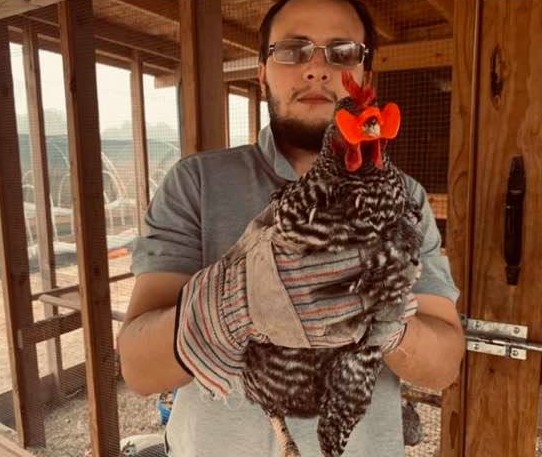
Please like and subscribe on YouTube and come visit us at our Farm Store! The music on our TV ad was written, played, and sung by our son, Matthew Schulze. You can meet him when you come to the farm. He just might give you a tour. Ask him to grab a guitar and sing our jingle that he wrote.
Our 2022 TV Ad

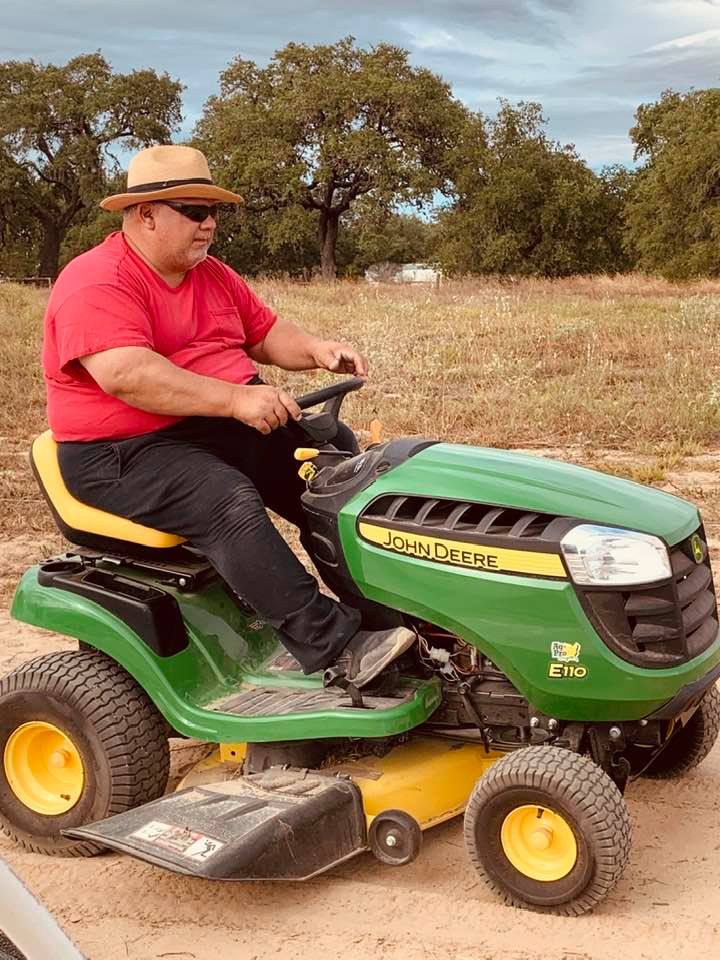 David of David's Garden Seeds® zipping along on his little tractor across the farm. He is having a blast!
We are David's Garden Seeds®. If you need great seeds, we've got over 800 varieties to choose from.
Subscribe To Mrs. David's Garden Seeds® Newsletter For FREE!

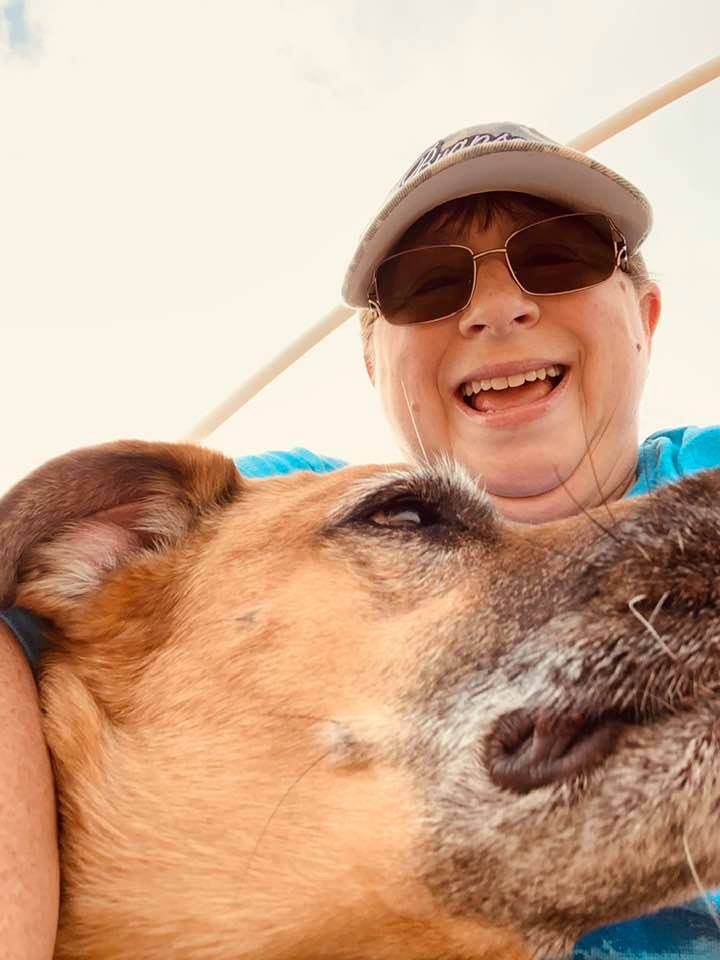
Find out what is going on down on the farm by reading our blog and by subscribing to our free newsletter for all of the information going down at David's Garden Seeds® and on the farm. I love to share helpful information with you. Please let your friends know and y'all come on down for a visit when you get the chance. We would love to meet you!
New Store Hours!
 Farm Store Hours: Th-Fri 10am-5pm, Sat 10am-2pm. Closed Sun-Wed.
Being out here in the country, we had awful internet & we could not stream TV. We got Starlink in April of 2025 & we love it! Now we can stream and work, even when it is raining!
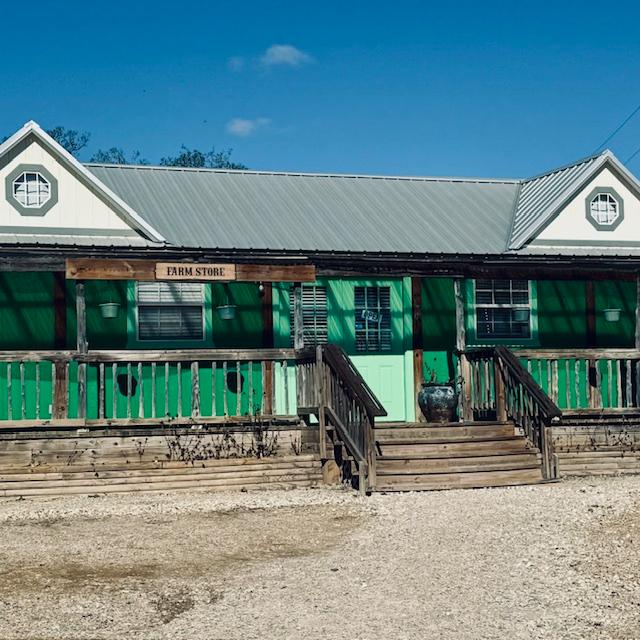 Our Farm Store
Shop for:
- Seeds
- Farm Fresh Eggs
Our Farm is located at 5029 FM 2504 in Poteet, TX.
 Only happy seeds make the cut to go into our seed packs!
David's Garden Seeds® has
seeds for the backyard gardener and farm fresh chicken eggs.
 David & Juanita work hard to pack your garden seed orders.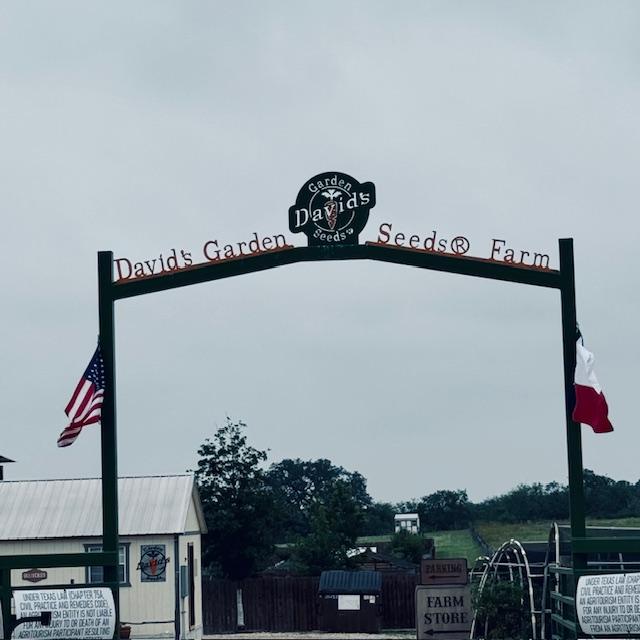



Sign Up For Our Newsletter Here!
   DGS YouTube Mrs
|
   |
Garden Ebooks
by Mrs. David's Garden Seeds
 I've been busy creating eBooks to help you with your garden...
IMPORTANT NOTE: THE EBOOKS ARE DIGITAL DOWNLOADS (EBOOKS), NOT PHYSICAL BOOKS.

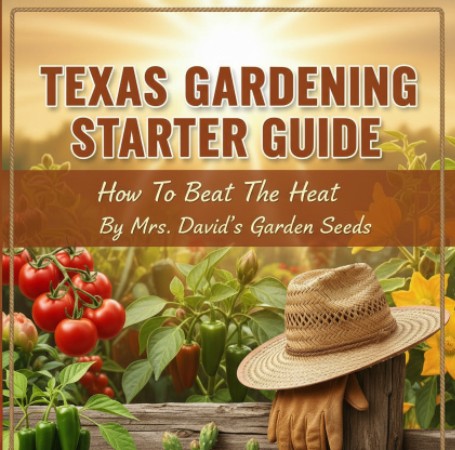
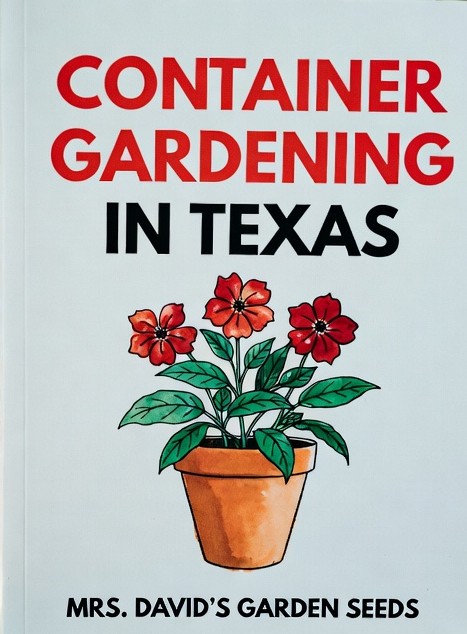
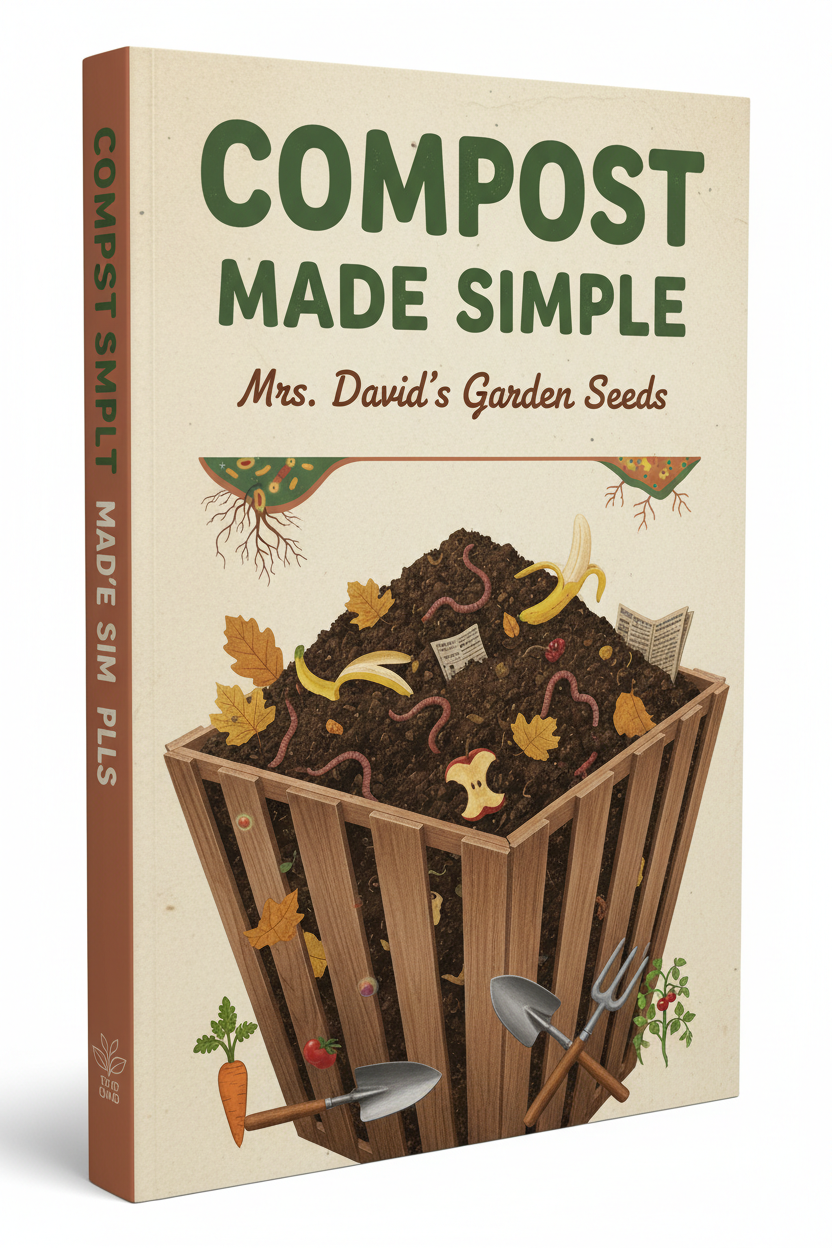
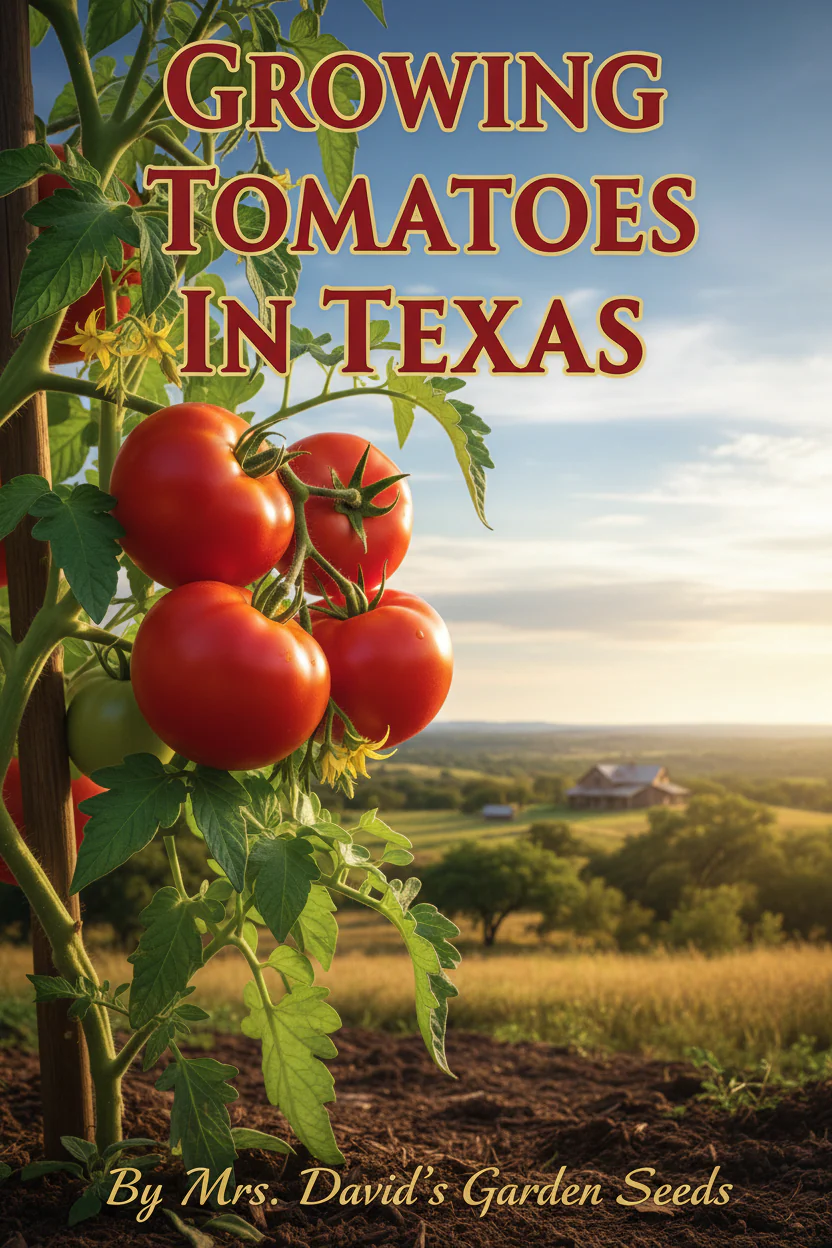
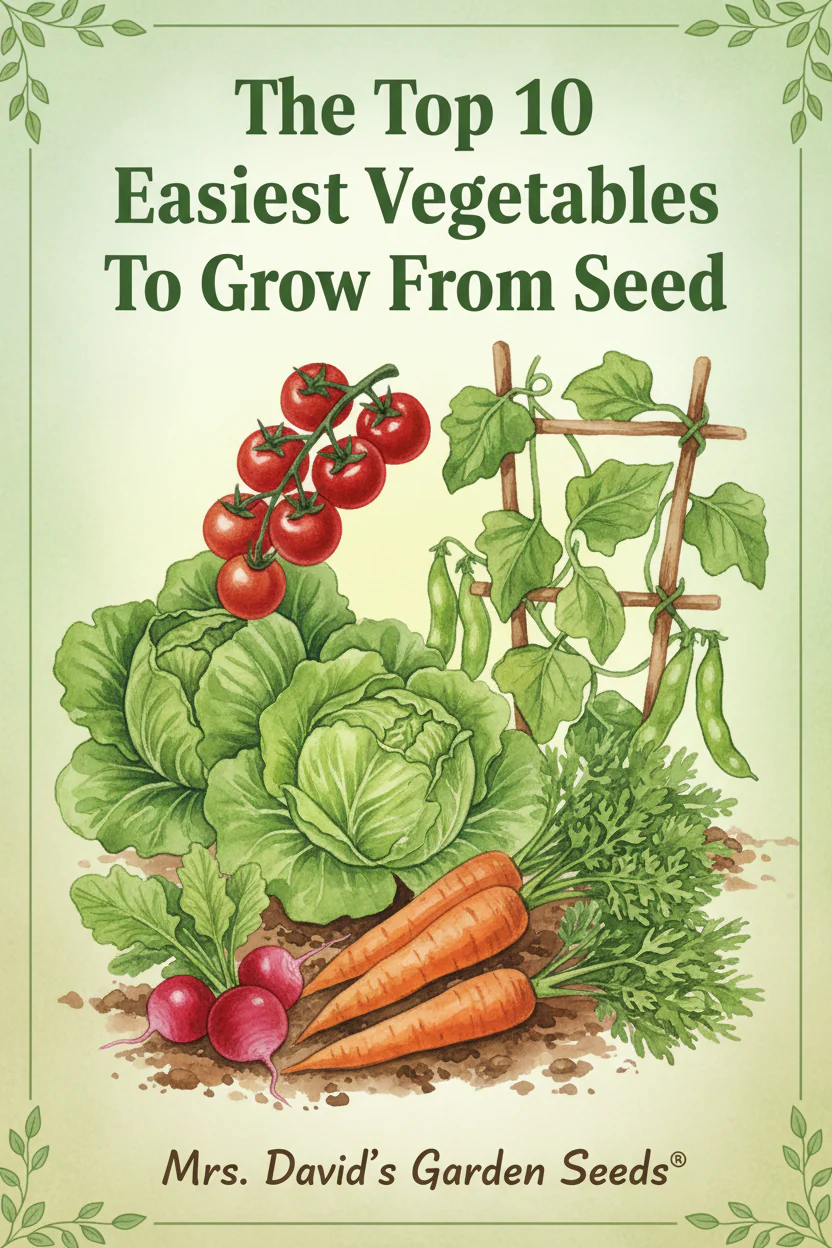
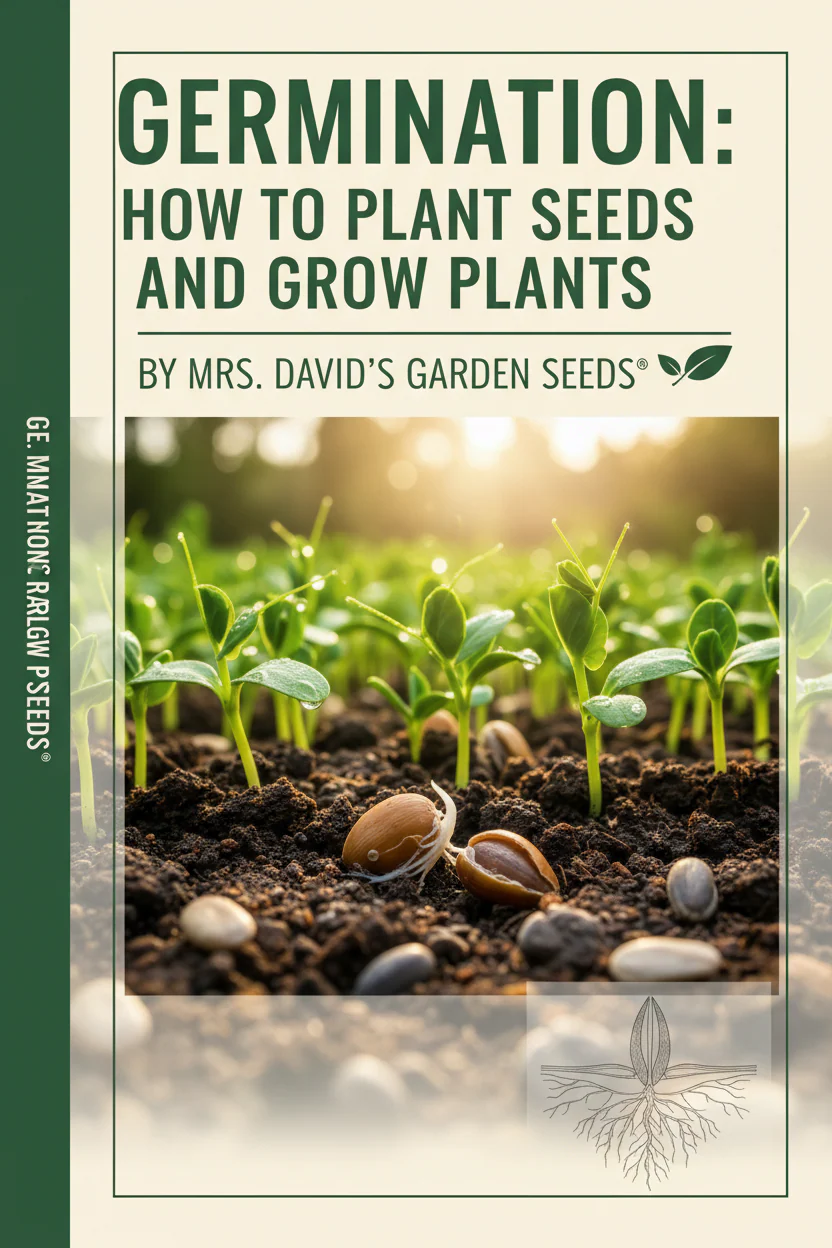
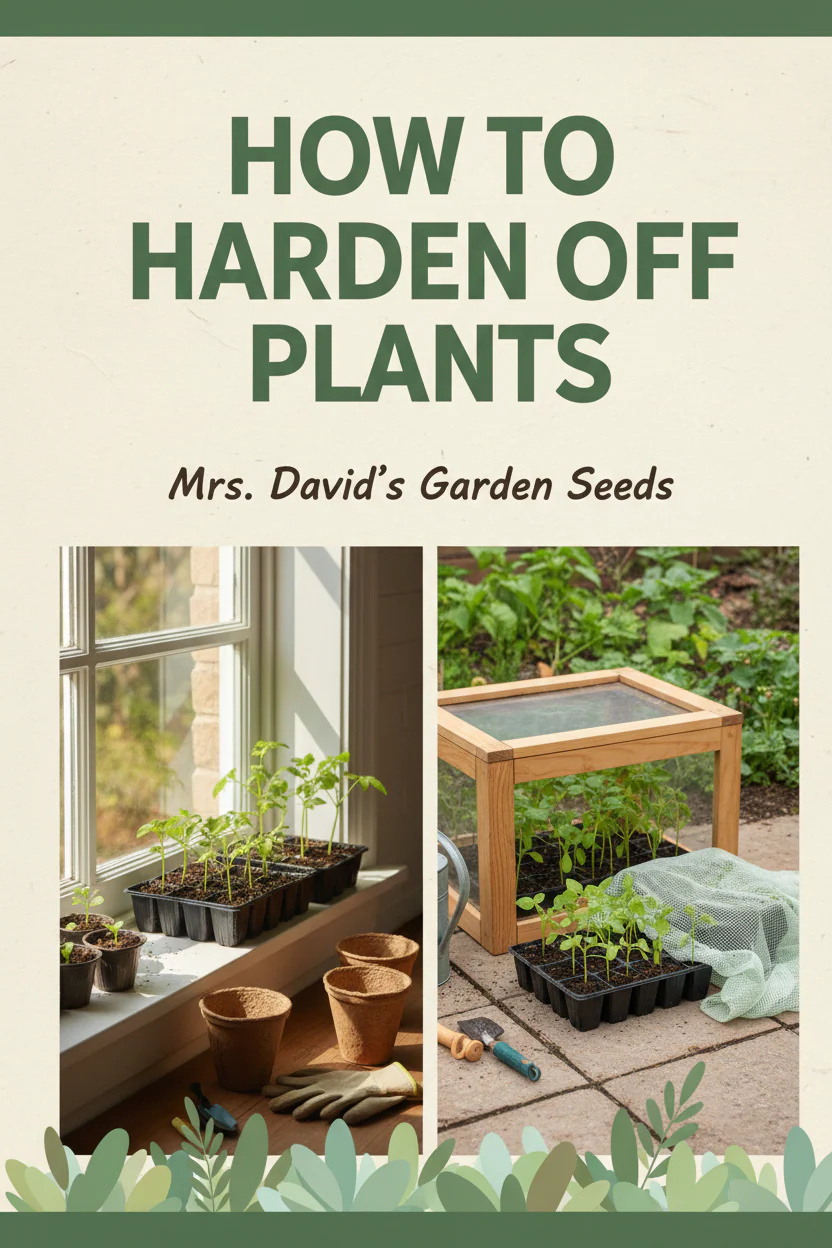
WE DO NOT REFUND OUR DIGITAL DOWNLOADS FOR OBVIOUS REASONS.
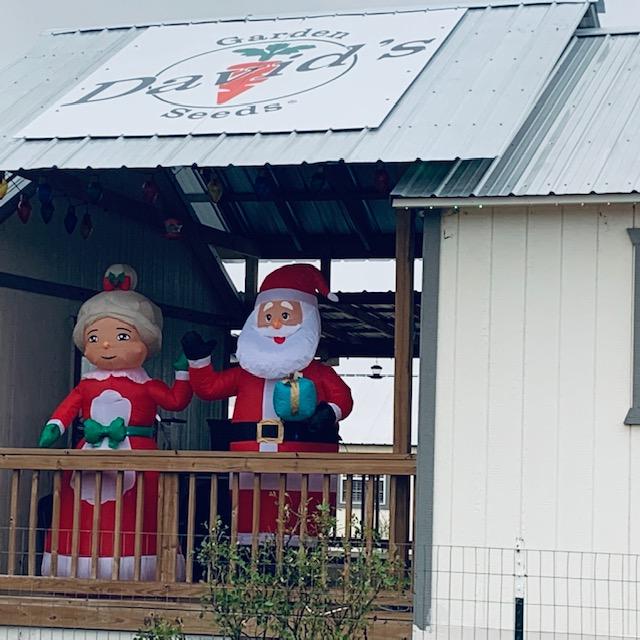
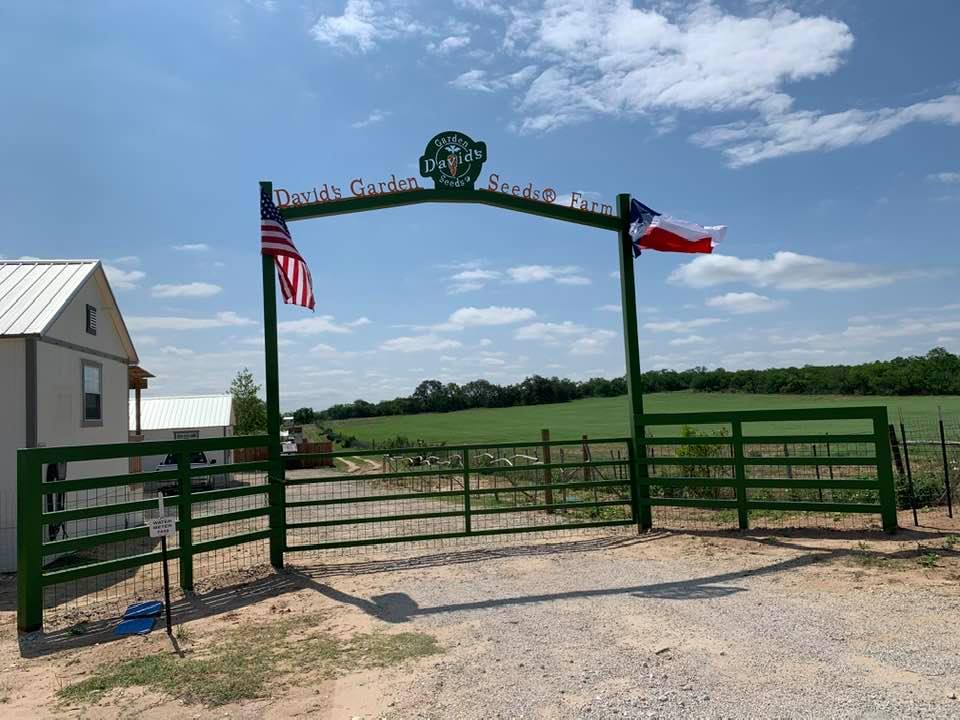
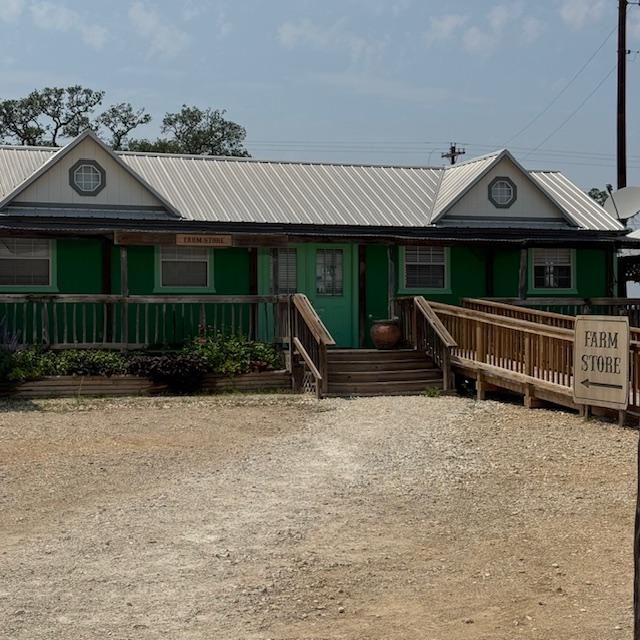 Our Farm Store is the green building
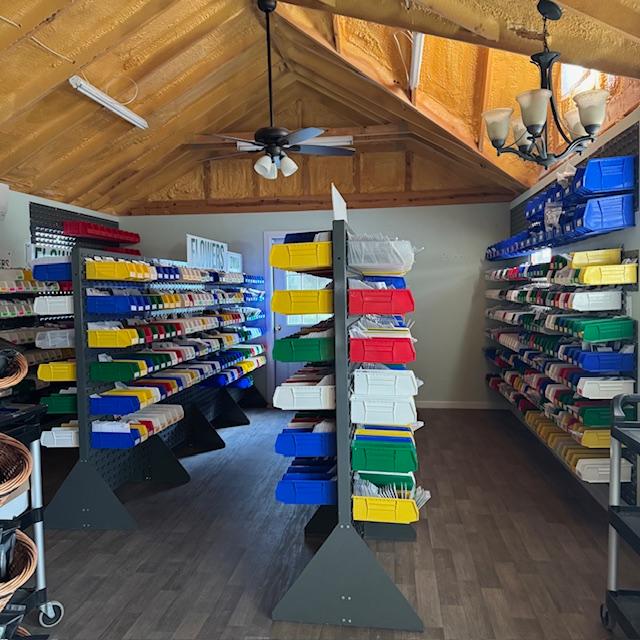 Inside our Farm Store...1400 varieties of seeds await you!
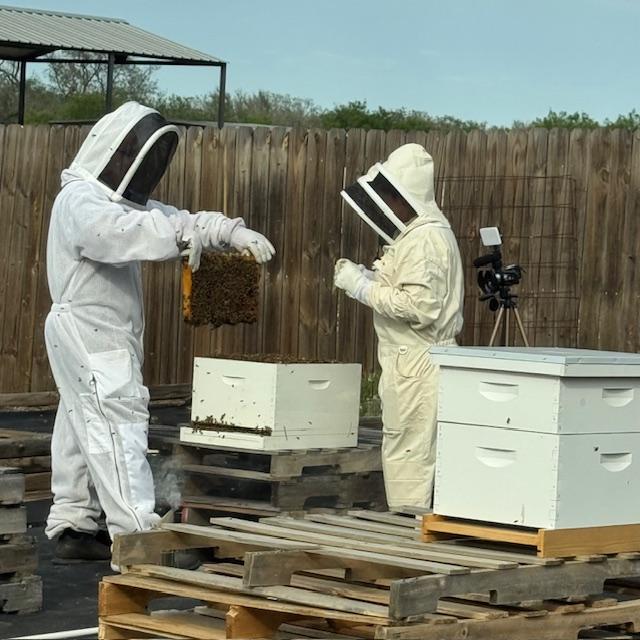 Our bee hives
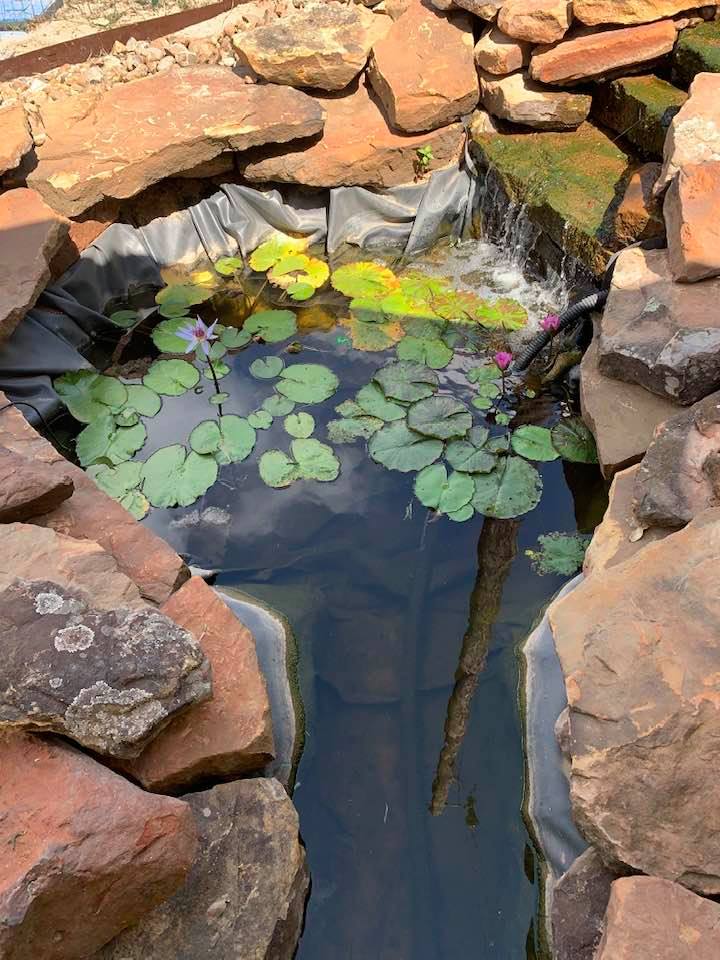
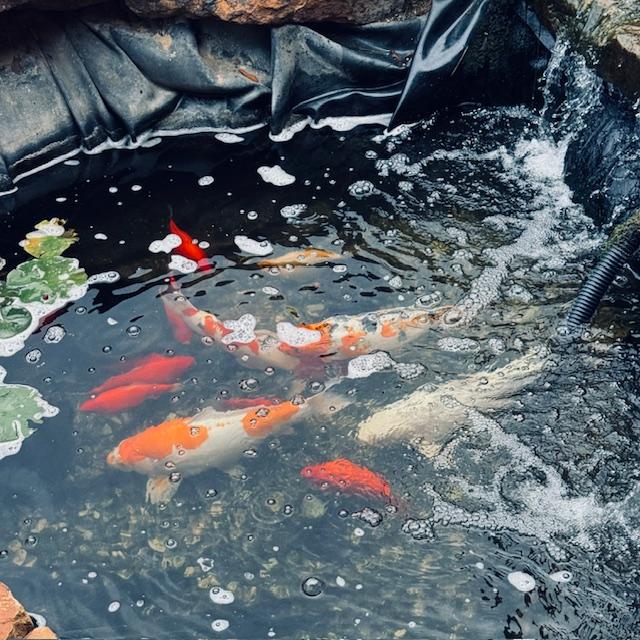 Our fish pond
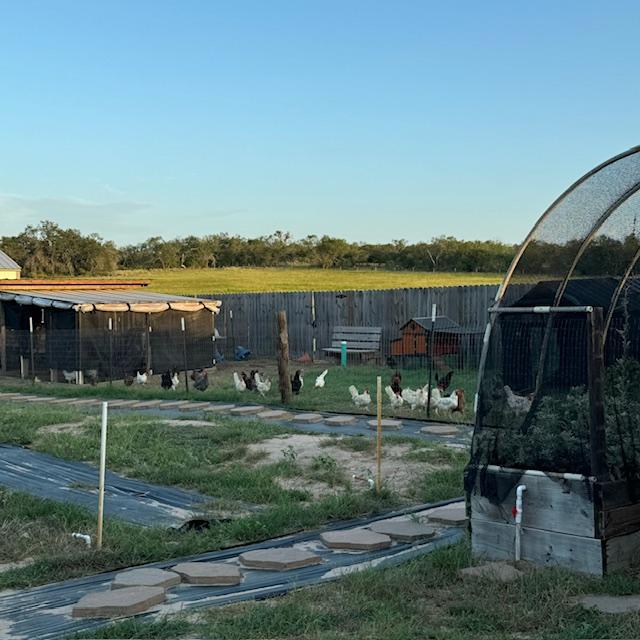 Our chickens
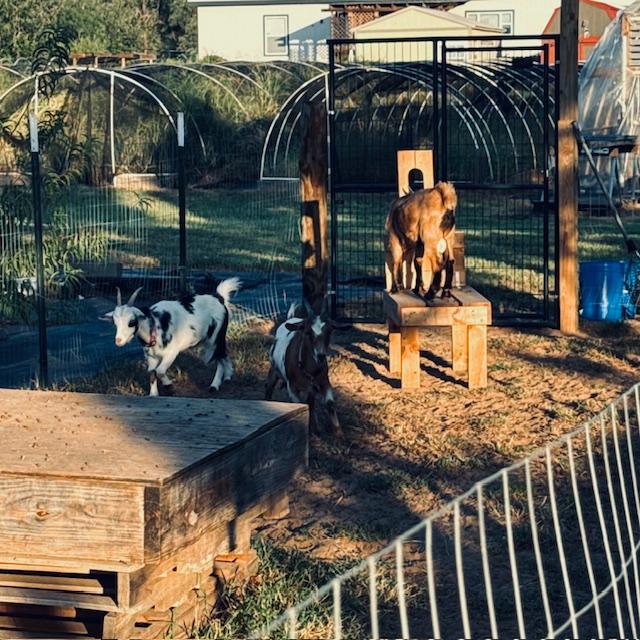 Our Nigerian Dwarf goats
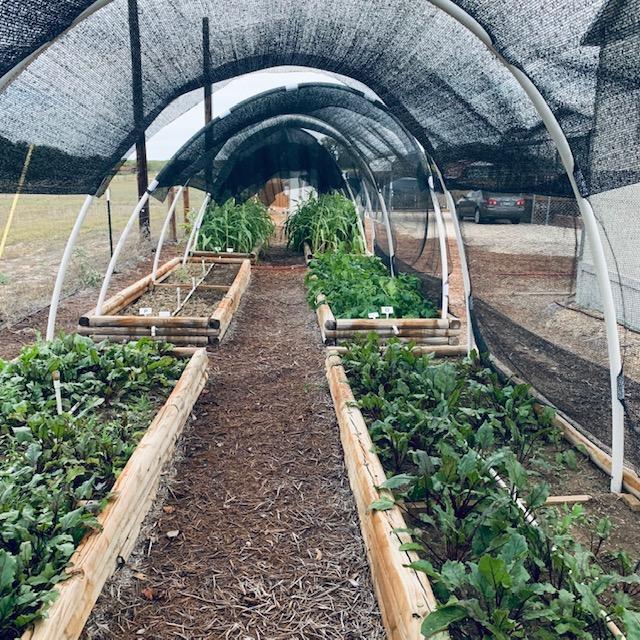
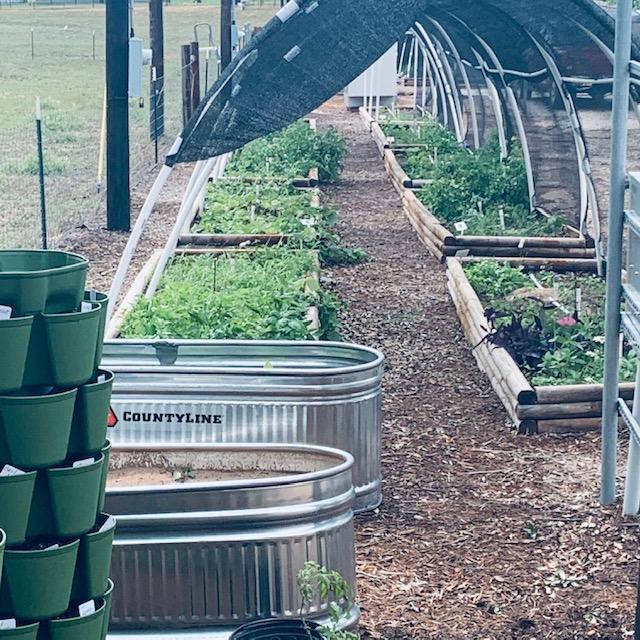 A few of our raised garden beds
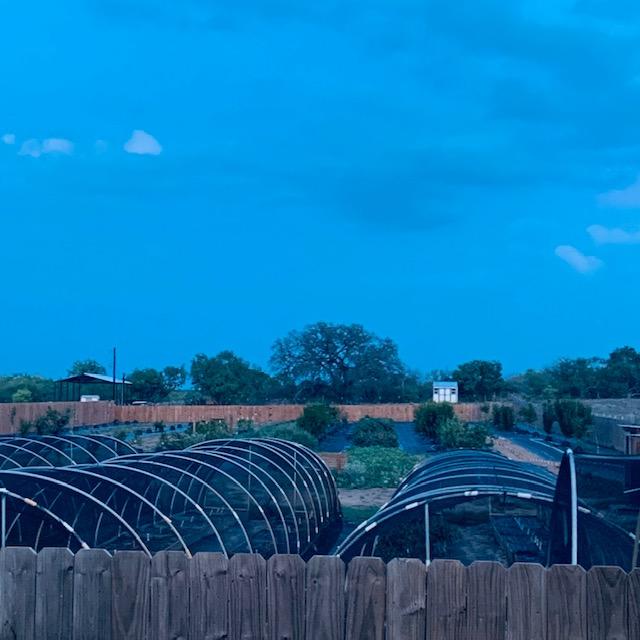 Our orchard and hoop houses
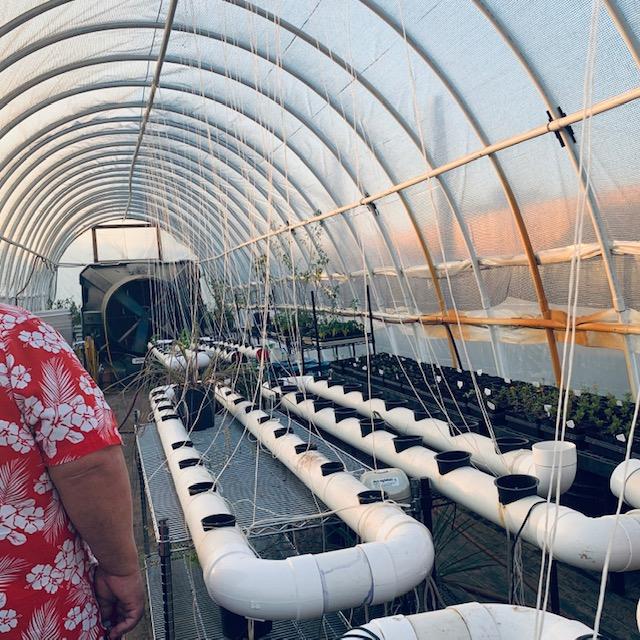 Inside our high tunnel
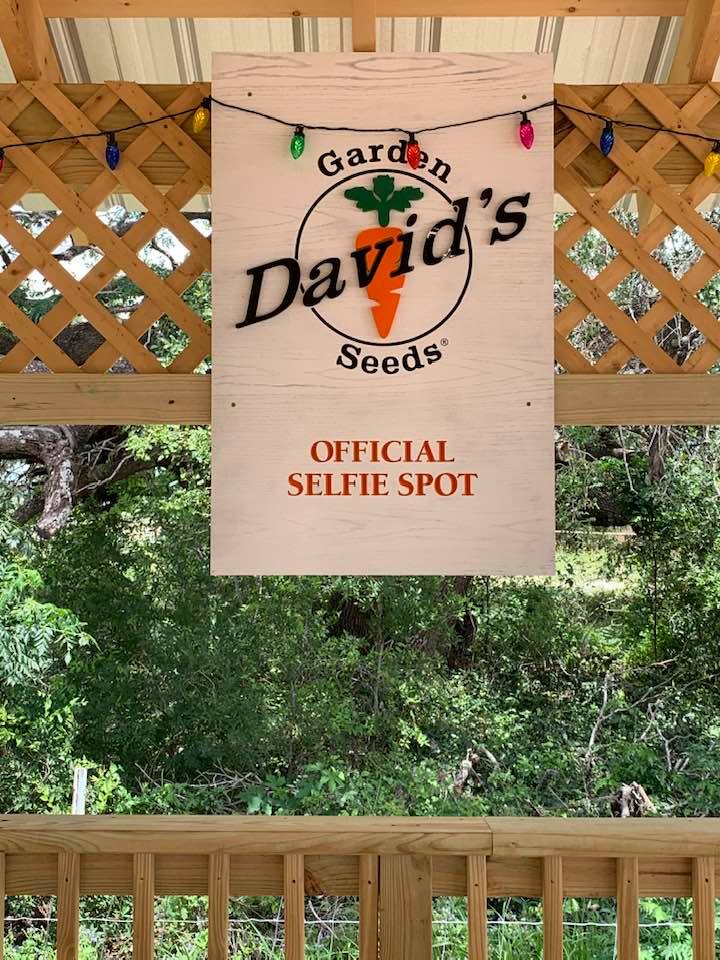 Take a selfie at our official selfie spot!
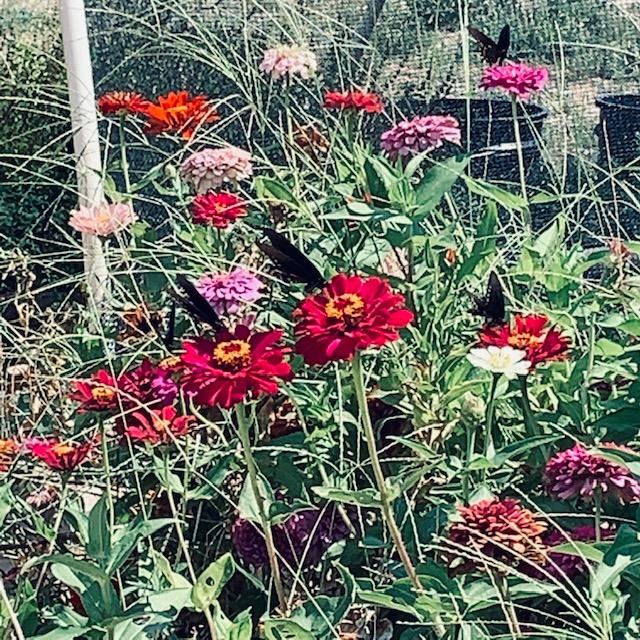 Flowers, bees, and butterflies are everywhere!
Watch Our TV Ads!
David's Garden Seeds® has the best Non-GMO seeds in the state of Texas!


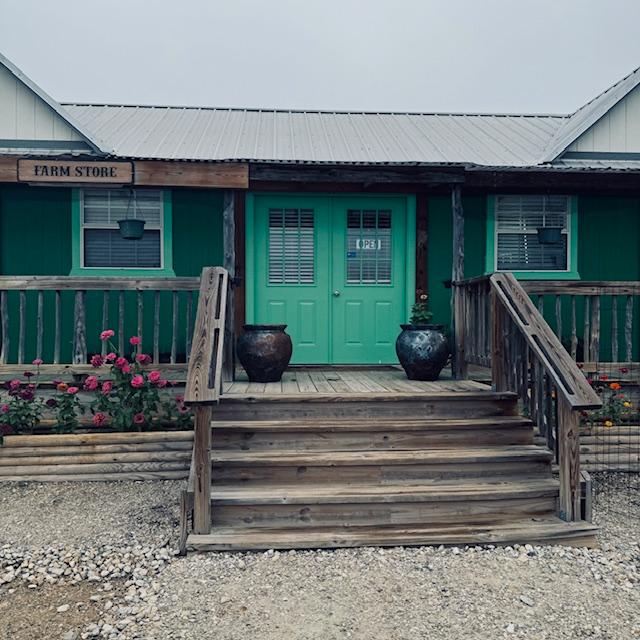 This is our beautiful Farm Store. Come in and shop for seeds. We have over 1600 Non-GMO heirloom varieties to choose from but we are in the process of bringing that number down to half.
Our Story
Hi Everyone! Thank you for visiting my website! I am Mrs Davids
Garden Seeds® aka Mrs. David's Garden Seeds and I think you should know that there is a wonderful seed
company in the great state of Texas called David's Garden Seeds®. We grow some of our seed, we count, hand pack, print our own envelopes, and ship seeds out to you right here from our farm. This used to be an old peanut farm. When the owner died about 15 years ago, his sons split the farm up and sold it in pieces. In 2024, we bought another adjoining four acres.
Our business started in our home in San Antonio in September of 2009. David decided to sell some seeds he had left over from his garden on Amazon. I told David, "Don't bother, it won't work!". I am so glad that David did not listen to me because it did work! By 2015, we had 8 employees working in my home every day and David found a storefront in San Antonio and moved the business there. In 2016, I quit my day job and went on the payroll. The company grew some more and David moved to a bigger storefront in 2017. In 2019, we found a beautiful piece of land over in Atascosa County and turned it into a farm out near Poteet. David and I moved out here to live in August of 2019.
In 2020, we moved our company out to the farm. We have a beautiful Farm Store filled with seeds, a gazebo with a pond full of koi and gold fish for you to visit. Come by and visit us at 5029 FM 2504 in Rossville, just outside of Poteet, Texas, Monday through Friday from 9am to 5pm and Saturday from 10am to 2pm. Or you can order seeds online from our user-friendly website, www.davidsgardenseeds.com.


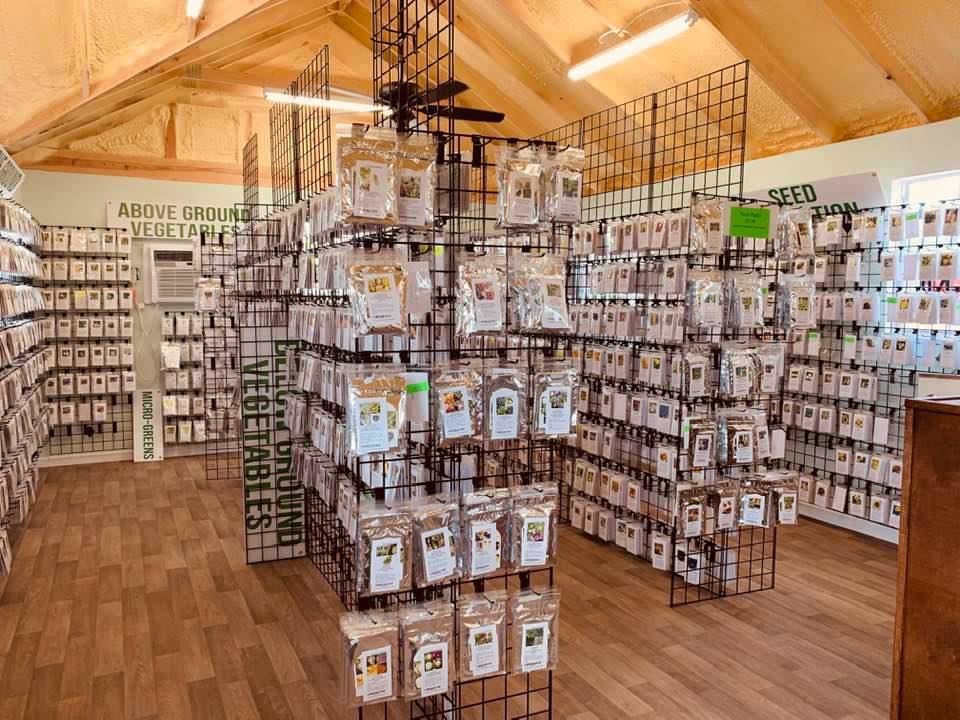 Our beautiful new farm store has almost 2,000 varieties of seeds and more. Mrs Davids Garden Seeds® looks forward to meeting you when you visit.
Mrs. David's Garden Seeds® Copyright by Juanita Lynn Schulze of David's Garden Seeds® 2019-2026
David's Garden Seeds® is Registered in the United States Patent and Trademark Office.