Grow Celeriac In Your Garden
You can grow celeriac in your garden this spring. Also known as celery root, this root vegetable can be used as a low carbohydrate potato substitute. You can find celeriac seeds here at David's Garden Seeds®.
Grow Celeriac - 4/27-5/3/2026
Grow Celeriac - A Bit About Celeriac
If you have ever seen celeriac at the store and thought, “Is that just for fancy chefs?” you are not alone. It looks a little rough and odd, like a knobby turnip crossed with celery. But here is the good news: you absolutely can grow celeriac in your garden, even if you are a regular backyard gardener just trying to put more homegrown food on the table.
 Grow celeriac like Brilliant.
Celeriac is a root vegetable, but unlike carrots or beets, you grow it for a swollen stem base that forms at the soil line. It has a mild celery flavor with a nutty, earthy taste. Once you try it mashed, roasted, or added to soup, you may wonder why more people do not grow it.
I remember the first time I brought one home from a market. My family looked at it like it came from another planet. Then I peeled it, roasted it with potatoes, and it disappeared fast. That was enough to convince me this strange-looking vegetable deserved a spot in the garden.
So, what is celeriac good for? A lot, actually. You can roast it, mash it, shred it into slaw, simmer it in soup, or blend it into a creamy puree. Celeriac can add lots of flavor to dishes, and it stores well too, which makes it useful for families who want food from the garden deep into fall and winter.
In this guide, you will learn how to plant celeriac seeds, grow healthy plants, care for them through the season, harvest at the right time, cook them in simple ways, and store them for later. We will also cover the big question many gardeners ask: can any regular gardener grow it? Yes. You can, with a little planning and patience.
Grow Celeriac - Placement
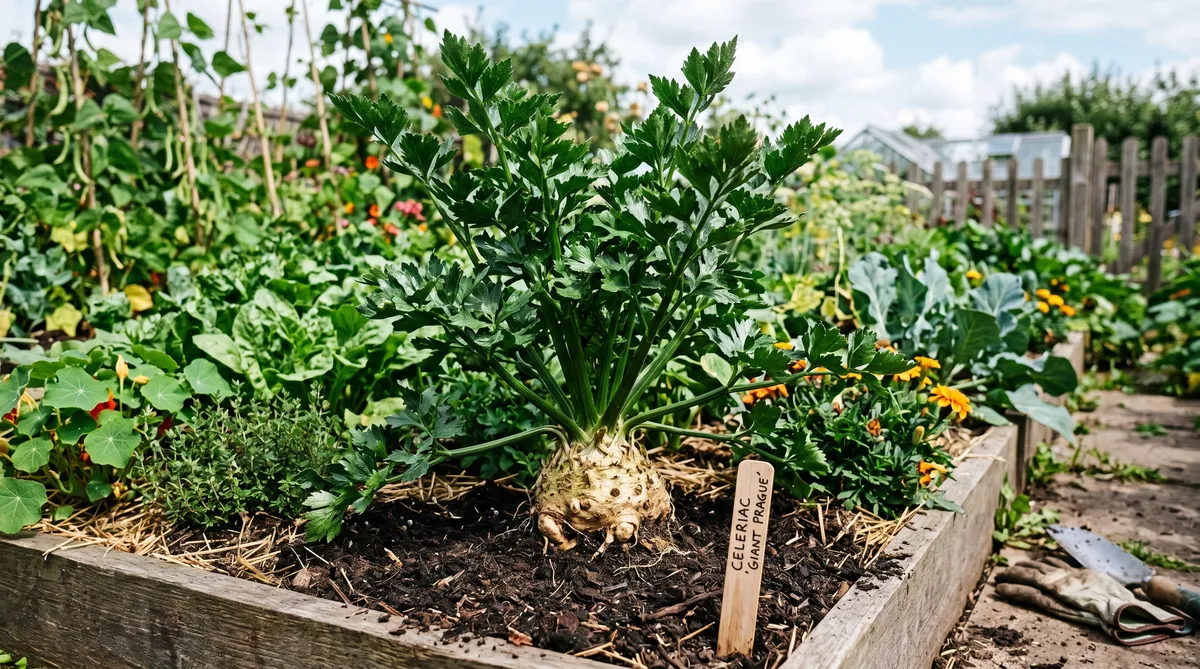 Grow celeriac and when it is ready, it will be showing above ground a bit but it is a root.
Celeriac is not the fastest crop in the garden, but it is worth the wait. It likes cool weather and has a long growing season, so it rewards gardeners who start early and stay steady. If you are willing to give it time, it can become one of the most useful vegetables you grow.
Let’s start with the basics. Celeriac grows best in full sun, though it can handle a little light shade in hot summer areas. It prefers rich soil that holds moisture well but still drains properly. Think of the kind of bed where lettuce, cabbage, and celery would also be happy.
One thing to know right away is that celeriac seeds are slow. They can take time to sprout, and the seedlings grow slowly at first. Do not let that throw you off. Many gardeners give up too soon, but celeriac often just needs a little patience and steady care.
Because of that long season, most home gardeners start seeds indoors. In many parts of the United States, that means starting them about 10 to 12 weeks before your last spring frost. If your summers are mild, this timing works well. If your summers get very hot, early planting is even more important.
Grow Celeriac - Planting
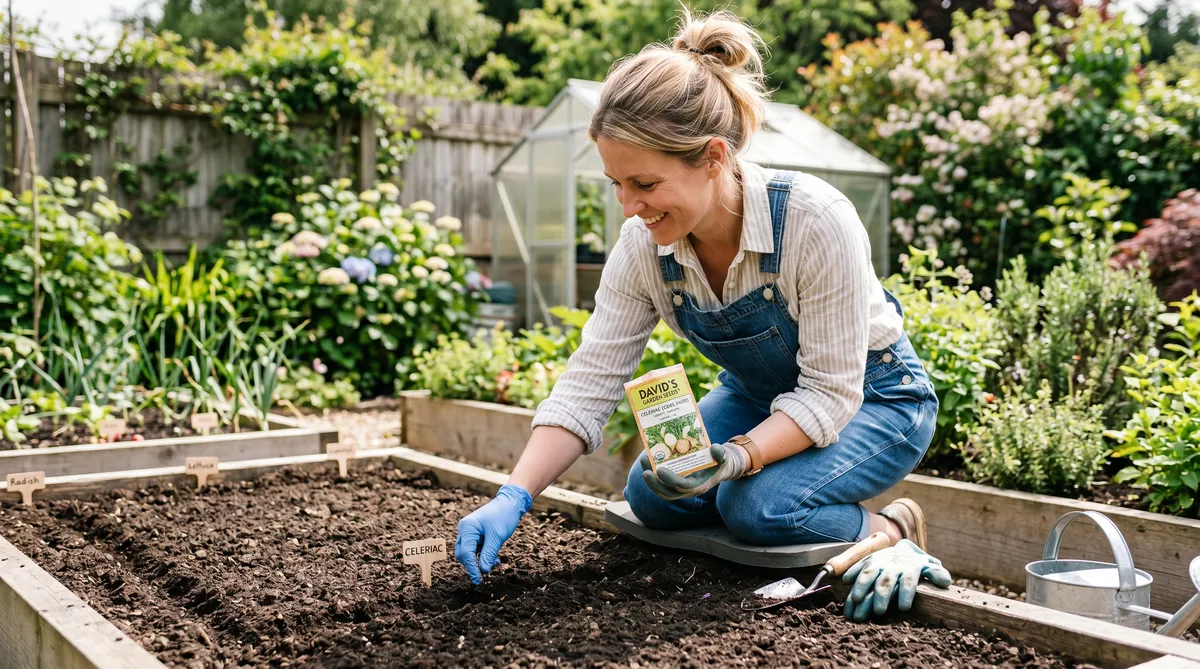 Grow celeriac by planting seeds. David's Garden Seeds® has the seeds.
To plant celeriac seed, use a seed-starting mix in trays, cells, or small pots. Press the seeds lightly onto the surface and cover them very lightly, if at all, because they need light to help them germinate. Mist the surface gently so the seeds do not wash away.
Warmth helps at first. Aim for soil temperatures around normal room warmth for germination, and keep the mix evenly moist, not soggy. A clear humidity dome can help hold moisture in. Once the seeds sprout, give the seedlings bright light right away so they do not get leggy.
When I start celeriac, I always label the tray clearly because it can sit there for a while looking like almost nothing is happening. Then one morning, tiny green shoots show up. It feels like a small win, especially after checking on them every day like an impatient kid waiting for cookies to bake.
As the seedlings grow, keep them under grow lights or in a bright window with lots of sun. If they crowd each other, thin them so each plant has enough space. If you started them in trays, you can pot them up once they have a few true leaves and need more room.
Grow Celeriac - Hardening Off
Hardening off is important before moving plants outside. About a week or more before transplanting, start putting the seedlings outdoors for a little time each day in a sheltered spot. Increase their outdoor time slowly. This helps them adjust to wind, sun, and cooler nights.
Grow Celeriac - Transplanting
Now let’s talk about where they will live in your garden. Choose a bed with loose, fertile soil. Work in compost before planting. Celeriac likes steady moisture and good nutrition, so a rich garden bed gives it a strong start and supports the large root-like bulb you want later.
If your soil is hard, rocky, or full of clumps, break it up well. Unlike some root crops, celeriac is not diving deep into the ground, but it still grows best when the soil is soft and easy for roots to spread through. Raised beds can be a great option if your native soil is poor.
Transplant celeriac outdoors after danger of hard frost has passed and the seedlings are sturdy. Space plants about 6 to 8 inches apart in rows, with enough room between rows for weeding and watering. Give each plant its own space so the bulb can form well.
Set the transplants at about the same depth they were growing before. Do not bury them too deeply. Water them in well after planting. For the first week or two, keep a close eye on them, because young transplants can wilt if the weather suddenly turns warm or windy.
Grow Celeriac - Taking Care Of Celeriac
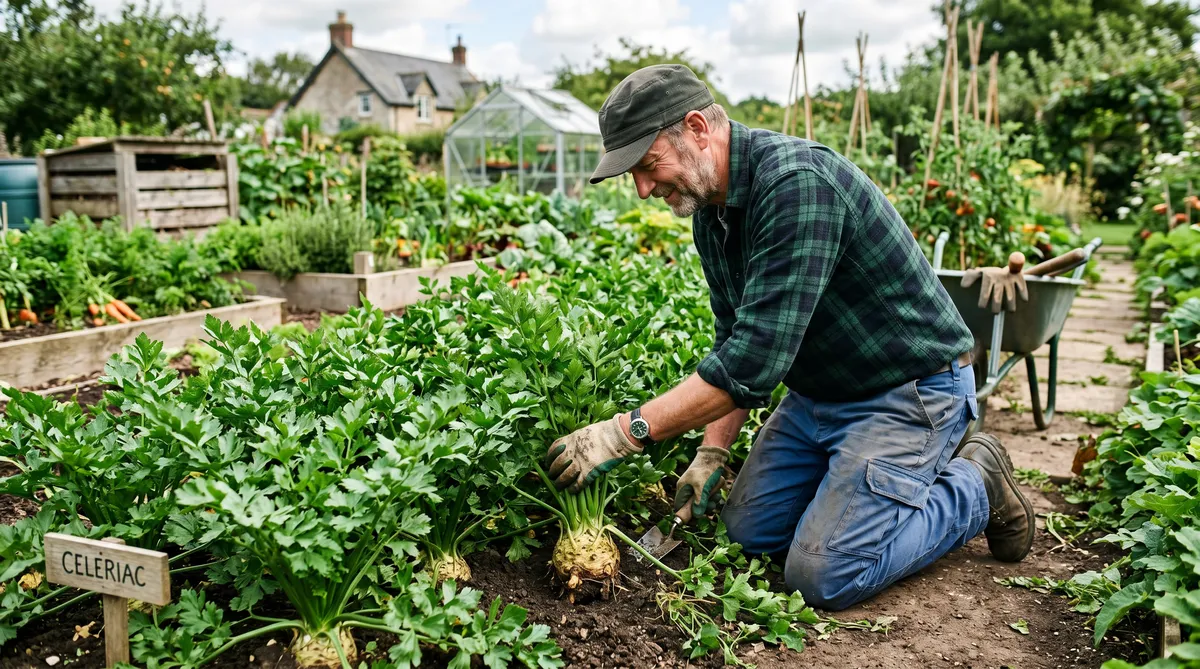 This man is pulling up a celeriac plant.
Once your plants are in the ground, your main jobs are simple: water, weed, feed, and wait. Celeriac needs even moisture through the whole season. If the soil dries out too much and then gets soaked, growth can slow down and the bulbs may not size up as well.
A layer of mulch helps a lot. Use straw, shredded leaves, or another light mulch around the plants after the soil has warmed a bit. Mulch holds moisture, helps stop weeds, and keeps the soil temperature more steady. That makes life easier for you and better for the plants.
Celeriac is a moderate to heavy feeder, especially over its long growing season. If you added compost before planting, that is a great base. During the season, you can side-dress with more compost or use a balanced garden fertilizer according to label directions if your soil needs support.
Avoid pushing too much high-nitrogen fertilizer late in the season. You want healthy leaves, yes, but you also want the swollen base to grow. A steady, balanced feeding plan works better than overdoing it all at once. Slow and steady really is the theme with this crop.
The top growth of celeriac looks a lot like celery leaves, and that can fool you into thinking the plant is all leaf and no payoff. But under and just above the soil line, the bulb is slowly forming. If the shoulders start to show, that is normal.
Some gardeners gently remove a little soil from around the top late in the season to expose the swelling base. Others trim a few of the outer roots or rough side shoots. You do not need to fuss too much, but keeping the area around the bulb tidy can help it develop a nicer shape.
Grow Celeriac - Weeds & Other Problems
Weeds are one of the biggest problems early on because celeriac starts slowly and does not compete well at first. Stay on top of them. Pull weeds when they are small so they do not steal water and nutrients. Hand weeding is often the safest choice around young plants.
Pests are usually manageable in a home garden. Slugs may bother young plants, and leaf-chewing insects can sometimes show up. In some gardens, celery-family pests may visit, so check leaves often. Healthy plants in good soil usually handle small pest problems better than stressed plants do.
Good airflow helps prevent disease, so do not crowd the plants. Water at the base when you can instead of soaking the leaves late in the day. Remove damaged or yellowing leaves as needed. A clean, tidy bed goes a long way toward keeping your crop healthy.
Heat can be a challenge in some parts of the country. Celeriac prefers cool conditions, so hot summers may slow it down. If you live where summers are intense, mulch well, water regularly, and consider a spot that gets a little afternoon shade. That extra protection can really help.
Grow Celeriac - More Care
One reason people hesitate to grow celeriac in your garden is that it takes longer than common quick crops. But that long season can actually work in your favor. It sits in the bed while spring crops finish and before winter arrives, quietly building food for your kitchen.
If you have kids helping in the garden, celeriac can be a fun lesson in patience. It will not give you instant results like radishes. But when you pull up a solid, usable crop after months of care, it feels satisfying in a different way. It teaches that not every reward comes fast.
As the season moves along, watch the base of each plant grow larger. Most celeriac is ready in roughly 100 to 120 days from transplanting, though timing can vary by variety and weather. You are usually aiming for bulbs about the size of a softball or a bit bigger.
Cool fall weather often improves the flavor. Like many root crops, celeriac can become sweeter and more pleasant after chilly nights. That makes it a great crop for fall harvest. In many gardens, it stays looking good long after summer vegetables begin to fade.
Grow Celeriac - Harvesting
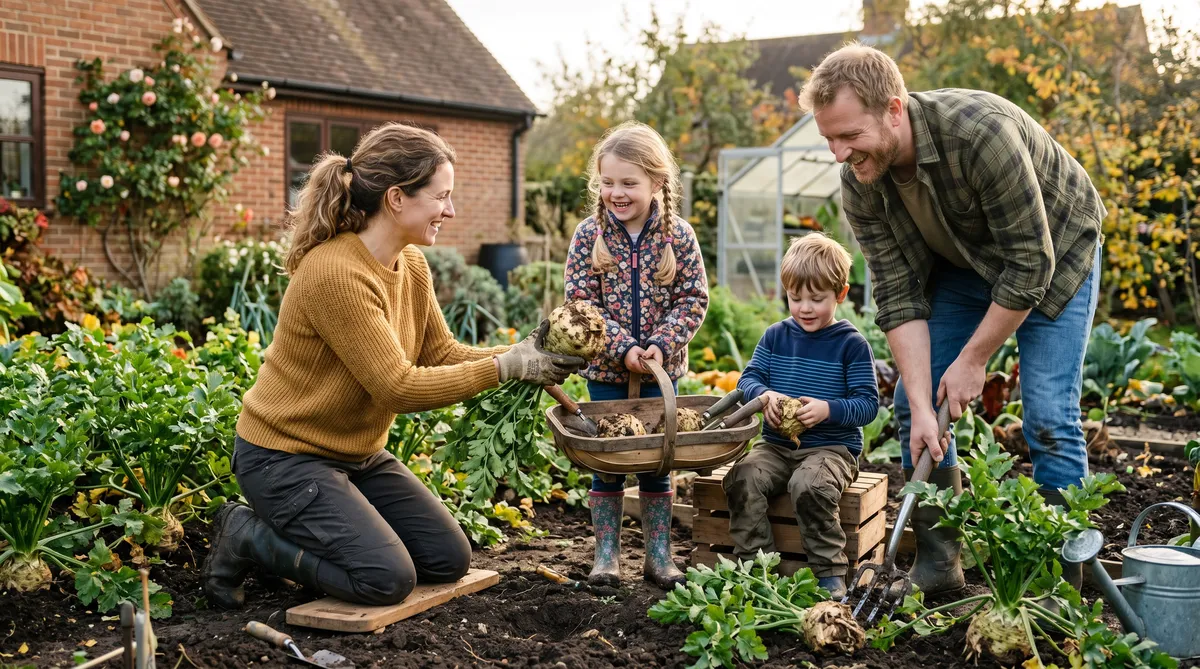 This family is harvesting celeriac from their garden.
You can begin harvesting once the bulbs are large enough to use. If you need just one or two for dinner, pull those and leave the rest to size up more. This flexible harvest window is handy for family meals because you do not have to take the whole crop at once.
To harvest, loosen the soil with a garden fork and lift the plant carefully. The bulb can be a little stubborn, especially in firm soil, so do not yank too hard by the leaves alone. Shake off loose dirt and trim the roots and tops if you plan to store it.
Try to harvest before the ground freezes hard. Light frost usually is not a big problem, but deep freezing can damage the bulbs. If a cold snap is coming, go ahead and bring them in. It is better to harvest a little early than lose part of the crop.
Right after harvest, celeriac may not look pretty. It is often rough, hairy, and covered with dirt. That is normal. Once you trim it and peel off the outer layer, the inside is pale, firm, and ready for the kitchen. Do not judge this vegetable by its lumpy skin.
Grow Celeriac - Cooking
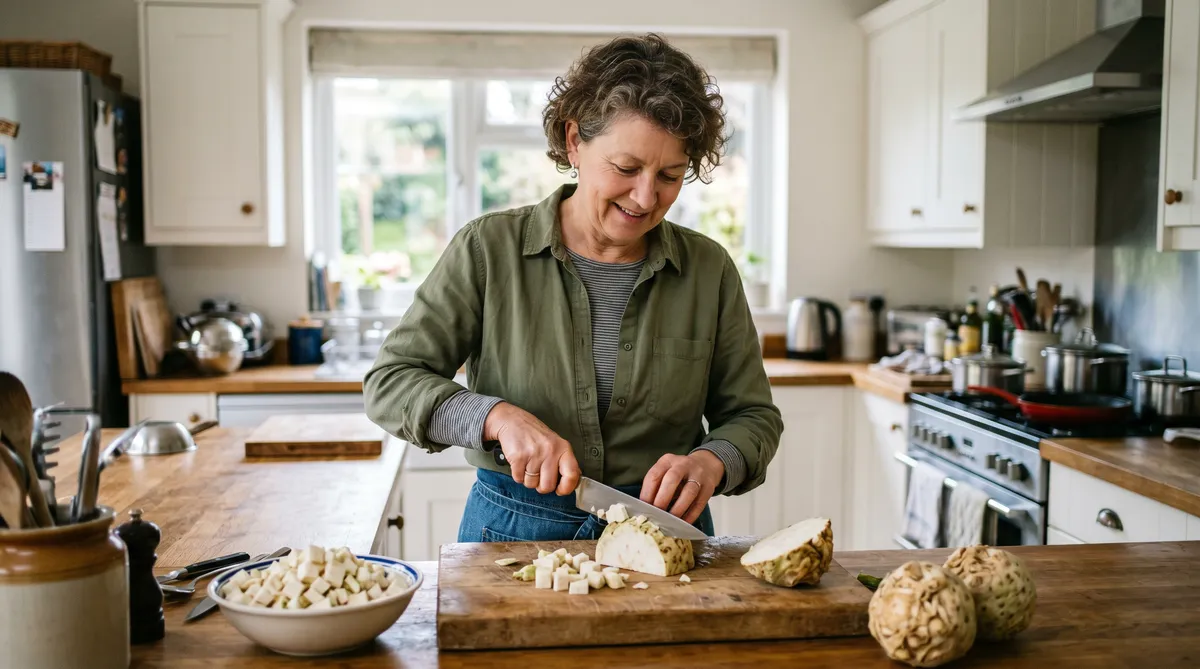 Grow celeriac in your garden so you can try cooking with it.
If you are new to cooking it, start simple. Peel it well with a knife or sturdy peeler, then cut away any tough spots. The flesh can discolor after cutting, so if you are not cooking it right away, place the pieces in water with a little lemon juice.
One of the easiest ways to eat celeriac is to roast it. Cut it into cubes, toss with oil, salt, and pepper, and roast until tender and browned. It turns sweet and savory at the same time. My family likes it mixed with carrots, onions, and potatoes on one pan.
Another easy idea is celeriac mash. Boil chunks until tender, then mash with butter, milk, salt, and pepper. You can mix it with potatoes if you want a familiar flavor with a twist. It feels cozy on a cool night and goes well with roast chicken or meatloaf.
Celeriac also shines in soup. Add it to vegetable soup, chicken soup, or creamy blended soups. It gives body and flavor without taking over the whole dish. If you like celery but want a deeper, softer flavor, celeriac is a great ingredient to try.
If you want something fresh, shred raw celeriac for slaw or salad. It has a crisp texture and a bright, earthy taste. Toss it with apple, lemon, yogurt, or a light mayo dressing. This is a nice way to use it when you want a break from cooked vegetables.
I first served raw celeriac to my family without making a big announcement. I just called it a crunchy fall slaw. Everyone liked it, and then I told them what it was. Sometimes that is the best way to introduce a new vegetable at home.
You can also add celeriac to stews, gratins, skillet meals, and sheet-pan dinners. It works well with potatoes, carrots, leeks, onions, garlic, apples, cream, thyme, parsley, and mustard. Once you start using it, you will see that it fits into many simple family meals.
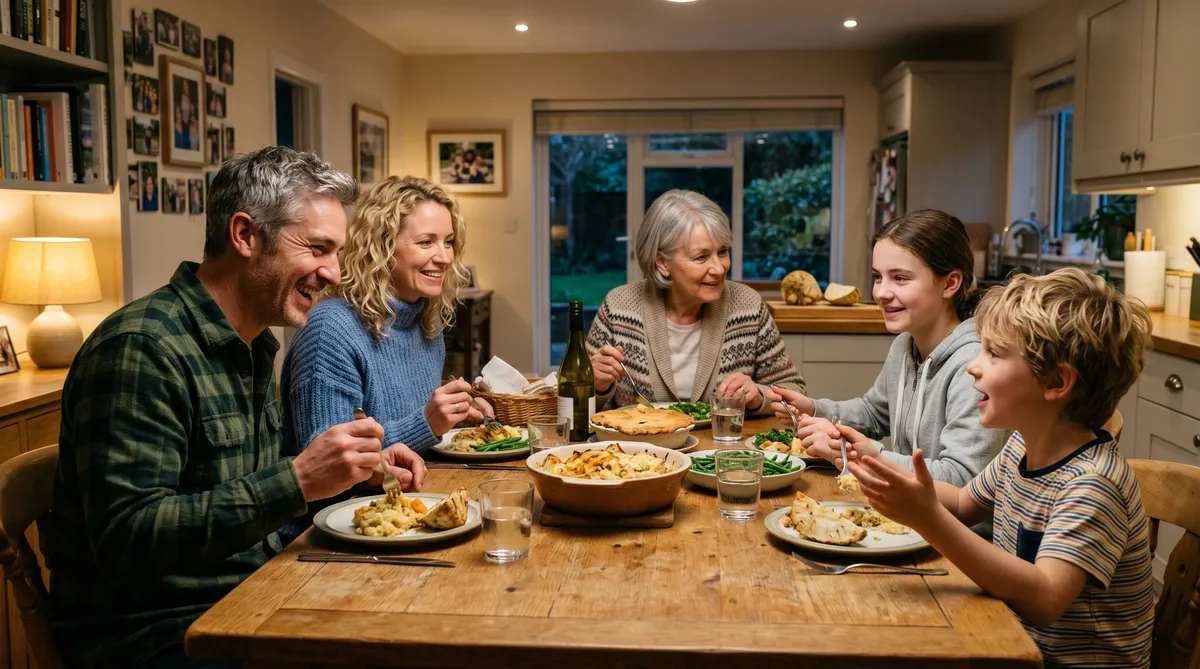 This family is enjoying celeriac with dinner.
Grow Celeriac - Storage
If your goal is to grow more of your own food and waste less, celeriac is a smart choice because it stores so well. Unlike tender summer produce that needs quick use, celeriac can hold for quite a while under the right conditions. That makes your harvest stretch farther.
For short-term storage, keep unwashed celeriac in the refrigerator. Remove most of the leafy tops first, because they draw moisture from the bulb. Place the bulbs in a bag or crisper drawer. They should stay in decent shape for several weeks, often longer.
For longer storage, a cool, humid place works best, much like storing carrots or beets. A root cellar is ideal, but many families use a basement, garage, or other cold space that stays above freezing. Pack the bulbs in damp sand or another moisture-holding material if needed.
Check stored celeriac now and then.
Remove any bulbs that get soft or begin to rot so they do not affect the rest. Good airflow, cool temperatures, and steady humidity help a lot. Stored well, celeriac can carry part of your garden harvest into winter meals.
You can freeze celeriac too, though the texture changes. The best way is to peel it, cut it into pieces, blanch briefly, cool it, and freeze it in bags or containers. Frozen celeriac works best later in soups, mashes, and cooked dishes rather than raw salads.
If you are planning next year’s garden, think about where celeriac fits best. Since it takes a long season, give it a spot you will not need for quick replanting. It grows nicely alongside other cool-season crops and can be part of a practical food garden, not just a fancy one.
Grow Storage - More Stuff About Celeriac
So let’s go back to the big questions. Is celeriac just for fancy chefs? No. Can any regular gardener grow it? Yes, especially if you can start seeds early and keep the soil moist and rich. What is it good for? It is good for roasting, mashing, soups, slaws, and winter storage.
If you want to grow celeriac in your garden, the biggest secret is not a secret at all. Start early, be patient, and give it steady care. That is really it. You do not need a huge yard or special tools, just a little space and a willingness to try something new.
And if your first crop is not perfect, do not worry. Gardening has a way of teaching by season. Maybe your bulbs stay small one year, or maybe the weather turns hotter than expected. You still learn something, and the next round usually goes better. That is part of the fun.
I think celeriac is one of those vegetables that wins people over slowly. First you are curious. Then you grow it because it seems interesting. Then you cook it once or twice. Before long, you are making room for it every year because it quietly earns its place.
For a backyard garden that feeds a family, celeriac makes sense. It offers a different flavor, handles cool weather well, and stores long after many other crops are gone. It gives you one more way to make the garden useful through more of the year.
So if you have been on the fence, go ahead and try it. Plant celeriac seed indoors, set out strong seedlings, keep the bed watered and weeded, and let the season do its work. You may be surprised by how much you enjoy both the growing and the eating.
In the end, to grow celeriac in your garden is to give an underused vegetable a fair chance. It is not too fancy, not too hard, and not just for experts. It is a solid, flavorful crop for ordinary families who want to grow good food, cook simple meals, and enjoy more from their own backyard.
Monday, April 27, 2026
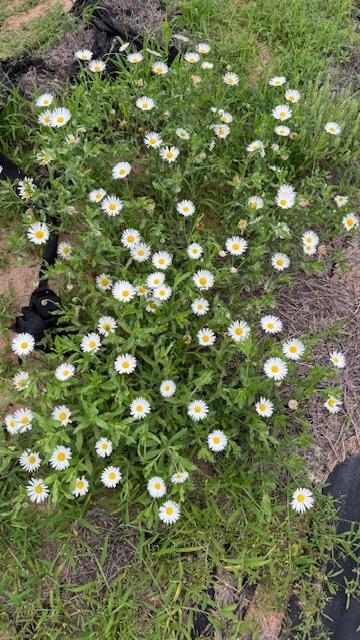 Shasta daisies are popping up all over the property. They have been my favorite flower since I was little. We sell the seeds if you want some.
Good morning. So far, I am the only one awake. It should be another very hot and humid day with the high going up to 92°.
Markie is healing. At 6pm, the wounds are closing and swelling has gone down.
David's foot and ankle are doing better. He walked on his own this morning when he got up instead of using the walker. He canceled the Universal City appointment for tomorrow and will see the doctor on Monday when she is nearby.
I need to see her, too, for a painful toe but since my doctor's office did not send in the referral they were supposed to send three months ago, they will not schedule me. I called several times and the girl finally sent it in just before 5pm today. That means I need to call tomorrow and see if there is still an opening for next Monday. So disgusted.
And I am more horrified than ever with some other trash I learned today. I never knew there were such horrible people in the world. I was really sheltered as a child and I thank God for that.
Tuesday, April 28, 2026
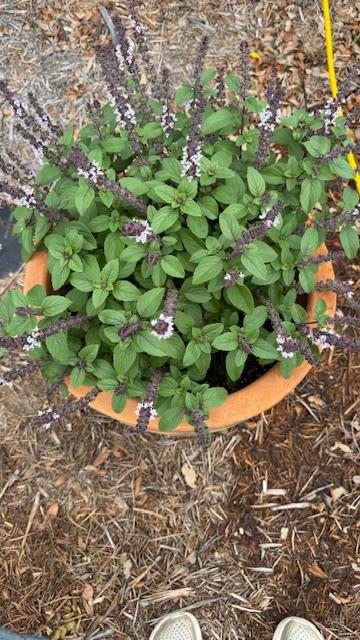 Here is some African Blue basil that I planted in this pot out front.
Good morning. It is miserably hot and humid this morning. Looks like we will get some relief on Friday when the high will be 66° and we have a chance for rain again.
I worked on orders and some counting of seeds all day long. Of course, our part time seed counter did not show up yesterday or today so I am having to do more counting.
I don't get to go to the podiatrist with my painful toe for almost two weeks since my PCP would not send my referral until yesterday just before 5pm. All of the appointments for this coming Monday were taken by today. That is bull that they could not make the appointment without the referral even though I am already an established patient with that doctor.
And I am so disgusted that my PCP office did not send the referral even though I took time out of my busy day three months ago to drive over there and request one. The girl said she would send it and did not. She sent in David's referrals to all of his doctors that day but not mine. So thank you to both doctor offices for extra pain for no reason.
David has a lot of pain again so he has to see a non-network doctor and pay full price for an injection tomorrow since our doctor who is covered is only in on Mondays. There goes another $300 at least.
Yeah, it has not been a good day at all. I am so tired and I really need to get some sleep but with everything going on lately, I am having a hard time falling asleep and staying asleep.
Markie is healing up nicely so that is good. Good night.
Wednesday, April 29, 2026
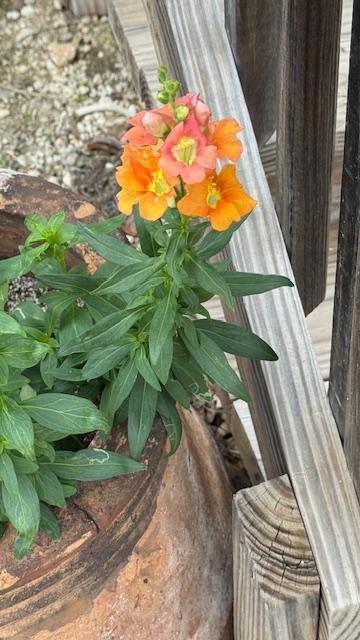 Some new snapdragons bloomed and they are orange.
Good morning. David has left for his early appointment to get a shot for his foot to stop the pain. It is already miserably hot and humid out there, so ugly feeling. I cannot wait until it cools off on Friday.
It stayed humid all day long. Markie continues to heal up. The girls continue to get bigger...
During the 7pm hour, the local news kept breaking in on MasterChef to say that there was a storm in the Texas Hill Country with large hail. We did not get a drop of rain.
Thursday, April 30, 2026
Good morning. It is another overcast day but the air feels cool and lovely instead of hot and humid. I am so grateful.
We had doctor appointments this afternoon. On the way back, we got a call asking if we were open.
"Yes, Matthew is there"
"Well the gate is closed so are you open or not?"
"What building do I go to?"
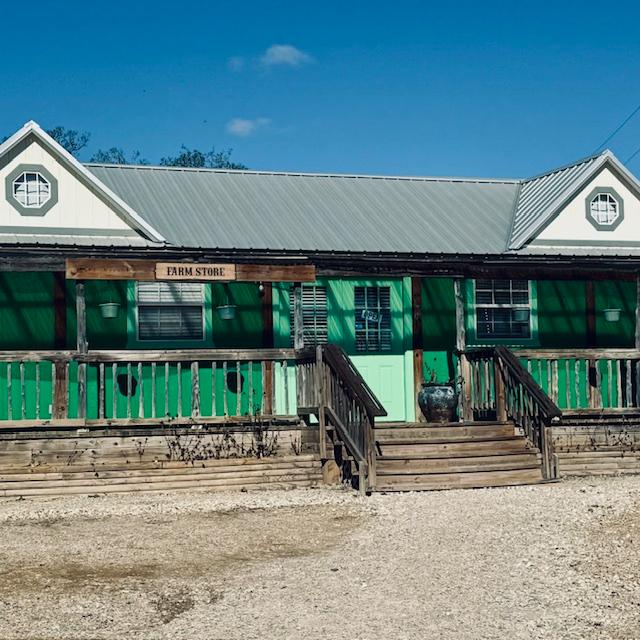
"The one that says Farm Store, the green one."
By the time we pulled up to the gate, he was inside with his wife shopping. The gate was open. We still have not been able to fix it. Someone put the wrong battery in it a few years back so it is not recharging even though there is a solar panel.
I walked into the store and asked if I could help them. Matt stood behind the cash register. The man said he was helping them. No, he was standing there. The man just kept staring me down like I was stupid while his wife shopped. He never let his wife tell me yes or no, making me feel like I didn't belong in my own store. When you treat me like that, you are on your own. I went to my office.
We had a few other customers as well throughout the day.
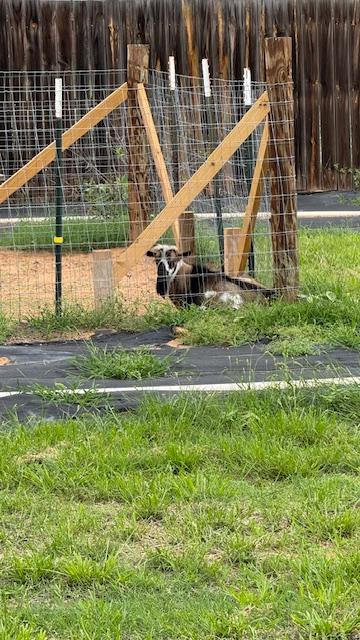
Markie is healing up. The girl goats did not want to go in this evening. Three of them--Alice, Lucy, and Ethel ran all around. Matt and I were both chasing them round and round the platform so we could go in and make dinner, finally getting them to go in. I did not want one of them to deliver babies in the night in the cold rain that is supposed to be coming. They could start popping out anytime now.
David and Matt tried installing new batteries but they were not the right kind so we have to wait some more...
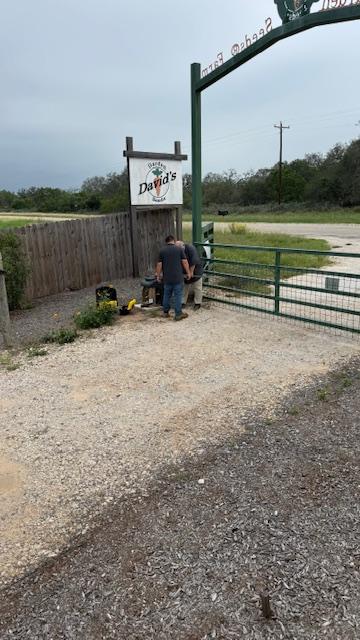 David and Matt are trying to put new batteries in the gate but they are the wrong kind.
As we grilled chicken this evening on the front porch, we were sitting out there in the cool breeze. It was so pleasant. We very seldom do that as it is usually miserably hot and humid out there.
The rain did not start until around 10pm.
Friday, May 1, 2026
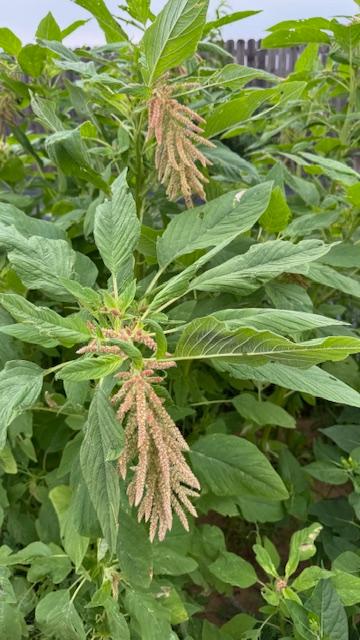
Good news! Overnight, we have had almost 3/4 of an inch of rain and it is raining right now! That is so exciting.
It rained on and off all day long and, as of 8pm, we had two and 1/8 inches of rain.
Rolled Back Seed Prices
We have a new section on the website called Rolled Back Seed Prices. Right now, we have over 1600 seed varieties. Over time, we are taking that number down to about 800 seed varieties and as we do, the seeds will go on our Rolled Back section until they sell out. We are a small seed company and we just don't need that many seed varieties. 800 will be much more manageable.
Saturday, May 2, 2026
Good morning. David cooked deer bacon in the oven this morning that some friends made and gave to us. I made eggs and toast to go with it so we had a good breakfast.
I am supposed to have off today so I can clean the house and bake. Everytime I am told this, I get called in so we will see...
I went in to set things up and close a few orders. I ended up working until around 4pm. At 8am, I did a load of laundry. Around 9am, David announced that we had no city water so I could not start the next load of laundry or the dishes that needed to be done.
Not one customer showed up today even though it was moderately warm with no rain. I guess people are done planting around here.
We are dropping about half of our inventory to make it a bit more manageable. I mean, do we really need to carry 30 kinds of snapdragons or 30 different zinnias? Do we really need 25 kinds of squash and 40 different kinds of beans? Nah...Things are just not selling the way they used to so it will be a bit easier dropping the ones that are no longer selling.
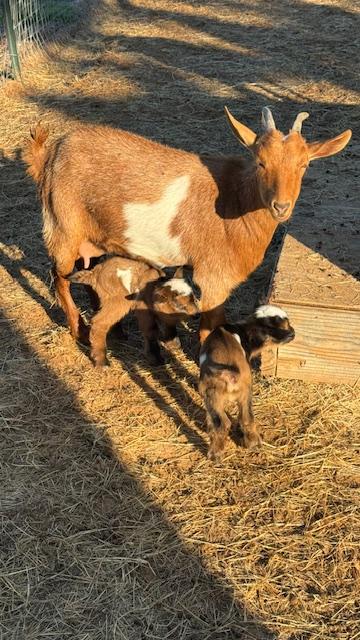
I went to the house around 4pm to make some sugar free lemon squares. Still no water. I made a double batch and did some other things. Matt got here a bit after 6pm with dinner since I really couldn't cook with no water. He and I went out to take care of the animals and got a big surprise. I saw four female goats out in their yard. I asked Matt where the fifth one was and then we saw some little feet!
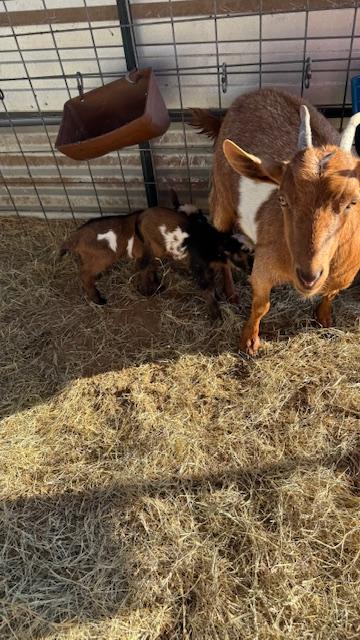 Lucy had twin boys sometime during the day. They were already dry and walking around--so cute! Lucy was being a good first time mom, taking care of them well.
How did Lucy know to go inside the shelter where the babies would be safe? How is it that all the others stayed outside? Interesting. The babies look a lot like Markie with all of the black on them.
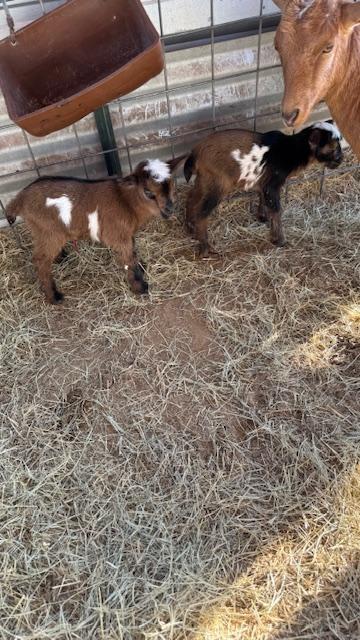
Well, we went in and ate dinner while watching Lord of the Rings I. That was David's idea. It was good but long. After it went off, we started watching Jeff Dunham's Covid special from 2020, one we had not seen before. Around 11:15pm, David turned it off and I checked on the water in the kitchen. It was back on. I turned the dishwasher on and went to bed.
Sunday, May 3, 2026
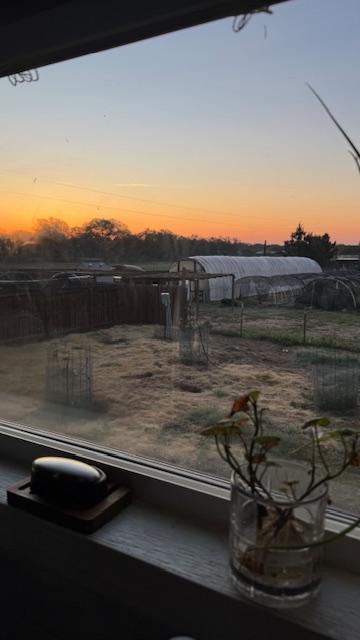
Good morning. The sun is coming up and I started the load of laundry early this morning that I wanted to wash yesterday morning.
To my surprise, when I opened the door to the kitchen building up by the store, the cat started meowing. She inadvertently spent the night in there.
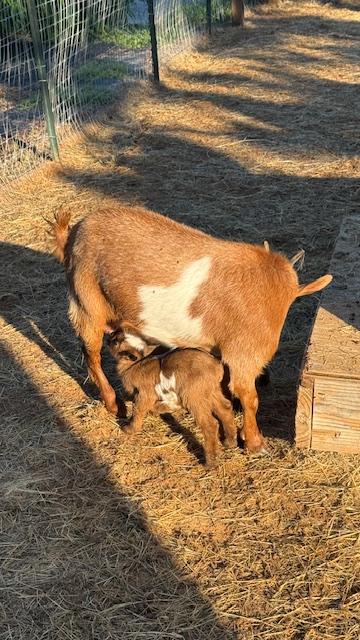
I was also surprised to see that Lucy had her new kids out and about in the goat yard when I got there this morning. She is doing well. I got to watch both of the babies eat and then walk around some more. No other babies in the night. Ethel was out there with her. I thought Ethel would deliver first.
I came back inside and showered now that we have water again. It felt great. Then I made an almond butter, cream cheese, and banana breakfast taco. I didn't feel like waiting to make eggs.
Return from Grow Celeriac to Grow From Seed
Anything To Share On This Topic?
Would you like to share additional information about this topic with all of us?
Since 2009, over 2,000,000 home gardeners, all across the USA, have relied on David's Garden Seeds® to grow beautiful, productive gardens. Trust is at the heart of it. Our customers know David's Garden Seeds® stocks only the highest quality seeds available. Our mission is to become your lifetime supplier of quality seeds. It isn't just to serve you once; we want to earn your trust as the primary supplier of all of your garden seeds.
Watch Our 2022 TV Commercial!
Sing Along To Our Jingle
♪♫♪♪ ♫ ♪ ♫♪♫♫
♪♫♪♪♫♫
Peppers and peas
And lots of yummy greens
You can't go wrong
With Squash This Long
At David's Garden Seeds
♪ ♫ ♪ ♫
Our New 2024 TV Ad
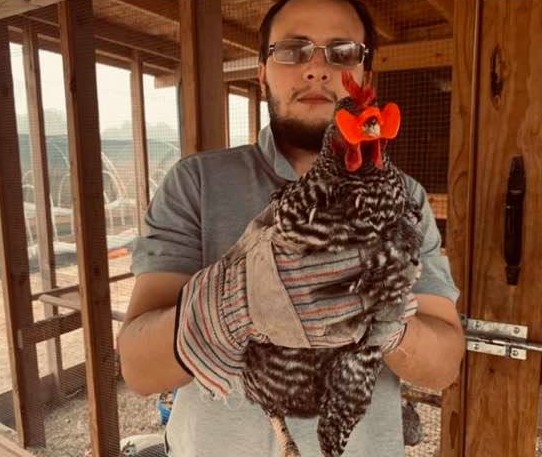
Please like and subscribe on YouTube and come visit us at our Farm Store! The music on our TV ad was written, played, and sung by our son, Matthew Schulze. You can meet him when you come to the farm. He just might give you a tour. Ask him to grab a guitar and sing our jingle that he wrote.
Our 2022 TV Ad

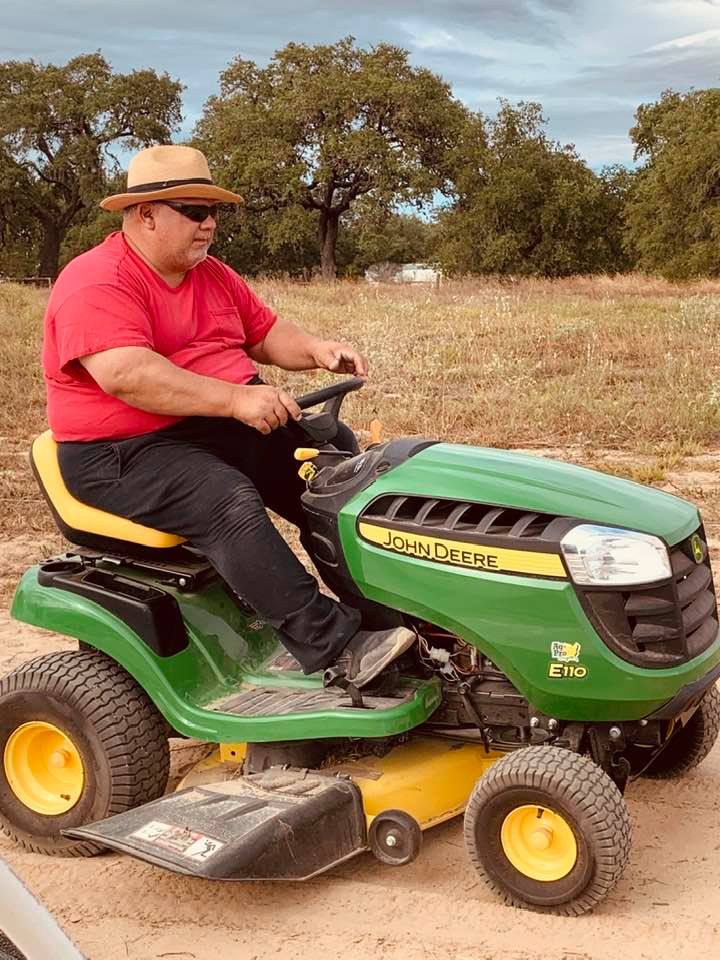 David of David's Garden Seeds® zipping along on his little tractor across the farm. He is having a blast!
We are David's Garden Seeds®. If you need great seeds, we've got over 1,400 varieties to choose from.
Subscribe To Mrs. David's Garden Seeds® Newsletter For FREE!


Find out what is going on down on the farm by reading our blog and by subscribing to our free newsletter for all of the information going down at David's Garden Seeds® and on the farm. I love to share helpful information with you. Please let your friends know and y'all come on down for a visit when you get the chance. We would love to meet you!
New Store Hours!
 Farm Store Hours: Th-Fri 10am-5pm, Sat 10am-2pm. Closed Sun-Wed.
 Our Farm Store
Shop for:
- Seeds
- Farm Fresh Eggs
Our Farm is located at 5029 FM 2504 in Poteet, TX.
 Only happy seeds make the cut to go into our seed packs!
David's Garden Seeds® has
seeds for the backyard gardener and farm fresh chicken eggs.
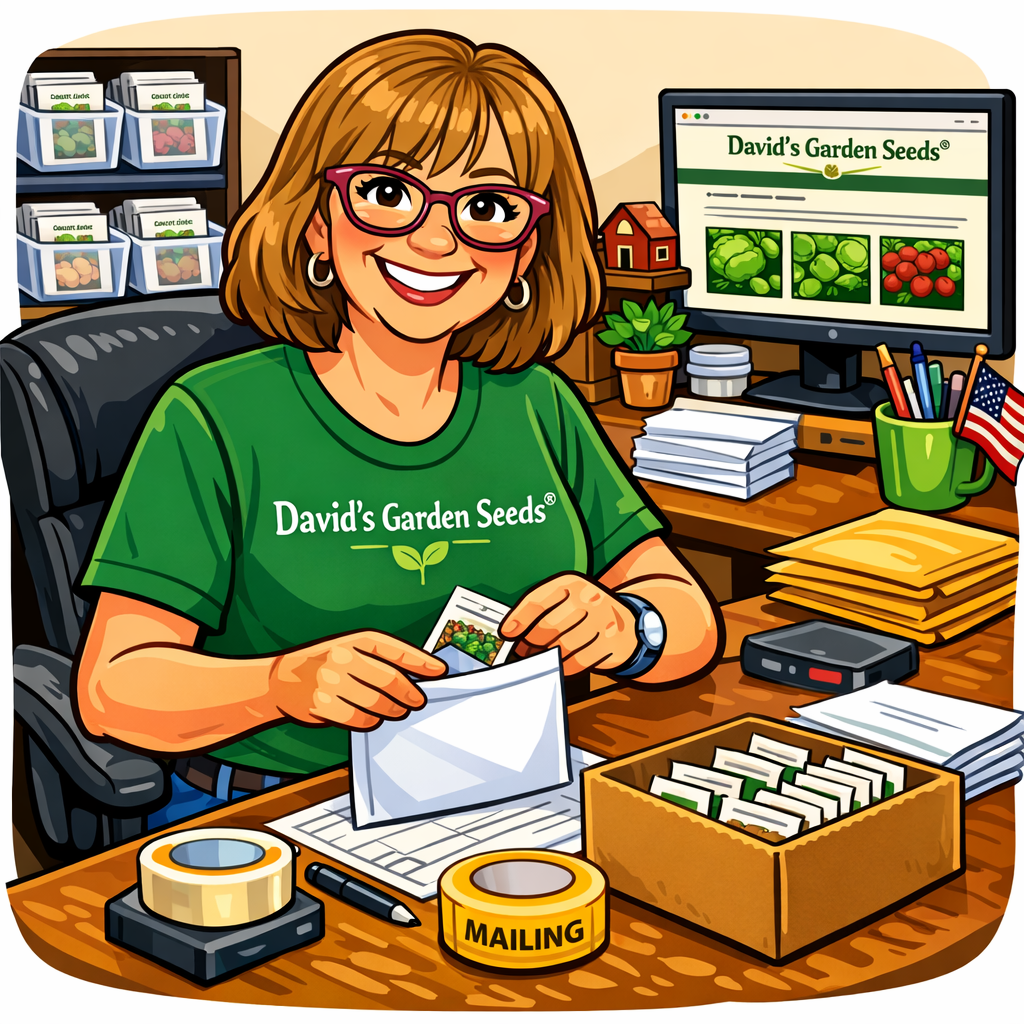
 David & Juanita work hard to pack your garden seed orders.



Sign Up For Our Newsletter Here!
   DGS YouTube Mrs
|
   |
Garden Ebooks
by Mrs. David's Garden Seeds
 I've been busy creating eBooks to help you with your garden...
IMPORTANT NOTE: THE EBOOKS ARE DIGITAL DOWNLOADS (EBOOKS), NOT PHYSICAL BOOKS.


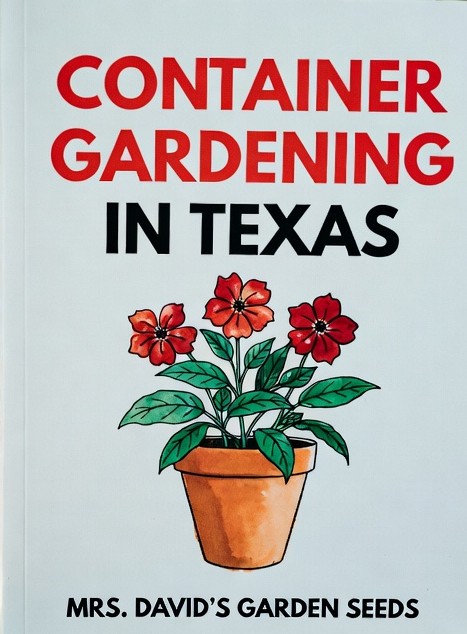
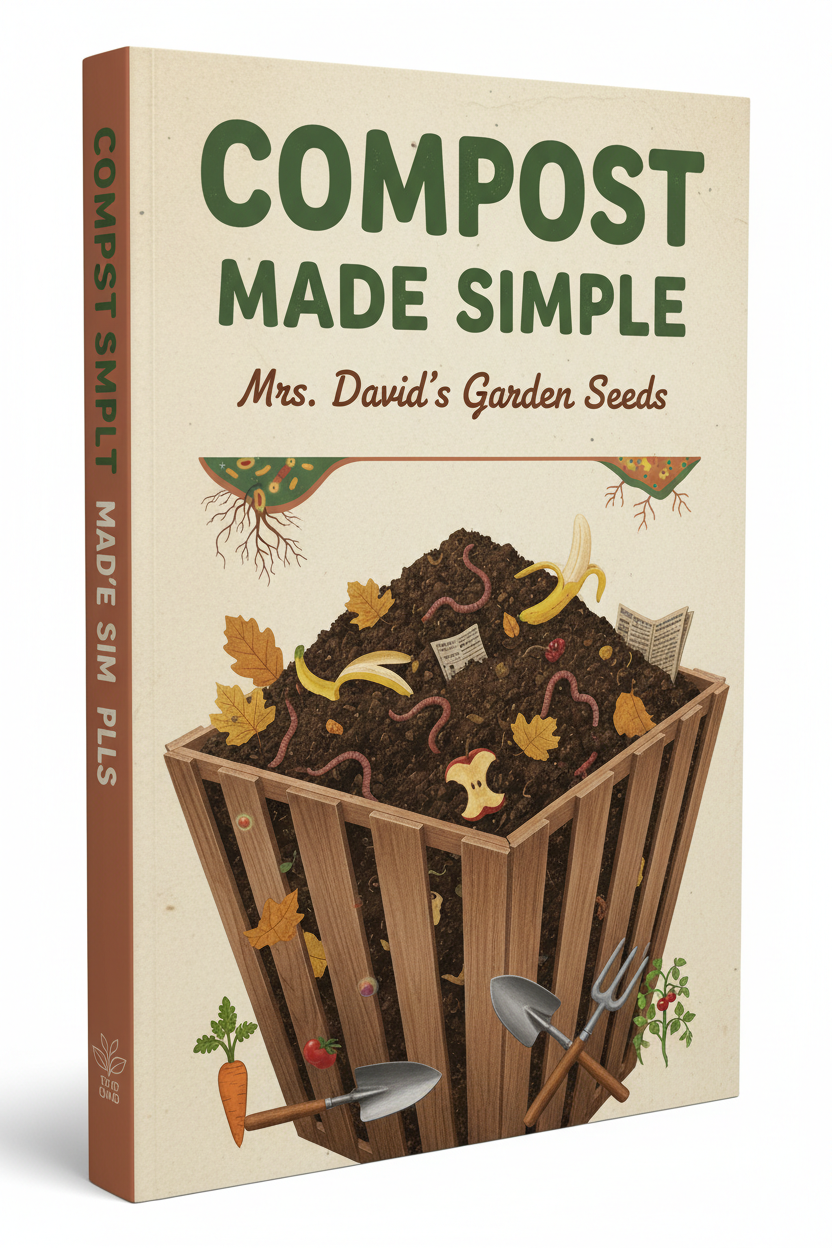
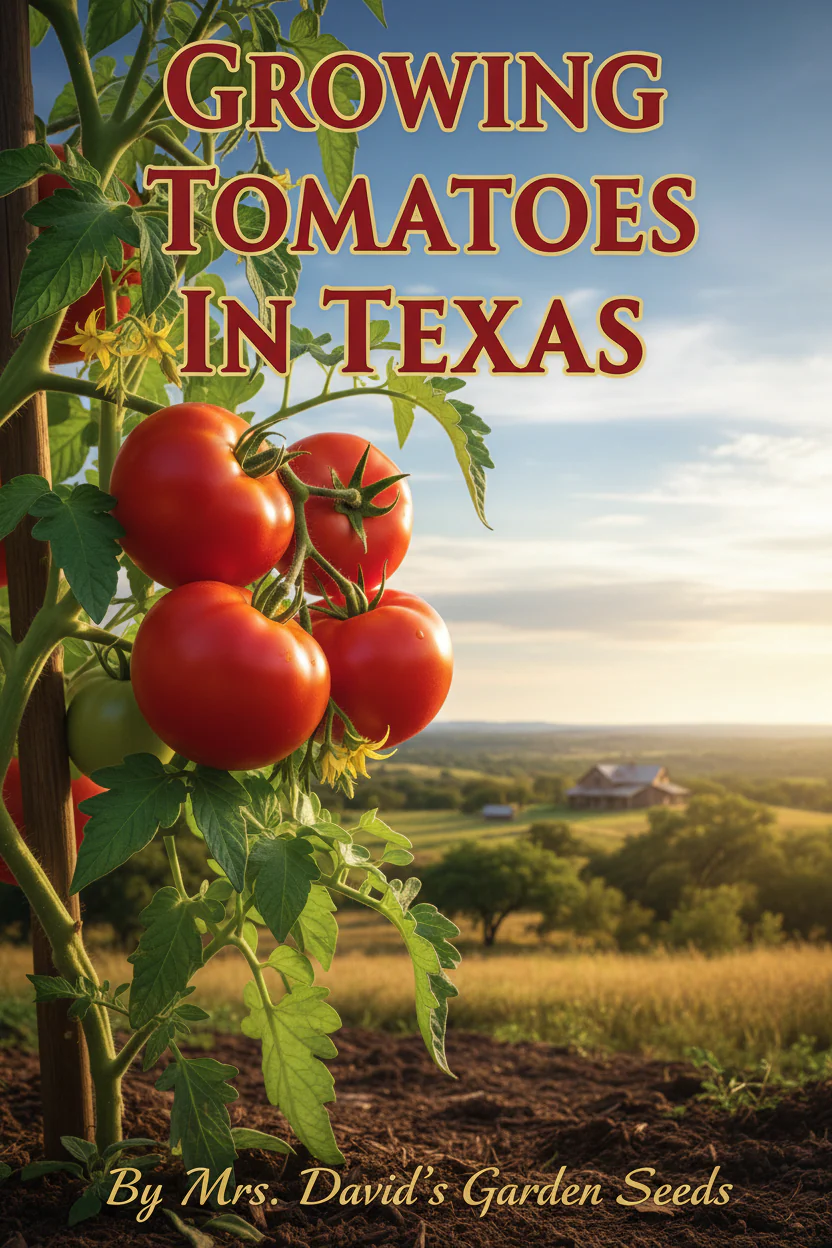
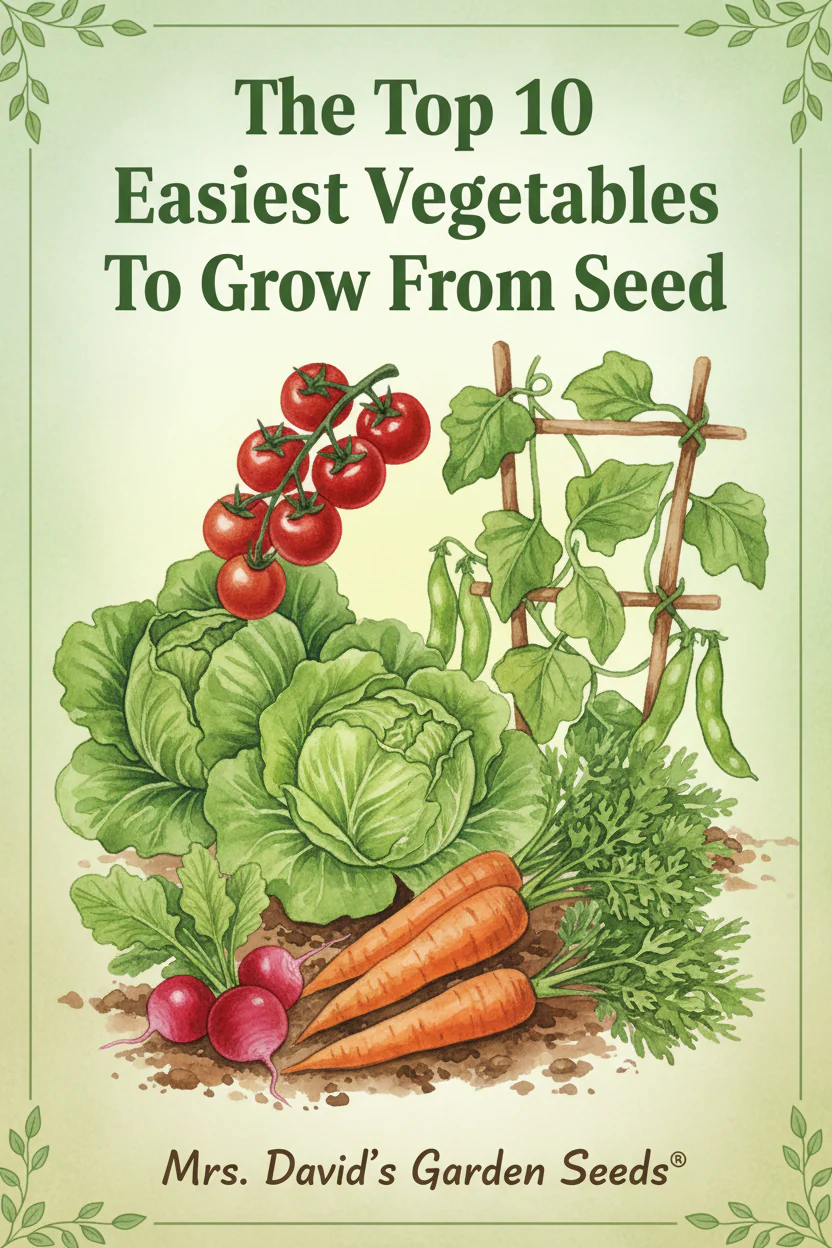
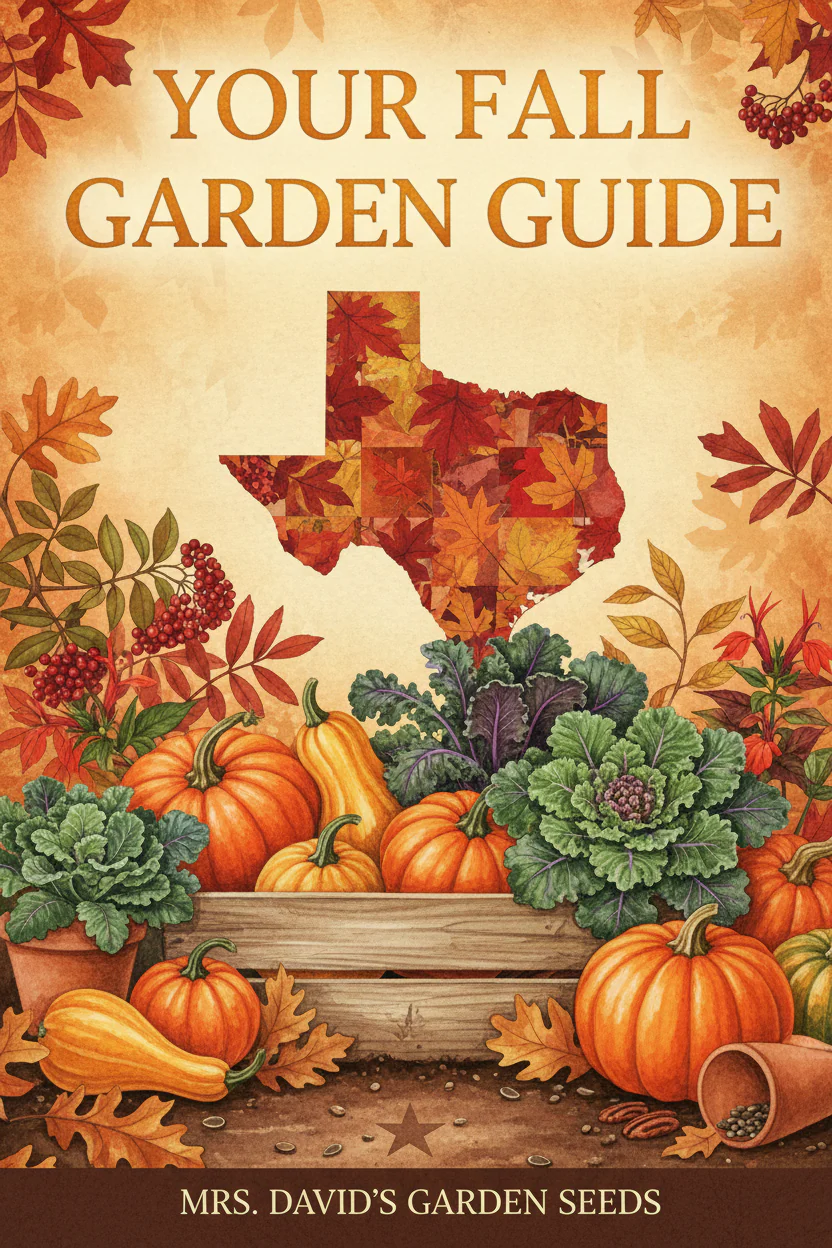
WE DO NOT REFUND OUR DIGITAL DOWNLOADS FOR OBVIOUS REASONS.
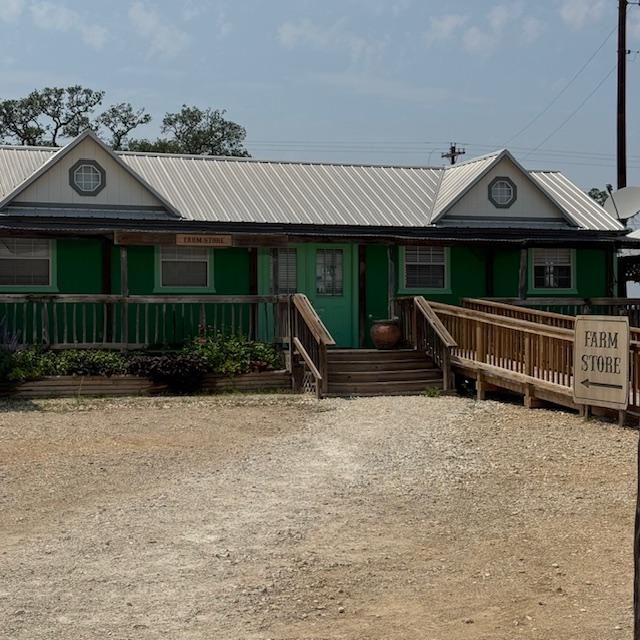 Our Farm Store is the green building
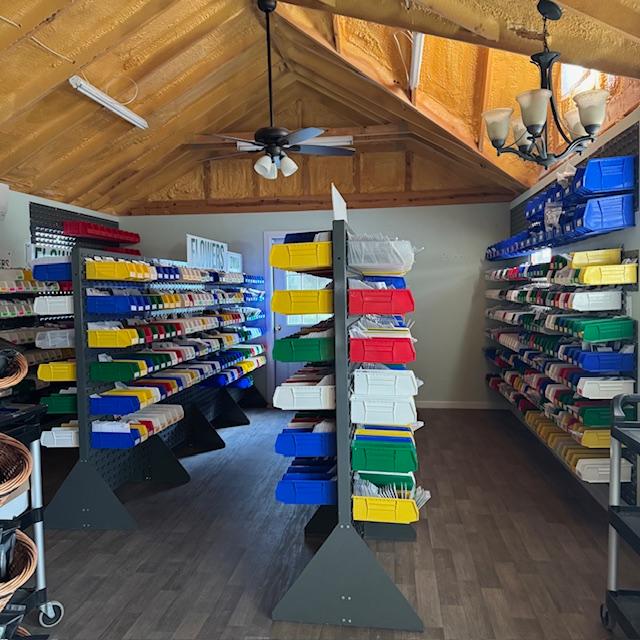 Inside our Farm Store...1400 varieties of seeds await you!
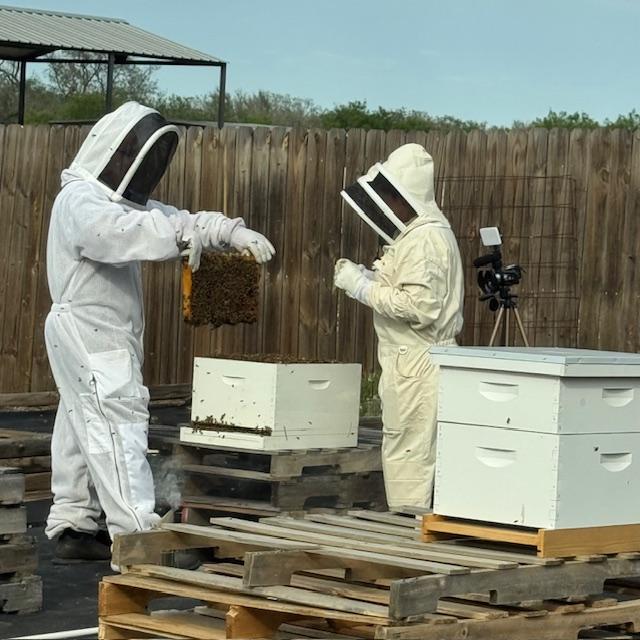 Our bee hives
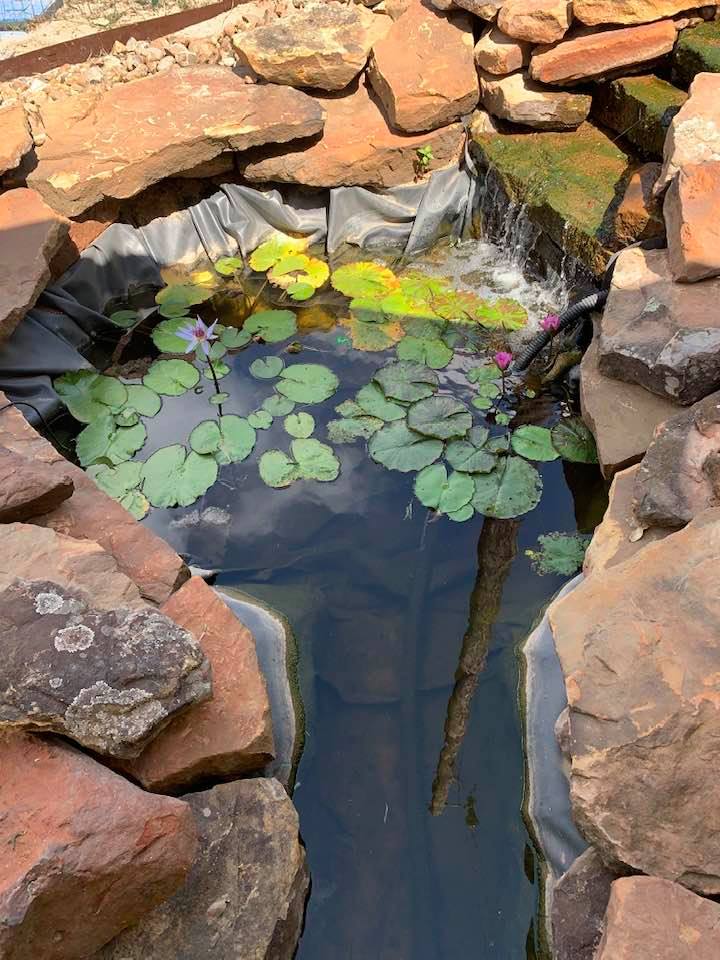
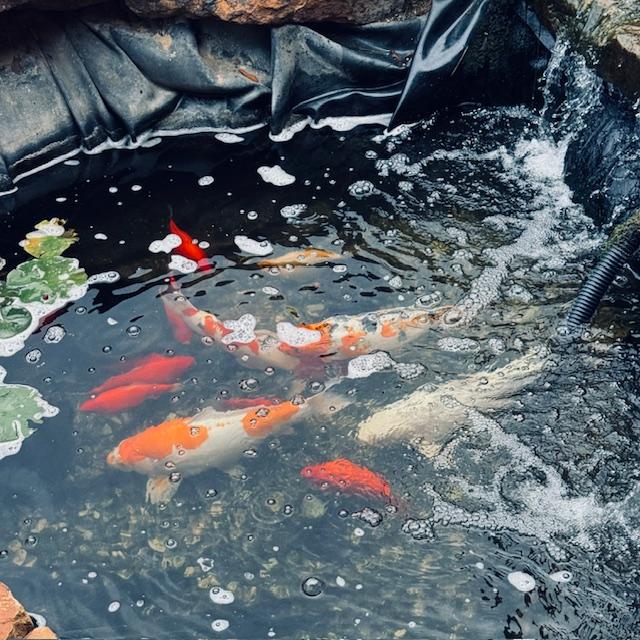 Our fish pond
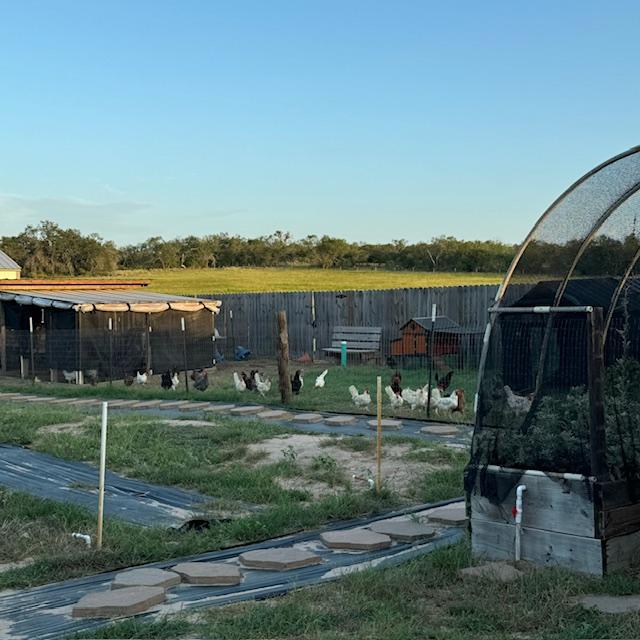 Our chickens
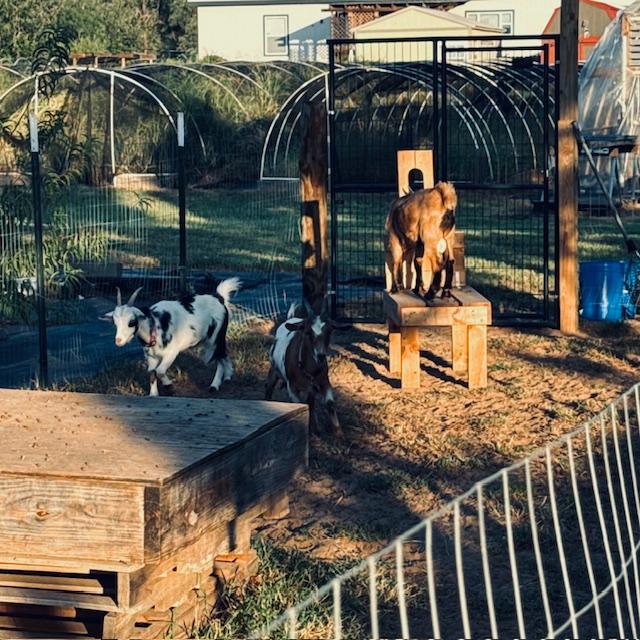 Our Nigerian Dwarf goats
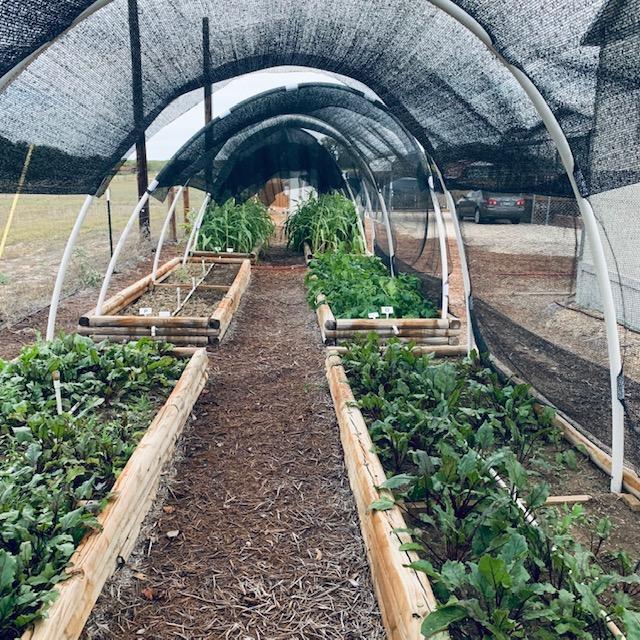
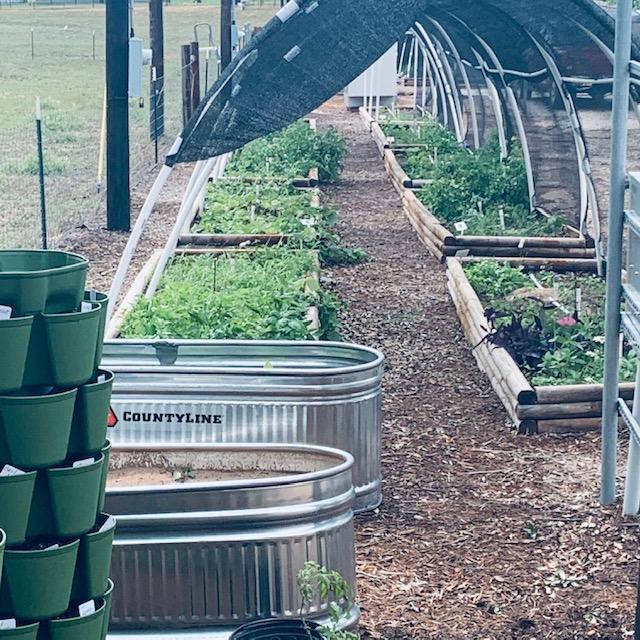 A few of our raised garden beds
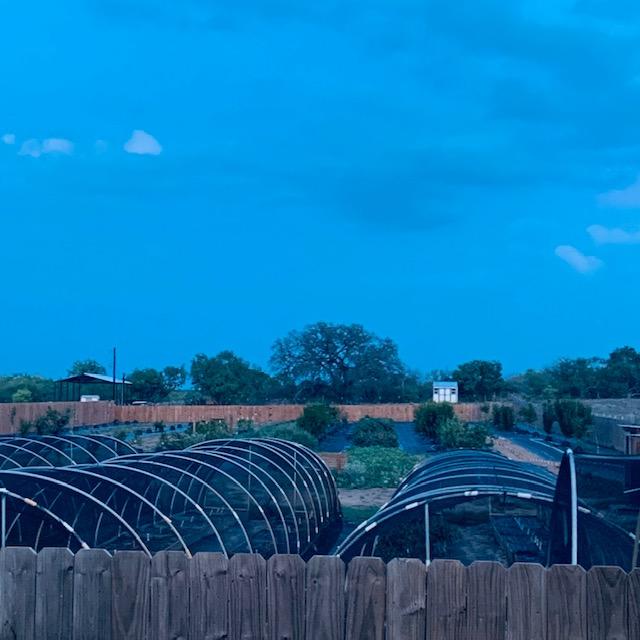 Our orchard and hoop houses
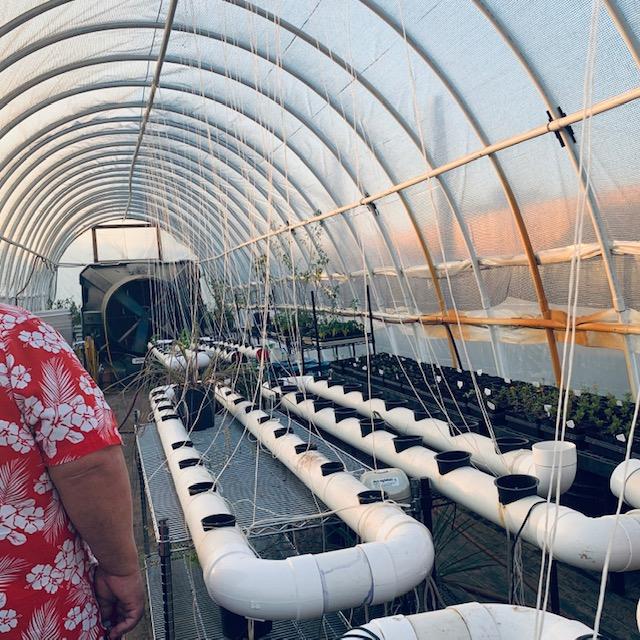 Inside our high tunnel
 Take a selfie at our official selfie spot!
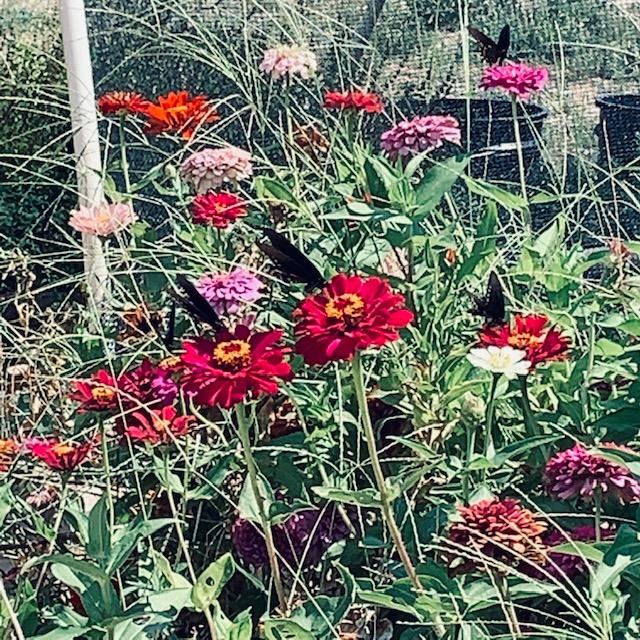 Flowers, bees, and butterflies are everywhere!
Watch Our TV Ads!
David's Garden Seeds® has the best Non-GMO seeds in the state of Texas!


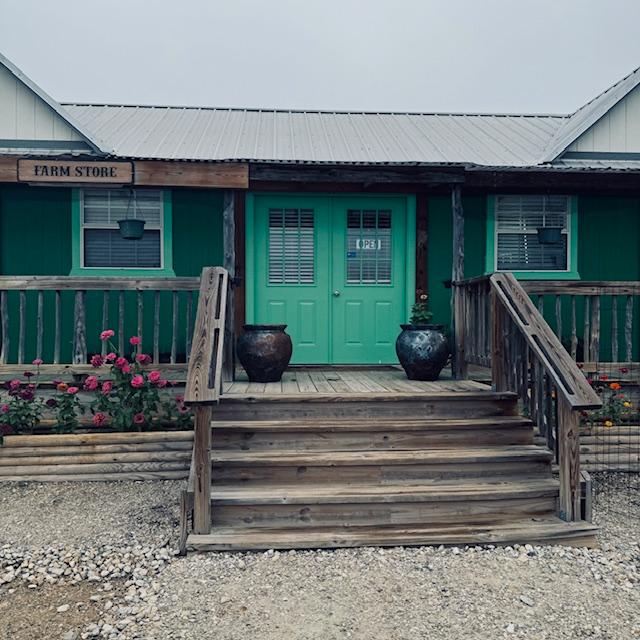 This is our beautiful Farm Store. Come in and shop for seeds. We have over 1600 Non-GMO heirloom varieties to choose from but we are in the process of bringing that number down to half.
Our Story
Hi Everyone! Thank you for visiting my website! I am Mrs Davids
Garden Seeds® aka Mrs. David's Garden Seeds and I think you should know that there is a wonderful seed
company in the great state of Texas called David's Garden Seeds®. We grow some of our seed, we count, hand pack, print our own envelopes, and ship seeds out to you right here from our farm. This used to be an old peanut farm. When the owner died about 15 years ago, his sons split the farm up and sold it in pieces. In 2024, we bought another adjoining four acres.
Our business started in our home in San Antonio in September of 2009. David decided to sell some seeds he had left over from his garden on Amazon. I told David, "Don't bother, it won't work!". I am so glad that David did not listen to me because it did work! By 2015, we had 8 employees working in my home every day and David found a storefront in San Antonio and moved the business there. In 2016, I quit my day job and went on the payroll. The company grew some more and David moved to a bigger storefront in 2017. In 2019, we found a beautiful piece of land over in Atascosa County and turned it into a farm out near Poteet. David and I moved out here to live in August of 2019.
In 2020, we moved our company out to the farm. We have a beautiful Farm Store filled with seeds, a gazebo with a pond full of koi and gold fish for you to visit. Come by and visit us at 5029 FM 2504 in Rossville, just outside of Poteet, Texas, Monday through Friday from 9am to 5pm and Saturday from 10am to 2pm. Or you can order seeds online from our user-friendly website, www.davidsgardenseeds.com.


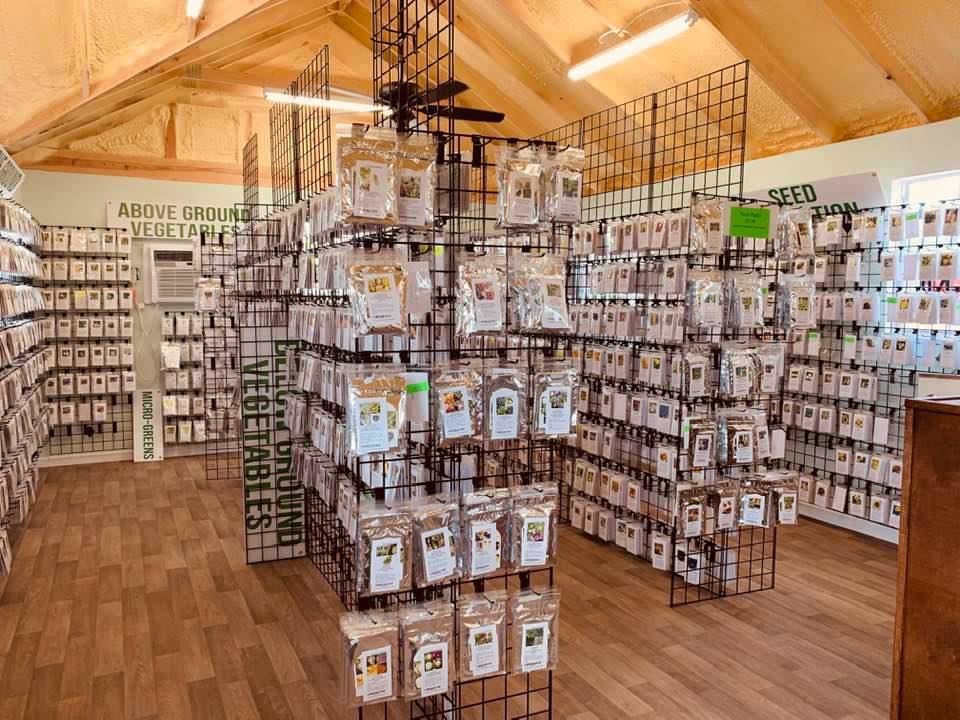 Our beautiful new farm store has almost 2,000 varieties of seeds and more. Mrs Davids Garden Seeds® looks forward to meeting you when you visit.
Mrs. David's Garden Seeds® Copyright by Juanita Lynn Schulze of David's Garden Seeds® 2019-2026
David's Garden Seeds® is Registered in the United States Patent and Trademark Office.