Grow Celtuce In Your Garden
Learn how to grow celtuce in your garden this year. Celtuce is actually a lettuce with a thick stalk kind of like celery that you can eat. It tastes more like corn or cucumbers instead of celery.
If you have never heard of celtuce, you are not alone. A lot of American gardeners have never seen it in a seed rack or on a dinner plate. But once you learn about it, you may want to grow celtuce in your garden every year.
So, what is celtuce? Celtuce is a type of lettuce grown for its thick stem as well as its leaves. It is sometimes called stem lettuce, and it gives you something a little different from the usual leaf lettuce or romaine.
The fun part is that celtuce feels both familiar and new. The leaves look a bit like lettuce, but the stem is the real prize. When peeled and cooked or eaten fresh, it has a mild flavor and a crisp bite.
You can find celtuce seed here.
Grow Celtuce - 5/11-5/17/2026
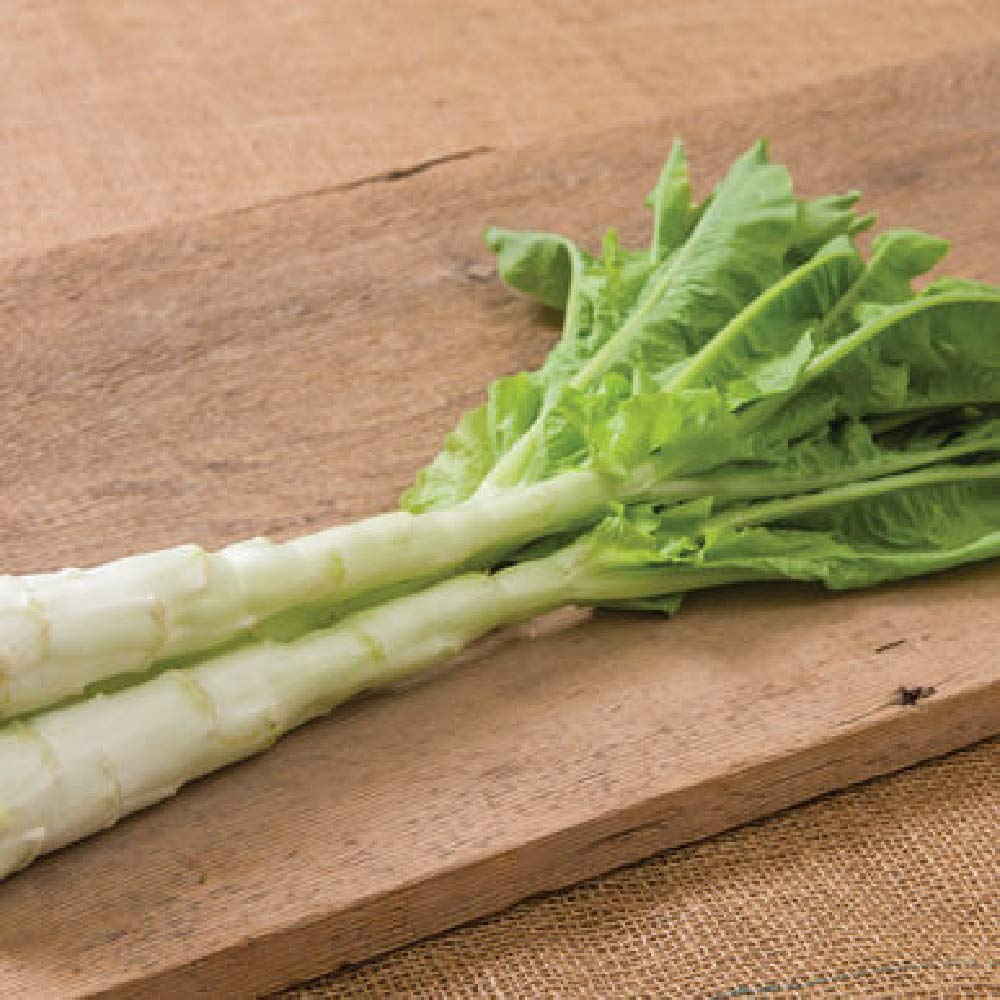
I still remember the first time I saw celtuce in a garden bed. I thought it was lettuce that had gotten strange and leggy. Then I learned that the tall stem was exactly the point, and that made me curious enough to try it.
If you like growing vegetables that surprise people, this is a great one. Friends may ask, what is celtuce, and you get to show them a plant that is easy to grow and fun to eat. It feels like discovering a garden secret.
Celtuce is a cool-season crop, much like regular lettuce. That means it grows best in mild weather, not in the hottest stretch of summer. In many parts of the United States, spring and fall are the best times to plant it.
If your springs are cool and your summers heat up fast, plant celtuce in early spring. If your fall season stays mild for a while, you can also sow it again in late summer for a fall harvest. Gardeners in warmer regions often get especially good results from fall and winter growing.
To get started, buy quality seed from a trusted source. If you want a simple place to begin, buy the seeds at David's Garden Seeds. Starting with fresh seed gives you a better shot at even sprouting and strong plants.
Grow Celtuce - Prepare The Soil
Before you plant, choose a spot with full sun to light shade. Celtuce likes plenty of light, but in warmer climates a little afternoon shade can help keep it from getting stressed. Think of it like lettuce that appreciates comfort.
Next, look at your soil. Celtuce grows best in loose, well-drained soil with organic matter mixed in. If your soil is heavy clay or dries out too fast, work in compost before planting to improve the texture.
Raised beds work very well for celtuce because they drain nicely and warm up a bit faster in spring. In-ground rows also work fine if your soil is loose and healthy. You do not need a huge garden to grow a useful crop.
Rake the bed smooth and remove rocks, weeds, and old roots. This simple step matters more than people think. Young celtuce seedlings are small at first, and they do better when they do not have to fight for space.
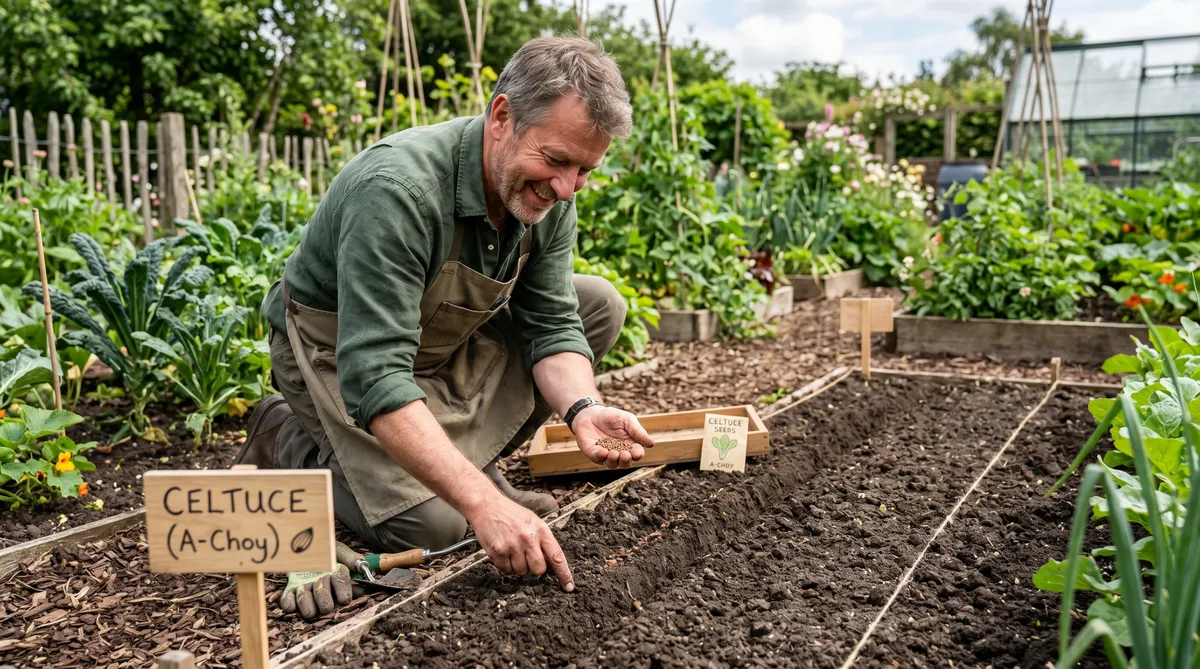
You can direct sow celtuce seed right into the garden. That is often the easiest method. Sow the seeds shallowly, since lettuce-family seeds generally do not need to be buried deeply.
A light covering of soil is enough. After sowing, press the soil gently so the seeds make good contact with the ground. Then water carefully so you do not wash them away.
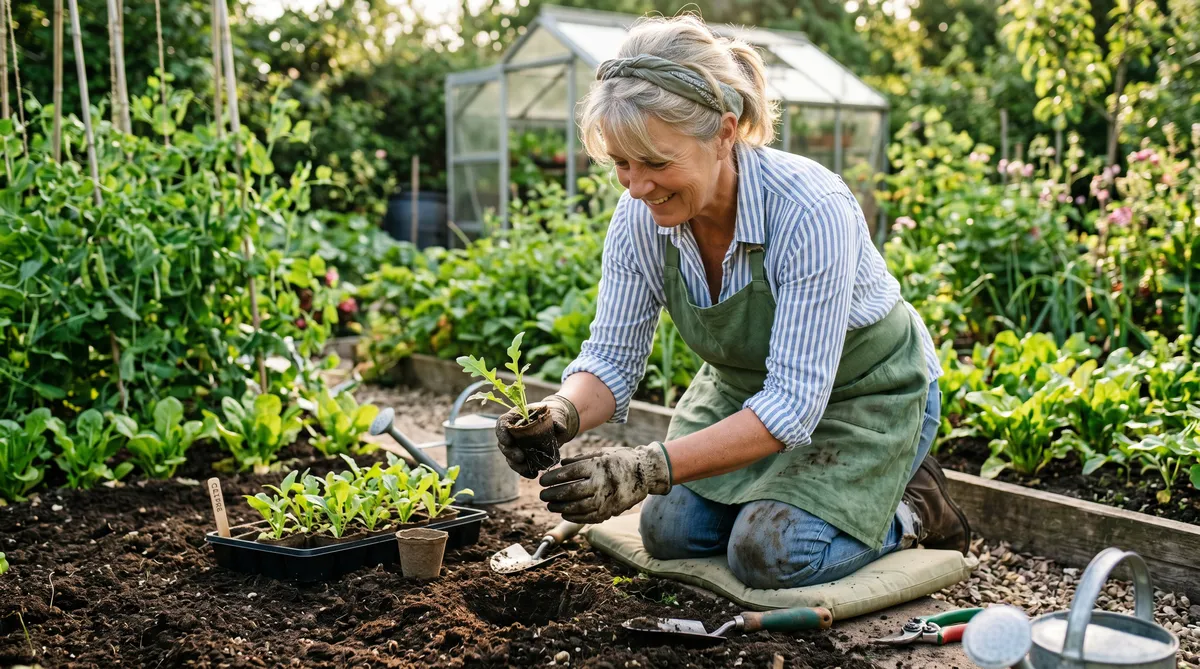
If you want a jump on the season, you can also start seeds indoors and transplant them later. Use a seed-starting mix and give the seedlings bright light. Transplant while they are still young so they do not get set back.
Spacing matters because celtuce needs room to make that thick edible stem. If seedlings come up too close together, thin them so each plant has enough space to size up. Crowded plants stay smaller and can be harder to harvest.
Grow Celtuce - Taking Care Of Your Plants
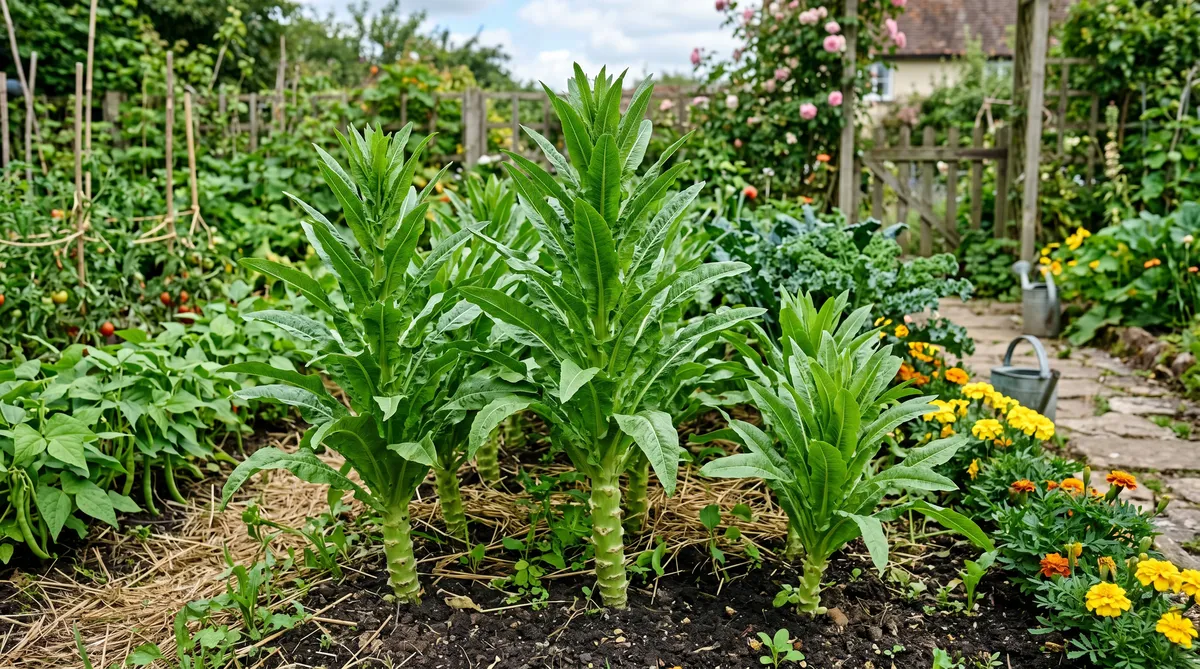
When the plants are young, keep the soil evenly moist. Do not let it stay soggy, but do not let it dry out hard either. Steady moisture helps plants grow fast and keeps them tender.
Mulch can help a lot once seedlings are established. A light layer around the plants helps hold in moisture and slows weed growth. That means less work for you and less stress for the crop.
Celtuce is not usually a fussy plant, which is one reason I like it. It behaves a lot like lettuce, so if you have grown salad greens before, you already understand a lot of what it wants. Cool weather, decent soil, and regular water go a long way.
Feeding is usually simple. If you enriched the bed with compost before planting, that may be enough for many home gardens. If your soil is poor, a light application of a balanced garden fertilizer can support steady growth.
Try not to overdo fertilizer, especially heavy nitrogen late in the season. Too much can push soft leafy growth more than strong stem development. A healthy, balanced plant is the goal.
As the plants grow, keep an eye out for weeds. Small weeds can quickly crowd young vegetables and steal water. Pull them early, while they are easy to remove.
Grow Celtuce - Problems
Like other lettuce relatives, celtuce can sometimes attract slugs, snails, or aphids. Check the plants often, especially under leaves and around the base. Catching a problem early is much easier than fixing a big infestation.
Slugs and snails are most active in damp spots, so tidy beds help. Hand-picking in the evening or early morning can make a real difference. Aphids can often be knocked off with a strong spray of water.
Heat is one of the bigger challenges with celtuce. When weather turns hot, plants may become stressed and can bolt, which means they rush toward flowering. Once that happens, quality may drop.
That is why timing matters so much when you grow celtuce in your garden. Aim to let it do most of its growing in cool weather. In many areas, that one choice makes the difference between a great crop and a disappointing one.
If a late spring heat wave shows up, extra water and a little afternoon shade cloth may help the plants hold on longer. You cannot fully control the weather, but you can soften the stress. Even a simple temporary cover can help.
Grow Celtuce - Is It Ready To Harvest?
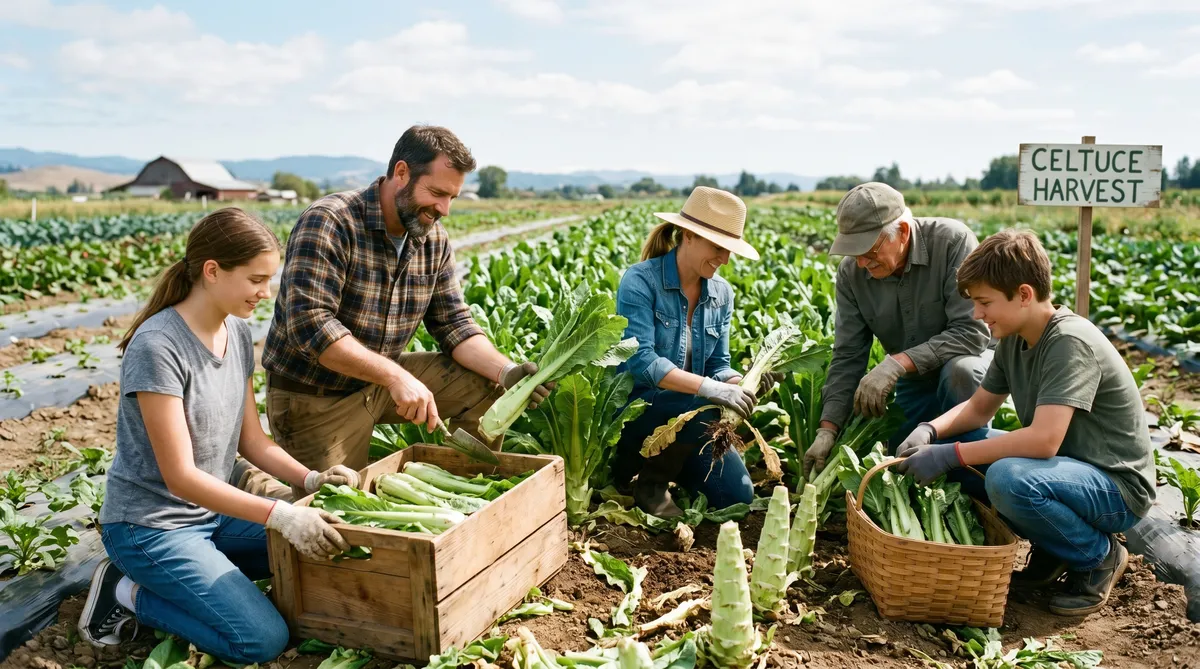
One nice thing about celtuce is that you may be able to use the leaves before the stem is fully ready. Young leaves can be picked and used much like other lettuces. That gives you an early taste while you wait for the main harvest.
Still, do not remove too many leaves if your main goal is a fat stem. The plant needs those leaves to make energy. A light harvest is fine, but leave plenty in place.
So how do you know when the stem is ready? Look for a stem that has thickened well and feels solid. You want it before the plant becomes old, tough, or starts stretching toward bloom.
Harvesting is easy. Cut the whole plant near the soil line with a clean knife, or pull it and trim the roots off. Then remove the leaves if you plan to focus on the stem.
The stem usually needs peeling because the outer skin can be tougher than the inside. Once peeled, the inner part is crisp, pale, and ready for the kitchen. This is the part many people get excited about.
Grow Celtuce - Take A Bite
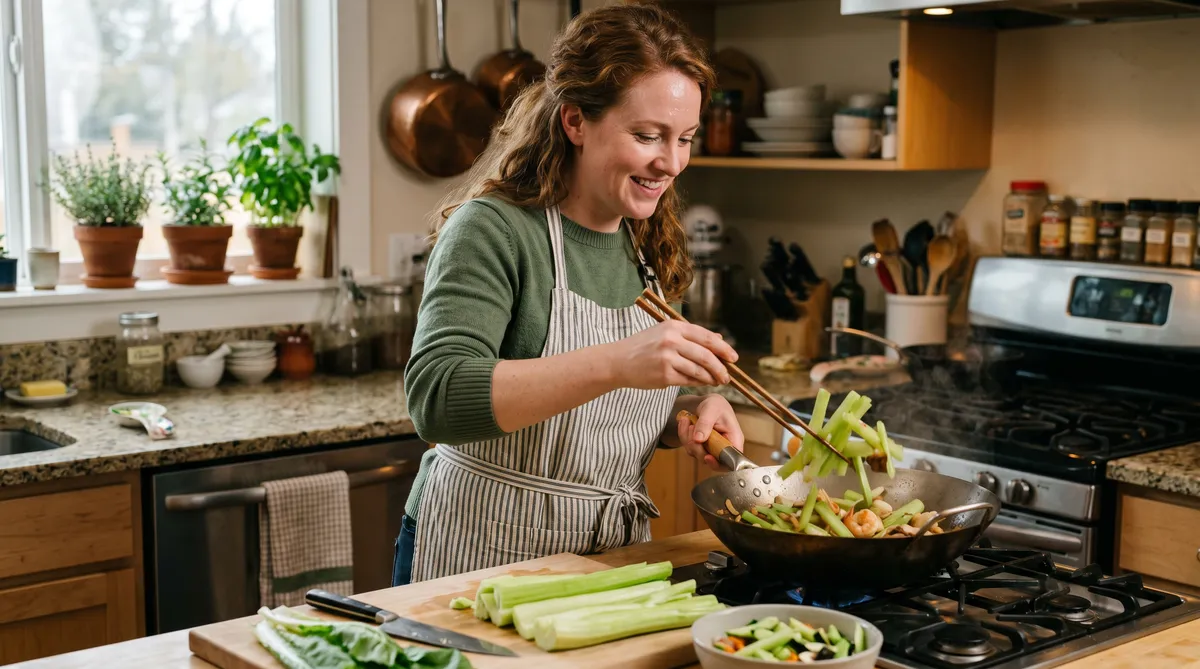
If you have been wondering whether you will actually want to eat celtuce, the answer may surprise you. It is mild, fresh, and easy to like. Some people say celtuce tastes good like corn or cucumbers so why not grow it and enjoy it?
The texture is one of its best features. Raw celtuce stem has a cool crunch that works well in salads and slaws. Cooked celtuce turns more tender but still keeps character.
One easy way to try it is raw. Peel the stem, slice it thin, and toss it with a little oil, vinegar, and salt. Add cucumber, herbs, or radishes, and you have a simple side dish.
Another great choice is stir-frying. Slice the peeled stem into matchsticks or coins and cook it quickly with garlic and a little oil. It pairs well with mushrooms, chicken, tofu, or pork.
You can also sauté celtuce with butter or olive oil for a fast weeknight vegetable. A pinch of salt and black pepper may be all you need. Sometimes simple cooking is the best way to notice its flavor.
The leaves are useful too. Younger leaves can go into salads, while older ones are often better cooked. You can wilt them into soups or sauté them like other greens.
If you want to introduce celtuce to your family, start with a familiar recipe. Mix it into a stir-fry, a soup, or a crunchy salad instead of serving it alone the first time. New foods feel easier when they show up in a known dish.
I like that celtuce gives you a little adventure without making gardening harder. It is not one of those rare vegetables that demands special tricks at every step. In a lot of ways, it fits right into an ordinary backyard garden.
Grow Celtuce - Storing Celtuce
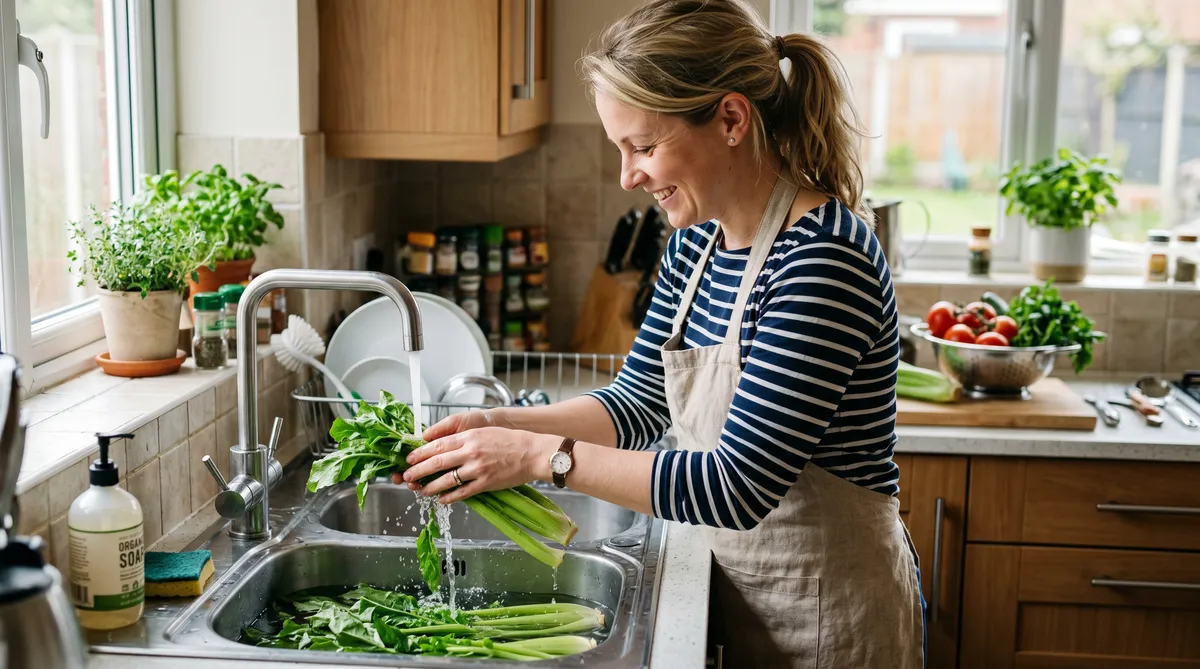
After harvest, keep celtuce cool. If you leave the stem unpeeled until you are ready to use it, it often stays in better shape. Store it in the refrigerator, ideally in a produce drawer or wrapped loosely to hold moisture.
The leaves should also go into the fridge soon after picking. Use them relatively quickly, especially if they are tender and young. As with lettuce, fresher is usually better.
If you have harvested more than you can use right away, focus first on eating the stems at their best. They are nicest when still crisp and fresh. Plan a few meals around them so nothing goes to waste.
Grow Celtuce - Saving Seed
Saving seed is possible, but for new gardeners it is often easier to buy fresh seed again next season. Since celtuce can cross with some other lettuces, seed saving may take more planning than expected. Fresh purchased seed keeps things simple.
Grow Celtuce - More Notes
If you enjoy this crop, make notes for next year. Write down when you planted, when the weather turned hot, and how large the stems became. Those small notes can help you grow it better the second time.
Crop rotation is a smart habit too. Do not plant celtuce in the exact same spot year after year if you can avoid it. Moving crops helps reduce disease problems and keeps the garden healthier overall.
If your first try is just okay, do not give up. Many cool-season vegetables take one season of practice before they really click. The next time, better timing alone may improve your results a lot.
You can even plant a few short rows at different times in spring to spread out the harvest. That way, if one planting hits bad weather, another may do better. This staggered approach is a handy trick in home gardens.
Grow Celtuce - More Info
Celtuce also works well in a garden for curious kids or visitors because it looks unusual. It starts conversations. It reminds people that a home garden can be more than tomatoes, peppers, and beans.
If your goal is to grow celtuce in your garden for both fun and food, this plant checks both boxes. It is easy enough for a beginner and interesting enough for an experienced grower. That is a rare mix.
Another reason to try it is that homegrown celtuce may be easier to find in your backyard than in your local grocery store. This is one of those vegetables where growing your own really opens the door. You get access to something special just by planting seeds.
When people ask what is celtuce after seeing it on your cutting board, you will have a great answer. You can tell them it is a stem lettuce that grows well in cool weather and tastes crisp, mild, and refreshing. Then you can hand them a slice and let the plant speak for itself.
If you end up liking it, you may start looking forward to it each cool season. That is how many gardeners build real favorites. A crop starts as a curiosity, then becomes part of the yearly plan.
Grow Celtuce - Wrapping It Up
So if you want to learn a new vegetable, try something uncommon, and enjoy a fresh crunchy harvest, celtuce is worth your time. Buy the seeds at David's Garden Seeds, pick a cool-season window, and give it a fair shot. You may be surprised by how simple it is.
The basic plan is easy to remember: plant in cool weather, give it sun and rich loose soil, water it steadily, protect it from heat, and harvest before it gets old. Then peel the stem, slice it up, and enjoy. That is the heart of how to grow celtuce in your garden.
Once you try it, there is a good chance you will want to grow it again next year. It is tasty, useful, and just unusual enough to feel exciting. And that is one of the best things a garden can give you.
Monday, May 11, 2026
When I went to bed last night, it was pouring and the wind was blowing. I woke up this morning to no rain. We got 3/4 of an inch which is a lot to us since we hardly get rain anymore!
It is still early so I have not been outside to check on the animals yet.
No new babies.
We were supposed to have doctor appointments today but due to the storm last night, there was no power at the office so the receptionist called to cancel. I have been waiting for two months to get in and now I have to wait another week.
You just never know what a day will bring...
Tuesday, May 12, 2026
 These pretty red flowers from last year grew back along with snapdragons. I don't remember what they are called but glad they came back!
Good morning. I woke up at 4:40am and have not been able to get back to sleep. Then the neuropathy hit in my right foot. After about 30 minutes, I got up. What a lovely way to start another day...
Not much new at all. No new babies. Everyone is doing fine. After work, we drove to Devine to get some new part that David needs for the gate but we did not get to go anywhere good. I was hoping I could do some shopping but no. I haven't been in a real store in months. There is something to be said about living in a city. Oh, well.
Wednesday, May 13, 2026
 I found this huge bowl of green beans on my island this morning. Matt picked them early from one of the garden beds. I snapped them this evening. We will cook them tomorrow.
Good morning. It is bright and sunny. Markie is pretty much all healed up. Everyone is doing well.
David just told me that he has changed our very popular Bargain Basement seed set into five different bargain basement sets. You can learn more about our Bargain Basement seed sets here.
We also have a new Rolled Back Priced Seed section where seeds start as low as 96¢! We have been selling a ton of these this week. Save money while you can because these prices won't last long!
We have had no in person customers all week long. Not sure what is going on but that is okay. It gives me more time to work on orders.
David and Matt finally got the gate fixed this afternoon. Yay. I think it has been broken for a month.

Then they fixed the stopped up sink that Drano wouldn't fix as well as a toilet that took forever to fill.
I made chicken breasts for dinner and they were so good. I watched MasterChef. A woman representing Morocco made some sort of strange deconstructed sandwich. During the making, she cut herself and put a bandaid on the cut.
When the judges were tasting her food at the end, one of them almost ate the bandaid because it ended up in the sandwich. Then Gordon, who already had a bit of the sandwich started coughing to barf. It was hilarious and gross at the same time and, of course, this home cook went back home. One does not serve a bandaid to Gordon Ramsay and expect to win...hahaha!
 Poor Alice front & center with Trixie on the right. Markie is in the background.
Ethel is on the left and Lucy is eating.
Poor Alice front & center with Trixie on the right. Markie is in the background.
Ethel is on the left and Lucy is eating.Nothing new on the goats. The three remaining pregnant goats are waddling around the yard. I know they are uncomfortable. It looks like Alice has a whole village in there.
 Ethel is a very small goat and she is now huge. I thought she would be first to deliver but I was wrong.
Thursday, May 14, 2026
Good morning. One of our helpers called in again today. The other is only working two full days a week instead of coming in for four half days to save gas. She has already finished her work week. So it is just us again...
My eBooks have been selling. I have not had time to do much to my newest one yet but I do need to finish it. I feel like I am drowning in packing seeds and filling orders.
 The tire had a huge nail in it so we had to buy a brand new one.
The truck had a flat this morning that required buying a new $250 tire.
David called the sheriff and got permission to burn the pile that has been accumulating so that is finally gone. One of our neighbors called and asked if we were aware that there was a fire in our field.
 The burn pile on our property is finally gone!
Some customer ordered a bunch of our seeds because he thought they were organic. A lot of them actually are but we are not allowed to say that because we don't pay for the license for each variety to use the word "organic". You are only allowed to use the word "organic" if you pay way more money than we have to get a special license for over 1600 varieties. Each variety has to have its own license. We found out about that years ago and have not used the word in our listings.
So when this customer got our seeds and could not find the word "organic" on the packs, he called David to yell at him because he said we were going to poison his family with our non-organic seeds. Can you believe that?
David told him that the word organic does not appear on our seed packs or on our website listings because we do not have thousands of dollars to buy organic licenses for more than 1600 varieties every single year. That would cost way more than we make in a year which is what David told him. He said he didn't care.
Buddy, if you want organic seeds, just go to one of the very large and very rich seed companies that can afford that. We are a small seed company. If you had read our listings, you would know none of them say our seeds are organic because we are not allowed to use the word.
This has been a miserable day and a miserable week. In fact, the whole past month hasn't been very good other than David coming through his surgery fine.
Friday, May 15, 2026
 I found this Red Sun sunflower growing out back that David planted along with a whole lot of flowers for the bees.
It is hot but breezy. We have had several customers. David rented a tractor and the people delivered it at our neighbor's house so Matt had to drive him all the way over to get it. I guess someone isn't Sesame Street Certified and doesn't know his numbers. We are number 5029 and they are not.
 I couldn't find David or Matt anywhere. Then here comes David on a tractor and Matt driving the truck...I had no clue what was going on.
Anyway, he is cutting the property now with it. Not sure where Matt went but both have been gone for a long time. I think David stopped mowing around 4pm. I guess he will finish tomorrow.
 David bringing the tractor over to our place since someone delivered it to people who are not paying for it...I just don't get it. Shouldn't they have met with someone before leaving it?
At 5:15pm, I headed back to the house to make enchiladas and garden fresh green beans for dinner. Matt headed out to check on the goats. I started pulling food out of the fridge and got three texts from Matt. I looked. It seems Ethel had just popped out two brand new babies. I put my boots on and ran out to the goat pen.
 Ethel just moments after giving birth to twins, one brown, a boy, and one grayish tan, a girl. Left to right, meet Ike and Mamie.
By the time I got out there, one new baby was walking around. The other was struggling to get up and stay up. Ethel was trying to clean them up a bit.
 Another shot of the babies and Lucy. A few minutes later per Matt, they were both eating but I was back inside cooking.
Meanwhile, back inside my kitchen, I cooked green beans from the garden and I made some delicious enchiladas. They were so good!
I cleaned up the kitchen, watered my indoor plants, and killed flies that someone let into my house. No one pulls the screen doors closed quickly except me.
Saturday, May 16, 2026
 Sunrise this morning from my kitchen sink where I have bunching onions growing in a glass--so convenient.
Good evening. It is 8:45pm and it has been a busy day. It all started at 3am when I awoke to neuropathy in my right foot. It finally went away after about 45 minutes. Then at 4:05am, it came back. I got up and had a snack as I was starving. It finally went away and I fell back to sleep just before 6am. Unfortunately, I woke up again at 6:16am so I got up and made a delicious breakfast casserole for breakfast.
 David is at the top of the property on the mower.
David went out and mowed some more. He stopped around 11am but did not finish. The guy rented the tractor mower with a turnbuckle broken.
The guy said to use it anyway...
Our neighbor borrowed the tractor tonight and mowed but returned it because a back wheel came off.
I opened the store and then started cleaning my house. Matt was in the back property as well as in the store. Around 11am, I went to the store to pull some orders. A customer came so I helped her. She was our only one today. She got some really good bargains--took home ten different pepper plants for $10 as it is late in the season. She bought a lot of seeds on sale.
Right now, some of our seeds are as low as 96¢ so it is a pretty good deal. They are going quickly and some we will no longer carry.
The baby goats are doing well. Markie appears to be all healed up. He's passing out cigars because he has six new babies, all within 12 days!
We had enchiladas and Mexican rice as we watched Lord Of The Ring III: Return of the King.
Sunday, May 17, 2026
It is Sunday morning. I woke up again in the night twice with neuropathy. What on earth is going on? I woke up at 6?13am and had to wait another 30 minutes to have coffee because of my thyroid pill.
Now it is time to go feed all of the animals. I let the dogs out and it feels hot and so humid. The sky is overcast but it is not supposed to rain until tomorrow.
Markie is all healed up and running around, having fun. Soon, he will have some little wethers to run around with, as soon as they are weaned.
 Here is Ethel with her new babies this morning. I have not looked to see what they are yet. Trixie is going in to eat.
All six of the new babies are doing well, running around and having fun, climbing, enjoying life. They are so cute. Alice looks like she will pop any second. She might have three in there. Trixie looks like she has a ways to go before she is ready.
 Lucy's babies in the hay with Alice looking on. Poor Alice wants to pop, she is so big.
The sweet babies are really exploring and having fun.
 5 babies, Trixie in back, Alice on the right in back, and part of Gracie in the foreground. The other baby is with Ethel in the shelter.
It looks like today will break some records in seed sales. It is 9:30am and we are already up to a normal full day of seed sales! How is that possible? I guess it has something to do with the newsletter that I sent out last night around 8pm talking about our Rolled Back Seed Prices section on the website. One of the orders this morning is for $454 plus there are four orders over $100 as well as multiple other orders! Amazing!
This afternoon, David mowed the rest of the field.
It's now after 3pm and we have made two days worth of money so far. That is totally amazing.
Return from Grow Celtuce to Grow From Seed
Anything To Share On This Topic?
Would you like to share additional information about this topic with all of us?
Since 2009, over 2,000,000 home gardeners, all across the USA, have relied on David's Garden Seeds® to grow beautiful, productive gardens. Trust is at the heart of it. Our customers know David's Garden Seeds® stocks only the highest quality seeds available. Our mission is to become your lifetime supplier of quality seeds. It isn't just to serve you once; we want to earn your trust as the primary supplier of all of your garden seeds.
Watch Our 2022 TV Commercial!
Sing Along To Our Jingle
♪♫♪♪ ♫ ♪ ♫♪♫♫
♪♫♪♪♫♫
Peppers and peas
And lots of yummy greens
You can't go wrong
With Squash This Long
At David's Garden Seeds
♪ ♫ ♪ ♫
Our New 2024 TV Ad
Please like and subscribe on YouTube and come visit us at our Farm Store! The music on our TV ad was written, played, and sung by our son, Matthew Schulze. You can meet him when you come to the farm. He just might give you a tour. Ask him to grab a guitar and sing our jingle that he wrote.
Our 2022 TV Ad

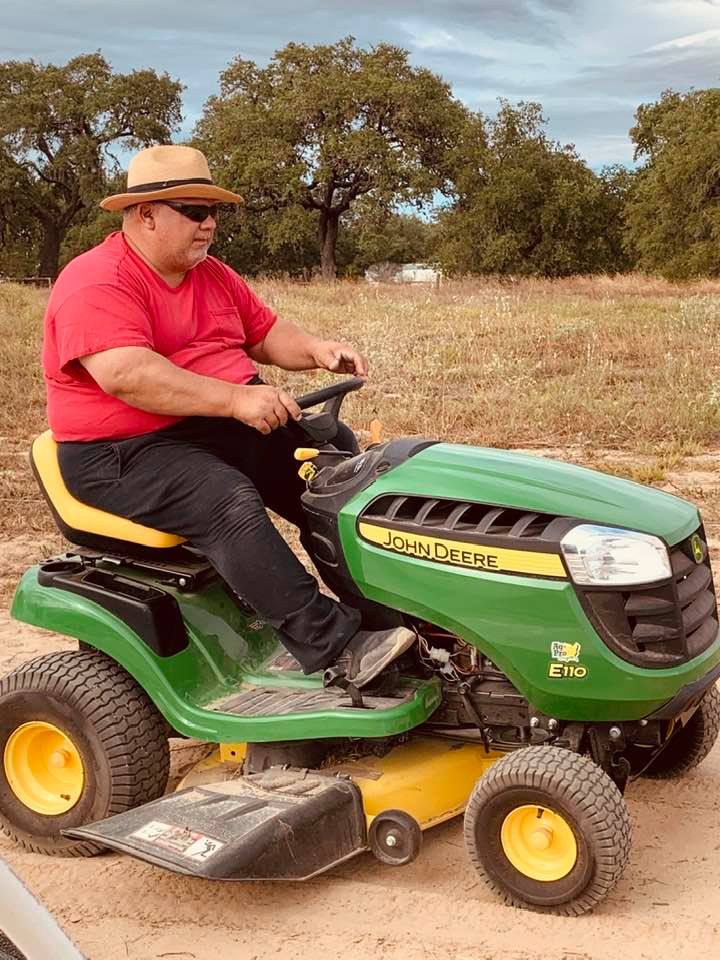 David of David's Garden Seeds® zipping along on his little tractor across the farm. He is having a blast!
We are David's Garden Seeds®. If you need great seeds, we've got over 1,400 varieties to choose from.
Your second block of text...
Subscribe To Mrs. David's Garden Seeds® Newsletter For FREE!


Find out what is going on down on the farm by reading our blog and by subscribing to our free newsletter for all of the information going down at David's Garden Seeds® and on the farm. I love to share helpful information with you. Please let your friends know and y'all come on down for a visit when you get the chance. We would love to meet you!
New Store Hours!
 Farm Store Hours: Th-Fri 10am-5pm, Sat 10am-2pm. Closed Sun-Wed.
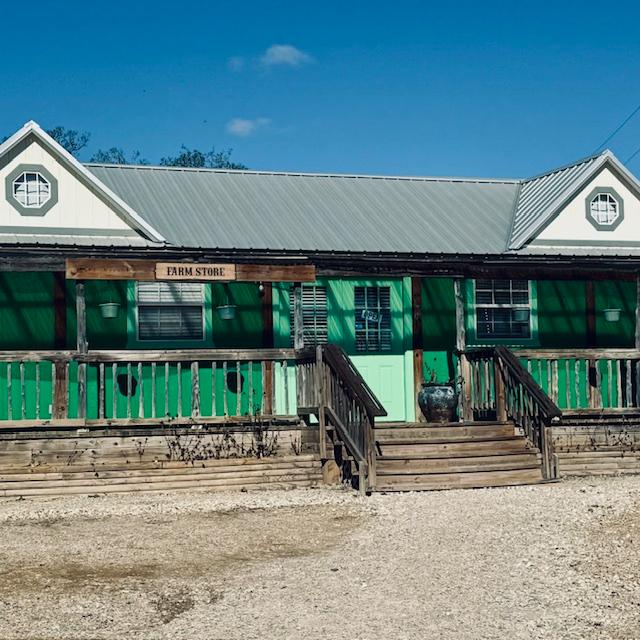 Our Farm Store
Shop for:
- Seeds
- Farm Fresh Eggs
Our Farm is located at 5029 FM 2504 in Poteet, TX.
 Only happy seeds make the cut to go into our seed packs!
David's Garden Seeds® has
seeds for the backyard gardener and farm fresh chicken eggs.
 David & Juanita work hard to pack your garden seed orders.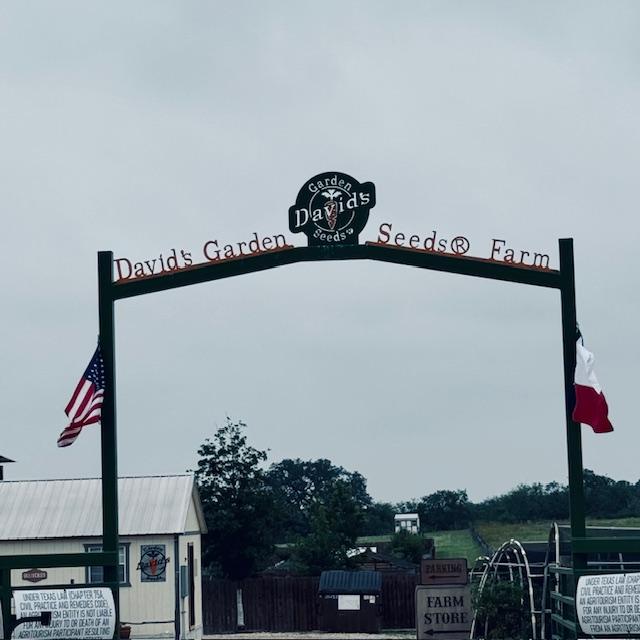



Sign Up For Our Newsletter Here!
   DGS YouTube Mrs
|
   |
Garden Ebooks
by Mrs. David's Garden Seeds
 I've been busy creating eBooks to help you with your garden...
IMPORTANT NOTE: THE EBOOKS ARE DIGITAL DOWNLOADS (EBOOKS), NOT PHYSICAL BOOKS.


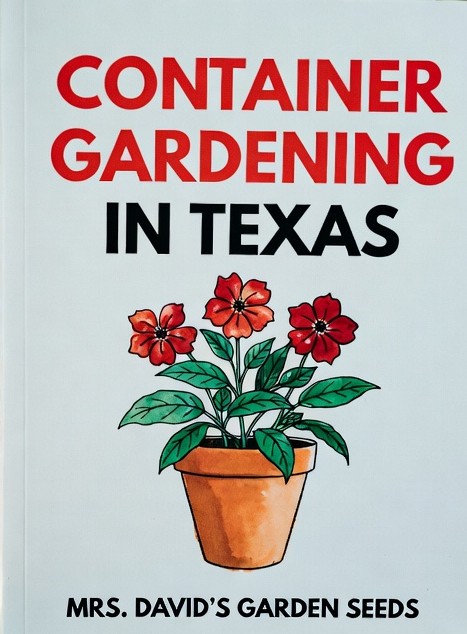

WE DO NOT REFUND OUR DIGITAL DOWNLOADS FOR OBVIOUS REASONS.
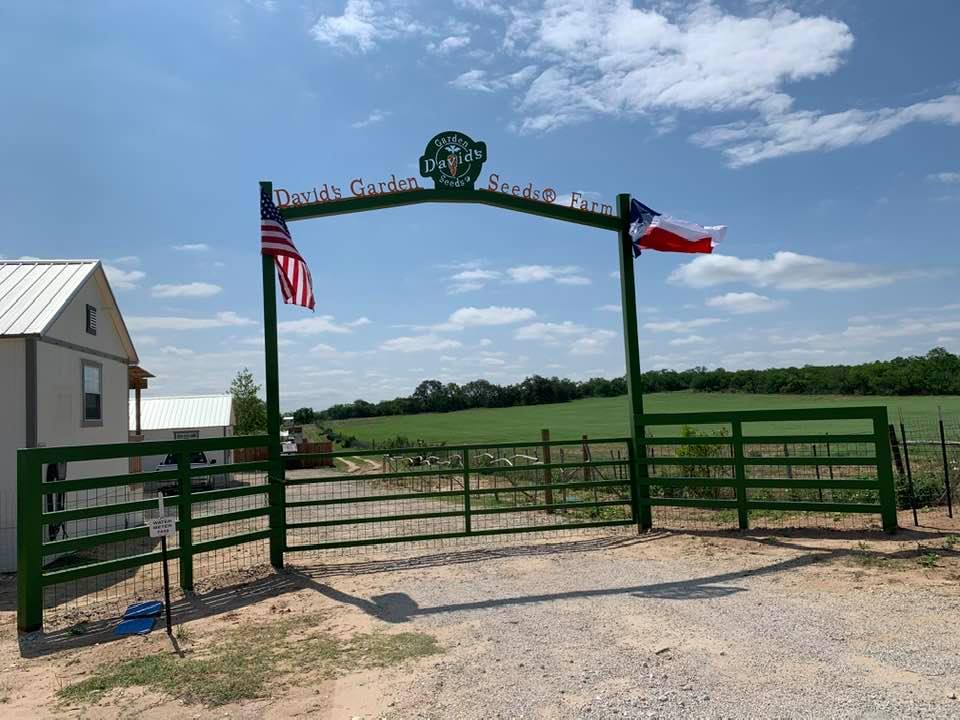
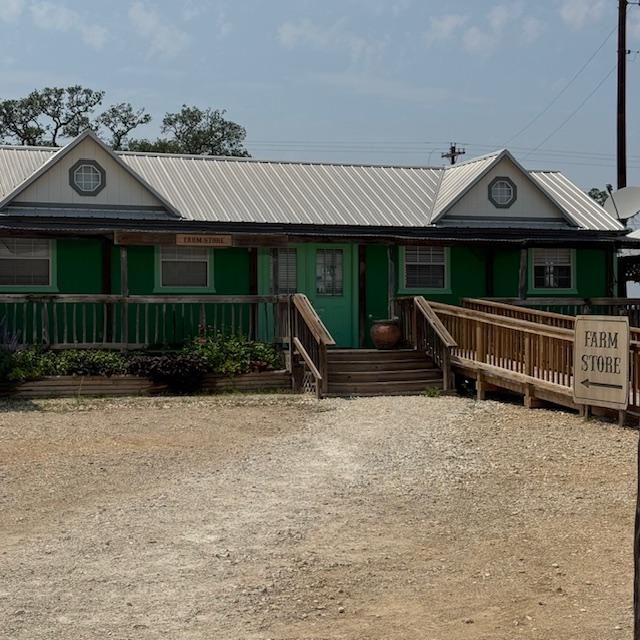 Our Farm Store is the green building
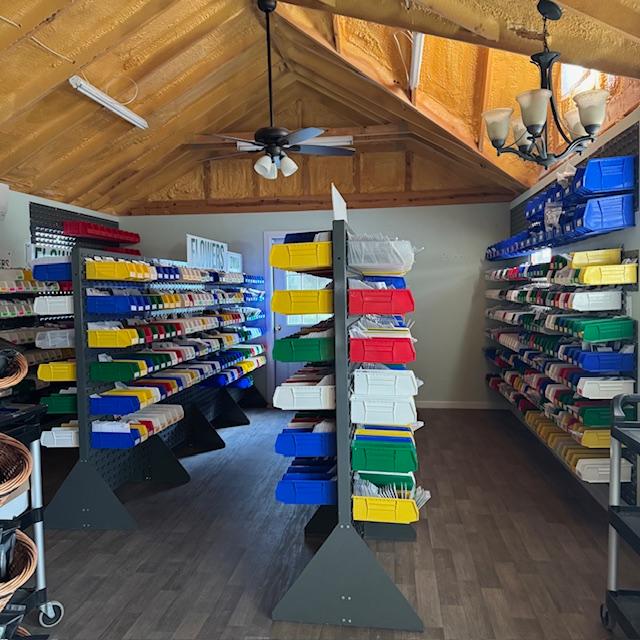 Inside our Farm Store...1400 varieties of seeds await you!
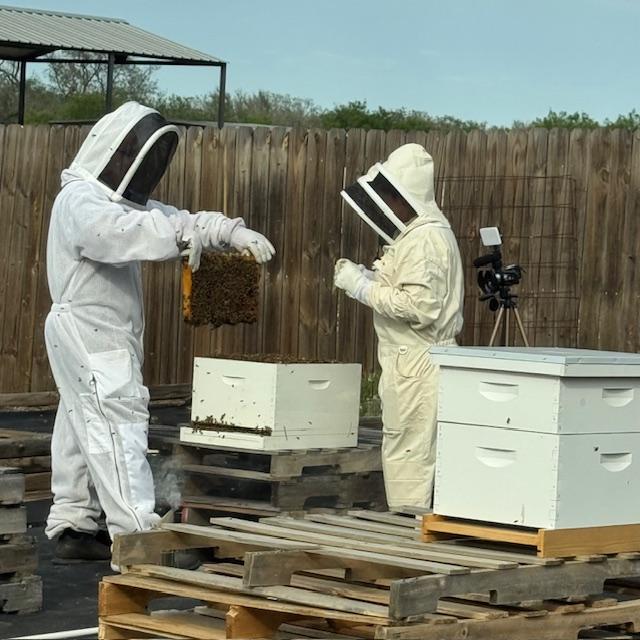 Our bee hives
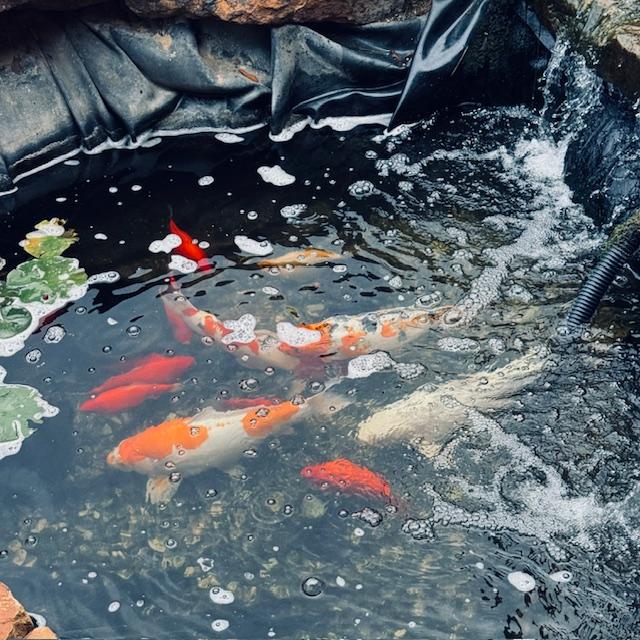 Our fish pond
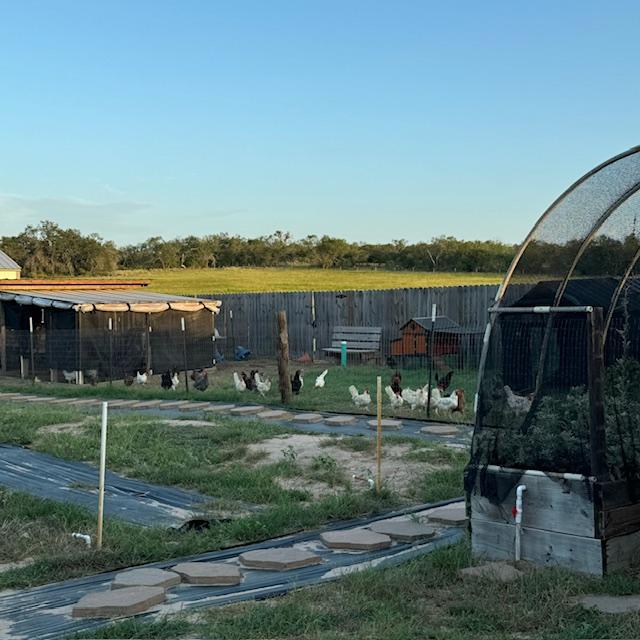 Our chickens
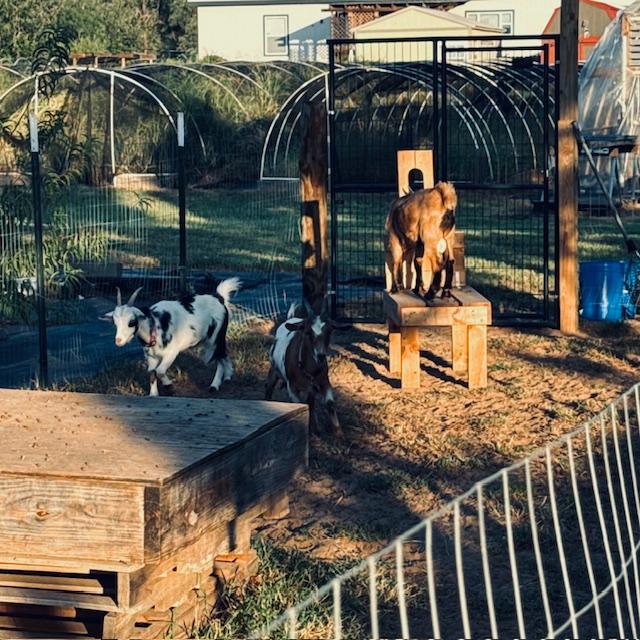 Our Nigerian Dwarf goats
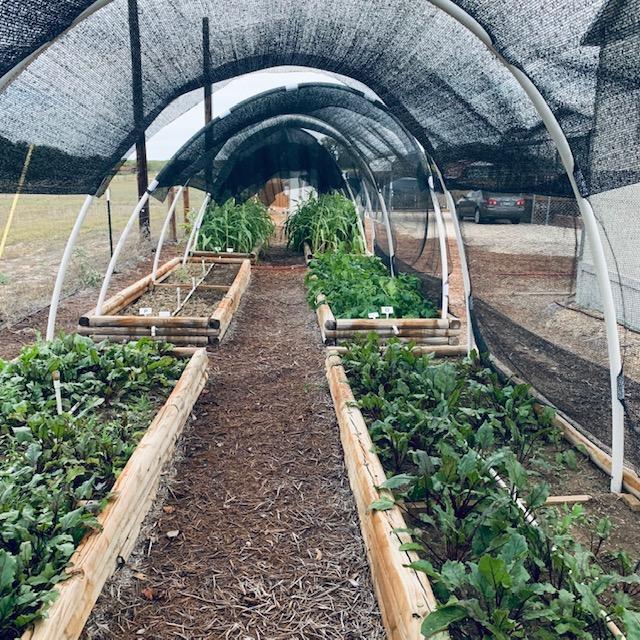
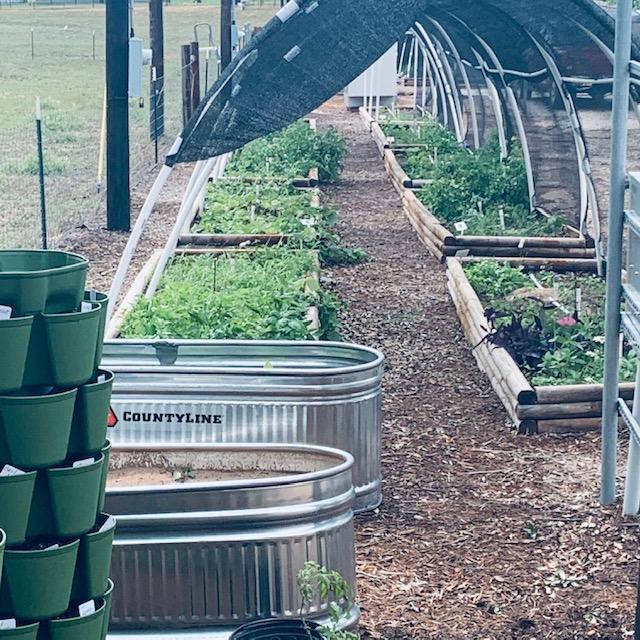 A few of our raised garden beds
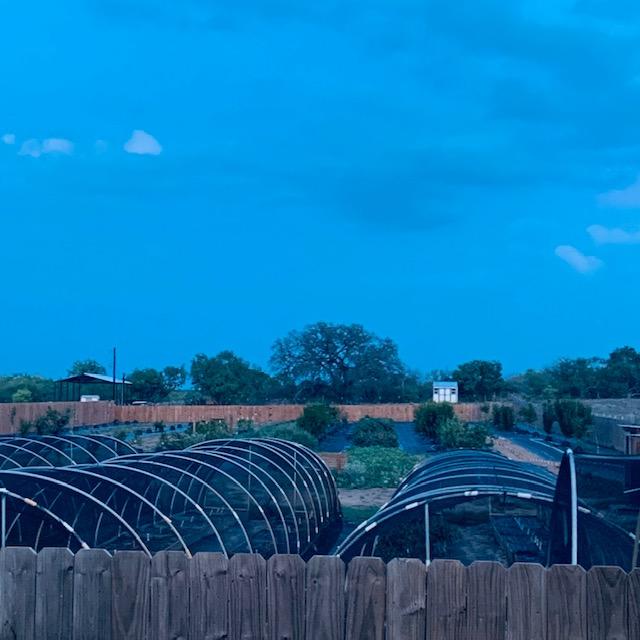 Our orchard and hoop houses
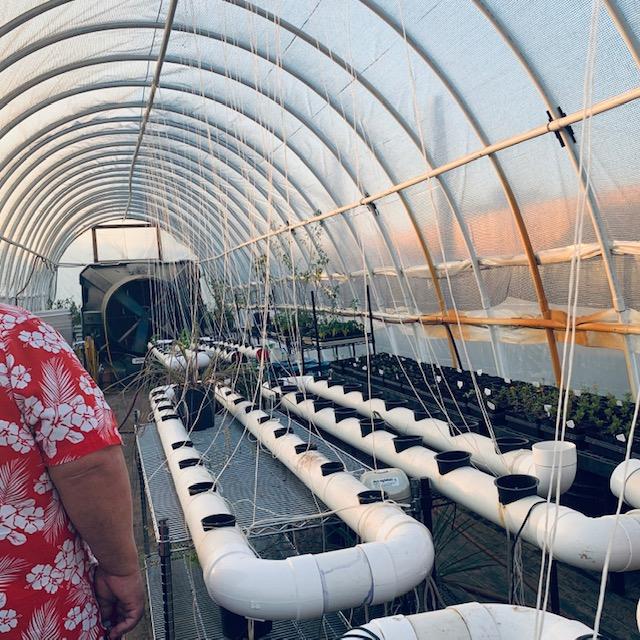 Inside our high tunnel
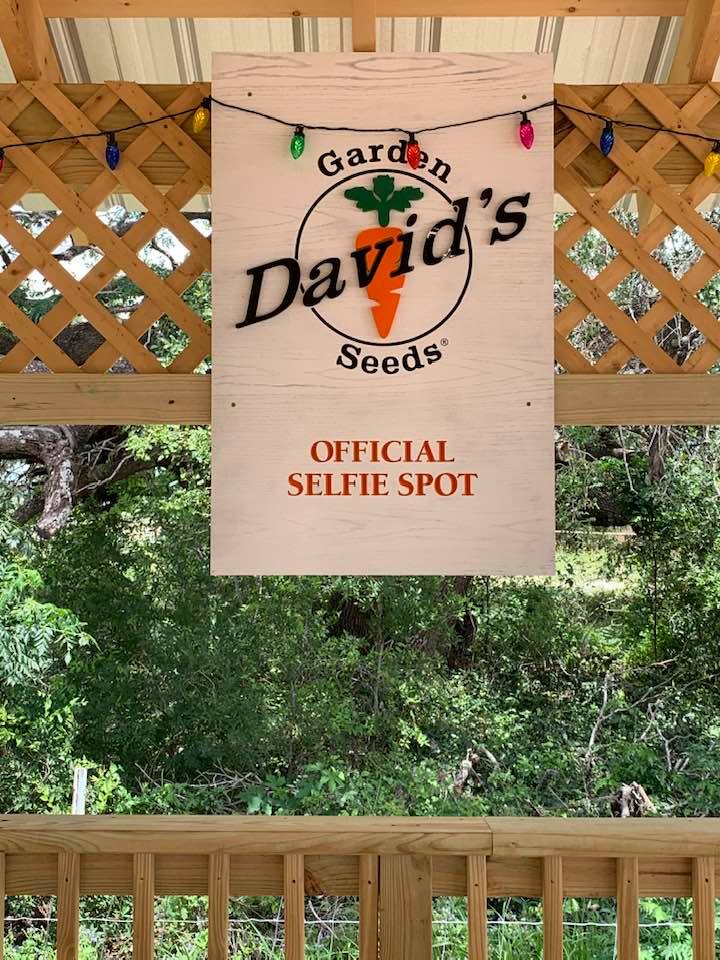 Take a selfie at our official selfie spot!
 Flowers, bees, and butterflies are everywhere!
Watch Our TV Ads!
David's Garden Seeds® has the best Non-GMO seeds in the state of Texas!


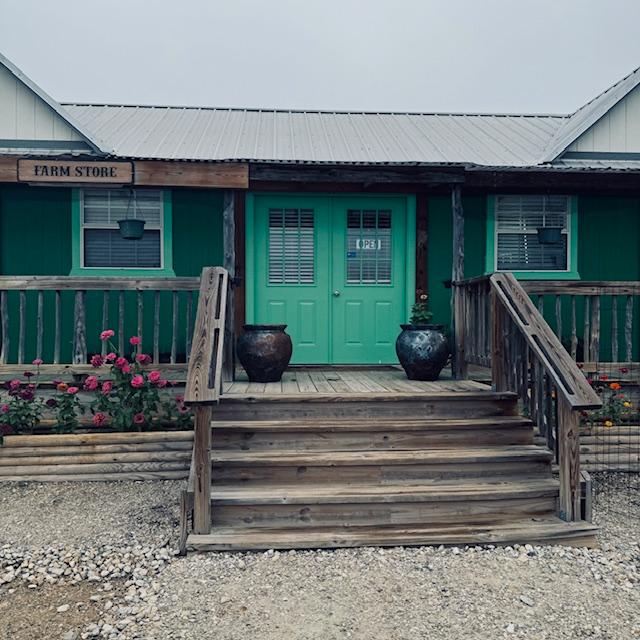 This is our beautiful Farm Store. Come in and shop for seeds. We have over 1600 Non-GMO heirloom varieties to choose from but we are in the process of bringing that number down to half.
Our Story
Hi Everyone! Thank you for visiting my website! I am Mrs Davids
Garden Seeds® aka Mrs. David's Garden Seeds and I think you should know that there is a wonderful seed
company in the great state of Texas called David's Garden Seeds®. We grow some of our seed, we count, hand pack, print our own envelopes, and ship seeds out to you right here from our farm. This used to be an old peanut farm. When the owner died about 15 years ago, his sons split the farm up and sold it in pieces. In 2024, we bought another adjoining four acres.
Our business started in our home in San Antonio in September of 2009. David decided to sell some seeds he had left over from his garden on Amazon. I told David, "Don't bother, it won't work!". I am so glad that David did not listen to me because it did work! By 2015, we had 8 employees working in my home every day and David found a storefront in San Antonio and moved the business there. In 2016, I quit my day job and went on the payroll. The company grew some more and David moved to a bigger storefront in 2017. In 2019, we found a beautiful piece of land over in Atascosa County and turned it into a farm out near Poteet. David and I moved out here to live in August of 2019.
In 2020, we moved our company out to the farm. We have a beautiful Farm Store filled with seeds, a gazebo with a pond full of koi and gold fish for you to visit. Come by and visit us at 5029 FM 2504 in Rossville, just outside of Poteet, Texas, Monday through Friday from 9am to 5pm and Saturday from 10am to 2pm. Or you can order seeds online from our user-friendly website, www.davidsgardenseeds.com.



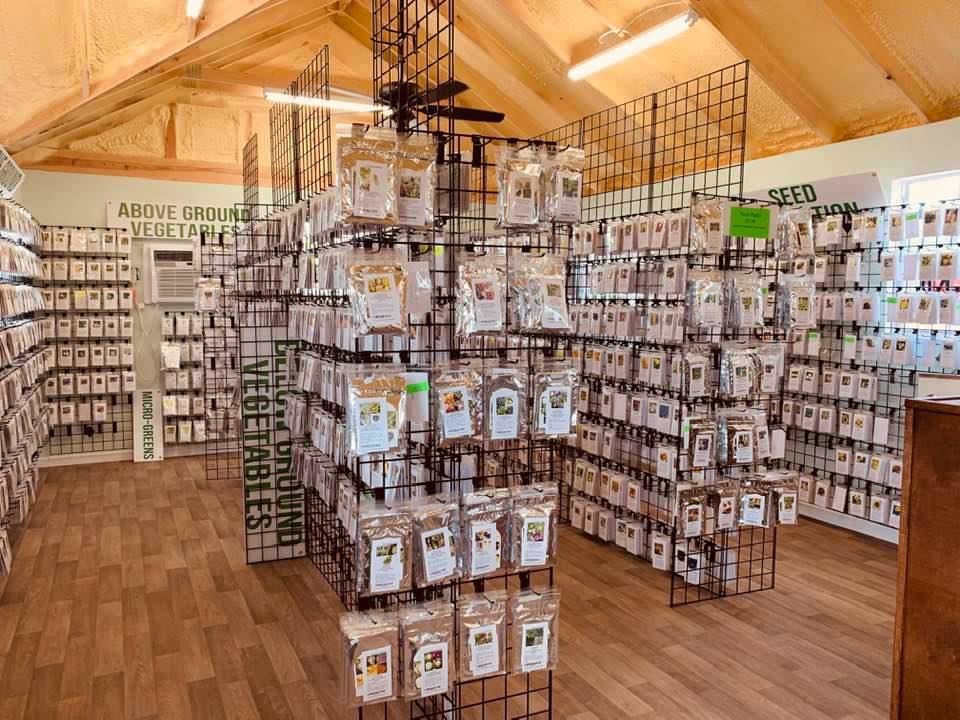 Our beautiful new farm store has almost 2,000 varieties of seeds and more. Mrs Davids Garden Seeds® looks forward to meeting you when you visit.
Mrs. David's Garden Seeds® Copyright by Juanita Lynn Schulze of David's Garden Seeds® 2019-2026
David's Garden Seeds® is Registered in the United States Patent and Trademark Office.