Grow Collards In Your Garden
Learn to grow collards or collard greens in your garden with seeds from David's Garden Seeds®. Grandma always said to eat your greens. Grow them, too!
If you want a hardy, healthy green for your backyard, collards are a great place to start. You can grow collards in your garden with seed from David's Garden Seeds and enjoy a steady supply of fresh leaves for your family table. Grandma was right: eating your greens is a simple way to care for the people you love.
Collards are easy to like because they are tough, productive, and useful in the kitchen. They handle cool weather well, and they keep giving you leaves over a long season. That means you can plant once and harvest many times.
I like collards because they feel like an old-fashioned garden crop that still fits modern life. You plant them, keep them watered, and before long you have big green leaves ready for dinner. It is satisfying in the best way.
For many American gardeners, collards are one of the smartest greens to grow. They are dependable in many regions, and they can fit into spring and fall gardens. Even a small garden bed can give you a nice harvest.
Collard greens are a healthy food for the whole family. They are leafy greens that can be part of simple home meals, from side dishes to soups and skillet dinners. If you are trying to bring more greens to the table, collards make that goal feel easy.
In this guide, you will learn the full path from seed to supper. We will cover how, when, and where to plant, how to care for and water your crop, what to grow with it, how to harvest, and how to cook and store collard greens. If your goal is to grow collards in your garden with seed from David's Garden Seeds, this article will help you get started.
Grow Collards - 5/18-5/24/2026
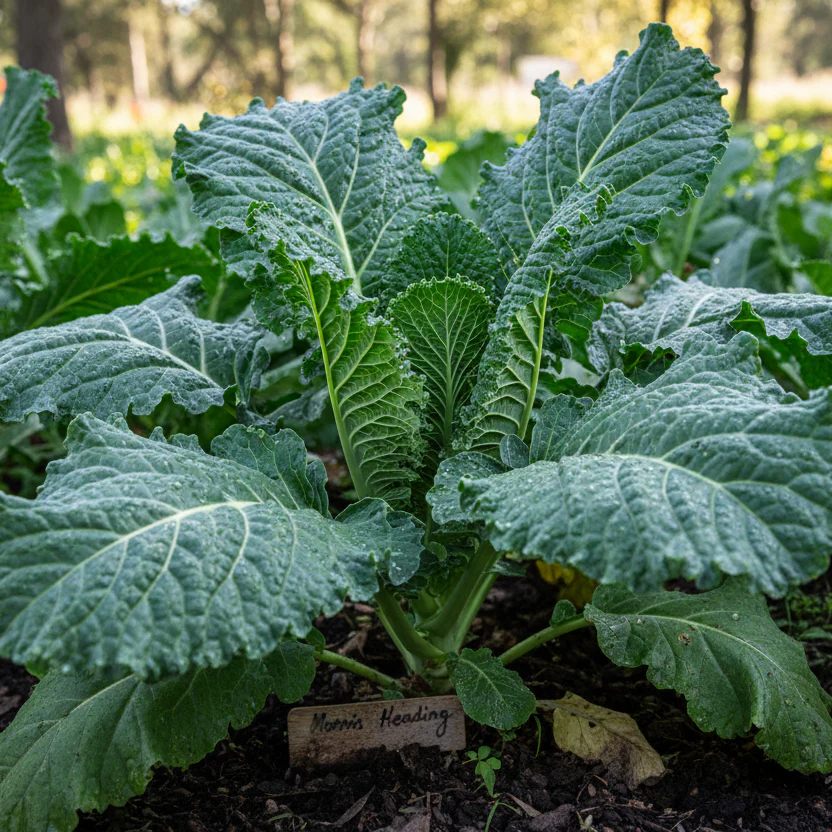
Grow Collards - Why?
Why do collards deserve a place in your garden and on your plate? When you grow your own greens, you know where they came from, how they were handled, and when they were picked. Fresh-picked leaves often taste better than greens that sat in a store for days.
Eating more greens is a simple family habit that can last for years. A bowl of cooked collards next to beans, chicken, cornbread, or roasted vegetables feels comforting and familiar. It is the kind of meal that brings people to the table.
I remember seeing big pots of greens in family kitchens and hearing the same advice over and over: eat your greens. That message sticks because it is practical. Homegrown collards help you turn that good advice into a real part of weekly meals.
Another reason to grow collard greens is value. A seed packet can produce many plants, and each plant can produce many leaves. For gardeners who want a crop that keeps working for them, collards are a wise choice.
Grow Collards - Timing
 Grow collards like Champion Collard Greens.
Let's talk about timing. Collards do best in cooler weather, so many gardeners plant them for spring harvests, fall harvests, or both. In many parts of the United States, these are the seasons when collards really shine.
For a spring crop, sow seeds after your soil can be worked and the hardest freezes are past in your area. For a fall crop, plant early enough that the plants can grow well before very cold weather arrives. Your local climate matters, so it helps to think in terms of cool-season gardening.
If your summers are very hot, collards may slow down or become less tender in peak heat. That is why many gardeners love fall collards so much. Cool air often brings out the best in the leaves.
A good habit is to look at your garden calendar and plan collards ahead of time. Instead of waiting until everything else is planted, save space for them on purpose. They reward a little planning.
If you want to grow collards in your garden with seed from David's Garden Seeds, start by matching your planting time to your region. Gardeners in cooler areas may focus on late spring through early fall, while gardeners in milder areas may enjoy a longer season. Timing is one of the biggest keys to success.
Grow Collards - Where Will I Plant Them?
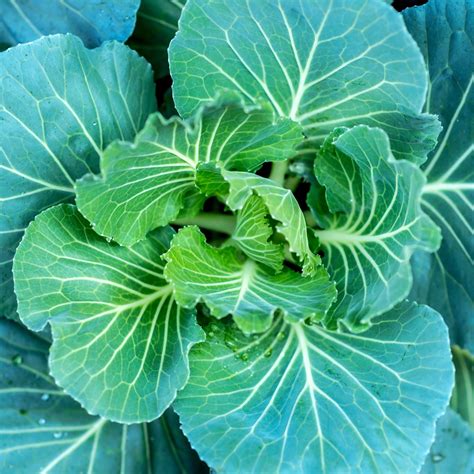 Grow collards like Georgia Southern, a favorite.
Where should you plant them? Collards grow best in a spot with plenty of sun, though they can handle a bit of light shade. Choose a place with loose soil and good drainage so roots can spread and plants stay strong.
Before planting, clear weeds and work the soil so it is crumbly and easy for roots to enter. If you add compost, mix it in well. Rich, workable soil helps collards grow broad, healthy leaves.
Raised beds are great for collards, but in-ground rows work well too. If you have limited space, you can still fit collards into a neat garden block. They are flexible enough for many home garden layouts.
Give your plants enough room so air can move around them and leaves have space to grow. Crowded plants can stay damp too long and compete for water and nutrients. A little extra room now can mean better harvests later.
If you are planting in containers, use a large pot with drainage holes and quality potting mix. Keep in mind that container plants dry out faster than garden beds. You will need to watch moisture more closely.
Grow Collards - How Should They Be Planted?
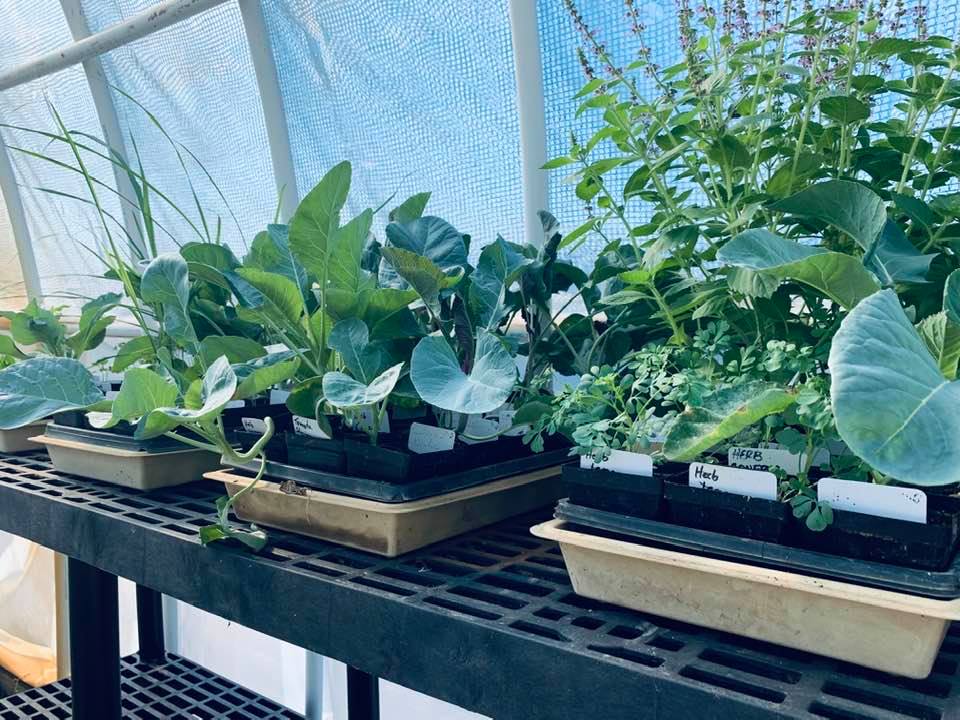 Collards and a few other things started in pots here on the farm.
Let's talk about how to plant collard greens. You can sow collard seeds directly into the garden, which is simple and works well for many gardeners. Plant seeds in prepared soil and keep the area lightly moist while you wait for sprouting.
Once seedlings come up, thin them so the strongest plants remain. This step can feel hard, but it matters. Thinning gives each plant enough room to become full and productive.
If you prefer, you can start seeds earlier and move young plants into the garden later. Just handle the roots gently and water them after transplanting. Young collards usually settle in well if the weather is not too hot.
Label your row or bed when you plant. It sounds simple, but garden labels save confusion later, especially if you are growing several greens. I have skipped labels before and ended up guessing, which is never as fun as it sounds.
As your seedlings grow, check them every few days. Small problems are easiest to fix when plants are small. This is also the stage when gardening feels exciting because change happens fast.
Grow Collards - Care
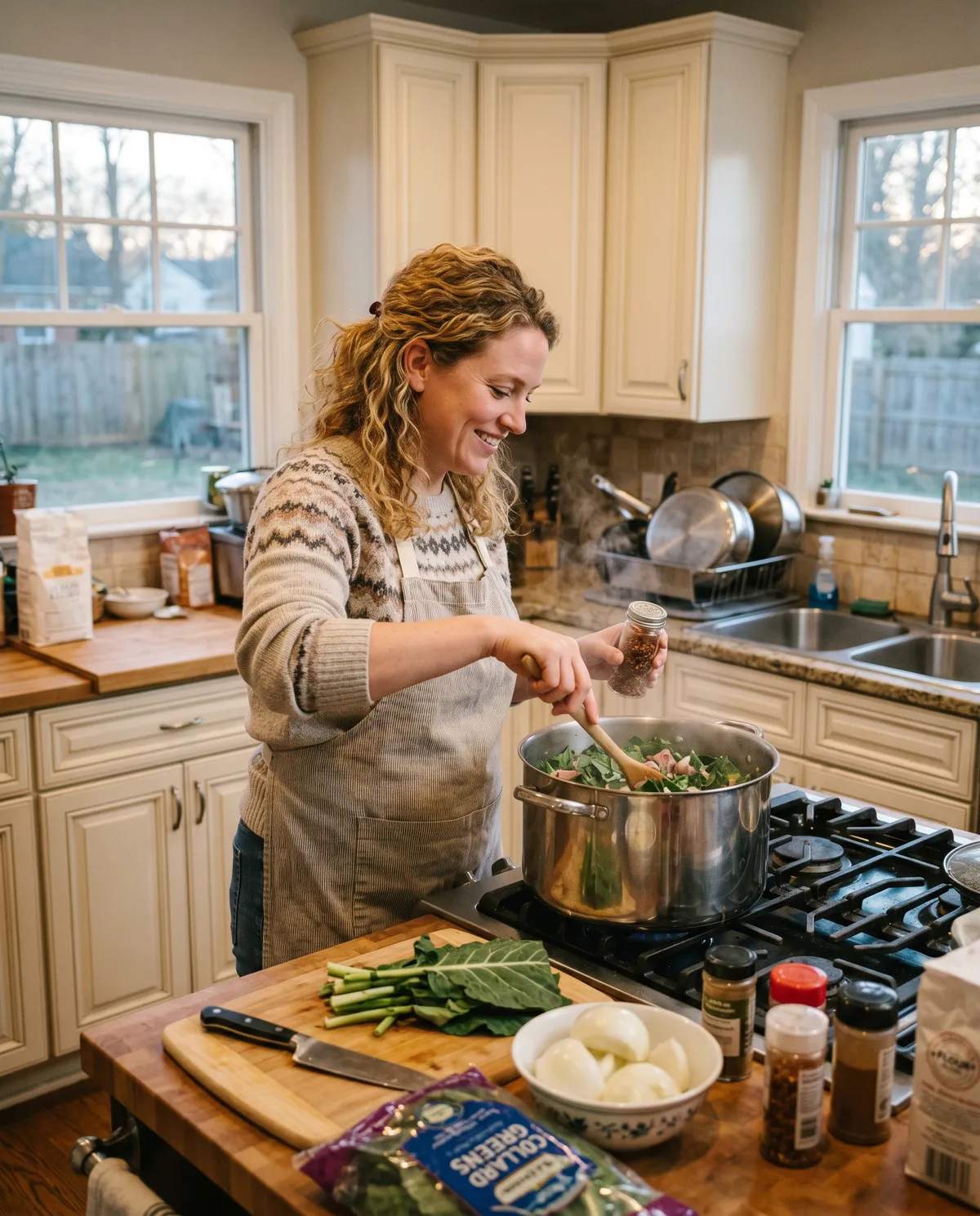
Now let's talk about daily care, feeding, and watering. Collards like steady moisture, especially while they are young and while leaves are growing fast. Water deeply enough to reach the roots, then let the surface dry a bit before watering again.
Try to keep watering even rather than going from very dry to very wet. Plants grow better when moisture is steady. Mulch can help the soil hold moisture and can also cut down on weeds.
Weeds compete with collards for water, light, and nutrients, so pull them early. A few minutes of weeding now and then is easier than dealing with a crowded bed later. Keeping the area tidy also makes it easier to spot insect damage.
Feed your plants by growing them in fertile soil and, if needed, side-dressing with compost during the season. Strong leaf growth often follows good soil care. Since collards are grown for their leaves, healthy growth is the whole point.
Watch for common garden pests like chewing insects. Check the undersides of leaves and remove problem leaves if needed. Healthy plants can often handle a little damage, but regular attention helps you stay ahead of trouble.
One thing I like about collards is that they tell you what they need. Dry plants droop, crowded plants struggle, and happy plants push out broad green leaves. When you spend a few minutes looking closely, your garden becomes easier to understand.
Grow Collards - Companion Planting
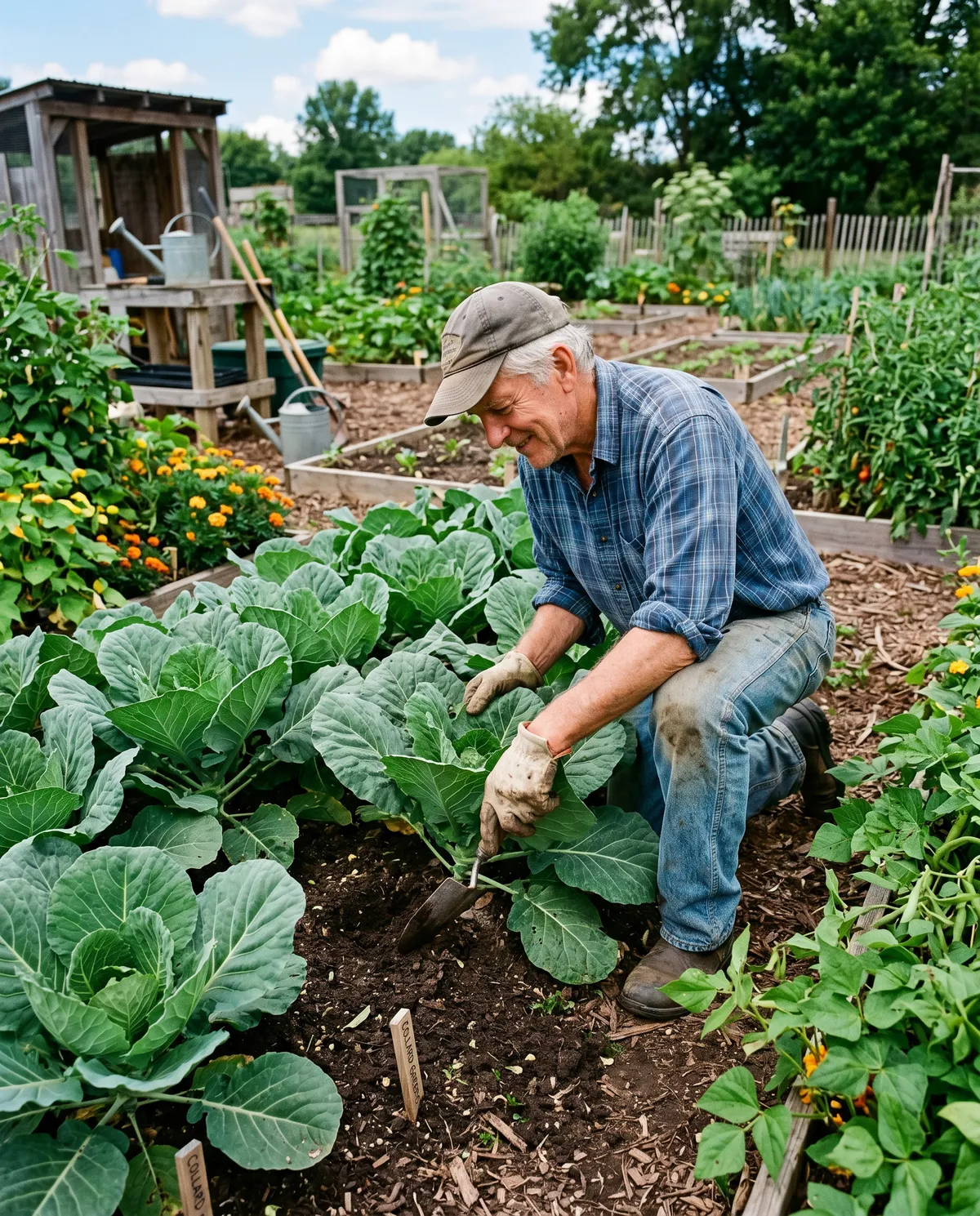
What grows well with collards? Good garden neighbors can help you use space well and keep your planting plan organized. Many gardeners pair collards with other cool-season crops. This is called Companion Planting.
You can group collards with crops that enjoy similar conditions, such as other cool-weather vegetables. Just avoid packing the bed too tightly. Good spacing still matters even in mixed plantings.
Herbs and flowers can also be useful near vegetable beds because they make the garden more lively and may support a balanced garden environment. Plus, a mixed garden simply looks beautiful. A bed with greens, herbs, and blooms feels inviting.
Think about plant height when choosing companions. Place shorter crops where they will not be shaded too much, and leave room for collards to expand. A smart layout keeps harvesting simple.
Succession planting is another helpful idea. As one crop finishes, another can take its place nearby. This keeps your garden productive and makes the most of your space through the season.
If your goal is to grow collards in your garden with seed from David's Garden Seeds, companion planning can make the bed more efficient. You can build a garden that is both practical and pretty. That is a win for any home gardener.
Grow Collards - Harvesting, Cooking, Storage
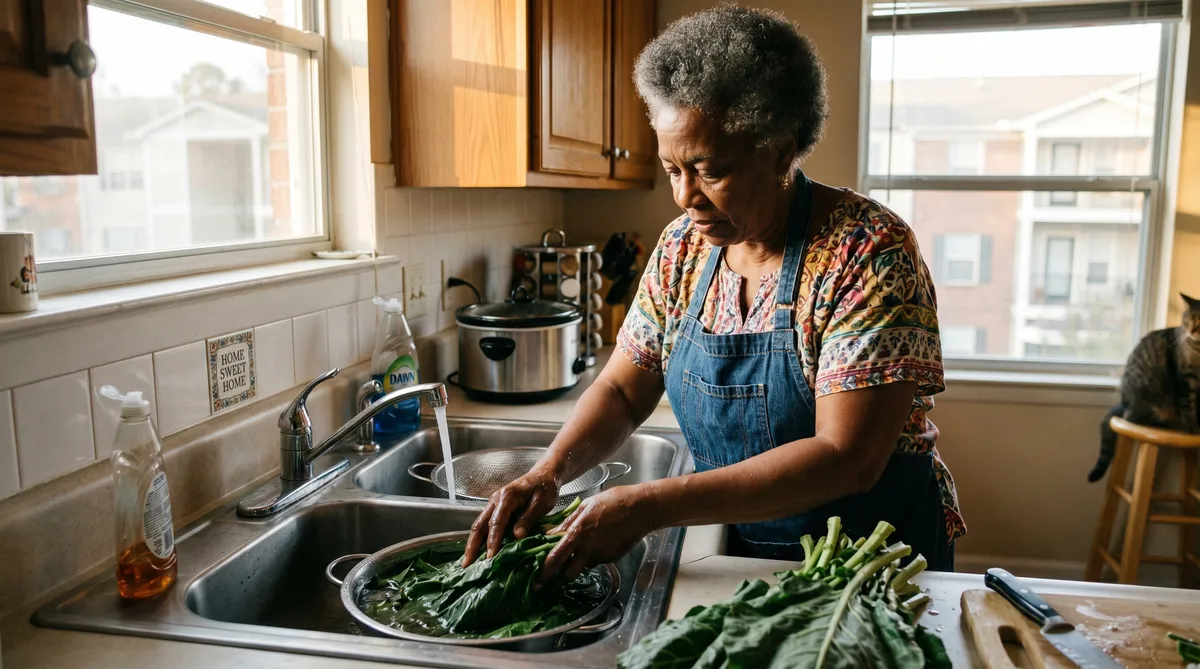
Now let's talk about harvesting collards, using them in the kitchen, and storage. You do not need to wait for the whole plant to be finished before you start picking. Many gardeners harvest the lower, outer leaves first and let the center keep growing.
Use a clean knife or scissors, or snap leaves off carefully by hand. Take leaves that are full-sized and healthy. Leave enough of the plant in place so it can continue producing.
Harvesting often encourages you to use your crop more regularly. Instead of waiting for one huge picking day, you can gather what you need for dinner. That makes collards feel easy to fit into normal life.
After harvest, rinse the leaves well to remove soil and garden grit. Shake off extra water and pat them dry if needed. Clean greens are much nicer to prep and cook.
To store fresh collards, keep them cool and do not wash them until you are ready to use them if you want to hold them a bit longer. A bag or container in the refrigerator works well for short-term storage. Use them while they still look crisp and fresh.
When it is time to cook with collard greens, keep it simple at first. You can sauté them, simmer them, add them to soups, or stir them into bean dishes. Their hearty texture makes them useful in many family meals.
If you are new to collards, start with smaller amounts in familiar dishes. Add chopped leaves to soups, pasta, rice bowls, or skillet meals. That is an easy way to help everyone get used to the flavor.
Many home cooks also enjoy classic collard greens recipes that simmer the leaves until tender. Others like a quicker cook with garlic and oil. There is no single right way to enjoy collards, which is one reason they are so useful.
You can also freeze collards after preparing them for later use, which is handy when the garden gives you more than you can eat right away. Having greens ready in the freezer can make weeknight meals easier. It feels good to open the freezer and see your own harvest waiting.
If you want the full garden-to-table experience, plan your meals as your plants grow. A few leaves today, a bigger harvest next week, and another picking after that can stretch your season nicely. This steady rhythm is one of the pleasures of growing greens at home.
For families trying to eat better, collards are a strong choice because they are simple to grow and simple to serve. They can become part of regular dinners without much fuss. That is often the secret to healthier habits: make them easy.
Grow Collards - Review
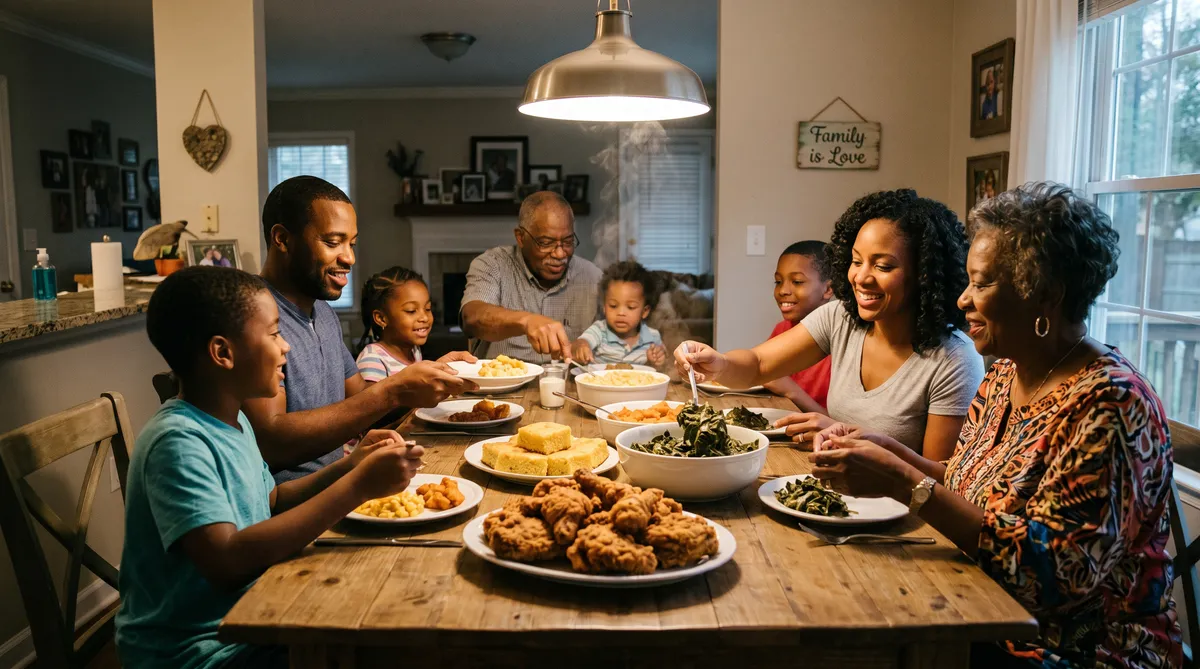
Let’s pull the whole process together. Choose a sunny spot, prepare loose fertile soil, plant at the right cool-season time, and keep moisture steady. Then watch your plants, harvest outer leaves, and bring them straight to the kitchen.
If you have never grown collards before, do not overthink it. Start with one bed or one row and learn as you go. Gardening gets easier with practice, and collards are forgiving enough for beginners.
If you have children or grandchildren, collards are also a nice crop to grow together. Kids can help sow seeds, water plants, and pick leaves for dinner. That kind of hands-on garden lesson stays with them.
Home gardening is not just about food. It is also about confidence, tradition, and sharing useful skills. When you grow collard greens, you take part in a long line of gardeners who knew the value of a dependable patch of greens.
I think that is why collards feel so special. They connect the garden, the kitchen, and the family table in a very direct way. Few crops do that so simply.
Grow Collards - You're All Set!
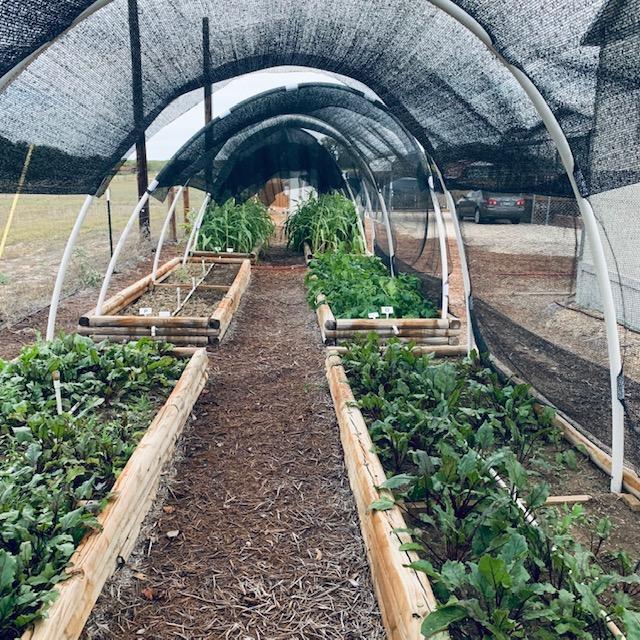
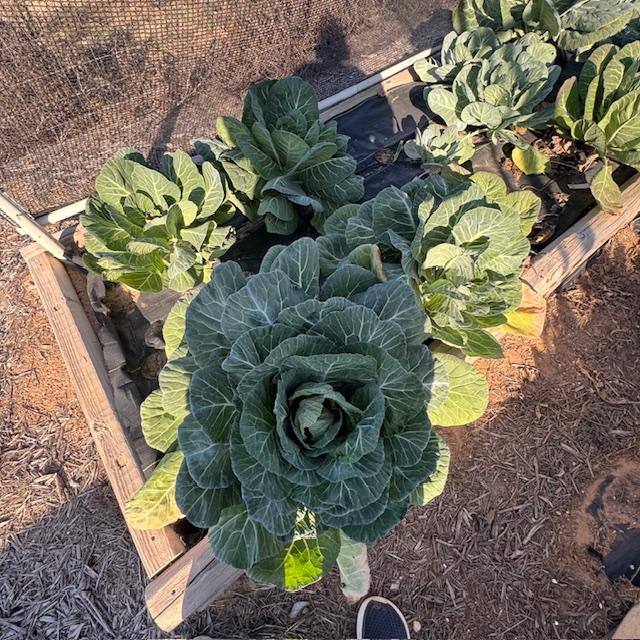 Several varieties of collards growing in one of our raised beds.
So if you are ready to grow collards in your garden with seed from David's Garden Seeds, this is a fine season to begin. Pick your spot, plant your seeds, and give them steady care. Before long, you will have fresh leaves ready to harvest.
From planting to picking to learning how to cook with collard greens, the process is practical and rewarding. You get fresh food, useful garden experience, and meals that support your family. That is a lot of value from one leafy crop.
In the end, collards are more than just another vegetable. They are a garden habit worth keeping, a healthy food worth serving, and a reminder that sometimes the best family meals start with a seed packet and a little care.
Monday, May 18, 2026
Good afternoon. It is now 4pm. I have had a busy day. First, I had to be at work at 7:30am, a bit late. David and Matt started at 7am. We had a banner day yesterday so I am buried in orders. We have no helpers today. In fact, one called in again so David told him not to come back.
I had an 11am doctor appointment for a very painful toe, one that has been hurting for three months but I was unable to get in because my PCP office would not get a referral in even though I personally went by the PCP office and asked along with David. They put his through but not mine.
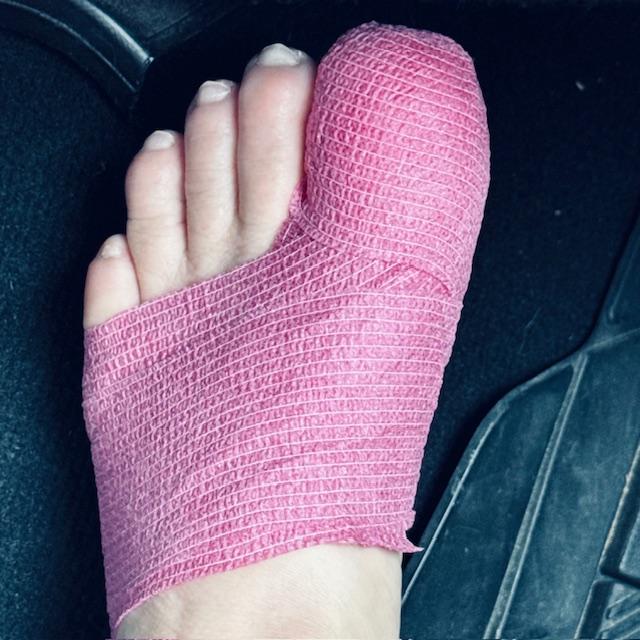 She wrapped my foot very well once surgery was complete. Glad I did not wear tennis shoes or I would not have been able to get them back on.
Then last Monday, they had no power so they canceled my appointment until today. The doctor took off part of my nail which was ingrown again. They numbed my toe with two shots, but not enough at first. So I had to get two more shots during the procedure because it hurt so badly.
I came back to work with a numb foot and now it is starting to hurt. Walmart just texted that my pain reliever is ready, five hours after surgery so I need to get that in case it gets bad in the night.
Matt had one customer today while I was gone. Also, the man picked up the rented tractor this morning.
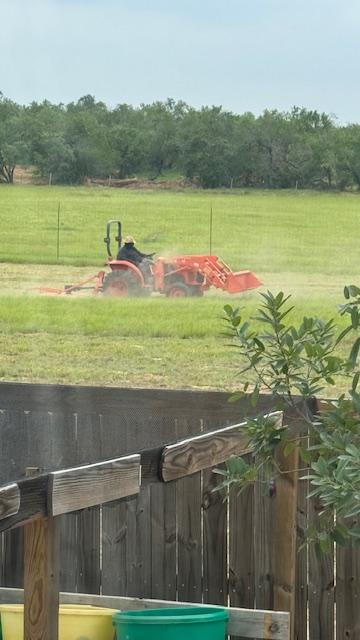 David finished cutting the property with the rented tractor yesterday afternoon.
We were supposed to get more rain today but, so far, not one drop. We did get some last night around 10pm but I forgot to look at the rain gauge.
We had some rain again late tonight.
Tuesday, May 19, 2026
Good morning. I checked the rain gauge and it is just a few tenths of an inch. Today, David has his one month post op surgery check with the cardiac surgeon. He says he feels good and is out of atrial fibrillation. He has some monitor on his phone that tells him.
I took a pain pill at 11pm last night. Then I woke up hurting around 3am. I took some Tylenol and went back to sleep. My toe is hurting some now but it is not too bad. I don't want to take the pain pill in the daytime as it will make me drowsy.
 David conducts business even when he is waiting for the cardiologist to come in.
David got a good report from the cardiologist. No atrial fibrillation.
Wednesday, May 20, 2026
It started raining in the night. Every time I woke up, it was pouring and there was thunder. We got one and 3/4 inches of rain! Yay!
Everyone is fine outside. Time for another busy day.
It was a busy day, hot and humid. I pulled orders until 6:30pm. I made chicken thighs and legs with scalloped potatoes for dinner, along with green beans. It was a delicious meal.
Thursday, May 21, 2026

It was pouring in the night, yet the rain gauge is still at 1 and 3/4 of an inch. No one dumped the thing. I never got out there by it. I woke up at 4am and the rain was coming down hard so that is weird.
No helpers today so it is just the three of us working away...
Close to the end of the day, two ladies came in to shop. We all had a good visit. It was their first time coming to our store.
We had more rain again late tonight, after 11pm. However, it wasn't much as it did not even register in the rain gauge.
Friday, May 22, 2026
 We had a pretty sunrise this morning. This was taken off of our side porch.
Right now, the air feels cool instead of hot and humid. I hope it stays that way.
We had a few customers throughout the day. I closed a lot of large orders and then pulled a lot of large orders.
Turns out today was another banner day, the best Friday we have had all year long.
We were supposed to get a lot of rain tonight but nothing happened.
Saturday, May 23, 2026
Good morning. I never heard it rain once in the night but we are under a big flood advisory. It rained a bit and we got like one tenth of an inch if even but that is it. No flooding for sure...
Matt has off today so I have to go out through the tall weeds to get to my animals and take care of them. That means going through all sorts of prickly stickers which is always a lot of fun and worrying about snakes. No time to cut the grass with no helpers at work.
We will be closed on Monday for Memorial Day. Today, we will be open from 10am to 2pm.
It got very dark while I was eating breakfast and the monsoon started. I got dressed and ran out to take care of the goats and chickens. All of the goats were sheltered, even though the door was open. I am glad the babies were smart enough to be inside by their mamas. They are so cute. They were in bad need of food, hay, and water. The mamas are sucking down water like it was flavored with licorice which seems to be their favorite treat flavor.
Anyway, I got them fresh water, new food, and fresh hay. Even Markie's food dish was completely empty so he is back to normal, all healed up and he has dry shelter from this rain storm.
I finally got the goats all taken care of but the wind was blowing rain around so I got soaked again getting back to the feed for the chickens. They were squawking around, totally not happy. I fed them and went in and changed clothes.
David was gone. I got dry clothes on and grabbed an umbrella. I almost needed a boat as the parking lot is flooded in places. I got into the store and David informed me that the side door on the big building across the way was open and a chair needed to be put inside. Swell. So out I went again with the umbrella but the back of my shirt and my pants are wet. He watched me so I guess he was supervising. Someone has to, right?
I finally got back in and my bandaid came off. I had to put a new one on my toe where I had surgery the other day.
I am now closing orders but wanted to share this very wet morning. By the way, Alexa said we would have no rain today at all.
We ended up getting one half inch of rain but the way it came down, it seemed like a lot more.
It didn't rain anymore all day long.
This evening, we finally figured out all of the baby goats.
Lucy gave birth to twin boys on May 2. Both look a lot like Markie with lots of dark brown, black, and a bit of white.
Gracie gave birth to twin girls on May 5. Both have blue eyes. One is a dark brown and the other is a light fawn color.
Ethel gave birth to twin girls on May 15. One is dark brown and the other is a lighter fawn color with green eyes.
Now we still have Alice (Jabba The Hut) who just might have three kids in there and Trixie who is not all that big yet...
Meanwhile, Markie is all healed up and eating like he is pregnant. Ha ha!
Sunday, May 24, 2026
Good morning. No new rain and it is not supposed to rain today but who knows?
I would like to say that earlier this week, I saw a new video on neuropathy that said neuropathy sufferers should take vitamin B1 in the form of Benfotiamine along with Alpha Lipoic Acid four times a day and that would take care of it. I started taking it three times a day and I have slept four nights in a row without being awakened by neuropathy. I keep forgetting to take it a fourth time during the day. I am amazed and hopeful but cautious...
After church, we took inventory of some of the seeds in our store. Then David mowed some of the backyard so I can get to the animals and chickens without stickers getting in my boots and hurting me.
No new babies although Alice looks like it could happen soon.
Return from Grow Collards to Grow From Seed
Anything To Share On This Topic?
Would you like to share additional information about this topic with all of us?
Since 2009, over 2,000,000 home gardeners, all across the USA, have relied on David's Garden Seeds® to grow beautiful, productive gardens. Trust is at the heart of it. Our customers know David's Garden Seeds® stocks only the highest quality seeds available. Our mission is to become your lifetime supplier of quality seeds. It isn't just to serve you once; we want to earn your trust as the primary supplier of all of your garden seeds.
Watch Our 2022 TV Commercial!
Sing Along To Our Jingle
♪♫♪♪ ♫ ♪ ♫♪♫♫
♪♫♪♪♫♫
Peppers and peas
And lots of yummy greens
You can't go wrong
With Squash This Long
At David's Garden Seeds
♪ ♫ ♪ ♫
Our New 2024 TV Ad
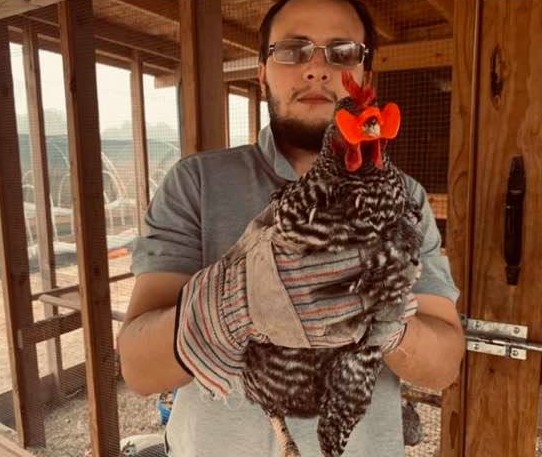
Please like and subscribe on YouTube and come visit us at our Farm Store! The music on our TV ad was written, played, and sung by our son, Matthew Schulze. You can meet him when you come to the farm. He just might give you a tour. Ask him to grab a guitar and sing our jingle that he wrote.
Our 2022 TV Ad

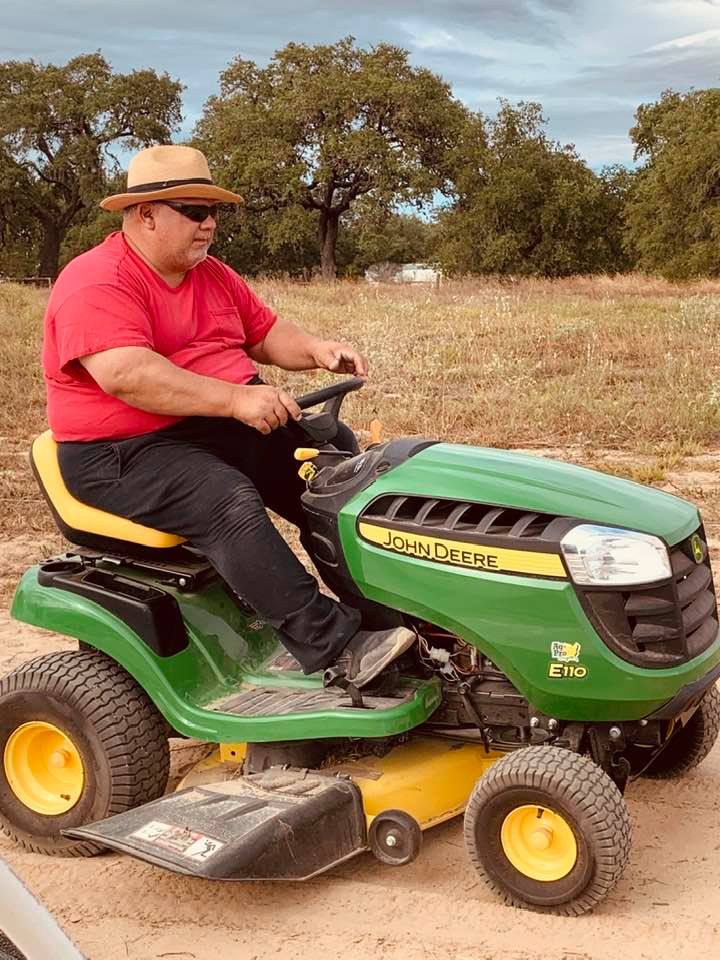 David of David's Garden Seeds® zipping along on his little tractor across the farm. He is having a blast!
We are David's Garden Seeds®. If you need great seeds, we've got over 1,400 varieties to choose from.
Subscribe To Mrs. David's Garden Seeds® Newsletter For FREE!
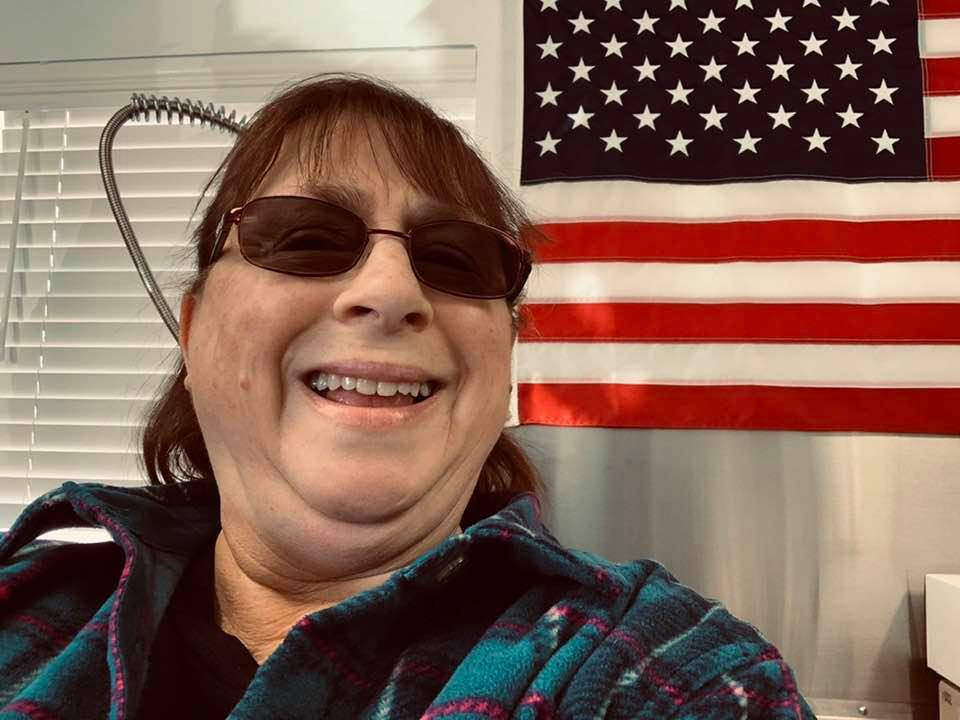
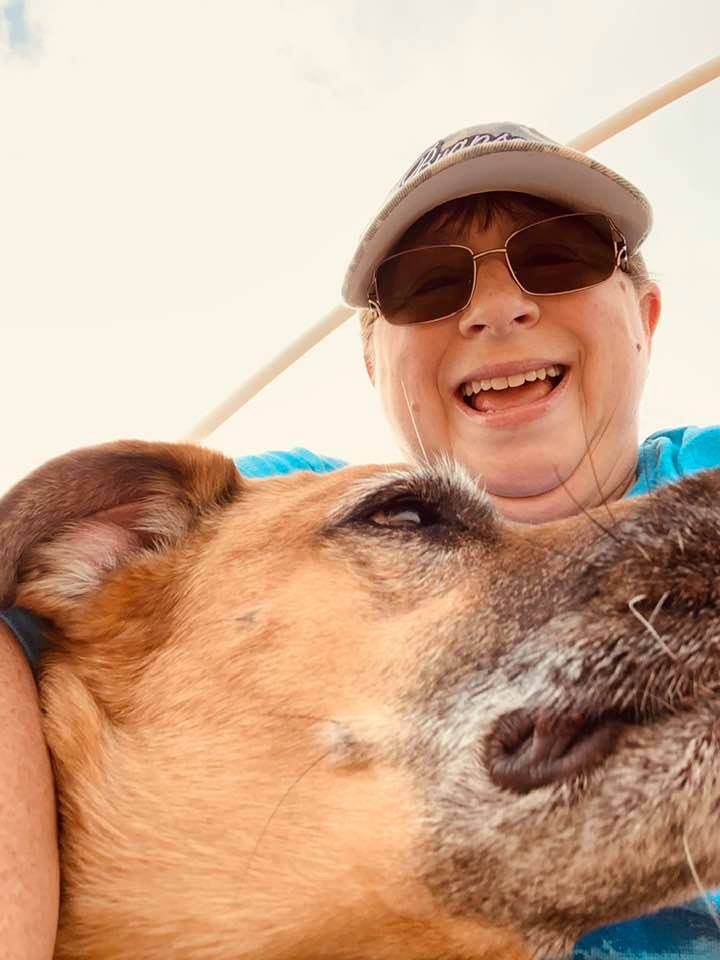
Find out what is going on down on the farm by reading our blog and by subscribing to our free newsletter for all of the information going down at David's Garden Seeds® and on the farm. I love to share helpful information with you. Please let your friends know and y'all come on down for a visit when you get the chance. We would love to meet you!
New Store Hours!
 Farm Store Hours: Th-Fri 10am-5pm, Sat 10am-2pm. Closed Sun-Wed.
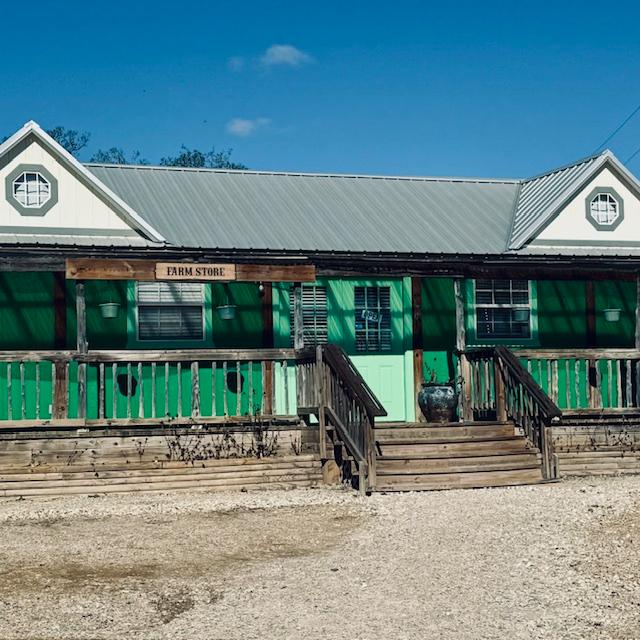 Our Farm Store
Shop for:
- Seeds
- Farm Fresh Eggs
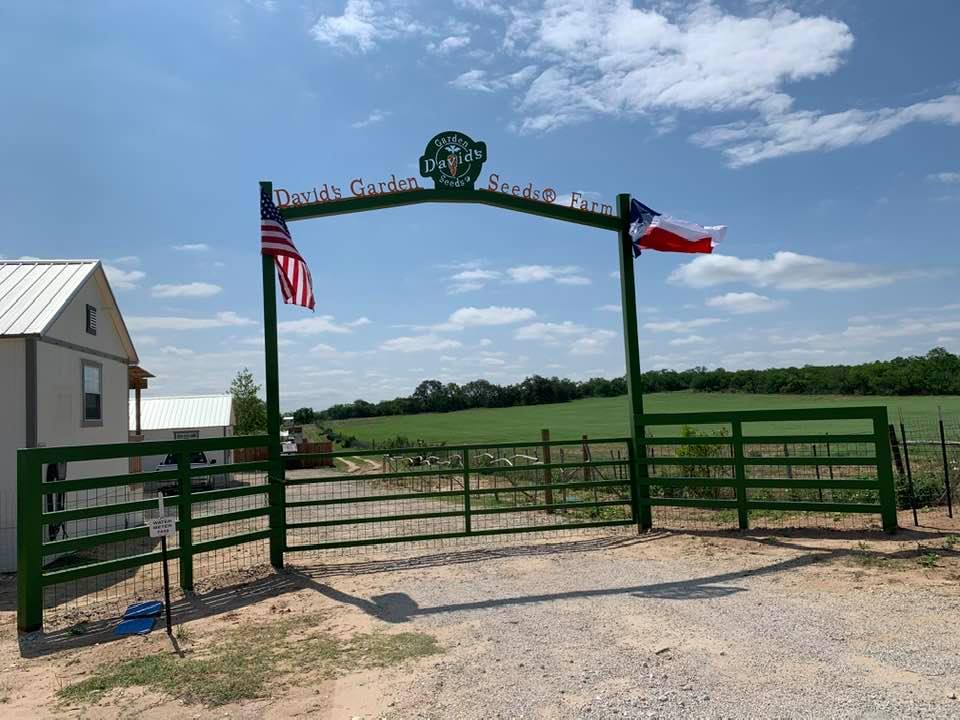
Our Farm is located at 5029 FM 2504 in Poteet, TX.
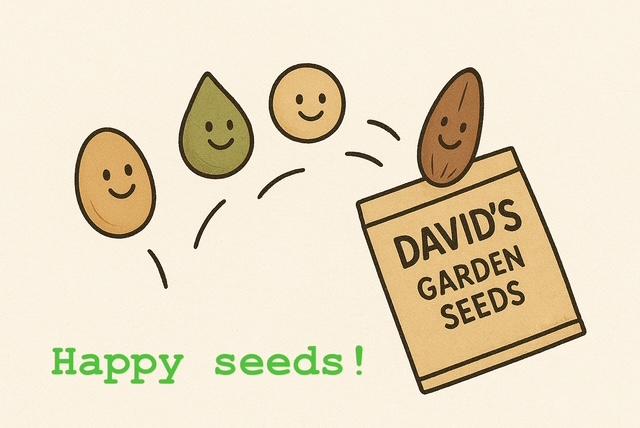 Only happy seeds make the cut to go into our seed packs!
David's Garden Seeds® has
seeds for the backyard gardener and farm fresh chicken eggs.
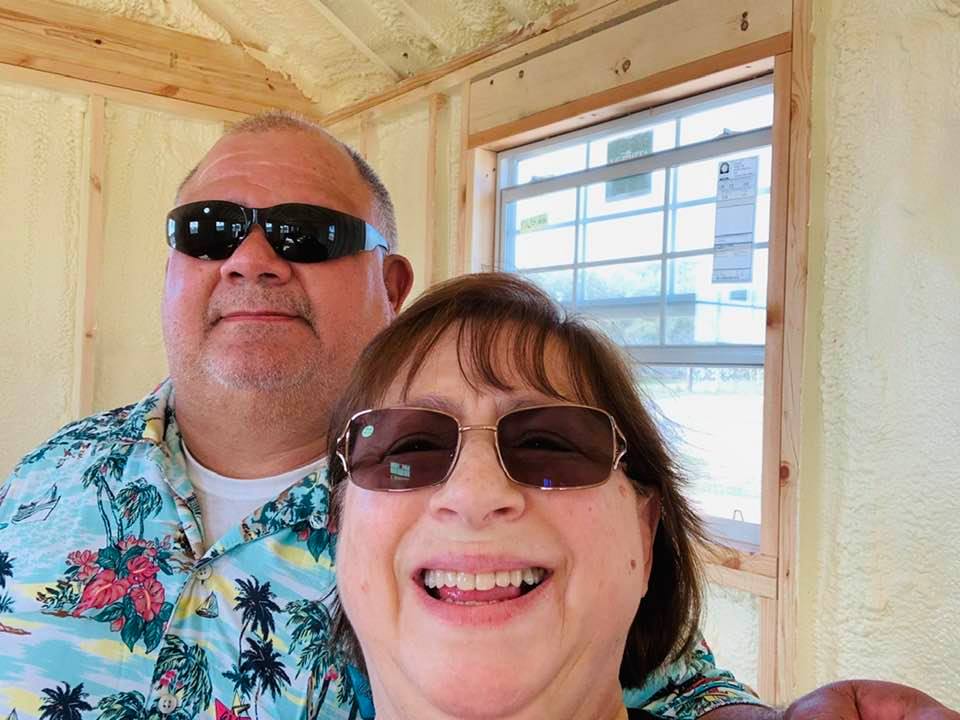
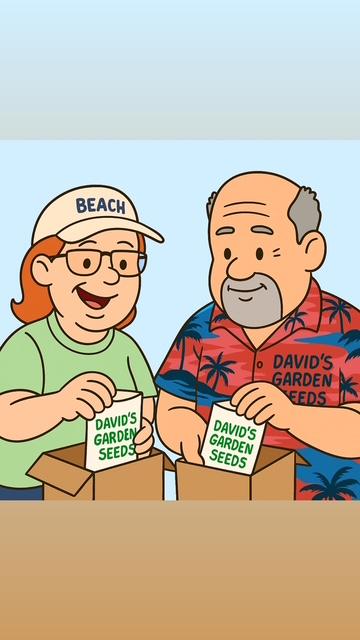 David & Juanita work hard to pack your garden seed orders.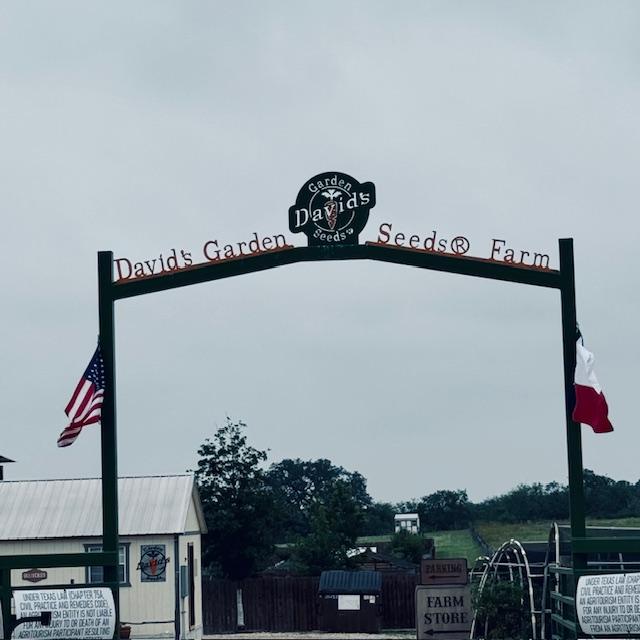


Sign Up For Our Newsletter Here!
   DGS YouTube Mrs
|
   |
Garden Ebooks
by Mrs. David's Garden Seeds
 I've been busy creating eBooks to help you with your garden...
IMPORTANT NOTE: THE EBOOKS ARE DIGITAL DOWNLOADS (EBOOKS), NOT PHYSICAL BOOKS.
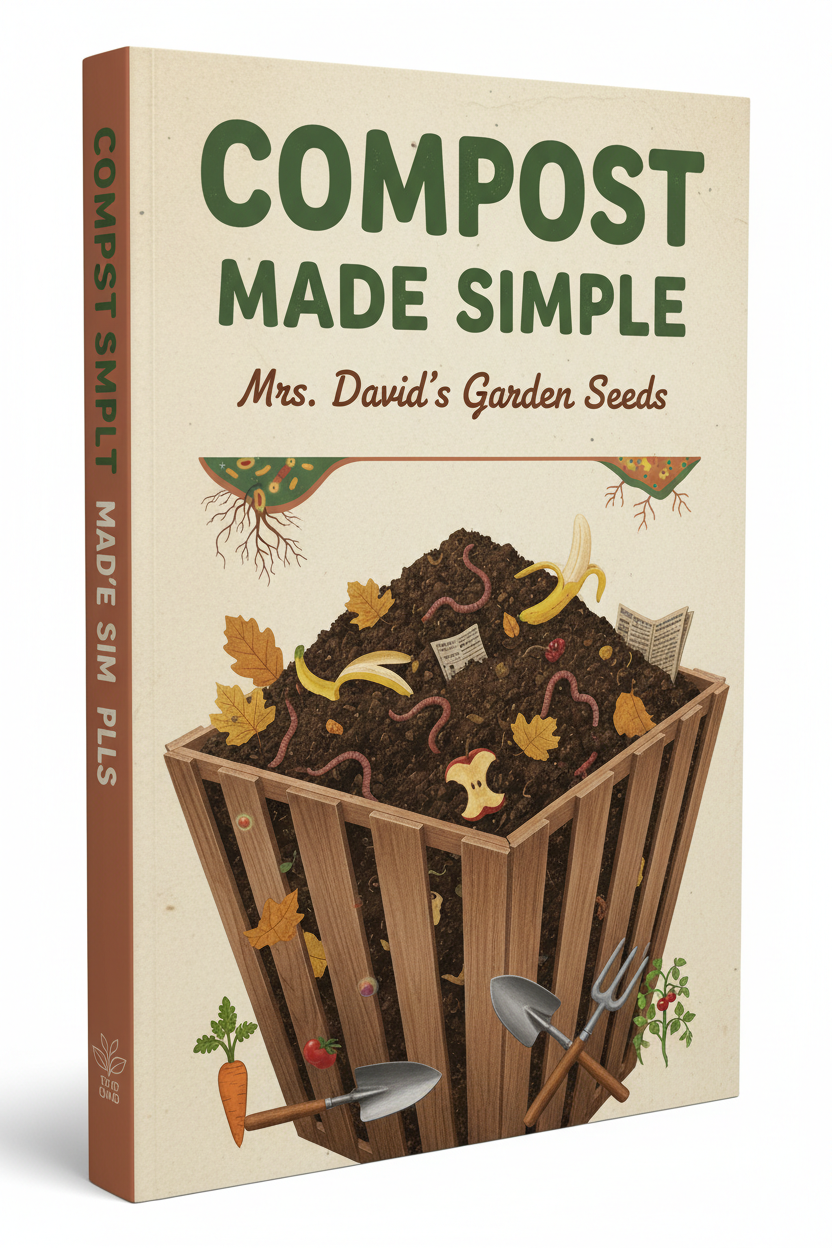
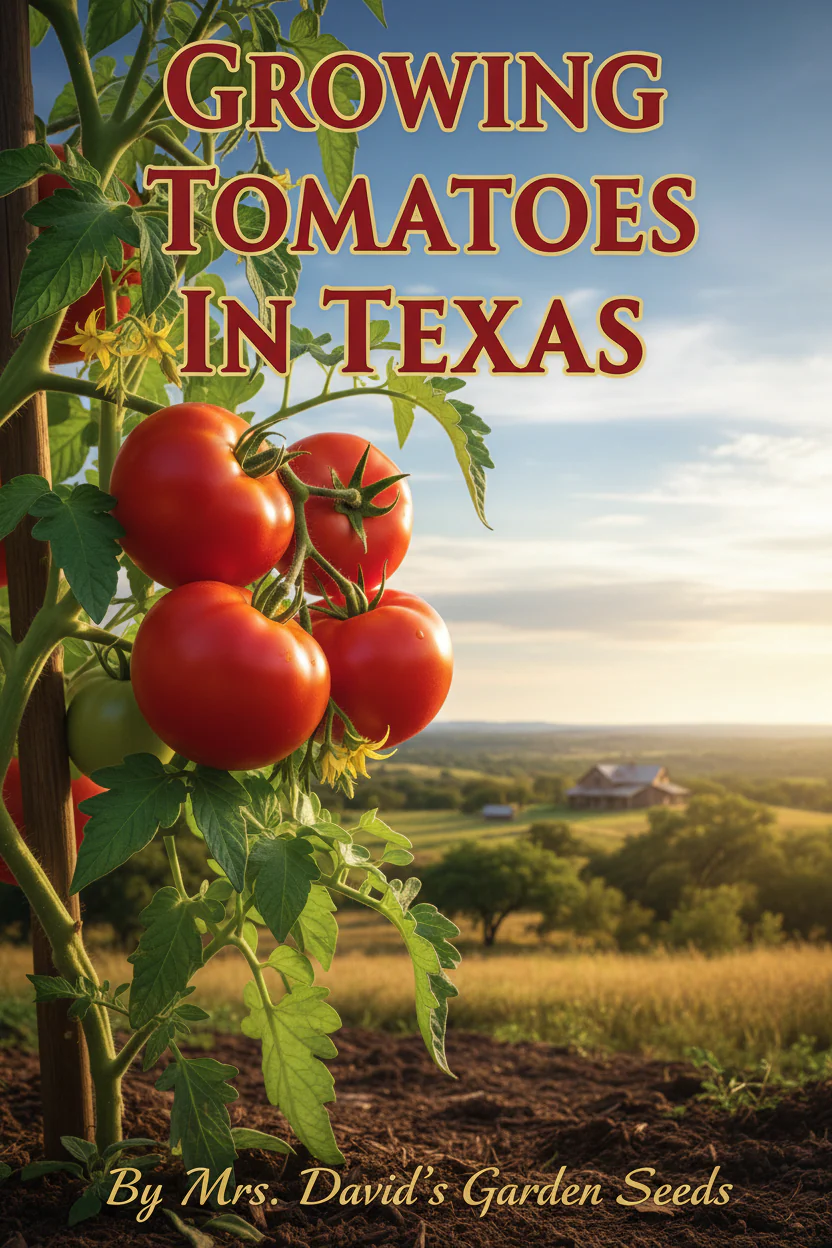
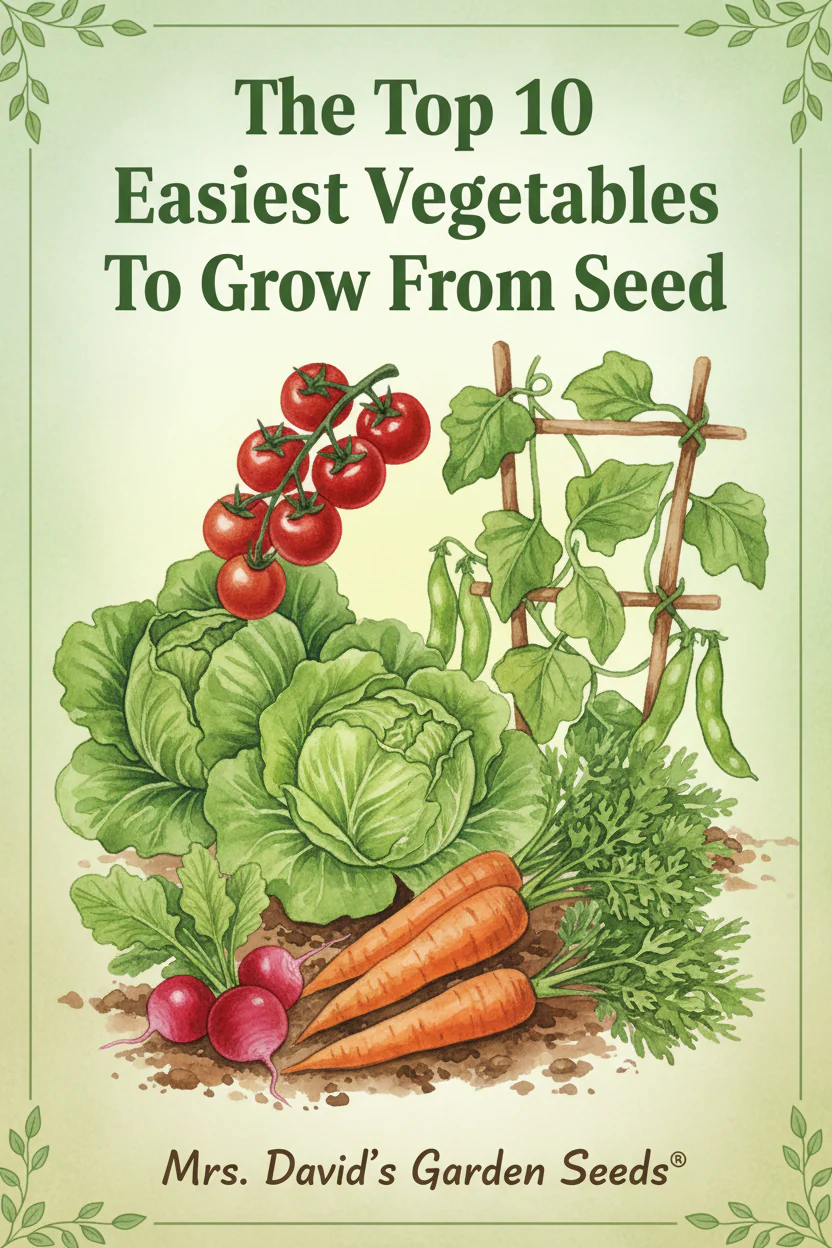
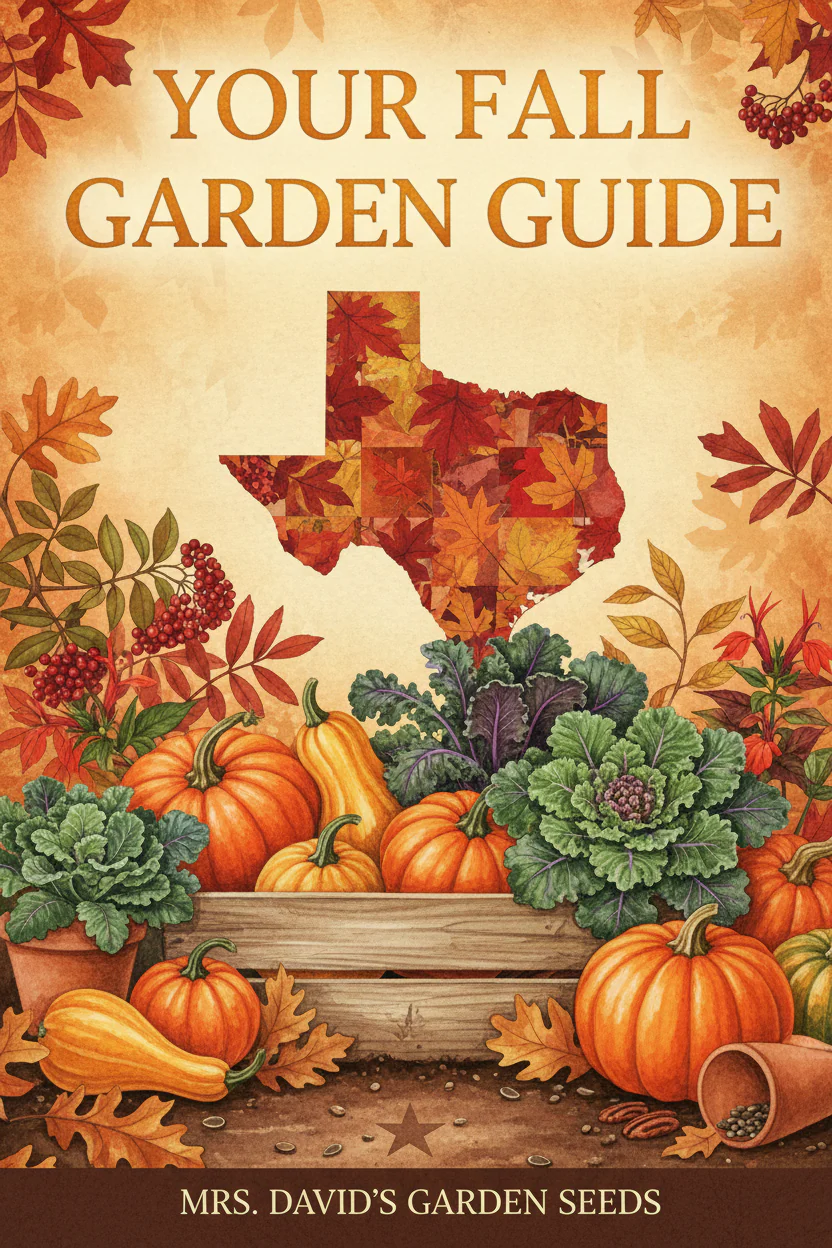
WE DO NOT REFUND OUR DIGITAL DOWNLOADS FOR OBVIOUS REASONS.
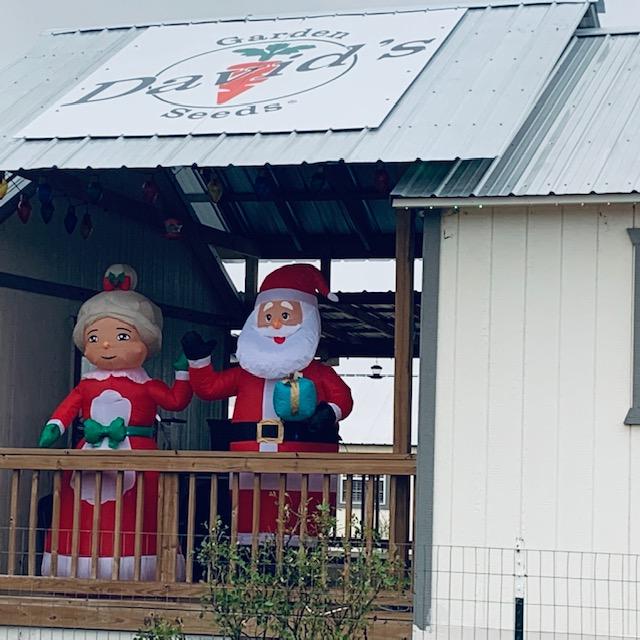
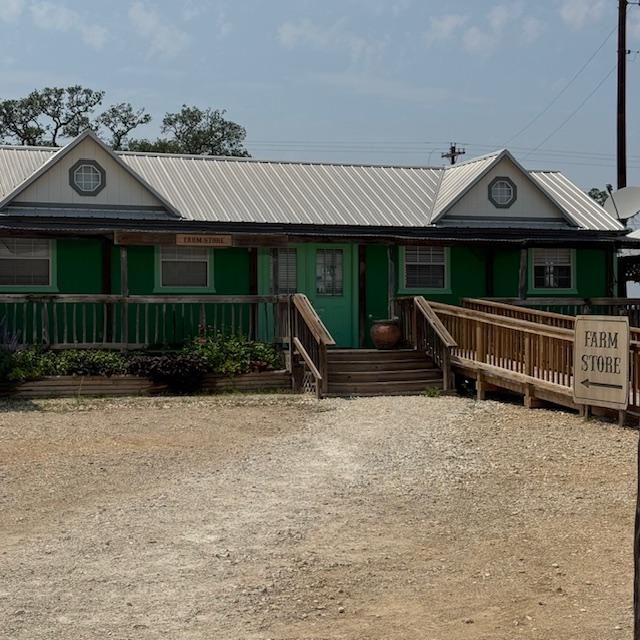 Our Farm Store is the green building
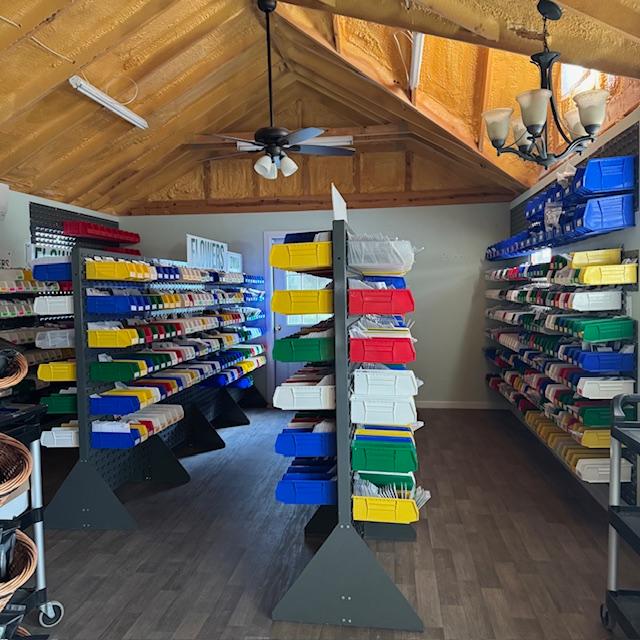 Inside our Farm Store...1400 varieties of seeds await you!
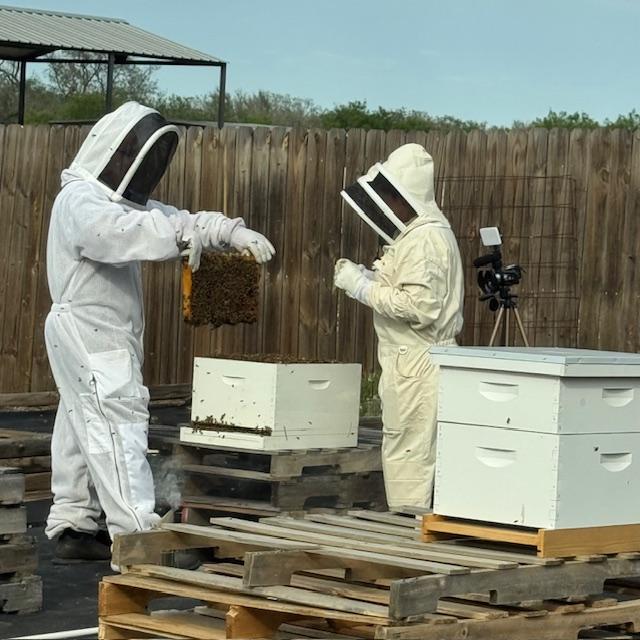 Our bee hives
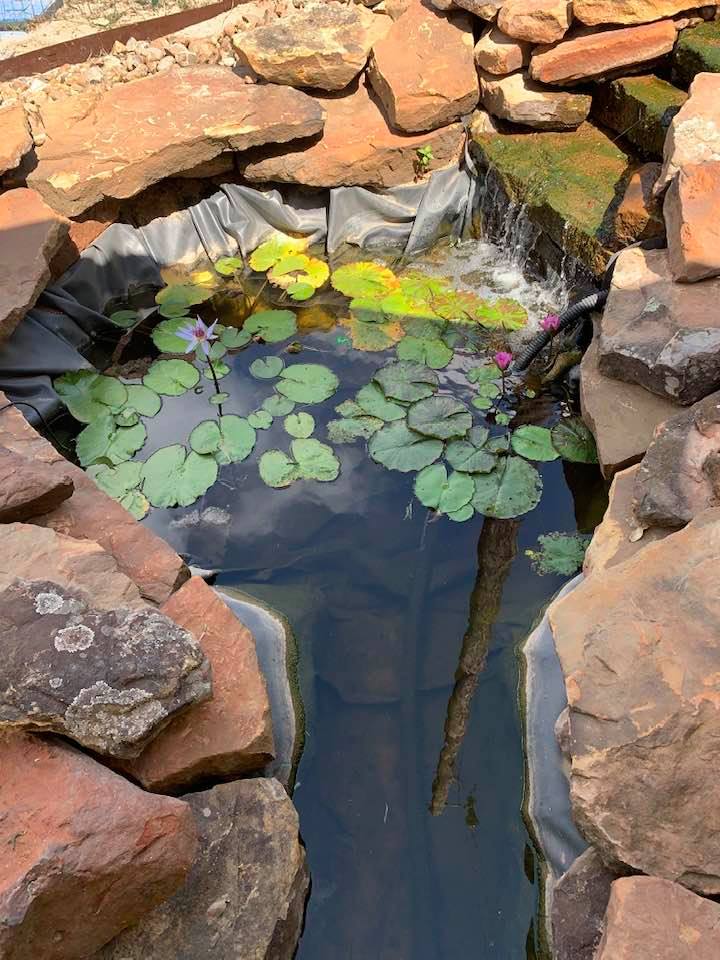
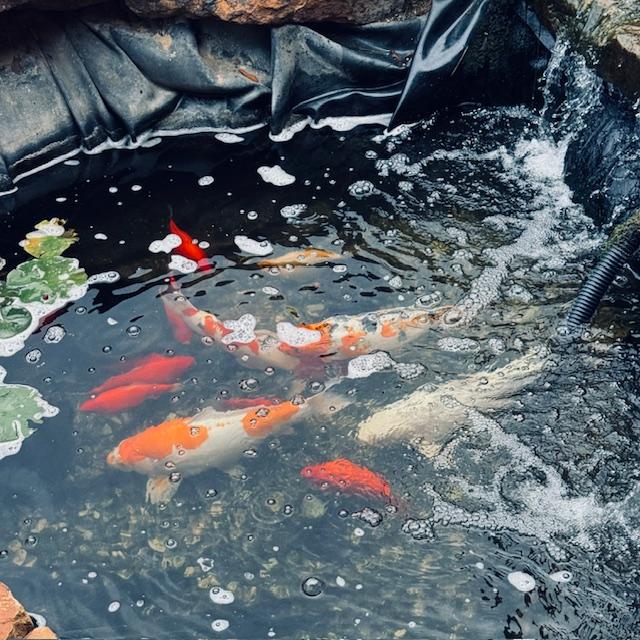 Our fish pond
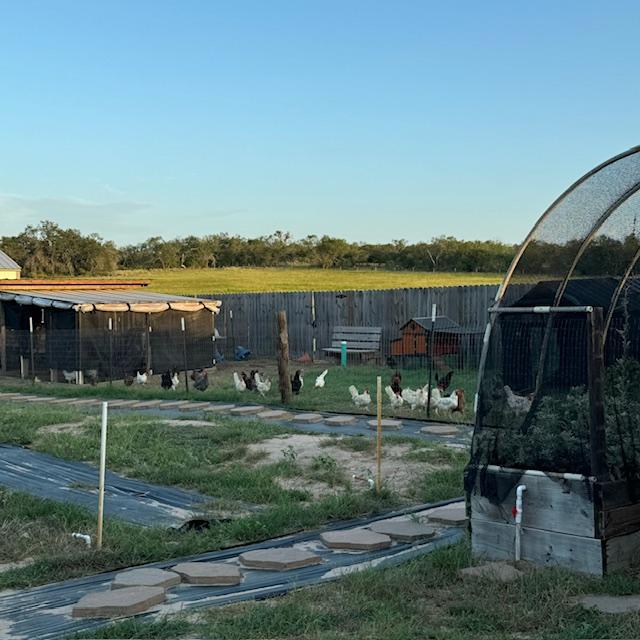 Our chickens
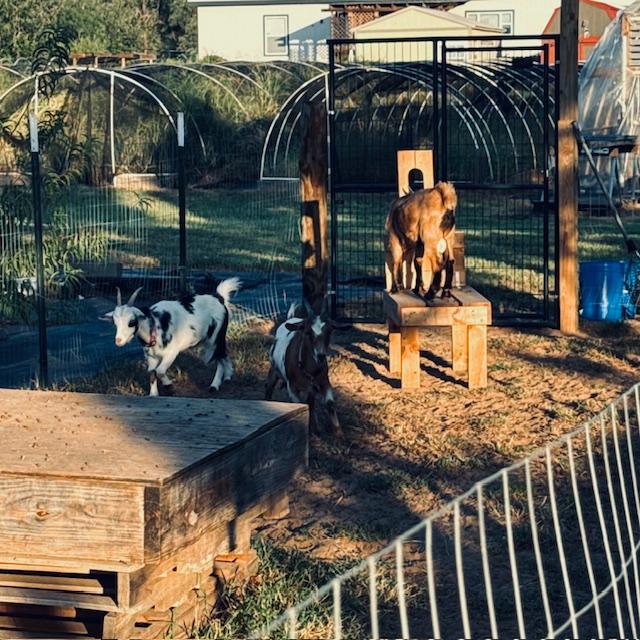 Our Nigerian Dwarf goats
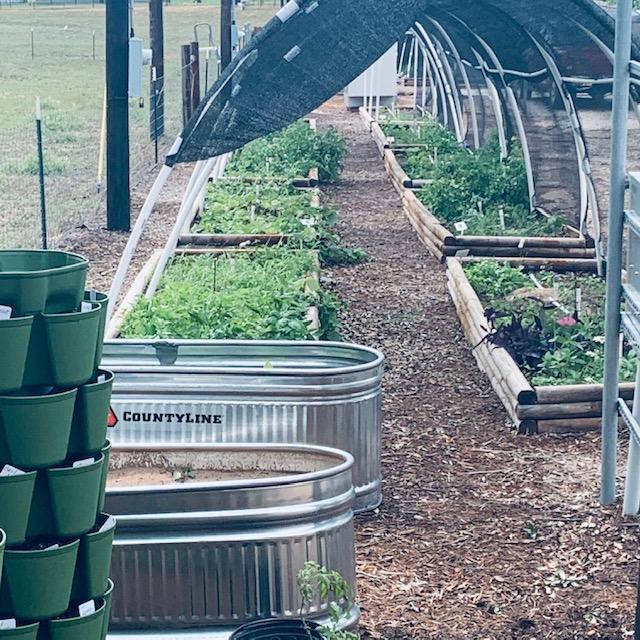 A few of our raised garden beds
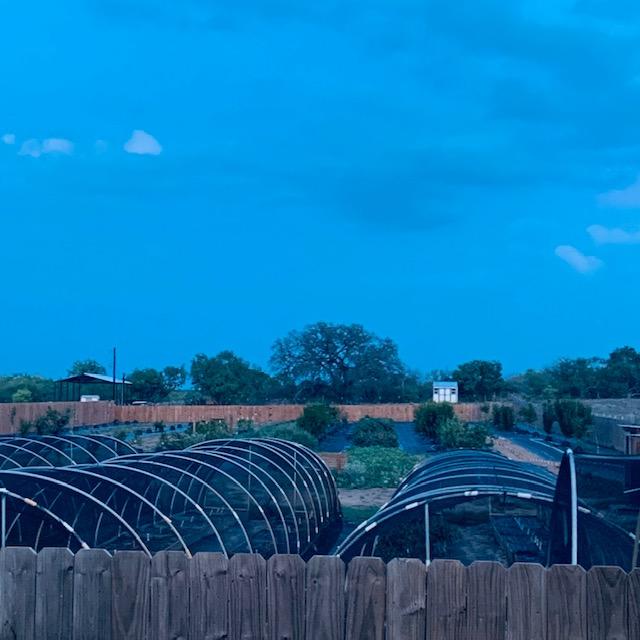 Our orchard and hoop houses
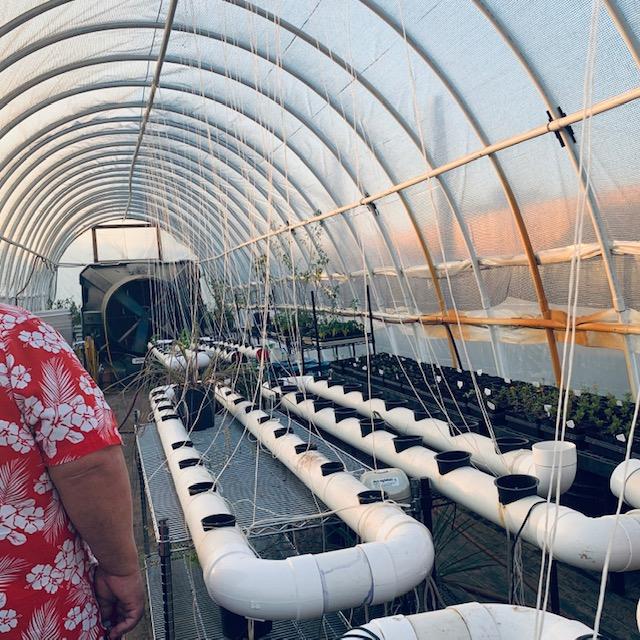 Inside our high tunnel
 Take a selfie at our official selfie spot!
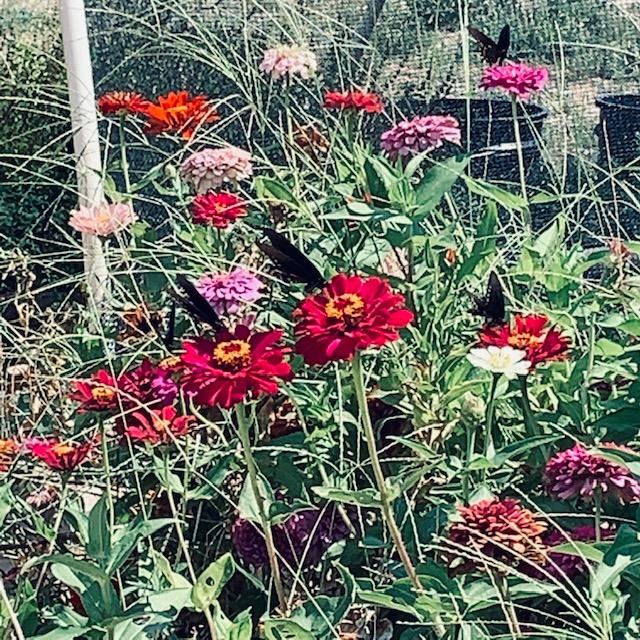 Flowers, bees, and butterflies are everywhere!
Watch Our TV Ads!
David's Garden Seeds® has the best Non-GMO seeds in the state of Texas!
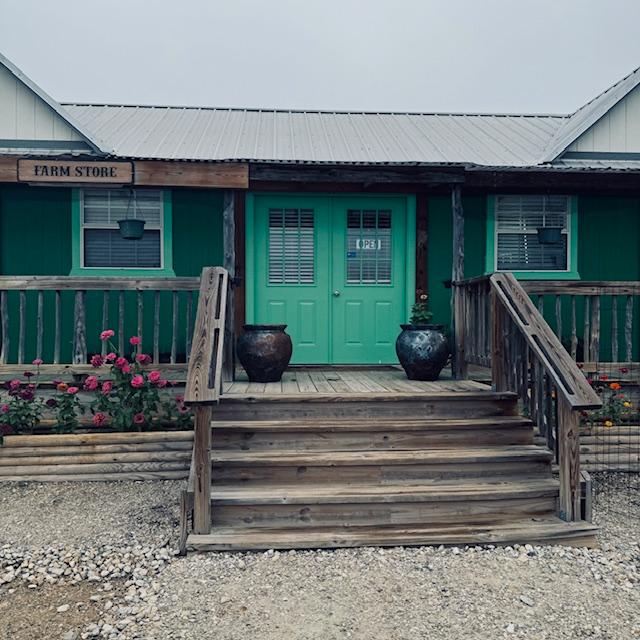 This is our beautiful Farm Store. Come in and shop for seeds. We have over 1600 Non-GMO heirloom varieties to choose from but we are in the process of bringing that number down to half.
Our Story
Hi Everyone! Thank you for visiting my website! I am Mrs Davids
Garden Seeds® aka Mrs. David's Garden Seeds and I think you should know that there is a wonderful seed
company in the great state of Texas called David's Garden Seeds®. We grow some of our seed, we count, hand pack, print our own envelopes, and ship seeds out to you right here from our farm. This used to be an old peanut farm. When the owner died about 15 years ago, his sons split the farm up and sold it in pieces. In 2024, we bought another adjoining four acres.
Our business started in our home in San Antonio in September of 2009. David decided to sell some seeds he had left over from his garden on Amazon. I told David, "Don't bother, it won't work!". I am so glad that David did not listen to me because it did work! By 2015, we had 8 employees working in my home every day and David found a storefront in San Antonio and moved the business there. In 2016, I quit my day job and went on the payroll. The company grew some more and David moved to a bigger storefront in 2017. In 2019, we found a beautiful piece of land over in Atascosa County and turned it into a farm out near Poteet. David and I moved out here to live in August of 2019.
In 2020, we moved our company out to the farm. We have a beautiful Farm Store filled with seeds, a gazebo with a pond full of koi and gold fish for you to visit. Come by and visit us at 5029 FM 2504 in Rossville, just outside of Poteet, Texas, Monday through Friday from 9am to 5pm and Saturday from 10am to 2pm. Or you can order seeds online from our user-friendly website, www.davidsgardenseeds.com.


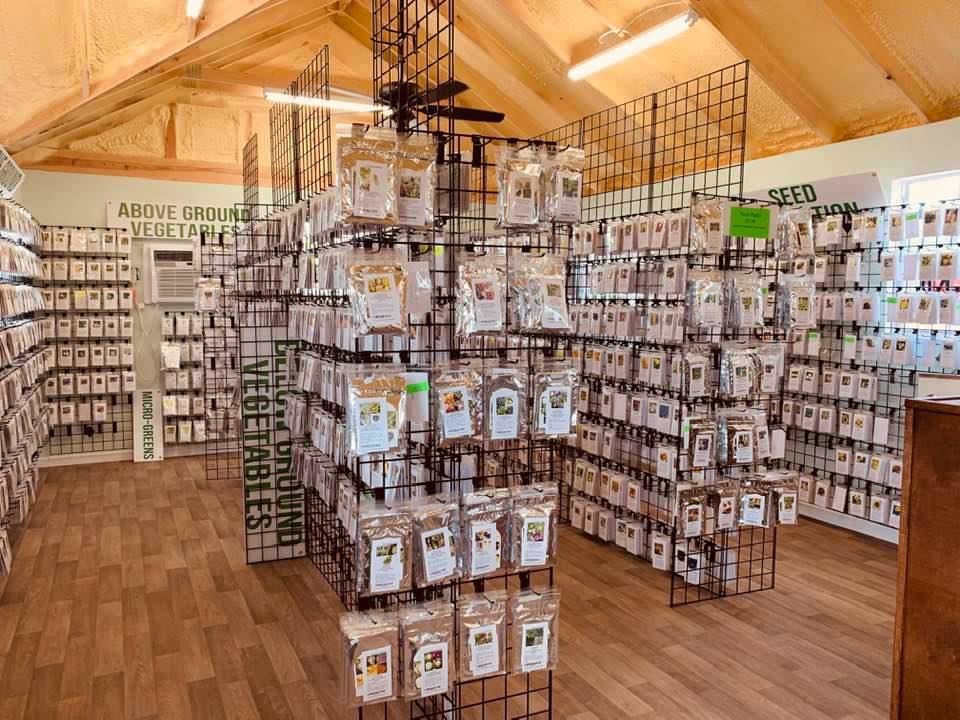 Our beautiful new farm store has almost 2,000 varieties of seeds and more. Mrs Davids Garden Seeds® looks forward to meeting you when you visit.
Mrs. David's Garden Seeds® Copyright by Juanita Lynn Schulze of David's Garden Seeds® 2019-2026
David's Garden Seeds® is Registered in the United States Patent and Trademark Office.