Grow Salsify And Scorzonera
Learn to grow salsify and scorzonera in your backyard garden. These plants were grown during the Great Depression to give the taste of oysters to meals when meat was scarce. They are root vegetables that most people these days have not heard of.
Yes, we do sell the seeds for both at David's Garden Seeds®.
Grow Salsify And Scorzonera - 3/23-3/29/26
Grow Salsify And Scorzonera -Introduction
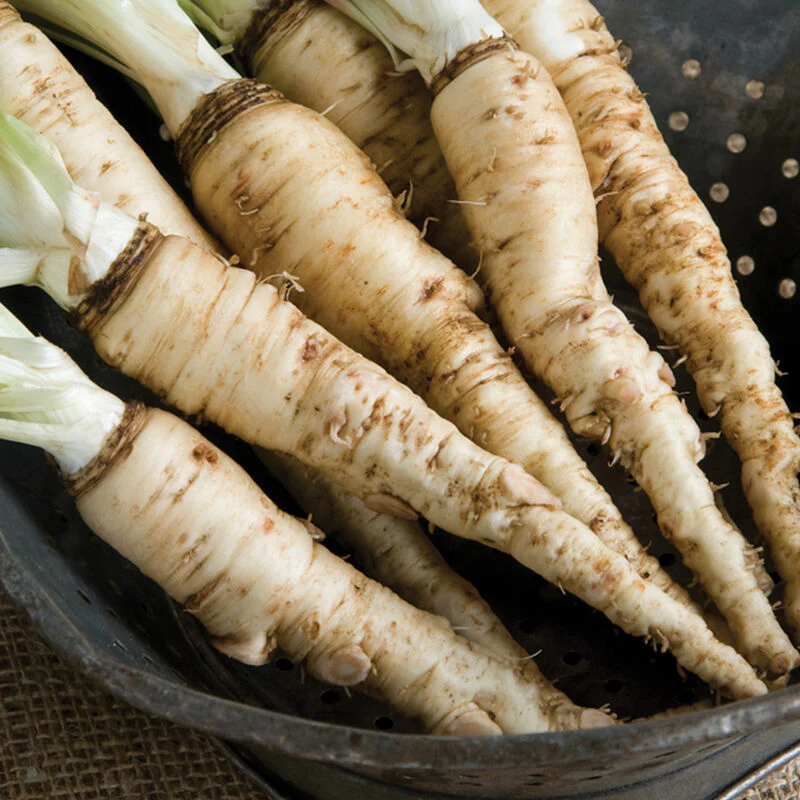 This is Sandwich Island salsify.
Do you grow salsify and scorzonera? If you’ve never grown salsify or scorzonera, you’re in for a fun surprise. You get a hardy root crop, a “forgotten” flavor that feels fancy, and a little connection to the way many American families ate in the 1930s and 1940s.
Your grandparents or great-grandparents may have known these plants as “oyster plants.” Back then, when meat was scarce and money was tight, people leaned on filling root vegetables to stretch meals without giving up taste.
In this guide, you’ll learn what salsify and scorzonera are, what they taste like, how to plant them, how to care for them, when to harvest, and how to store and cook them.
I’ll also say this up front: you don’t need fancy gear or a big yard. If you can grow carrots, you can learn to grow salsify and scorzonera in your backyard garden. These plants were grown during the depression to give the taste of oysters when meat was scarce.
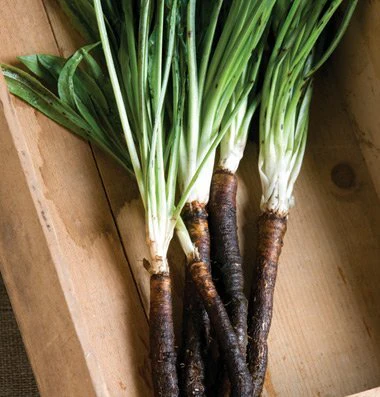 This is Enorma scorzonera.
Grow Salsify And Scorzonera - What Are They?
Let’s start with what they are. Salsify is a root vegetable in the daisy family, most often grown as a long, pale root that looks a bit like a skinny parsnip.
Scorzonera is a close cousin, also a long root, but usually with dark (often black) skin and white flesh inside. Gardeners sometimes call it “black salsify,” even though it’s a different plant.
What do they taste like? Salsify has a mild, slightly sweet flavor, kind of like a mix of oyster, artichoke, and parsnip—especially after cooking.
Scorzonera tastes similar, but many cooks describe it as a bit richer and nuttier. Both get creamy when cooked, which is part of their comfort-food charm.
So why would you grow them? You grow them because they’re dependable, they store well, they make simple meals feel special, and they give you a “pantry” right in the soil when other crops are done.
Another reason: they shine in cool weather. When your tomatoes and peppers are fading, these roots are still quietly sizing up underground.
And yes—will they help me in the kitchen? Absolutely. You can mash them, roast them, fry them, add them to soups, or turn them into a creamy side dish that tastes like you worked harder than you did.
I still remember the first time I cooked salsify at home. I expected something weird and strong, but it came out mild and comforting—like a cozy soup flavor you can’t quite name.
Grow Salsify And Scorzonera - Planting
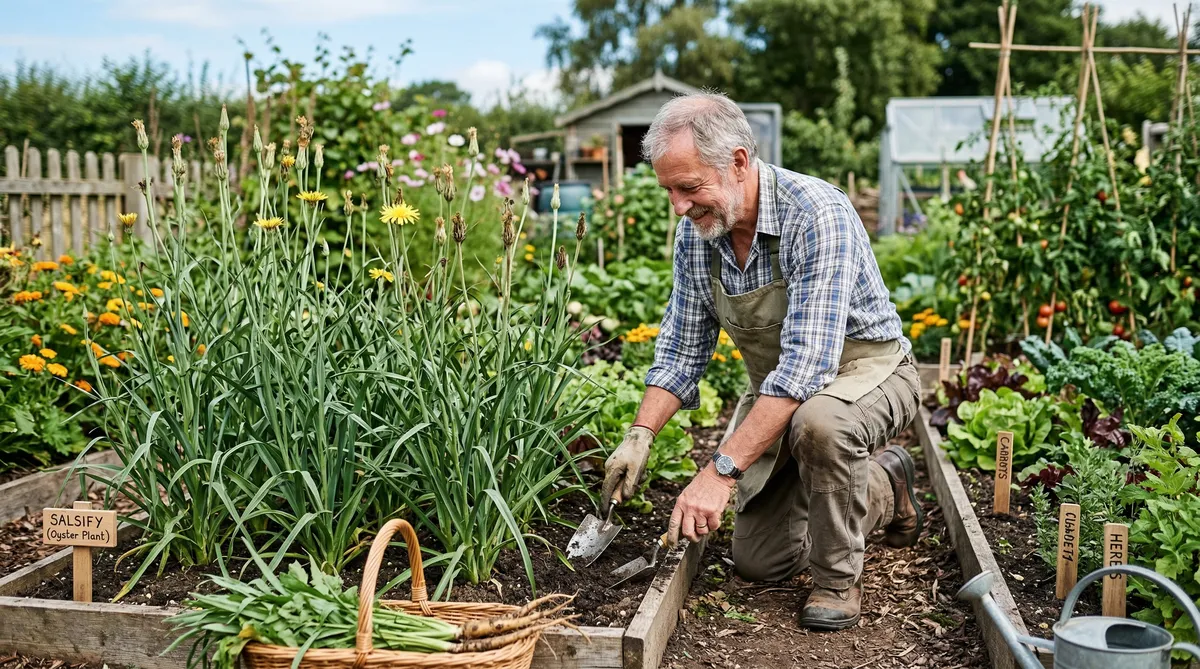 This man is harvesting some salsify.
Before you plant, know this: both crops want a deep, loose bed. If your soil is rocky or hard, the roots can fork or twist instead of growing long and straight.
Pick a sunny spot if you can. Full sun is best, but a little light shade can still work, especially if your summers get hot.
Soil prep is where you win or lose with these roots. Aim for soil that’s crumbly and deep—at least 10–12 inches deep if possible—so the roots can grow without hitting a wall.
If your soil is heavy clay, don’t give up. Mix in compost to improve texture, and consider growing in a raised bed where you can control how loose the soil is. This is what we did when we lived in San Antonio where the soil is clay with rock.
Try not to use fresh manure right before planting unless it is from rabbits, sheep, or goats. For many root crops, overly rich, hot soil can lead to odd root shapes and more leafy growth than root growth.
Here’s the simple timing rule: sow seeds in early spring as soon as the soil can be worked, because these plants take a while to size up.
In many parts of the U.S., that means planting around the same time you’d plant peas and carrots. If you can work the ground, you can plant.
You’ll plant from seed, not from transplants. These roots don’t love being moved once they start.
Sow seeds shallow, about 1/2 inch deep, in rows. Keep your rows far enough apart to weed easily—about 12–18 inches is comfortable for most home gardens.
After sowing, water gently so you don’t wash the seeds away. Then keep the top inch of soil lightly moist until you see sprouts.
Be patient. Germination can be slow and uneven, especially in cool spring soil. Mark the row so you don’t forget where you planted and accidentally dig it up.
Once seedlings are a few inches tall, thin them. This feels painful, but it matters: crowding gives you skinny roots.
A simple spacing target is about 3–6 inches between plants. If you want thicker roots, give them more space.
Grow Salsify And Scorzonera - Caring For Your Plants
Let’s talk care while they grow. Your main jobs are weeding, steady watering, and not disturbing the soil around the roots.
Weed early and often, especially while seedlings are small. Roots hate competition, and weeds will steal water and nutrients fast.
Mulch helps a lot once the seedlings are established. A light layer of straw or shredded leaves can keep weeds down and keep soil moisture more even.
Watering is all about consistency. Deep, even moisture helps roots grow smooth and prevents stress that can lead to tough texture.
Aim for about 1 inch of water per week from rain or irrigation, adjusting for your weather and soil type. Sandy soil dries faster; clay holds water longer.
Try not to swing between “bone dry” and “soaking wet.” Those extremes can slow growth and make roots less pleasant to eat.
Do you need fertilizer? If you started with compost-rich soil, you may not need much. Too much nitrogen can push leafy tops instead of big roots.
If your soil is poor, you can side-dress with compost mid-season. Keep it gentle—think “steady support,” not “rocket fuel.”
Pests are usually manageable. Slugs can bother young plants in some gardens, and general leaf-chewers may show up, but these crops are not as dramatic as, say, squash.
The biggest “problem” many gardeners face is root shape. If your soil is rocky or compacted, expect more twisting and branching—still edible, just less pretty.
Grow Salsify And Scorzonera - Harvesting
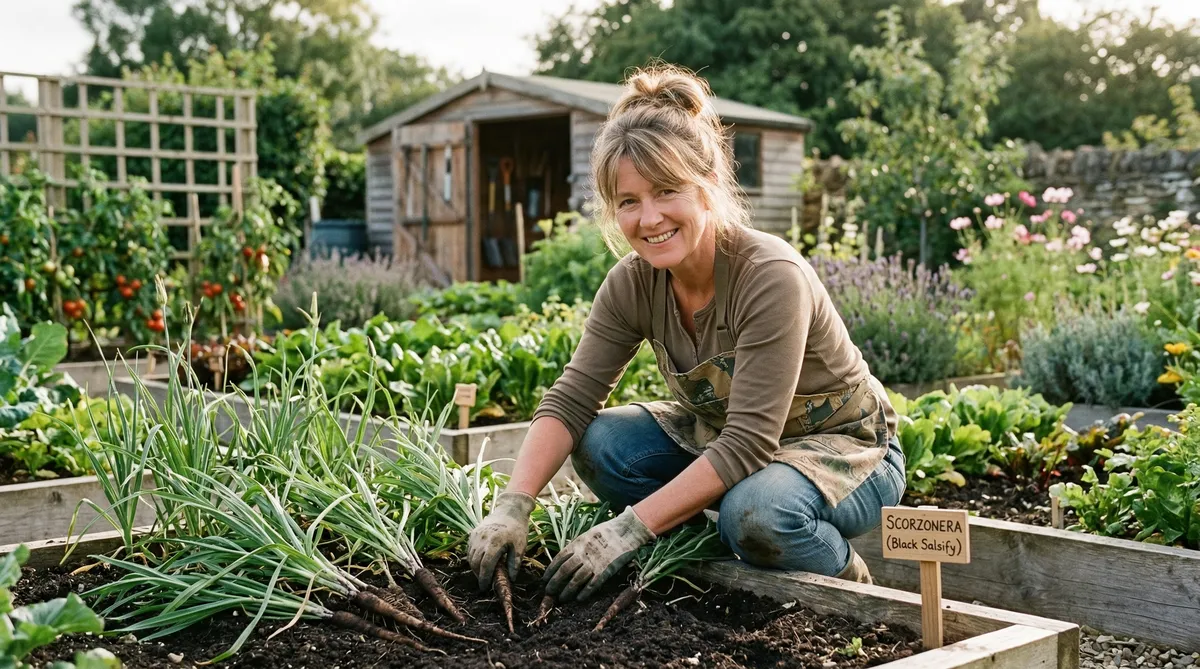 A lady harvesting scorzonera in her garden.
Now for the part everyone asks: when do you harvest? In general, you harvest in fall after a long growing season, when roots have reached a good size.
Scorzonera takes approximately 80 days to grow to maturity while salsify can take up to 110 days before it is ready.
You can also harvest as needed. One of the nicest things is leaving some roots in the ground and digging them when you want dinner—especially in cool weather in the fall and winter.
Cool temperatures can improve flavor. Many gardeners find roots taste better after frosts, when the plant has been in chilly soil. Roots tend to develop a sweeter flavor in the cold.
To harvest, don’t just yank the tops. Use a garden fork or spade and loosen soil beside the root, then lift gently to avoid snapping it.
If a root breaks, don’t panic. Broken pieces are still great for soup, roasting, or mashing.
Grow Salsify And Scorzonera - Storage
Expect salsify roots to be pale on the outside. Scorzonera often has darker skin, and it can stain your hands when you peel it—so gloves can be handy.
Once harvested, brush off soil but don’t wash the roots if you plan to store them. Extra moisture on the skin can shorten storage life.
For storage, keep them cold and humid, like you would with carrots. A fridge crisper drawer works for small batches, especially if you keep them in a bag or container that reduces drying.
If you have a root cellar or a cool basement setup, you can store roots in slightly damp sand or sawdust in a bin. The goal is “cool and not dried out.”
You can also keep some roots right in the garden as living storage, as long as your ground doesn’t freeze solid for long stretches. A thick mulch layer can help in milder winter areas.
Grow Salsify And Scorzonera - Cooking
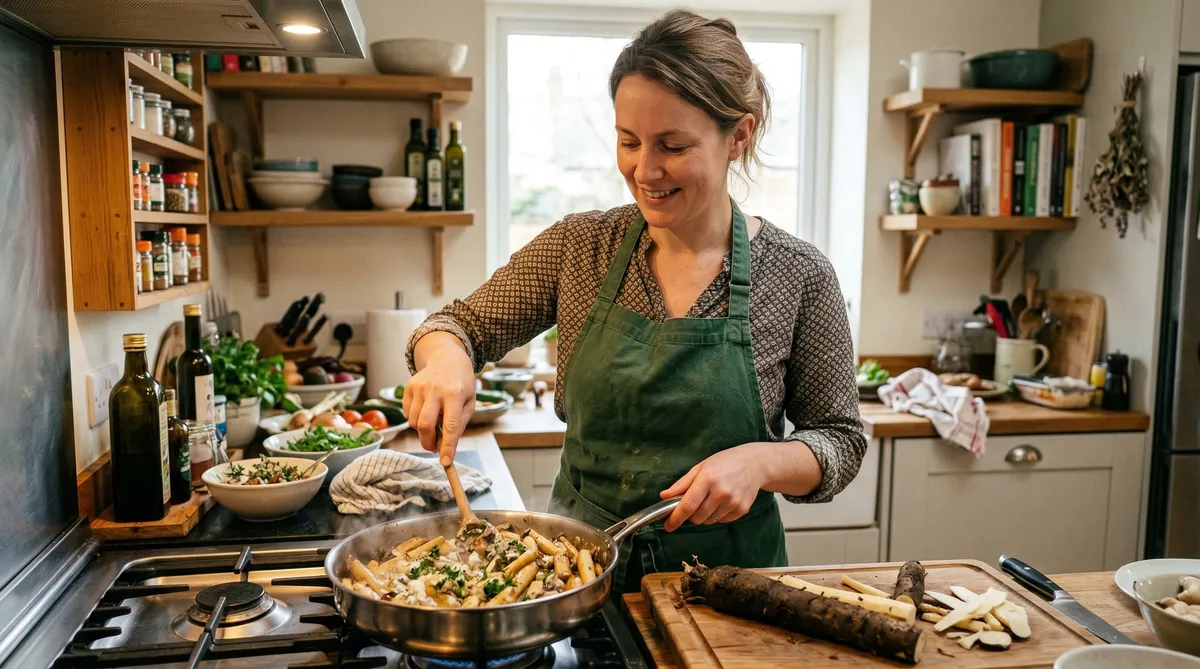 This lady is cooking some scorzonera for dinner.
When you’re ready to cook, start with a good scrub. Then decide if you want to peel—many people peel, especially for scorzonera’s darker skin.
One kitchen tip: peeled salsify can discolor when exposed to air. If that bothers you, drop peeled pieces into water with a little lemon juice while you prep the rest.
The easiest first recipe is roasting. Cut into sticks or chunks, toss with oil, salt, and pepper, and roast until tender and browned.
If you want that “oyster plant” vibe, try a creamy soup. Simmer peeled chunks until soft, then blend with broth and a little milk or cream, plus onion and garlic if you like.
Another classic move is to boil until tender and mash with butter, salt, and a splash of milk—like mashed potatoes, but with a sweeter, more interesting flavor.
You can also sauté slices in a pan until lightly browned, then finish with a little broth and cover until soft. It’s simple and tastes like something from an old family cookbook.
If you’re into comfort food, try adding cooked salsify or scorzonera to casseroles, chowders, or pot pies. It blends in with familiar flavors but adds a gentle “seafood-like” note.
Can you preserve them? The simplest way is cool storage, or freezing after blanching. They’re best fresh, but freezing can work for soups and blended dishes.
Grow Salsify And Scorzonera - Wrapping It Up
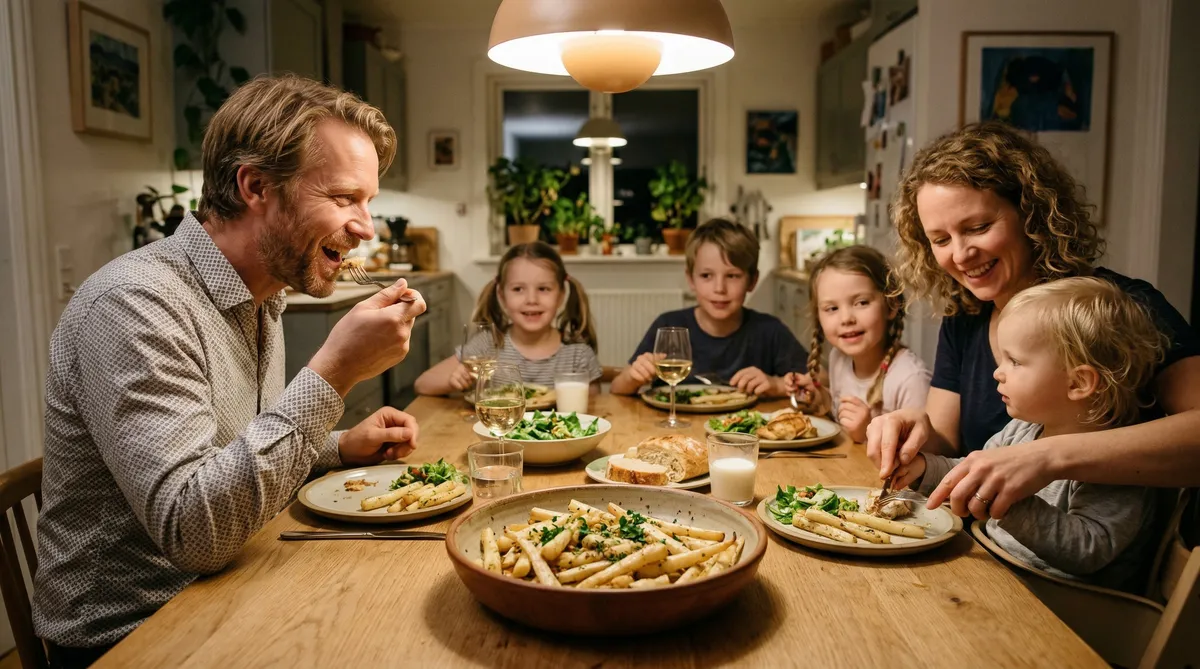 Here is a family enjoying some salsify at the dinner table.
When you grow salsify and grow scorzonera, you’re not just adding two new vegetables to your garden. You’re adding an old-time, practical crop that helped families eat well when times were hard.
And if you want a phrase to remember the whole point, it’s this: Learn to grow salsify and scorzonera in your backyard garden. These plants were grown during the depression to give the taste of oysters when meat was scarce.
Plant them once, learn their rhythm, and you’ll likely keep making room for them—because they’re easy, they’re useful, and they turn a basic meal into something you’ll actually talk about at the table.
Monday, March 23, 2026
Good morning. It is 59° this morning and still dark. I just printed out more than 100 new orders. It will be another busy day.
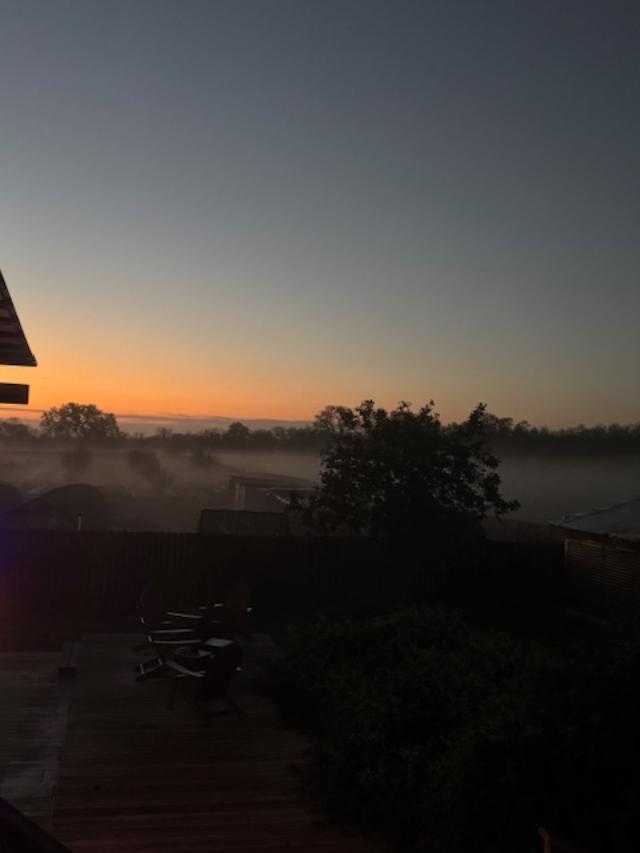 Bands of fog in the orchard and field.
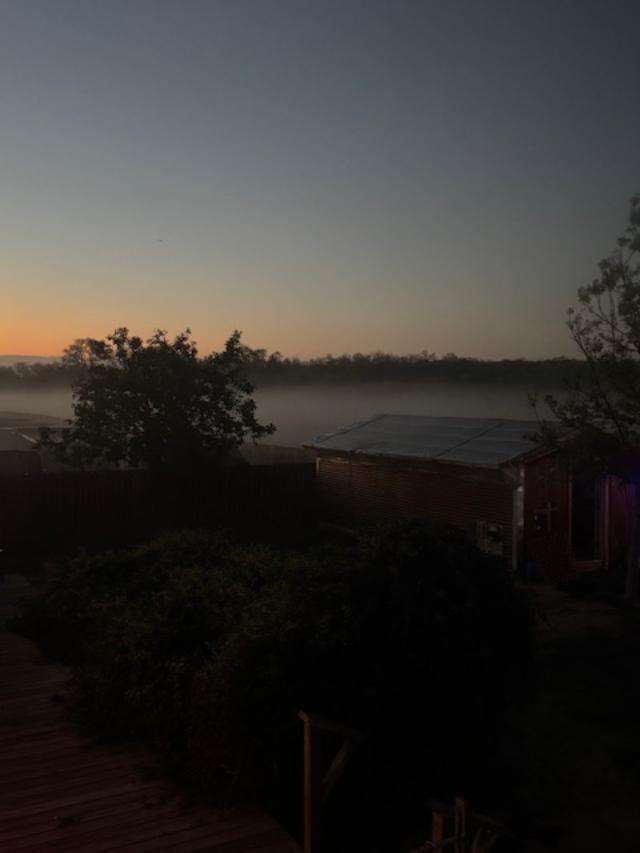
It is partly foggy out this morning as the sun starts to come up.
This morning, we will have some cherry tomato plants that I grew for sale as well as some herbs and flowers including mint, snapdragons, zinnias, and more. I just have to drag all of them out from my greenhouse and get them up front--a lot of work.
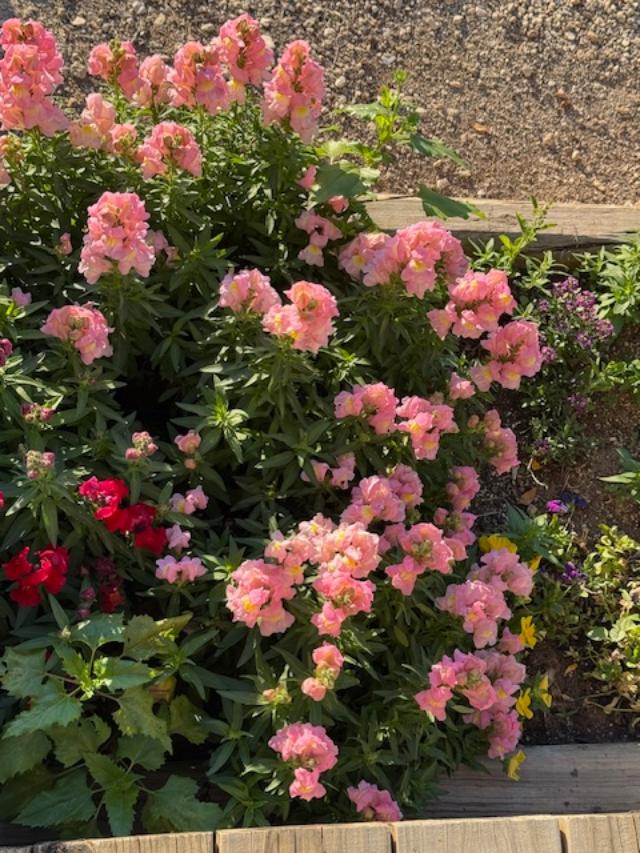 Beautiful snapdragons in my front garden bed...
We moved all of my plants out front and they are for sale. We only had one in person customer all day. Isn't it spring? Last year, we had tons of people during the month of March and this year, hardly anyone at all. We've got plants and seeds.
The day was very busy with lots of orders. At 5:15pm, I went in the house and put a turkey roast and vegetables in the oven and then went back to work.
Around 7:15pm, we came in and ate. Matt and I took care of the animals. He went home and I just paid the utility bills for the business and home. I am beat.
Tuesday, March 24, 2026
Good morning. It is 66° and foggy again, although not quite as foggy as it was yesterday at this time.
David says he and Matt will be planting today. I need to get some planting done as well. Overnight, we got in 183 orders! How? That is incredible!
Well, they did not plant but I did. I started a tray of comfrey and a tray of moringa because they both make good chicken food. Who knew? I watched a video this past weekend and found out.
Then, I grabbed a bunch of my chitted potatoes and planted four large pots of them. I also transplanted some of the zinnias I grew for sale. After that, I had to get to work.
A woman showed up for a job interview that she wanted. We interviewed her and David offered her a job. We thought she would be thrilled and she said she put in an application to another place and she said she hopes they call her today so she doesn't have to start here tomorrow. What? Rude!
At 5pm, David called her to verify that she would be starting in the morning. She said the other place hired her and she did not bother to call David to say she would not be in tomorrow. What is up with people?
It was windy all day long and I watered all of the greenhouse plants in both greenhouses as well as all of the plants brought out of my greenhouse.
Wednesday, March 25, 2026
Good morning. It is 8:40am as I type this. I was up early and drove into Pleasanton to have fasting labwork done. I was starving and was happy to get it over with at 7:10am. Then David hit McDonald's and we got breakfast which I scarfed down in just a few minutes on the way home.
We arrived home and our helper for today was already here wondering what to do. David is having him work inside counting seeds today.
I came to the house and got a sweet potato set up to provide slips on the windowsill in a glass jar of water, something I should have done weeks ago.
Now I am going to plant some more potatoes. I have other things to plant as well but I am running out of time this morning. It is already 70° outside and breezy.
I planted five pots of potatoes and then started weeding a flowerbed. A truck pulled up. It was a customer. I helped him and two more came in the middle of that. We talked about planting for a long time. Then they all checked out. That was it for the day. I did orders the rest of the day.
It was windy again all day long. I sent two large mailbags with the mailman.
Thursday, March 26, 2026
Good morning. At 7am, it is already 71° and cloudy. We did a lot of planting and weeding. David was not feeling well. We had a few customers throughout the day.
Most of the day was filled with orders. Matt and a helper loaded the backseat of the truck with cardboard from delivery boxes. It was packed full.
Friday, March 27, 2026
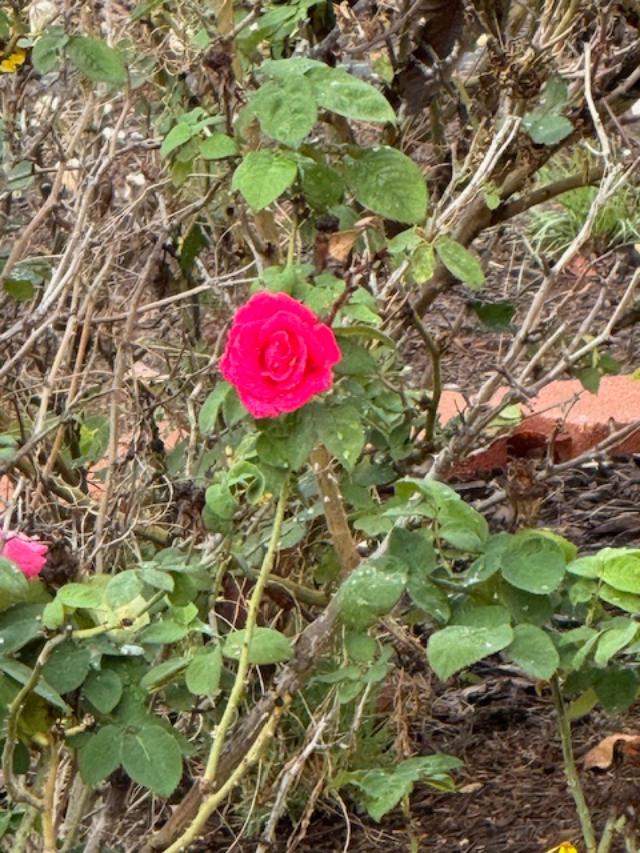 Here is our first rose of spring.
Today, we left the farm at 9am and did not get back until 2pm. David had an appointment with a cardiac electrophysiologist. After that, we took all of that cardboard to the recycling center. We finally got home and I started orders. One set of customers came right before the gate closed.
I did not get a chance to plant anything today. It was not a good day at all.
Saturday, March 28, 2026
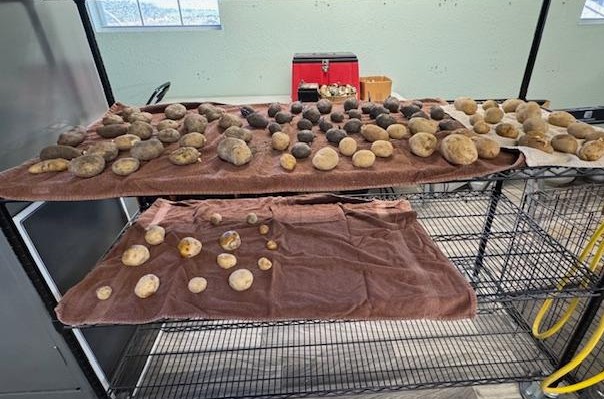 I finally got the rest of my potatoes planted this morning!
Good morning. I woke up at 4:40am and could not get back to sleep so I got up. I made a cup of mushroom coffee and a slice of toast because I was starving.
I finished planting all of the rest of my potatoes and there were a lot! I got started on the orders.
The workday moved along and just before 2pm, I went in the house to clean. Matt left at 1:30pm to deliver six dozen eggs to a friend of ours on his way home. David stayed in the Farm Store working.
My house has not had a good clean in a long time. When you work 10 to 12 hours a day, there just isn't time. I put the dogs out in the backyard and then tackled the den. The dogs bring in a lot of sand. I dusted and then vacuumed the den, the kitchen, and the living room. I vacuumed the master bedroom and I dusted David's office.
I started mopping all of the bare floors and my grocery order arrived. I greeted the driver and brought everything in. I got it all put away and finished the mopping. Then I washed my dusters and put them out to dry.
I was feeling so accomplished and pleased with myself that I had gotten so much done in a few hours. I let Trump in as he was the only dog on the back porch.
I called for Sue Ellen and Pamela but they would not come. I went to the backdoor in the kitchen and called again. Sue Ellen popped up from a freshly dug hole under our wooden fence. The hole led straight into our chicken yard. This has never happened before. She walked up to me like this was a perfectly good thing for her to have done. I put her in the house and with much dread, I went out the gate to find Pamela in the chicken yard.
I opened the gate on the chicken yard but Pamela would not come to me. There were feathers and bodies all over and a whole lot of squawking from in the coop. My poor birds. Pamela moved slightly and one of the birds on the pile got up and ran to the coop. She was faking death. The others were not. Pamela still would not come to me.
I went in the house to find my phone. I finally found it and called David. The dogs listen to him. When he got here, Pamela appeared back in the backyard. She came through the hole.
Matt arrived with dinner from a new Italian place in Devine. He and I went out. I took care of the goats while he took care of the bodies. He is a very good son, much better than I deserve. There were four in all.
While I was in the goat pen feeding my babies, he shouted to me. I looked up and three white hens were making their way down the field to me. They got out and hid while the killers worked. Matt directed them back to the coop.
I finished the goats. Matt went in to collect eggs and I took some feed bags to the dumpster through the backyard. Lo and behold, another white hen escaped into the backyard and a different white hen came down out of the orchard. I coraled them back into the coop. I looked around and called chick chick for them out there and again in the backyard. No one else came forth.
We went in and ate dinner and watched a silly 1956 space movie. Matt went home and we went to bed.
Sunday, March 29, 2026
 Happy Palm Sunday. We will be closed this coming Friday and Saturday for the Easter holiday.
Good morning. Happy Palm Sunday! I fed the cat and the fish. Everyone looked good.
I went out back and stopped by my greenhouse to check on the newly planted comfrey and moringa that I want to grow for my chickens. Nothing coming up yet.
I headed to the gate to feed what was left of my flock of hens and my goats. As I walked by, if you had been standing there at that particular moment, you would have heard a loud scream. That was me. David heard it but he did not even bother to see if I was okay. (I feel so very loved.)
Another chicken--dead, feet up in the air. She must have stayed hidden in the backyard. I guess the dogs got her early this morning.
I moved on and got all of the chickens fed but I kept them inside today. I know they are still traumatized. Matt put a piece of lattice to cover the hole but dogs will be dogs.
I fed the goats. They were starving. We got ready for church and went. David is napping while I have lunch.
This entire week has been stressful and not good at all.
I hope you have at least enjoyed my article on how to grow salsify and scorzonera. Give it a try. I think everyone should grow their favorite items and should also try growing some different things they have not grown before. It keeps life interesting and who knows? Maybe one of the new things will become your new favorite thing to grow.
Return from Grow Salsify And Scorzonera to Year 7 Of Farm Life
Anything To Share On This Topic?
Would you like to share additional information about this topic with all of us?
Since 2009, over 2,000,000 home gardeners, all across the USA, have relied on David's Garden Seeds® to grow beautiful, productive gardens. Trust is at the heart of it. Our customers know David's Garden Seeds® stocks only the highest quality seeds available. Our mission is to become your lifetime supplier of quality seeds. It isn't just to serve you once; we want to earn your trust as the primary supplier of all of your garden seeds.
Watch Our 2022 TV Commercial!
Sing Along To Our Jingle
♪♫♪♪ ♫ ♪ ♫♪♫♫
♪♫♪♪♫♫
Peppers and peas
And lots of yummy greens
You can't go wrong
With Squash This Long
At David's Garden Seeds
♪ ♫ ♪ ♫
Our New 2024 TV Ad
Please like and subscribe on YouTube and come visit us at our Farm Store! The music on our TV ad was written, played, and sung by our son, Matthew Schulze. You can meet him when you come to the farm. He just might give you a tour. Ask him to grab a guitar and sing our jingle that he wrote.
Our 2022 TV Ad

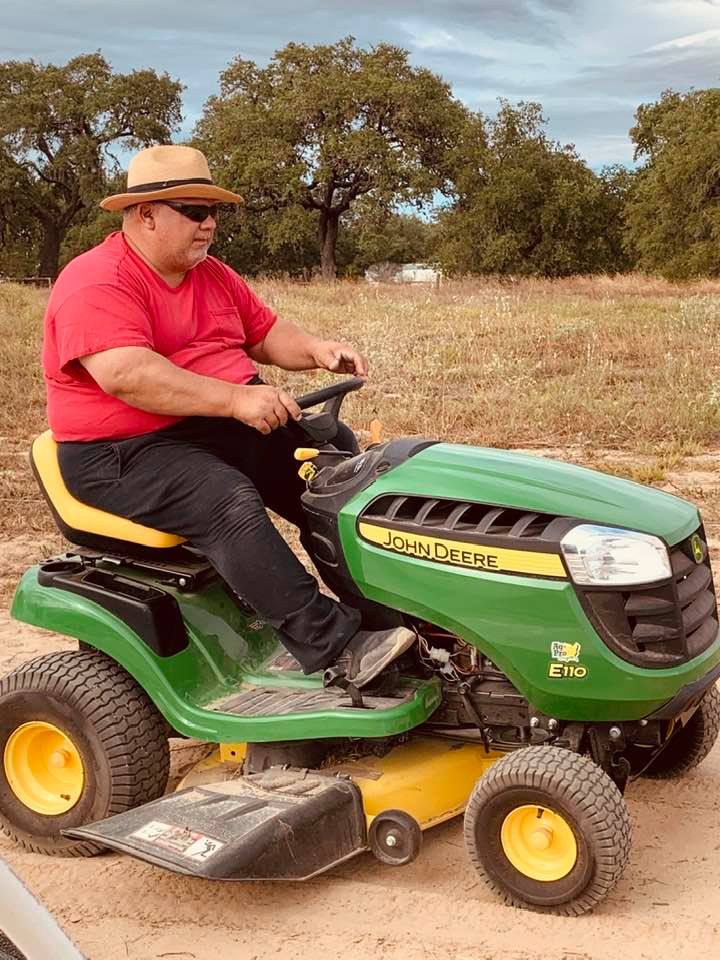 David of David's Garden Seeds® zipping along on his little tractor across the farm. He is having a blast!
We are David's Garden Seeds®. If you need great seeds, we've got over 1,400 varieties to choose from.
Subscribe To Mrs. David's Garden Seeds® Newsletter For FREE!

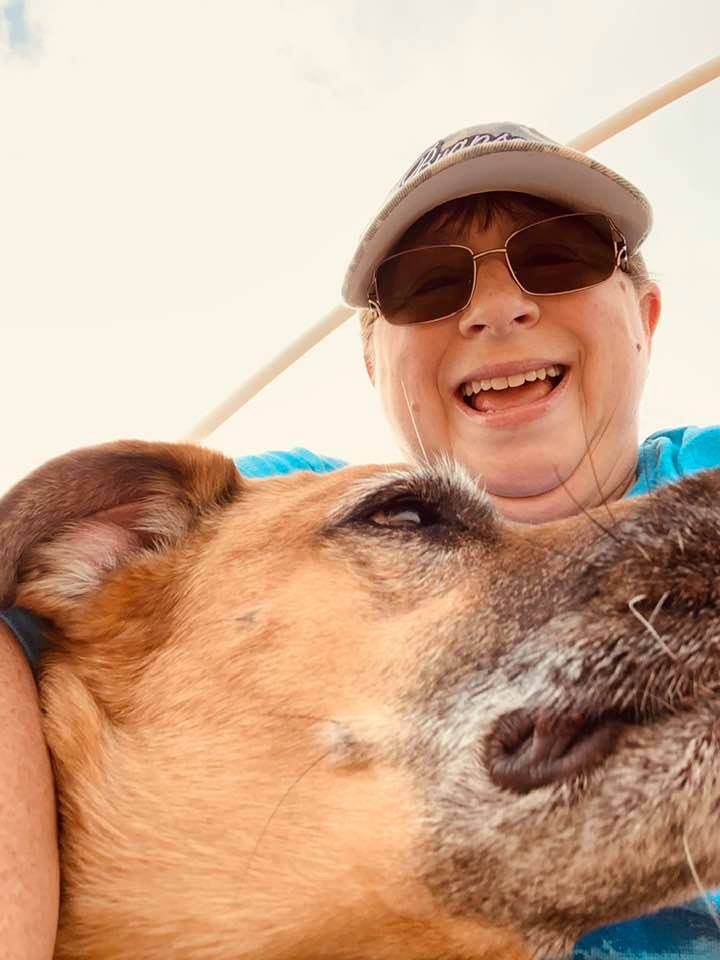
Find out what is going on down on the farm by reading our blog and by subscribing to our free newsletter for all of the information going down at David's Garden Seeds® and on the farm. I love to share helpful information with you. Please let your friends know and y'all come on down for a visit when you get the chance. We would love to meet you!
New Store Hours!
 Farm Store Hours: Th-Fri 10am-5pm, Sat 10am-2pm. Closed Sun-Wed.
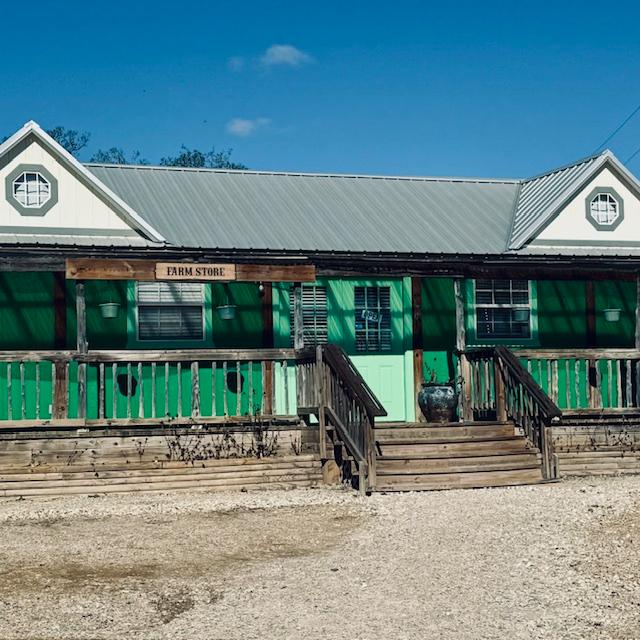 Our Farm Store
Shop for:
- Seeds
- Farm Fresh Eggs
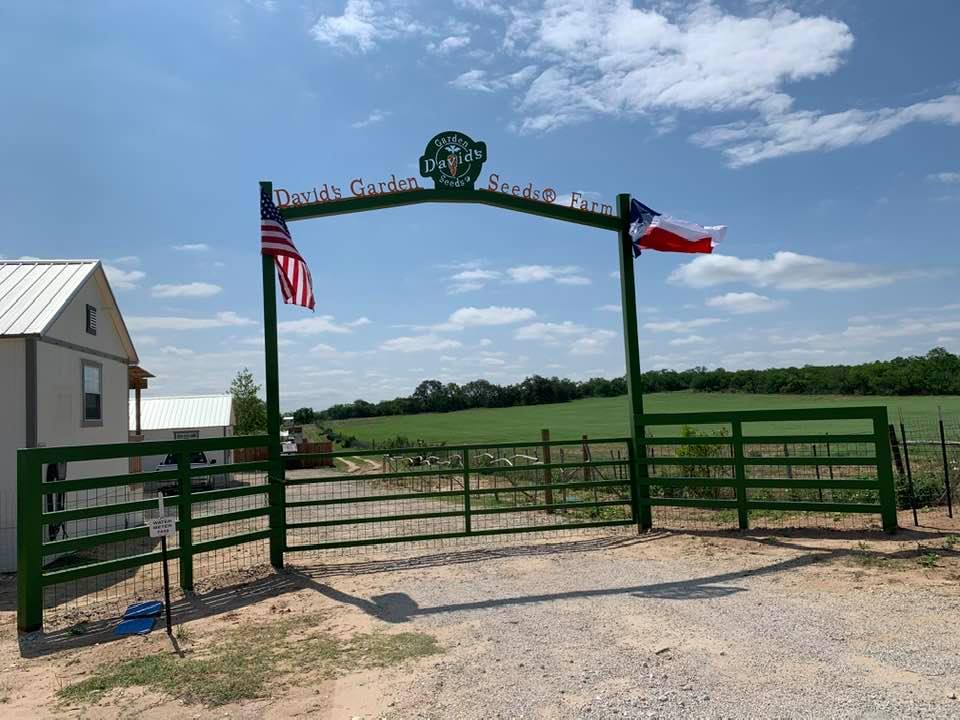
Our Farm is located at 5029 FM 2504 in Poteet, TX.
 Only happy seeds make the cut to go into our seed packs!
David's Garden Seeds® has
seeds for the backyard gardener and farm fresh chicken eggs.
 David & Juanita work hard to pack your garden seed orders.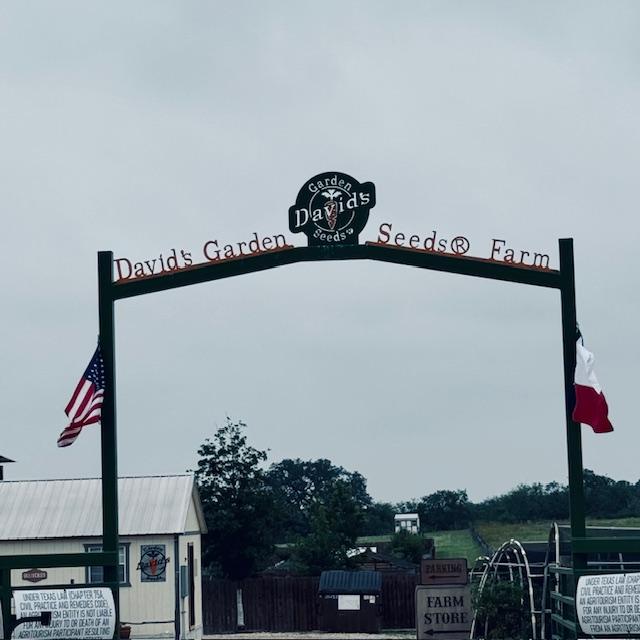



Sign Up For Our Newsletter Here!
   DGS YouTube Mrs
|
   |
Garden Ebooks
by Mrs. David's Garden Seeds
 I've been busy creating eBooks to help you with your garden...
IMPORTANT NOTE: THE EBOOKS ARE DIGITAL DOWNLOADS (EBOOKS), NOT PHYSICAL BOOKS.


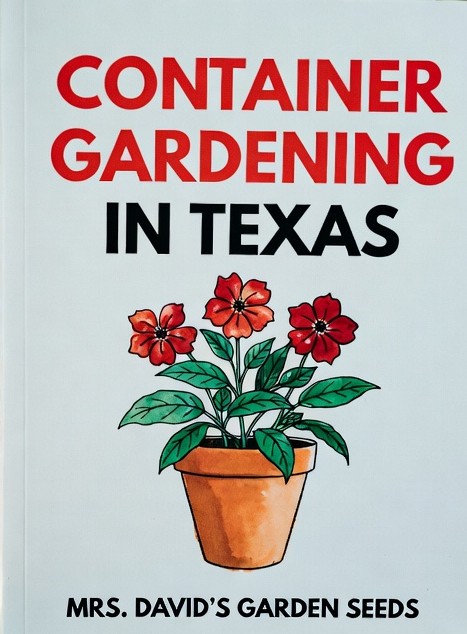
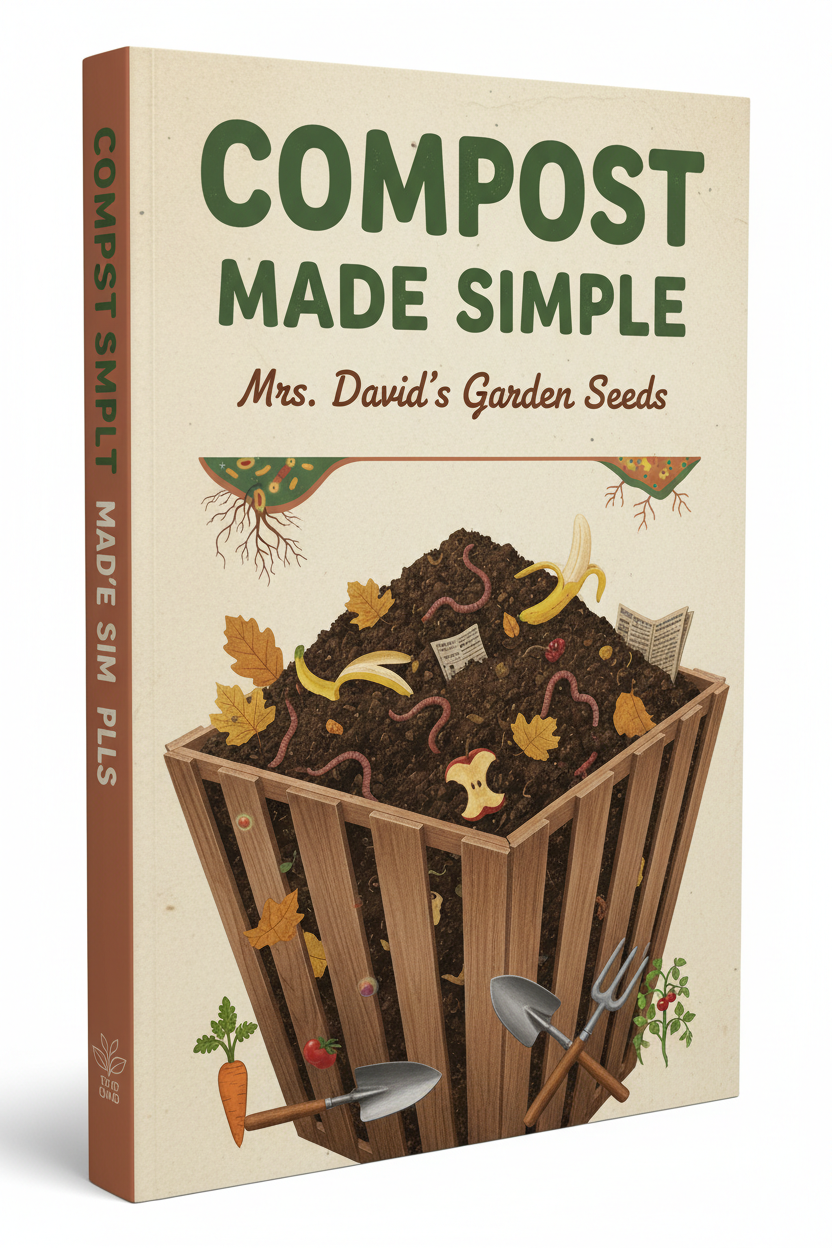

WE DO NOT REFUND OUR DIGITAL DOWNLOADS FOR OBVIOUS REASONS.
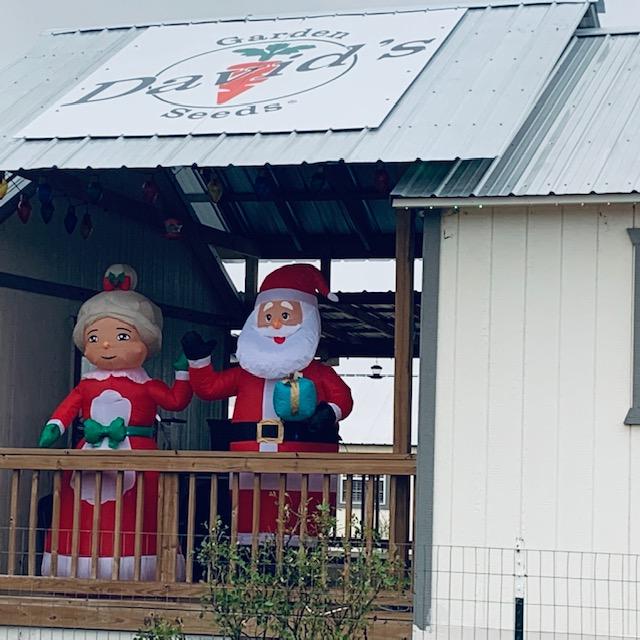
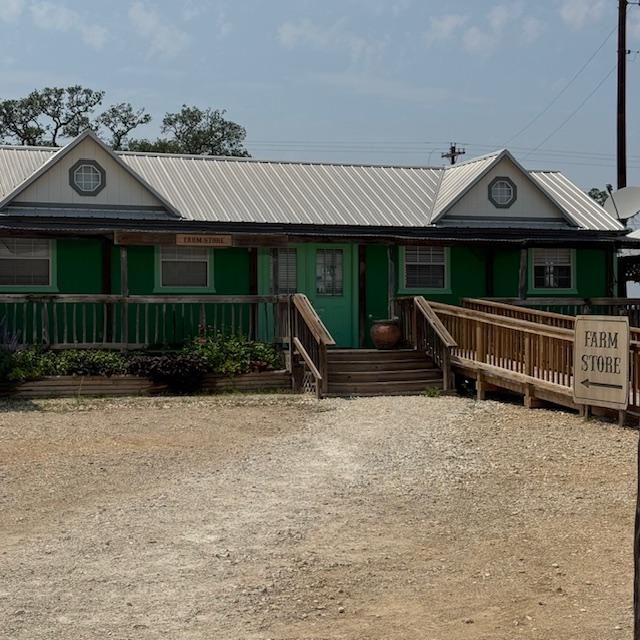 Our Farm Store is the green building
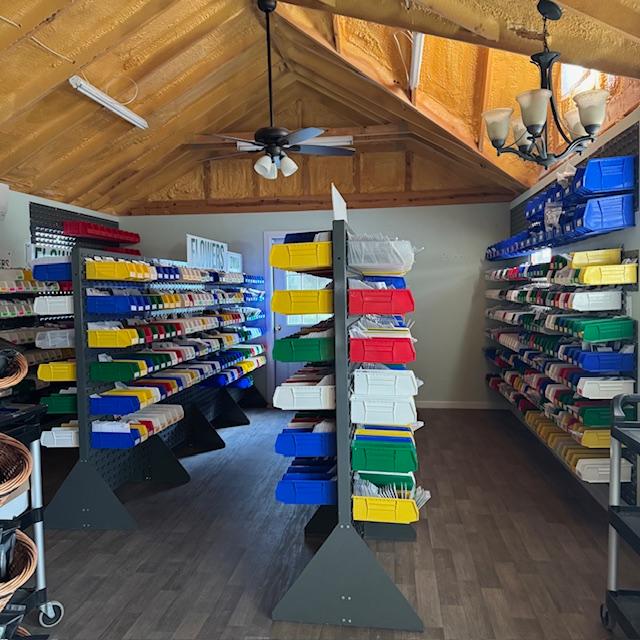 Inside our Farm Store...1400 varieties of seeds await you!
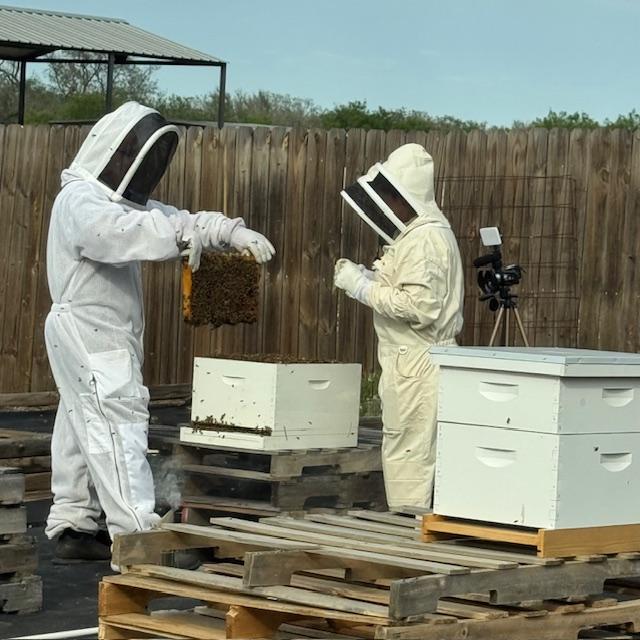 Our bee hives
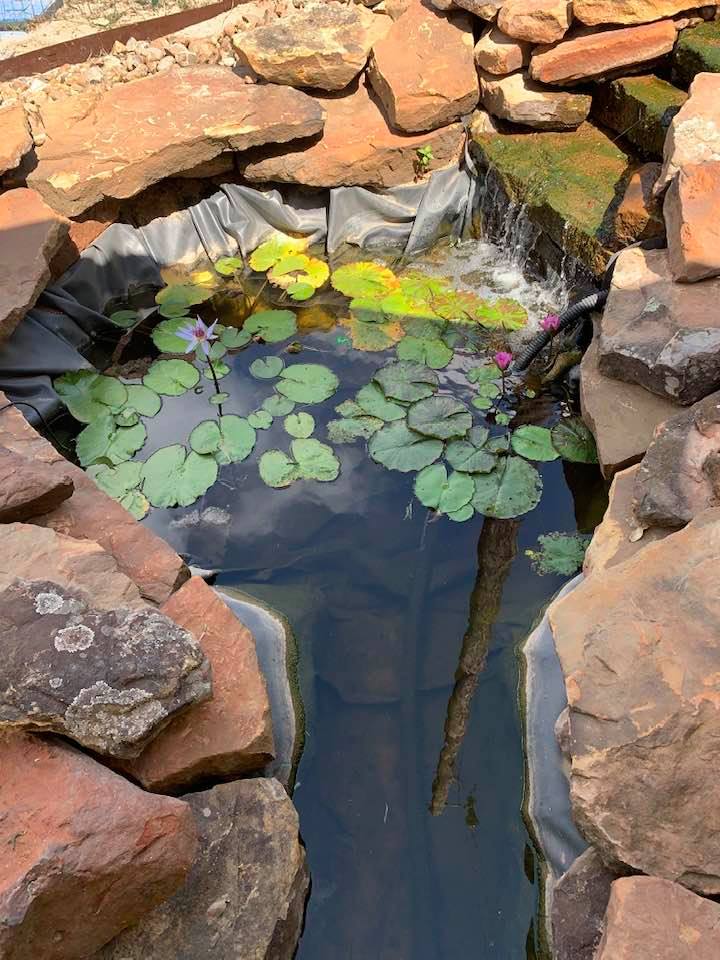
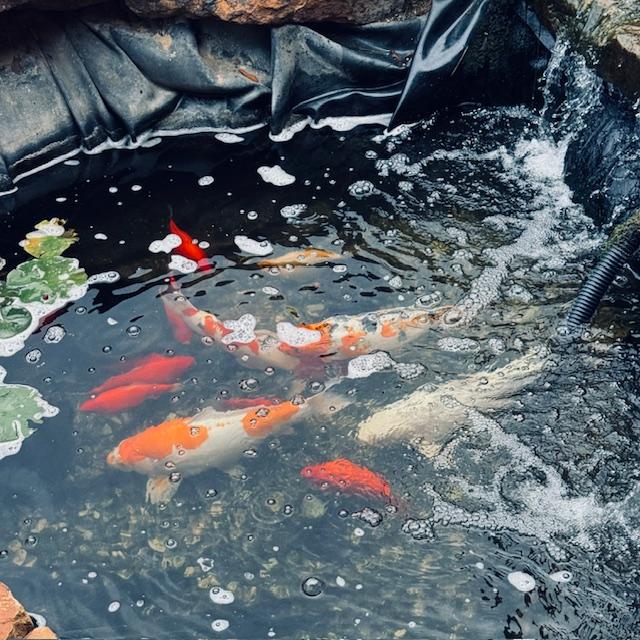 Our fish pond
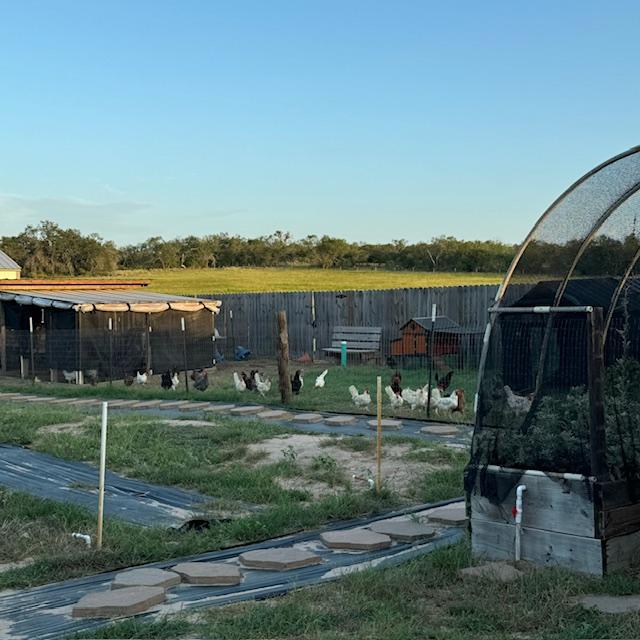 Our chickens
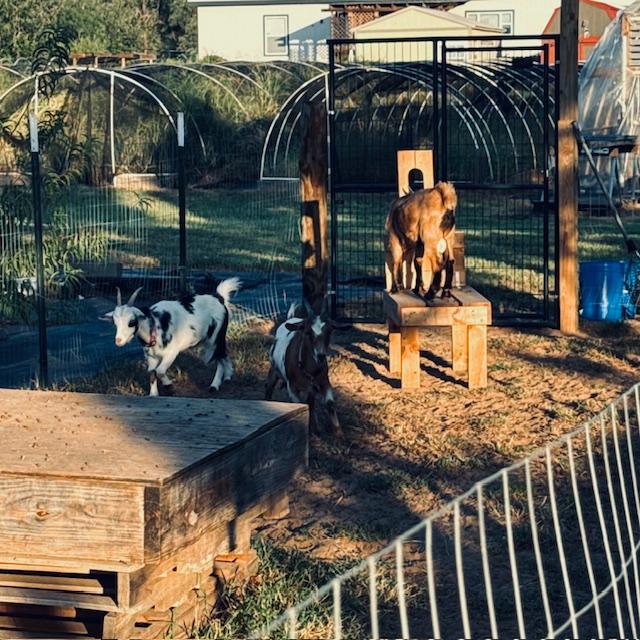 Our Nigerian Dwarf goats
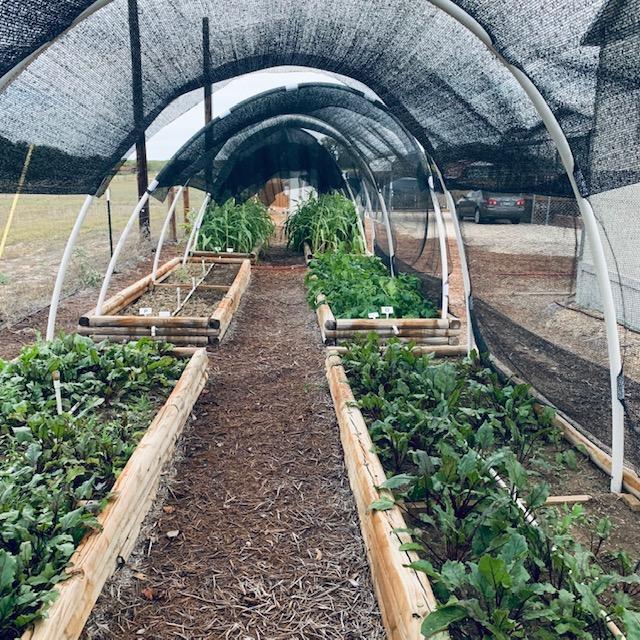
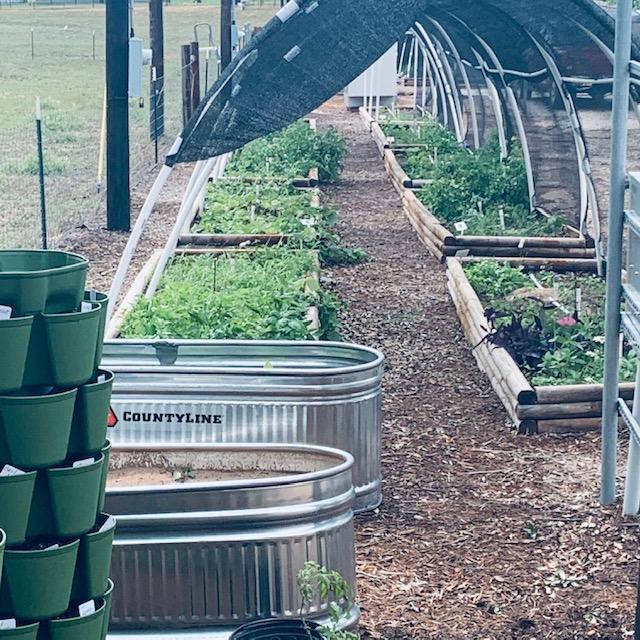 A few of our raised garden beds
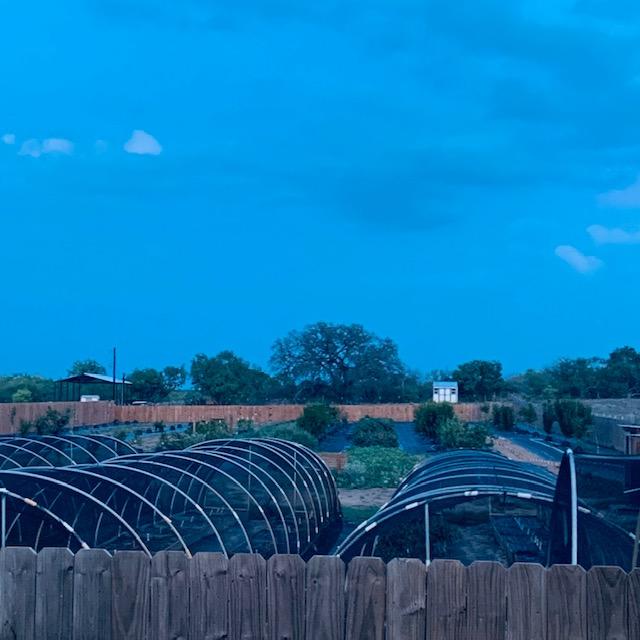 Our orchard and hoop houses
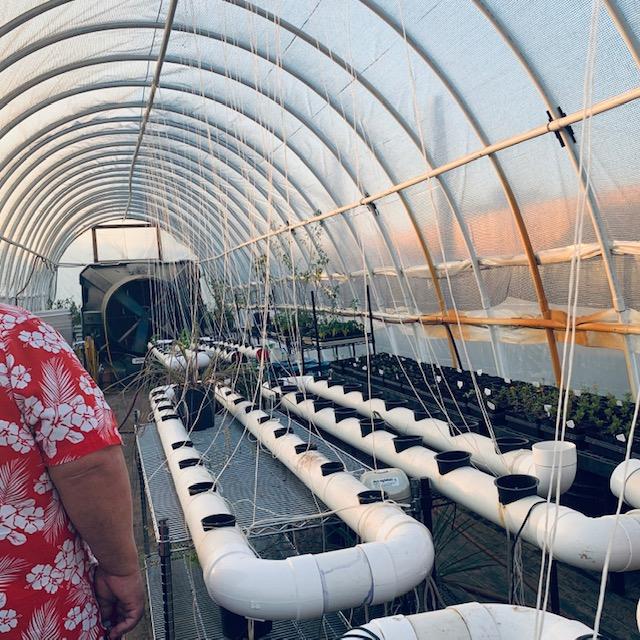 Inside our high tunnel
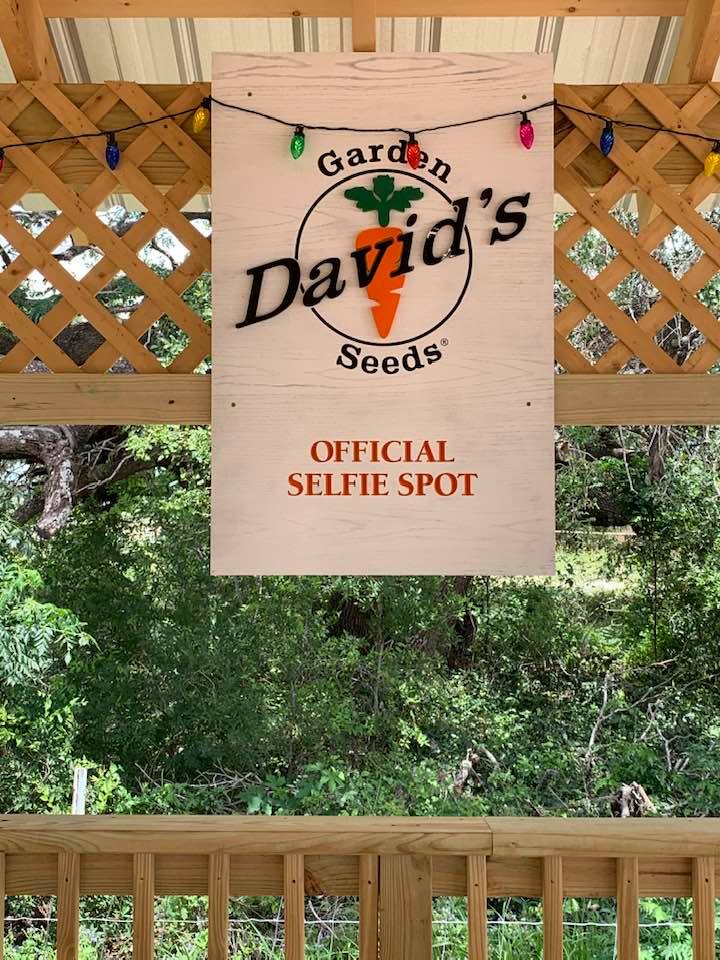 Take a selfie at our official selfie spot!
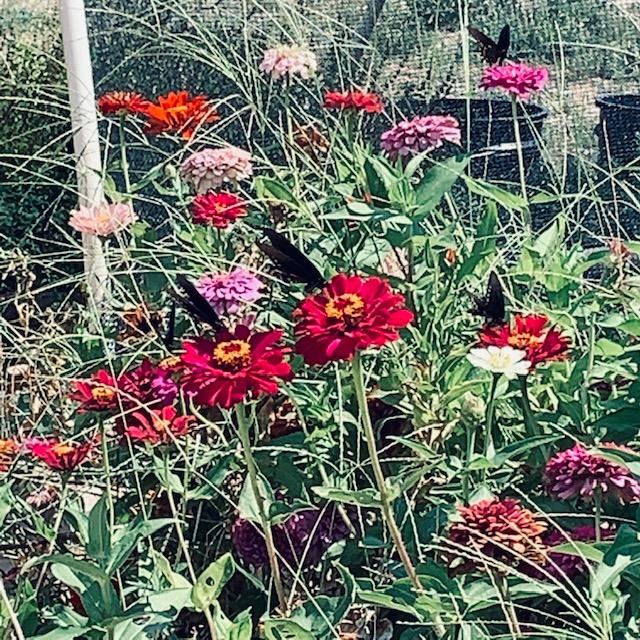 Flowers, bees, and butterflies are everywhere!
Watch Our TV Ads!
David's Garden Seeds® has the best Non-GMO seeds in the state of Texas!


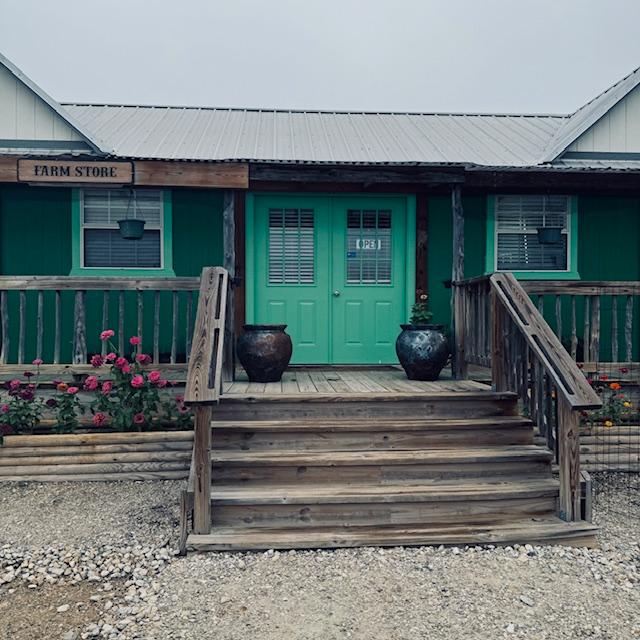 This is our beautiful Farm Store. Come in and shop for seeds. We have over 1600 Non-GMO heirloom varieties to choose from but we are in the process of bringing that number down to half.
Our Story
Hi Everyone! Thank you for visiting my website! I am Mrs Davids
Garden Seeds® aka Mrs. David's Garden Seeds and I think you should know that there is a wonderful seed
company in the great state of Texas called David's Garden Seeds®. We grow some of our seed, we count, hand pack, print our own envelopes, and ship seeds out to you right here from our farm. This used to be an old peanut farm. When the owner died about 15 years ago, his sons split the farm up and sold it in pieces. In 2024, we bought another adjoining four acres.
Our business started in our home in San Antonio in September of 2009. David decided to sell some seeds he had left over from his garden on Amazon. I told David, "Don't bother, it won't work!". I am so glad that David did not listen to me because it did work! By 2015, we had 8 employees working in my home every day and David found a storefront in San Antonio and moved the business there. In 2016, I quit my day job and went on the payroll. The company grew some more and David moved to a bigger storefront in 2017. In 2019, we found a beautiful piece of land over in Atascosa County and turned it into a farm out near Poteet. David and I moved out here to live in August of 2019.
In 2020, we moved our company out to the farm. We have a beautiful Farm Store filled with seeds, a gazebo with a pond full of koi and gold fish for you to visit. Come by and visit us at 5029 FM 2504 in Rossville, just outside of Poteet, Texas, Monday through Friday from 9am to 5pm and Saturday from 10am to 2pm. Or you can order seeds online from our user-friendly website, www.davidsgardenseeds.com.


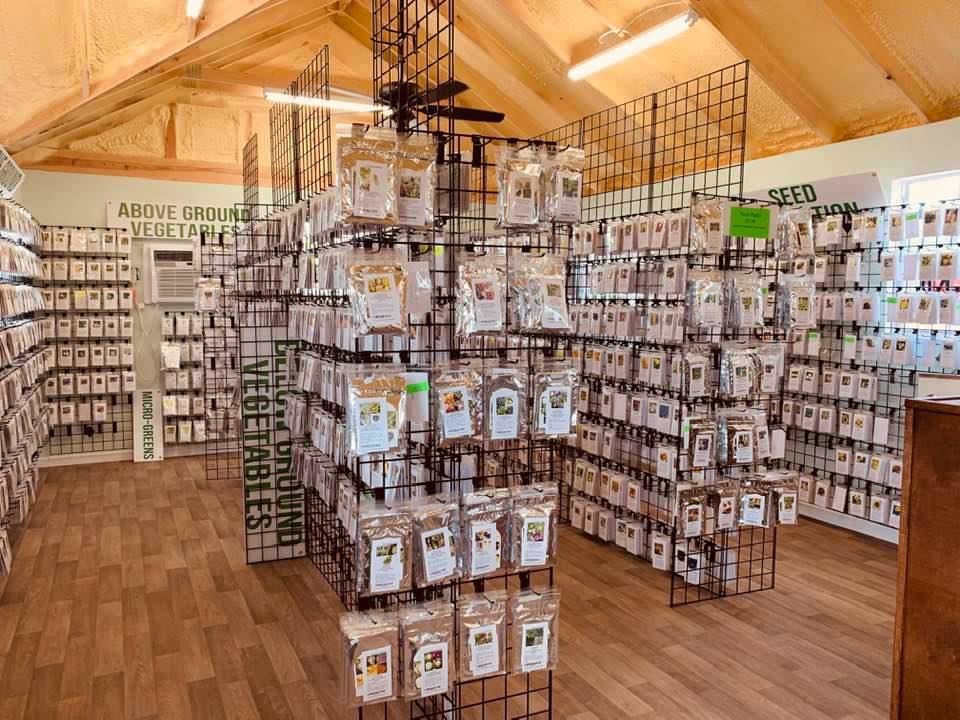 Our beautiful new farm store has almost 2,000 varieties of seeds and more. Mrs Davids Garden Seeds® looks forward to meeting you when you visit.
Mrs. David's Garden Seeds® Copyright by Juanita Lynn Schulze of David's Garden Seeds® 2019-2026
David's Garden Seeds® is Registered in the United States Patent and Trademark Office.