Grow Soybeans
This week, we will take a look at how to grow soybeans in the garden. When I was young, back in the 1960s, I remember my grandfather, Floyd Pitcher, an avid gardener, saying there is a lot of money to be made in growing soybeans.
I did not understand at the time, but now AI tells me there is explosive global demand for animal feed, widespread use in biofuel/industrial products, and their role as a primary, easily cultivated cash crop for rotation with corn which is also used in biofuel/industrial products.
Of course, we are just talking about growing soybeans in your backyard garden, not growing them for fuel and industry.
You can find our soybean seeds here.
Grow Soybeans - 3/16-3/22/2026
 Here are some newly picked soybeans from the garden.
You’ve got options when it comes to beans, right? Green beans, pole
beans, lima beans, dry beans—your garden could be a bean buffet. So why
even bother to grow soybeans in your garden?
Because soybeans
pull double duty. You can eat them yourself, and you can also feed them
to animals (the right way, which we’ll get to). They’re also a fun
“different” crop that still grows like a regular garden bean.
Another reason is nutrition. Soybeans are protein, and they’re one of the best plant-based protein options you can grow at home.
I
still remember the first time I grew soybeans. I planted them like any
other bean, didn’t expect much, and then suddenly I had these fuzzy pods
hanging everywhere. I popped a few green pods open, cooked them, and
thought, “Why didn’t I do this sooner?”
This guide is a 7-part walkthrough that takes you from “should I try
this?” to planting, care, harvest, storage, and using soybeans in real
life. You’ll finish knowing exactly what to do.
One more perk:
soybeans are another bean to be enjoyed on your table after growing. If
you like trying new foods from your own yard, soybeans fit right in.
Grow Soybeans 101
Soybeans are warm-season legumes grown for their seeds. Depending on
when you harvest, you can eat them fresh (as edamame) or dry them down
for storage.
You can grow soybeans in your garden even if you
don’t have a big farm-style setup. A small bed can give you a surprising
amount of food, especially if you’re harvesting green pods for snacks
and meals.
Soybeans also work nicely in a garden plan because
they’re legumes. Like other beans, they partner with soil bacteria to
help with nitrogen, which can support the next crops you rotate in.
You’ll usually see a few common “end goals” for home gardeners:
- Fresh eating (edamame-style green beans, but it’s soybean pods)
- Dry beans for cooking
- Animal feed (after proper processing and with sensible amounts)
If
you’re deciding between soybeans and another bean, think about your
kitchen and your pantry. If you want a protein-focused bean you can
store, soybeans make a lot of sense.
And if you’re raising chickens or other animals, soybeans can be part of
your feed plan—but not as a “dump a bucket in the pen” kind of thing.
You’ll want to do it safely and smartly.
Grow Soybeans - Plan It Out

Start by choosing what type you want: soybeans bred for green eating
(edamame types) or soybeans meant for drying. Either can work, but the
“best” choice depends on how you plan on using soybeans.
Read the
seed packet and look for the “days to maturity.” In cooler areas with
shorter summers, earlier types are easier. In warmer areas, you’ll have
more flexibility.
Plan to plant soybeans where they’ll get full
sun. If your garden has one spot that really bakes in summer, that’s
often a good soybean zone.
Give them room, but don’t overthink
it. Soybeans don’t need a giant trellis like pole beans. Most
home-garden soybeans grow as compact, bushy plants.
A simple
layout that works for many gardeners is a small block planting instead
of one long skinny row. Blocks can make weeding easier and can help you
get more harvest from a tight space.
When I first grew them, I tucked soybeans into a spot I thought was “too hot” for other veggies. They loved it. That little success made me braver about using odd corners of the yard for heat-loving crops.
Grow Soybeans - How To Plant
Soybeans like warm soil. Don’t rush them out in cold spring weather. If
you plant too early, seeds can sit and struggle instead of popping up
fast.
Aim to plant after your frost risk is past and when the
soil is warming. If you can comfortably garden in a T-shirt during the
day, you’re usually close.
Planting steps you can follow:
- Clear the bed of weeds and old roots
- Loosen the soil a bit so roots can grow easily
- Water the bed lightly if the soil is bone dry
- Plant seeds at the depth listed on the packet
Space
seeds so plants won’t crowd each other too much. Crowding can cut
airflow and make weeding harder. If you’re not sure, follow the seed
packet spacing and you’ll be fine.
After planting, keep the soil
slightly moist until you see sprouts. Once they’re up and growing, you
can back off and water more deeply, less often.
If birds dig in your beds, protect the row with light cover until the seedlings are established. I’ve had birds “help” by pulling up seedlings like they were tiny worms—so now I cover new plantings if I see trouble.
Grow Soybeans - Care For Soybean Plants

Once soybeans are growing, your job is simple: sun, steady water, and fewer weeds. That’s the big three.
Watering
basics: soybeans don’t want swampy soil, but they also don’t like to
dry out completely during flowering and pod fill. When the plants start
flowering, that’s your cue to stay consistent.
Try this simple
watering rhythm: water deeply, then let the top layer dry a bit before
watering again. The goal is even moisture, not daily sprinkling.
Weed
early. Young soybean plants don’t love competition. If weeds take over
in the first few weeks, your harvest can shrink fast.
Mulch helps a lot once the plants are a few inches tall. It cuts down weeds and helps keep soil moisture steady.
Fertilizer
is usually not the main need if your soil is decent. Too much nitrogen
fertilizer can push leafy growth instead of pods. If you improve soil
with compost, you’re often in a good place.
Watch for common
garden issues like chewed leaves or stressed plants. A healthy plant in
full sun usually bounces back well from minor damage.
If you’re growing soybeans for dry harvest, try to keep plants upright and not flopped over. Gentle support or smart spacing can help, especially if storms roll through.
Grow Soybeans - Harvesting

You’ve got two main harvest windows, and they feel totally different.
First is green harvest (edamame-style). Second is dry harvest for
storage.
For green harvest, pick pods when they look plump and
full, but still bright green. Inside, the beans should be fat and
tender—not tiny.
A quick kitchen check helps: pick a pod, pop it
open, and look at the beans. If they look like they’re “ready to eat,”
you’re on time.
For dry harvest, you’re waiting longer. Pods will
turn tan or brown and dry down. Leaves usually yellow and drop as the
plant finishes.
Harvest dry soybeans when most pods are dry and
rattly. If you wait too long in wet weather, pods can mold or seeds can
suffer, so timing matters.
I’ve made the mistake of leaving dry
pods out during a rainy stretch. I thought I was being “patient,” but I
was really just inviting trouble. Now I harvest a bit earlier and finish
drying under cover if needed.
When you harvest for dry beans, you can pull whole plants and hang them in a dry, airy spot. That makes it easier to finish drying evenly.
Grow Soybeans - Storage
Storage starts with proper drying. For dry soybeans, you want the seeds to be hard and not dent with a fingernail.
After
drying, thresh the beans (get them out of the pods). You can do this by
hand for small batches or by stomping gently on pods inside a clean
bag, then separating beans from the chaff.
Before you store, sort them:
- Remove cracked seeds
- Toss anything discolored or moldy
- Remove bits of pod and plant debris
Store dry soybeans in airtight containers in a cool, dry, dark place. The big enemies are moisture, heat, and pantry pests.
If
you’ve ever had weevils in stored beans, you know it’s gross and
frustrating. One simple approach is to freeze dry beans briefly before
long-term pantry storage (once they’re fully dry), then let the
container come back to room temp before sealing again to avoid
condensation.
For green soybeans (edamame-style), storage is short-term unless you
freeze. You can keep fresh pods refrigerated for a short window, but
quality drops, so plan to eat or process them soon.
Freezing
green soybeans works well: blanch briefly, cool fast, then freeze. This
keeps color and texture much better than freezing raw.
Grow Soybeans - Using Soybeans

Let’s talk kitchen first. Green soybeans are simple: cook the pods in salted water, then pop the beans out with your teeth or fingers (you don’t eat the pod).
Dry soybeans take longer to cook than many common beans. Plan ahead: soaking and longer simmering makes them tender and easier to use in recipes.
Here are easy, beginner-friendly ideas for using soybeans at home:
- Add cooked soybeans to soups and chili
- Toss them into grain bowls and salads for extra bite
- Mash cooked soybeans into spreads or dips
- Roast cooked, dried beans for a crunchy snack (watch closely so they don’t burn)
If your big goal is protein, soybeans deliver. Soybeans are protein, so a home harvest can support filling meals that don’t rely only on meat.
Now the animal side: yes, you can grow soybeans in your garden with the goal of supplementing feed. But don’t assume raw soybeans are automatically ideal for every animal in any amount.
A safe rule of thumb is this: research your specific animal first and use soybeans as a portion of a balanced diet, not the whole plan. Different animals handle legumes differently, and preparation can matter.
For many homesteaders, the most practical “garden-to-animal” approach is using soybeans as one ingredient among many—alongside grains, greens, and commercial feed—rather than trying to replace everything.
Grow Soybeans - Wrap It Up
If you want to keep it simple, start small. Grow a modest patch, track
what you harvest, and test how it fits into your household meals first.
Then decide if expanding for feed makes sense.
The most
satisfying part is how direct it feels: you plant a seed, you care for
it through summer, and you end up with a real pantry food. When you grow
soybeans in your garden, you’re not just gardening—you’re building a
food habit.
Keep notes your first season: planting date, how long
to sprout, when flowers showed up, and when pods filled. Next year
you’ll dial it in fast, and “grow soybeans in your garden” will feel as
normal as planting tomatoes.
Monday, March 16, 2026
Good morning. It is windy and 44°. The air smells so fresh and clean and feels so cool, with little humidity. I got up and made some coffee and toast with almond butter and honey.
I printed out all of the orders that came in from Saturday afternoon through this morning in my home office. I have a large stack to go with what I printed out on Saturday morning.
It is now light outside and the sun is up instead of a wall of dark clouds like yesterday.
It was another long day of filling orders. We had some very nice customers come into the store. I spent a long time helping them and they profusely thanked me for helping them as they left. Most of our customers do that.
After work, I had to put a roast and vegetables into the Instant Pot. Then I ran out to put the chickens away, collect eggs, and feed the goats and get them away for the night. The cold was blowing in. Matt had to leave early to take care of some tax business with the accountant. By the time I got back inside, the roast was almost ready. It was delicious, by the way.
Tuesday, March 17, 2026

Good morning. Happy St. Patrick's Day! It is 31° Fahrenheit so I guess a lot of stuff is not going to make it now. I have been awake since 3:30am. I was awakened with neuropathy in my left foot. My nose was clogged and I could not go back to sleep so I finally got up.
Now two hours later, it is still 31° out.

As noted above, we carry seeds for some unusual flowers and we even have a green zinnia called Envy.

Put your order in for some green flower seeds or come by our Farm Store and get some.
There was no time here for St. Patrick's Day celebrations--just orders all day long until 8pm.
Wednesday, March 18, 2026
Today was not a good day. We found out that the pond filter plug is bad so it will need to be replaced. This is why our new filter won't work. It is supposed to get fixed tomorrow.
We had to go into San Antonio for a doctor's appointment.
I worked on orders until 7:30pm but barely put a dent in them.
Thursday, March 19, 2026
 David talked to a man across the street mulching tree branches. Later, he brought 2 piles of mulch over to us.
Well, here we are at Thursday already. It is 44° and quite chilly out. Today, someone is supposed to come and weed and do other chores. I hate the days when people I don't know are on the property.
The guy weeded well but would not ask David when he had a question after I told him. He went to Matthew instead. I did not like that. I expect people to listen when I am paying them.
We got a few piles of free mulch from a truck chopping limbs out on the road and then mulching them.
 Here are the 2 piles of mulch.
Friday, March 20, 2026
 These pretty pink and blue bluebonnets are growing in our church yard. Aren't they pretty?
Good morning. Happy First Day of Spring! It was a very busy day and I worked until 7:30pm again. I came home to a nice surprise--dinner made by David. Some kind of steak which was cooked correctly along with cauliflower mash and delicious bacon-wrapped jalapeno poppers. I was exhausted and my feet and legs hurt from standing on them for hours pulling orders.
Saturday, March 21, 2026
 Alice is getting into her comfy chair (the hay bin) while Markie, Lucy, and Ethel look across the yard.
Good morning. I am still not used to the time change. I am waking up too late and wanting to stay up too late.
Today, I am supposed to learn how to use a new printer in the store to make envelopes so I can get seeds packed when Matt is not available to make them. That will be good.
Well, the printer would not work so I did not learn how to make envelopes today. We had three sets of customers in the morning. Then we left to have a birthday lunch with some friends for David. We thought we would go early and stop by the accountant's office. Ha! We were almost an hour late to the lunch because someone got the time wrong.
We finally arrived at Triple C. Two sets of friends were dining on fried mushrooms, David's favorite appetizer, that they had ordered, thinking we would be there.
Anyway, they were gracious and we had a really good time as we always do when we are with them. It was fun. We left at 2pm. Matt held the fort down until 2pm and then he left. We got back and some seeds we needed for orders had come in the mail. I got to work and counted and packed them for the orders.
Matt went shopping for a tomahawk steak for David for tonight. Matt and I are splitting the cost. They are not cheap but it is what David wanted. I am baking potatoes plus making sauteed yellow squash with olive oil and steamed broccoli. There is also some of that delicious cauliflower mash from last night as well as some jalapeno poppers. I think we will eat well tonight.
It is 6:30pm and 96°. I still have to go out and put the animals away for the night. I just don't want to go out in that awful heat.
 Matt seasoned the tomahawk while the grill heated up.
Matt came over with a tomahawk steak and cooked it on the grill for David.
 I stepped out onto the deck and the tomahawk was on fire! I stepped out onto the deck and the tomahawk was on fire! |
 Here is the finished product--so tender and tasty. Here is the finished product--so tender and tasty. |
We ate a delicious dinner and watched two weird movies from the 1960s. I really could not understand the plots at all--they were just two scripts to show off Raquel Welch and Ann Margret. I cannot believe the writers or the stars got paid for such stupidity.
Sunday, March 22, 2026
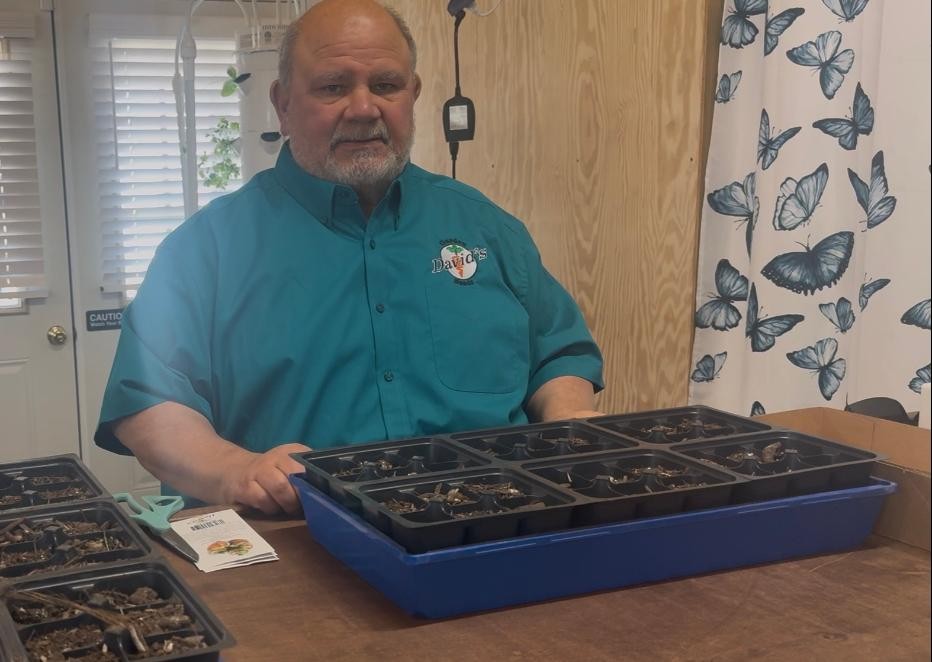 Happy birthday, David, my husband and founder and CEO of David's Garden Seeds®.
Good morning. It is 52° and I woke up chilly. It is David's birthday today. When I first woke up at 5:30am, he was already up in the den working on his computer. I wished him a happy birthday and asked why he got up so early on his birthday. He said he couldn't sleep. I know the feeling...
I tried to go back to sleep but Trump kept scratching on the bedroom door. I finally got up, fed the dogs, and got a cup of coffee that David made.
We went to church and then out to eat lunch, taking another friend who just had a birthday. David also took an additional family and Matt joined us. We went to Charlie's Daughter.
We had more of the tomahawk steak for dinner tonight. It got up to 95° today. Summer is here. Time to plant.
Return from Grow Soybeans to Year 7 Of Farm Life
Anything To Share On This Topic?
Would you like to share additional information about this topic with all of us?
Since 2009, over 2,000,000 home gardeners, all across the USA, have relied on David's Garden Seeds® to grow beautiful, productive gardens. Trust is at the heart of it. Our customers know David's Garden Seeds® stocks only the highest quality seeds available. Our mission is to become your lifetime supplier of quality seeds. It isn't just to serve you once; we want to earn your trust as the primary supplier of all of your garden seeds.
Watch Our 2022 TV Commercial!
Sing Along To Our Jingle
♪♫♪♪ ♫ ♪ ♫♪♫♫
♪♫♪♪♫♫
Peppers and peas
And lots of yummy greens
You can't go wrong
With Squash This Long
At David's Garden Seeds
♪ ♫ ♪ ♫
Our New 2024 TV Ad
Please like and subscribe on YouTube and come visit us at our Farm Store! The music on our TV ad was written, played, and sung by our son, Matthew Schulze. You can meet him when you come to the farm. He just might give you a tour. Ask him to grab a guitar and sing our jingle that he wrote.
Our 2022 TV Ad

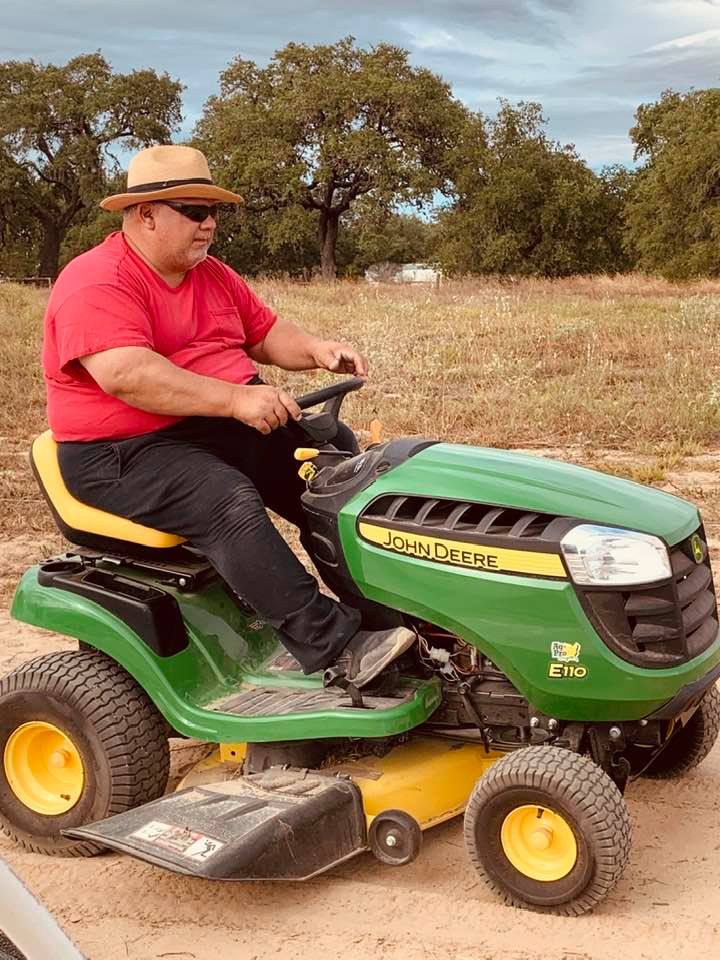 David of David's Garden Seeds® zipping along on his little tractor across the farm. He is having a blast!
We are David's Garden Seeds®. If you need great seeds, we've got over 1,400 varieties to choose from.
Subscribe To Mrs. David's Garden Seeds® Newsletter For FREE!

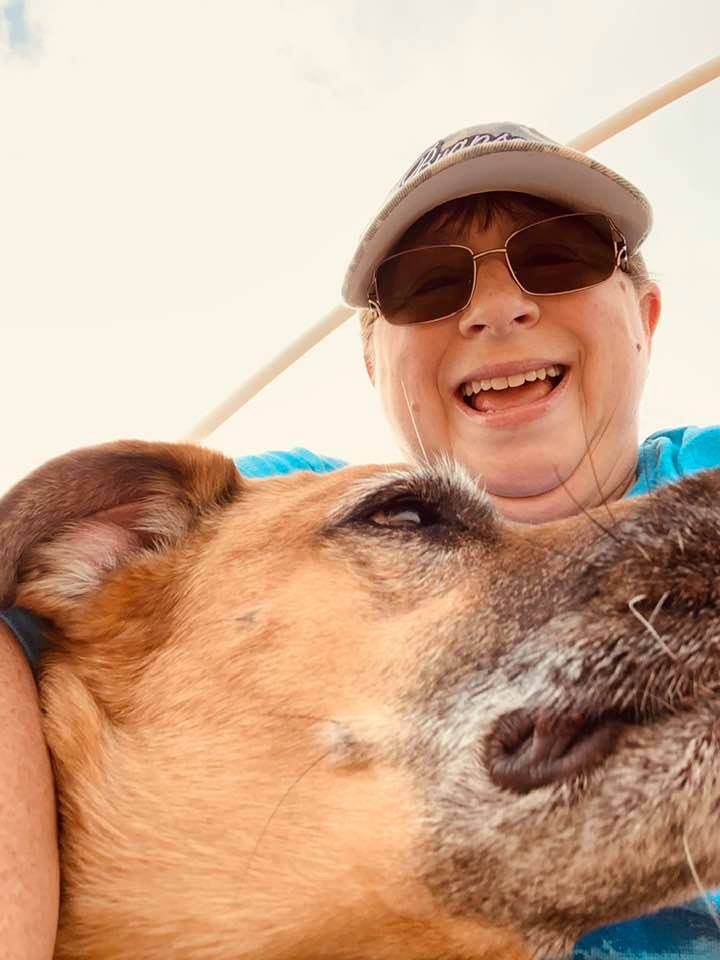
Find out what is going on down on the farm by reading our blog and by subscribing to our free newsletter for all of the information going down at David's Garden Seeds® and on the farm. I love to share helpful information with you. Please let your friends know and y'all come on down for a visit when you get the chance. We would love to meet you!
New Store Hours!
 Farm Store Hours: Th-Fri 10am-5pm, Sat 10am-2pm. Closed Sun-Wed.
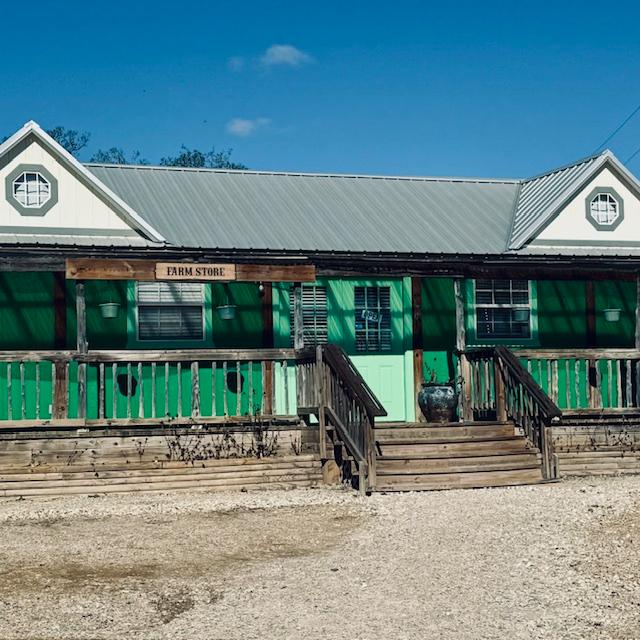 Our Farm Store
Shop for:
- Seeds
- Farm Fresh Eggs
Our Farm is located at 5029 FM 2504 in Poteet, TX.
 Only happy seeds make the cut to go into our seed packs!
David's Garden Seeds® has
seeds for the backyard gardener and farm fresh chicken eggs.
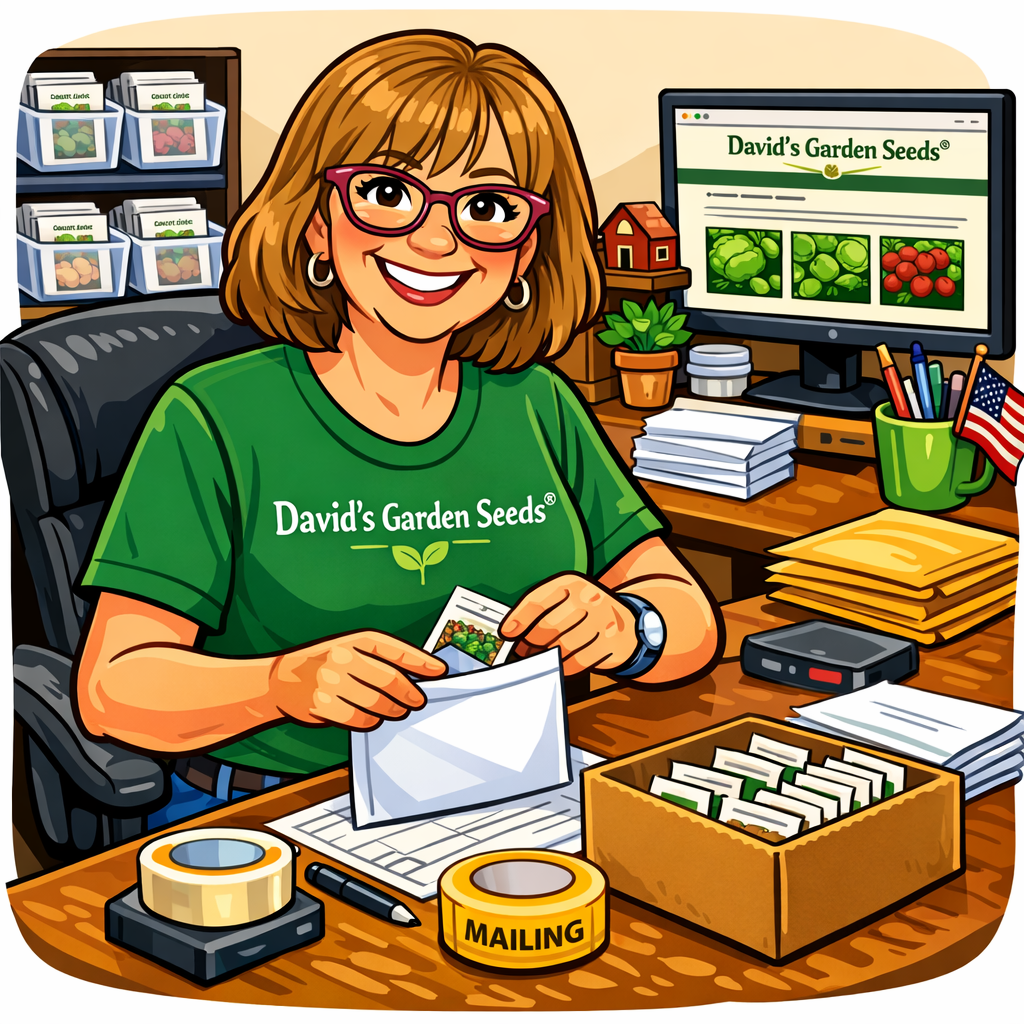
 David & Juanita work hard to pack your garden seed orders.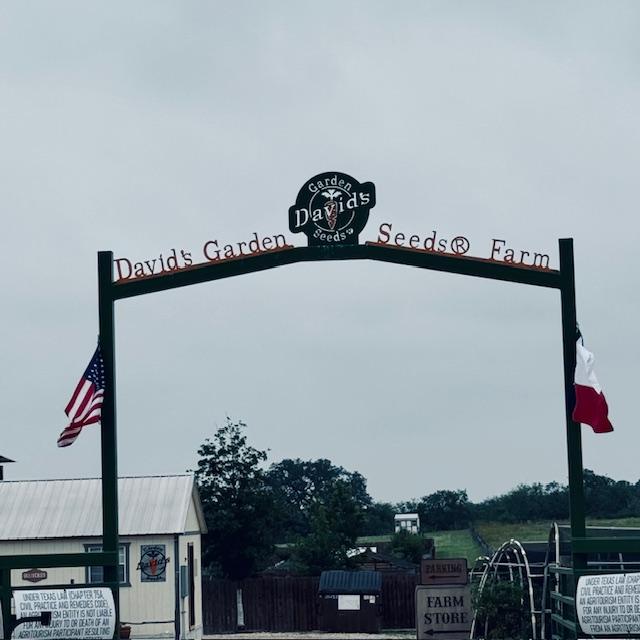


Sign Up For Our Newsletter Here!
   DGS YouTube Mrs
|
   |
Garden Ebooks
by Mrs. David's Garden Seeds
 I've been busy creating eBooks to help you with your garden...
IMPORTANT NOTE: THE EBOOKS ARE DIGITAL DOWNLOADS (EBOOKS), NOT PHYSICAL BOOKS.
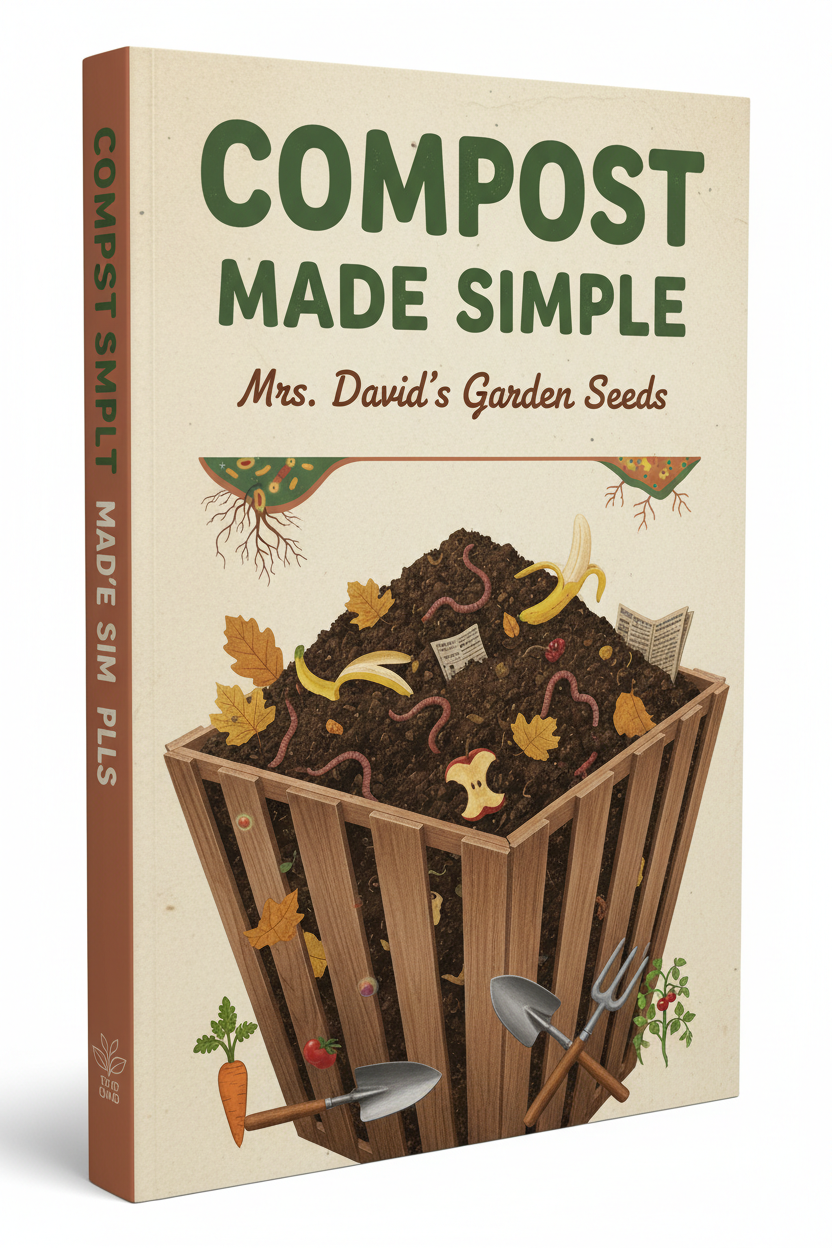
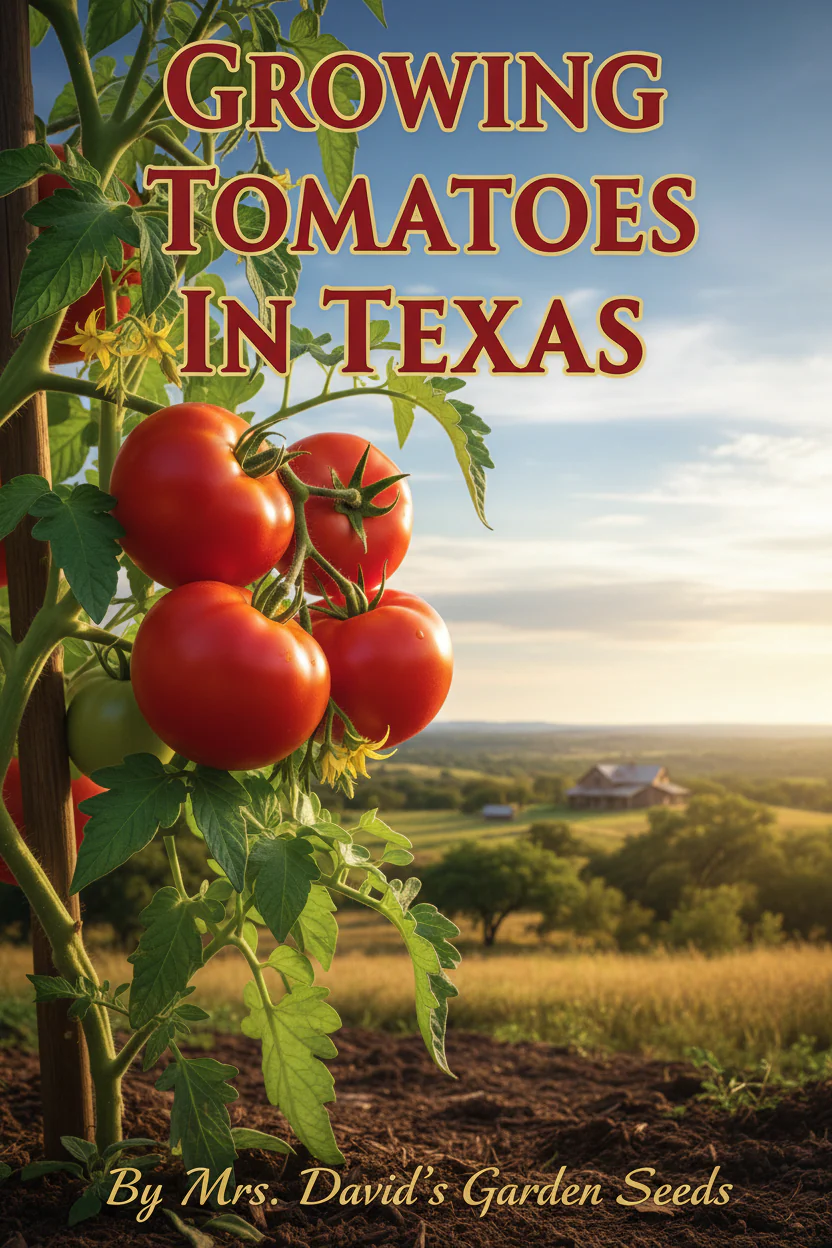
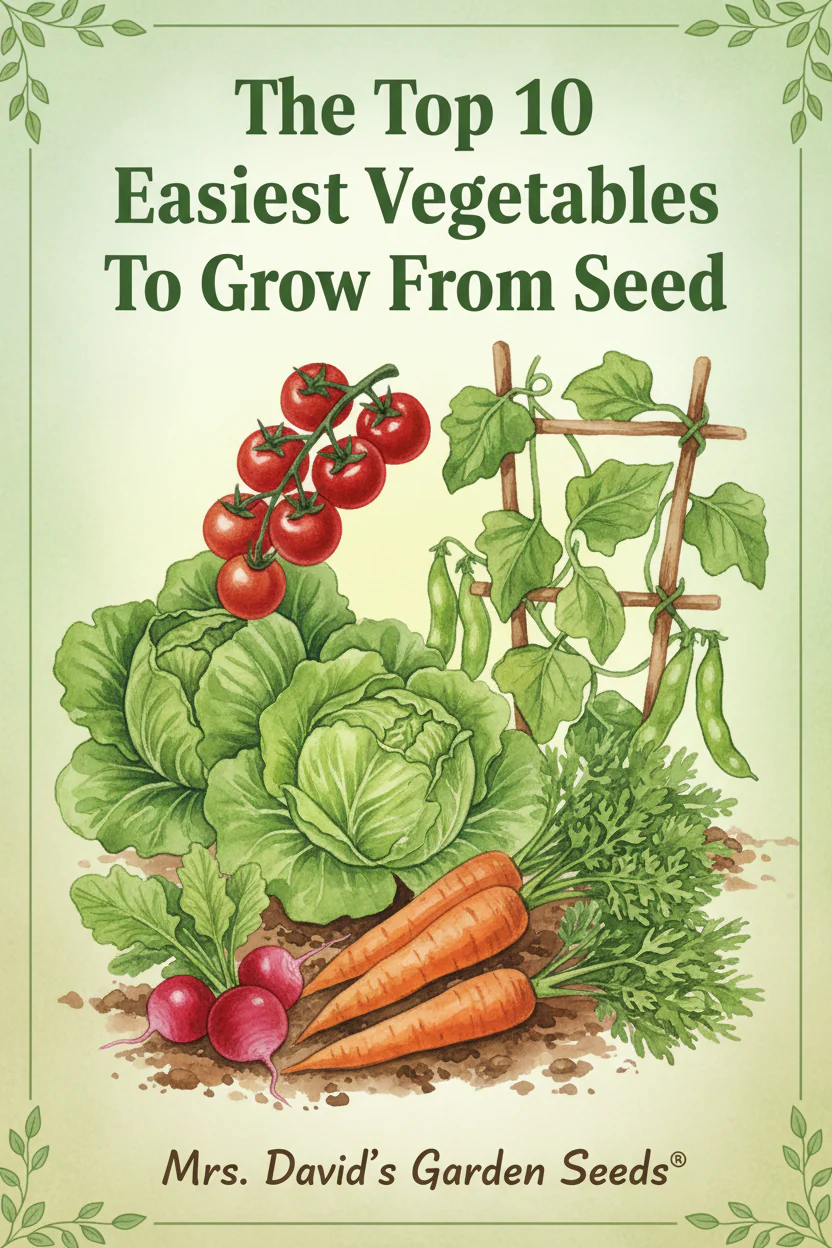
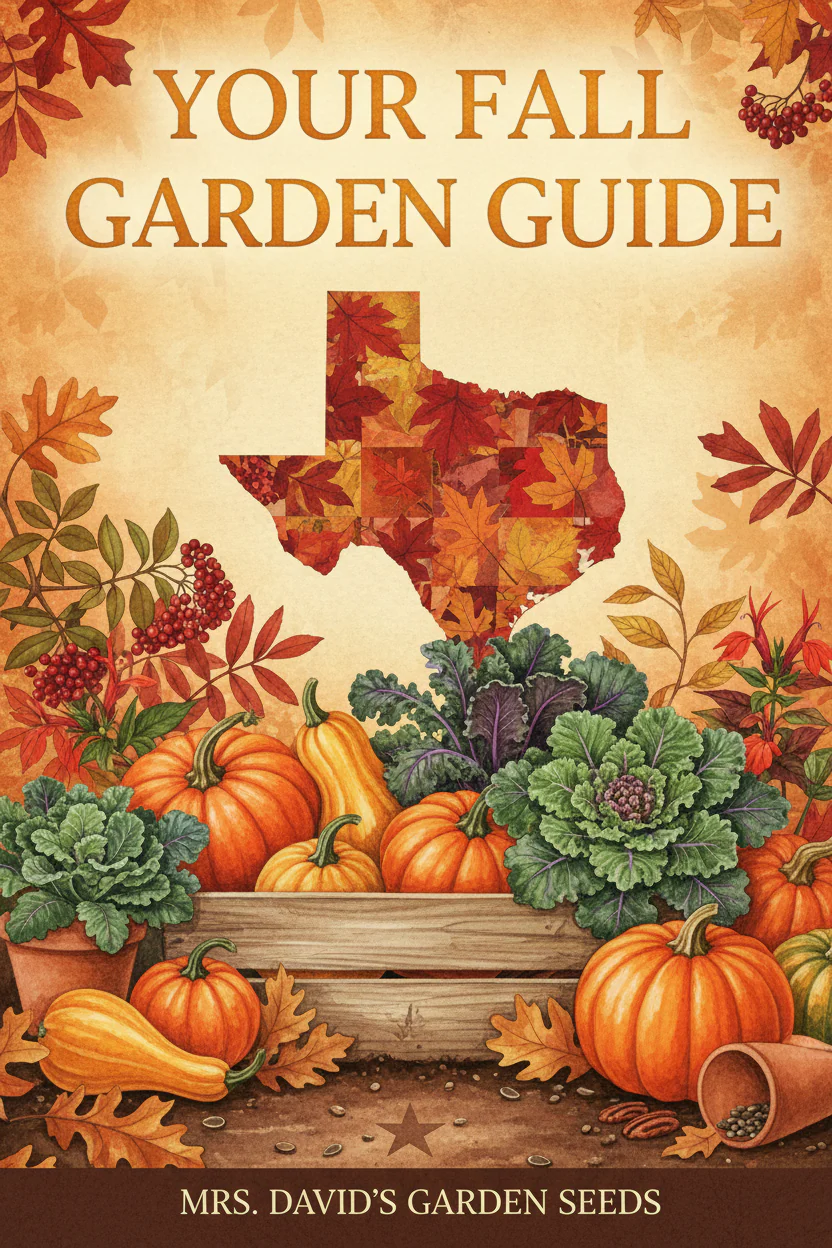
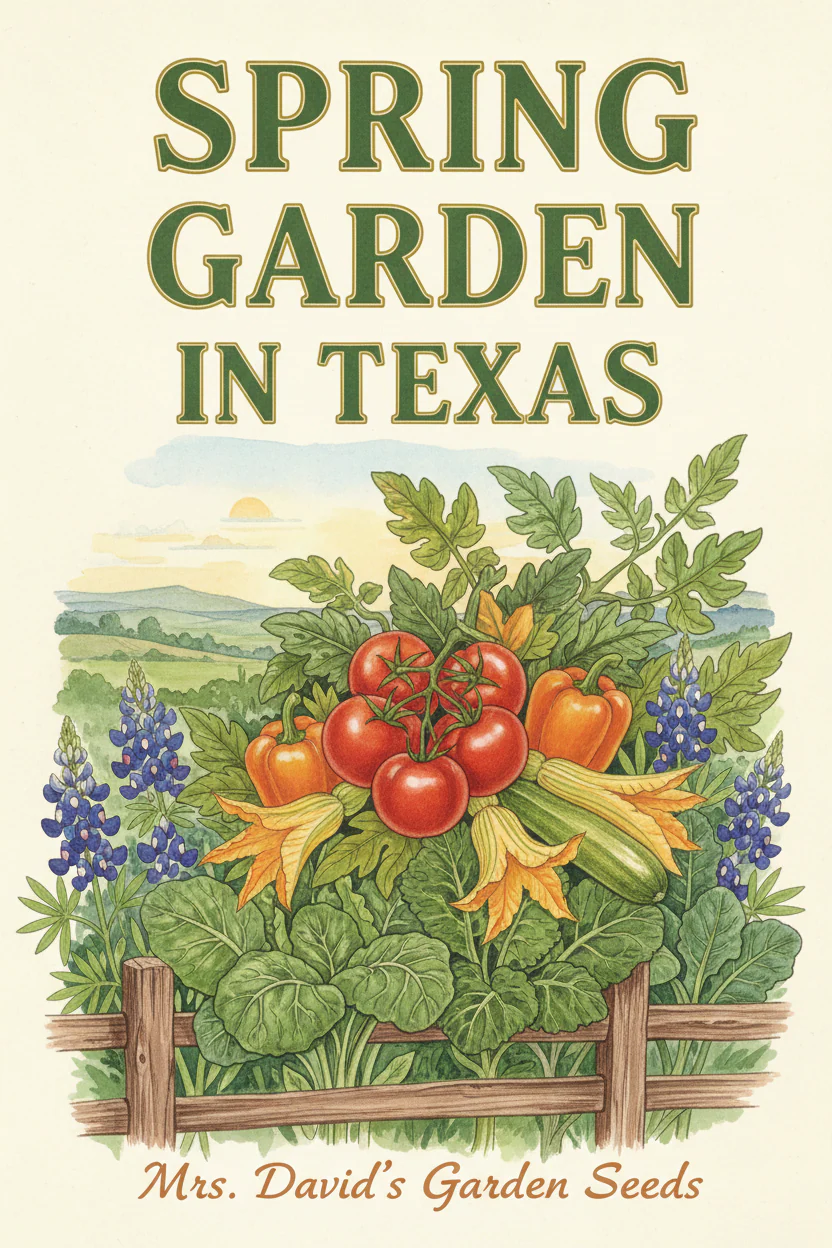
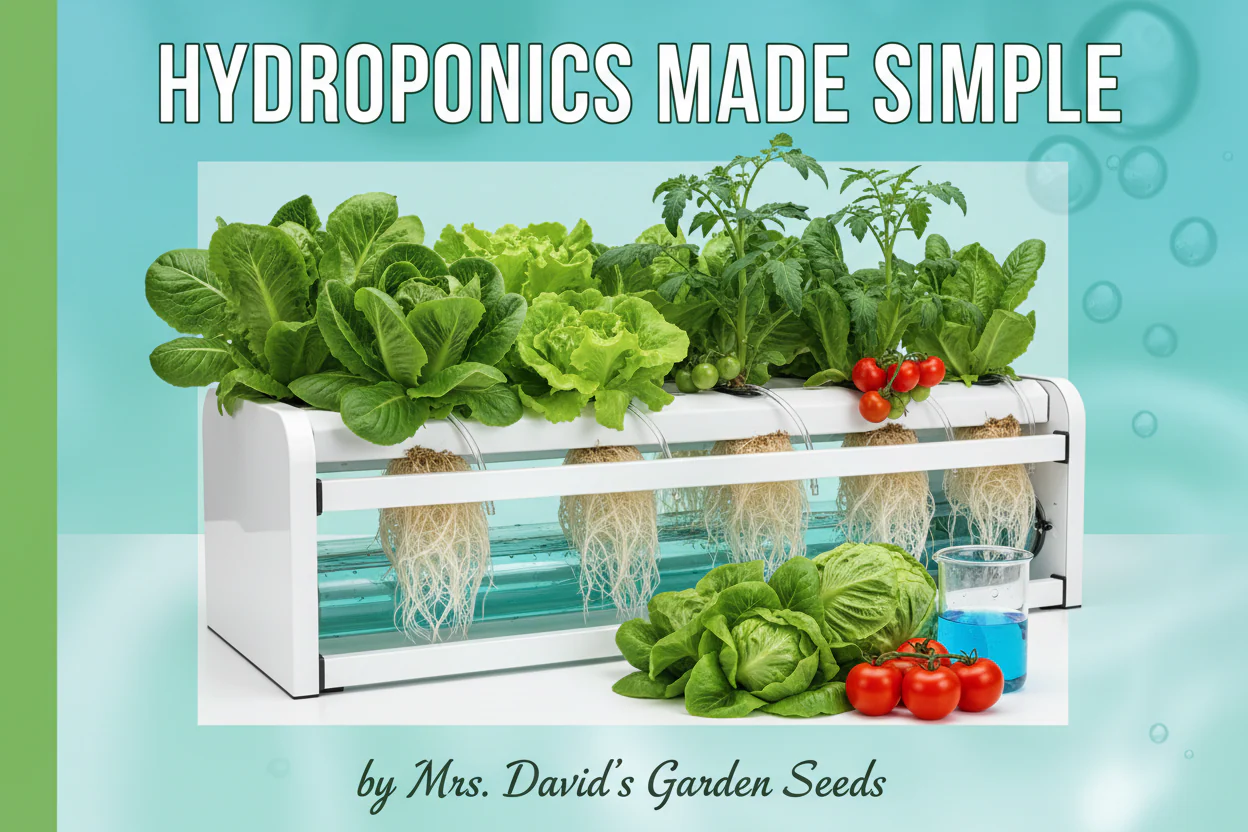
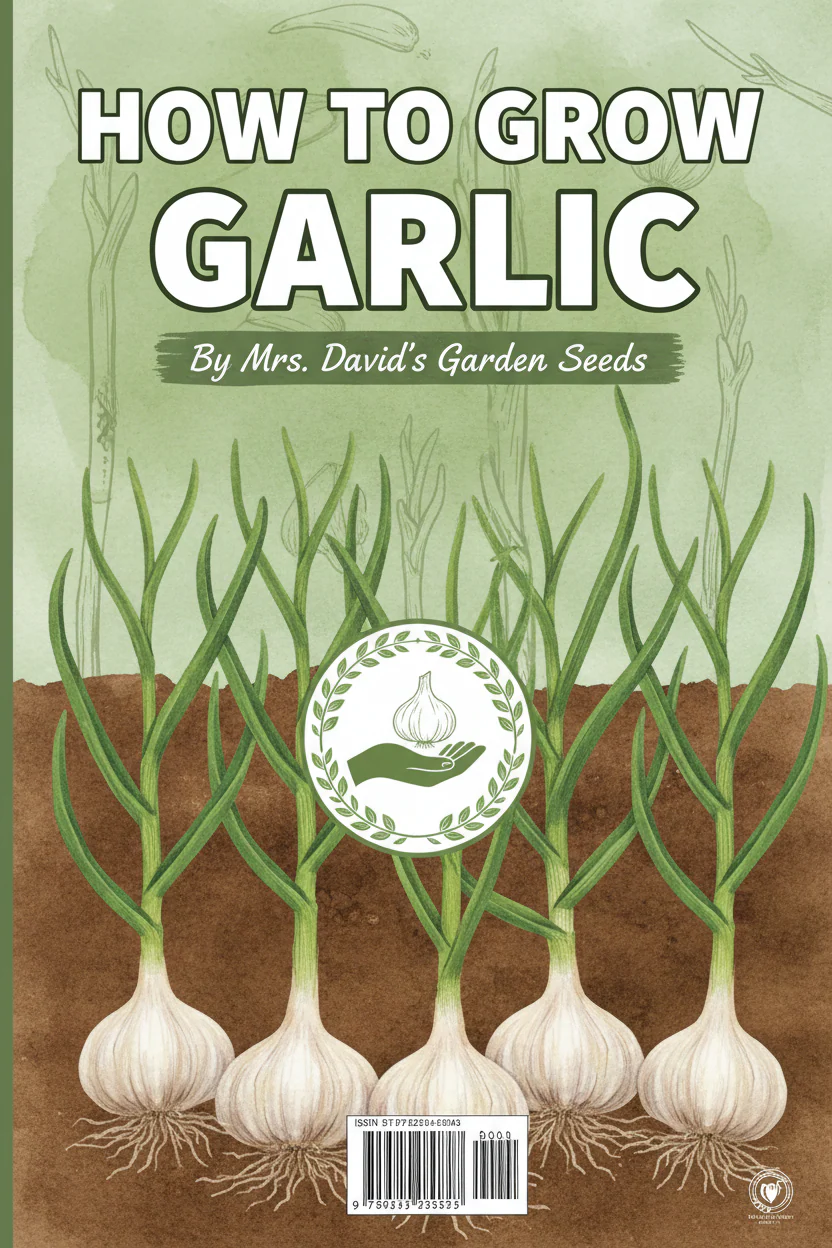
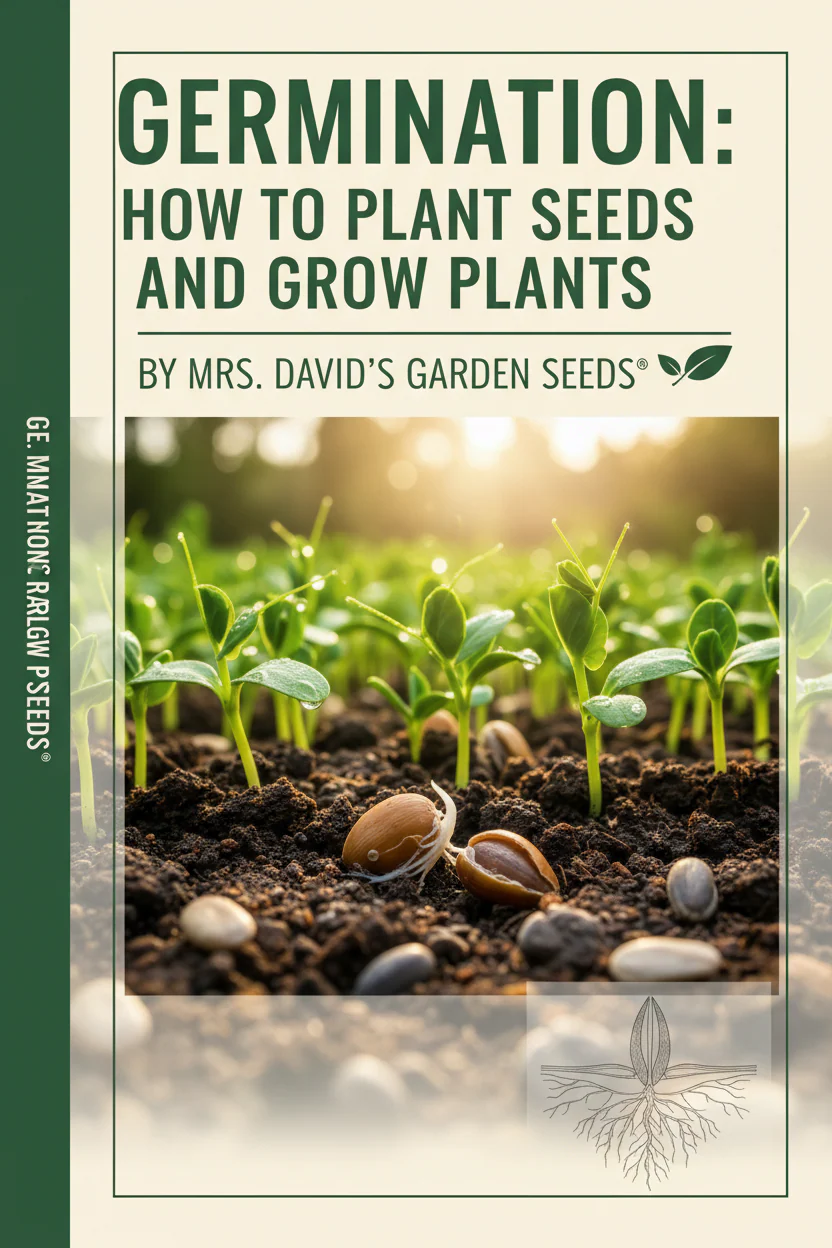
WE DO NOT REFUND OUR DIGITAL DOWNLOADS FOR OBVIOUS REASONS.
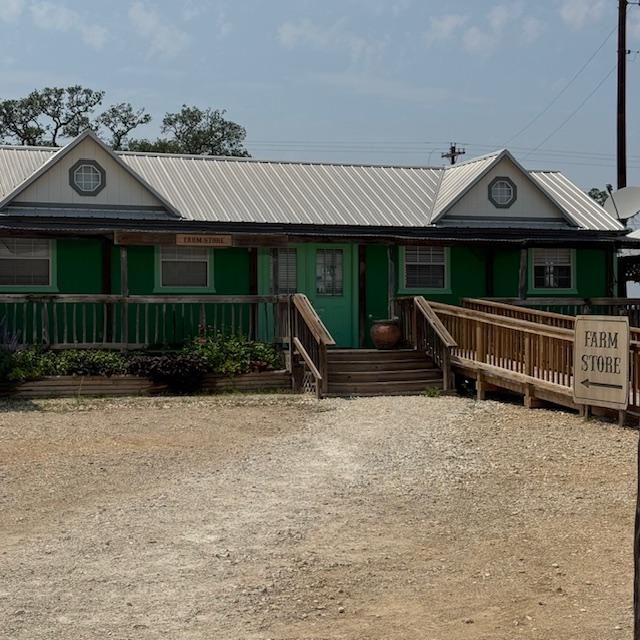 Our Farm Store is the green building
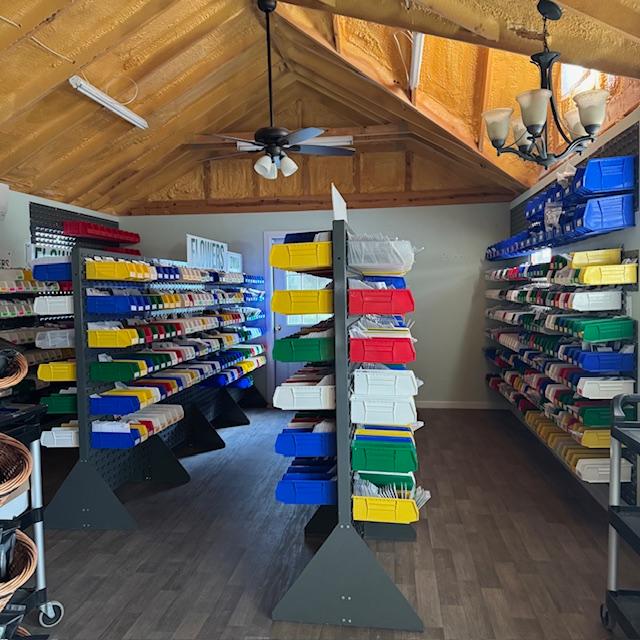 Inside our Farm Store...1400 varieties of seeds await you!
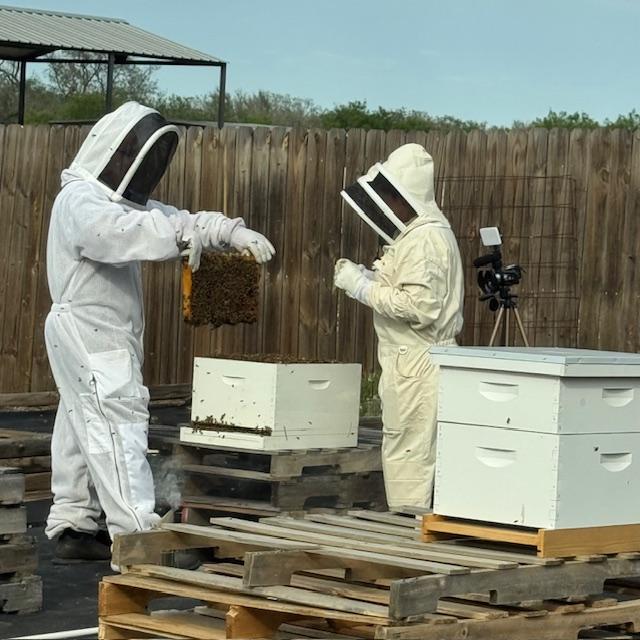 Our bee hives
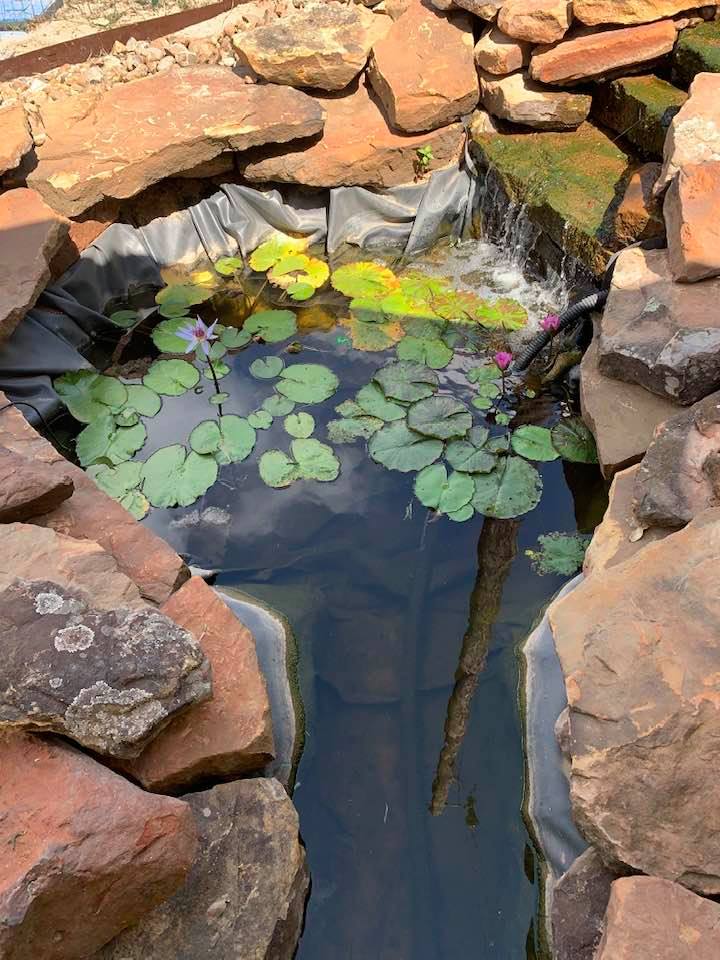
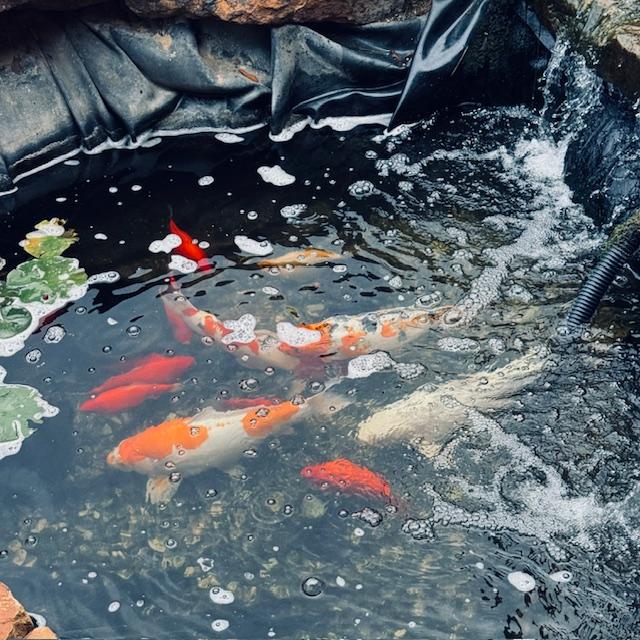 Our fish pond
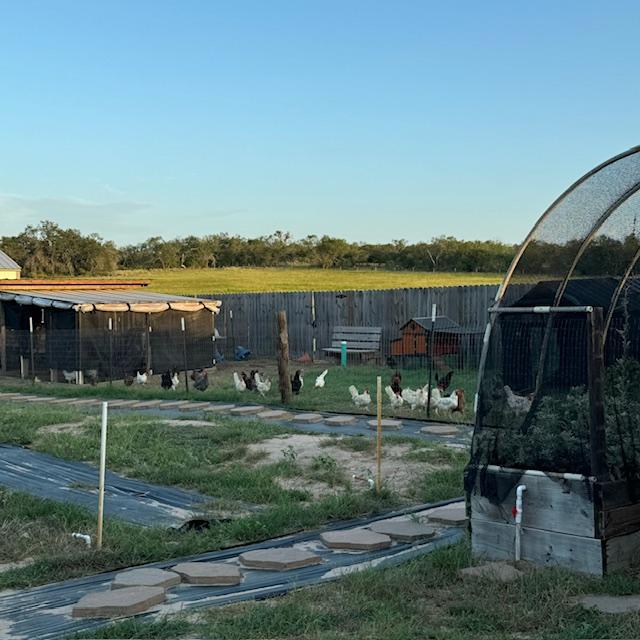 Our chickens
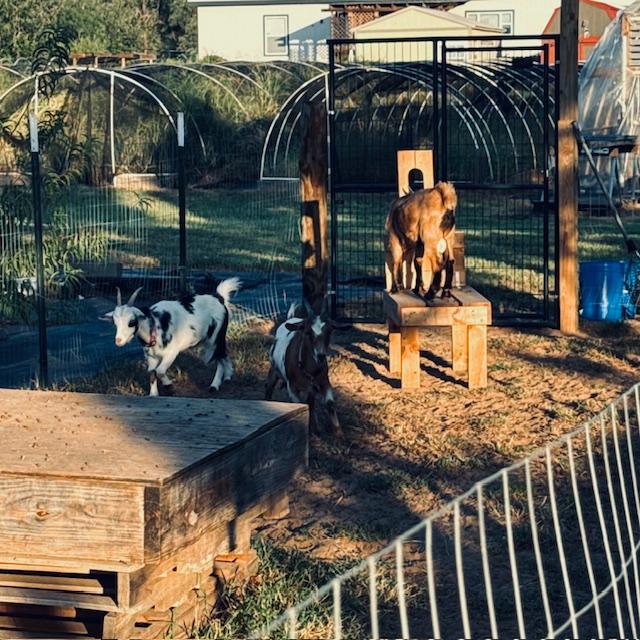 Our Nigerian Dwarf goats
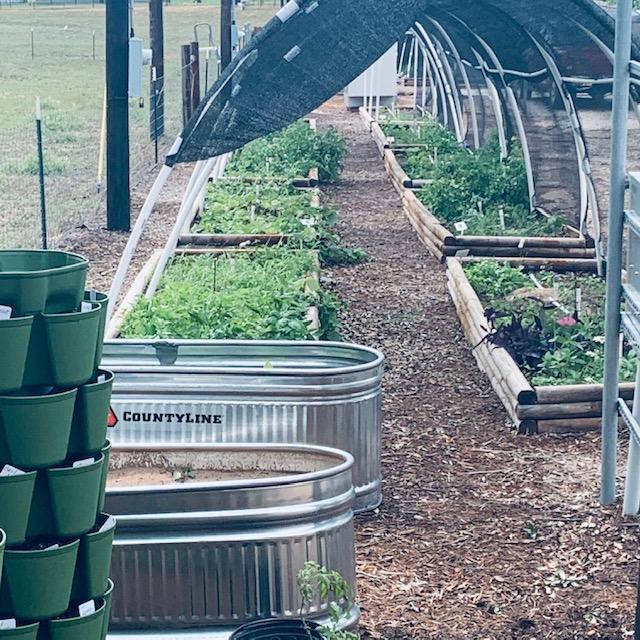 A few of our raised garden beds
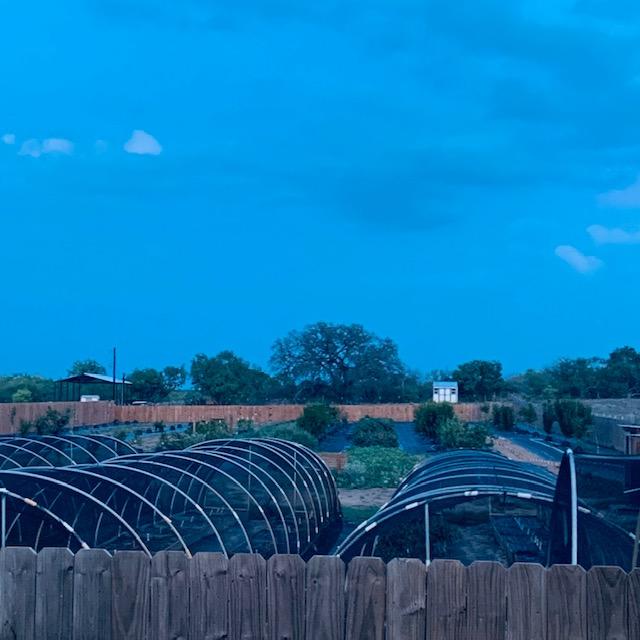 Our orchard and hoop houses
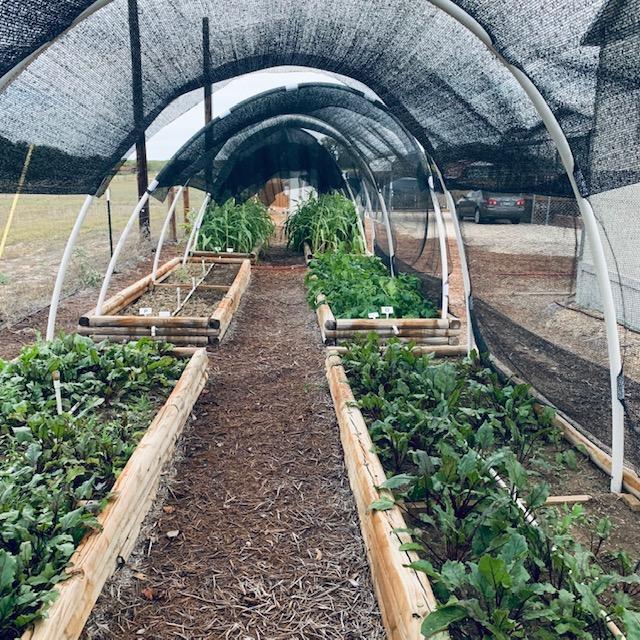
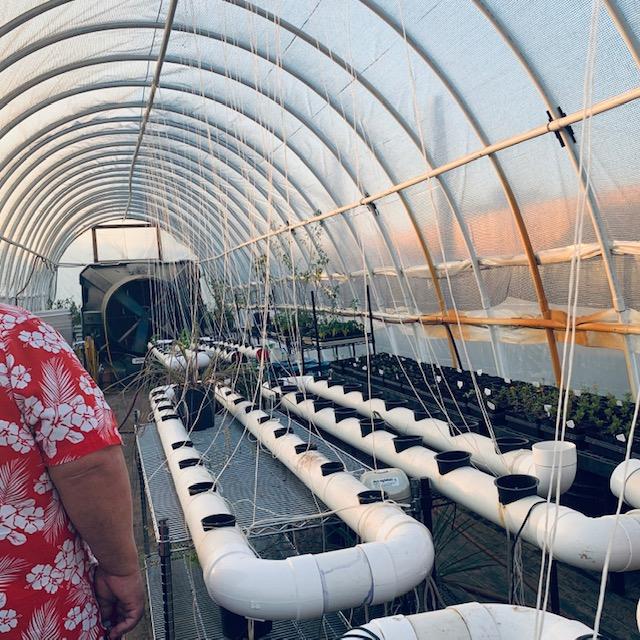 Inside our high tunnel
 Take a selfie at our official selfie spot!
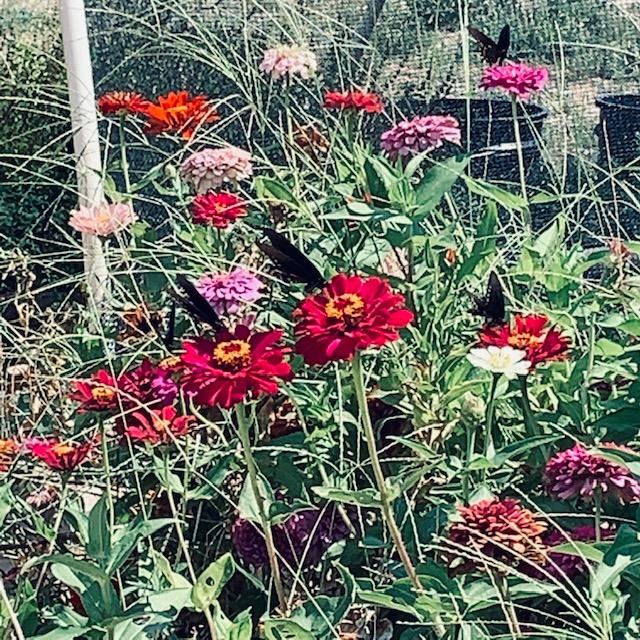 Flowers, bees, and butterflies are everywhere!
Watch Our TV Ads!
David's Garden Seeds® has the best Non-GMO seeds in the state of Texas!

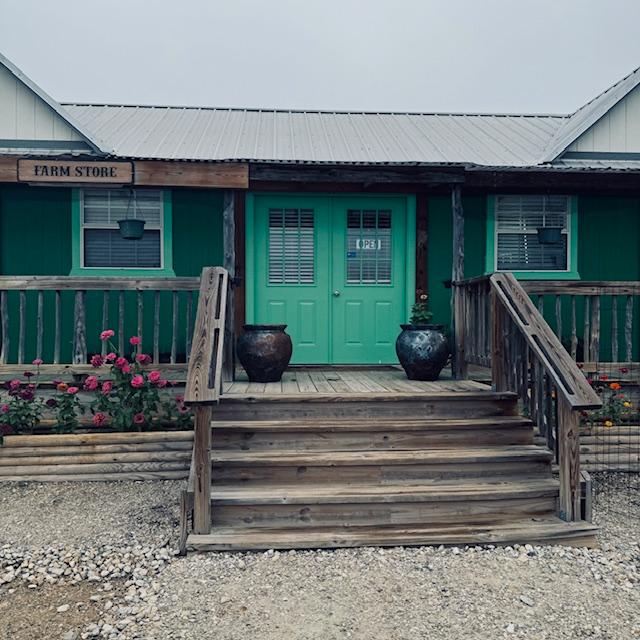 This is our beautiful Farm Store. Come in and shop for seeds. We have over 1600 Non-GMO heirloom varieties to choose from but we are in the process of bringing that number down to half.
Our Story
Hi Everyone! Thank you for visiting my website! I am Mrs Davids
Garden Seeds® aka Mrs. David's Garden Seeds and I think you should know that there is a wonderful seed
company in the great state of Texas called David's Garden Seeds®. We grow some of our seed, we count, hand pack, print our own envelopes, and ship seeds out to you right here from our farm. This used to be an old peanut farm. When the owner died about 15 years ago, his sons split the farm up and sold it in pieces. In 2024, we bought another adjoining four acres.
Our business started in our home in San Antonio in September of 2009. David decided to sell some seeds he had left over from his garden on Amazon. I told David, "Don't bother, it won't work!". I am so glad that David did not listen to me because it did work! By 2015, we had 8 employees working in my home every day and David found a storefront in San Antonio and moved the business there. In 2016, I quit my day job and went on the payroll. The company grew some more and David moved to a bigger storefront in 2017. In 2019, we found a beautiful piece of land over in Atascosa County and turned it into a farm out near Poteet. David and I moved out here to live in August of 2019.
In 2020, we moved our company out to the farm. We have a beautiful Farm Store filled with seeds, a gazebo with a pond full of koi and gold fish for you to visit. Come by and visit us at 5029 FM 2504 in Rossville, just outside of Poteet, Texas, Monday through Friday from 9am to 5pm and Saturday from 10am to 2pm. Or you can order seeds online from our user-friendly website, www.davidsgardenseeds.com.


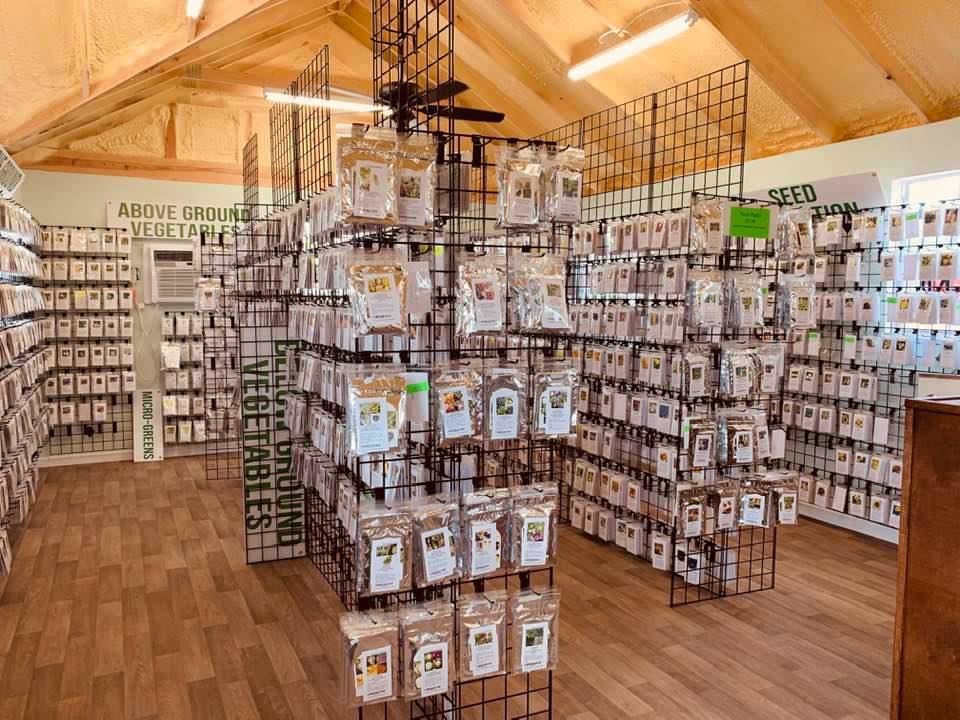 Our beautiful new farm store has almost 2,000 varieties of seeds and more. Mrs Davids Garden Seeds® looks forward to meeting you when you visit.
Mrs. David's Garden Seeds® Copyright by Juanita Lynn Schulze of David's Garden Seeds® 2019-2026
David's Garden Seeds® is Registered in the United States Patent and Trademark Office.