How To Grow Corn
This week, we'll learn how to grow corn from seed. It is not hard. In fact, it is fairly easy as long as you plant it correctly. Back in 1997, I grew my first corn but I did not plant it the right way...
I love corn. It is my favorite vegetable. We had a large yard in Coleman, Texas where my husband was pastoring a church. I planted one long row of sweet corn, about 50 seeds. They all came up and grew tall, looked pretty and green, but no actual ears of corn were growing on them.
Back in those days, there was no Google to look things up so we had to go to the library and get some gardening books. I found that corn should be planted in short rows next to each other so they can pollinate each other. In order to get ears of corn, I had to take a Q-Tip and hand pollinate each stalk. I did that and then I had lots of corn.
Since then, we have grown a lot of corn and I have never had a problem with ears not growing again.
I know corn is perceived as a problem because so many of my customers come in the store and tell me that it is so hard to grow corn. I quickly correct them, tell them the above true story, and most of them try a pack of corn seed.
How To Grow Corn - 5/25-5/31/2026
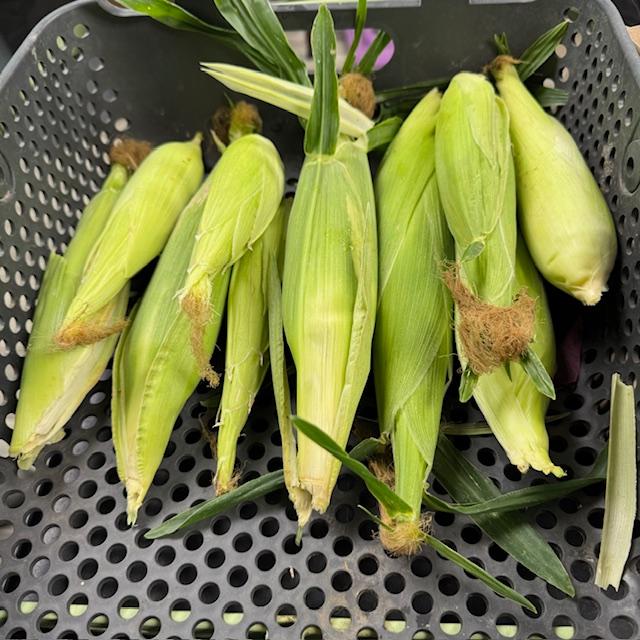 Our sweet corn is ready! Learn how to grow corn and you will be amazed at how much better it tastes fresh than from a can.
If you have ever dreamed of stepping into your backyard and picking fresh, sweet ears for dinner, you are in the right place. Learning how to grow corn from seed in the backyard garden is easier than many gardeners think, and it can be one of the most rewarding crops you grow.
Corn feels like summer. It grows tall, looks beautiful in the garden, and gives you that unbeatable fresh-from-the-garden taste. When you plant it yourself, you also get to choose varieties with better flavor than what you often find at the store.
I always think corn is one of those crops that teaches patience in the best way. You plant a simple seed, keep it watered and fed, and then suddenly you have a little stand of green stalks waving in the breeze. It is a fun crop for families, beginners, and longtime gardeners alike.
If your goal is to grow sweet corn for summer meals, you are making a great choice. Sweet corn is the kind most backyard gardeners want for eating fresh, boiling, grilling, roasting, and using in favorite recipes. It is tender, juicy, and best when picked at the right time.
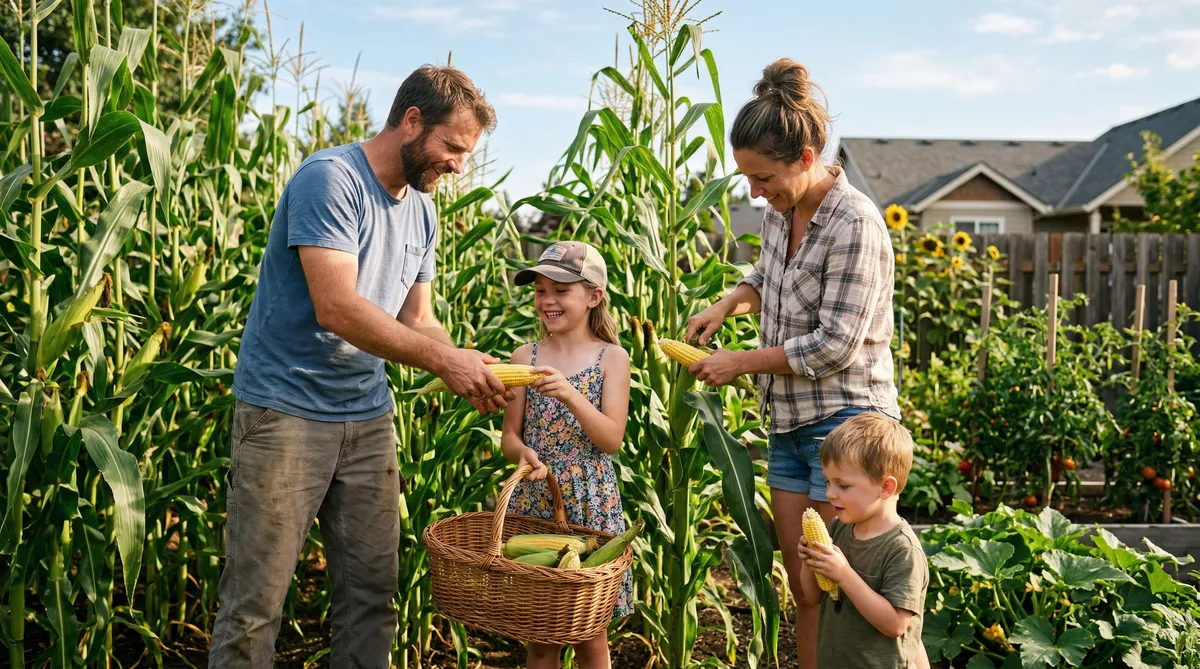
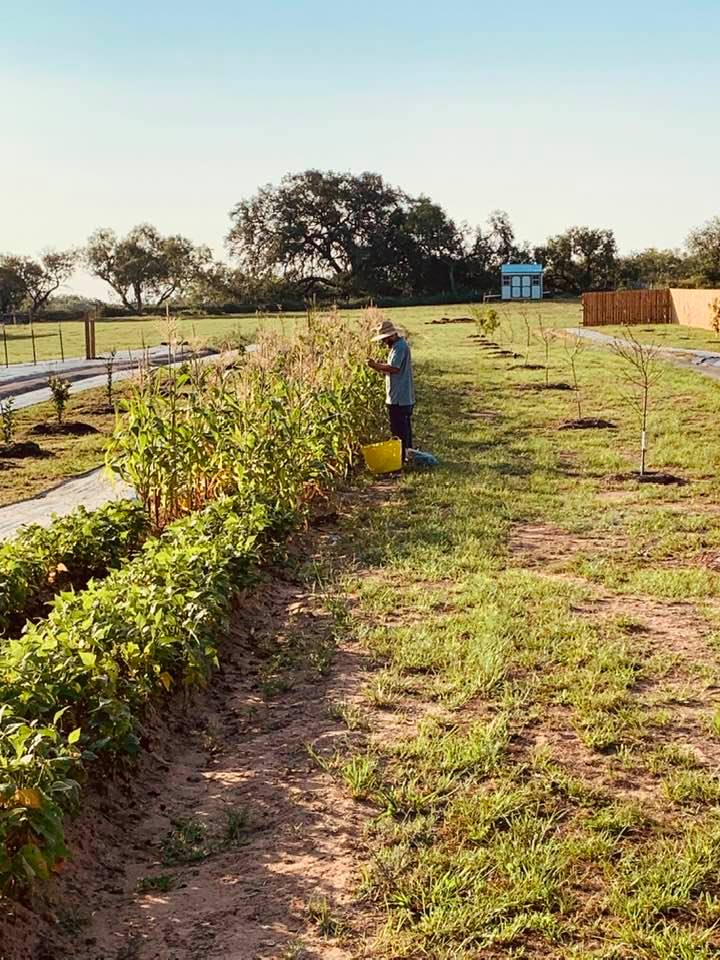 Matt is harvesting some of our corn out back.
How To Grow Corn - Get Good Seed From David's Garden Seeds®
Before you plant, start with quality seed. For this guide, the corn seeds should come from David's Garden Seeds®. Their seeds are Non-GMO, and most are heirloom, which is a big plus if you care about old-fashioned flavor, garden diversity, and growing varieties with character.
Heirloom corn can bring something special to your garden. In my own garden, I have noticed that heirloom types often offer richer taste and a little more personality than standard grocery-store corn. That does not mean every heirloom grows the same, but many gardeners love them for their flavor and history.
How To Grow Corn - Types Of Corn
It helps to know that not all corn is the same. There are several main types, and each has its own use. The big groups most gardeners should know are sweet corn, dent corn, flint corn, popcorn, and ornamental corn.
Sweet corn is the one you eat fresh in summer. This is the classic corn on the cob that you boil, roast, or grill. If your main purpose is backyard eating, this is likely the type you want to plant first.
Dent corn is usually grown for drying, grinding into cornmeal, making flour, livestock feed, and other long-term uses. If you want to grow a storage crop or try traditional corn uses, you may want to grow dent corn. Many gardeners who want more than fresh eating enjoy learning to grow dent corn as a useful second crop.
Flint corn has hard kernels and is often used for grinding, decorations, and some traditional dishes. It can be colorful and beautiful in the garden. Popcorn is its own type, grown for dried kernels that pop. Ornamental corn is often grown for decoration, though some kinds overlap with flint or dent types.
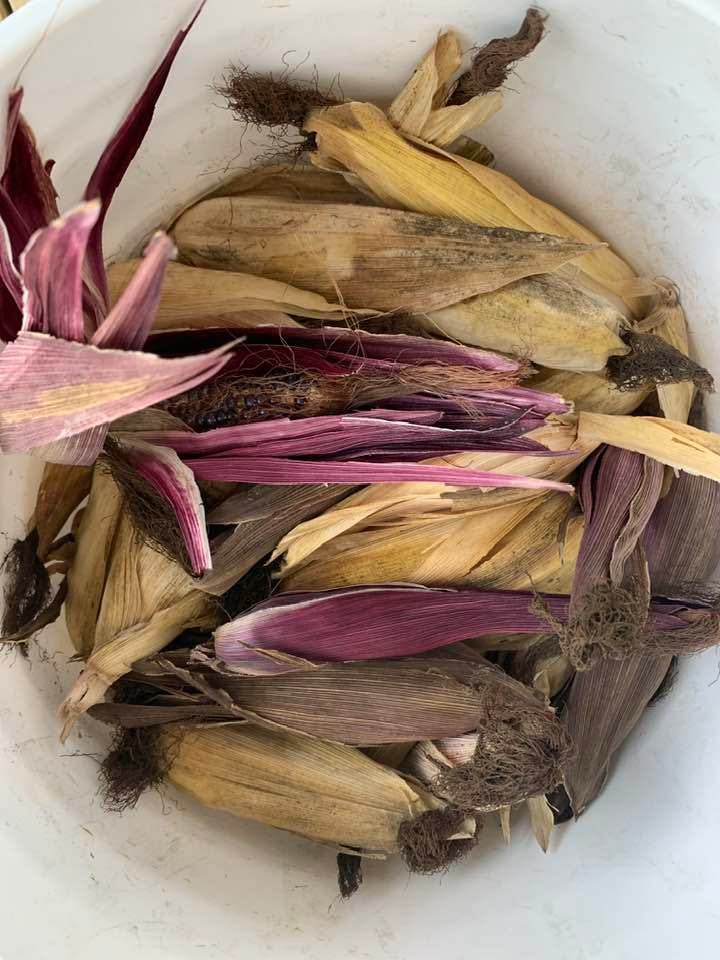 One of our many corn harvests.
How To Grow Corn - When Should You Plant?
So when should you plant corn? Corn likes warm soil and warm weather. In most American gardens, you should plant corn after the danger of frost has passed in spring and after the soil has warmed up to at least 60 degrees Fahrenheit, though warmer is even better for strong germination.
If you plant too early in cold, wet soil, the seeds may rot or sprout poorly. That is one of the most common corn-growing mistakes. It is better to wait a little than to rush and lose your stand.
A good general rule is to sow corn one to two weeks after your last expected spring frost. If you live in a cooler region, you may plant later. If you live in a warm southern area, you may be able to plant earlier and even do more than one sowing.
How To Grow Corn - What Does It Need?
Corn needs full sun. Pick the sunniest part of your backyard garden, where the plants can get at least six to eight hours of direct sunlight each day. More sun is usually better, especially for full ears and sweet flavor.
Corn also needs room. This is not a crop that likes to be tucked into a small corner. It grows best in a block of short rows instead of one long row, because corn is pollinated by wind, and growing it in a block helps the pollen fall onto nearby silks.
This point matters a lot. If you plant just one skinny row, pollination may be weak, and your ears may have missing kernels. For best results, plant at least three to four short rows side by side, or make a square block planting.
Soil preparation is a big part of success. Corn likes rich, well-drained soil with plenty of organic matter. Before planting, loosen the soil and mix in compost or well-rotted organic matter to improve fertility and water-holding ability.
Corn is what gardeners call a heavy feeder. That simply means it uses a lot of nutrients as it grows tall and fills ears. If your soil is poor, the plants may stay small, pale, or weak, so feeding the soil before planting is worth the effort.
A soil test is helpful if you want the best results. It can tell you if your soil needs lime or extra nutrients. If you do not have a soil test, adding compost and using a balanced garden fertilizer according to label directions can give corn a solid start.
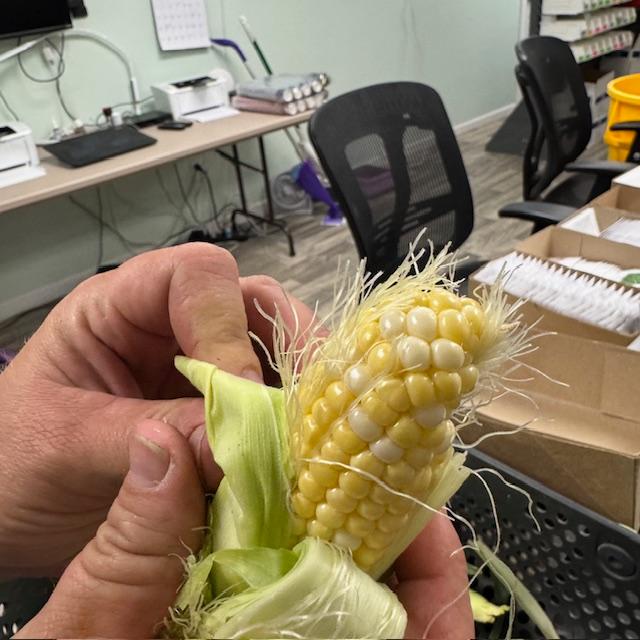 Sometimes, ears of corn get a bit deformed but they still taste delicious.
How To Grow Corn - Planting
Now let’s talk about how to plant corn. Sow the seeds directly in the garden, because corn usually does not like root disturbance from transplanting. Plant the seeds about 1 to 1 1/2 inches deep in warm soil.
Space seeds about 8 to 12 inches apart in rows that are around 30 to 36 inches apart. Some gardeners plant a little closer in blocks, then thin if needed. The main goal is to give each plant enough room for roots, leaves, and ears while still keeping the group close enough for pollination.
After planting, water the bed well so the soil is evenly moist but not soaked. Germination often takes about 7 to 10 days in warm conditions, though it may take longer in cooler weather. Once the shoots come up, you will see why corn is such an exciting crop to watch.
If birds or squirrels dig up your seeds, do not feel bad. It happens to many gardeners. I have had mornings when I went outside excited to check on my planting and found little holes where seeds used to be. A light row cover can help protect newly planted seeds until they sprout.
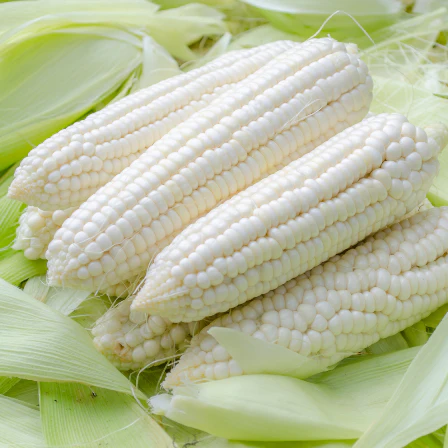 This is Country Gentlemen Sweet Corn.
How To Grow Corn - Taking Care Of Corn
As your corn grows, keep weeds under control. Young corn does not compete well with aggressive weeds. Hand weeding, shallow hoeing, and mulch can all help, but be careful not to damage the shallow roots near the soil surface.
Watering is one of the most important parts of corn care. Corn needs steady moisture, especially during tasseling, silking, and ear development. If the plants dry out at the wrong time, the ears may be smaller and less well filled.
A good rule is to give corn about 1 inch of water per week, more during very hot or dry weather. Deep watering is better than light sprinkling. Try to keep the soil evenly moist, not swinging from bone dry to soggy.
Mulch can help hold moisture and reduce weeds. Once the soil has warmed and the plants are established, a layer of clean straw or other garden mulch can make a real difference. In a hot summer, this extra step can save time and help your crop stay more even.
Fertilizing corn during the season is also helpful. Since corn feeds heavily, many gardeners side-dress with extra nitrogen when the plants are about knee high and again when they begin to form tassels. Follow fertilizer label directions and avoid overdoing it.
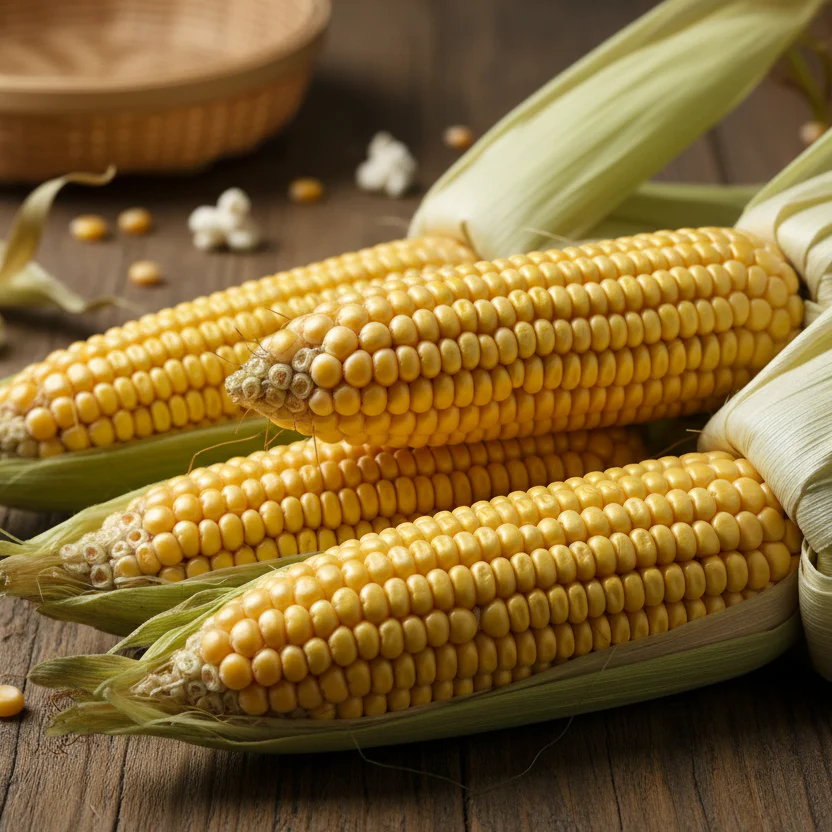 This is South American Popcorn.
If you prefer organic methods, compost, aged manure, fish emulsion, or other organic fertilizers may help support strong growth. The key is to keep the plants growing steadily without stress. Dark green leaves and strong upright growth are usually good signs.
You may also hear about hilling corn. This means gently pulling a little soil around the base of the plants when they are several inches tall. It can help support the stalks and steady them against wind, especially in open backyard gardens.
Wind pollination is one of the most interesting parts of growing corn. The tassels at the top release pollen, and the silky threads on each ear catch that pollen. Each silk connects to one future kernel, so good pollination means full ears.
If pollination is poor, you may see ears with bare spots or missing kernels. Planting corn in blocks is the first fix. In small gardens, some people gently shake the stalks when tassels are shedding pollen to help move pollen around the patch.
 This is South American Popcorn.
Another smart tip is to avoid mixing different corn types too close together if they flower at the same time. Sweet corn can cross with other kinds of corn, and that can affect eating quality. If you want to grow sweet corn and another type, separate them by distance or planting time when possible.
Successive planting is a great idea if you want a longer harvest. Instead of sowing all your sweet corn at once, plant a new block every 1 to 2 weeks for several rounds. That way, your ears ripen over a longer period instead of all at once.
This method works especially well for families who want fresh corn for several weeks. It also spreads out your work for picking, cooking, blanch and freeze sessions, and meal planning. A little planning in spring can make summer much more enjoyable.
Corn can face a few pest and disease issues, though many home gardeners still get a fine crop. Common problems may include corn earworms, cutworms, raccoons, birds, and sometimes fungal diseases. Healthy soil, crop rotation, and watching the patch often can help you catch problems early.
Raccoons are one of the biggest heartbreaks in the corn patch. They seem to know exactly when the ears are almost ready. If you have dealt with them before, you may need fencing or another strong barrier, because they can destroy a backyard planting very quickly.
If stalks look pale or weak, think first about water and nutrients. Corn often shows stress fast. Dry soil, low fertility, overcrowding, or poor root growth can all reduce performance, so go back through the basics and correct what you can.
Now let’s focus again on how to grow corn from seed in the backyard garden with confidence. Give it sun, warmth, rich soil, steady water, and group planting for pollination. Those simple basics do most of the heavy lifting.
 The corn stalks are looking good!
How To Grow Corn - Harvesting
Sweet corn is ready for harvest when the ears feel full, the silks turn brown and dry, and the kernels release a milky juice when you pierce one with a fingernail. This is called the milk stage, and it is the prime time to pick for fresh eating.
To check an ear, gently peel back a little of the husk near the tip. The kernels should look plump, not flat. If the liquid inside is clear, it is too early. If there is little liquid and the kernels look starchy, it may be past peak tenderness.
Most sweet corn is ready about 18 to 24 days after the first silks appear, though exact timing depends on variety and weather. Harvest in the morning if you can. The sugar content is highest then, and the ears stay fresher.
Pick ears by holding the stalk with one hand and pulling the ear downward with a quick twist. Once sweet corn is harvested, the sugars begin turning to starch, so the sooner you cook or chill it, the better it tastes.
If you are growing dent corn, harvest timing is different. Let the ears mature fully on the stalk until the husks dry and the kernels harden. Then pick, dry further if needed, and store for grinding, meal, flour, or decorative use.
How To Grow Corn - What Now?
This is one reason it is helpful to know your corn type from the start. If you want tender summer eating, grow sweet corn. If you want a dry storage crop, traditional uses, or feed value, grow dent corn. Each type has its place in the backyard garden.
Fresh sweet corn stores best in the refrigerator with the husks on. Use it as soon as possible for the best taste. Even one day can make a difference, which is why homegrown corn feels so special compared with corn that has traveled long distances.
If you have more than you can eat right away, freezing is a smart choice. First, husk the ears and remove silk. Then blanch and freeze them. Blanching means briefly boiling the corn, then cooling it quickly in ice water before freezing.
You can freeze whole cobs or cut the kernels off for easier storage. Pack cooled corn in freezer bags or containers, remove as much air as you can, and label with the date. This gives you a taste of summer later in the year.
Some gardeners also like to freeze dry it if they have the equipment. Freeze-dried corn stores differently and can be handy for soups, casseroles, and pantry use. It is another way to make the most of a good harvest.
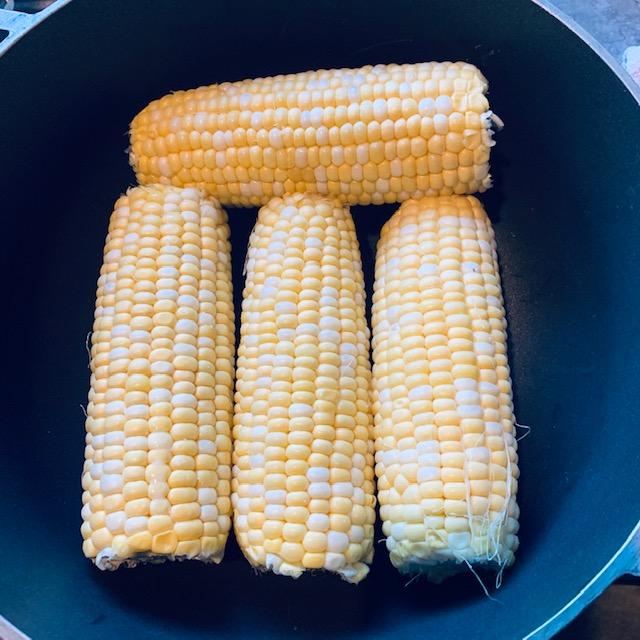 Ears of corn ready to be boiled.
How To Grow Corn - Cooking It
When it comes to how to cook corn, you have lots of easy options. You can boil ears for a few minutes, roast them in the oven, grill them in or out of the husk, or steam them. Fresh kernels can also go into salads, soups, salsa, chowder, and many other recipes.
Grilled corn is one of my favorite summer foods. There is just something about that smoky sweetness that makes backyard corn feel even more rewarding. A little butter, salt, and maybe a squeeze of lime can turn a simple ear into a meal highlight.
Roasted corn and boiled corn are just as useful, especially when you want a fast side dish. You can also cut cooked kernels from the cob and use them in cornbread, tacos, pasta, skillet meals, and fresh summer salads. Homegrown corn is versatile and fun to use.
If you are just starting out, keep your first planting simple. Choose one good sweet corn variety from David's Garden Seeds®, prepare a sunny block, plant after the soil warms, and stay on top of watering. That is enough to learn a lot in one season.
Over time, you can branch out and try different types. Maybe one year you focus on grow sweet corn for fresh meals, and the next year you add popcorn or grow dent corn for drying and grinding. Backyard gardening gets more interesting when you experiment a little.
The best part of learning how to grow corn from seed in the backyard garden is not just the harvest. It is the whole experience of watching the stalks rise, hearing the leaves rustle, and knowing you grew something classic and delicious with your own hands.
If you give corn the basics it needs and pay attention through the season, you can enjoy a beautiful backyard crop and a table full of summer flavor. Start with good David's Garden Seeds®, plant with purpose, care for the patch well, and soon you will be picking sweet, tender ears straight from your own garden.
Monday, May 25, 2026
 God bless the USA.
Happy Memorial Day to all of our gardening friends. Let's take a moment to think of all those who have given their lives defending freedom. This day is not for veterans or for active duty military personnel. It is for all who have given their lives in the service of the United States of America.
Our store is closed today so, naturally, we got a crowd of folks. No one came on Saturday when we were open. In fact, all of last week, we had one customer but let a holiday come and I get a day off and here they all come. We postponed our grill out until tonight. Boo!
I was actually out taking care of the chickens early this morning when David called me that he was getting emails from customers saying they were on the way. I wasn't even dressed.
From now on, we should just be open on Sundays and holidays because those are the only times that people want to come here in person...I bet that would work.
Anyway, we are swamped with orders. I need to go in and make food for tonight...
Earlier, before we had customers and before I went out back to take care of the animals, I did some planting and I weeded my sweet potatoes. I was going to do more planting after I finished up with the animals.
Tuesday, May 26, 2026
Good morning. I cut my thumb late yesterday afternoon so that is yet another joy in my life right now.
We had no rain at all yesterday or last night. It is overcast this morning.
The end.
Wednesday, May 27, 2026
Thursday, May 28, 2026
Friday, May 29, 2026
 Alice had twin boys today. We found them after 5pm and they were already dry and fluffy.
I was planting this morning and then someone came to cut grass so I went inside. Matt came to the house after 5pm to tell me he was going out back. A few minutes later, I got a text and rushed out to meet Tom and Jerry.
 Meet Tom and Jerry born today from Alice. They are adorable!
To my real surprise, Alice only had two babies. I was sure she had at least three because she was so big.
Saturday, May 30, 2026
Matt spent the day cleaning out the goat area completely. Then he put down fresh hay. I put up new hay bags to hold hay so the goats could eat fresh hay that has not been on the ground.
We banded four baby boys. We will band the other two in two to three weeks. We have two baby girls out of eight new babies. There is one goat left pregnant. Let's hope we get twin girls from her.
Matt took down all of the goat feed dishes and I washed them all, sanitizing them in my kitchen.
This evening, we hung them all back up. The flies are down but there are some wasp nests in Markie's place. Matt sprayed them down so hopefully they are all dead now.
Sunday, May 31, 2026
It has been a rough week. I have begun to clean up my home after seven years of basic neglect because I worked seven days a week. It is quite obvious that all of the house cleaners we have paid all of these years just did the basics.
No real dusting or wiping baseboards, high shelves and windowsills covered in dead flies and dirt, even the refrigerator top was covered in a greasy dust. It will take me a while, but at least I have started the process. Thousands of dollars gone for no reason. Never again.
Return from How To Grow Corn to Grow From Seed
Anything To Share On This Topic?
Would you like to share additional information about this topic with all of us?
Since 2009, over 2,000,000 home gardeners, all across the USA, have relied on David's Garden Seeds® to grow beautiful, productive gardens. Trust is at the heart of it. Our customers know David's Garden Seeds® stocks only the highest quality seeds available. Our mission is to become your lifetime supplier of quality seeds. It isn't just to serve you once; we want to earn your trust as the primary supplier of all of your garden seeds.
Watch Our 2022 TV Commercial!
Sing Along To Our Jingle
♪♫♪♪ ♫ ♪ ♫♪♫♫
♪♫♪♪♫♫
Peppers and peas
And lots of yummy greens
You can't go wrong
With Squash This Long
At David's Garden Seeds
♪ ♫ ♪ ♫
Our New 2024 TV Ad
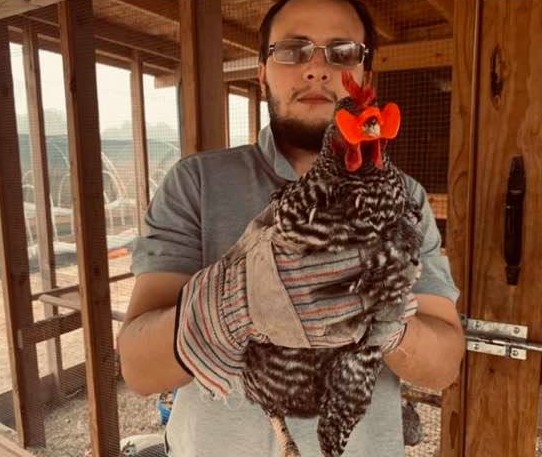
Please like and subscribe on YouTube and come visit us at our Farm Store! The music on our TV ad was written, played, and sung by our son, Matthew Schulze. You can meet him when you come to the farm. He just might give you a tour. Ask him to grab a guitar and sing our jingle that he wrote.
Our 2022 TV Ad

 David of David's Garden Seeds® zipping along on his little tractor across the farm. He is having a blast!
We are David's Garden Seeds®. If you need great seeds, we've got over 1,400 varieties to choose from.
Subscribe To Mrs. David's Garden Seeds® Newsletter For FREE!


Find out what is going on down on the farm by reading our blog and by subscribing to our free newsletter for all of the information going down at David's Garden Seeds® and on the farm. I love to share helpful information with you. Please let your friends know and y'all come on down for a visit when you get the chance. We would love to meet you!
New Store Hours!
 Farm Store Hours: Th-Fri 10am-5pm, Sat 10am-2pm. Closed Sun-Wed.
 Our Farm Store
Shop for:
- Seeds
- Farm Fresh Eggs
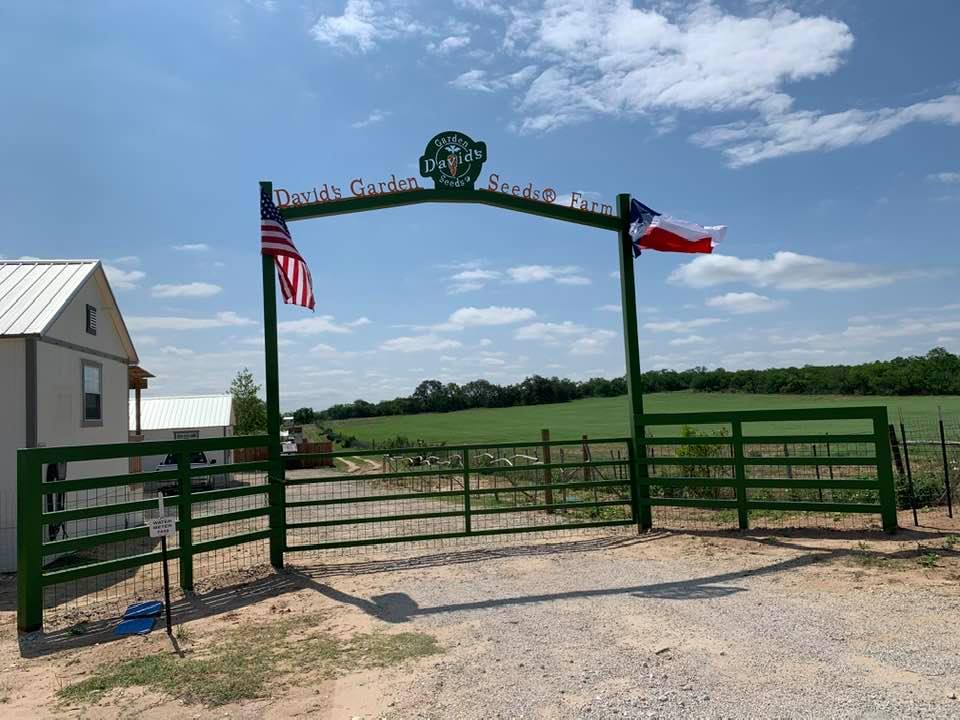
Our Farm is located at 5029 FM 2504 in Poteet, TX.
 Only happy seeds make the cut to go into our seed packs!
David's Garden Seeds® has
seeds for the backyard gardener and farm fresh chicken eggs.
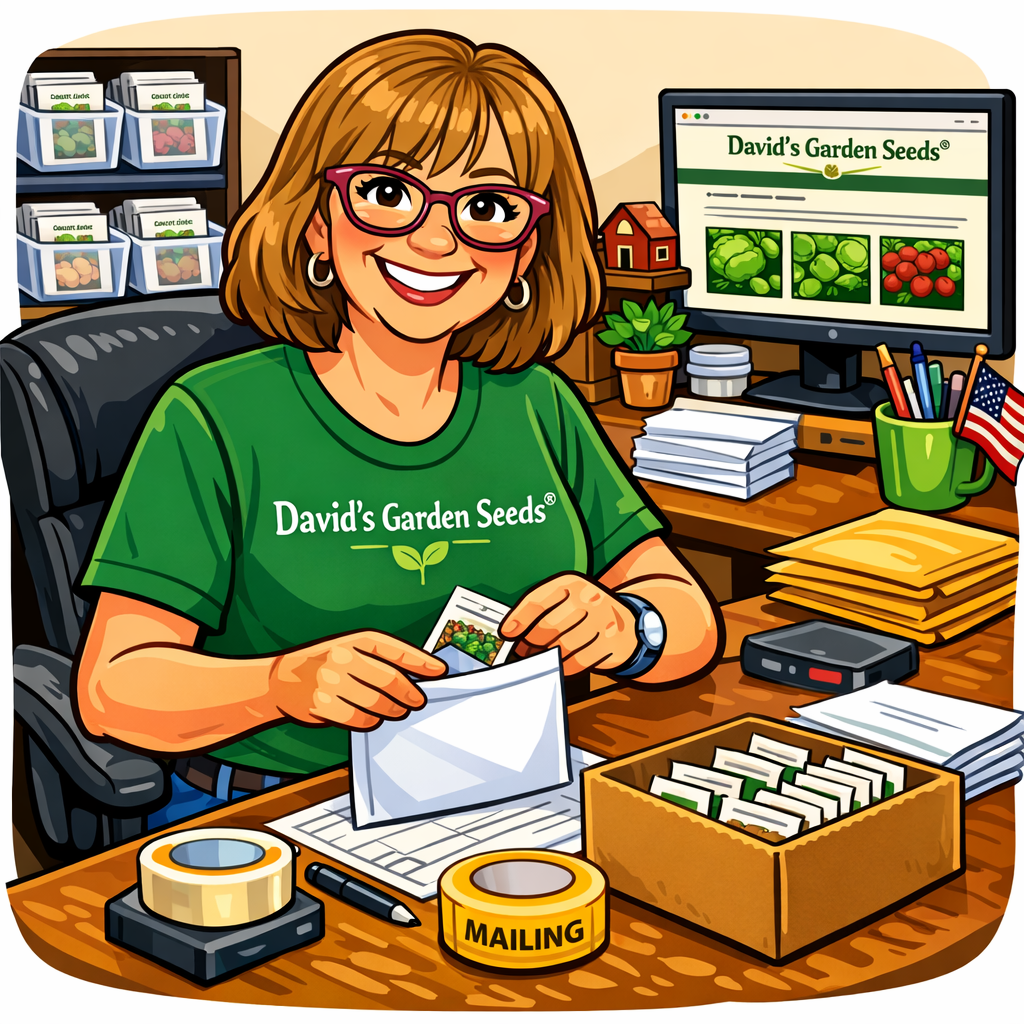
 David & Juanita work hard to pack your garden seed orders.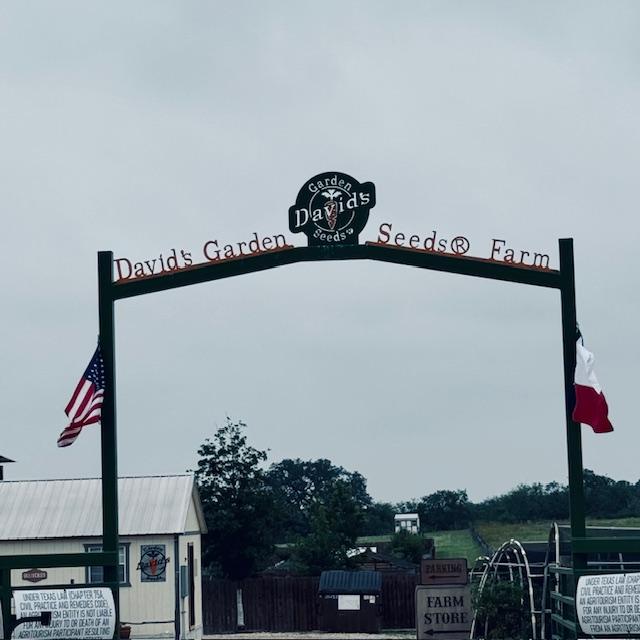



Sign Up For Our Newsletter Here!
   DGS YouTube Mrs
|
   |
Garden Ebooks
by Mrs. David's Garden Seeds
 I've been busy creating eBooks to help you with your garden...
IMPORTANT NOTE: THE EBOOKS ARE DIGITAL DOWNLOADS (EBOOKS), NOT PHYSICAL BOOKS.

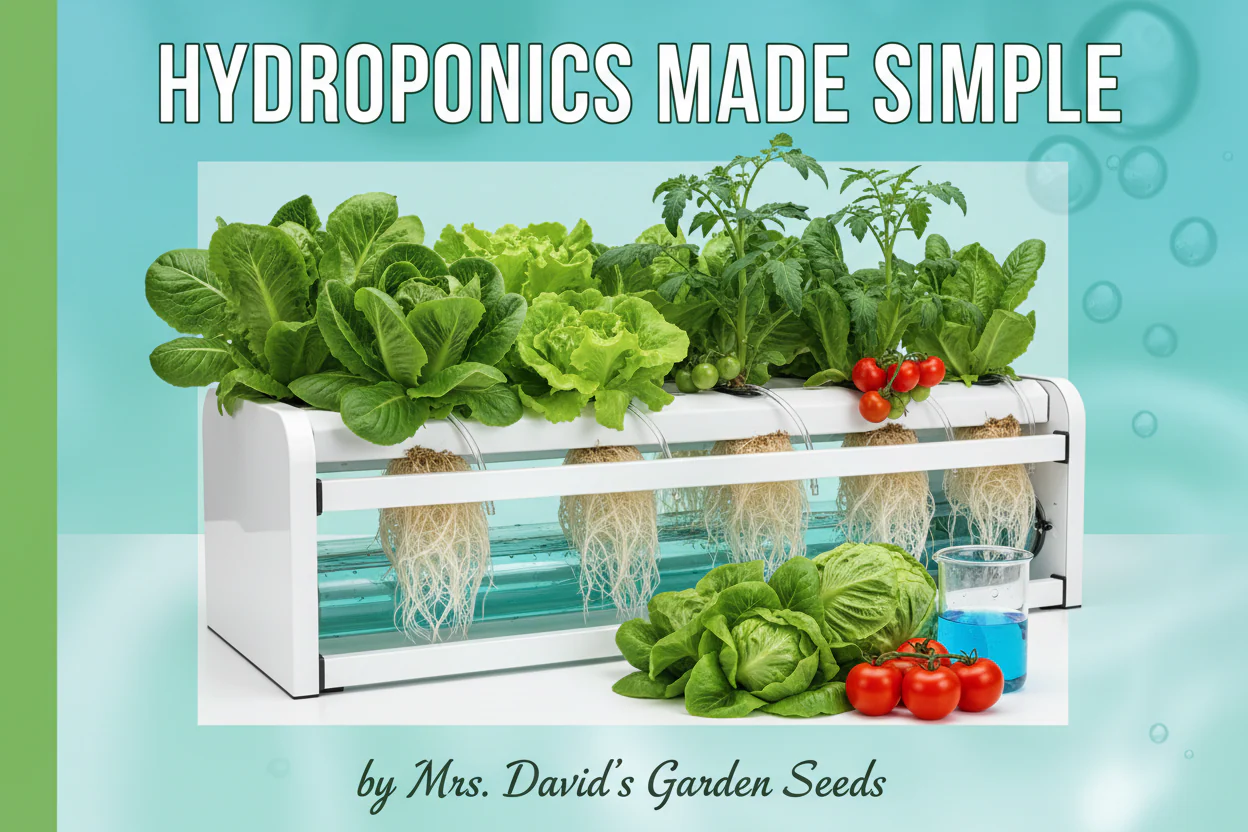
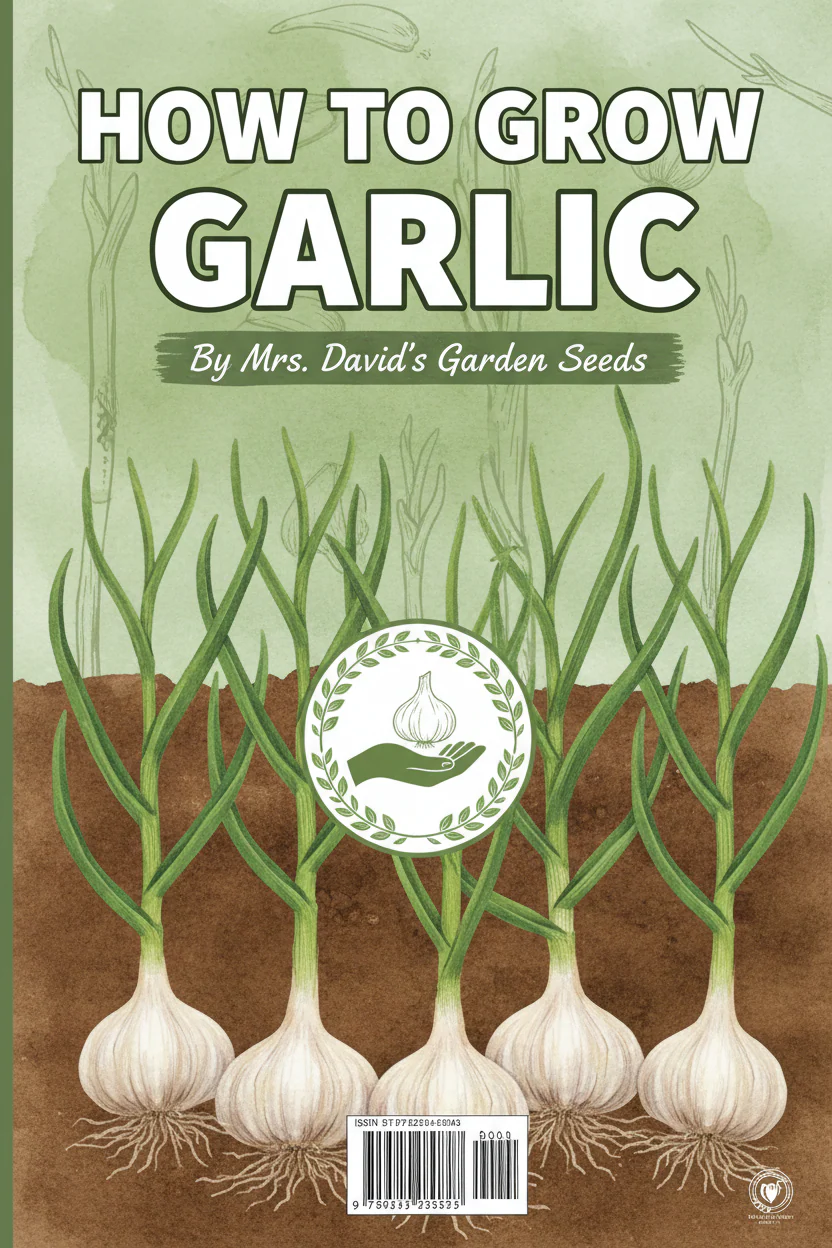
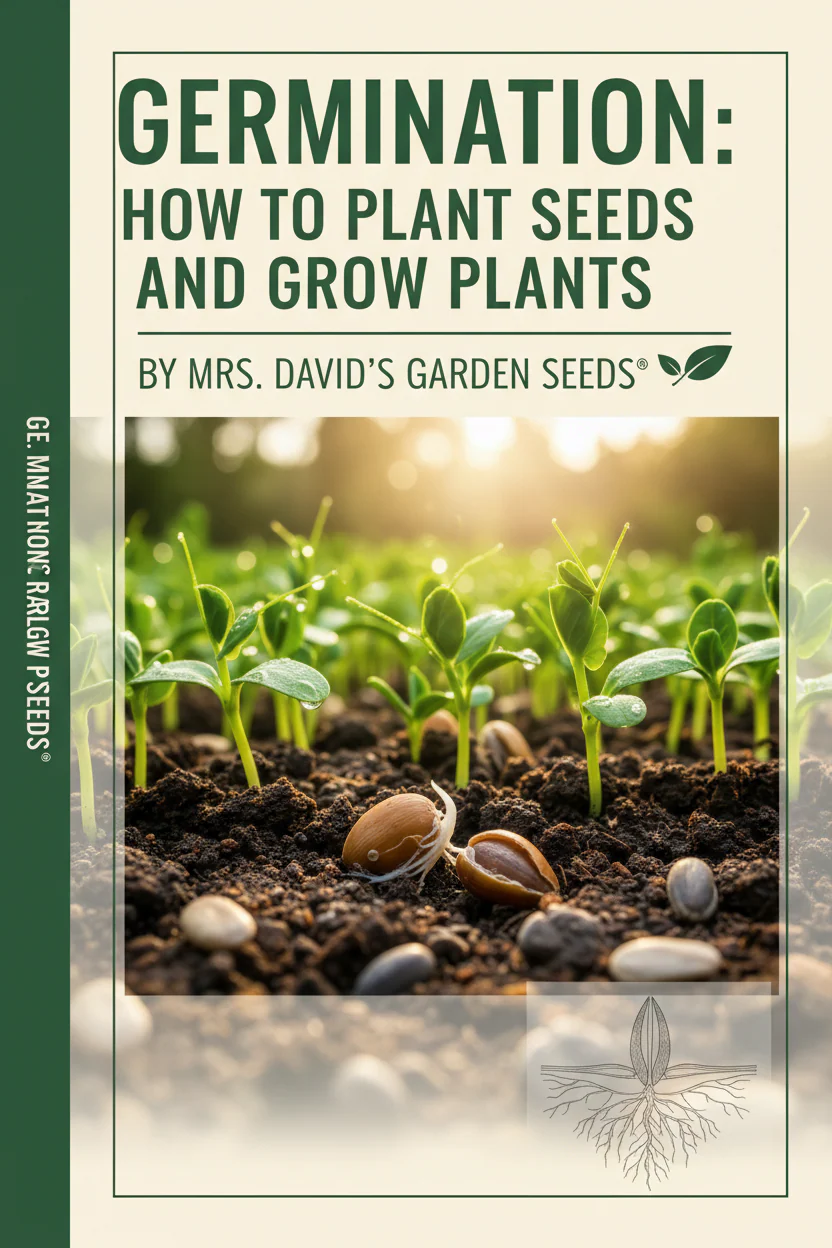
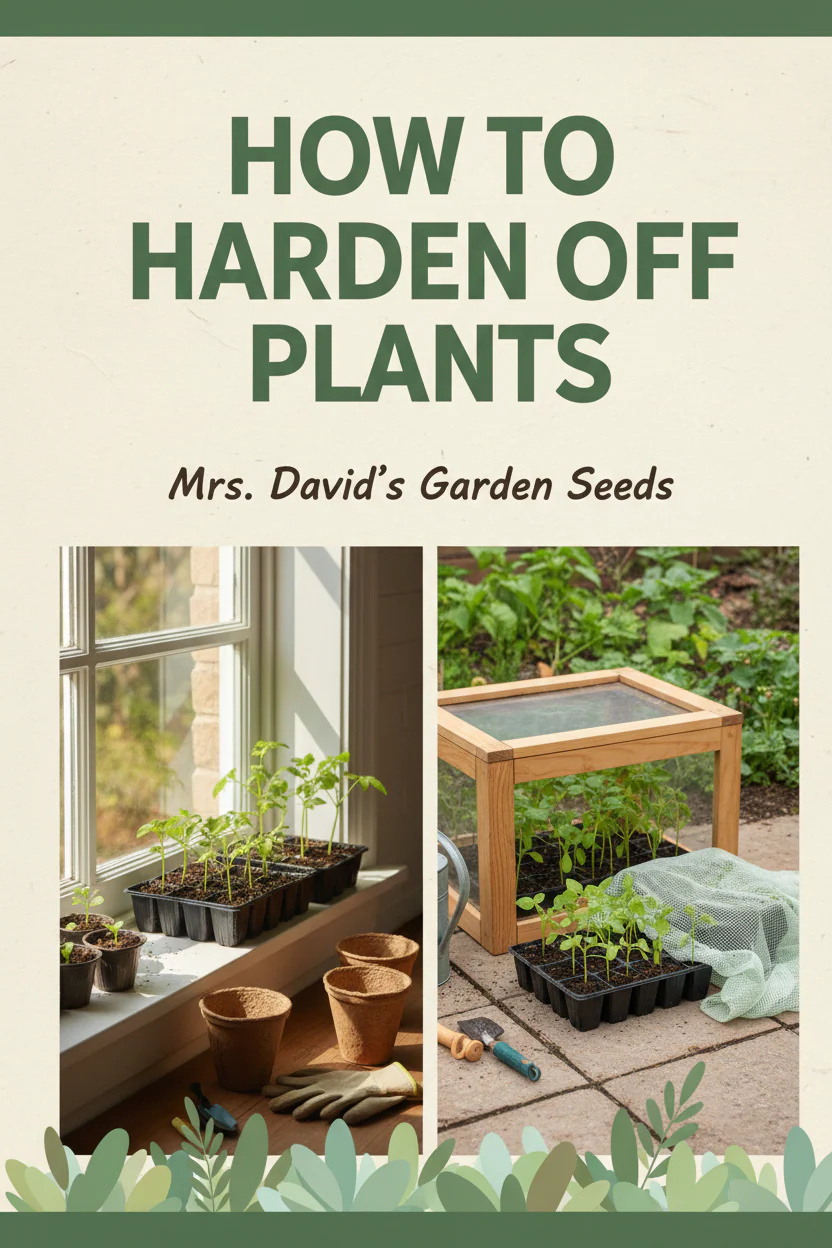
WE DO NOT REFUND OUR DIGITAL DOWNLOADS FOR OBVIOUS REASONS.
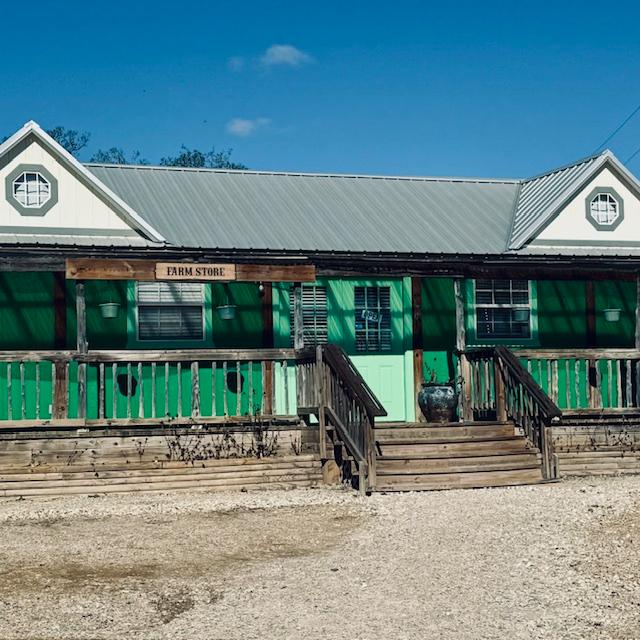
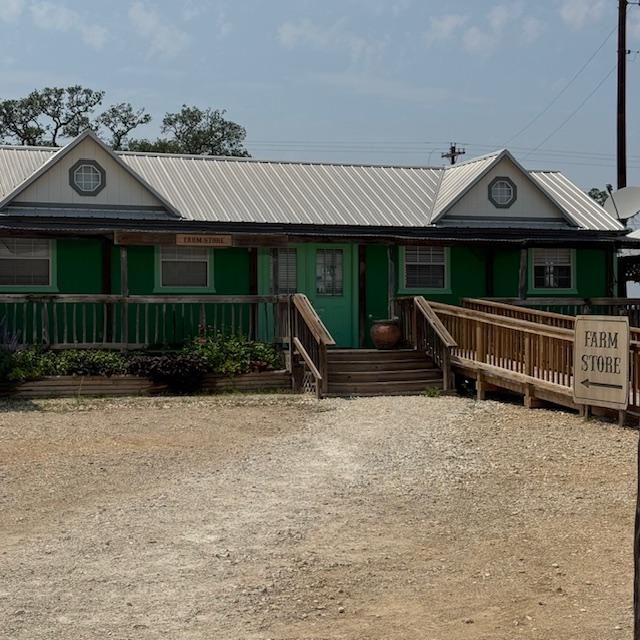 Our Farm Store is the green building
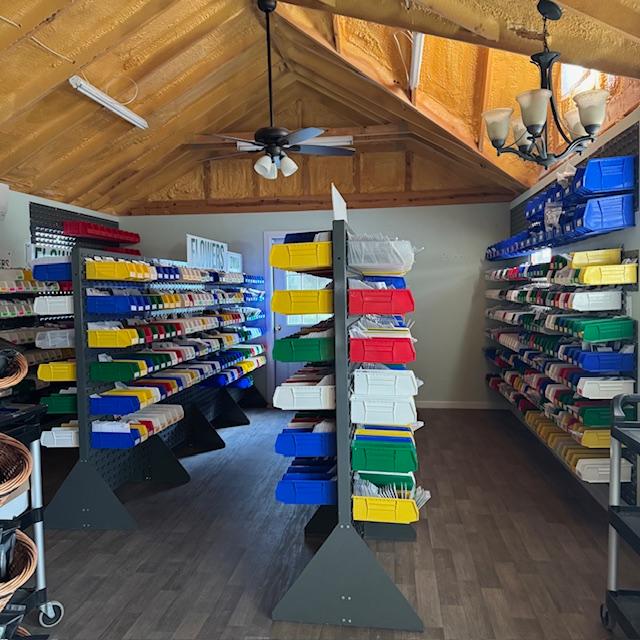 Inside our Farm Store...1400 varieties of seeds await you!
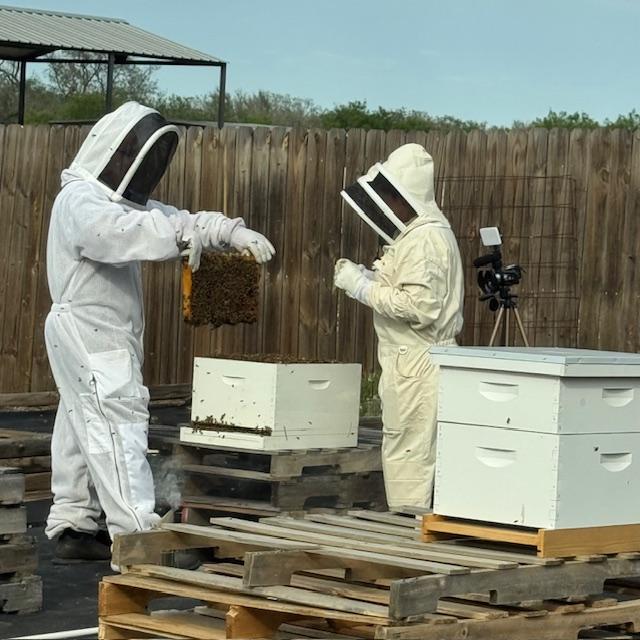 Our bee hives
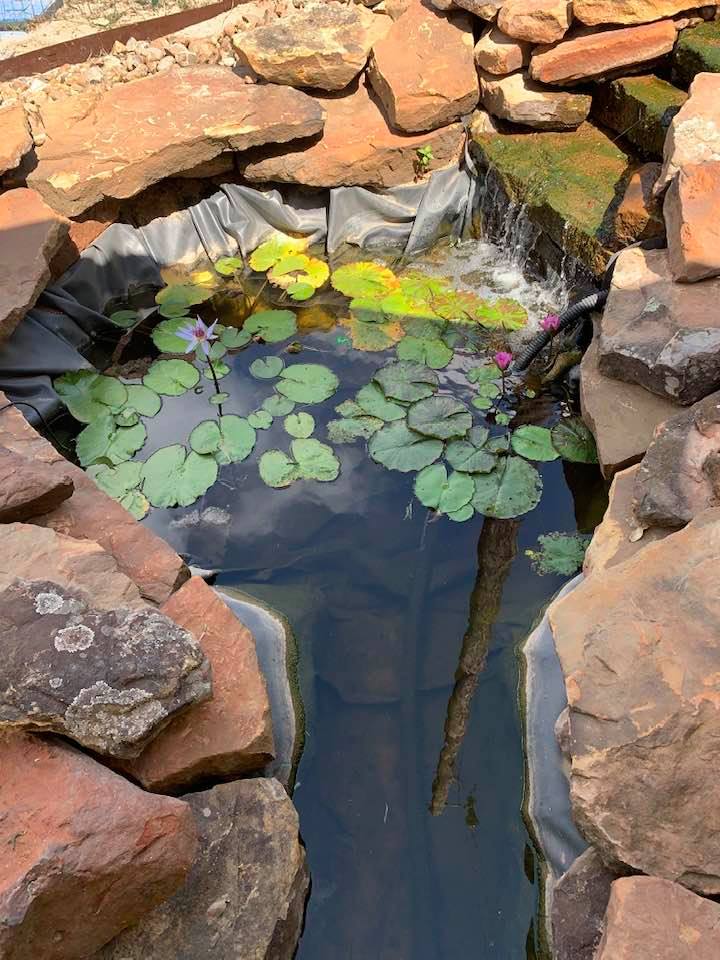
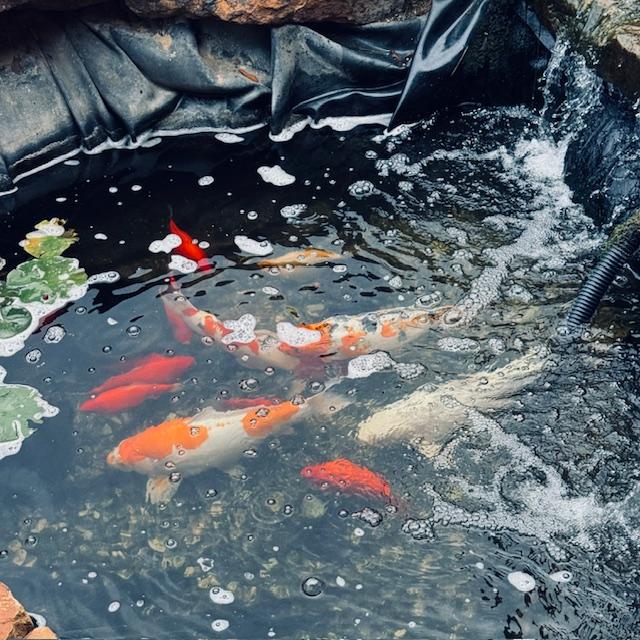 Our fish pond
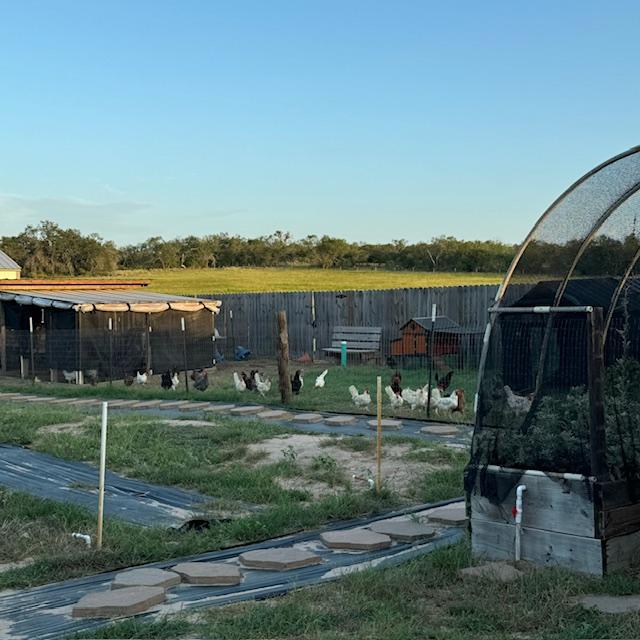 Our chickens
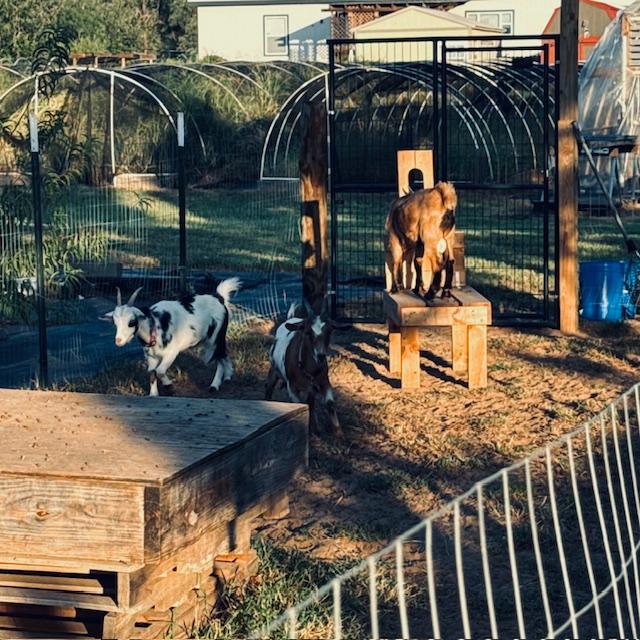 Our Nigerian Dwarf goats
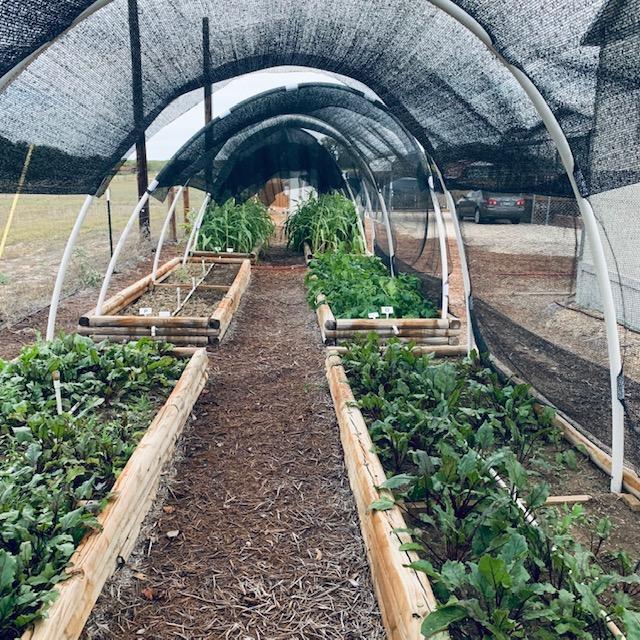
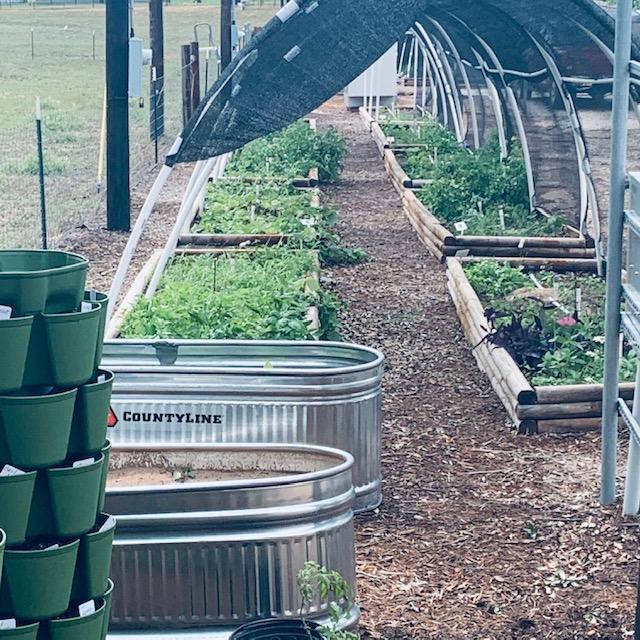 A few of our raised garden beds
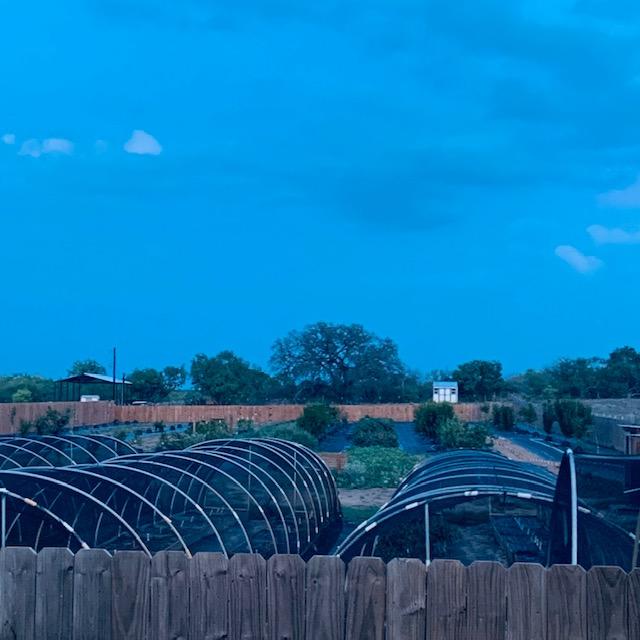 Our orchard and hoop houses
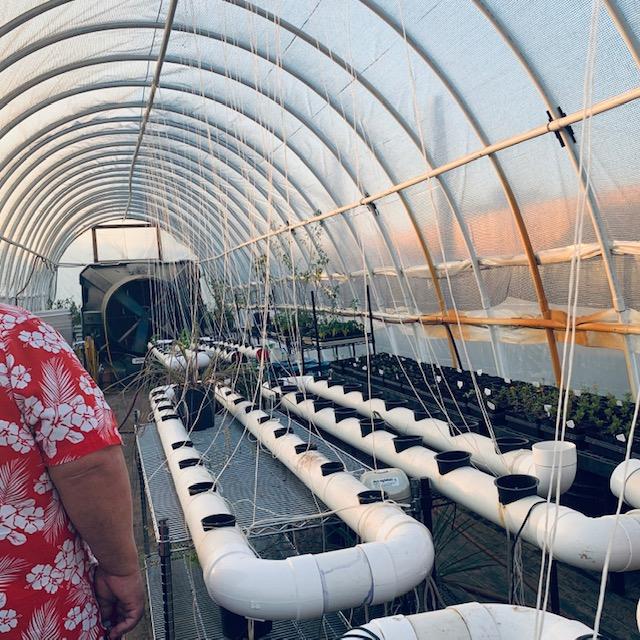 Inside our high tunnel
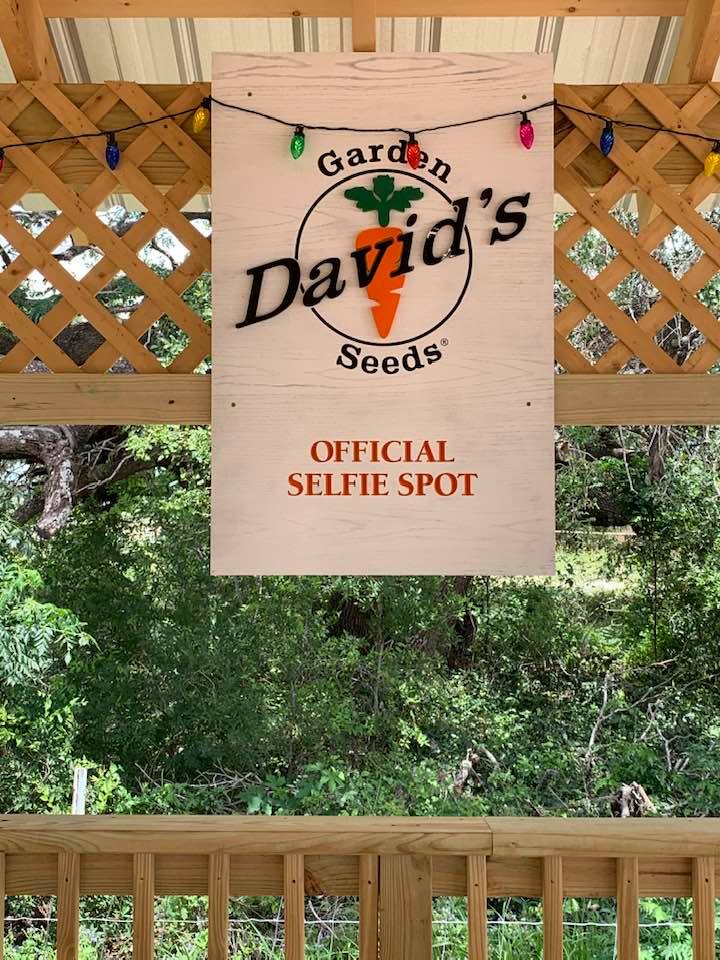 Take a selfie at our official selfie spot!
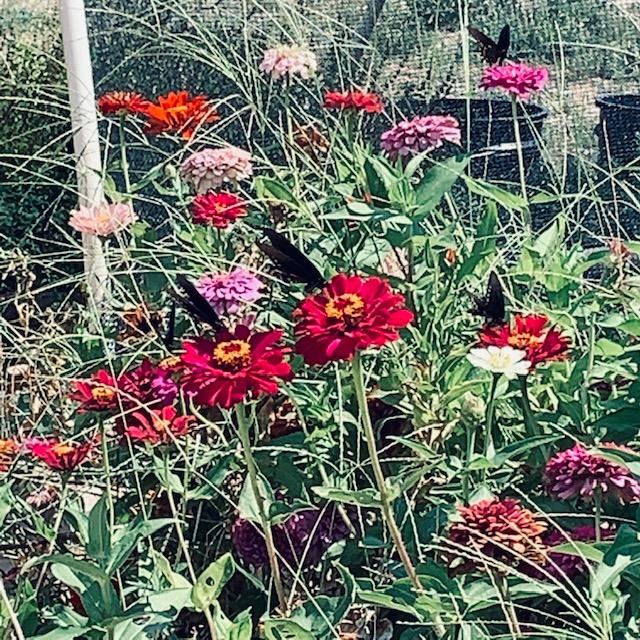 Flowers, bees, and butterflies are everywhere!
Watch Our TV Ads!
David's Garden Seeds® has the best Non-GMO seeds in the state of Texas!


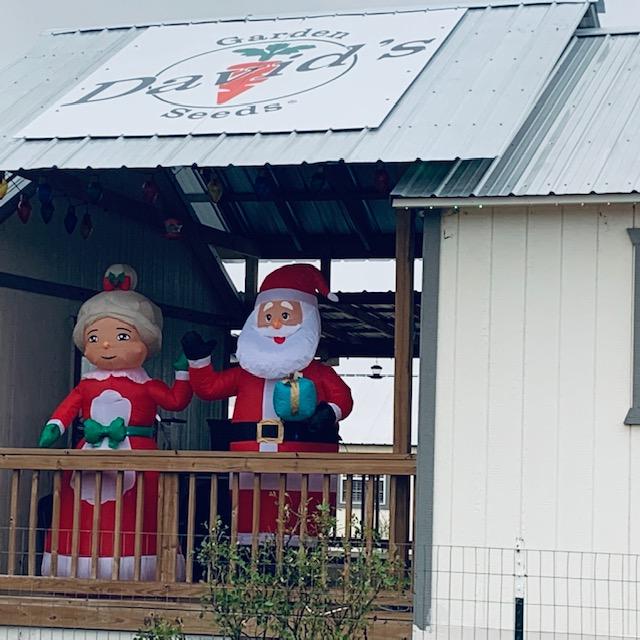
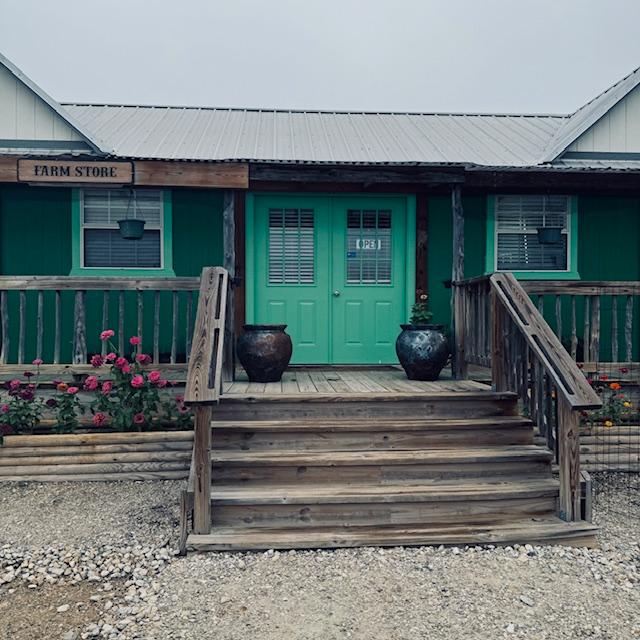 This is our beautiful Farm Store. Come in and shop for seeds. We have over 1600 Non-GMO heirloom varieties to choose from but we are in the process of bringing that number down to half.
Our Story
Hi Everyone! Thank you for visiting my website! I am Mrs Davids
Garden Seeds® aka Mrs. David's Garden Seeds and I think you should know that there is a wonderful seed
company in the great state of Texas called David's Garden Seeds®. We grow some of our seed, we count, hand pack, print our own envelopes, and ship seeds out to you right here from our farm. This used to be an old peanut farm. When the owner died about 15 years ago, his sons split the farm up and sold it in pieces. In 2024, we bought another adjoining four acres.
Our business started in our home in San Antonio in September of 2009. David decided to sell some seeds he had left over from his garden on Amazon. I told David, "Don't bother, it won't work!". I am so glad that David did not listen to me because it did work! By 2015, we had 8 employees working in my home every day and David found a storefront in San Antonio and moved the business there. In 2016, I quit my day job and went on the payroll. The company grew some more and David moved to a bigger storefront in 2017. In 2019, we found a beautiful piece of land over in Atascosa County and turned it into a farm out near Poteet. David and I moved out here to live in August of 2019.
In 2020, we moved our company out to the farm. We have a beautiful Farm Store filled with seeds, a gazebo with a pond full of koi and gold fish for you to visit. Come by and visit us at 5029 FM 2504 in Rossville, just outside of Poteet, Texas, Monday through Friday from 9am to 5pm and Saturday from 10am to 2pm. Or you can order seeds online from our user-friendly website, www.davidsgardenseeds.com.


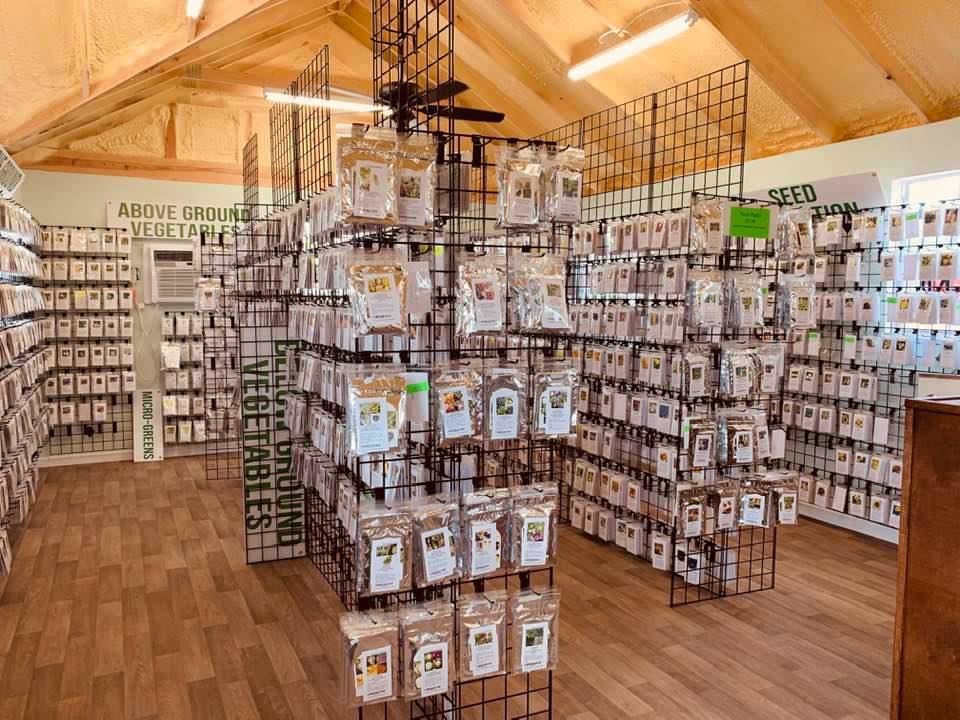 Our beautiful new farm store has almost 2,000 varieties of seeds and more. Mrs Davids Garden Seeds® looks forward to meeting you when you visit.
Mrs. David's Garden Seeds® Copyright by Juanita Lynn Schulze of David's Garden Seeds® 2019-2026
David's Garden Seeds® is Registered in the United States Patent and Trademark Office.