Pelleted Seeds
This week, let's learn about pelleted seeds--what they are and why you might want to use them in your garden.
If you have ever opened a seed packet and found tiny seeds that look smooth, round, and almost coated like little beads, you were probably looking at pelleted seeds. If you are planning your next vegetable patch, it helps to know what they are and why many gardeners like them. In this guide, you will learn the basics of these coated seeds to plant in the garden in clear, simple language.
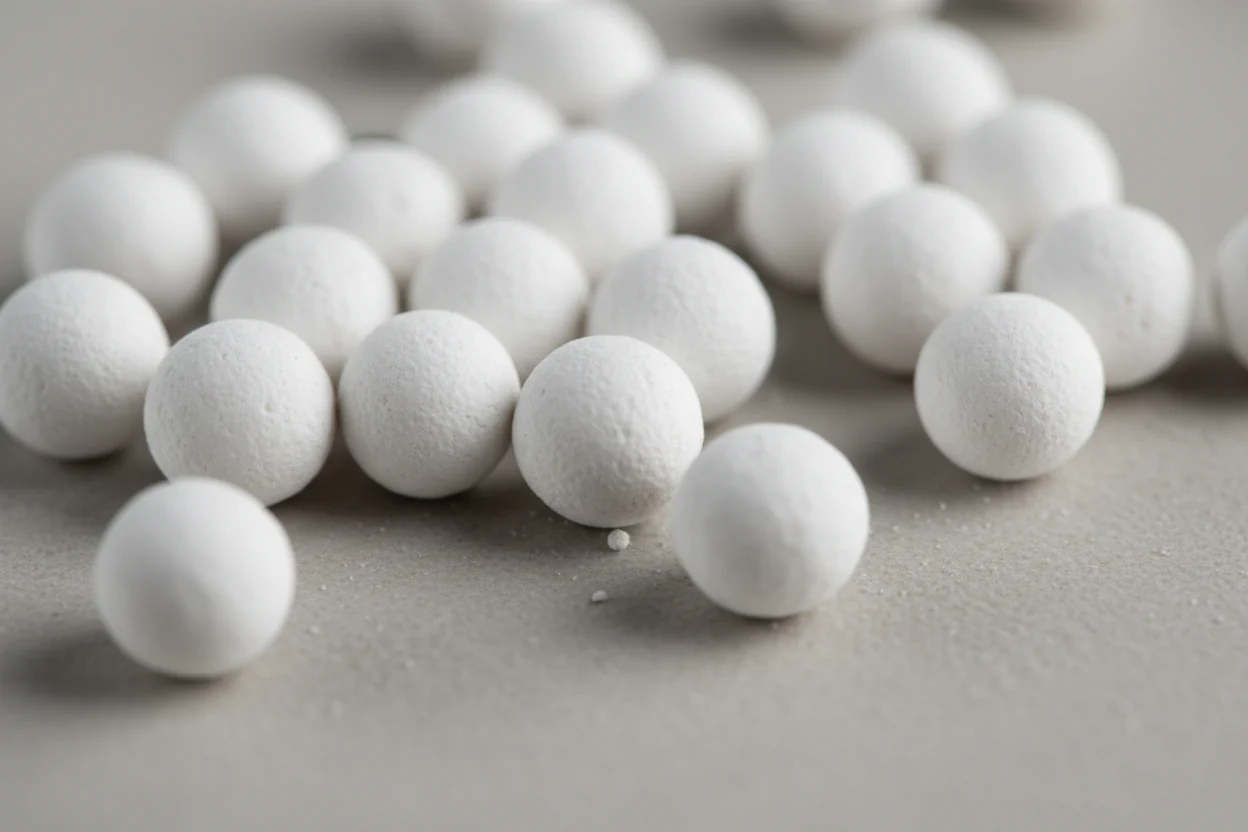
Pelleted Seeds - 6/1-6/7/2026
A pelleted seed is a real seed that has been covered with a layer of material to make it larger, more even in shape, and easier to handle. The coating turns small, odd-shaped seeds into more uniform pieces. That means you can see them better, space them better, and sow them with less waste.
You can think of pelleting like putting a tiny jacket around a seed. The seed is still inside, and the goal is not to change what kind of plant it will become. The goal is to make planting easier for you, especially when the seed is naturally tiny, dusty, or hard to pick up.
This matters a lot in the garden because many vegetable and herb seeds are extremely small. Lettuce, carrot, celery, onion, basil, and some flower seeds can be tricky to sow one by one. I have spilled tiny seed packets more than once, and that is one reason I understand why gardeners appreciate pelleted seed.
Pelleted Seeds - What Are They?
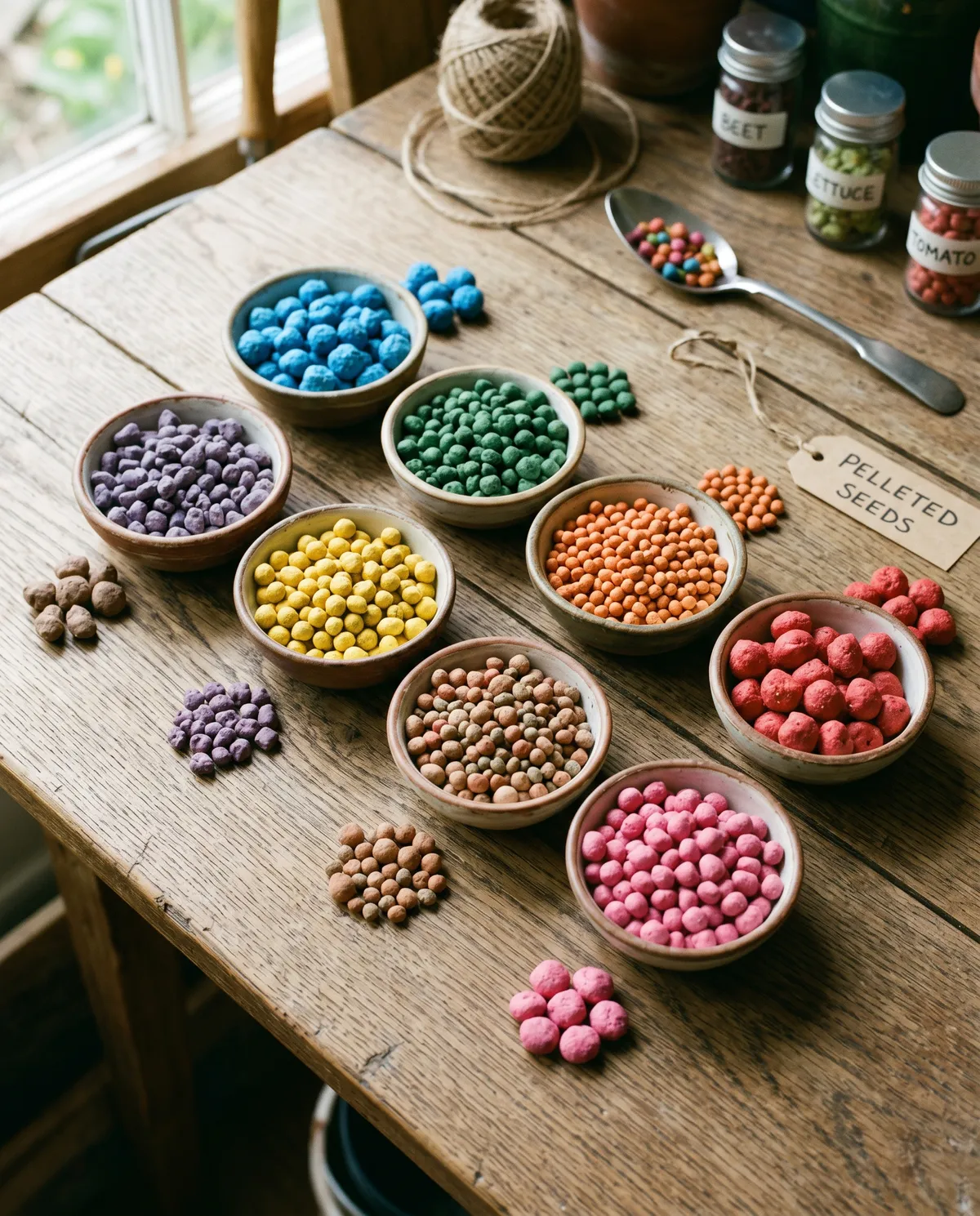 Pelleted seeds come in a variety of colors and sizes, made to make it easier to plant a garden. The pelleting makes the seeds larger and easier to see and handle.
So, what are pelleted seeds made of? In general, the pellet is made from inert materials, which means materials meant to be inactive around the seed. Different companies use different formulas, but common pellet ingredients may include clay, limestone, chalk, or other natural mineral-based materials, sometimes along with binders to help the coating stay in place.
The exact recipe can vary by seed company and by crop. Some coatings are very simple and meant only to enlarge the seed. Others may be designed to break apart quickly when watered. Because formulas differ, the best source for exact details is the seed packet, product page, or the seed company itself.
Many gardeners ask a very fair question: do pelleted seeds have chemicals? The honest answer is that all coatings are made of substances, but that does not automatically mean they contain harsh garden chemicals. Some pelleted seeds are coated only with inert materials used to shape the pellet, while others may include added treatments, depending on the brand and product.
That is why reading the packet matters. A plain pellet is not the same thing as a seed treatment. Pelleting refers to the physical coating that changes the size and shape of the seed. Seed treatments can include fungicides, insecticides, biologicals, nutrients, or inoculants, but those are separate additions and are not present on every pelleted seed.
If you want to avoid added treatments, you can look for wording such as untreated, organic when applicable, or simple coating information from the seller. If a packet says the seed is treated, it should usually say so clearly. If it only says pelleted, that usually refers to the coating for size and ease of planting, but it is still smart to confirm.
Pelleted Seeds - Why Use Them?
Why would you want to use pelleted seeds? The biggest reason is ease. Pellets make tiny seeds easier to see in your hand, easier to drop into seed trays, and easier to space in rows. This can save time and reduce thinning later.
Better spacing is a major benefit in a home garden. When you can place seeds farther apart and more evenly, you often waste fewer seeds. You may also end up with straighter rows and less crowding, which can help with airflow and reduce competition between seedlings.
Another reason gardeners like pelleted seeds is precision. If you use a seeder tool or want to sow one seed per cell in a tray, a larger and more uniform pellet works much better than a tiny raw seed. Commercial growers value this, but backyard gardeners do too.
Pelleted seeds are especially useful if you have trouble handling small seeds. If your hands are stiff, your eyesight is not perfect, or you simply want a less fussy planting job, pelleted seed can make gardening more enjoyable. That alone can be reason enough for many people.
Pelleted Seeds - What Seeds Are Pelleted?
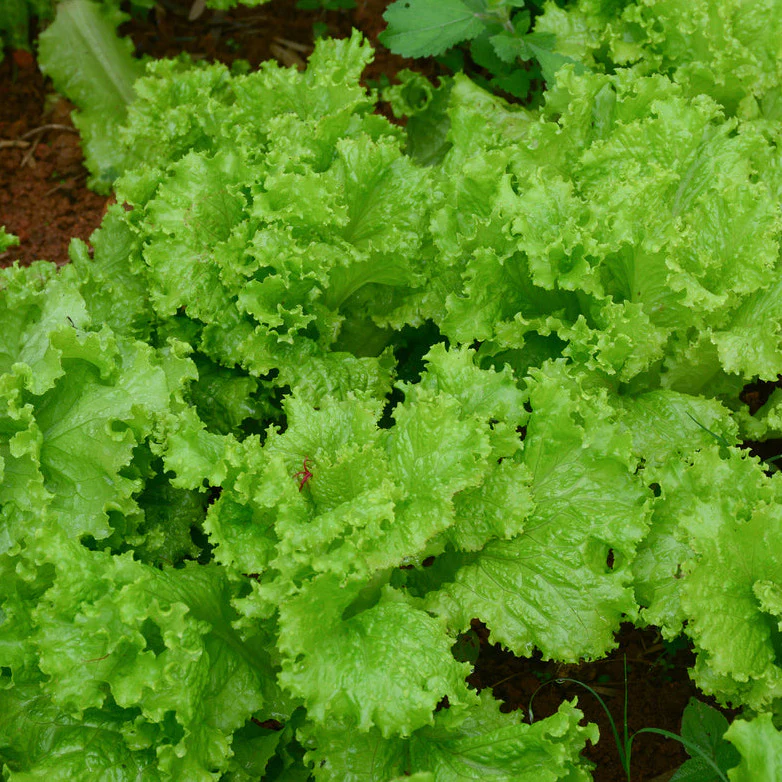
What seeds are often pelleted? Usually, the seeds most likely to be pelleted are the very small or irregular ones. Lettuce is one of the best-known examples. Carrot seed is another. Onion, celery, parsley, basil, and some brassica seeds may also be sold in pelleted form by some companies.
Flower seeds are also commonly pelleted, especially those that are dust-like or very hard to sow individually. While your focus may be vegetables, many of the same reasons apply. A pelleted seed gives you more control at planting time, whether you are sowing salad greens or ornamental flowers.
A pelleted vegetable seed is often marketed to greenhouse growers, market growers, and gardeners who start seedlings in plug trays. That is because one seed per cell is much easier when each seed has a larger, more regular shape. Uniform seeding can lead to more uniform transplants.
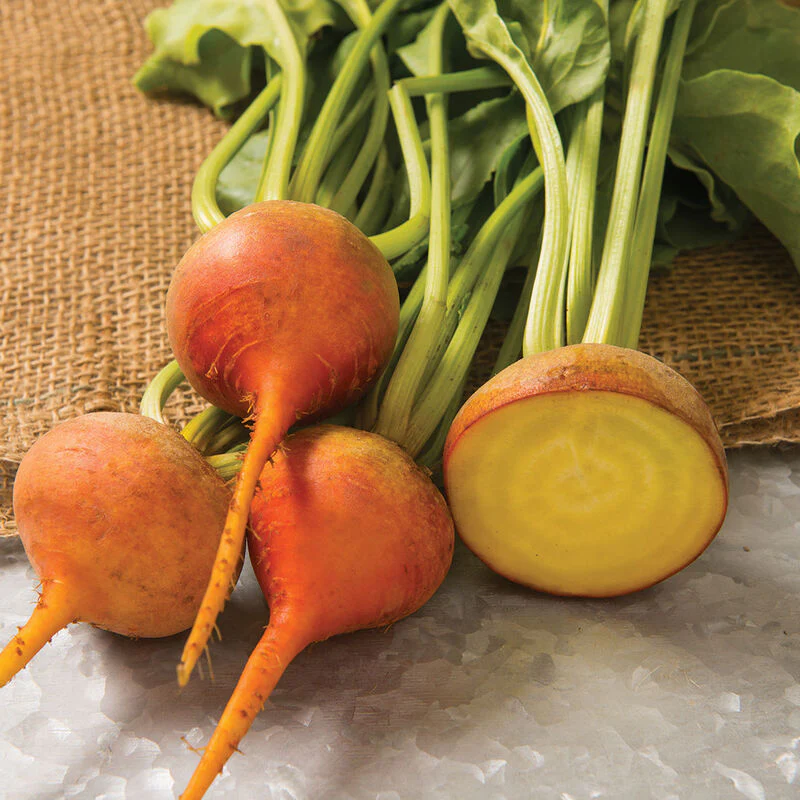
We offer a large variety of pelleted seeds at David's Garden Seeds--different varieties of carrots, celery, Swiss chard, lettuce, beets, shallots, and onions.
Pelleted Seeds - Are They Good For Planting?
Are pelleted seeds good? In many cases, yes. They are good for improving handling, visibility, and spacing. They can make sowing easier and cleaner. For many gardeners, they reduce frustration with tiny seeds and help create a more orderly planting process.
Still, pelleted seeds are not automatically better in every situation. If you like broadcasting seed thickly and thinning later, or if you are sowing very large seeds like beans, peas, or corn, pelleting may not add much value. The benefit is greatest with seeds that are naturally tiny or awkward to plant.
This leads to a common question: Are pelleted seeds better than non-pelleted seeds to use in the garden? The best answer is that they are better for some jobs, not all jobs. If precision, spacing, and easier handling matter to you, pelleted seeds can be better. If low cost, long storage, or simple direct sowing of bigger seeds matters more, non-pelleted seeds may be fine.
One thing to remember is moisture. The pellet needs water so it can soften and break down, allowing the seed inside to germinate well. That means consistent moisture is especially important after sowing. If the seedbed dries out too much, germination may be reduced.
For that reason, pelleted seed is often a great fit for seed trays, plug trays, greenhouse benches, or well-prepared garden beds where you can keep the surface evenly moist. In a dry patch of soil that crusts over or dries quickly, you may need to pay more attention.
In my own gardening experience, tiny lettuce and carrot seeds can be frustrating on windy days. Pelleted forms feel calmer to plant. You can see what you are doing. You can place each seed with more confidence. That small improvement can turn a stressful job into an easy one.
Not every seed company offers many pelleted choices. Some companies specialize in them because they serve growers who use precision seeders and tray systems. Others carry only a limited number of pelleted options, often for crops where the benefit is most obvious.
David's Garden Seeds has a limited amount of seeds that are pelleted. That means you may find some pelleted offerings there, but not a full pelleted version of every crop they sell. Availability can change over time, so it is wise to check current listings if you want a specific variety in pelleted form.
If you are shopping for pelleted seeds to plant in the garden, start by looking at crops with tiny seed size. Search terms like pelleted lettuce seed, pelleted carrot seed, or pelleted basil seed can help. You can also browse the seed-starting or greenhouse sections of seed catalogs.
Where can you get pelleted seeds? You can often find them from online seed companies, greenhouse supply sellers, farm and market garden suppliers, and some specialty garden retailers. They are more common online than in small local garden racks, though some nurseries may carry them in season.
Pelleted Seeds - The Difference In Seeds
Some larger seed suppliers clearly label pelleted products because growers specifically seek them out. Product pages may say pelleted, raw, treated, or primed, so be sure to read carefully. These words do not all mean the same thing, and it helps to know exactly what you are buying.
Here is a simple way to think about related seed terms:
- Raw seed: uncoated seed
- Pelleted seed: seed covered to change size and shape
- Treated seed: seed with added protective treatment
- Primed seed: seed prepared to support faster or more even germination in some cases
Sometimes a seed can be both pelleted and treated, or pelleted and primed. Sometimes it is only pelleted. This is why labels matter so much. If you want the simplest option possible, check the description before you buy and ask the company if anything is unclear.
Pelleted Seeds - Are They Safe?
Another good question is whether pelleted seeds are safe to use in a home garden. In general, standard pelleted seeds sold by reputable seed companies are intended for garden and greenhouse use. Still, you should always handle seeds responsibly, keep them away from children and pets, and wash your hands after planting, especially if any treatment is listed.
Organic gardeners often ask if pelleted seeds are allowed in organic systems. The answer depends on the coating materials and whether any additional treatment is included, as well as the rules that apply to the grower or certification program. If organic compliance matters to you, look for clear product labeling and verify the details with the supplier.
Pelleted Seeds - What Are The Drawbacks?
One drawback of pelleted seed is storage life. Because the coating can change how the seed responds to moisture and handling, pelleted seed is often best used sooner rather than later. Many growers prefer to buy only what they need for the season instead of storing leftover pelleted seed for long periods.
That does not mean pelleted seeds always fail in storage. It simply means they are often treated as a product to use fresh, with careful attention to storage conditions. Cool, dry, and dark storage is still the general rule, but the seller’s guidance should come first.
Cost is another factor. Pelleted seeds may cost more than raw seed because they go through extra processing. For some gardeners, the higher price is worth it because of better spacing and less thinning. For others, raw seed is the cheaper and simpler choice.
If you have ever spent a long time thinning carrots or lettuce, you already know the hidden cost of tiny raw seed. Pelleted seed can reduce that work. So even if the packet price is a little higher, the time savings may make it worthwhile for you.
Pelleted Seeds - How To Plant
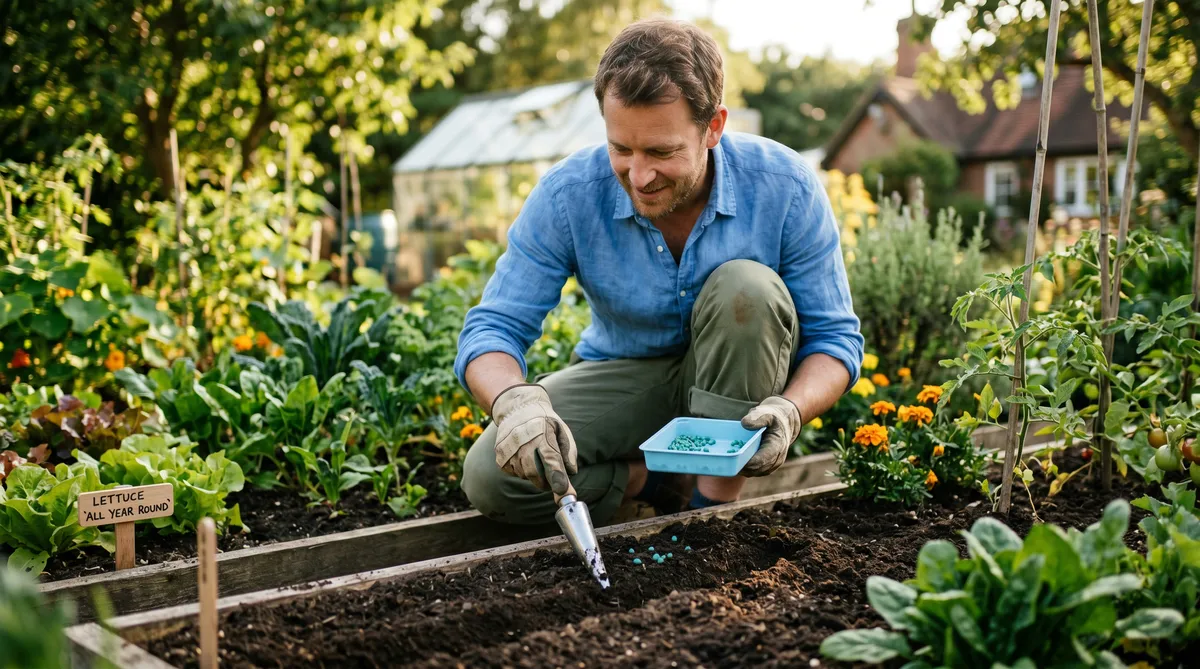
Gardeners who use seeders often like pelleted seed because the uniform size helps equipment work more smoothly. Even if you plant by hand, the benefit still shows up. It is easier to count seeds, easier to place them, and easier to avoid clumps.
When planting pelleted seeds, prepare a fine, even seedbed. Sow at the recommended depth on the packet. Do not bury them too deep. Then water gently but thoroughly so the pellet can begin to soften. Keep the top layer of soil from drying out during germination.
For tray sowing, place one pellet in each cell if that is your goal. Lightly cover if the crop requires covering, or follow the light-germination needs of that seed. Since the pellet makes the seed easier to see, tray planting can be much faster and neater.
One mistake some gardeners make is treating pelleted seed exactly like raw seed under dry conditions. The coating needs moisture to break down well. So if the weather is hot, windy, or very dry, you may need more careful watering than you would with some raw seeds.
Another concern people have is germination rate. A good pellet should not stop a healthy seed from germinating when conditions are right. However, poor moisture management can interfere with performance. In other words, the pellet itself is not the enemy, but it does mean you need to pay close attention to water.
If you direct sow in the garden, mulching lightly or using row cover can sometimes help hold surface moisture, depending on the crop. The key is to avoid letting the top of the seed row dry out before the pellet softens and the seed sprouts.
Pelleted Seeds - A History
Who invented pelleted seed? Seed pelleting developed over time through agricultural and horticultural innovation rather than being tied to one widely credited inventor. It grew from the need for precision sowing, especially as mechanical planters and greenhouse systems improved.
When did pelleted seeds first start? Commercial seed pelleting became more established during the twentieth century as modern horticulture and precision planting expanded. Exact dates can vary depending on the crop and the source, but the practice is not new. It has been used for many decades in professional growing.
Pelleted Seeds - Who Uses Them?
Who uses pelleted seeds today? Many groups do:
- Home gardeners
- Greenhouse growers
- Market gardeners
- Commercial vegetable growers
- Nurseries
- Plug and transplant producers
The people who benefit most are usually those working with tiny seed, aiming for even spacing, or sowing into trays and small cells. A home gardener can gain the same advantages on a smaller scale. You do not need a large farm to appreciate easier planting.
The benefits of pelleted seeds can be summed up clearly:
- Easier to see
- Easier to handle
- Better spacing
- Less thinning
- More precise sowing
- Better fit for tray planting and seeders
There are also limits to keep in mind:
- Often costs more
- Needs steady moisture
- May not store as well as raw seed
- Not necessary for large seeds
- Availability can be limited for some varieties
If you are deciding between pelleted and non-pelleted seed, think about your crop, your planting method, and your patience level. If you enjoy precise sowing and want a tidy start, pelleted seeds to plant in the garden may be a smart choice. If you are sowing broad beans by hand, probably not.
For vegetable gardeners, the crops most worth checking in pelleted form are often lettuce, carrot, celery, onion, herbs, and other tiny-seeded types. These are the crops where the difference in handling can feel dramatic. One neat seed at a time is easier than a dusty sprinkle.
When shopping, compare packet size, variety name, and seed form. Sometimes a favorite variety is available only as raw seed, while another variety comes as pelleted vegetable seed. If ease of planting matters more than having one exact variety, that may guide your choice.
It also helps to buy from trusted sellers who provide clear descriptions. Good seed companies tell you whether the seed is pelleted, treated, or untreated. They also usually include sowing guidance. That kind of clear labeling builds confidence when you are choosing garden seeds for the season.
If you are brand new to this, try a side-by-side test. Plant one row with pelleted seed and one row with raw seed of a similar crop. Watch how easy they are to sow, how much thinning each needs, and how the seedlings emerge. A small test can tell you a lot.
Many gardeners find that pelleted seed is not something they need for every crop. Instead, it becomes a helpful tool for the most annoying tiny seeds. That balanced approach makes sense. You can use raw seed where it works well and choose pelleted seed where it saves time.
So, are pelleted seeds good? Yes, for many gardeners they are very good, especially with small seeds and precision planting. Do they always contain chemicals you want to avoid? Not necessarily, but you should always read the product details because coatings and treatments vary by supplier.
In simple terms, pelleted seeds are regular seeds with a coating that makes them larger and easier to plant. They can help you sow more neatly, waste fewer seeds, and reduce thinning. They are widely used by professional growers and are also useful for home gardeners who want an easier planting experience.
If you are preparing your next garden, pelleted seeds to plant in the garden are worth a look, especially for tiny-seeded vegetables and herbs. Check trusted seed sellers, read the packet carefully, and choose the form that fits how you like to plant. A small change in seed form can make a big difference in how easy your garden starts.
Monday, June 1, 2026
Last week, it was decided that I would be at home from now on. I have been cleaning the house, planting, weeding, cooking, and doing things that working women have no time for, at least not when they work seven days a week with most days at a minimum of ten hours.
For some reason, even though I planted a ton of potatoes in April, David had more potatoes that he ordered that needed to be planted. They sat in my living room for weeks so I got them all planted one morning last week. I weeded all of the pots plus one flowerbed in front of the store on the same morning.
Last Friday, I planted seeds in my plant area in large pots.
This morning, Matt is picking some more large molasses tubs from a neighbor. We have received all of our molasses pots from some generous neighbors. They are great for planting. Just drill some holes in the bottom first.
Matt picked up soil for me this past Saturday. I will be doing some more planting and weeding this morning. It is hot and humid out there.
New Store Hours
There are still farm fresh eggs at the store but David has set new business hours for customers. The store will be open on Thursdays and Fridays from 10am to 5pm and on Saturdays from 10am until 2pm. The store is now closed to customers Sundays through Wednesdays.
Wednesday, June 3, 2026
I awoke early this morning and remembered that David had to leave soon for fasting bloodwork. He was already up and almost ready to go. After he left, I fed the dogs and made some eggs. Then I began my day in the house.
Yesterday, I started dismantling all of my bookshelves. I got an email this morning from ThriftBooks saying I could sell them books. Every single book I tried to sell was denied, all saying they have more than enough of each book. So what is the use?
David brought some groceries home which I put away. He went to work. I went over and put some chlorine killer into the pond. Thirty minutes later, I turned on the water to add some water to the pond as it evaporates quickly in the heat.
Friday, June 5, 2026
I woke up early but it was light. I got up and it started pouring. It stopped and I let the dogs out. They began barking so I let them back in and saw that it was raining again which is why they barked.
Saturday, June 6, 2026
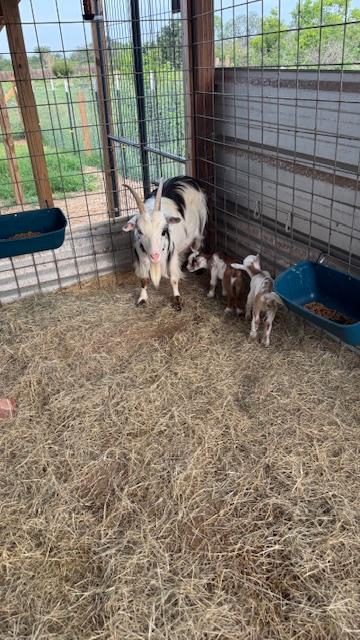
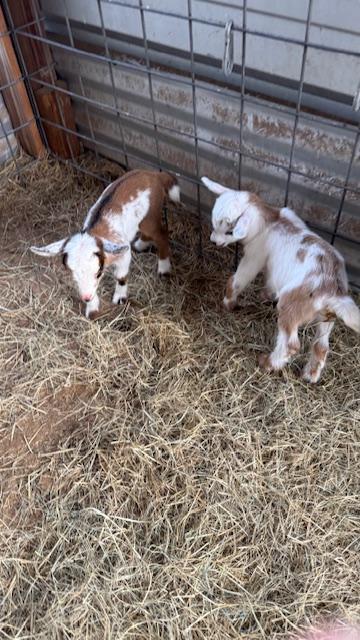
 Trixie and her new babies born today. We don't know yet but my guess is they are boys since that is mostly what we got this time. I will be delighted if they are girls.
Trixie, the last of our pregnant goats, gave birth sometime in the night or early morning. Around 10am today, we found two new babies with Trixie, all dry and playing around.
Sunday, June 7, 2026
Life in the country is pretty much like life in the city even though neighbors are farther away. People are still the same everywhere you go.
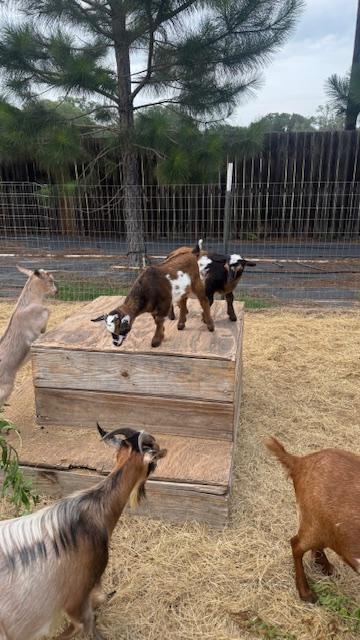
Trixie's babies were still good early this morning. It has been too hot so I still have not gone out there this evening yet. No rain and we probably won't get a drop in the next two weeks according to The Weather Channel app.

David spent the afternoon trashing my kitchen. He decided to make oatmeal raisin cookies. He dirtied eight measuring cups, five bowls, five coffee cups, and he used the blender and the handheld mixer. There was flour everywhere and, amazingly, no baked cookies. I guess he is chilling the dough. He asked several questions and then, while I was folding laundry, he asked how to cream the sugar and butter. He had no clue what that meant. During the process, he was going to chop something and dropped my Pampered Chef hand chopper on the floor, breaking it.
When he was finished, he called me to clean up the kitchen. Wasn't that thoughtful? He is now in his office doing CEO stuff, I guess.
I cleaned up and put away all of the ingredients...Fun afternoon...
Return from Pelleted Seeds to Year 7 Of Farm Life
Anything To Share On This Topic?
Would you like to share additional information about this topic with all of us?
Since 2009, over 2,000,000 home gardeners, all across the USA, have relied on David's Garden Seeds® to grow beautiful, productive gardens. Trust is at the heart of it. Our customers know David's Garden Seeds® stocks only the highest quality seeds available. Our mission is to become your lifetime supplier of quality seeds. It isn't just to serve you once; we want to earn your trust as the primary supplier of all of your garden seeds.
Watch Our 2022 TV Commercial!
Sing Along To Our Jingle
♪♫♪♪ ♫ ♪ ♫♪♫♫
♪♫♪♪♫♫
Peppers and peas
And lots of yummy greens
You can't go wrong
With Squash This Long
At David's Garden Seeds
♪ ♫ ♪ ♫
Our New 2024 TV Ad
Please like and subscribe on YouTube and come visit us at our Farm Store! The music on our TV ad was written, played, and sung by our son, Matthew Schulze. You can meet him when you come to the farm. He just might give you a tour. Ask him to grab a guitar and sing our jingle that he wrote.
Our 2022 TV Ad

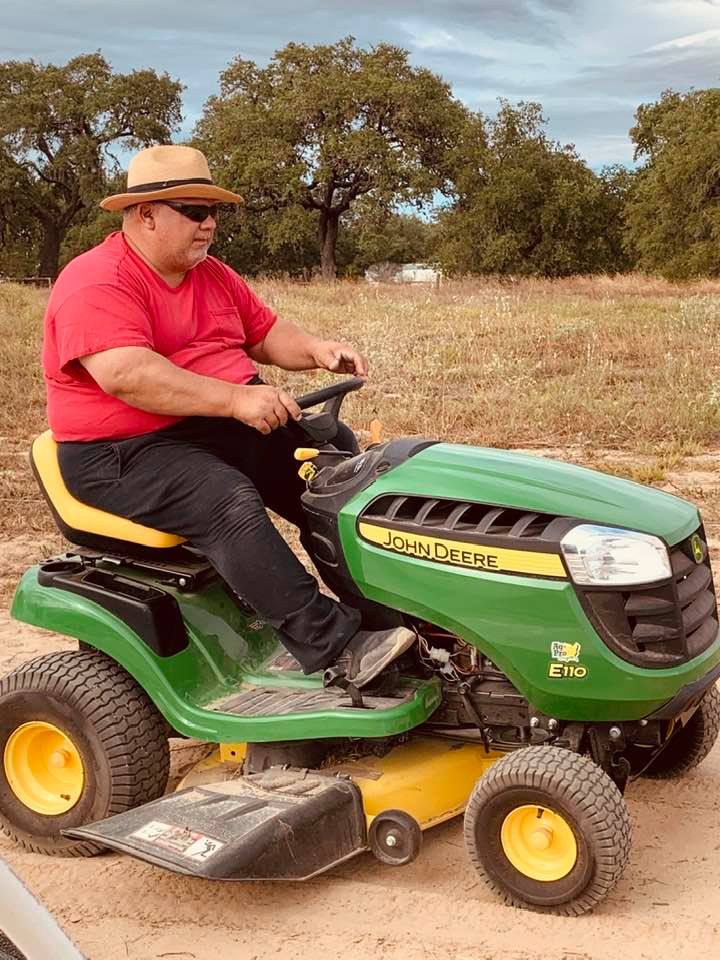 David of David's Garden Seeds® zipping along on his little tractor across the farm. He is having a blast!
We are David's Garden Seeds®. If you need great seeds, we've got over 1,400 varieties to choose from.
Subscribe To Mrs. David's Garden Seeds® Newsletter For FREE!
Find out what is going on down on the farm by reading our blog and by subscribing to our free newsletter for all of the information going down at David's Garden Seeds® and on the farm. I love to share helpful information with you. Please let your friends know and y'all come on down for a visit when you get the chance. We would love to meet you!
New Store Hours!
 Farm Store Hours: Th-Fri 10am-5pm, Sat 10am-2pm. Closed Sun-Wed.
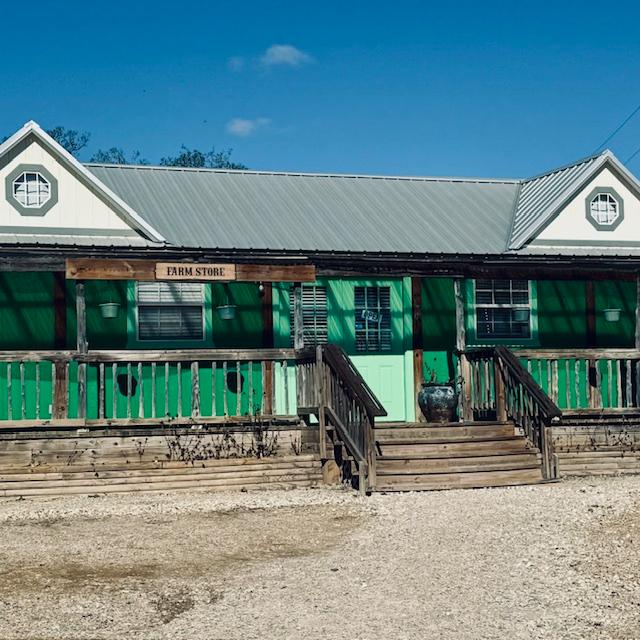 Our Farm Store
Shop for:
- Seeds
- Farm Fresh Eggs
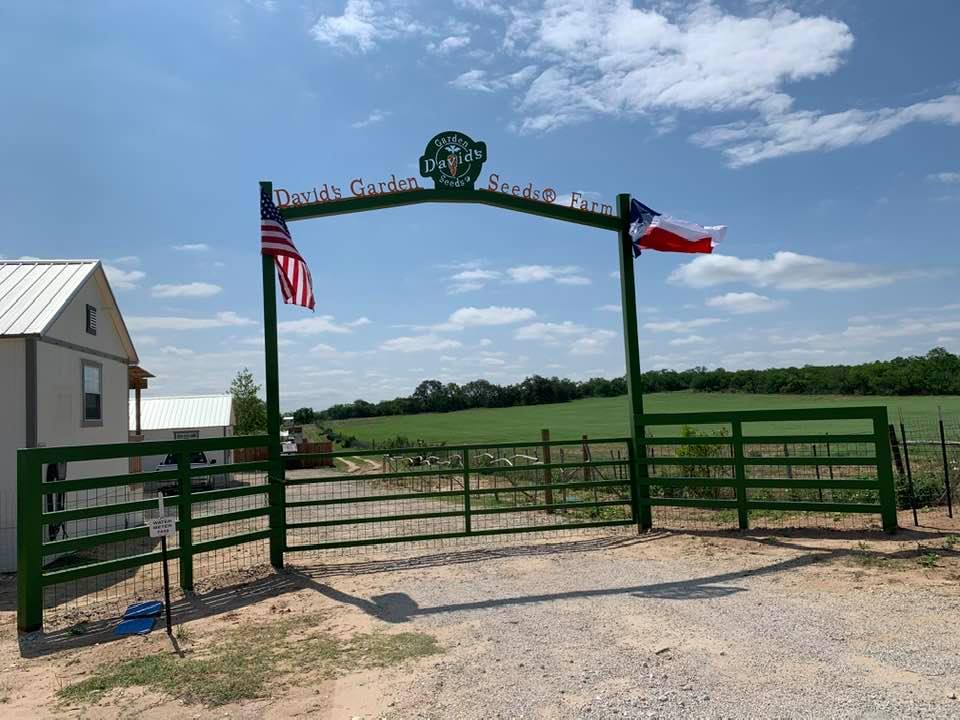
Our Farm is located at 5029 FM 2504 in Poteet, TX.
 Only happy seeds make the cut to go into our seed packs!
David's Garden Seeds® has
seeds for the backyard gardener and farm fresh chicken eggs.
 David & Juanita work hard to pack your garden seed orders.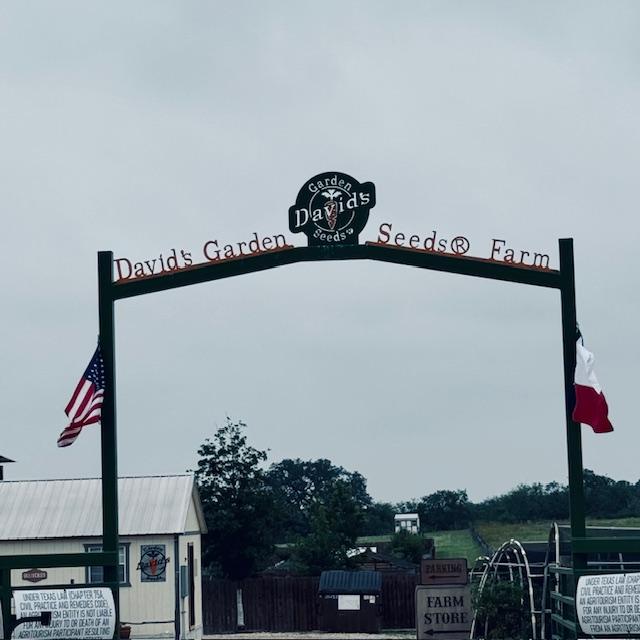

Sign Up For Our Newsletter Here!
   DGS YouTube Mrs
|
   |
Garden Ebooks
by Mrs. David's Garden Seeds
 I've been busy creating eBooks to help you with your garden...
IMPORTANT NOTE: THE EBOOKS ARE DIGITAL DOWNLOADS (EBOOKS), NOT PHYSICAL BOOKS.
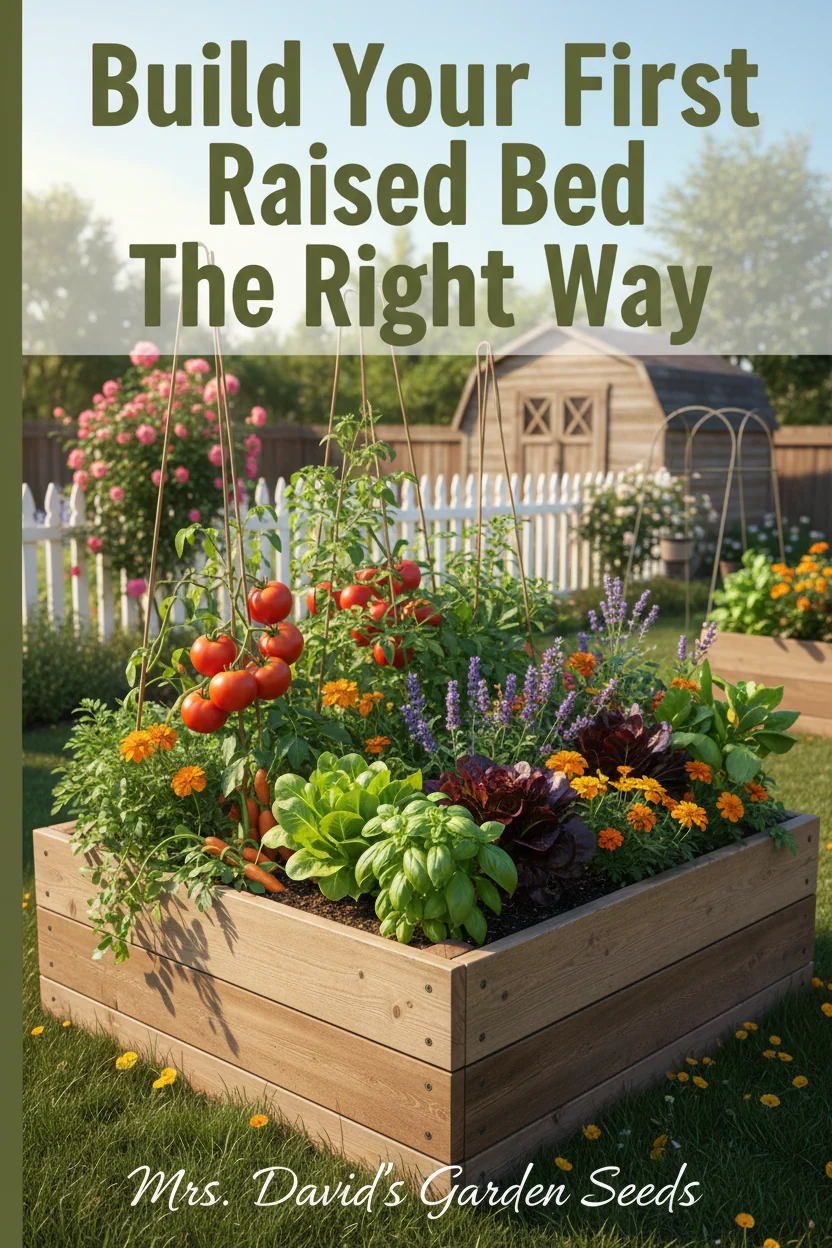
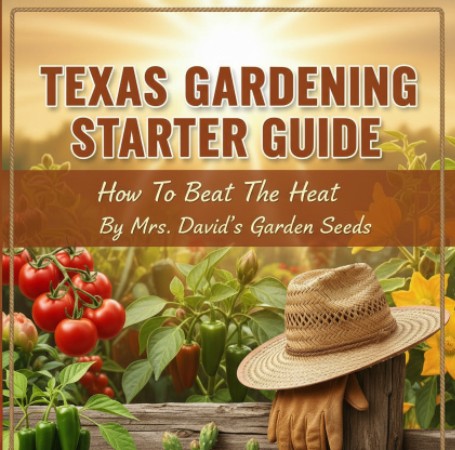
WE DO NOT REFUND OUR DIGITAL DOWNLOADS FOR OBVIOUS REASONS.
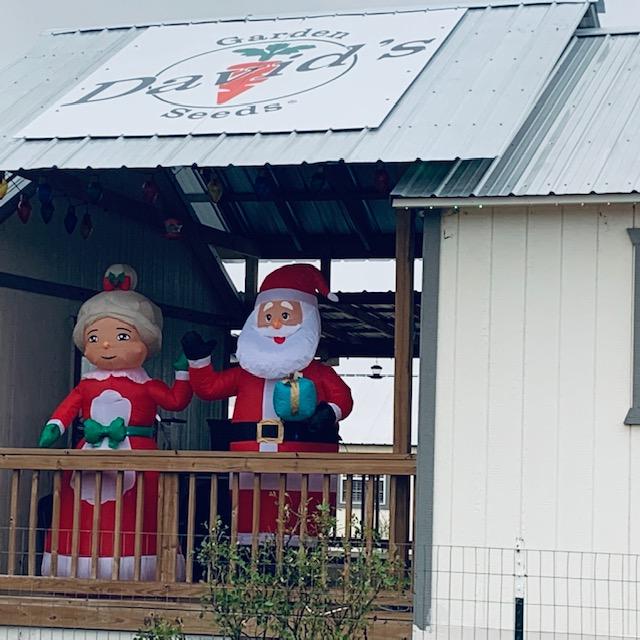
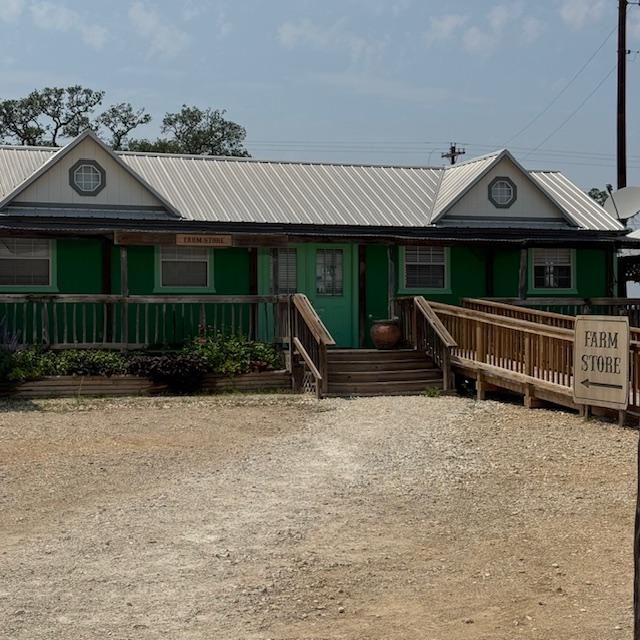 Our Farm Store is the green building
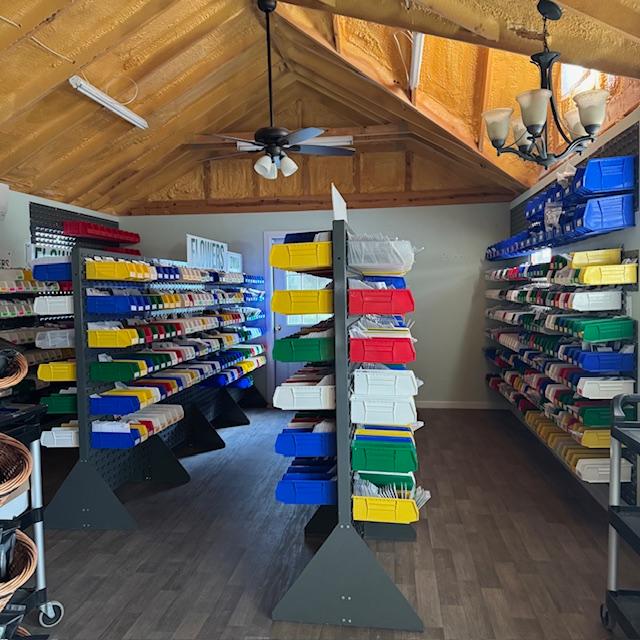 Inside our Farm Store...1400 varieties of seeds await you!
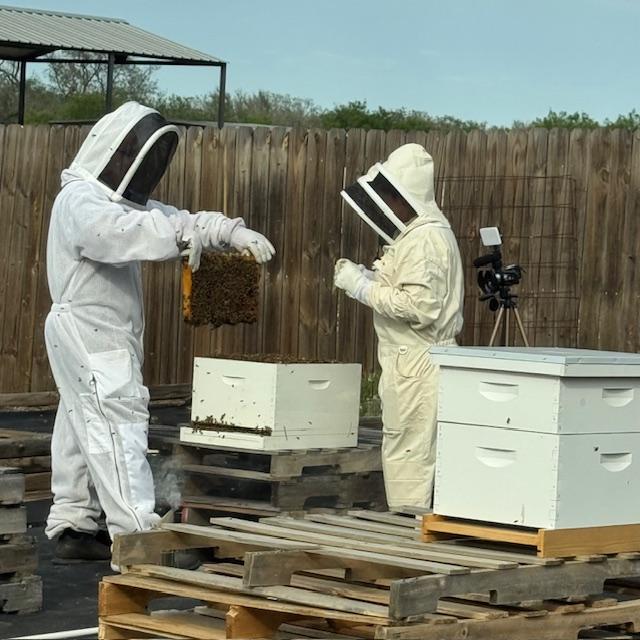 Our bee hives
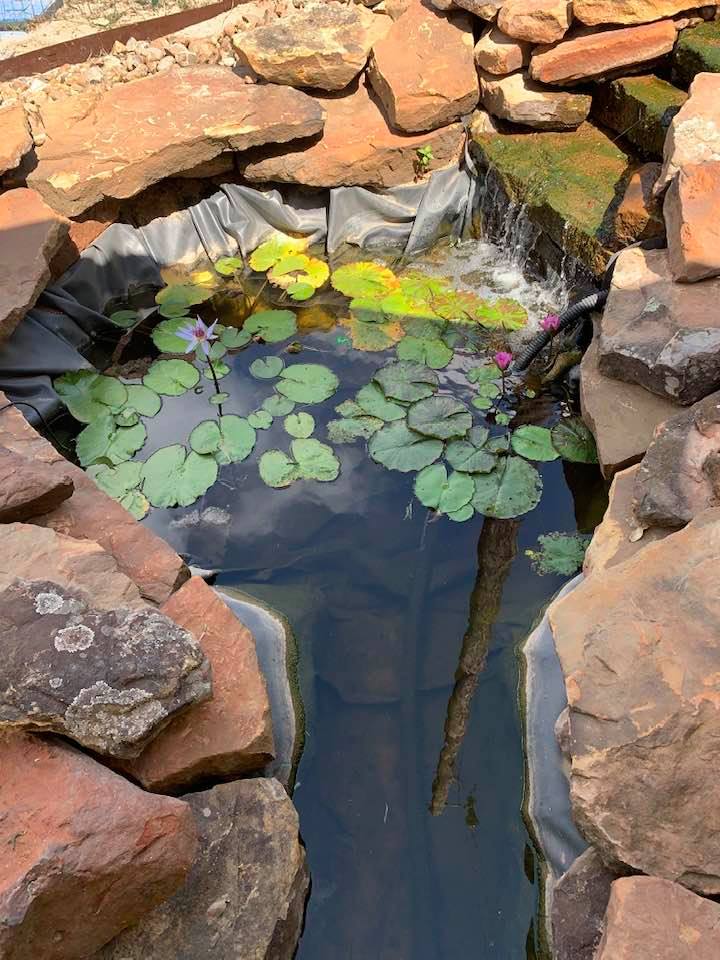
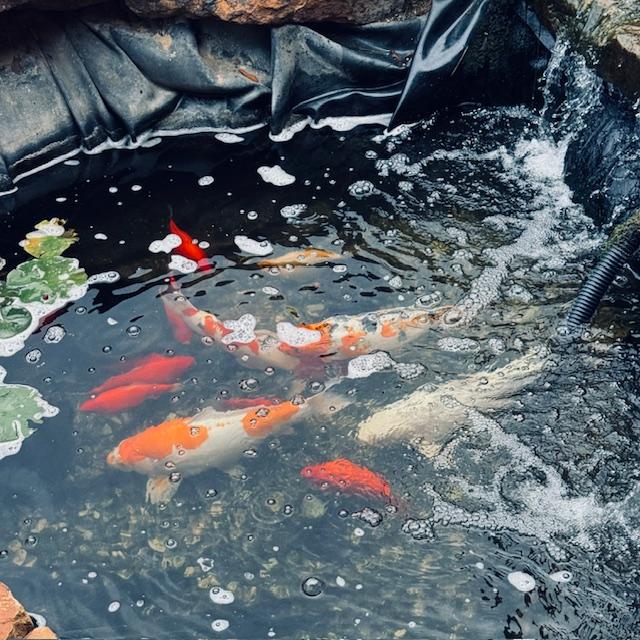 Our fish pond
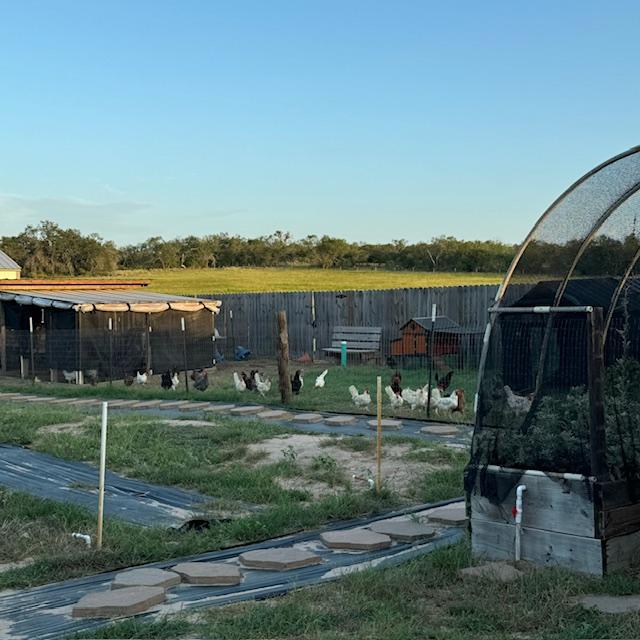 Our chickens
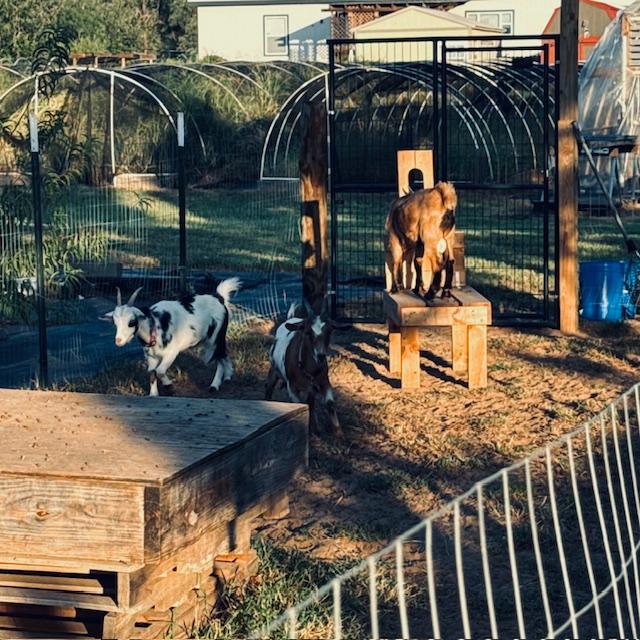 Our Nigerian Dwarf goats
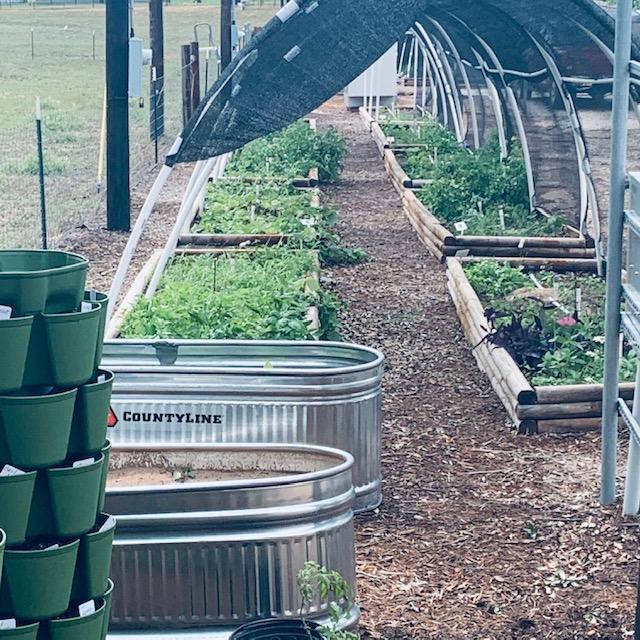 A few of our raised garden beds
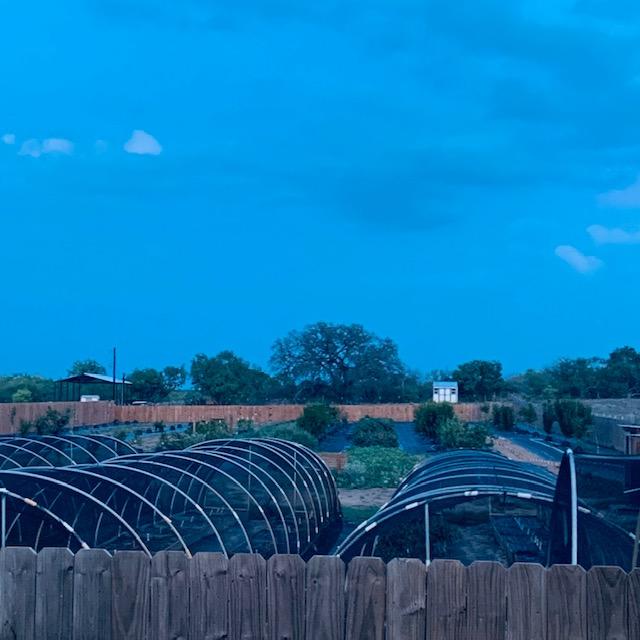 Our orchard and hoop houses
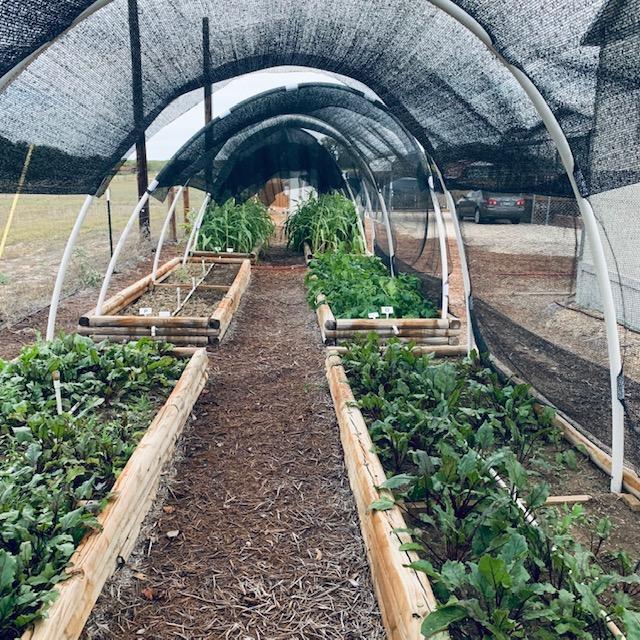
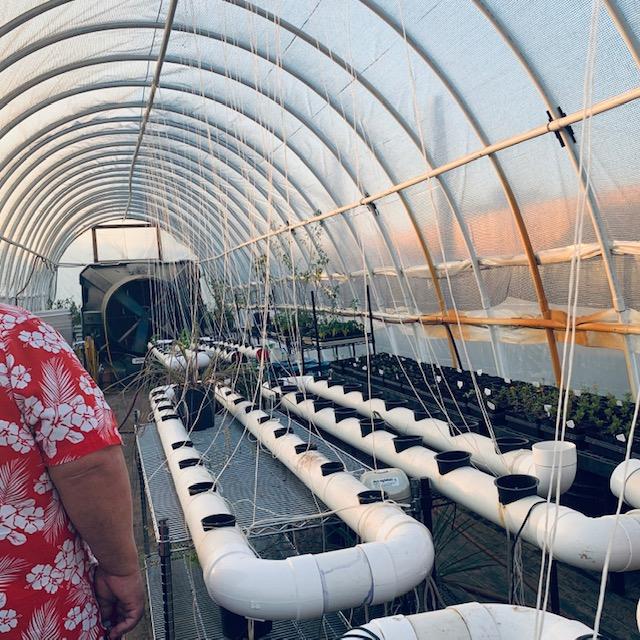 Inside our high tunnel
 Take a selfie at our official selfie spot!
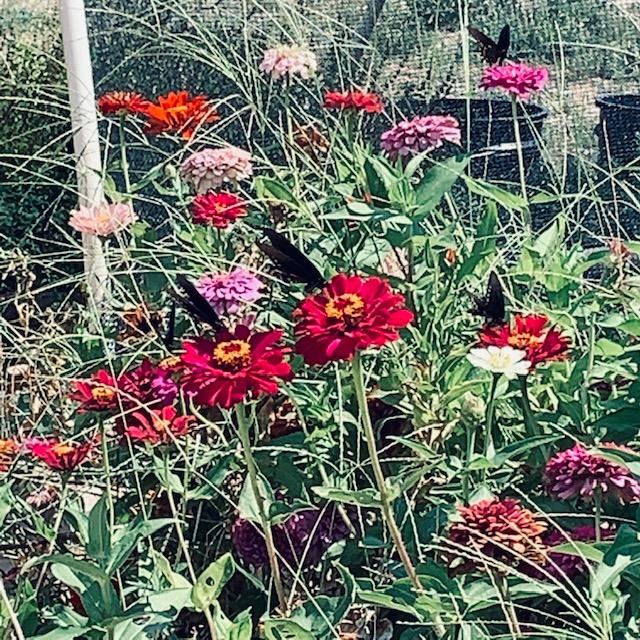 Flowers, bees, and butterflies are everywhere!
Watch Our TV Ads!
David's Garden Seeds® has the best Non-GMO seeds in the state of Texas!
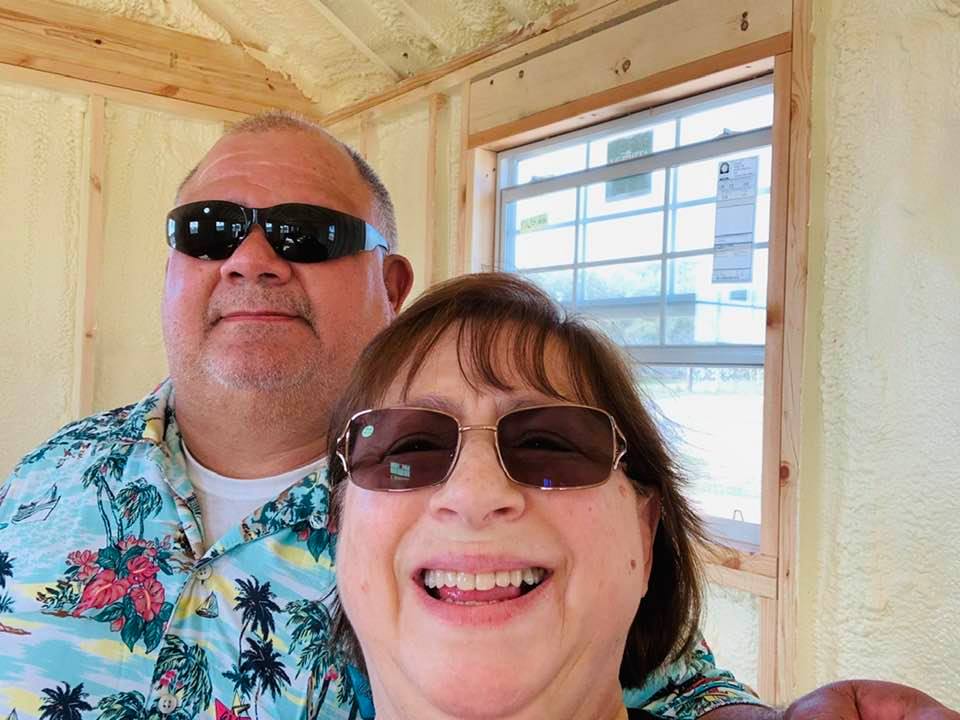
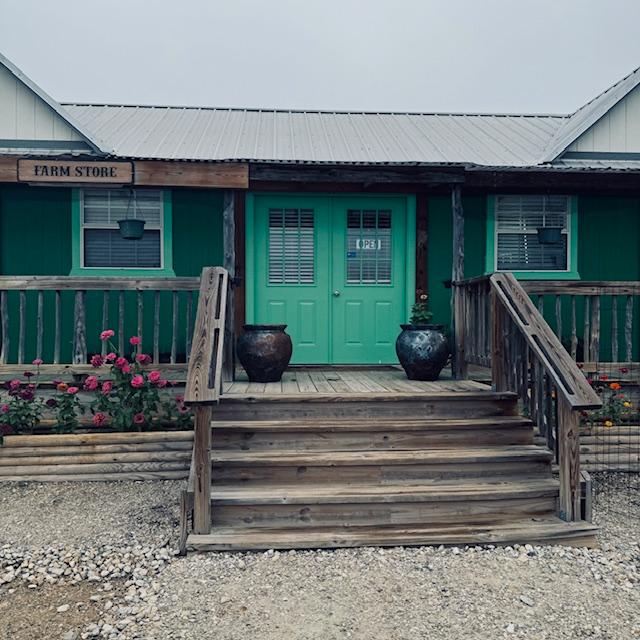 This is our beautiful Farm Store. Come in and shop for seeds. We have over 1600 Non-GMO heirloom varieties to choose from but we are in the process of bringing that number down to half.
Our Story
Hi Everyone! Thank you for visiting my website! I am Mrs Davids
Garden Seeds® aka Mrs. David's Garden Seeds and I think you should know that there is a wonderful seed
company in the great state of Texas called David's Garden Seeds®. We grow some of our seed, we count, hand pack, print our own envelopes, and ship seeds out to you right here from our farm. This used to be an old peanut farm. When the owner died about 15 years ago, his sons split the farm up and sold it in pieces. In 2024, we bought another adjoining four acres.
Our business started in our home in San Antonio in September of 2009. David decided to sell some seeds he had left over from his garden on Amazon. I told David, "Don't bother, it won't work!". I am so glad that David did not listen to me because it did work! By 2015, we had 8 employees working in my home every day and David found a storefront in San Antonio and moved the business there. In 2016, I quit my day job and went on the payroll. The company grew some more and David moved to a bigger storefront in 2017. In 2019, we found a beautiful piece of land over in Atascosa County and turned it into a farm out near Poteet. David and I moved out here to live in August of 2019.
In 2020, we moved our company out to the farm. We have a beautiful Farm Store filled with seeds, a gazebo with a pond full of koi and gold fish for you to visit. Come by and visit us at 5029 FM 2504 in Rossville, just outside of Poteet, Texas, Monday through Friday from 9am to 5pm and Saturday from 10am to 2pm. Or you can order seeds online from our user-friendly website, www.davidsgardenseeds.com.


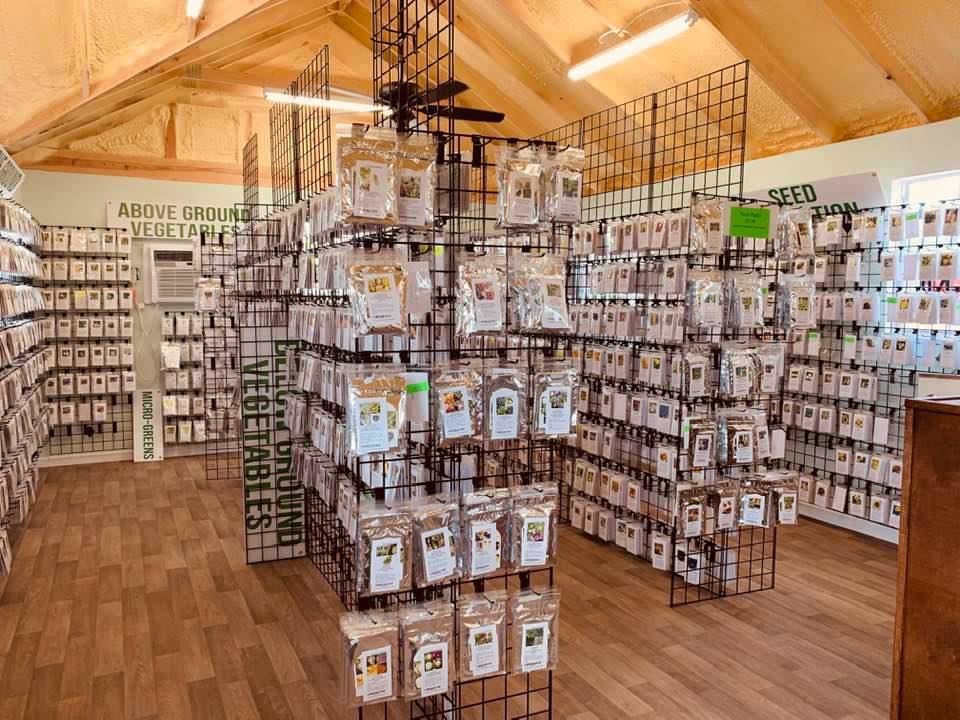 Our beautiful new farm store has almost 2,000 varieties of seeds and more. Mrs Davids Garden Seeds® looks forward to meeting you when you visit.
Mrs. David's Garden Seeds® Copyright by Juanita Lynn Schulze of David's Garden Seeds® 2019-2026
David's Garden Seeds® is Registered in the United States Patent and Trademark Office.