Best Time To Plant Bluebonnet Seeds In Texas
October is the best time to plant bluebonnet seeds in Texas, as well as other wildflowers. Every Texan loves to see bluebonnets springing up in late February, not to mention Paintbrush and Indian Blanket blooms. Am I right? In spring, people place their small children in fields of bluebonnets and take photos. (Hopefully, they look for snakes first because they are there!)
If you want a yard full of bluebonnets in early spring, the most important thing to know is simple: the fall, mainly the month of October is the best time to plant bluebonnet seeds in Texas. If you wait until spring, you will likely get leaves, weak plants, or nothing at all. Bluebonnets need time in the ground before winter so they can settle in and get the cold they need.
That timing surprises a lot of people. You see bluebonnets blooming in early spring, around the end of February, so it feels natural to plant them then. But that is not how these Texas favorites work. Bluebonnets do their best when seeds are planted in fall, long before bloom season arrives.
Best Time To Plant Bluebonnet Seeds In Texas - 9/21-9/27/2026
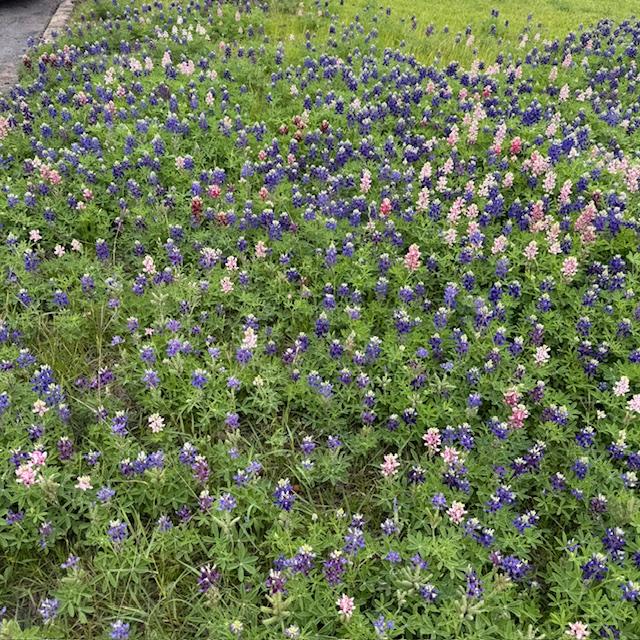
If you have ever driven down a Texas road in late February, March or April and seen whole fields glowing blue, you already know why people love them. They feel like home. They feel like Texas. And yes, you really can bring that look into your own backyard with the right timing and a little patience.
I always think of bluebonnets as a lesson in planning ahead. You plant when the weather starts to cool, not when flowers are already on everyone’s mind. That one step makes a huge difference. It is the reason so many successful wildflower plantings start in October.
October works so well because the soil is still warm enough for seeds to begin the process of germination, but cooler weather is on the way. That gives bluebonnet seeds the conditions they need to settle in naturally. Then winter helps with the cold period that supports strong spring bloom.
Bluebonnets are Texas native annuals. That means they live their whole life cycle in one season, then rely on seed to come back. In nature, seed drops in late spring, sits through summer, and starts growing when fall conditions are right. Your job is to copy that natural cycle as closely as possible.
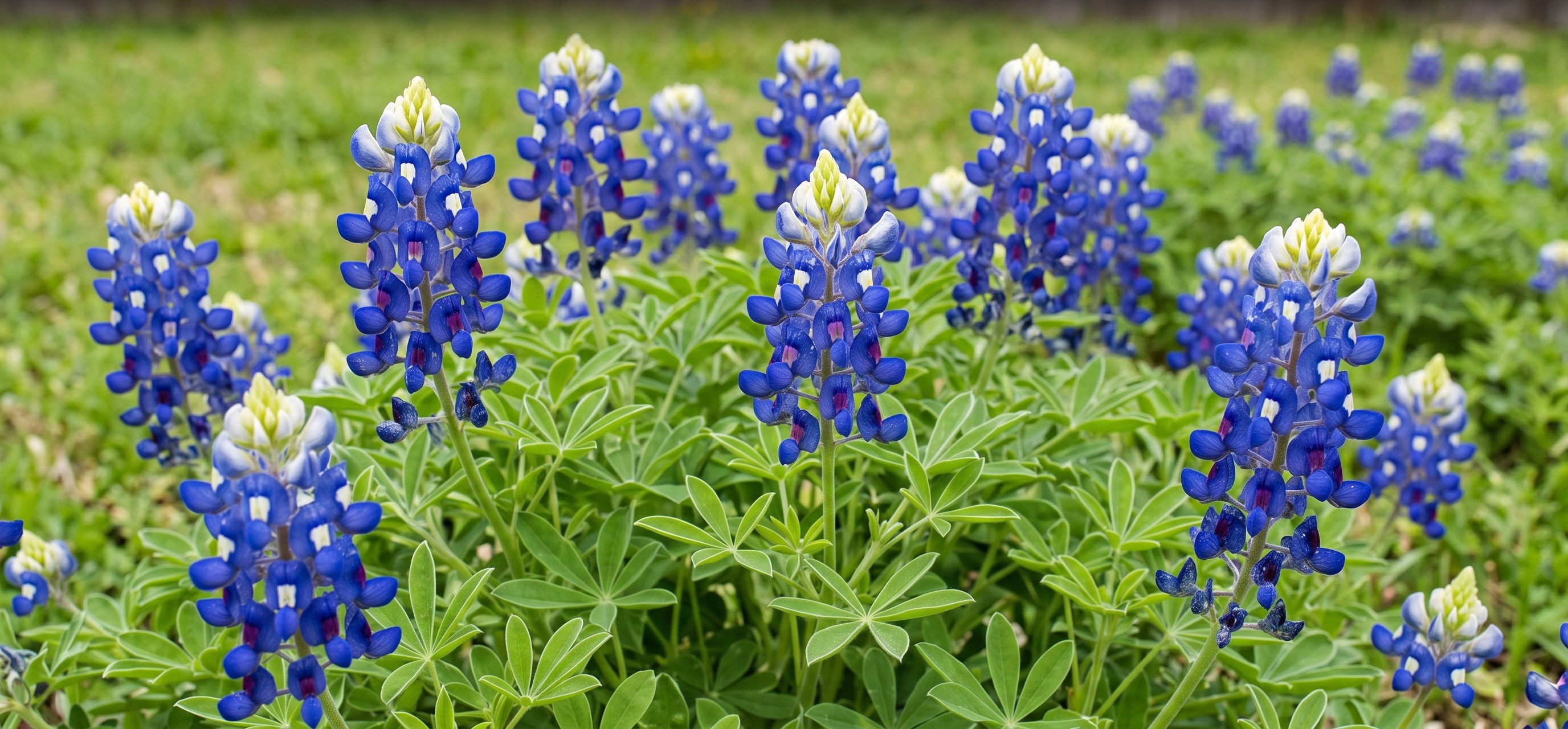
So let’s say it plainly: October is the best time to plant bluebonnet seeds In Texas because bluebonnets need a fall start. They need time for root growth before winter and cool-season development before flowering. Spring planting is usually too late for the best show.
Another reason October is so good is moisture. In many parts of Texas, fall rains can help seeds make contact with the soil and begin growing. You still may need to water if conditions are dry, but fall planting often works with nature instead of against it.
Bluebonnets also like to form low leafy rosettes through winter. These little clusters stay close to the ground while roots develop. They may not look exciting at first, but they are doing exactly what they should be doing. Those winter rosettes are often the setup for the spring flowers you want.
When people say they tried to grow bluebonnets and got no blooms, timing is often the problem. They planted too late. If you want success, think ahead to fall. Plant now for flowers later.
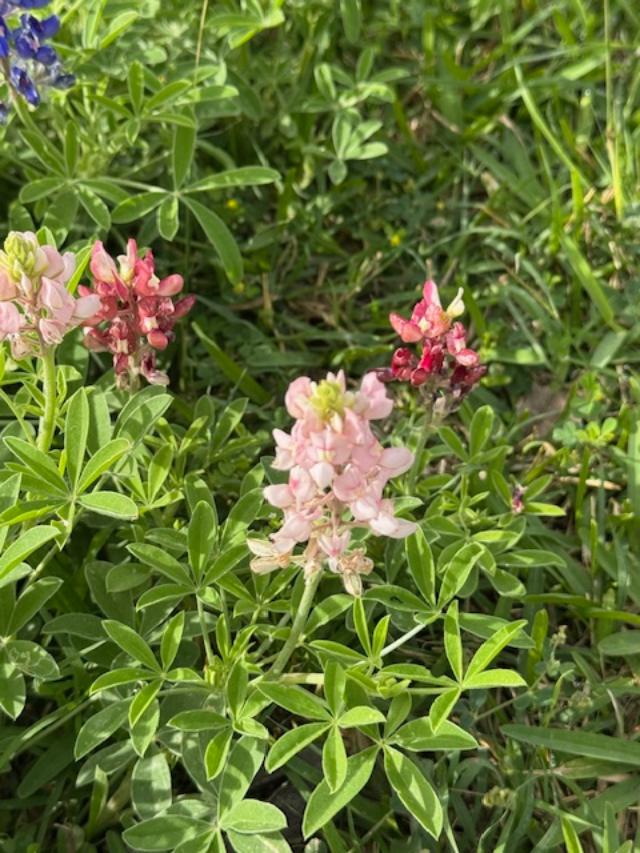
Bluebonnets actually come in seven colors.
Best Time To Plant Bluebonnet Seeds In Texas - Care
Before you plant, choose the right spot. Bluebonnets need full sun. That means at least six to eight hours of direct sunlight each day. More sun is even better. Shady spots may produce weak growth and few flowers.
Good drainage matters too. Bluebonnets do not want soggy soil. If water stands in that area after rain, choose another spot or improve drainage before planting. Wet, heavy ground can lead to seed rot or poor root growth.
Many Texans have clay soil, rocky soil, sandy soil, or some mix of all three. The good news is bluebonnets are adaptable, especially if they have sun and drainage. They often do better in lean soil than in rich, heavily improved beds.
In fact, do not overdo the soil prep. You are not growing fussy bedding plants. Bluebonnets are wildflowers. They are built for natural conditions. A simple, open, sunny site is usually better than a pampered, overfed flower bed.
Best Time To Plant Bluebonnet Seeds In Texas - Prepping
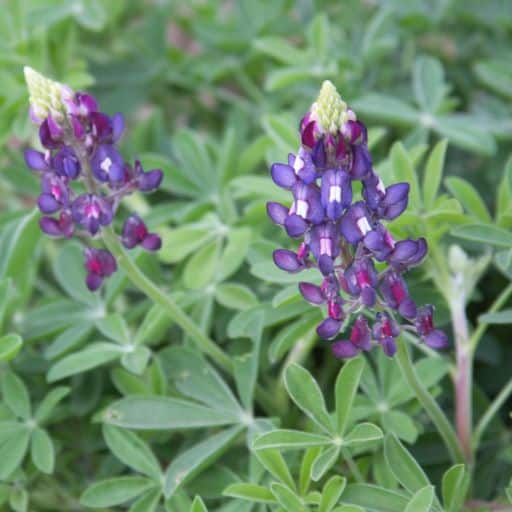
If weeds or turf grass are in the area, clear them first. Seeds need direct contact with the soil. If you scatter bluebonnet seeds over thick grass or heavy mulch, many seeds will never reach the ground, and germination will be poor.
A clean planting area gives your seeds a real chance. Remove weeds, rake away debris, and lightly loosen the top surface if needed. You do not need to till deeply. A roughened surface is often enough.
One thing many gardeners talk about with bluebonnets is seed scarification. Bluebonnet seeds have a hard outer coating, and in nature that coating breaks down over time. Some people lightly scratch or nick seeds to help water reach the inside faster.
If you scarify, be gentle. You only want to weaken the seed coat, not damage the seed itself. Some gardeners rub seeds lightly with sandpaper. Others simply rely on natural weather and soil contact. Either way can work, especially when seeds are planted at the right time.
Best Time To Plant Bluebonnet Seeds In Texas - Planting
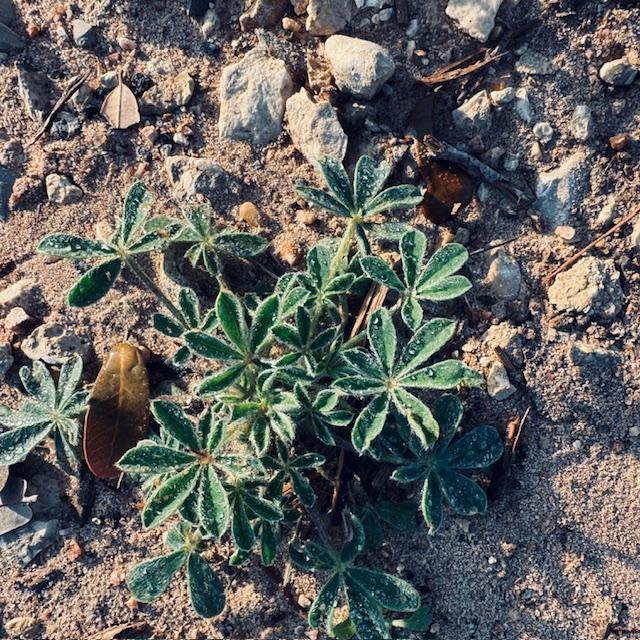 This is what you will find after planting bluebonnets before they flower. Remember they won't flower until they have been cold for a while.
Through winter, your seedlings may not look exciting. That is normal. You will see low clusters of leaves hugging the ground. Those rosettes are doing exactly what they should do, building strength for the bloom season ahead.
A lot of first-time growers worry that the plants are too small in December or January. Try not to panic. Bluebonnets are not in a hurry during winter. They are getting ready. When conditions warm, growth speeds up and flower stalks follow.
If you are ready to plant, bluebonnet seeds are available at David’s Garden Seeds, and it makes sense to order now so you can get them in the ground in October. Timing matters, and having seed on hand before planting season arrives helps you avoid missing that fall window.
Once your site is ready, scatter the seed evenly over the soil surface. Try not to dump it in thick clumps. A broad, even sowing gives a more natural look and better coverage when plants come up.
After broadcasting the seed, press it into the soil. You can walk over the area, use a roller, or gently tamp with the back of a rake. The goal is firm seed-to-soil contact. That contact is one of the biggest keys to good germination.
Do not bury the seeds too deeply. A very light covering of soil is enough, and in some plantings, seeds are simply pressed into the surface. If they are planted too deep, they may struggle to emerge.
After planting, water lightly if the soil is dry. You do not want to flood the area. You just want enough moisture to help the seeds settle in. After that, natural rainfall may handle much of the job, though dry stretches may call for occasional light watering.
Best Time To Plant Bluebonnet Seeds In Texas - Once They Come Up
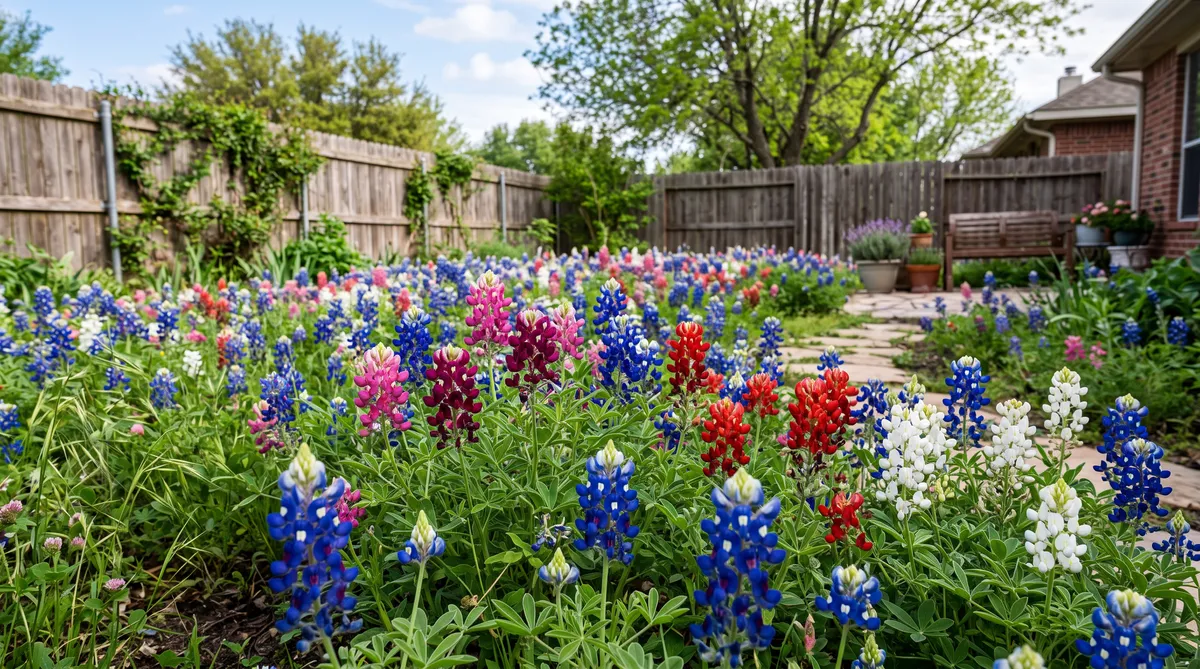 When spring comes and bluebonnets pop up, most people don't mow the lawn until they go to seed. Bluebonnets come in a variety of colors, not just blue.
During fall, keep the area evenly but lightly moist until seedlings are established. Once bluebonnets are up and growing, they usually need less help than many garden flowers. That is one reason they are such a great choice for Texas yards.
Through winter, your bluebonnets will likely stay low to the ground. That is normal. Do not assume something is wrong just because you do not see flowers yet. Winter growth is part of the process.
If a hard freeze hits, do not panic. Established bluebonnet seedlings are generally adapted to cool Texas winter weather. Their low, tight growth helps them ride out cold spells better than tender spring annuals would.
Best Time To Plant Bluebonnet Seeds In Texas - Watering & Fertilizing
One mistake people make is overwatering in winter. Bluebonnets do not want wet feet. If the weather is cool and the soil stays damp, back off. Too much water can cause more trouble than too little.
Another mistake is adding lots of fertilizer. Bluebonnets usually do not need heavy feeding. Too much fertilizer can push leafy growth at the expense of flowers. With native wildflowers, simpler is often better.
By late winter and early spring, you should start to see stronger upward growth. Then comes the part everyone waits for. Buds form, stems stretch, and those classic blue flower spikes begin to open.
If you want to grow bluebonnets successfully, patience matters as much as planting. The show in spring is the reward for what you did months earlier. It is one of those gardening wins that feels extra satisfying because you planned it right.
Best Time To Plant Bluebonnet Seeds In Texas - Bluebonnet Life Cycle
Bluebonnets are beautiful along walkways, in open lawn areas converted to wildflower space, on slopes, in naturalized borders, and in sunny front yards. They look best when planted in drifts instead of tiny little bunches. Think broad sweeps, not stiff rows.
They also pair well with other native flowers. A mixed wildflower planting can stretch bloom time and create more color across spring. Every garden should include Texas native flowers like bluebonnets in various colors as well as other wildflower mixes.
While your bluebonnets are blooming, try not to mow or cut them back. Let them complete their natural cycle. This is especially important if you want them to reseed and return in future years.
After flowering, seed pods begin to form. At first they are green. Over time they dry and turn brown. This stage matters if you want to collect seed or let the plants reseed themselves naturally.
If your goal is a self-sustaining patch, the easiest method is to leave the plants alone until seed pods mature and split. As the pods dry, seeds drop to the soil. That is how bluebonnets keep going in nature, and it often works well at home too.
Best Time To Plant Bluebonnet Seeds In Texas - Collecting Seeds
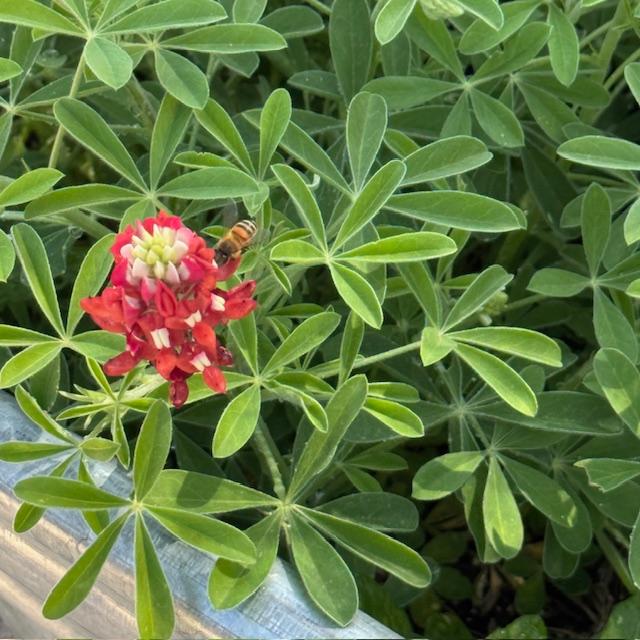
If you want to collect seeds, watch the pods closely in late spring. Timing is important because ripe pods can open quickly. If you wait too long, the seeds may already be gone.
A good sign is when pods turn dry and brown but have not fully burst open yet. At that point, you can gently clip stems or pick pods and place them in a paper bag. Avoid plastic bags, which can trap moisture.
Once collected, let the pods finish drying in a cool, dry place. As they dry fully, they will release the seeds. You can separate out the chaff and store the seeds for fall planting.
Store saved bluebonnet seeds in a labeled paper envelope or another dry container in a cool, dry spot. Be sure to mark the variety and the year. Then, when October comes around again, you will be ready to plant your next round.
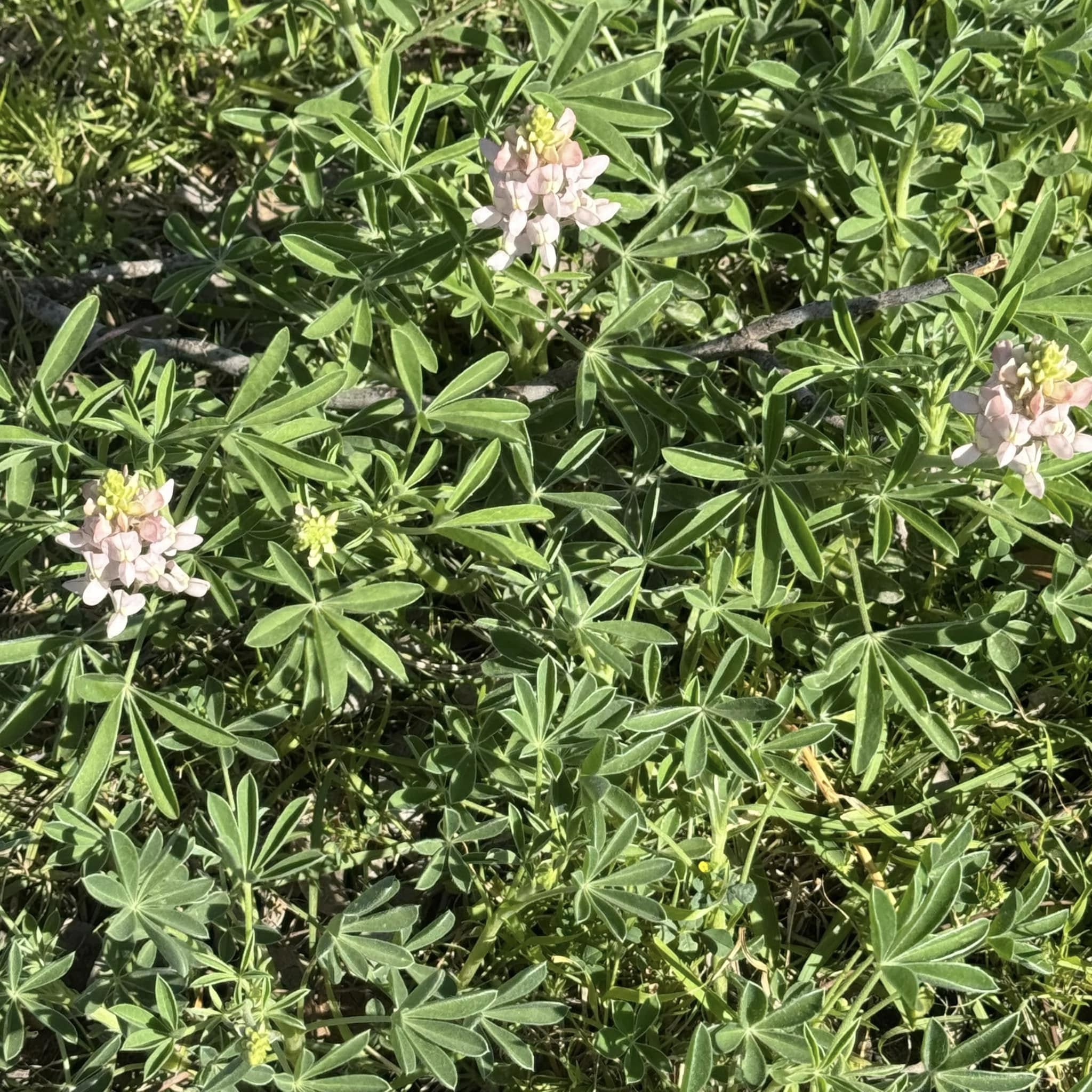
If you are trying to increase your patch year after year, seed saving is a smart habit. I know gardeners who started with one small bed and, by letting plants reseed and adding a little saved seed each fall, turned it into a much bigger spring display over time.
If you mow too early, you stop that cycle. So hold off until seeds have matured and dropped if you want next year’s flowers. This one choice can make the difference between a patch that fades out and a patch that returns.
It also helps to reduce competition from aggressive lawn grasses and weeds. Bluebonnet seedlings can struggle if crowded out. A dedicated wildflower area often performs better than seed scattered into a thick, heavily watered lawn.
Best Time To Plant Bluebonnet Seeds In Texas - Plant Other Wildflowers In October
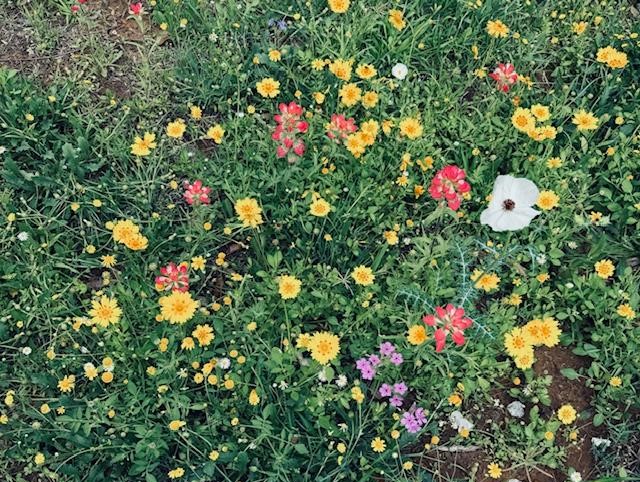
If you want to grow wildflowers in Texas beyond bluebonnets, October is also the right season for many other native species. Fall planting gives those seeds the cool-season setup they need, just like bluebonnets.
Good companion wildflowers for fall sowing can add reds, yellows, oranges, whites, and purples to your spring display. Different species bloom at slightly different times, so mixes often give you a longer season of color than bluebonnets alone.
Texas native wildflowers are also a great way to create a more natural look in the yard. They fit the climate, they support local pollinators, and they often need less fuss once established. That makes them a practical choice as well as a beautiful one.
When planting wildflower mixes, the same basic rules apply. Pick a sunny area. Clear away weeds and grass. Scatter the seed evenly. Press it into the soil. Plant in October so nature can do the rest through fall and winter.
If you are shopping for seed now, David’s Garden Seeds offers bluebonnet seeds as well as a large amount of wildflower mixes and other Texas native flowers that should be planted in October. Ordering early helps you plant on time instead of scrambling after the season starts.
A wildflower mix can be a great option if you want more than one look in spring. It gives you variety, a longer bloom window, and a more meadow-like feel. That can be especially nice in larger yards, along fences, or in open sunny spaces.
Still, if bluebonnets are your main goal, make sure they have enough room and sunlight to stand out. They deserve center stage. A good mix should support that, not bury them under taller or faster-growing plants.
You can also plant separate sections if you want more control. Give bluebonnets one area, then sow other Texas native flowers nearby. That approach makes it easier to enjoy each plant at its best and collect seed later if you want to save specific kinds.
Best Time To Plant Bluebonnet Seeds In Texas - Let's Review
One of the best things about this whole process is that it gets easier over time. Your first year teaches you the pattern. By the second or third season, you start to recognize seedlings, understand pod timing, and know exactly when your own yard is ready for planting.
And honestly, there is something special about stepping outside in spring and seeing flowers you started months ago. It does not feel random. It feels earned. That is part of why Texans care so much about bluebonnets.
So if you have been thinking about planting, do not put it off until spring. October is the best time to plant bluebonnet seeds in Texas, and that timing is the foundation for success. Planting in fall gives seeds the cold period and growing time they need for spring bloom.
To sum it up, here are the basics:
- Plant in October
- Choose full sun
- Make sure the soil drains well
- Clear weeds and grass first
- Press seed firmly onto the soil
- Water lightly if dry
- Let plants grow through winter
- Allow seed pods to mature in spring

If you follow those steps, you give yourself a real shot at a bright, beautiful spring yard. Whether you plant a small patch or a wide sweep, bluebonnets can turn an ordinary space into something that feels deeply Texan and truly memorable.
So go ahead and get your seeds ordered now. October is the Best Time To Plant Bluebonnet Seeds In Texas, and it is also the perfect time to plant other Texas native flowers and wildflower mixes for early spring blooms. Plant this fall, let nature do its work, and enjoy the payoff when your yard lights up with color next spring.
Monday, September 21, 2026
Good morning. I guess I really needed some sleep because David had to wake me up at 7:40am! Wow. I was in the middle of a dream about helping my little sister find some school clothes. Ha!
We had no customers today and one helper. I spent the day counting pelleted seeds, pulling orders, and mailing them.
David and Matt spent a lot of the day working on a greenhouse. This afternoon, Matt went up to Devine to get goat feed and hay.
The Amazon man brought me some new shoes and they are so comfy, better than Crocs but a lot like them with cushiony insoles. I also got another brand similar to Crocs. I am always looking for comfortable shoes. I finally threw away both of my most comfortable Crocs as the soles were completely worn out from wearing them too much.
Tuesday, September 22, 2026
Good morning. We got zero rain yesterday, even though it was forecast for two times on Monday as well as on Sunday night but we got nothing!
It rained in El Paso and even though there is a new roof, water still came through because the soffit was not fixed with new wood. The rotten boards were put back in place. Also, yesterday, the painter showed up to rip up the floor in my mother's bathroom as well as the toilet. He left a gaping hole and after a few hours, he came back and put some board over the hole, still leaving some exposed. He did not seat the new toilet. I have photos sent by my sister. They never fixed the ceiling boards in the house either, like they said they would.
Hopefully, the guy comes back today and gets things done correctly. They want my 88 year old mother to take out a loan from Habitat For Humanity and then go and help build houses for other people. Can you see her out in the El Paso heat, standing with her walker and hammering some nails? A loan? Just how long do they expect her to live to pay back a loan? She gets a small retirement check with nothing extra so she could never pay it back. What on earth is wrong with people?
Wednesday, September 23, 2026
Thursday, September 24, 2026
Friday, September 25, 2026
Saturday, September 26, 2026
Sunday, September 27, 2026
Return from Best Time To Plant Bluebonnet Seeds In Texas toHome Page
Anything To Share On This Topic?
Would you like to share additional information about this topic with all of us?
Since 2009, over 2,000,000 home gardeners, all across the USA, have relied on David's Garden Seeds® to grow beautiful, productive gardens. Trust is at the heart of it. Our customers know David's Garden Seeds® stocks only the highest quality seeds available. Our mission is to become your lifetime supplier of quality seeds. It isn't just to serve you once; we want to earn your trust as the primary supplier of all of your garden seeds.
Watch Our 2022 TV Commercial!
Sing Along To Our Jingle
♪♫♪♪ ♫ ♪ ♫♪♫♫
♪♫♪♪♫♫
Peppers and peas
And lots of yummy greens
You can't go wrong
With Squash This Long
At David's Garden Seeds
♪ ♫ ♪ ♫
Our New 2024 TV Ad
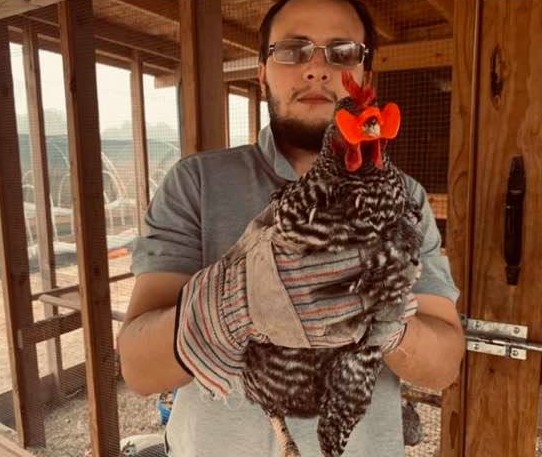
Please like and subscribe on YouTube and come visit us at our Farm Store! The music on our TV ad was written, played, and sung by our son, Matthew Schulze. You can meet him when you come to the farm. He just might give you a tour. Ask him to grab a guitar and sing our jingle that he wrote.
Our 2022 TV Ad

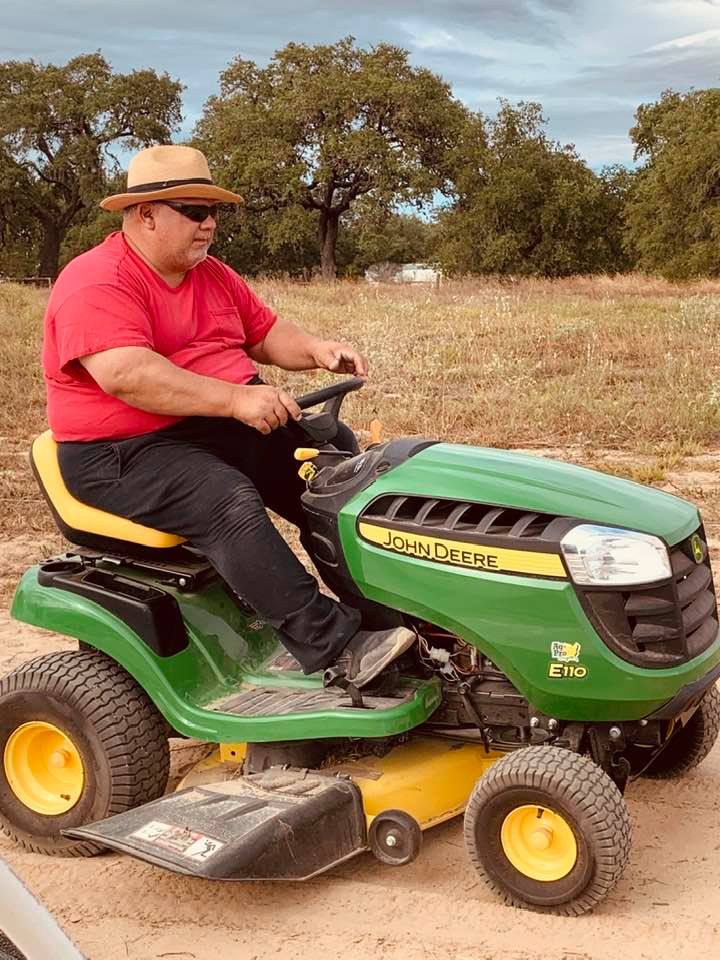 David of David's Garden Seeds® zipping along on his little tractor across the farm. He is having a blast!
We are David's Garden Seeds®. If you need great seeds, we've got over 1,400 varieties to choose from.
Subscribe To Mrs. David's Garden Seeds® Newsletter For FREE!


Find out what is going on down on the farm by reading our blog and by subscribing to our free newsletter for all of the information going down at David's Garden Seeds® and on the farm. I love to share helpful information with you. Please let your friends know and y'all come on down for a visit when you get the chance. We would love to meet you!
New Store Hours!
 Farm Store Hours: Th-Fri 10am-5pm, Sat 10am-2pm. Closed Sun-Wed.
Being out here in the country, we had awful internet & we could not stream TV. We got Starlink in April of 2025 & we love it! Now we can stream and work, even when it is raining!
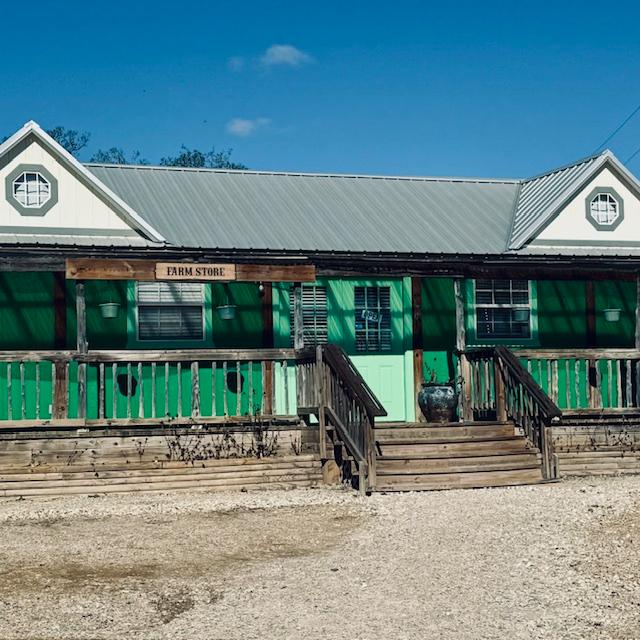 Our Farm Store
Shop for:
- Seeds
- Farm Fresh Eggs
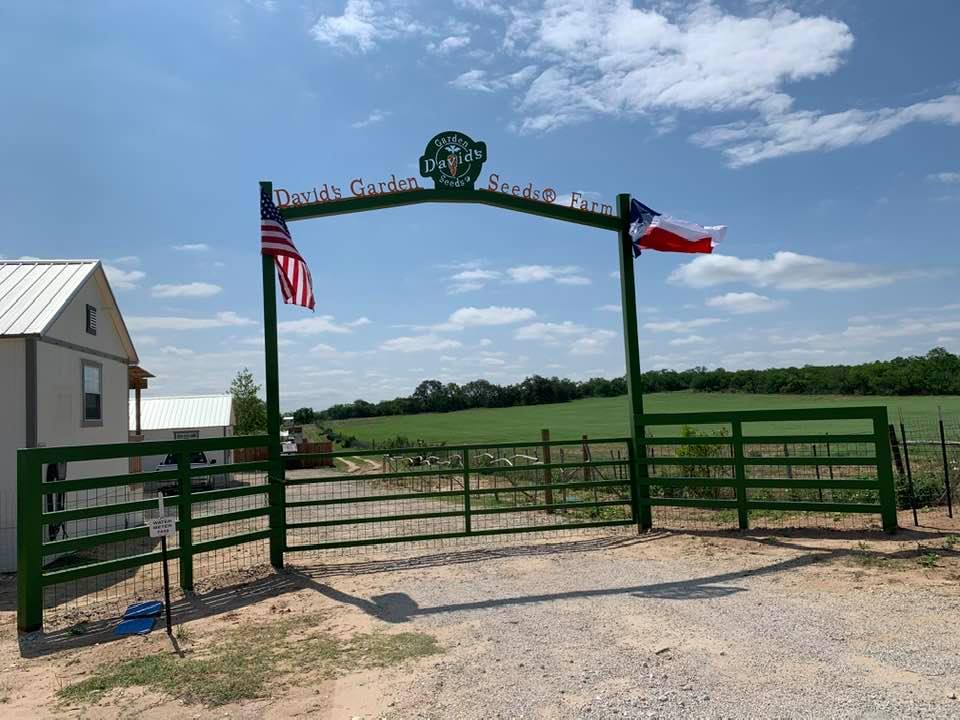
Our Farm is located at 5029 FM 2504 in Poteet, TX.
 Only happy seeds make the cut to go into our seed packs!
David's Garden Seeds® has
seeds for the backyard gardener and farm fresh chicken eggs.
 David & Juanita work hard to pack your garden seed orders.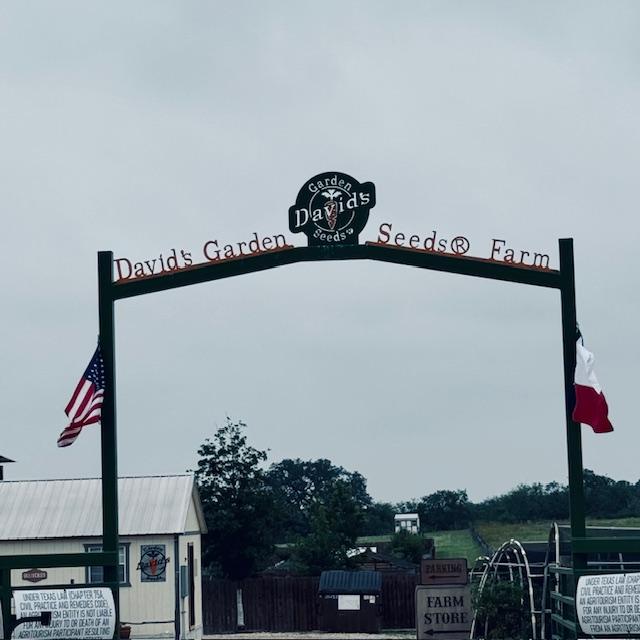



Sign Up For Our Newsletter Here!
   DGS YouTube Mrs
|
   |
Garden Ebooks
by Mrs. David's Garden Seeds
 I've been busy creating eBooks to help you with your garden...
IMPORTANT NOTE: THE EBOOKS ARE DIGITAL DOWNLOADS (EBOOKS), NOT PHYSICAL BOOKS.
WE DO NOT REFUND OUR DIGITAL DOWNLOADS FOR OBVIOUS REASONS.
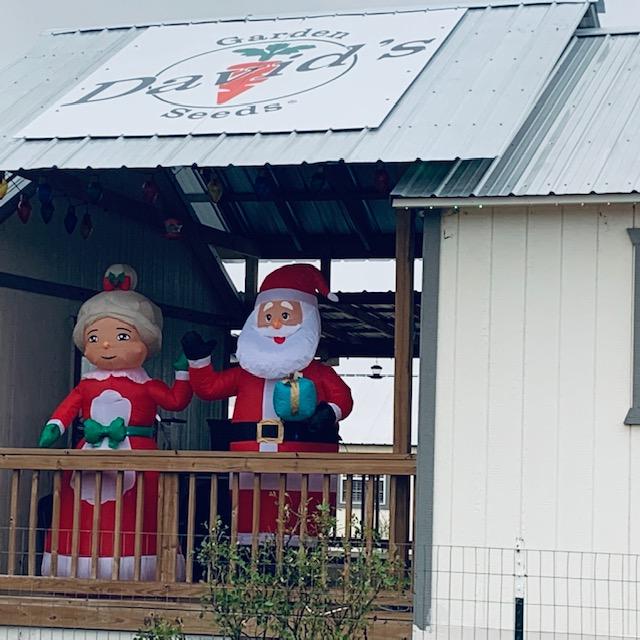
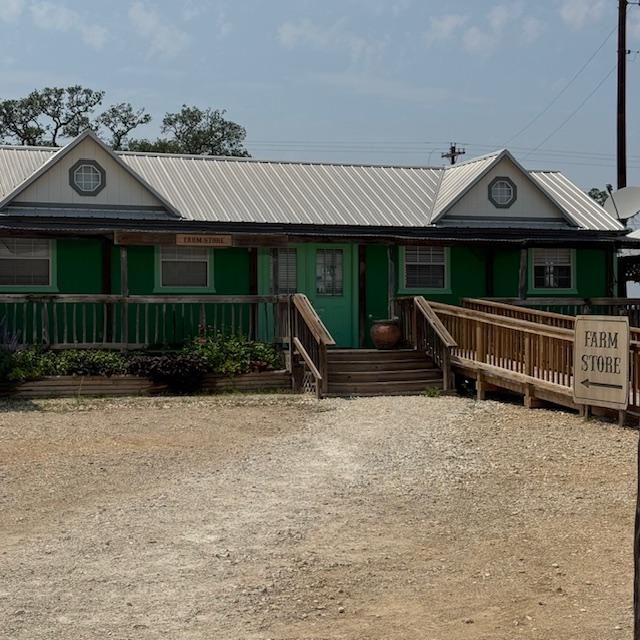 Our Farm Store is the green building
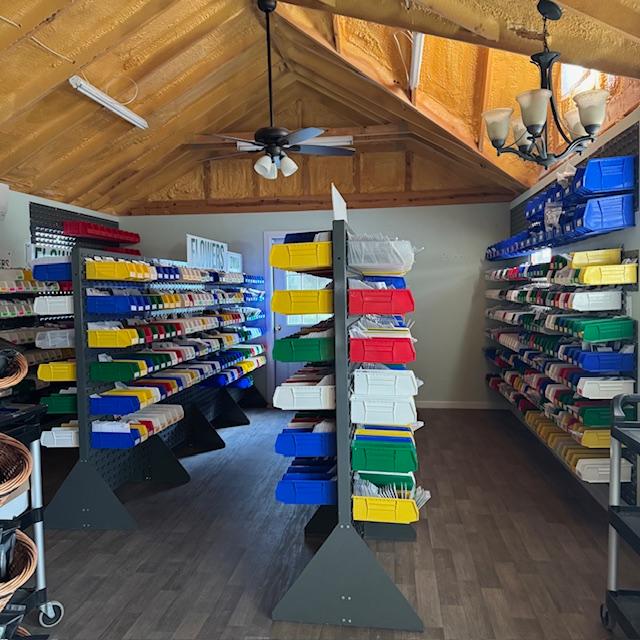 Inside our Farm Store...1400 varieties of seeds await you!
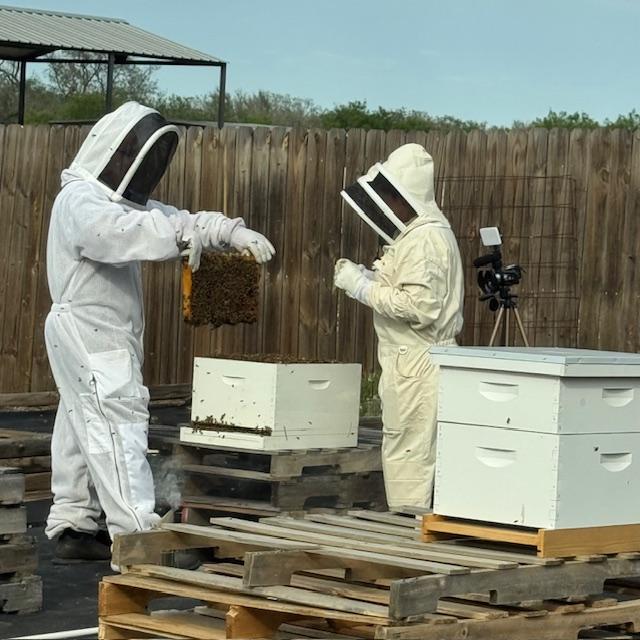 Our bee hives
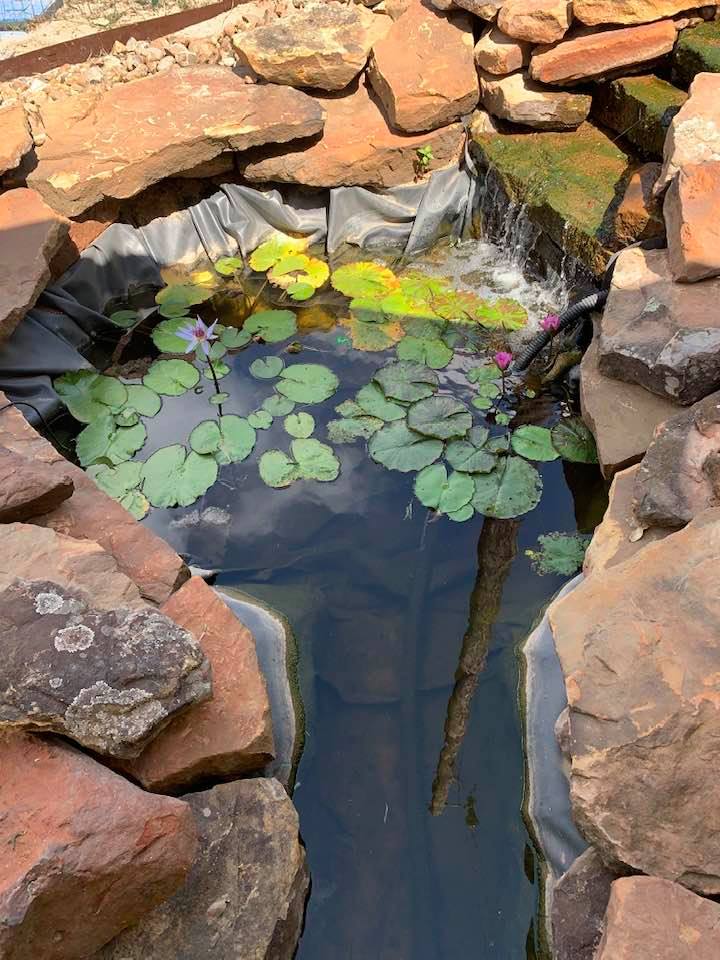
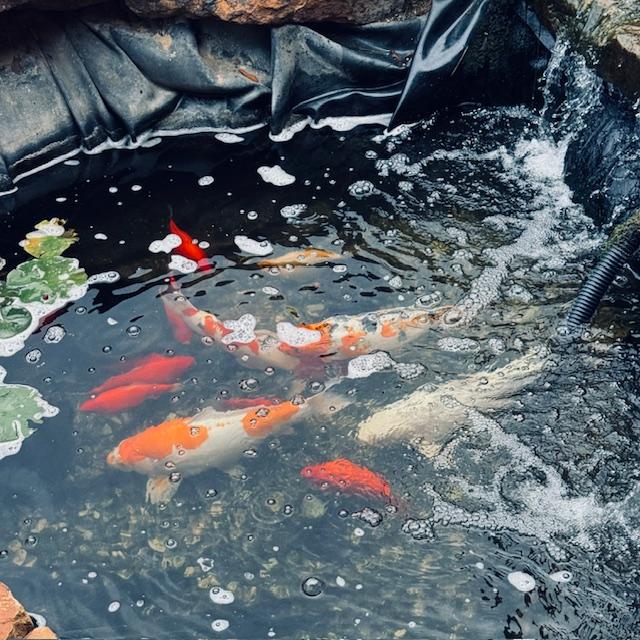 Our fish pond
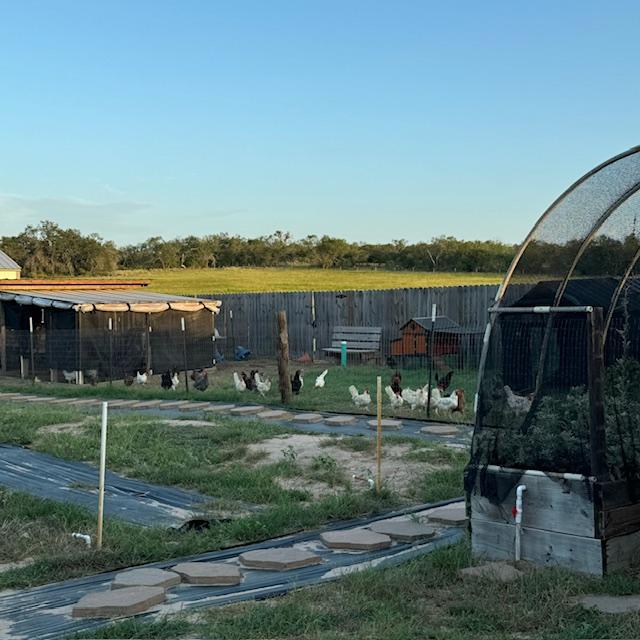 Our chickens
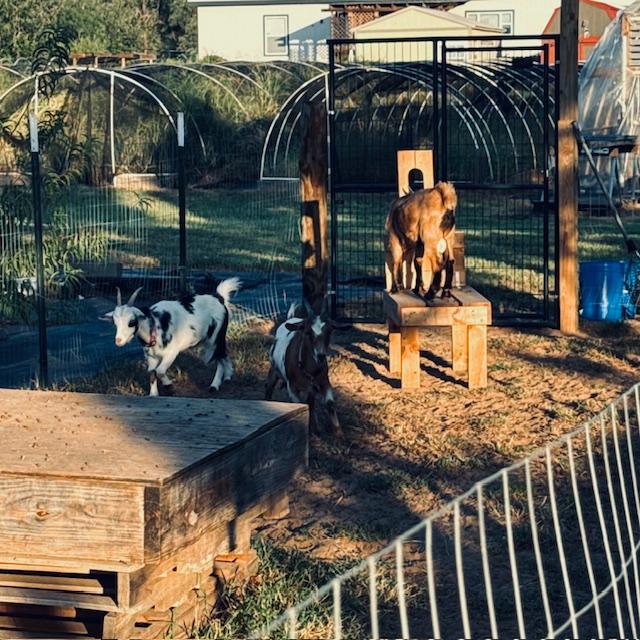 Our Nigerian Dwarf goats
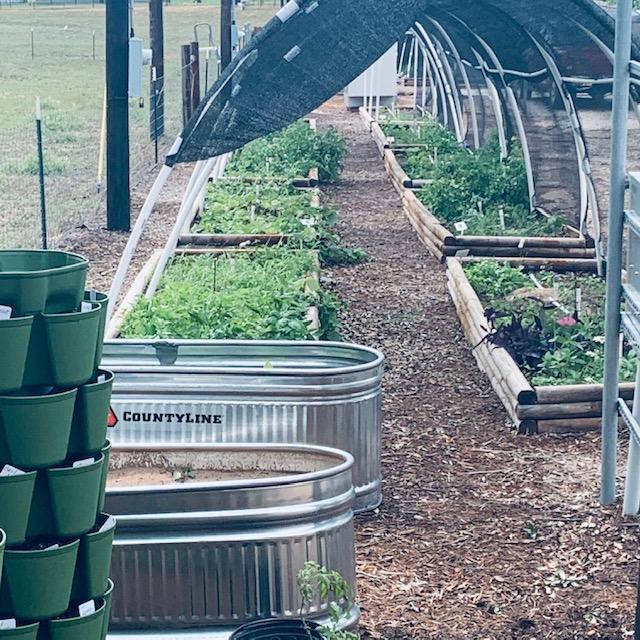 A few of our raised garden beds
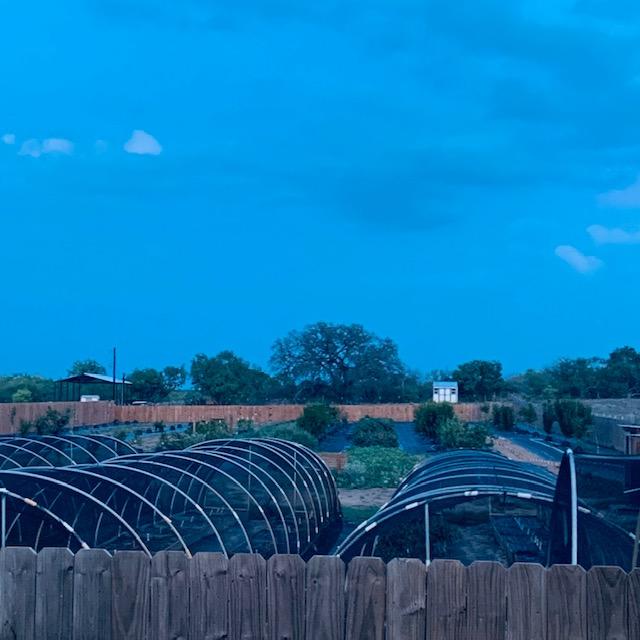 Our orchard and hoop houses
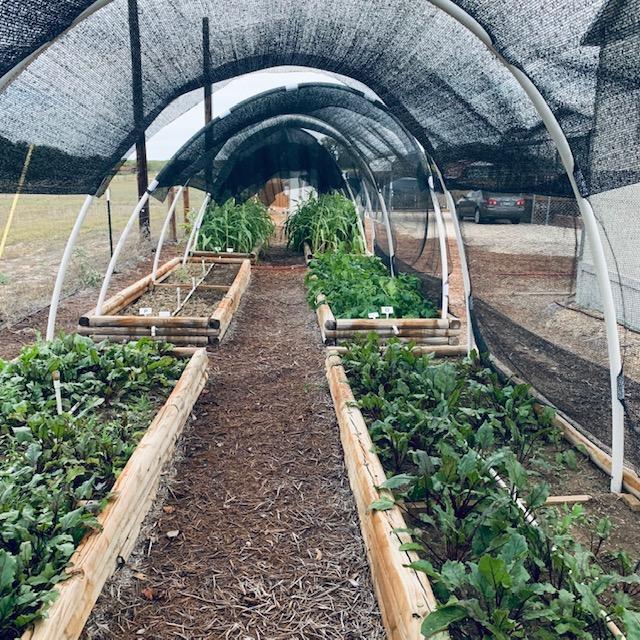
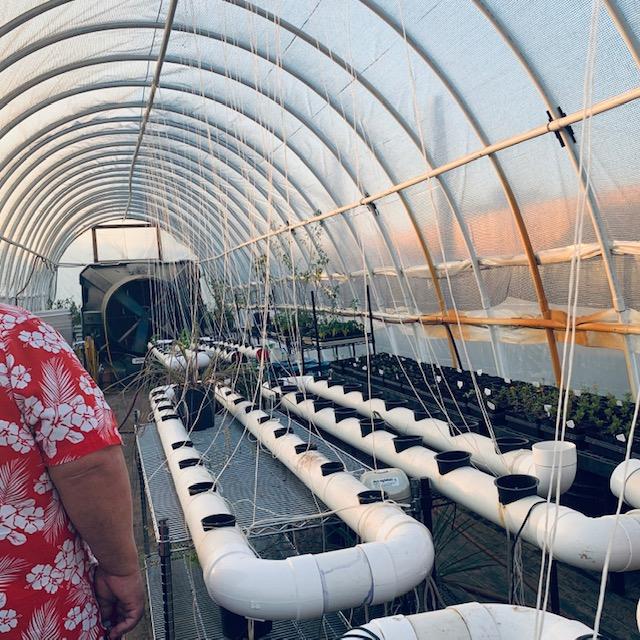 Inside our high tunnel
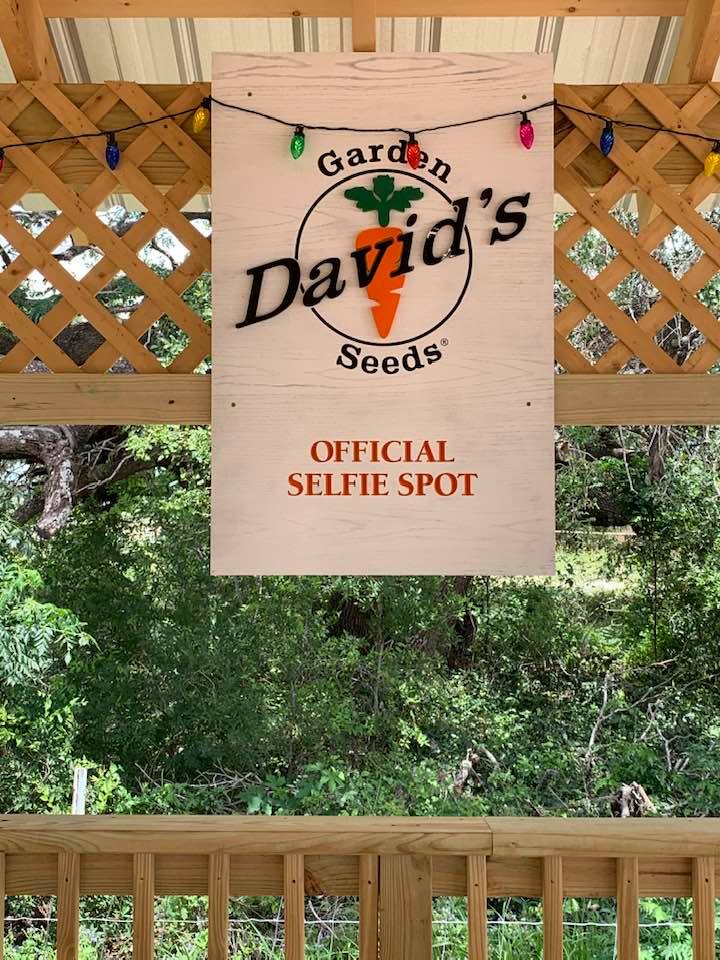 Take a selfie at our official selfie spot!
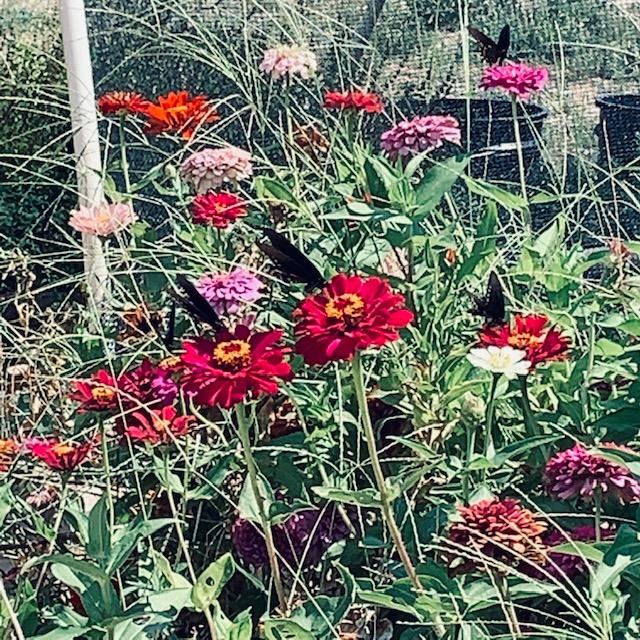 Flowers, bees, and butterflies are everywhere!
Watch Our TV Ads!
David's Garden Seeds® has the best Non-GMO seeds in the state of Texas!


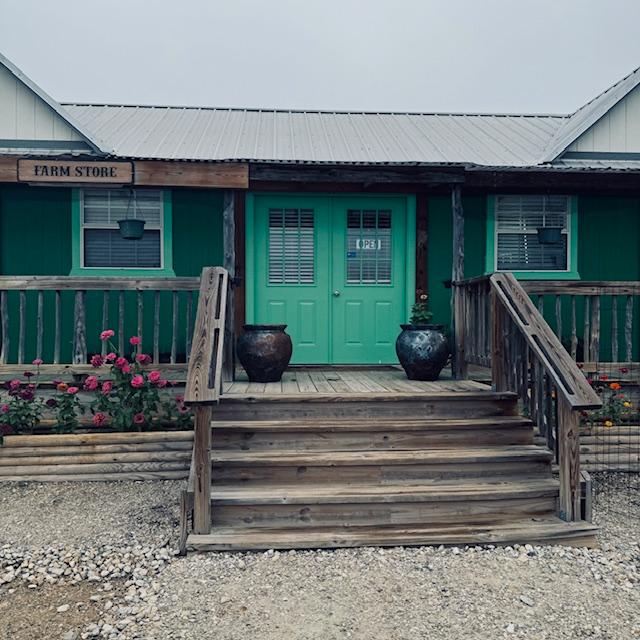 This is our beautiful Farm Store. Come in and shop for seeds. We have over 1600 Non-GMO heirloom varieties to choose from but we are in the process of bringing that number down to half.
Our Story
Hi Everyone! Thank you for visiting my website! I am Mrs Davids
Garden Seeds® aka Mrs. David's Garden Seeds and I think you should know that there is a wonderful seed
company in the great state of Texas called David's Garden Seeds®. We grow some of our seed, we count, hand pack, print our own envelopes, and ship seeds out to you right here from our farm. This used to be an old peanut farm. When the owner died about 15 years ago, his sons split the farm up and sold it in pieces. In 2024, we bought another adjoining four acres.
Our business started in our home in San Antonio in September of 2009. David decided to sell some seeds he had left over from his garden on Amazon. I told David, "Don't bother, it won't work!". I am so glad that David did not listen to me because it did work! By 2015, we had 8 employees working in my home every day and David found a storefront in San Antonio and moved the business there. In 2016, I quit my day job and went on the payroll. The company grew some more and David moved to a bigger storefront in 2017. In 2019, we found a beautiful piece of land over in Atascosa County and turned it into a farm out near Poteet. David and I moved out here to live in August of 2019.
In 2020, we moved our company out to the farm. We have a beautiful Farm Store filled with seeds, a gazebo with a pond full of koi and gold fish for you to visit. Come by and visit us at 5029 FM 2504 in Rossville, just outside of Poteet, Texas, Monday through Friday from 9am to 5pm and Saturday from 10am to 2pm. Or you can order seeds online from our user-friendly website, www.davidsgardenseeds.com.


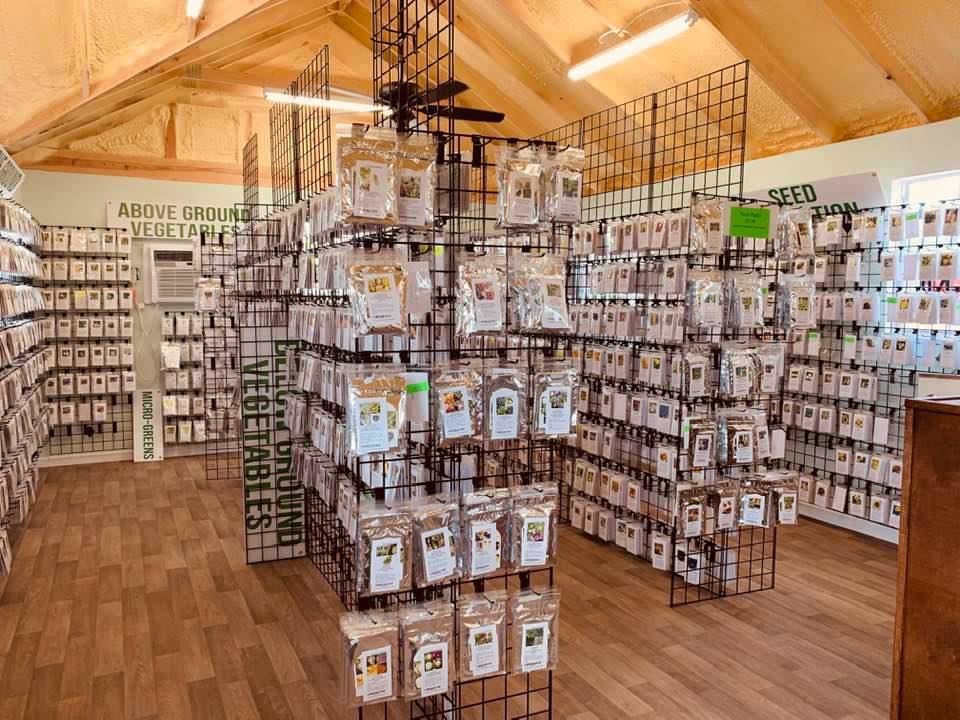 Our beautiful new farm store has almost 2,000 varieties of seeds and more. Mrs Davids Garden Seeds® looks forward to meeting you when you visit.
Mrs. David's Garden Seeds® Copyright by Juanita Lynn Schulze of David's Garden Seeds® 2019-2026
David's Garden Seeds® is Registered in the United States Patent and Trademark Office.