Year Eight Of Life On The Farm
Well, here we are starting year eight of life on the farm out in Rossville, Texas, near Poteet, the Strawberry Capital of our state. As usual, the time out here has flown by! There are things I miss about living in the city, like good food at restaurants nearby and close proximity to stores, malls, and movie theaters.
The weather seems to be a lot hotter and drier out here on the farm. Something always needs to be watered in the brutal sun. Most of the time when it rains, the clouds go around us and bless other communities with much needed rain and we get a small amount, sometimes none at all.
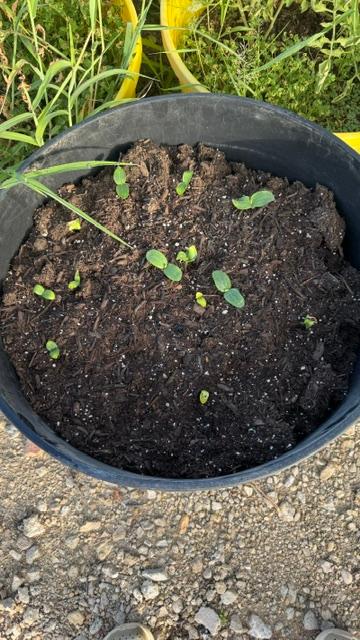
This summer has been a bit cooler than other recent years. We have had just a handful of days that have reached 100°+ so some things are still growing. I picked a tomato yesterday. My pumpkin seeds are germinating. My second planting of potatoes as well as sweet potatoes are still growing. My first planting of potatoes all dried up producing just two tiny potatoes.
David has started tomato seedlings for fall.
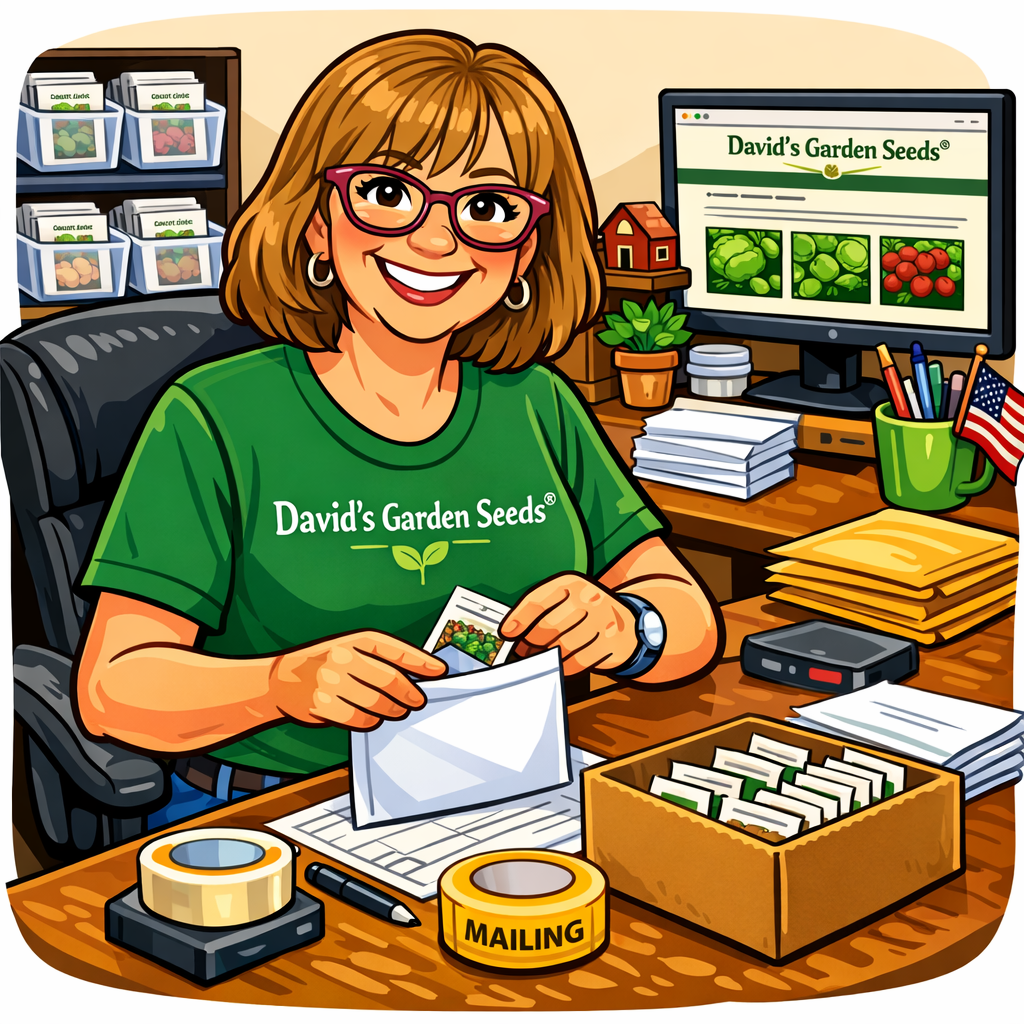
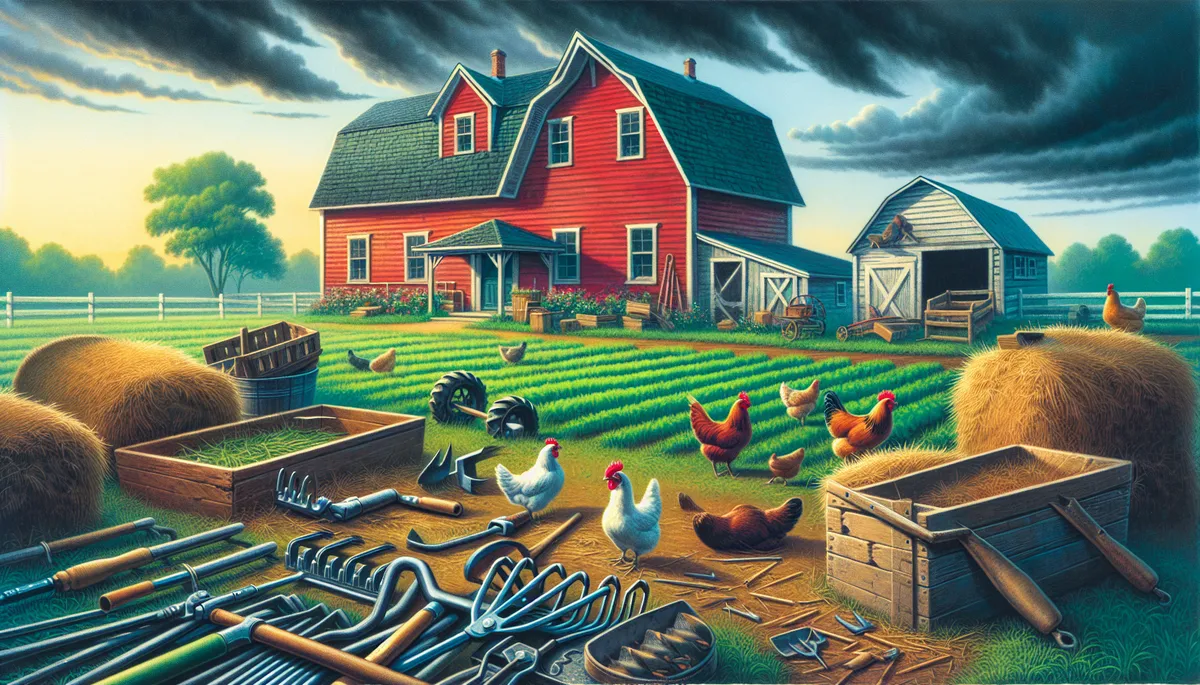 I wish our farm looked more like this cartoon picture with lots of green grass. We have lots of sand, stickers, and weeds with very little grass.
Year Eight Of Life On The Farm - 7/27/2026-7/25/2027
Year eight of life on the farm officially begins on Thursday, July 30, 2026 because on July 30, 2019, we closed on the farm. In 2027, the 30th of July will be on a Friday so we will close out year eight of life on the farm with July 25, 2027 and start year nine with with Monday, July 26, 2027.

Seven years ago, we bought a four acre tract of what used to be a large peanut field. The owner of the large farm passed away and his sons chopped it up and sold the pieces. There was nothing here except sand that goes down at least 325 feet, waist high weeds with a ton of stickers, nasty bugs, snakes, and one mesquite tree high up in the corner of the property.
First, we had to have the property shredded. Then we brought in a dumpster and a port a potty. For about three weeks, we worked cleaning the place up. A septic tank was brought in and installed incorrectly which we found out a few years later...We had to get it corrected so that was expensive. We had to wait about eight weeks to get city water. We had to wait until November to get electricity even though we paid thousands of dollars to get in line for the privilege.
We bought a new manufactured home that they delivered but would not put together for us so we had to buy a shed to live in for 3.5 weeks. We also had to buy a generator so we would not die in the heat. It cost $18,000 and we had to put fuel in it, spending hundreds of dollars a week so we could have electricity.
Year seven found us doing business differently from other years as we decided not to sell on Amazon anymore. We had to let our full time employees go as there just wasn't enough business to pay them and us at the same time. But we pivoted. We sold nine buildings and moved Production operations into half of our retail store. We're still not finished with the dividing wall but we are getting close.
Year Eight Of Life On The Farm
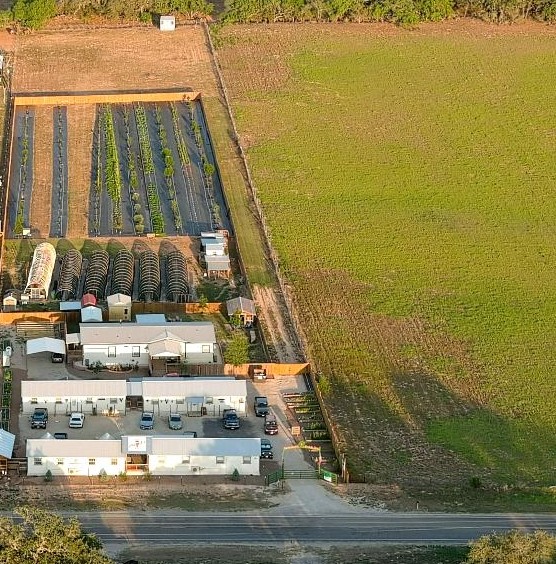 This is a drone shot of our original 4 acres plus on the right is the next 4 acres that we bought with FM 2504 running in front of it. 9 buildings have been sold now.
Year eight of life on the farm finds us searching for different ways to grow the business and make money. The days of easy cash with Amazon selling are long gone. They have too many fees now and what we sell has a very low price point so it is not worth giving about 60-65% of our sale to them.
We have tried growing things that people could buy or pick and buy but they never want to come out when the produce is ready for picking or purchase. They call in early spring wanting to pick fruit when the trees are just budding or in fall when we have just planted, not understanding how the fall garden works in Texas.
We sell eggs but for most of the year, we do not get visitors and no one wants to pay what the eggs are worth, although I have seen with my own eyes that visitors to other farms will pay $7 and even more for a dozen eggs. I am lucky to get $4 or $5 a dozen.
Seed sales are okay online but only because we constantly have sales. We just need to figure it out. I ran a bunch of information through some AI programs but we have not had time to sit down and figure it all out yet with orders coming in and not enough help.
As I mentioned above, we are looking for new ways to make money in year eight of life on the farm where we sell garden seeds.
Apparently, we are not alone. A lot of seed companies feel the squeeze right now. How do we know? Some tell us. We can see other's social media posts.
Cheap seed sellers are springing up everywhere. Customers are spending less on good quality seeds. And if you have spent 17 years building trust, it can feel frustrating to compete on price. The good news is this: you do not have to win by being the cheapest. You can win by being more useful, more local, more trusted, and more creative.
Year Eight Of Life On The Farm - What Do We Have That Others Don't?
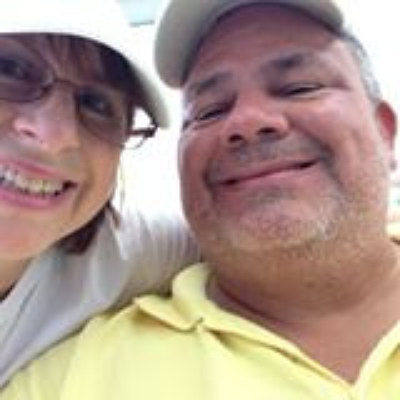 This is my favorite photo of us taken back in 2014 at our first store in Trader's Village in San Antonio.
David’s Garden Seeds already has something many businesses would love to have. We have about 900 seed varieties now, a huge dip down from the 1600 we had this past spring which we are purposefully doing. We will be cutting that down even further to make it a bit more manageable.
What we have that makes our seed company different is David, our founder, and me, his delightful wife of 39 years. For 17 years, I've been Mrs. David's Garden Seeds®, researcher, author, and gardener. When you come out to our farm, we give you our expertise as we discuss different options for what will grow in your garden at different times of the year.
We have visited other much larger seed companies and not once have the owners come out to give us their expert opinions on what to grow and when. In fact, the owners are no where to be seen. We are here day in, day out, ready to help our visitors choose the best seed varieties for their needs personally.
We have a farm, animals, years of gardening experience, free educational content on three websites, and a real story. That is a strong base. So the question is not just, “What can we sell?” It is also, “What do we already have that people value?” In many cases, the answer is our knowledge, our trust, our brand, and our ability to help people grow food at home.
I think this might be the best place to start: we need to stop thinking only in terms of single seed packets. Instead, maybe we should think in terms of a full garden brand. Our customers do not just want seeds. They want success. They want less waste. They want easier choices. They want to know what to plant, when to plant it, and how to get food from their backyard. Perhaps if we build offers around that need, we can open up many new income streams.
Year Eight Of Life On The Farm - Seed Bundles
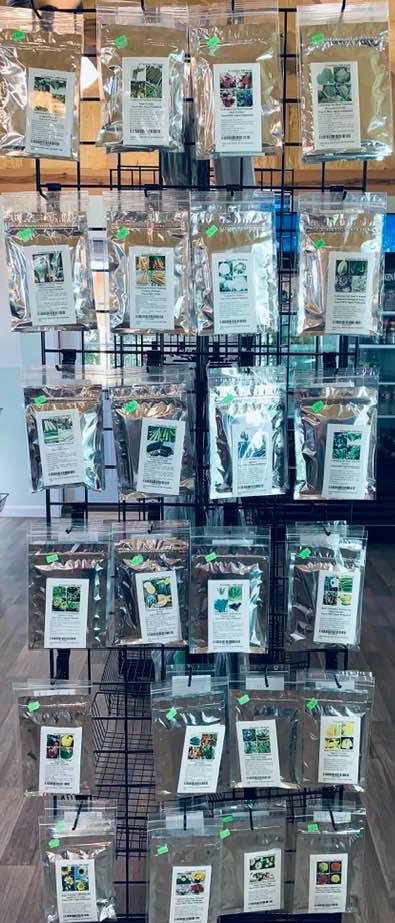 Right now, we do not have any seed sets. Once our sale is over, we will be putting new seed sets together.
One of the best new ways to make money on a small farm that sells garden seeds is to sell seed bundles instead of only individual packets. People often feel overwhelmed by too many choices. If you already have 900 varieties, you can turn that into curated collections. That makes shopping easier and can raise the average order value.
For example, we could offer themed collections like:
- Salsa garden bundle
- Beginner vegetable garden bundle
- Pollinator garden bundle
- Southern heat-tolerant garden bundle
- Container garden bundle
- Kids’ garden bundle
- Cut flower garden bundle
- Survival garden bundle
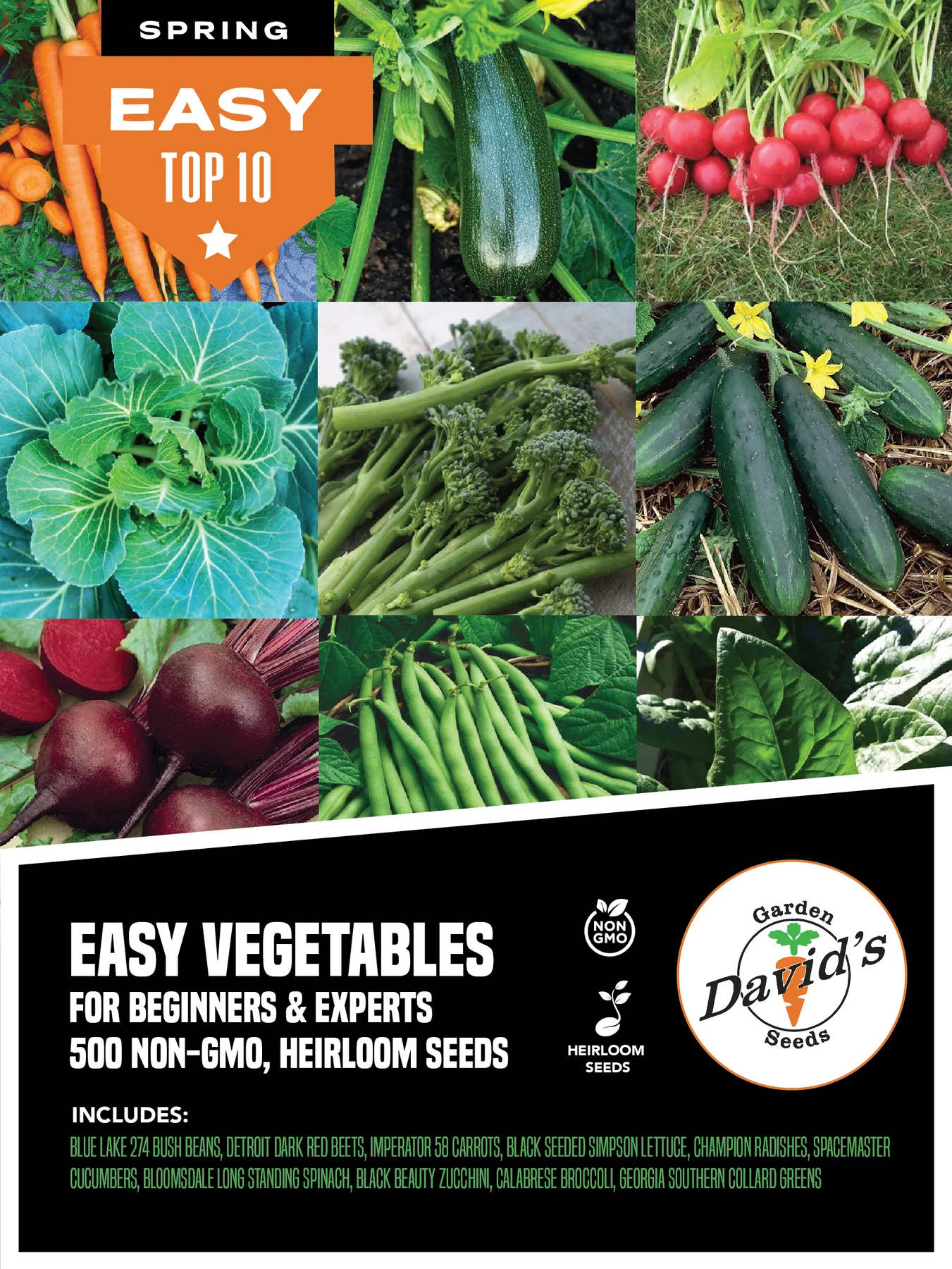 We introduced our Top 10 Easy To Grow Seed Set a few years ago and it did well. I think we will bring it back this fall.
Seed bundles work because they solve a problem. A customer may not know which tomato, pepper, onion, and cilantro seeds to pick. But they do know they want homemade salsa. So we are not just selling seeds. We are selling a result. That shift matters. It also helps us stand apart from bargain sellers that only compete on low prices.
Year Eight Of Life On The Farm - Planting Kits
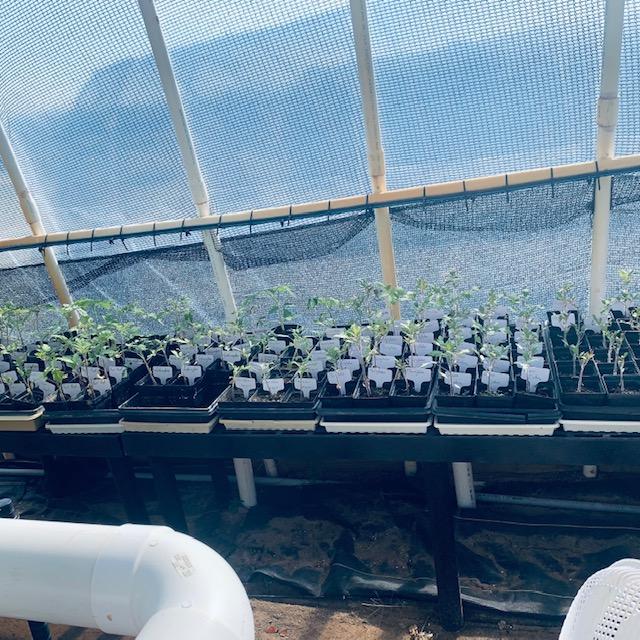
Another smart idea is to build seasonal planting kits. These can include seeds, a printed planting guide, row markers, and simple instructions. We could add a few useful low-cost items from wholesale suppliers, such as seed-starting trays or labels. I bet that many home gardeners will gladly pay more for convenience if it saves them time and guesswork.
We could also create region-specific kits. Gardeners in Arizona do not plant the same way as gardeners in Ohio. If our free articles already teach planting by season and region, we can turn that content into products. Offer “Cool Climate Spring Garden Kits,” “Deep South Fall Garden Kits,” or “Raised Bed Starter Kits for Texas.” This is a practical form of small farming income because it uses what you already know.
Year Eight Of Life On The Farm - From Single Gardeners To Groups
 From time to time, we have had homeschool groups as well as school students. This is a set of business students from Poteet who visited us in early 2026.
A very promising path is to shift some focus from home gardeners to schools, churches, homeschool groups, and community gardens. Typically, these groups ask us for free seeds. Each year, we get hundreds of requests. But they need to help keep small businesses in business by supporting us, not by trying to get all they can get out of us and then wonder why we are no longer in business.
Once they realize this, maybe they will want to do small project ideas with students or with the community. They are not just buying a packet. They are buying a program. You can package seeds and lesson plans together and sell them as garden education kits.
For example, a school garden kit could include:
- Fast-growing seeds
- A simple teacher guide
- A planting calendar
- Garden activity sheets
- Kid-friendly crop signs
- Basic harvest ideas
That kind of offer can bring in larger orders than small home-garden sales. It also fits our brand well. We already educate people. This is just another form of that.
In fact, our garden ebooks may do better as bonuses instead of stand-alone products. This is a big shift, but it often works. Instead of trying to sell an ebook for a few dollars, we might use it to increase seed bundle sales, build your email list, or support a membership. A free “Beginner’s Raised Bed Guide” may bring in far more future sales than a low-selling ebook page.
We could also combine our ebooks into premium kits. For example, sell a “Grow Your Own Food Starter Set” that includes a printed guide, a seed collection, and access to one digital book. People tend to value information more when it helps them use a physical product. The ebook becomes part of the experience, not the whole offer.
Year Eight Of Life On The Farm - Seed Clubs
How can we pivot and change up the business to make it more profitable? One strong answer is recurring revenue. Seed sales often come in waves. That makes cash flow stressful. A monthly or seasonal membership can smooth that out. You do not need thousands of members for this to help.
A seed club could include:
- A monthly seed pack or seasonal bundle
- Planting guides
- Member-only videos
- Early access to new varieties
- Discounts on special farm products
- Private Q&A or garden tips by email
A membership might work well because our audience already reads our free articles. They trust us. Some of them might pay for extra help, special bundles, or a more personal connection. We would not be forcing everyone into a club. We are giving our most loyal gardeners a deeper way to engage with our brand.
Another of the strongest new ways to make money on a small farm that sells garden seeds is to offer live online classes. Many people will not buy an Ebook, but they will pay for a class if it feels clear, practical, and personal. You could teach seed starting, fall gardening, composting, backyard chickens for gardeners, beginner gardening, or garden planning.
These classes do not need to be fancy. We could run them live on Zoom and keep them simple. In fact, simple often feels more real. If we speak in the same friendly way our articles do, people would probably connect with that. We could also record the classes and sell the replay later as a low-cost digital product or bundle them into a library.
In the past, we have done some classes on canning as well as on how to germinate seeds and on companion planting. But, as we have learned, make sure people pay for the class when they sign up because many will sign up but few show up for class if they have not paid ahead of time.
Year Eight Of Life On The Farm - Paid Garden Coaching
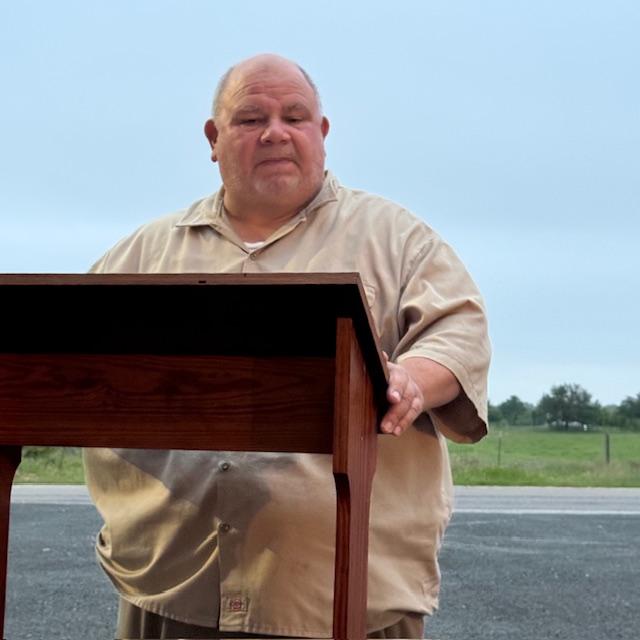
Along the same line, we could offer paid garden coaching. This can be one-on-one or in small groups. Some customers want direct help with planning their garden, choosing varieties, solving pest problems, or improving harvests. A 30-minute paid consultation could bring in much more than one seed order, and it would use our years of real experience. But, again, make sure they pay ahead of time because they want free advice. They do not want to pay for your time and expertise.
Year Eight Of Life On The Farm - Plants

In the spring, we usually offer seedlings and transplants. Selling live plants locally can be much more profitable than selling seed packets by mail. Not every seed variety makes sense for this, but many do. Tomatoes, peppers, herbs, flowers, and starter vegetable plants can sell well in spring.
Some years, we sell a lot of plants. Other years, we end up throwing many away. Customers expect us to be half the price of Walmart and get upset when our prices are more.
With 4 acres, we don't want to become a huge nursery, but even a modest transplant business can add income. We can focus on special varieties that are not easy to find locally. Our seed catalog is online, not physical which is good for the environment. We can grow unusual heirlooms, colorful vegetables, or heat-tolerant choices and market them as hand-selected starts from a trusted seed company.
Farm pickup days can help with this. Customers order online, then come to the farm to pick up seedlings, garden kits, or bulk soil amendments. That reduces shipping headaches and brings people onto our property. Once they are there, they may buy more. This is a simple local strategy that many online-focused businesses overlook.
We can also grow and sell fresh produce on a small scale. This may seem obvious, but the key is not to become a commodity grower. Instead, use your unusual seed varieties to produce specialty crops. Think colorful cherry tomatoes, specialty peppers, garlic, herbs, edible flowers, salad mixes, or rare beans. These can do better at local markets than basic bulk produce.
The problem with this is that whenever we have a harvest, people don't come out. They want it when they want it, not when the produce is actually ready. Ask me how I know...over the seven years we have been on the farm, very few have come out when we announce that we have onions or asparagus or peaches ready. Instead, we get calls in spring for fruit or in the hottest part of the summer for tomatoes.
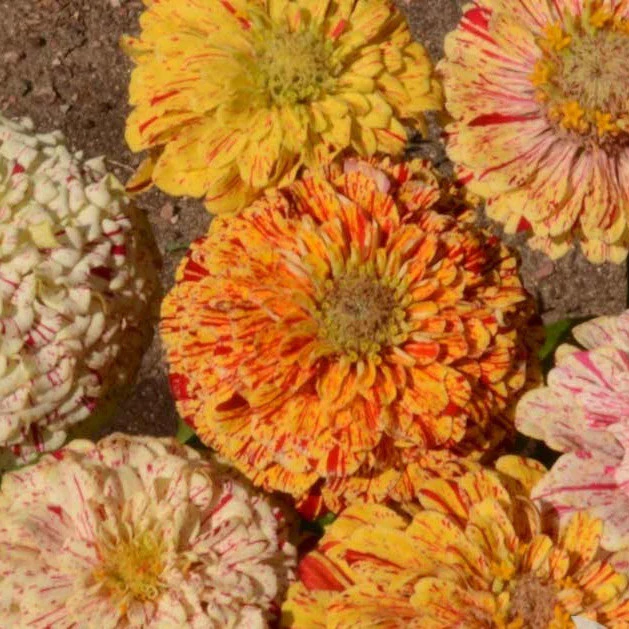
Another strong option is cut flowers. Many seed sellers overlook flowers as a farm income stream, but cut flowers can do well on small acreage. Since we already carry flower seeds, we can test varieties and then sell bouquets, DIY bouquet buckets, or flower subscriptions. Flowers also make the farm look attractive, which helps with events and photos.
I grew a ton of zinnias a few years ago for picking and had inexpensive vases. I sold zero cut flowers that year. No one would buy any. I sold three vases.
One woman came out and said she was going to take a flower from our garden for free. We were at a doctor appointment in San Antonio that day. Well, the woman actually picked the flower and put it in her bag. Fortunately, our employee saw her do it and charged her for it when she paid for her seeds. People feel entitled to what we have. Why is that?
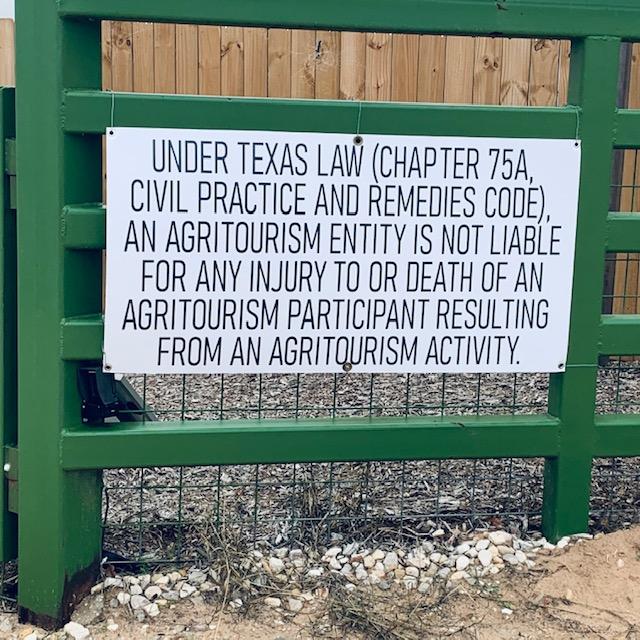
Speaking of events, our farm itself can become part of the business. We do not need to turn it into a full agritourism destination overnight. Start small. Host spring planting days, seed-starting workshops, garden tours, tomato tasting events, or a fall harvest open house. People are hungry for real experiences, especially ones tied to learning and food. We have offered tours in the past. A few paid but most wanted the tour free.
Year Eight Of Life On The Farm - Animals
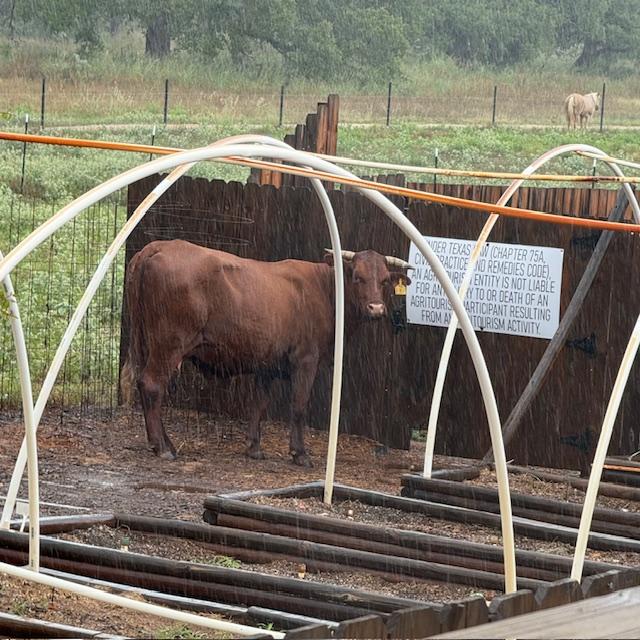
Chickens and Nigerian dwarf goats can support farm visits too. Families love animals. Even simple, well-run events like “Garden Day on the Farm” can bring in ticket revenue, product sales, and new customers. Of course, we would need to think through insurance, parking, safety, and local rules, but farm-based events can be a meaningful add-on.
The goats may open another income stream if you choose to use it. Nigerian dwarf goats are known for milk, though rules on milk and dairy products vary by state and local area. If regulations allow, goat milk soap, lotion, or other farm-crafted body products may be worth exploring. These often fit well with farm brands and can sell online or at markets.
Even if dairy products are not the right path, the goats can still support income through content and experiences. They can be part of farm tours, social media posts, children’s garden events, and branding. Sometimes people buy from a farm because they like the whole story, not just one item. That story matters more than many business owners realize.
Our chickens can also do more than provide eggs for our own use. If local laws allow and you have enough production, farm-fresh eggs can be a steady local seller. Eggs pair very well with farm pickup days, produce boxes, and garden events. They may not become our biggest income stream, but they can create repeat local traffic. As I stated earlier, we have sold our eggs for years but when we raise prices, we tend to lose customers.

In year eight of life on the farm, we should think about high-value crops that fit our climate and our labor. Garlic is often a good candidate for small farms because it stores well and can sell as seed garlic, culinary garlic, or braid bundles. Herbs can also be useful because they can be sold fresh, dried, or as value-added blends if local rules allow.
Medicinal or culinary herb drying may be worth testing on a small scale. We could grow basil, dill, oregano, thyme, chamomile, or lavender and sell dried bundles, tea blends where allowed, or wreaths and sachets. This kind of product can connect nicely with our seed business because customers can buy both the finished item and the seeds to grow their own.
This is where our free content can become a growth engine instead of just a nice extra. Every article should gently lead the reader somewhere useful. That might be:
- A seed bundle
- A planting guide download
- A workshop
- A membership
- A farm event
- A transplant preorder
In other words, we use content to build an email list and move readers into offers. A free article alone may help our brand, but an article with a clear next step helps our cash flow. If an article about growing peppers gets lots of traffic, add a pepper bundle, a pepper class, and a pepper transplant preorder link. We need to let our best content become our best sales tool.
Email may be one of our biggest untapped assets. If people already read our articles, invite them into a practical newsletter with seasonal reminders, product picks, and garden tips. Keep it useful. Then we could maybe segment our list if possible. For example, we could send beginners one set of recommendations and experienced gardeners another. Better emails often lead to better sales without needing more traffic.
Year Eight Of Life On The Farm
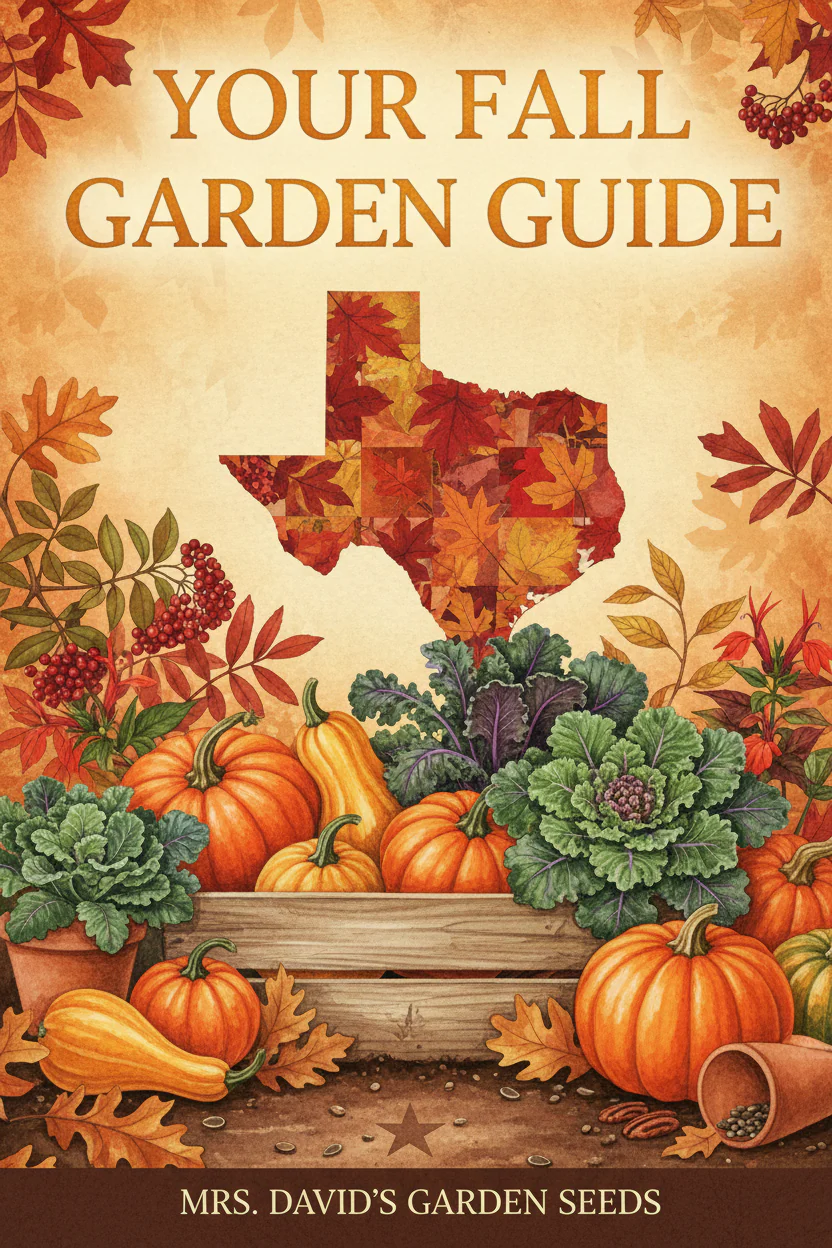
Our ebooks can be reused in many ways. Break them into short email series. Turn them into blog posts. Use them as workshop handouts. Bundle them with products. Offer one as a free sign-up gift. Turn them into a “garden library” bonus inside a membership. Low ebook sales do not mean the content failed. It may simply need a better format and a better sales path.
Year Eight Of Life On The Farm - Plant Sale
We might also host a plant sale weekend each spring and fall. This can become an annual event people look forward to. We could offer transplants, seed bundles, gardening advice, maybe a few eggs or bouquets, and a special discount for newsletter subscribers. Events like this can create urgency in a way everyday online sales often do not.
Year Eight Of Life On The Farm - Seed Saving Education
Another niche to consider is seed saving education. Since we sell so many varieties, customers may love learning how to save seed from tomatoes, beans, lettuce, and flowers. You could teach this through workshops, guides, or a premium course. Seed saving fits our brand naturally and speaks to gardeners who want more independence during hard times.
If we want to stand out online, we should tell more of our real story. People remember real farms. They remember names, families, animals, trials, weather problems, and lessons learned. I have seen many brands become more appealing simply by showing behind-the-scenes work. Cheap competitors can undercut price, but they often cannot match a genuine farm voice and real-world experience.
This matters because many customers are not only buying seeds. They are buying confidence. They want to know that if they buy from David’s Garden Seeds, someone has actually grown these things, tested them, and cares whether they succeed. That trust can support premium bundles, workshops, memberships, transplants, and local events. It is one of our biggest advantages.
Year Eight Of Life On The Farm - New Ways For Profit
So when we think about new ways to make money on a small farm that sells garden seeds, we should try grouping ideas into three buckets: products, services, and experiences. Products might include bundles, transplants, eggs, flowers, garlic, kits, and supplies. Services might include coaching, classes, memberships, and custom garden plans. Experiences might include tours, workshops, open farm days, and seasonal events.
We do not need to launch everything at once. In fact, that would probably be a mistake. It is better to test a few ideas that fit our skills, land, and customer base. I would start with the easiest wins first. Usually that means offers that use what we already have: seed bundles, email funnels, workshops, transplants, and local pickup products.
A simple first test plan could look like this:
- Create 10 seed bundles from existing inventory
- Turn one ebook into a free lead magnet
- Offer one paid online gardening class
- Start local preorder sales for spring transplants
- Test one farm event
- Add a few useful garden supplies to top-selling seed pages
Here is the ticket: we need to help gardeners succeed more easily than our low-cost competitors do. That means simplifying choices, teaching clearly, and offering useful next steps. This is one of the most realistic new ways to make money on a small farm that sells garden seeds because it builds on our strongest asset: our long experience helping people grow.
We already have the seeds, the land, the animals, the knowledge, and the audience. That is more than enough to build from in year eight of life on the farm. The next season of the business may look different from the last 17 years, and that is okay. Sometimes the best answer is not to sell more tiny packets. Sometimes it is best to create a stronger garden business around them. Year eight of life on the farm is all about discovering new things...
Monday, July 27, 2026
Good morning. David is headed off for a doctor visit this morning. I have been working on the above article and I'm not even dressed yet so I need to get ready for the work day.
It hit 100° today. David mowed a bit tonight. I spent the day pulling and filling orders.
David's doctor visit went okay. He had a guy come in and take weeds out of several raised garden beds that were empty except for weeds.
Tuesday, July 28, 2026
Good morning. David went outside early today. A guy is out there fixing the well. I got to go to war in the Middle East early this morning in a dream so that was fun. It seems like I am dreaming all night long now. At least I am sleeping again.
The sun is up, strong and bright and I took a photo of the three dogs watching Daddy help fix the well. I finally called them in for breakfast, the dogs, not David.
My mistake. The well guy never showed and it is now 10:24am. Yesterday, he told David it was too hot and he wouldn't be here until this morning...He definitely missed the coolness of the morning.
Meanwhile, Matt has gone home to clean up and he will drop 12 dozen eggs to one of our customers in Devine. If you were hoping to drop by today for eggs, they are all gone again.
The guy showed up late, around noon or so to fix the well. He did some stuff to it but says we have a large leak somewhere so we have to find the leak.
Someone we know wants to possibly buy five of my whethers but he will be starting out with just two. Three are already weaned and ready to roll. One will be weaned next week but then the other two won't be weaned for three weeks from now.
I am definitely keeping Ozzie and Clark Kent, as well as Lois Lane and Mamie. Not sure which of the three not yet weaned he will want. He can choose Ike next week or he can wait three weeks and get Tom and Jerry. Again, I am keeping certain ones that I already picked out, and both of our girls. I still can't believe we only got two girls out of ten babies.
Wednesday, July 29, 2026
David took his truck in early this morning to be serviced and to get new tires in Devine. Matt is supposed to meet him there and bring him here on Matt's way to work.
I had ham and eggs for breakfast and now I need to get ready for the day.
I have one dozen eggs ready for purchase today if you need some. I sold 12 dozen yesterday and I sent Matt home with a dozen last night. He takes care of the chickens so he gets all the eggs he wants.
The goats are enjoying the alfalfa hay. It is expensive but it is actually quite hearty in comparison to plain hay, which the goats also eat but they prefer the alfalfa.
It hit 99° for the high today and the full moon came up this evening.
Thursday, July 30, 2026 - Year 8 Officially Begins!
Good morning. Today, David sees a specialist that he has not seen in several years. I have two dozen eggs for sale this morning. If you want them, come early.
Right now, we have just 160 seed varieties still on sale for 96¢ each. All of the others have sold out and those varieties will not be back. We still have plenty of varieties to choose from.

Matt came into the house this morning to tell me that when he got to the goat pen this morning, Markie, our male and father of our current 10 babies, was sitting in the girl's pen with two of the babies. Everyone else was back in Markie's pen.
Sometime in the night, Markie broke through a piece of fence between the two areas. That means, we could have some new babies in five months. I sure hope not because the girls have not finished recovering from this round. I hope he didn't touch the two new baby girls as they are way too young but they can get pregnant as young as seven weeks.
Matt fixed the fence and got everybody back to where they need to be.
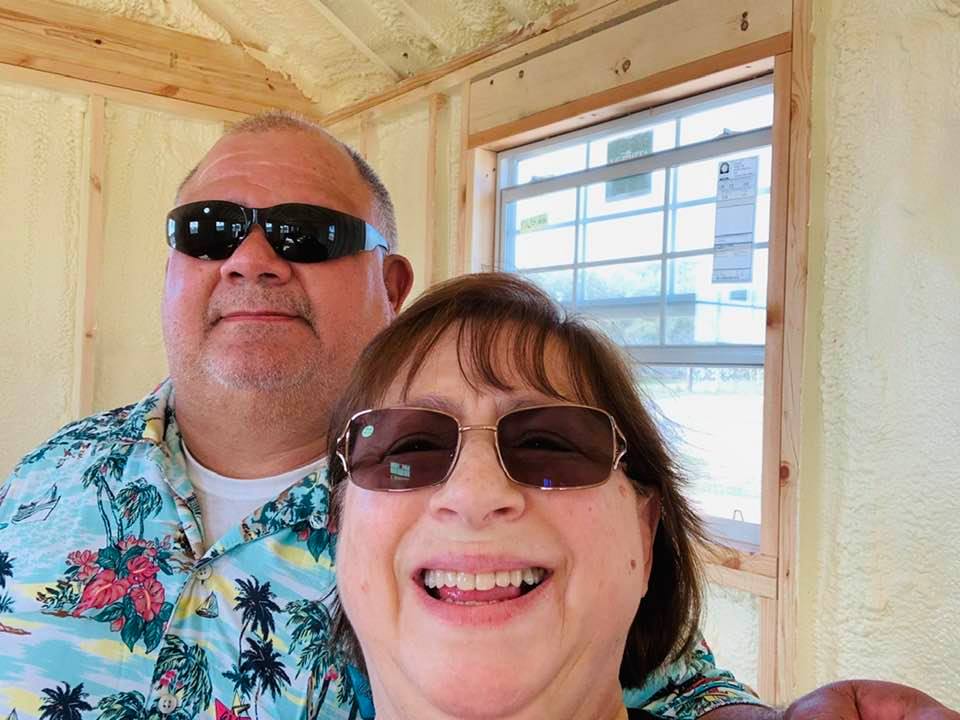
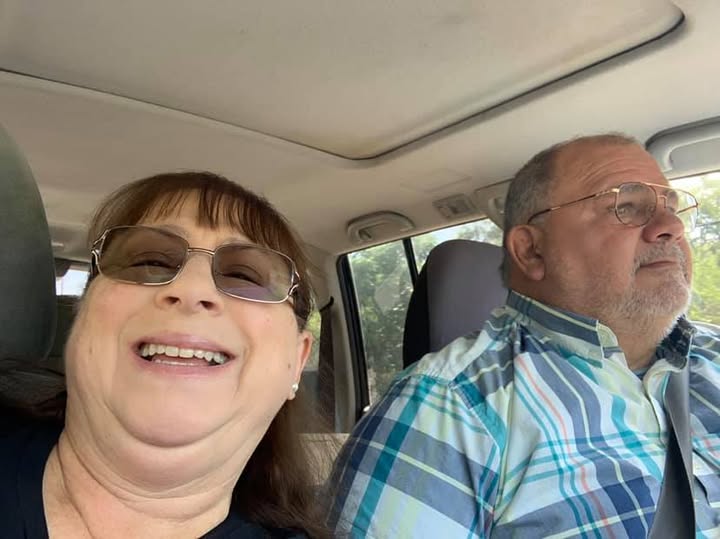 This photo of us on 7/30/2019 popped up today on Facebook. We were very excited to buy the farm. Here we are in our SUV that we bought new in 2002. We ran that one into the ground.
Today marks the true beginning of year eight of life on the farm for us. Eight years ago today, David and I bought this land with nothing on it but waist high weeds, trash, and one mesquite tree.
We left the farm shortly after noon today. Now let me backtrack for a moment and say that David had an appointment yesterday for his truck to get brand new tires from the dealership. He took the truck and they had ordered the wrong tires so they did nothing but return the truck.
Now back to the drive in to San Antonio today. We hit 1604 and we were going to a doctor near SeaWorld San Antonio. All of a sudden, the tire indicator for the left front said 28 instead of 40 pounds. I began to panic. David pulled into a gas station to air it up. We had 40 minutes left to get to the appointment. He got back in and said the tire's valve stem was broken and was not holding air.
We continued on up to SeaWorld with the pressure dropping every little bit. It got down to 10 and I wondered if we would ever make it to Wiseman Blvd. We did. Then we turned right, so close and it went down to 8. We finally pulled into the medical building parking lot. David double parked and we went inside. That tire was flat.
He checked in. I stayed in the waiting room. He went out into the hallway and called several tire shops in the area. None would answer.
He finally called one in Somerset, out by us in the country. This guy is the only one who would send someone out to help us.
They called David back to his appointment but he was not there. I tried to explain and they just moved on. My calls and texts were not going through. Almost an hour after his appointment, which was at 1:45pm, they called him back again.
The guy arrived and I had to go down to get some lug nut key but I had no idea what it was and it was not where David said it was. I had to call David to come down. I went back up. Turns out, it was okay because the doctor had an emergency surgery. He showed up around 4pm and David was still downstairs with the tire guy. The doctor went on with other patients.
David finally arrived and saw the doctor. Turns out he has to lose another 50 pounds before he can get his hernia repaired. Oh well...
Thank God he allowed us to get to the doctor's office safely instead of being stuck somewhere on the side of the road! The tire change cost us $100.
We left and had to hit the recycling center near Trader's Village with a backseat filled with cardboard boxes. We finally got them unloaded. We tried and tried to call the truck dealer who would not answer their phone all day long so we casually stopped by on the way home.
We dropped the truck off with them so they would change our tires tomorrow instead of at the newly appointed date next Tuesday.
Matt came and picked us up and took us home. He is a such a good son.
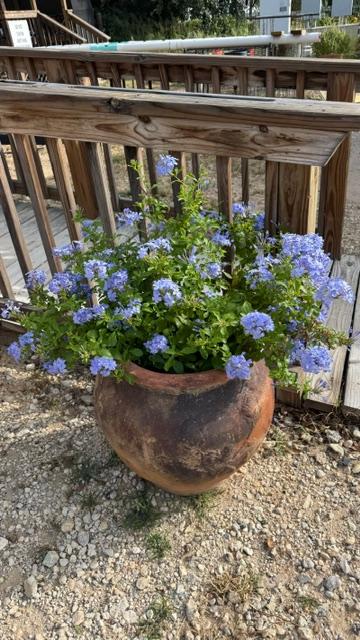
One of our customers came by while we were gone and bought both of our eggs so we will have just one dozen tomorrow.
It is 102° and 6:30pm. What an exhausting but good day!
Friday, July 31, 2026
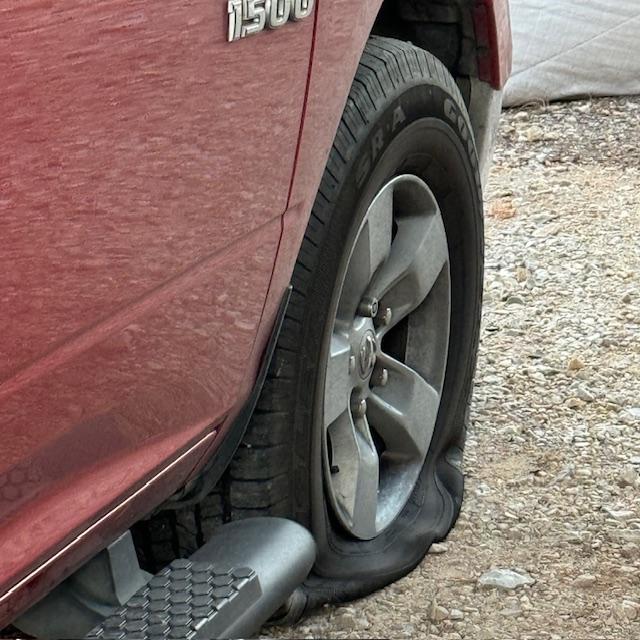 This flat was from a while ago. I did not take a photo of yesterday's flat but I should have. Too stressed to think about it then...
Good morning. I woke up twice in the night with neuropathy and I am currently having yet another. Fun times!
Hopefully, our new tires will be put on the truck and the truck will be cleaned, inside and out. All of this was supposed to have been done on Wednesday but the wrong tires were ordered. You would think the dealership would know what tires go on what truck...Had it been done, I would have been spared a whole lot of stress yesterday wondering if the tire would last until we got to the doctor appointment.
I worked on the house until after dinner. I made spaghetti with ground turkey, onion from the garden, mushrooms, and alfredo sauce. It was so good. The truck got new tires.
After dinner, I went up to the office and closed a bunch of orders while David worked in the store. At 8pm, we went home.
Saturday, August 1, 2026
Good morning. Happy August! Today I am planning to clean the couch in the den as the dogs have gotten it dirty.
David was up first and made coffee and breakfast tacos. I ate mine.
Before work, I got the carpet cleaner out and I cleaned the sectional in the den. It looks so good. Then I changed clothes and went to work. The air has been extra thick with humidity today and I hate it!
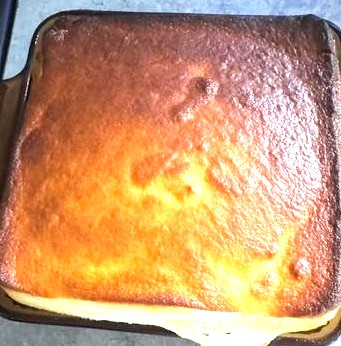
It is now 6:39pm and I am waiting for Matt to get here for dinner. Everything is ready. I made homemade mac and cheese for the very first time in my crockpot. It tastes really good! We are also having smoked sausage, zucchini boats, bacon wrapped stuffed jalapenos that David made, and cloud cake. I made my first cloud cake this afternoon and I am so excited about it. It came out perfect.
It is trying to rain right now with lots of thunder. We still haven't taken care of the chickens and goats this evening. It is too hot.
It got up to 103° today. Matt and David did yard work and I watched the store while doing special orders. At 12:30pm, I finally went to the house to get some lunch and before I could get anything to eat, our only set of customers showed up. I went over and waited on them and then received my grocery order right after they left. I put things away and then closed up shop at the store.
It is 6:43pm and we are getting rain! Alexa said we would get some at 10pm.
The rain felt good for a short amount of time. It took the temperature from 100° down to 86° with a nice breeze.
Sunday, August 2, 2026
Good morning. Wow. One week of year eight of life on the farm is now complete. I hope you will come back each week for lots of new garden articles. Starting tomorrow, we will talk about preparing for your fall garden in Texas.
I tried dumping my rain gauge this morning and nothing came out. That is how little rain we got...
I got everyone fed and watered. All are doing well. The cat's paw is all healed up now. The baby goats are getting big.
This week the only doctor appointment is Trump's yearly visit with vaccines on Tuesday. If you are new here, Trump is my Louisiana catahoula dog. We found him by the chickens two years ago when he weighed about four pounds. Now he weighs close to 70 pounds but he is still such a sweet boy.
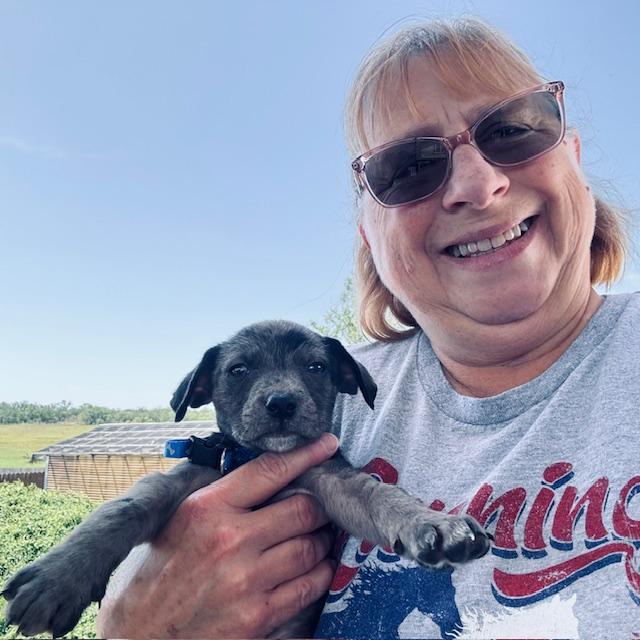

It is now 4:21pm and I just sent out a newsletter for David's Garden Seeds®. It is 101° out and David is smoking chicken on the Traeger. We went to church and casually stopped by HEB after church for a few things. Then we drove through Taco Bell and picked up lunch.
David put on a movie, The Sheep Detectives, which was very cute. Now he has another shark movie on for shark week, even though we are a bit late.
Soon it will be time for me to go out in the heat and feed everyone. I definitely do not want to go out there. I truly despise the heat.
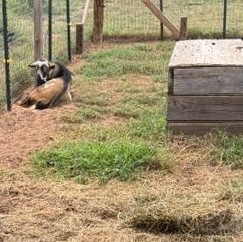
Year Eight Of Life On The Farm Continues...
8/3/26-8/9/26 - Preparing For Your Fall Garden In Texas
8/17/26-8/23/26 - Grow Perennial Vegetables
8/24/26-8/30/26 - Gardening Tools
8/31/26-9/6/26 - Plant Your Best Fall Garden in Texas
9/14/26-9/20/26 - Grow Swiss Chard
9/21/26-9/27/26 - Best Time To Plant Bluebonnet Seeds In Texas
9/28/26-10/4/26 - Grow Snapdragons
10/5/26-10/11/26 - Grow Amaranth
10/12/26-10/18/26 - Grow Cosmos
10/19/26-10/25/26 - Grow Rhubarb
10/26/26-11/1/26 - Grow Basil
11/2/26-11/8/26 - Grow Southern Peas
11/9/26-11/15/26 - Grow Ground Cherries
11/16/26-11/22/26 - Grow Bunching Onions
11/23/26-11/29/26 - Grow Watermelon, Cantaloupe, And Other Melons
11/30/26-12/6/26 - Grow Dill
12/7/26-12/13/26 - Grow Cilantro
12/14/26-12/20/26 - Grow Mint
Our Farm Journal By Year - See What Happened On The Farm And In The Business
Return from Year Eight Of Life On The Farm to Home
Anything To Share On This Topic?
Would you like to share additional information about this topic with all of us?
Since 2009, over 2,000,000 home gardeners, all across the USA, have relied on David's Garden Seeds® to grow beautiful, productive gardens. Trust is at the heart of it. Our customers know David's Garden Seeds® stocks only the highest quality seeds available. Our mission is to become your lifetime supplier of quality seeds. It isn't just to serve you once; we want to earn your trust as the primary supplier of all of your garden seeds.
Watch Our 2022 TV Commercial!
Sing Along To Our Jingle
♪♫♪♪ ♫ ♪ ♫♪♫♫
♪♫♪♪♫♫
Peppers and peas
And lots of yummy greens
You can't go wrong
With Squash This Long
At David's Garden Seeds
♪ ♫ ♪ ♫
Our New 2024 TV Ad
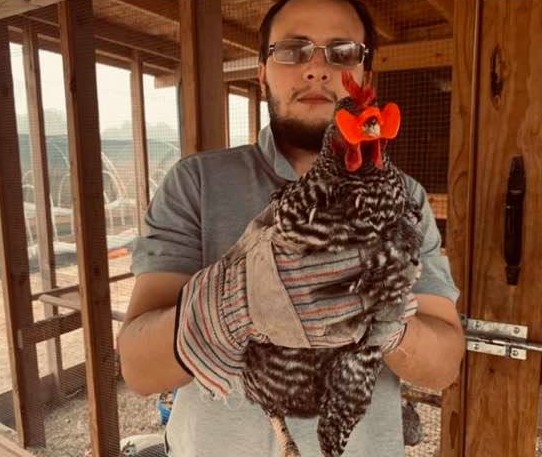
Please like and subscribe on YouTube and come visit us at our Farm Store! The music on our TV ad was written, played, and sung by our son, Matthew Schulze. You can meet him when you come to the farm. He just might give you a tour. Ask him to grab a guitar and sing our jingle that he wrote.
Our 2022 TV Ad

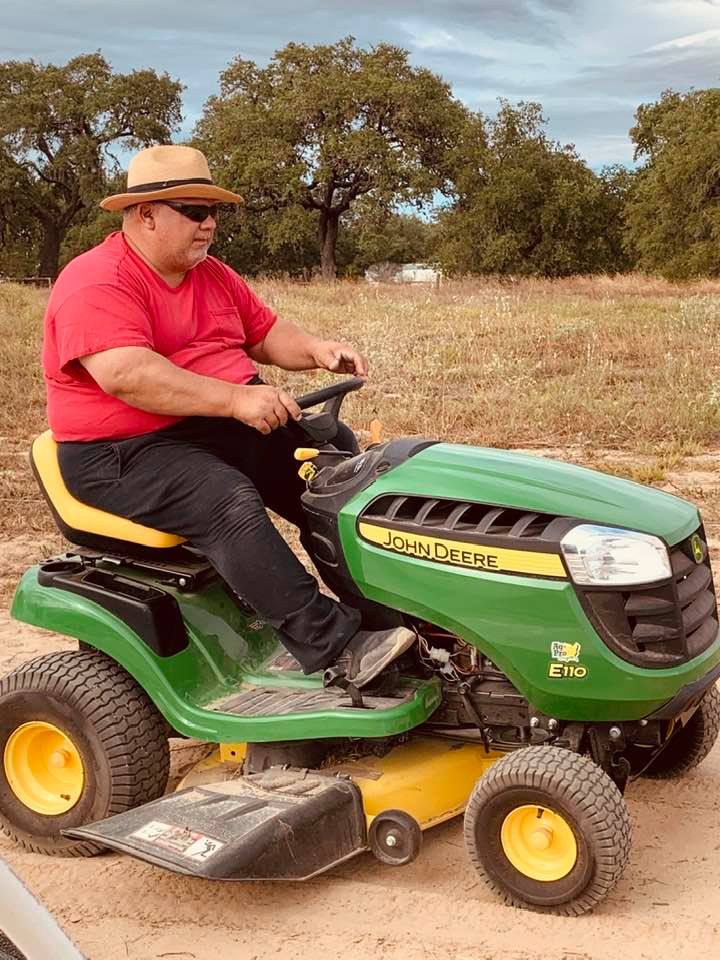 David of David's Garden Seeds® zipping along on his little tractor across the farm. He is having a blast!
We are David's Garden Seeds®. If you need great seeds, we've got over 800 varieties to choose from.
Subscribe To Mrs. David's Garden Seeds® Newsletter For FREE!
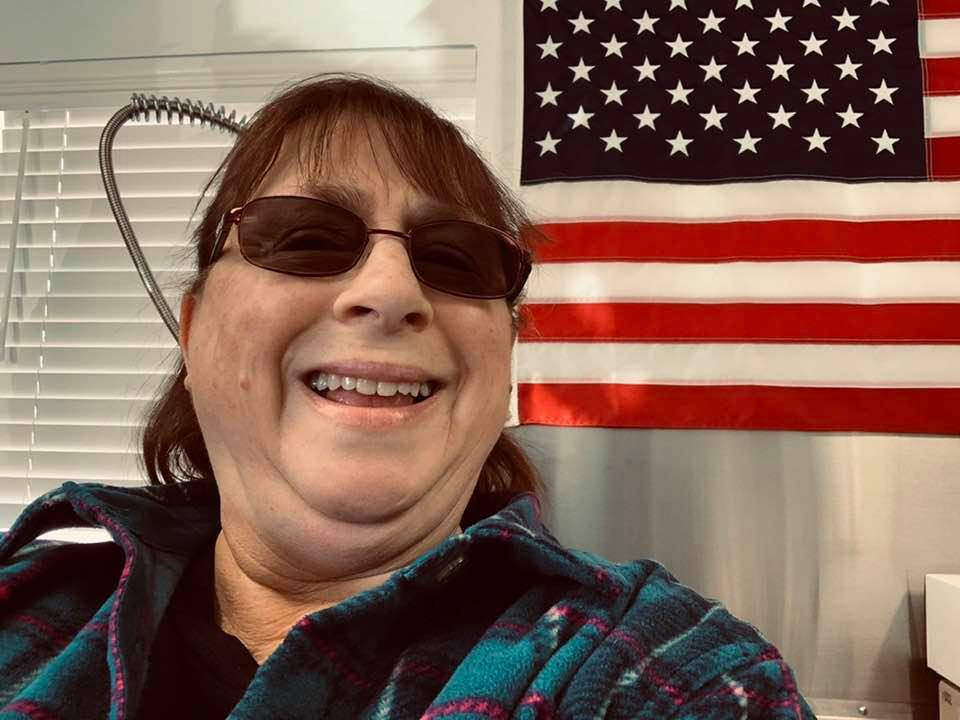
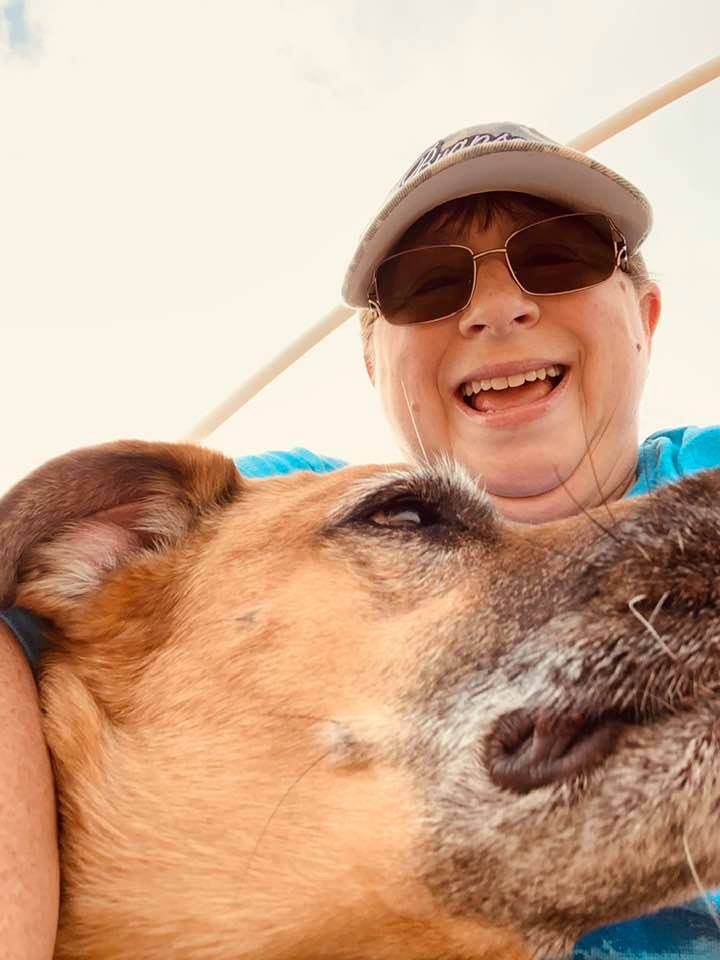
Find out what is going on down on the farm by reading our blog and by subscribing to our free newsletter for all of the information going down at David's Garden Seeds® and on the farm. I love to share helpful information with you. Please let your friends know and y'all come on down for a visit when you get the chance. We would love to meet you!
New Store Hours!
 Farm Store Hours: Th-Fri 10am-5pm, Sat 10am-2pm. Closed Sun-Wed.
Being out here in the country, we had awful internet & we could not stream TV. We got Starlink in April of 2025 & we love it! Now we can stream and work, even when it is raining!
 Our Farm Store
Shop for:
- Seeds
- Farm Fresh Eggs
Our Farm is located at 5029 FM 2504 in Poteet, TX.
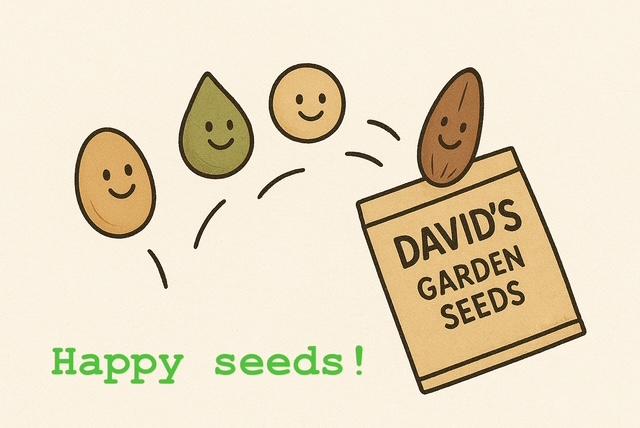 Only happy seeds make the cut to go into our seed packs!
David's Garden Seeds® has
seeds for the backyard gardener and farm fresh chicken eggs.
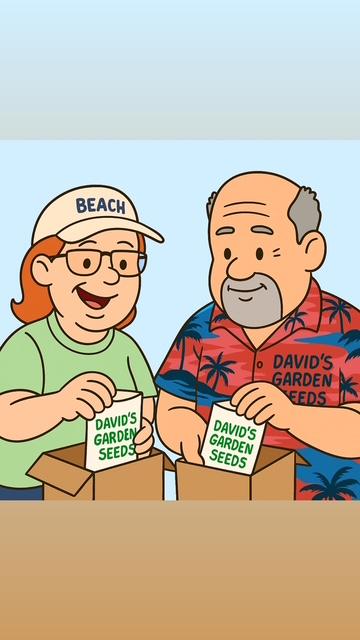 David & Juanita work hard to pack your garden seed orders.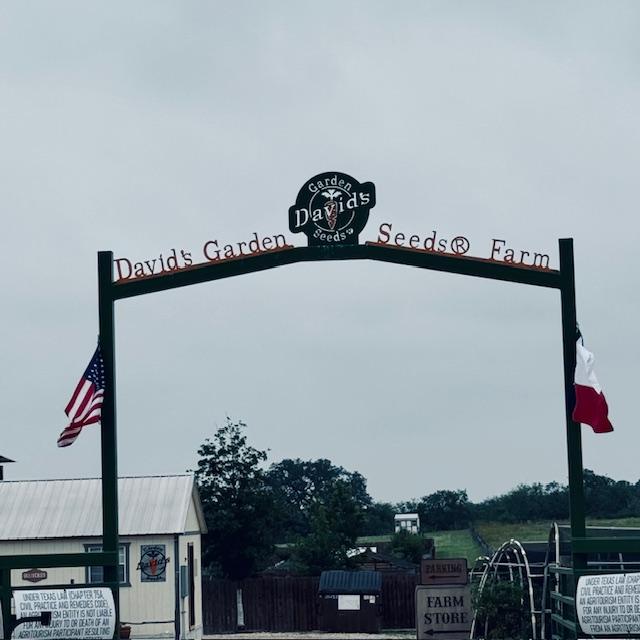


Sign Up For Our Newsletter Here!
   DGS YouTube Mrs
|
   |
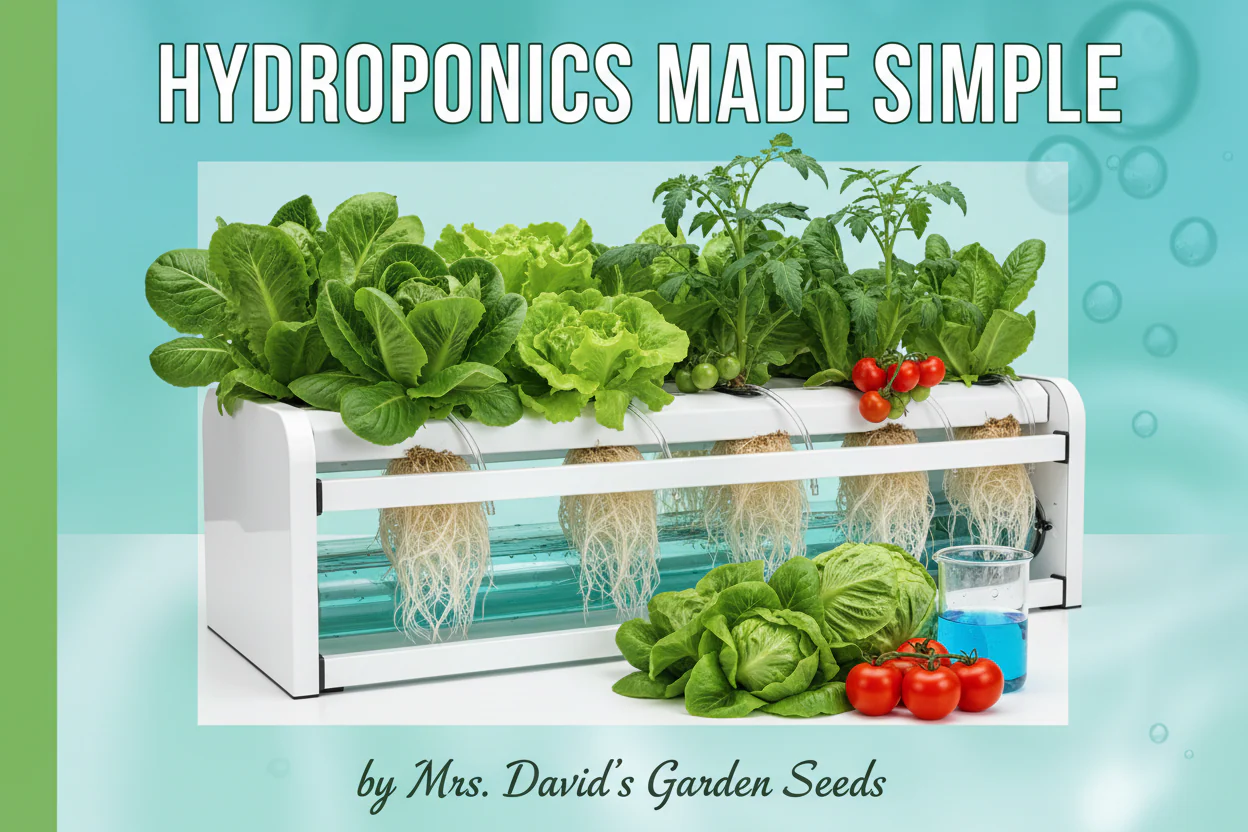
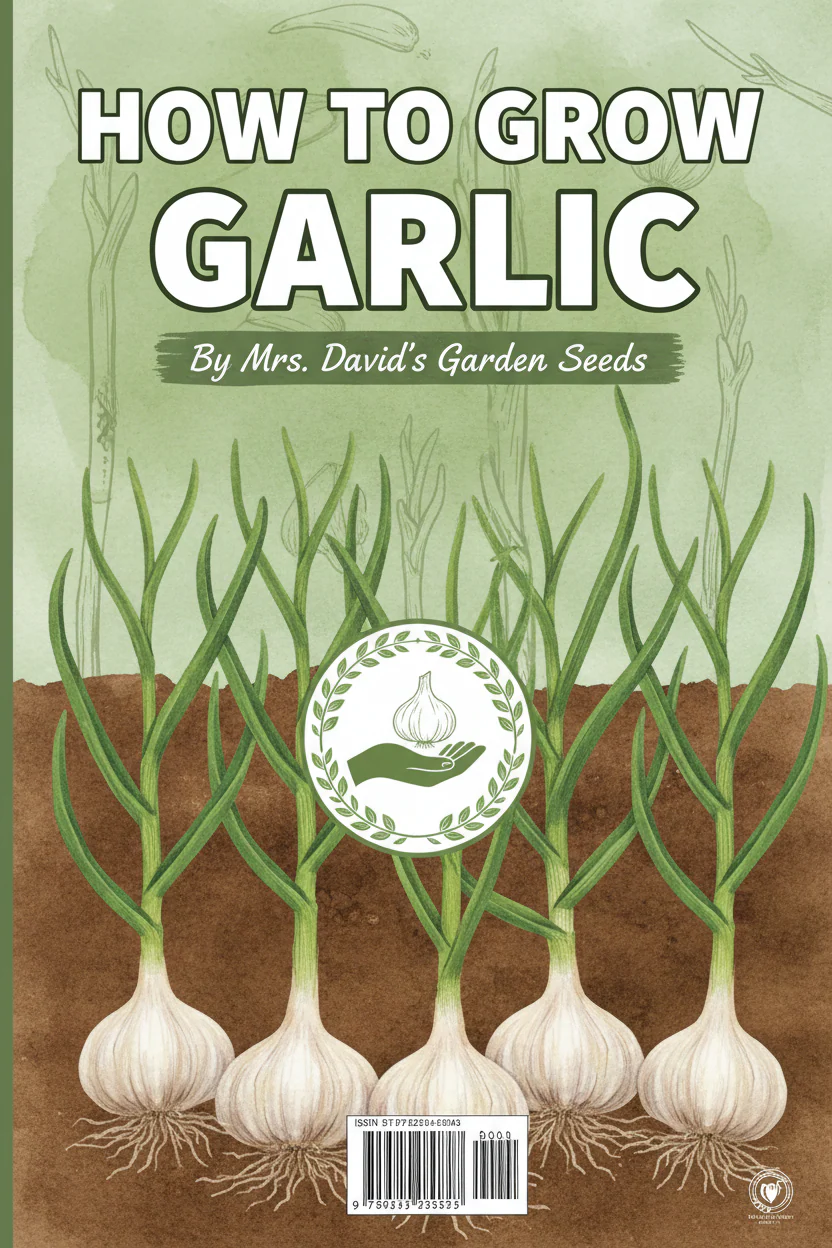
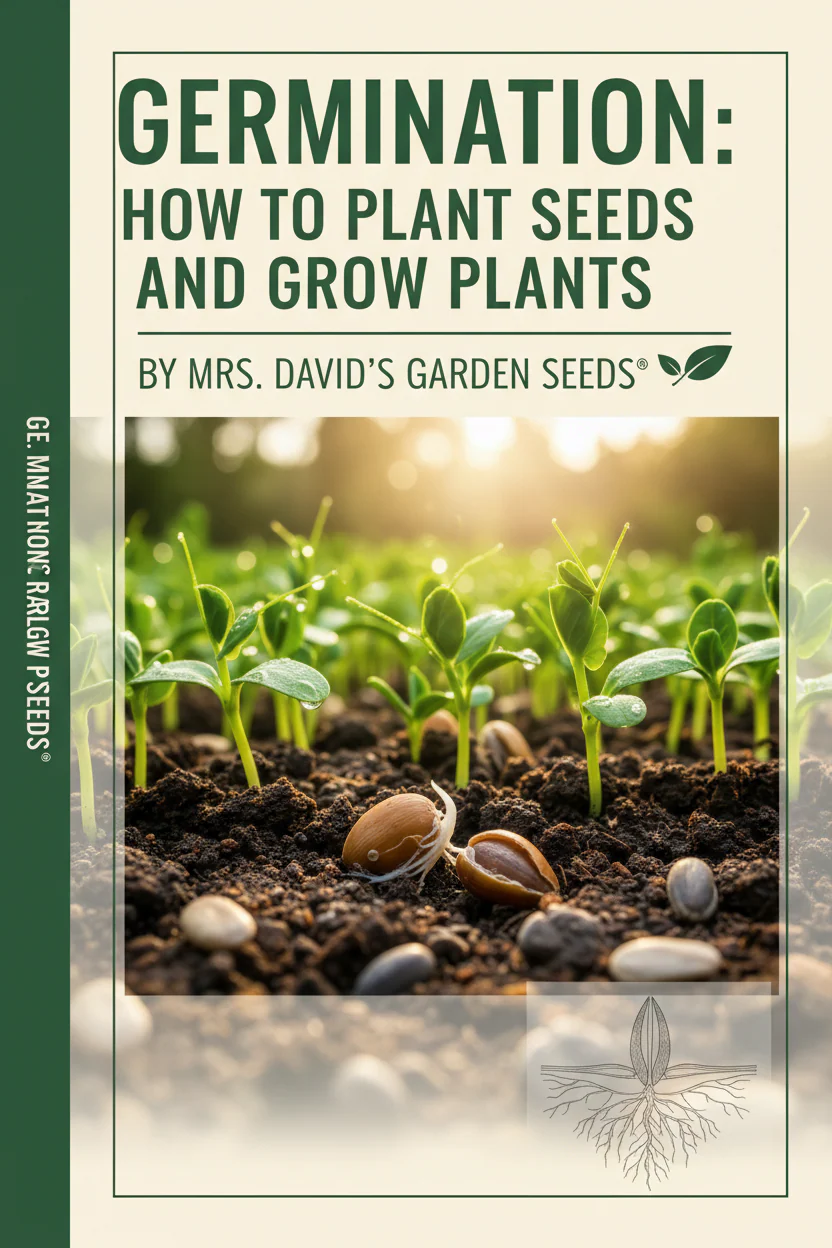
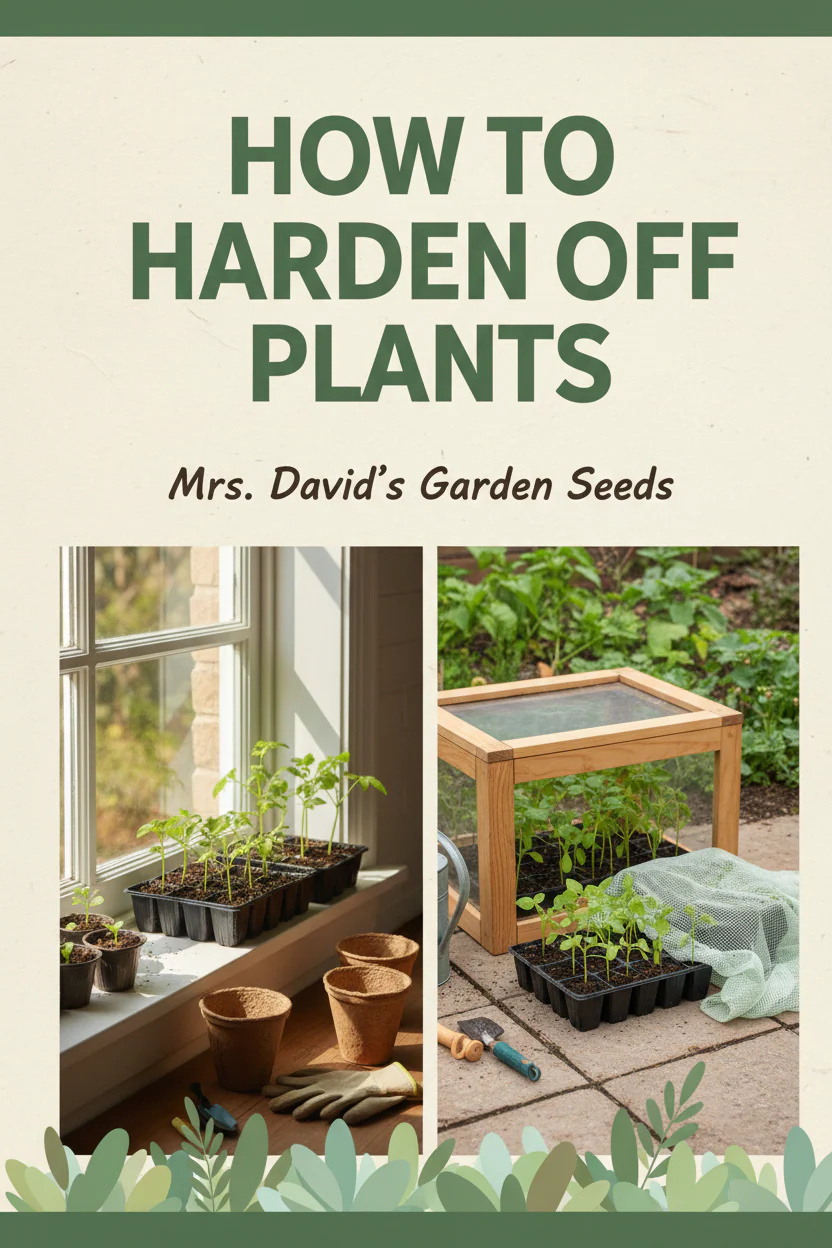
Garden Ebooks
by Mrs. David's Garden Seeds
 I've been busy creating eBooks to help you with your garden...
IMPORTANT NOTE: THE EBOOKS ARE DIGITAL DOWNLOADS (EBOOKS), NOT PHYSICAL BOOKS.
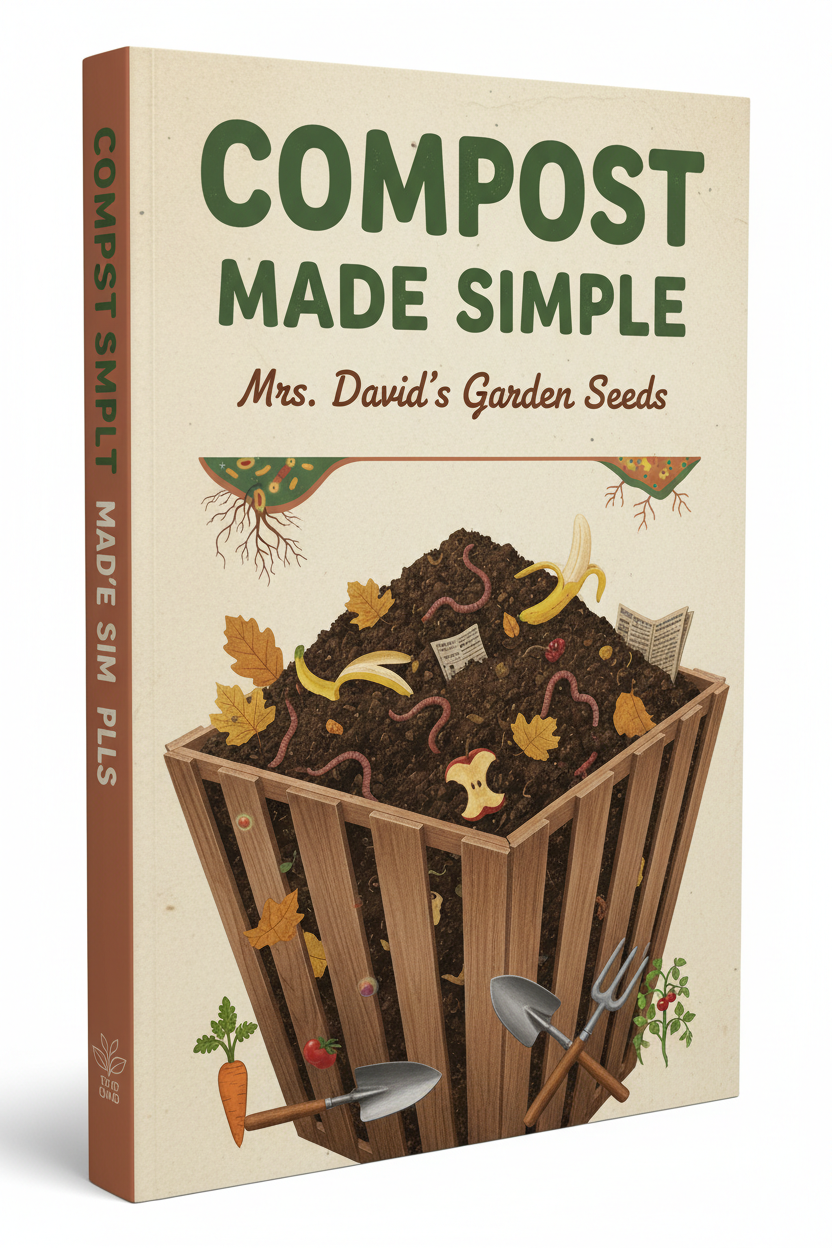
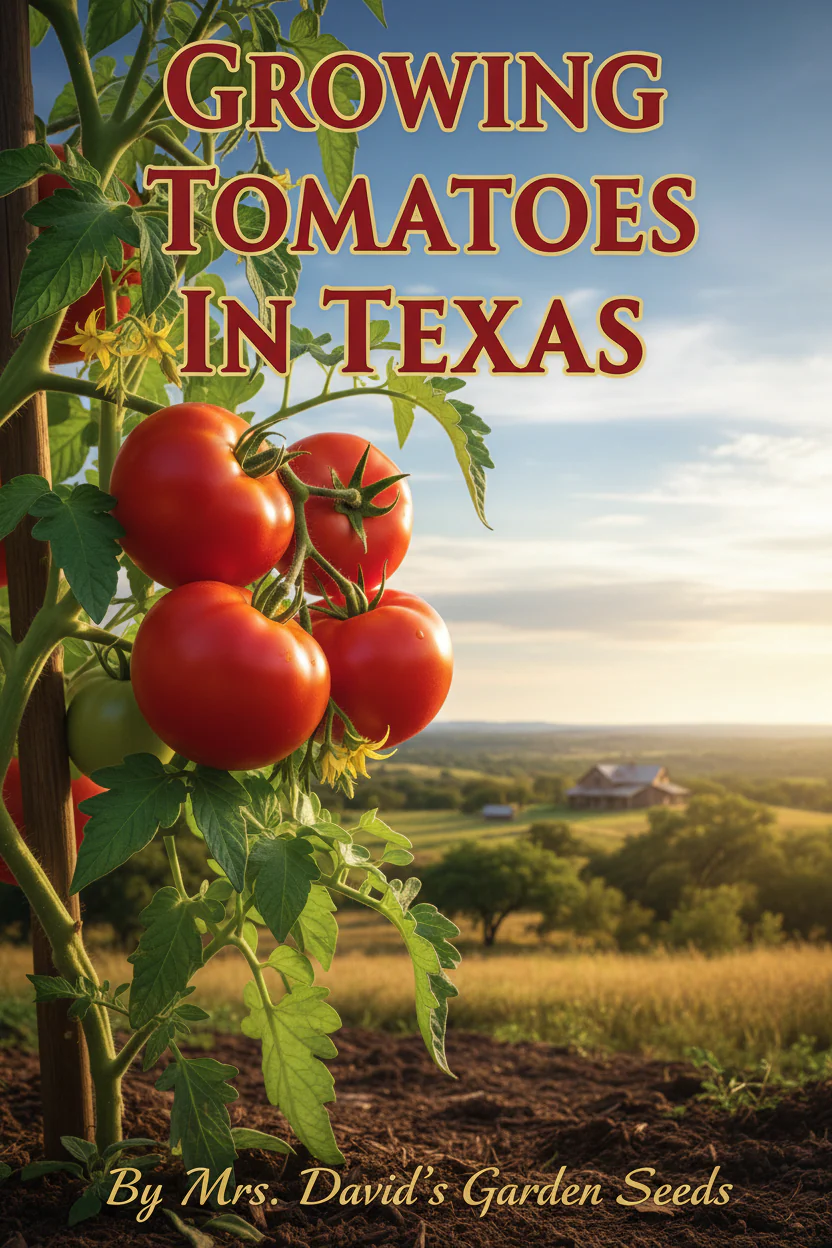
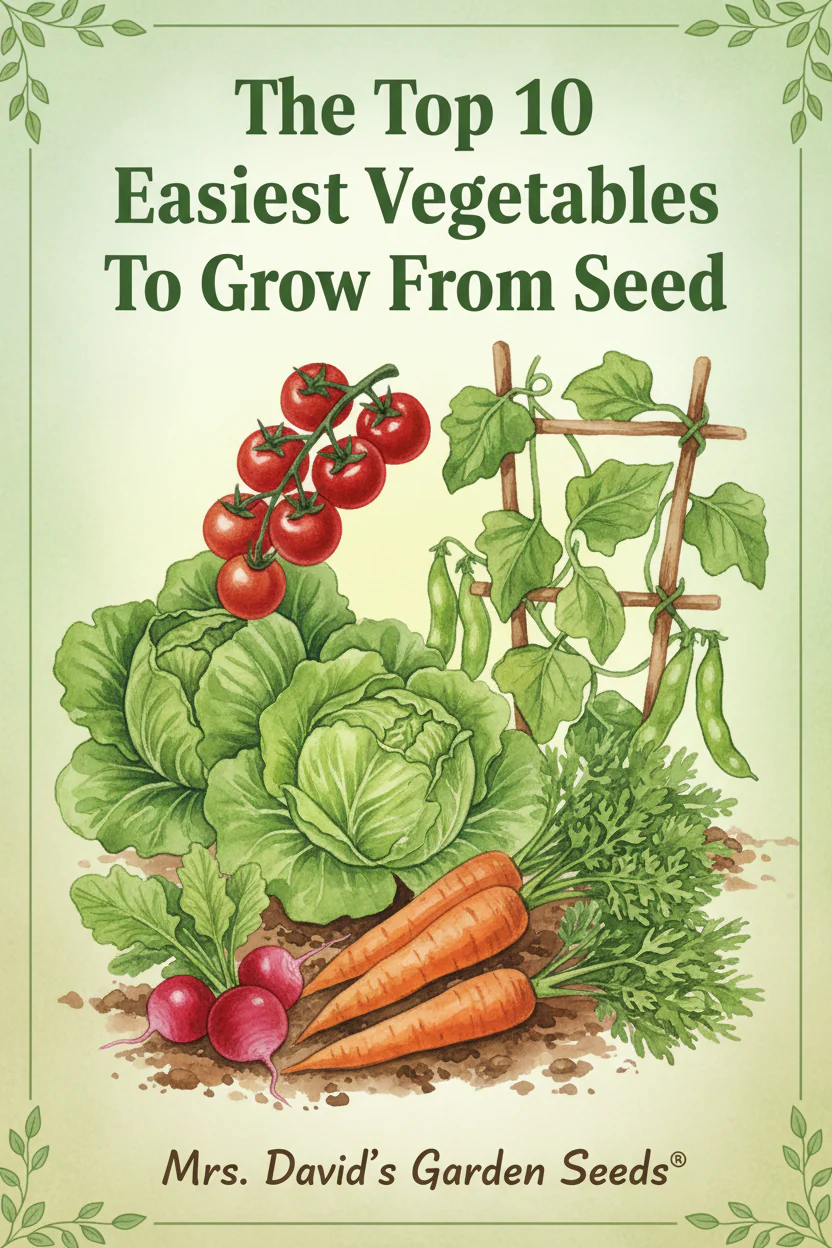
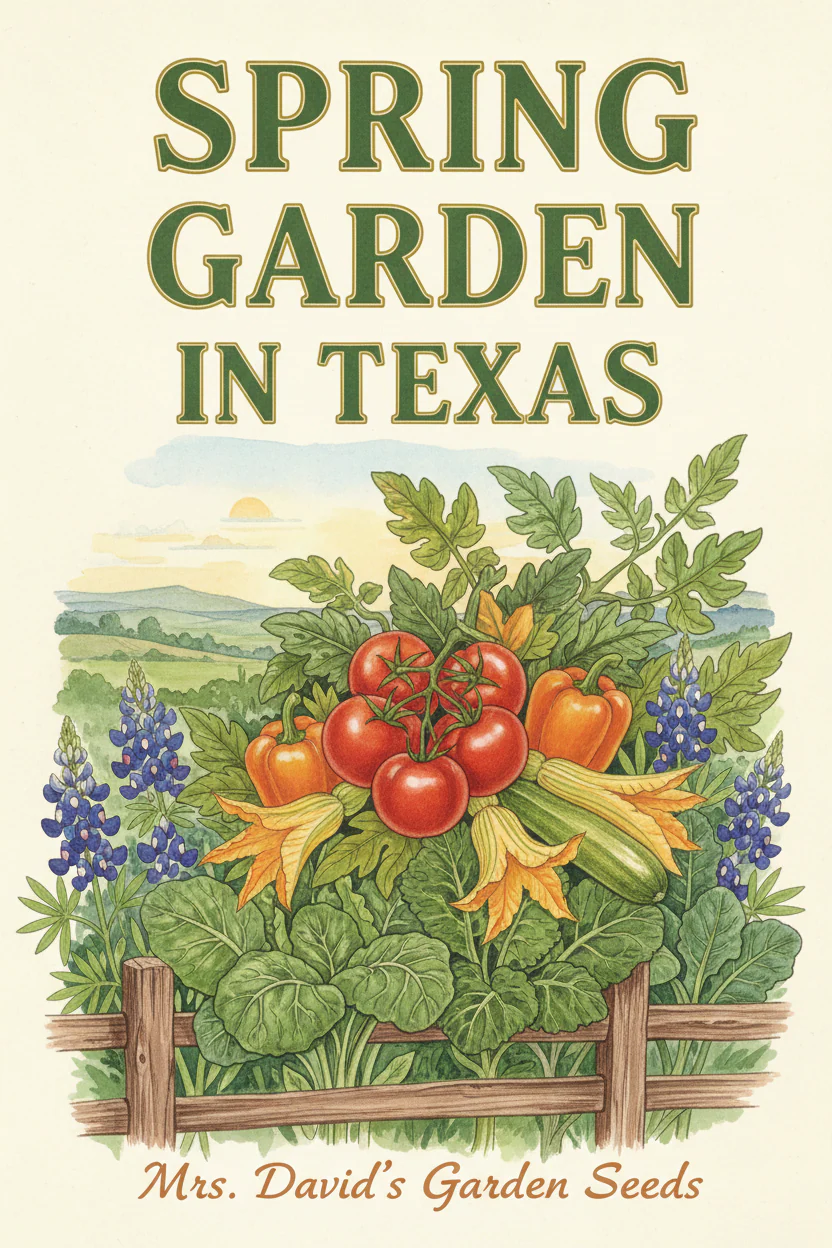
WE DO NOT REFUND OUR DIGITAL DOWNLOADS FOR OBVIOUS REASONS.
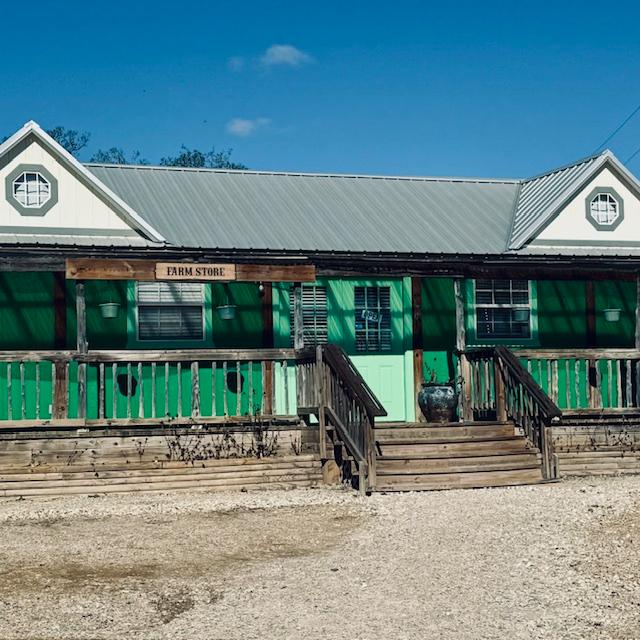
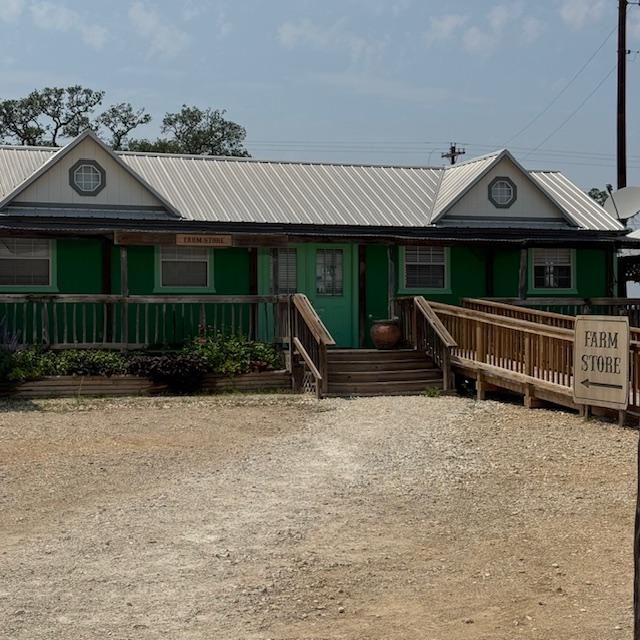 Our Farm Store is the green building
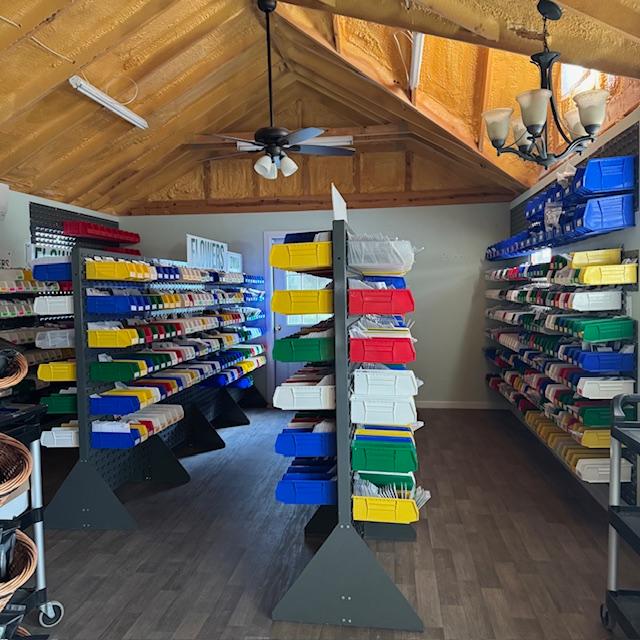 Inside our Farm Store...1400 varieties of seeds await you!
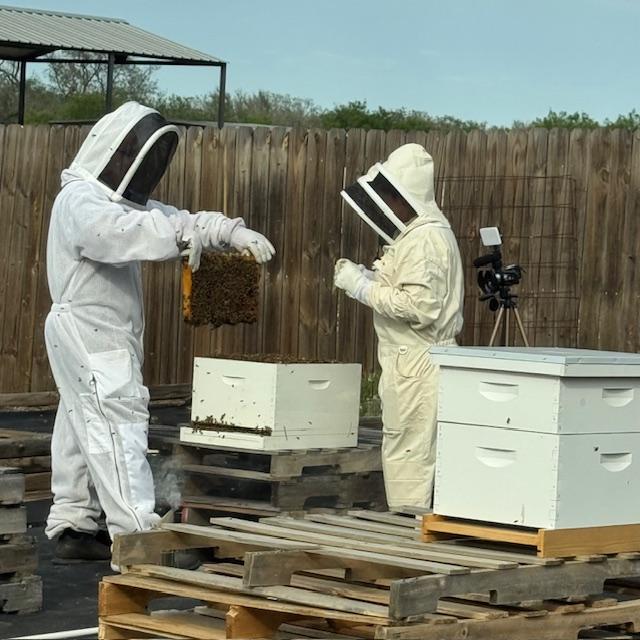 Our bee hives
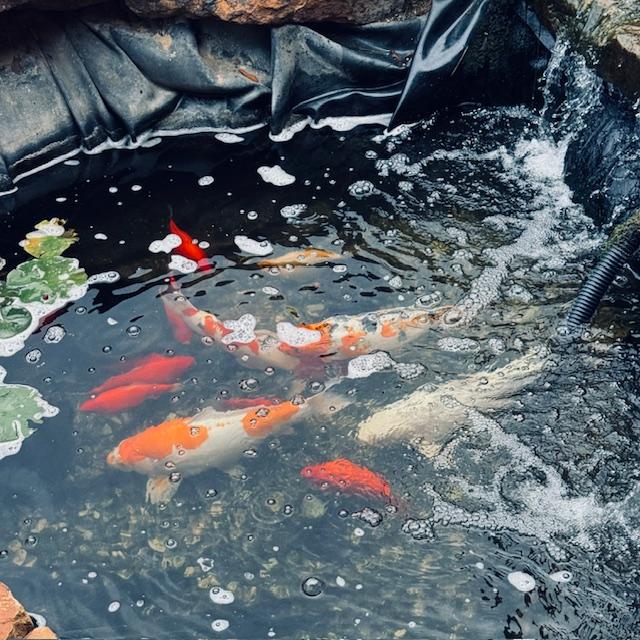 Our fish pond
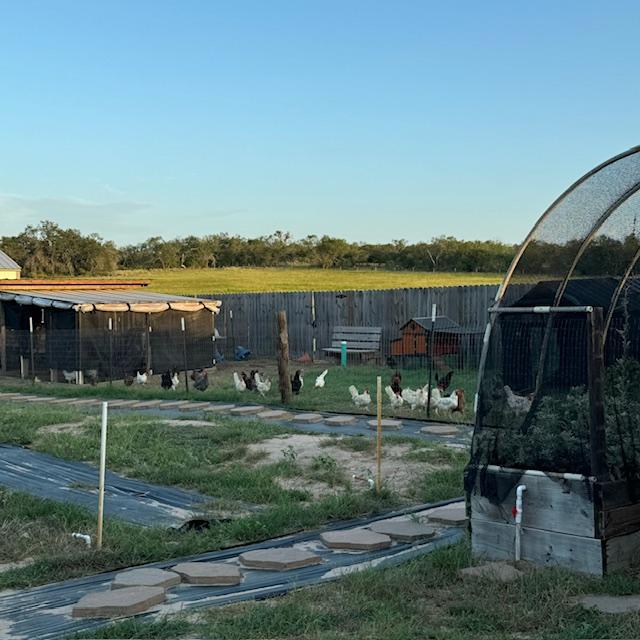 Our chickens
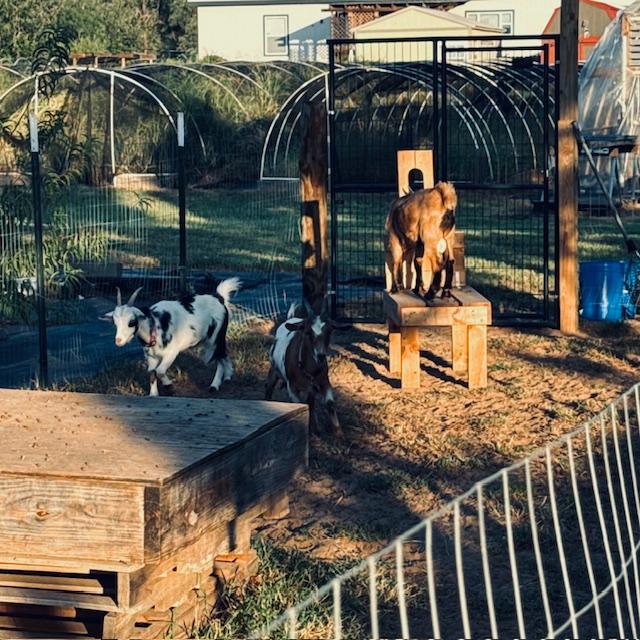 Our Nigerian Dwarf goats
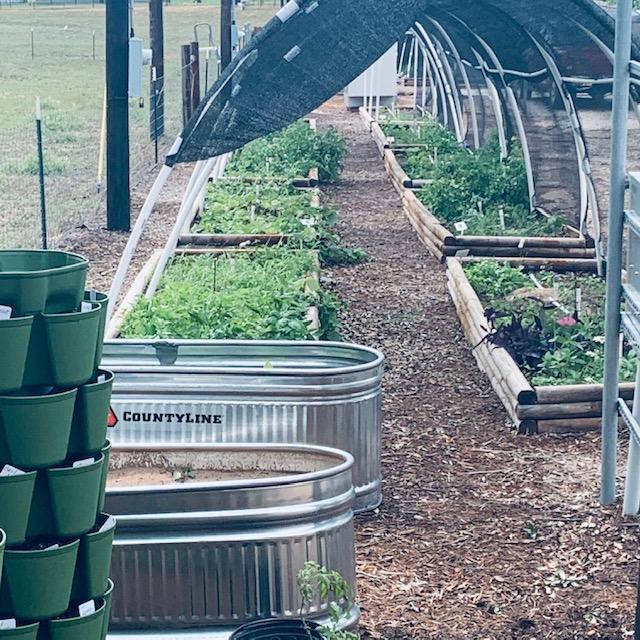 A few of our raised garden beds
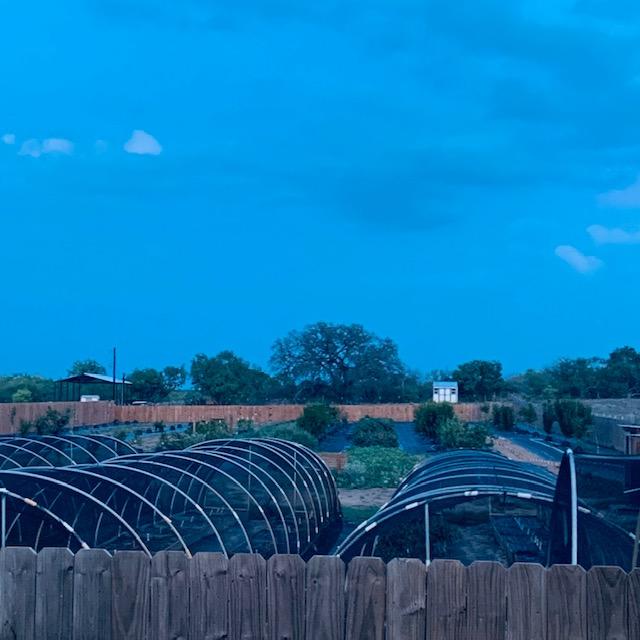 Our orchard and hoop houses
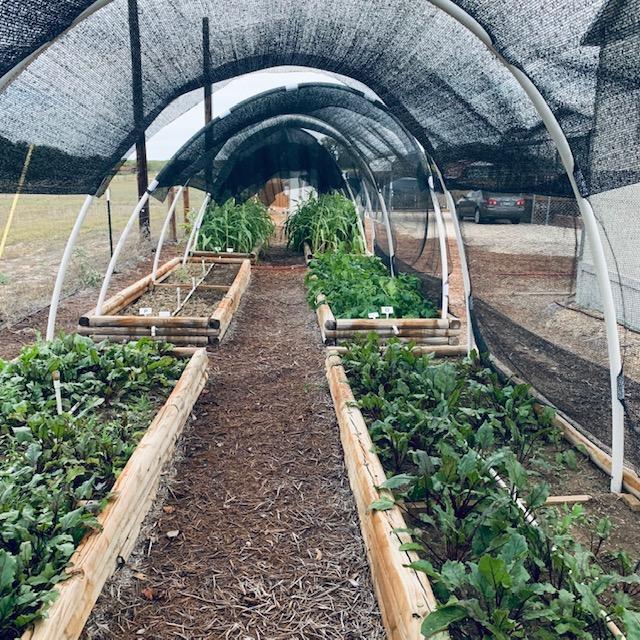
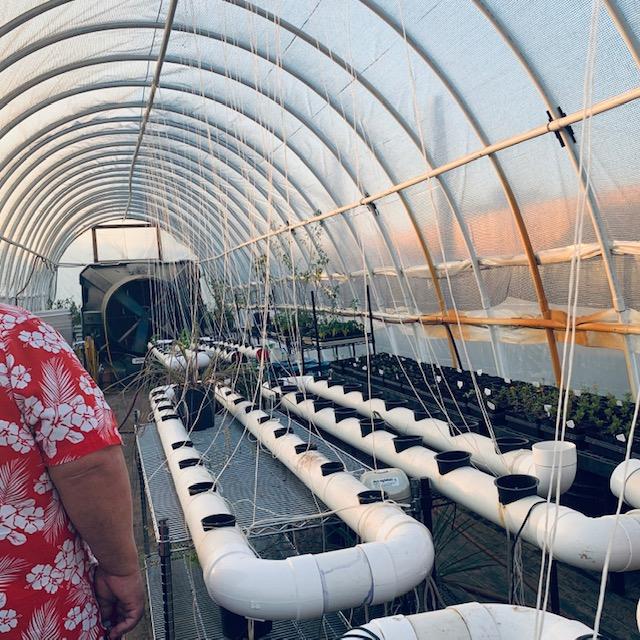 Inside our high tunnel
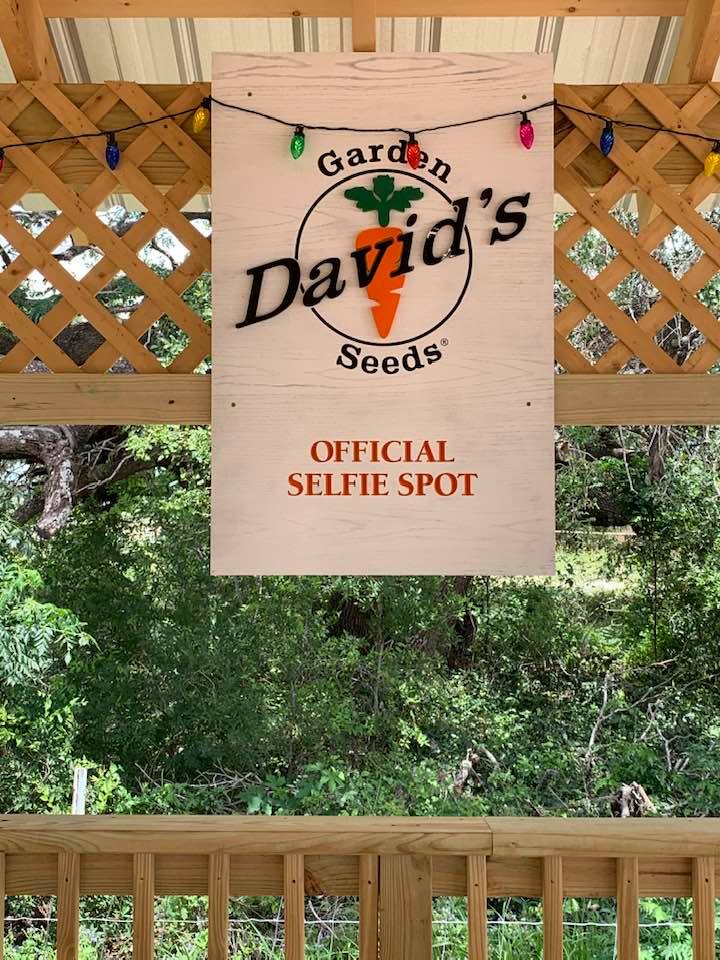 Take a selfie at our official selfie spot!
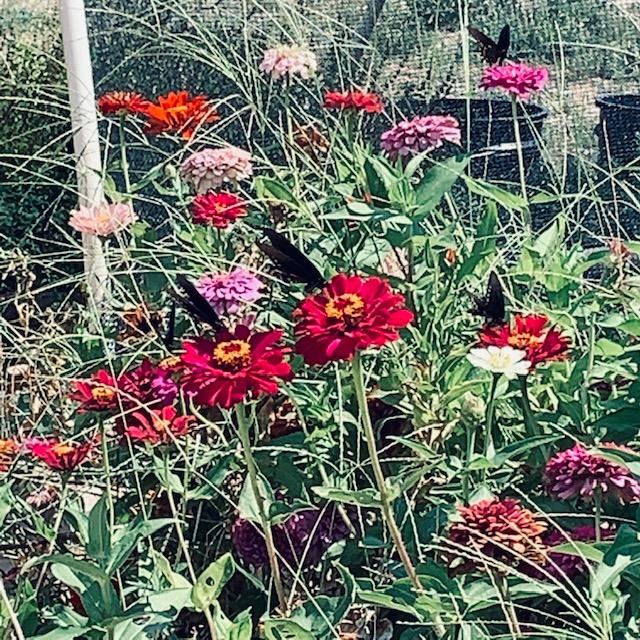 Flowers, bees, and butterflies are everywhere!
Watch Our TV Ads!
David's Garden Seeds® has the best Non-GMO seeds in the state of Texas!
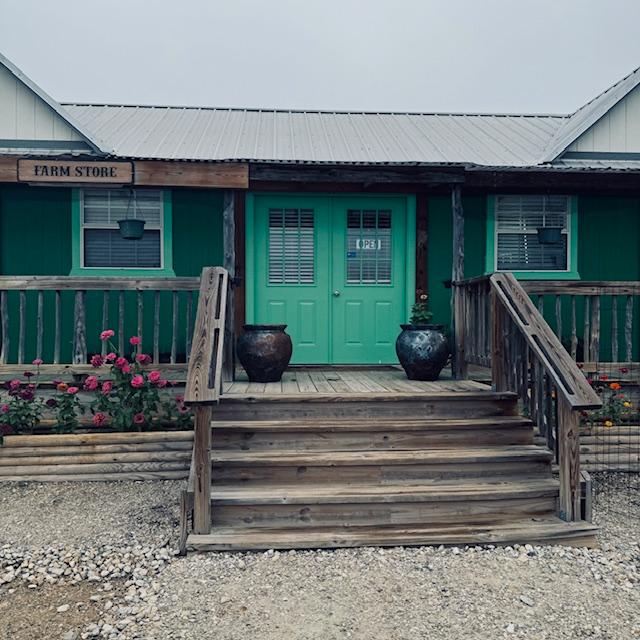 This is our beautiful Farm Store. Come in and shop for seeds. We have over 1600 Non-GMO heirloom varieties to choose from but we are in the process of bringing that number down to half.
Our Story
Hi Everyone! Thank you for visiting my website! I am Mrs Davids
Garden Seeds® aka Mrs. David's Garden Seeds and I think you should know that there is a wonderful seed
company in the great state of Texas called David's Garden Seeds®. We grow some of our seed, we count, hand pack, print our own envelopes, and ship seeds out to you right here from our farm. This used to be an old peanut farm. When the owner died about 15 years ago, his sons split the farm up and sold it in pieces. In 2024, we bought another adjoining four acres.
Our business started in our home in San Antonio in September of 2009. David decided to sell some seeds he had left over from his garden on Amazon. I told David, "Don't bother, it won't work!". I am so glad that David did not listen to me because it did work! By 2015, we had 8 employees working in my home every day and David found a storefront in San Antonio and moved the business there. In 2016, I quit my day job and went on the payroll. The company grew some more and David moved to a bigger storefront in 2017. In 2019, we found a beautiful piece of land over in Atascosa County and turned it into a farm out near Poteet. David and I moved out here to live in August of 2019.
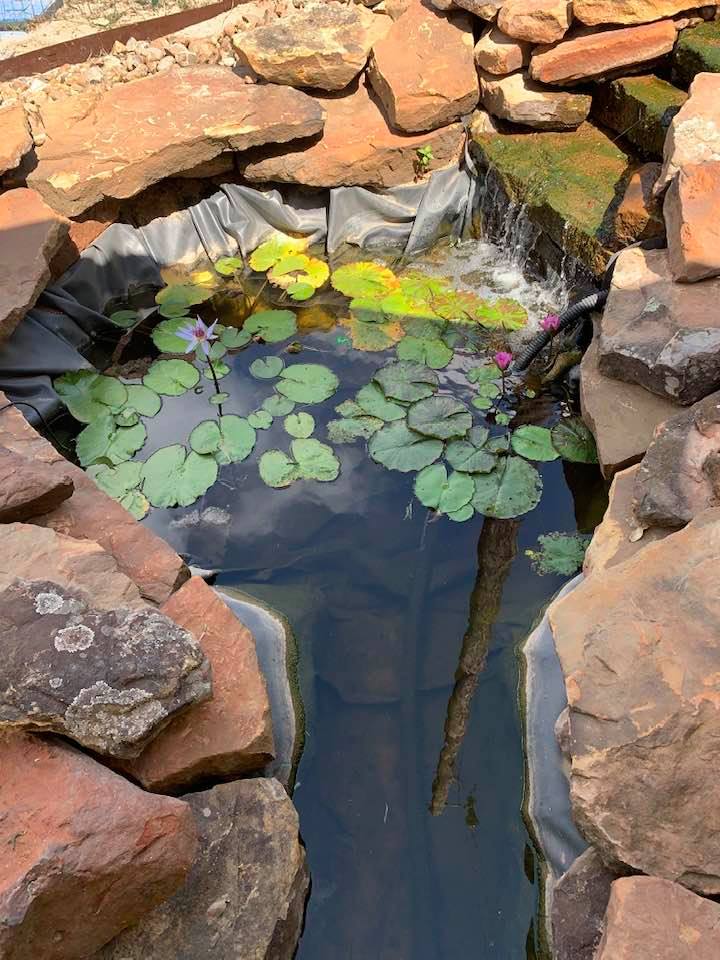
In 2020, we moved our company out to the farm. We have a beautiful Farm Store filled with seeds, a gazebo with a pond full of koi and gold fish for you to visit. Come by and visit us at 5029 FM 2504 in Rossville, just outside of Poteet, Texas, Monday through Friday from 9am to 5pm and Saturday from 10am to 2pm. Or you can order seeds online from our user-friendly website, www.davidsgardenseeds.com.


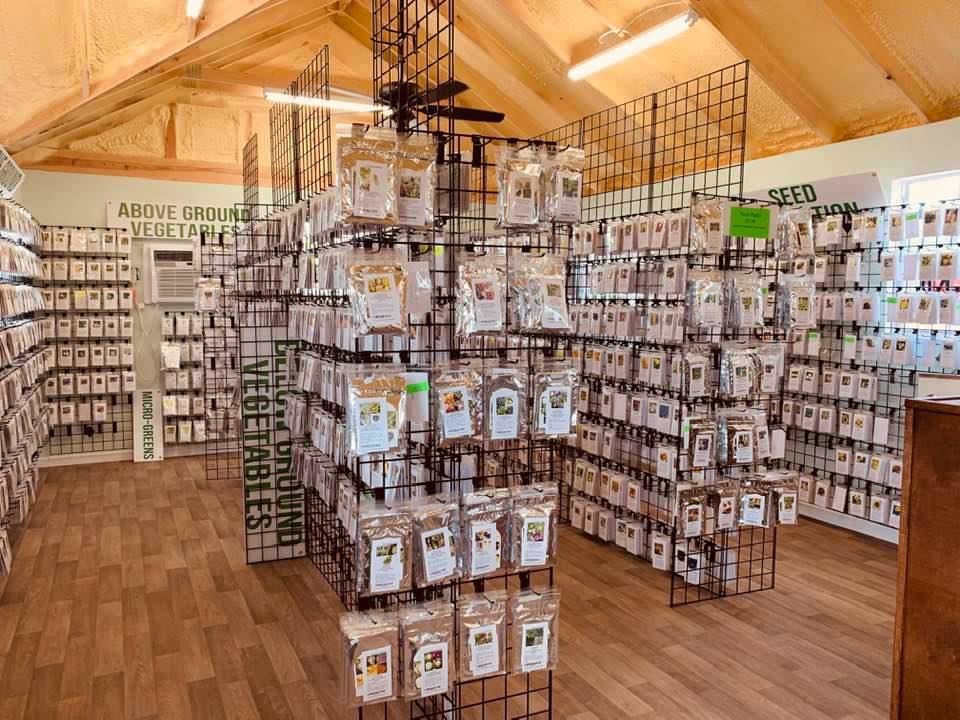 Our beautiful new farm store has almost 2,000 varieties of seeds and more. Mrs Davids Garden Seeds® looks forward to meeting you when you visit.
Mrs. David's Garden Seeds® Copyright by Juanita Lynn Schulze of David's Garden Seeds® 2019-2026
David's Garden Seeds® is Registered in the United States Patent and Trademark Office.