Grow Swiss Chard In Your
Fall Garden
You should grow Swiss chard in your fall garden because it does well in cooler weather and looks so pretty, tastes great, too!
You may be wondering, what is Swiss chard? Swiss chard is a leafy vegetable related to beets. It grows big, tender leaves and crunchy stems that can be white, yellow, orange, pink, or red, depending on the variety. It is grown for its leaves and stalks, not for a root.
I like to think of Swiss chard as one of the most useful vegetables in the garden. It is productive, colorful, and forgiving. When the weather cools down after summer, chard often settles in and starts looking fresh again, which is one reason so many of you gardeners should grow Swiss chard in your fall gardens.
If you have ever thought, “Swiss chard is pretty in the garden in late fall but how do I cook it?” you are not alone. A lot of gardeners grow it first because it is ornamental, then realize it is also very tasty. The good news is that both the leaves and stems are edible, and you can use them in many simple meals.
If you are new to fall vegetables, Swiss chard is a smart place to start. It is easier than many gardeners expect, and it keeps rewarding you. I have seen people plant it almost as an experiment, then decide it belongs in the garden every year.
Grow Swiss Chard In Your Fall Garden - 9/14-9/20/2026
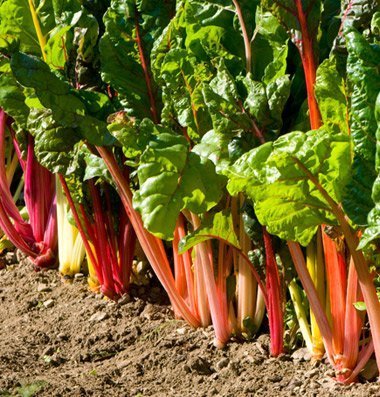
As mentioned in the introduction, if you want an easy leafy green for the cool season, you should grow Swiss chard in your fall garden. It handles cooler weather well, looks beautiful in the beds, and keeps giving you leaves over a long stretch of time. If you garden in a warm climate, this is one of those crops that can surprise you in the best way.
Fall is a great season for Swiss chard because cooler temperatures help the leaves stay tender and reduce stress on the plant. In warm climates, fall planting often works better than planting in the heat of late spring or summer. The plants can grow through mild winter weather in many places.
Grow Swiss Chard In Your Fall Garden - Soil
Swiss chard is not a fussy crop, but a little planning helps. It likes full sun to partial shade. In warm climate fall gardens, full sun is often fine as the days shorten and the heat eases. If your fall is still very hot like ours, a bit of afternoon shade can help seedlings get started.
Good soil makes a big difference. Swiss chard grows best in loose, well-drained soil with organic matter mixed in. Before planting, work compost into the top several inches of soil. This improves drainage, helps hold moisture, and gives young plants a strong start.
If your soil is hard or crusty, break it up before sowing seed. Swiss chard seed germinates better in soil that is fine and crumbly on top. Remove rocks, old roots, and weeds so the tiny seedlings do not have to fight for space and water.
Grow Swiss Chard In Your Fall Garden - When To Plant
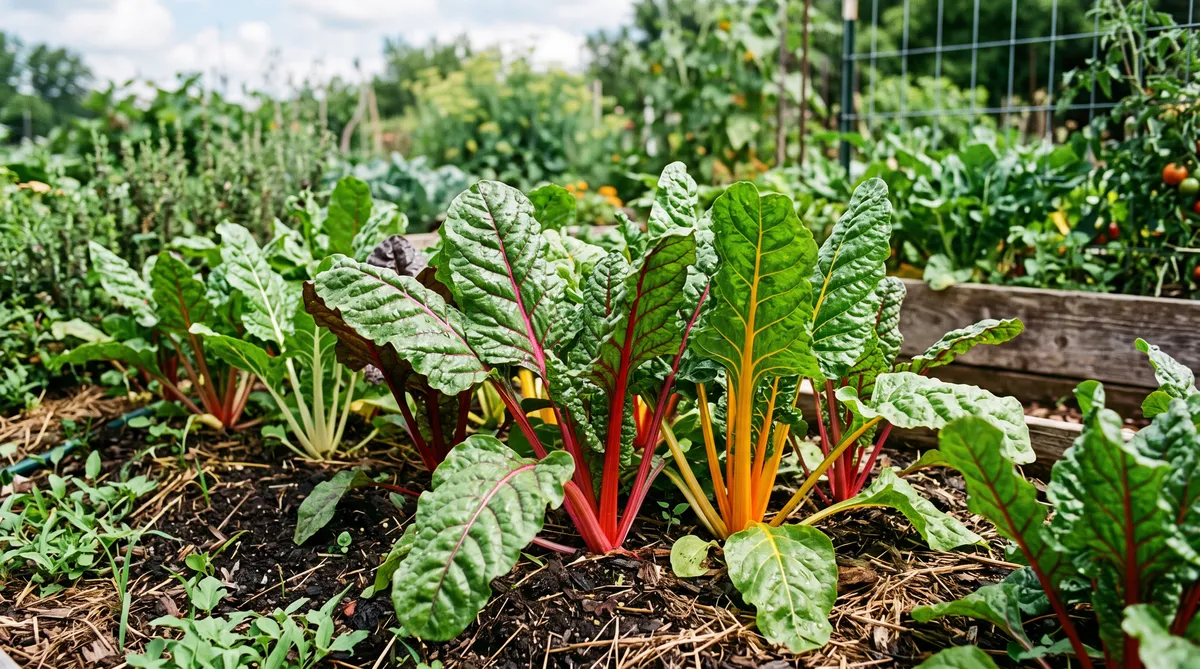
Timing matters in the fall garden. You want to plant early enough for plants to size up before cold weather slows growth. In warm climates, that often means sowing seeds in late summer through fall, depending on your local weather. Count backward from your cooler season and aim to give plants time to establish.
If your late summer weather is still blazing hot, do not worry. You can still plant Swiss chard. Just keep the seed bed evenly moist and use light mulch after seedlings come up. I have seen fall greens struggle in hot soil at first, then take off once the nights cool down.
Swiss chard is usually direct sown from seed, and that is the easiest method for most gardeners. We recommend that you get your seed from David's Garden Seeds®.
Grow Swiss Chard In Your Fall Garden - Planting
Plant seeds about 1/2 inch deep in prepared soil. Space them roughly 2 to 4 inches apart if you plan to thin later, or farther apart if you want to avoid extra thinning.
Rows should be spaced far enough apart for airflow and easy harvesting. About 12 to 18 inches between rows works well in many gardens. If you are planting in a raised bed, you can use a block pattern instead, giving each plant enough room to grow full leaves.
One useful thing to know is that a Swiss chard “seed” often contains more than one seed inside. That means you may get several seedlings from one spot. Do not be surprised if little clusters come up. This is normal, and it is why thinning is an important step.
After planting, water the bed gently but thoroughly. You want the soil to stay moist while the seeds germinate. Not soggy, just evenly damp. In warm weather, that may mean checking once or twice a day, especially if the top layer dries out fast.
Germination time varies with temperature, but Swiss chard often sprouts within about a week or two. Cooler soil can slow things down. Be patient, and do not let the seed bed dry out during this stage. Drying out is one of the quickest ways to lose a new planting.
To sum up planting, start with loosened soil, mix in compost, sow seed about 1/2 inch deep, keep the bed moist, and thin seedlings to proper spacing. Then mulch, water deeply, and feed lightly if needed. Those simple steps set you up for healthy plants.
Grow Swiss Chard In Your Fall Garden - Thinning
Once seedlings are a few inches tall, thin them so the strongest plants have room to grow. Final spacing of about 6 to 12 inches apart works well, depending on how large you want the plants to get. If you like baby greens, you can keep them closer and harvest sooner.
Thinning can feel harsh, but it really helps. Crowded Swiss chard stays smaller, dries more slowly after watering, and can be more likely to have disease issues. I usually snip extra seedlings at soil level instead of pulling them, because that disturbs the roots less.
The little thinnings do not need to go to waste. You can toss them into salads or cook them like mini greens. That is one of the fun parts of growing chard from seed. You start harvesting even before the plants are fully grown.
Grow Swiss Chard In Your Fall Garden - Mulch
After seedlings are established, mulch around the plants. A light layer of straw, shredded leaves, or another loose organic mulch helps keep the soil cool, slows weed growth, and helps moisture stay in the ground longer. In a fall garden, mulch can also soften swings between hot days and cool nights.
Grow Swiss Chard In Your Fall Garden - Watering
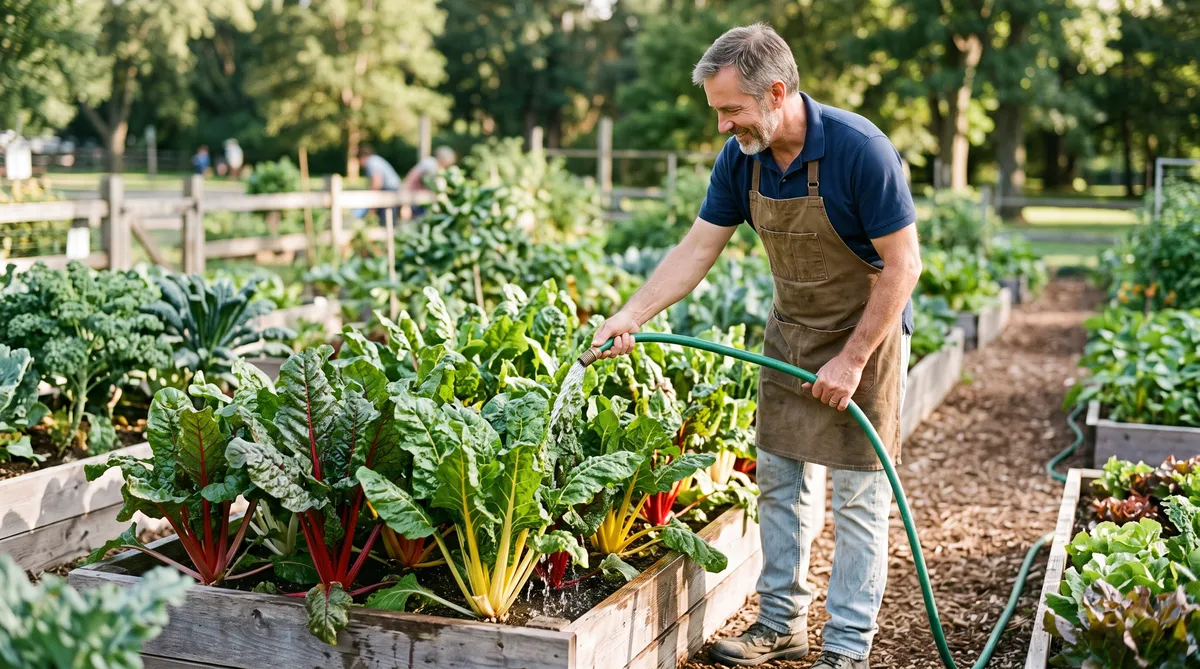
Water is one of the biggest keys to good Swiss chard. The plants need steady moisture for tender leaves and steady growth. If they get too dry, the leaves can become tougher and growth can slow. Deep watering is better than frequent shallow sprinkles.
A simple rule is to water when the top inch or so of soil starts to dry. How often that happens depends on your weather, soil type, and mulch. Sandy soil dries faster than clay soil, and raised beds often dry faster than in-ground beds.
Try to water near the base of the plant instead of splashing the leaves whenever possible. This keeps the foliage cleaner and can help reduce disease problems. Morning watering is especially helpful because leaves dry off during the day.
Grow Swiss Chard In Your Fall Garden - Fertilizing, Weeds, And More
Swiss chard is not the hungriest crop in the garden, but it does appreciate fertile soil. If you added compost before planting, that may be enough for a modest crop. If growth looks slow or leaves are pale, a light feeding can help.
Use a balanced garden fertilizer or side-dress with more compost during the growing season. Do not overdo it. Too much fertilizer can push soft growth. A steady, moderate feed is usually all chard needs to keep producing healthy leaves.
Weeds compete with young Swiss chard for water, light, and nutrients. Keep the bed weeded, especially early on when seedlings are small. Mulch helps a lot here. A clean bed also makes it easier to notice pest problems before they get serious.
If you want especially tender leaves, harvest regularly. Frequent picking encourages the plant to keep making new growth. This is one reason Swiss chard is such a rewarding fall crop. Instead of one big harvest, you often get a long run of smaller harvests.
Let’s talk about temperature. Swiss chard handles cool weather well and can take light frost. In many warm climate gardens, it will continue producing deep into fall and winter. If a rare hard freeze is expected, row cover or a light frost cloth can offer extra protection.
One thing gardeners like about chard is that it is both useful and attractive. The colored stems can brighten up a vegetable bed when other summer crops are fading. So when you grow Swiss chard in your fall garden, you are getting food and beauty at the same time.
Grow Swiss Chard In Your Fall Garden - Keep An Eye On Them
Watch your plants every few days. A quick walk through the garden tells you a lot. Are the leaves standing up and looking fresh? Is the soil too dry? Are there holes in the leaves? Small checks like this can help you fix problems before they spread.
Some common pest issues on Swiss chard include leaf-eating insects and leaf miners. Leaf miners leave pale, squiggly trails between the surfaces of the leaf. If you see badly affected leaves, remove them. Healthy plants often keep growing just fine if damage is light.
Aphids can also show up, especially on tender new growth. They often gather under leaves or near stems. A strong spray of water can knock many of them off. Keeping plants healthy and not overcrowded also makes pest problems easier to manage.
Slugs and snails may chew holes in leaves, especially in damp conditions. If you see ragged feeding and slime trails, check early in the morning or after dark. Hand-picking, reducing hiding spots, and managing excess moisture around the bed can help.
Swiss chard can also show stress from the weather. If leaves look limp in the heat of the day but recover by evening, that may be temporary heat stress. If they stay wilted, check soil moisture. In hot early fall weather, young plants may need extra attention.
Yellowing leaves can mean a few different things. Older lower leaves naturally age and can be removed. But if many leaves are yellowing, look at watering habits, drainage, and soil fertility. Poor drainage can be just as harmful as not enough water.
Good airflow is a simple but important part of plant care. Proper spacing, weed control, and careful watering all support a healthier crop. Dense, wet foliage tends to invite more problems than plants that have room to breathe.
Grow Swiss Chard In Your Fall Garden - Containers & Raised Beds
If you are gardening in containers, Swiss chard can still do very well. Use a pot with drainage holes and fill it with quality potting mix. Containers dry out faster than garden beds, so check moisture often. In return, you can place your crop where it gets the best fall light.
Raised beds are also excellent for chard. They warm and drain well, and they are easy to manage. I have always liked growing leafy greens in raised beds because harvesting is simpler and it is easier to keep the planting neat and weed free.
To sum up care, check the bed often, keep weeds down, watch for chewing damage or leaf miner trails, and harvest outer leaves regularly. Most problems are easier to handle when caught early. Swiss chard is sturdy, but attention still pays off.
Grow Swiss Chard In Your Fall Garden - Harvesting
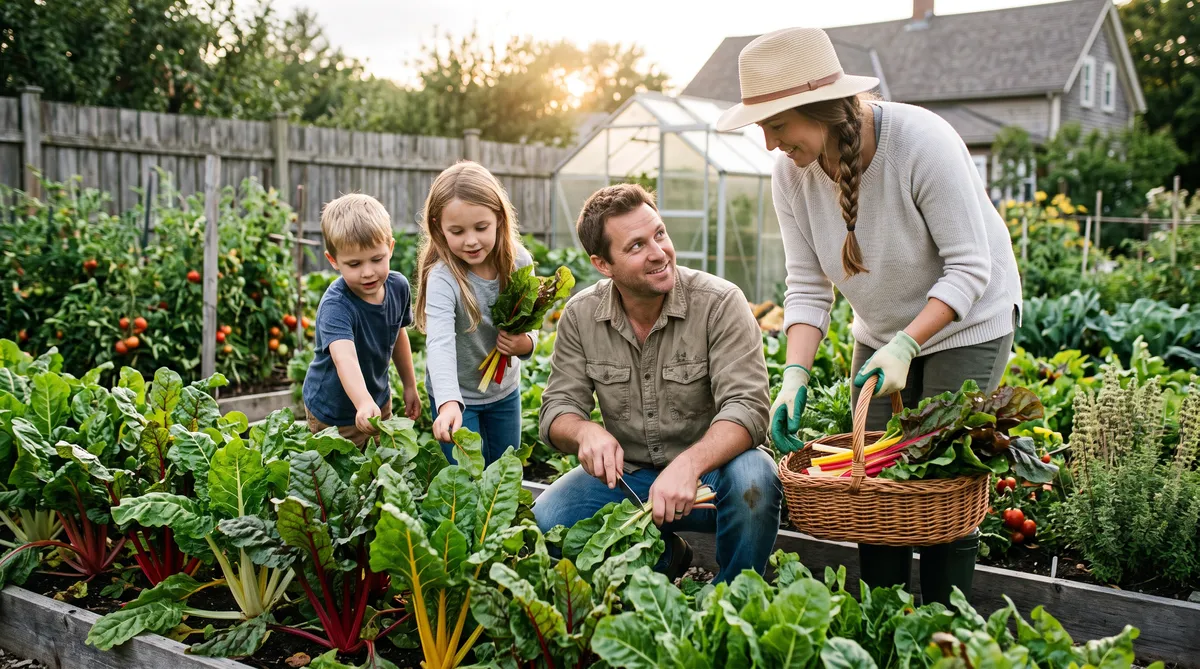
A nice thing about Swiss chard is that you do not have to wait for a full-size plant before you begin. Baby leaves can be harvested young for salads or quick sautés. Larger leaves are better for cooking because they hold up well to heat.
To harvest, pick the outer leaves first and leave the center growing point alone. Cut or snap the stems near the base. This cut-and-come-again method keeps the plant producing. If you remove the center, the plant may stop growing new leaves.
Try not to take too many leaves from one plant at one time. Leaving several healthy inner leaves helps the plant recover quickly. A steady harvest every few days or once a week often works better than stripping the whole plant at once.
If you need a large harvest, you can cut a mature plant back more heavily, but leave the center intact. In mild weather, it often grows back. That said, quality is usually best when you harvest regularly and keep plants in active growth.
After harvesting, rinse leaves and stems well because soil can hide in the crinkled parts and near the base. I like to separate the leaves from the stems if I am planning to cook them, because the stems often need a little longer time in the pan or pot.
Grow Swiss Chard In Your Fall Garden - Cooking
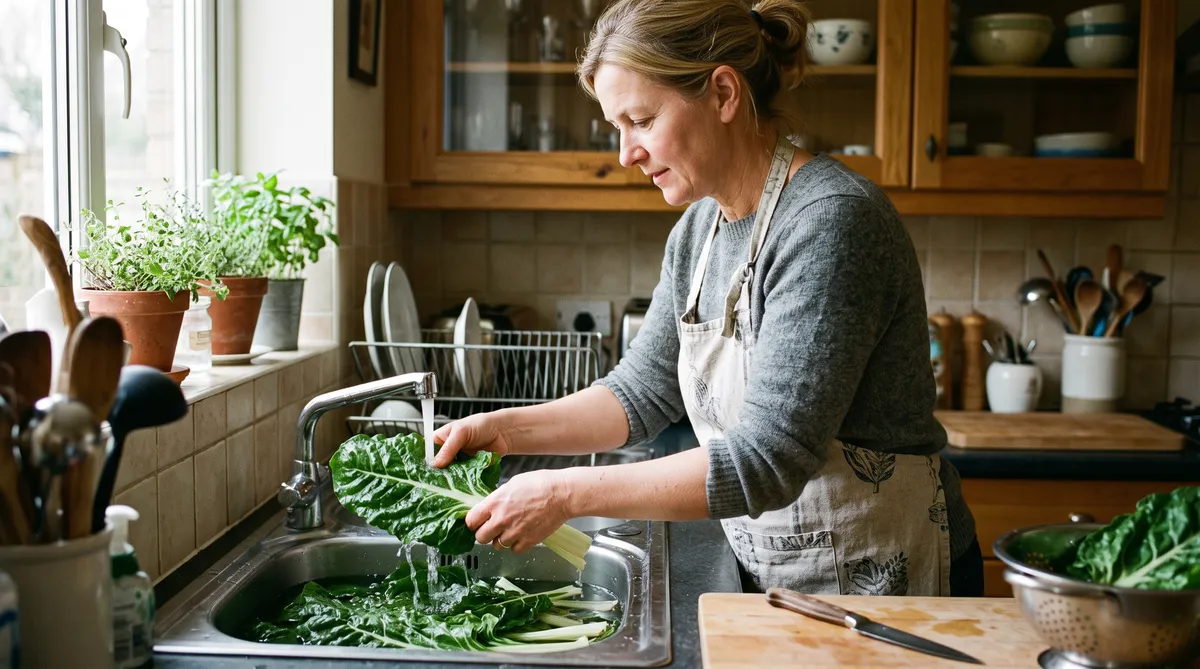 This lady grew green Swiss chard instead of the multicolored stems. She is washing the chard, getting ready to cook and eat it.
So, how do you use Swiss chard in the kitchen? The short answer is: use both the leaves and the stems. The leaves cook down much like other greens. The stems stay a bit firmer and add texture, color, and mild flavor.
If the leaves are small and tender, you can eat them raw in salads. Larger leaves are usually better cooked. They can be sautéed, steamed, added to soups, stirred into pasta, tucked into egg dishes, or mixed into rice and bean meals.
When you cook with Swiss chard, think of it in two parts. The stems are like a mild crunchy vegetable, and the leaves are like a soft green. Start the chopped stems first in the pan, then add the leaves a little later so everything finishes at the right time.
One of the easiest ways to make Swiss chard is to sauté it with olive oil, garlic, and a pinch of salt. Cook the stems first for a few minutes, then add the sliced leaves until wilted. A squeeze of lemon at the end brightens the flavor.
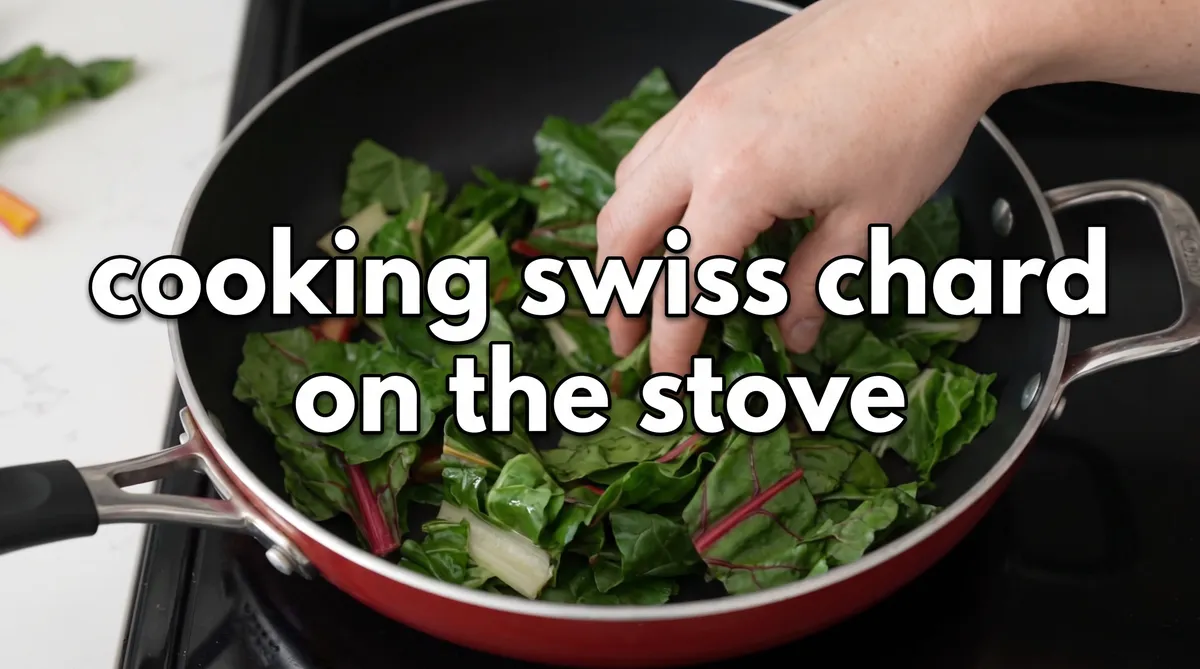
Swiss chard is also good in soups. Chop the stems and add them with onions or other vegetables early in cooking. Stir in the leaves near the end. They soften quickly and add color and body without taking over the whole dish.
If you like simple side dishes, try steaming Swiss chard and serving it with butter or olive oil. You can also add it to scrambled eggs, omelets, quiche, grain bowls, or pasta. It works well in places where you might normally use spinach, though the stems give it more bite.
For gardeners who ask, “Just the leaves? or stems too?” the answer is definitely both. The leaves are the tender green part, and the stems are fully edible. If the stems are thick on larger leaves, just slice them smaller so they cook evenly.
Swiss chard can be harvested over a long season, so you may end up with more than you expect. If that happens, share with neighbors or cook extra and add it to several meals through the week. It shrinks when cooked, so a big basket of leaves can turn into a modest dish.
Grow Swiss Chard In Your Fall Garden - Wrap It Up
In warm climates, fall-grown Swiss chard often tastes better than chard grown through high summer heat. Cooler weather can make the leaves more pleasant and the plants less stressed. That is another strong reason to grow Swiss chard in your fall garden instead of skipping greens until spring.
To sum up kitchen use, do not throw away the stems. Use stems and leaves together, just give stems a head start when cooking. Whether you sauté, steam, stir into soup, or add to egg dishes, it is easy to cook with Swiss chard once you think of it as a two-part vegetable.
If you have been on the fence, this is your sign to try it. Grow Swiss chard in your fall garden and see how well it fits into your cooler season routine. It is pretty, productive, and useful from seed to skillet, which is a hard combination to beat.
Monday, September 14, 2026
Good Monday morning. My right calf is still killing me. I hurt my big toe last Friday and it hurt a lot. Then it felt better yesterday morning, but the pain moved up to my calf with every step. I have some Deep Heat on it now so I am able to walk without so much pain. I wish I had thought of that yesterday.
My leg is still hurting. I was on my feet a lot today, pulling orders and getting seeds from the shelves where orders were incorrectly pulled...It was a very long, hot, tiring day. I am in for the day.
It is now 7pm and David is mowing. I am heating up some sausages and green beans for a quick dinner. I am also doing my third load of laundry for the day. I have washed apples and put them away and I am about to slice a new bunch of celery for snacks.
Tuesday, September 15, 2026
Good morning. I had a miserable night with four bouts of neuropathy in my feet. So it was not restful at all.
Wednesday, September 16, 2026
Thursday, September 17, 2026
Friday, September 18, 2026
Saturday, September 19, 2026
Sunday, September 20, 2026
Return from Grow Swiss Chard In Your Fall Garden to Grow From Seed
Anything To Share On This Topic?
Would you like to share additional information about this topic with all of us?
Since 2009, over 2,000,000 home gardeners, all across the USA, have relied on David's Garden Seeds® to grow beautiful, productive gardens. Trust is at the heart of it. Our customers know David's Garden Seeds® stocks only the highest quality seeds available. Our mission is to become your lifetime supplier of quality seeds. It isn't just to serve you once; we want to earn your trust as the primary supplier of all of your garden seeds.
Watch Our 2022 TV Commercial!
Sing Along To Our Jingle
♪♫♪♪ ♫ ♪ ♫♪♫♫
♪♫♪♪♫♫
Peppers and peas
And lots of yummy greens
You can't go wrong
With Squash This Long
At David's Garden Seeds
♪ ♫ ♪ ♫
Our New 2024 TV Ad
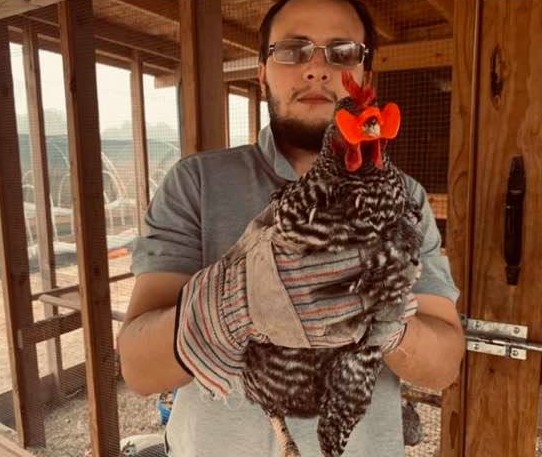
Please like and subscribe on YouTube and come visit us at our Farm Store! The music on our TV ad was written, played, and sung by our son, Matthew Schulze. You can meet him when you come to the farm. He just might give you a tour. Ask him to grab a guitar and sing our jingle that he wrote.
Our 2022 TV Ad

 David of David's Garden Seeds® zipping along on his little tractor across the farm. He is having a blast!
We are David's Garden Seeds®. If you need great seeds, we've got over 1,400 varieties to choose from.
Your second block of text...
Subscribe To Mrs. David's Garden Seeds® Newsletter For FREE!


Find out what is going on down on the farm by reading our blog and by subscribing to our free newsletter for all of the information going down at David's Garden Seeds® and on the farm. I love to share helpful information with you. Please let your friends know and y'all come on down for a visit when you get the chance. We would love to meet you!
New Store Hours!
 Farm Store Hours: Th-Fri 10am-5pm, Sat 10am-2pm. Closed Sun-Wed.
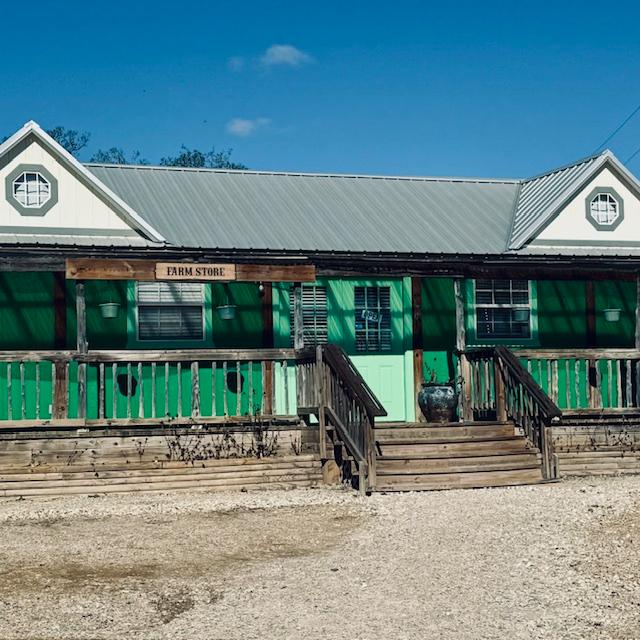 Our Farm Store
Shop for:
- Seeds
- Farm Fresh Eggs
Our Farm is located at 5029 FM 2504 in Poteet, TX.
 Only happy seeds make the cut to go into our seed packs!
David's Garden Seeds® has
seeds for the backyard gardener and farm fresh chicken eggs.
 David & Juanita work hard to pack your garden seed orders.





Sign Up For Our Newsletter Here!
   DGS YouTube Mrs
|
   |
Garden Ebooks
by Mrs. David's Garden Seeds
 I've been busy creating eBooks to help you with your garden...
IMPORTANT NOTE: THE EBOOKS ARE DIGITAL DOWNLOADS (EBOOKS), NOT PHYSICAL BOOKS.
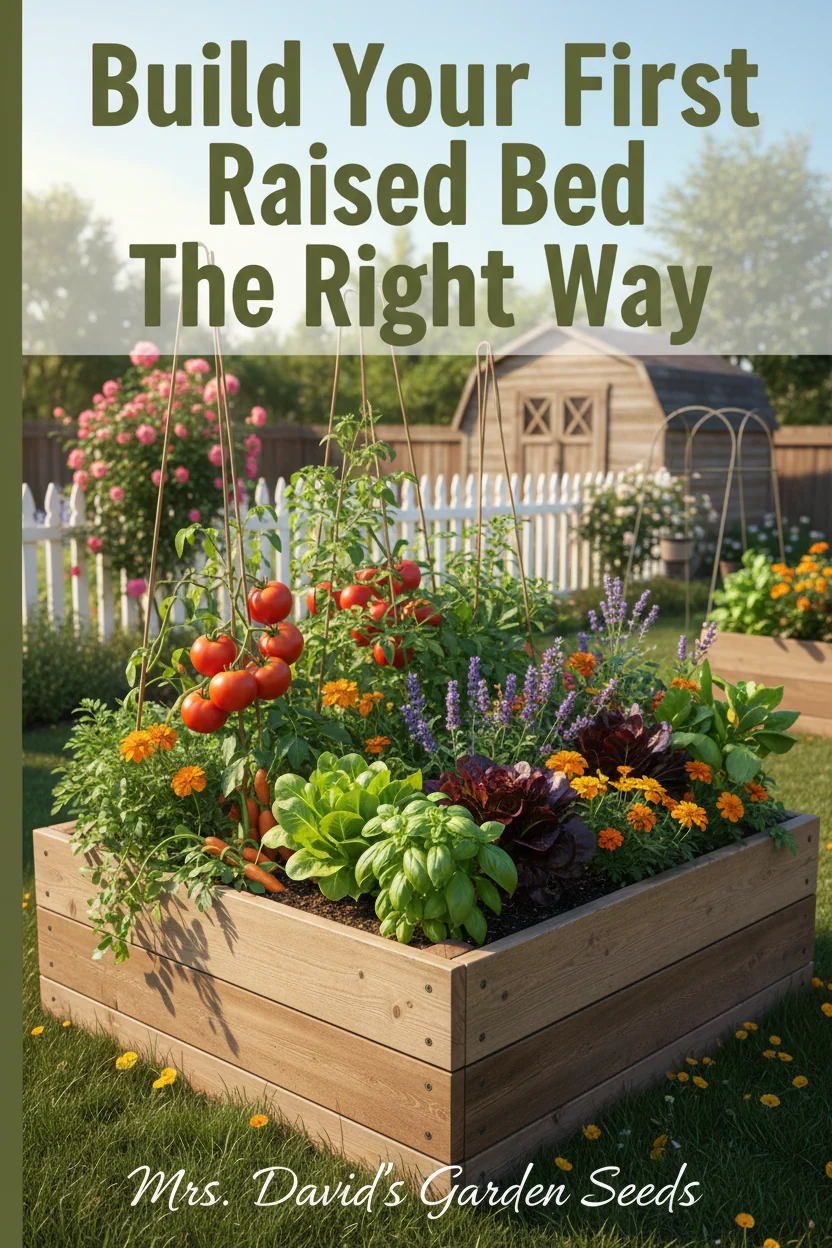

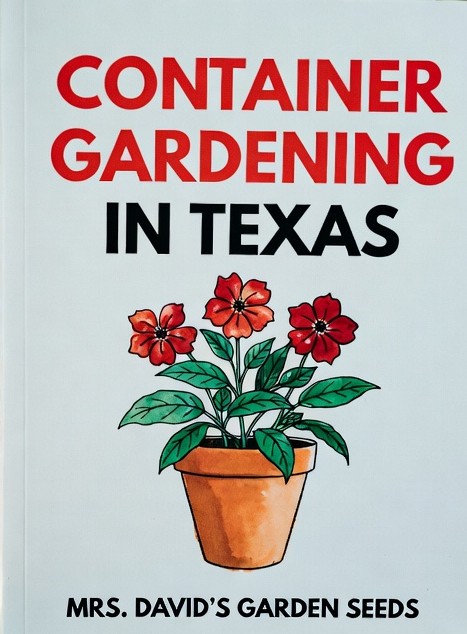
WE DO NOT REFUND OUR DIGITAL DOWNLOADS FOR OBVIOUS REASONS.
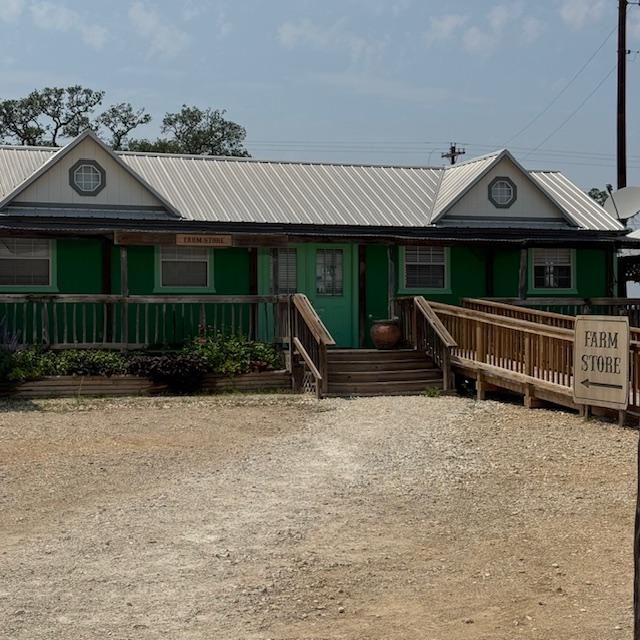 Our Farm Store is the green building
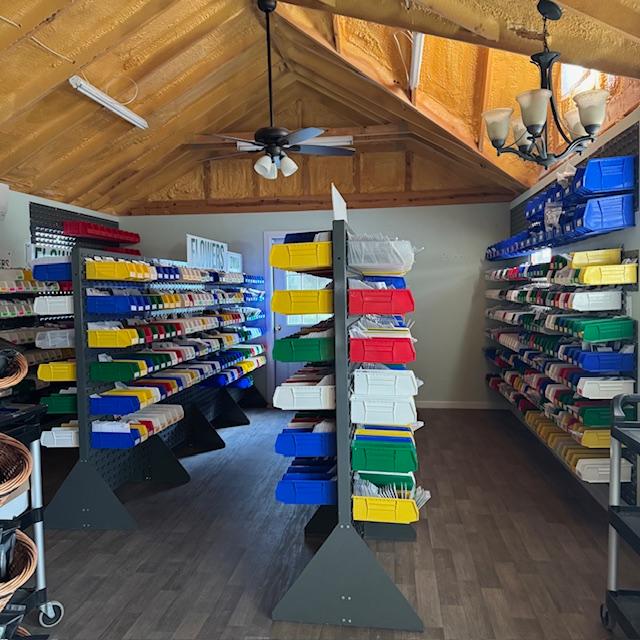 Inside our Farm Store...1400 varieties of seeds await you!
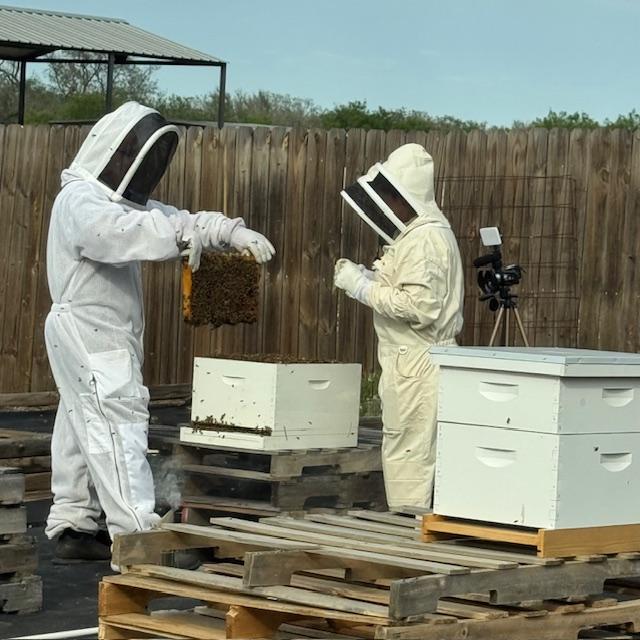 Our bee hives
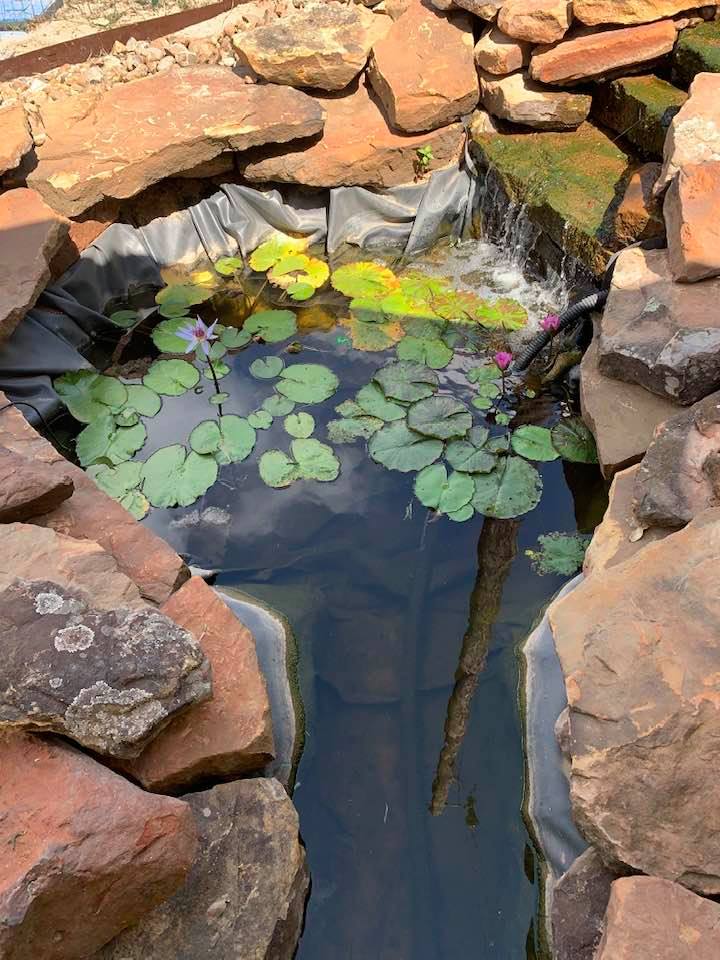
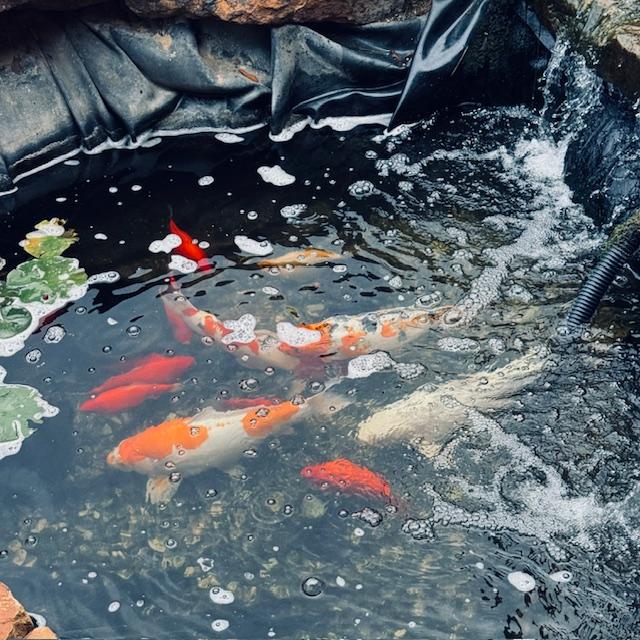 Our fish pond
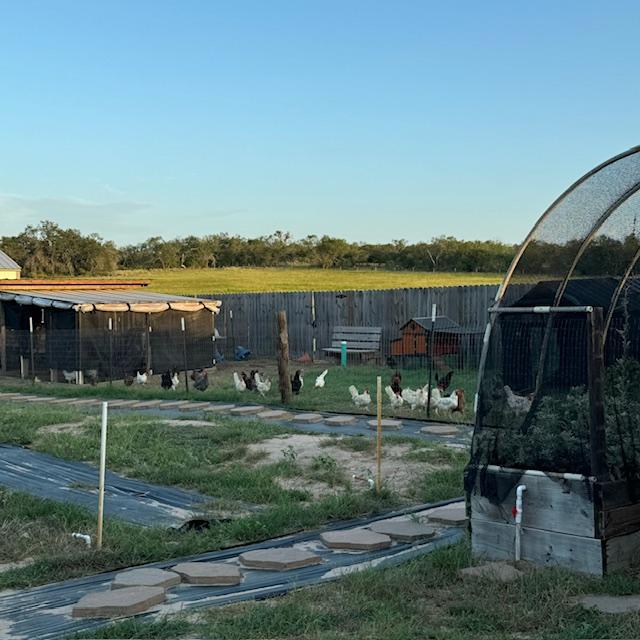 Our chickens
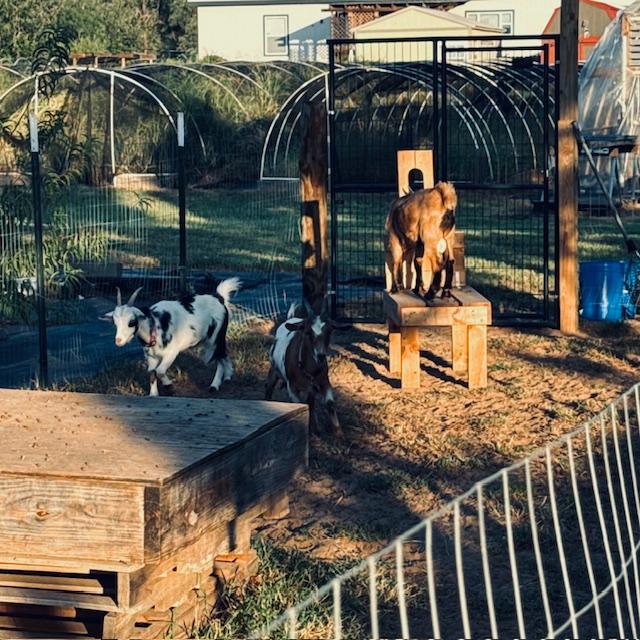 Our Nigerian Dwarf goats
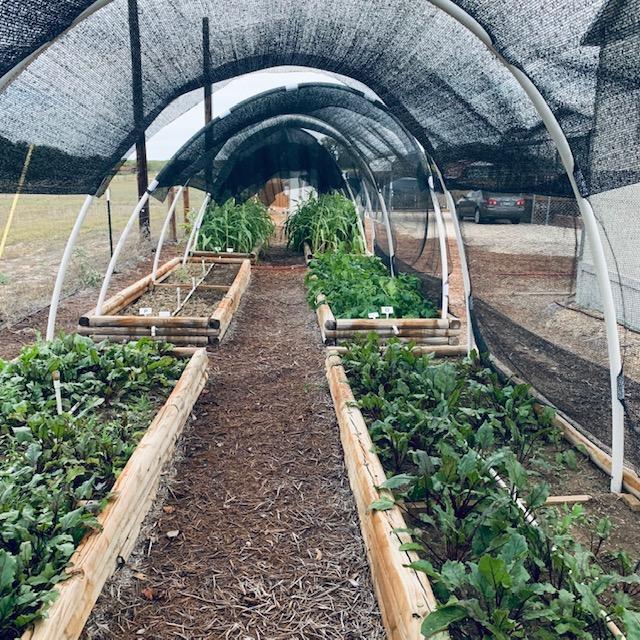
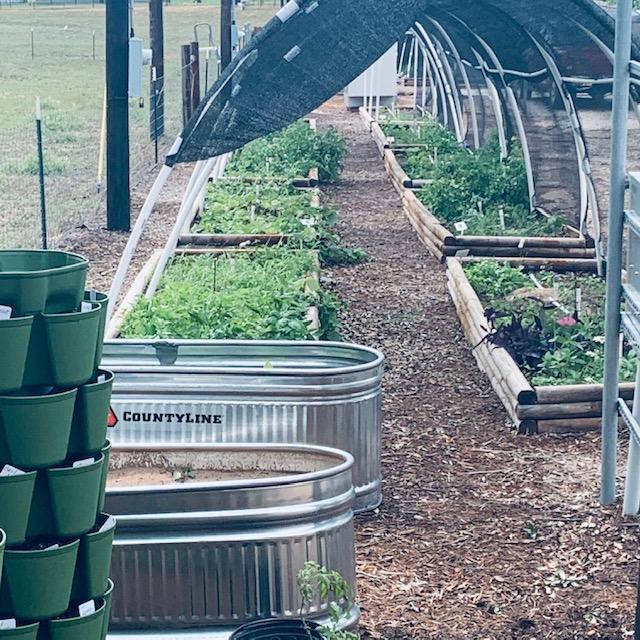 A few of our raised garden beds
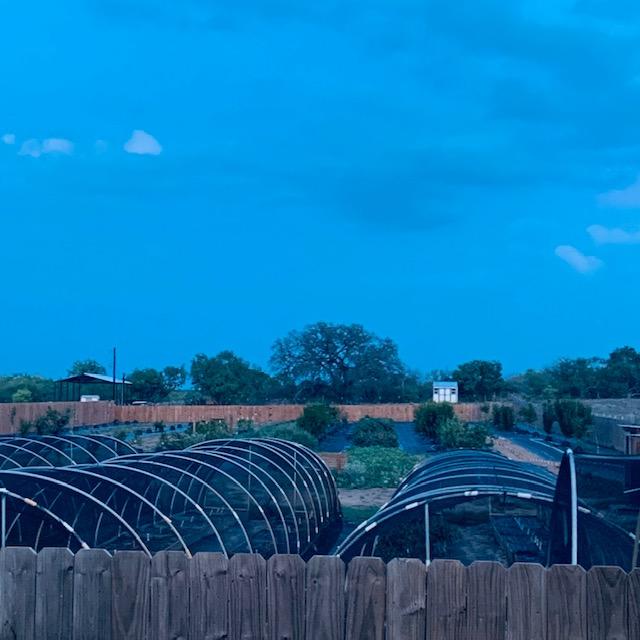 Our orchard and hoop houses
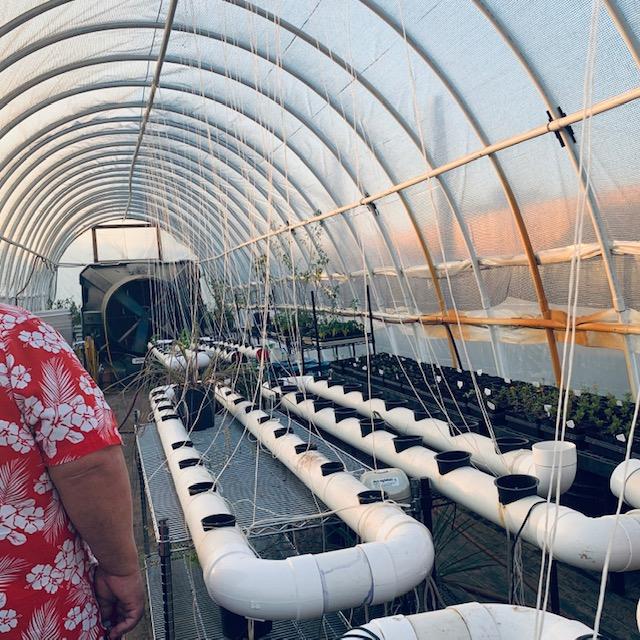 Inside our high tunnel
 Take a selfie at our official selfie spot!
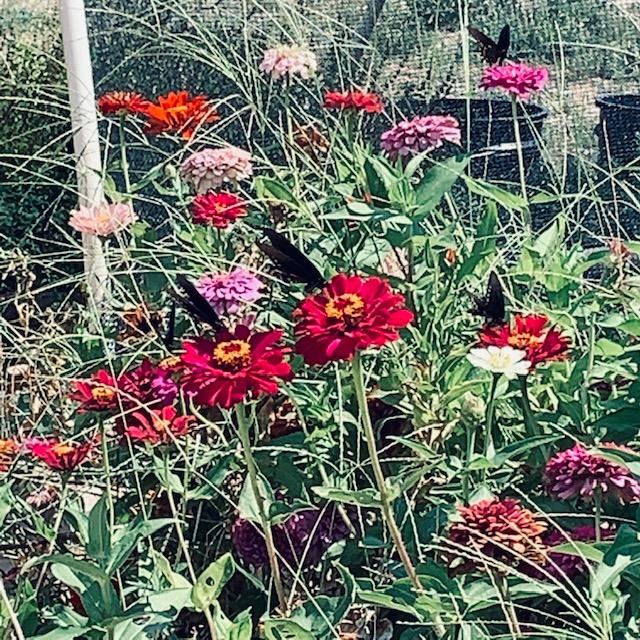 Flowers, bees, and butterflies are everywhere!
Watch Our TV Ads!
David's Garden Seeds® has the best Non-GMO seeds in the state of Texas!


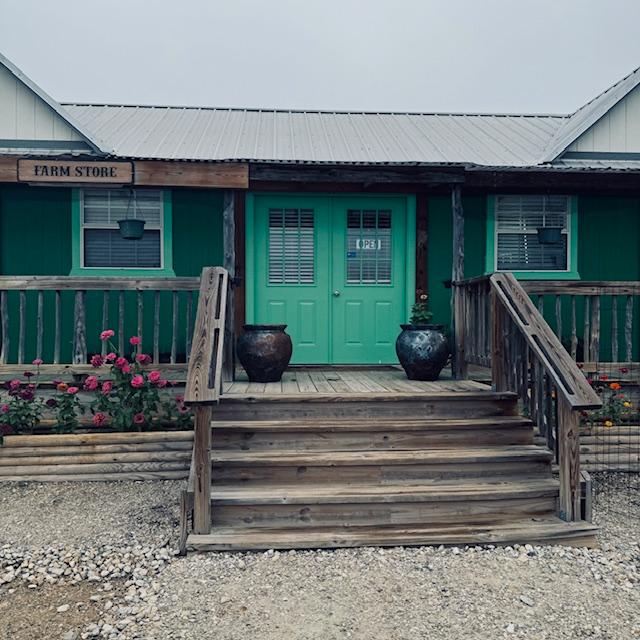 This is our beautiful Farm Store. Come in and shop for seeds. We have over 1600 Non-GMO heirloom varieties to choose from but we are in the process of bringing that number down to half.
Our Story
Hi Everyone! Thank you for visiting my website! I am Mrs Davids
Garden Seeds® aka Mrs. David's Garden Seeds and I think you should know that there is a wonderful seed
company in the great state of Texas called David's Garden Seeds®. We grow some of our seed, we count, hand pack, print our own envelopes, and ship seeds out to you right here from our farm. This used to be an old peanut farm. When the owner died about 15 years ago, his sons split the farm up and sold it in pieces. In 2024, we bought another adjoining four acres.
Our business started in our home in San Antonio in September of 2009. David decided to sell some seeds he had left over from his garden on Amazon. I told David, "Don't bother, it won't work!". I am so glad that David did not listen to me because it did work! By 2015, we had 8 employees working in my home every day and David found a storefront in San Antonio and moved the business there. In 2016, I quit my day job and went on the payroll. The company grew some more and David moved to a bigger storefront in 2017. In 2019, we found a beautiful piece of land over in Atascosa County and turned it into a farm out near Poteet. David and I moved out here to live in August of 2019.
In 2020, we moved our company out to the farm. We have a beautiful Farm Store filled with seeds, a gazebo with a pond full of koi and gold fish for you to visit. Come by and visit us at 5029 FM 2504 in Rossville, just outside of Poteet, Texas, Monday through Friday from 9am to 5pm and Saturday from 10am to 2pm. Or you can order seeds online from our user-friendly website, www.davidsgardenseeds.com.


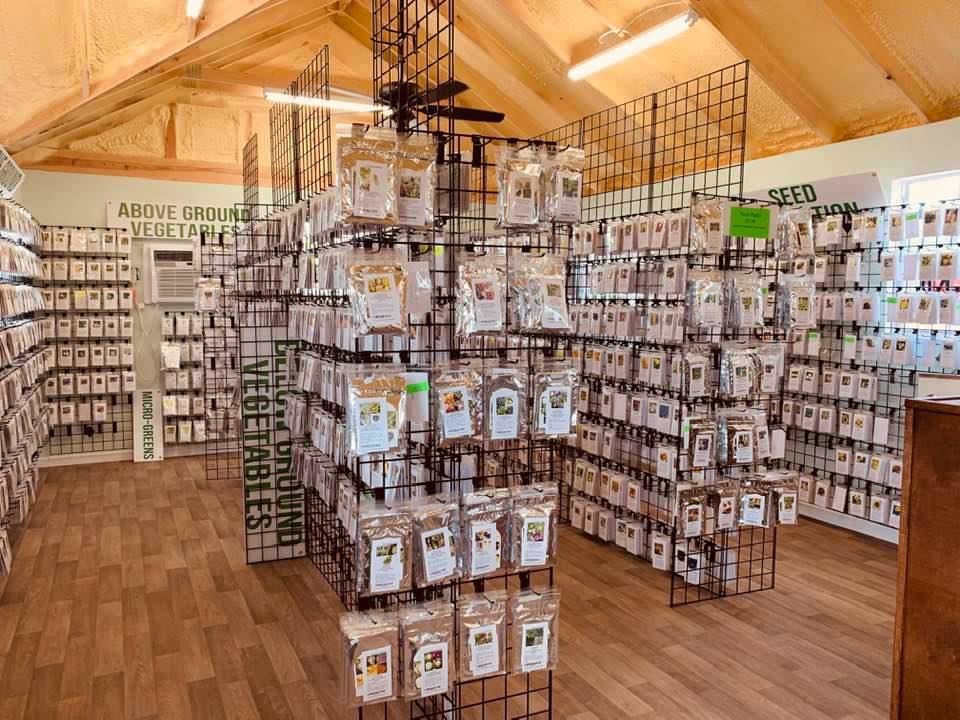 Our beautiful new farm store has almost 2,000 varieties of seeds and more. Mrs Davids Garden Seeds® looks forward to meeting you when you visit.
Mrs. David's Garden Seeds® Copyright by Juanita Lynn Schulze of David's Garden Seeds® 2019-2026
David's Garden Seeds® is Registered in the United States Patent and Trademark Office.