Grow Amaranth
In the spring, you should grow amaranth in your garden with very small seeds that you get from David's Garden Seeds®.
Many gardeners know amaranth as an ornamental plant first. They notice the rich red, burgundy, green, gold, or purple leaves and the dramatic tassels. What they often do not realize is that amaranth is also edible, and in many cases the seeds can be used like a grain.
That mix of beauty and usefulness is what makes amaranth so fun to grow. You can plant it because it looks striking, then later harvest the seeds for your kitchen. On top of that, chickens love it, so very little goes to waste.
I think that is part of the charm. You start out admiring the color in the garden, and by the end of the season you are holding a homegrown food crop. Few ornamentals can do that.
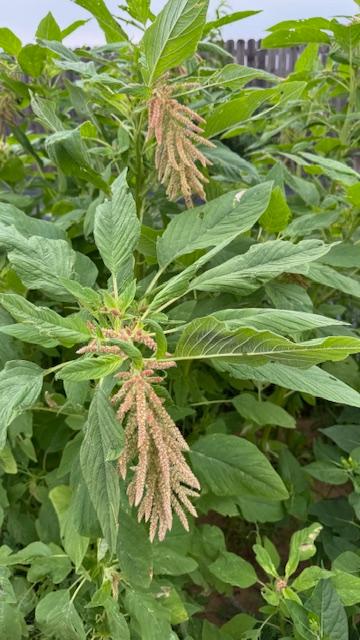
Grow Amaranth - 10/5-10/11/2026
If you want a plant that looks bold, feeds people, and makes your chickens happy, you should grow amaranth in your garden. It is one of those rare plants that does almost everything. It brings color to beds and baskets, it makes interesting seed heads, and it gives you a grain you can actually eat.
If you have never tried to grow amaranth in your garden, do not worry. It is usually considered easy to grow once the weather is warm. It also handles summer heat well, which makes it a great choice for many home gardens.
Amaranth belongs to a group of plants grown for leaves, seeds, or ornament. Some kinds are prized mostly for dramatic flowers, while others are grown more for grain production. Still, many garden types can be both lovely and useful.
Grow Amaranth - Seeds, Sun, Soil
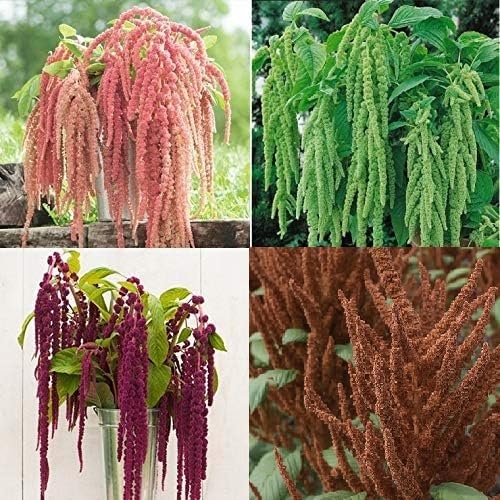
The seeds are tiny, so your first step is really about planning. Choose a sunny spot if you want strong growth and better seed production. Amaranth generally does best with plenty of light and warm soil.
Full sun is the safest choice. Aim for at least six hours of direct sunlight a day, and more is even better. In shady places, plants may stretch, lean, or produce fewer seed heads.
Soil matters too, but amaranth is not usually fussy. It grows best in well-drained soil. If your ground stays soggy after rain, improve drainage before planting or use raised beds.
I like to loosen the soil before sowing because the tiny seeds need a fine surface to settle into. You do not need anything fancy. Just break up clumps, remove weeds, and rake the top so the bed is smooth.
If your soil is poor, mix in compost before planting. Compost improves texture and adds gentle nutrition. You do not need to overfeed amaranth, but a healthy bed gives young plants a good start.
Grow Amaranth -When Do I Plant
Wait until frost danger has passed and the soil has warmed. Amaranth likes heat. Cold, wet spring conditions can slow germination and stress seedlings.
You can sow amaranth seeds directly in the garden, and that is often the easiest method. Scatter them thinly over the prepared soil or sow them in shallow rows. Since the seeds are so small, cover them only lightly with soil.
After sowing, water gently so you do not wash the seeds away. A soft spray or watering can with a rose works well. Keep the top layer of soil lightly moist while you wait for germination.
In warm conditions, seedlings often appear fairly quickly. Once they come up, you may need to thin them. This is important because crowded plants compete for light, water, and space.
Grow Amaranth - Spacing, Soil
Check your seed packet for spacing suggestions, since different types vary in size. Some stay smaller and fit nicely into containers or mixed beds. Others grow tall and bold and need room to stand upright.
If you want to use amaranth as an ornamental feature, think about placement before the plants get big. Tall types look wonderful at the back of borders. Cascading or dramatic seed-head forms can also look lovely in large containers or hanging baskets if the variety is suited to that use.
Hanging baskets can really show off colorful foliage and drooping flower clusters. The key is to use a basket large enough to hold moisture and support root growth. A small basket dries too fast and may not support a vigorous plant for long.
For baskets and containers, choose a potting mix that drains well. Make sure the container has drainage holes. Then place it where the plant gets plenty of sun and some shelter from harsh wind.
Grow Amaranth - Watering, Mulch, Fertilizer
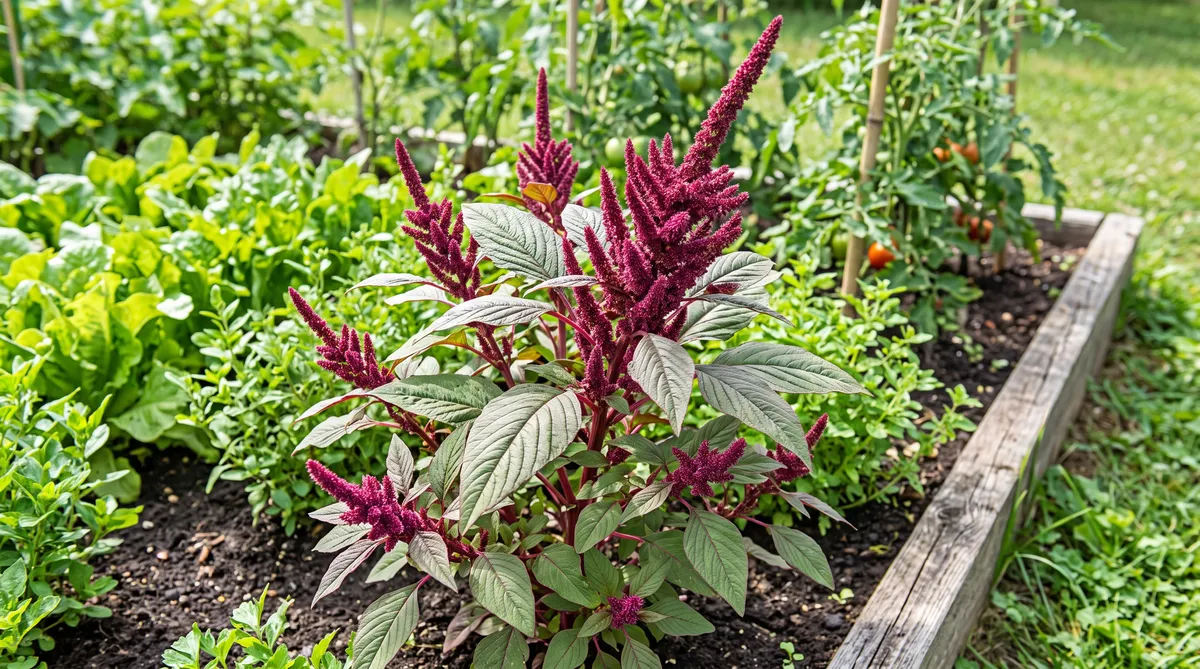
Watering is simple once the plants are established. Young seedlings need steady moisture so they can root well. Older plants are more tolerant of dry weather, but they still grow best with regular watering during long hot spells.
The goal is even moisture, not soggy soil. Water deeply, then let the top of the soil begin to dry before watering again. Shallow, frequent watering can lead to weak roots.
Container-grown amaranth dries out faster than plants in the ground. Check baskets and pots often in summer. On very hot days, you may need to water once a day, especially if the plant is large.
Mulch can help a lot in garden beds. A light layer around the plants helps hold moisture, slows weeds, and keeps the soil from heating and cooling too fast. Just keep mulch a little away from the stems.
Feeding does not need to be complicated. If you planted in compost-rich soil, your amaranth may need very little extra help. Too much fertilizer can push leafy growth at the expense of strong seed production.
If plants seem pale or slow, a light feeding with a balanced fertilizer can help. Use it sparingly. In many home gardens, less is more with amaranth.
Grow Amaranth - Weeding
Weeding matters most early on. Small seedlings can be crowded out by fast-growing weeds. Once amaranth gets taller and stronger, it usually competes much better on its own.
One thing gardeners love is how dramatic amaranth becomes as the season moves along. Leaves deepen in color, stems thicken, and flower or seed heads begin to form. At that stage, it starts to look like a real showpiece.
Colors are part of the fun. Depending on the variety, you may see rich reds, bronze tones, lime green, deep purple, or mixed shades. If you want a bold display, group several colors together so the planting feels intentional and lively.
Because the plant is so striking, it pairs well with flowers that have simpler forms. It can act like a focal point in a bed. Even a single plant can draw the eye.
Grow Amaranth - Saving Seeds
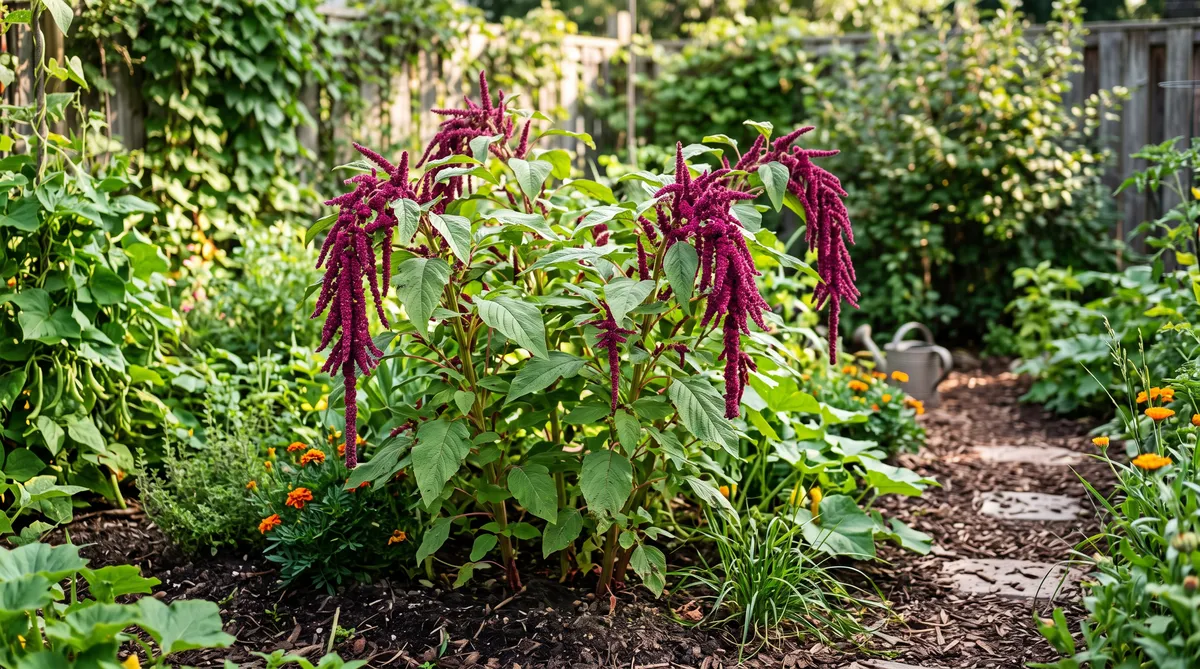
If you also want seeds to harvest, let the flower heads mature on the plant. Over time, the heads dry and the seeds develop. Patience helps here, because harvesting too early can reduce what you collect.
You can tell harvest time is getting close when the seed heads feel drier and some seeds begin to loosen. A gentle rub between your fingers may release a few. That is a good sign the crop is nearing readiness.
To harvest, cut mature seed heads and place them somewhere dry to finish curing if needed. Many gardeners let them dry further indoors in a well-ventilated place. This makes it easier to remove the seeds.
Once the heads are dry, rub or shake them over a clean surface or container. The tiny seeds fall out along with bits of chaff. This step can be a little messy, so working over a tray helps.
After that, clean the seeds as well as you can. You can gently blow away lighter chaff or pour the seed and chaff mixture back and forth between containers in a light breeze. Take your time, because the seeds are small and easy to lose.
Store clean, dry seeds in an airtight container in a cool, dry place. Good storage matters if you plan to cook them later. It also matters if you want to save amaranth seeds for planting next season.
Grow Amaranth - Using Amaranth As Food
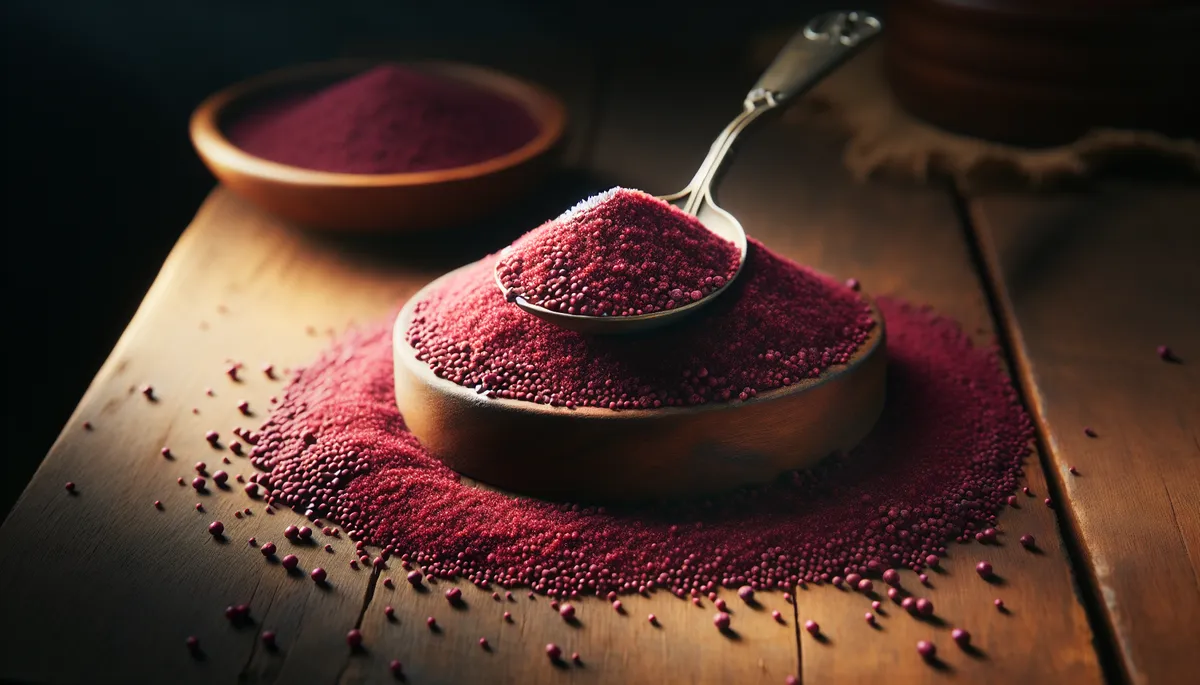
One of the best parts of growing this plant is the food side. You can eat amaranth in more than one way. The seeds can be cooked, ground, or popped.
Popped amaranth is especially fun because it surprises people. The seeds are tiny, but with heat they pop much like miniature popcorn. You can toast them and sprinkle them over other foods for a light crunch.
If you want to make flour, grind the dried seeds after they are cleaned well. Amaranth flour can be used in cooking and baking, often mixed with other flours. Homegrown grain feels special because you watched it go from flower to food.
I still remember the first time I harvested a small bowl of seeds from ornamental amaranth and realized I was holding a real grain crop from my flower bed. It changed the way I looked at useful plants. Since then, I have always liked plants that do more than one job.
Grow Amaranth - Chickens Love It!
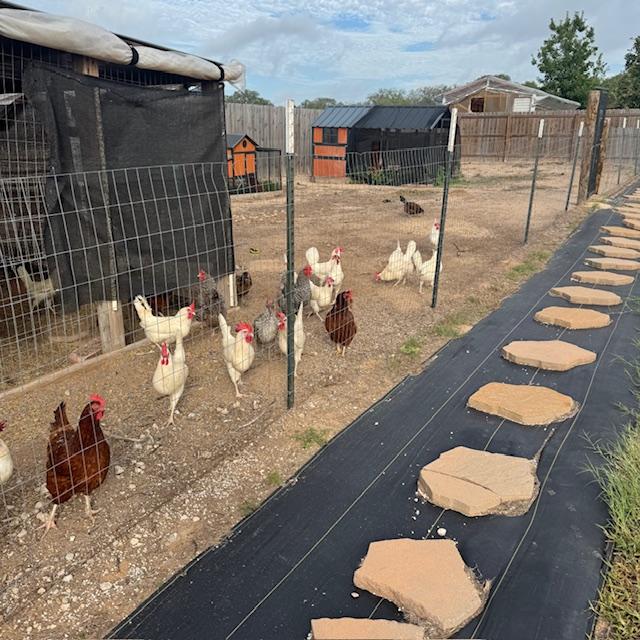 Some of my chickens. They love to eat amaranth!
Chickens are fans too. You can offer seed heads to them, and many birds will happily peck at the seeds. That makes amaranth a practical plant for gardeners who keep a backyard flock.
If you grow enough, you can share some of the harvest between kitchen use and chicken feed. That balance is part of the appeal. The plant serves both people and animals.
Grow Amaranth - Reseeding Itself
Amaranth can also reseed itself in some gardens if seed heads are left to drop. That can be helpful or annoying, depending on your style of gardening. If you want to control spread, harvest before seeds scatter widely.
In windy sites, tall plants may need support. A simple stake can keep stems upright if heavy seed heads make them lean. This is more likely with large varieties grown in rich soil.
Problems are often fairly limited when the plant is grown in the right conditions. Stress from soggy soil, weak light, or crowding causes more trouble than anything else. Healthy plants in sun usually do quite well.
If leaves look poor or growth stalls, go back to the basics. Check sunlight, soil drainage, spacing, and watering habits. Most plant issues become easier to solve when you look at those simple things first.
For gardeners who like low-fuss plants, amaranth has a lot going for it. It tolerates heat, adds strong color, and produces an edible seed crop. That is a rare combination in one plant.
It is also a smart choice for gardeners who want their landscapes to do more. Instead of separating flowers from food, you can blend the two. Amaranth helps make the garden both beautiful and productive.
Grow Amaranth - Oh, The Colors!
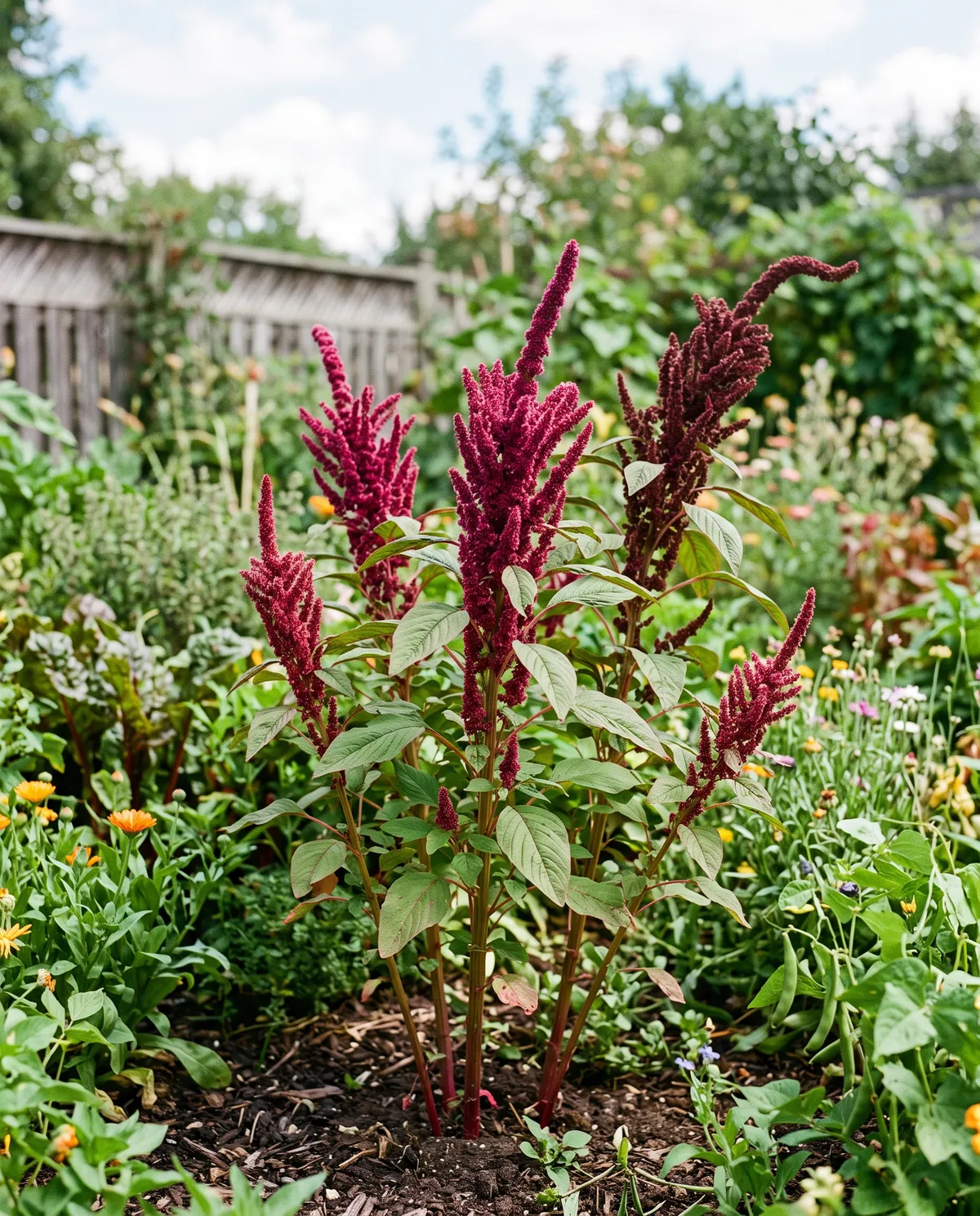
If you want to grow amaranth in your garden mainly for looks, choose colors that fit your space. Deep burgundy can look dramatic and formal. Green or gold forms can brighten mixed plantings and make nearby flowers stand out. Pink is fun.
If your main goal is food, look for varieties known for good seed production. If your main goal is ornament, choose forms with striking leaves or drooping tassels. If you want both, try a few kinds and see which ones perform best for you.
This is really the joy of experimenting in the garden. One year you may focus on color in containers. The next year you may plant a larger patch just to harvest enough seed to pop or grind.
When friends ask about the unusual plant with the bold leaves and hanging plumes, you get to tell them it is more than decoration. You can explain that amaranth is a useful plant that most gardeners grow as an ornamental, even though it can also feed people and chickens. That often makes people see it in a whole new way.
Grow Amaranth - Edible Flower Gardening
If you are new to edible gardening, amaranth is a fun bridge plant. It does not ask you to give up beauty for usefulness. Instead, it gives you both at once.
To keep things simple, remember the basic care steps:
- Plant after frost in warm soil.
- Give it full sun.
- Use well-drained soil.
- Water regularly while young.
- Harvest mature seed heads when dry.
And here is the simple use list:
- Pop the seeds for a crunchy snack.
- Grind them into flour.
- Save seed for next year.
- Share seed heads with chickens.
- Enjoy the plants as bold ornamentals all season.
Grow Amaranth - Recipe For Breakfast Porridge
Here is a simple recipe using amaranth:
You can make a quick and creamy amaranth breakfast porridge in about 20 minutes.
Ingredients
- 1/2 cup amaranth seeds
- 1.5 cups water or milk
- Pinch of salt
- Toppings: honey, cinnamon, and walnuts or fresh berries
Instructions
So if you have been looking for something different, useful, and beautiful, this may be the year to grow amaranth in your garden. It is colorful enough for a flower bed, interesting enough for a container, and productive enough for the kitchen. Few plants offer that kind of range.
Once you try it, you may wonder why more gardeners do not plant it. Amaranth gives you color, texture, movement, food, and feed all in one package. Start with a packet of seeds, give them warmth and sun, and you may end the season with one of the most rewarding plants in your whole garden.
Monday, October 5, 2026
Good morning. At 6:30am, David and Matt loaded up the four boys going to auction. I could hear the sweet babies screaming from the house when I let the dogs out. They did not want to grabbed in the dark and carried off. Poor things. Hopefully, they will get good homes and live good lives...
David and Matt are on their way to Hondo. I need to go out and feed the rest of the goats but it is still a bit dark and I am afraid of holes and snakes. The stupid gophers are always digging holes and you can't see them in the dark. I have fallen before because of holes in the ground that suddenly appear where there were none.
We have no helper coming today so a lot of work won't get done because I can't do it all.
Tuesday, October 6, 2026
Wednesday, October 7, 2026
Thursday, October 8, 2026
Friday, October 9, 2026
Saturday, October 10, 2026
Sunday, October 11, 2026
Return from Grow Amaranth to Year Eight Of Life On The Farm
Anything To Share On This Topic?
Would you like to share additional information about this topic with all of us?
Since 2009, over 2,000,000 home gardeners, all across the USA, have relied on David's Garden Seeds® to grow beautiful, productive gardens. Trust is at the heart of it. Our customers know David's Garden Seeds® stocks only the highest quality seeds available. Our mission is to become your lifetime supplier of quality seeds. It isn't just to serve you once; we want to earn your trust as the primary supplier of all of your garden seeds.
Watch Our 2022 TV Commercial!
Sing Along To Our Jingle
♪♫♪♪ ♫ ♪ ♫♪♫♫
♪♫♪♪♫♫
Peppers and peas
And lots of yummy greens
You can't go wrong
With Squash This Long
At David's Garden Seeds
♪ ♫ ♪ ♫
Our New 2024 TV Ad
Please like and subscribe on YouTube and come visit us at our Farm Store! The music on our TV ad was written, played, and sung by our son, Matthew Schulze. You can meet him when you come to the farm. He just might give you a tour. Ask him to grab a guitar and sing our jingle that he wrote.
Our 2022 TV Ad

 David of David's Garden Seeds® zipping along on his little tractor across the farm. He is having a blast!
We are David's Garden Seeds®. If you need great seeds, we've got over 800 varieties to choose from.
Subscribe To Mrs. David's Garden Seeds® Newsletter For FREE!


Find out what is going on down on the farm by reading our blog and by subscribing to our free newsletter for all of the information going down at David's Garden Seeds® and on the farm. I love to share helpful information with you. Please let your friends know and y'all come on down for a visit when you get the chance. We would love to meet you!
New Store Hours!
 Farm Store Hours: Th-Fri 10am-5pm, Sat 10am-2pm. Closed Sun-Wed.
Being out here in the country, we had awful internet & we could not stream TV. We got Starlink in April of 2025 & we love it! Now we can stream and work, even when it is raining!
 Our Farm Store
Shop for:
- Seeds
- Farm Fresh Eggs
Our Farm is located at 5029 FM 2504 in Poteet, TX.
 Only happy seeds make the cut to go into our seed packs!
David's Garden Seeds® has
seeds for the backyard gardener and farm fresh chicken eggs.
 David & Juanita work hard to pack your garden seed orders.





Sign Up For Our Newsletter Here!
   DGS YouTube Mrs
|
   |
Garden Ebooks
by Mrs. David's Garden Seeds
 I've been busy creating eBooks to help you with your garden...
IMPORTANT NOTE: THE EBOOKS ARE DIGITAL DOWNLOADS (EBOOKS), NOT PHYSICAL BOOKS.
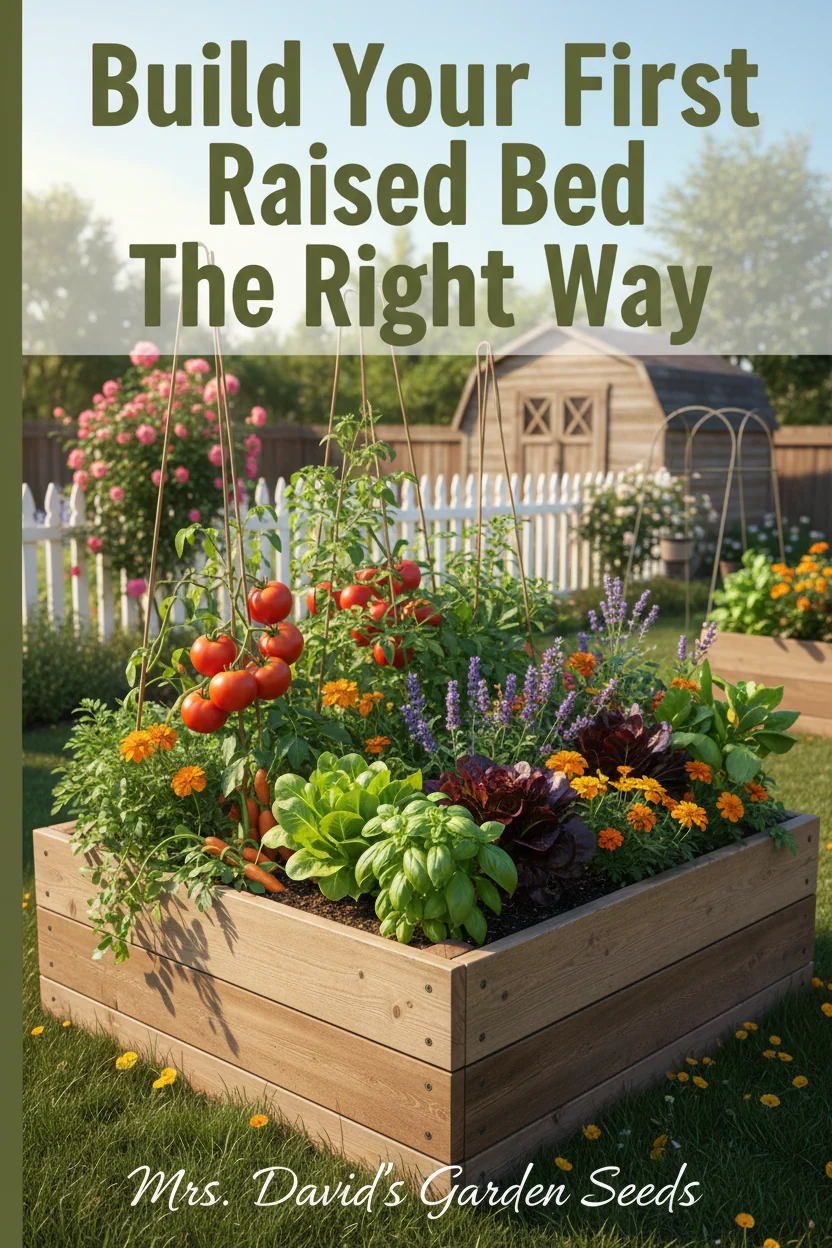

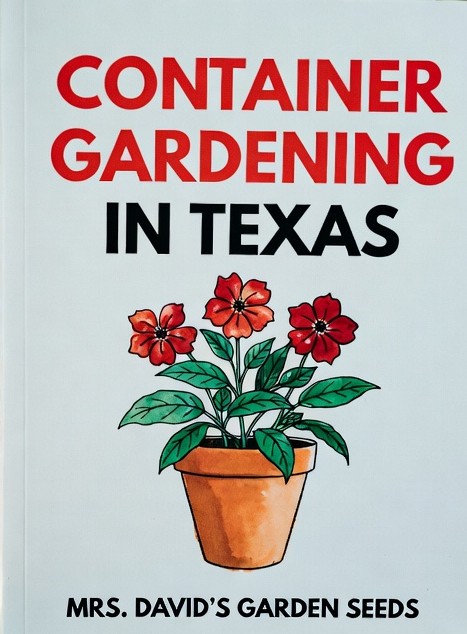
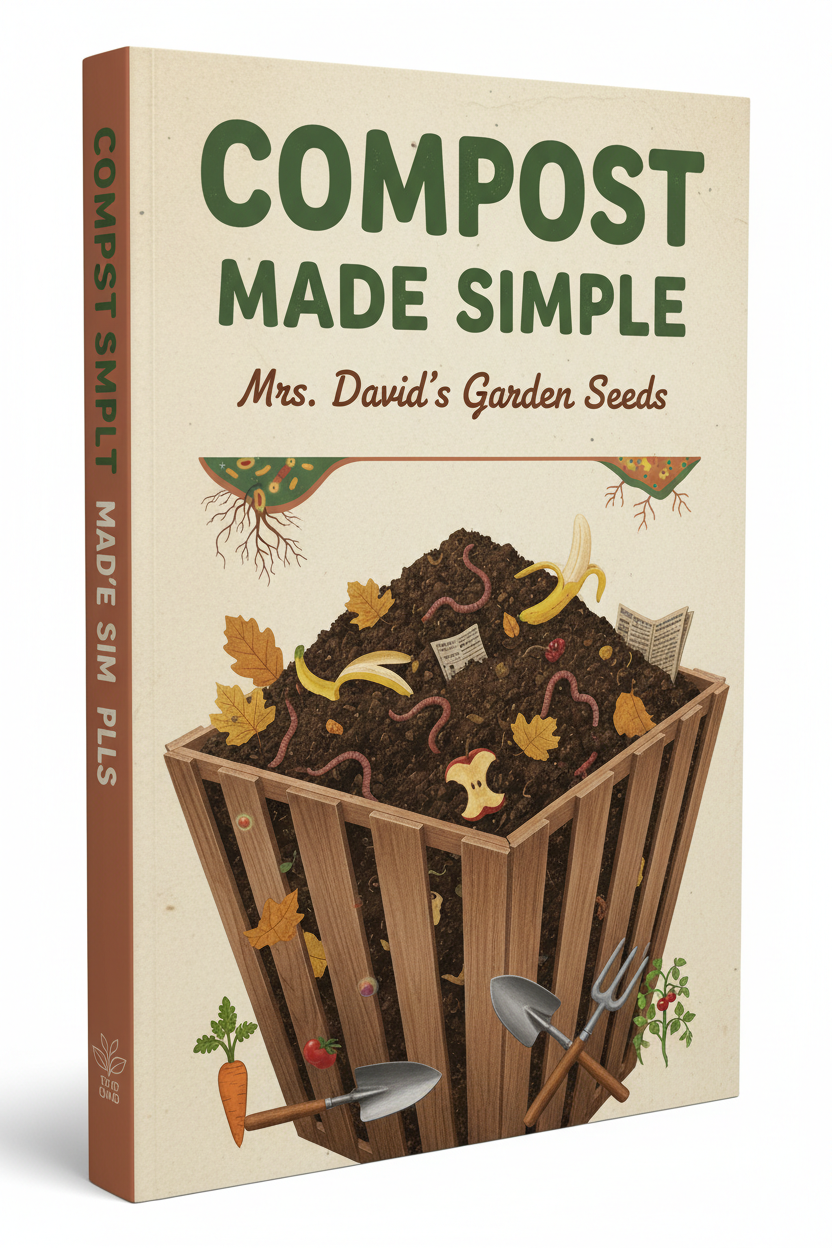
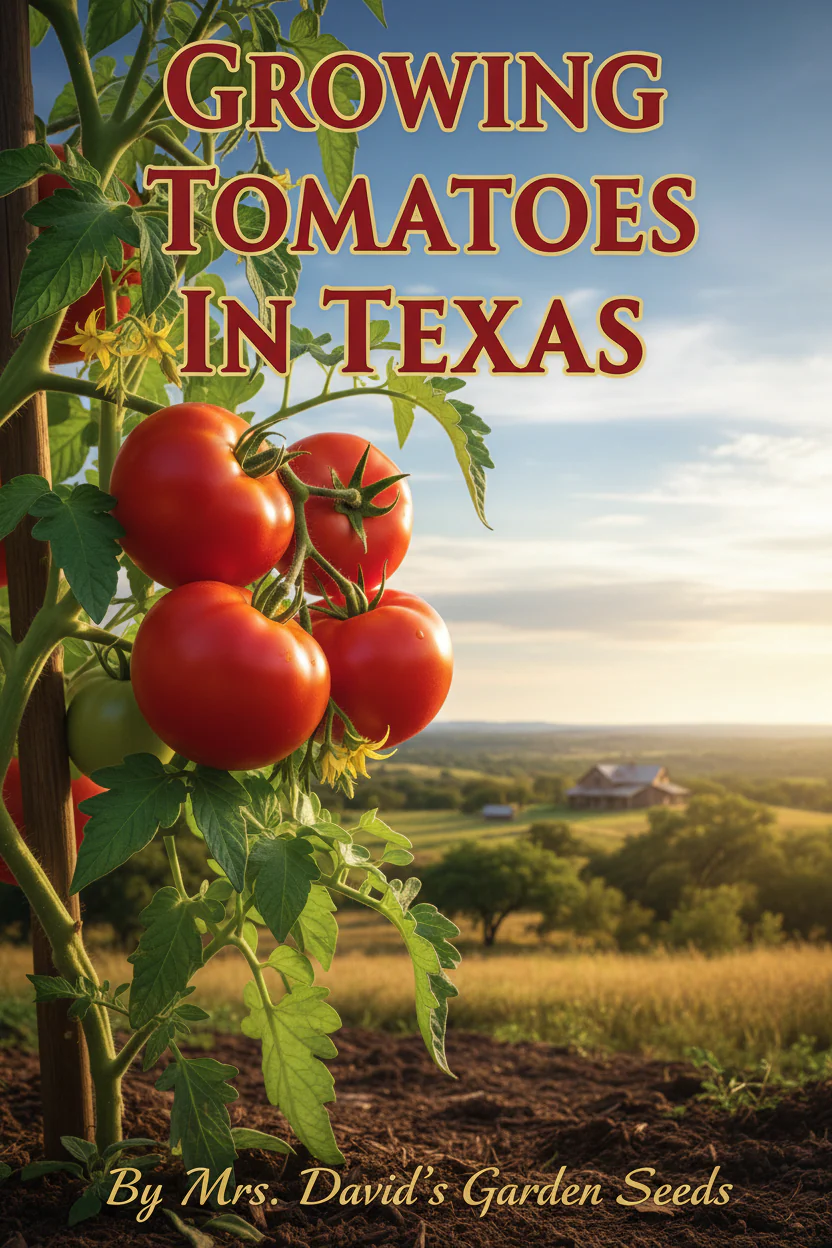
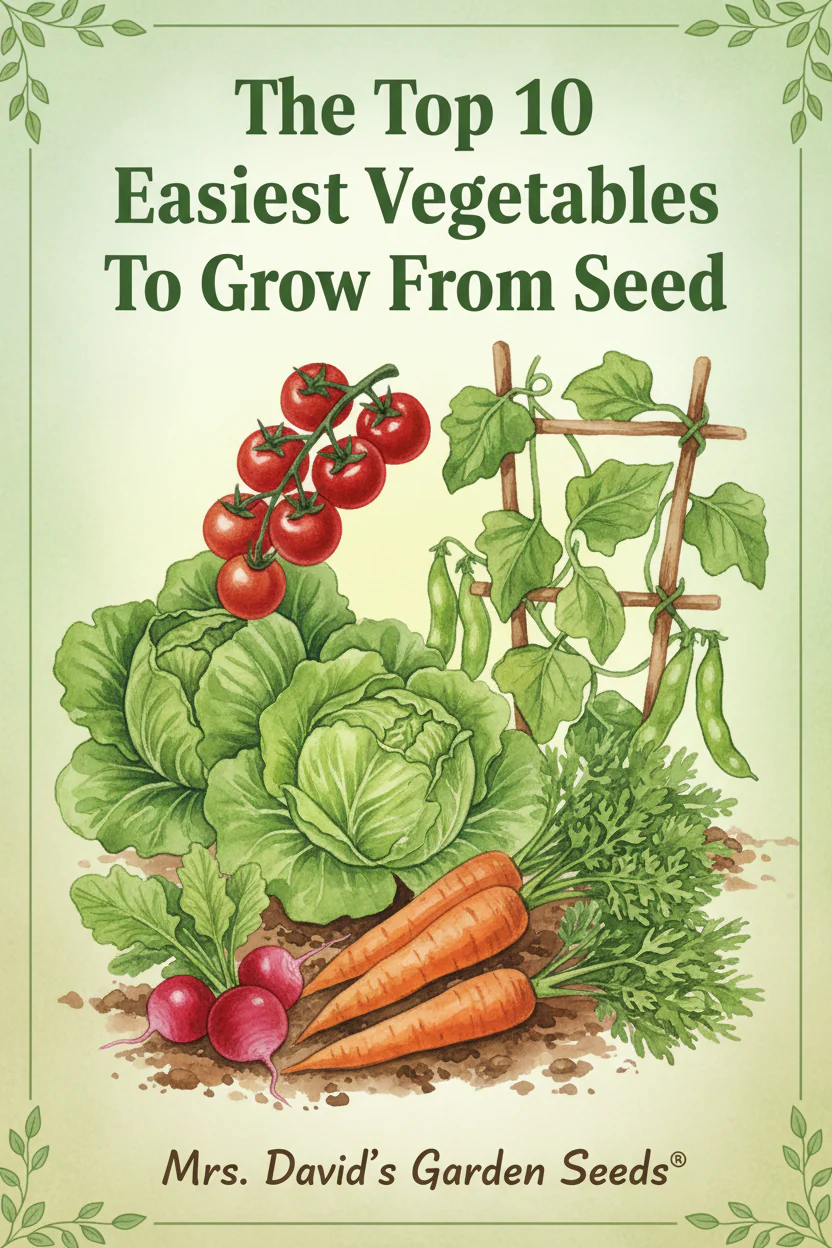
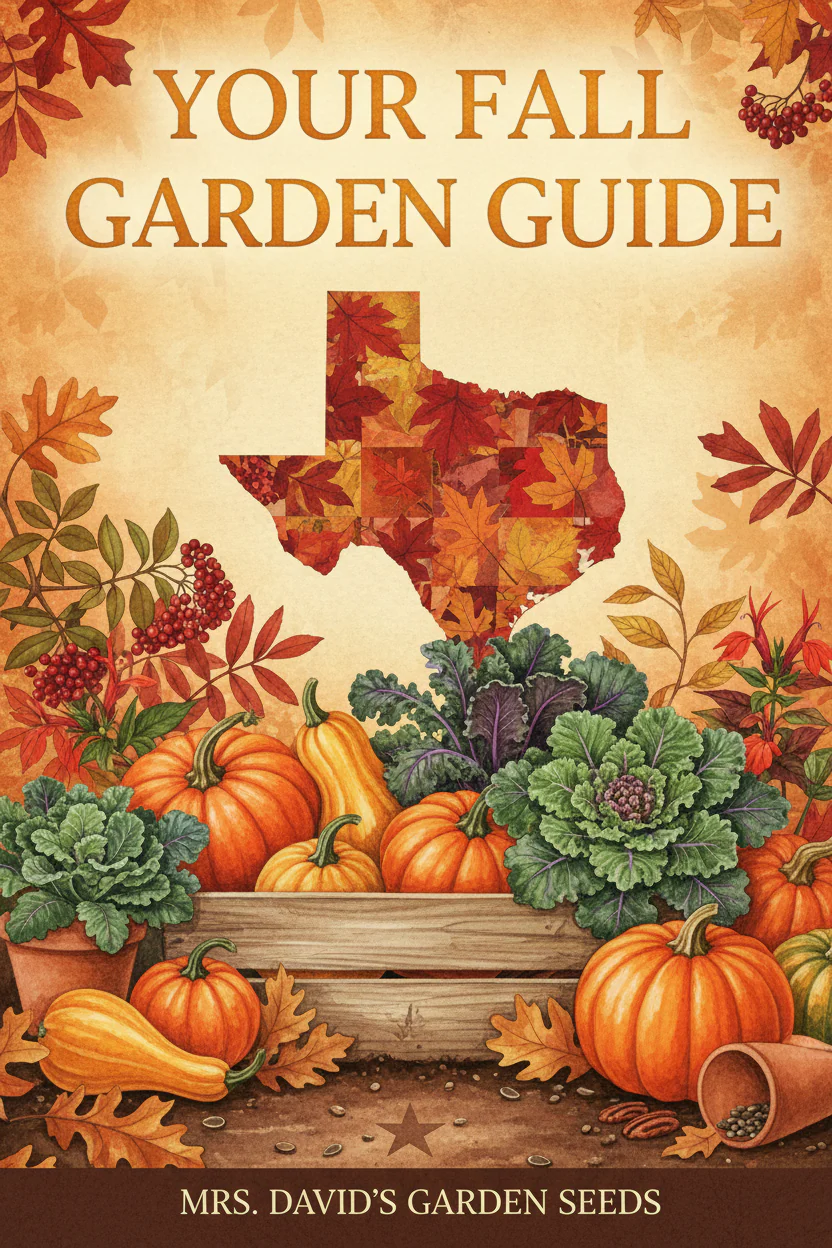
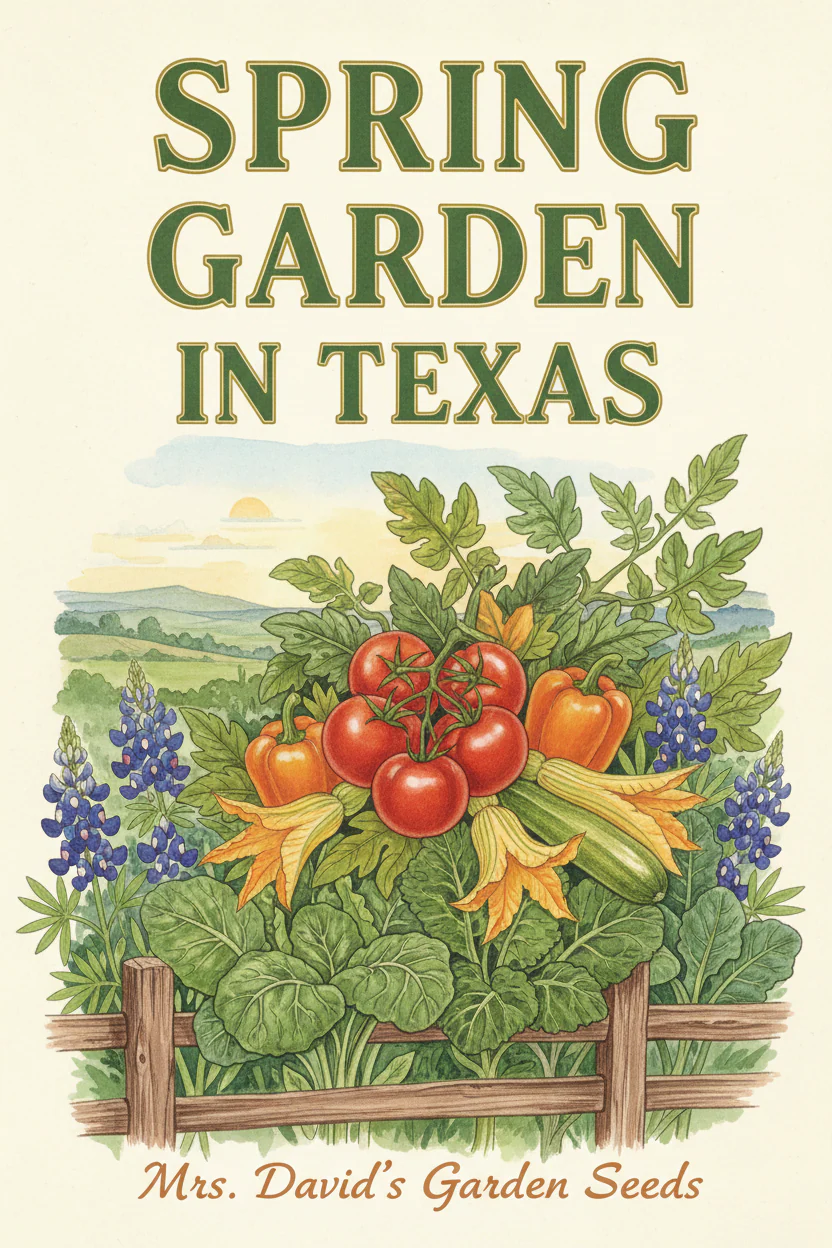
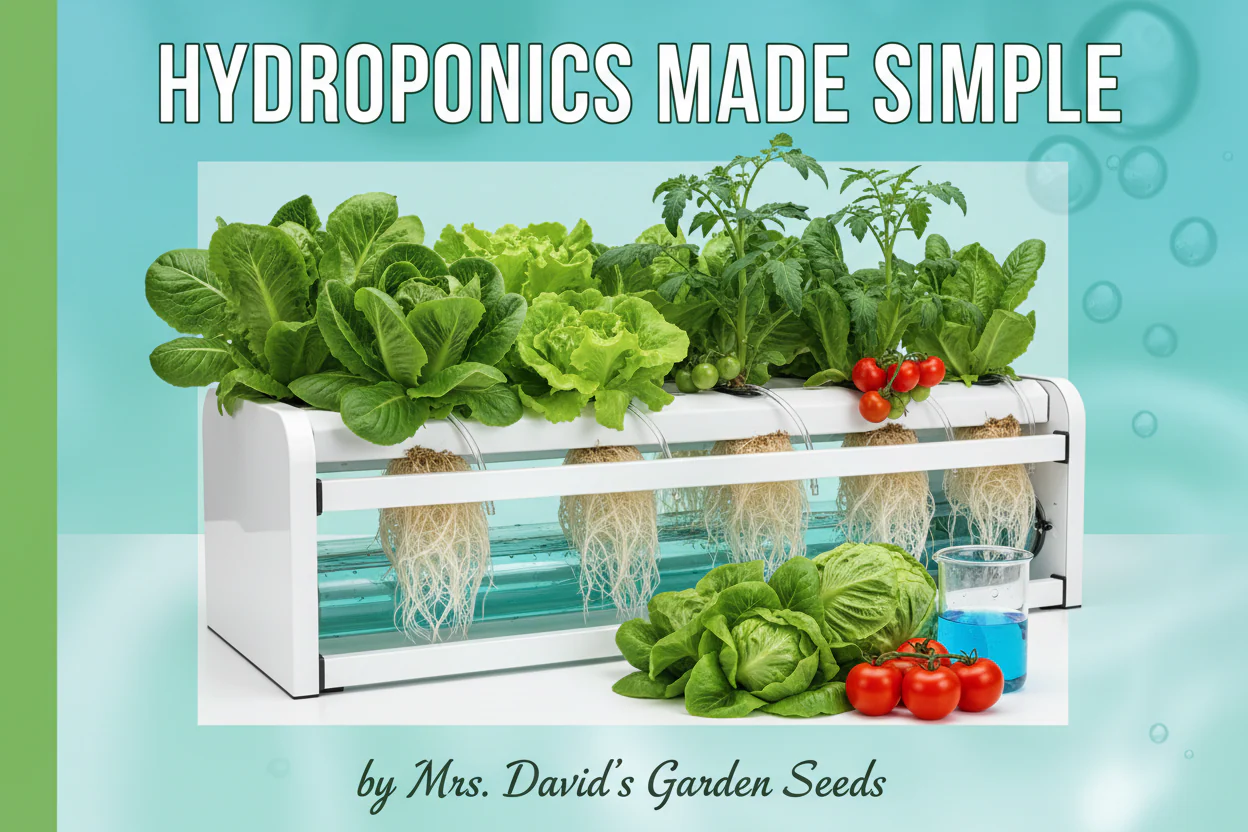
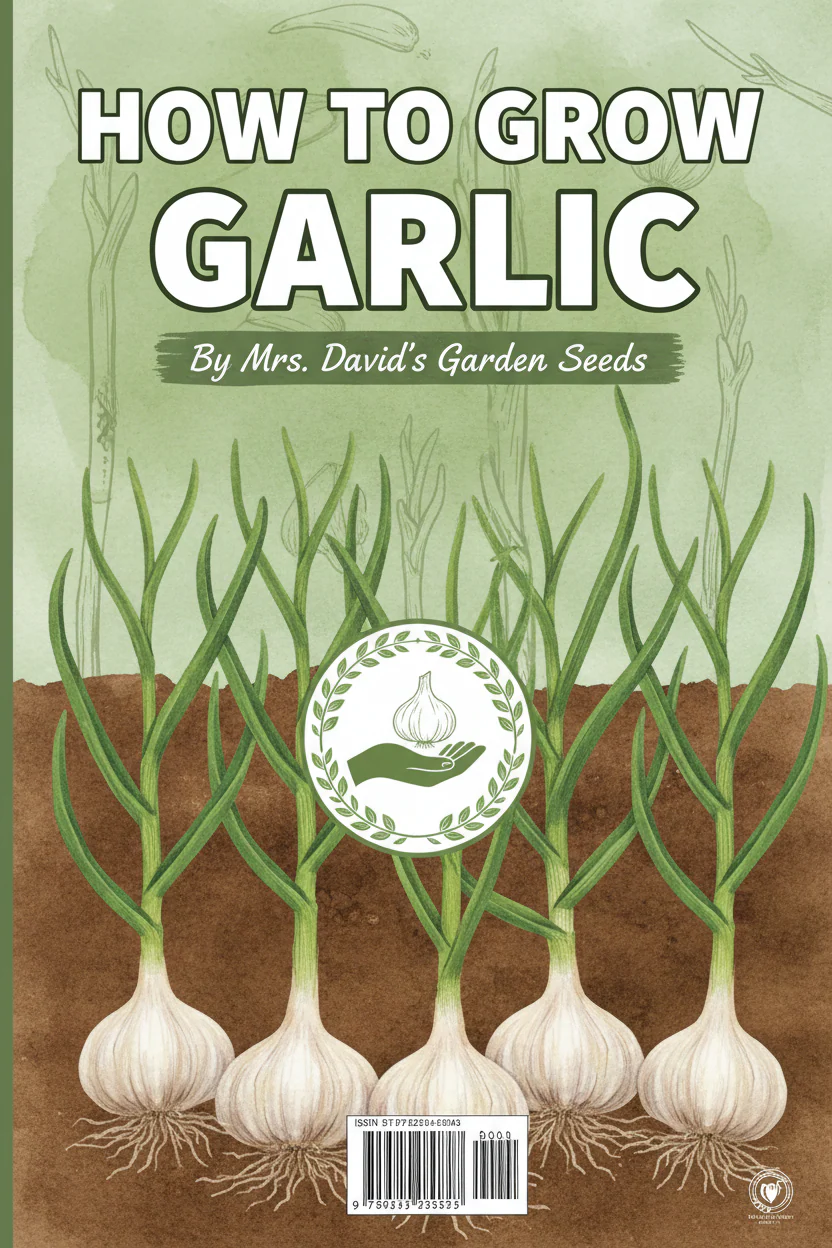
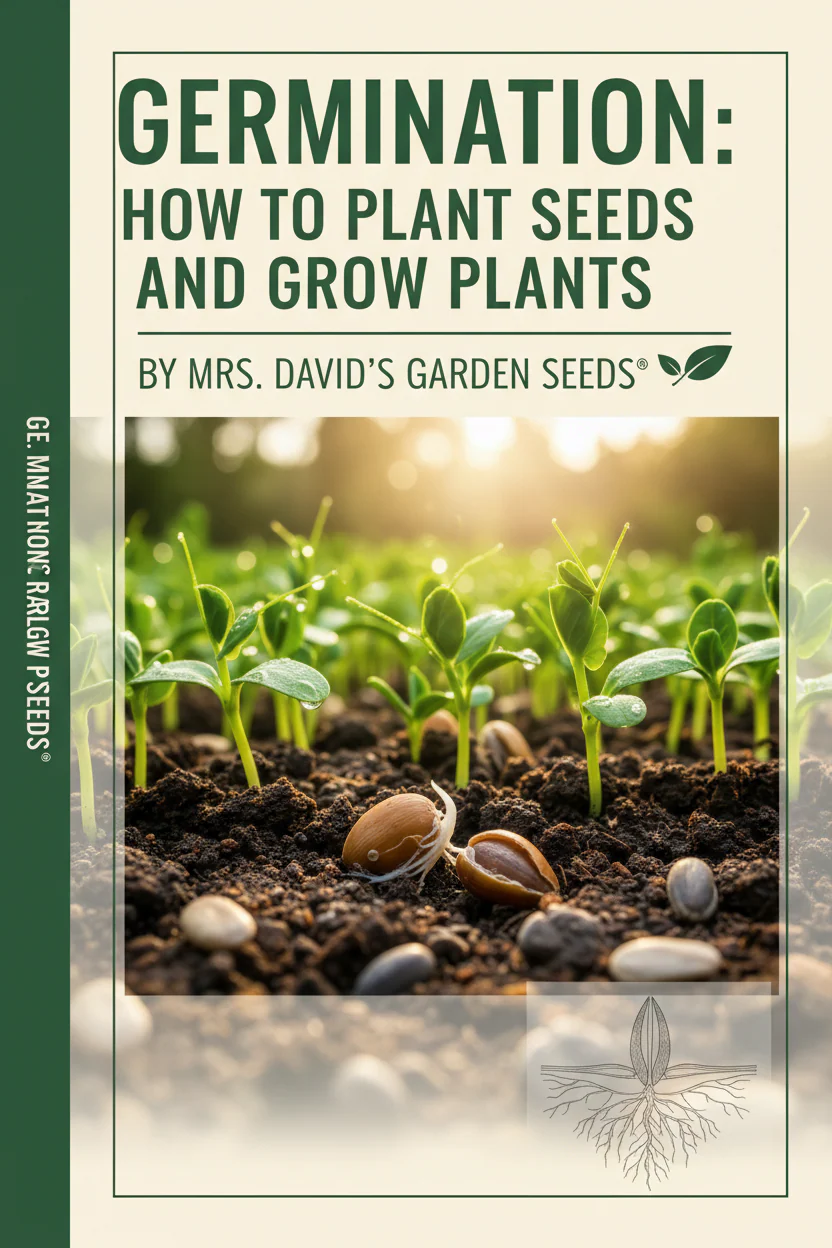
WE DO NOT REFUND OUR DIGITAL DOWNLOADS FOR OBVIOUS REASONS.
 Our Farm Store is the green building
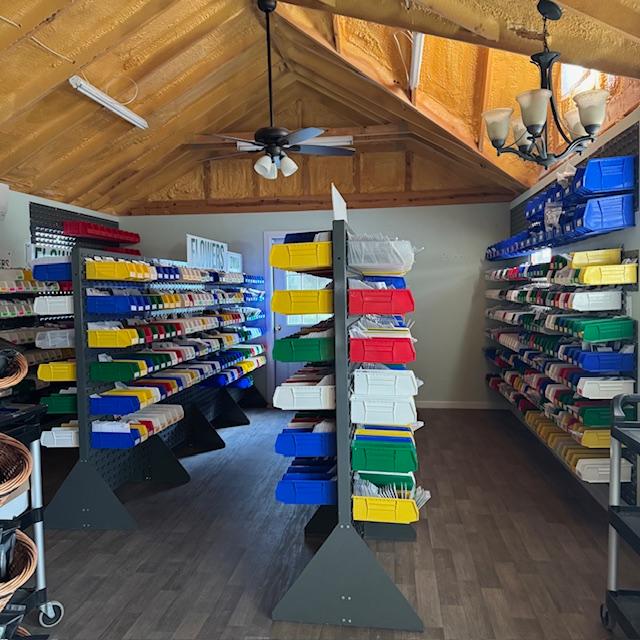 Inside our Farm Store...1400 varieties of seeds await you!
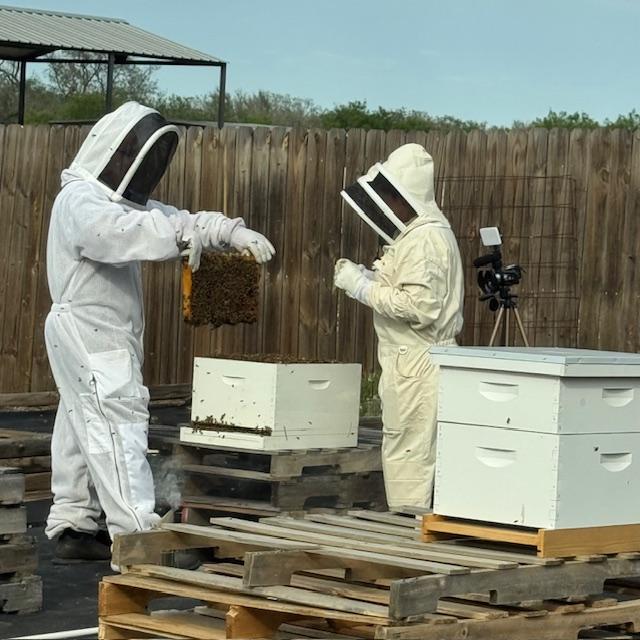 Our bee hives
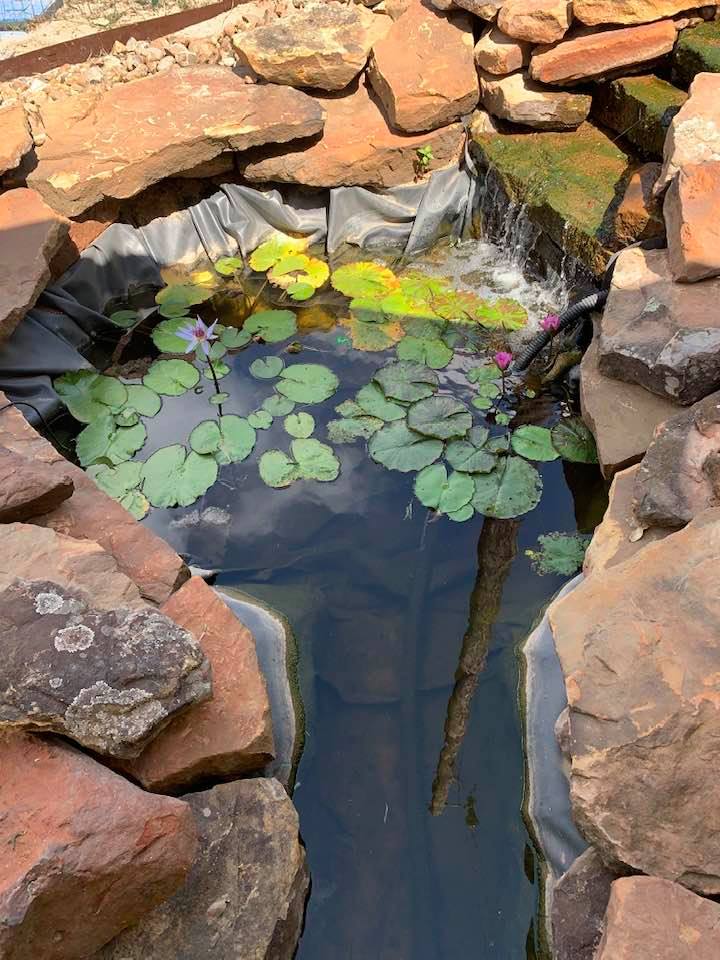
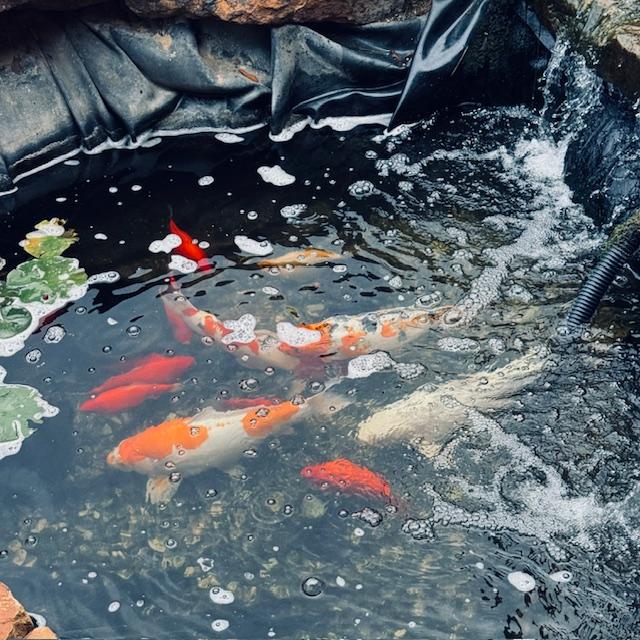 Our fish pond
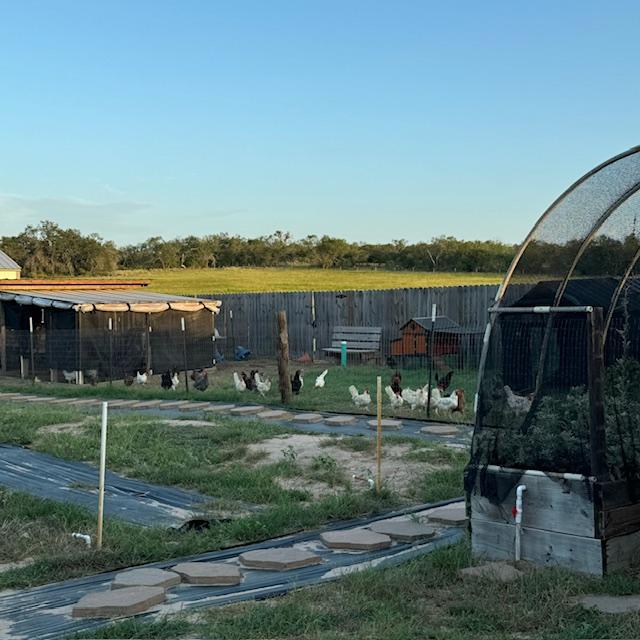 Our chickens
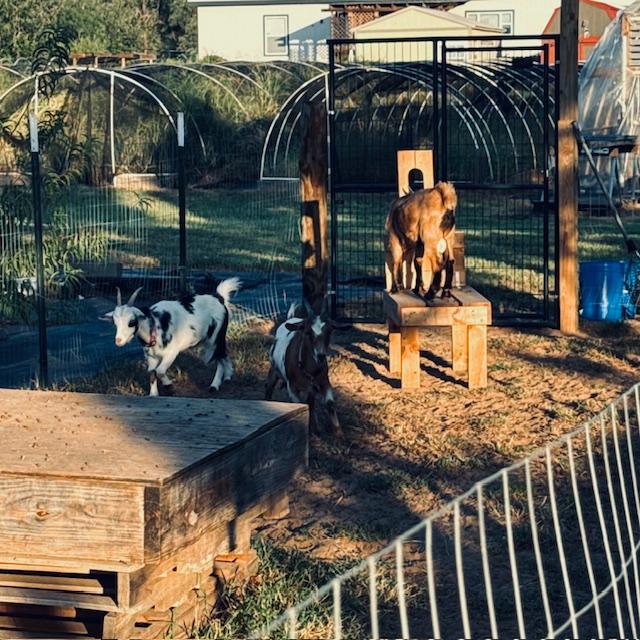 Our Nigerian Dwarf goats
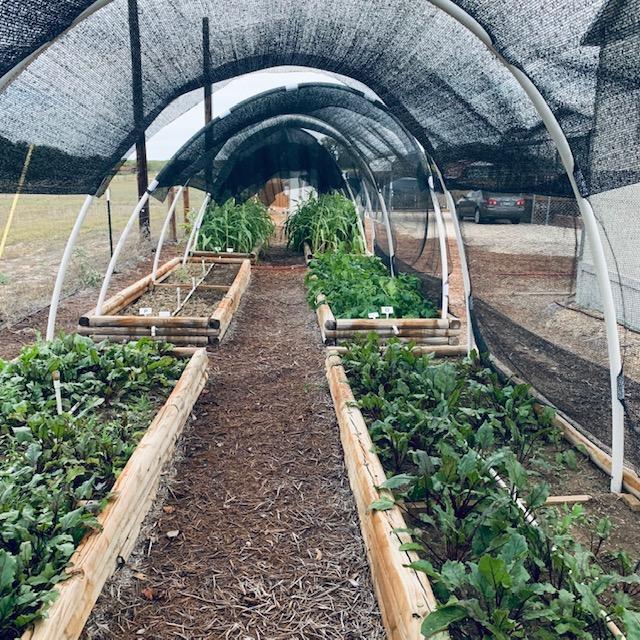
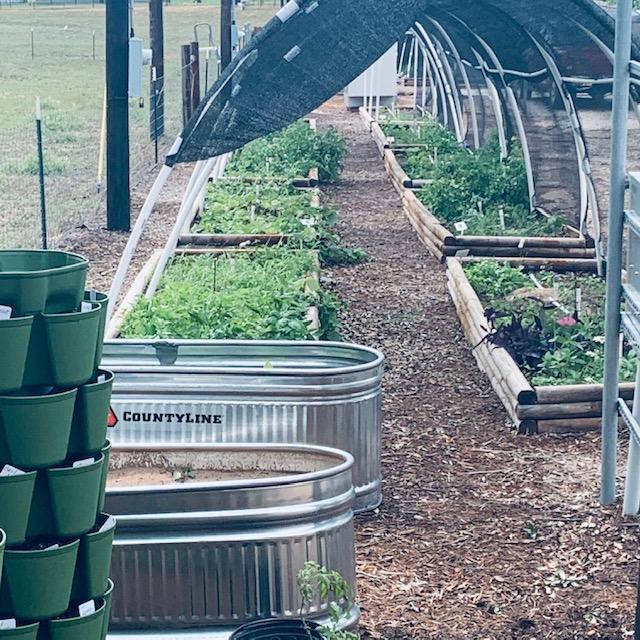 A few of our raised garden beds
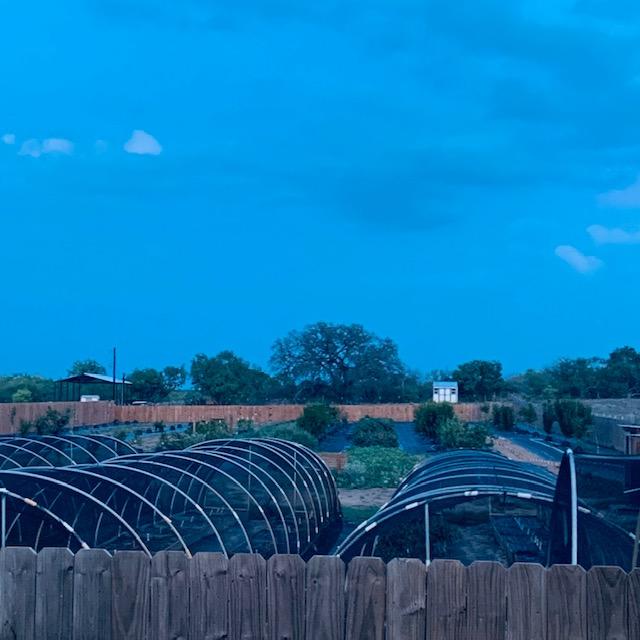 Our orchard and hoop houses
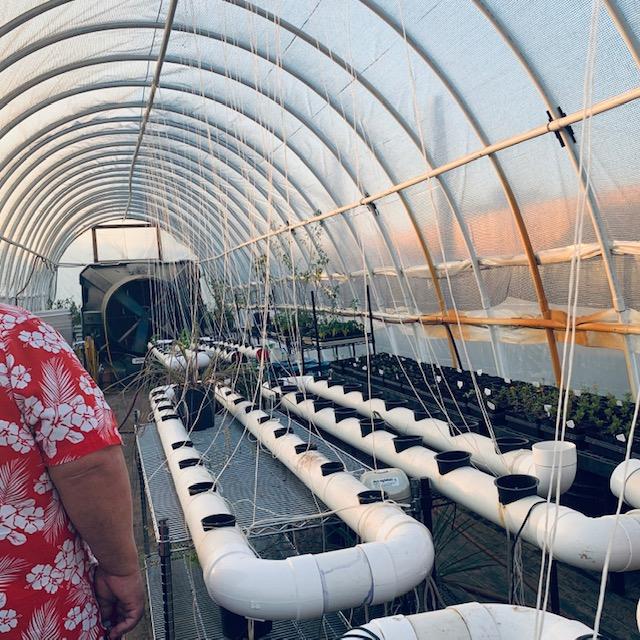 Inside our high tunnel
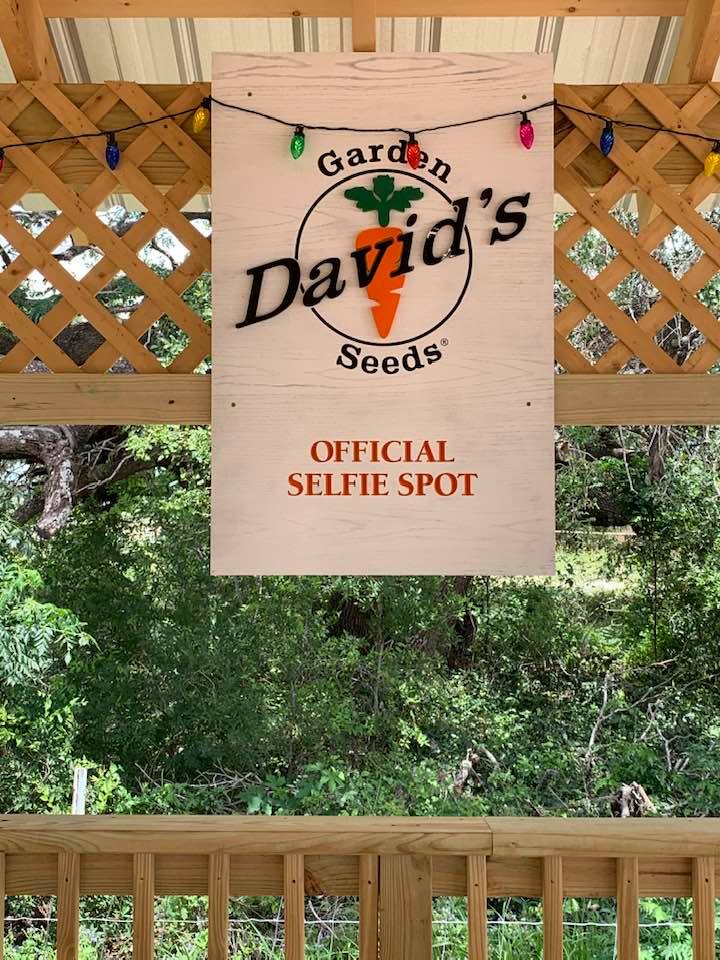 Take a selfie at our official selfie spot!
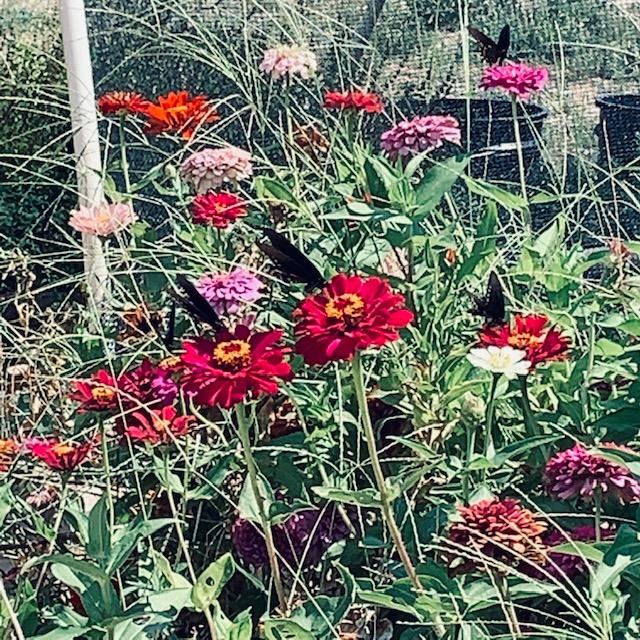 Flowers, bees, and butterflies are everywhere!
Watch Our TV Ads!
David's Garden Seeds® has the best Non-GMO seeds in the state of Texas!


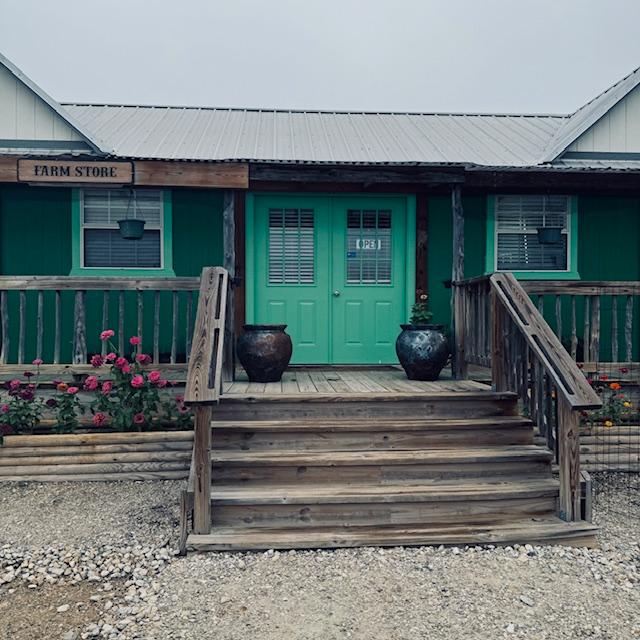 This is our beautiful Farm Store. Come in and shop for seeds. We have over 1600 Non-GMO heirloom varieties to choose from but we are in the process of bringing that number down to half.
Our Story
Hi Everyone! Thank you for visiting my website! I am Mrs Davids
Garden Seeds® aka Mrs. David's Garden Seeds and I think you should know that there is a wonderful seed
company in the great state of Texas called David's Garden Seeds®. We grow some of our seed, we count, hand pack, print our own envelopes, and ship seeds out to you right here from our farm. This used to be an old peanut farm. When the owner died about 15 years ago, his sons split the farm up and sold it in pieces. In 2024, we bought another adjoining four acres.
Our business started in our home in San Antonio in September of 2009. David decided to sell some seeds he had left over from his garden on Amazon. I told David, "Don't bother, it won't work!". I am so glad that David did not listen to me because it did work! By 2015, we had 8 employees working in my home every day and David found a storefront in San Antonio and moved the business there. In 2016, I quit my day job and went on the payroll. The company grew some more and David moved to a bigger storefront in 2017. In 2019, we found a beautiful piece of land over in Atascosa County and turned it into a farm out near Poteet. David and I moved out here to live in August of 2019.
In 2020, we moved our company out to the farm. We have a beautiful Farm Store filled with seeds, a gazebo with a pond full of koi and gold fish for you to visit. Come by and visit us at 5029 FM 2504 in Rossville, just outside of Poteet, Texas, Monday through Friday from 9am to 5pm and Saturday from 10am to 2pm. Or you can order seeds online from our user-friendly website, www.davidsgardenseeds.com.


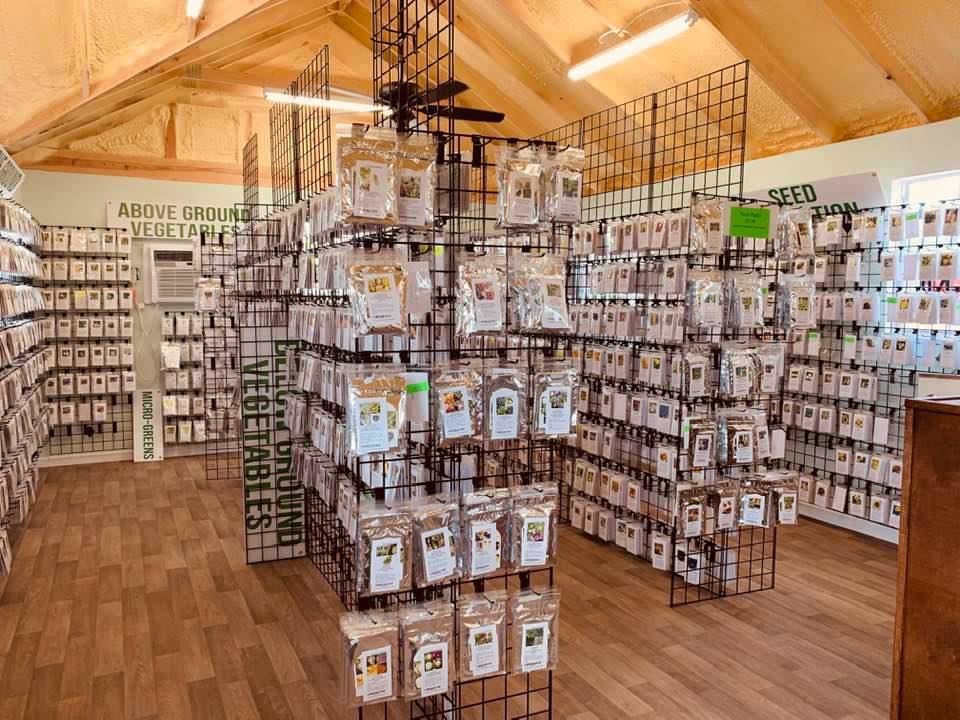 Our beautiful new farm store has almost 2,000 varieties of seeds and more. Mrs Davids Garden Seeds® looks forward to meeting you when you visit.
Mrs. David's Garden Seeds® Copyright by Juanita Lynn Schulze of David's Garden Seeds® 2019-2026
David's Garden Seeds® is Registered in the United States Patent and Trademark Office.