Grow Basil In Your Spring Garden
Grow basil in your spring garden and enjoy using it in the summer and fall months as well. Basil is a part of the mint family and originally came from India, Africa, and Asia. To keep plants growing longer, you can plant it in pots, and then move it around to cooler, shady areas once the weather gets too hot to prevent early bolting. When it gets too cold, you can put it inside temporarily until the cold passes.
Grow Basil In Your Spring Garden - 10/26-11/1/2026
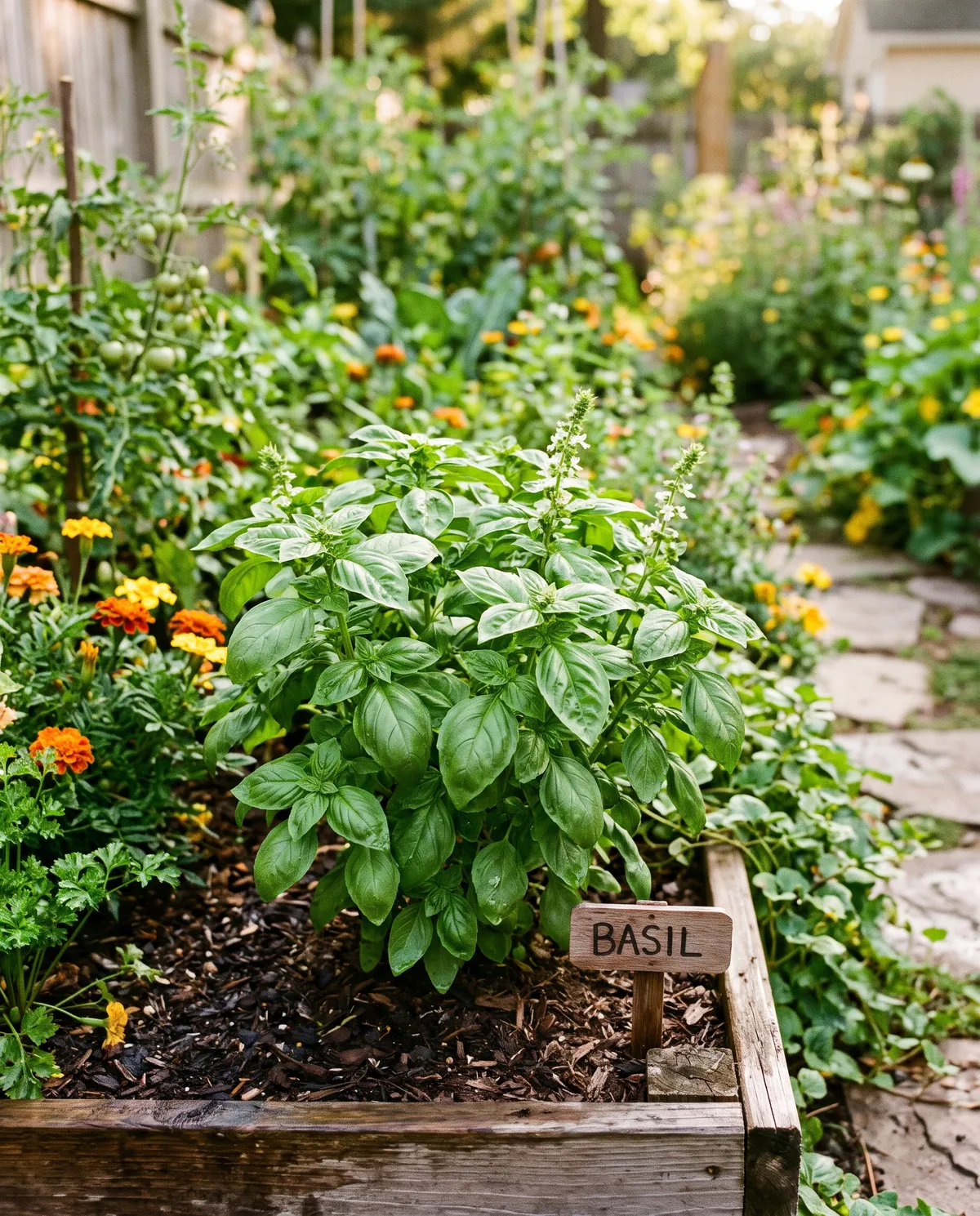
If you want an easy herb that gives you a big reward, you should grow basil in your spring garden. It smells amazing, tastes even better, and makes your whole garden feel alive.
Basil is one of those plants that quickly earns its space. You can snip a few leaves for dinner, enjoy the scent on your hands, and watch bees visit the flowers later in the season.
I always think basil is one of the best herbs for backyard gardeners because it does so much. It is useful, pretty, simple to pick, and perfect for anyone who loves fresh flavors.
The big thing to remember is this: basil loves warmth. That is why timing matters so much in spring.
If you plant basil too early, it can struggle right away. Cold soil and chilly nights can slow it down, damage the leaves, or even kill young plants.
So the safest move is to wait until after your last frost date. Once the weather settles and nights are warmer, basil will start growing with much less stress.
A lot of gardeners get excited on the first warm day of spring and rush to plant everything. I have done that before, and basil was one of the first plants to remind me to be patient.
Basil really hates cold conditions. Even if the days feel nice, cool nights can still hold it back.
If you are not sure whether it is warm enough, wait a little longer. Basil usually rewards patience with faster growth and healthier leaves.
Grow Basil In Your Spring Garden - Where To Plant
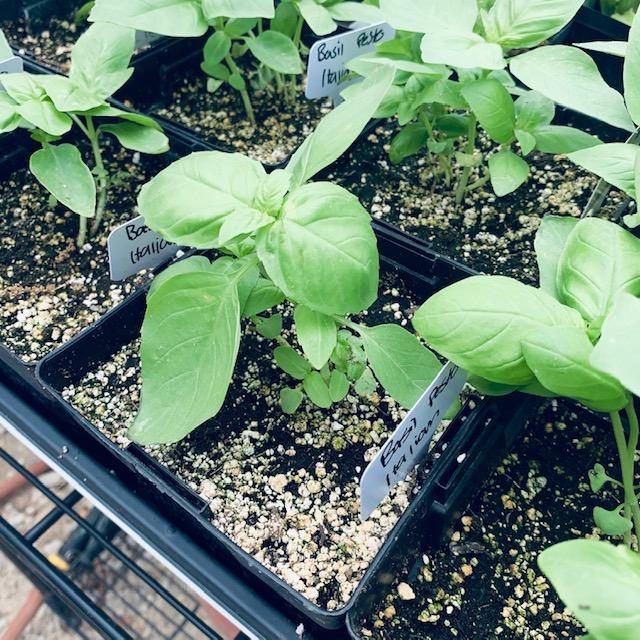
When you choose a planting spot, look for full sun. Basil does best when it gets about 6 to 8 hours of sunlight each day.
A sunny garden bed works well, but containers are also a great choice. In fact, basil often grows beautifully in pots on a patio, porch, deck, or balcony.
Growing basil in a container can be especially helpful in spring. If nights are still cool, you can bring the pot indoors or move it to a more protected spot.
That simple trick can save your plants from a surprise cold snap. It is one of the easiest ways to grow basil in your spring garden without worrying quite as much about the weather.
Grow Basil In Your Spring Garden - Soil
Basil also likes good soil. It grows best in rich, well-drained soil that holds some moisture but does not stay soggy.
Before planting, mix compost into the soil. Compost helps improve texture, adds nutrients, and gives basil a strong start.
If your soil is heavy and stays wet, basil may not thrive. Wet roots can lead to weak plants and disease problems.
In containers, use a quality potting mix rather than digging up garden soil. A loose mix drains better and helps roots spread more easily.
Grow Basil In Your Spring Garden - Seed Or Transplant?
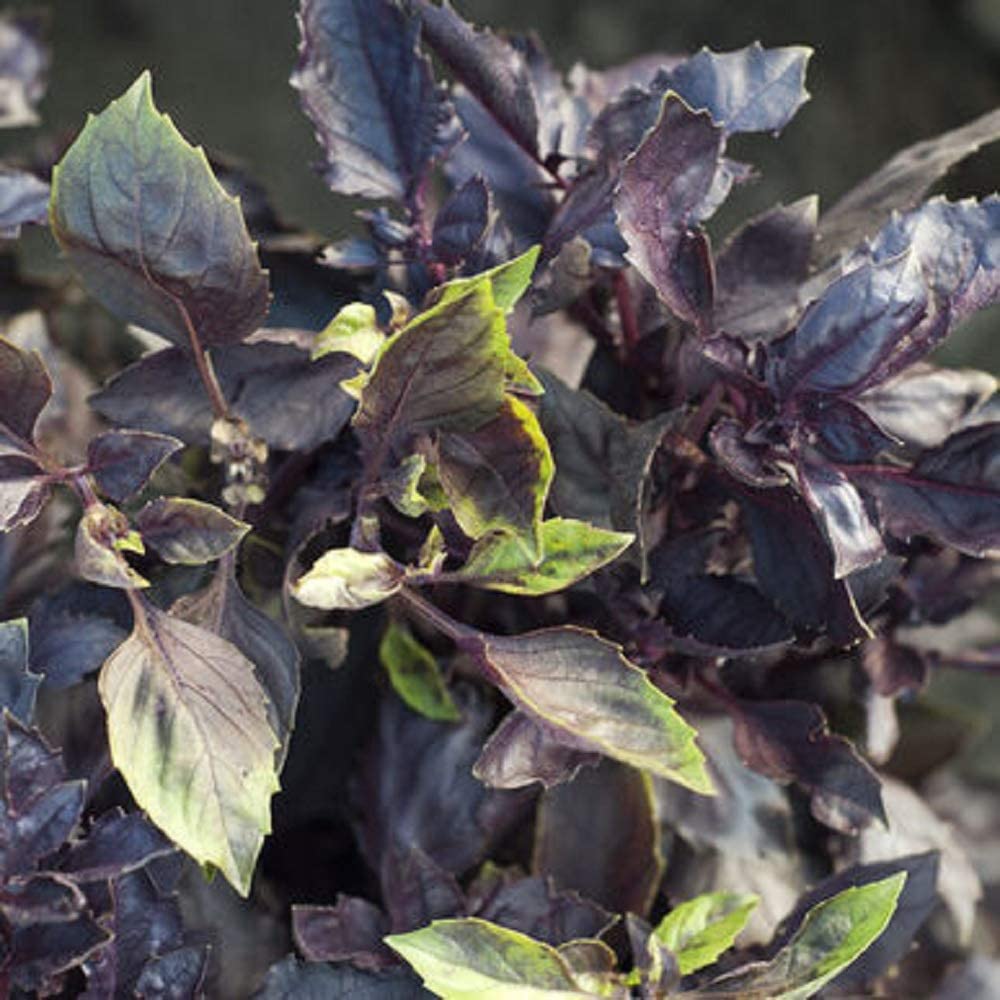
You can start basil from seed or use transplants. Both methods work well, so the best choice depends on how quickly you want to harvest.
If you sow seeds directly, plant them about 1/4 inch deep. Cover them lightly and keep the soil gently moist while they sprout.
If you transplant seedlings, give them room to grow. Space them about 10 to 12 inches apart so air can move around the plants.
That spacing matters more than many people think. Crowded basil can stay damp longer, and that can raise the risk of disease.
Grow Basil In Your Spring Garden - Watering
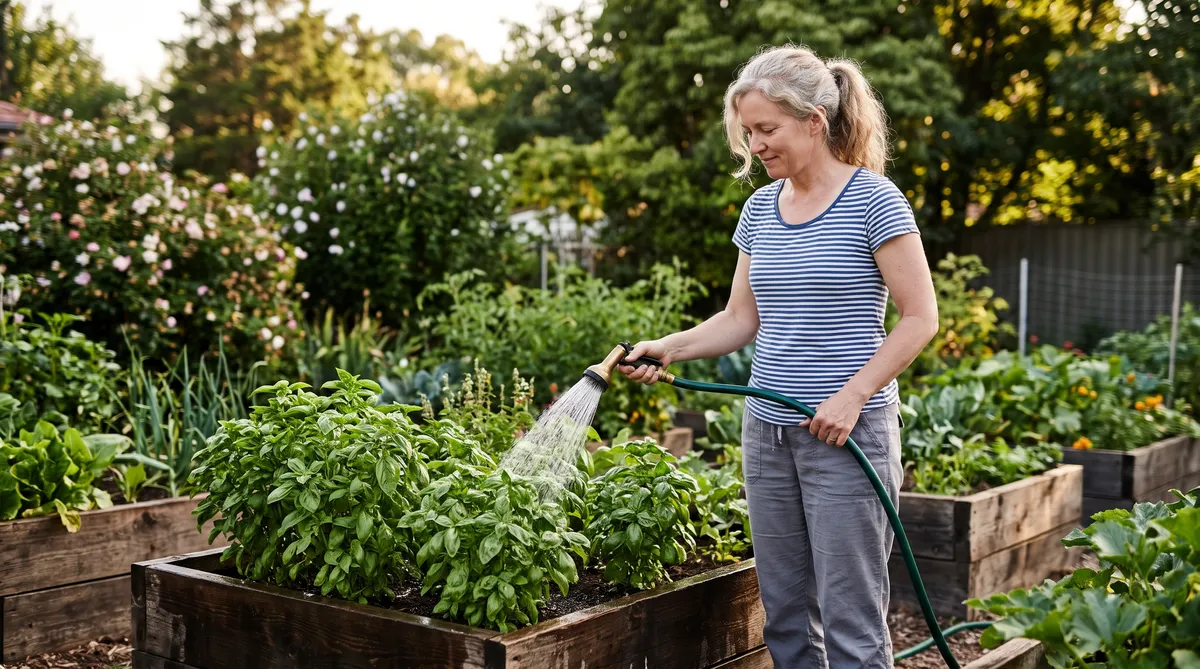
After planting, water basil consistently. You want the soil to stay slightly moist, not soaked.
Basil does not want to sit in soggy ground. Too much water can be just as harmful as too little.
Try watering at the base of the plant instead of over the leaves. This helps keep foliage drier and may help prevent disease problems.
In warm spring weather, check basil often. Containers can dry out faster than garden beds, especially on sunny days.
Grow Basil In Your Spring Garden - Pinching Leaves

Once your basil plants are several inches tall, start pinching off the top leaves. This is one of the best things you can do for a fuller, stronger plant.
Pinching tells the plant to branch out. Instead of one tall stem, you get a bushier basil plant with more stems and more leaves to harvest.
I love this part because it feels like a small action with a big payoff. A quick pinch now can mean a much better harvest later.
Keep pinching regularly as the plant grows. Frequent light trimming helps basil stay compact and productive.
Grow Basil In Your Spring Garden - Flowers
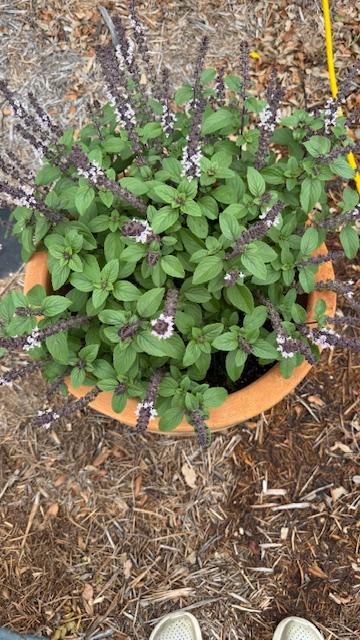
As the season goes on, watch for flower buds. Basil will naturally try to bloom, especially when the weather warms up.
Those flowers can attract bees and other pollinators, which is a nice bonus in the garden. Basil is great for pollinators as well as for humans.
Still, if your main goal is tender, flavorful leaves, pinch off the flower buds. Once basil puts more energy into blooming, leaf quality can drop.
Removing buds helps the plant keep producing soft, tasty leaves. It is a simple step that can stretch your harvest.
Grow Basil In Your Spring Garden - Harvesting
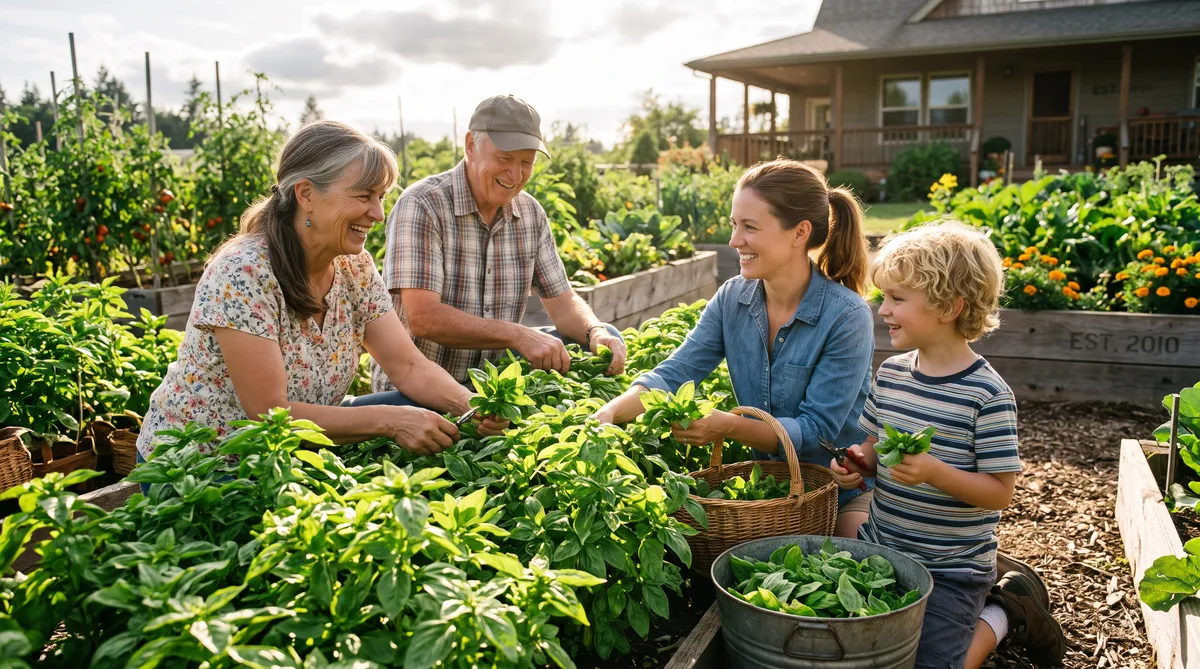
When basil is established, start harvesting regularly. Pick leaves often to keep the plant active and growing.
A good rule is to never remove more than about one-third of the plant at one time. That gives you enough to enjoy while still letting the plant recover well.
To harvest basil, use clean fingers or small scissors and cut just above a leaf pair. This encourages new shoots to form below the cut.
If you only pluck single large leaves from the bottom now and then, the plant may get tall and thin. Harvesting from the tips usually gives you a bushier shape.
Grow Basil In Your Spring Garden - In The Kitchen
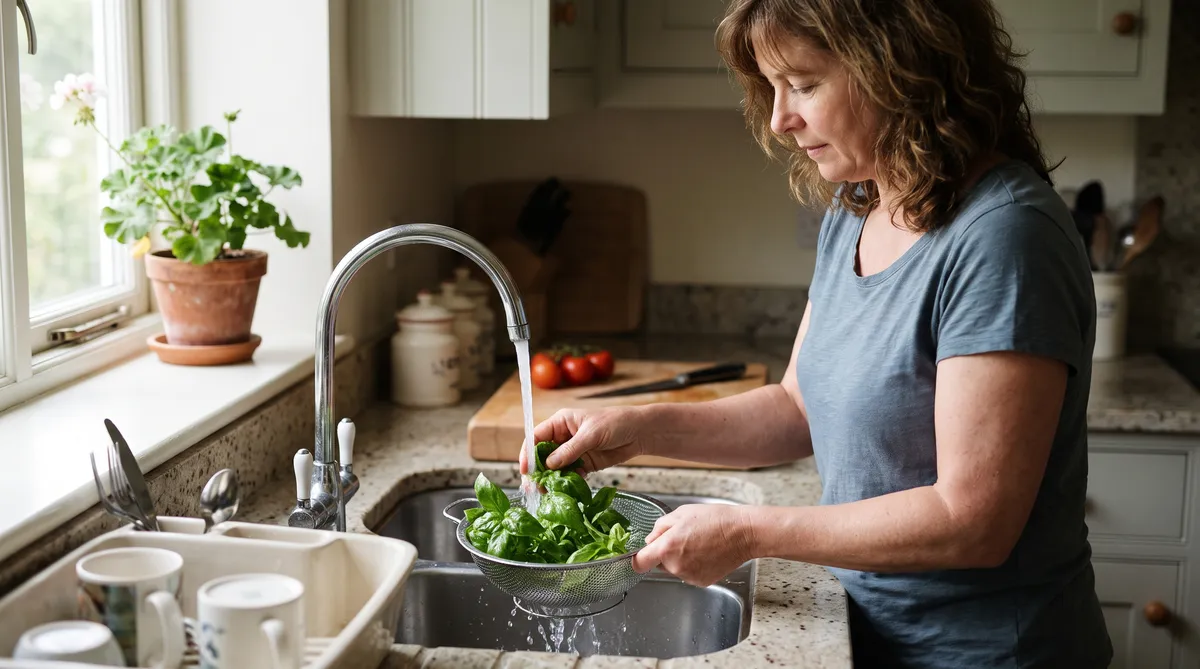
One of the best reasons to grow basil in your spring garden is how easy it is to use right after harvest. You can go from garden to table in minutes.
Many people use basil in cooking because it adds fresh, sweet, peppery flavor to simple meals. A handful of leaves can wake up pasta, pizza, salads, eggs, soups, and sandwiches.
Fresh basil in the kitchen feels like one of the real joys of gardening. Even a small plant can make everyday meals taste more special.
Grow Basil In Your Spring Garden - Ideas For Cooking
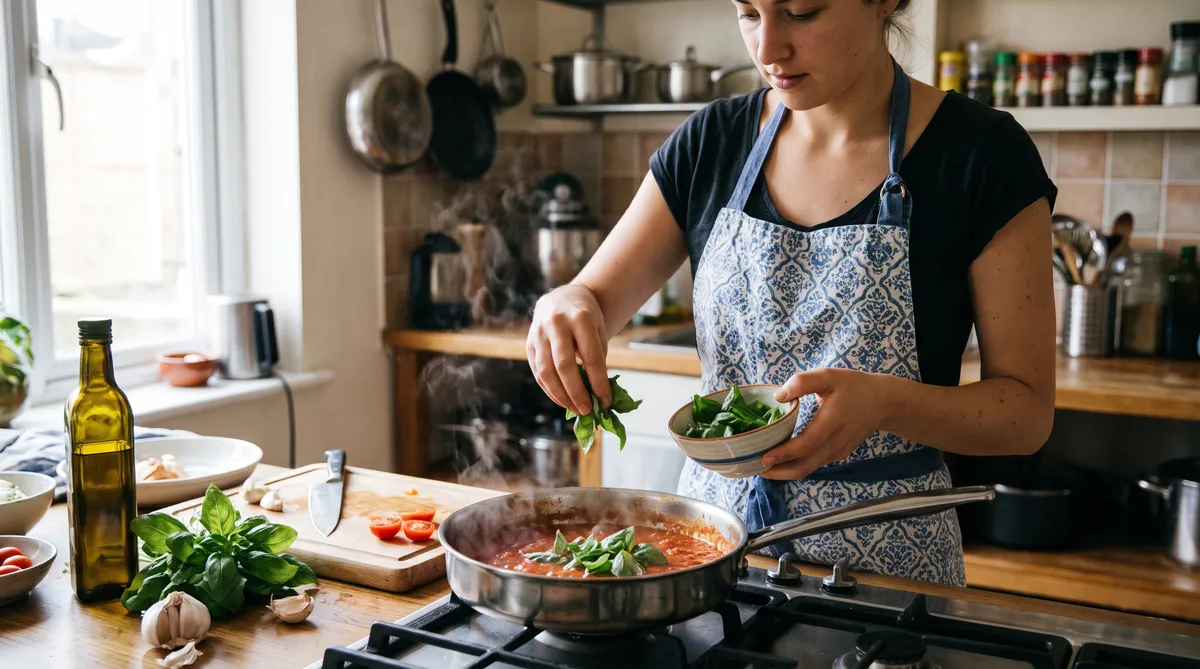
Sweet basil is the classic choice for many home cooks. Genovese is also very popular and is often loved for pesto and Italian-style dishes. As of this writing, we (David's Garden Seeds) sell 9 varieties of basil including one pelleted variety.
Thai basil has a different flavor and is wonderful in many stir-fries, curries, and noodle dishes. Purple basil adds bold color and can make the garden look extra beautiful.
If you want to try a simple basil recipe, make easy basil pesto. Blend fresh basil leaves, olive oil, garlic, grated hard cheese, nuts such as pine nuts or walnuts, and a little salt until smooth.
Toss that pesto with hot pasta, spread it on toast, spoon it over chicken, or swirl it into soup. It is one of the fastest ways to enjoy a big basil harvest.
You can also make a quick tomato and basil salad. Just combine sliced tomatoes, basil leaves, olive oil, a little salt, and a splash of vinegar if you like.
If you want a warm drink, you can make basil tea. Steep a few fresh basil leaves in hot water for several minutes, then strain and drink plain or with a little honey.
Grow Basil In Your Spring Garden - Oils
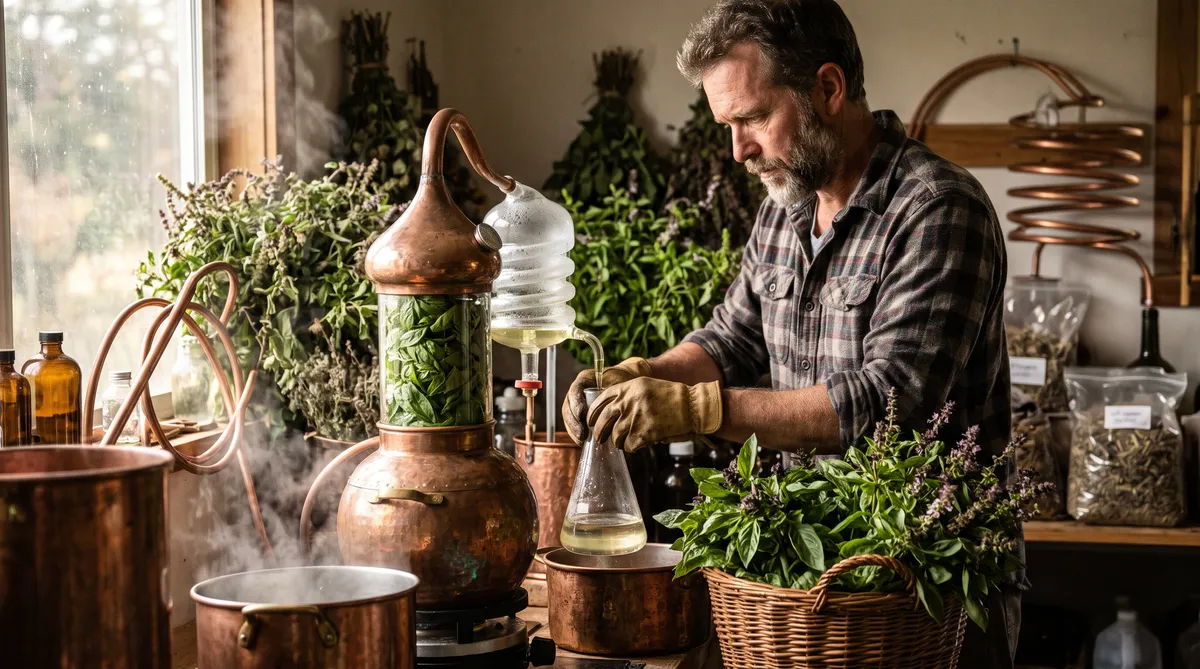
Some people also ask about basil essential oil. True essential oil extraction is usually done by steam distillation, and it takes a large amount of plant material and proper equipment.
For most home gardeners, it is more practical to make a basil-infused oil for fragrance or culinary use instead of trying to extract essential oil. If you make infused oil for cooking, use clean ingredients and handle it carefully for food safety.
Another nice thing about basil is how welcoming it can make your garden feel. When bees visit basil blooms, the whole space seems more active and healthy.
That is one more reason every backyard gardener should give it a try. You get an herb for your meals, and pollinators get a useful plant too.
Grow Basil In Your Spring Garden - Get Your Seeds From David's Garden Seeds

If you are buying seeds or starts this spring, choose varieties that match how you cook and how you want your garden to look. I recommend that gardeners get their basil seeds from David's Garden Seeds.
Grow Basil In Your Spring Garden - Review

For beginners, container growing can be the easiest path. A warm, sunny pot with rich soil and steady water can give you a lot of basil with very little fuss.
If late spring weather still feels uneven where you live, that container method is even smarter. You can move the plant when nights turn cool and protect it more easily.
To grow basil in your spring garden successfully, remember the basics: wait for warm weather, give it sun, use rich well-drained soil, water evenly, and pinch it often.
If you follow those simple steps, your basil should stay leafy, bushy, and productive for weeks. Then you can harvest often, keep flowers pinched back, and enjoy the flavor again and again.
In the end, basil is one of the most rewarding herbs you can grow. When you grow basil in your spring garden, you get beauty, pollinator interest, and delicious harvests all in one plant.
Monday, October 26, 2026
Good morning. Today is the monthly pest control visit for the business. It is currently 7am and 63° outside with an expected high of 84° today.
Tuesday, October 27, 2026
Wednesday, October 28, 2026
Thursday, October 29, 2026
Friday, October 30, 2026
Saturday, October 31, 2026
Sunday, November 1, 2026
Return from Grow Basil In Your Spring Garden to Year 8 Of Life On The Farm
Anything To Share On This Topic?
Would you like to share additional information about this topic with all of us?
Since 2009, over 2,000,000 home gardeners, all across the USA, have relied on David's Garden Seeds® to grow beautiful, productive gardens. Trust is at the heart of it. Our customers know David's Garden Seeds® stocks only the highest quality seeds available. Our mission is to become your lifetime supplier of quality seeds. It isn't just to serve you once; we want to earn your trust as the primary supplier of all of your garden seeds.
Watch Our 2022 TV Commercial!
Sing Along To Our Jingle
♪♫♪♪ ♫ ♪ ♫♪♫♫
♪♫♪♪♫♫
Peppers and peas
And lots of yummy greens
You can't go wrong
With Squash This Long
At David's Garden Seeds
♪ ♫ ♪ ♫
Our New 2024 TV Ad
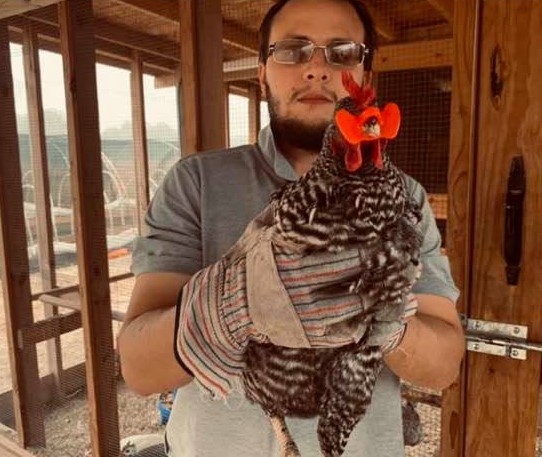
Please like and subscribe on YouTube and come visit us at our Farm Store! The music on our TV ad was written, played, and sung by our son, Matthew Schulze. You can meet him when you come to the farm. He just might give you a tour. Ask him to grab a guitar and sing our jingle that he wrote.
Our 2022 TV Ad

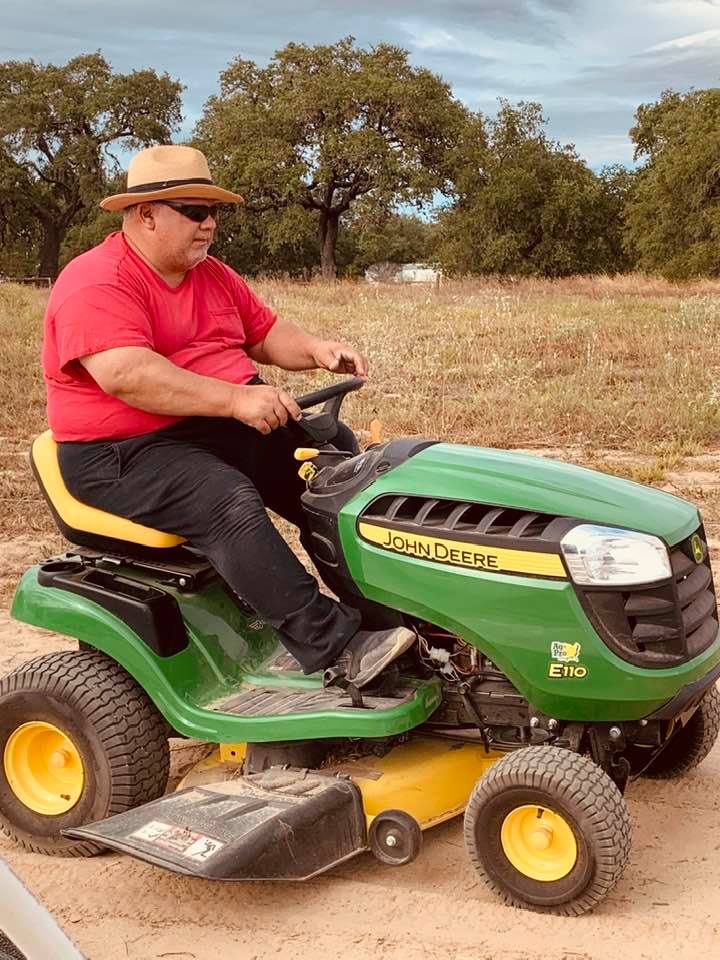 David of David's Garden Seeds® zipping along on his little tractor across the farm. He is having a blast!
We are David's Garden Seeds®. If you need great seeds, we've got over 800 varieties to choose from.
Subscribe To Mrs. David's Garden Seeds® Newsletter For FREE!


Find out what is going on down on the farm by reading our blog and by subscribing to our free newsletter for all of the information going down at David's Garden Seeds® and on the farm. I love to share helpful information with you. Please let your friends know and y'all come on down for a visit when you get the chance. We would love to meet you!
New Store Hours!
Farm Store Hours: Mon-Fri 10am-5pm, Sat 10am-2pm. Closed Sun-Wed.

Being out here in the country, we had awful internet & we could not stream TV. We got Starlink in April of 2025 & we love it! Now we can stream and work, even when it is raining!
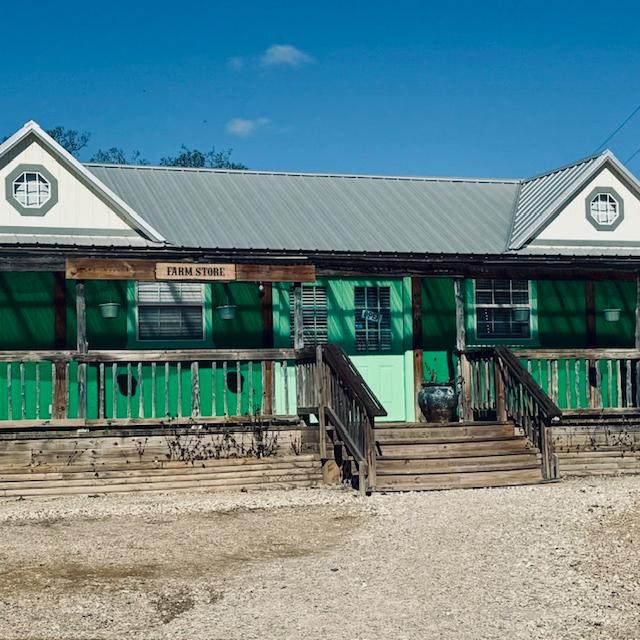 Our Farm Store
Shop for:
- Seeds
- Farm Fresh Eggs
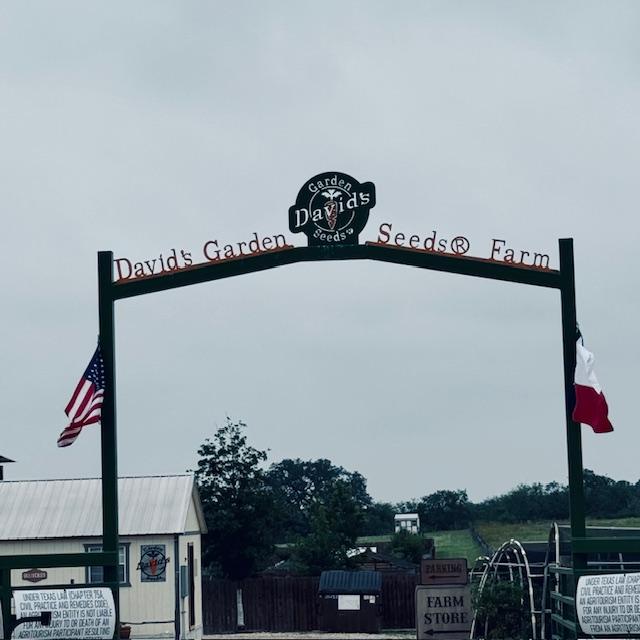
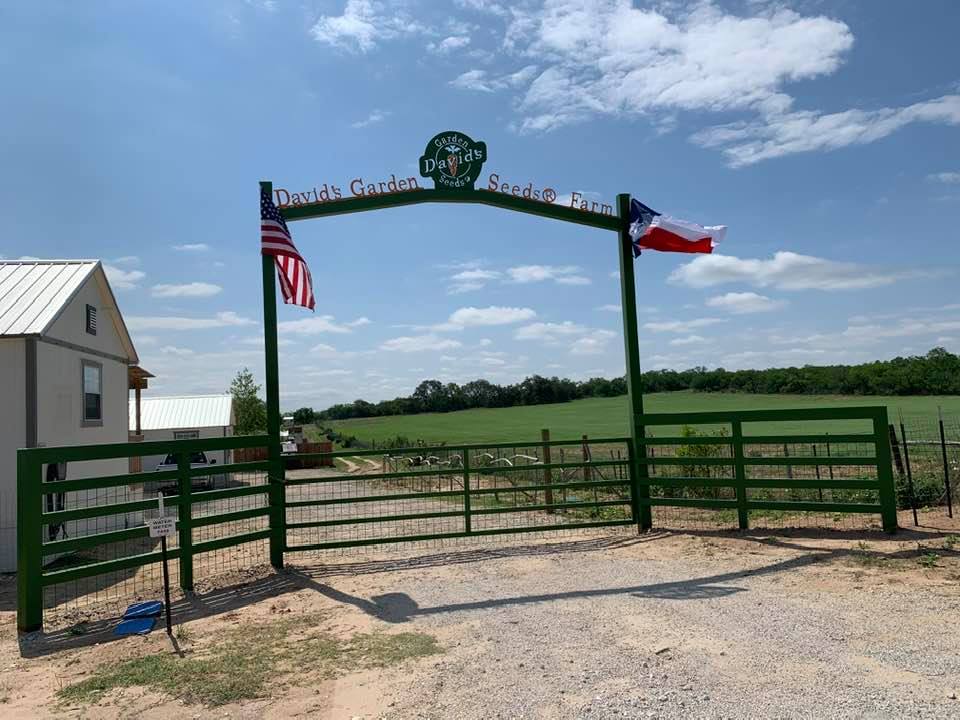
Our Farm is located at 5029 FM 2504 in Poteet, TX.
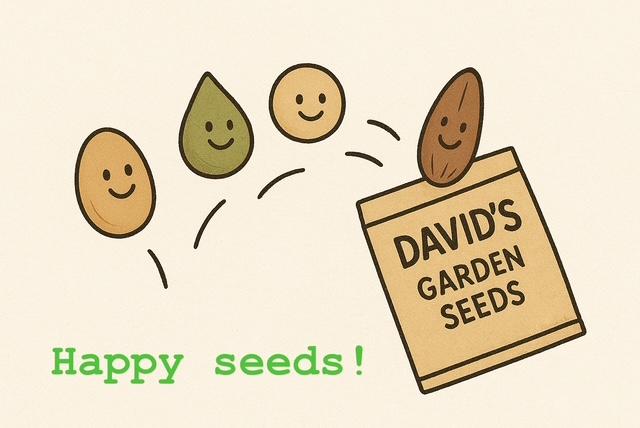 Only happy seeds make the cut to go into our seed packs!
David's Garden Seeds® has
seeds for the backyard gardener and farm fresh chicken eggs.
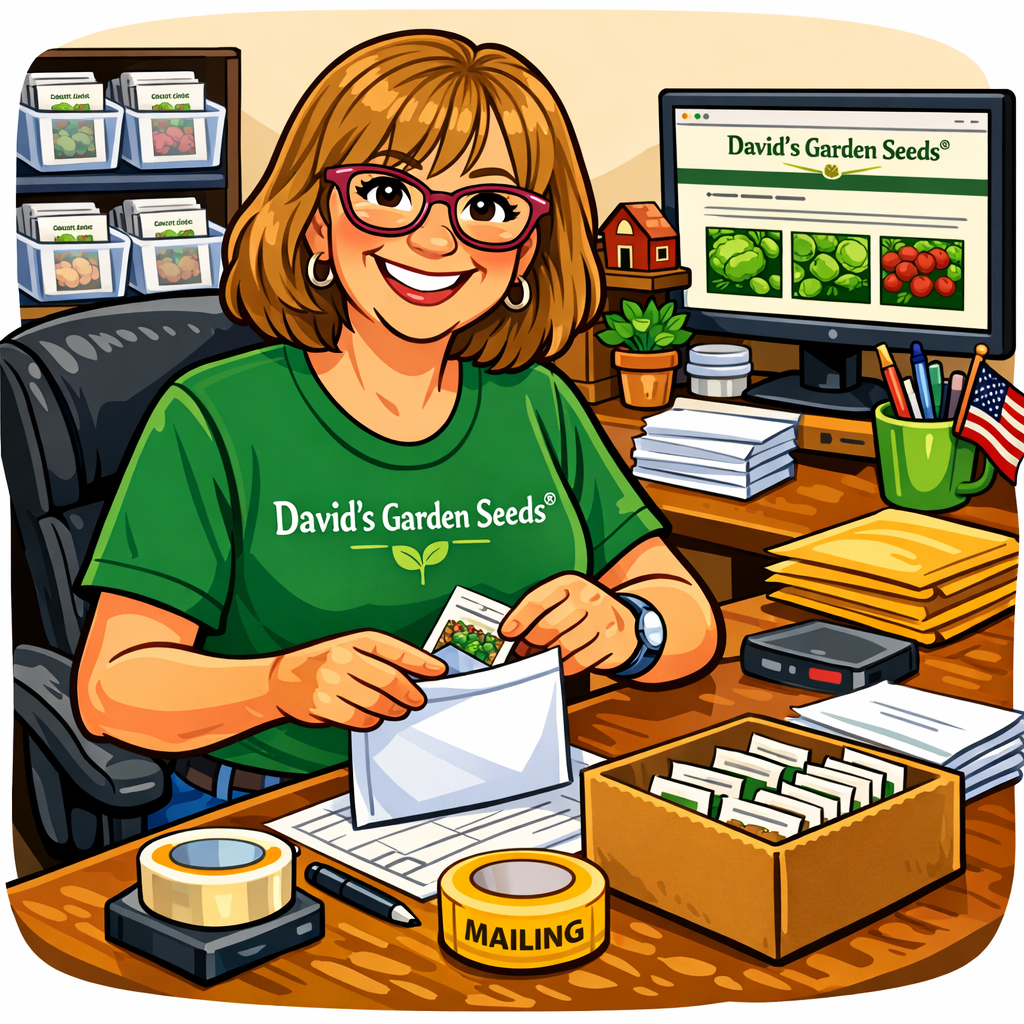
 David & Juanita work hard to pack your garden seed orders.


Sign Up For Our Newsletter Here!
   DGS YouTube Mrs
|
   |
Garden Ebooks
by Mrs. David's Garden Seeds
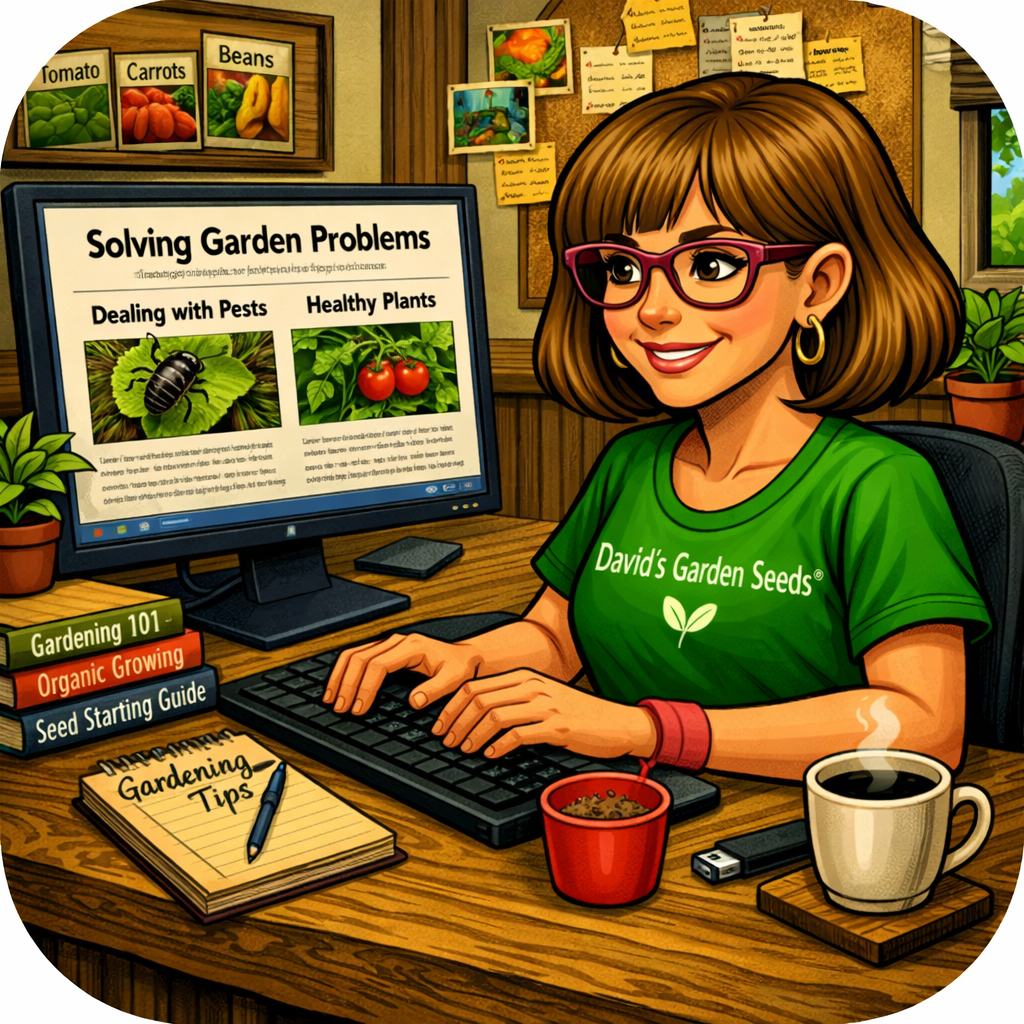 I've been busy creating eBooks to help you with your garden...
IMPORTANT NOTE: THE EBOOKS ARE DIGITAL DOWNLOADS (EBOOKS), NOT PHYSICAL BOOKS.
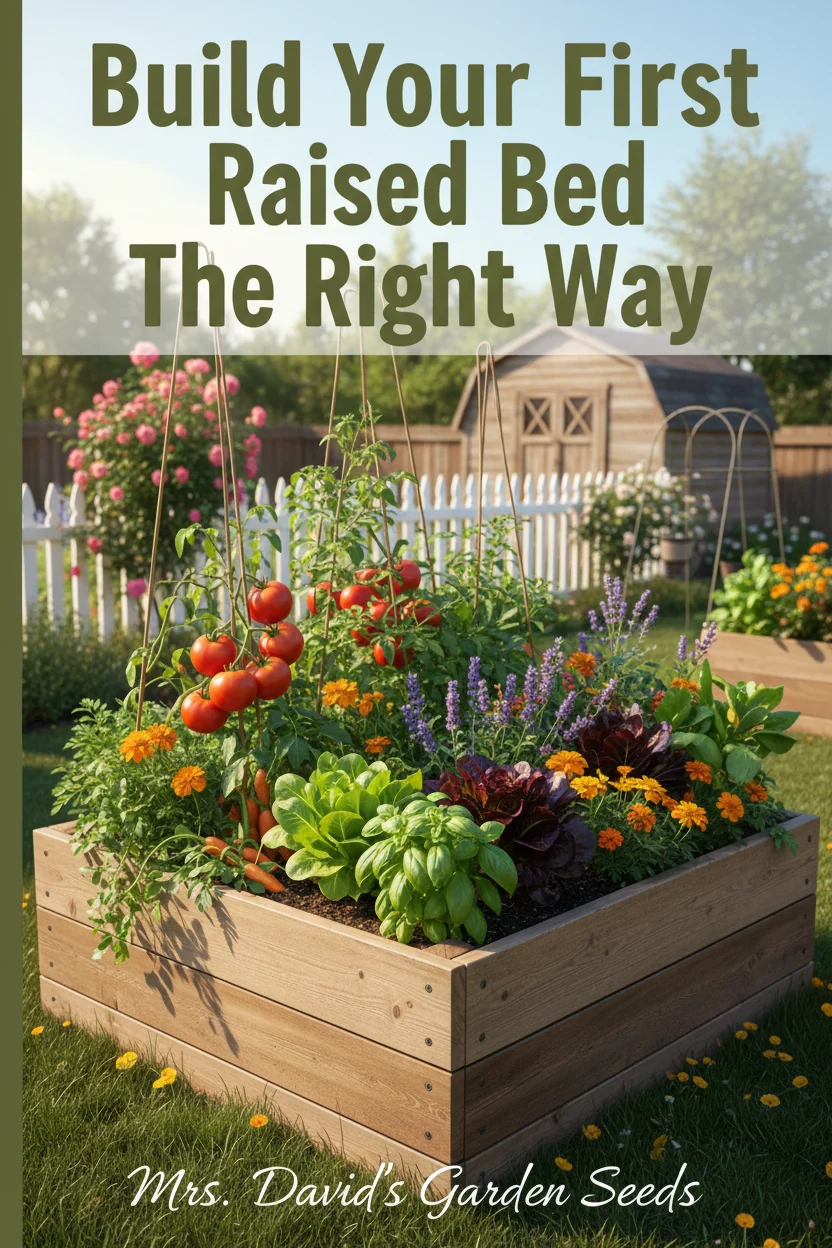
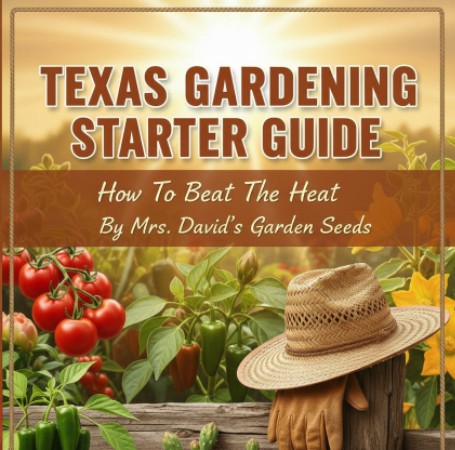
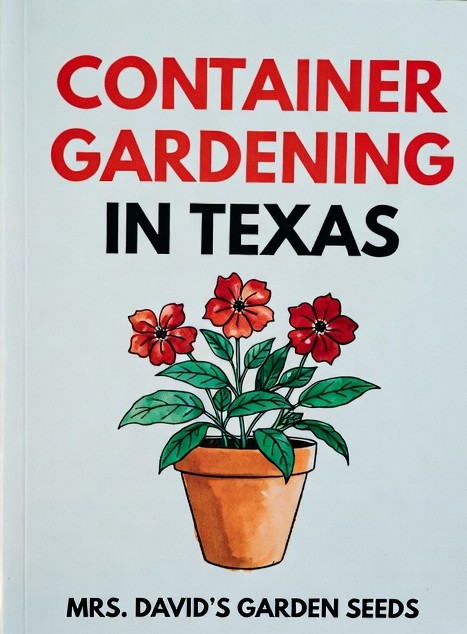
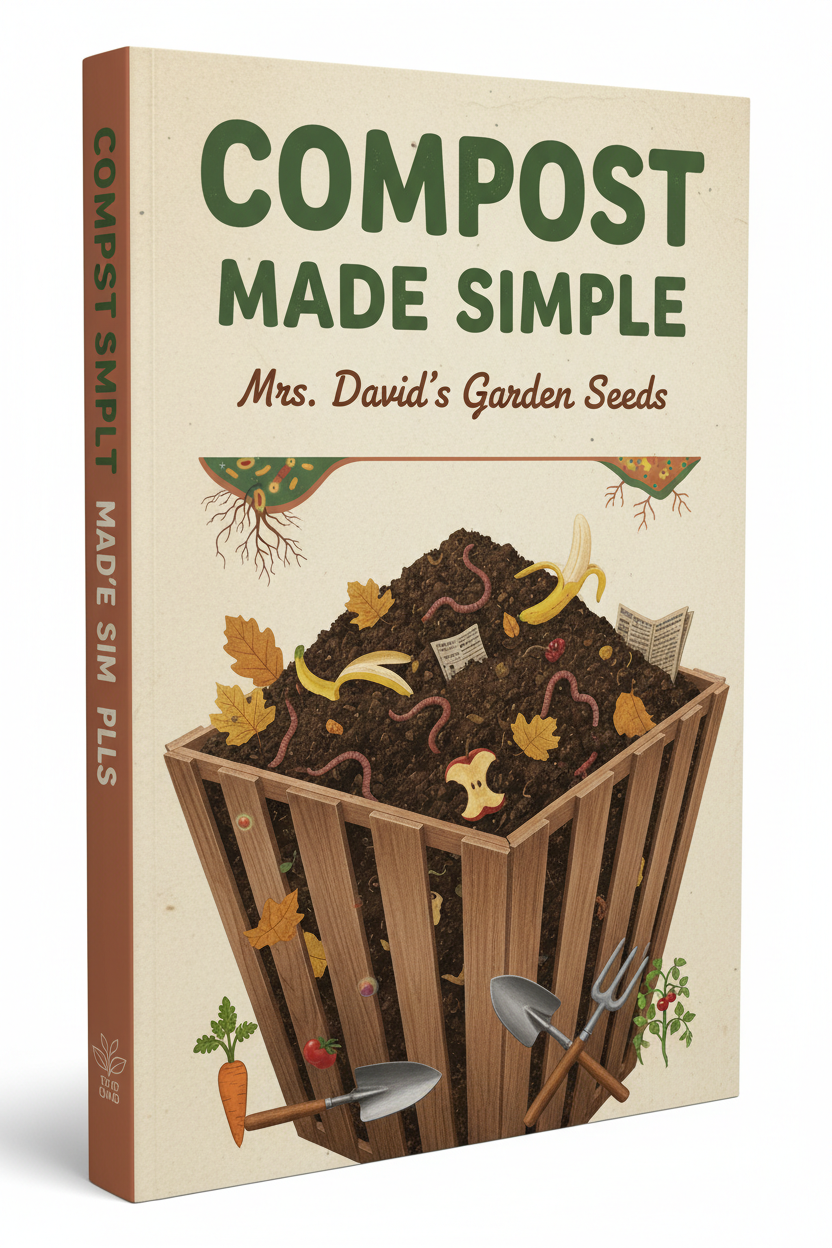
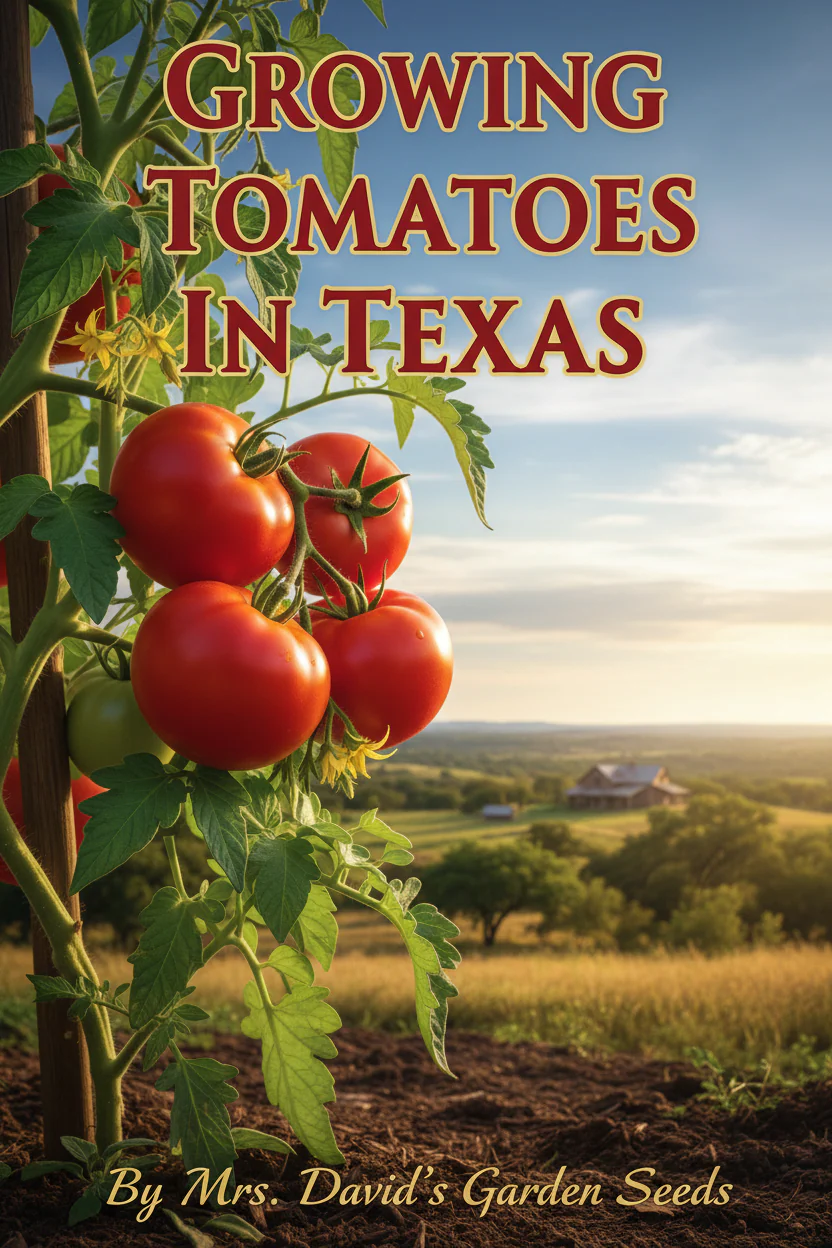
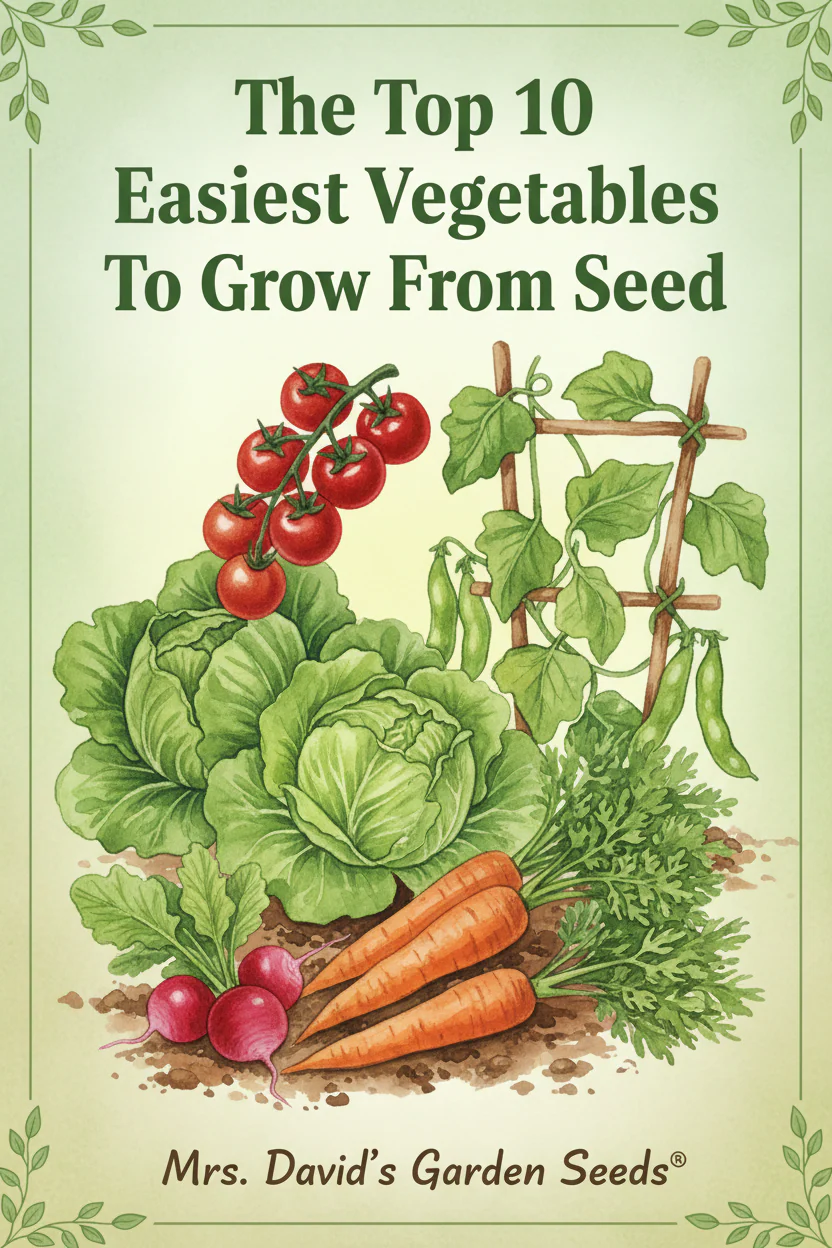
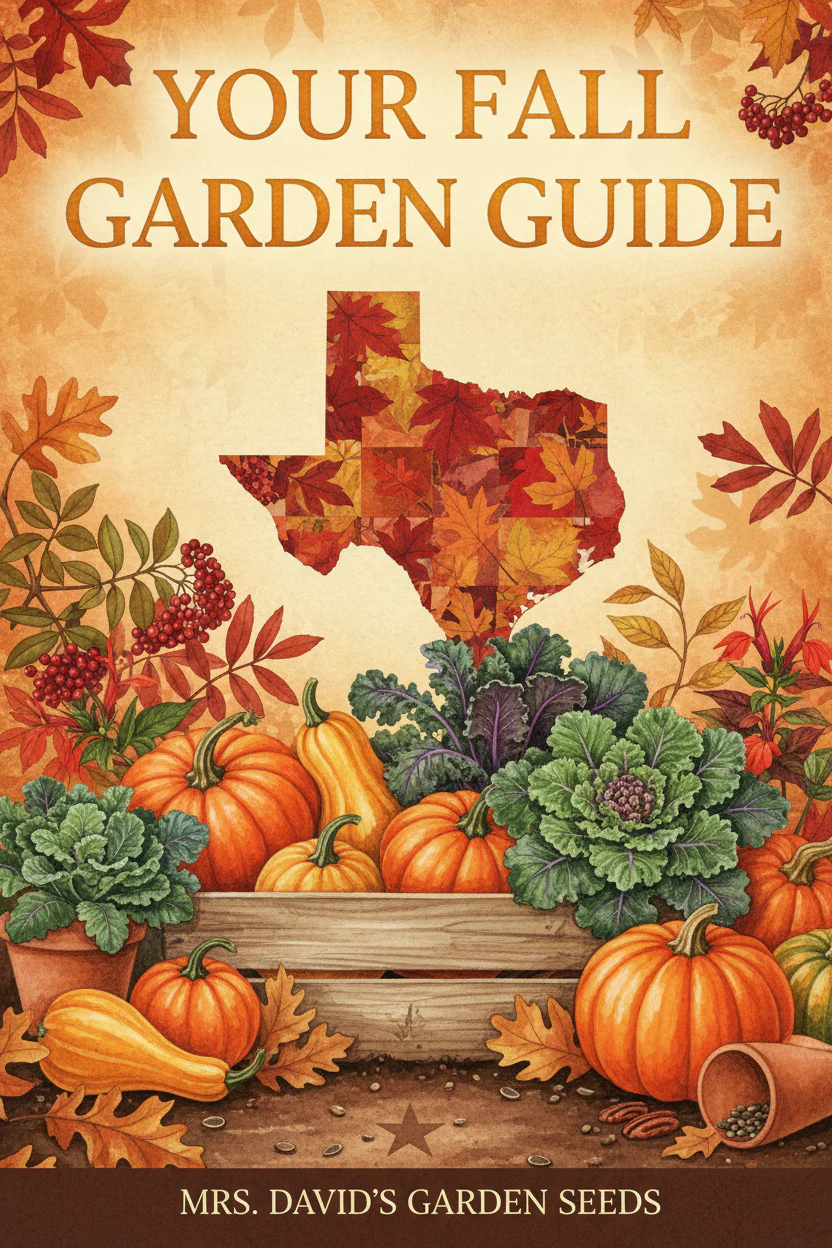
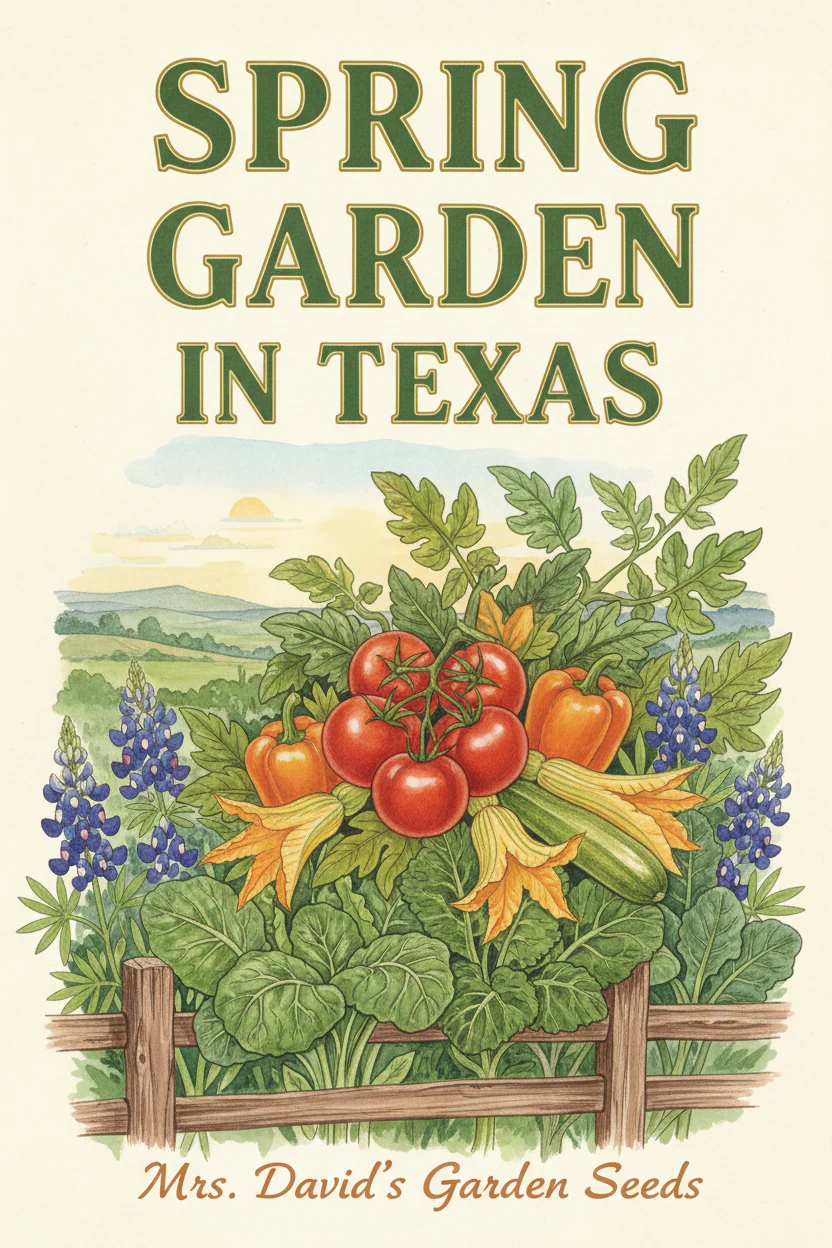
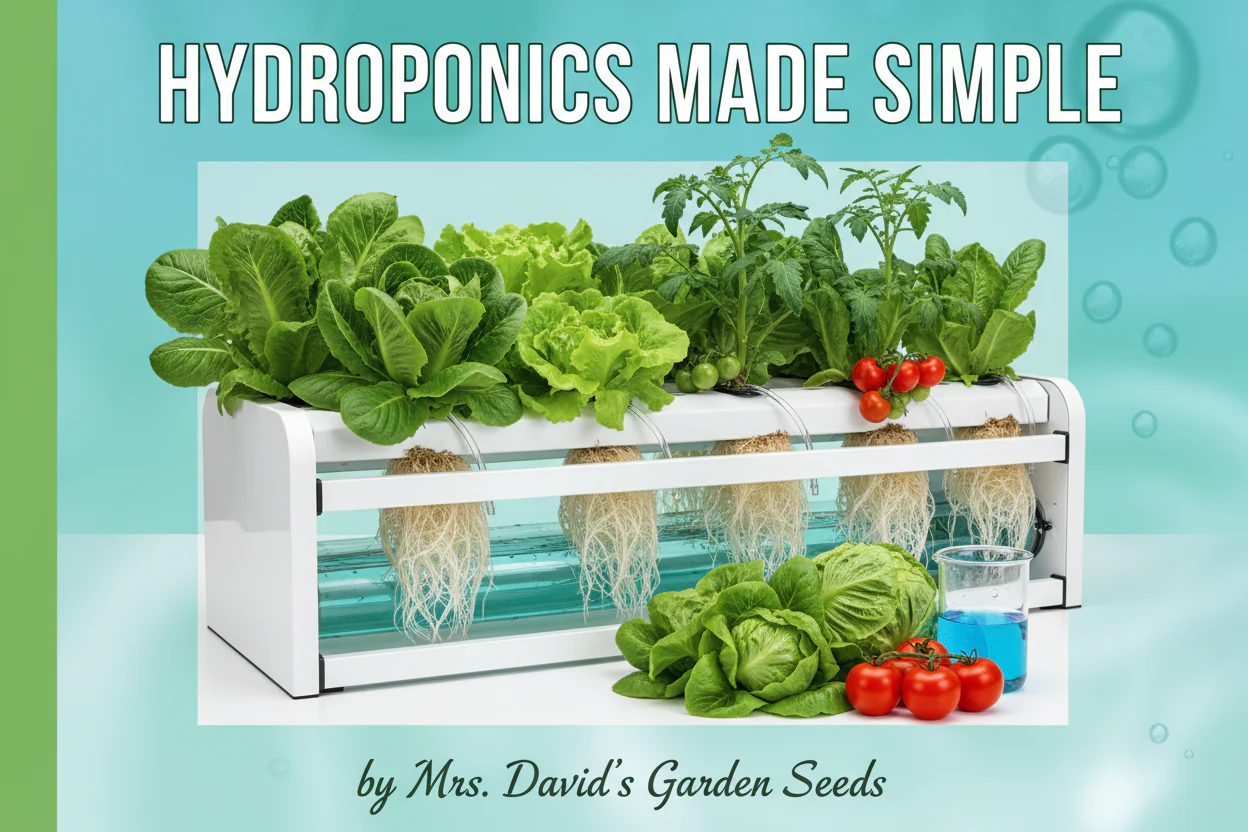
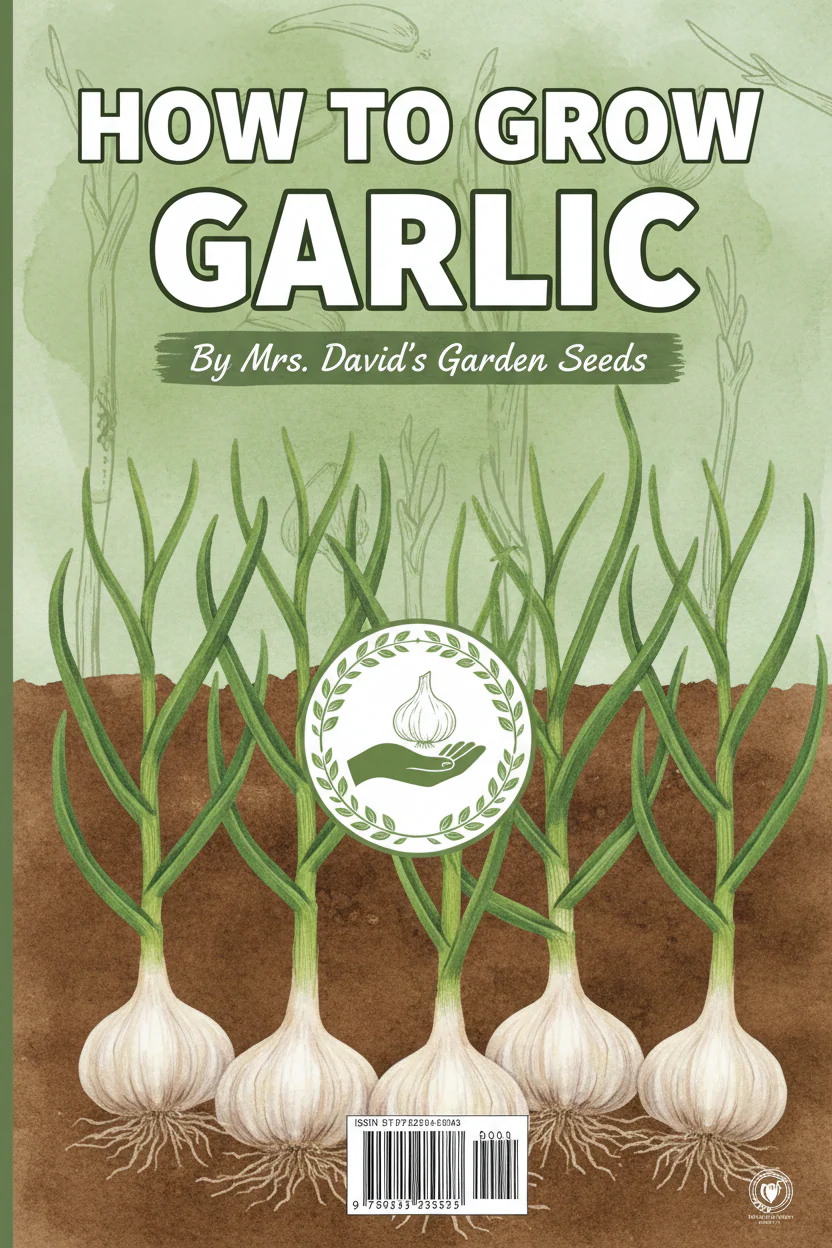
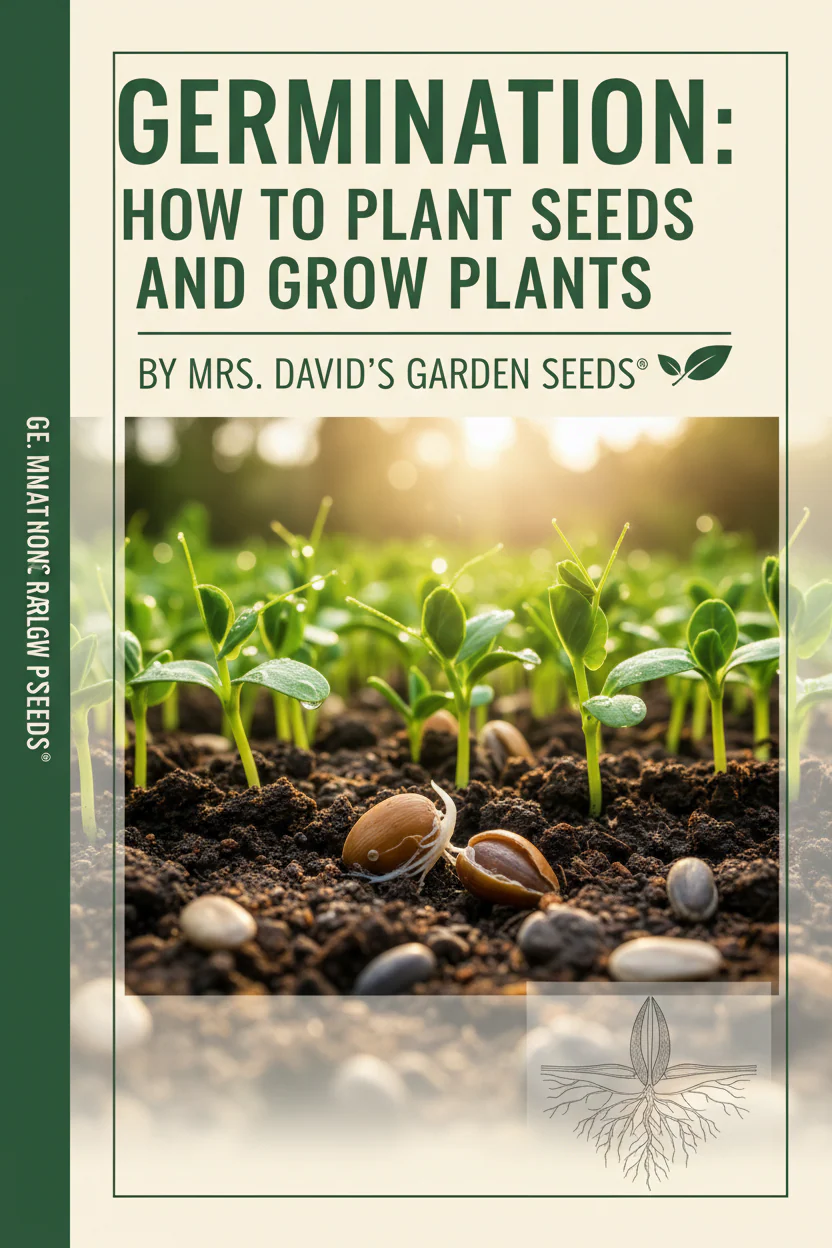
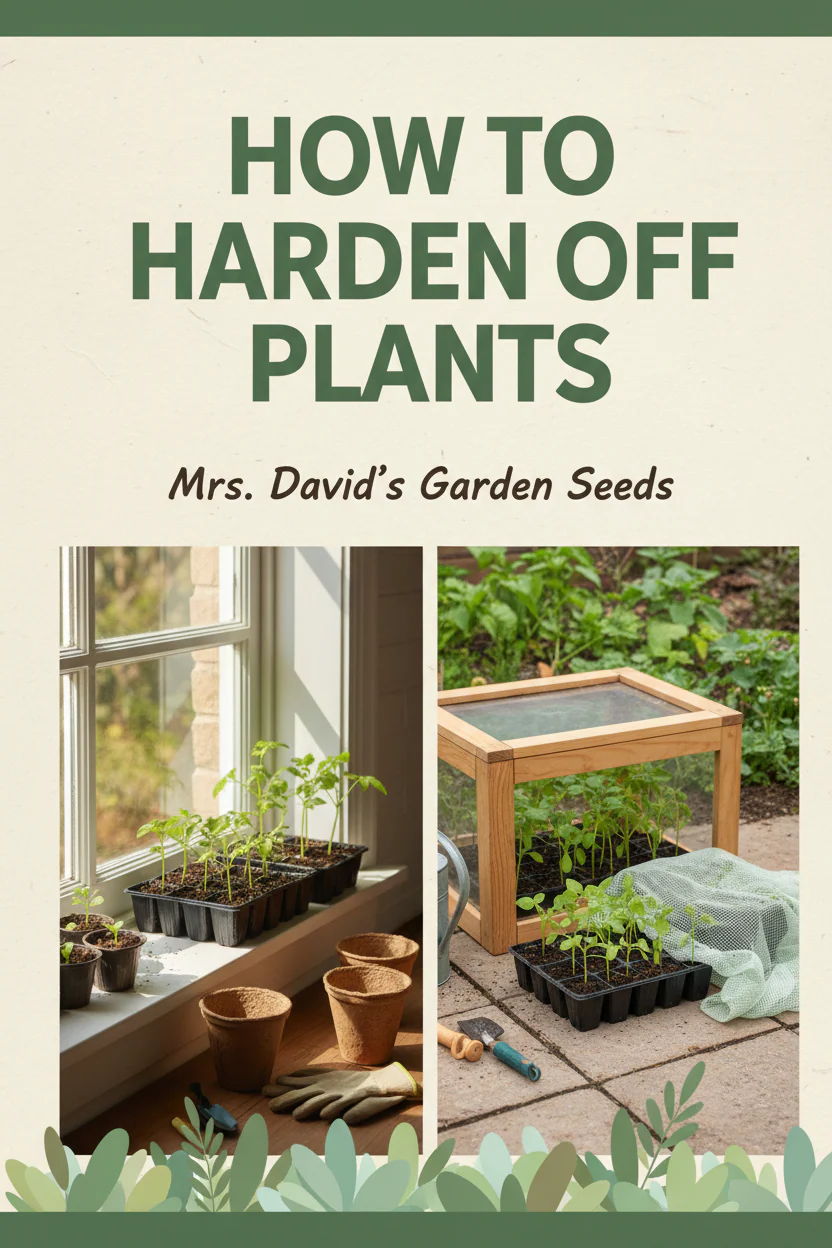
WE DO NOT REFUND OUR DIGITAL DOWNLOADS FOR OBVIOUS REASONS.
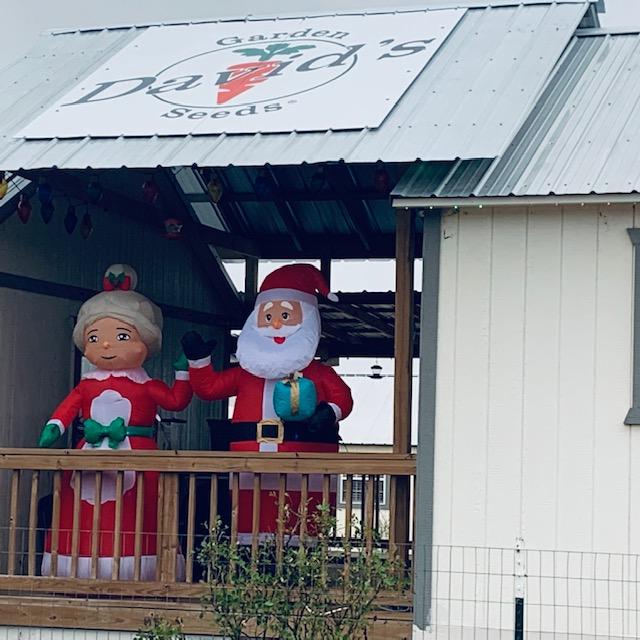
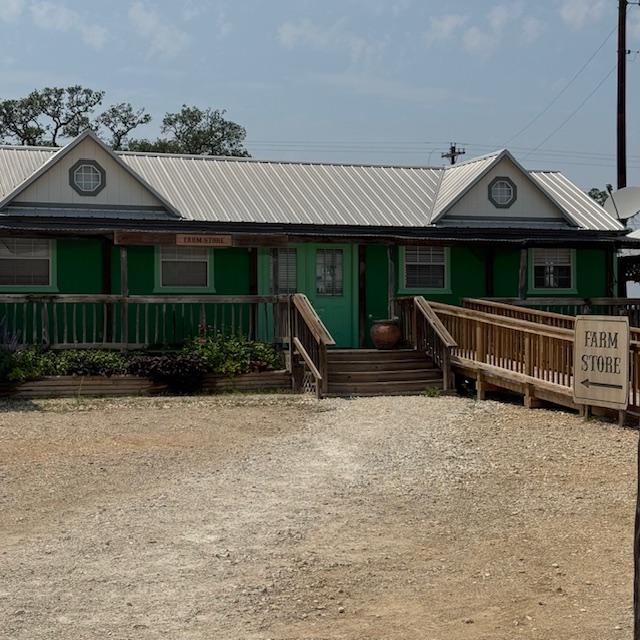 Our Farm Store is the green building
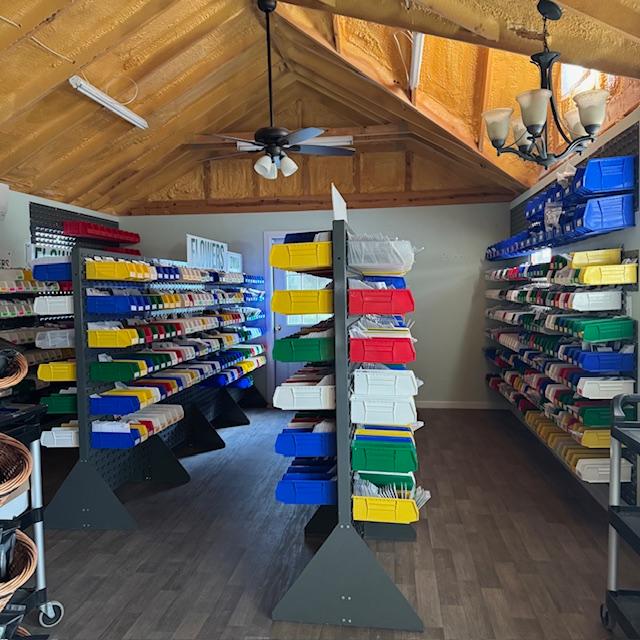 Inside our Farm Store...1400 varieties of seeds await you!
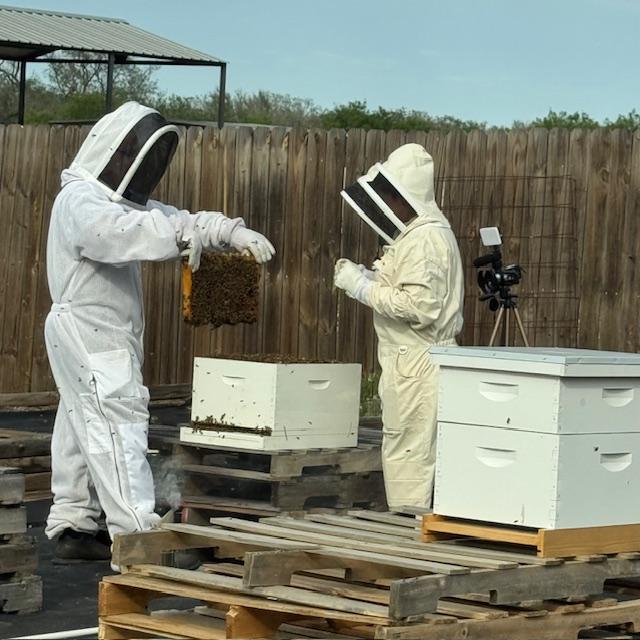 Our bee hives
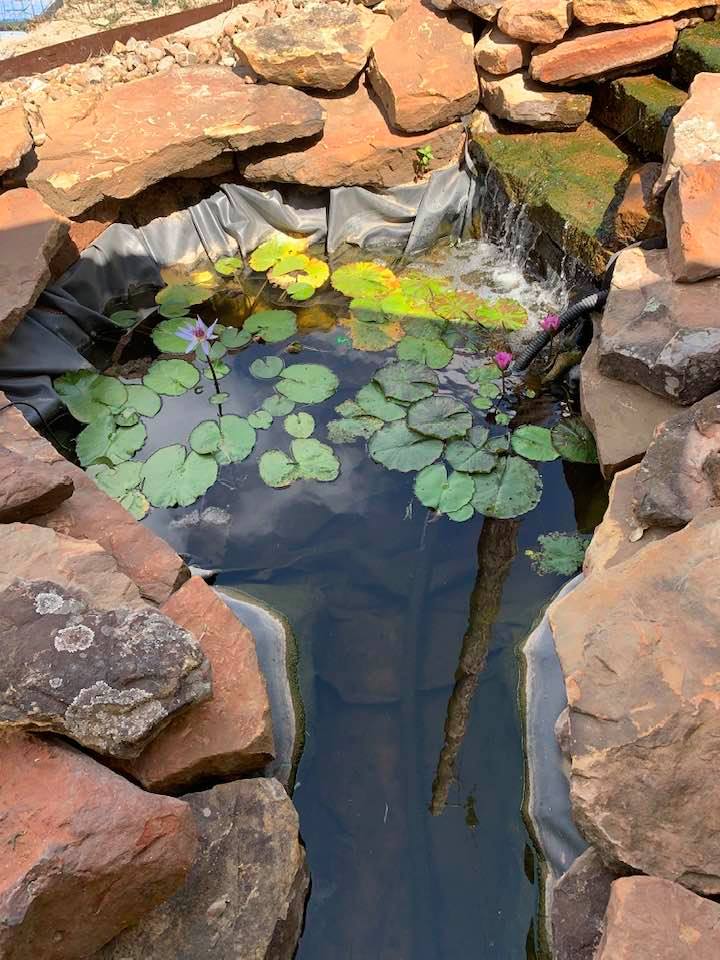
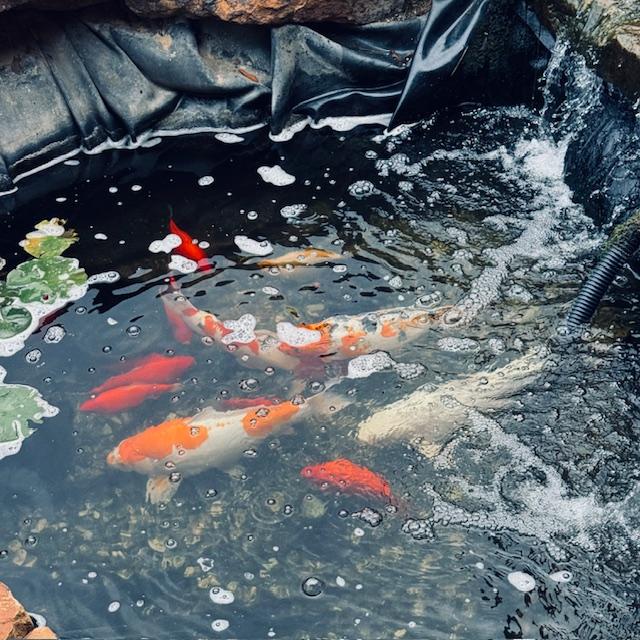 Our fish pond
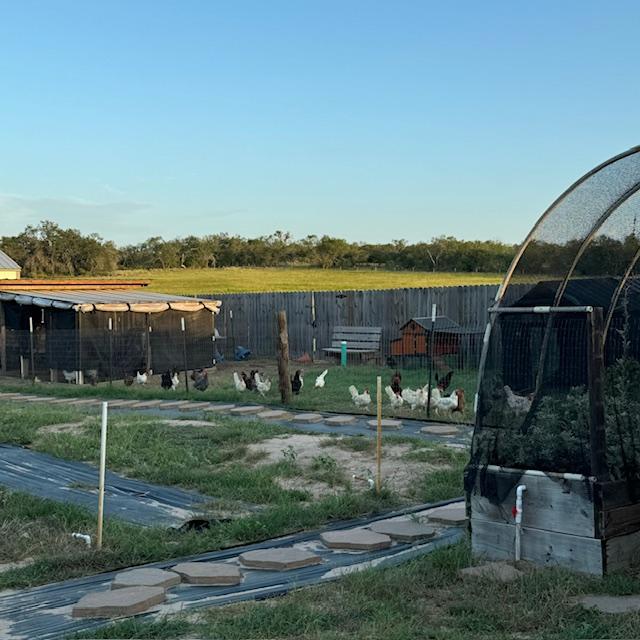 Our chickens
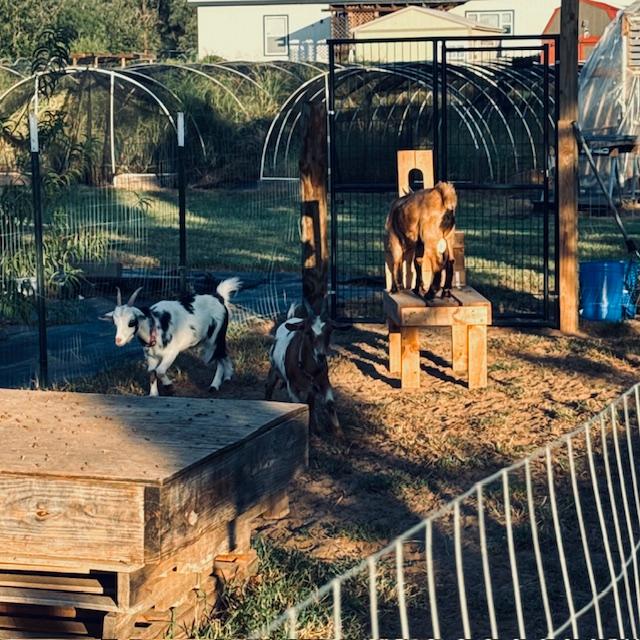 Our Nigerian Dwarf goats
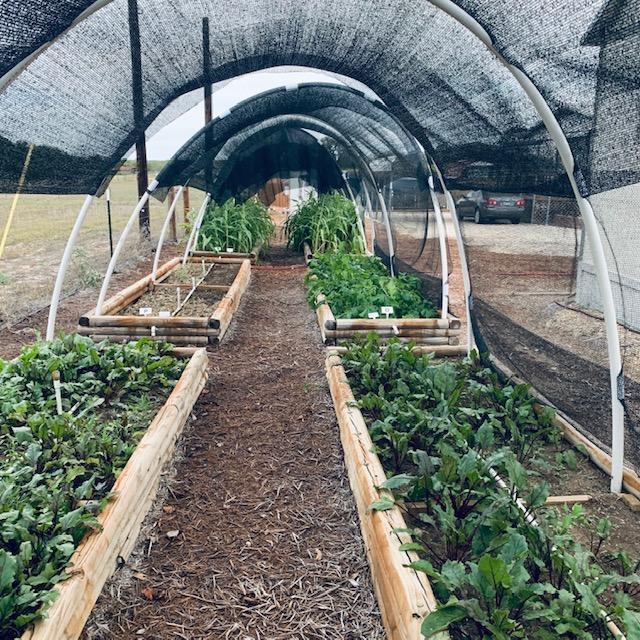
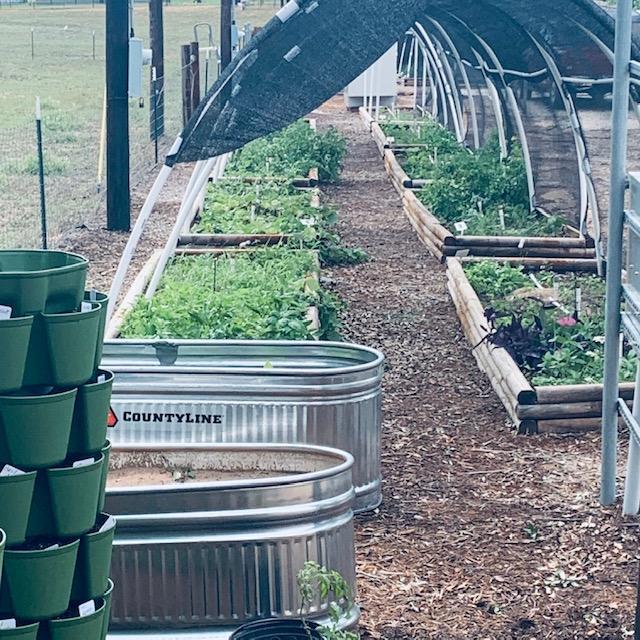 A few of our raised garden beds
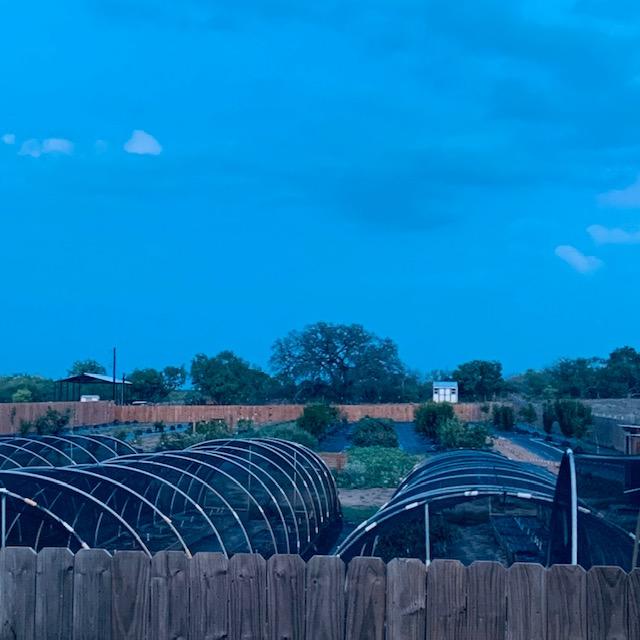 Our orchard and hoop houses
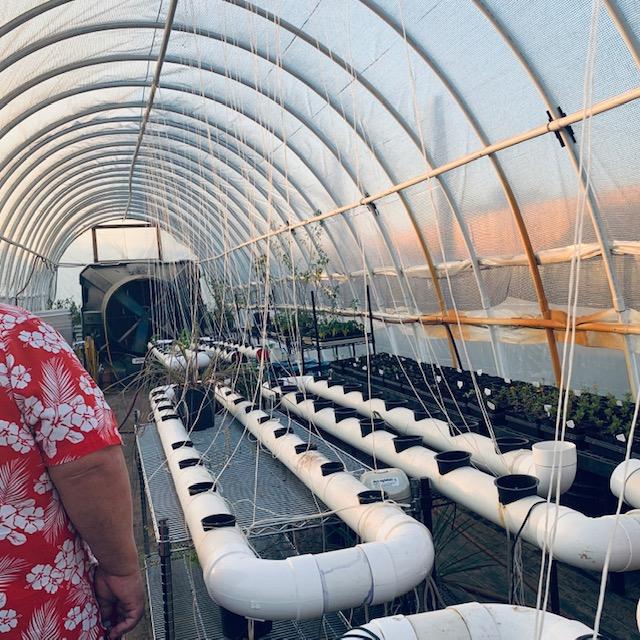 Inside our high tunnel
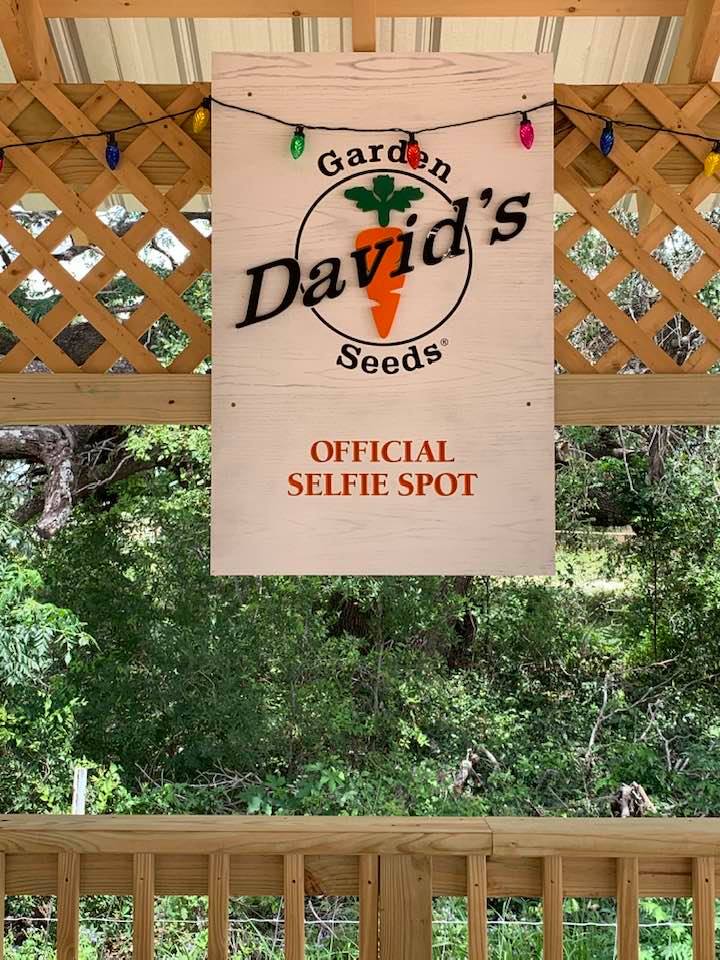 Take a selfie at our official selfie spot!
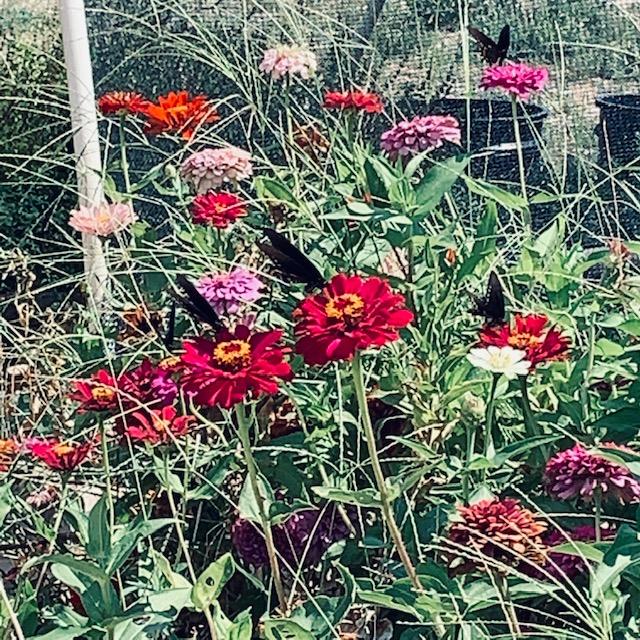 Flowers, bees, and butterflies are everywhere!
Watch Our TV Ads!
David's Garden Seeds® has the best Non-GMO seeds in the state of Texas!

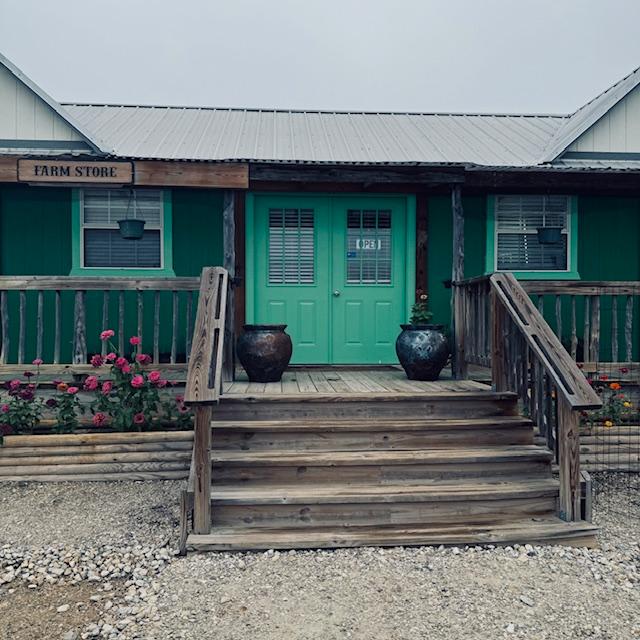 This is our beautiful Farm Store. Come in and shop for seeds. We have over 1600 Non-GMO heirloom varieties to choose from but we are in the process of bringing that number down to half.
Our Story
Hi Everyone! Thank you for visiting my website! I am Mrs Davids
Garden Seeds® aka Mrs. David's Garden Seeds and I think you should know that there is a wonderful seed
company in the great state of Texas called David's Garden Seeds®. We grow some of our seed, we count, hand pack, print our own envelopes, and ship seeds out to you right here from our farm. This used to be an old peanut farm. When the owner died about 15 years ago, his sons split the farm up and sold it in pieces. In 2024, we bought another adjoining four acres.
Our business started in our home in San Antonio in September of 2009. David decided to sell some seeds he had left over from his garden on Amazon. I told David, "Don't bother, it won't work!". I am so glad that David did not listen to me because it did work! By 2015, we had 8 employees working in my home every day and David found a storefront in San Antonio and moved the business there. In 2016, I quit my day job and went on the payroll. The company grew some more and David moved to a bigger storefront in 2017. In 2019, we found a beautiful piece of land over in Atascosa County and turned it into a farm out near Poteet. David and I moved out here to live in August of 2019.
In 2020, we moved our company out to the farm. We have a beautiful Farm Store filled with seeds, a gazebo with a pond full of koi and gold fish for you to visit. Come by and visit us at 5029 FM 2504 in Rossville, just outside of Poteet, Texas, Monday through Friday from 9am to 5pm and Saturday from 10am to 2pm. Or you can order seeds online from our user-friendly website, www.davidsgardenseeds.com.


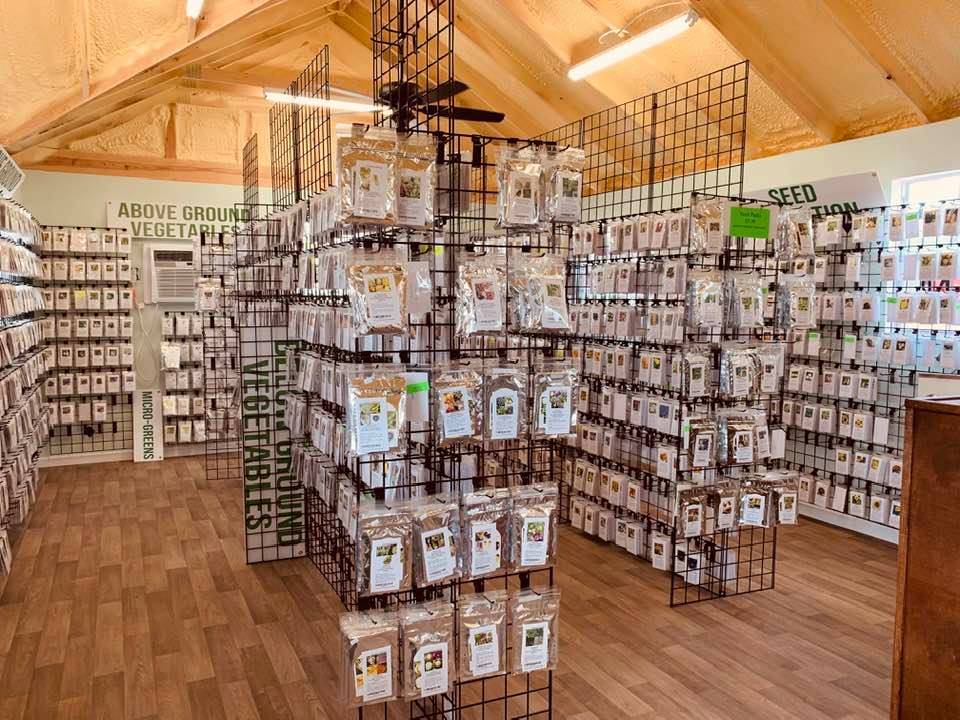 Our beautiful new farm store has almost 2,000 varieties of seeds and more. Mrs Davids Garden Seeds® looks forward to meeting you when you visit.

Mrs. David's Garden Seeds® Copyright by Juanita Lynn Schulze of David's Garden Seeds® 2019-2026
David's Garden Seeds® is Registered in the United States Patent and Trademark Office.