Grow Cosmos In Your Spring Garden
If you want beautiful summer flowers, be sure to grow cosmos in your spring garden!
Cosmos flowers in spring can help your garden move from plain to full of life. They also keep the show going into summer when many other flowers begin to fade. That long bloom time is one reason so many gardeners end up loving them.
Another nice thing about cosmos is the range of color. You can get white, pink, rose, magenta, orange, yellow, and mixed shades depending on the type you choose. If you want a lively flower bed, get a variety of color by planting cheery cosmos in lots of colors.
Grow Cosmos In Your Spring Garden - 10/12-10/18/2026
If you want an easy way to add big color to your yard, you should grow cosmos in your spring garden. These flowers are bright, cheerful, and simple to start from seed. They look soft and airy, but they are tougher than they seem.
Cosmos are a great pick if you love a relaxed flower bed that keeps blooming through warm weather. They do especially well in heat, and that makes them a smart choice for places with long, hot summers. If you garden in a sunny spot, cosmos can really shine.
I like to think of cosmos as one of those flowers that gives a lot and asks for very little. You plant them, give them sun, and before long they reward you with waving stems and happy blooms. If you are new to gardening, they can help you feel successful fast.
This article will walk you through seven simple parts of growing cosmos from seed. You will learn when to sow, where to place them, how to care for them, how to cut them for indoor use, and how to save seed for next year. If you have seeds from David's Garden Seeds, you can use these same steps.
Grow Cosmos In Your Spring Garden - They Like Texas Heat!
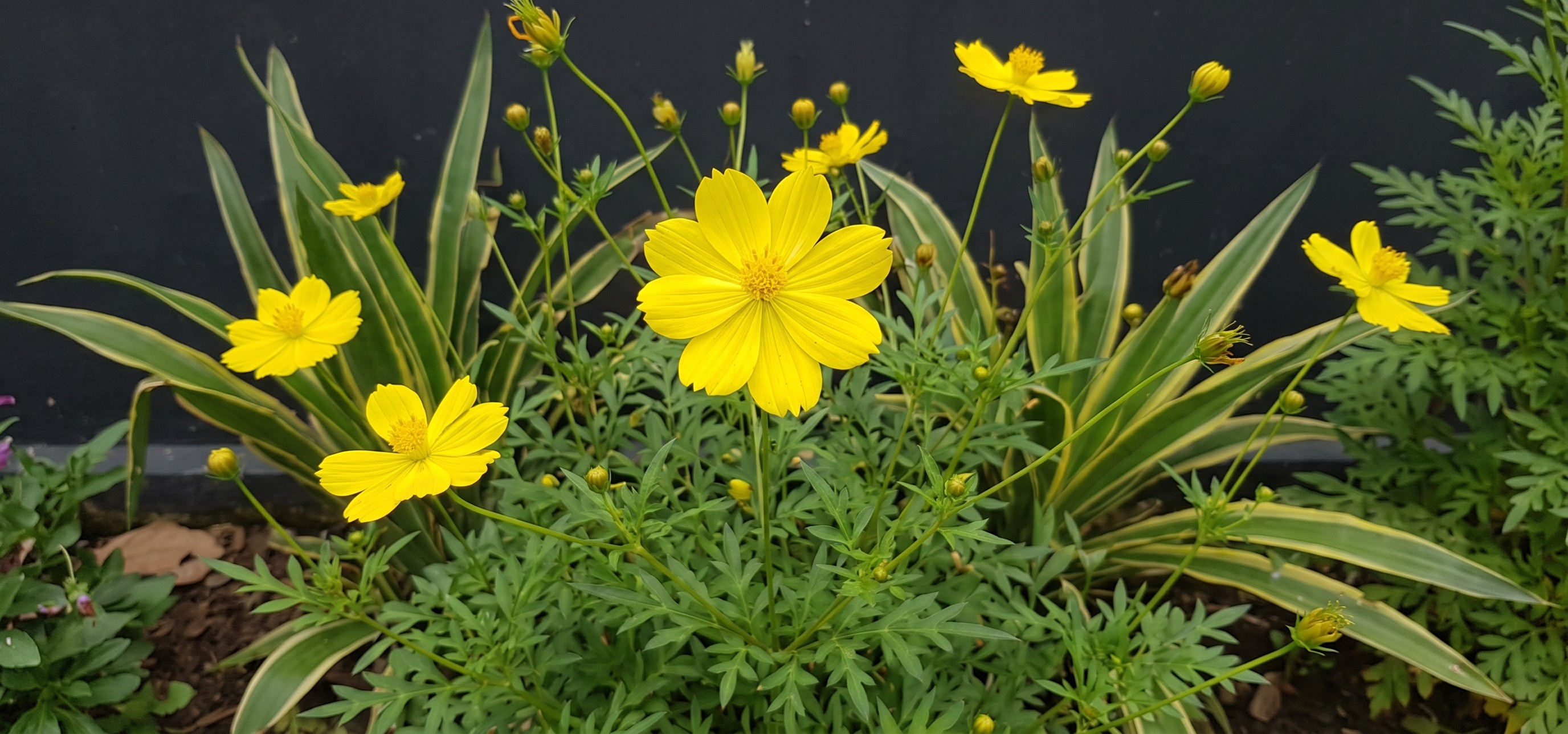
First of all, let's get to know the plant before you sow the seed. Cosmos are annual flowers, which means they grow, bloom, set seed, and finish their life cycle in one season. The good news is that they often produce plenty of seed for the next year.
Most gardeners grow two common kinds of cosmos. One group has ferny leaves and daisy-like flowers in pink, white, and red shades, often called garden cosmos. Another group has warm-toned flowers in orange and yellow shades, often called sulfur cosmos.
Both kinds are loved for their long stems and open, sunny faces. They bring in bees and butterflies, and they move beautifully in the breeze. In a cutting garden, they can fill space fast without much fuss.
Cosmos are a little known flower in some gardens, but they deserve more attention. They love heat and can stand up to Texas sun better than many delicate-looking blooms. That toughness makes them useful when you want color during harsh summer weather.
Grow Cosmos In Your Spring Garden - Timing
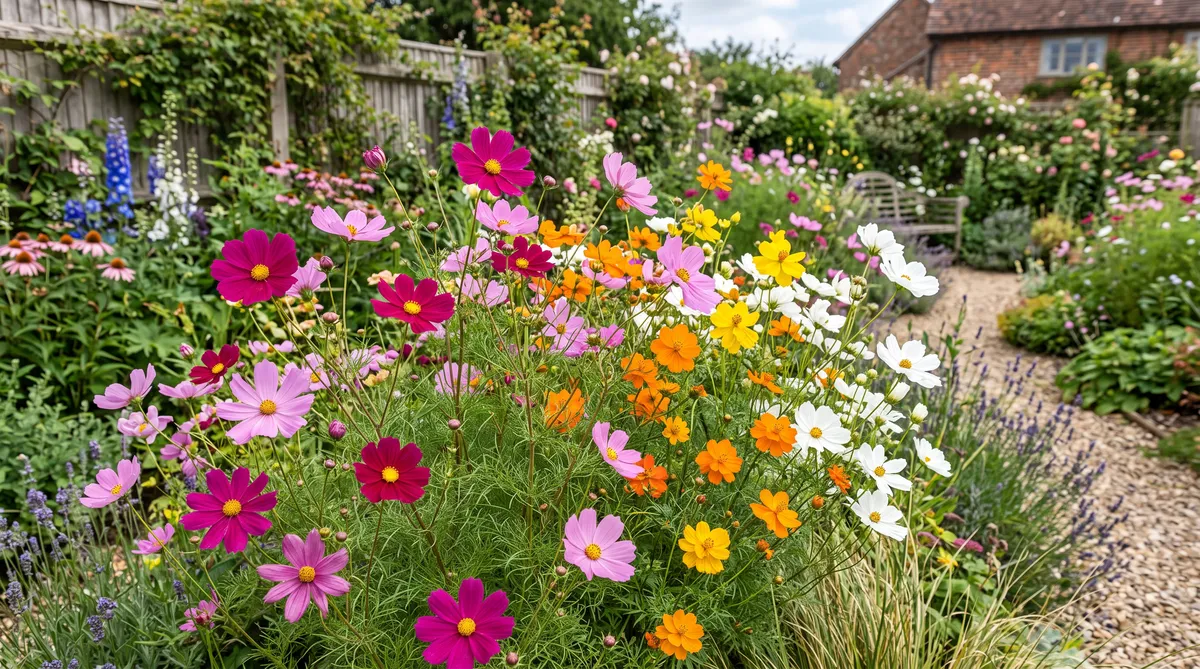 Cosmos flowers are so simple, pretty and heat tolerant. You should plant some in the spring in your garden.
Now, let's talk about timing. Because cosmos like warmth, you do not want to rush them into cold ground. Wait until the danger of frost has passed and the soil has started to warm in spring.
In many areas, that means direct sowing outdoors in mid to late spring. If your springs are cool, just be patient for a little longer. Warm conditions help seeds sprout more evenly and young plants grow faster.
You can also start cosmos seeds indoors a few weeks before your last frost date if you want earlier blooms. Use small pots or seed trays, and move the seedlings outside after the weather has settled. Be gentle when transplanting because young stems can be tender.
I have found that direct sowing is often the easiest path. The first time I grew cosmos, I tucked seeds into a sunny bed after the weather turned warm and forgot to expect much. A short time later, I had a drift of blooms that looked far more planned than they really were.
If you want to grow cosmos in your spring garden, think of them as warm-season flowers. They may go into the ground in spring, but they really come alive as days heat up. That is why they often look better and better as summer moves on.
Grow Cosmos In Your Spring Garden - Where Do I Plant Them?
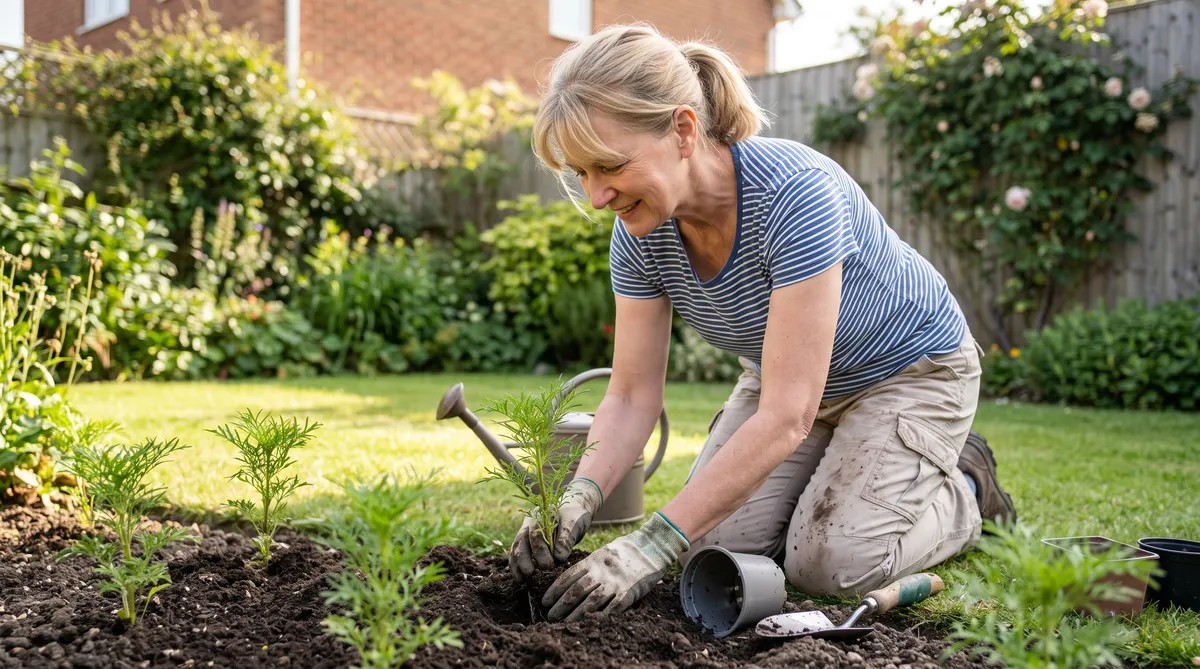
Part three is where to plant them. Cosmos need full sun for the best bloom, so choose a spot that gets at least six hours of direct light each day. More sun is usually even better.
Good drainage matters too. Cosmos do not need rich soil, and in fact they often bloom better in average soil than in very rich beds. If the ground stays soggy, plants may struggle.
Because some cosmos varieties grow tall, think about where they will fit. They look great in the middle or back of a flower bed, along a fence, or in a cutting garden. Shorter kinds can work in containers or near the front edge.
Try to give them space with good air flow. Crowded plants can become tangled, and it is harder to cut flowers when stems are packed too close together. A little breathing room helps them stay neat and healthy.
If your yard gets strong summer sun, that is not a problem for cosmos. This is one of the reasons gardeners in hot places appreciate them so much. They can keep blooming when tender flowers start to look tired.
Grow Cosmos In Your Spring Garden - How Do I Plant The Seeds?
Part four is how to plant flower seeds. Rake the soil surface so it is loose and free of weeds. Then scatter or place the seeds on top and cover them lightly with a thin layer of soil.
Cosmos seeds do not need to be buried deeply. A light covering is enough, followed by a gentle watering to settle the soil. If you wash them away with a hard spray, just press a few seeds back into place.
For rows or neat groups, space seeds a few inches apart at sowing time. Later, thin the seedlings so mature plants have enough room to grow. Check the seed packet from David's Garden Seeds for the variety details, because spacing can differ by type and height.
If you are planting in a cottage-style bed, you can sow in drifts instead of straight lines. That gives you a softer, more natural look. Cosmos are perfect for this loose and cheerful style.
Once seedlings are a few inches tall, thin them if needed. I know it can feel hard to pull healthy little plants, but this step really helps. Better spacing means stronger stems and more flowers later on.
Grow Cosmos In Your Spring Garden - Caring For Your Plants

Now, how do I care for my cosmos plants after planting? Water newly sown seeds often enough to keep the top layer of soil lightly moist until they sprout. After the plants are established, cosmos usually need much less attention.
These flowers do not like being overwatered. Give them a deep drink during dry stretches, then let the soil dry a bit before watering again. Too much water can lead to lots of leafy growth and fewer blooms.
The same simple approach works with feeding. Cosmos usually do not need heavy fertilizer. If the soil is too rich, the plants may grow tall and floppy instead of putting energy into flowers.
Tall varieties may need support in windy areas or rich soil. You can use small stakes, twiggy branches, or a simple support ring to help keep stems upright. It is easier to add support early than after plants lean over.
Pinching can also help. When young plants reach several inches tall, you can pinch off the top growing tip to encourage branching. More branches often mean more flowers and bushier plants.
Deadheading is another easy trick for longer bloom. Snip off faded flowers before they form mature seed if you want the plant to keep producing. This small job can make a big difference over the season.
Grow Cosmos In Your Spring Garden - Cut Flowers
Part six is about enjoying the blooms indoors. Cosmos make charming cut flowers, especially if you like a loose, garden-picked bouquet. Their light stems mix well with zinnias, basil flowers, grasses, and other summer cuts.
For the best vase use, cut stems in the cool part of the morning. Choose flowers that have just opened or are partly open. Very mature blooms may not last as long once brought inside.
Use clean snips or scissors and place stems into water right away. Then strip off any leaves that would sit below the water line in the vase. That helps keep the water cleaner and the flowers fresher.
I love cutting cosmos because a few stems can make a table feel bright and welcoming. Even a small jar of pink or white blooms on a kitchen counter can lift the whole room. They have that easy, from-the-garden look that never feels stiff.
Keep harvesting often if you want more flowers. Regular cutting acts a lot like deadheading and encourages the plants to keep blooming. In that way, bringing flowers indoors also helps the garden outside.
Grow Cosmos In Your Spring Garden - Seed Saving
Now, let's talk about seed saving. This is one of the best parts of growing cosmos. If you let some flowers stay on the plant, they will dry and form seed heads. Those seeds are easy to collect for another season.
Wait until the flower head has dried on the stem and the seeds look mature. They are usually long, slim, and dark when ready. If they are still pale or soft, give them more time.
Pick the dry seed heads on a rain-free day if possible. Rub or pull the seeds free into a bowl, envelope, or paper bag. Try to separate out as much dry plant matter as you can.
Let the seeds dry a little more indoors if needed before storage. Then label them with the flower name and the year. Store them in a cool, dry place until next planting time.
Saving your own seed is satisfying because it keeps the cycle going. It also means you may have plenty to sow in more spots next year. If you love easy flowers, cosmos are generous in that way.
One thing to remember is that saved seed may vary if different cosmos types are growing near each other. That surprise can be part of the fun in a home garden. Many gardeners enjoy seeing what colors show up the next season.
Grow Cosmos In Your Spring Garden - Keep It Basic
Now that you know the seven parts, it all feels pretty simple. Start with warm weather, choose a sunny spot, sow lightly, and avoid pampering the plants too much. Cosmos often do best when you keep things basic.
If you are hoping to grow cosmos in your spring garden for bold summer color, this flower is hard to beat. It fills space quickly, blooms for a long time, and asks for only modest care. That is a great combination for busy gardeners.
You can tuck cosmos into vegetable beds, cottage borders, mailbox gardens, or cutting patches. They mix well with many other sun-loving plants. Their airy leaves also soften heavier shapes in the garden.
For a longer season of bloom, you can sow more than once in late spring and early summer where your season allows. This can help stagger flowering times a bit. It is a simple way to stretch out the color show.
If your plants get too tall or floppy, do not be afraid to trim them back lightly. They often bounce back with fresh branching and more buds. Gardening is rarely about perfection, and cosmos are forgiving.
Grow Cosmos In Your Spring Garden - Liven Up Your Yard!
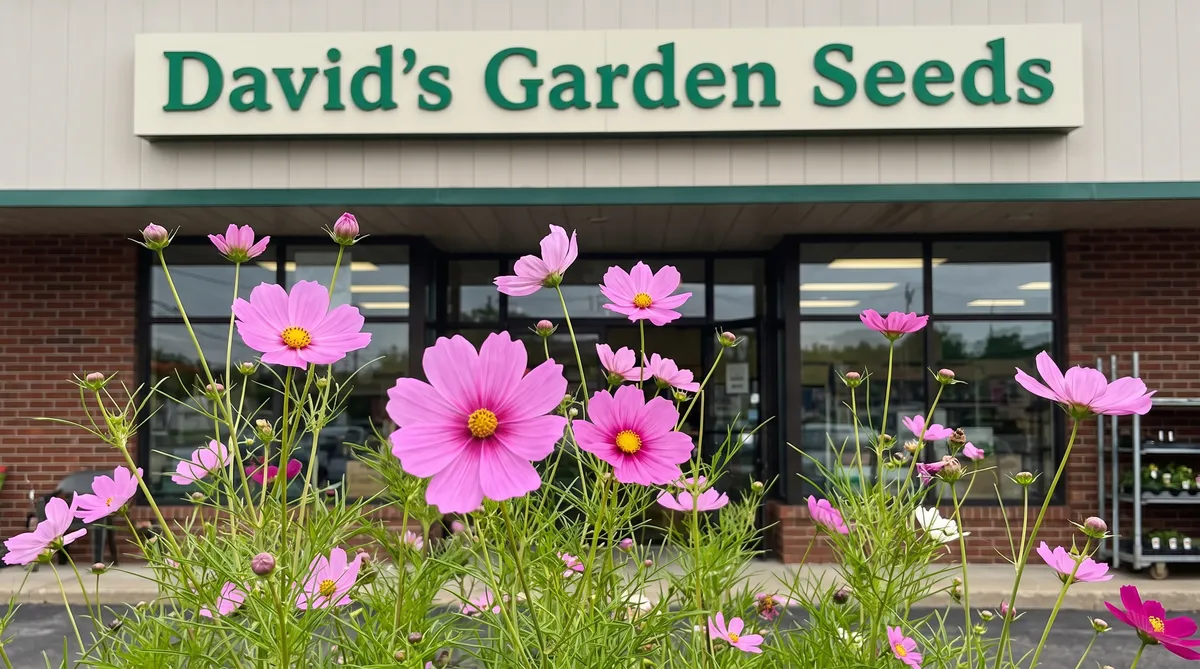
If you are sharing seeds or flowers with friends, cosmos are a lovely choice. A small envelope of saved seed or a bunch of cut stems feels generous without being costly. These flowers have an easy abundance that people notice.
Many gardeners overlook cosmos at first because the seed packets can seem humble. But once you grow them, you may wonder why you waited so long. They offer that rare mix of beauty, ease, and endurance.
That is especially true in hot climates. When other flowers slow down in blazing weather, cosmos can keep the garden lively. Their ability to handle heat is one of their best features.
If you are working with seeds from David's Garden Seeds, follow the packet for the exact variety, color mix, and spacing notes. Seed packets are helpful because they match the kind you bought. Then pair those details with the simple care habits in this guide.
As you plan your beds, remember that cosmos do not need fussy treatment. Sun, warmth, decent drainage, and moderate water go a long way. Sometimes the easiest flowers end up being the most rewarding.
Cosmos flowers in spring may begin as small seedlings, but they soon become one of the liveliest parts of the yard. Their colors catch the eye from a distance and their motion adds softness up close. They help a garden feel full and friendly.
Grow Cosmos In Your Spring Garden - Wrap It Up!
 Cosmos look pretty and delicate anywhere they grow. Don't let them fool you. They are heat tolerant.
So if you want to plant flower seeds and enjoy a long season of blooms, put cosmos near the top of your list. They are beginner-friendly, budget-friendly, and beautiful in the ground or in a vase. That is a strong reason to make room for them.
When you grow cosmos in your spring garden, you are really planting easy color for the warm months ahead. A small handful of seeds can turn into weeks of flowers, armloads of bouquets, and seed for the next year. Few flowers give back so much for so little effort.
Give cosmos a sunny place, let the weather warm up, and trust the process. Before long, you will have cheerful blooms dancing above the leaves and brightening your whole space. Once you grow them, there is a good chance you will want them every spring.
Monday, October 12, 2026
Good morning. Considering I feel like I'm dying, I had a pretty good night. I turned on the humidifier last night before I went to bed so that by the time I actually got in bed, the room was filled with eucalyptus so I could breathe. It is now 8:10am and it is still going. I woke up at 1:30am and took some nighttime cold liquid. That kept me going until 5:10am. I got up, took my thyroid pill and slept until 6:40am. Now I am at my desk with some coffee working and watching some videos.
Matt just came in after feeding the animals. They are all doing well. I need to get myself together and get to work as our helper won't be in again today. She took off all of last week as her car was broken. It is still broken. That means I get to do her job as well as mine again, even though I feel like I am dying.
It is currently 74° at 8:24am and it will get up to 91° today and for the next several days. Then, it will go down slightly into the 80s. Happy Columbus Day! Many have off today. When I was a kid, we always went to school on Columbus Day and learned about the Nina, the Pinta, and the Santa Maria, all ships that were part of Columbus' expedition to finding a different route to India but it turned out to be the Americas.
I just had some chicken noodle soup for breakfast.
I pulled myself together and went to work for about four hours, pulling and filling orders. Then I came home to get medicine and stayed home. I just feel so bad.
I hadn't heard from my sister in days. Today is supposed to be the day they got evicted. Late this afternoon, I heard that management told my brother they are not getting evicted. Yet, they got the eviction letter again just two weeks ago and all of the work had already been done...Anyway, I am glad. It takes a lot of stress off of me.
Meanwhile, I still feel like crap, sicker than a dog.
Matt donned his bee suit and found out that a few more of our hives were infested and the bees were gone. Some of the hives have a small amount of honey. The infested hives were taken apart to be cleaned and that was a mess. David got out and mowed the back.
Our helper finally called in after David texted and told her she needs to call in. This is her second week not to show up to work. Good golly. I am not a machine. I am so sick but I have to do other's work because they refuse to show up. If I pulled that at any of my jobs, I would have been terminated.
This morning before I went to work, I went out and checked on my Pride of Barbados seedling that came up last week. It has spread out and has several leaves on it now. But that is not all. Another one came up! Yay!
Tuesday, October 13, 2026
Good morning. A bunch of my supplies for my new project came in but I was too sick to even open the boxes. Once I open them and start, it will take up to eight weeks before said project is even ready but it will be a new part of the business if it turns out.
I had a fairly good night again for being sick. I was able to breathe all night long again by using the humidifier.
Wednesday, October 14, 2026
Thursday, October 15, 2026
Friday, October 16, 2026
Saturday, October 17, 2026
Sunday, October 18, 2026
Return from Grow Cosmos In Your Spring Garden to Year 8 Of Life On The Farm
Anything To Share On This Topic?
Would you like to share additional information about this topic with all of us?
Since 2009, over 2,000,000 home gardeners, all across the USA, have relied on David's Garden Seeds® to grow beautiful, productive gardens. Trust is at the heart of it. Our customers know David's Garden Seeds® stocks only the highest quality seeds available. Our mission is to become your lifetime supplier of quality seeds. It isn't just to serve you once; we want to earn your trust as the primary supplier of all of your garden seeds.
Watch Our 2022 TV Commercial!
Sing Along To Our Jingle
♪♫♪♪ ♫ ♪ ♫♪♫♫
♪♫♪♪♫♫
Peppers and peas
And lots of yummy greens
You can't go wrong
With Squash This Long
At David's Garden Seeds
♪ ♫ ♪ ♫
Our New 2024 TV Ad
Please like and subscribe on YouTube and come visit us at our Farm Store! The music on our TV ad was written, played, and sung by our son, Matthew Schulze. You can meet him when you come to the farm. He just might give you a tour. Ask him to grab a guitar and sing our jingle that he wrote.
Our 2022 TV Ad

 David of David's Garden Seeds® zipping along on his little tractor across the farm. He is having a blast!
We are David's Garden Seeds®. If you need great seeds, we've got over 800 varieties to choose from.
Subscribe To Mrs. David's Garden Seeds® Newsletter For FREE!


Find out what is going on down on the farm by reading our blog and by subscribing to our free newsletter for all of the information going down at David's Garden Seeds® and on the farm. I love to share helpful information with you. Please let your friends know and y'all come on down for a visit when you get the chance. We would love to meet you!
New Store Hours!
 Farm Store Hours: Th-Fri 10am-5pm, Sat 10am-2pm. Closed Sun-Wed.
Being out here in the country, we had awful internet & we could not stream TV. We got Starlink in April of 2025 & we love it! Now we can stream and work, even when it is raining!
 Our Farm Store
Shop for:
- Seeds
- Farm Fresh Eggs
Our Farm is located at 5029 FM 2504 in Poteet, TX.
 Only happy seeds make the cut to go into our seed packs!
David's Garden Seeds® has
seeds for the backyard gardener and farm fresh chicken eggs.
 David & Juanita work hard to pack your garden seed orders.





Sign Up For Our Newsletter Here!
   DGS YouTube Mrs
|
   |
Garden Ebooks
by Mrs. David's Garden Seeds
 I've been busy creating eBooks to help you with your garden...
IMPORTANT NOTE: THE EBOOKS ARE DIGITAL DOWNLOADS (EBOOKS), NOT PHYSICAL BOOKS.


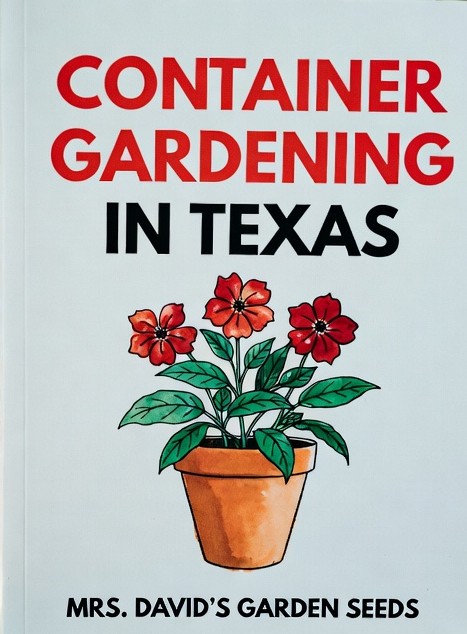
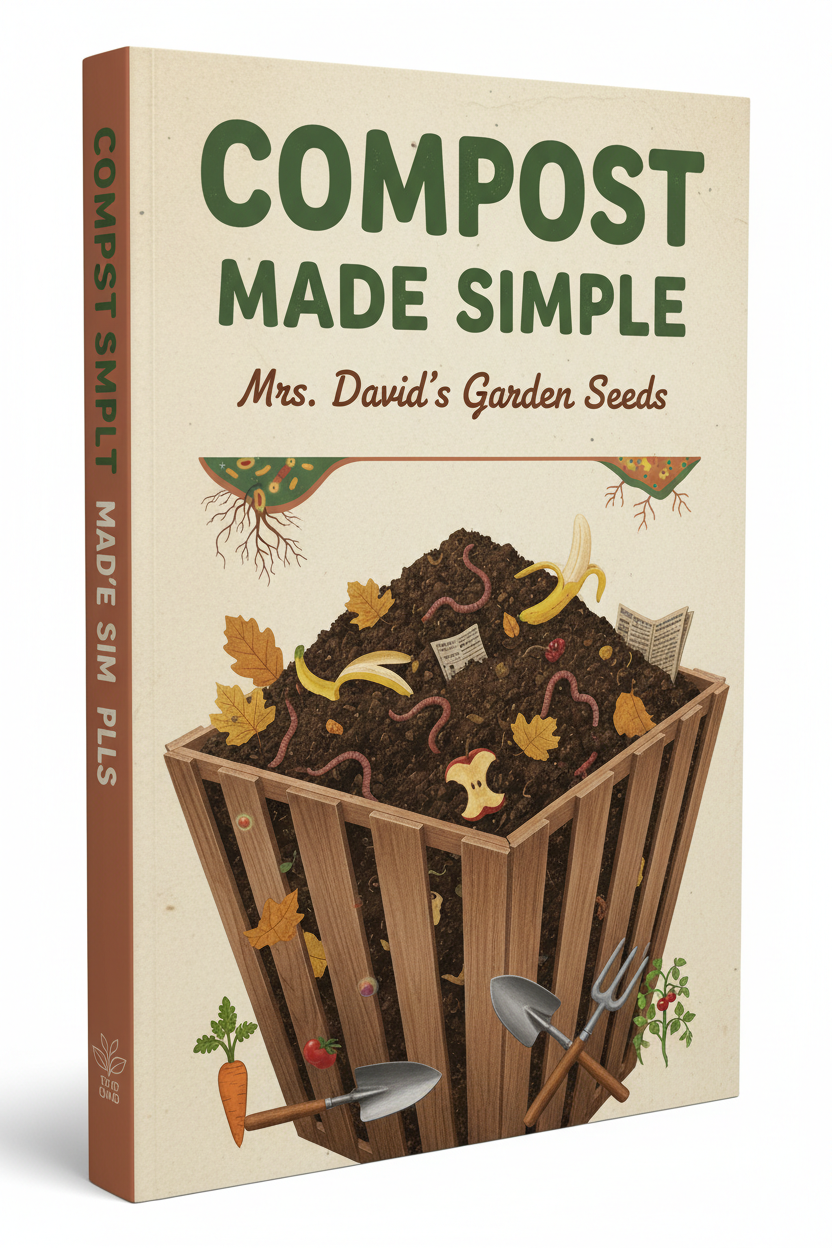
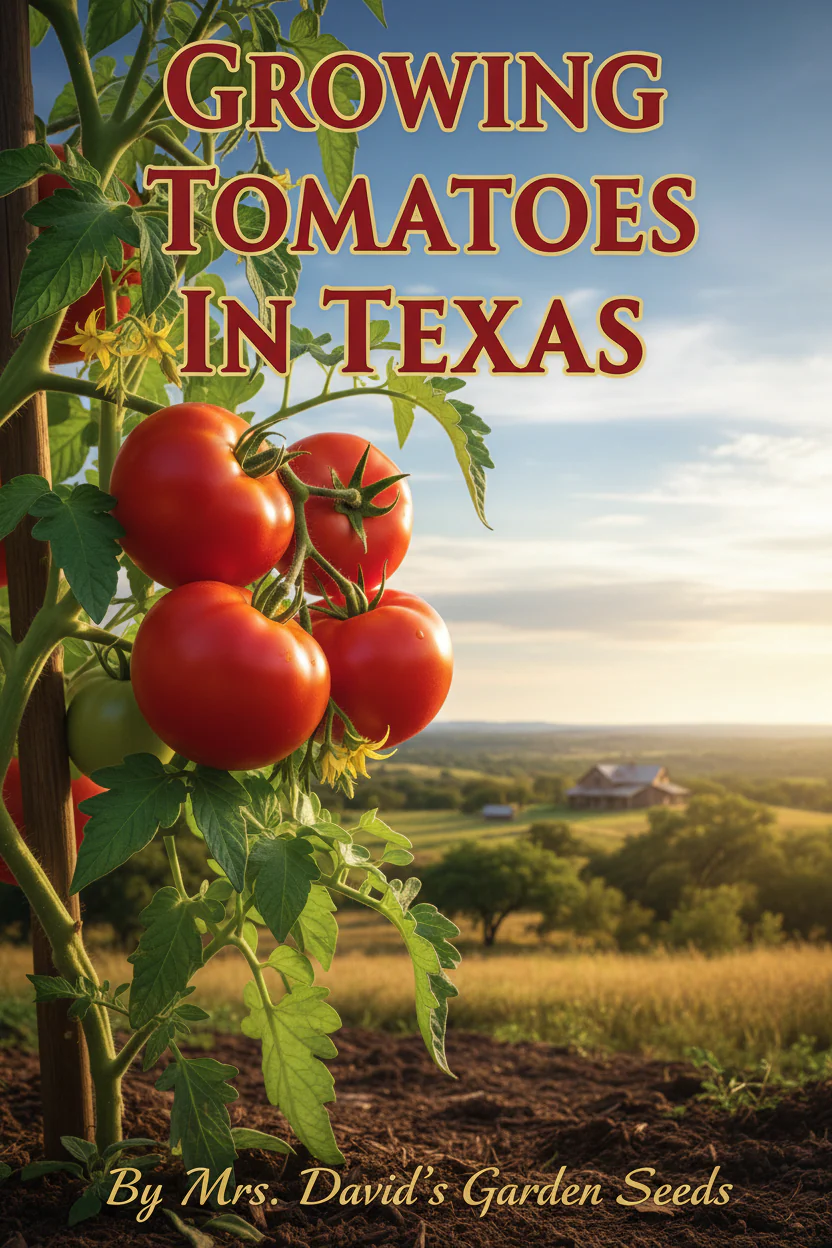
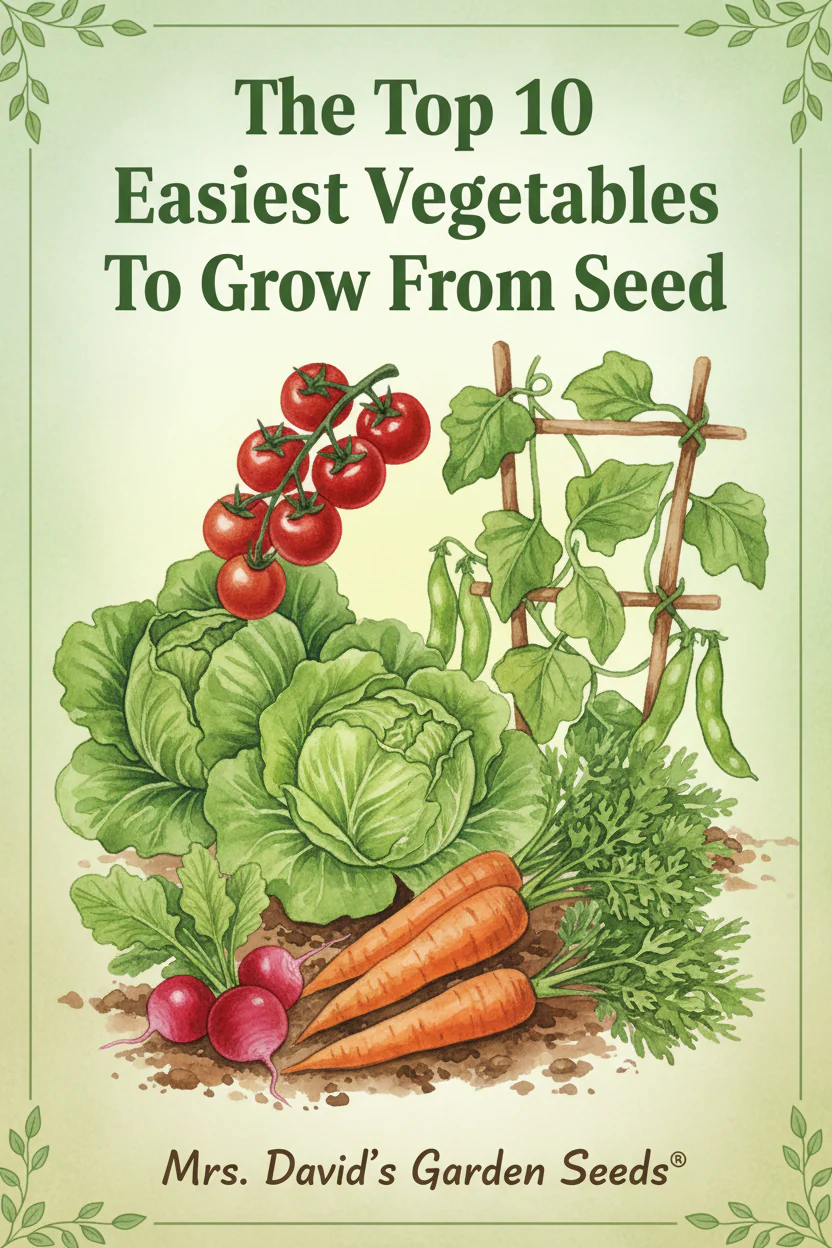

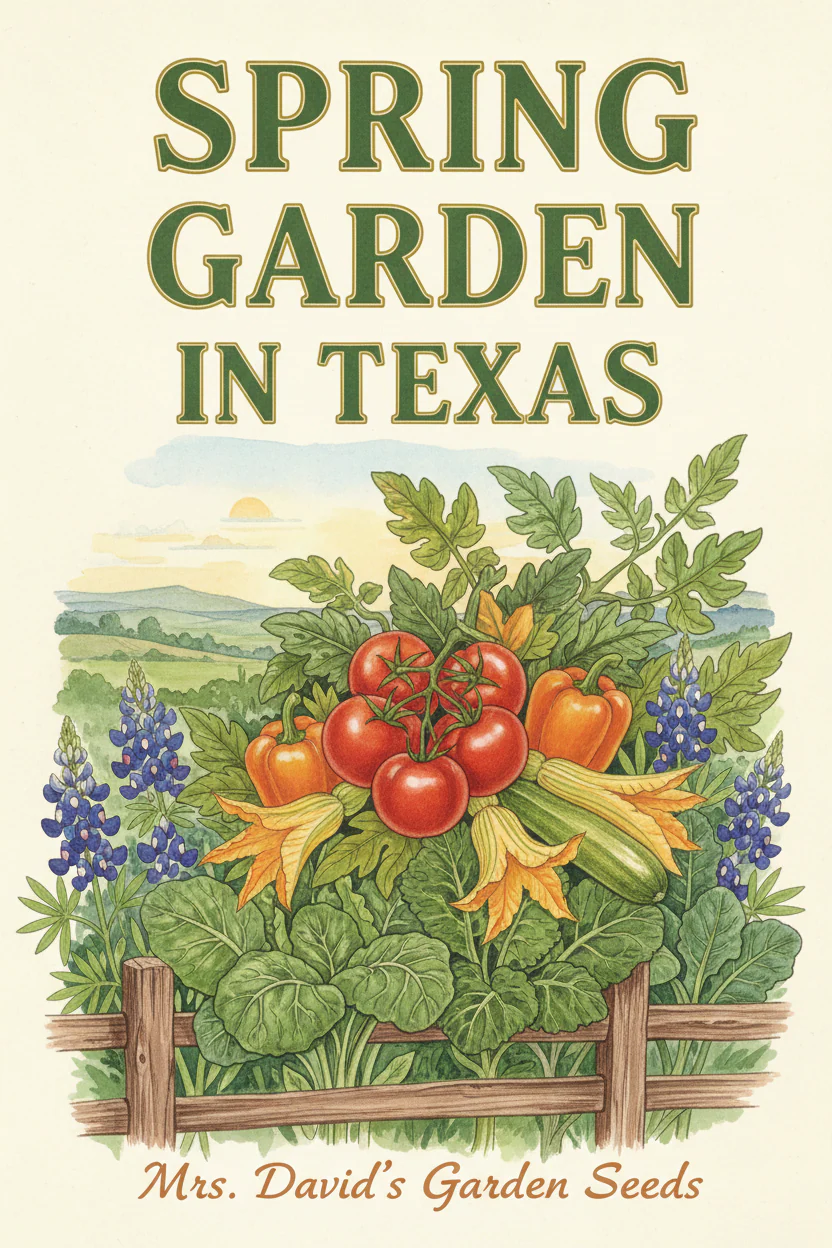
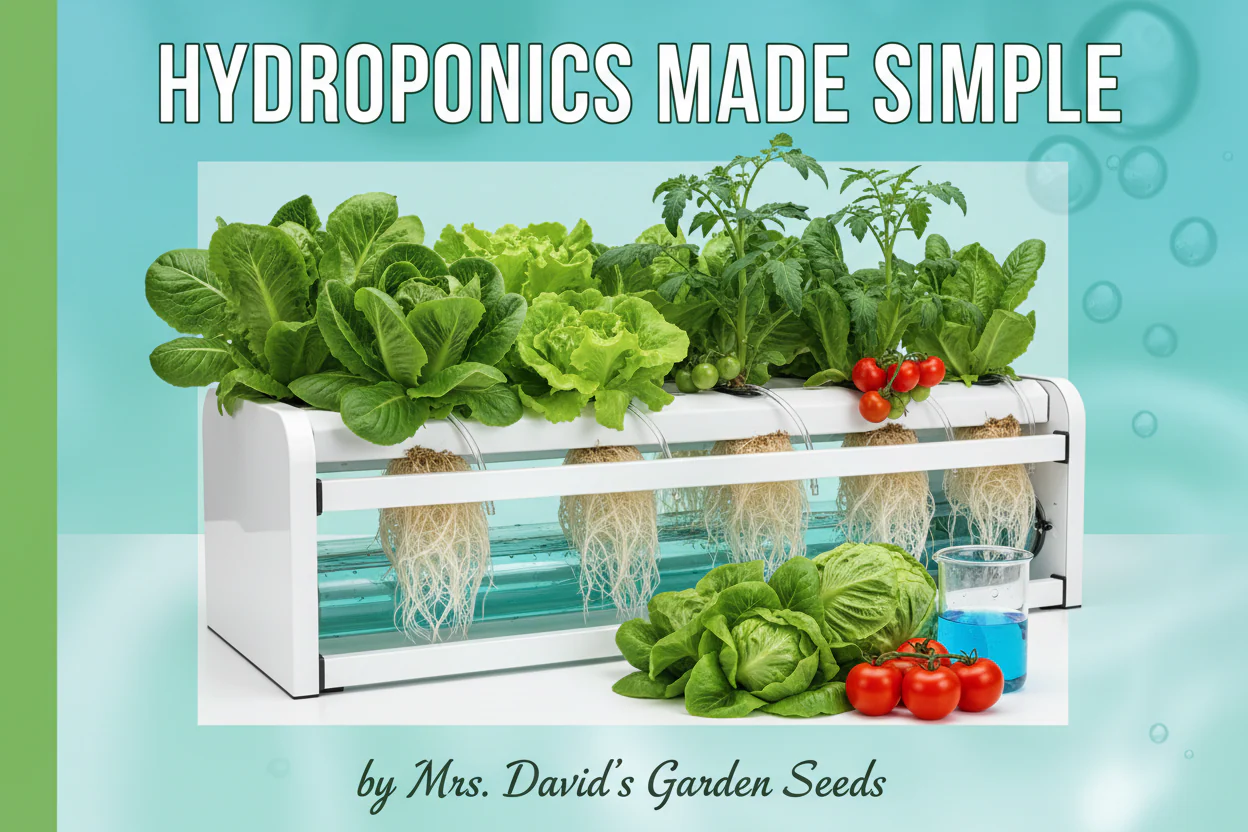
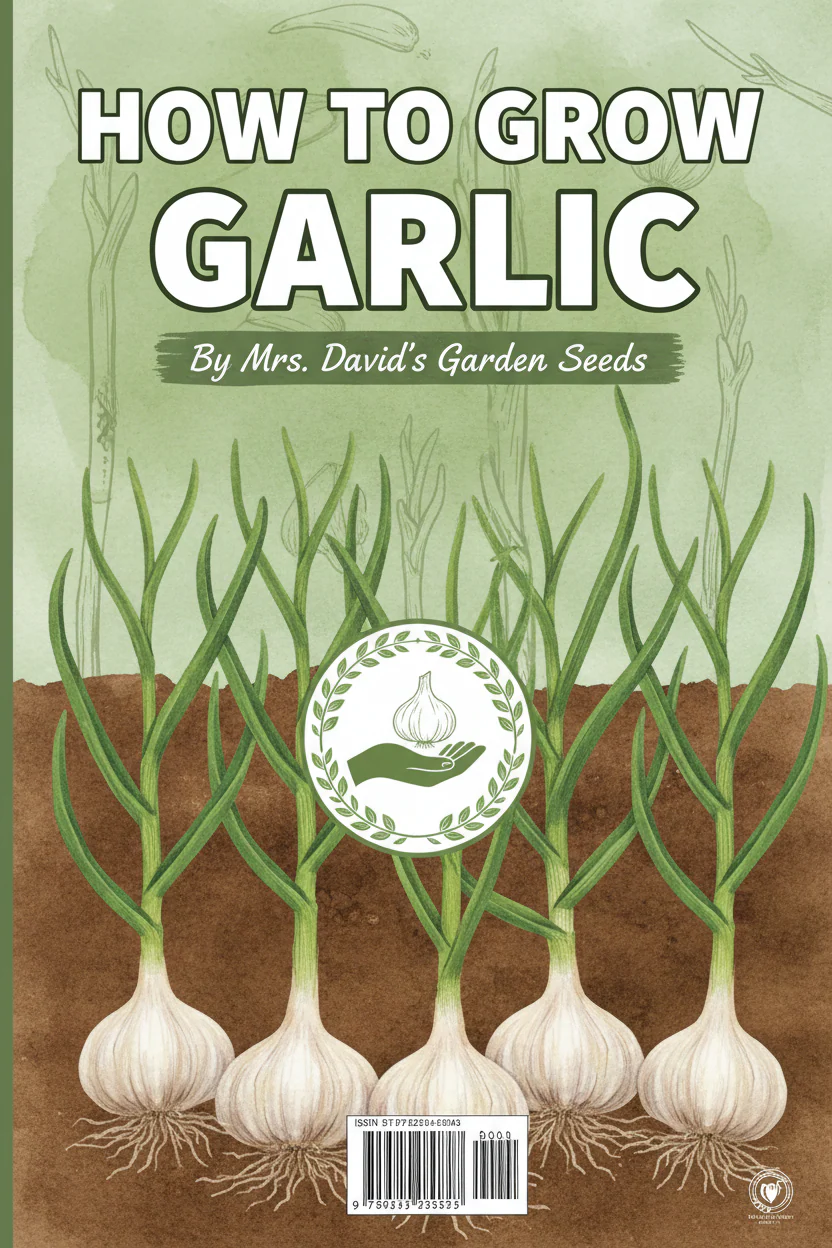
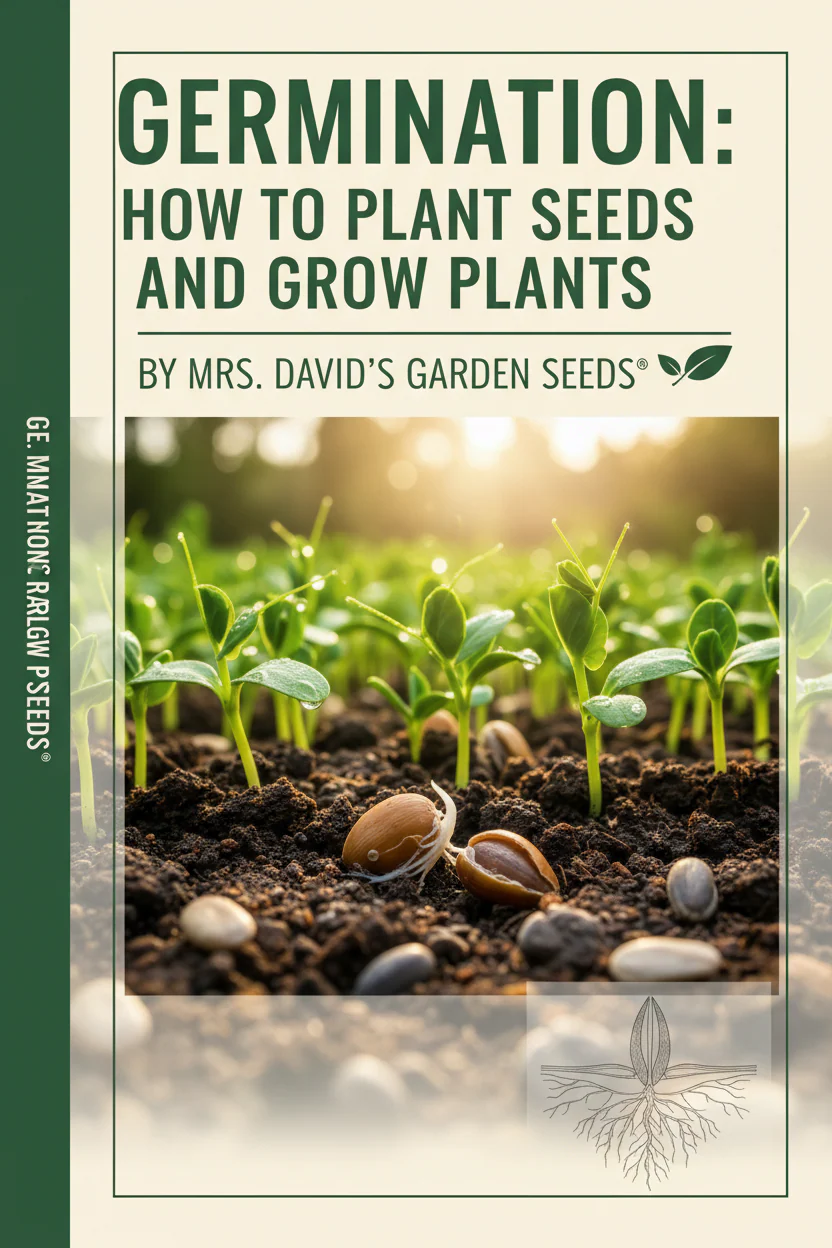
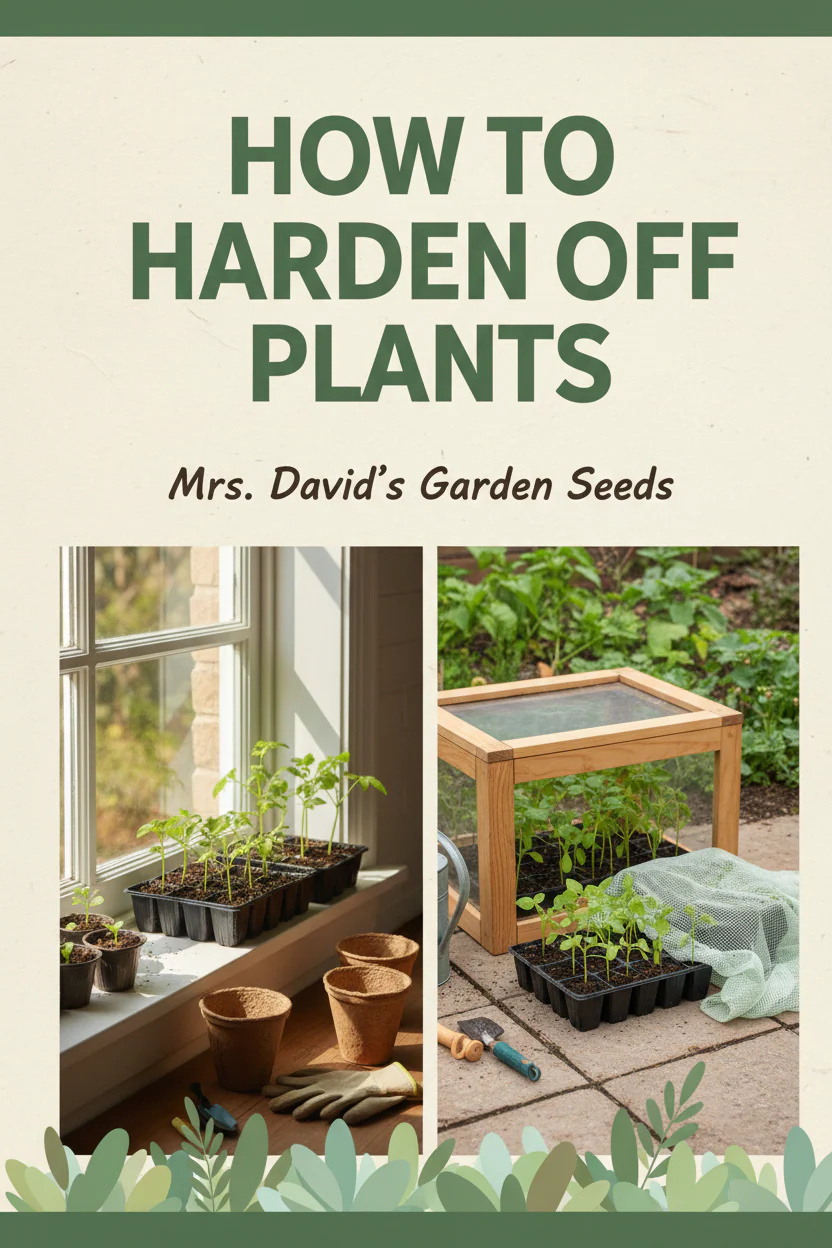
WE DO NOT REFUND OUR DIGITAL DOWNLOADS FOR OBVIOUS REASONS.
 Our Farm Store is the green building
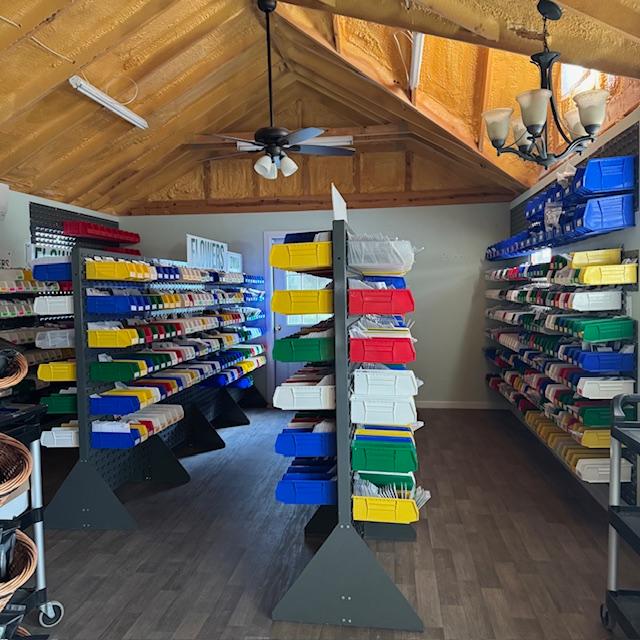 Inside our Farm Store...1400 varieties of seeds await you!
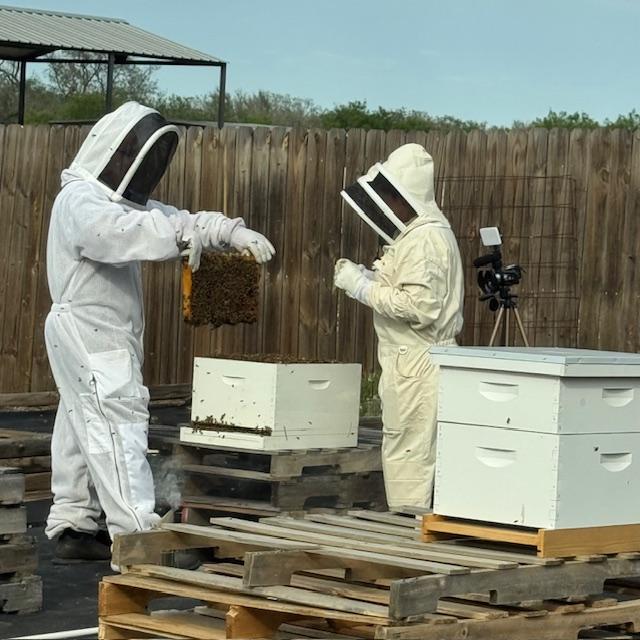 Our bee hives
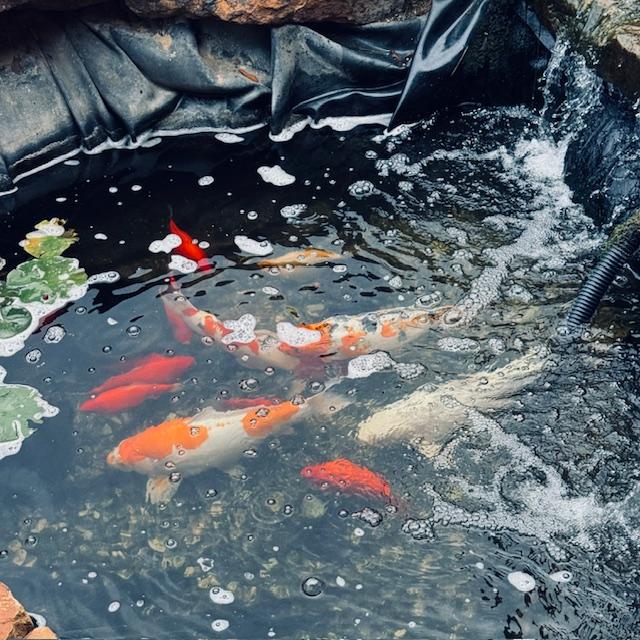 Our fish pond
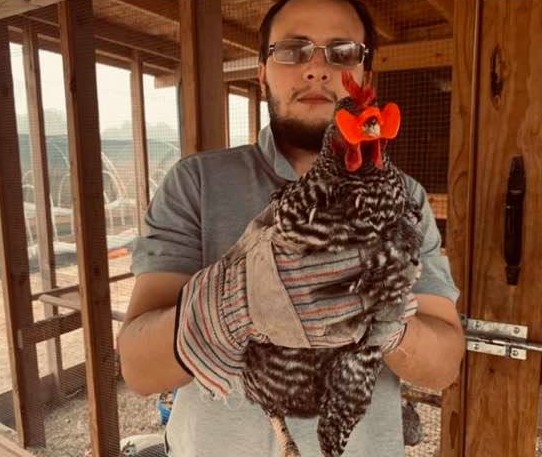
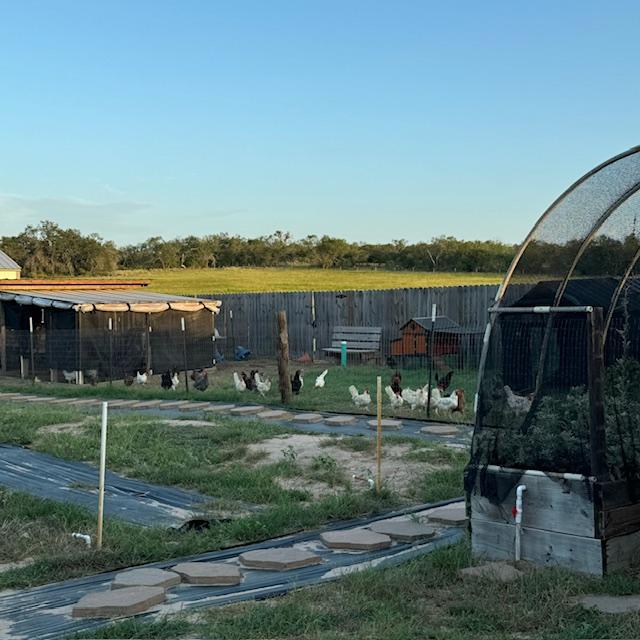 Our chickens
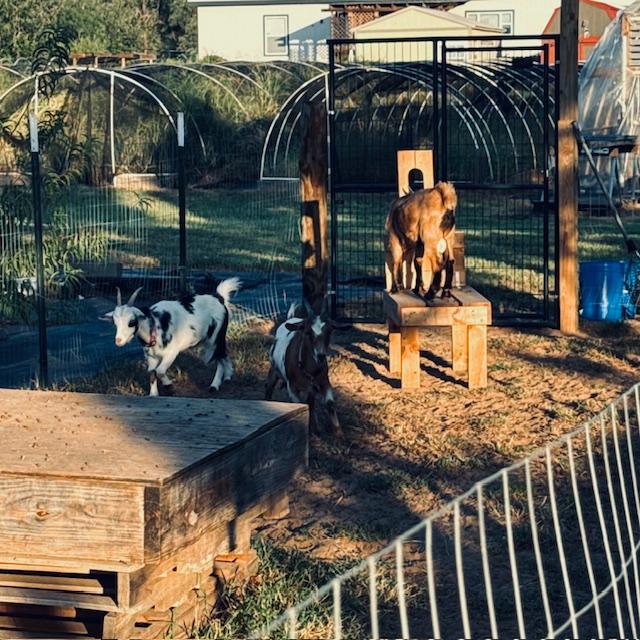 Our Nigerian Dwarf goats
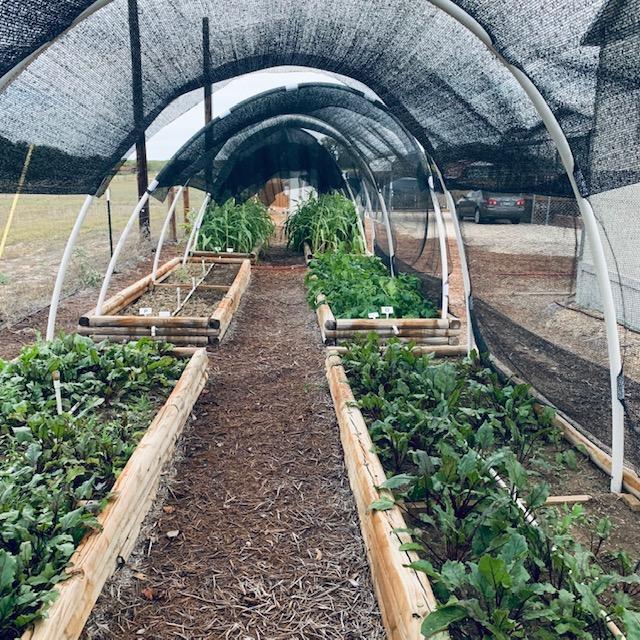
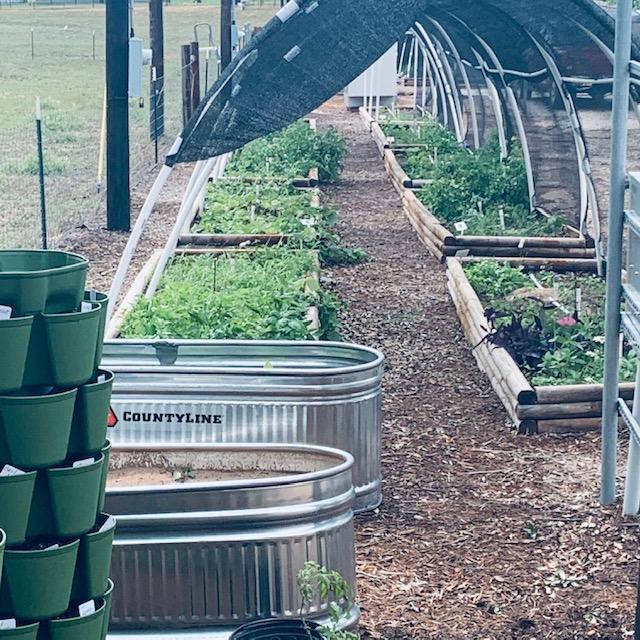 A few of our raised garden beds
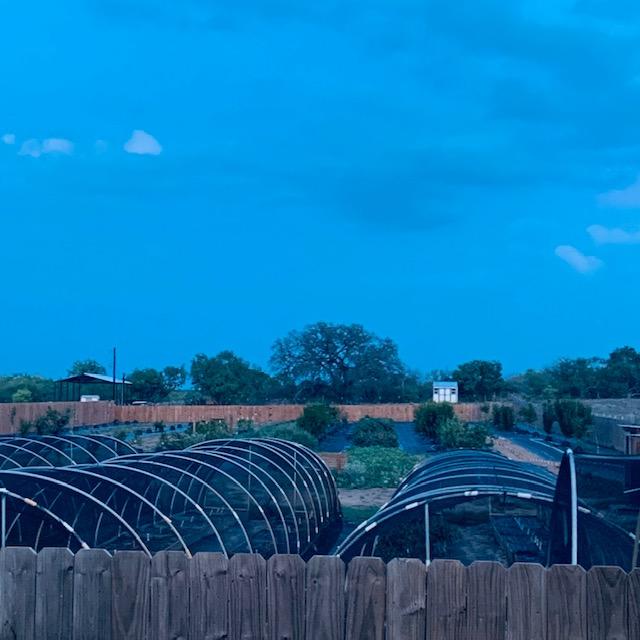 Our orchard and hoop houses
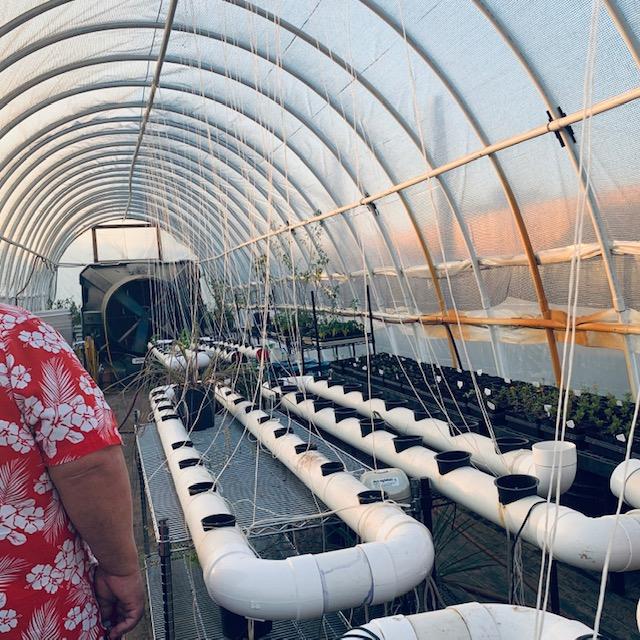 Inside our high tunnel
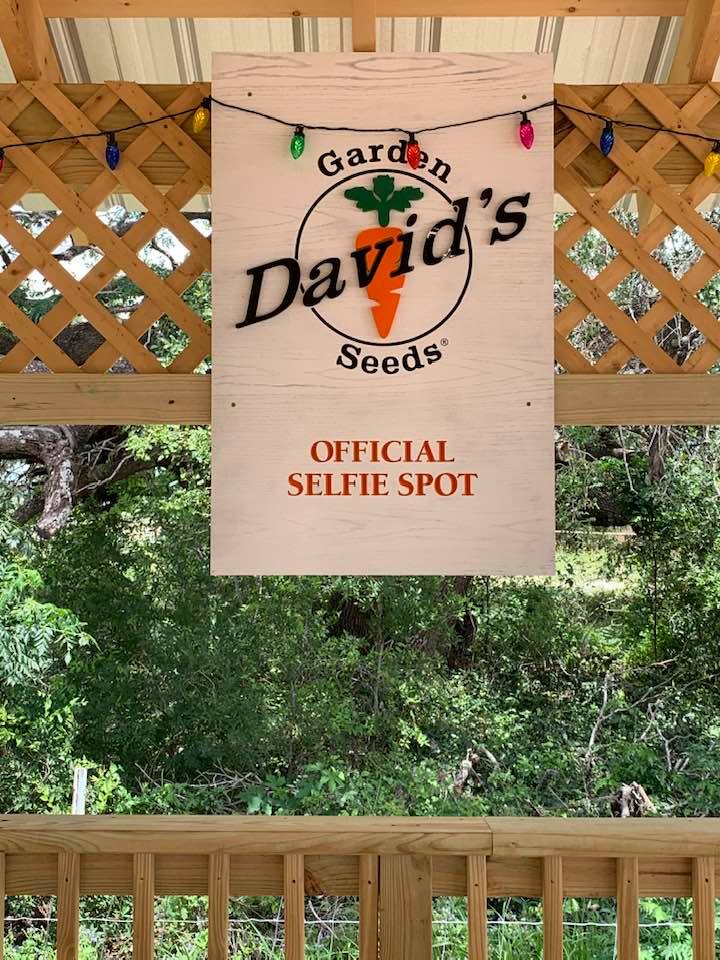 Take a selfie at our official selfie spot!
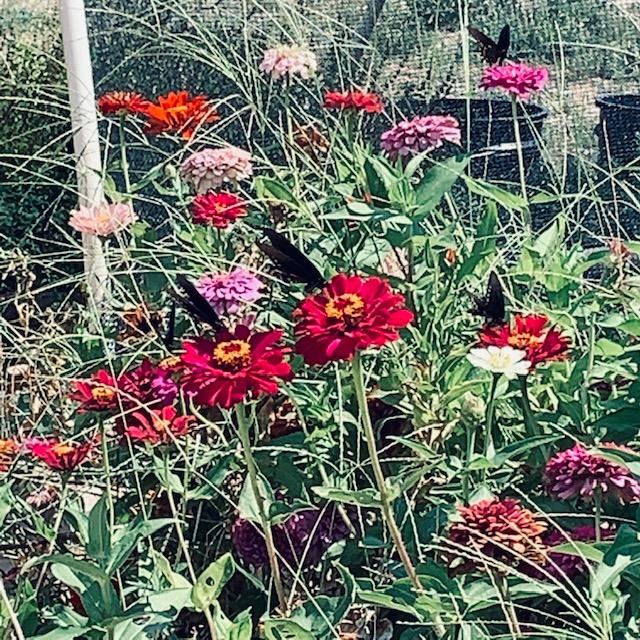 Flowers, bees, and butterflies are everywhere!
Watch Our TV Ads!
David's Garden Seeds® has the best Non-GMO seeds in the state of Texas!


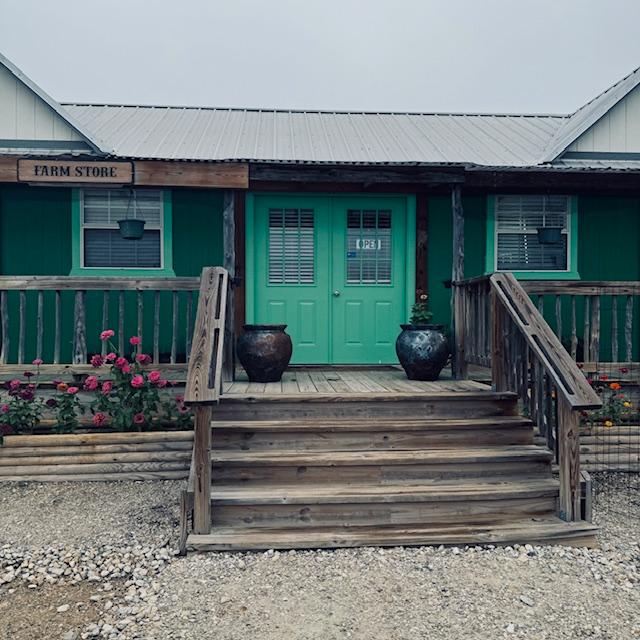 This is our beautiful Farm Store. Come in and shop for seeds. We have over 1600 Non-GMO heirloom varieties to choose from but we are in the process of bringing that number down to half.
Our Story
Hi Everyone! Thank you for visiting my website! I am Mrs Davids
Garden Seeds® aka Mrs. David's Garden Seeds and I think you should know that there is a wonderful seed
company in the great state of Texas called David's Garden Seeds®. We grow some of our seed, we count, hand pack, print our own envelopes, and ship seeds out to you right here from our farm. This used to be an old peanut farm. When the owner died about 15 years ago, his sons split the farm up and sold it in pieces. In 2024, we bought another adjoining four acres.
Our business started in our home in San Antonio in September of 2009. David decided to sell some seeds he had left over from his garden on Amazon. I told David, "Don't bother, it won't work!". I am so glad that David did not listen to me because it did work! By 2015, we had 8 employees working in my home every day and David found a storefront in San Antonio and moved the business there. In 2016, I quit my day job and went on the payroll. The company grew some more and David moved to a bigger storefront in 2017. In 2019, we found a beautiful piece of land over in Atascosa County and turned it into a farm out near Poteet. David and I moved out here to live in August of 2019.
In 2020, we moved our company out to the farm. We have a beautiful Farm Store filled with seeds, a gazebo with a pond full of koi and gold fish for you to visit. Come by and visit us at 5029 FM 2504 in Rossville, just outside of Poteet, Texas, Monday through Friday from 9am to 5pm and Saturday from 10am to 2pm. Or you can order seeds online from our user-friendly website, www.davidsgardenseeds.com.



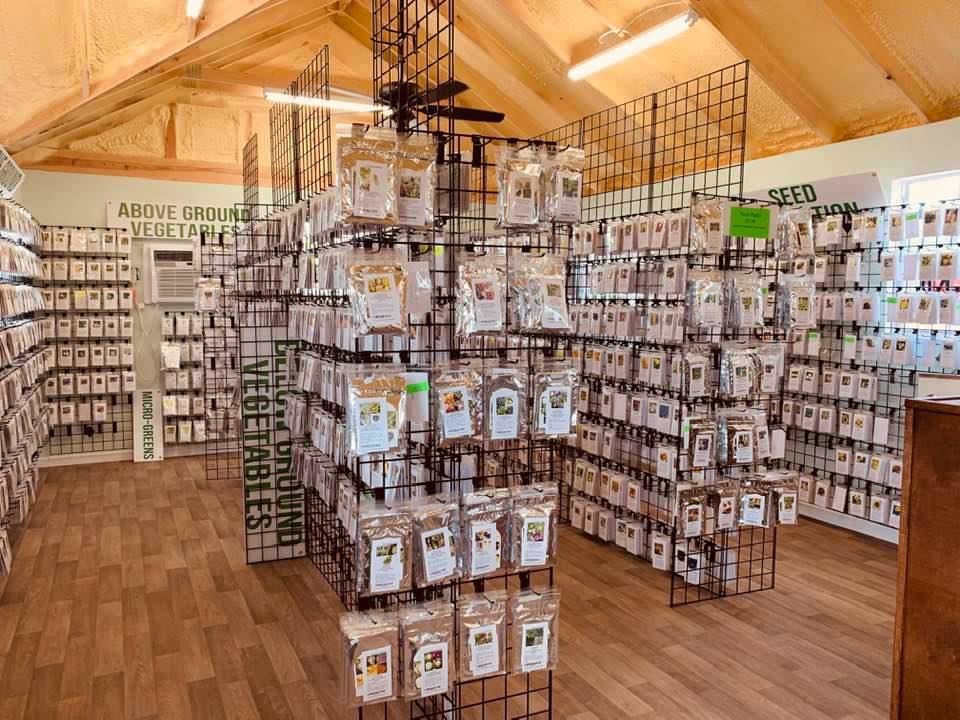 Our beautiful new farm store has almost 2,000 varieties of seeds and more. Mrs Davids Garden Seeds® looks forward to meeting you when you visit.
Mrs. David's Garden Seeds® Copyright by Juanita Lynn Schulze of David's Garden Seeds® 2019-2026
David's Garden Seeds® is Registered in the United States Patent and Trademark Office.