Grow Kale In Your Garden
If you want to grow kale in your backyard garden so you can put it in salad, smoothies, make kale chips, and eat cooked greens, you are in the right place. Kale is one of the best crops for home gardeners. It is tough, useful, and packed with nutrition. Best of all, you can pick it in many ways and use it in meals all week.
I love talking about kale because it is one of those garden plants that gives back again and again. You plant it once, and then you keep harvesting leaves for salads, soups, stir-fries, and snacks. If you have ever thought kale tasted too strong or too chewy, the good news is that the right variety and the right harvest time make a huge difference. Get your kale seeds and all other veggie seeds from David's Garden Seeds®.
Grow Kale In Your Garden - 6/29-7/5/2026
Many people know kale is healthy, but they do not always know how to make it taste good. That is often the real problem. Some kale has thin, tender leaves that are great for raw dishes. Other types have thicker leaves that do much better when cooked. When you match the kind of kale to the way you plan to eat it, it becomes much easier to enjoy.
Kale belongs to the cabbage family, and it grows best in cool weather. That means spring and fall are usually the easiest times to grow it in much of the United States. In many places, kale can even survive light frosts, and cold weather can make the flavor sweeter and less bitter.
One reason gardeners should eat more kale is simple: it gives you a lot of food from a small space. A short row or a few plants in raised beds can keep your kitchen stocked for weeks. That is helpful if you want healthy greens close to home and do not want to buy bunch after bunch at the store.
Kale is known for being rich in vitamins and minerals. It is especially famous for vitamin K, vitamin A, and vitamin C. It also contains fiber and helpful plant compounds. While I am not a doctor, I can say this is one reason so many families feel good about adding kale to everyday meals.
If your family thinks kale is yucky, you are not alone. I have seen plenty of people wrinkle their noses at it. Still, kale can be seen as yucky but it is actually so good for you. Once you learn which types are best for salads, chips, smoothies, or cooking, you can turn that opinion around fast.
Grow Kale - What Kind?
Let’s start with the big question: which kind of kale should you grow? There is no single best type for every use. Some varieties are thin and tender. Some are thick and sturdy. Some are mild. Some are more earthy. Choosing well makes the whole process easier from garden to plate.
Curly kale is one of the most common types. It has ruffled leaves and a classic kale look. Many curly kinds are fairly thick and sturdy, so they are often great for cooked dishes and kale chips. Younger leaves can be used raw, but mature curly kale often benefits from massaging, chopping fine, or cooking.
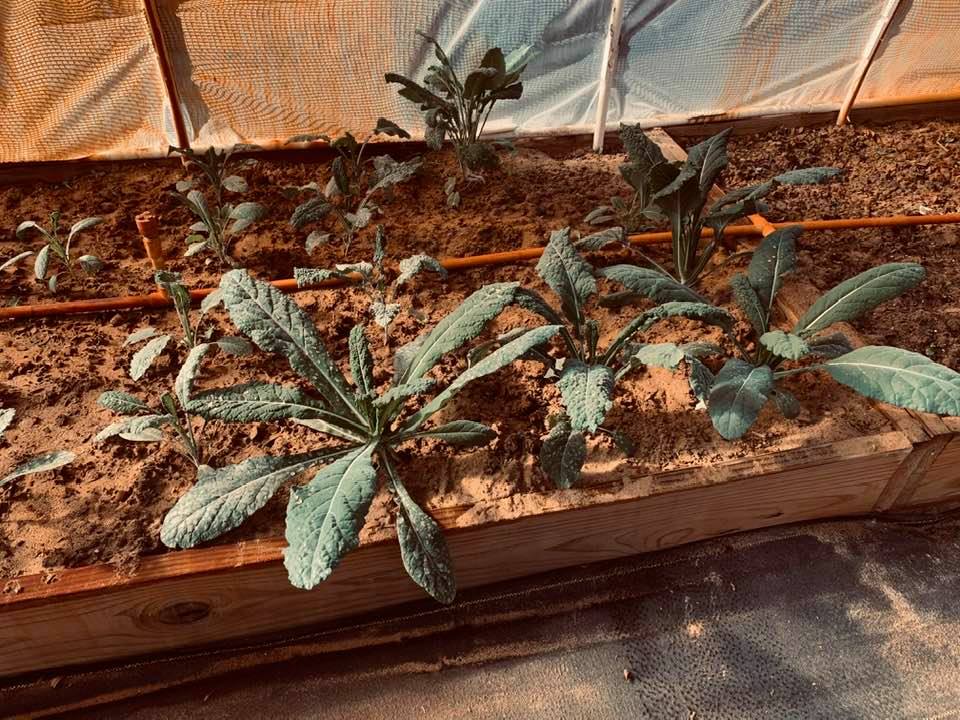
Lacinato kale, also called dinosaur kale or Tuscan kale, has dark blue-green leaves with a bumpy surface. Its leaves are usually longer and flatter than curly kale. Many gardeners like it for cooking, but it can also work well in salads when picked young. It often has a slightly milder flavor and a more tender texture than some curly types.
Russian kale is another favorite, and it often has flatter leaves with fringed edges. Red Russian is especially popular. This type tends to be softer and more tender, which makes it a strong choice for salads and smoothies. If you want thinner kale for raw eating, this is one of the best places to start.
Baby kale is not really a separate variety in every case. It is often just kale harvested young. This is important because almost any kale is more tender when small. If you want leaves for salad mixes or to blend into drinks, harvesting early can be just as important as variety choice.
So here is a simple way to think about thin kale and thick kale. Thin, tender leaves are usually better for fresh salads and to make kale smoothies because they blend and chew more easily. Thick, tougher leaves are often better for kale chips, soups, sautés, braises, and other cooked greens because they hold up to heat.
If your top goal is salad, look for tender types such as Red Russian, baby kale blends, or young Lacinato. If your top goal is chips, sturdy curly kale is often a great choice because the leaves crisp up well in the oven. If you want all-purpose kale, grow more than one variety so you always have the right leaf for the job.
I like to tell new gardeners to plant at least two kinds. Grow one tender type for raw use and one thicker type for cooking. That way, you do not have to force one plant to do everything. You can snip baby leaves for lunch salads from one bed and harvest larger leaves for dinner from another.
Grow Kale - Planting

Before planting, pick a spot with plenty of sun. Kale grows best with full sun, which means around six or more hours of direct light each day. In warmer parts of the country, a little afternoon shade can help reduce stress when temperatures rise. Still, bright light usually gives you stronger plants and better leaf growth.
Kale also likes soil that drains well and has plenty of organic matter. Loose, rich soil helps roots spread and supports steady growth. If your soil is heavy clay or poor and sandy, mix in compost before planting. That simple step can improve both texture and fertility.
The soil should be kept evenly moist, not soggy. Kale does not want to sit in water, but it also does not like to dry out too much. Dry spells can lead to tough leaves and slow growth. A layer of mulch around the plants helps hold moisture and keeps weeds down.
When to plant depends on your climate. In many American gardens, spring planting starts a few weeks before the last expected frost. For fall crops, sow seeds in summer so plants can mature as weather cools. Fall kale is often sweeter because cool nights improve flavor.
In the far North, gardeners may focus on spring and summer growth with a fall harvest. In milder areas, kale can often be grown through much of fall and winter. In hot Southern regions, kale usually does best during the cooler months rather than in the peak heat of summer.
You can start kale from seeds or transplants. Seeds are simple and affordable, and kale usually sprouts well. Transplants save time and can help if your growing window is short. Both methods work, so choose the one that fits your season and schedule.
If you sow seeds directly in the garden, plant them shallowly in prepared soil. A light covering of soil is enough. Keep the bed moist while the seeds germinate. Once seedlings appear and grow a bit, thin them so each plant has enough room to develop strong leaves.
If you start seeds indoors, do it several weeks before you want to move them outside. Give them bright light and keep the soil lightly moist. Before transplanting, harden them off by slowly getting them used to outdoor conditions over several days. This reduces shock and helps them settle in faster.
Spacing matters more than many people think when you grow kale in the garden. Crowded plants stay smaller and can have poor airflow. If you want lots of baby leaves, closer spacing can work. If you want full-sized plants with large harvests, give them more room. Always check the seed packet for the variety’s spacing needs.
Kale can grow in raised beds, in-ground gardens, and even containers. Raised beds are great because they drain well and warm up nicely in spring. Containers work too if they are large enough and do not dry out too fast. If you garden on a patio or in a small yard, a few pots of kale can still produce a lot.
Grow Kale - Taking Care Of Your Plants
After planting, your main jobs are watering, feeding, and watching for pests. Kale is not hard to grow, but regular care gives you better leaves. I have found that even ten minutes of garden attention a few times a week keeps small problems from becoming big ones.
Water deeply when the top layer of soil starts to dry. Try to water at the base of the plant instead of soaking the leaves if possible. This can help reduce some disease issues. Steady moisture also keeps leaves from becoming too harsh in flavor.
Kale benefits from fertile soil, especially because you are harvesting leaves over time. Compost added before planting often goes a long way. If plants start looking pale or growth slows, a balanced garden fertilizer or another light feeding may help. Do not overdo it, though, because healthy steady growth is better than forcing too much at once.
Mulch is one of the easiest ways to help kale thrive. A layer of straw, shredded leaves, or another organic mulch keeps the soil cooler, holds moisture, and slows weeds. It also helps keep lower leaves cleaner after rain. Small steps like this often make backyard gardening easier.
Grow Kale - Problems
Pests are one of the biggest challenges when you grow kale. Common troublemakers can include cabbage worms, cabbage loopers, aphids, and flea beetles. You do not need to panic, but you do need to check plants often. Turn over leaves and look closely, especially when plants are young.
Hand-picking caterpillars works in small gardens. Floating row covers can also protect young plants from insects. A strong spray of water may knock off aphids. Healthy plants can handle a little pest pressure, but it is best to catch problems early before leaves get badly damaged.
Diseases are less common than pests in many home gardens, but they can happen. Good spacing, clean beds, crop rotation, and watering at the soil line can all help. If leaves become badly spotted, yellow, or rotten, remove the worst ones and avoid leaving diseased plant matter in the bed.
Grow Kale - Weather

Hot weather can make kale tougher and more bitter. In warm spells, water consistently and harvest often. Shade cloth or a location with some afternoon protection can help in hotter regions. Still, if you live where summers are intense, you may get your best kale in spring and fall rather than midsummer.
Frost, on the other hand, is often a kale friend. Light frosts can improve taste by making leaves sweeter. This is one of the little garden joys I look forward to each year. A chilly morning followed by a harvest for dinner often brings the best flavor of the season.
Grow Kale - Harvesting

You can begin harvesting kale when leaves are large enough to use. Many gardeners start with baby leaves and then continue picking outer leaves as plants grow. This “cut and come again” style lets the center keep producing. It is one of the reasons kale is such a rewarding crop.
For the best ongoing harvest, pick the oldest outer leaves first and leave the inner growing point alone. This keeps the plant producing new leaves from the center. If you strip everything at once, the plant may struggle to recover. A little patience gives you a much longer season.
Timing your harvest changes the eating quality. Young leaves are softer and better for fresh salad and blending. Bigger older leaves are stronger and usually better cooked. So if you want to grow kale in your backyard garden so you can put it in salad, smoothies, make kale chips, and eat cooked greens, harvest at different stages for different uses.
Grow Kale - In The Kitchen
 This mom is washing and cooking kale in her kitchen. Grow kale in your garden so you can prepare it in a variety of ways for your family.
After harvest, wash kale well because curly and crinkled leaves can hold dirt. I usually fill a bowl or sink with cool water and swish the leaves around. Then I lift them out so grit stays behind. A salad spinner or clean towel helps dry them, especially if you want crisp salads or chips.
For salads, tender leaves are your best friend. Remove thick stems if they seem too tough. Chop the leaves into bite-sized pieces. If the kale is still a little sturdy, massage it with a small amount of oil or dressing for a minute or two. This softens the texture and makes raw kale much easier to enjoy.
Lighter, thinner kale works especially well in salads with sweet or bright ingredients. Try apples, dried cranberries, citrus, nuts, cheese, or a simple lemon dressing. These flavors balance kale’s earthiness. If someone in your family is unsure about kale, this is a good way to win them over.
If you want to make kale smoothies, choose tender leaves and mild combinations. Blend kale with fruit like banana, mango, pineapple, berries, or apple. A little yogurt, milk, or a dairy-free base can smooth things out. Starting with a smaller amount of kale is smart if you are easing someone into the taste.
For kale chips, use thicker leaves, often from curly kale. Remove the stems, tear leaves into pieces, dry them very well, and toss them lightly with oil and seasoning. Then bake until crisp but not burnt. Kale chips are one of the easiest ways to turn garden greens into a snack people actually get excited about.
Cooked kale is where many thick-leaved types shine. You can sauté it with garlic and oil, stir it into soups, add it to beans, pasta, eggs, or rice dishes, or braise it slowly until tender. Cooking softens the texture and mellows the flavor. This is often the best path for mature leaves.
One trick I use at home is matching leaf age to meal type. Small leaves go into salads and wraps. Medium leaves head into smoothies, quick sautés, or mixed greens dishes. Large, thick leaves become chips, soup greens, or long-cooked sides. That simple habit helps reduce waste and makes every harvest useful.
If you harvest more than you can use right away, store kale in the refrigerator. Keep it dry and loosely wrapped or in a bag with a little airflow. Washed kale should be dried well before storing. In general, fresher kale tastes better, especially for salads and smoothies.
You can also freeze kale for later cooked dishes and smoothies. Wash it, remove tough stems if you like, and pack it for the freezer. Frozen kale works well in soups, stews, and blended drinks, though it will not keep the crisp texture needed for fresh salads.
If your plants begin to flower, they are bolting. This usually happens when weather turns warm or the plant gets older. Once kale bolts, leaves can become tougher and stronger in flavor. You can still use some of it cooked, but it is a sign the plant is nearing the end of its best leaf stage.
Grow Kale - Wrapping It Up
Succession planting can keep the harvest coming. Instead of planting all your kale at one time, sow a new small batch every few weeks during the right season. This gives you a mix of young and mature leaves and helps you avoid having too much all at once.
Kale also fits nicely into many garden plans. You can tuck it into a vegetable row, a raised bed, or even a mixed ornamental bed because some kinds are beautiful. Blue-green, purple, and frilly leaves can look just as good as they taste. It is one of those crops that earns its space.
If you are trying to get your family to eat more kale, start with the easiest wins. Do not begin with a giant bowl of tough raw leaves. Try a fruit smoothie, crispy kale chips, or chopped kale added to a favorite soup. Familiar meals make new foods less scary.
Kids and picky eaters often do better when kale is mixed into something they already enjoy. A handful in pasta sauce, eggs, casseroles, tacos, or macaroni dishes can work well. The goal is not to force it. The goal is to make healthy greens feel normal, tasty, and easy.
One thing I appreciate most about kale is how forgiving it is. Even if your garden is not perfect, kale often still produces. I have seen it bounce back after cool nights, bug nibbles, and beginner mistakes. That makes it a confidence-building crop for new gardeners and a reliable one for experienced growers too.
When you grow your own, you gain control over freshness, variety, and harvest time. That matters because store kale is often limited to a few types and may be older by the time you buy it. Homegrown kale lets you pick tender leaves for lunch, sturdy leaves for dinner, and just the right amount each time.
So if your goal is to grow kale in your backyard garden so you can put it in salad, smoothies, make kale chips, and eat cooked greens, remember the basic plan. Choose the right varieties, plant in cool seasons, give the plants sun and rich soil, water consistently, protect them from pests, and harvest leaves at the stage that fits how you want to use them.
The big takeaway is simple: thin kale and thick kale both have a place in your kitchen. Tender leaves are best for raw dishes and blended drinks. Sturdier leaves are better for chips and cooked meals. Once you understand that difference, kale becomes much easier to enjoy and much more useful in your garden.
Kale may have a reputation for being too strong, too chewy, or just plain hard to love, but homegrown kale can change that fast. With the right types and a little care, you can fill your table with fresh greens your family will actually eat. And that is a pretty great reason to plant some this season.
Monday, June 29, 2026
I started the day out back, helping Matt fill the chicken feeders that I cleaned yesterday and then making sure the goats were good. I came back in the house and called to see when I could get in to see the podiatrist. Shockingly, they had a cancellation and I was able to get in today at 1:30pm.

Six weeks ago today, the podiatrist removed the left lateral ingrown toenail. A week ago, it was infected and painful. The doctor told me then that the medial portion was now ingrown which I could see. I took antibiotics for five days and today, she removed the medial ingrown toenail. My foot is still asleep but I do feel twinges of pain. She also reopened the lateral portion to see what is taking so long to heal up. I should have a fun time trying to sleep tonight!
We got very few orders done today. Tomorrow, we are supposed to get a new helper but we will see...

I sat outside tonight, waiting for the Strawberry Moon to appear. Just before 9pm, it made its magical appearance, at first so faint but pink. It came up later than I was told it would. As it got darker, it got really pink and then it turned to the regular looking moon, only a bit brighter.


Tuesday, June 30, 2026
Today was a very busy day. A new helper showed up at 9am but did not drive in because the gate would not open. I went out to open it but saw that the arm was detached from the gate. I have no idea how that happened but we got it fixed.
The helper did a lot and even picked up using the seed machine very quickly which was great. Hopefully, she will show back up tomorrow.

This evening, I got to take the wrapping off of my toe. Both of the sides of my toe were cut open and it was gross. I got it cleaned up and it has not been too painful at all.
Wednesday, July 1, 2026

Good morning. It is hot and humid again with clear skies.
I made a small grocery order. We had two helpers here today and we got a lot done.
My toe kept bleeding through Band-aids all day long so that was fun. It is bleeding from both sides because the doctor reopened the left side. So, yeah, it was a fun one.
Thursday, July 2, 2026
Good morning. We have no helpers today as they both needed to have a four day weekend instead of a three day weekend. Wow.
Matt brought the three of us breakfast and we need to get busy. It is already hot and humid and miserable.
I pulled orders first thing and began closing them.
 At first, I thought it might be Matt or David but it was actually a team of cutters that David hired. They did a nice job.
At one point in the morning, I saw a tractor on our property and I thought David was on it. Then I saw him walk out of the house. Apparently, he hired people to come cut the property.
I saw the property at 6pm and it looks very nice.
I left at 1:30pm to get a haircut which I desperately needed. I had a new stylist but I was in the chair for three hours and 20 minutes. Usually, it takes half of that time. I left the salon at 5:25pm. She knew what she was doing but I have no idea why it took so long. I was not happy staying there all that time...
David smoked a chicken while I was gone so I made rice and vegetables to go with it. Then, he decided we needed to go to Walmart really quick so we left and were back within an hour.
Friday July 3, 2026
Good morning. We are closed today and tomorrow. David will be out there working with someone on the greenhouse electricity.
Sometime in the night, the dogs killed one of their new ducks and left the goods all over the living room floor. That is crazy.
I have a lot of house to clean today.
I went out front to feed the cat and the fish but have not made it out back yet. I just ate some yogurt and blueberries for breakfast and now I have to get moving.
 The goats like to congregate together. Each mama watches over her own babies and pushes the others away. It is interesting to watch.
I finally got out back to feed the chickens and goats. The goats were very loud. I cleaned out their water tubs and got them fresh hay and feed. The babies are all eating feed now. They are so adorable. Soon Ricky and Fred will be ready to live with their father. They will also be available for purchase. I am keeping Ozzie and Harriet and Lois Lane and Clark Kent. That means I have one female for sale and five wethered males if you are interested.

I spent the day cleaning and making macaroni salad which, by the way, turned out quite incredible, if I do say so myself!
This afternoon, David called me and said there were customers who wanted to see me and then hung up. We are closed today.
I went over thinking maybe it was someone I had previously worked with. It was our good friends from San Antonio, the pastor and wife from the last church we attended while we lived there. We had a great visit. It was so good to see them.
They left and I went back to vacuuming. I fell asleep on the couch after 6pm. David woke me up. I still had to go out and take care of the animals out back this evening. So I went out and did that before 7pm. Because it is so hot, I came in soaked and jumped right in the shower.
We watched the season finale of Dutton Ranch and a few other things. I fell back to sleep on the couch around 10:30pm. I awoke in the dark at 1:34am and made my way to bed.
Saturday, July 4, 2026

Good morning. Happy 4th of July on this very special day of celebration! 250 years of freedom, although we have lost a lot of freedoms now compared to when I was a little girl. I wish I could say we had some really fun plans but we don't. I will be mopping the kitchen which I never got to do yesterday and then working on my office which is still a total mess.

Well, I didn't do any of the things I thought I would do today. A neighbor behind us set off a few fireworks after dark but that was it. Everything else was quiet. They were probably all out at celebrations. I saw some really good fireworks on YouTube and I started reading a new American history book that I bought a few years ago and never even opened until today. There is never enough time to do anything...
I made a blueberry cake and it was tasty.

Sunday, July 5, 2026

Good morning. I had an ugly bout of neuropathy in the night and then I had an ugly dream. Now it is time to go feed all of the animals.
I got to go feed all of the animals and because I prepared last night, it was a pretty quick visit to the chickens and the goats this morning. I counted just 21 chickens now. Some may have been hiding.
The goat babies are all eating feed and hay now so there is mass chaos when I take the food out. I put two new dishes out in the yard yesterday and there are various hay stations, but most of the goats still want to eat in the shelter out of those dishes. A few of the goats have discovered the new dishes but most just crowd around the others.

I gave Markie a new dish on the ground and he refuses to use it. The babies were going through the grid wall and eating out of his dish so I fixed it but he is not having it. I showed it to him again this morning and put a little more feed in it. He sauntered over, checked it out, and backed off. I guess he will eat when he gets ready. He mostly eats hay anyway.
 Markie is the father of our current 10 babies. He smells so bad. Somehow, he pees all over his back and head to smell pretty for the girls. I've watched him do it several times...Lol!
We went to church and we just ate leftovers for lunch. Today is the day that the renewal fee for this website is due. It was supposed to renew automatically but the card had expired so I added the new details and it won't go through because the company I have to pay is in Canada. Tomorrow, I will have to call the bank so they will let me pay them.
Hopefully, it will go off without a hitch tomorrow, if we remember...
Return from Grow Kale to Grow From Seed
Anything To Share On This Topic?
Would you like to share additional information about this topic with all of us?
Since 2009, over 2,000,000 home gardeners, all across the USA, have relied on David's Garden Seeds® to grow beautiful, productive gardens. Trust is at the heart of it. Our customers know David's Garden Seeds® stocks only the highest quality seeds available. Our mission is to become your lifetime supplier of quality seeds. It isn't just to serve you once; we want to earn your trust as the primary supplier of all of your garden seeds.
Watch Our 2022 TV Commercial!
Sing Along To Our Jingle
♪♫♪♪ ♫ ♪ ♫♪♫♫
♪♫♪♪♫♫
Peppers and peas
And lots of yummy greens
You can't go wrong
With Squash This Long
At David's Garden Seeds
♪ ♫ ♪ ♫
Our New 2024 TV Ad
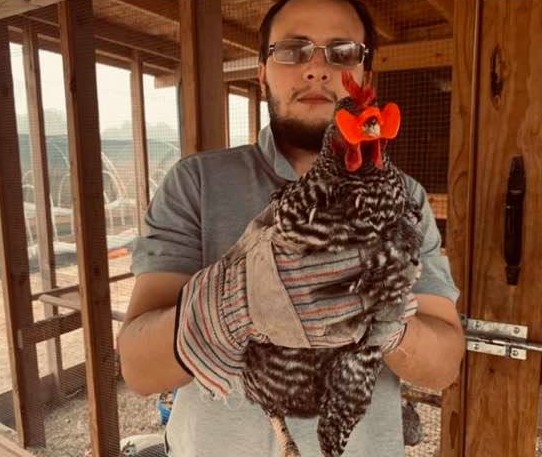
Please like and subscribe on YouTube and come visit us at our Farm Store! The music on our TV ad was written, played, and sung by our son, Matthew Schulze. You can meet him when you come to the farm. He just might give you a tour. Ask him to grab a guitar and sing our jingle that he wrote.
Our 2022 TV Ad

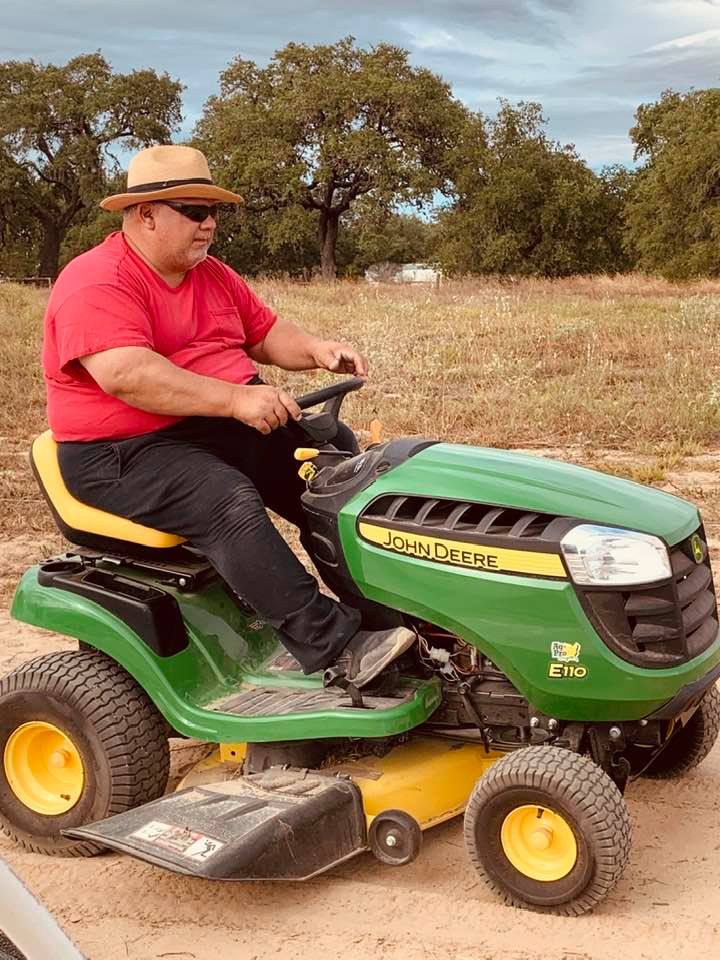 David of David's Garden Seeds® zipping along on his little tractor across the farm. He is having a blast!
We are David's Garden Seeds®. If you need great seeds, we've got over 1,400 varieties to choose from.
Subscribe To Mrs. David's Garden Seeds® Newsletter For FREE!


Find out what is going on down on the farm by reading our blog and by subscribing to our free newsletter for all of the information going down at David's Garden Seeds® and on the farm. I love to share helpful information with you. Please let your friends know and y'all come on down for a visit when you get the chance. We would love to meet you!
New Store Hours!
 Farm Store Hours: Th-Fri 10am-5pm, Sat 10am-2pm. Closed Sun-Wed.
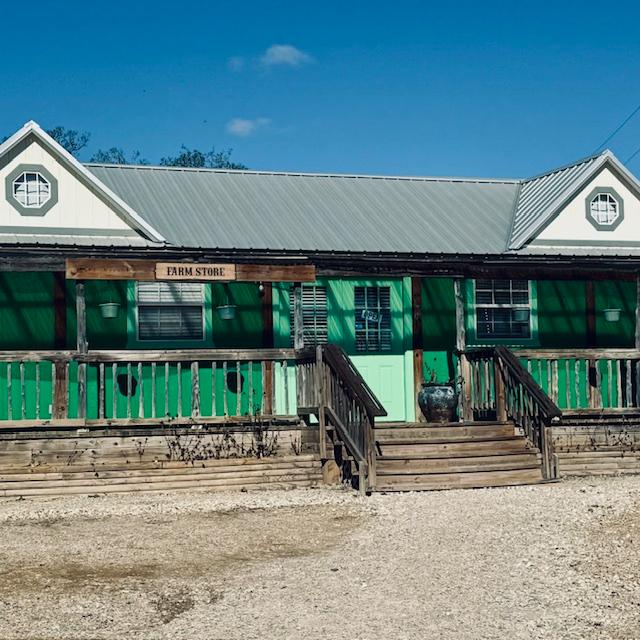 Our Farm Store
Shop for:
- Seeds
- Farm Fresh Eggs
Our Farm is located at 5029 FM 2504 in Poteet, TX.
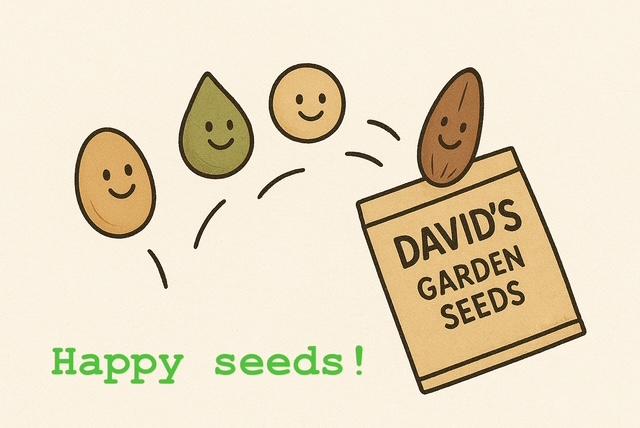 Only happy seeds make the cut to go into our seed packs!
David's Garden Seeds® has
seeds for the backyard gardener and farm fresh chicken eggs.
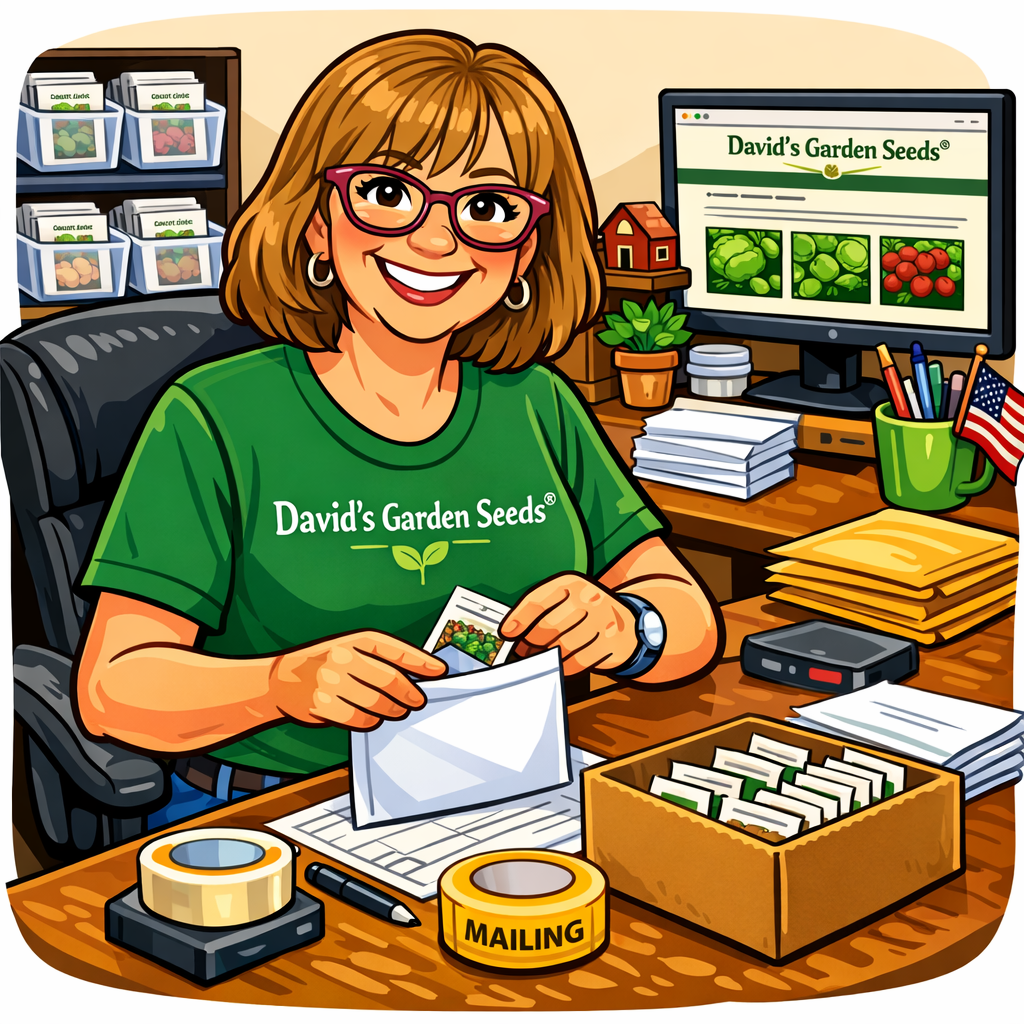
 David & Juanita work hard to pack your garden seed orders.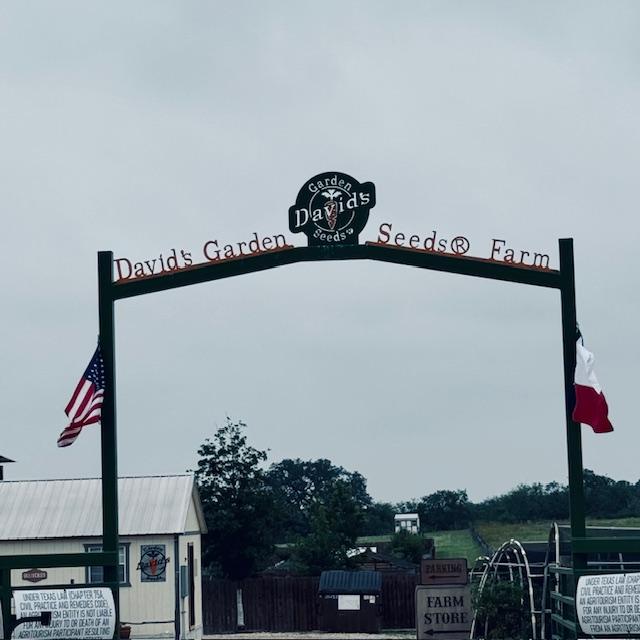
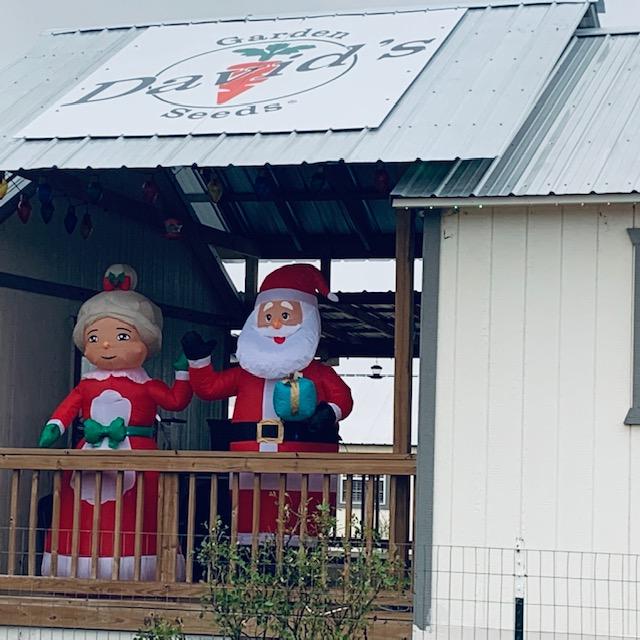

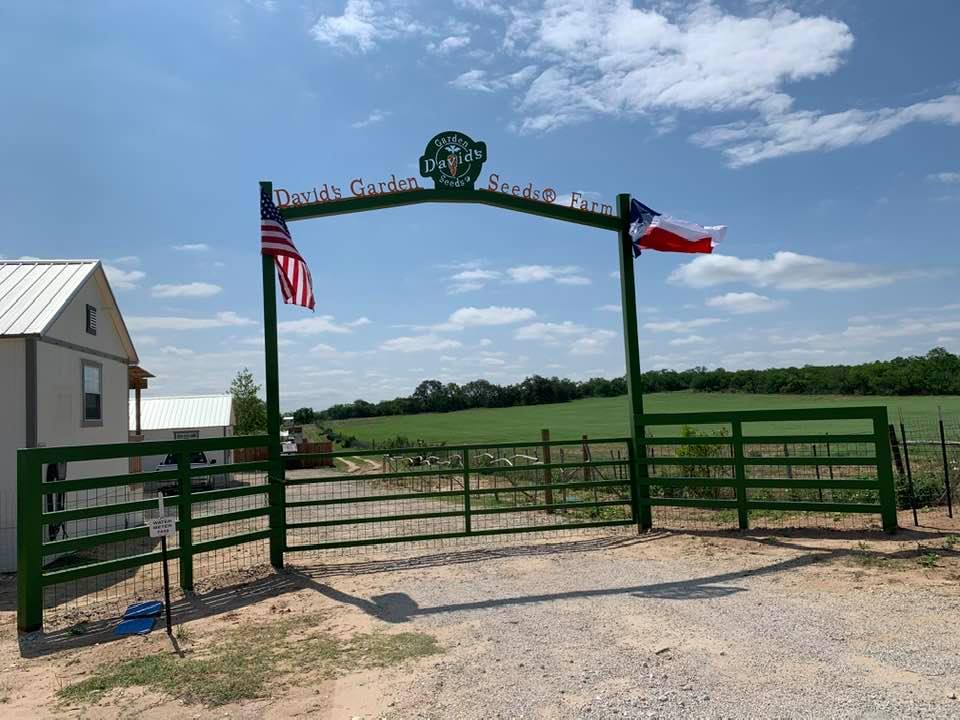

Sign Up For Our Newsletter Here!
   DGS YouTube Mrs
|
   |
Garden Ebooks
by Mrs. David's Garden Seeds
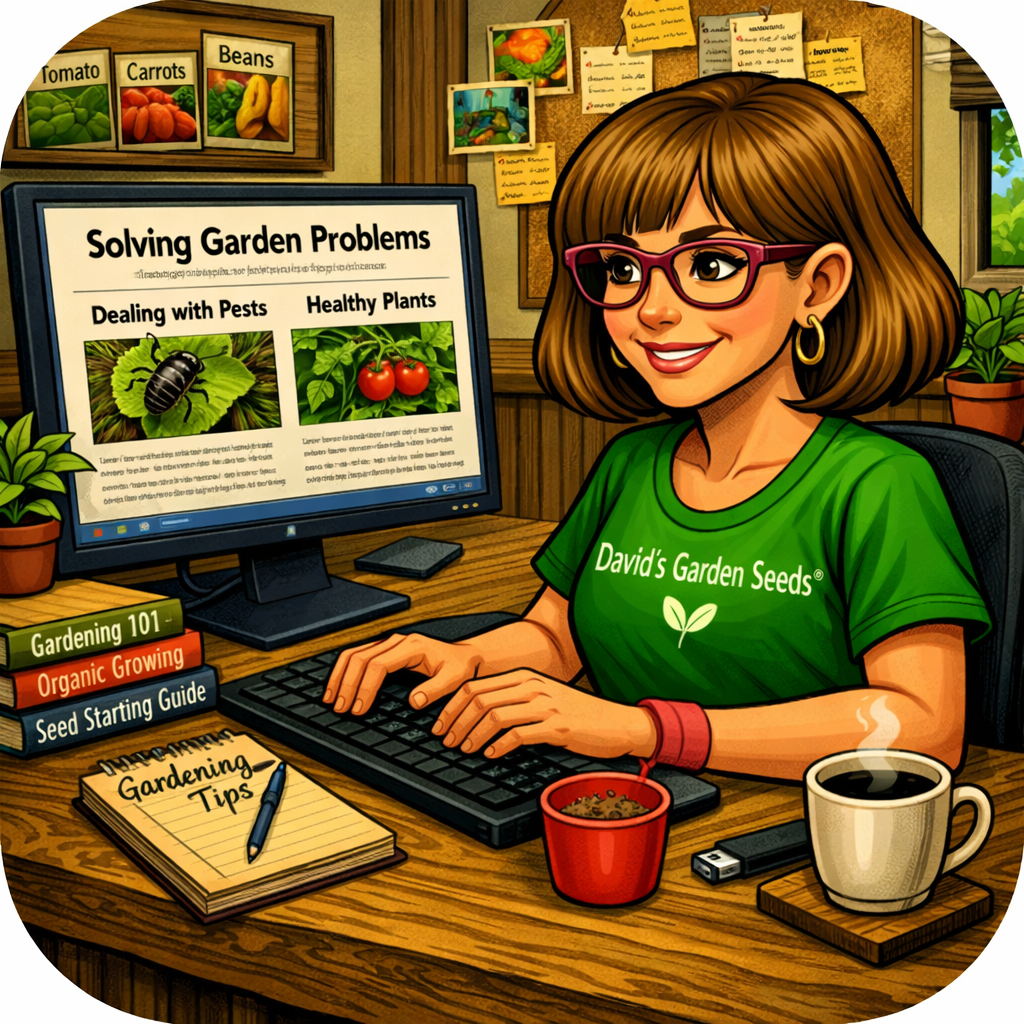 I've been busy creating eBooks to help you with your garden...
IMPORTANT NOTE: THE EBOOKS ARE DIGITAL DOWNLOADS (EBOOKS), NOT PHYSICAL BOOKS.
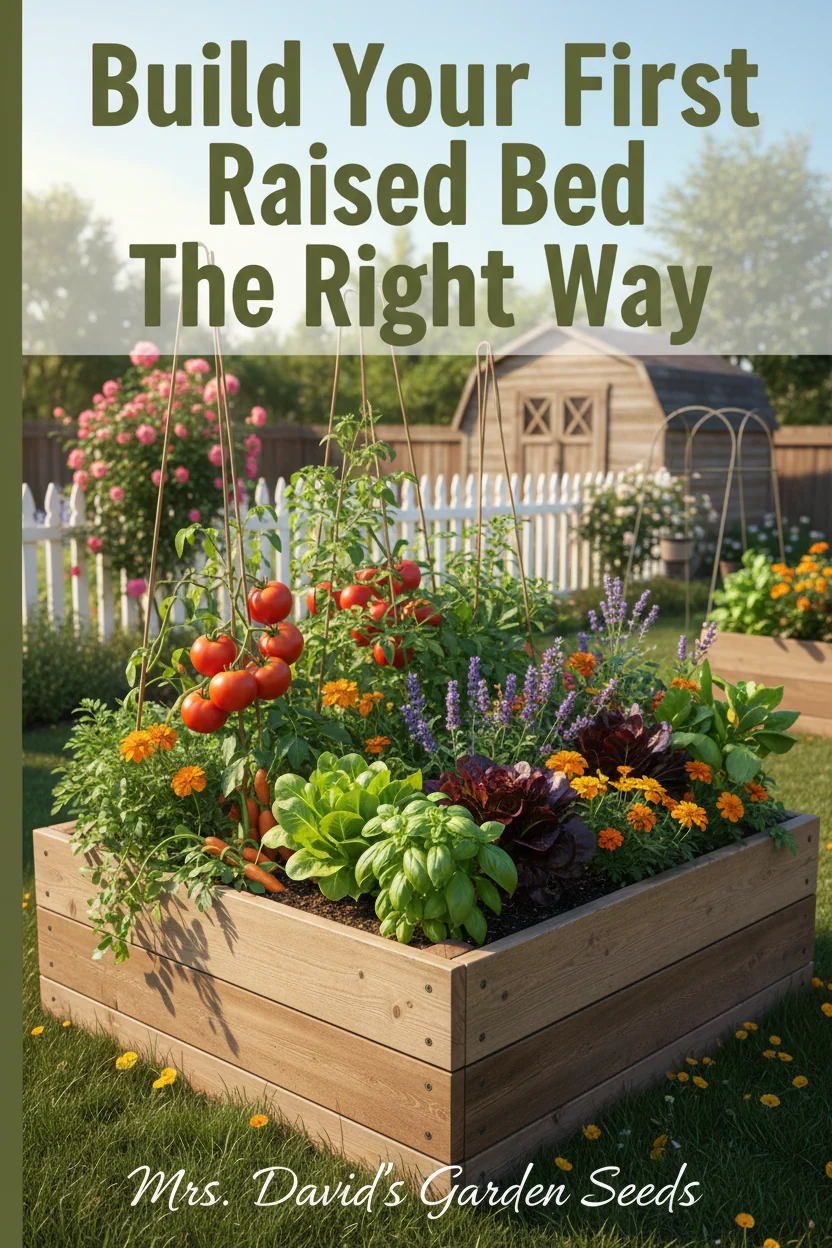
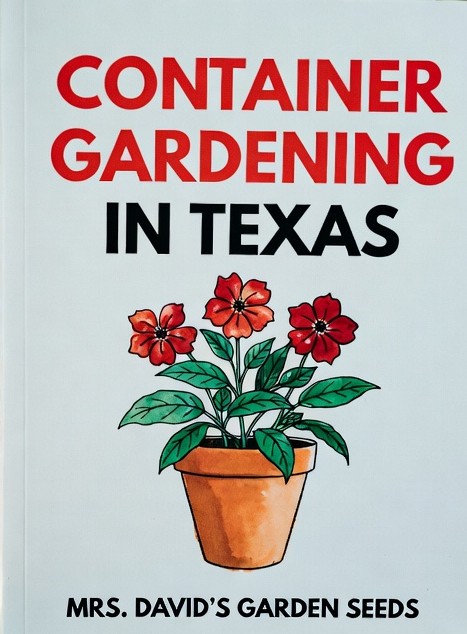
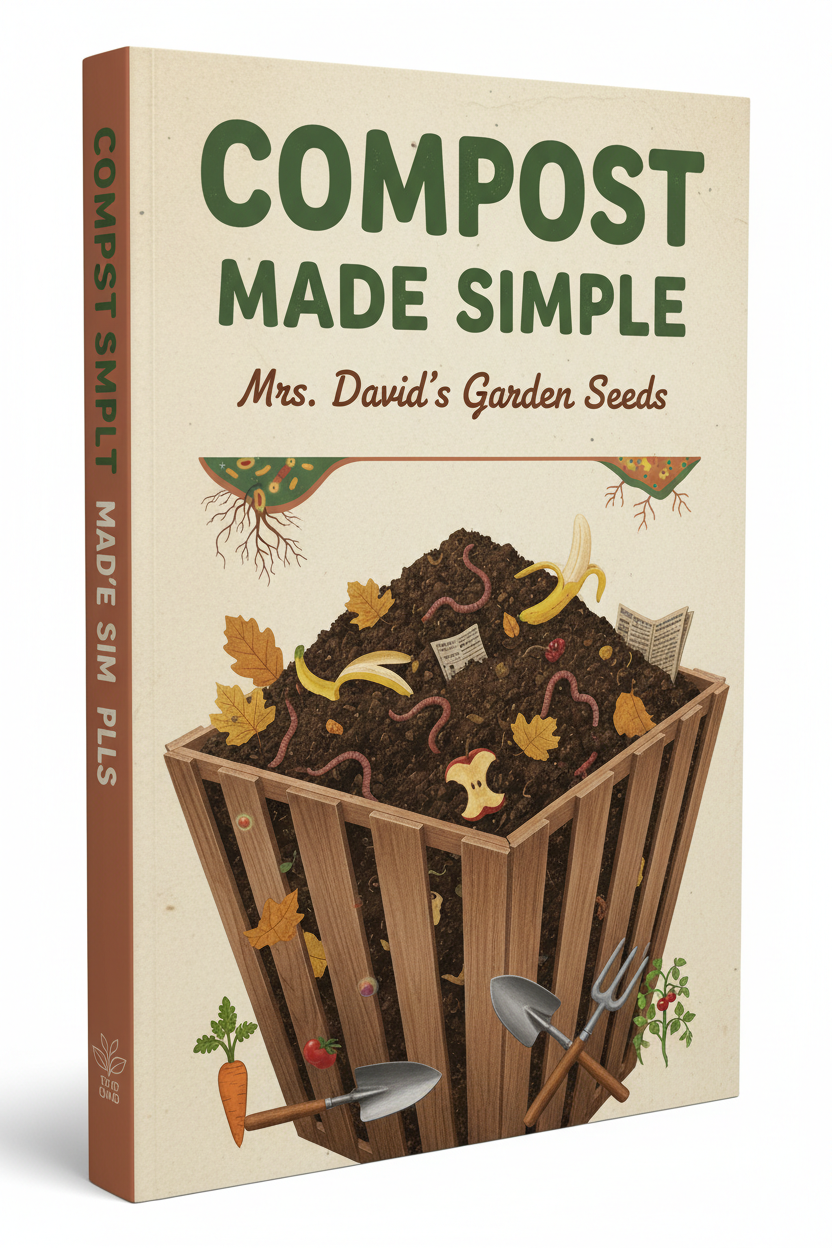
WE DO NOT REFUND OUR DIGITAL DOWNLOADS FOR OBVIOUS REASONS.
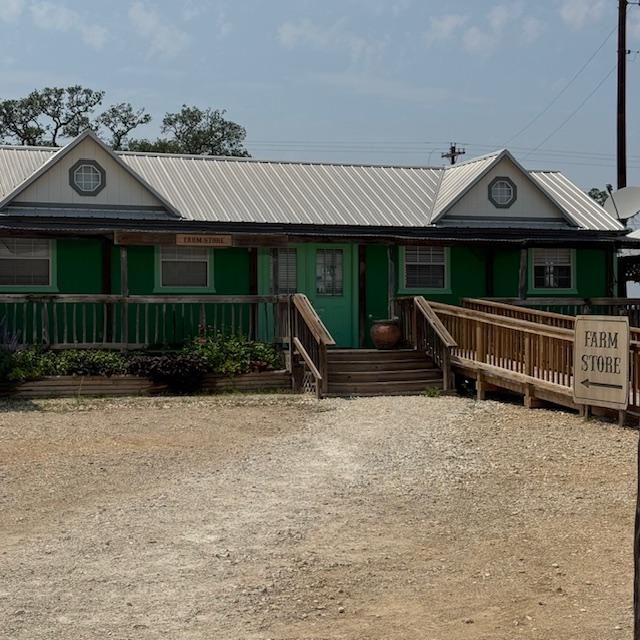 Our Farm Store is the green building
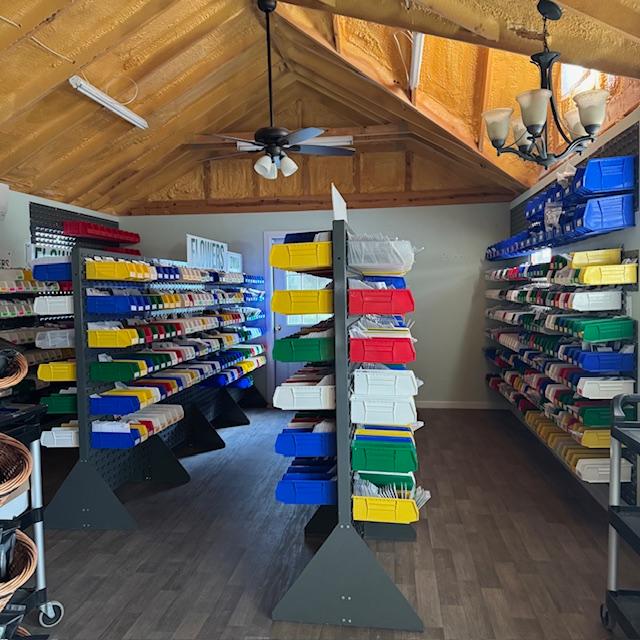 Inside our Farm Store...1400 varieties of seeds await you!
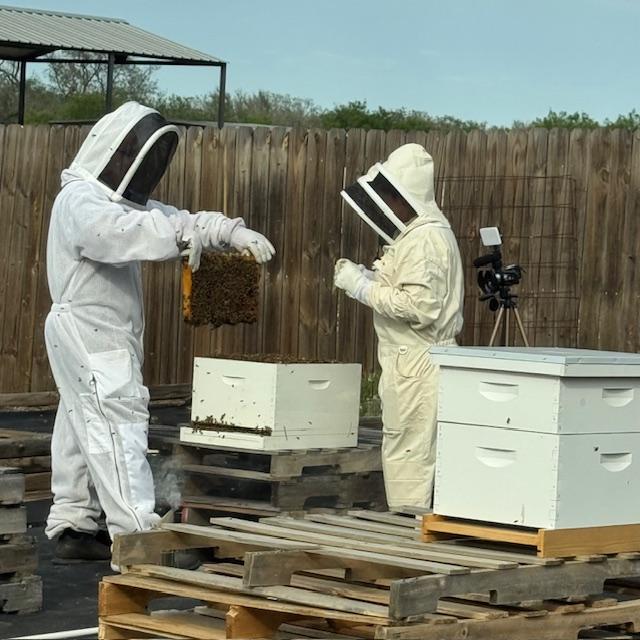 Our bee hives
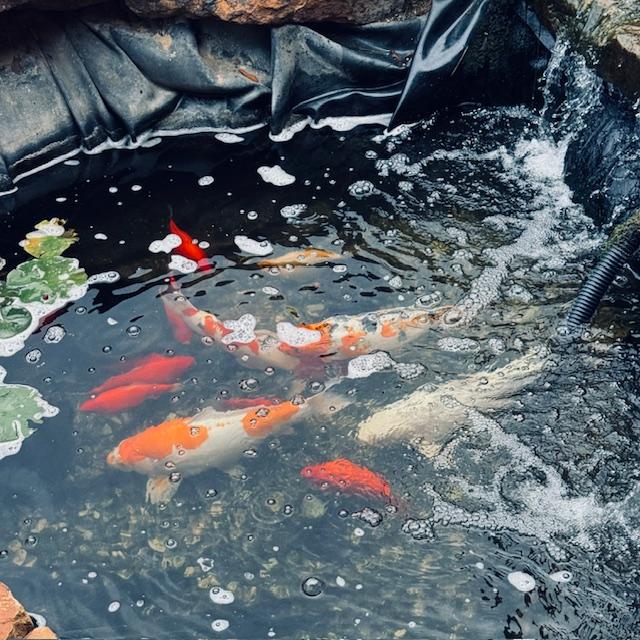 Our fish pond
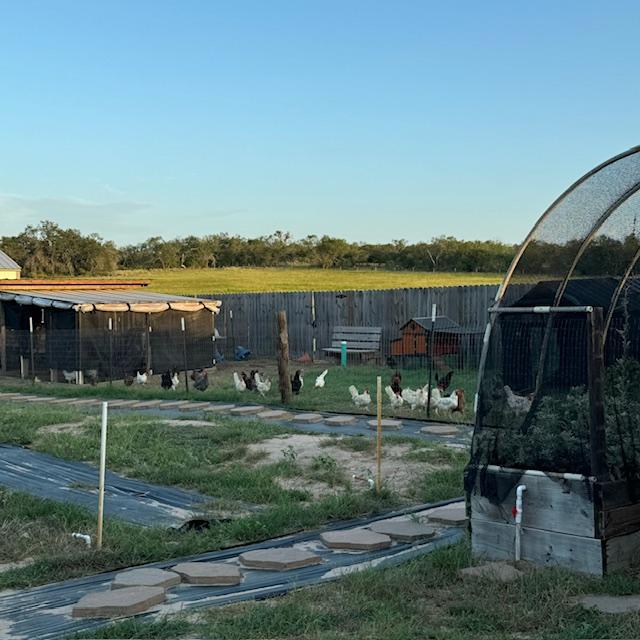 Our chickens
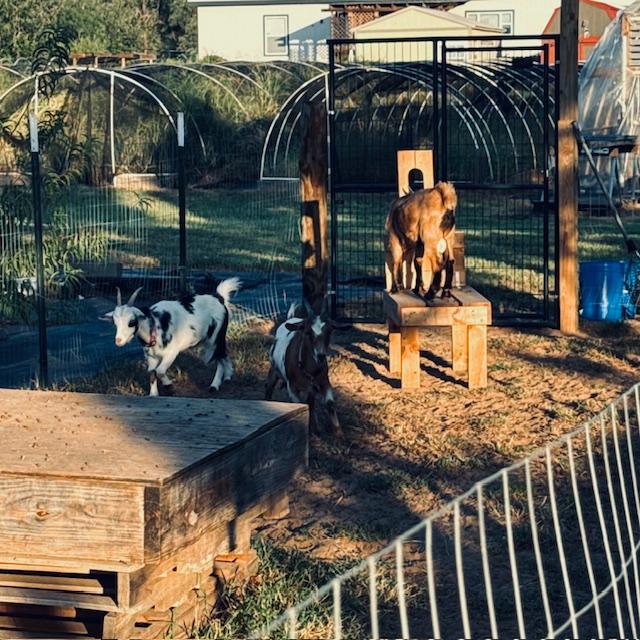 Our Nigerian Dwarf goats
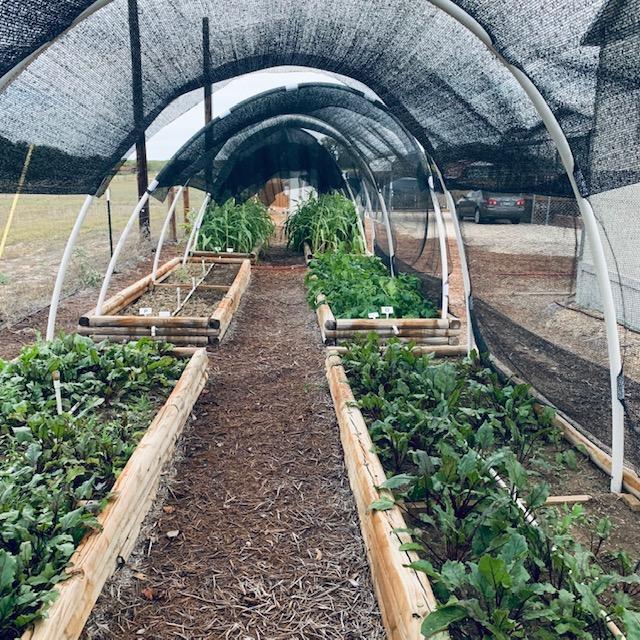
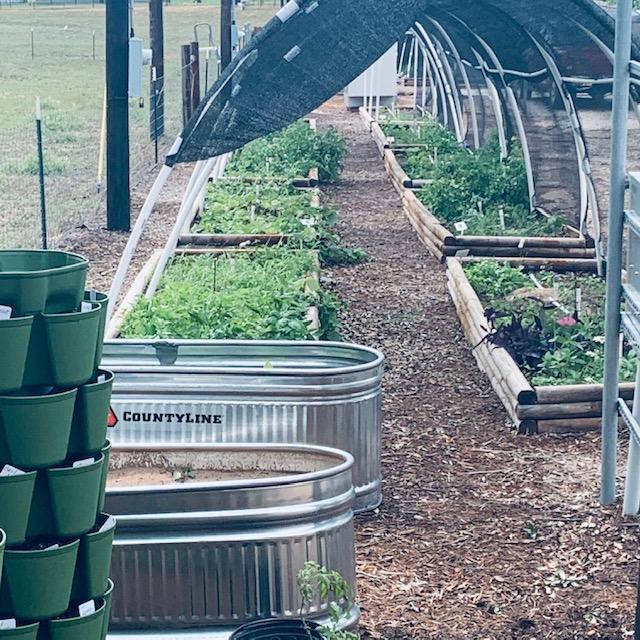 A few of our raised garden beds
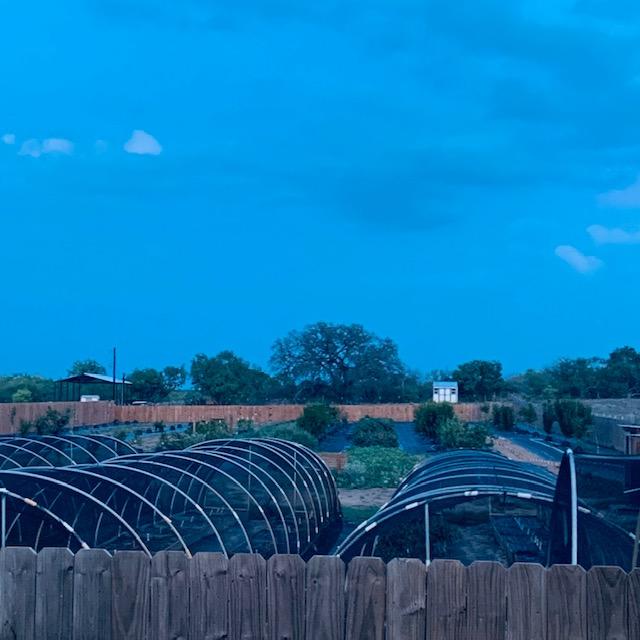 Our orchard and hoop houses
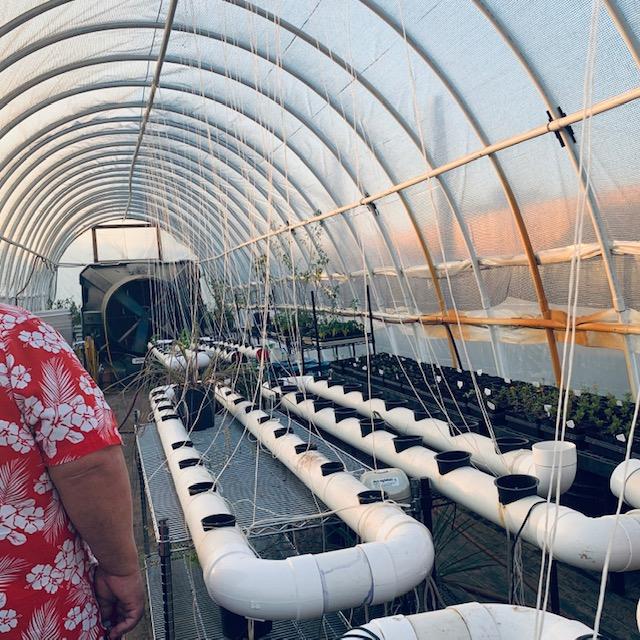 Inside our high tunnel
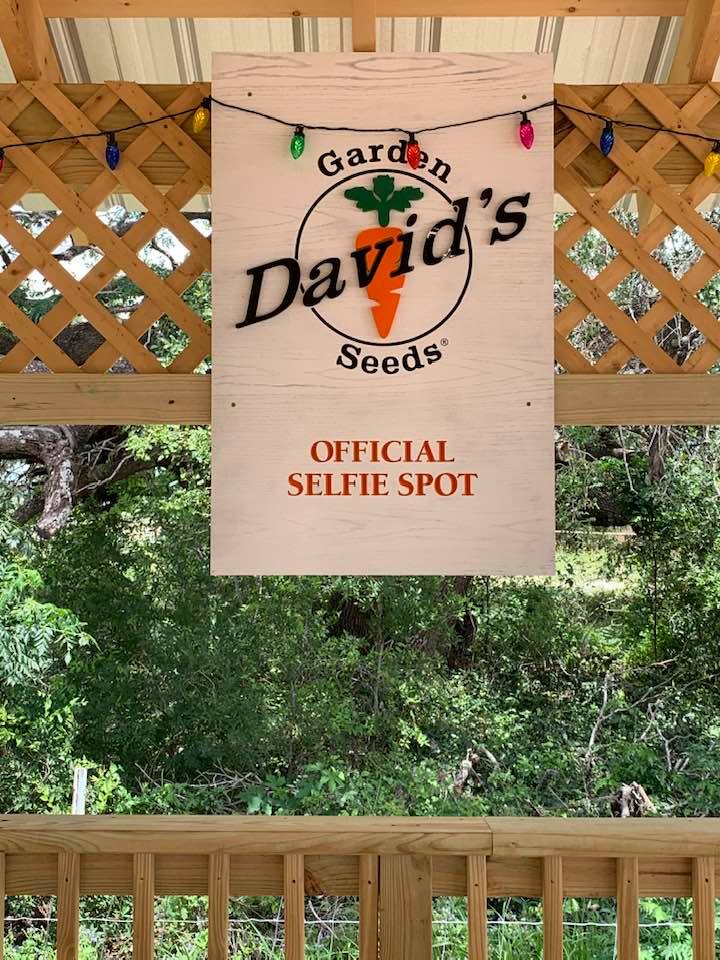 Take a selfie at our official selfie spot!
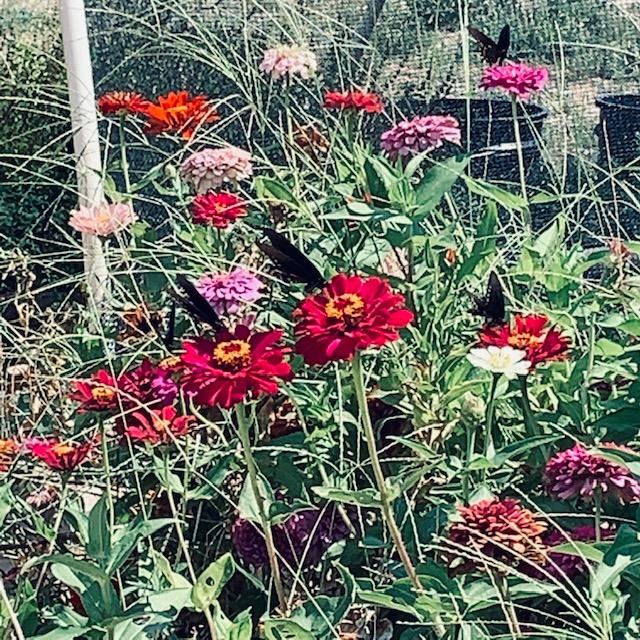 Flowers, bees, and butterflies are everywhere!
Watch Our TV Ads!
David's Garden Seeds® has the best Non-GMO seeds in the state of Texas!

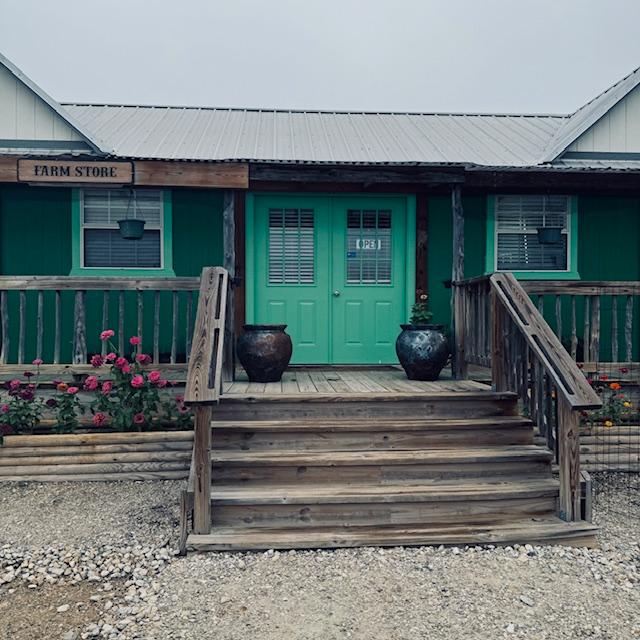 This is our beautiful Farm Store. Come in and shop for seeds. We have over 1600 Non-GMO heirloom varieties to choose from but we are in the process of bringing that number down to half.
Our Story
Hi Everyone! Thank you for visiting my website! I am Mrs Davids
Garden Seeds® aka Mrs. David's Garden Seeds and I think you should know that there is a wonderful seed
company in the great state of Texas called David's Garden Seeds®. We grow some of our seed, we count, hand pack, print our own envelopes, and ship seeds out to you right here from our farm. This used to be an old peanut farm. When the owner died about 15 years ago, his sons split the farm up and sold it in pieces. In 2024, we bought another adjoining four acres.
Our business started in our home in San Antonio in September of 2009. David decided to sell some seeds he had left over from his garden on Amazon. I told David, "Don't bother, it won't work!". I am so glad that David did not listen to me because it did work! By 2015, we had 8 employees working in my home every day and David found a storefront in San Antonio and moved the business there. In 2016, I quit my day job and went on the payroll. The company grew some more and David moved to a bigger storefront in 2017. In 2019, we found a beautiful piece of land over in Atascosa County and turned it into a farm out near Poteet. David and I moved out here to live in August of 2019.
In 2020, we moved our company out to the farm. We have a beautiful Farm Store filled with seeds, a gazebo with a pond full of koi and gold fish for you to visit. Come by and visit us at 5029 FM 2504 in Rossville, just outside of Poteet, Texas, Monday through Friday from 9am to 5pm and Saturday from 10am to 2pm. Or you can order seeds online from our user-friendly website, www.davidsgardenseeds.com.



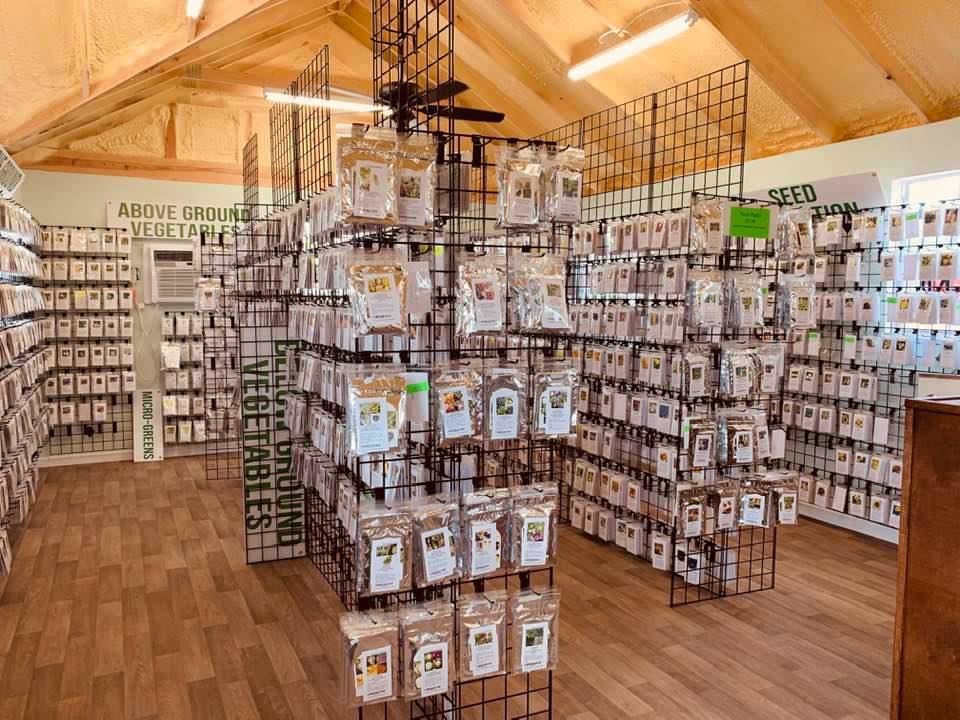 Our beautiful new farm store has almost 2,000 varieties of seeds and more. Mrs Davids Garden Seeds® looks forward to meeting you when you visit.
Mrs. David's Garden Seeds® Copyright by Juanita Lynn Schulze of David's Garden Seeds® 2019-2026
David's Garden Seeds® is Registered in the United States Patent and Trademark Office.