Grow Melons From Seed
Next spring, be sure to grow melons from seed. It is easy but it requires some sand mixed in with the soil in the bed. Grow watermelons, cantaloupes, and other melons with seeds from David's Garden Seeds®.
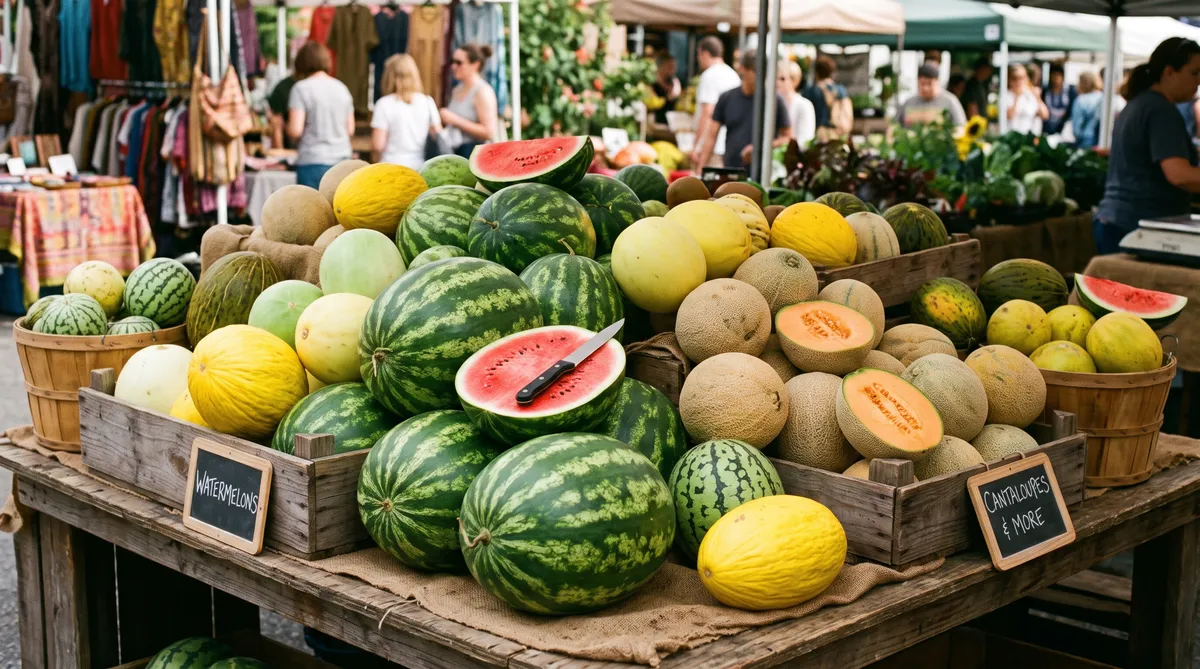
If you want a fun summer crop, you really cannot beat melons. They are sweet, juicy, and full of flavor, and they taste even better when you pick them from your own backyard. The good news is that you can grow melons from seed including watermelons, cantaloupes, and other melons without a lot of fuss if you give them warmth, sun, space, and the right soil.
I like to tell new gardeners that melons look fancy at the store, but in the garden they are pretty simple plants. Once you understand what they need, they usually take off fast. If you have a sunny spot and enough room for long vines, you are already on your way.
One thing matters a lot with melons, and that is soil texture. Melons do best in loose, sandy soil that drains well and warms up quickly in spring. If your garden soil is heavy or sticky, you can improve it by mixing in sand from a garden center or hardware store, along with compost, right in the bed where you plan to plant.
Grow Melons From Seed -11/23-11/29/2026
In this article, you will learn the difference between watermelons, cantaloupes, and other melons, how to start them from seed, when and how to plant, how to water, how to care for them, how to harvest, and how to store your crop so it stays tasty as long as possible.
I have grown melons in backyard beds, along fence lines, and even in mounded rows in hot weather. The sweetest ones always came from plants that had full sun, room to sprawl, and soil that never stayed soggy. That simple lesson can save you a lot of trouble.
So let’s dig in and make melon growing feel easy. You do not need to be an expert. You just need a good plan, a warm season, and a little patience while those vines start running.
Grow Melons From Seed - Knowing Your Melons
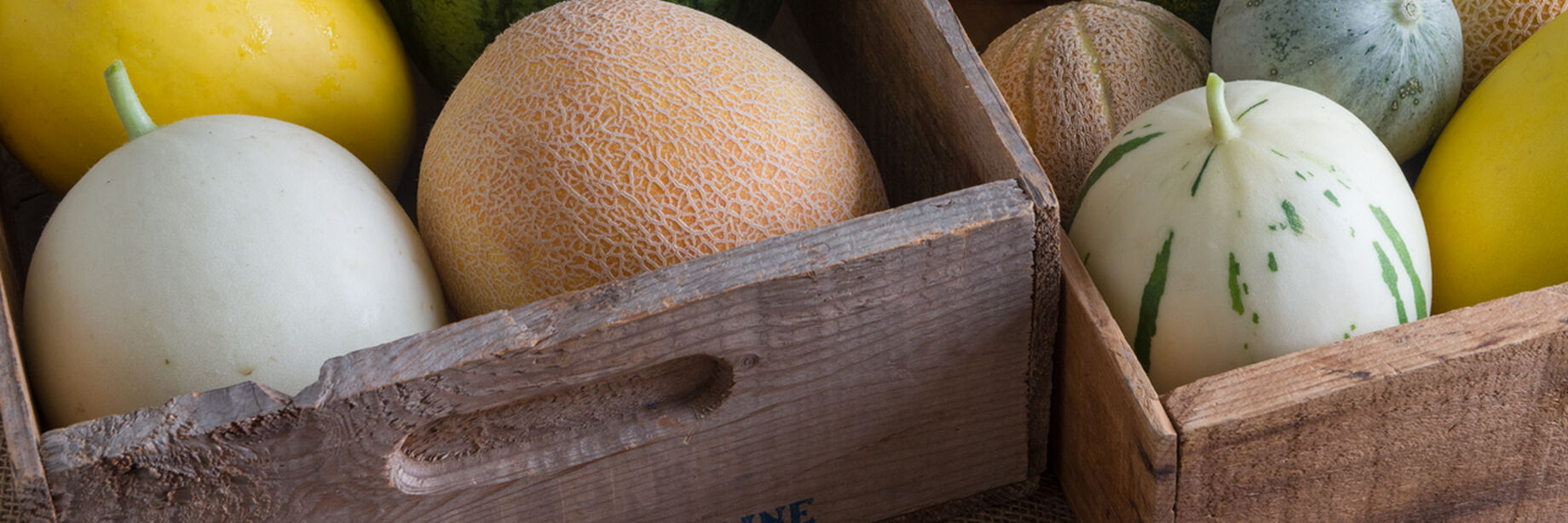
While people often group them together, watermelons, cantaloupes, and other melons do have some differences in size, vine growth, rind texture, flavor, and harvest signs. Knowing those differences helps you plant and care for them the right way.
Watermelons are usually the biggest of the group. They grow on long vines and need a lot of space, especially larger varieties. Their fruit has a thick rind and juicy flesh, usually red or pink, though some types can be yellow or orange inside.
Cantaloupes, which many gardeners also call muskmelons, are smaller than most watermelons. They usually have a netted rind and orange flesh. They are famous for their rich, sweet smell when ripe, and many varieties slip from the vine when they are ready to pick.
Other melons include honeydew, canary melon, Santa Claus melon, and smaller specialty melons. Some have smooth skins instead of netted ones. Some are very sweet and mild, while others are fragrant and a little more complex in flavor.
One big difference is how much room they need. If you want to grow watermelon, plan for the widest spacing because many varieties send vines far across the garden. If you want to grow cantaloupe, you still need space, but the fruits and vines are often a bit more manageable.
Another difference is how you tell when they are ripe. Cantaloupes often change color under the netting, smell sweet, and separate easily from the stem. Watermelons do not slip off the vine like that, so you need to watch the tendril near the fruit and the spot where the melon rests on the ground.
Even with these differences, most melons share the same basic needs. They want warm weather, lots of sunshine, sandy and well-drained soil, steady moisture early on, and less stress from weeds and crowding. That is why one good melon bed can often grow several types at once.
Grow Melons From Seed - Start With The Best Seed
If you want to grow melons from seed including watermelons, cantaloupes, and other melons, start with fresh seed from a trusted source, David's Garden Seeds®. Good seed gives you better germination, stronger plants, and a better chance at sweet fruit.
In most American gardens, melons are planted after all danger of frost has passed. The soil needs to be warm, not chilly. Melon seeds like warm ground, and cold soil can slow sprouting or cause seeds to rot before they ever come up.
You can sow seeds right in the garden, which is the easiest method in warm areas. In cooler areas with shorter summers, you can start seeds indoors a few weeks before planting time. Just do not start them too early, because melon seedlings grow fast and do not love having their roots disturbed.
If you start seeds indoors, use small pots or biodegradable pots so you can move the whole root ball with little stress. Plant the seeds about 1 inch deep in seed-starting mix. Keep them warm, give them bright light, and water just enough to keep the mix lightly moist.
Most melon seeds sprout best in warm conditions. A warm windowsill can work, but a heat mat often helps if your house is cool. Once they sprout, give them plenty of light so they do not get tall and weak.
I learned this the hard way one year when I started melon seeds too early and let them sit too long in little pots. They looked fine at first, but they sulked after transplanting. Since then, I start them later or direct sow them, and the plants usually do much better.
Grow Melons From Seed - How And When To Plant
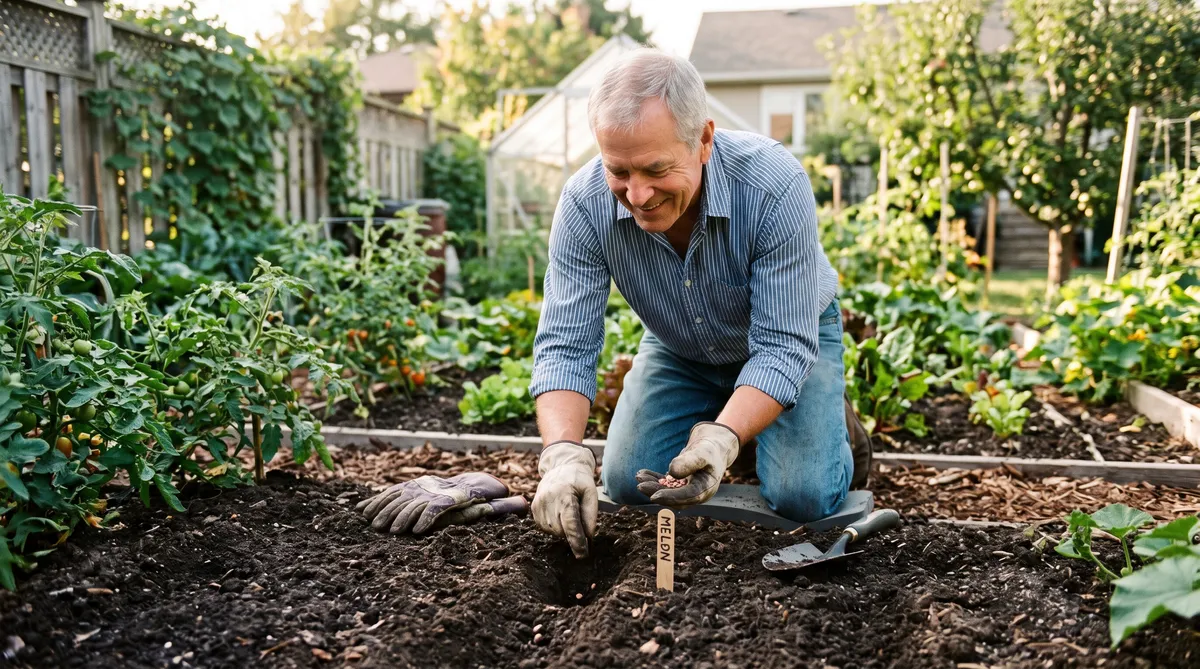
Timing matters with melons because they love heat. Wait until frost danger is over and nighttime temperatures are mild. The garden should feel like it has truly moved into late spring or early summer before you plant.
Pick the sunniest spot you have. Melons need at least 6 to 8 hours of direct sun, and more is even better. The more sun they get, the more energy they have for vines, flowers, and sweet fruit.
Before planting, loosen the soil well and mix in compost. If your soil is dense, blend in coarse sand to improve drainage and texture. Since melons are easy to grow as long as they have sandy soil to grow in, this step can make a huge difference in how healthy your plants become.
Many gardeners plant melons in low hills or raised mounds. This helps the soil warm faster and drain better. You can make each hill a few feet apart, depending on the variety, and plant several seeds in each hill, thinning later to the strongest seedlings.
Follow seed packet spacing, because spacing varies by type. In general, watermelons need more room than cantaloupes and smaller melons. If space is tight, choose compact varieties, but still avoid crowding because crowded vines get less air flow and more disease trouble.
Plant seeds about 1 inch deep and water them gently after sowing. If you are transplanting seedlings, plant them at the same depth they were growing in their pots. Be careful not to break the roots, and try to disturb the root ball as little as possible.
After planting, you can add mulch once the soil is warm. Straw or other light mulch helps hold moisture, reduce weeds, and keep fruit cleaner. Just do not pile mulch right against young stems.
Grow Melons From Seed - Watering
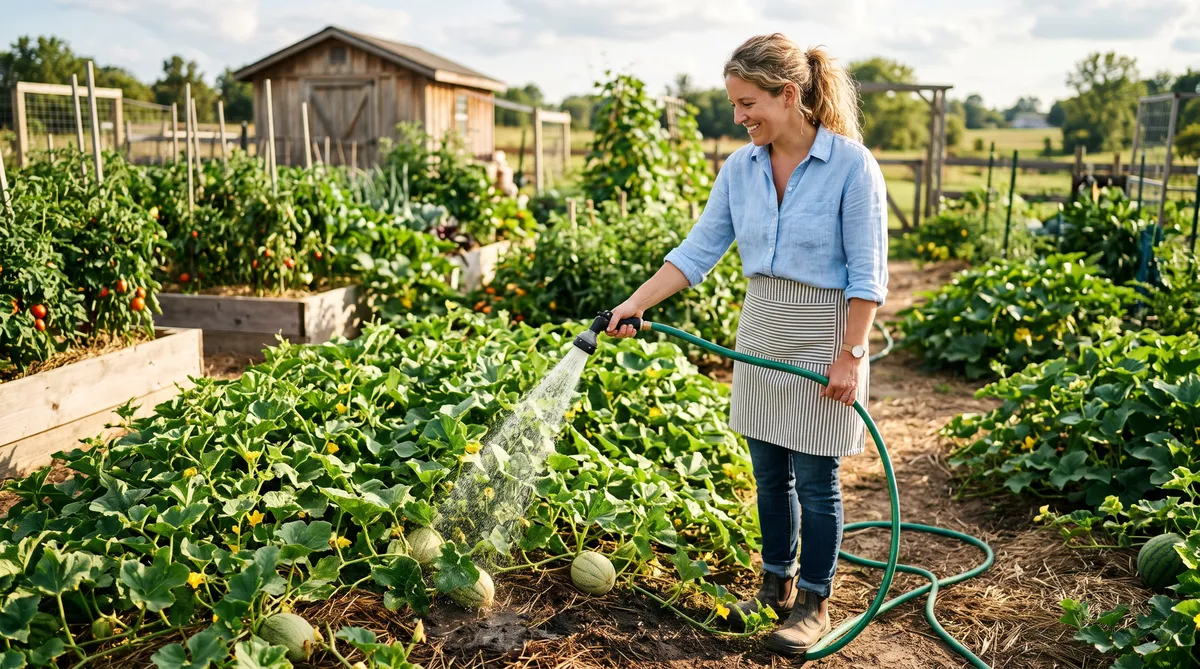
Melons need steady water while they are getting established, growing vines, and setting fruit. Dry spells followed by heavy soaking can stress plants and affect fruit quality, so even moisture is the goal.
Water deeply rather than giving the bed a tiny sprinkle every day. Deep watering encourages roots to grow down into the soil. Shallow watering keeps roots near the surface, where they dry out faster in hot weather.
The best time to water is usually early in the day. That gives plants time to dry off and can help reduce leaf diseases. Try to water the soil, not the leaves, if you can.
Sandy soil drains faster than heavy clay, so beds improved with sand may need checking more often, especially in heat. That does not mean you should keep the soil soggy. Melons want moisture, but they do not want wet feet.
Once fruit starts maturing, many gardeners ease back a little on watering. You still do not want the plants to wilt badly, but overly wet conditions late in the season can make fruit less sweet and may increase cracking in some cases. A steady but not excessive watering pattern works best. If you are not sure when to water, stick your finger into the soil a couple of inches deep. If it feels dry there, it is probably time to water. This simple habit is often better than watering by guesswork.
Grow Melons From Seed - Care Through The Season
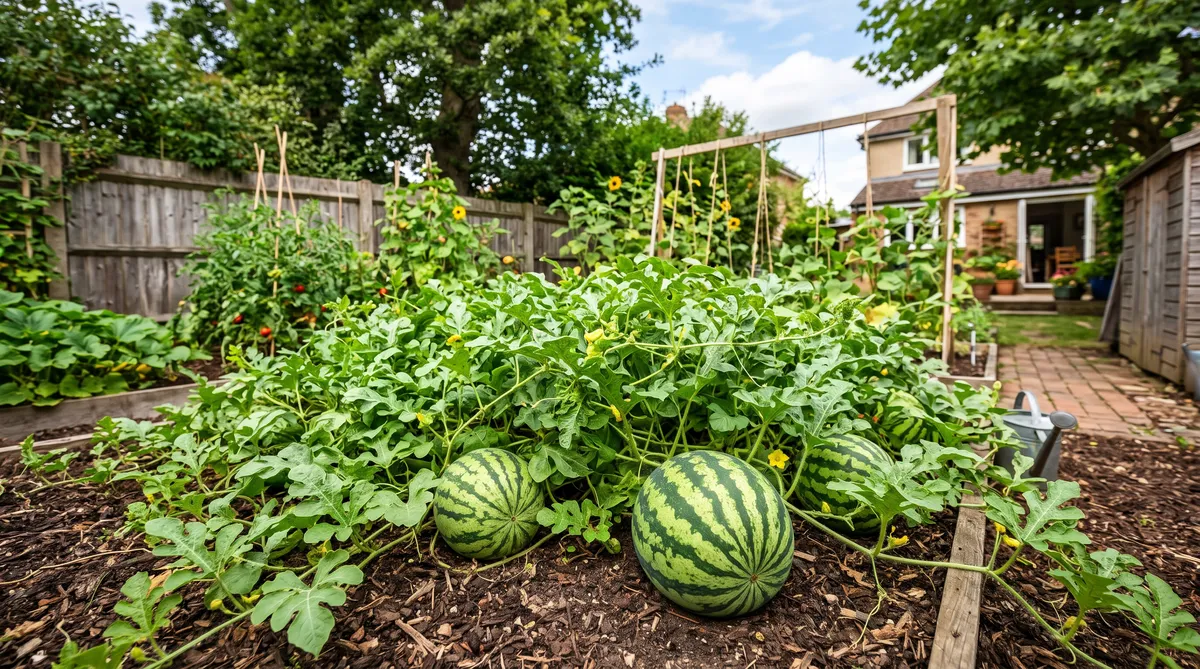
Melons are not high-maintenance, but they do need some help staying healthy and productive. A little attention each week goes a long way.
Keep weeds under control, especially while the plants are young. Weeds steal water, nutrients, and sunlight. Once melon vines spread out, they can shade some weeds, but early weeding is important.
Feeding matters too. Rich soil with compost often gives melons a strong start. If your soil is poor, use a balanced garden fertilizer according to label directions, but do not overdo nitrogen, because too much can give you huge vines and fewer fruits.
Melons make separate male and female flowers on the same plant, and bees help move pollen between them. If you want good fruit set, welcome pollinators into the garden. Avoid spraying open flowers with anything that could harm bees.
You can gently guide vines if they begin running into paths or neighboring plants. Just move them carefully, because vines can snap if handled roughly. I usually let them sprawl naturally and only shift them when they truly get in the way.
Watch for common problems like yellowing leaves, poor growth, or fruit that stops developing. These can come from uneven watering, poor pollination, cramped roots, or weak soil. Start with the basics first, because simple fixes often solve the problem.
Good air flow helps a lot. Proper spacing, weed control, and watering at the soil line can all lower the chance of disease issues. Clean growing habits make a bigger difference than many new gardeners expect.
Grow Melons From Seed - Harvest
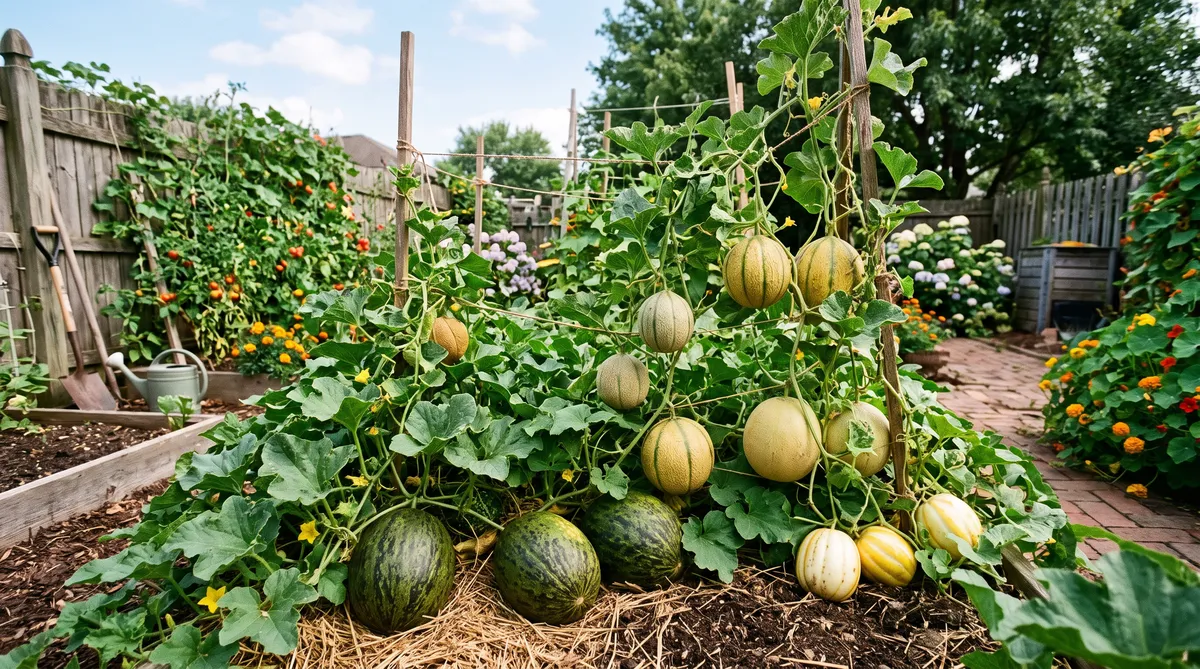
This is when all that waiting starts to pay off. Melons are sweetest when they ripen well on the plant, so timing your harvest matters.
Cantaloupes are often the easiest to judge. The rind color under the netting changes from green to tan or yellowish, the fruit smells sweet, and the stem often slips free with gentle pressure when ripe. If it does not slip, it may need more time.
Watermelon harvest takes a little more practice. Look at the curly tendril nearest the fruit stem. When that tendril dries up and turns brown, the melon may be ready. Also check the underside, where the melon touches the ground. That spot often changes from pale white to a more creamy yellow when ripe.
With other melons, color, smell, and slight softness at the blossom end can help. Each variety is a little different, so check the expected days to maturity on the seed packet and compare that with what the fruit looks and feels like in the garden.
Use a knife or pruners to cut most melons from the vine if they do not naturally slip off. Handle them gently so you do not bruise them. A damaged melon usually does not store as long.
One of my favorite garden moments is carrying in the first ripe melon of the season and cutting it open while it is still warm from the sun. Store melons are fine, but homegrown ones often smell stronger and taste sweeter. That is a big part of why so many gardeners keep coming back to them.
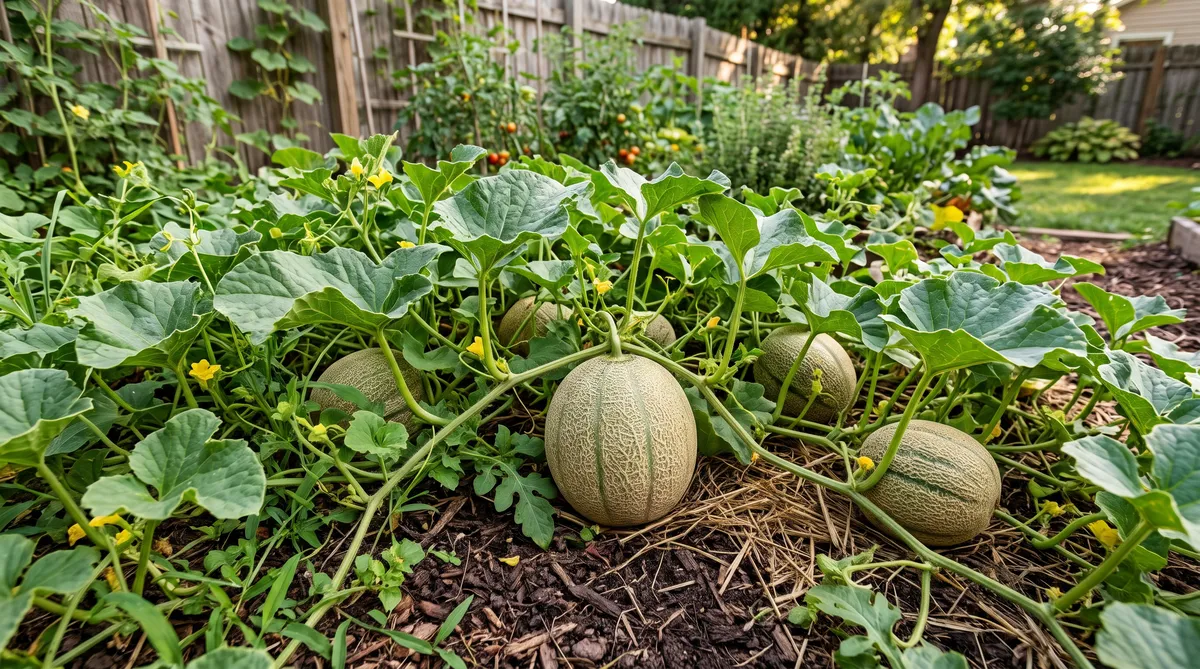
Grow Melons From Seed - Storage
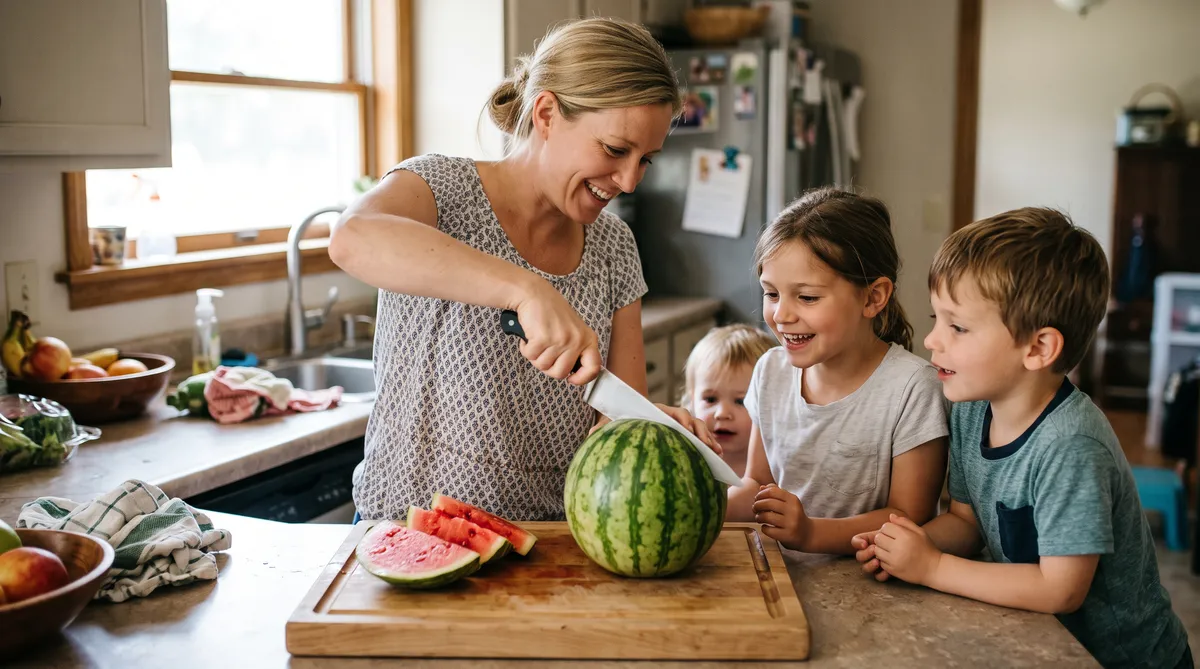
After you grow melons from seed including watermelons, cantaloupes, and other melons, you want to keep them in good condition as long as you can. Storage depends a little on the type and how ripe the fruit is when you pick it.
Whole watermelons can often sit for a while in a cool room, but they keep better when they are not left in hot conditions. Once cut, cover the pieces and refrigerate them. Chilled watermelon is one of the best summer treats you can have ready in the fridge.
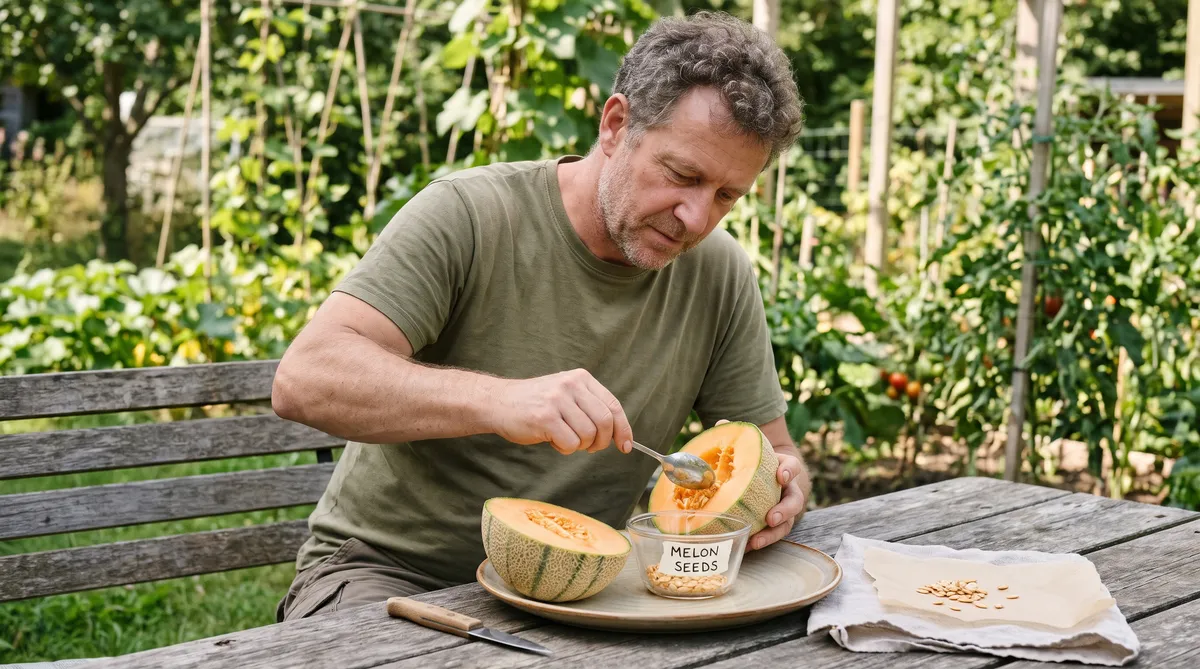
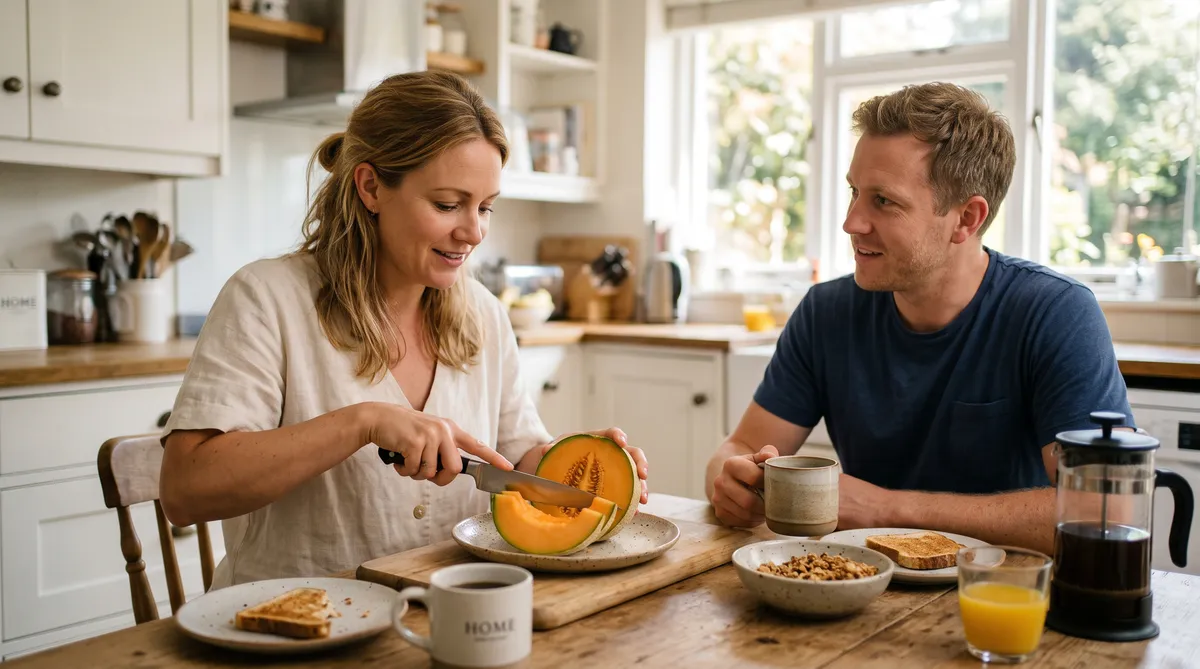 Grow melons from seed. This lady is slicing into a cantaloupe she grew in her backyard. Cantaloupe is wonderful as a breakfast melon.
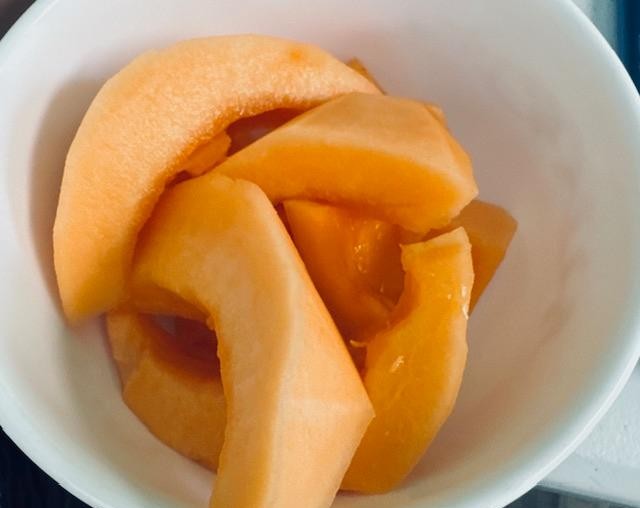
Cantaloupes and many other sweet melons can finish softening after harvest, but fully ripe ones should be eaten fairly soon for the best flavor. Once cut, refrigerate them promptly. Keep cut melon covered so it does not dry out or pick up other odors from the fridge.
If you harvest more than you can eat at once, share with friends, neighbors, or family. Melons are one of those crops that feel generous. A good patch can suddenly give you several fruits at nearly the same time.
For the best eating quality, wash the outside before cutting, even if you do not eat the rind. This helps keep dirt from getting pulled into the flesh by your knife. Then chill slices or cubes for easy snacks, fruit salads, or simple desserts.
If you are planning next season already, take notes on which varieties tasted best and which ones handled your garden conditions well. Some kinds do better in humid areas, some do better in dry heat, and some are better choices for smaller gardens.
Grow Melons From Seed - Wrapping It Up
To sum it up, the main differences between watermelons, cantaloupes, and other melons come down to size, rind, flavor, space needs, and ripeness signs. But their growing needs are very similar, which makes them a great group of crops to learn together.
If you remember just a few basics, you will be in great shape. Give melons full sun, warm weather, room to spread, and sandy, well-drained soil. That simple foundation supports almost every part of successful melon growing.
If your native soil is not ideal, do not give up. Improve it by mixing in sand and compost in the garden bed before planting. That one step can turn a heavy patch of ground into a much better home for melon roots.
So yes, you really can grow melons from seed including watermelons, cantaloupes, and other melons in an American backyard garden. Grow all kinds of melons from seed in your garden, and you may be surprised by how easy and rewarding it feels once the vines start climbing and the fruits begin to swell.
When summer rolls around and you slice into your own ripe melon, you will understand why gardeners love this crop so much. Start simple, pay attention to warmth and soil, and enjoy the process. With a little space and care, you can harvest sweet melons right outside your door.
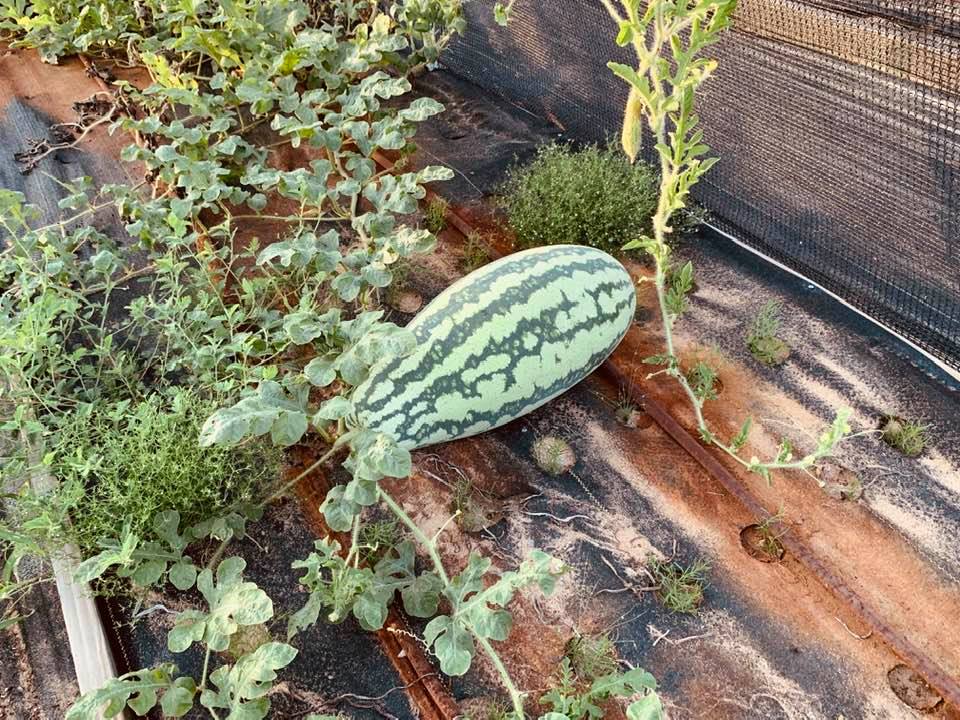 Here is a watermelon from our garden that we grew. Grow melons from seed that you get from David's Garden Seeds®.
Monday, November 23, 2026
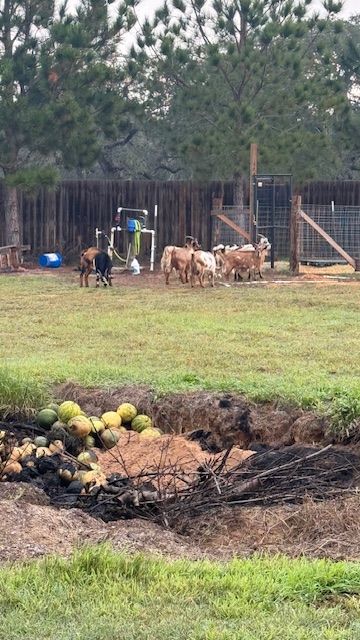 Our goats exploring. In the foreground are wild watermelon that have no taste. David has them all in a pit that he burned. It will have to be burned some more.
Good morning. It is cold at 47° this morning. I put the heater on. I am not sure where David is but he is not anywhere I can see. I let the barking dogs in and fed them.
Last night when I opened the laundry room door to let the dogs go out into the backyard, the top hinge broke in half. They just don't make houses like they used to. In all of my years of living in homes all over the USA, I have never experienced a hinge breaking in half before. It was quite shocking.
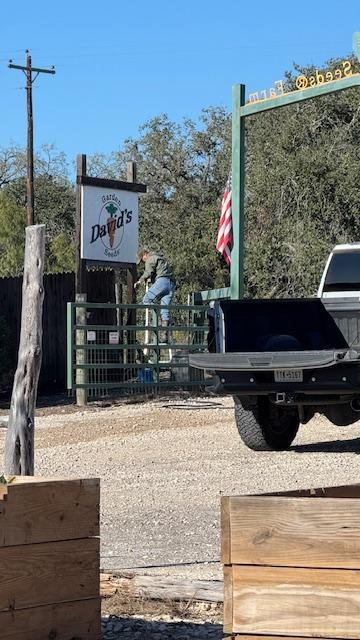
David and Matt put new hinges on the door this morning. An acquaintance of David came by to power wash our logo sign out front this morning. He did a fantastic job but would not take payment. It looks great.
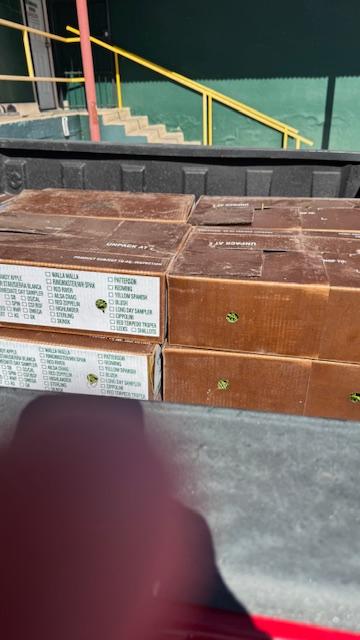
Around 10am, David got a call from Dixondale that the onion sets were harvested and ready to be picked up. David and I went down to Carrizo Springs and picked up ten cases. We managed to get back before 2:30pm and I immediately started sending people's onion orders out. They are all in except for Spanish Sweet which won't be ready until January 4th!
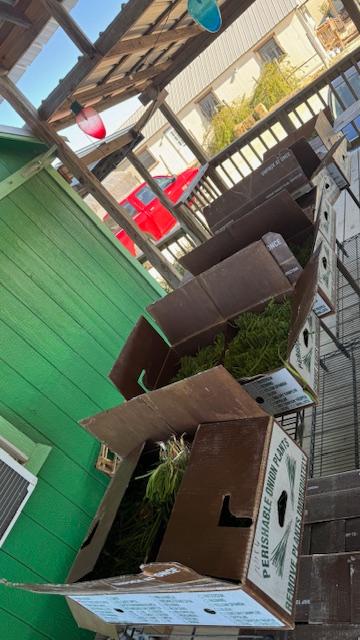
I filled a mailbag by 6pm and came home. I have tons more onion orders to fill tomorrow.
I finished a bit more of the desk and chair I was building for my book nook tonight. I was too tired to do anymore.
Tuesday, November 24, 2026
Good morning. It is 53° this morning. Tomorrow morning, it is supposed to be 36°. That will hurt.
David made biscuits with sausage and cheese for breakfast. Now it is time to go over and mail as many onions as I can.
Wednesday, November 25, 2026
Thursday, November 26, 2026
Friday, November 27, 2026
Saturday, November 28, 2026
Sunday, November 29, 2026
Return from Grow Melons From Seed to Grow From Seed
Anything To Share On This Topic?
Would you like to share additional information about this topic with all of us?
Since 2009, over 2,000,000 home gardeners, all across the USA, have relied on David's Garden Seeds® to grow beautiful, productive gardens. Trust is at the heart of it. Our customers know David's Garden Seeds® stocks only the highest quality seeds available. Our mission is to become your lifetime supplier of quality seeds. It isn't just to serve you once; we want to earn your trust as the primary supplier of all of your garden seeds.
Watch Our 2022 TV Commercial!
Sing Along To Our Jingle
♪♫♪♪ ♫ ♪ ♫♪♫♫
♪♫♪♪♫♫
Peppers and peas
And lots of yummy greens
You can't go wrong
With Squash This Long
At David's Garden Seeds
♪ ♫ ♪ ♫
Our New 2024 TV Ad
Please like and subscribe on YouTube and come visit us at our Farm Store! The music on our TV ad was written, played, and sung by our son, Matthew Schulze. You can meet him when you come to the farm. He just might give you a tour. Ask him to grab a guitar and sing our jingle that he wrote.
Our 2022 TV Ad

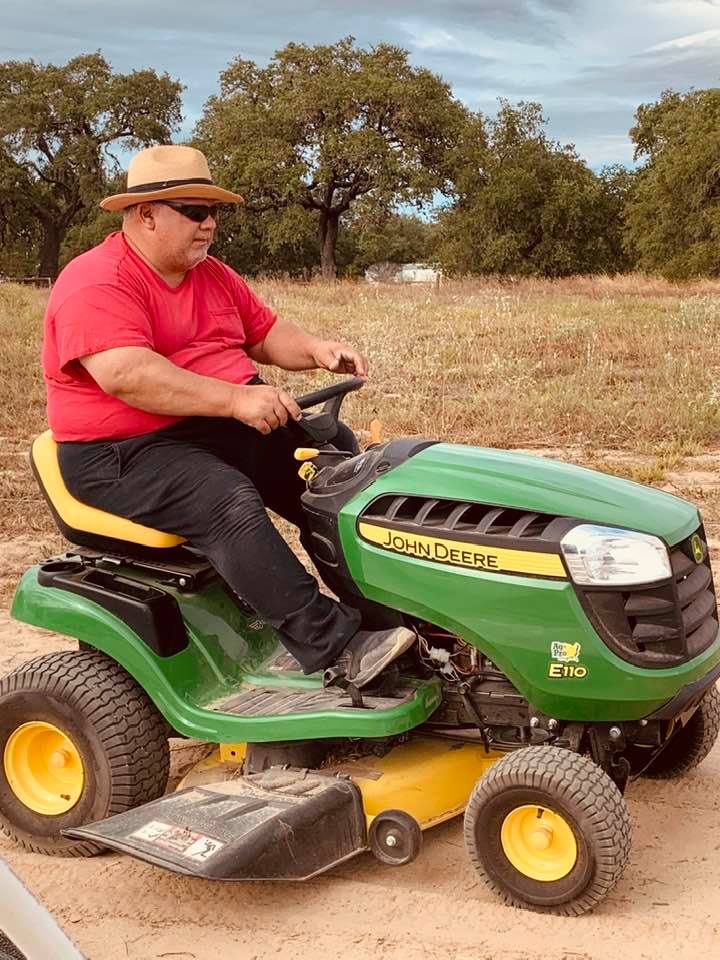 David of David's Garden Seeds® zipping along on his little tractor across the farm. He is having a blast!
We are David's Garden Seeds®. If you need great seeds, we've got over 500 varieties to choose from.
Subscribe To Mrs. David's Garden Seeds® Newsletter For FREE!


Find out what is going on down on the farm by reading our blog and by subscribing to our free newsletter for all of the information going down at David's Garden Seeds® and on the farm. I love to share helpful information with you. Please let your friends know and y'all come on down for a visit when you get the chance. We would love to meet you!
New Store Hours!
Farm Store Hours: Mon-Fri 10am-5pm, Sat 10am-2pm
Gift Cards
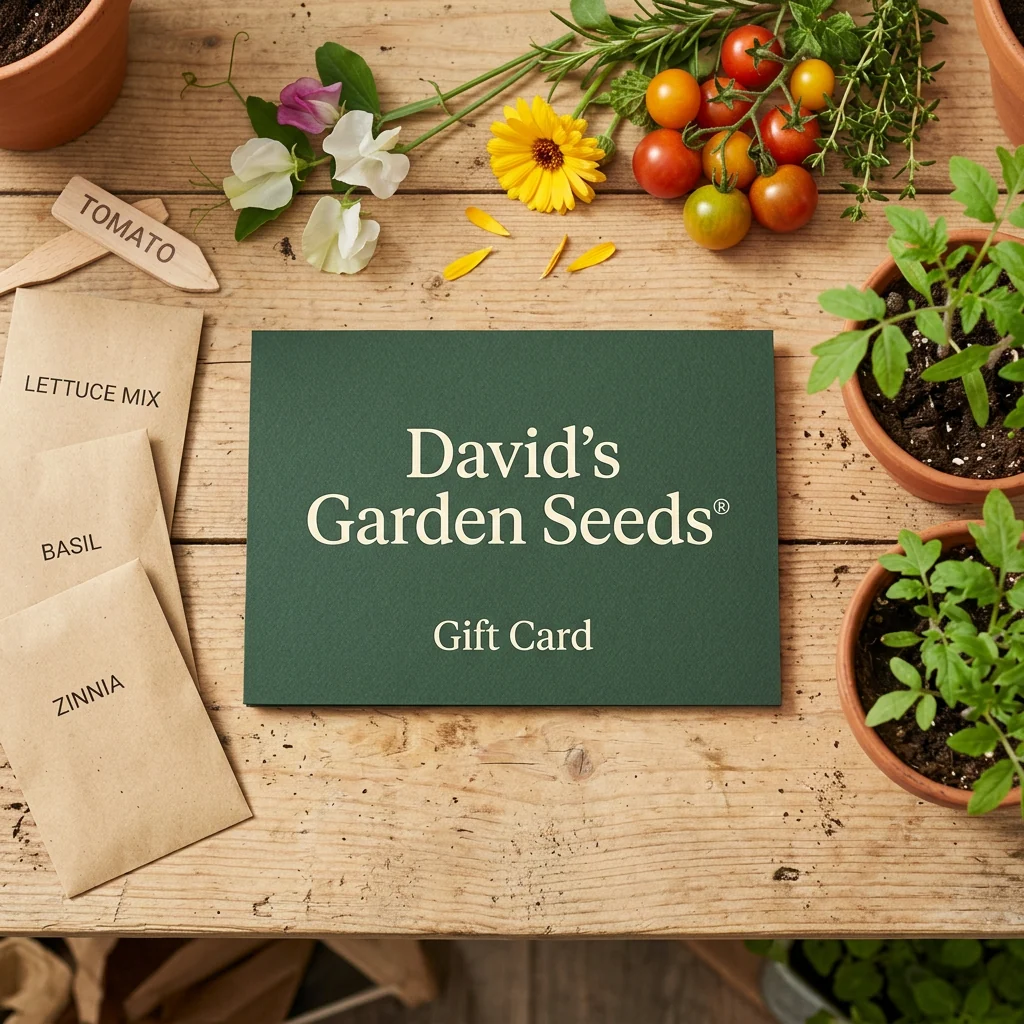
A gift card can be the perfect gift for any occasion!

Being out here in the country, we had awful internet & we could not stream TV. We got Starlink in April of 2025 & we love it! Now we can stream and work, even when it is raining!
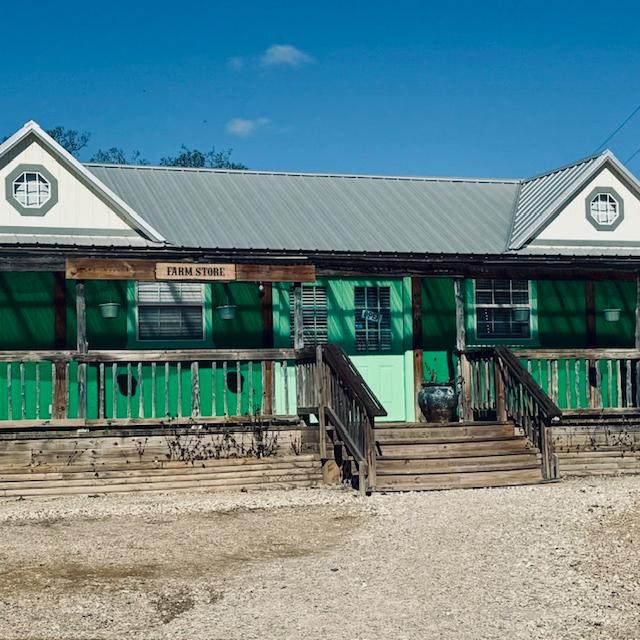 Our Farm Store
Shop for:
- Seeds
- Farm Fresh Eggs
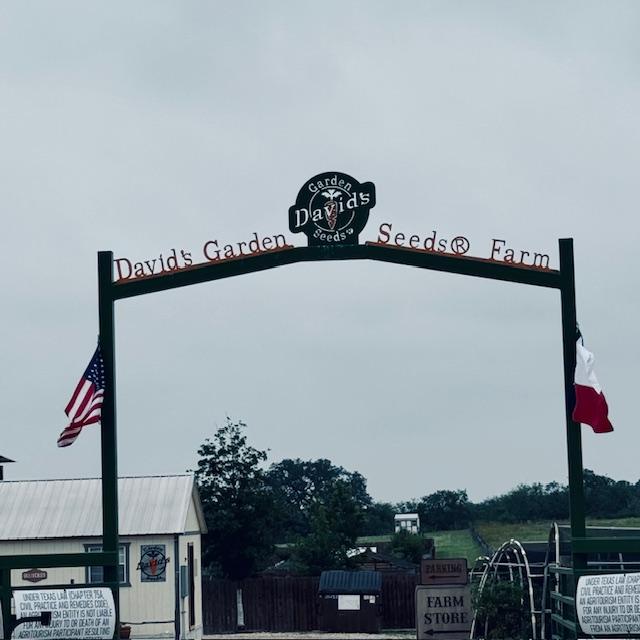
Our Farm is located at 5029 FM 2504 in Poteet, TX.
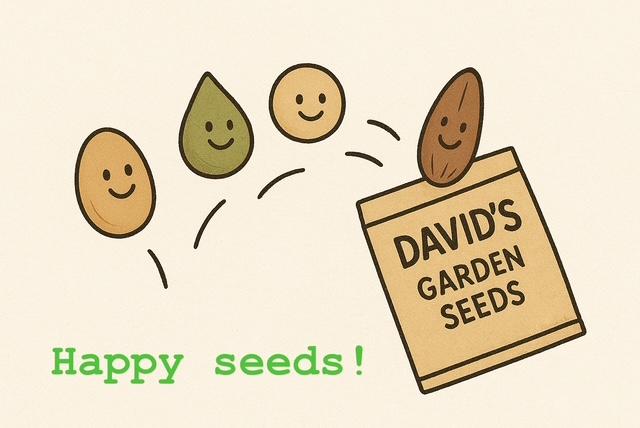 Only happy seeds make the cut to go into our seed packs!
David's Garden Seeds® has
seeds for the backyard gardener and farm fresh chicken eggs.
 David & Juanita work hard to pack your garden seed orders.


Sign Up For Our Newsletter Here!
   DGS YouTube Mrs
|
   |
Garden Ebooks
by Mrs. David's Garden Seeds
 I've been busy creating eBooks to help you with your garden...
IMPORTANT NOTE: THE EBOOKS ARE DIGITAL DOWNLOADS (EBOOKS), NOT PHYSICAL BOOKS.


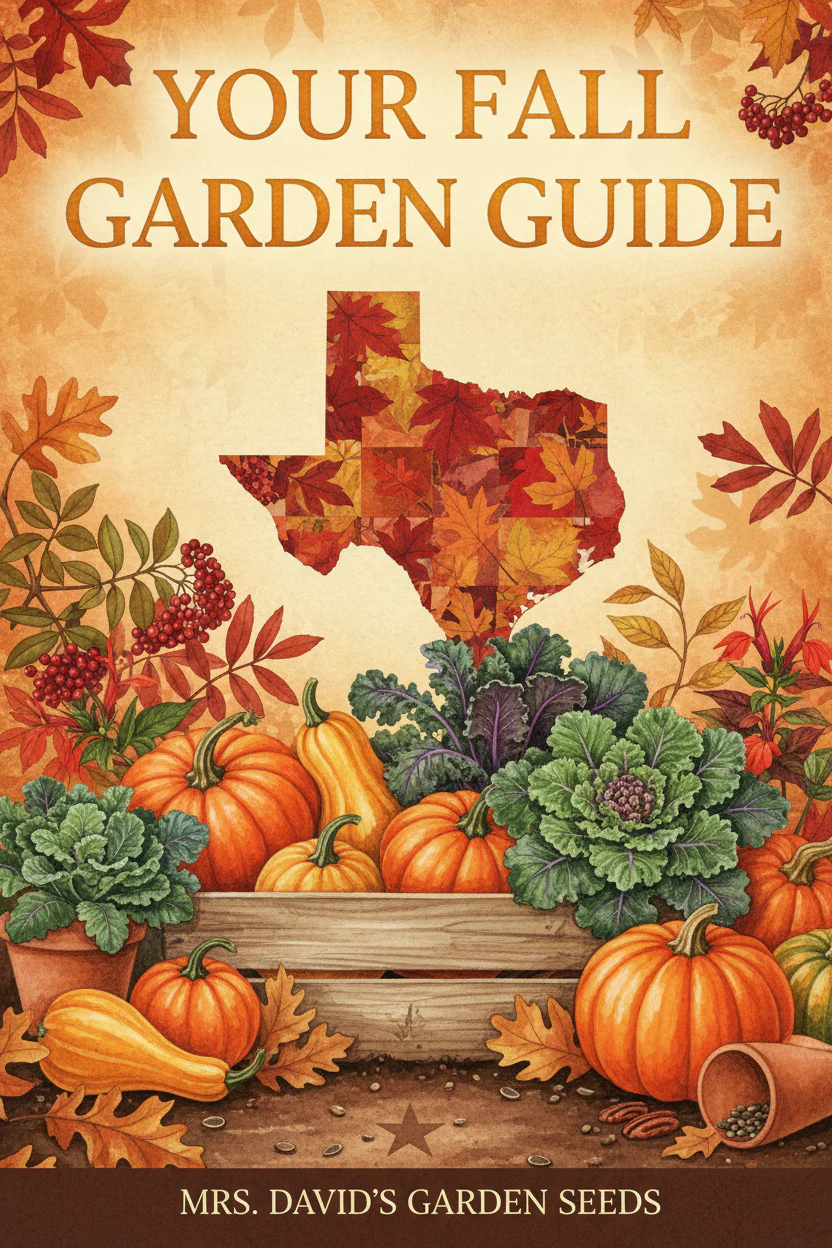
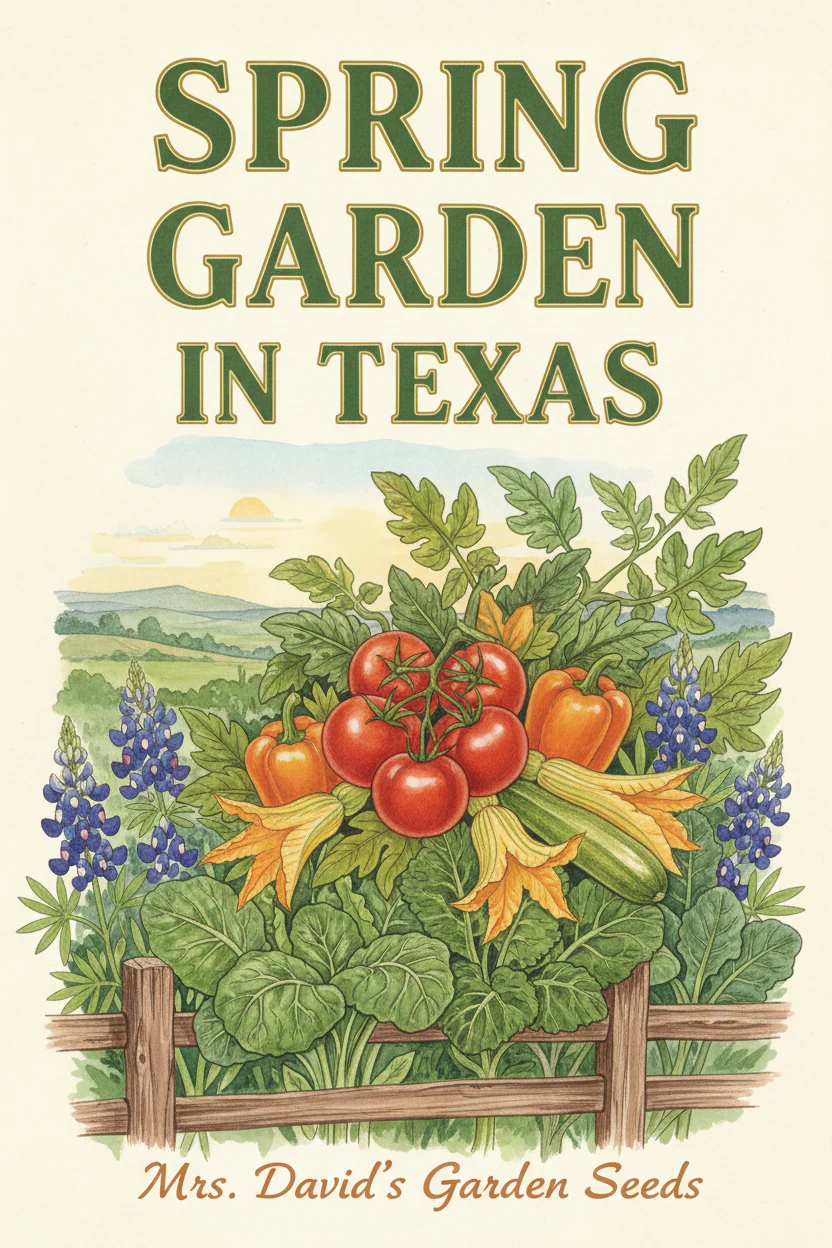
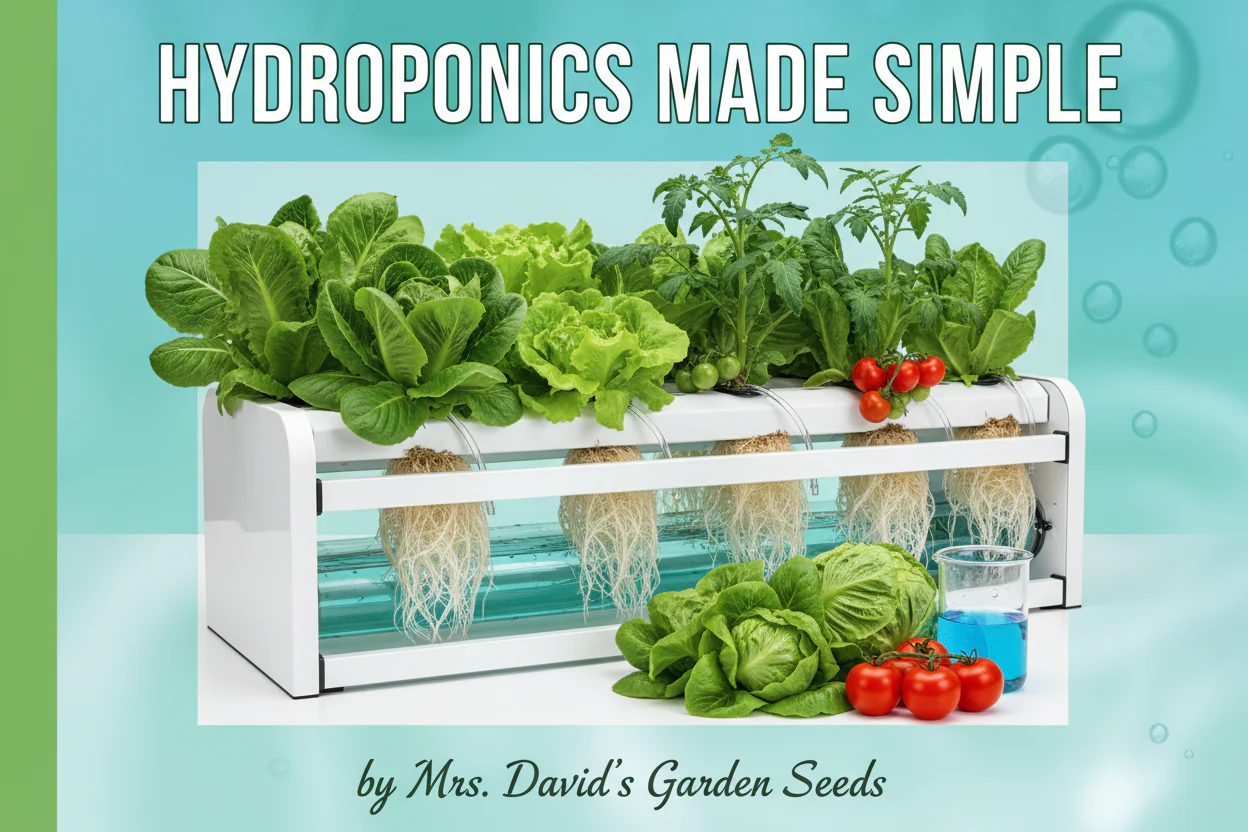
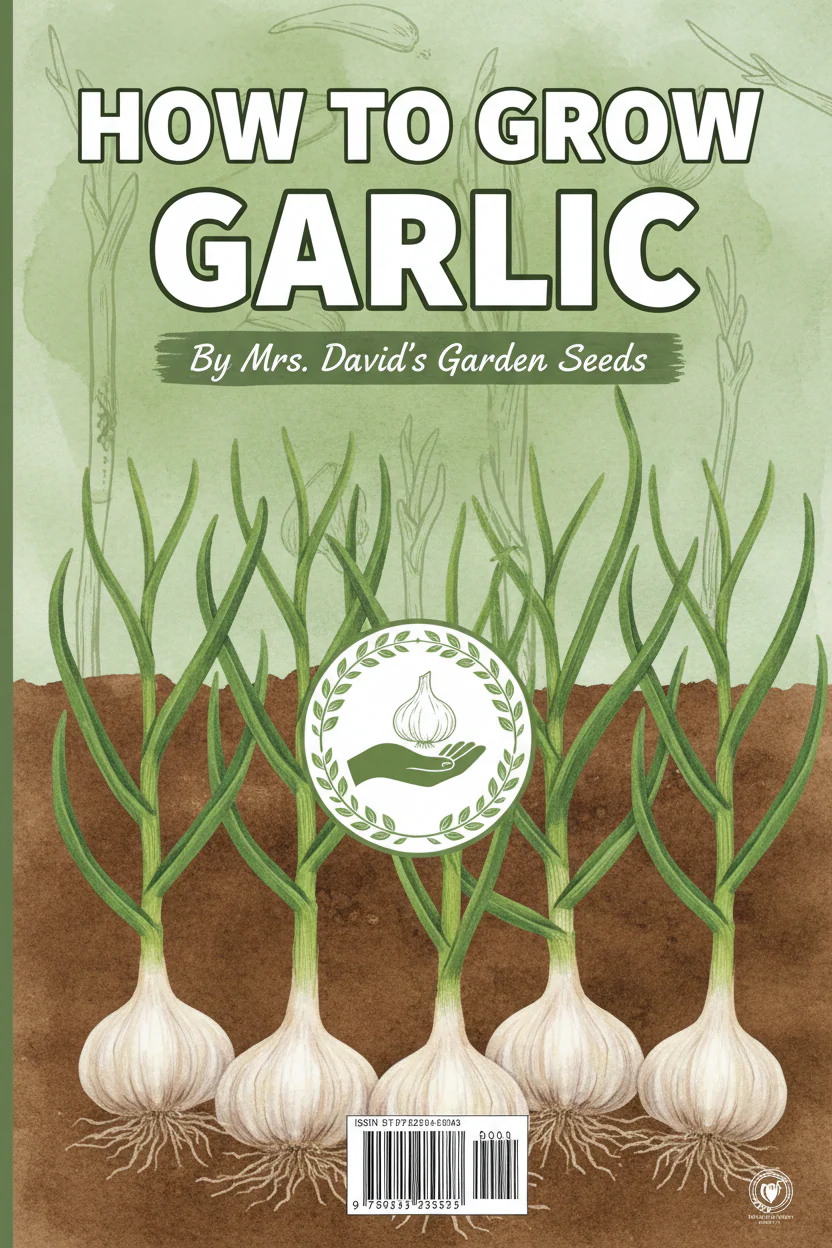
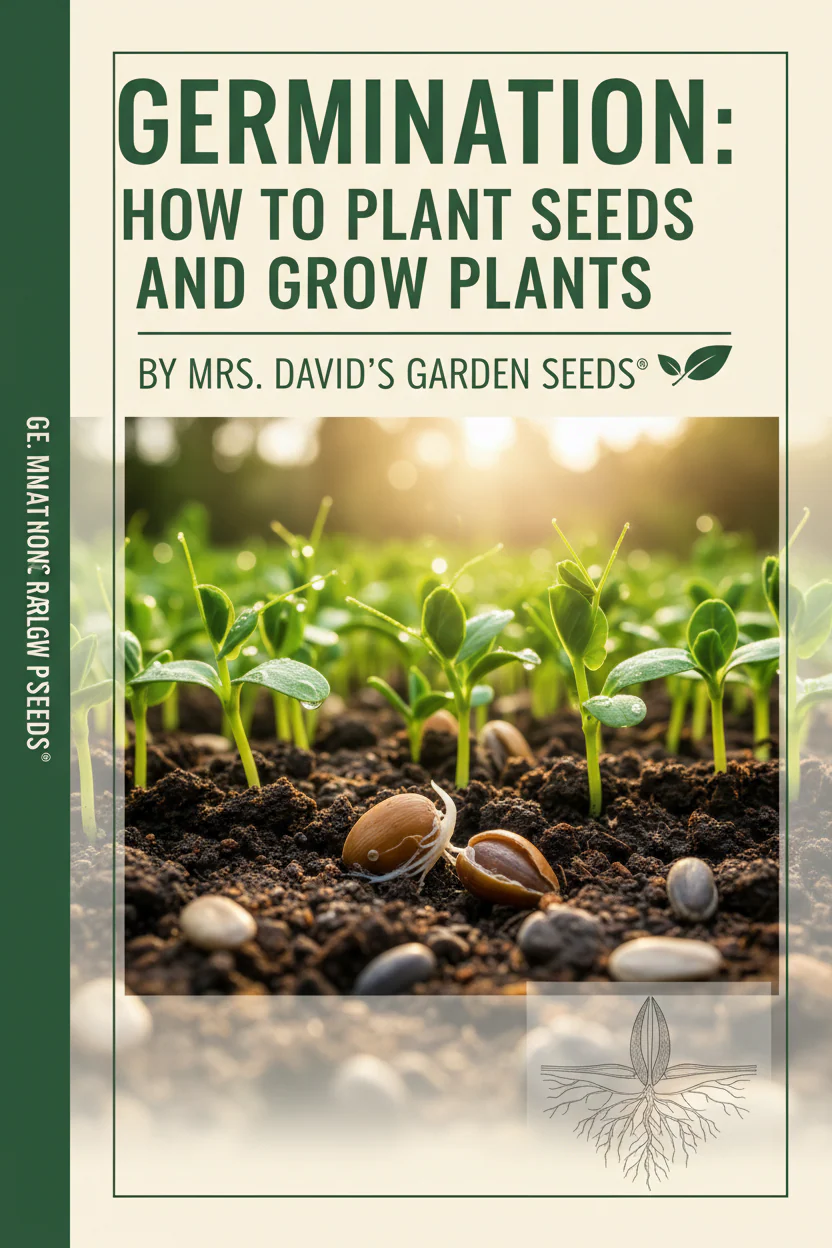
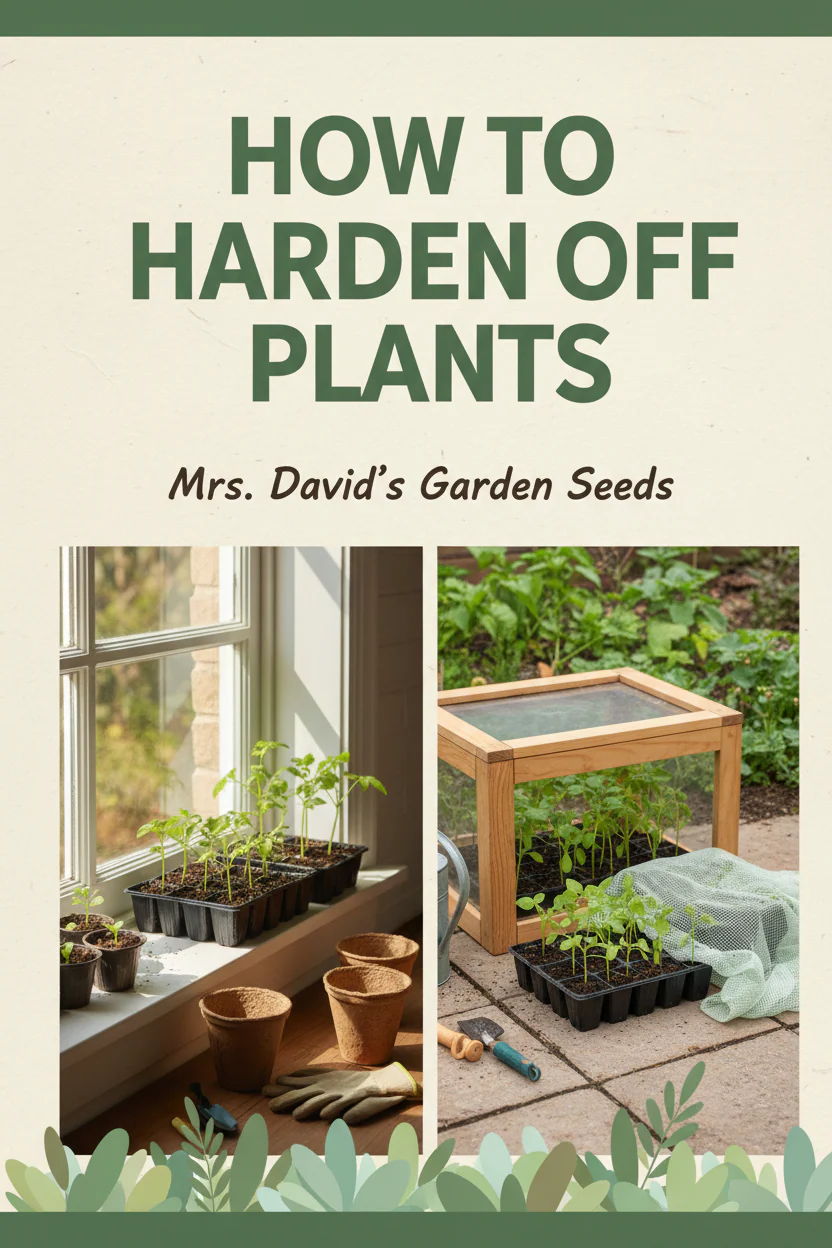
WE DO NOT REFUND OUR DIGITAL DOWNLOADS FOR OBVIOUS REASONS.
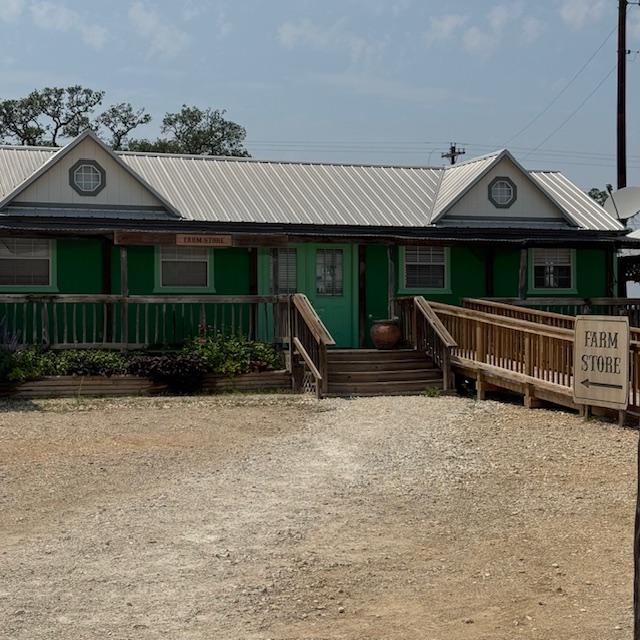 Our Farm Store is the green building
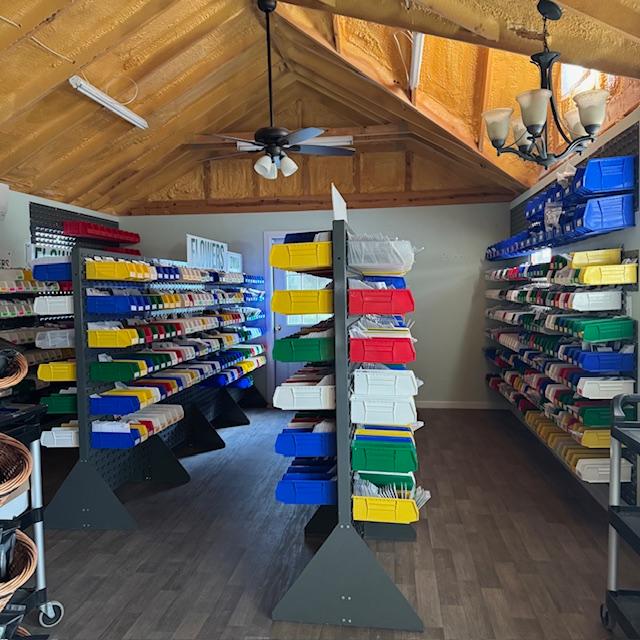 Inside our Farm Store...1400 varieties of seeds await you!
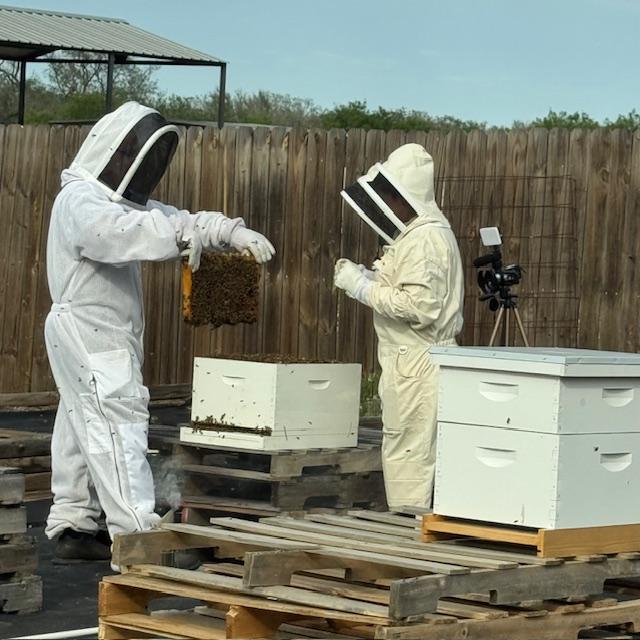 Our bee hives
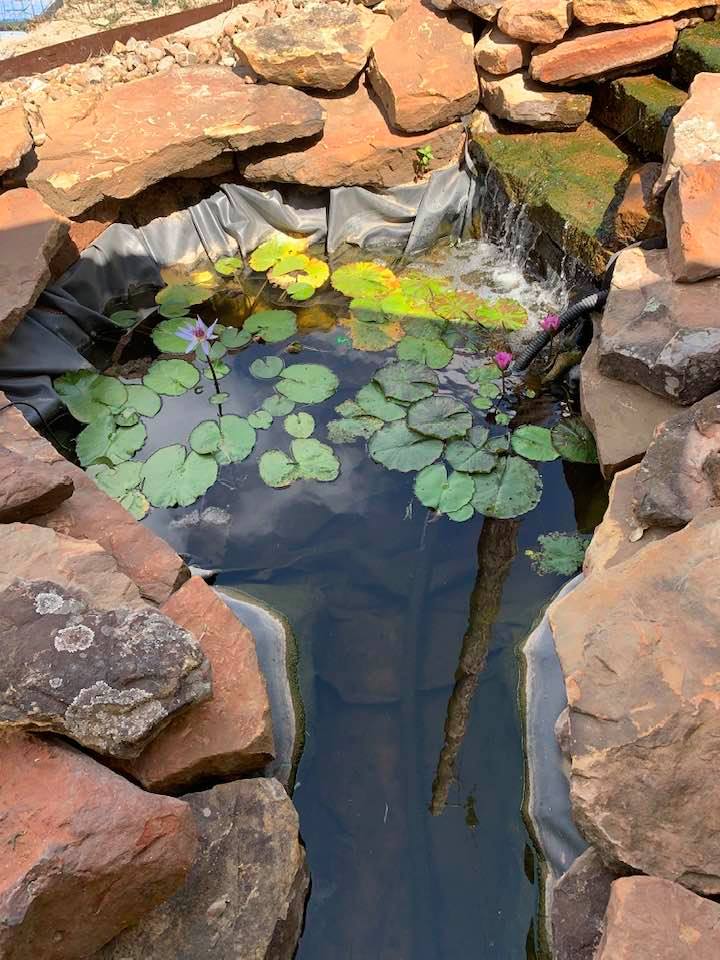
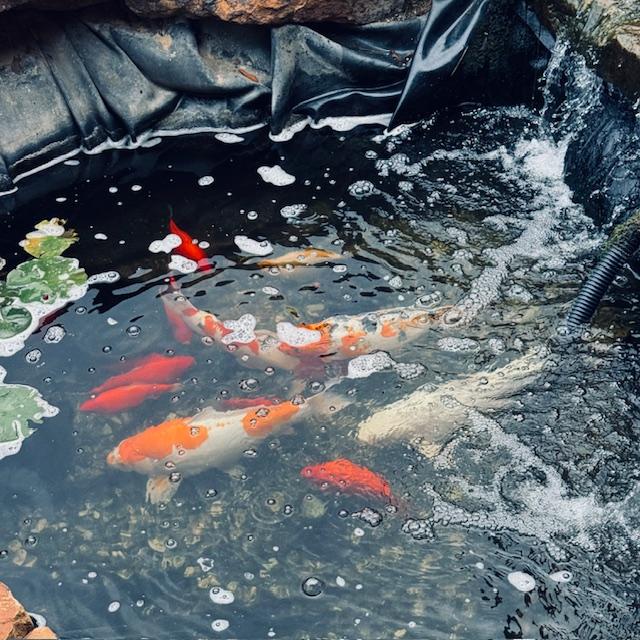 Our fish pond
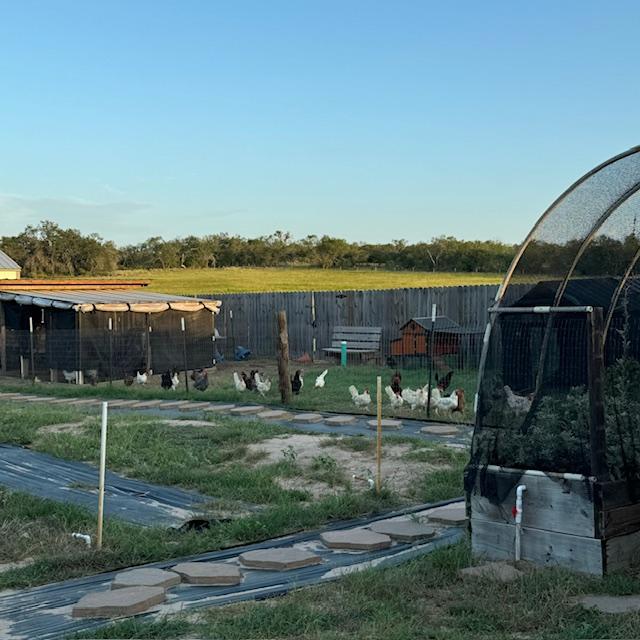 Our chickens
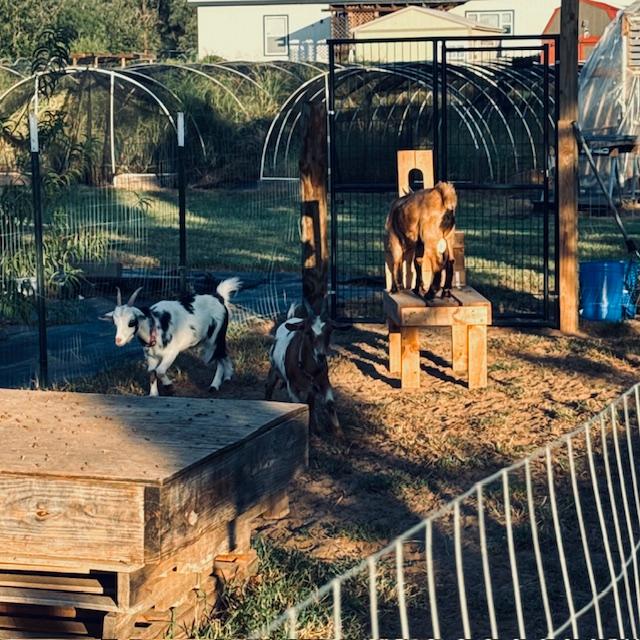 Our Nigerian Dwarf goats
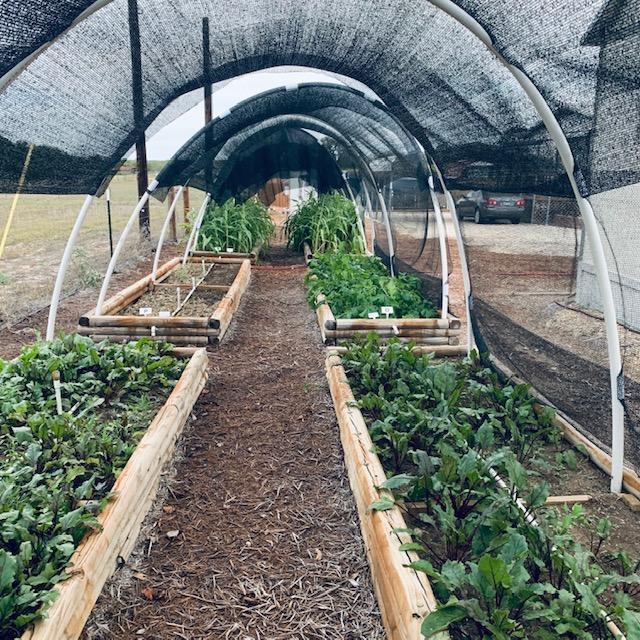
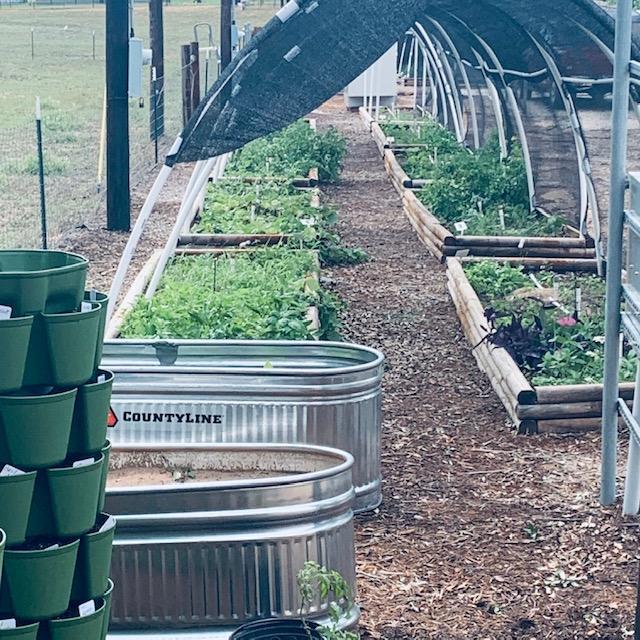 A few of our raised garden beds
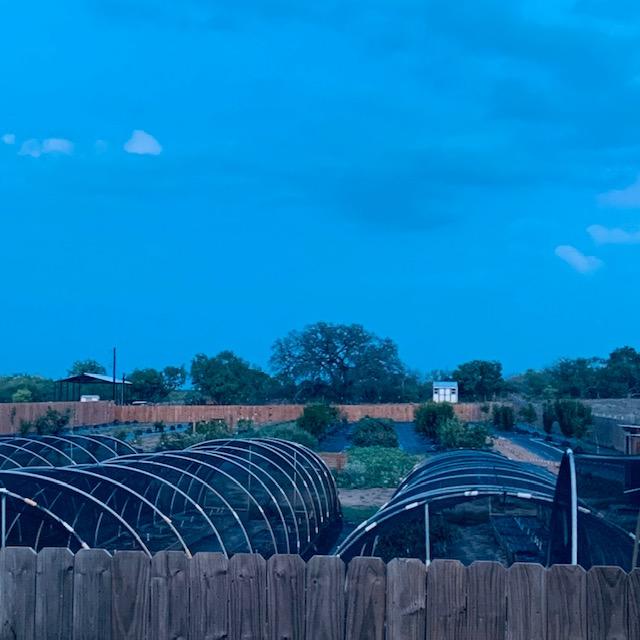 Our orchard and hoop houses
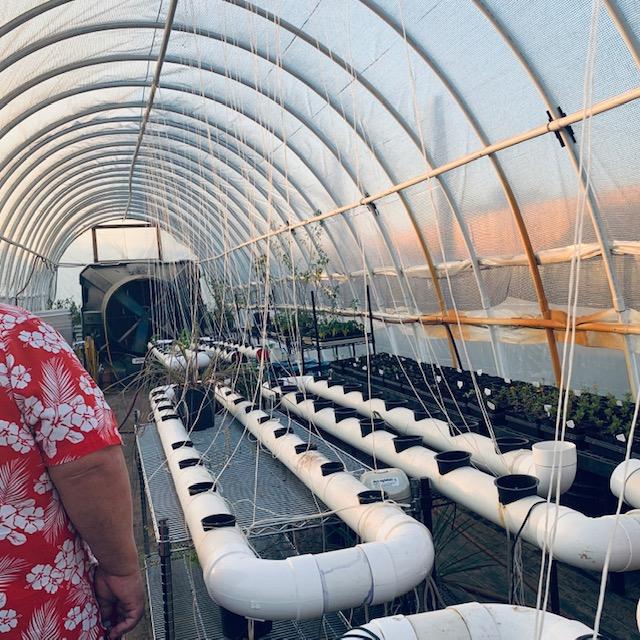 Inside our high tunnel
 Take a selfie at our official selfie spot!
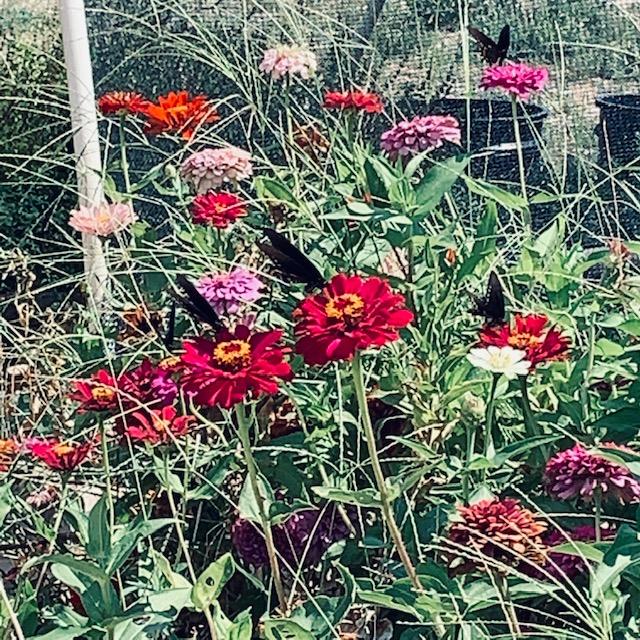 Flowers, bees, and butterflies are everywhere!
Watch Our TV Ads!
David's Garden Seeds® has the best Non-GMO seeds in the state of Texas!
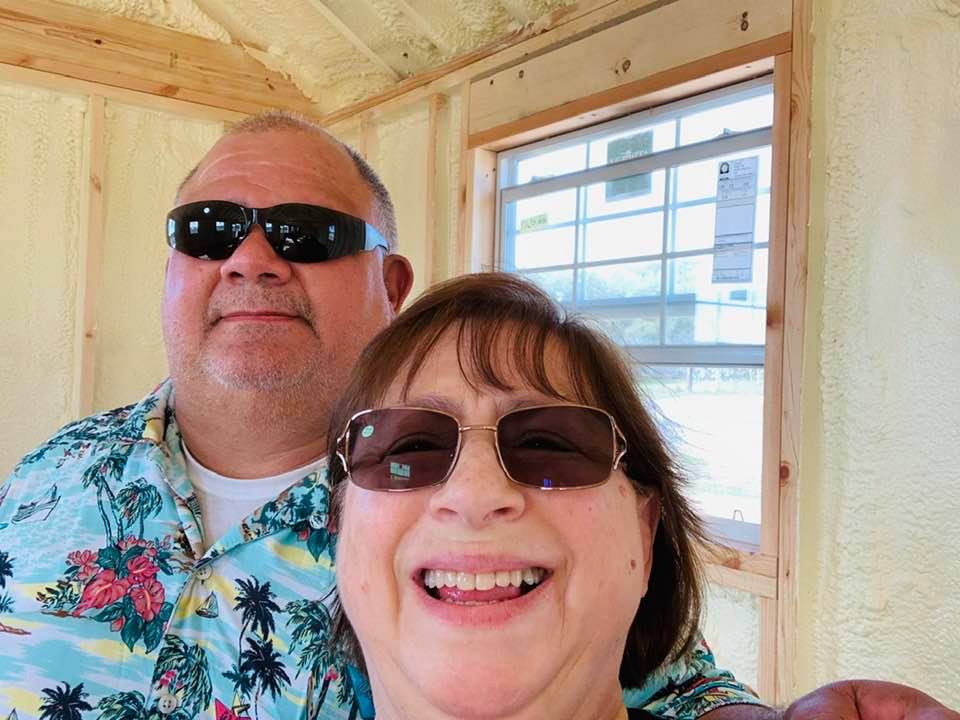
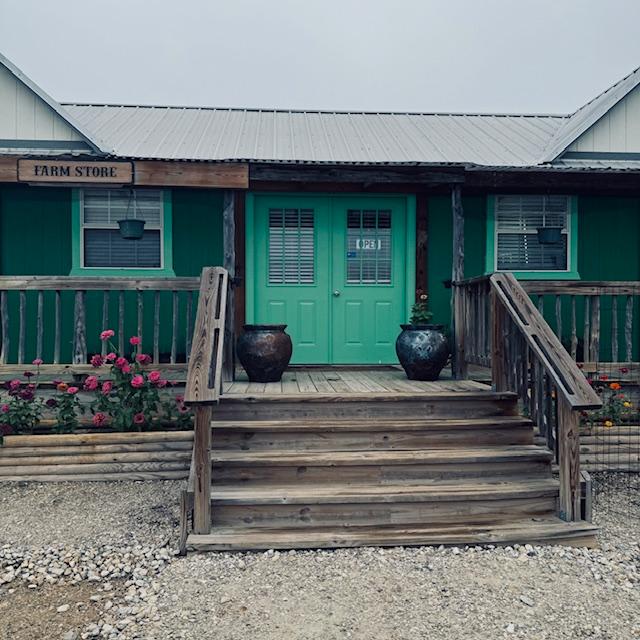 This is our beautiful Farm Store. Come in and shop for seeds. We have over 500 Non-GMO heirloom varieties to choose from.
Our Story
Hi Everyone! Thank you for visiting my website! I am Mrs Davids
Garden Seeds® aka Mrs. David's Garden Seeds and I think you should know that there is a wonderful seed
company in the great state of Texas called David's Garden Seeds®. We grow some of our seed, we count, hand pack, print our own envelopes, and ship seeds out to you right here from our farm. This used to be an old peanut farm. When the owner died about 15 years ago, his sons split the farm up and sold it in pieces. In 2024, we bought another adjoining four acres.
Our business started in our home in San Antonio in September of 2009. David decided to sell some seeds he had left over from his garden on Amazon. I told David, "Don't bother, it won't work!". I am so glad that David did not listen to me because it did work! By 2015, we had 8 employees working in my home every day and David found a storefront in San Antonio and moved the business there. In 2016, I quit my day job and went on the payroll. The company grew some more and David moved to a bigger storefront in 2017. In 2019, we found a beautiful piece of land over in Atascosa County and turned it into a farm out near Poteet. David and I moved out here to live in August of 2019.
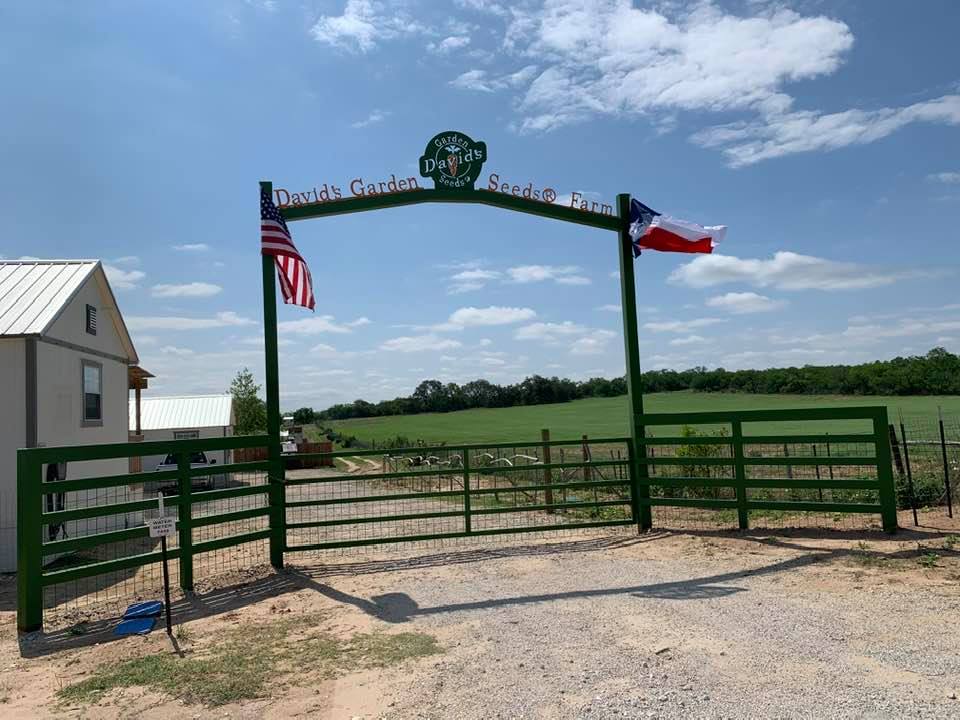
In 2020, we moved our company out to the farm. We have a beautiful Farm Store filled with seeds, a gazebo with a pond full of koi and gold fish for you to visit. Come by and visit us at 5029 FM 2504 in Rossville, just outside of Poteet, Texas, Monday through Friday from 9am to 5pm and Saturday from 10am to 2pm. Or you can order seeds online from our user-friendly website, www.davidsgardenseeds.com.


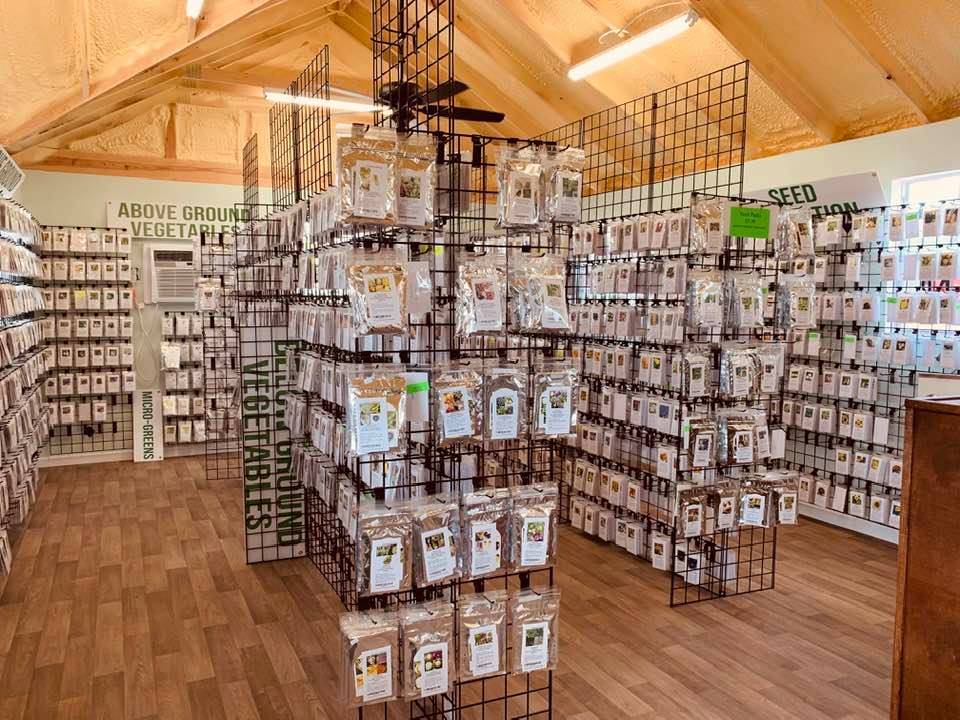 Our beautiful new farm store has almost 2,000 varieties of seeds and more. Mrs Davids Garden Seeds® looks forward to meeting you when you visit.

Mrs. David's Garden Seeds® Copyright by Juanita Lynn Schulze of David's Garden Seeds® 2019-2026
David's Garden Seeds® is Registered in the United States Patent and Trademark Office.