How To Grow Rhubarb
This week, let's learn how to grow rhubarb so you can grow some next spring. Rhubarb will come back each spring if it is done correctly.
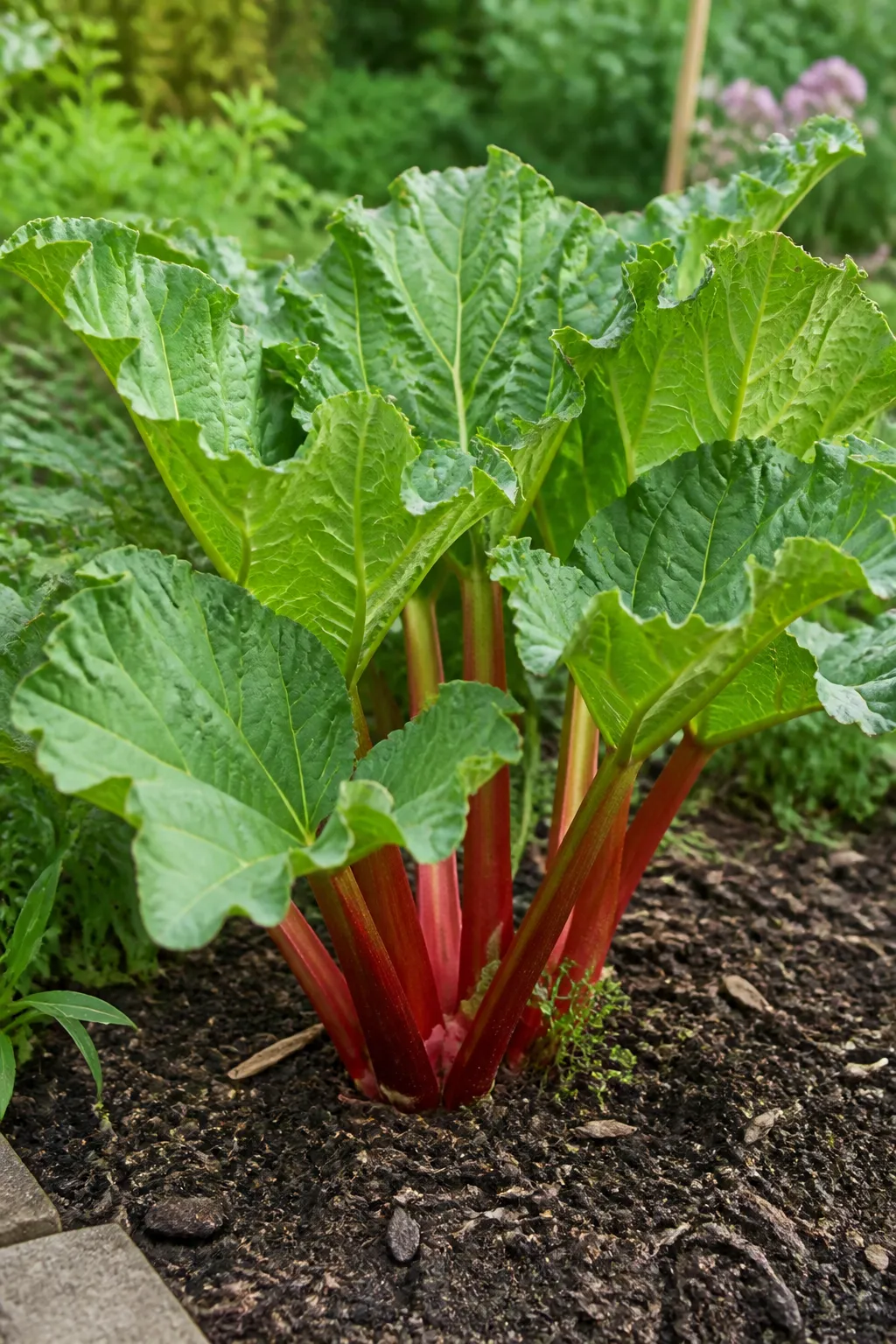
Rhubarb is a hardy perennial vegetable, though many people use it like a fruit in the kitchen. It grows thick stalks, usually red, pink, or green, and those stalks have a tart taste. The big leaves look bold and tropical, but there is one very important safety rule to remember: rhubarb leaves are poisonous so do not eat the leaves. Eat the stems only.
If you are wondering why people love rhubarb so much, the answer is simple. It is useful, pretty, and dependable. Once established, rhubarb can return every year in the garden, which means you plant once and enjoy it for many seasons.
How To Grow Rhubarb - 10/19-10/25/2026

If you have never grown rhubarb before, you are in for a treat. Rhubarb is one of those old-fashioned garden plants that can come back year after year when you give it a good home. In this guide, you will learn how to grow rhubarb in your spring garden with seeds purchased from David's Garden Seeds, even if you are starting from scratch.
You can use rhubarb in many ways. Most people bake it into pies, crisps, muffins, and cakes. You can also turn it into jam, compote, or sauce. If you like to cook with rhubarb, you can pair its tart flavor with strawberries, apples, orange, ginger, or plenty of sugar and honey.
I still remember the first time I tasted rhubarb in my yard as a little girl in upstate New York. I picked a piece from the rhubarb patch growing up on our hill. It was raw and looked like a piece of celery so I ate it. I enjoyed the bitter taste but I expected it to taste sweet like berries. My grandmothers and my mom baked it into pies, sometimes with strawberries.
How To Grow Rhubarb - Start With The Best Seeds
Before you plant, it helps to know that growing rhubarb from seed takes more patience than planting crowns or divisions. Seeds are slower, and the young plants may not all look exactly the same. Still, starting from seed is rewarding, budget-friendly, and a great way to watch the whole life cycle unfold in your own garden.
If your seeds are from David's Garden Seeds®, read the packet first. Of course, these days with everything the state requires on the package, there is little room for actual directions. Seed packets often include variety details, timing tips, spacing, and germination guidance. Since growing conditions vary by region, the packet should be your first reference point along with the general care tips in this article. Better to Google for your area or read this fine article.
The basic idea behind how to grow rhubarb in your spring garden with seeds purchased from David's Garden Seeds is to start with healthy seeds, rich soil, cool-season timing, and a permanent planting spot. Rhubarb does best when you think long term. You are not just planting for one season. You are setting up a plant for years.
How to Grow Rhubarb - Timing
Let’s start with timing. In many places, spring is a good season to begin rhubarb. You can sow seeds indoors before your last frost date or direct sow outside when the soil can be worked and the weather is still cool. Indoor starting often gives you stronger young plants by planting time.
If your spring is short or your summers get hot fast, starting indoors is often the easier path. That gives seedlings a gentle head start before outdoor heat arrives. In cooler climates, you may also have success sowing directly into the garden in spring.
Choose a place where your rhubarb can stay for a long time. Rhubarb likes full sun in many regions, though in warmer areas it may benefit from a little light afternoon shade. Try to pick a bed with good air flow, deep soil, and enough room for a large mature plant.
Good drainage matters a lot. Rhubarb does not like sitting in soggy ground. If your garden tends to stay wet after rain, consider a raised bed or a well-amended planting area. Wet soil can lead to weak growth and root trouble.
The soil should be rich and fertile. Rhubarb is a heavy feeder, which means it appreciates lots of organic matter. Before planting, mix compost or well-rotted manure into the bed if you have it. This helps the soil hold moisture while still draining well.
Aim for loose soil that roots can move through easily. Remove rocks, old roots, and weeds from the area. Since rhubarb may stay in the same place for years, this is a good time to prepare the bed carefully instead of rushing.
How to Grow Rhubarb - Starting Seeds Indoors
If you want to start seeds indoors, use clean seed trays, small pots, or cell packs filled with seed-starting mix. Moisten the mix so it feels damp but not soaked. Then plant the seeds according to the packet depth, covering them lightly.
Place the containers in a bright area. A sunny window can work, but grow lights often give better results because they keep seedlings from stretching too much. Keep the seed-starting mix evenly moist while you wait for germination.
Patience is part of the process here. Some seeds sprout quickly, while others take longer. During this stage, try not to let the soil dry out fully, but also do not flood it. Gentle, steady moisture is the goal.
Once the seedlings appear, give them plenty of light and good air flow. This helps them grow sturdy stems and healthy leaves. If several seedlings come up too close together, thin them so each one has room to develop.
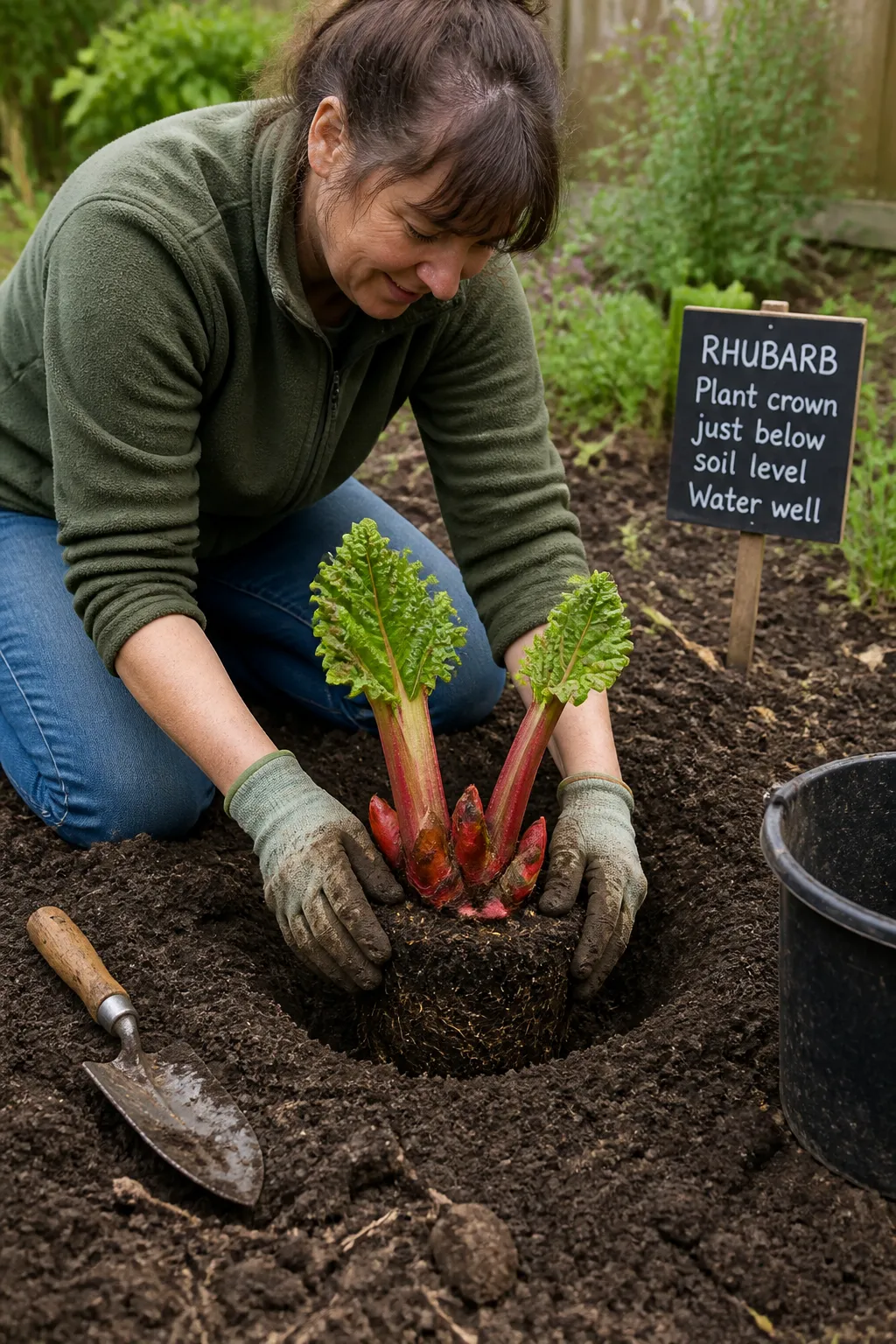
If you started indoors, harden off the seedlings before planting them outside. That means you slowly introduce them to outdoor conditions over several days. Start with a little time outside in a protected spot, then increase the time each day.
When the seedlings are ready for the garden, transplant them into your prepared bed. Space them generously. Rhubarb plants can become large over time, so crowding them now will only cause problems later.
If you decide to direct sow outdoors, rake the soil smooth first. Plant the seeds at the depth listed on the packet and water gently so you do not wash them away. Keep the area moist while the seeds germinate.
Direct-sown seedlings may need thinning once they sprout. This step can feel hard, but it helps the strongest plants get the water,
light, and nutrients they need. In the long run, fewer healthy plants are better than many crowded ones.
How To Grow Rhubarb - Water It Well
After planting, water your young rhubarb well. The soil should stay evenly moist during establishment. Young plants do not have deep root systems yet, so they need more attention than older plants.
As the plants grow, mulch around them with straw, shredded leaves, or another organic mulch. Mulch helps hold moisture, keeps weeds down, and can protect the soil from temperature swings. Just keep the mulch from piling directly against the plant crown.
Weeds are a real problem for young rhubarb because they compete for water and nutrients. Pull weeds early, before they take over. Hand weeding is often best around small plants so you do not disturb shallow roots too much.
Feeding rhubarb is simple. Add compost around the plant now and then, especially in spring. Since rhubarb is expected to return year after year, steady soil improvement can make a big difference in plant size and harvest quality.
How To Grow Rhubarb - Let The Plant Get Established
In the first year, focus more on growing the plant than on taking stalks. Seed-grown rhubarb needs time to establish a strong root system. It can be tempting to harvest early, but patience usually pays off with a healthier plant later.
This is one of the biggest lessons in how to grow rhubarb in your spring garden with seeds purchased from David's Garden Seeds. You are playing the long game. The best results often come when you let young plants settle in well before expecting a full harvest.
Rhubarb generally likes consistent moisture, especially in dry weather. Water deeply when the top soil begins to dry, rather than giving tiny splashes every day. Deep watering encourages stronger roots.
At the same time, avoid overwatering. Soil that stays waterlogged can stress the plant. A good rule is to water thoroughly, then let the surface begin to dry before watering again.
Watch your plants through the season. Healthy rhubarb should make broad leaves and thickening stalks. If growth seems weak, check the basics first: sunlight, soil richness, watering, and weed competition.
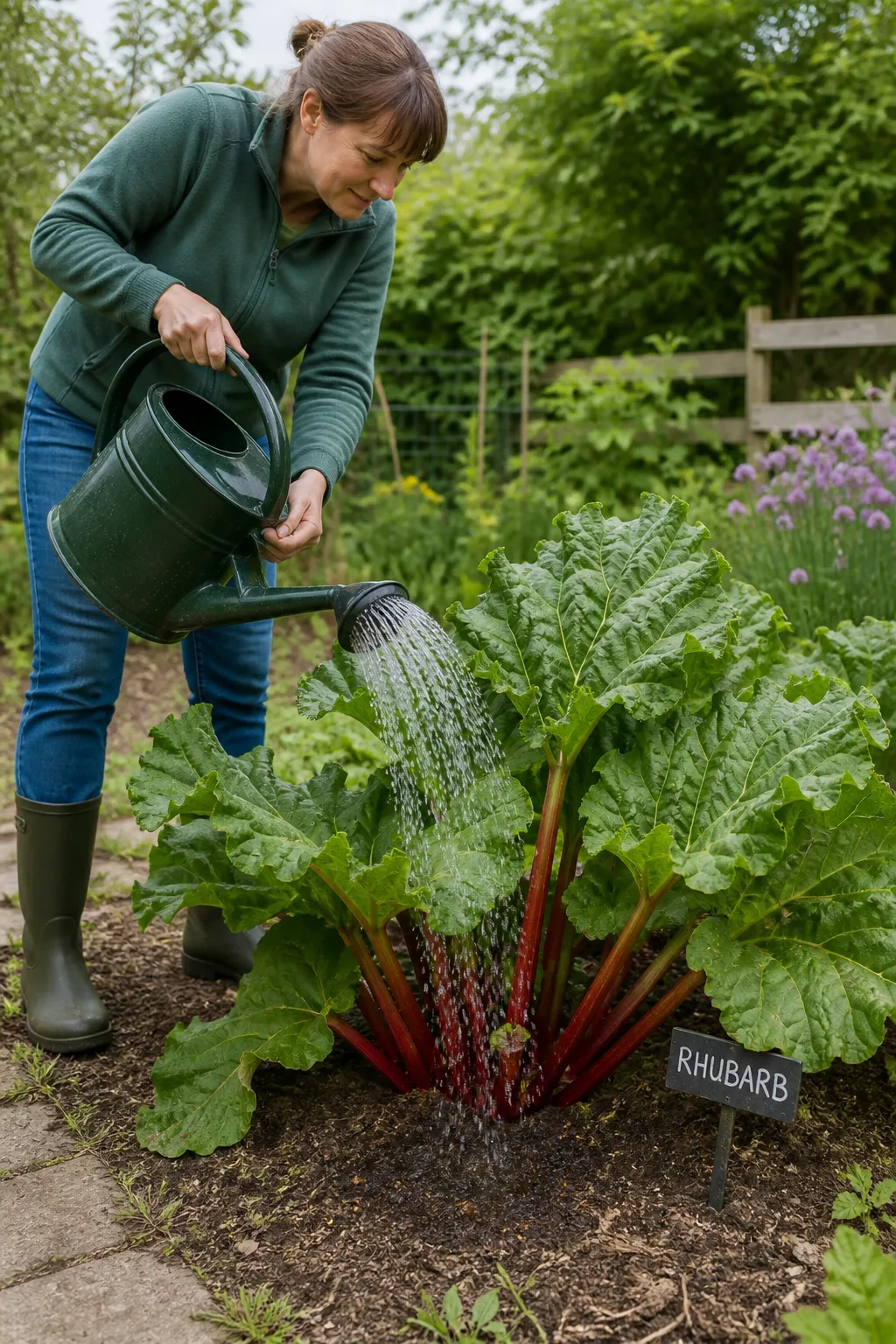 Keep the rhubarb well watered but do not over water if you live in a place that gets plenty of rain.
How To Grow Rhubarb - Winter
Rhubarb can handle cold winters in many regions, which is one reason gardeners value it so much. As fall comes, the top growth may fade back. That is normal for a perennial plant preparing for dormancy.
Before winter, clean up damaged plant material and refresh mulch if needed. This can help protect the crown and keep the bed tidy. Then let the plant rest until spring returns.
In future years, your rhubarb should emerge again as the weather warms. That is one of the real joys of perennial gardening. When you see those new shoots push up from the soil, you know your spring garden is waking up.
How To Grow Rhubarb - Harvesting
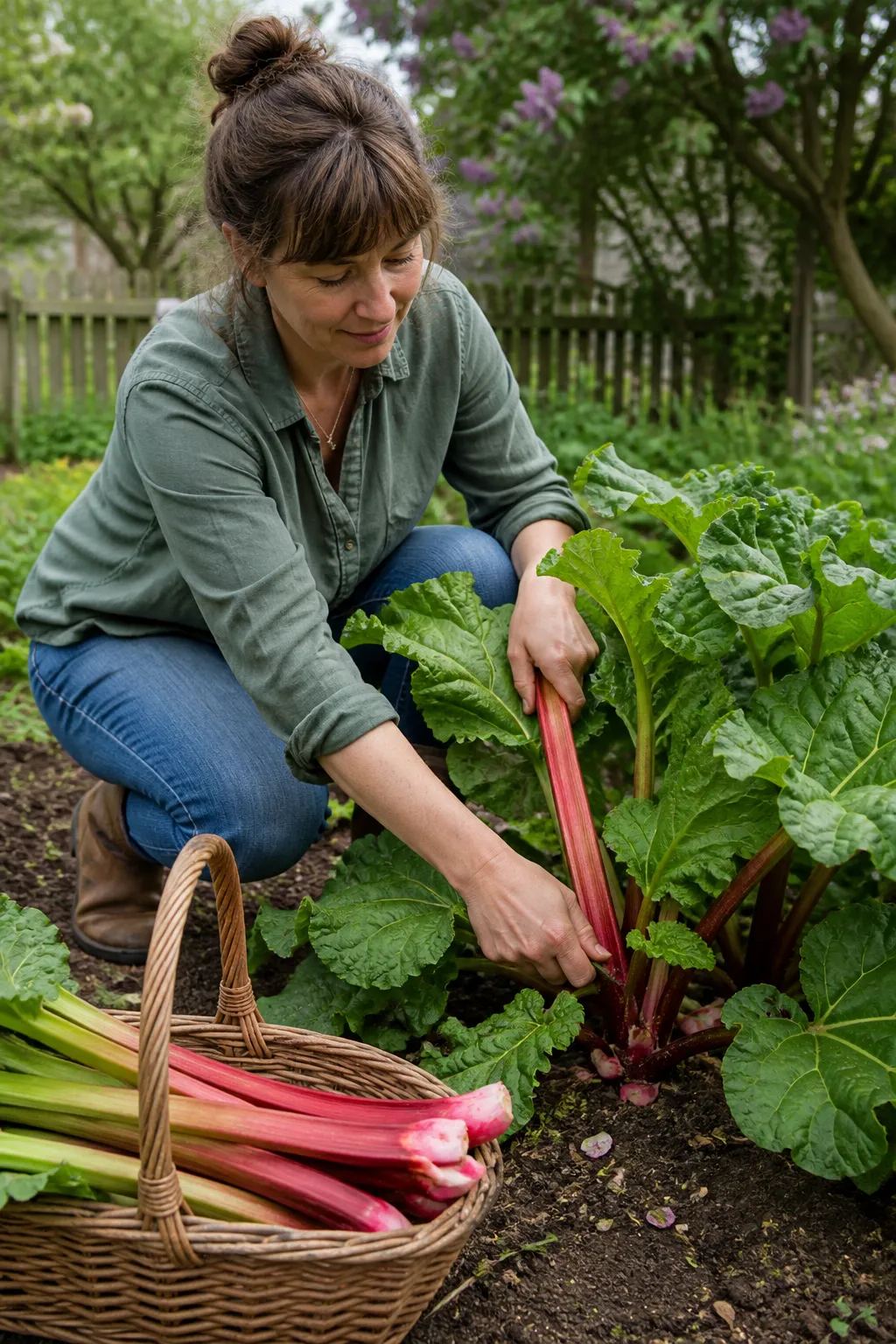
Now let’s talk about harvest. Only harvest rhubarb stalks when the plant is old enough and strong enough. With seed-grown plants, that usually means waiting until the plant is well established rather than stripping stems too early.
When you do harvest, take only a portion of the stalks from each plant. Leave plenty behind so the plant can keep making energy. A plant that is overharvested may weaken over time.
To harvest, grasp a stalk near the base and pull gently while twisting, or use a clean knife if you prefer. Choose firm, full-sized stalks. Remove and discard the leaf right away because rhubarb leaves are poisonous so do not eat the leaves. Eat the stems only.
Fresh rhubarb stalks can be red, green, or somewhere in between. Color alone does not always tell you if they are ready. Size, firmness, and plant maturity matter more than chasing a certain shade.
Once harvested, rinse the stalks and trim the ends. If you are not using them right away, store them in the refrigerator. They usually keep better when wrapped or placed in a bag or container that helps prevent moisture loss.
If you have a big harvest, you can freeze rhubarb for later use. Cut the stalks into pieces and pack them for the freezer. Frozen rhubarb works well in baked recipes, sauces, and jams.
How To Grow Rhubarb - Cooking With Rhubarb
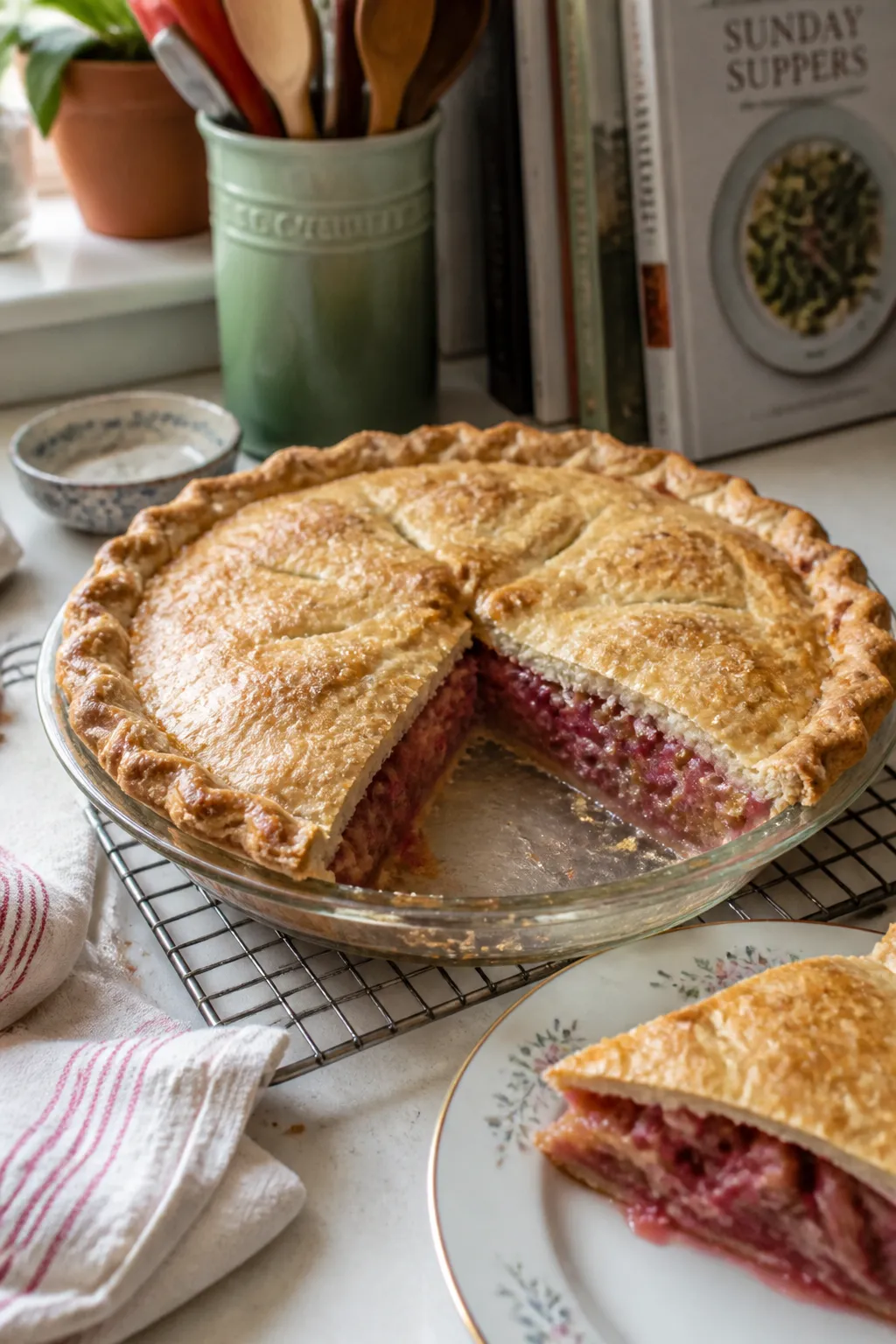
If you are new to eating rhubarb, start simple. Slice the stems and cook them with a little sugar and a splash of water to make a soft sauce. Spoon it over yogurt, pancakes, oatmeal, or ice cream.
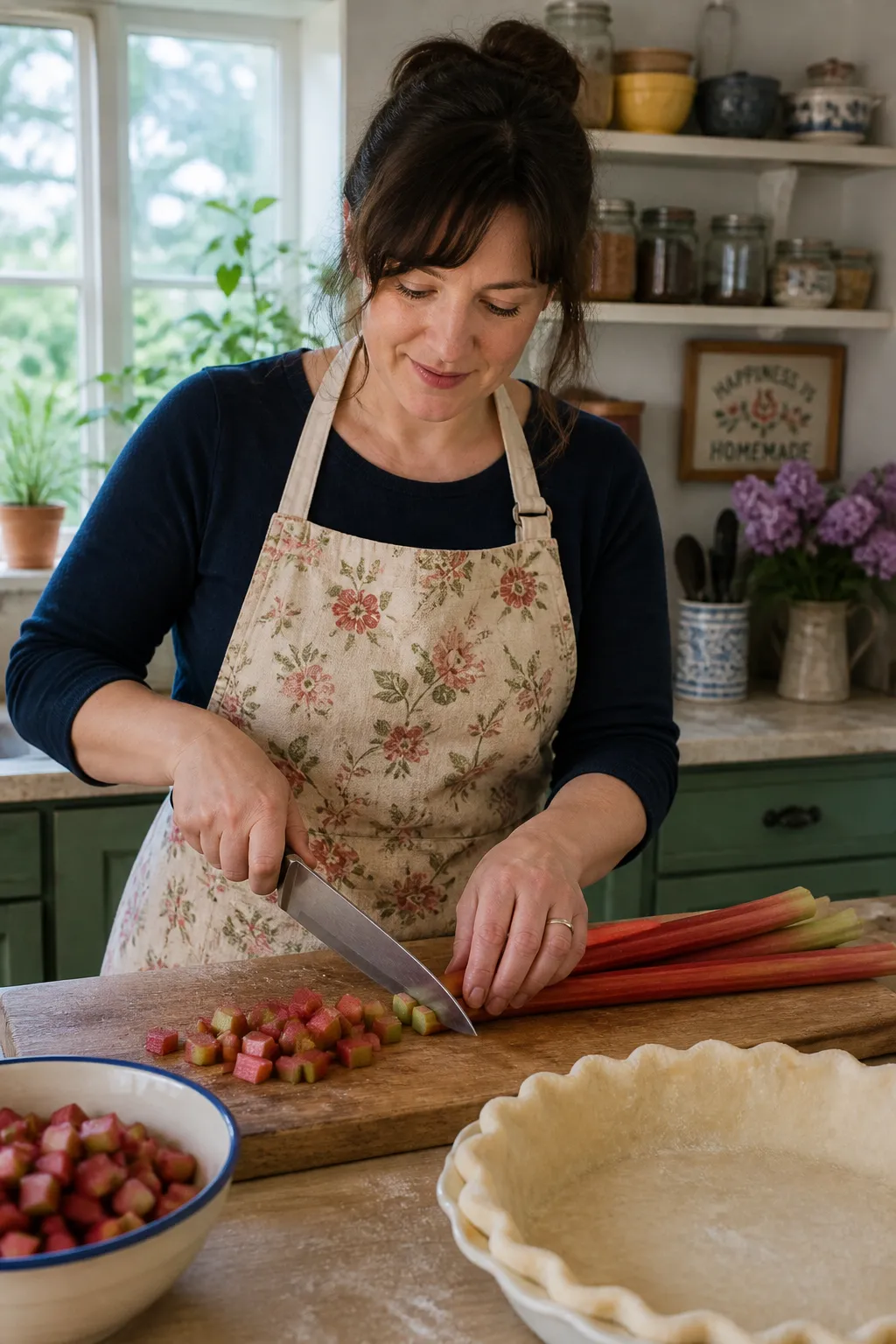
You can also bake rhubarb into a crisp or a pie. Just mix sliced rhubarb with sugar and maybe strawberries, then top with a crumb mixture and bake until bubbly. This is one of the easiest ways to cook with rhubarb if you are trying it for the first time.
Another easy idea is rhubarb compote. Cook chopped rhubarb until it softens, then flavor it with cinnamon, ginger, orange zest, or vanilla. The tart flavor stands up well to other warm ingredients.
If you like to bake, rhubarb muffins and cakes are worth trying too. The pieces soften as they bake and add a bright flavor that balances sweet batter. That balance is what makes rhubarb stand out in the kitchen.
Jam is another classic use. Rhubarb can be cooked down with sugar into a spread for toast or biscuits. Many people pair it with strawberries, but rhubarb can also shine on its own.
You do not have to keep rhubarb only for desserts. You can simmer it into a tangy sauce for savory dishes too. Some cooks pair it with roasted meats or stir it into chutneys for a sweet-tart kick.
How To Grow Rhubarb - Wrapping It Up
For gardeners who are still unsure about what rhubarb is, think of it as a tart stalk crop that bridges the garden and the kitchen. You grow rhubarb for its edible stems, not for its roots or leaves. It is practical, productive, and very memorable once you taste it.
One reason people love to grow rhubarb is that it can become part of your yearly rhythm. You plant it, care for it, watch it return, and then head inside to bake something comforting. That cycle makes the plant feel like more than just another crop.
If you are looking up how to grow rhubarb in your spring garden with seeds purchased from David's Garden Seeds, the biggest takeaway is to be patient and consistent. Give the plants a sunny, rich, well-drained spot. Water them steadily. Let them establish.
I have found that some of the best garden plants are the ones that ask you to slow down a little. Rhubarb is one of those plants. It teaches you not to rush the harvest, and in return it becomes stronger and more dependable.
Here is a quick review you can keep in mind for how to grow rhubarb:
- Start in spring
- Use rich, well-drained soil
- Give the plants plenty of space
- Keep the soil evenly moist
- Mulch and weed regularly
- Harvest only established plants
- Eat the stems, not the leaves
If you follow those simple steps, you will be well on your way to success. Even better, you will be building a planting that can reward you again and again. That is a big reason so many gardeners decide to grow rhubarb and keep it in the garden for the long haul.
As your plants mature, your confidence will grow too. The first season is about learning. The seasons after that are when rhubarb often starts to feel generous, reliable, and easy to enjoy.
When friends or family ask what you planted, rhubarb makes a fun conversation starter. Many people have heard the name but have never tasted it. Once you share a pie, crisp, or spoonful of sauce, they usually understand why gardeners treasure it.
So if you are ready to try something classic, useful, and long-lasting, rhubarb is a wonderful choice. The path of how to grow rhubarb in your spring garden with seeds purchased from David's Garden Seeds begins with a few seeds, but it can lead to years of harvests and homemade treats.
In the end, rhubarb is simple to love. Learn what it is, give it a good place to grow, care for it patiently, harvest the stems wisely, and bring it into your kitchen with confidence. That is how to grow rhubarb in your spring garden with seeds purchased from David's Garden Seeds and enjoy the rewards season after season.
Monday, October 19, 2026
Good morning. It is 53° at 6am. David had the air conditioner going all night long so I froze...
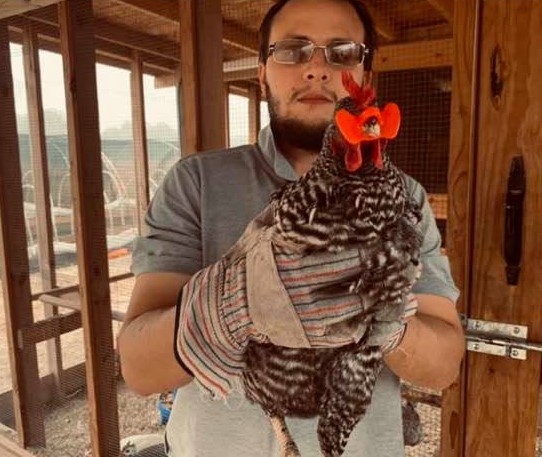
Let me tell you a chicken story...If you read yesterday's post, you learned about the brown chicken who keeps getting out.
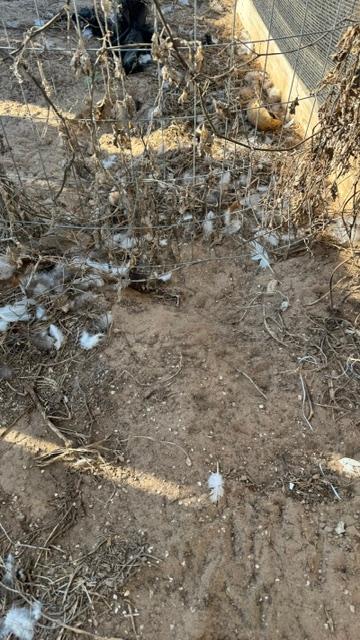
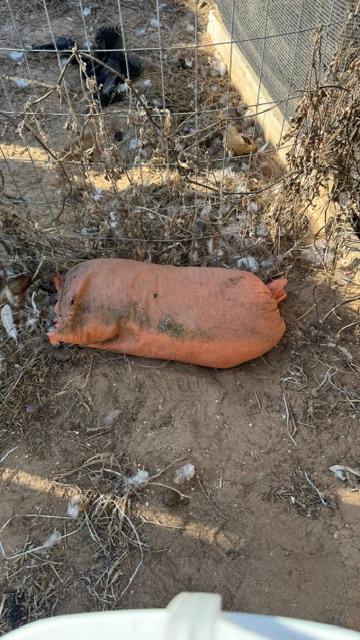
Well, yesterday afternoon, I went out to collect eggs and that silly chicken was out again. I called to her and she went running right under the fence. There is a big gape where the fence no longer meets the ground. I grabbed a sand bag and finally got it over to the hole. That was heavy!
Tuesday, October 20, 2026
Wednesday, October 21, 2026
Thursday, October 22, 2026
Friday, October 23, 2026
Saturday, October 24, 2026
Sunday, October 25, 2026
Return from How To Grow Rhubarb to Year 8 Of Life On The Farm
Anything To Share On This Topic?
Would you like to share additional information about this topic with all of us?
Since 2009, over 2,000,000 home gardeners, all across the USA, have relied on David's Garden Seeds® to grow beautiful, productive gardens. Trust is at the heart of it. Our customers know David's Garden Seeds® stocks only the highest quality seeds available. Our mission is to become your lifetime supplier of quality seeds. It isn't just to serve you once; we want to earn your trust as the primary supplier of all of your garden seeds.
Watch Our 2022 TV Commercial!
Sing Along To Our Jingle
♪♫♪♪ ♫ ♪ ♫♪♫♫
♪♫♪♪♫♫
Peppers and peas
And lots of yummy greens
You can't go wrong
With Squash This Long
At David's Garden Seeds
♪ ♫ ♪ ♫
Our New 2024 TV Ad
Please like and subscribe on YouTube and come visit us at our Farm Store! The music on our TV ad was written, played, and sung by our son, Matthew Schulze. You can meet him when you come to the farm. He just might give you a tour. Ask him to grab a guitar and sing our jingle that he wrote.
Our 2022 TV Ad

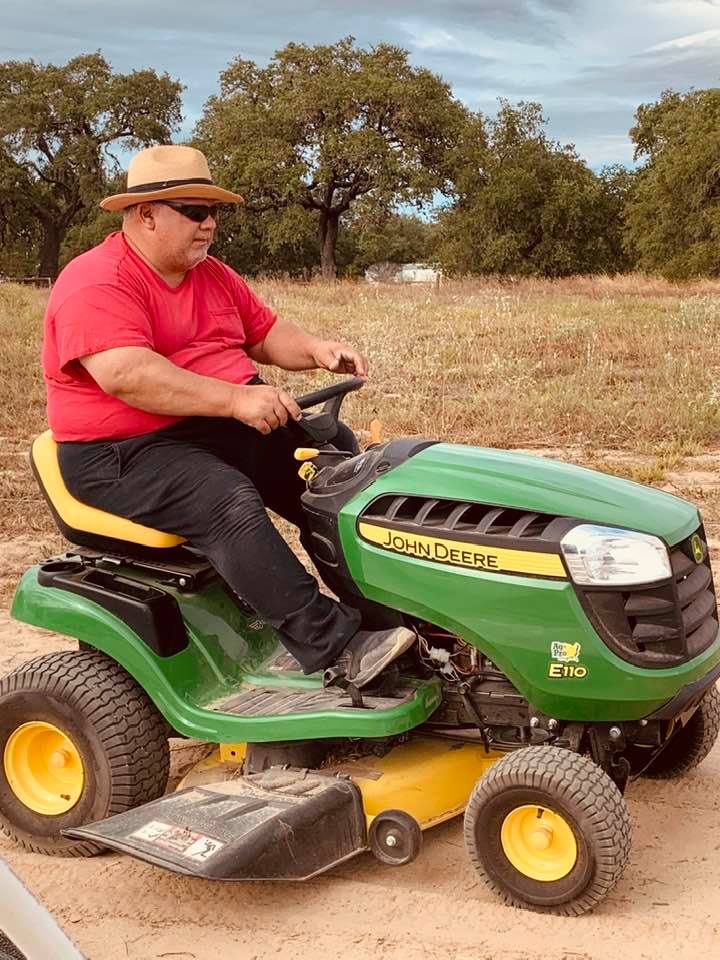 David of David's Garden Seeds® zipping along on his little tractor across the farm. He is having a blast!
We are David's Garden Seeds®. If you need great seeds, we've got over 800 varieties to choose from.
Subscribe To Mrs. David's Garden Seeds® Newsletter For FREE!


Find out what is going on down on the farm by reading our blog and by subscribing to our free newsletter for all of the information going down at David's Garden Seeds® and on the farm. I love to share helpful information with you. Please let your friends know and y'all come on down for a visit when you get the chance. We would love to meet you!
New Store Hours!
Farm Store Hours: Mon-Fri 10am-5pm, Sat 10am-2pm. Closed Sun-Wed.

Being out here in the country, we had awful internet & we could not stream TV. We got Starlink in April of 2025 & we love it! Now we can stream and work, even when it is raining!
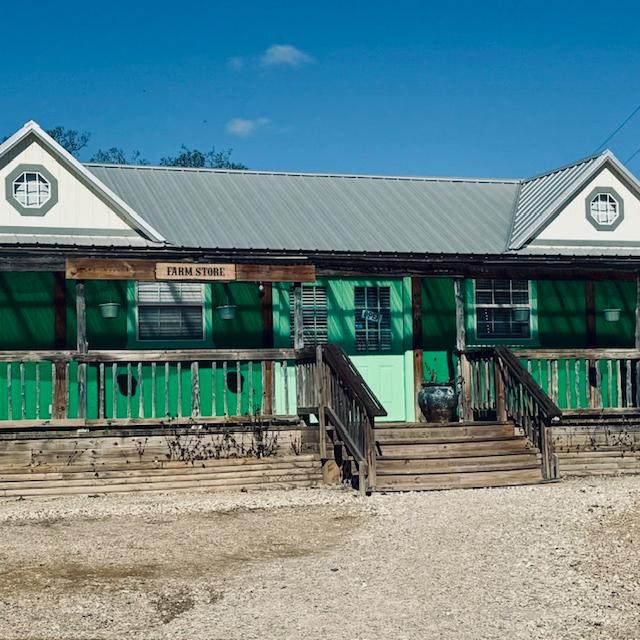 Our Farm Store
Shop for:
- Seeds
- Farm Fresh Eggs
Our Farm is located at 5029 FM 2504 in Poteet, TX.
 Only happy seeds make the cut to go into our seed packs!
David's Garden Seeds® has
seeds for the backyard gardener and farm fresh chicken eggs.
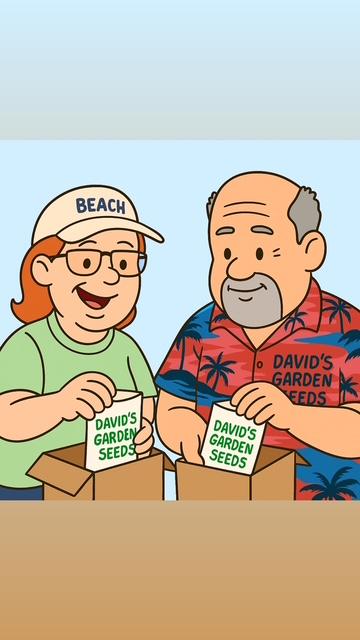 David & Juanita work hard to pack your garden seed orders.


Sign Up For Our Newsletter Here!
   DGS YouTube Mrs
|
   |
Garden Ebooks
by Mrs. David's Garden Seeds
 I've been busy creating eBooks to help you with your garden...
IMPORTANT NOTE: THE EBOOKS ARE DIGITAL DOWNLOADS (EBOOKS), NOT PHYSICAL BOOKS.
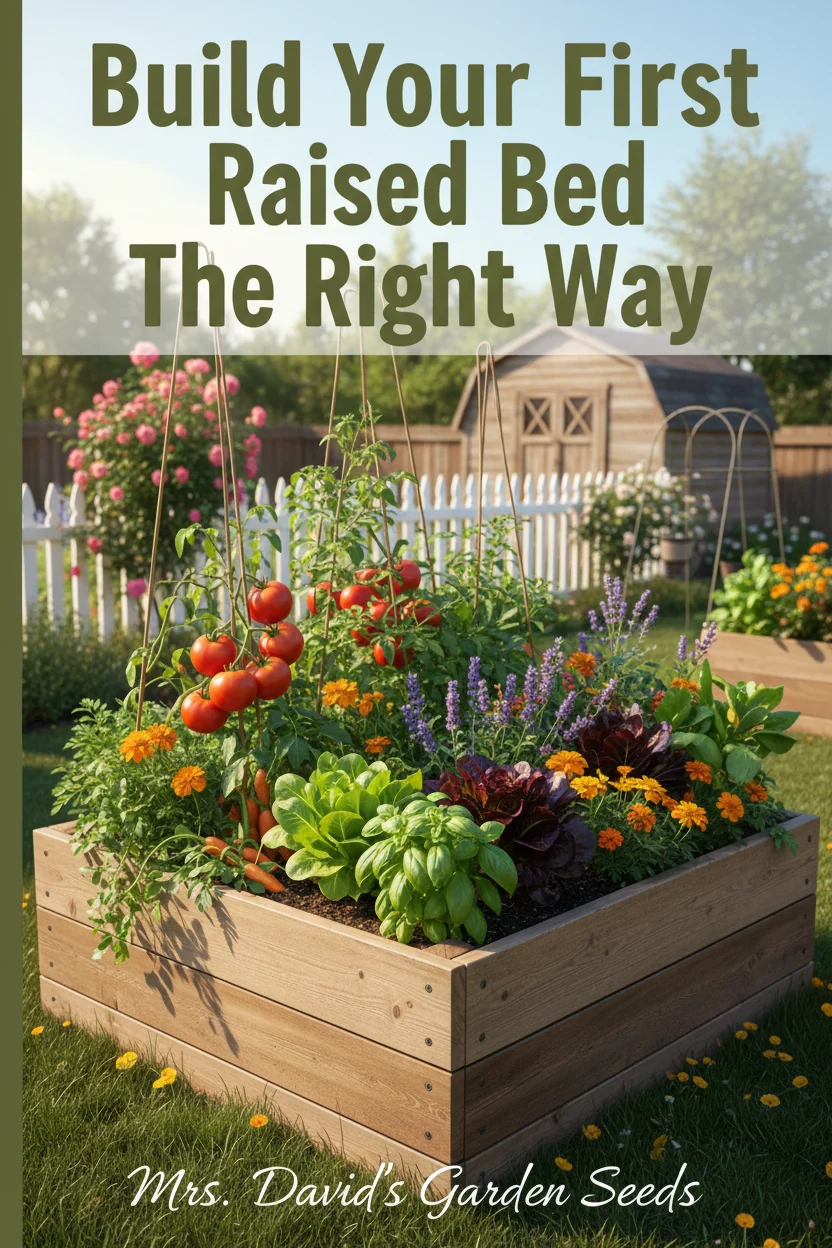
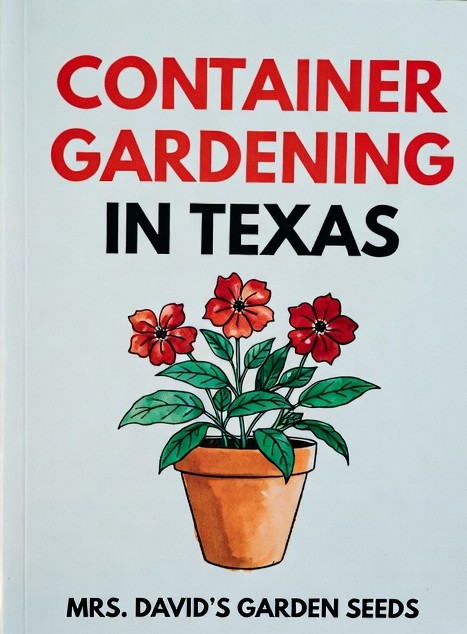
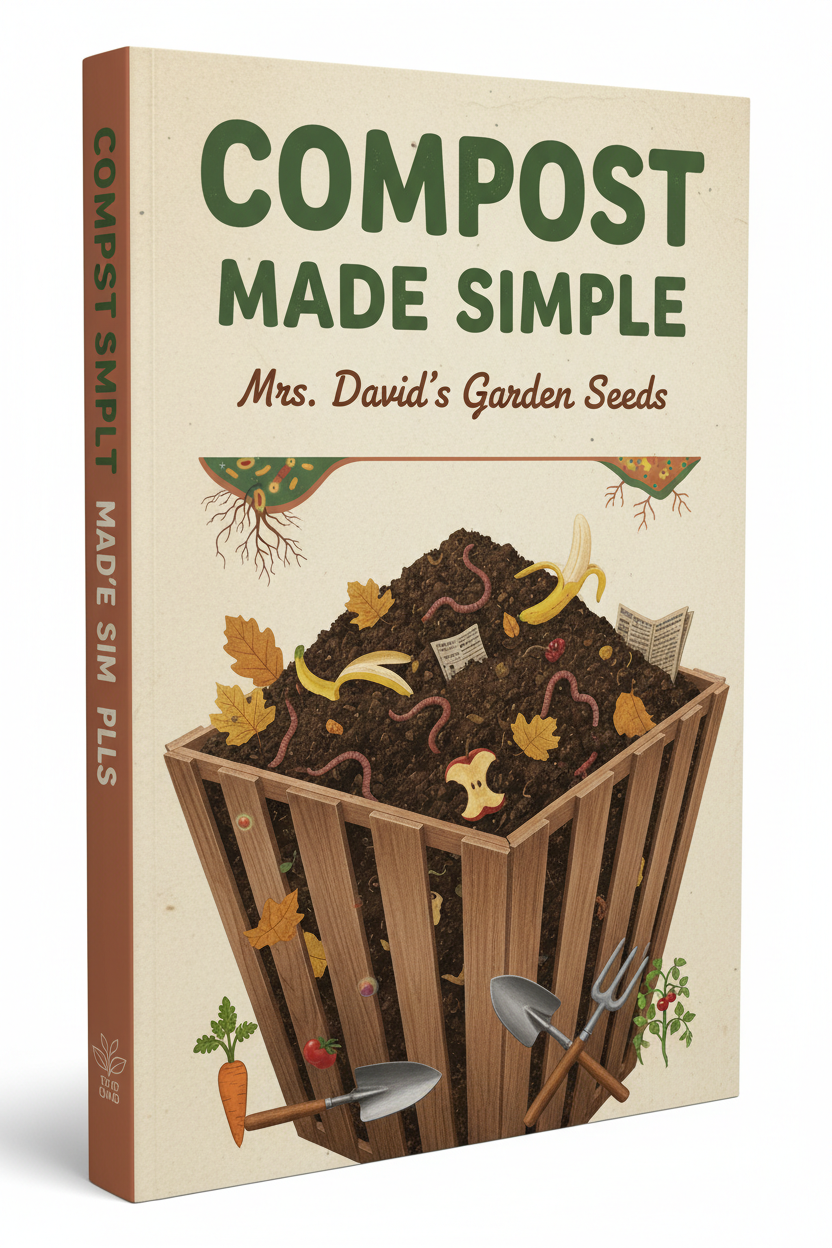
WE DO NOT REFUND OUR DIGITAL DOWNLOADS FOR OBVIOUS REASONS.
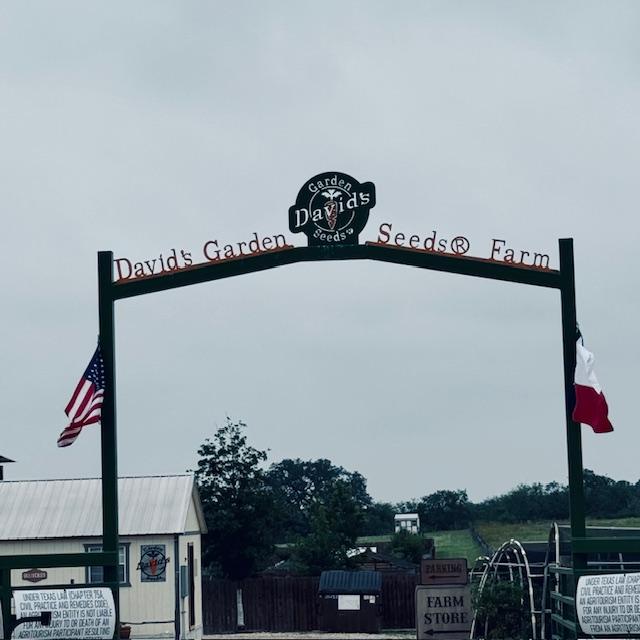
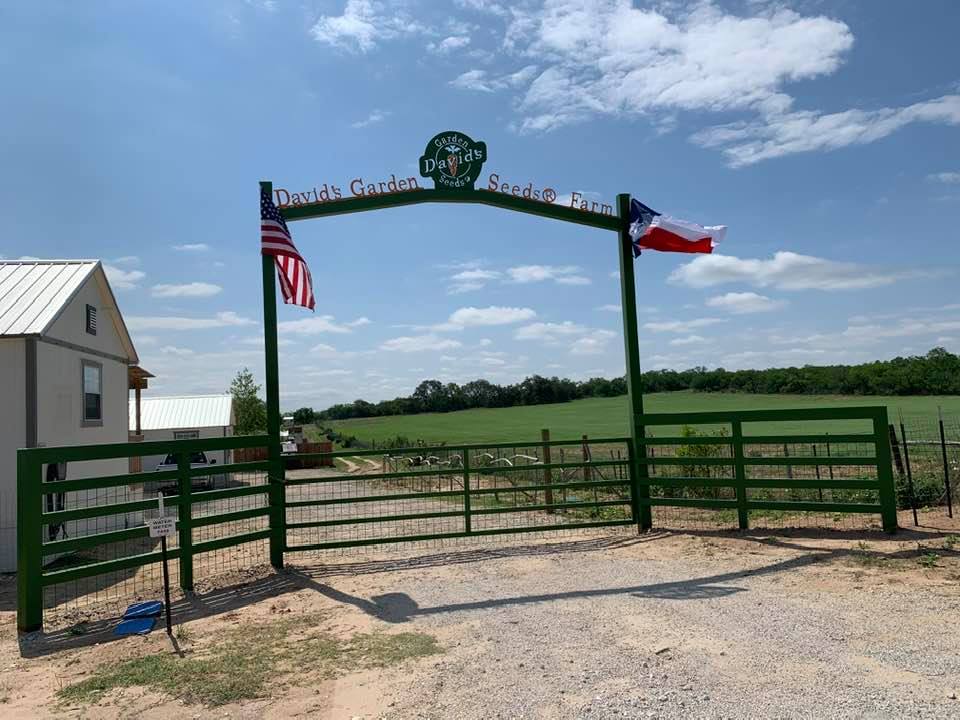
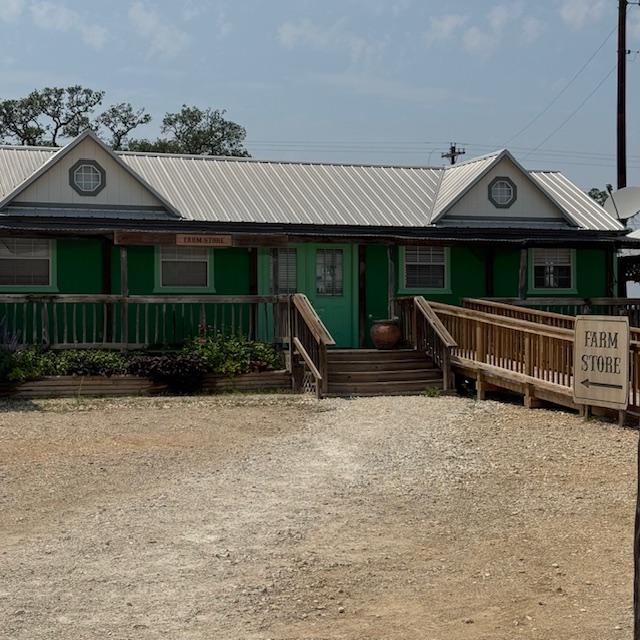 Our Farm Store is the green building
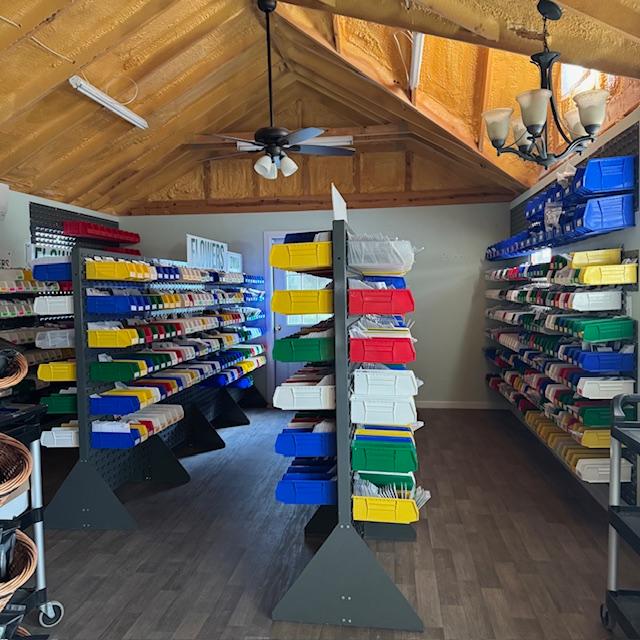 Inside our Farm Store...1400 varieties of seeds await you!
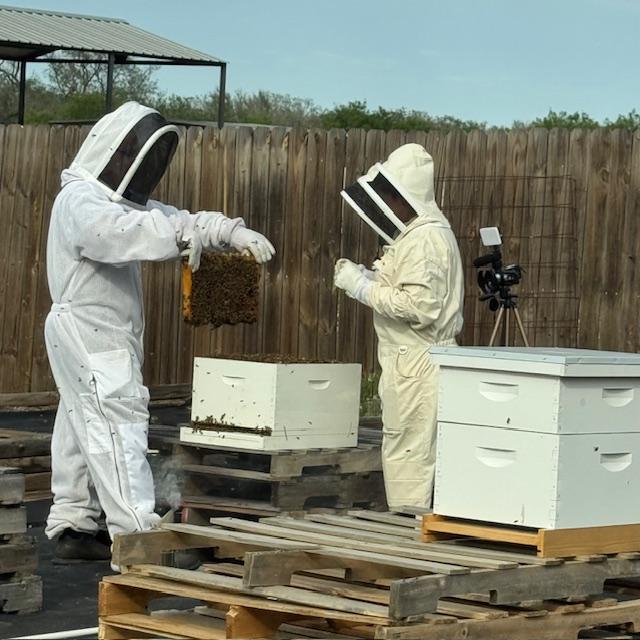 Our bee hives
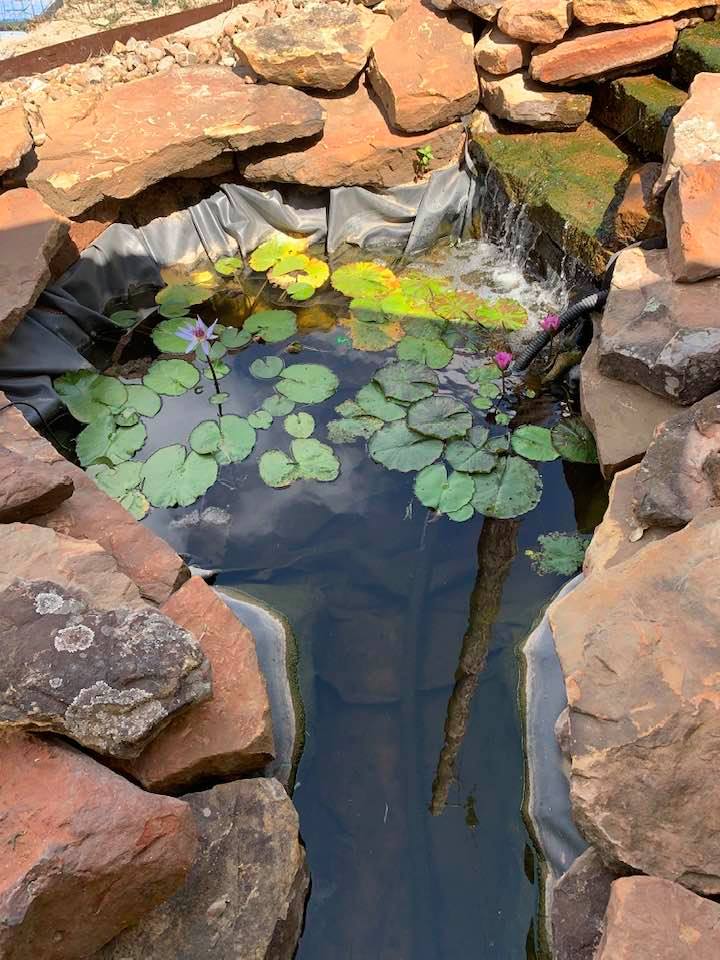
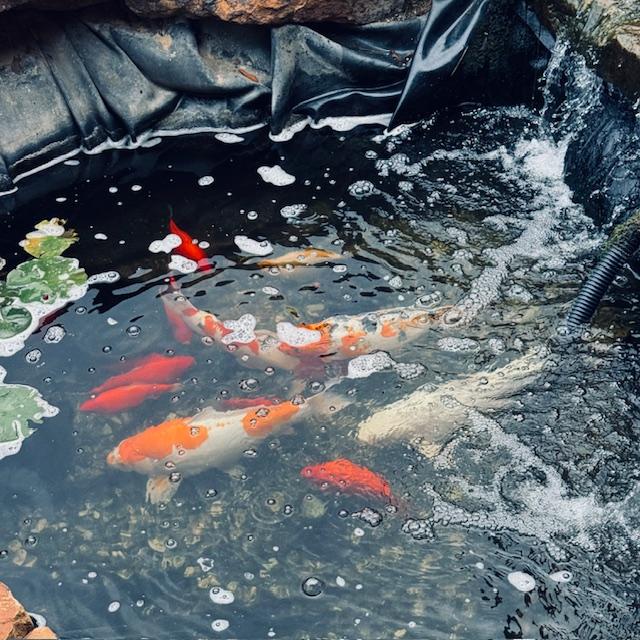 Our fish pond
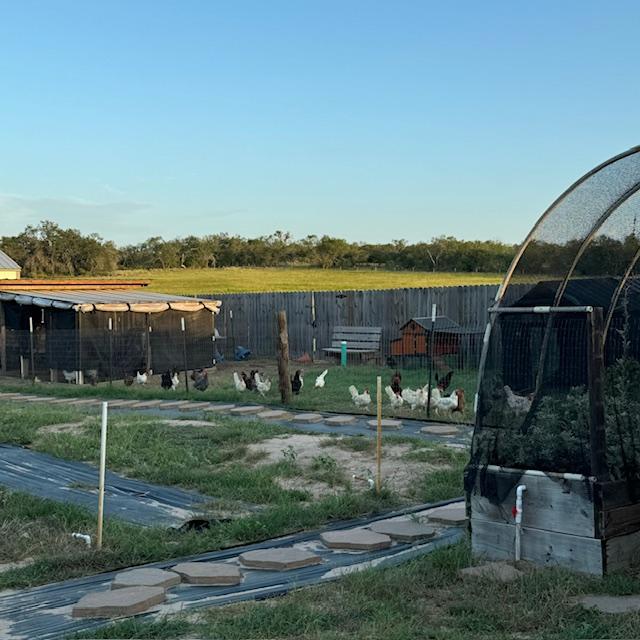 Our chickens
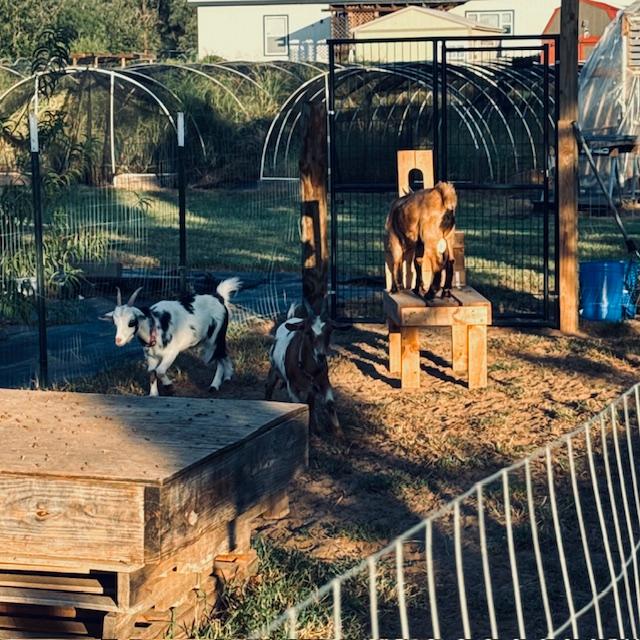 Our Nigerian Dwarf goats
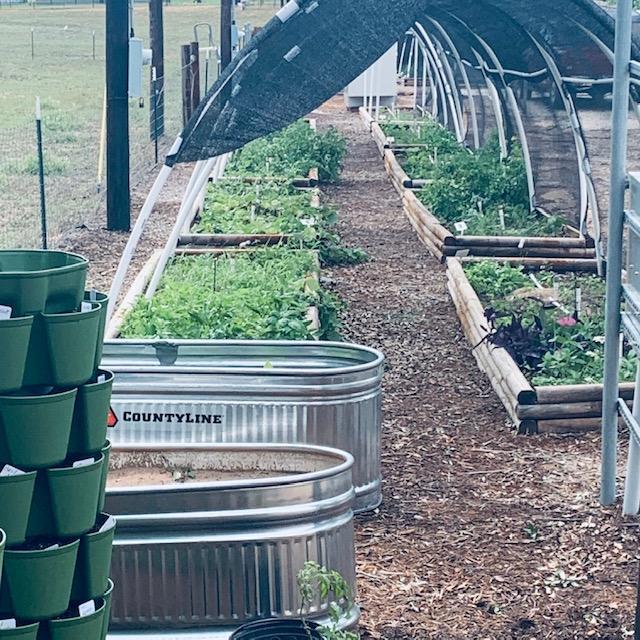 A few of our raised garden beds
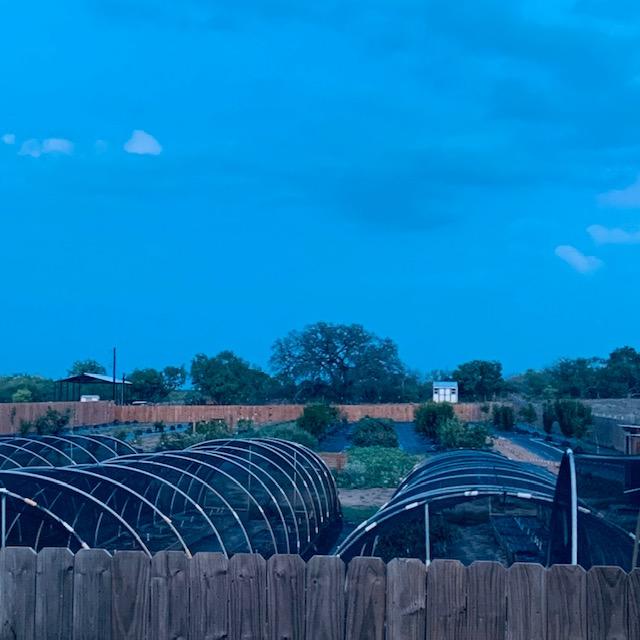 Our orchard and hoop houses
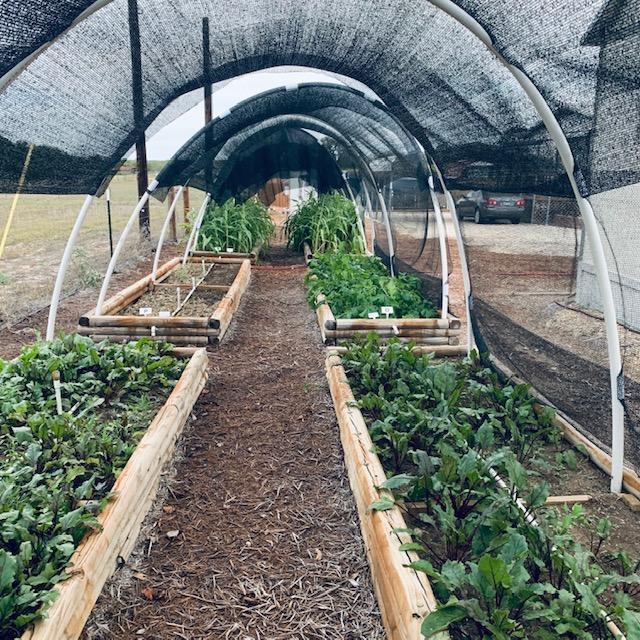
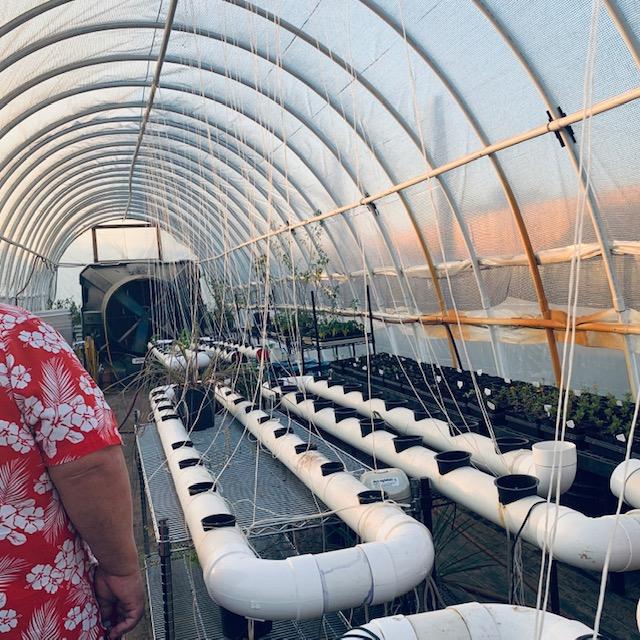 Inside our high tunnel
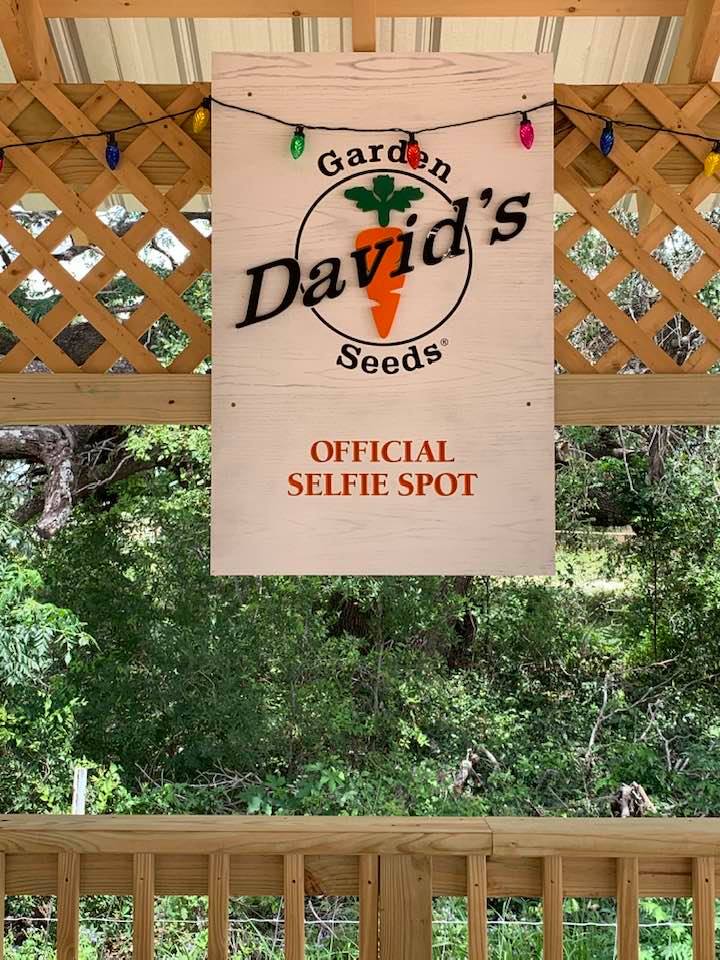 Take a selfie at our official selfie spot!
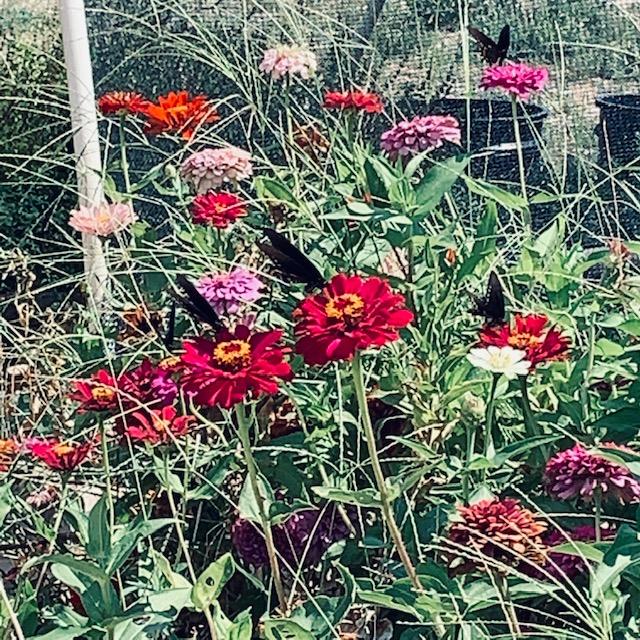 Flowers, bees, and butterflies are everywhere!
Watch Our TV Ads!
David's Garden Seeds® has the best Non-GMO seeds in the state of Texas!

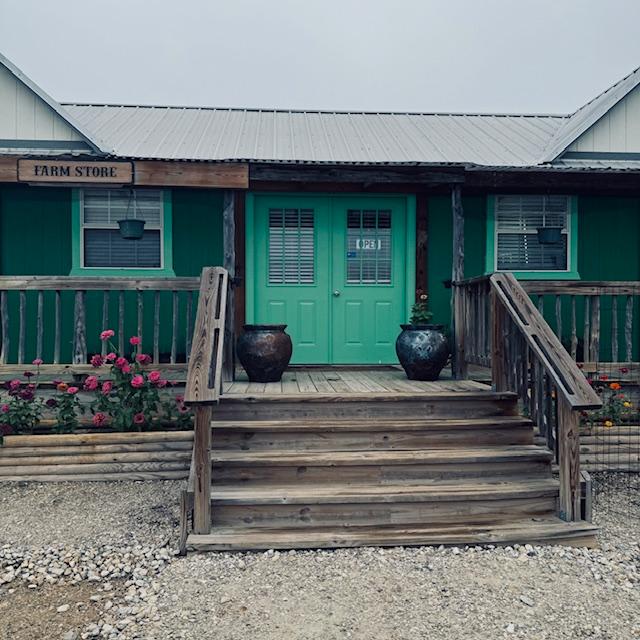 This is our beautiful Farm Store. Come in and shop for seeds. We have over 1600 Non-GMO heirloom varieties to choose from but we are in the process of bringing that number down to half.
Our Story
Hi Everyone! Thank you for visiting my website! I am Mrs Davids
Garden Seeds® aka Mrs. David's Garden Seeds and I think you should know that there is a wonderful seed
company in the great state of Texas called David's Garden Seeds®. We grow some of our seed, we count, hand pack, print our own envelopes, and ship seeds out to you right here from our farm. This used to be an old peanut farm. When the owner died about 15 years ago, his sons split the farm up and sold it in pieces. In 2024, we bought another adjoining four acres.
Our business started in our home in San Antonio in September of 2009. David decided to sell some seeds he had left over from his garden on Amazon. I told David, "Don't bother, it won't work!". I am so glad that David did not listen to me because it did work! By 2015, we had 8 employees working in my home every day and David found a storefront in San Antonio and moved the business there. In 2016, I quit my day job and went on the payroll. The company grew some more and David moved to a bigger storefront in 2017. In 2019, we found a beautiful piece of land over in Atascosa County and turned it into a farm out near Poteet. David and I moved out here to live in August of 2019.
In 2020, we moved our company out to the farm. We have a beautiful Farm Store filled with seeds, a gazebo with a pond full of koi and gold fish for you to visit. Come by and visit us at 5029 FM 2504 in Rossville, just outside of Poteet, Texas, Monday through Friday from 9am to 5pm and Saturday from 10am to 2pm. Or you can order seeds online from our user-friendly website, www.davidsgardenseeds.com.


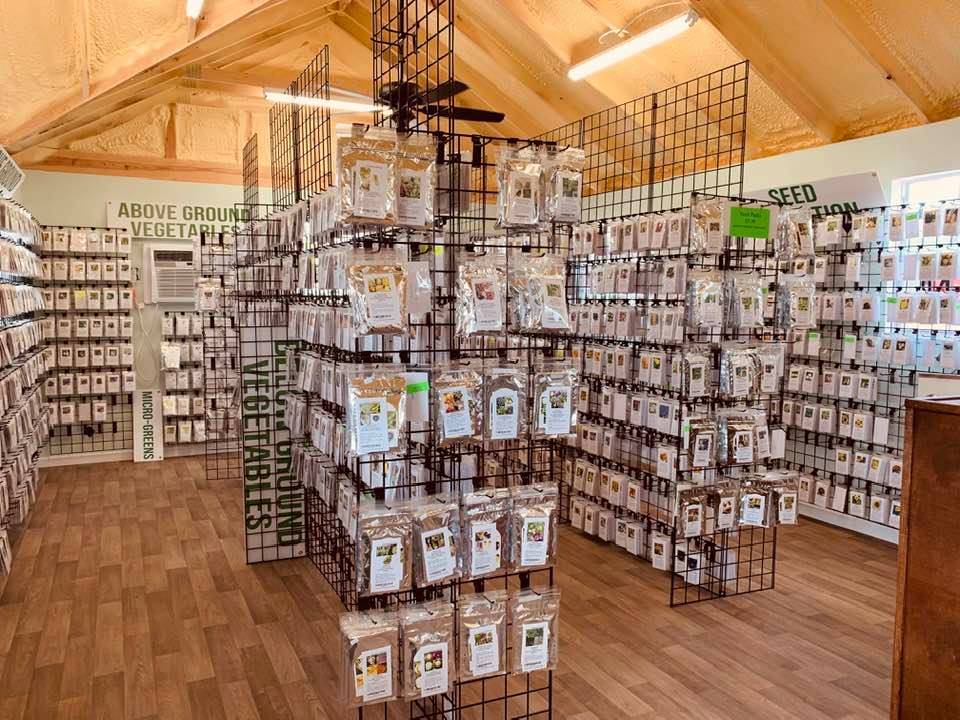 Our beautiful new farm store has almost 2,000 varieties of seeds and more. Mrs Davids Garden Seeds® looks forward to meeting you when you visit.

Mrs. David's Garden Seeds® Copyright by Juanita Lynn Schulze of David's Garden Seeds® 2019-2026
David's Garden Seeds® is Registered in the United States Patent and Trademark Office.