How To Plant Seeds Chapter 8
In order to know how to plant seeds, you should buy top quality seeds from a reputable seed company and not from the dollar store. I have seen Facebook comments in so many gardening groups about people saying to buy seeds for 25¢ at the dollar store. Those seeds are that cheap because they are old, sitting around in warehouses for several years that did not sell. I have bought them before and never got any to germinate.
Sometimes you might get lucky because seeds don't expire. They do lose germination rate year by year. Make sure you are successful. Our company, David's Garden Seeds®, packs fresh seeds every day and then we sell them quickly. We have top quality, Non-GMO, heirloom seeds. We do sell a small amount of hybrid seeds that cost more because they are heat resistant and disease resistant.
You also need to buy seed varieties that do well in your area. We are in hot South Central Texas but we sell seeds for the entire country. You need to know what ones will do best where you live. You can Google seed varieties that do well in your area. Or you can ask your County Extension Agent which seed varieties do well.
Here in Texas, we have two growing seasons, early spring and fall. We always get our best garden in the fall because in the fall it cools off. In the spring, you never know when the heat will hit so you have to be ready. We start our tomato seeds indoors in December so they are ready to produce in March. If not, most years we just don't get tomatoes. Once the heat really hits and nights don't cool down under 75° Fahrenheit, tomatoes and many other plants will not produce fruit.
Before learning how to plant seeds, let's look at what a seed is. The seed is a living embryo that contains enough energy to germinate and break the surface of the soil. If planted too deep, the seed will run out of energy and die before it breaks the surface. Once it breaks the surface, it produces the energy it needs through photosynthesis to keep growing.
So how deep should a seed be planted? We recommend that in regular soil, whether in a pot, a raised bed, or directly in the ground, a seed should be planted between 1/4 and 1/2 of an inch. The smaller the seed, the shallower you want to plant it.
When starting seeds, one of the most important things to remember is not to plant them too deep in regular soil. Placing the seeds in 1/4 inch of soil will do. Larger seeds like beans and squash can be buried at 1/2 inch to 3/4 inch.
Once we moved out to the farm, we found that there is an exception to this rule. We have 100% beach sand without the ocean. If you have sand, you must plant the seed a bit deeper or it will not take root. Plant the seed in sand 1/2 to one inch. We found this out through trial and error by growing in the ground.
Most of our planting is done in raised beds with good garden soil that we have brought in but some of our beds in the back are filled with our soil which, as mentioned above, is sand.
For many years I have said that planting the seeds no more than 1/4 inch was the most important thing. I have come to realize that this is not exactly true. Soil temperature is probably the most important thing. You have to know at what temperature your specific seed will germinate.
Each variety has its special temperature where it will start to germinate. They are not all the same by variety or family. For instance, lettuces--some like it chilly, some like it warm and some even like the temperature to be hot.
You have to know
where the seed packages are produced in order to get the right plant
date. For instance if you buy one of
our seed packs, which are from the deep south, and it says, "Plant after
danger of frost and the soil is warm," then we can plant shortly after
the last frost. You can find your first and final frost dates for the year by looking it up on Almanac.com.
We will have our last frost and then it warms up quickly. In the north, after the last frost is different because they will still have nighttime temperatures in the high 30s and 40s. For most seeds, this is not warm enough.
A lot of gardeners think that they can plant after the last frost but they do not pay attention to the second part of this which is, "and the soil is warm." Warm being at least 70 degrees, constant. Day or night, the soil needs to be at 70 degrees.
Don't be fooled by warm days. If the nights still get cold, the soil may not be warm enough. When the days warm up, we start to get the itch to plant. But wait. Buy a soil temperature thermometer (same as you use in the kitchen) and actually see what it is.
Here in South Central Texas, we start our tomato seeds at the end of December so the plants are ready to be planted in March. They will be big enough to start putting out fruit soon, before the temperature gets too hot. Once the daytime temperatures hit the 90s and the nighttime does not cool below 75°, no fruit will be produced.
So we have to start our tomatoes indoors or in greenhouses. Here is how to plant seeds for tomatoes. Get planting trays, mini pots, germination mix, and our tomato seeds.
Fill each pot with germination mix. Put pots in a double tray. One tray alone is too flimsy to lift when it is full of the pots. You need two to be able to lift the tray. Using tweezers, plant one tomato seed at a time in the middle of the pot, about 1/4 of an inch deep. Once all 18 pots are planted, it is time to water.
No, do not top water these seeds. Bottom watering will prevent the seeds from washing away. Lift one of the pots out of the tray and pour the water into the bottom of the tray. Replace the pot. The first and second waterings will be soaked up very quickly as the soil is completely dry. Check every little while the first and second days. When all the water is gone from the bottom of the tray, add more.
Keep the soil moist, but not wet with a soil temperature of at least 70 degrees. Over-watering will drown the seed. A good rule to follow is the dirt should be moist so it feels like brown sugar up to your first knuckle. If it feels dry like salt, it is too dry. If it feels like wet flour then it is too wet.
This method is how we start all of our seeds in the greenhouse including strawberries, pepper plants, eggplant, lettuce, cucumbers, herbs, and more. Strawberries and some peppers can take up to as many as 30 days to germinate. Most other garden seeds usually take from seven to ten days to come up.
Once seedlings are big enough to go outside, you cannot just take them out and plant them. They must be hardened off or they will die.
If starting indoors, seeds need 14 to 16 hours of daylight a day. A grow light will be needed. A regular florescent or lamp light will not do the job. If you are going to start indoors, you will need to make a small investment. Putting pots on a window sill will not work in most cases. If the seeds do not get enough light, they will grow tall and thin. Then they will die.
Also a window will act as a magnifier of the sun. It can get too hot for seeds to germinate and cook the new seedlings to death.
If using a planter with a cover, do not use a heat pad. The cover and heat pad combination will create too much heat and humidity. One or the other is enough.
Keep in mind that most store bought planters have holes pre-drilled from 3/4 to 1 inch deep, which is too deep for many seeds. You may have to put a bit of filler in them so that the seeds are not buried more then 1/4 inch deep.
I would not use potting soil/garden soil from Home Depot/Walmart/Lowes as these contain more organic material (lighter than soil so cheaper to ship) than they do soil which is okay for mature plants but not seedlings. Go to a nursery and see what they recommend. Some nurseries have a germination/garden mix which works really great.
Also, know that in the garden, birds, ants, and other insects like seeds for dinner. It is possible to plant them and have them stolen, especially smaller seeds. Even worms will eat the seeds.
When learning how to plant seeds, new gardeners always ask about fertilizer. Do I put it on as soon as I plant the seeds? How about when the plant starts to come up? Should I fertilize once a week, once a day? No, No, No, and No!
Do not use any fertilizer until plants are six inches tall. Then only use half of what is recommended until plants are a foot tall (12 inches). Use an organic fertilizer. Most chemically made fertilizers have salt in them. Too much salt in the soil and the plant roots will not absorb water like they should which will result in wilted plants.
Anything To Share On This Topic?
Would you like to share additional information about this topic with all of us?
Since 2009, over 2,000,000 home gardeners, all across the USA, have relied on David's Garden Seeds® to grow beautiful, productive gardens. Trust is at the heart of it. Our customers know David's Garden Seeds® stocks only the highest quality seeds available. Our mission is to become your lifetime supplier of quality seeds. It isn't just to serve you once; we want to earn your trust as the primary supplier of all of your garden seeds.
Watch Our 2022 TV Commercial!
Sing Along To Our Jingle
♪♫♪♪ ♫ ♪ ♫♪♫♫
♪♫♪♪♫♫
Peppers and peas
And lots of yummy greens
You can't go wrong
With Squash This Long
At David's Garden Seeds
♪ ♫ ♪ ♫
Our New 2024 TV Ad
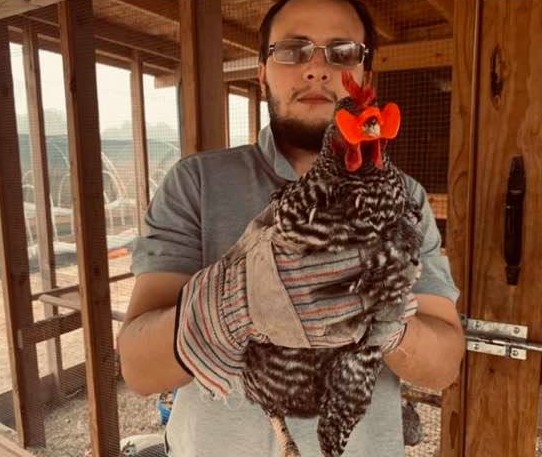
Please like and subscribe on YouTube and come visit us at our Farm Store! The music on our TV ad was written, played, and sung by our son, Matthew Schulze. You can meet him when you come to the farm. He just might give you a tour. Ask him to grab a guitar and sing our jingle that he wrote.

We are David's Garden Seeds®. If you need great seeds, we've got over 1,400 varieties to choose from.
Your second block of text...
Subscribe To Mrs. David's Garden Seeds® Newsletter For FREE!
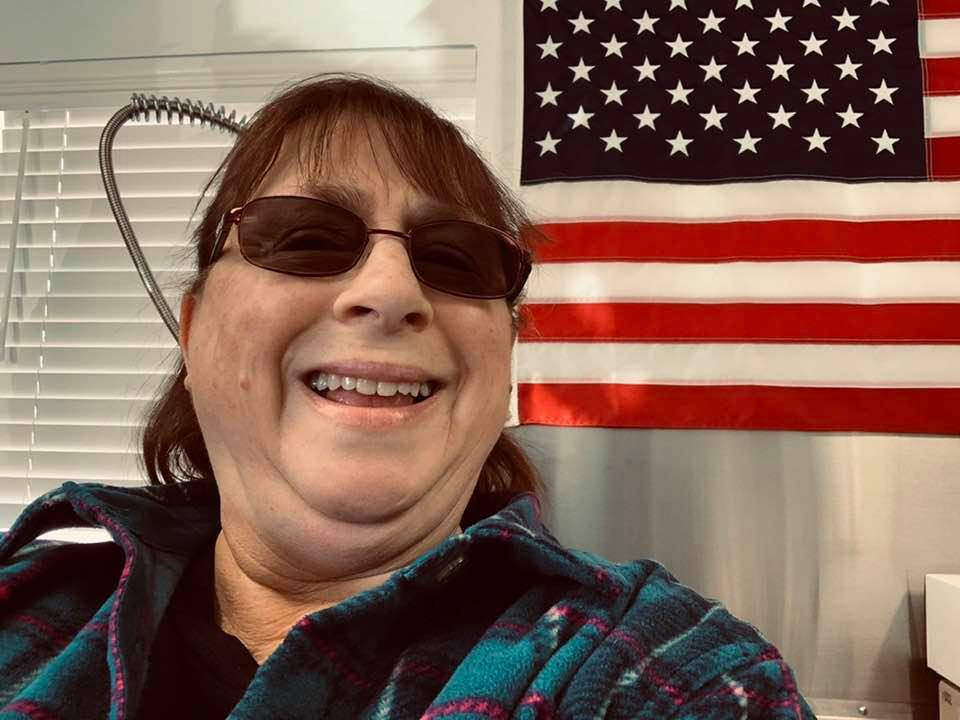
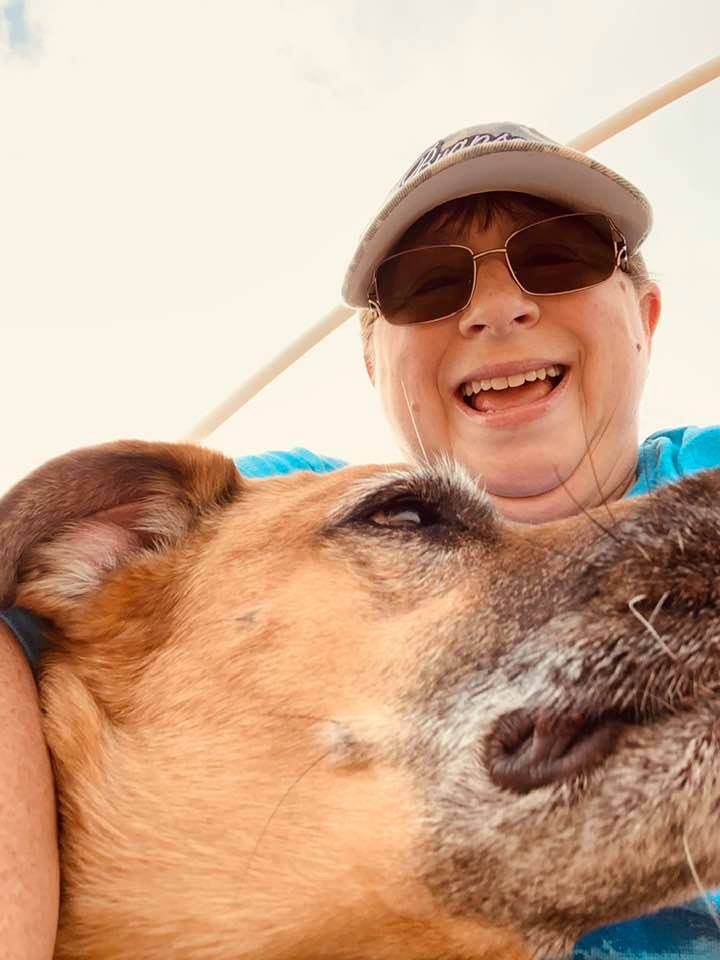
Find out what is going on down on the farm by reading our blog and by subscribing to our free newsletter for all of the information going down at David's Garden Seeds® and on the farm. I love to share helpful information with you. Please let your friends know and y'all come on down for a visit when you get the chance. We would love to meet you!
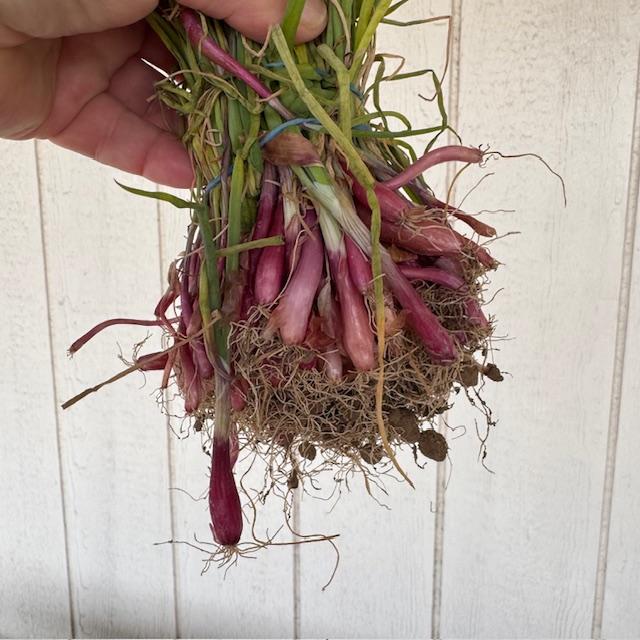
We have 1 kind of onion start now plus leek starts and shallot starts. See them here!
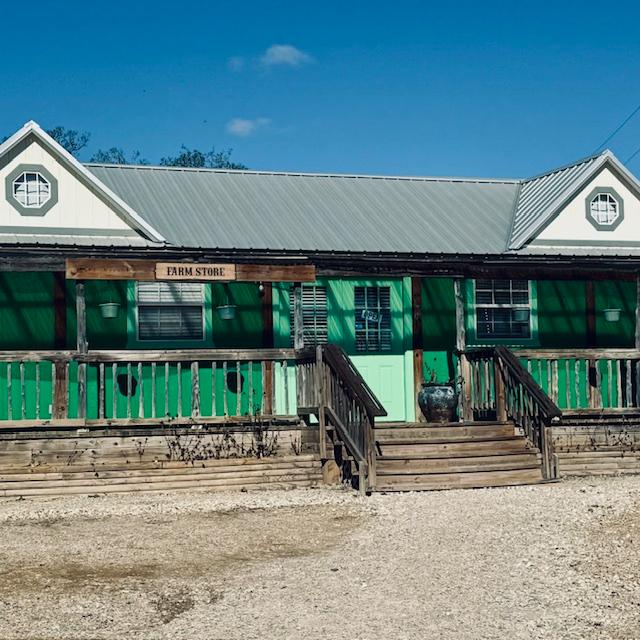 Our Farm Store
New Farm Store Hours starting 2/23/26. We are closed Monday thru Wednesday. Open Thursday and Friday from 9am to 6pm and Saturday from 10am to 4pm.
Shop for:
- Seeds
- Farm Fresh Eggs
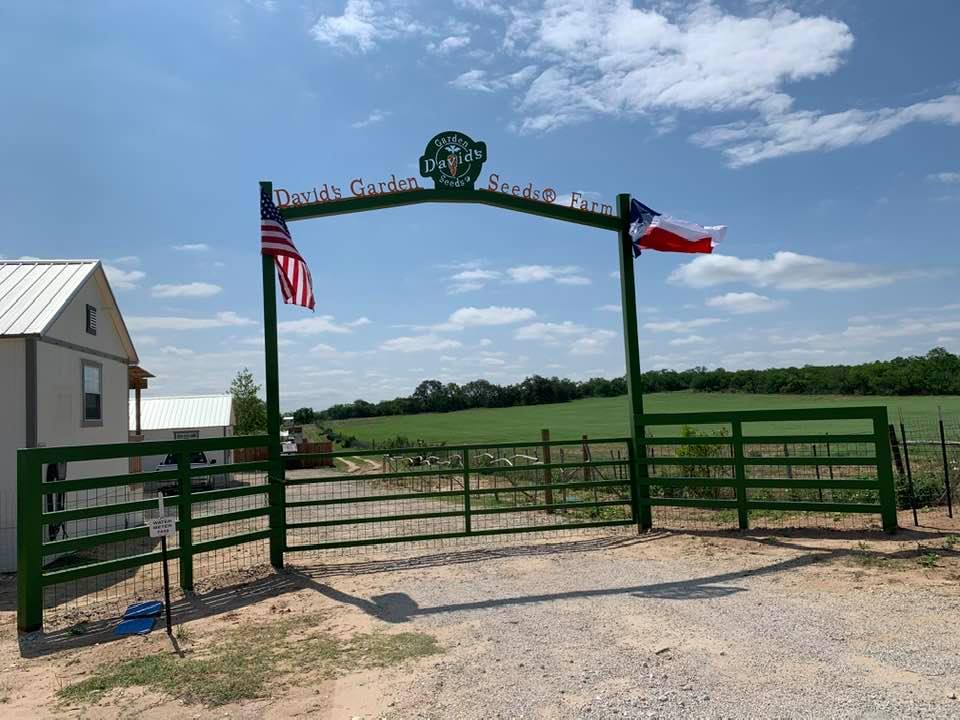
Our Farm is located at 5029 FM 2504 in Poteet, TX.
 Only happy seeds make the cut to go into our seed packs!
David's Garden Seeds® has
seeds for the backyard gardener and farm fresh chicken eggs.
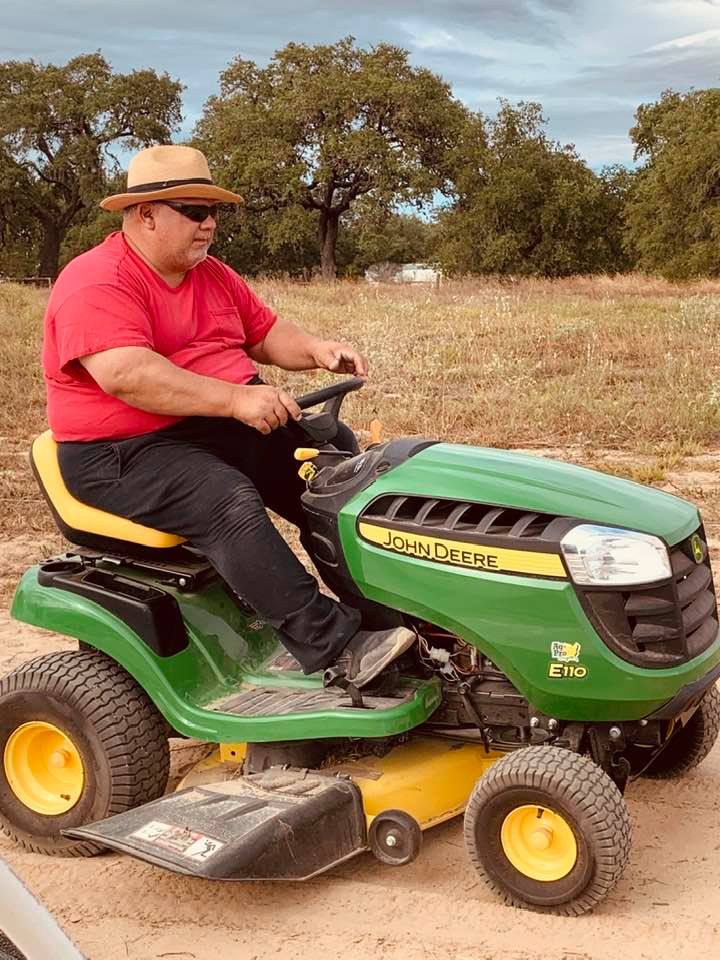
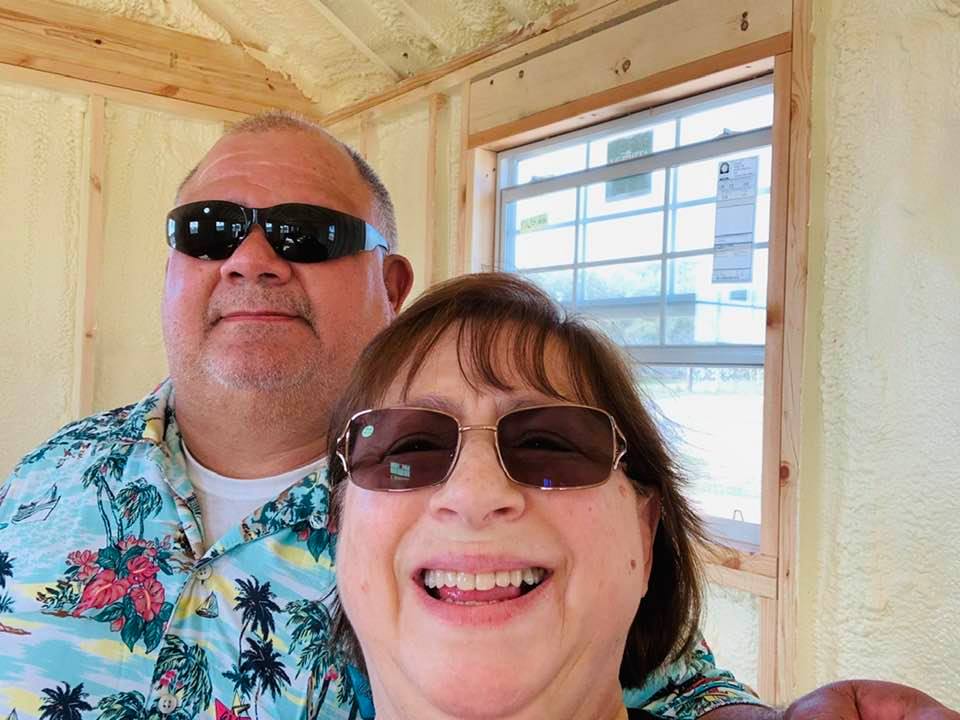
 David & Juanita work hard to pack your garden seed orders.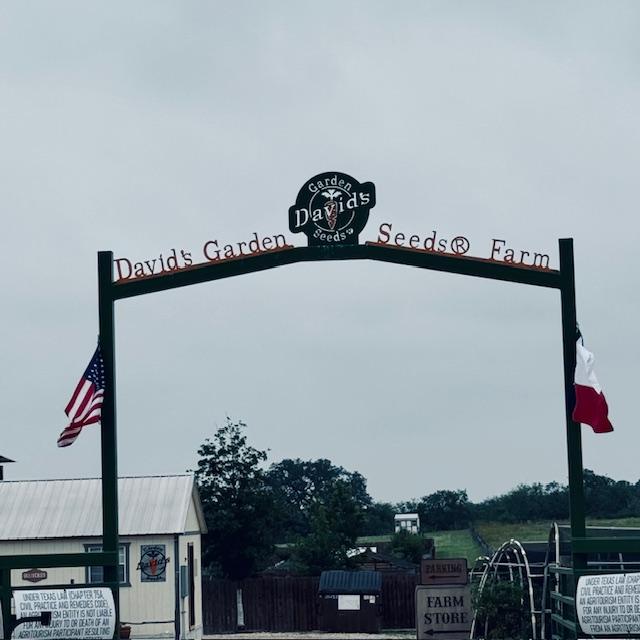

Follow us (David's Garden Seeds®) on TikTok! Yes, we are finally on TikTok as of 6/6/22. Give us a follow and like our videos, please. New content of the farm and our company.
Sign Up For Our Newsletter Here!
   DGS YouTube Mrs
|
   |
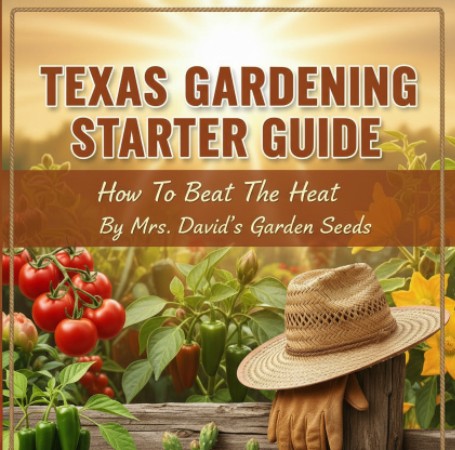
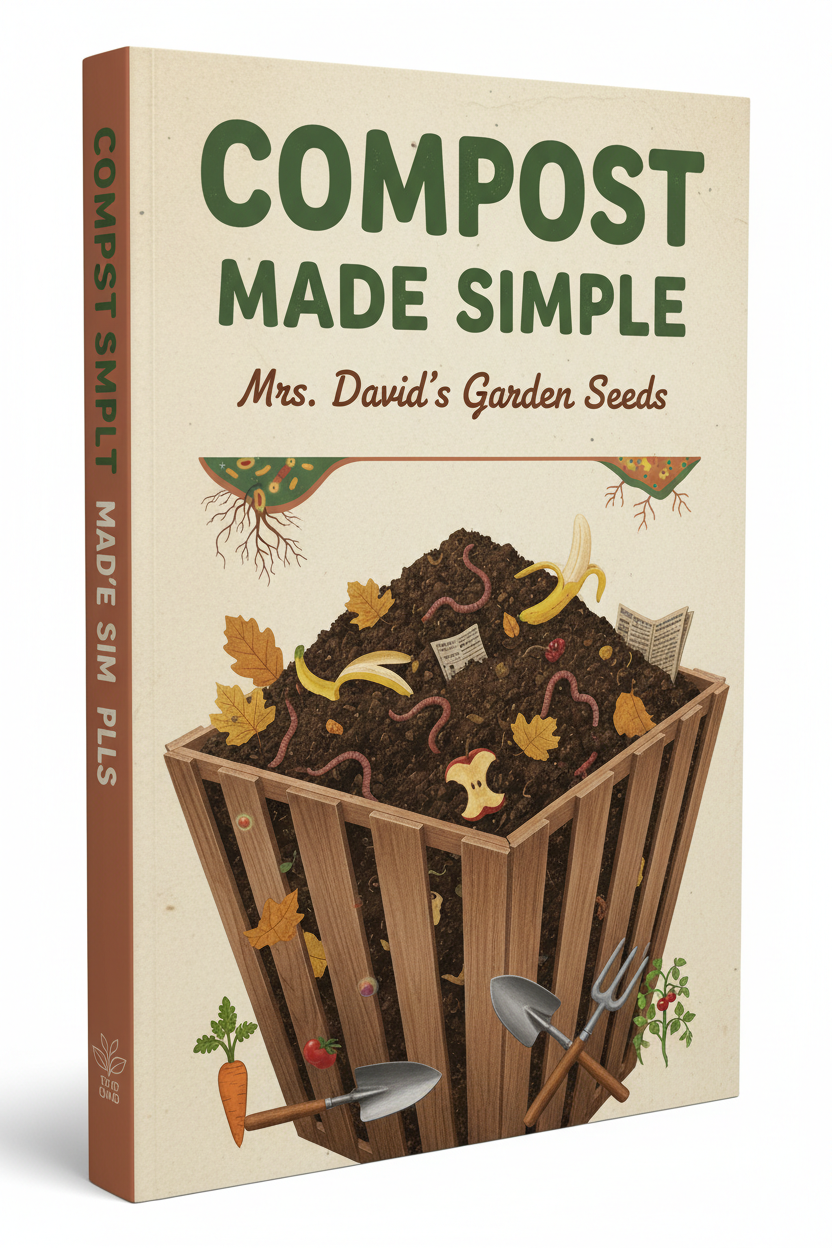
Garden Ebooks
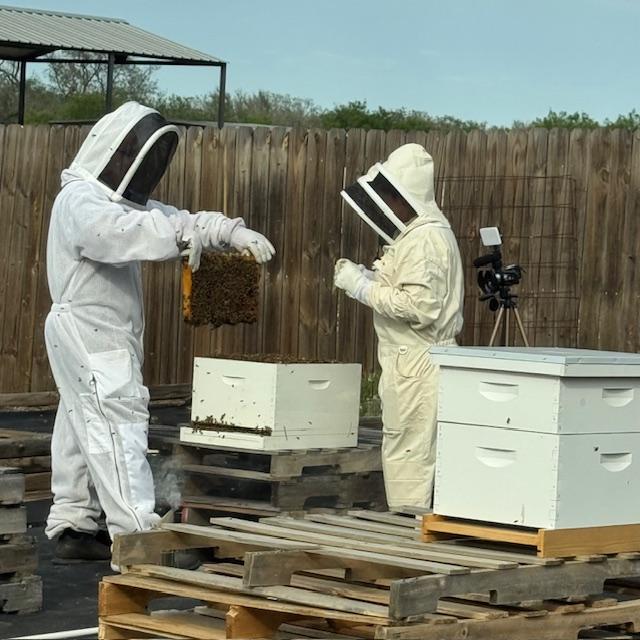 Our bee hives
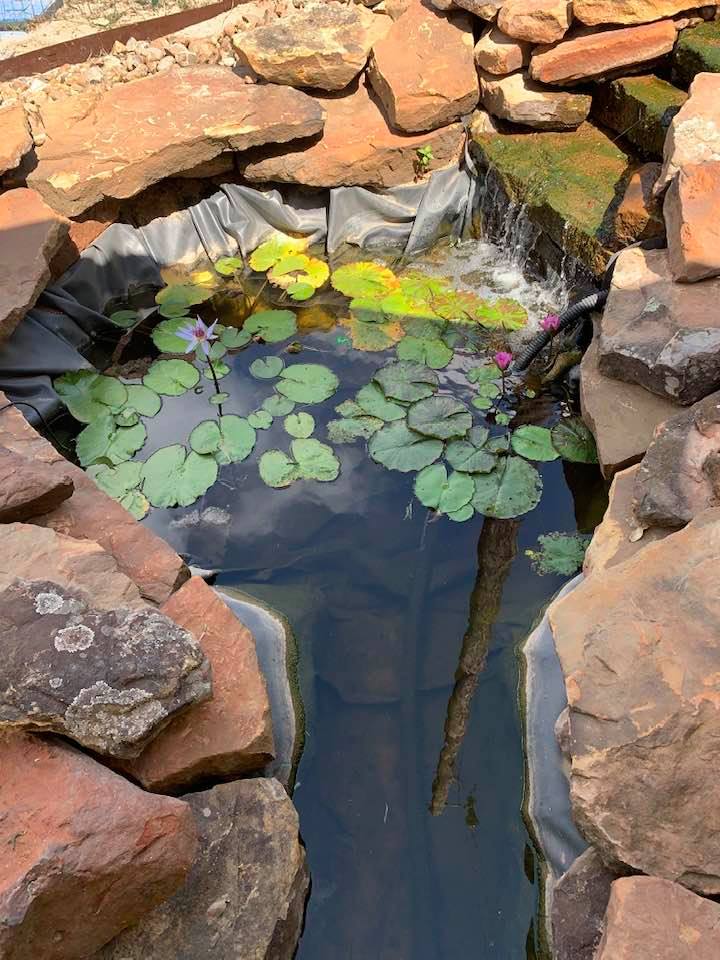
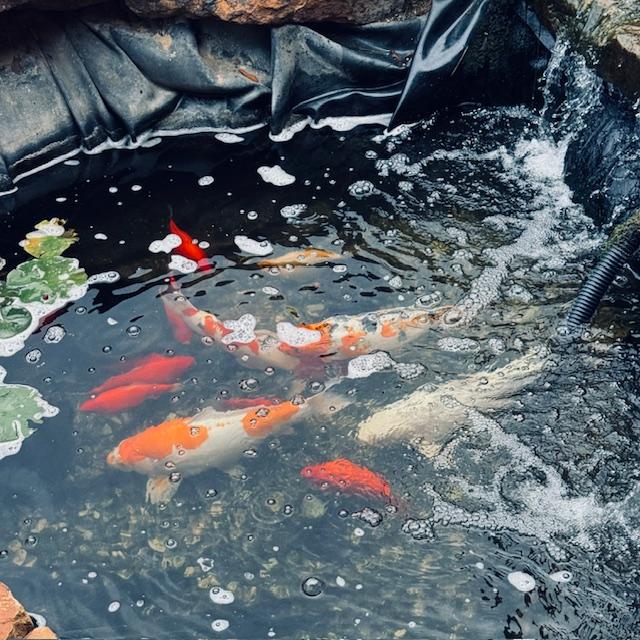 Our fish pond
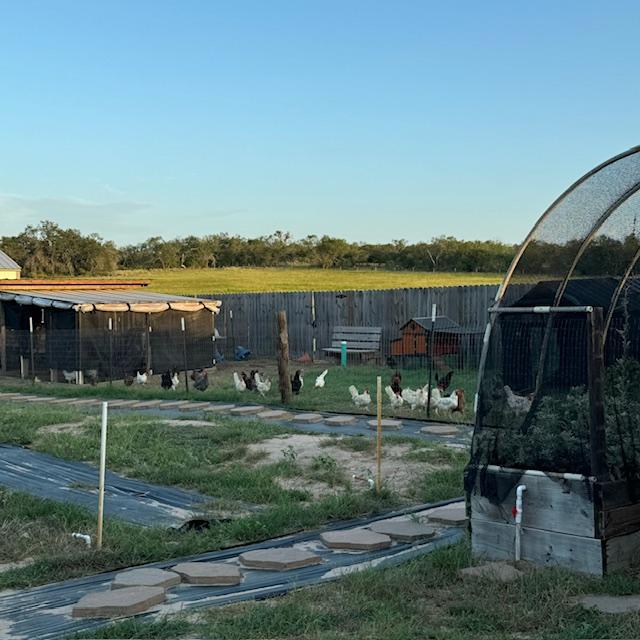 Our chickens
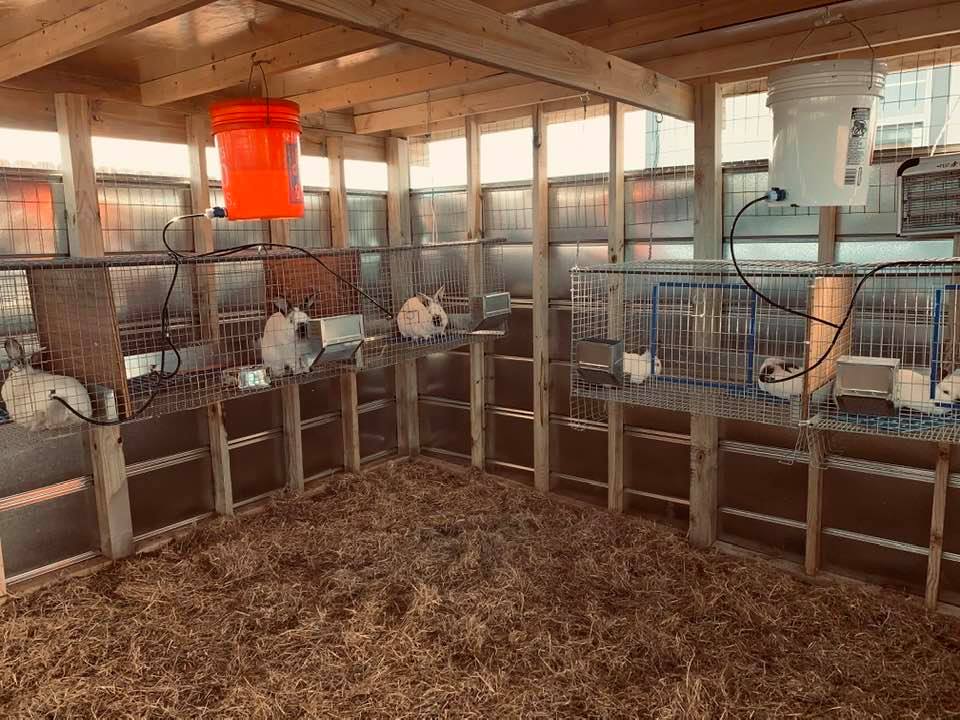 Our bunny rabbits
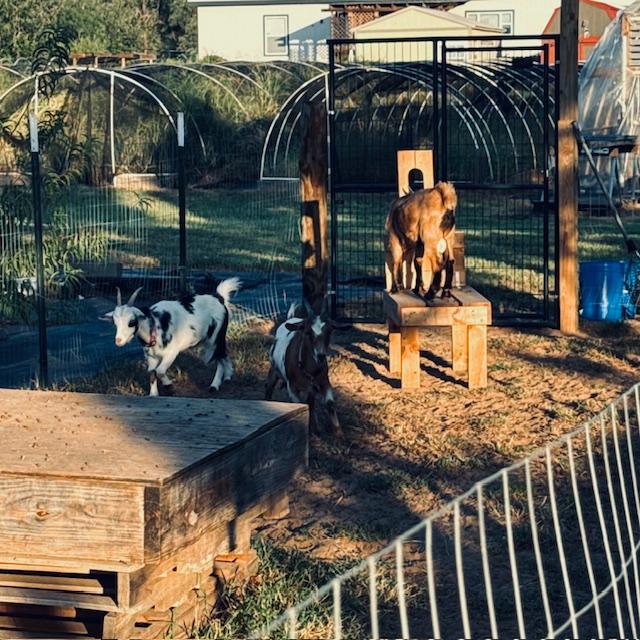 Our Nigerian Dwarf goats
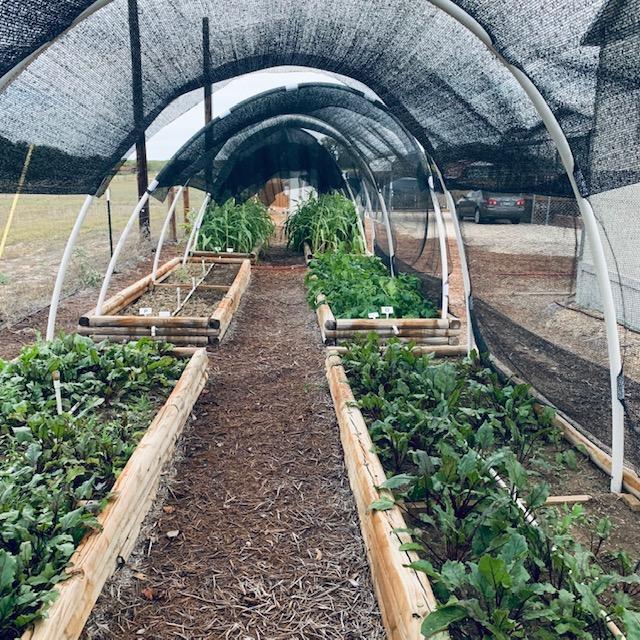
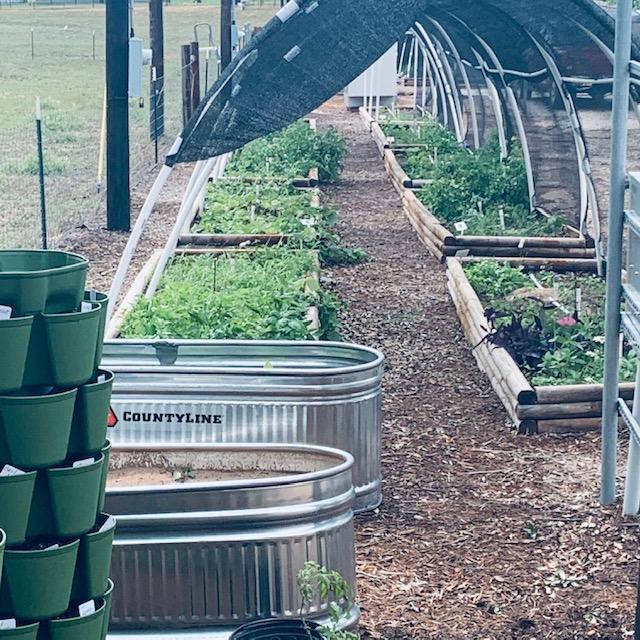 A few of our raised garden beds
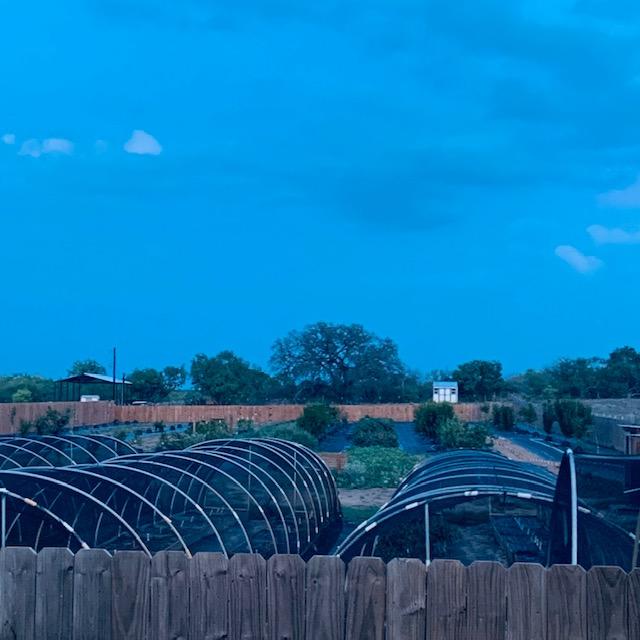 Our orchard and hoop houses
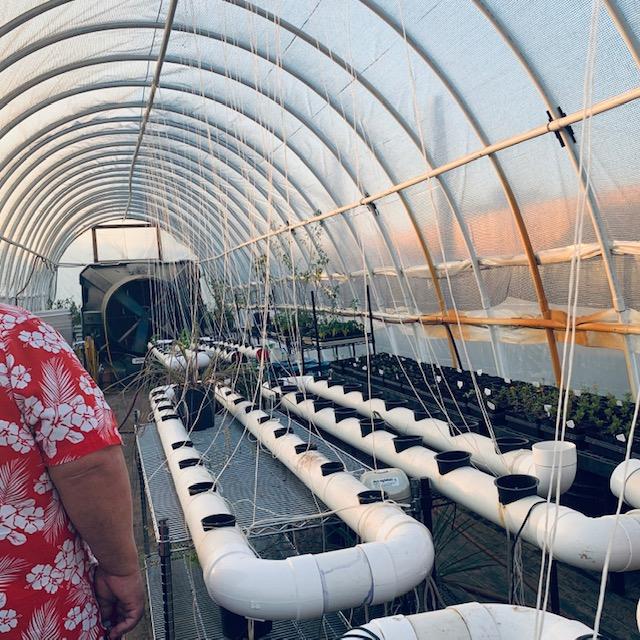 Inside our high tunnel
 Take a selfie at our official selfie spot!
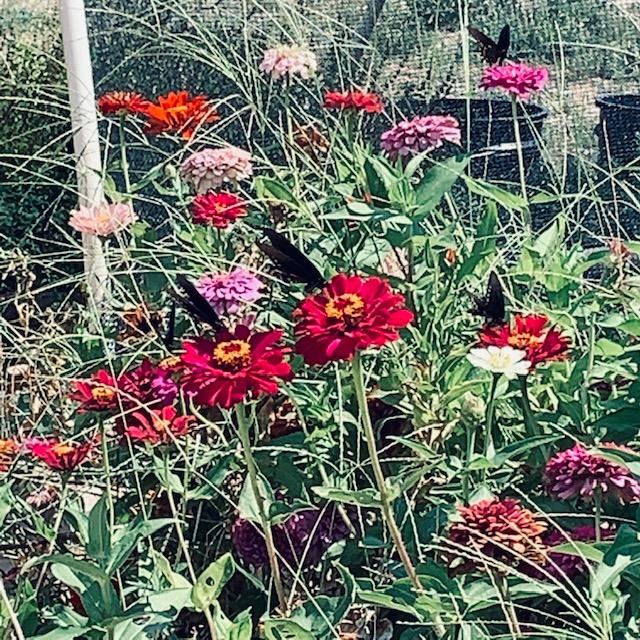 Flowers, bees, and butterflies are everywhere!
Watch Our TV Ads!
Ad For David's Garden Seeds®,
The Best Non-GMO Seeds In The State of Texas!
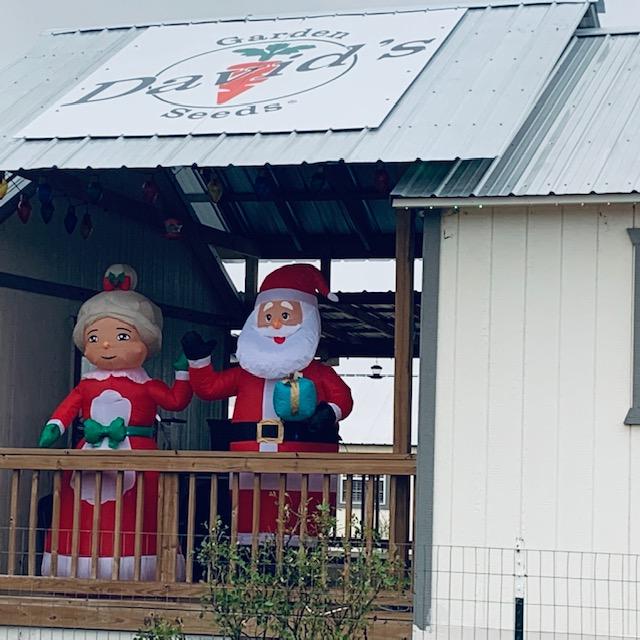
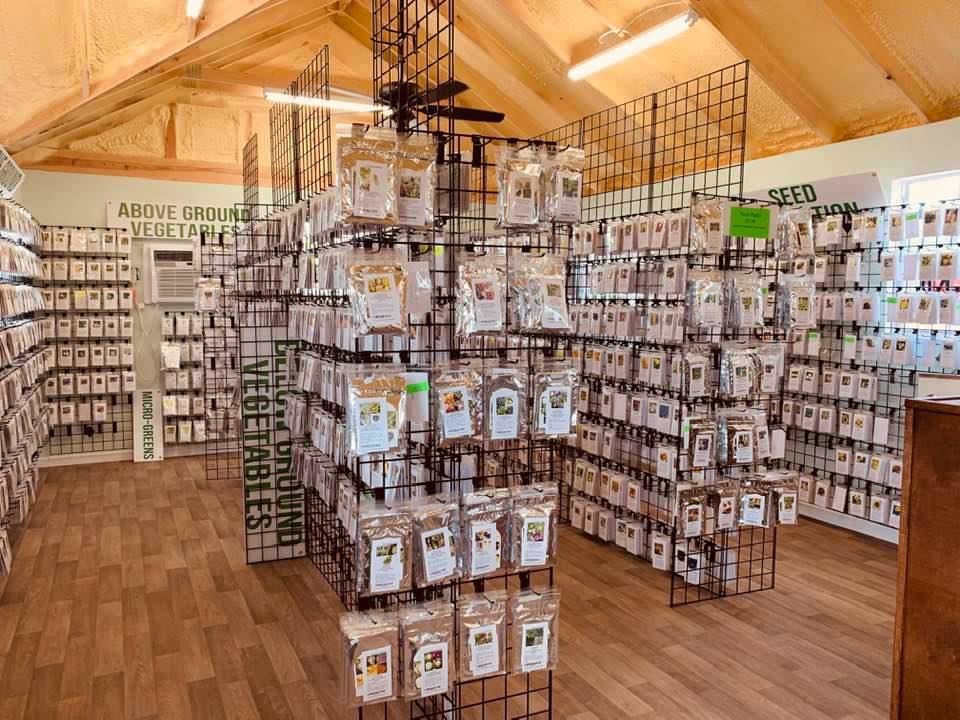
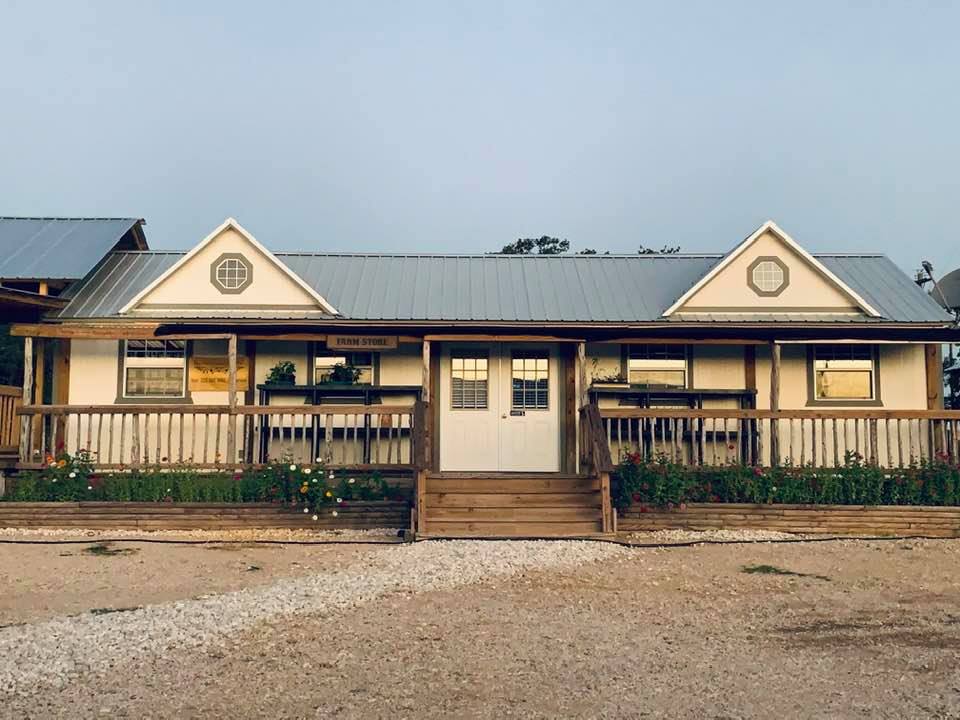 This is our beautiful Farm Store. Come in and shop for seeds, canned foods, pecan treats and more. We are adding new things all the time.
Our Story
Hi Everyone! Thank you for visiting my website! I am Mrs Davids
Garden Seeds® aka Mrs. David's Garden Seeds and I think you should know that there is a wonderful seed
company in the great state of Texas called David's Garden Seeds®. We grow some of our seed, we count, hand pack, print our own envelopes, and ship seeds out to you right here from our farm. This used to be an old peanut farm. When the owner died about 15 years ago, his sons split the farm up and sold it in pieces. In 2024, we bought another adjoining four acres.
Our business started in our home in San Antonio in September of 2009. Honestly, I told David, "Don't bother, it won't work!". I am so glad that David did not listen to me because it did work! By 2015, we had 8 employees working in my home every day and David found a storefront in San Antonio and moved the business there. In 2016, I quit my day job and went on the payroll. The company grew some more and David moved to a bigger storefront in 2017. In 2019, we found a beautiful piece of land over in Atascosa County and turned it into a farm out near Poteet. David and I moved out here to live in August of 2019.
In 2020, we moved our company out to the farm. We have a beautiful Farm Store filled with seeds, a gazebo with a pond full of koi and gold fish for you to visit and a working farm for you to tour. Come by and visit us at 5029 FM 2504 in Rossville, just outside of Poteet, Texas, Monday through Friday from 9am to 5pm and Saturday from 10am to 2pm. Or you can order seeds online from our user-friendly website, www.davidsgardenseeds.com.


 Our beautiful new farm store has almost 2,000 varieties of seeds and more. Mrs Davids Garden Seeds® looks forward to meeting you when you visit.
Mrs. David's Garden Seeds® Copyright by Juanita Lynn Schulze of David's Garden Seeds® 2019-2026
David's Garden Seeds® is Registered in the United States Patent and Trademark Office.